shutterstock

Top 100 European Pastries

Last updated on August 15, 2026

Best European Pastries
01

Pastel de Belém

4.6 ·

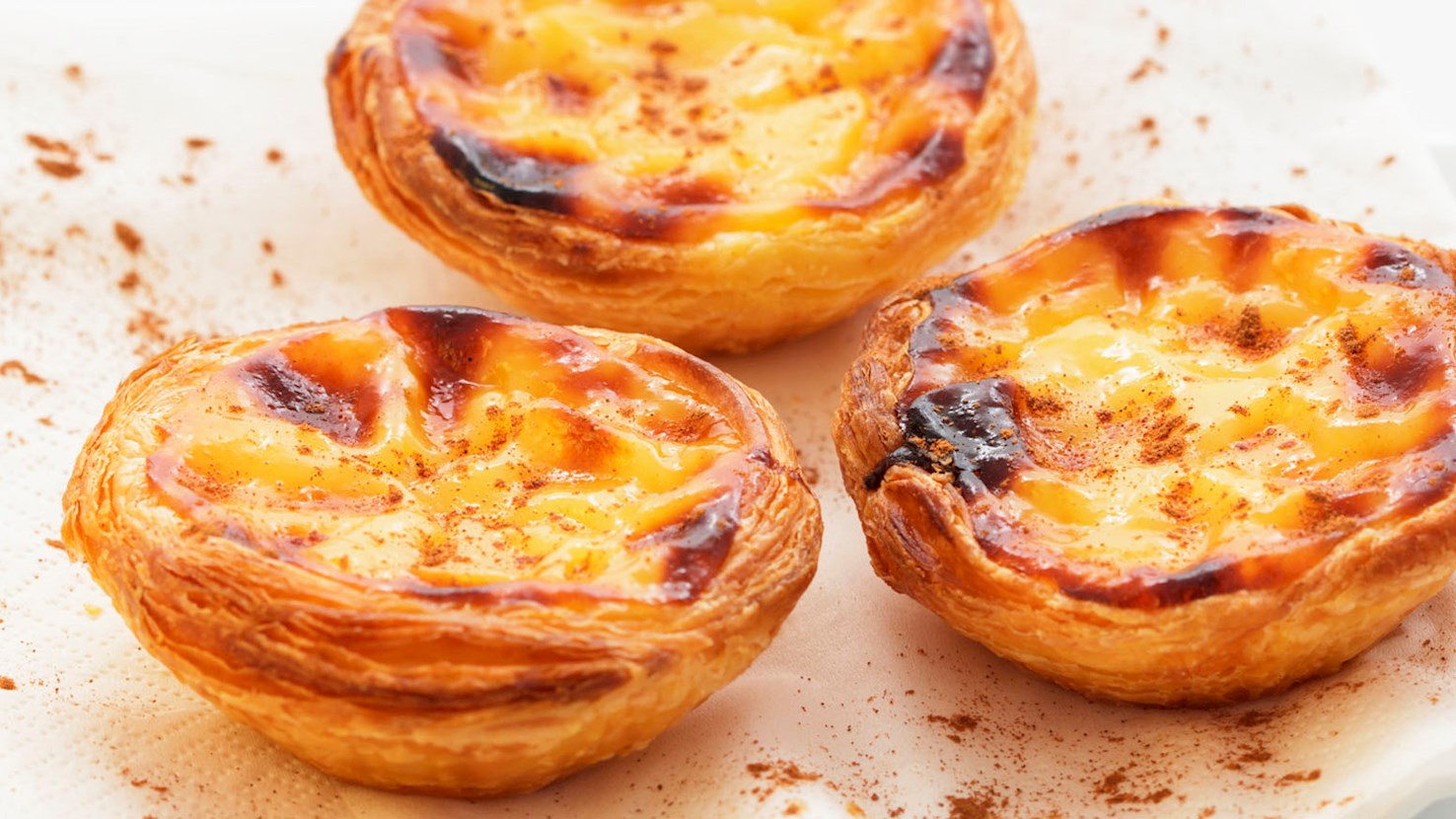
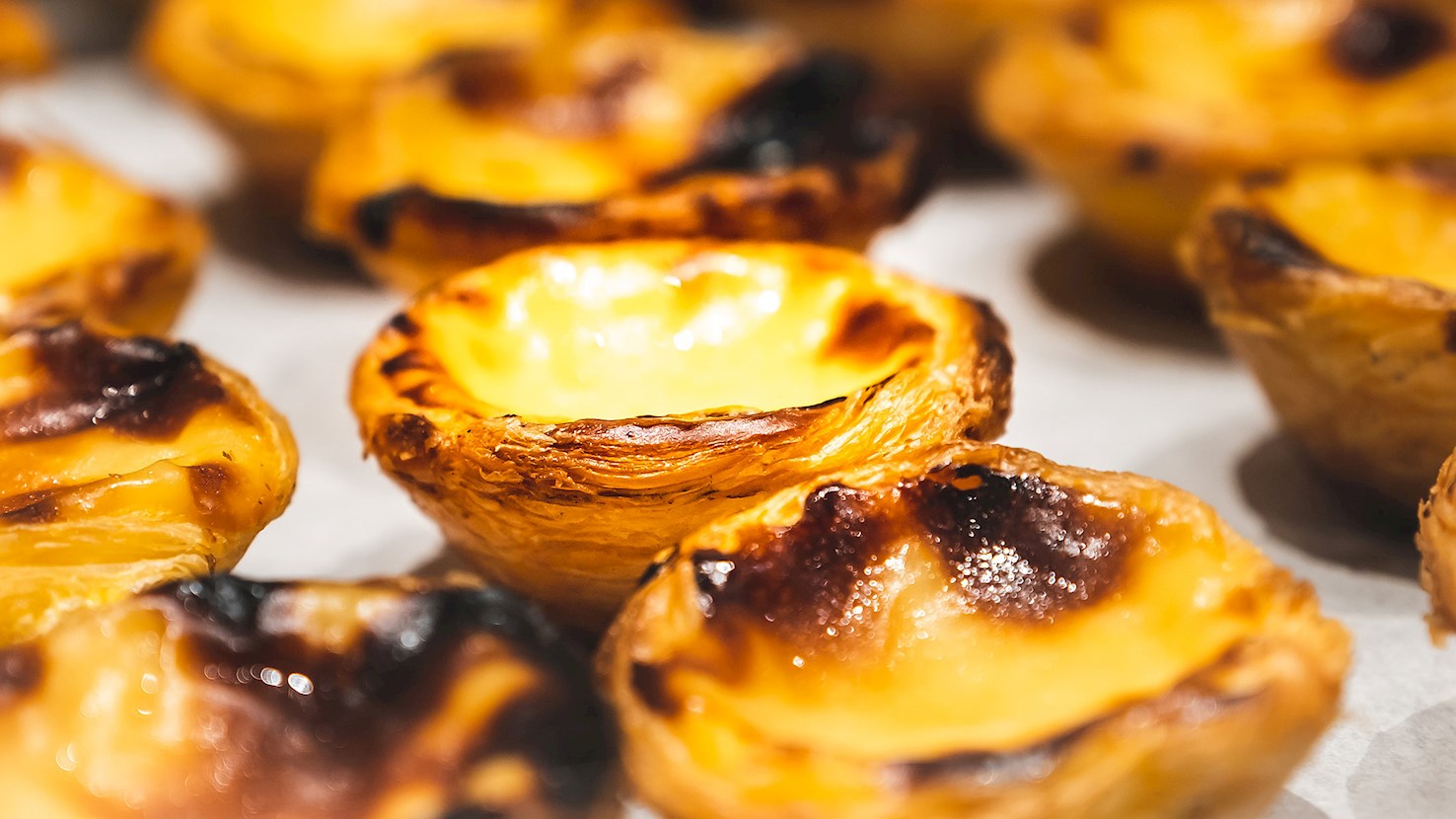
Pastel de Belém is a traditional egg custard tart and a predecessor to the famous pastel de nata. The tarts are made with a pastry shell that's filled with a combination of milk, eggs, sugar, lemon, and cinnamon. The first recipe for pastel de Belém dates back to 1837 when it was produced by the monks of the Jerónimos monastery. Only the custard tarts produced at the Fábrica Pastéis de Belém can be called pastel de Belém, while all the others, produced by other patisseries in Lisbon are called pastel de nata. Regardless of the name, these tarts can be served hot or cold and in 2009, The Guardian listed pastel de Belém as one of the 50 'best things to eat' in the world.

02

Trigona panoramatos

4.6 ·

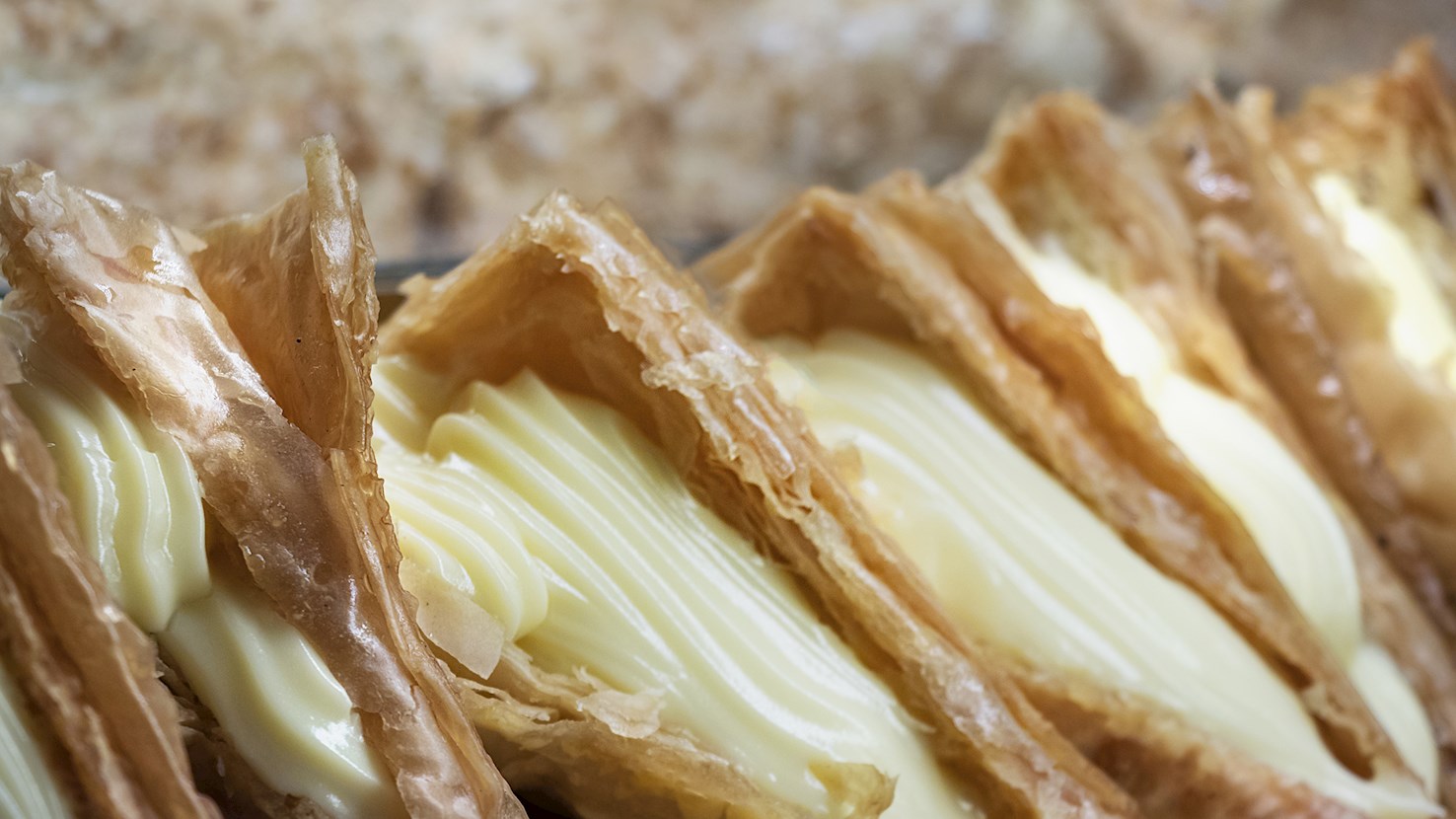
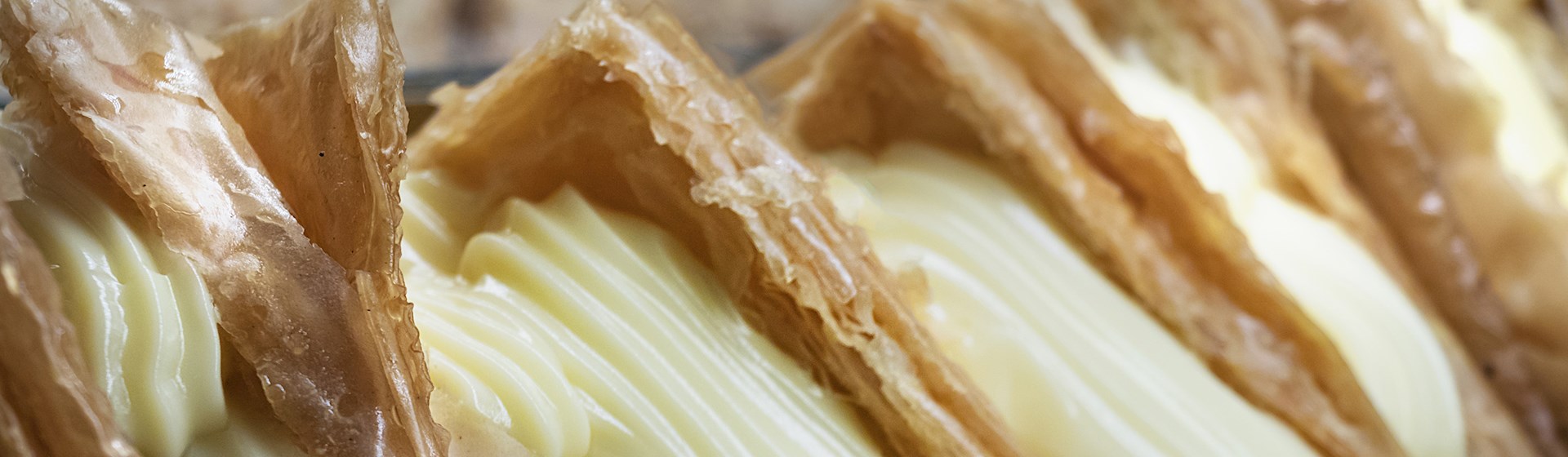
Trigona panoramatos is a traditional sweet pastry originating from the outskirts of Thessaloniki. These crispy and buttery triangular (cone-shaped) phyllo pastries are typically soaked in syrup and filled with creamy custard. The custard is usually made with a combination of egg yolks, flour, butter, milk, sugar, vanilla, and heavy cream. The phyllo triangles are baked until golden brown, dipped in cold syrup consisting of sugar and water, and then filled with the chilled custard. Trigona is often garnished with chopped nuts before consumption.

03

Pastel de nata

4.5 ·

Pastel de nata is a traditional egg custard tart that is popular throughout the world. It is believed that for the best result, the filling should not be too sweet and should not have flavors of lemon nor vanilla. Instead, the tarts should be sprinkled with cinnamon and, ideally, paired with a cup of coffee. Originally, this treat was made before the 18th century by Catholic monks and nuns in Santa Maria de Belém in Lisbon. The tart was made from leftover egg yolks that were used in the clearing of wines and starching of clothes. Later on, the clerics made a deal with a nearby bakery to start selling pastel de nata commercially, and the product was a huge success. It is still hugely popular, and the fact can be supported by long lines of people who are waiting on their pastel de nata in front of numerous Portuguese bakeries. However, pastel de Belém's recipe is kept secret, and only the ones produced at the Fábrica Pastéis de Belém can be called pastel de Belém, while all the other egg custard tarts from other producers in Lisbon are called pastel de nata.

04

Bougatsa

4.4 ·

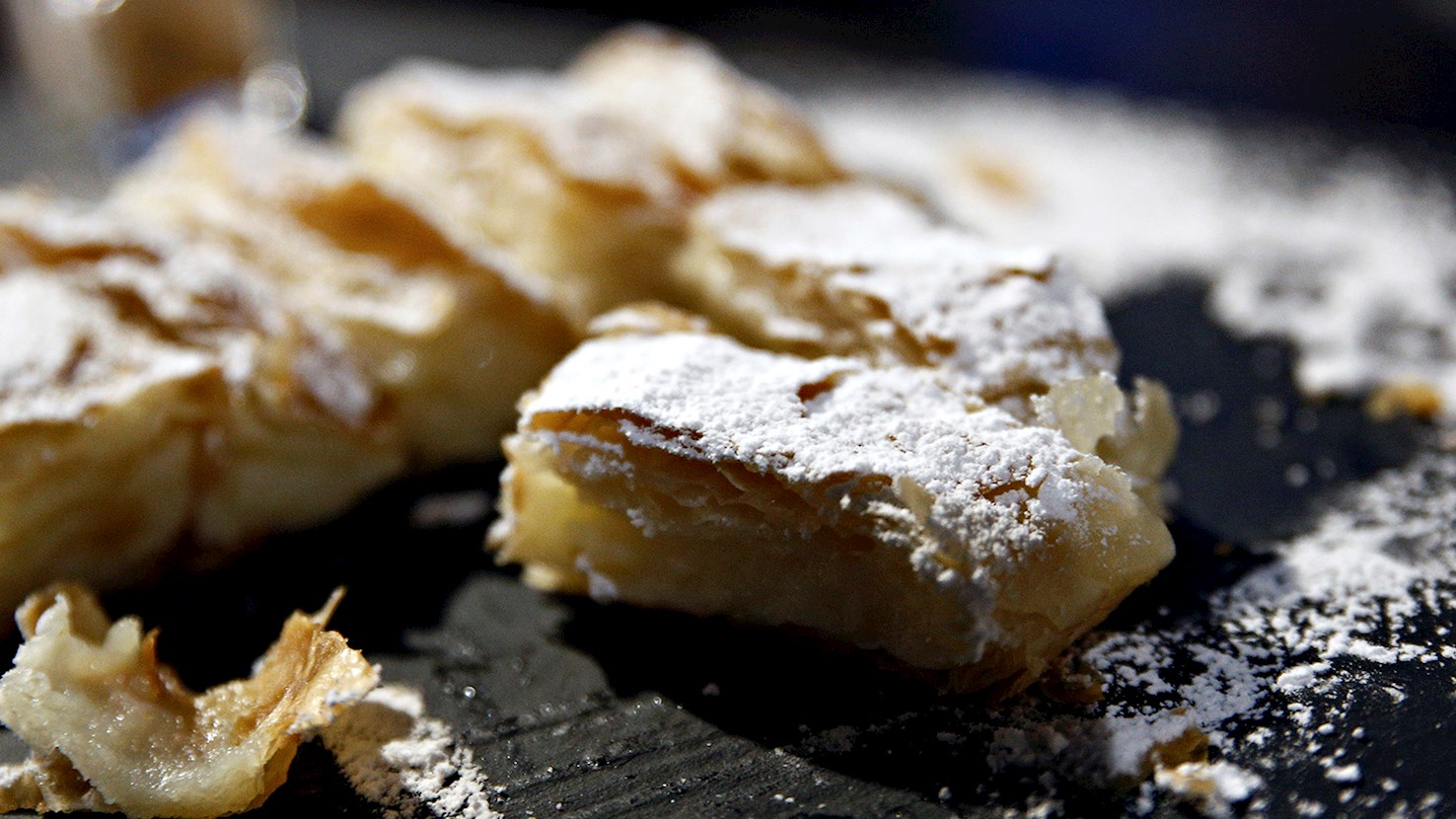
Bougatsa is a traditional, rustic Greek pie consisting of a phyllo pastry layered with a filling of semolina custard, although there are variations with minced meat or cheese. The name of the dish is a derivation of the Ottoman word pogatsa, denoting a pie filled with cheese. Bougatsa has origins from the Byzantine period, when Constantinople was Greek, and it began as a dough that was stuffed with numerous sweet and savory fillings. Over time, bougatsa evolved to incorporate a thinly rolled, hand-made phyllo pastry. As many Turkish immigrants settled in Northen Greece, bougatsa became a specialty of Serres and Thessaloniki. Today, the pies can be found throughout Greece in specialty shops called bougatsopolia, selling bougatsas exclusively.

05

Pazarske mantije

4.4 ·

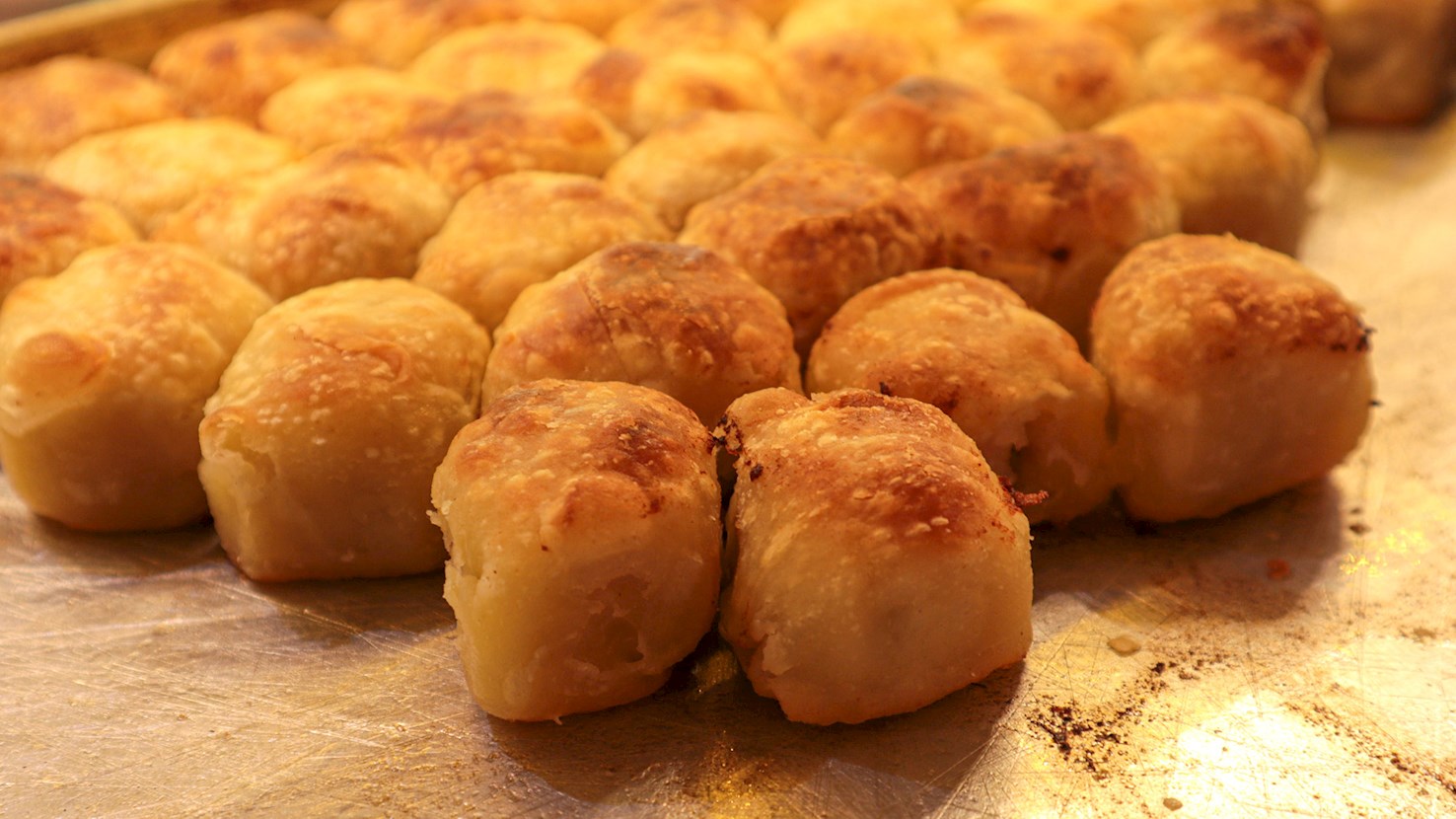
Pazarske mantije is a Serbian dish originating from Novi Pazar. This dish resembles the Bosnian burek in flavor, but the shape is quite different – it's shaped into small spheres that are arranged in a baking pan and baked together. The dough is first stretched, brushed with butter, then stuffed with ground beef, salt, pepper, onions, and a bit of oil. Once stuffed, the dough is shaped into small balls, arranged in a pan, then baked, traditionally in old furnaces which give them their unique flavor and aroma. Mantije are usually accompanied by yogurt that's poured over them and eaten while still hot.

06

Sirnica

4.4 ·

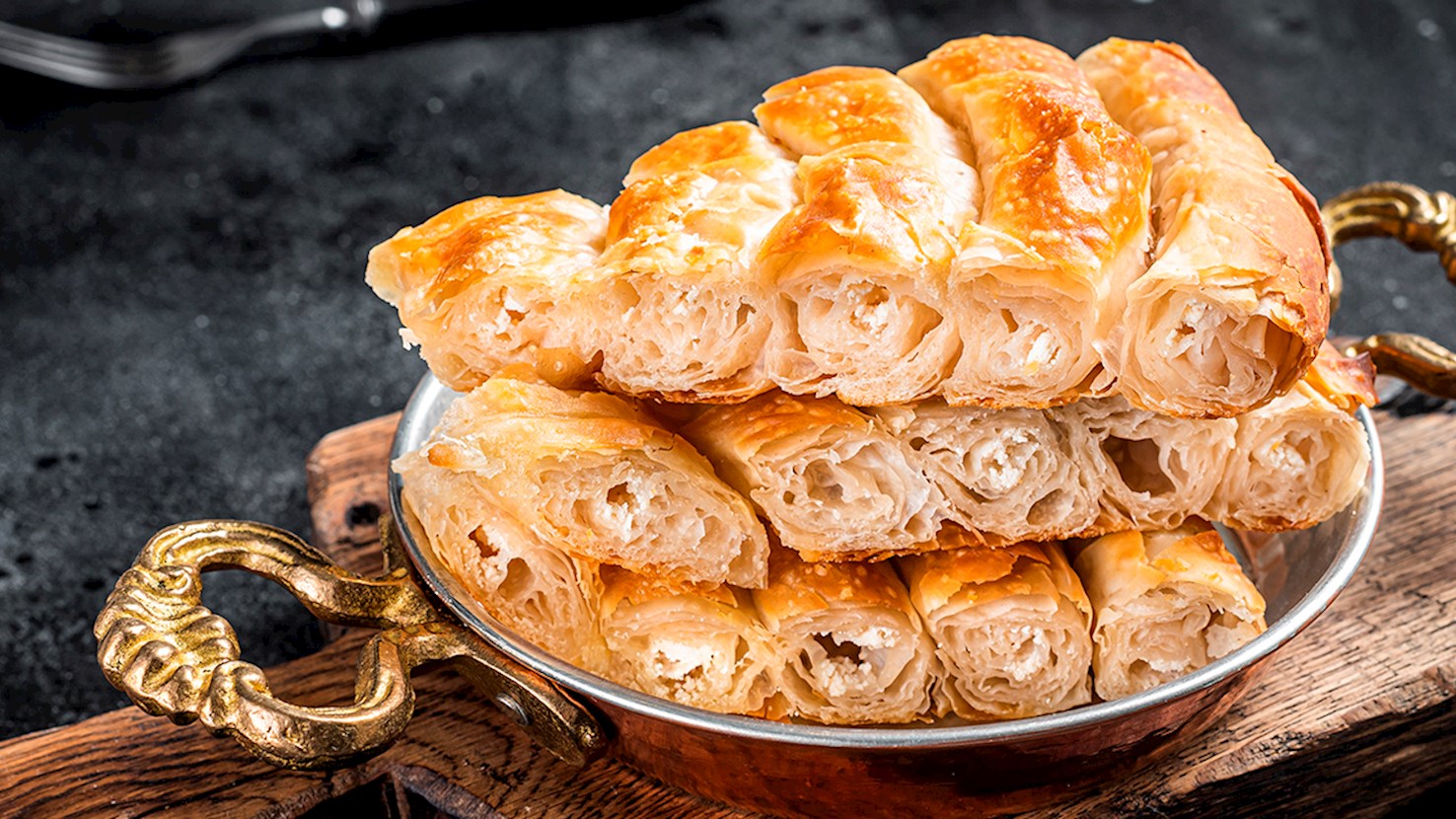
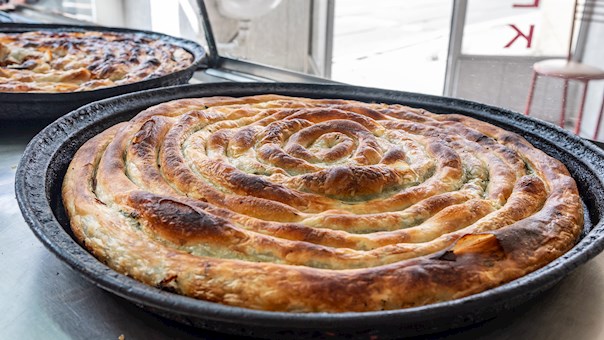
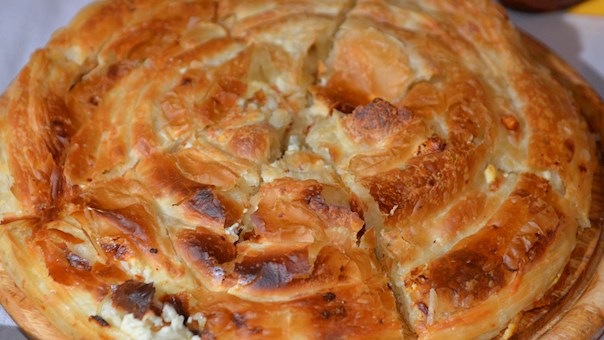
Sirnica is a savory Bosnian pie consisting of phyllo dough that is filled with a combination of fresh cow cheese, sour cream, and eggs. Thin sheets of dough, locally known as jufka, are spread with the cheese mixture and the whole pie is traditionally rolled into a spiral. Before serving, sirnica is occasionally sprinkled with water, oil, or milk. Although it can be enjoyed on its own, this savory pie is often accompanied by yogurt or sour cream.

07

Focaccia di Recco col formaggio

4.4 ·

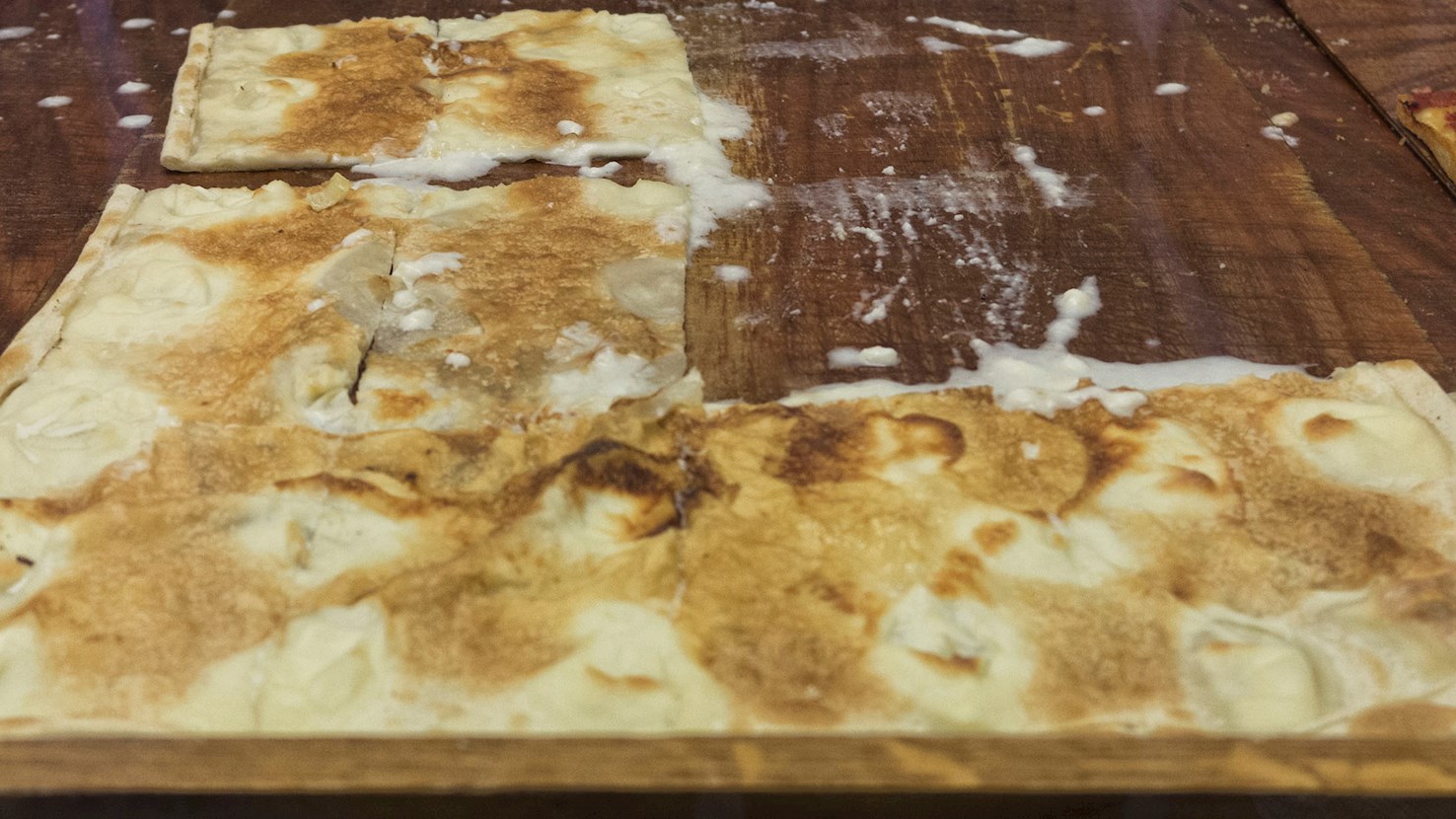
This delectable cheese-filled focaccia hails from the town of Recco, Liguria's gastronomic capital where it can be found in every bakery, pizzeria, and restaurant. It was reportedly invented in the 12th century when, according to legend, the citizens of Recco were preparing this dish for the Crusaders with the little they had: flour, water, olive oil, and some cheese. Unlike most other focaccia flatbreads, this one is made without yeast, and features a paper-thin, hand-pulled crust filled with the soft, mild-flavored cow’s milk cheese from Alpine pastures called stracchino or crescenza. By the end of the 1800s, focaccia di Recco had become traditionally associated with the celebration of All Saints' Day, but today it is prepared and enjoyed throughout the year. Moreover, ever since 1955, the town of Recco has been hosting the so-called Festa della Focaccia, an annual festival held every last week of May.

08

Mekica

4.4 ·

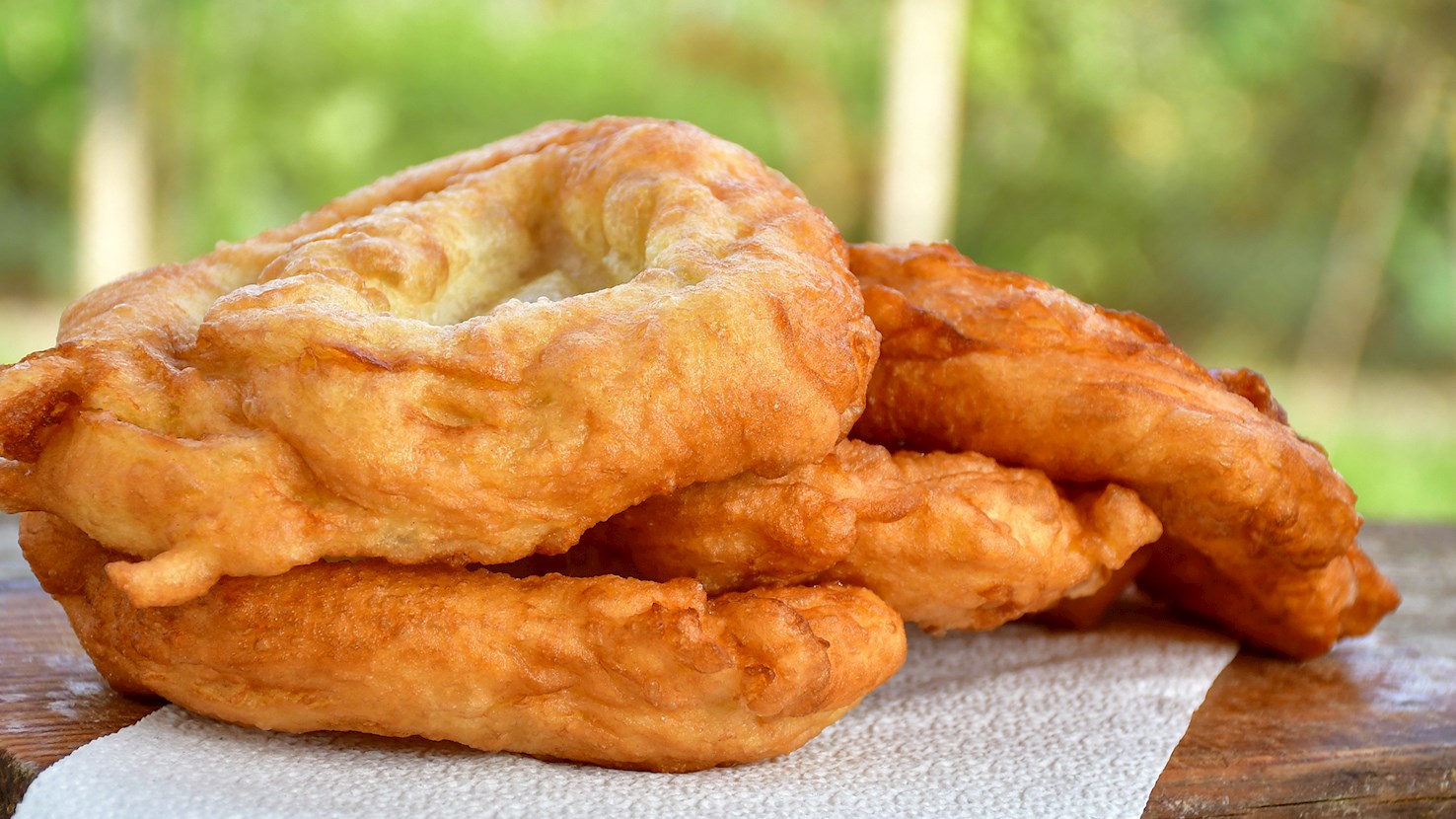
Mekitsa is a popular Bulgarian dish that is traditionally served for breakfast. It is a flatbread made with kneaded dough that is then deep-fried in hot oil. The dough usually consists of flour, water, salt, oil, eggs, yogurt, and a leavening agent. The name mekitsa is derived from the Bulgarian root mek, meaning soft, referring to the flatbread's texture. These flatbreads can be dusted with powdered sugar or paired with yogurt, honey, cheese, or various fruit jams.

Best restaurants
09

Croissant

4.3 ·

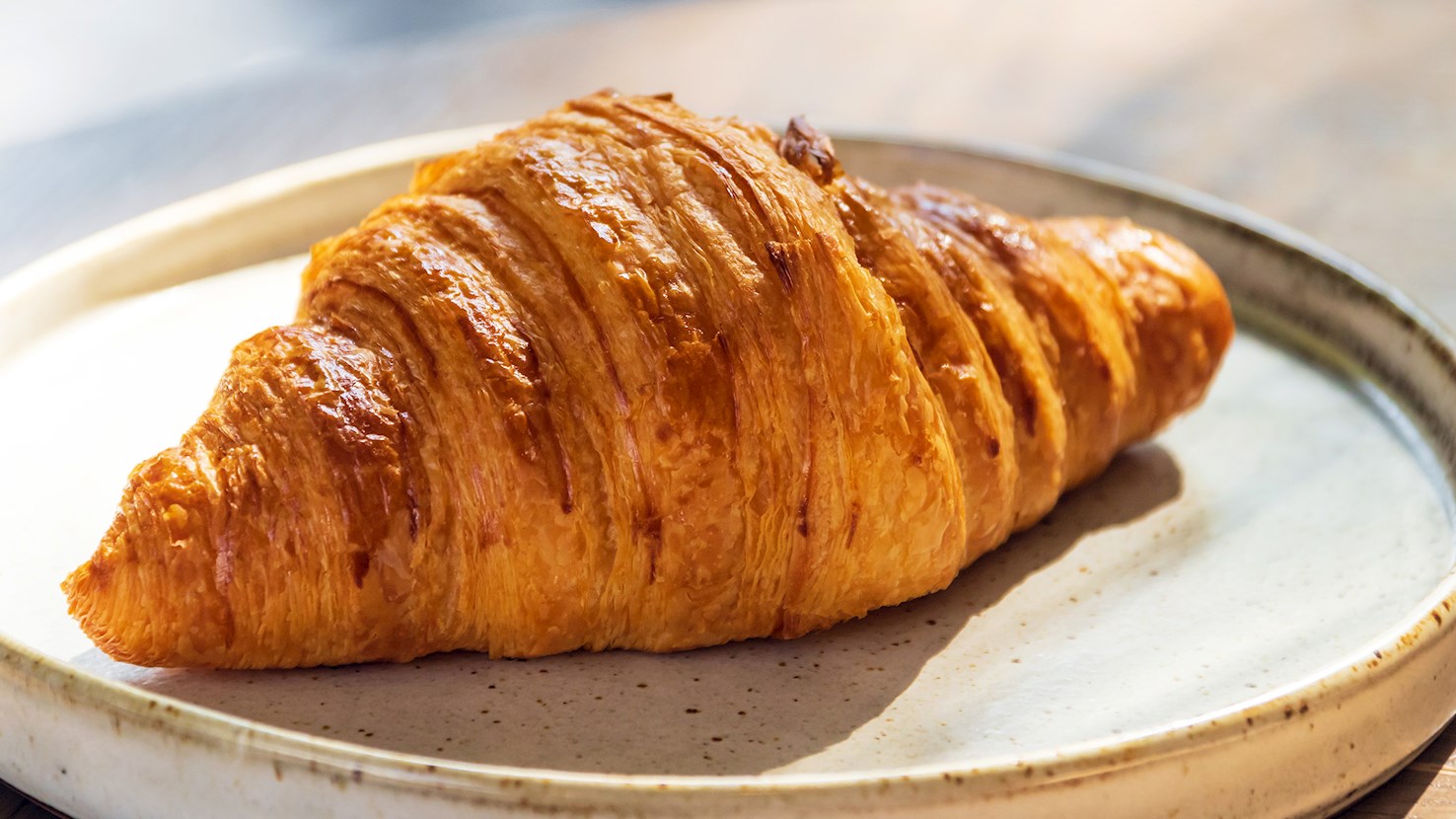
These flaky, golden-colored, crescent-shaped pastries are best made with pure butter and a slightly sweet yeast dough. If made properly, the yellow-white interior should be just the slightest bit elastic when pulled from the center, ready to be covered with a pad of butter or some fresh jam. Experts agree that the croissant was heavily influenced by Austrian kipfels. This pastry originated in 1683 as a celebration of the Austrian victory over the Ottoman Empire, its shape supposedly mimicking the crescent moon found on the Turkish flag. However, the croissant became French the moment people began to make it with puff pastry, a French innovation. Today, French croissants come filled with chocolate, jam, raisins, or even cream cheese. Sold fresh at numerous French boulangeries, they are mainly consumed as a breakfast item.

10

Banitsa sas sirene (Banitsa with cheese)

4.3 ·

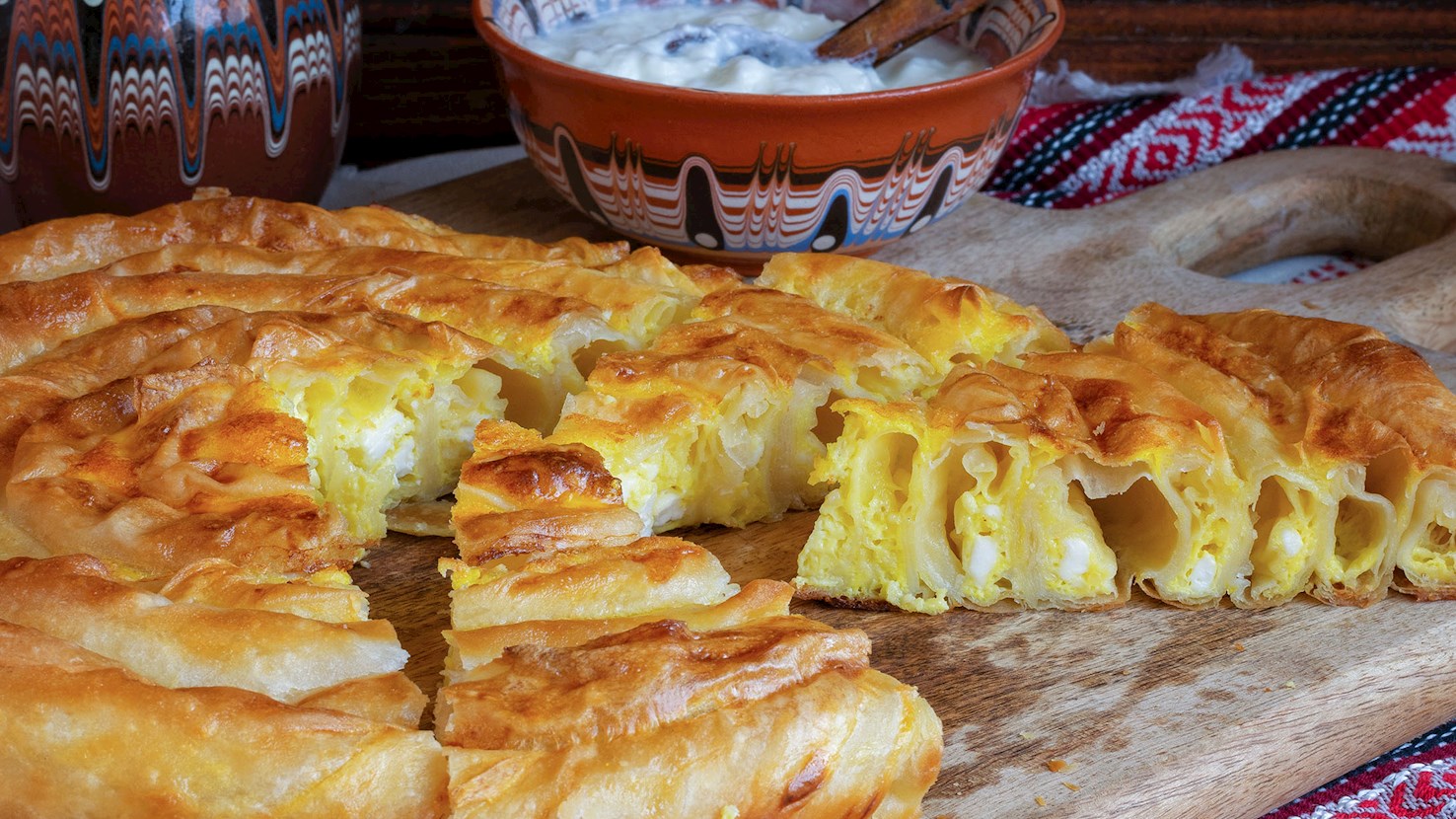
The Bulgarian pie banitsa made with cheese is the main version of this traditional pie. It's made by layering sheets of buttered phyllo pastry with a combination of eggs, yogurt, and cheese such as sirene and feta. There's an optional ingredient in the preparation of banitsa and it's baking soda, which makes the yogurt rise and makes the pie fluffier and richer in flavor. Traditionally, banitsa with cheese was prepared and served on Christmas and New Year's Eve, but nowadays it can also be bought throughout the year at grocery stores, street vendors, kiosks, and pretty much everywhere. Apart from this basic variety, there are also other types of savory or sweet banitsa pies filled with various vegetables and fruits.

Best European Pastries

01

Camilo de Blas

4.8 ·

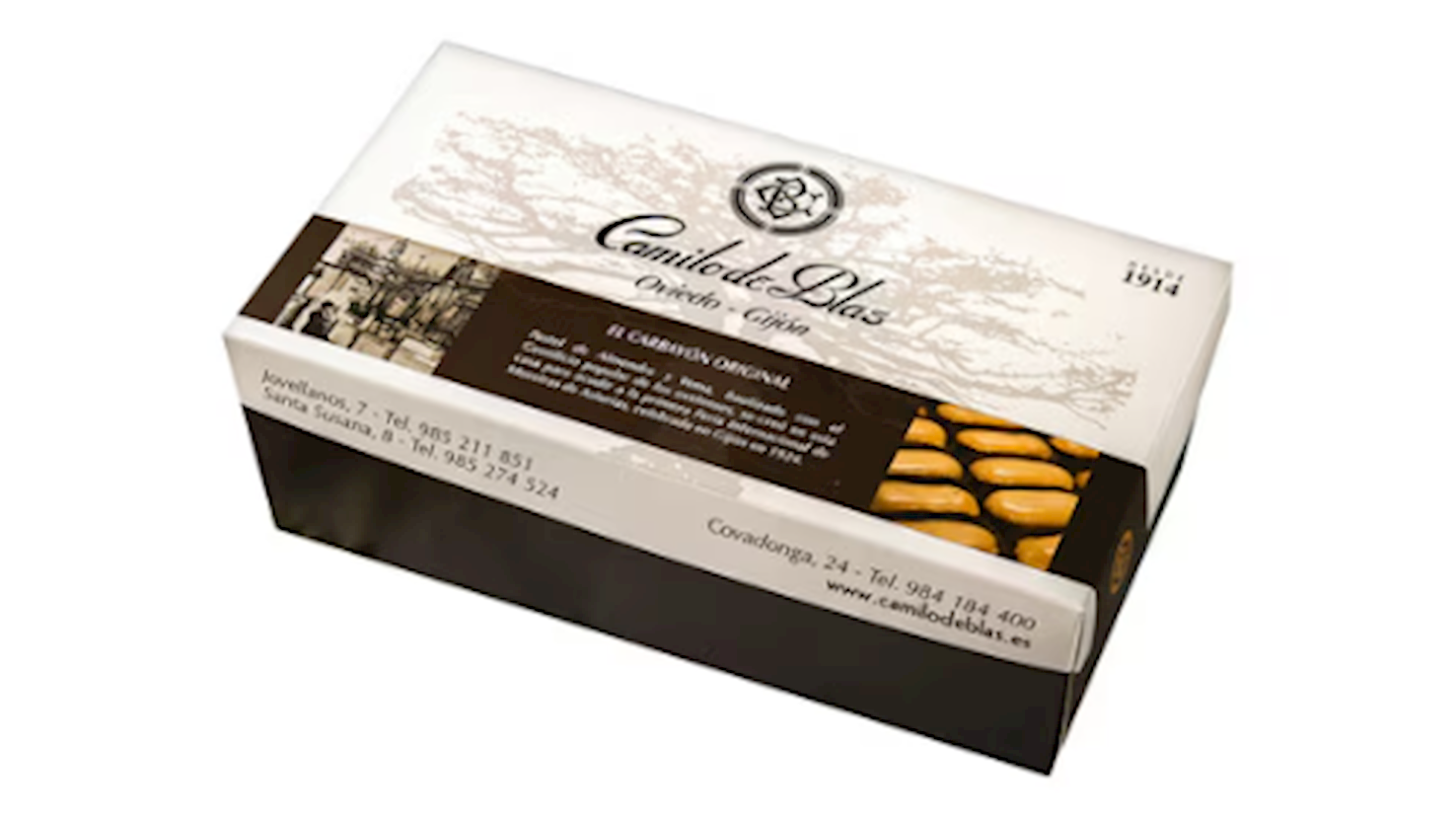
Camilo de Blas is a traditional Spanish confectionery and delicatessen company based in Oviedo, with origins dating back to 1876 when it was founded by Camilo de Blas Heras in León. A key stage in its development came in 1914 with the opening of its shop in Oviedo, which remains central to the brand’s identity.

The business has remained family-owned across generations, preserving a strong link to artisanal production and traditional recipes while expanding its offer over time. The company is particularly known for creating the Carbayón in 1924, a pastry that has since become a symbol of Oviedo’s local gastronomy.

Its production focuses on classic confectionery techniques, using ingredients such as almonds, sugar, and puff pastry, with a significant degree of manual work that contributes to the final texture and flavor. In addition to sweets, Camilo de Blas has historically combined confectionery with gourmet retail, offering a broader selection of specialty products.

Today, it operates several retail locations in Asturias, especially in Oviedo and Gijón, positioning itself as a producer that maintains continuity of tradition while adapting to contemporary consumption.

02

Mantecados Felipe II

4.3 ·

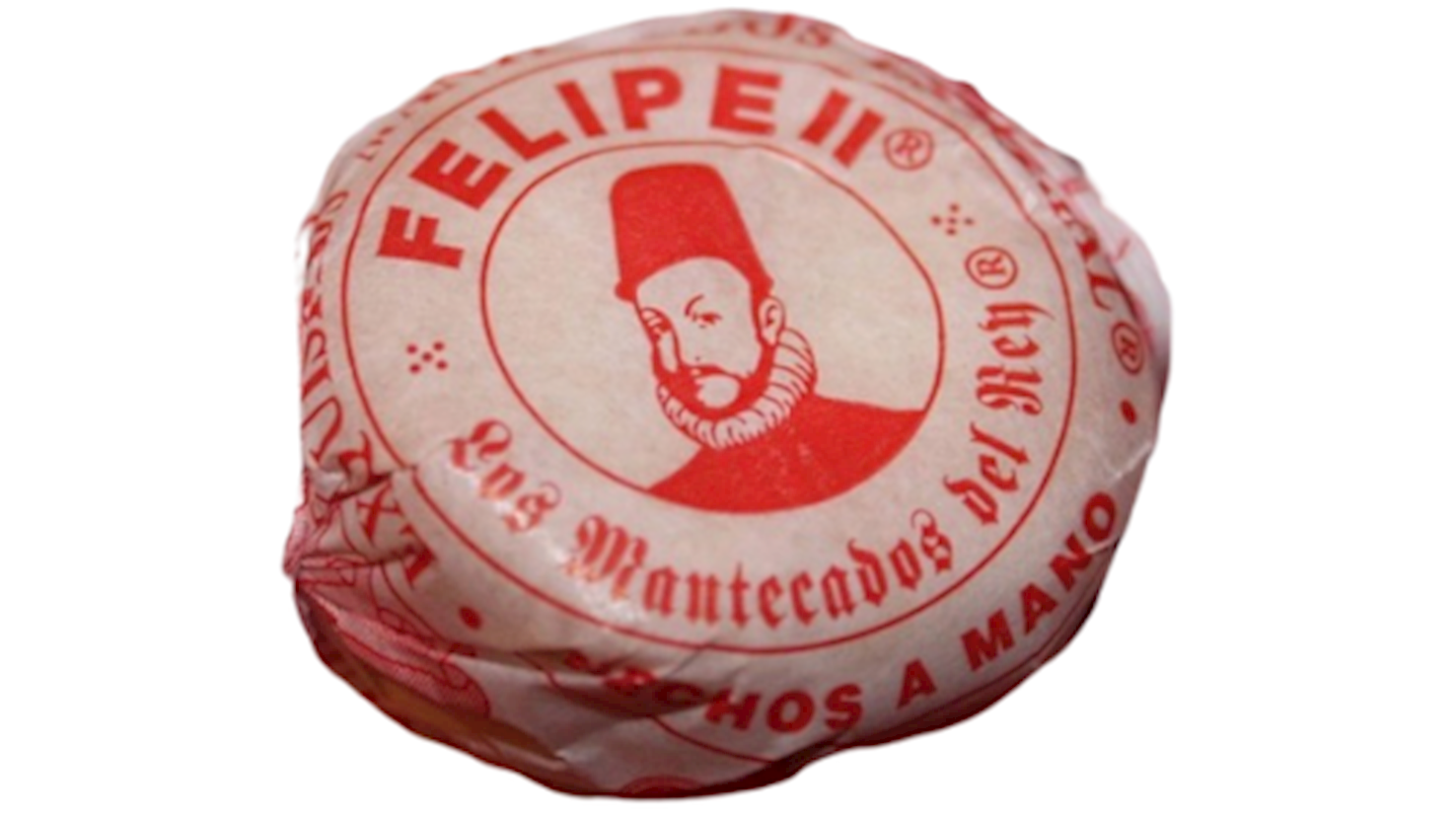
Mantecados Felipe II is one of the most recognizable brands of traditional Spanish mantecados, with an identity deeply rooted in history and artisanal production. Its origin is linked to the 16th century and a story associated with Philip II of Spain, after whom the brand is named, reinforcing its historical and cultural significance.

Today, production is managed by Confitería Blancanieves Tejedor, based in Vitoria-Gasteiz, which continues to preserve the original recipe and handcrafted approach. The brand is often regarded as one of the oldest references in the mantecado category in Spain, positioning it as a benchmark product.

The recipe relies on a limited number of high-quality ingredients, including wheat flour, powdered sugar, pork lard, and Marcona almonds, resulting in a distinctive crumbly texture and pronounced almond character. Production remains largely artisanal, maintaining the traditional format of individually wrapped small cakes, a presentation that has been preserved for over a century.

Rather than focusing on innovation, the brand’s value lies in continuity, combining historical heritage, established ingredients, and traditional craftsmanship. Mantecados Felipe II stands as a reference within Spanish seasonal confectionery, particularly associated with festive periods, while maintaining relevance through its clear connection to origin and long-standing production practices.

Awards
Monde Selection - Gold (2025, 2024, 2023, 2021)
Monde Selection - Gold (2022)
03

Cukrárna Myšák

4.2 ·

Cukrárna Myšák is a legendary Prague patisserie and one of the most iconic symbols of Czech confectionery heritage. Its history at the current Vodičkova Street location dates back to 1911, when renowned pastry chef František Myšák established the venue, which quickly became a favorite gathering place for Prague’s elite, artists, and prominent public figures during the First Czechoslovak Republic.

Known for its combination of elegance and exceptional craftsmanship, Cukrárna Myšák built its reputation on classic Czech pastries made according to traditional recipes. After a turbulent period during the 20th century, the brand was carefully revived and now operates under the Ambiente hospitality group, preserving its historic identity while embracing contemporary quality standards.

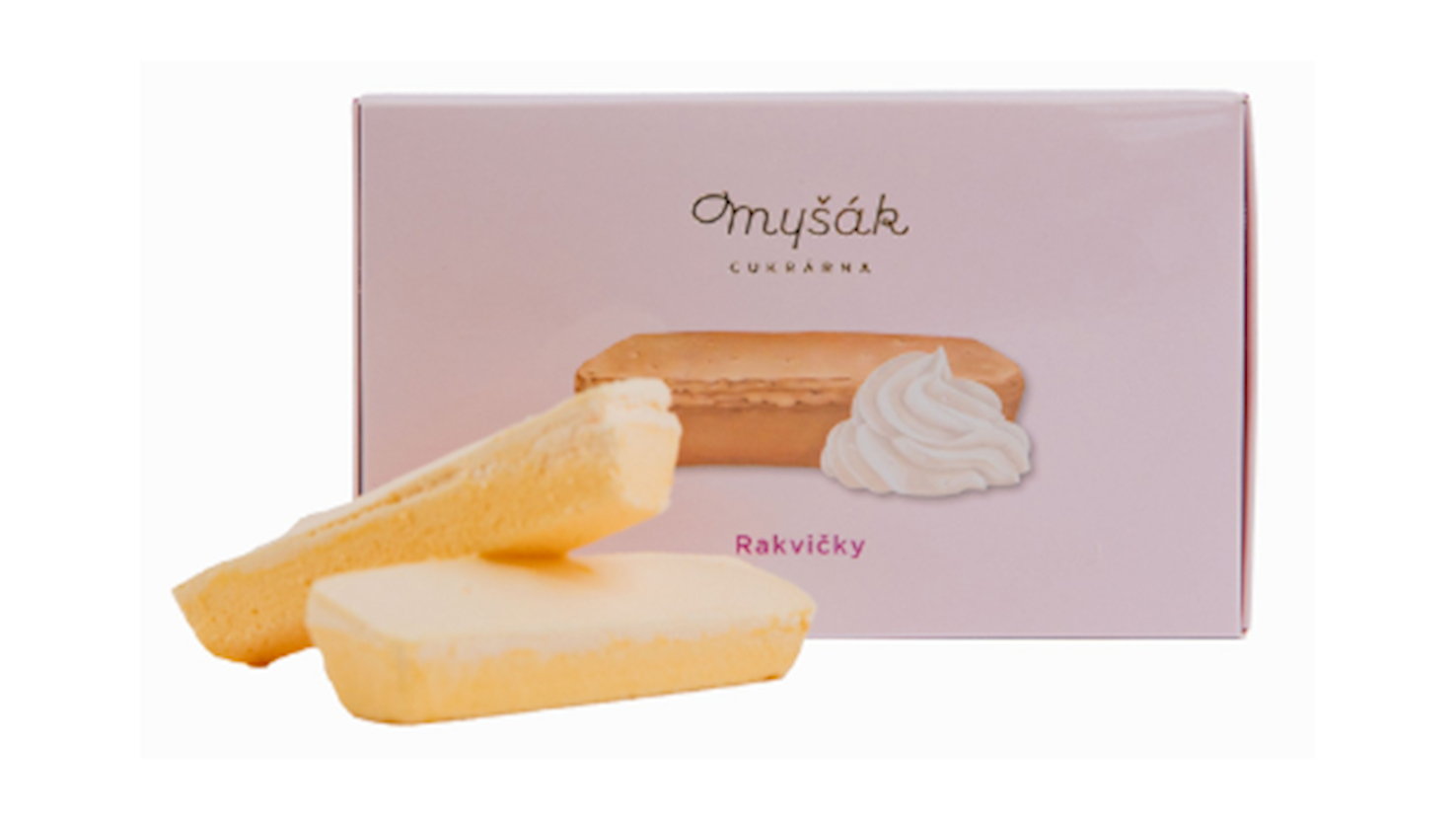
Its offering focuses on authentic Czech desserts such as věneček, laskonka, indiánek, kremrole, and other traditional pastries deeply rooted in local culinary culture. Strong emphasis is placed on premium ingredients including butter, eggs, cream, and fruit, reflecting a commitment to artisanal production without compromise.

The interior has been designed to evoke the refined atmosphere of early 20th-century Prague, further reinforcing the brand’s historic character. Today, Cukrárna Myšák is not simply a pastry shop but an important part of Prague’s gastronomic identity, where Czech confectionery tradition is respectfully reinterpreted for modern audiences.

04

Maya Artisan Bakery

4.2 ·
Awards
Great Taste Awards - 2 Stars (2024, 2023)
05

Hg Walter

4.2 ·

HG Walter is a family-run butcher and producer specializing in high-quality meats, including bacon. The company emphasizes sourcing from ethical farms that practice sustainable farming methods.

Established in 1972, HG Walter has built a reputation for providing artisanal products to both retail and high-end restaurant clients.

Awards
Great Taste Awards - 3 Stars (2022)
Great Taste Awards - 2 Stars (2024)
06

Perrys of Eccleshall

4.2 ·
Awards
Great Taste Awards - 2 Stars (2024, 2023)
09

Tarte in a Box

4.2 ·
Awards
Great Taste Awards - 2 Stars (2024)
10

Pekárna Kabát

3.9 ·

Pekárna Kabát is a Czech family bakery founded in 1992 by Marián Kabát in Prague. The company is known for handmade baked goods prepared according to traditional recipes, using high-quality ingredients mostly of Czech origin and avoiding chemical additives and food substitutes.

Its identity is built around honest baking craftsmanship, with products inspired by the kind of bread, rolls, pastries, and cakes once made by previous generations. Today, the bakery is run by the second generation of the Kabát family and has expanded across Prague with around 30 shops.

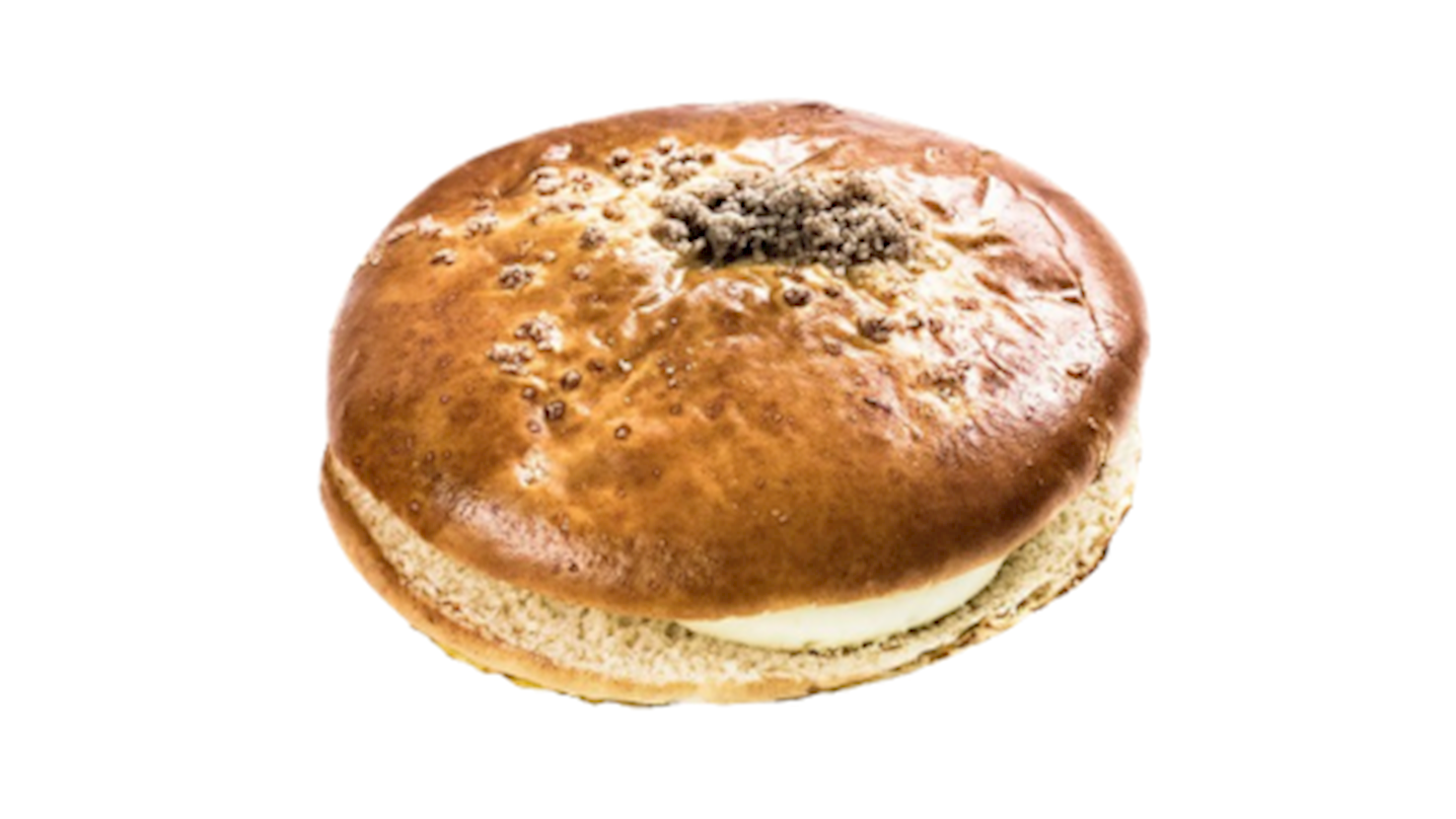
Its assortment includes bread, savory pastries, sweet baked goods, sandwiches, delicatessen items, and seasonal specialties. Among its notable products are Moravský koláč, Rohlík kroucený, Brusinková bageta, and Třicátník, a bread developed for the bakery’s 30th anniversary.

Třicátník is especially important within their bread range, made with a 30-hour fermentation process to achieve a soft crumb, crisp crust, and longer freshness. Pekárna Kabát positions itself as a bakery focused on everyday quality rather than luxury presentation, combining traditional Czech bakery culture with a modern retail network in Prague.

About this Ranking

TasteAtlas food rankings are based on the ratings of the TasteAtlas audience, with a series of mechanisms that recognize real users and that ignore bot, nationalist or local patriotic ratings, and give additional value to the ratings of users that the system recognizes as knowledgeable. For the “Top 100 European Pastries” list until August 15, 2026, 32,730 ratings were recorded, of which 24,412 were recognized by the system as legitimate.

TasteAtlas Rankings should not be seen as the final global conclusion about food. Their purpose is to promote excellent local foods, instill pride in traditional dishes, and arouse curiosity about dishes you haven’t tried.

The initial list of top producers was compiled based on available reviews, awards, local recommendations, media and blog coverage, and consumer reviews. The list will be updated with ratings from TasteAtlas local ambassadors and TasteAtlas users.

What People Say

Similar Lists