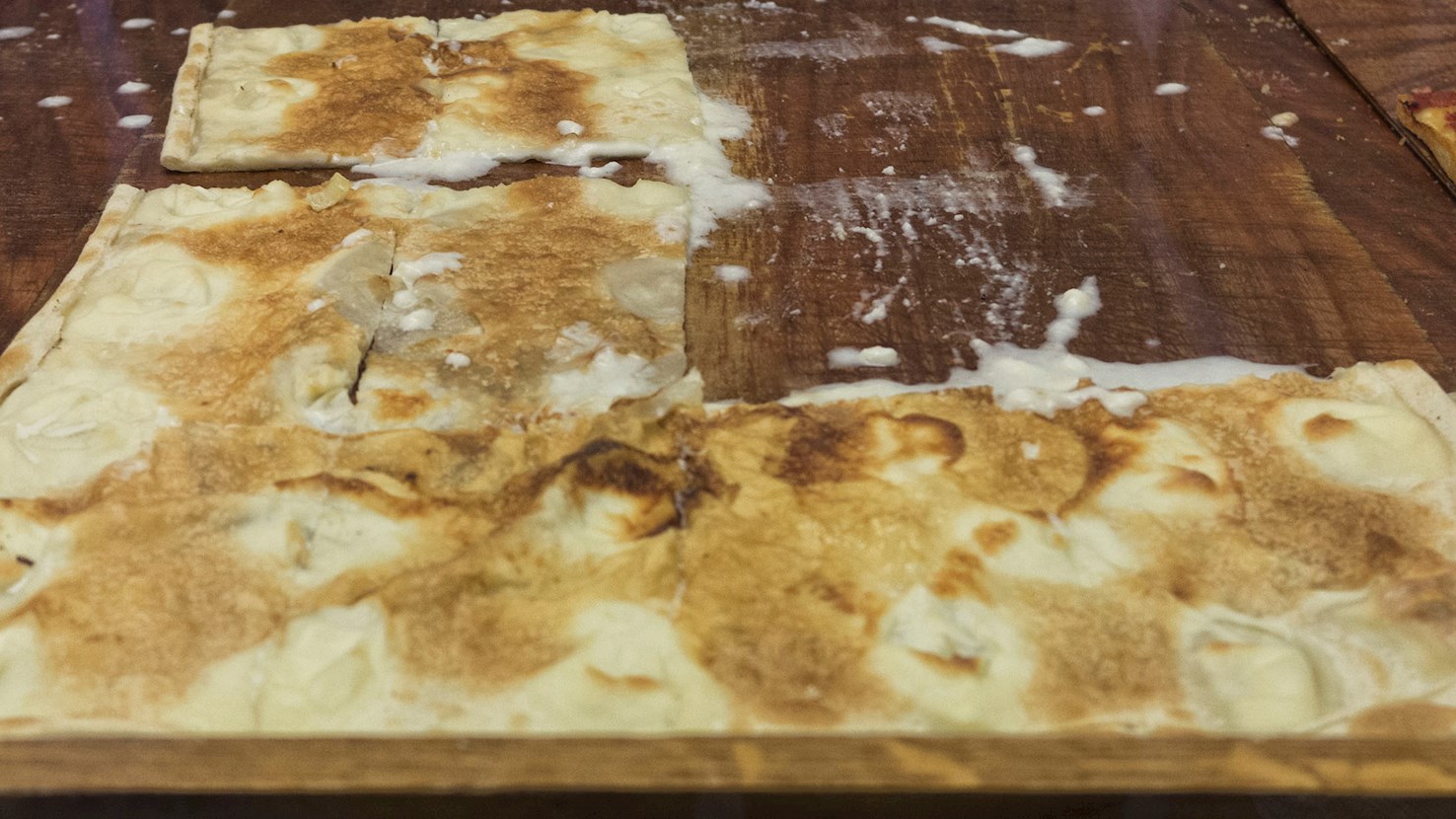
This delectable cheese-filled focaccia hails from the town of Recco, Liguria's gastronomic capital where it can be found in every bakery, pizzeria, and restaurant. It was reportedly invented in the 12th century when, according to legend, the citizens of Recco were preparing this dish for the Crusaders with the little they had: flour, water, olive oil, and some cheese. Unlike most other focaccia flatbreads, this one is made without yeast, and features a paper-thin, hand-pulled crust filled with the soft, mild-flavored cow’s milk cheese from Alpine pastures called stracchino or crescenza. By the end of the 1800s, focaccia di Recco had become traditionally associated with the celebration of All Saints' Day, but today it is prepared and enjoyed throughout the year. Moreover, ever since 1955, the town of Recco has been hosting the so-called Festa della Focaccia, an annual festival held every last week of May.
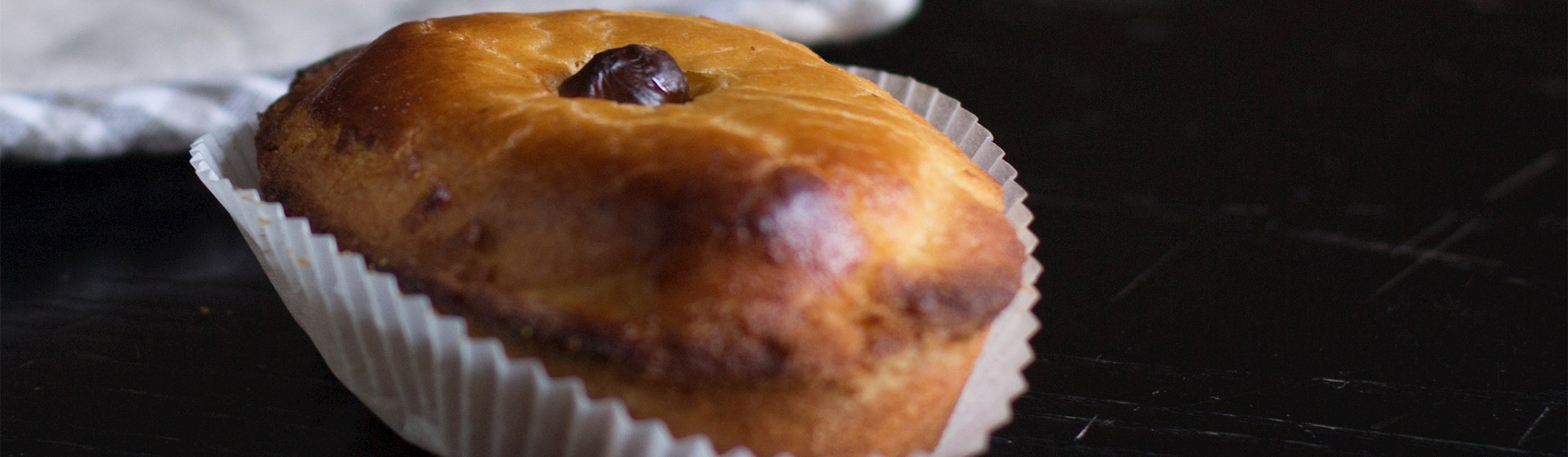
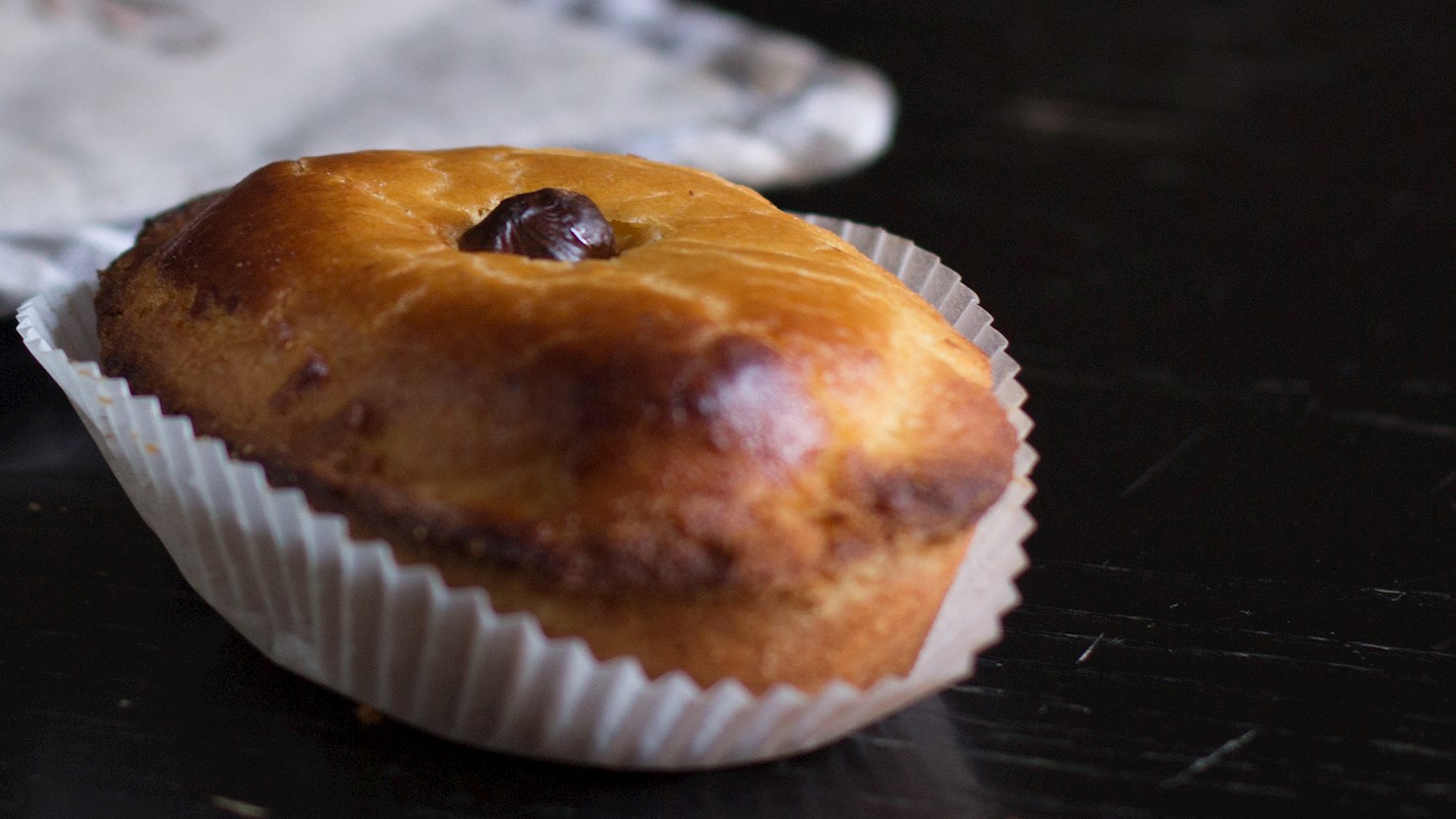
Pasticciotto is a popular Italian dessert consisting of a shortcrust pastry filled with flavorful pastry cream. Traditionally, the crust is made with lard, so that it is moister and softer than the regular crust prepared with butter. It is recommended to consume pasticciotto fresh out of the oven when it is still piping hot. Many believe that the dessert was invented in the 18th century by Andrea Ascalone, a chef from Galatina.
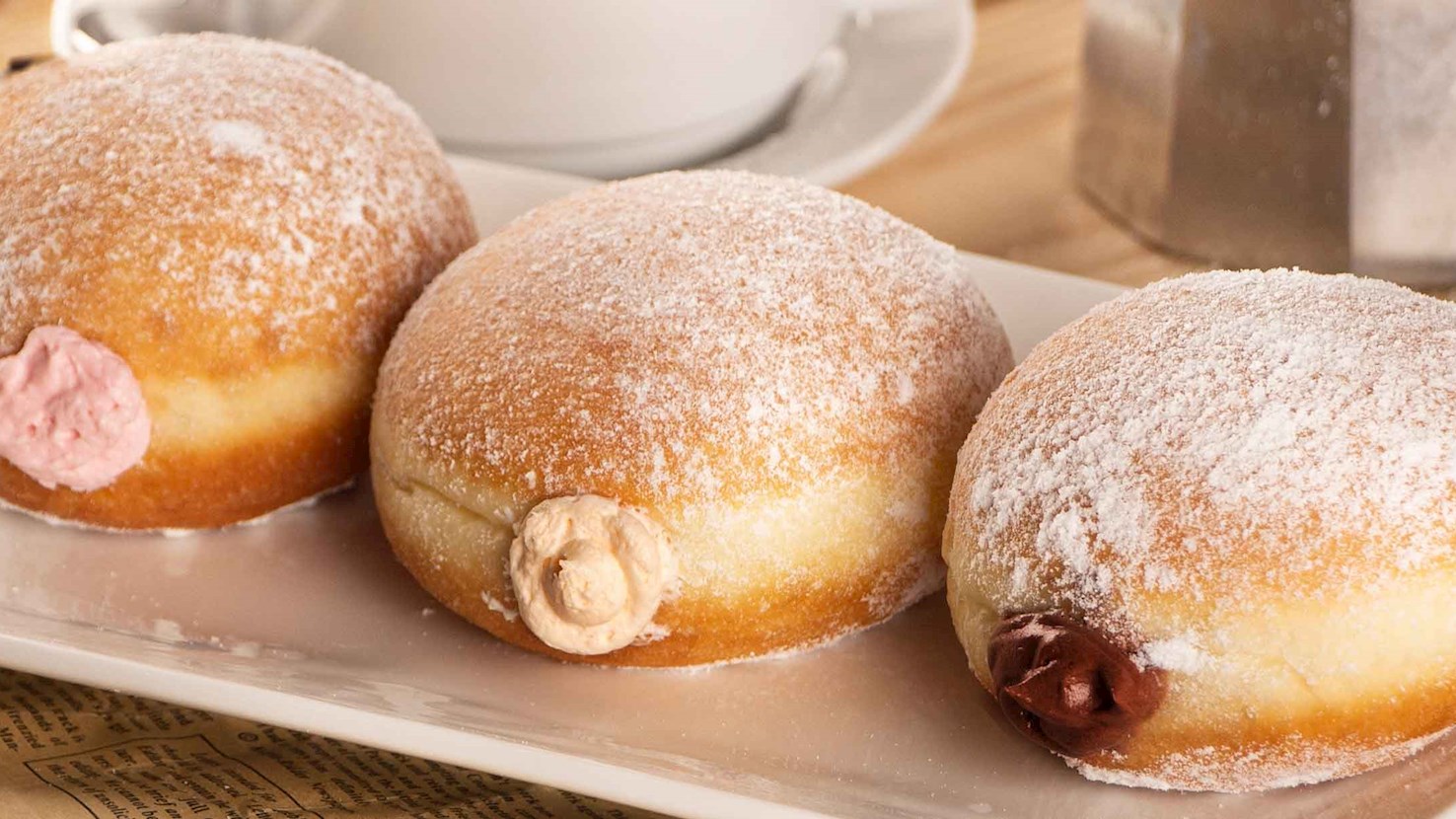
Italian deep-fried doughnuts known as bomboloni are one of the traditional sweets of the Carnival season, but nowadays they can be prepared throughout the year. Even though bomboloni are said to be of Tuscan origin, they are commonly sold as a snack in numerous pasticcerias, bakeries, and coffee shops throughout the country. However, in Tuscany and further to the north of Italy, bomboloni are simply sugar-coated, while in Lazio these delectable treats take on a more decadent appearance, as biting into their sugary crust reveals a silky cream on the inside. The so-called bombolone Laziale is typically filled with either classic custard cream called crema pasticcera, or sometimes even chocolate cream. Pillow-soft, airy, and amazingly light, the delicious bomboloni are best enjoyed while they're still warm, regardless of the preferred variety.
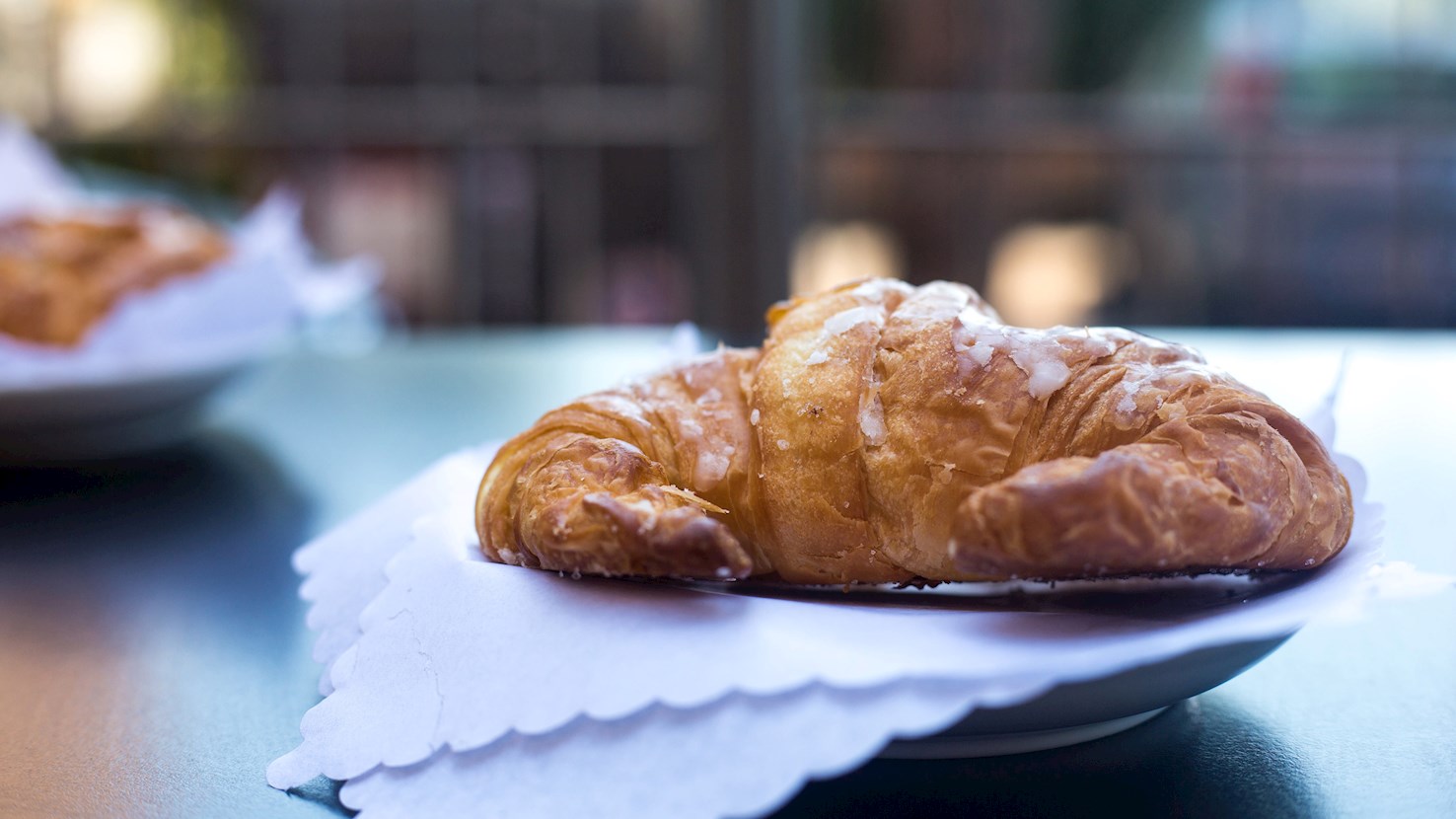
The Italian cornetto is a popular crescent-shaped pastry, similar to a croissant but with key differences. The dough is less laminated than that for a croissant and enriched with sugar, eggs, and butter, resulting in a cornetto with a slightly softer and less flaky texture when compared to a croissant and a sweeter and richer flavor. It is also usually less curved and slightly larger than a croissant. Cornetti (plural for cornetto) can be enjoyed plain or filled with sweet fillings like crema pasticcera (pastry cream), jam, Nutella, or almond paste, and are sometimes dusted with powdered sugar or glazed. Typically enjoyed as part of an Italian breakfast, cornetti are often paired with a cappuccino or espresso, making them a beloved staple in Italian cafés. Although it's best known as cornetto, the same pastry in North Italy is typically called brioche.
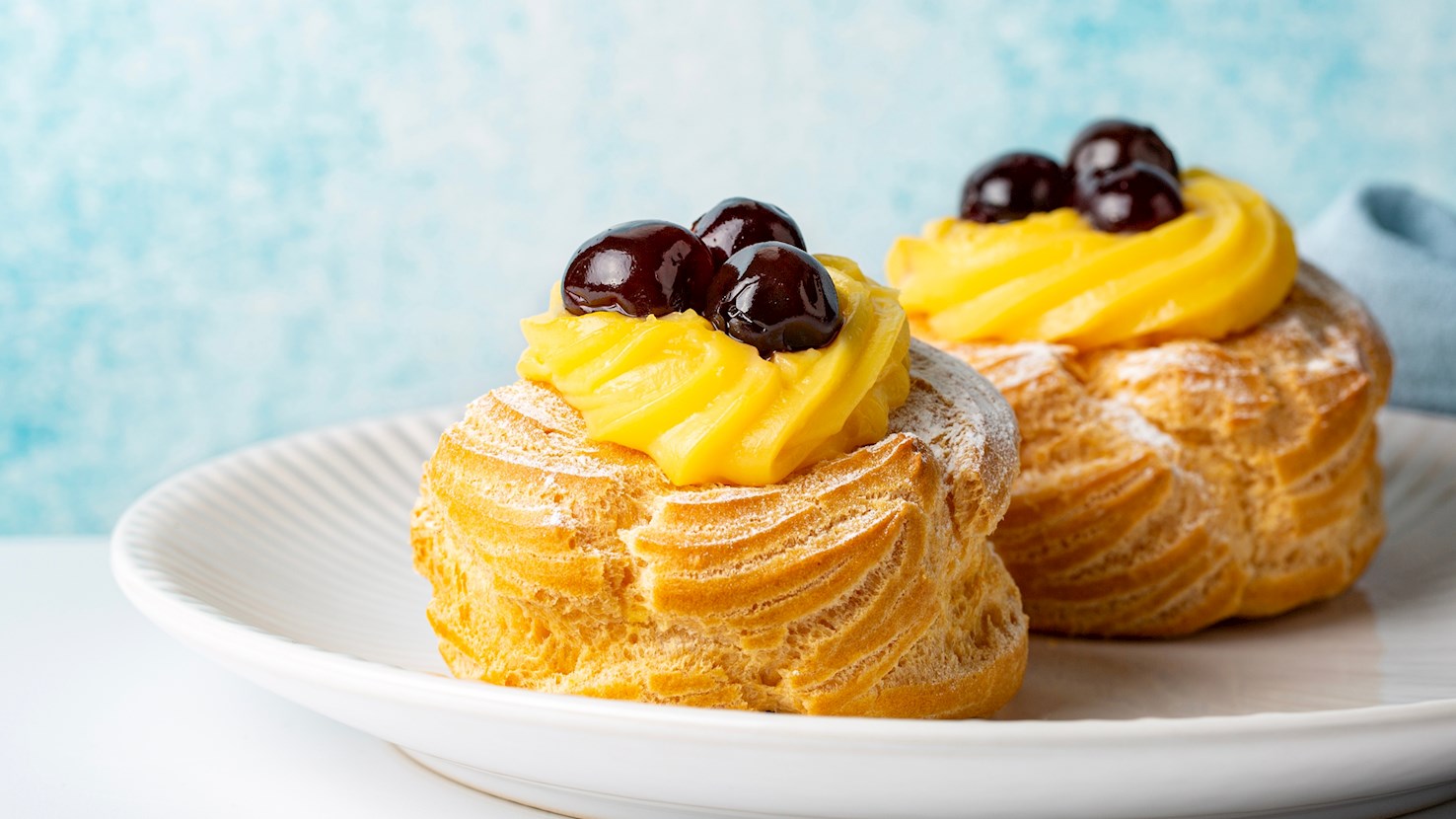
Zeppole are a fried dough specialty that is found throughout southern Italy, consisting of deep-fried dough that is typically topped with sugar and can be filled with custard, jelly, pastry cream, or a combination of honey and butter. Some version of it might have originated in Ancient Rome, but its modern form was conceived sometime in the 18th century in Campania and made popular in the 19th century by the Neapolitan baker Pasquale Pintauro. The sweet treats are traditionally prepared for the festival of St. Joseph on March 19, and in the past zeppole were only served on that day every year, providing an opportunity in which the wealthy and the poor both shared the same meal. The name of the dish stems from the Arabic word zalābiyya, meaning fried soft dough. Today, there are numerous recipes and variations for zeppole, including fillings such as ricotta cheese, chocolate, candied fruits, and even anchovies.
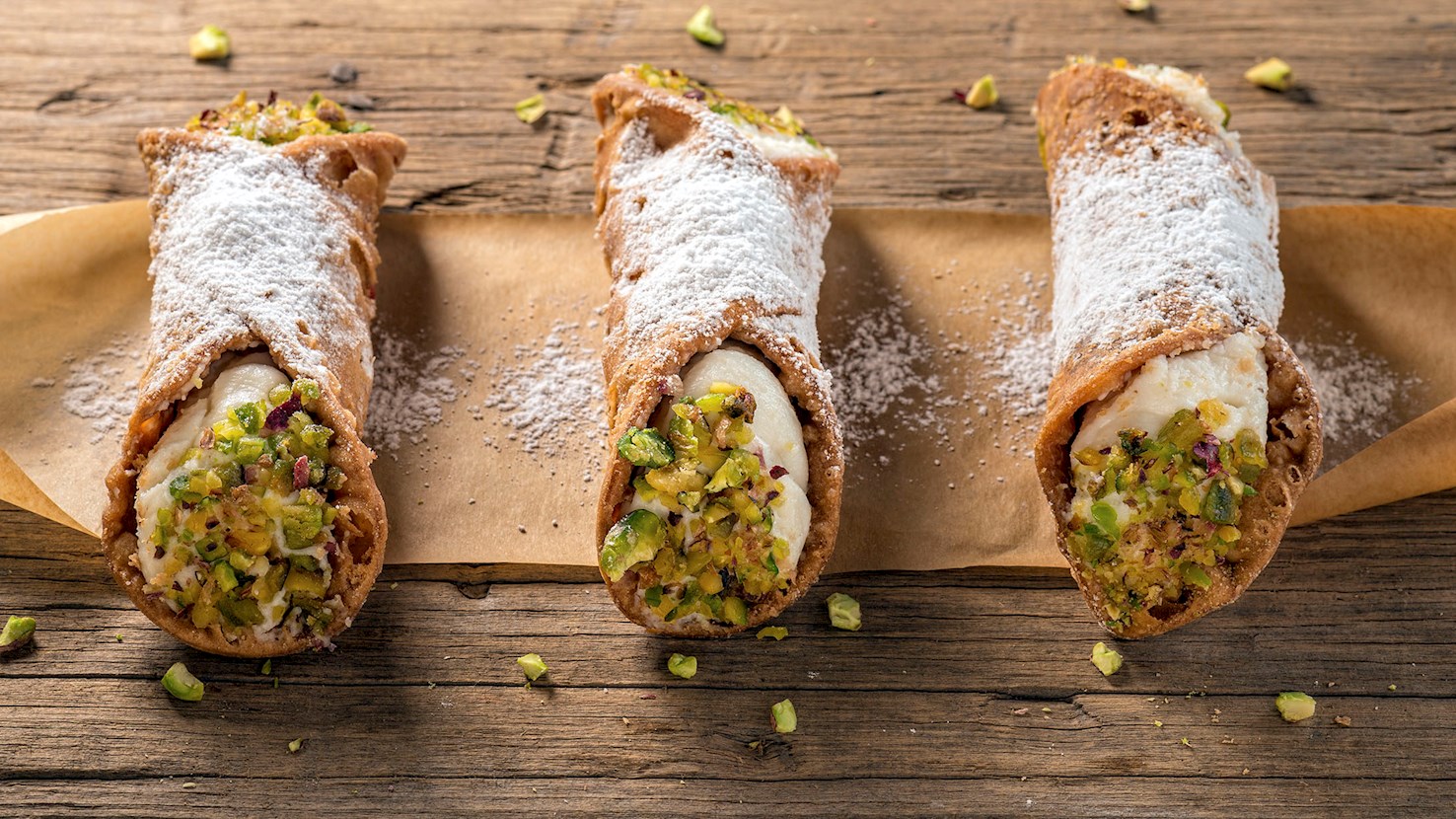
These decadent, crispy fried pastry tubes filled with luscious ricotta cheese cream are perhaps one of Sicily's best known desserts outside of Italy. Cannoli are believed to have originated around Palermo during the 9th century, while Sicily was under Arab rule. Legend has it that they were originally prepared by the women of the ancient city of Qal'at al-Nisā' (lit. castle of women), the modern-day Caltanissetta, which at the time served as the harem of a Saracen emir. Later on, the recipe later somehow found its way to the monasteries of Palermo where nuns would prepare this lavish dessert during the carnival season. Cannoli have come a long way since then, becoming incredibly popular not only throughout Italy, but also in North America, where they were introduced by Sicilian immigrants in the late 19th century. Furthermore, thanks to one of the most famous lines from the movie The Godfather — "Leave the gun. Take the cannoli." — by the end of the 1970s, this dessert had attained a truly iconic status. Although people in the United States are familiar with different variations of this classic recipe, cannoli in Sicily are still prepared in a more traditional way. The crispy pastry shells are typically flavored with cocoa, suet, and Marsala wine, while the delicate freshness of the sweetened ricotta is sometimes enriched with orange blossom water, candied orange peel, chocolate, zuccata candied pumpkin, or finely chopped pistachios. The name is derived from canna, a cane reed that’s cut into sections and used as a mold for frying the pastry shells, although metal cylinders have mostly replaced canna nowadays. And last, but certainly not least, cannoli shells are always filled just before serving to prevent them from getting soggy, ensuring the perfect feel of crunchiness against the creamy filling.
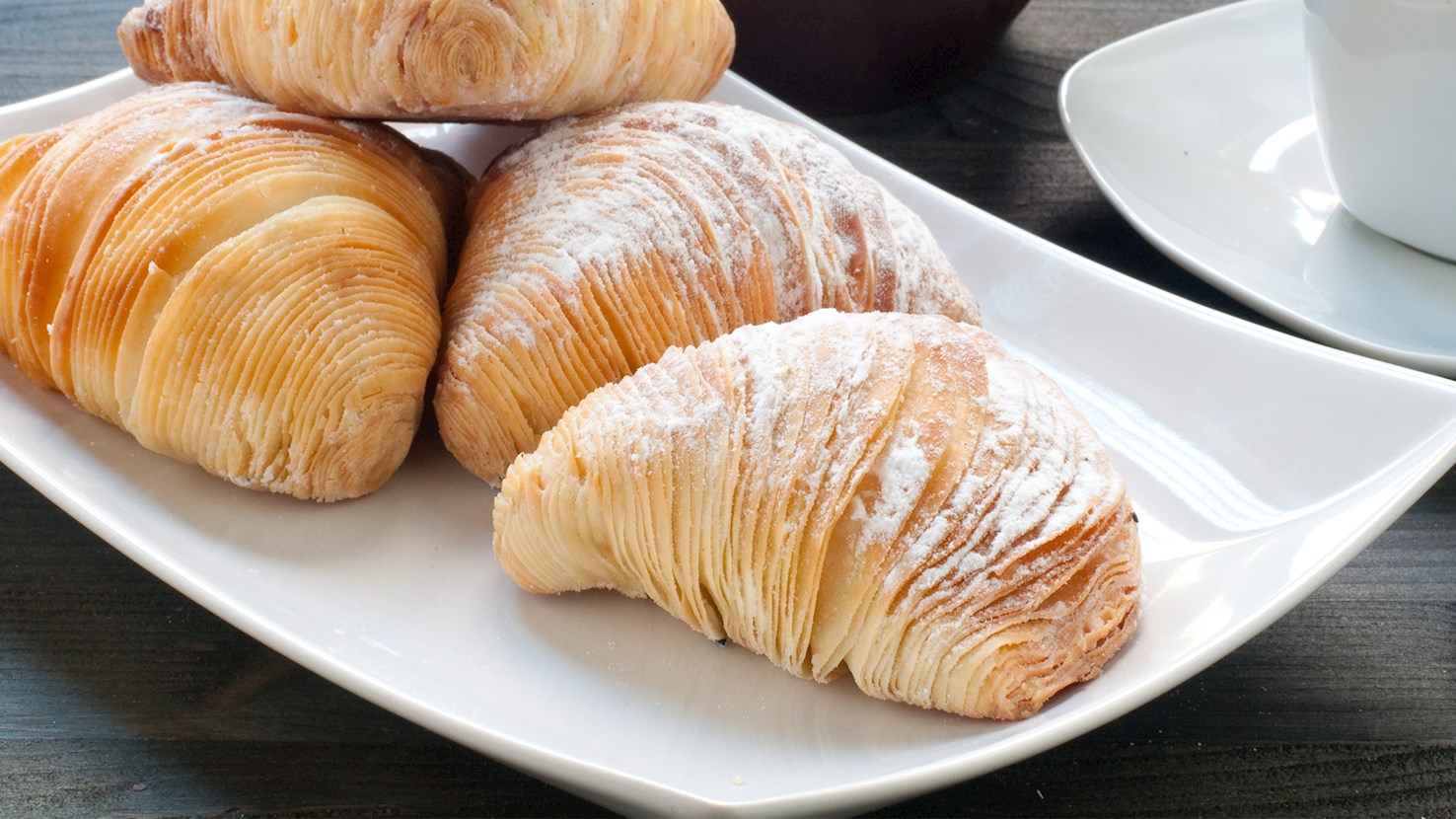
Sfogliatella is one of the most famous Italian pastries, with many regions offering their spin on the recipe. Although traditionally associated with Naples, it is believed that the original sfogliatella was invented around 1700 on the Italian Amalfi Coast, as a creation of nuns from the Santa Rosa monastery. This version was filled with luscious custard cream and black cherries preserved in syrup, and although the nuns were forbidden to have contact with the external world, the recipe was somehow obtained by a Neapolitan chef who started preparing his variety of these delicious sweets which soon became a Naples favorite. Nowadays, they are offered in two main varieties: riccia and frolla. Sfogliatella riccia is regarded as the traditional and the most common variety. It is an elaborate dessert made with multiple layers of paper-thin dough arranged in a clam-shaped pocket, filled with a delicious cream made with semolina, water, ricotta, sugar, eggs, cubed candied fruit, cinnamon, and a pinch of salt. Sfogliatella frolla has the same filling, but it is round-shaped and made with shortcrust pastry. Another version of this dessert is coda d’aragosta, literally meaning lobster tail, filled with pastry cream. It is a very popular dessert in the United States, with their version typically being much larger than the original. Traditionally, sfogliatella should always be served freshly prepared, while still crispy, preferably warm and dusted with powdered sugar.
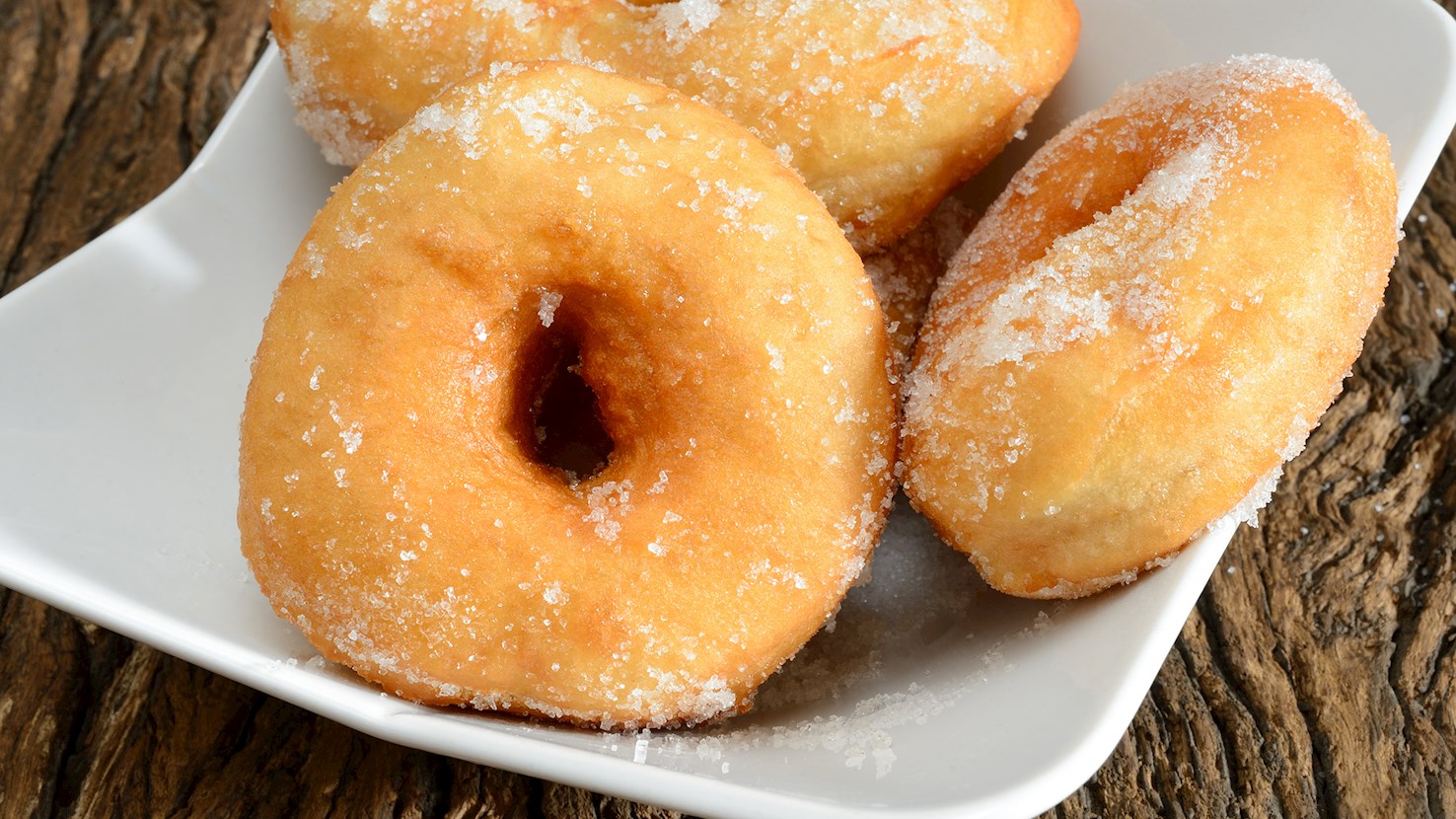
Graffe are soft Neapolitan fried sweets that are traditionally prepared for Carnival. It is believed that they were inspired by famous Austrian krapfen. The main characteristic of these leavened, doughnut-shaped fritters with a hole in the middle is their softness, achieved by the addition of moist, cooked potatoes in the dough. After the frying process, graffe are repeatedly tossed in granulated sugar until they are coated in it, and are then enjoyed right away - they taste the best while still warm.
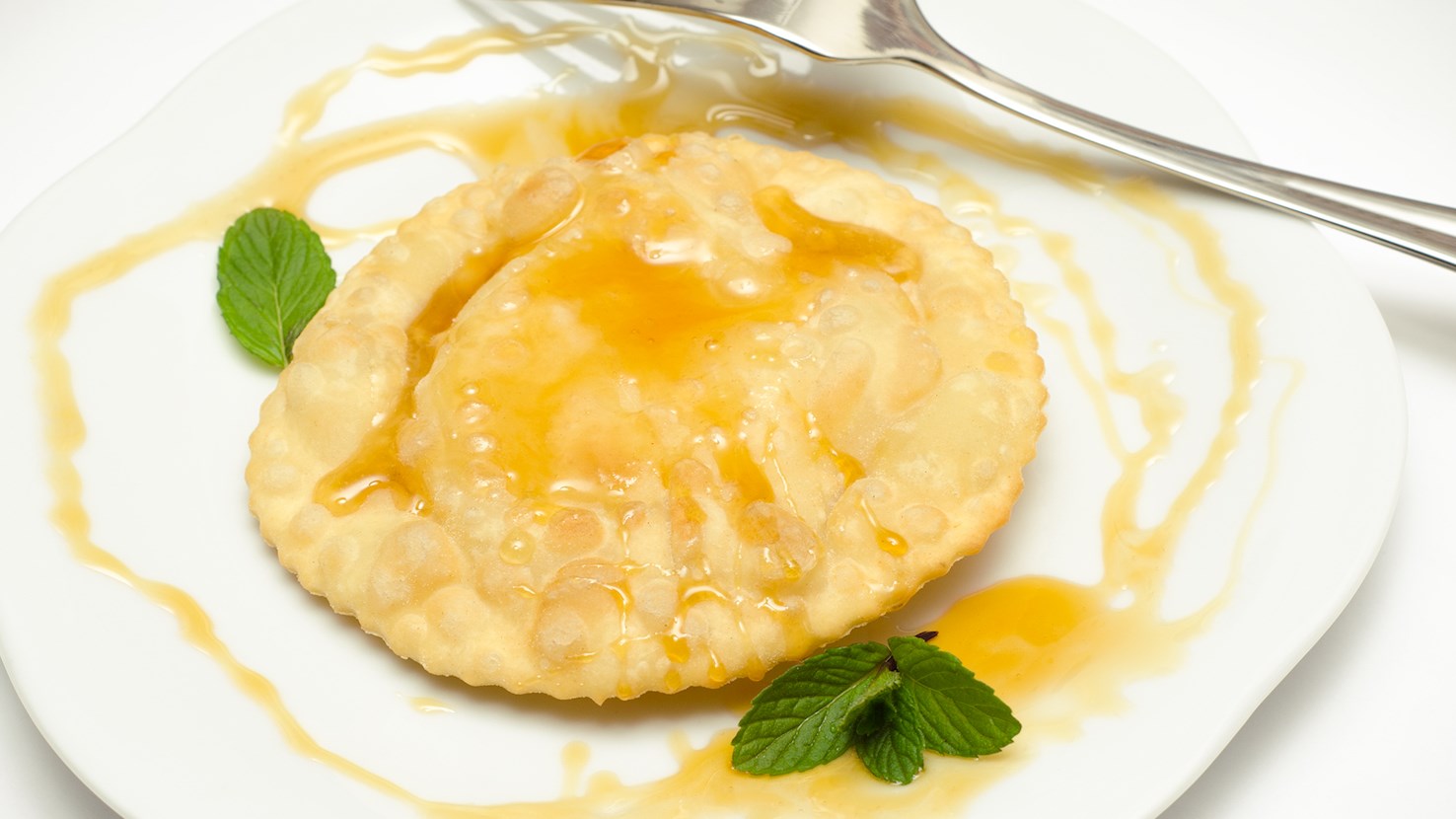
These deep-fried Sardinian pastries combine wheat or semolina dough with a slightly savory cheese filling. Sebadas are typically round and come filled with the sweet and aromatic young Pecorino Sardo cheese. Primarily a frugal and rustic dish, especially beloved by shepherds, sebadas were originally a savory dish, but nowadays they represent a classic Sardinian dessert. They are traditionally served drizzled with honey (preferably of the Sardinian miele amaro variety) and dusted with sugar.
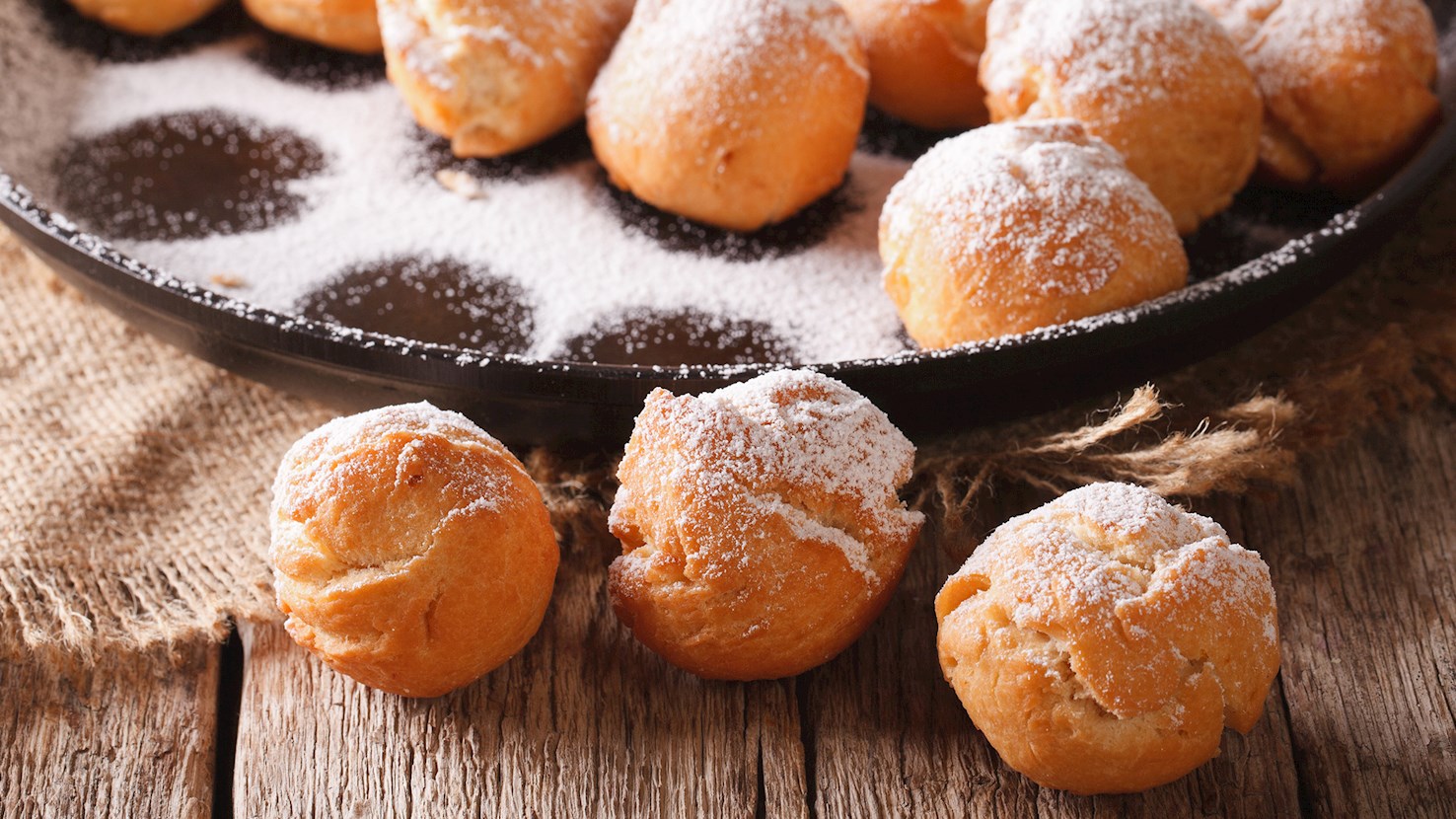
These luscious little balls of sweet fried dough are one of the most recognizable Italian carnival sweets. Their name derives from the word castagne, meaning chestnuts, referring to their shape and size rather than the use of real chestnuts in the recipe. Castagnole can be either fried or baked in the oven, filled with cream, or topped with honey. They can also be filled with chocolate, ricotta, or coffee. Crunchy on the outside, yet soft and pillowy on the inside, they are best enjoyed while still warm and after they have been rolled in powdered sugar.
TasteAtlas food rankings are based on the ratings of the TasteAtlas audience, with a series of mechanisms that recognize real users and that ignore bot,
nationalist or local patriotic ratings, and give additional value to the ratings of users that the system recognizes as knowledgeable.
For the “Top 43 Italian Pastries” list until October 15, 2026, 2,395 ratings were recorded, of which 1,892 were recognized by the system as legitimate.
TasteAtlas Rankings should not be seen as the final global conclusion about food. Their purpose is to promote excellent local foods,
instill pride in traditional dishes, and arouse curiosity about dishes you haven’t tried.




What People Say