shutterstock

Top 100 Western European Pastries

Last updated on July 15, 2026

Best Western European Pastries
01

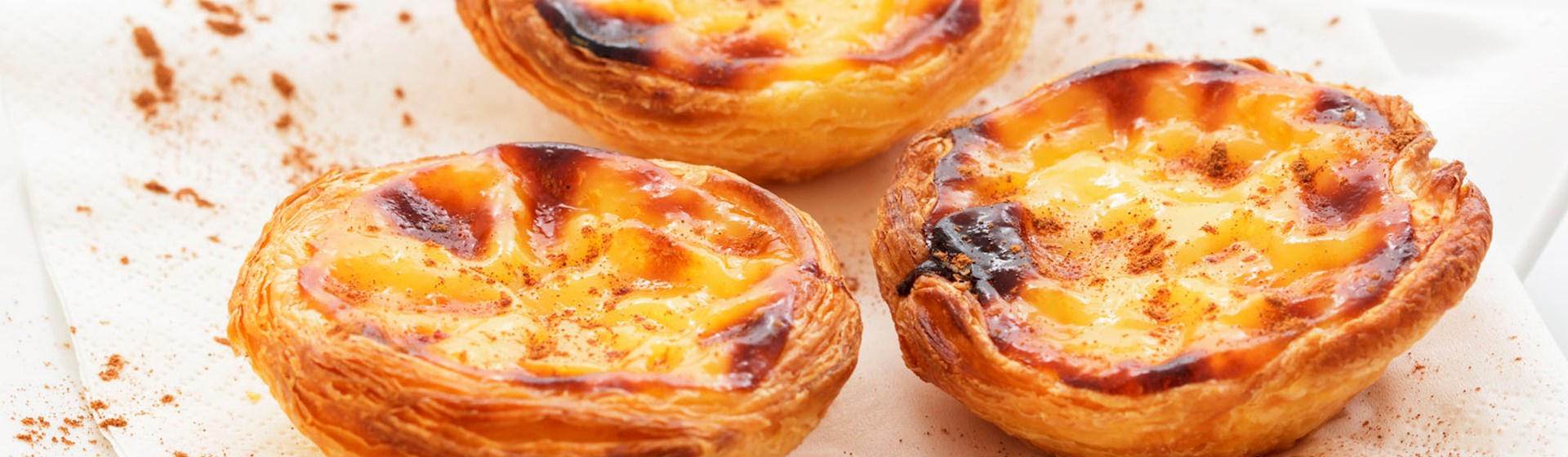
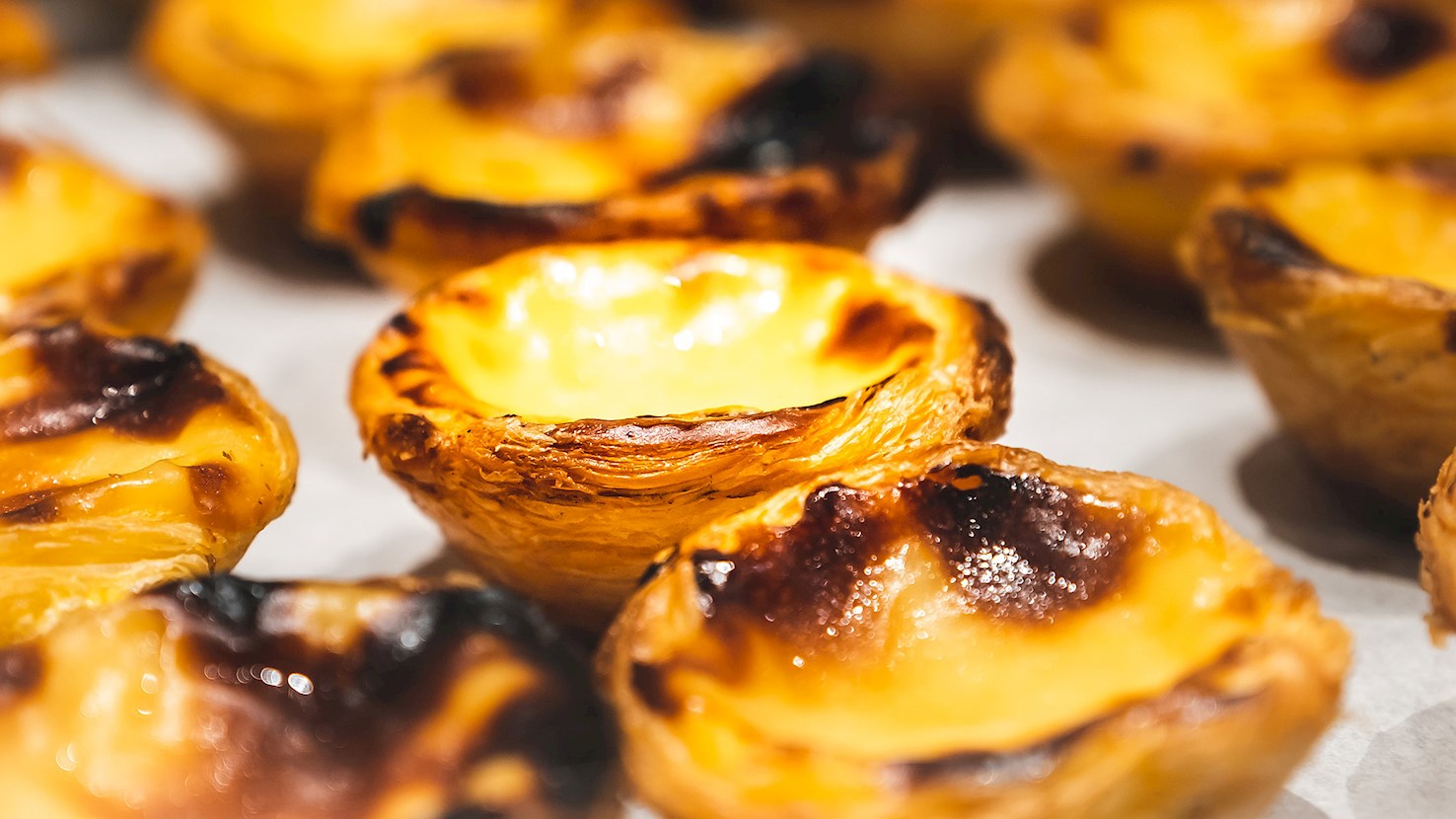
Pastel de Belém

4.6 ·

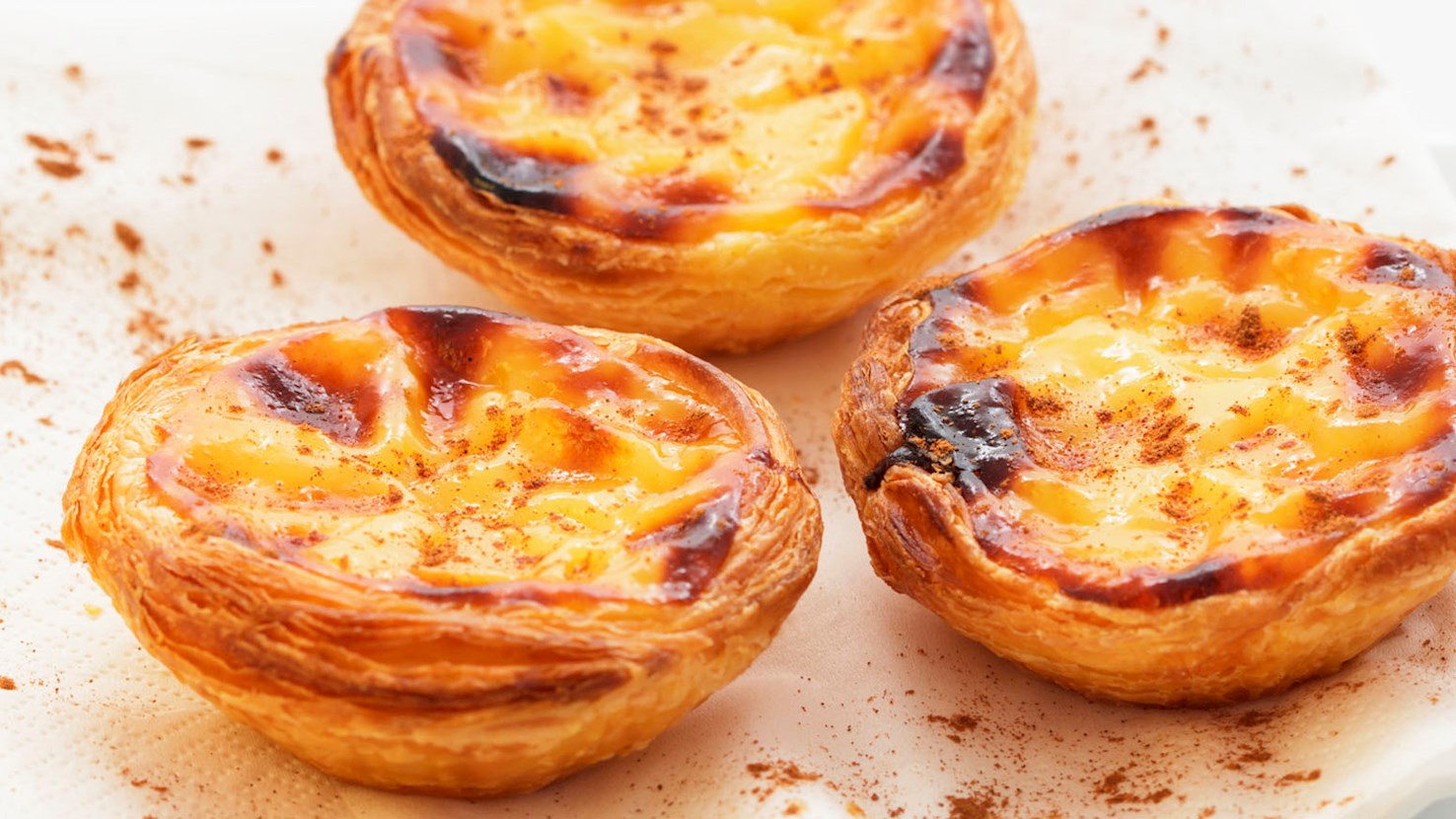
Pastel de Belém is a traditional egg custard tart and a predecessor to the famous pastel de nata. The tarts are made with a pastry shell that's filled with a combination of milk, eggs, sugar, lemon, and cinnamon. The first recipe for pastel de Belém dates back to 1837 when it was produced by the monks of the Jerónimos monastery. Only the custard tarts produced at the Fábrica Pastéis de Belém can be called pastel de Belém, while all the others, produced by other patisseries in Lisbon are called pastel de nata. Regardless of the name, these tarts can be served hot or cold and in 2009, The Guardian listed pastel de Belém as one of the 50 'best things to eat' in the world.

02

Pastel de nata

4.5 ·

Pastel de nata is a traditional egg custard tart that is popular throughout the world. It is believed that for the best result, the filling should not be too sweet and should not have flavors of lemon nor vanilla. Instead, the tarts should be sprinkled with cinnamon and, ideally, paired with a cup of coffee. Originally, this treat was made before the 18th century by Catholic monks and nuns in Santa Maria de Belém in Lisbon. The tart was made from leftover egg yolks that were used in the clearing of wines and starching of clothes. Later on, the clerics made a deal with a nearby bakery to start selling pastel de nata commercially, and the product was a huge success. It is still hugely popular, and the fact can be supported by long lines of people who are waiting on their pastel de nata in front of numerous Portuguese bakeries. However, pastel de Belém's recipe is kept secret, and only the ones produced at the Fábrica Pastéis de Belém can be called pastel de Belém, while all the other egg custard tarts from other producers in Lisbon are called pastel de nata.

03

Focaccia di Recco col formaggio

4.4 ·

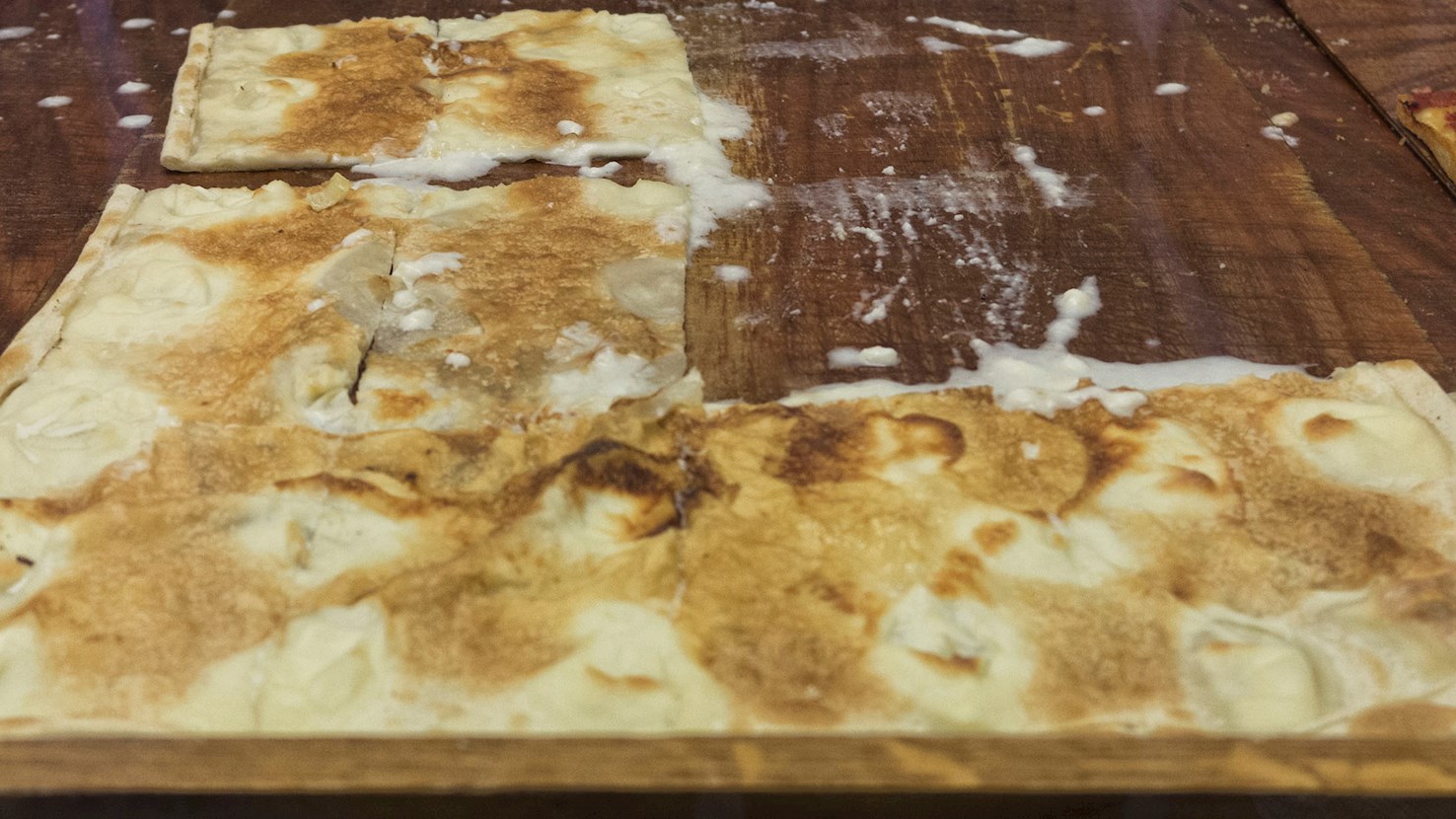
This delectable cheese-filled focaccia hails from the town of Recco, Liguria's gastronomic capital where it can be found in every bakery, pizzeria, and restaurant. It was reportedly invented in the 12th century when, according to legend, the citizens of Recco were preparing this dish for the Crusaders with the little they had: flour, water, olive oil, and some cheese. Unlike most other focaccia flatbreads, this one is made without yeast, and features a paper-thin, hand-pulled crust filled with the soft, mild-flavored cow’s milk cheese from Alpine pastures called stracchino or crescenza. By the end of the 1800s, focaccia di Recco had become traditionally associated with the celebration of All Saints' Day, but today it is prepared and enjoyed throughout the year. Moreover, ever since 1955, the town of Recco has been hosting the so-called Festa della Focaccia, an annual festival held every last week of May.

04

Croissant

4.3 ·

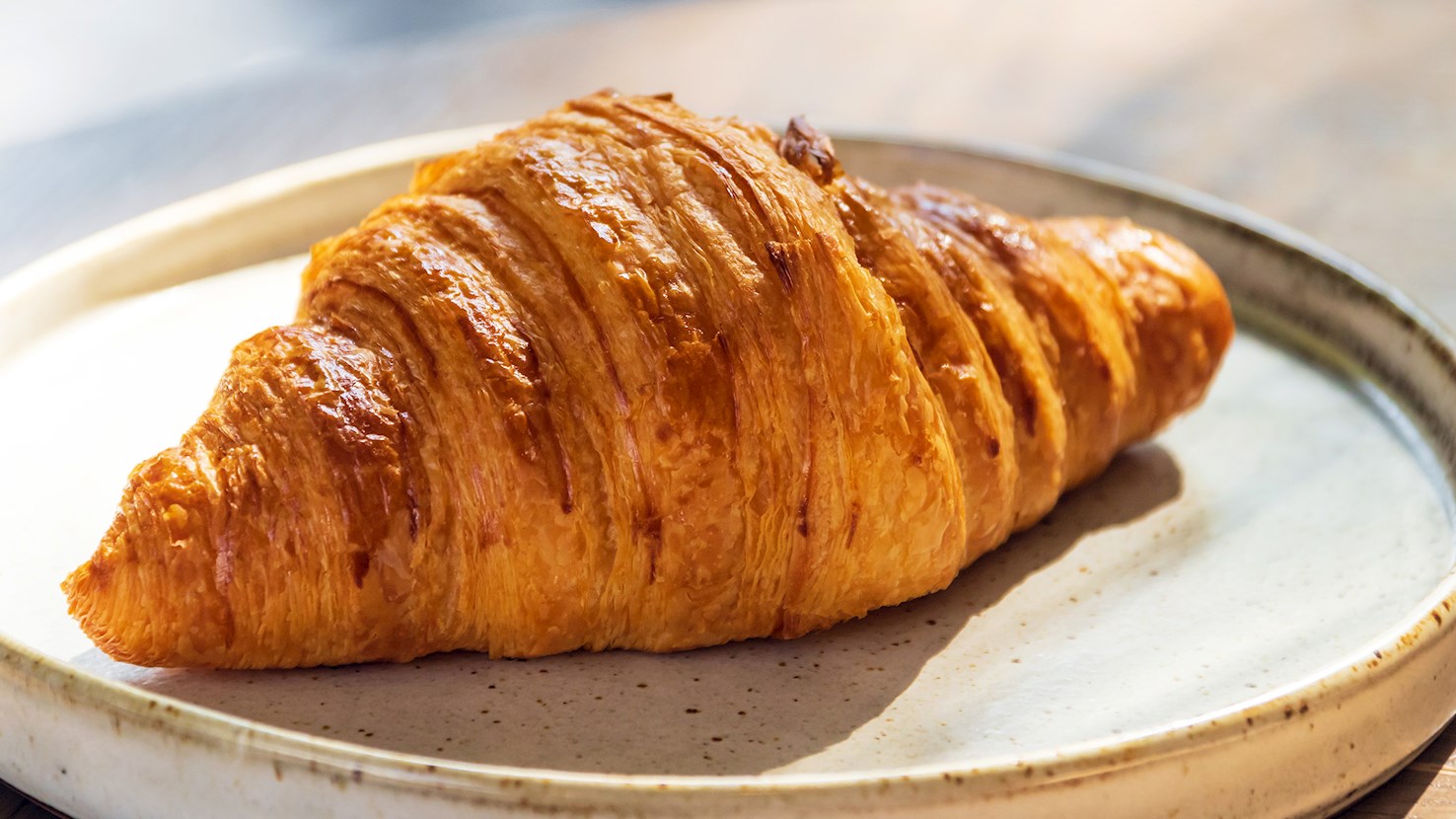
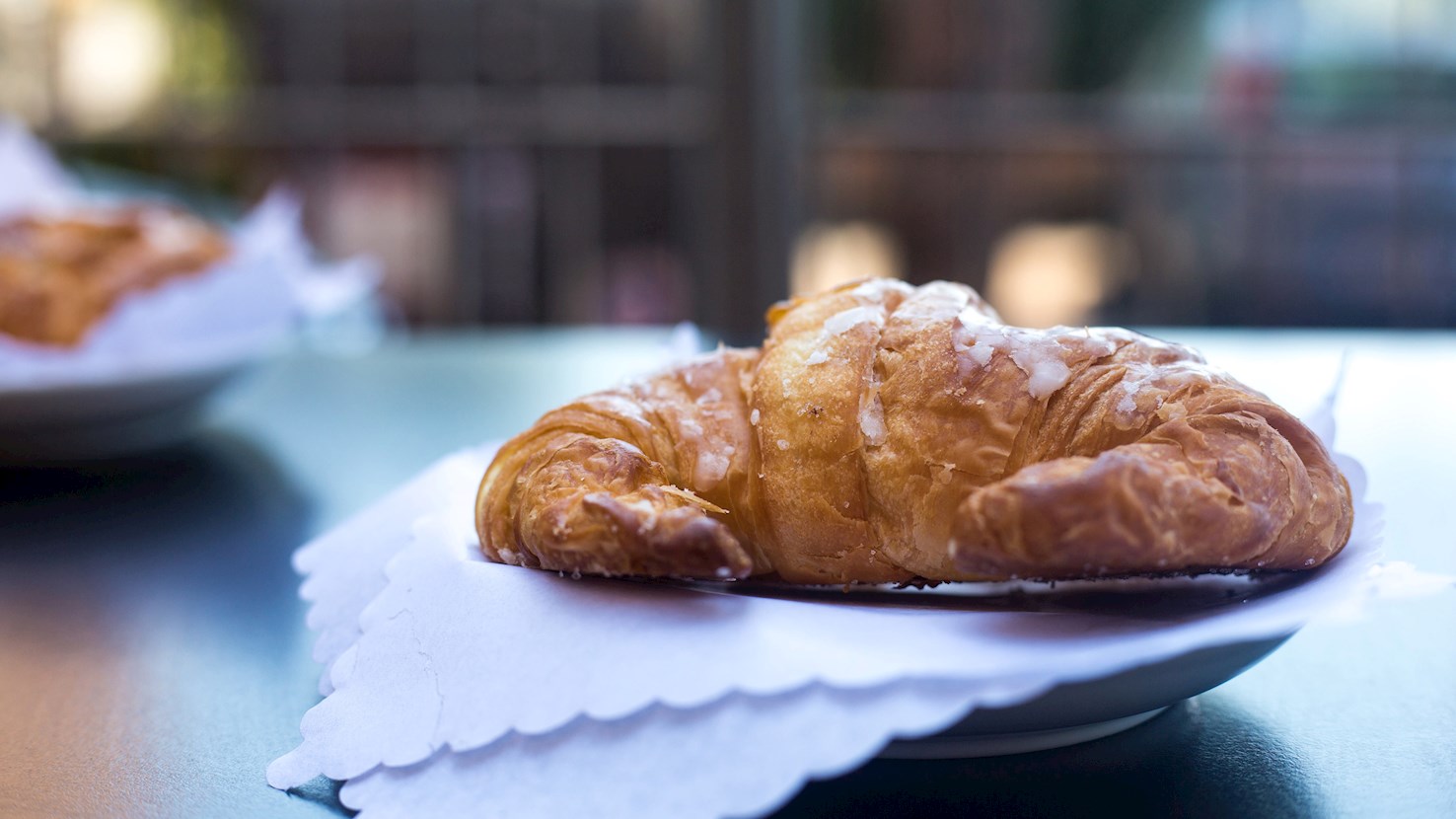
These flaky, golden-colored, crescent-shaped pastries are best made with pure butter and a slightly sweet yeast dough. If made properly, the yellow-white interior should be just the slightest bit elastic when pulled from the center, ready to be covered with a pad of butter or some fresh jam. Experts agree that the croissant was heavily influenced by Austrian kipfels. This pastry originated in 1683 as a celebration of the Austrian victory over the Ottoman Empire, its shape supposedly mimicking the crescent moon found on the Turkish flag. However, the croissant became French the moment people began to make it with puff pastry, a French innovation. Today, French croissants come filled with chocolate, jam, raisins, or even cream cheese. Sold fresh at numerous French boulangeries, they are mainly consumed as a breakfast item.

05

Kouign-amann

4.2 ·

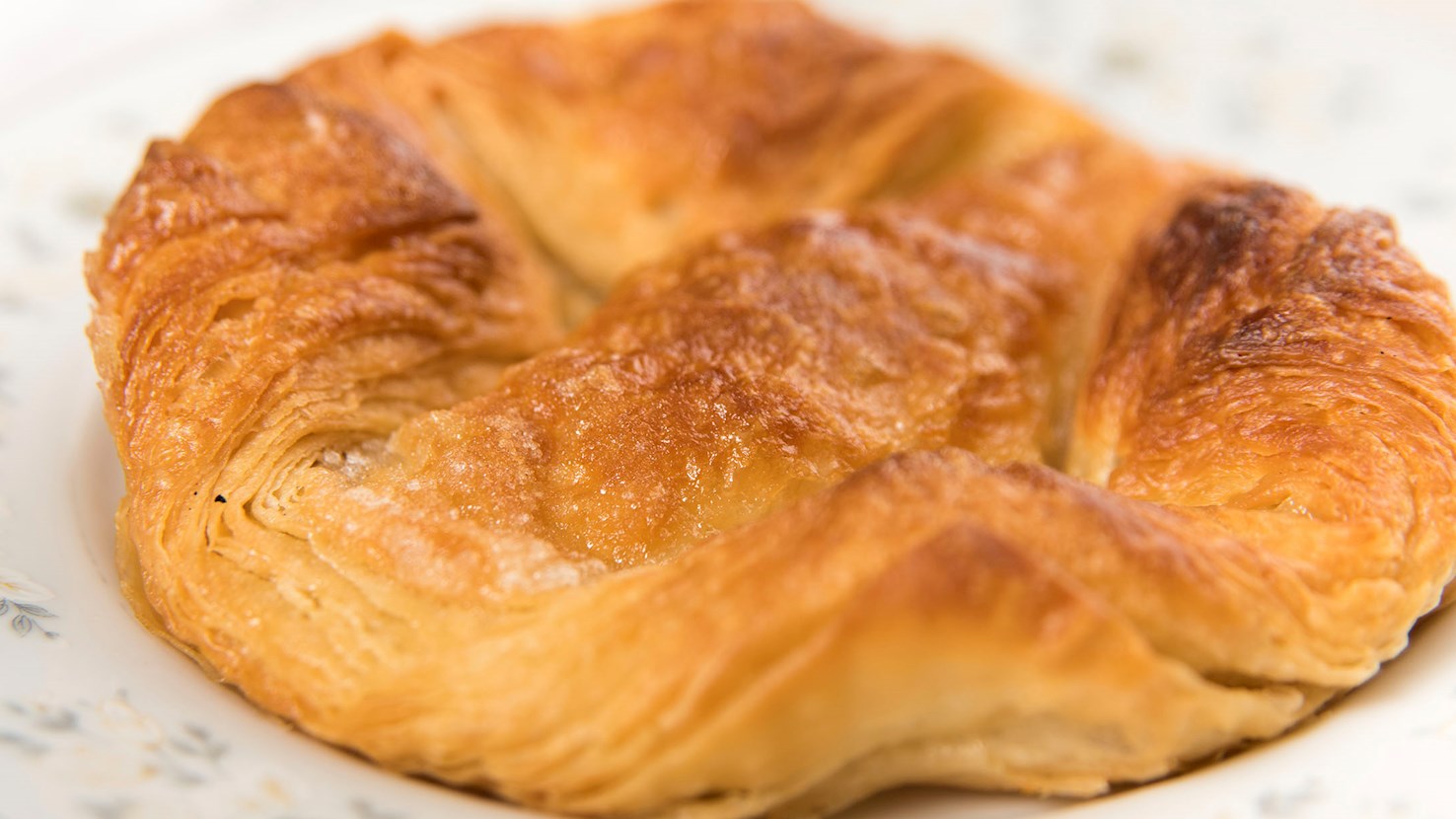
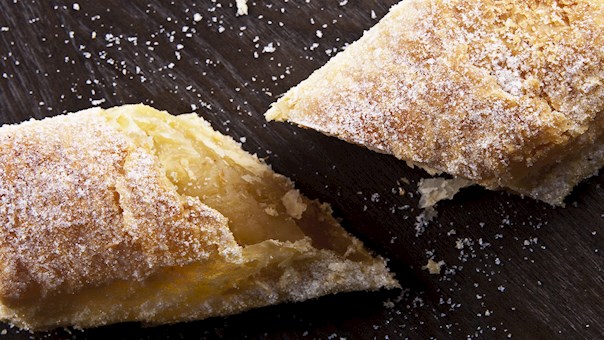
Kouign-amann is a cake that originated in the 1800s in the French region of Bretagne. Its name is derived from the Breton words for cake (kouign) and butter (amann). The cake consists of layers of butter and sugar that are folded into a dough. Bretons claim that the cake is "the fattiest pastry in the world", due to its flaky yellow dough that is mixed with large amounts of sugar and butter. Although there are many theories about the origin of the cake, the most popular one says that it was invented by accident, when a 19th-century baker from Douarnenez wanted to save a failed batch of dough, so he added butter and sugar to the mix, creating the delicacy that we know today.

06

Pasticciotto

4.2 ·

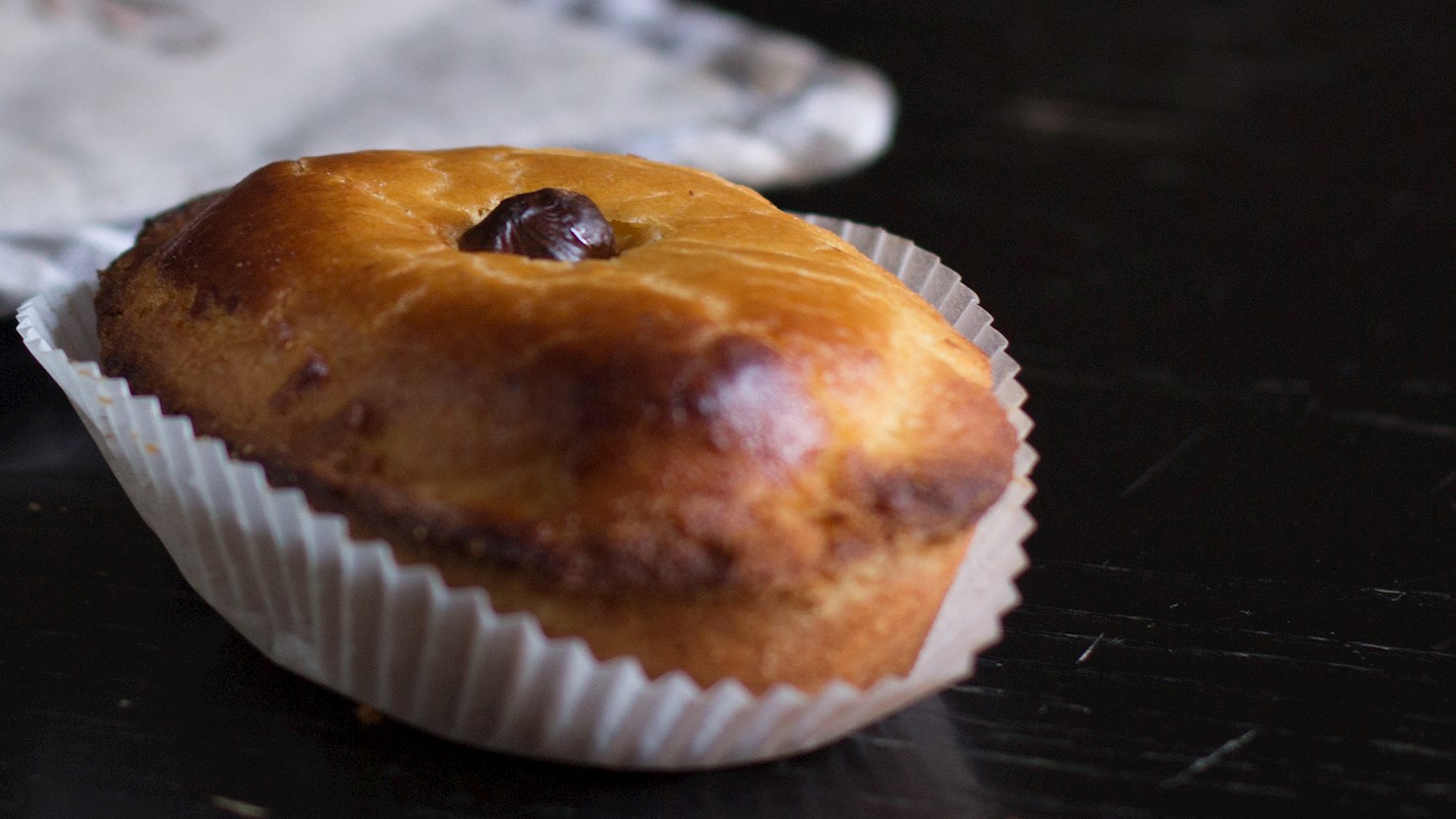
Pasticciotto is a popular Italian dessert consisting of a shortcrust pastry filled with flavorful pastry cream. Traditionally, the crust is made with lard, so that it is moister and softer than the regular crust prepared with butter. It is recommended to consume pasticciotto fresh out of the oven when it is still piping hot. Many believe that the dessert was invented in the 18th century by Andrea Ascalone, a chef from Galatina.

07

Pain au chocolat

4.2 ·

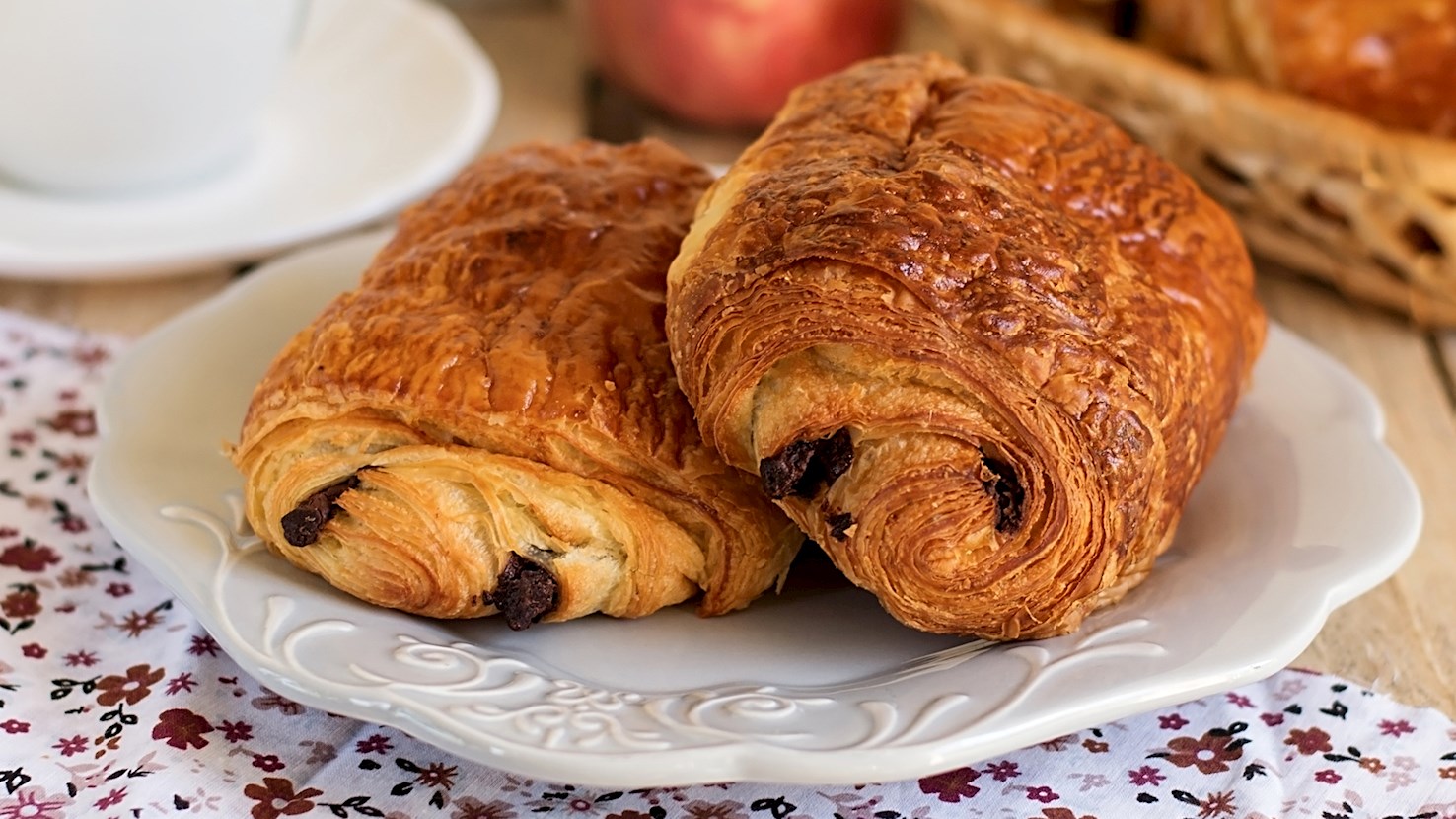
Pain au chocolat is a French viennoiserie roll made with a combination of rectangular, yeast-leavened dough and a few chocolate sticks or chocolate ganache. The filled dough is rolled, baked, then served, ideally while still hot or warm. This flaky pastry can be bought at numerous French bakeries and supermarkets. Interestingly, another name for pain au chocolat is chocolatine, and it is mostly used in the southwest of the country. In Bordeaux, there is even a case where customers had to pay more if they ordered a pain au chocolat rather than a chocolatine. It is believed that the southwest stuck with chocolatine because it is similar to the Occitan word chicolatina. Regardless of these "name wars", in France, one should never refer to pain au chocolat as a chocolate croissant.

08

Bola de Berlim

4.2 ·

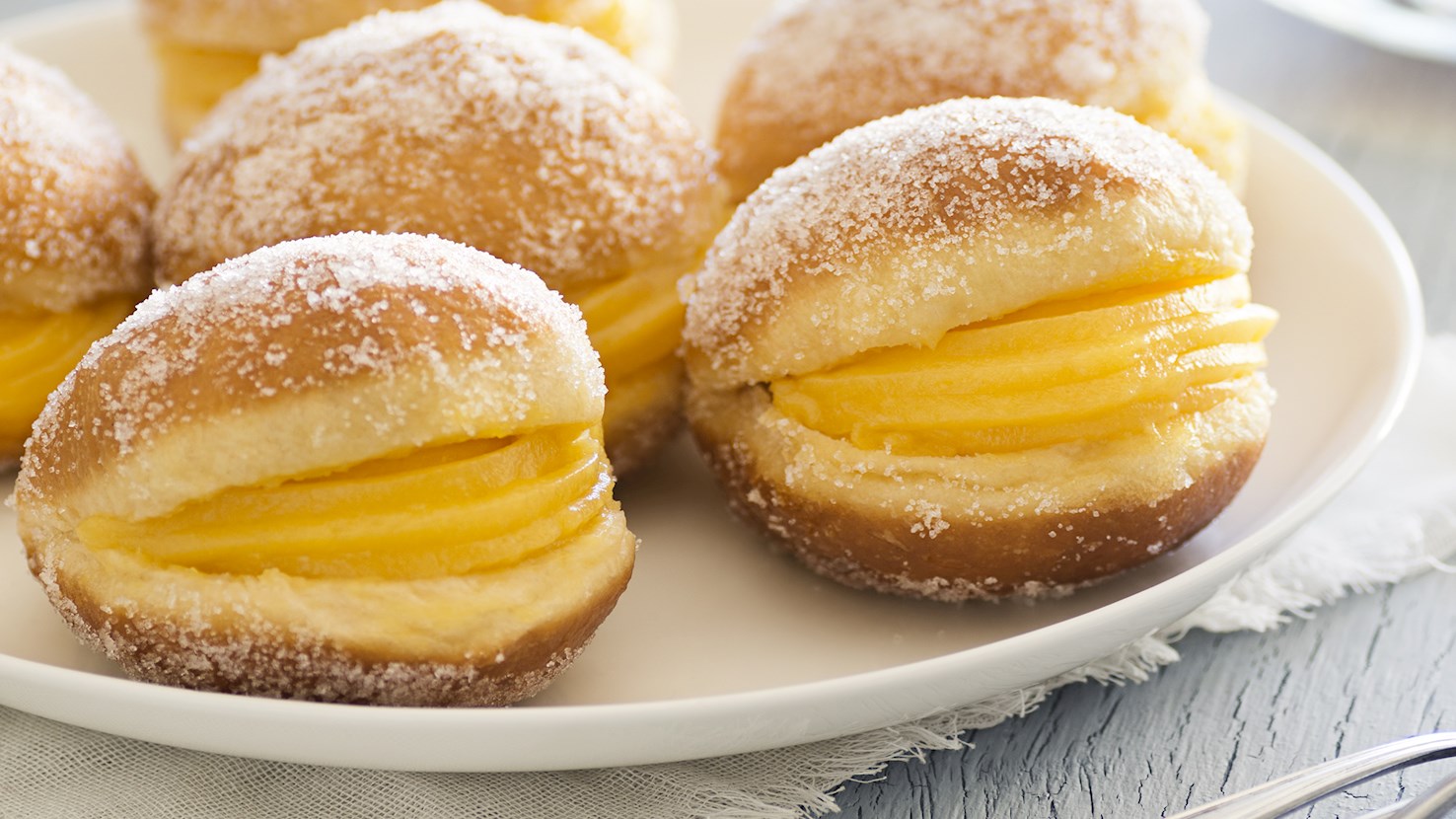
Bolas de Berlim are Portuguese donuts that are sliced in half, then filled with sweet and creamy egg-based custard. Fluffy on the exterior and thick and creamy on the interior, these donuts are typically rolled in granulated sugar before being filled with the custard. On the Portuguese coast, vendors sell these tasty balls on numerous beaches, and locals love to consume them while sunbathing. Although bolas de Berlim are typically filled with custard, they can also be ordered sem creme, meaning without the creamy filling.

Best restaurants
09

Bomboloni

4.2 ·

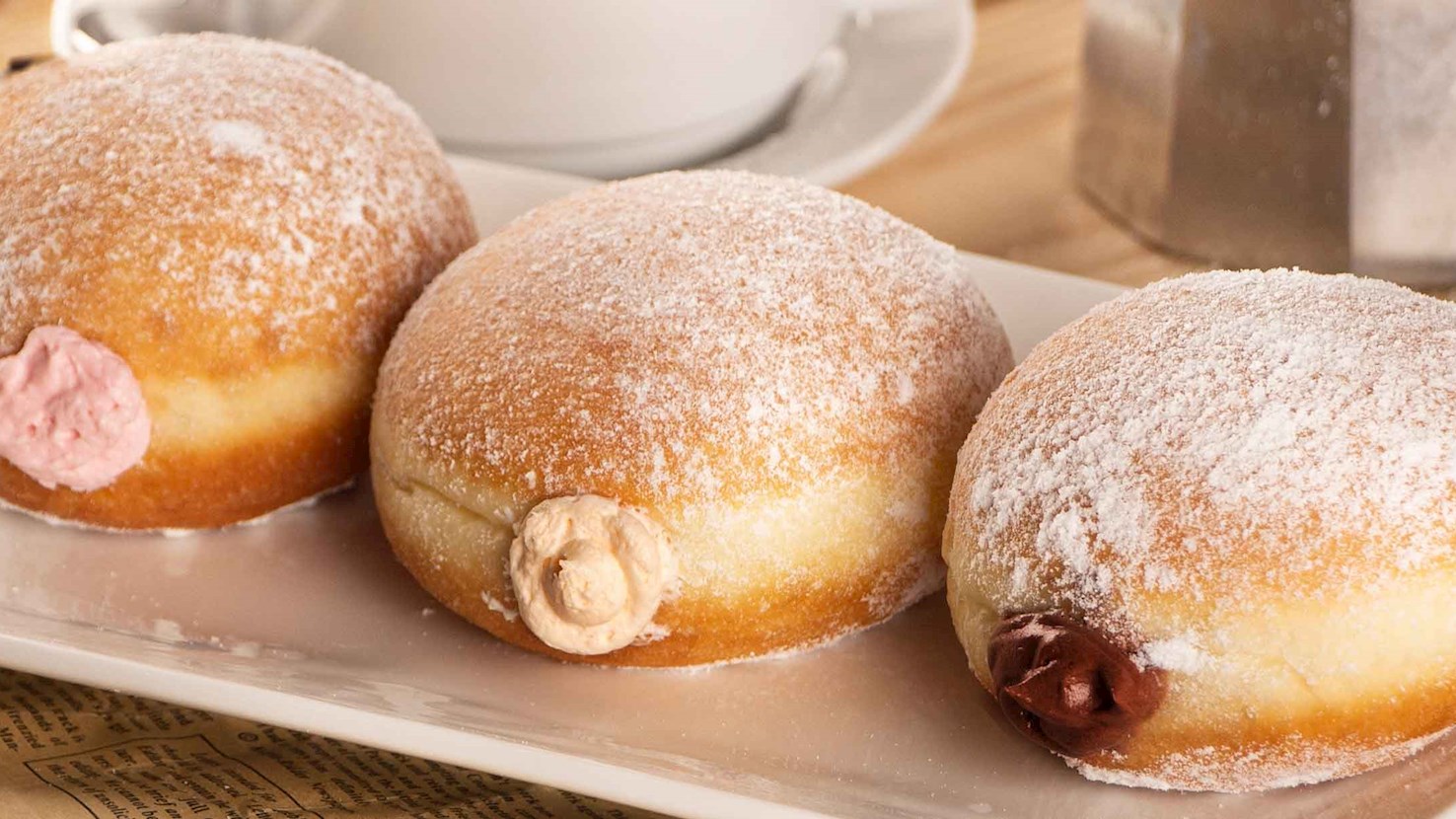
Italian deep-fried doughnuts known as bomboloni are one of the traditional sweets of the Carnival season, but nowadays they can be prepared throughout the year. Even though bomboloni are said to be of Tuscan origin, they are commonly sold as a snack in numerous pasticcerias, bakeries, and coffee shops throughout the country. However, in Tuscany and further to the north of Italy, bomboloni are simply sugar-coated, while in Lazio these delectable treats take on a more decadent appearance, as biting into their sugary crust reveals a silky cream on the inside. The so-called bombolone Laziale is typically filled with either classic custard cream called crema pasticcera, or sometimes even chocolate cream. Pillow-soft, airy, and amazingly light, the delicious bomboloni are best enjoyed while they're still warm, regardless of the preferred variety.

10

Cornetto

4.1 ·

The Italian cornetto is a popular crescent-shaped pastry, similar to a croissant but with key differences. The dough is less laminated than that for a croissant and enriched with sugar, eggs, and butter, resulting in a cornetto with a slightly softer and less flaky texture when compared to a croissant and a sweeter and richer flavor. It is also usually less curved and slightly larger than a croissant. Cornetti (plural for cornetto) can be enjoyed plain or filled with sweet fillings like crema pasticcera (pastry cream), jam, Nutella, or almond paste, and are sometimes dusted with powdered sugar or glazed. Typically enjoyed as part of an Italian breakfast, cornetti are often paired with a cappuccino or espresso, making them a beloved staple in Italian cafés. Although it's best known as cornetto, the same pastry in North Italy is typically called brioche.

Best Western European Pastries

01

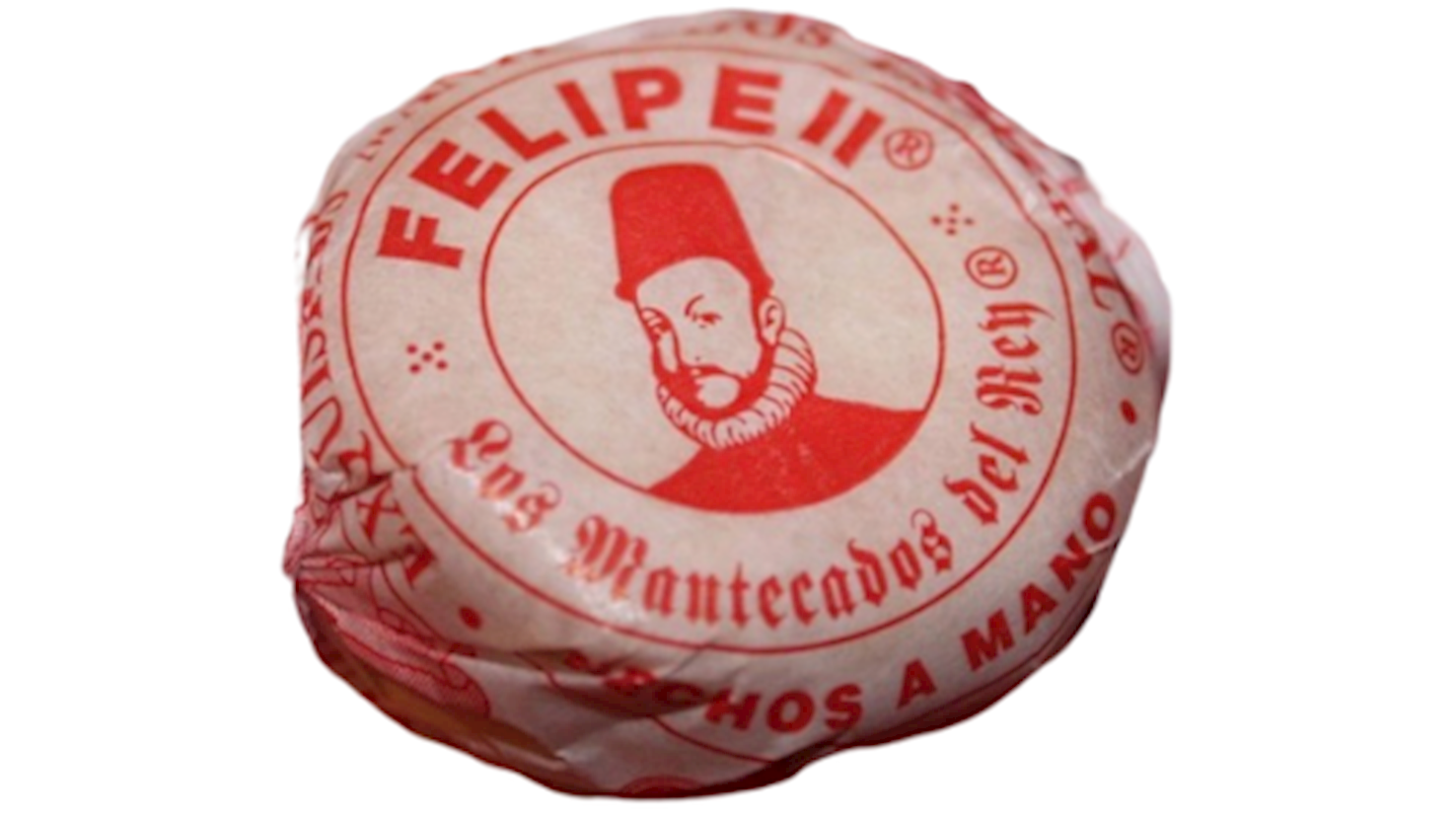
Mantecados Felipe II

4.3 ·

Mantecados Felipe II is one of the most recognizable brands of traditional Spanish mantecados, with an identity deeply rooted in history and artisanal production. Its origin is linked to the 16th century and a story associated with Philip II of Spain, after whom the brand is named, reinforcing its historical and cultural significance.

Today, production is managed by Confitería Blancanieves Tejedor, based in Vitoria-Gasteiz, which continues to preserve the original recipe and handcrafted approach. The brand is often regarded as one of the oldest references in the mantecado category in Spain, positioning it as a benchmark product.

The recipe relies on a limited number of high-quality ingredients, including wheat flour, powdered sugar, pork lard, and Marcona almonds, resulting in a distinctive crumbly texture and pronounced almond character. Production remains largely artisanal, maintaining the traditional format of individually wrapped small cakes, a presentation that has been preserved for over a century.

Rather than focusing on innovation, the brand’s value lies in continuity, combining historical heritage, established ingredients, and traditional craftsmanship. Mantecados Felipe II stands as a reference within Spanish seasonal confectionery, particularly associated with festive periods, while maintaining relevance through its clear connection to origin and long-standing production practices.

Awards
Monde Selection - Gold (2025, 2024, 2023, 2021)
Monde Selection - Gold (2022)
Read more
View all
View map
About this ranking

TasteAtlas food rankings are based on the ratings of the TasteAtlas audience, with a series of mechanisms that recognize real users and that ignore bot, nationalist or local patriotic ratings, and give additional value to the ratings of users that the system recognizes as knowledgeable. For the “Top 100 Western European Pastries” list until July 15, 2026, 15,299 ratings were recorded, of which 12,723 were recognized by the system as legitimate. TasteAtlas Rankings should not be seen as the final global conclusion about food. Their purpose is to promote excellent local foods, instill pride in traditional dishes, and arouse curiosity about dishes you haven’t tried.

The initial list of top producers was compiled based on available reviews, awards, local recommendations, media and blog coverage, and consumer reviews. The list will be updated with ratings from TasteAtlas local ambassadors and TasteAtlas users.

Similar lists