shutterstock

Top 11 Peppercorns
in the World

Last updated on July 29, 2026

Best Peppercorns in the World
01

Pepper Field

4.8 ·

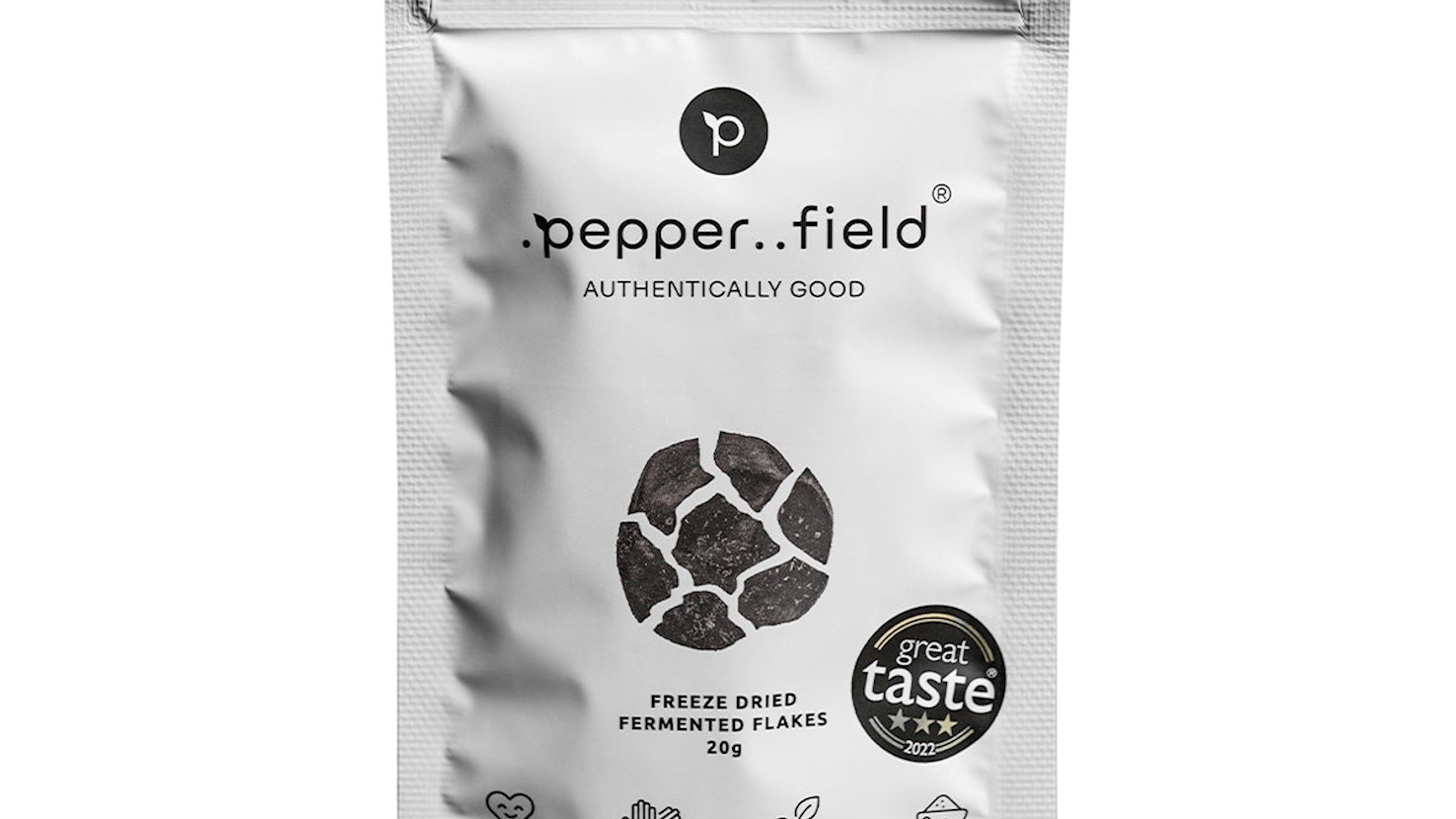
Pepper Field is a black pepper producer based in Prague. They specialize in high-quality black pepper products.

The company focuses on sourcing their black pepper from carefully selected regions to ensure premium quality.

Awards
Great Taste Awards - 3 Stars (2024, 2023, 2022, 2021)
Great Taste Awards - 2 Stars (2024, 2023, 2022, 2021)
02

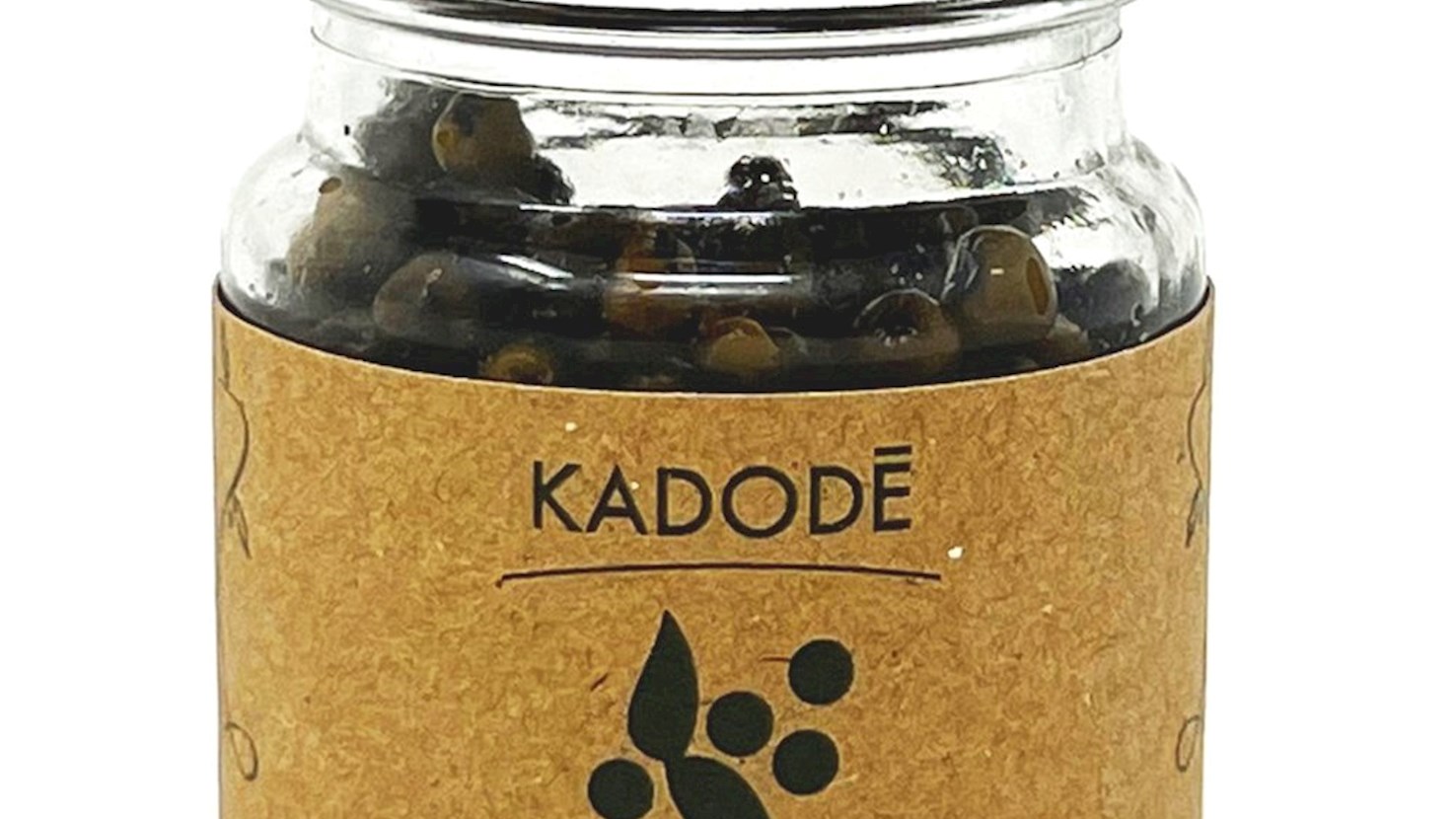
Kadode Kampot Pepper UK

4.8 ·

Kadode Kampot Pepper UK specializes in producing high-quality Kampot pepper. The company sources its pepper from Kampot province in Cambodia, known for its ideal growing conditions for pepper plants.

Kadode Kampot pepper is certified with Geographic Indication (GI) status, ensuring its origin and quality are officially recognized. The company focuses on sustainable farming practices and fair trade, aiming to support local farmers and the community.

Awards
Great Taste Awards - 3 Stars (2024, 2023, 2022, 2021)
Great Taste Awards - 2 Stars (2024, 2023, 2022, 2021)
03

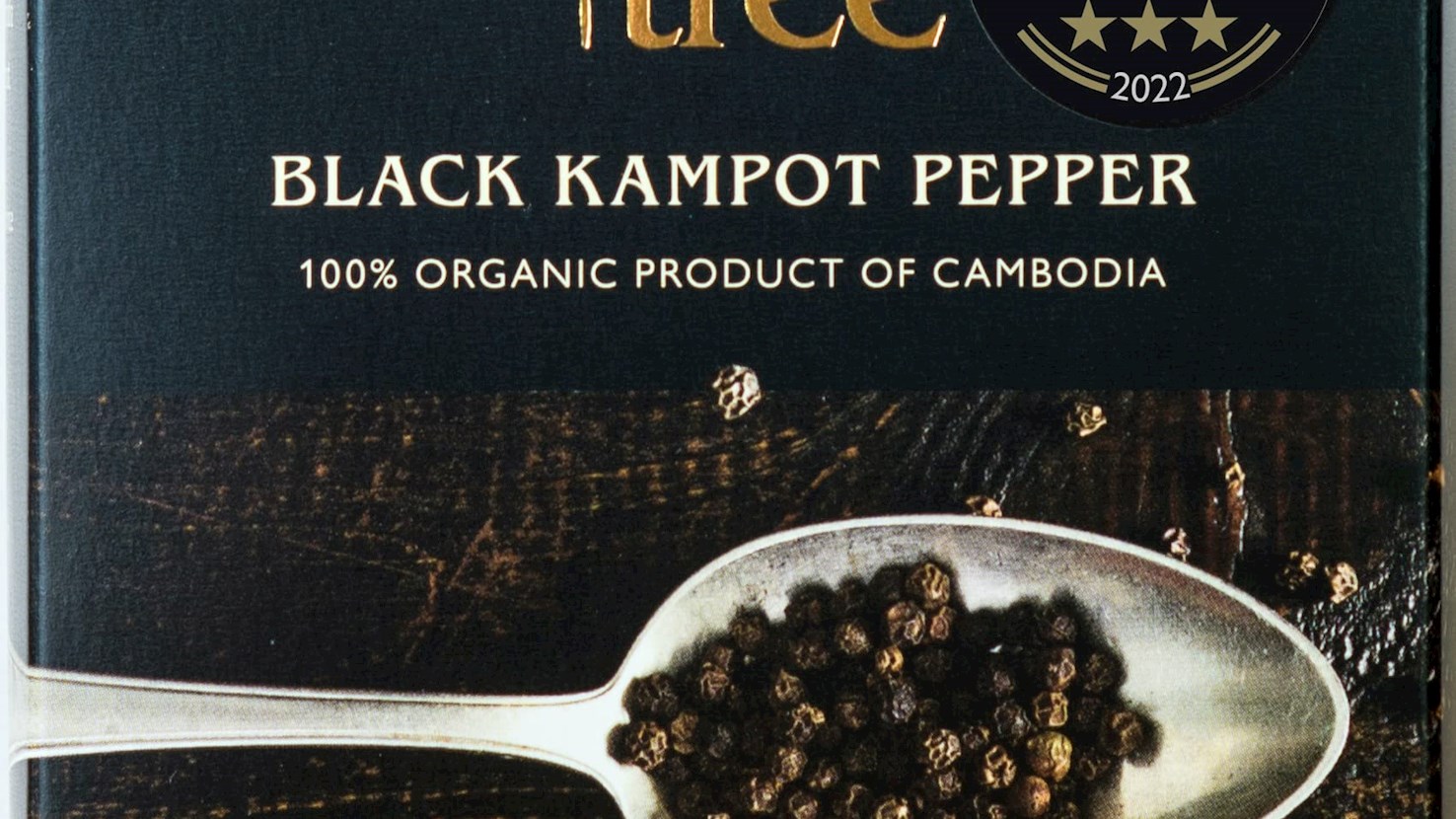
Bo Tree Farm

4.8 ·

Bo Tree Farm is a spice blend and seasoning producer located in Cambodia. The company specializes in cultivating organic Kampot pepper, a variety highly prized within the culinary world.

Bo Tree Farm emphasizes sustainable farming practices and works closely with local communities to ensure ethical production. They export their pepper globally, and it is known for its distinct flavor profile and high quality.

Awards
Great Taste Awards - 3 Stars (2022, 2021)
Great Taste Awards - 2 Stars (2023, 2022, 2021)
04

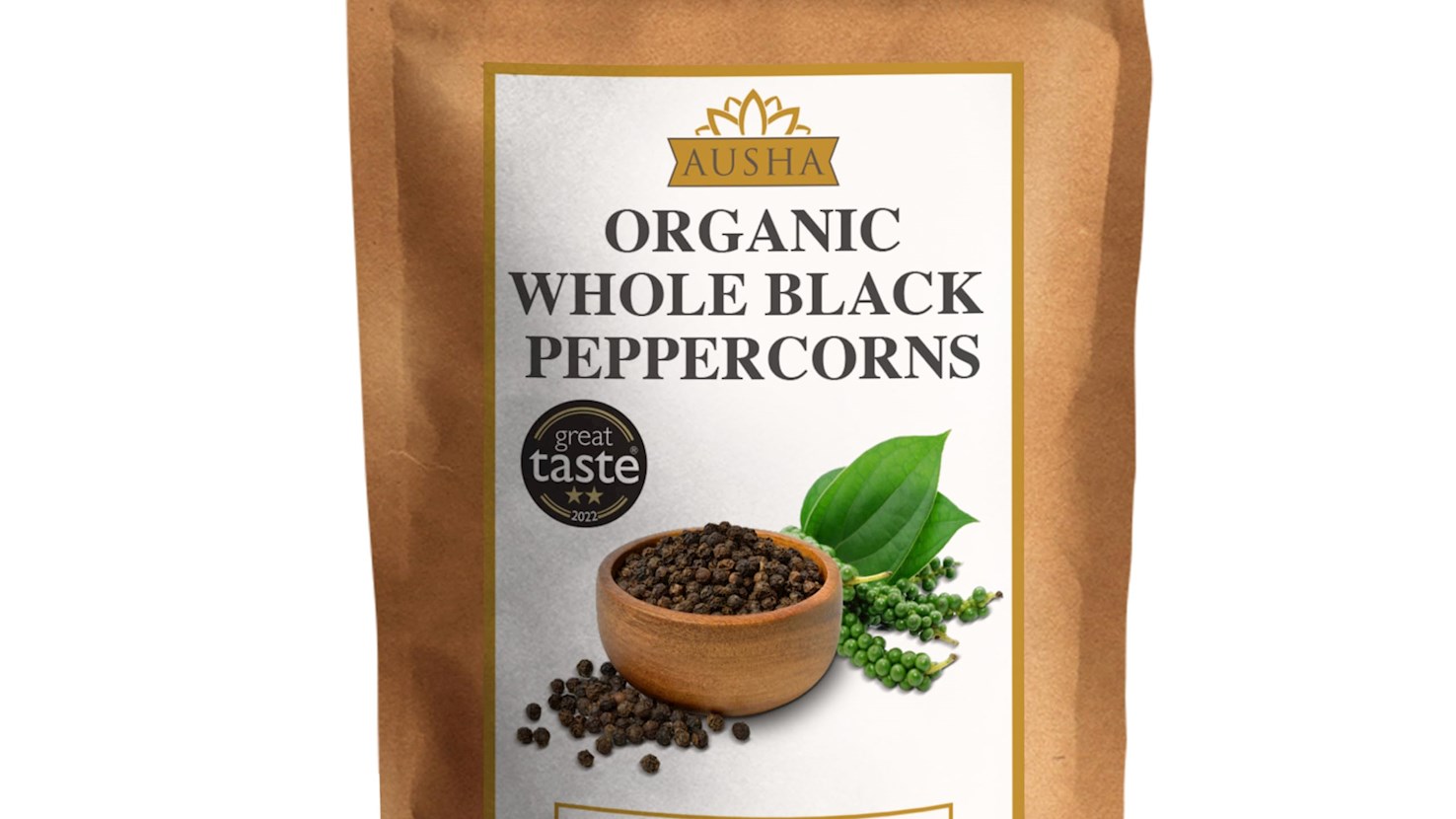
Ausha

4.5 ·

Ausha is an England-based company that produces and distributes a range of organic and natural products, including Black Pepper. The company sources its Black Pepper directly from farmers and cooperatives to ensure ethical and sustainable practices.

Ausha emphasizes the purity and quality of their products. Their Black Pepper is often certified organic and free from additives and preservatives.

Awards
Great Taste Awards - 3 Stars (2022)
Great Taste Awards - 2 Stars (2024, 2023, 2022)
05

Yoyo Laos Sauce

4.5 ·
Awards
Great Taste Awards - 3 Stars (2024)
Great Taste Awards - 2 Stars (2024, 2023, 2022)
06

Kanja Sansyou

4.3 ·

Kanja Sansyou is a Japanese producer specializing in products made from sansho (Japanese pepper) and related herbs, cultivated in Wakayama Prefecture. The company offers high-quality seasonings, sauces, and ingredients that highlight the distinct aromatic and spicy flavors of sansho.

With a commitment to traditional farming and production methods, Sansyou-en aims to promote the culinary heritage of Japan.

07

Kitora Nouen

4.3 ·

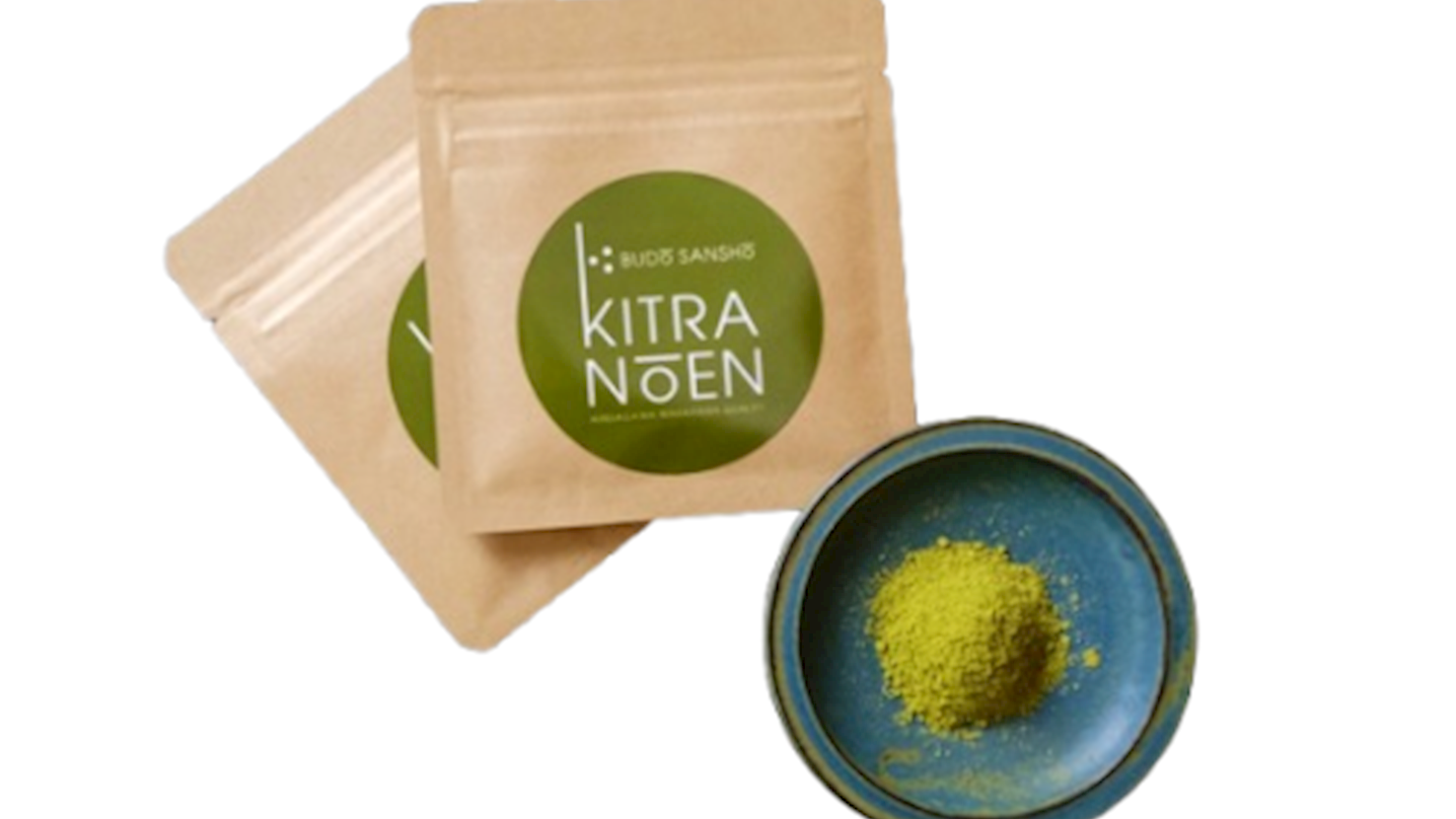
Kitora Nouen is a Japanese agricultural producer located in Wakayama Prefecture. The company specializes in cultivating high-quality fruits and spices, with a strong focus on sansho (Japanese pepper).

Their products emphasize natural flavors and are grown with care to preserve traditional farming practices. Kitora Nouen offers fresh produce and value-added products like seasonings, highlighting the rich agricultural heritage of the region.

08

Yamatsu Tsujita

4.3 ·

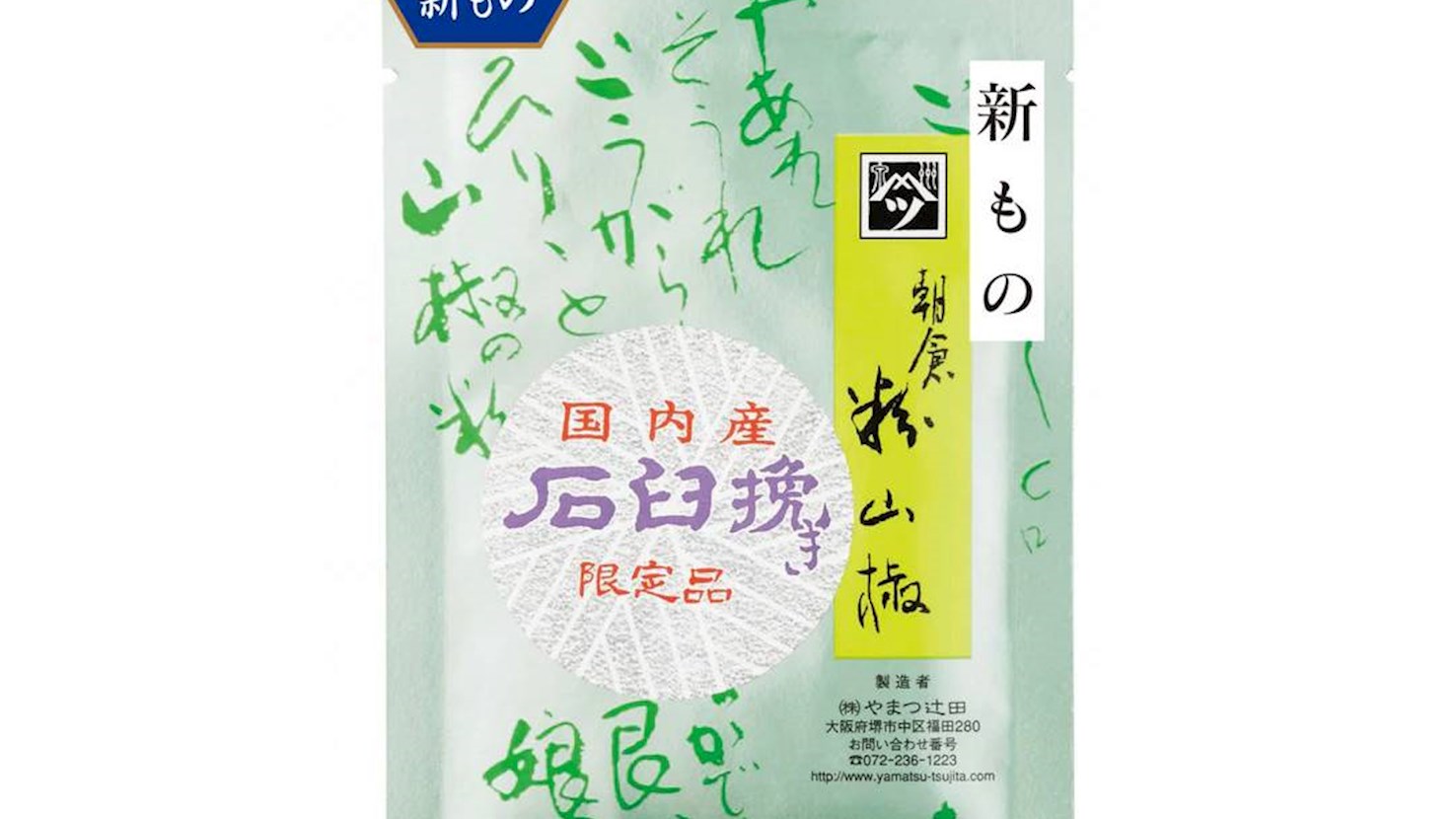
Yamatsu Tsujita is a Japanese company specializing in the production and sale of high-quality spices, particularly focusing on domestically grown chili peppers and ground sansho (Japanese pepper). With a history spanning over 120 years, the company has preserved and passed down traditional techniques and varieties, such as the purebred "Taka no Tsume" chili pepper.

In 2021, this particular chili was recognized as a "Naniwa Traditional Vegetable" under the name "Sakai Taka no Tsume," highlighting its cultural and historical significance. Yamatsu Tsujita's commitment to quality and tradition has established them as a reputable producer of authentic Japanese spices.

09

Ujamaa Spice

4.2 ·
Awards
Great Taste Awards - 3 Stars (2024)
Great Taste Awards - 2 Stars (2024, 2023)
10

La Drogheria

4.2 ·

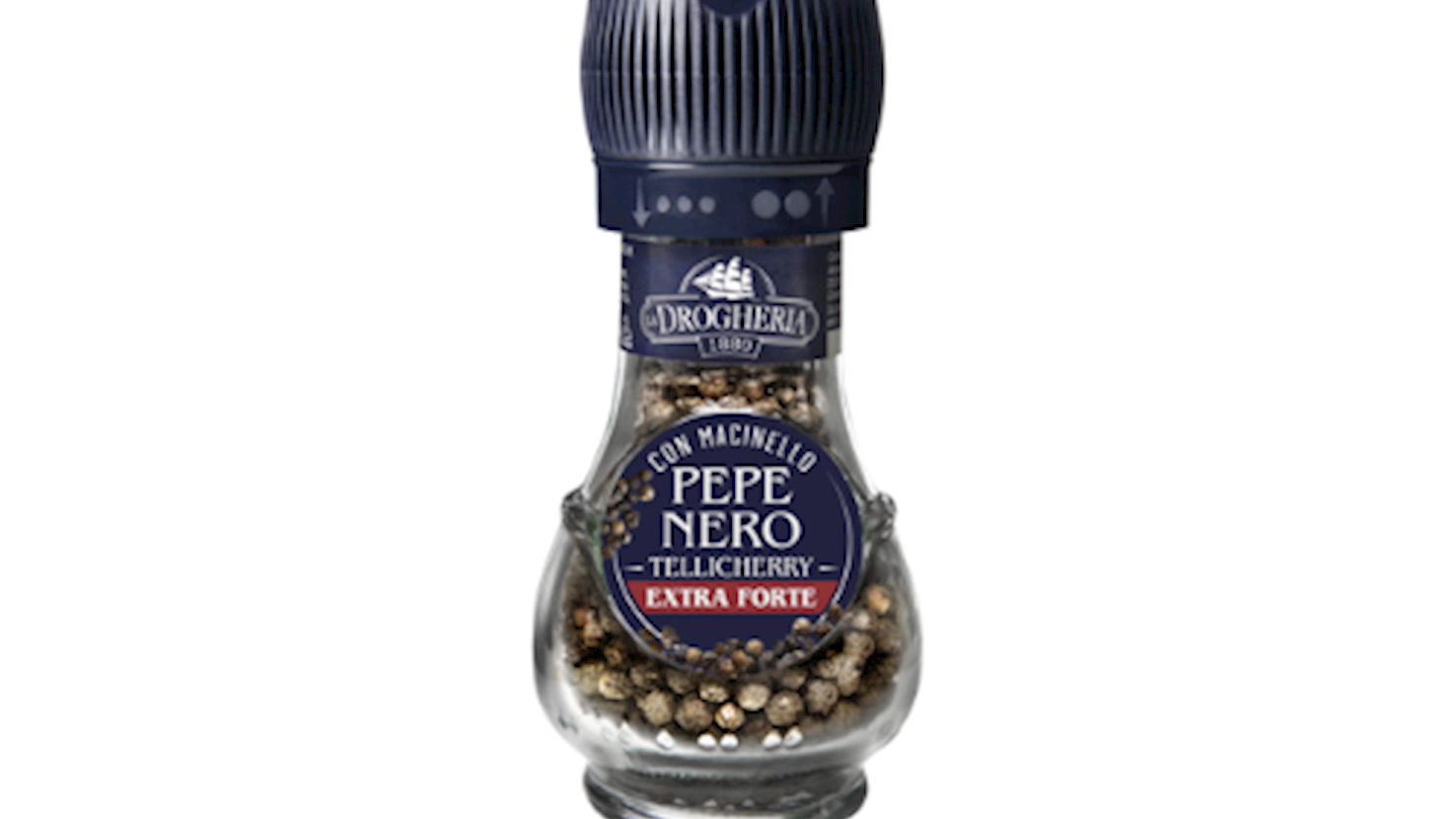
La Drogheria is an Italian brand with a heritage dating back to 1880, specializing in the production of spices, aromatic herbs, salts, and culinary blends. Its portfolio includes a wide range of pepper varieties, sea and rock salts, dried herbs, and complex seasoning mixes designed for both everyday cooking and professional use.

Strong emphasis is placed on raw material selection and quality control in order to preserve the natural aromatic properties throughout processing. The brand is particularly recognized for its practical grinders and functional packaging solutions that allow precise dosing and help maintain product freshness.

Drogheria holds a solid position on the Italian market and is also active internationally, representing a segment of reliable, standardized seasoning products. Overall, Drogheria stands as an example of a long-established Italian company that has transformed its specialization in spices into a stable and internationally recognized brand.

Best Peppercorns Types in the World
01

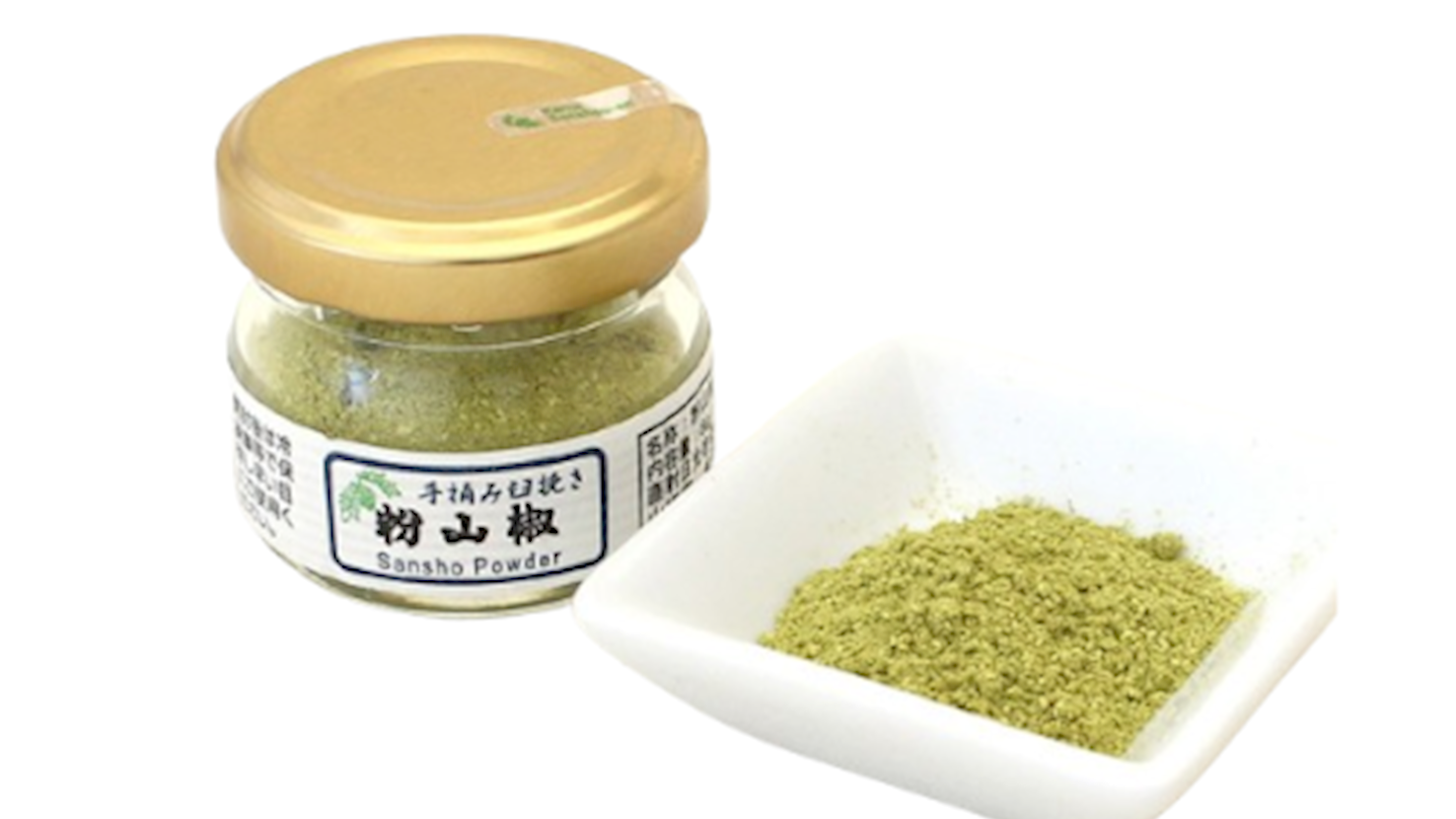
Sansho Pepper

4.3 ·

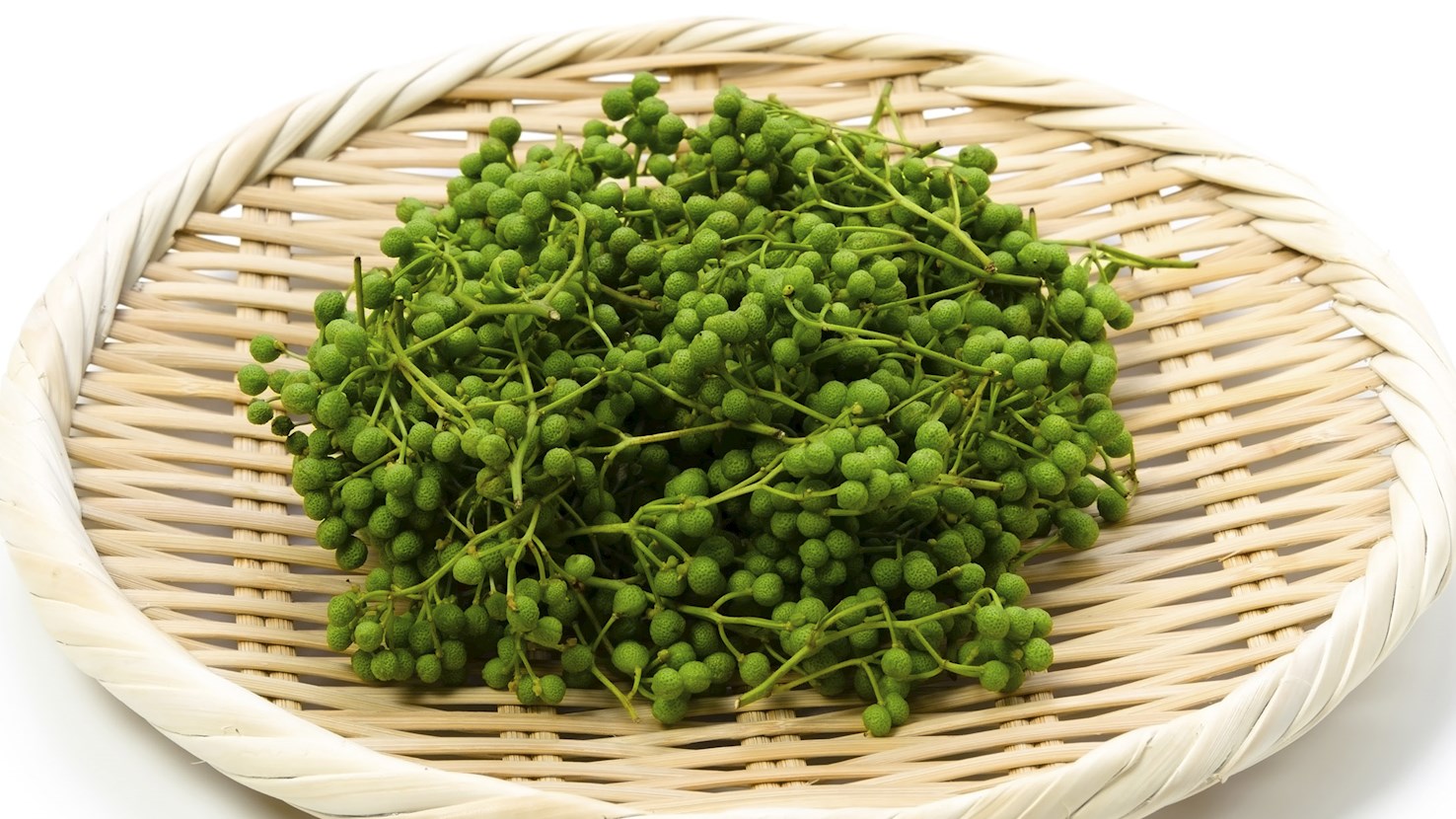
Sansho pepper is a Japanese spice characterized by its prized aromatic peppercorns, green color, and a floral, tangy, lemon-like flavor. It is a part of the famous seven Japanese spices and is closely related to Sichuan pepper. The shrub is grown in Japan, but also in China and North Korea. Traditionally, sansho is used as a seasoning for fish and barbecue dishes, or sprinkled over unagi grilled eel. It pairs extremely well with other spices such as sesame and ginger.

02

Mrech Kampot (Kampot Pepper)

3.7 ·

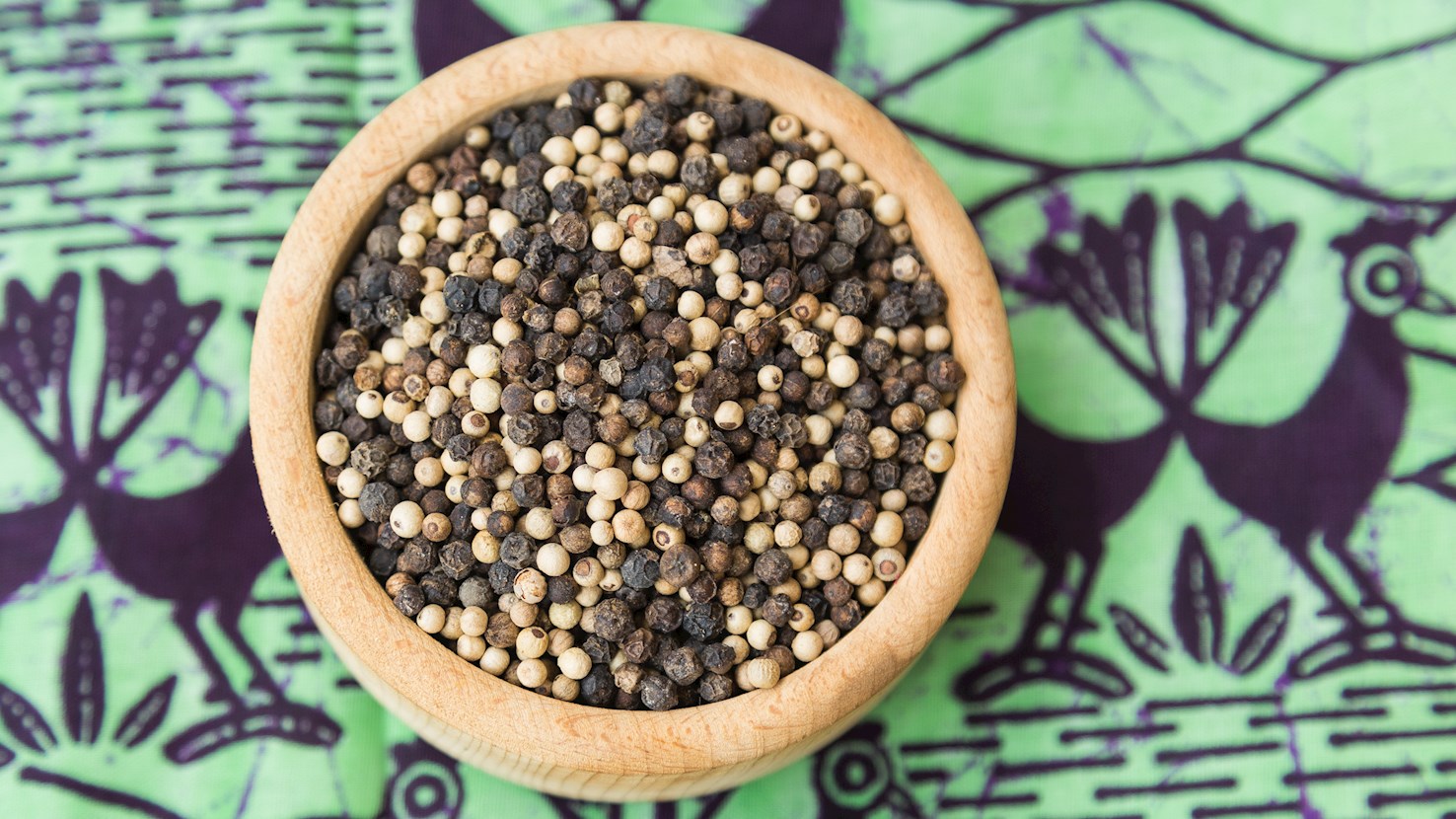
Kampot pepper or poivre de Kampot is pepper from two berry varieties, the Kamchay and the Lampong, of the species Piper nigrum L. grown in the provinces of Kampot and Kep in southern Cambodia. There are four types of Kampot pepper – green, black, red, and white. The green variety is harvested while still young on the vine. It's aromatic with a mild peppery flavor, and it's recommended to use it with grilled or fried squid dishes. The black variety has a delicate and strong aroma, and the flavor ranges from mild and sweet to intensely spicy. It has notes of mint, flowers, and eucalyptus, and it's recommended to use it with most dishes, and especially with grilled fish. The rare red variety is harvested when fully mature on the vine. The aroma is intense and fruity, while the flavors are spicy and sweet. It's recommended to use it in meat dishes and desserts. The rare white variety is developed by soaking red berries in water. The aroma is intense and delicate, and the flavors are strong and spicy with notes of lime and fresh grass. The pepper production in this area started blooming with the arrival of French colonists and made Kampot a synonym for a high-quality product known in France and the rest of Europe. With the Khmer Rouge regime and civil law at the end of the 20th century, the production completely stopped. Finally, when the war ended, the producers started from scratch and began cultivating pepper once again using traditional methods. Thanks to the amazing climate and soil conditions of the area and techniques aimed at ensuring the drainage of the soil, this pepper is of the finest quality, well known for its aroma and balanced pungency.

03

Phú Quốc Pepper

3.8 ·

This Vietnamese pepper originates from the island of Phú Quốc, which produces over 1000 tons of it annually. The pepper is well-known for its strong aroma, pungency, and heat. The red pepper has an especially strong aroma and a sweet, citrusy heat, while the black one has large and solid corns. There's also a third variety (but they're all the same pepper species) – white pepper, and the fourth one is green pepper (unripe, good for cooking and making herbal teas). The farmers use only organic fertilizers and dry the pepper in the sunlight. Once ripe, the peppercorns are hand-harvested, then organized by type or color. The pepper is used in a variety of dishes such as fish simmered in caramel sauce, beefsteak, soups, stir-fries, and noodle soups.

04

Cubeb

3.2 ·

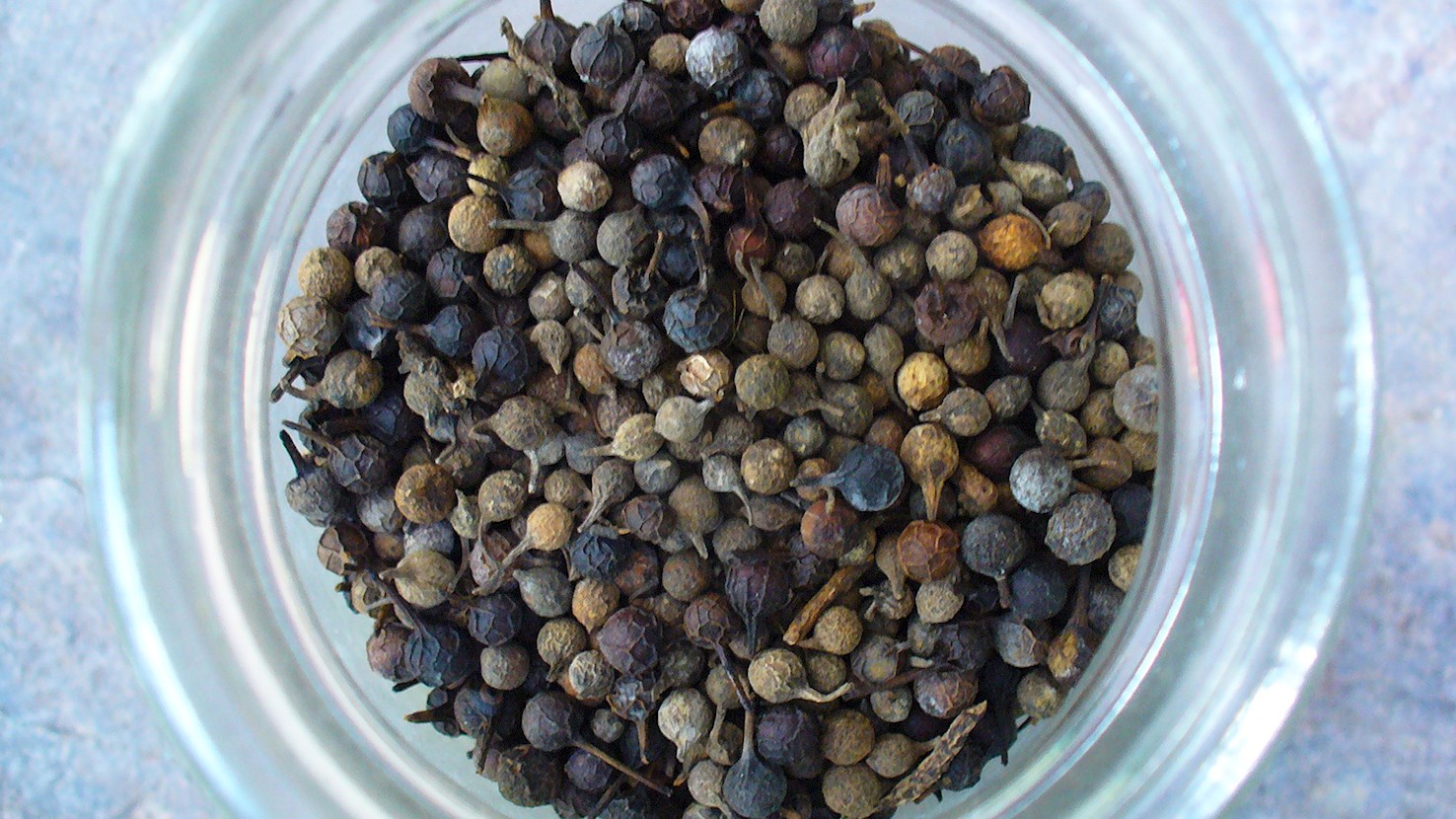
Cubeb is a complex pepper variety native to Java, Indonesia. The pepper starts out as the immature fruit of a tropical climbing vine that sometimes grows in coffee plantations. The vines produce small flowers that turn into berries, which are gathered in the early summer. The berries are then dried in the sun until they turn wrinkly and brown-black. Cubeb pepper barely has any heat, and the flavors are bitter, refreshing, and slightly numbing. Originally, it was grown for medicinal purposes, but over time it became popular as an ingredient due to its peppery and bitter notes. This pepper variety is often used in ras el hanout, gulai curries, and mutton tagine. The spice pairs well with nutmeg, orange peel, lemongrass, and cloves.

05

Rimbàs Black Pepper

n/a ·

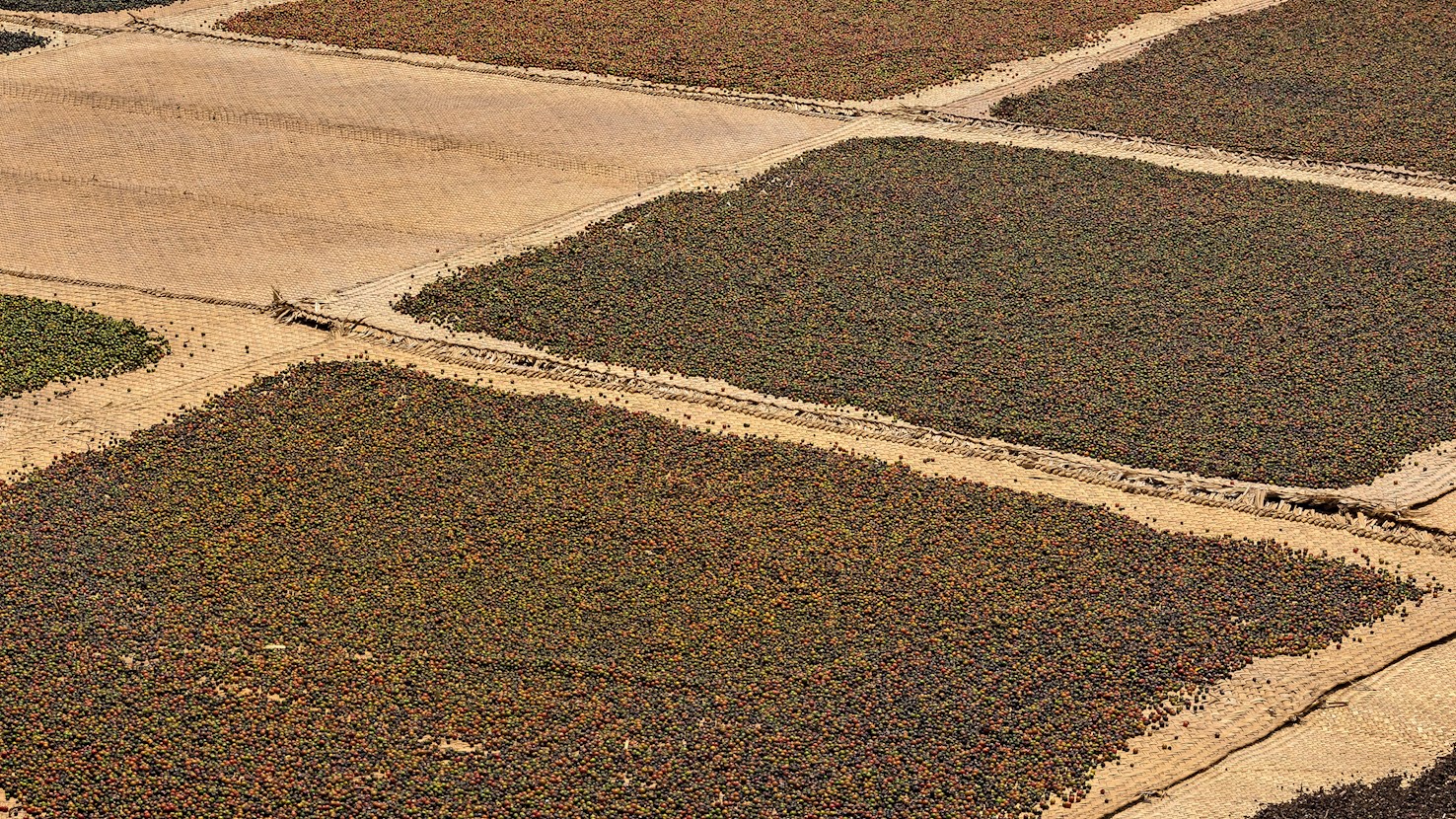
In the Malaysian state of Sarawak, more precisely near the river Rimbàs, a local variety of black pepper known as Kuching is cultivated by the Ibans native group. The rows in small pepper fields are arranged on a slight slope in order to avoid the accumulation of excess water – a result of abundant tropical rains. The pepper plant has the form of a bush and grows around a post of one of the most resistant woods in nature – ironwood or belian. The grains of pepper are collected when they turn from green to pale yellow color, and are then washed and left to dry in the sun. Nowadays, approximately 13,000 hectares of pepper are cultivated in the area.

06

Tasmanian Pepper

n/a ·

Tasmanian pepper is a pepper variety native to southeastern parts of Australia, such as Tasmania, Victoria, and New South Wales. These pepper berries have a piney, resin-like, floral, and sweet aromas. The flavors are pleasantly sweet and acidic, but after a few seconds, the tongue-numbing heat starts to take effect. However, Tasmanian pepper is not overwhelmingly hot. Due to the fact that the Tasmanian pepper is a bit softer and larger than regular black pepper, the berries can be chopped and added to raw or cooked dishes such as foie gras and meat stews, but they’re also used in marinades for emu hamburgers and dry rubs for lamb. The leaves of Tasmannia lanceolata are also edible, pungent, and flavorful, and they’re often dried and ground into a powder. If used whole, the leaves will lose the pungency but impart heat and acidic and fruity notes to selected dishes. Tasmanian pepper is traditionally used on kangaroo steaks, beef stews, grilled vegetables, and in salad dressings. The spice pairs well with cumin, paprika, verbena, ginger, and basil.

07

Poivre de penja

n/a ·

Poivre de penja is a traditional type of pepper originating from the Moungo and Koupé Manengouba regions in Cameroon. The spice comes from the berries of Piper nigrum, a plant with a pungent and intense flavor. The pepper varieties are green, black, white, and red. The peppercorns vary in size from small to medium and large. The aromas are woody, musky, and heavy, while the aromas are warm and spicy. The green pepper has an aroma of pepper and herbs, the black pepper has an intense aroma and pungent flavor, the white pepper has strong aromas and astringent and pungent flavors, while the red pepper is also pungent, intense, and astringent. The pungency is a result of the high piperine content, making this pepper distinctively different from other types of pepper.

About this ranking

TasteAtlas food rankings are based on the ratings of the TasteAtlas audience, with a series of mechanisms that recognize real users and that ignore bot, nationalist or local patriotic ratings, and give additional value to the ratings of users that the system recognizes as knowledgeable. For the “Top 11 Peppercorns in the World” list until July 29, 2026, 88 ratings were recorded, of which 66 were recognized by the system as legitimate. TasteAtlas Rankings should not be seen as the final global conclusion about food. Their purpose is to promote excellent local foods, instill pride in traditional dishes, and arouse curiosity about dishes you haven’t tried.

The initial list of top producers was compiled based on available reviews, awards, local recommendations, media and blog coverage, and consumer reviews. The list will be updated with ratings from TasteAtlas local ambassadors and TasteAtlas users.

Similar lists