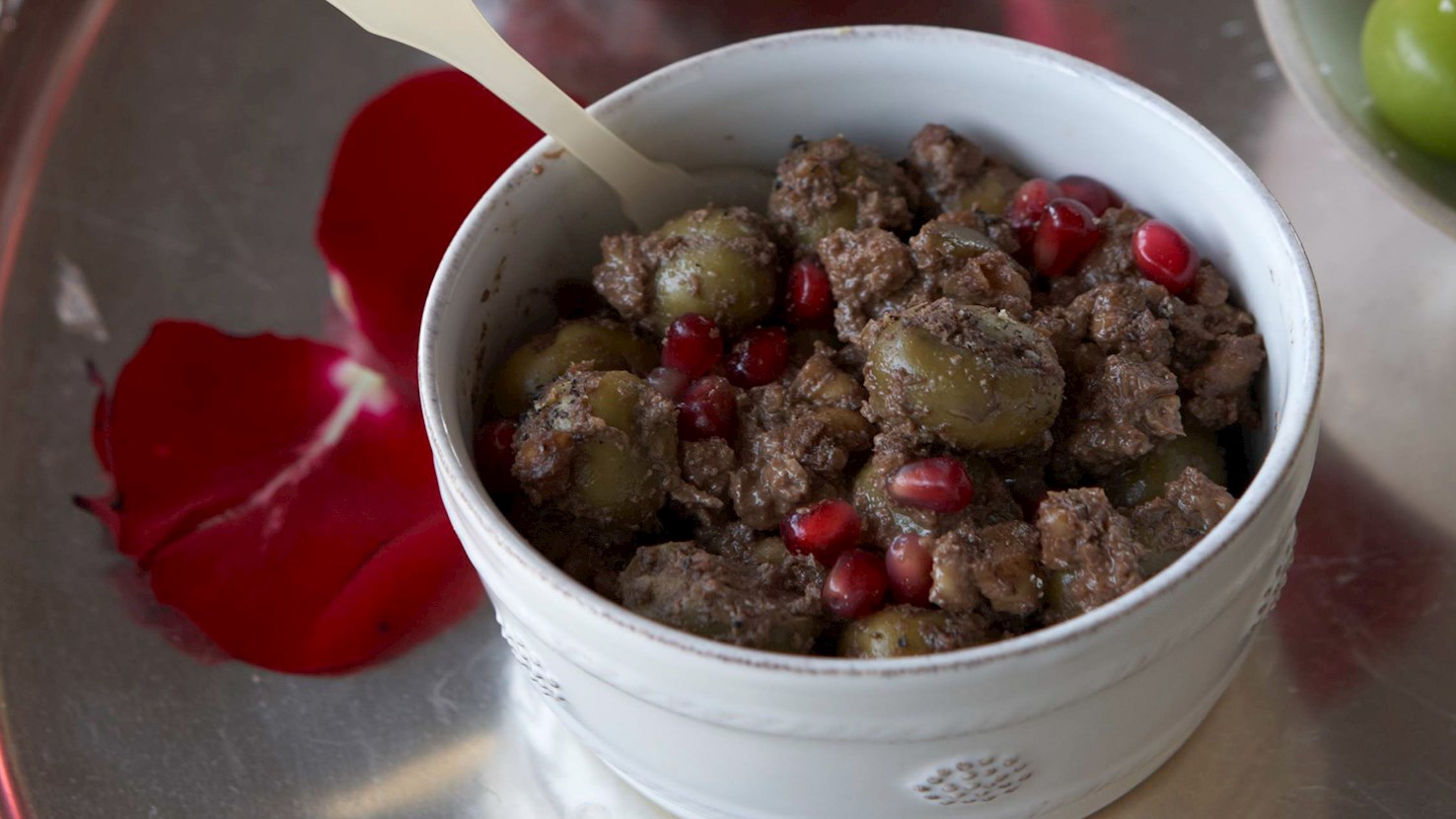
Zeytoon parvardeh is an olive-based appetizer originating in Iran’s northern Caspian region, particularly the province of Gilan. Known for combining pitted green olives with pomegranate molasses, walnuts, garlic, and herbs, it balances tangy, earthy, and aromatic notes that reflect the diverse agricultural produce of the area. The dish belongs to the group of flavorful mezze and accompaniments that characterize Gilani cuisine, where local olives are cultivated in abundance near the coastal plains. The history of zeytoon parvardeh is tied to the long-standing cultivation of olives and pomegranates in northern Iran. The Caspian provinces have been centers of horticulture for centuries, benefiting from humid subtropical weather and fertile soils. Olives were introduced to the region many generations ago and became a staple crop, integrated into recipes that made use of other locally available ingredients such as walnuts and aromatic herbs. Over time, families developed their own versions of the seasoned olive mixture, often preparing it in small batches to serve with meals or offer to guests. Preparation starts with high-quality green olives that are rinsed, drained, and sometimes pitted, depending on preference. Walnuts are finely ground or chopped to a coarse texture, then mixed with crushed garlic and fresh herbs, usually mint and sometimes savory or cilantro. Pomegranate molasses is stirred in to create a sweet and sour base that clings to the olives. A touch of salt, sometimes a squeeze of fresh lemon juice, and a drizzle of olive oil complete the mixture. The ingredients are combined thoroughly so that the flavors soak into the olives, then the dish is covered and left to rest in the refrigerator for several hours or overnight. In Gilan, zeytoon parvardeh is a common feature of meals served alongside rice dishes, kebabs, or fish. Some households also offer it as an appetizer with flatbread. The dish stands out for its combination of textures: the firmness of the olives, the crunch of walnuts, and the syrupy richness of the pomegranate molasses. Although it is sometimes prepared fresh, many cooks believe it tastes better after sitting for a day so the flavors meld. Today, zeytoon parvardeh remains widely eaten in northern Iran and has gained popularity in other parts of the country as a specialty product often sold in jars at markets or brought home as a souvenir from trips to the Caspian coast. It is enjoyed both at family gatherings and in restaurants that showcase Gilani cooking, where it is valued for its vibrant taste and connection to the region’s agricultural traditions.
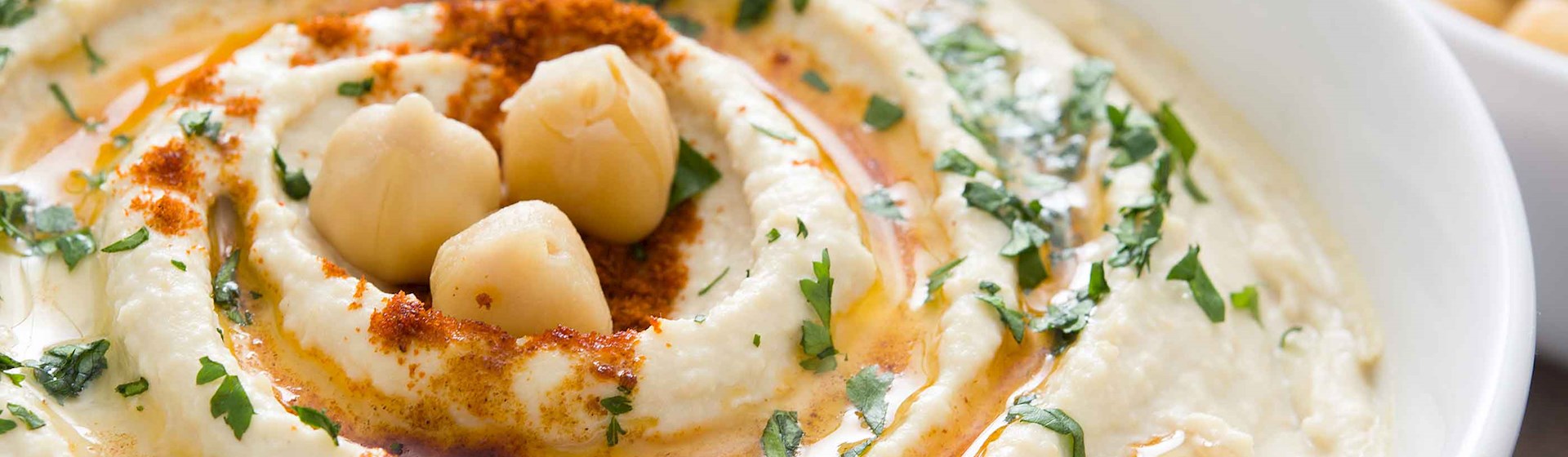
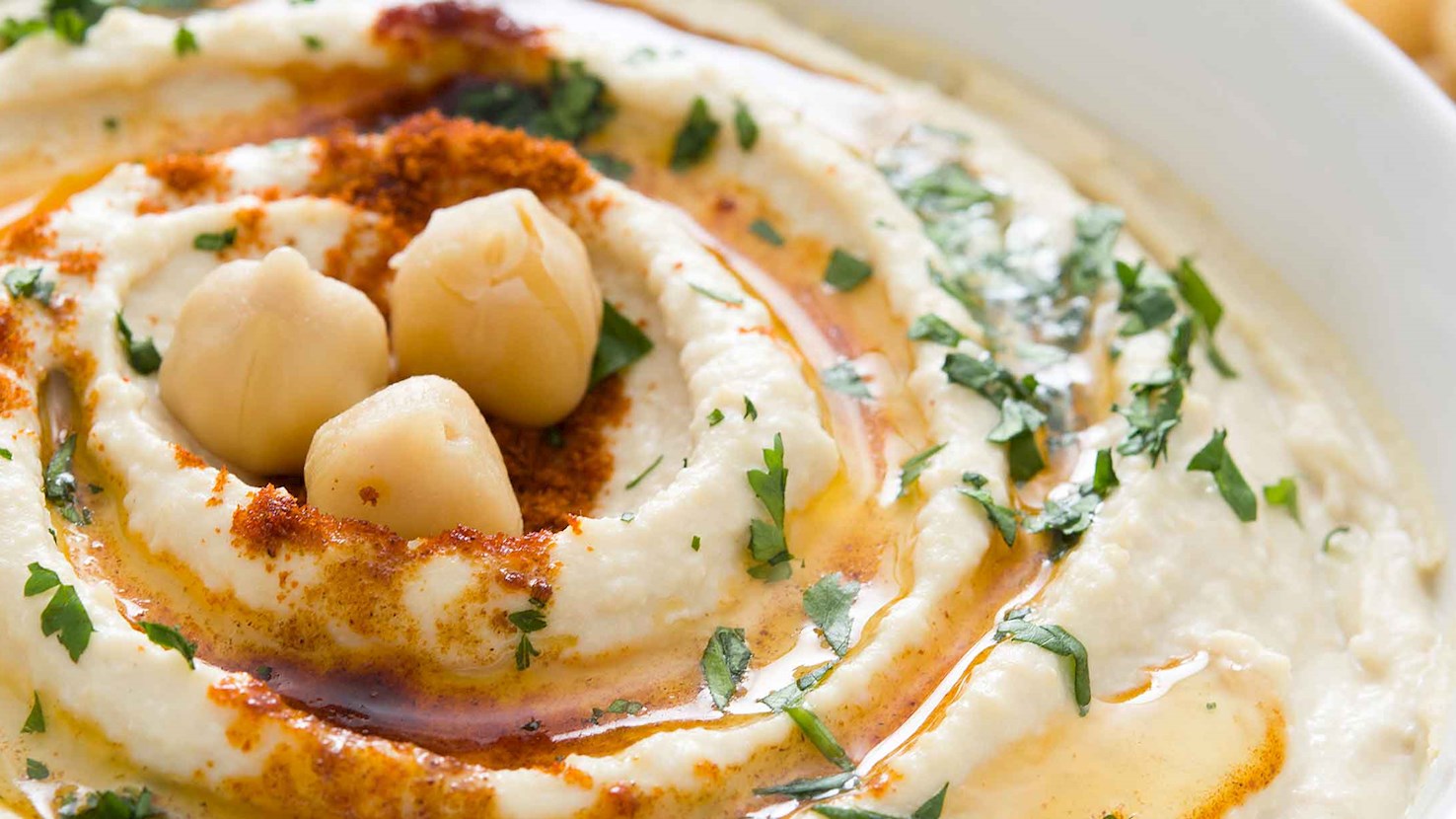
Hummus is a creamy dip made primarily from cooked and mashed chickpeas blended with tahini, olive oil, lemon juice, and garlic. It originates from the Middle East, where it has been a dietary staple for centuries, especially in countries like Lebanon, Palestine, Israel, Syria, and Jordan. Hummus’s roots can be traced back to ancient times (earliest mention of hummus dates back to 13th-century Egypt), when legumes and seeds were common sources of nutrition in the Levant. Over time, the combination of chickpeas and tahini evolved into a dish that balances earthy, nutty, and tangy flavors. While recipes vary slightly across regions, the core ingredients remain consistent, emphasizing freshness and quality. The smooth texture and rich taste make hummus both versatile and widely appealing, able to serve as a simple snack or a complement to more elaborate meals. Preparation involves soaking and cooking dried chickpeas until tender, then blending them with tahini paste, freshly squeezed lemon juice, crushed garlic, and extra virgin olive oil to create a velvety consistency. Salt is added to enhance the flavors, and the mixture is often garnished with a drizzle of olive oil, a sprinkle of paprika or sumac, and sometimes fresh herbs or whole chickpeas. Hummus can be served chilled or at room temperature, paired with pita bread, vegetables, or as part of a larger mezze platter. Hummus enjoys widespread popularity not only in the Middle East but globally, embraced as a healthy and flavorful dish. It is commonly found in homes, restaurants, and markets, representing both everyday nourishment and a dish for social gatherings.
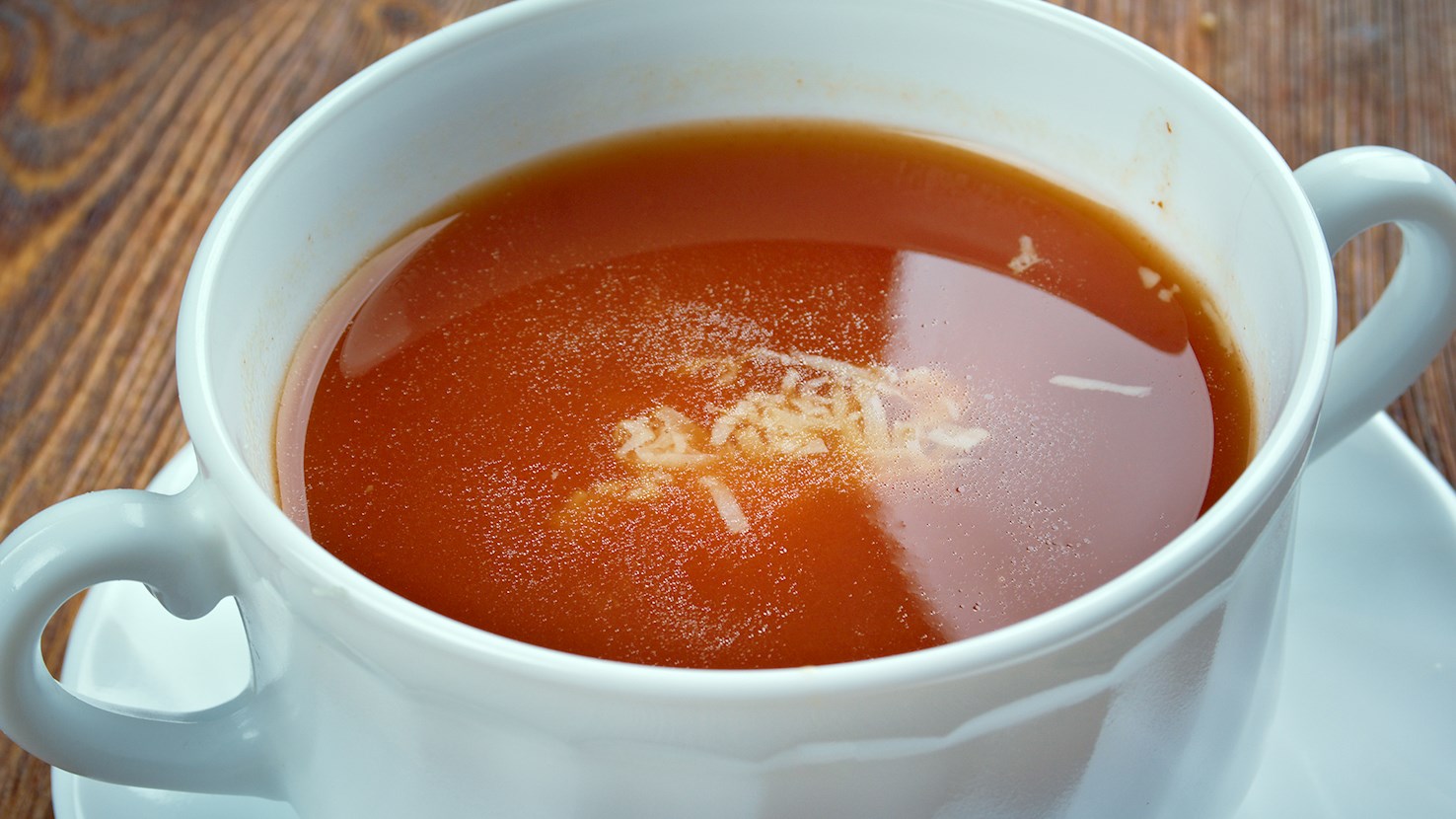
Domates çorbası is a typical Turkish tomato soup featuring simple and fresh flavors. It consists of cooked or roasted tomatoes, onions, garlic, olive oil, flour, and water. The soup is often seasoned with salt and ground pepper, and it is traditionally garnished with a few fresh basil leaves. This light meal is typically prepared during hot summer days, acting as a refreshment. It can be served either hot or cold.
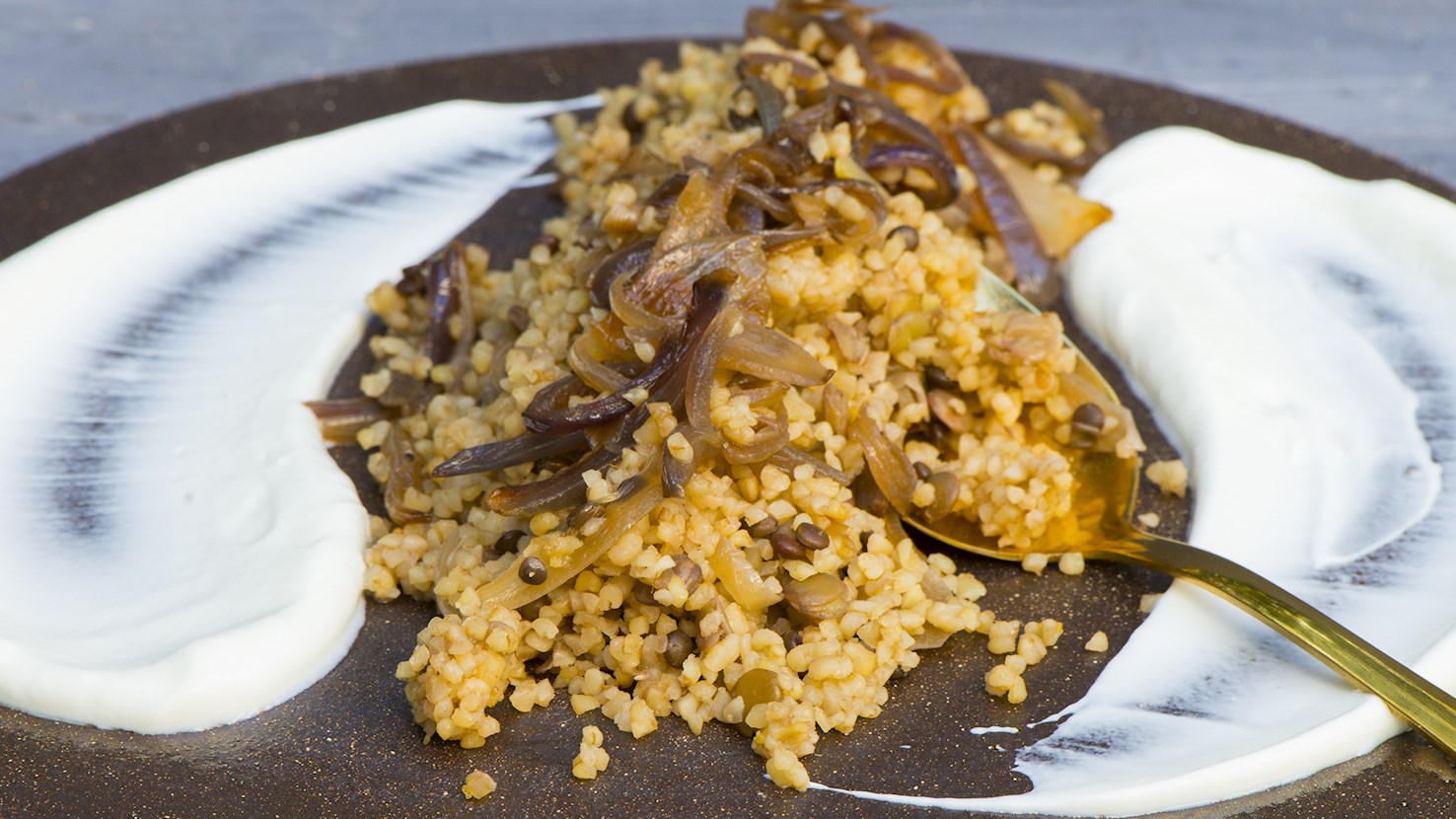
Mujaddara is a staple dish in Middle Eastern cuisine, widely enjoyed across countries such as Iraq, Lebanon, Syria, Palestine, and Jordan. It consists primarily of lentils and rice or bulgur, combined with caramelized onions that lend the dish a deep, savory flavor and a pleasing texture contrast. This dish has roots extending back to ancient times when legumes and grains formed the dietary backbone of many communities. Over generations, mujaddara evolved as a nourishing meal that is both affordable and filling. The method of slow-cooking lentils and rice together allows their flavors to meld naturally, while the golden, fried onions add a rich, slightly sweet counterpoint. The dish’s name, derived from Arabic, translates roughly to “pockmarked,” referring to the appearance lentils create in the grain. Preparation involves rinsing lentils and rice before cooking them in broth or water until tender. Meanwhile, onions are sliced thin and fried slowly to achieve a crisp, caramelized exterior. The onions are then either mixed into the lentil and rice mixture or served on top as a garnish, along with optional additions like yogurt or fresh herbs. Mujaddara is served warm or at room temperature and is often accompanied by side dishes such as pickles, salad, or a drizzle of olive oil.
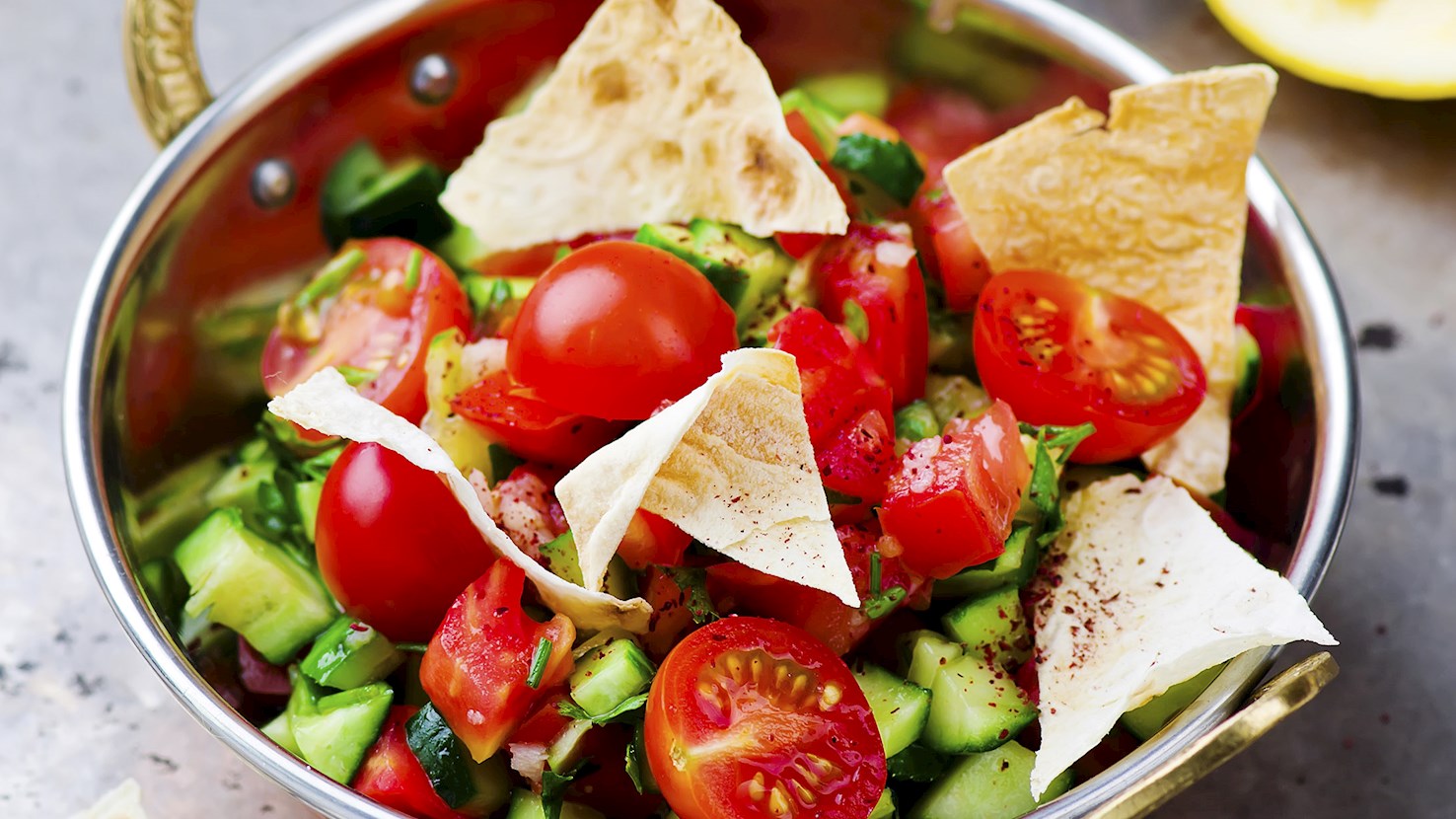
Fattoush is a simple salad made with traditional pita bread as a base on which the rest of the ingredients are built on. Pita bread is torn or cut into small bite-sized pieces, then toasted, grilled, or fried. It is then mixed with a variety of vegetables such as lettuce, radish, crunchy cucumbers, cherry tomatoes or regular tomatoes, peppers, onions, and (occasionally) garlic. All ingredients are chopped and cut into pieces and mixed with a generous amount of herbs, most commonly mint and parsley. The final touch to this authentic salad is the dressing, usually made with olive oil, lemon juice, and pomegranate syrup. The key ingredient, next to the crunchy pita bread, is sumac - a spice commonly used in the Levantine area. Sumac can be added to the dressing, and it is usually sprinkled on top of a prepared salad. It gives the dish a slightly tart taste and zest, which perfectly matches with the gentle flavors and aromas of fresh herbs and vegetables. The original fattoush is highly versatile, and other common additions may include crisp pomegranate seeds, olives, yogurt, and feta cheese. It is one of the most famous salads frequently eaten in Lebanon, Syria, Israel, Palestine, Jordan, and Iraq. This refreshing salad belongs to a group of dishes popularly called fattat, which use the stale pita, or any other flatbread, as the star ingredient.
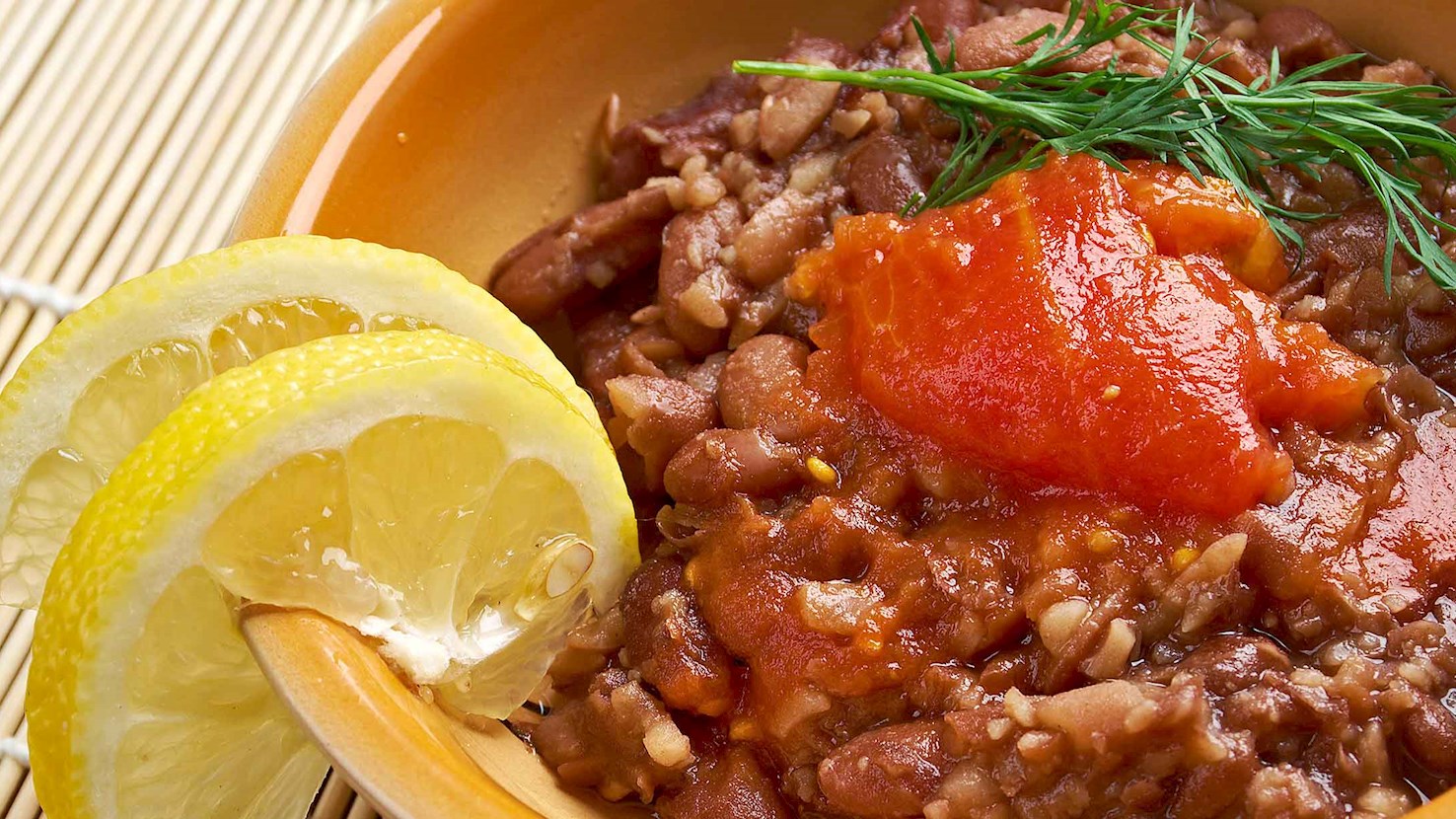
Ful medames is an ancient, pre-Ottoman and pre-Islamic national dish of Egypt, a traditional breakfast food consisting of slowly simmered fava beans seasoned with a squeeze of lemon juice, olive oil, garlic, and selected spices. Some remnants of the dish were found in the 12th Dynasty Pharaonic tombs in Egypt, and any food that has been found in an ancient tomb must have been a wildly popular culinary treat. Because it is a breakfast food that is also good for breaking the fasting, the dish is extremely popular during Ramadan. Although it's an Egyptian dish, it is also prepared throughout North Africa and the Middle East. Ful medames is a staple of the Egyptian diet, so much that the price of beans is regulated by the government in order to ensure that they are affordable to the poorest citizens. The creamy, earthy stew is usually spiced with the addition of chilis and cayenne pepper. It is recommended to prepare it a day in advance because the beans need to be soaked and cooked overnight. When eaten, the hearty stew is traditionally served out of big metal jugs, and once on the plate, it is often mopped up with pieces of fresh pita bread and topped with pickled beets, parsley, onions, tomatoes, and cumin. Filling, savory, nutritious, and easy to prepare, ful medames is a literal blast from the past.
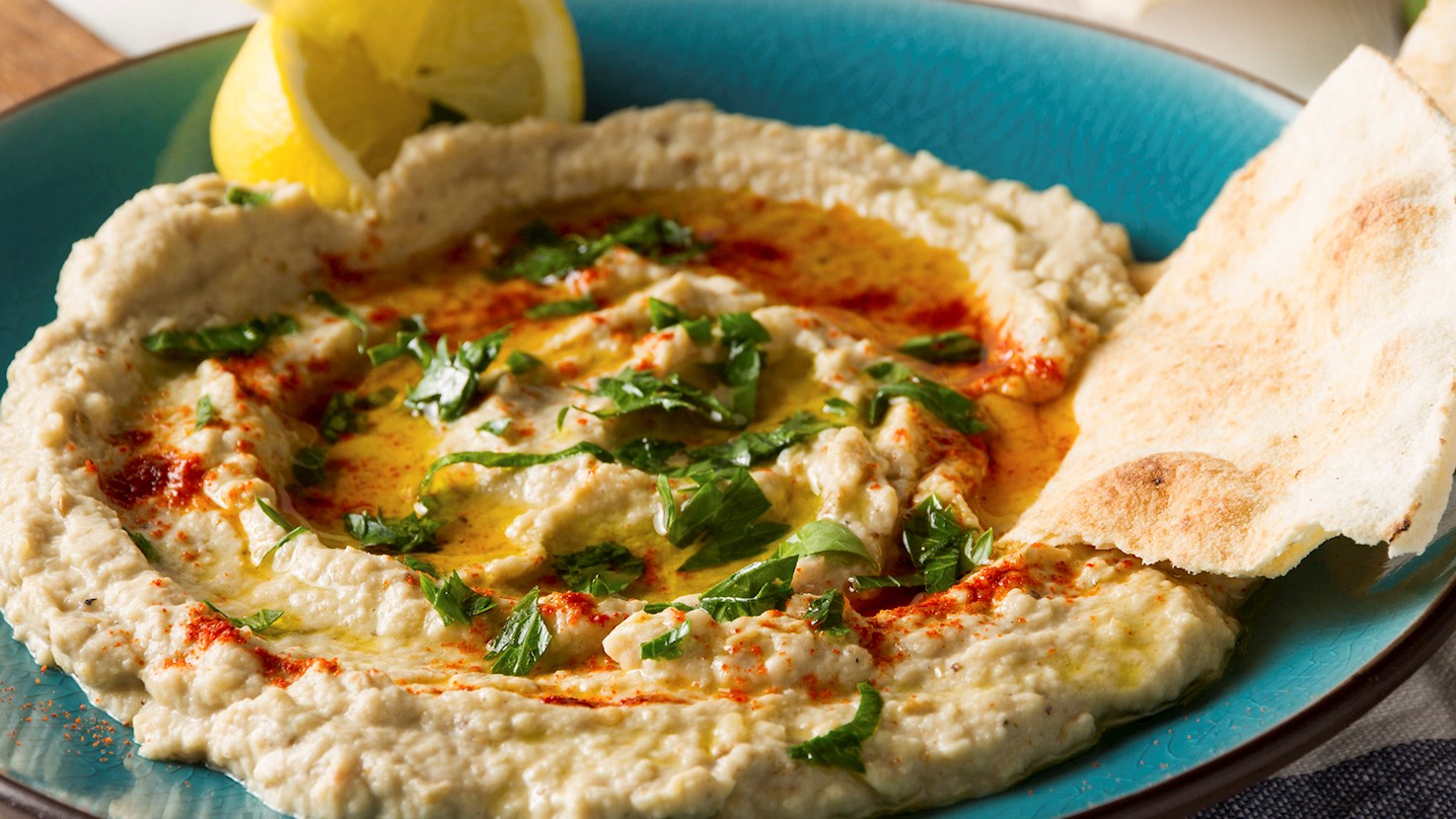
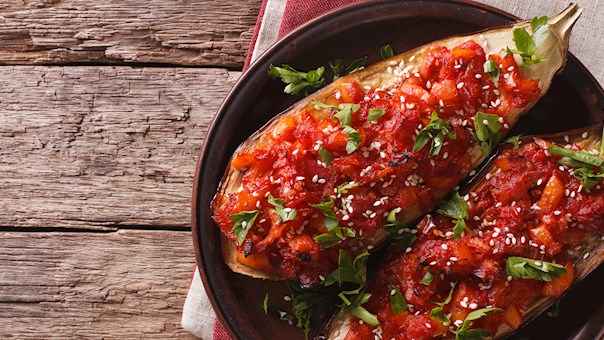
Baba ghanoush is a cold eggplant-based spread originating from the Levant, widely prepared and consumed in countries such as Lebanon, Syria, Jordan and Palestine, made primarily from cooked eggplant combined with tahini, lemon juice, garlic, and olive oil to form a smooth or lightly textured paste. Its emergence is tied to the long-standing cultivation of eggplant in the eastern Mediterranean and the parallel development of sesame-based condiments, with medieval Arabic cookery texts describing mashed or puréed eggplant dishes seasoned with acids and fats, indicating a settled place in regional cuisines by the early Islamic period as cooking techniques such as open-fire roasting became common in domestic kitchens. Its name comes from the Arabic phrase baba gannuj, where baba means father or daddy, and gannuj means pampered or spoiled, referring to a supposed invention of baba ghanoush by a member of a royal harem. Preparation begins with whole eggplants roasted directly over flame or in ovens until the flesh softens and absorbs smoke, after which the skin is removed and the pulp drained to control moisture before being mixed with tahini, lemon juice, salt, and garlic, producing a balance between bitterness, acidity, and fat, and the spread is usually finished with olive oil and sometimes garnished with parsley or pomegranate seeds depending on local preference. A defining characteristic of baba ghanoush is the use of smoke from direct heat rather than added spices to create depth of flavor, and its composition relies on emulsification between eggplant fibers and sesame paste rather than dairy or starch for body. Baba ghanoush is eaten throughout the Levant and beyond as part of mixed appetizer spreads, served with flatbreads such as pita or saj, alongside raw vegetables or grilled meats, and it pairs well with dry white wines, light-bodied reds, anise-based spirits diluted with water, or non-alcoholic options like mint tea and sparkling water that complement its acidity and richness without overpowering its flavor.
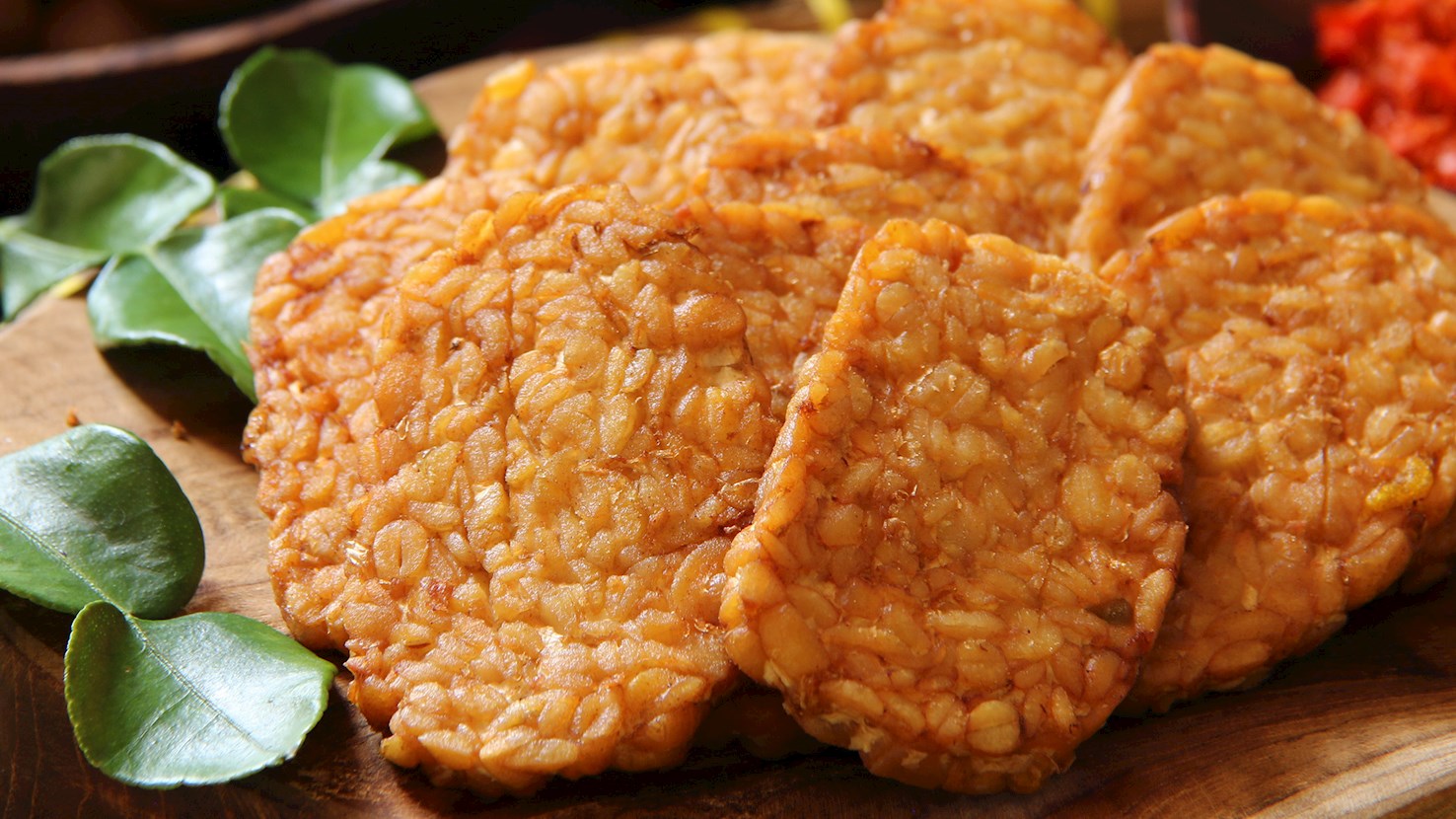
Tempe goreng is an Indonesian fried tempeh dish, known for its crispy texture, rich umami flavor, and aromatic spices. A staple in Javanese and Sundanese cuisine, it is made from tempeh, a fermented soybean cake that is deeply rooted in Indonesian food culture. Unlike tofu, which has a soft and spongy texture, tempeh is firm, chewy, and packed with a natural nutty taste, making it an ideal ingredient for frying. To prepare tempe goreng, the tempeh is sliced and marinated in a fragrant blend of garlic, shallots, coriander, turmeric, and salt, sometimes infused with kaffir lime leaves for added aroma. Some regional variations involve simmering the tempeh in a spiced coconut broth before frying, giving it an even deeper flavor. The marinated tempeh is then fried in hot oil until golden brown and crispy, creating a perfect contrast between the crunchy exterior and the tender, meaty inside. Tempe goreng is highly versatile and is eaten in many ways—as a simple snack with sambal, as a protein-rich side dish in rice meals like nasi uduk or nasi campur, or as part of a larger feast. Some variations coat the tempeh in batter before frying, resulting in tempe mendoan, a crispier, lighter version, while others caramelize it in kecap manis (sweet soy sauce), creating tempe goreng kecap, a slightly sweet and savory alternative.
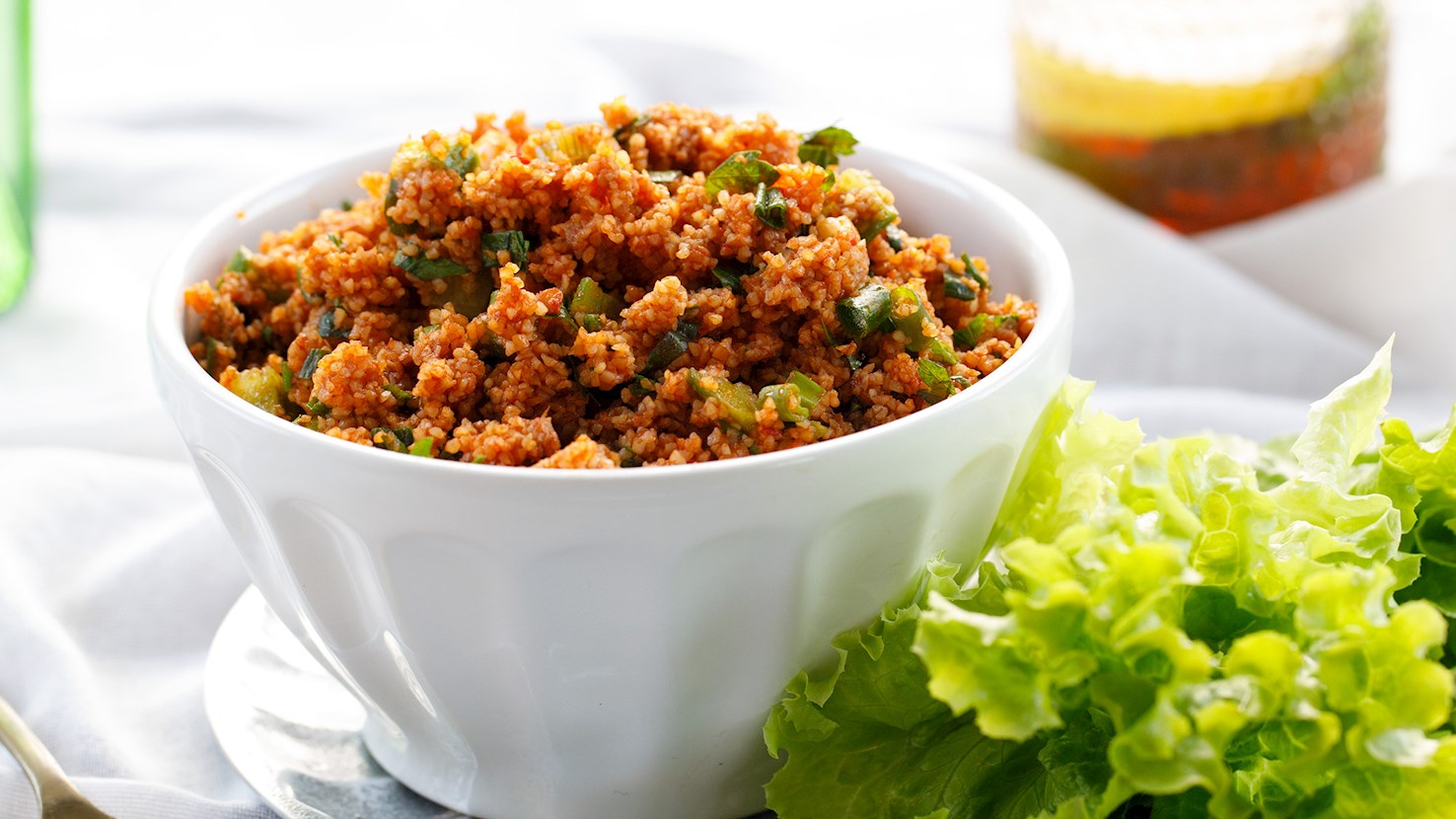
Kısır is a classic Turkish salad made with thin bulgur wheat, tomatoes, mint, garlic, parsley, and either lemon juice or sour pomegranate molasses. Red pepper flakes are often added to the salad to make it spicier. Lemon juice is typically used in northwestern Türkiye, while pomegranate molasses is more commonly used in the southeast of the country. The salad is ideal for buffets and meze, but it is also often used as a side dish for a variety of barbecued meat dishes. It is traditionally served cold or at room temperature.
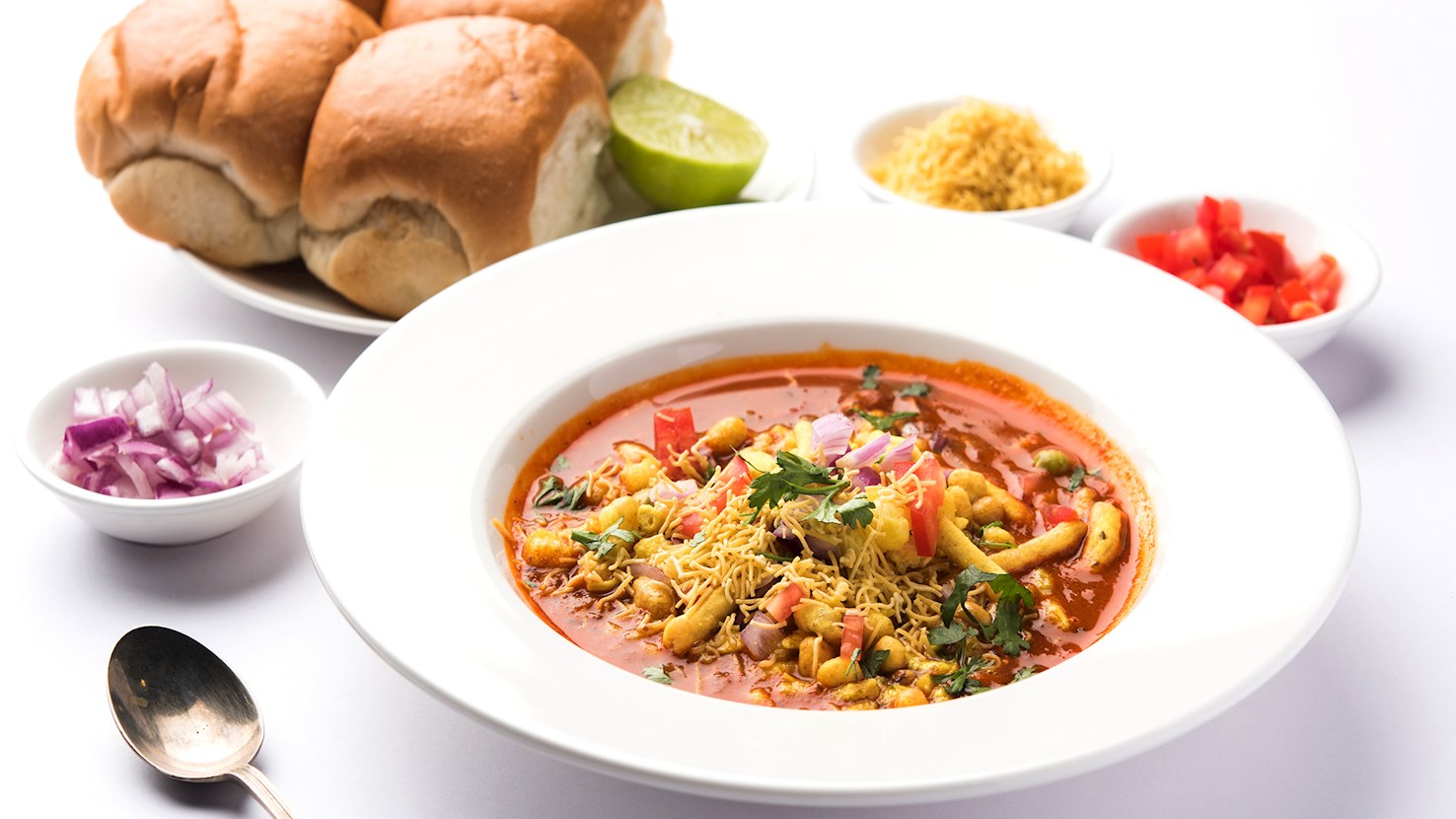
Misal pav is a traditional dish originating from Maharashtra. Its two main components are misal – a curry made with sprouted moth beans, usually topped with chivda, onions, chilis, and potatoes – and pav, bread rolls used to mop up the flavorful curry. Misal pav can be served for breakfast, as a snack or a main dish. It is commonly found in roadside stalls, breakfast joints, and office canteens.
TasteAtlas food rankings are based on the ratings of the TasteAtlas audience, with a series of mechanisms that recognize real users and that ignore bot,
nationalist or local patriotic ratings, and give additional value to the ratings of users that the system recognizes as knowledgeable.
For the “Top 100 Asian Vegan Dishes” list until September 15, 2026, 14,632 ratings were recorded, of which 7,418 were recognized by the system as legitimate.
TasteAtlas Rankings should not be seen as the final global conclusion about food. Their purpose is to promote excellent local foods,
instill pride in traditional dishes, and arouse curiosity about dishes you haven’t tried.







What People Say