


Top 17 Japanese Poultry Dishes

Last updated on May 15, 2026
01

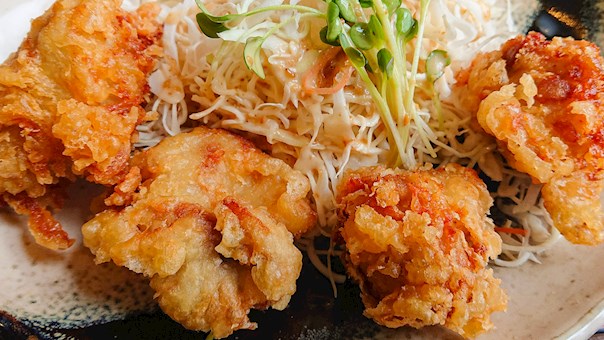
Karaage

4.3 ·

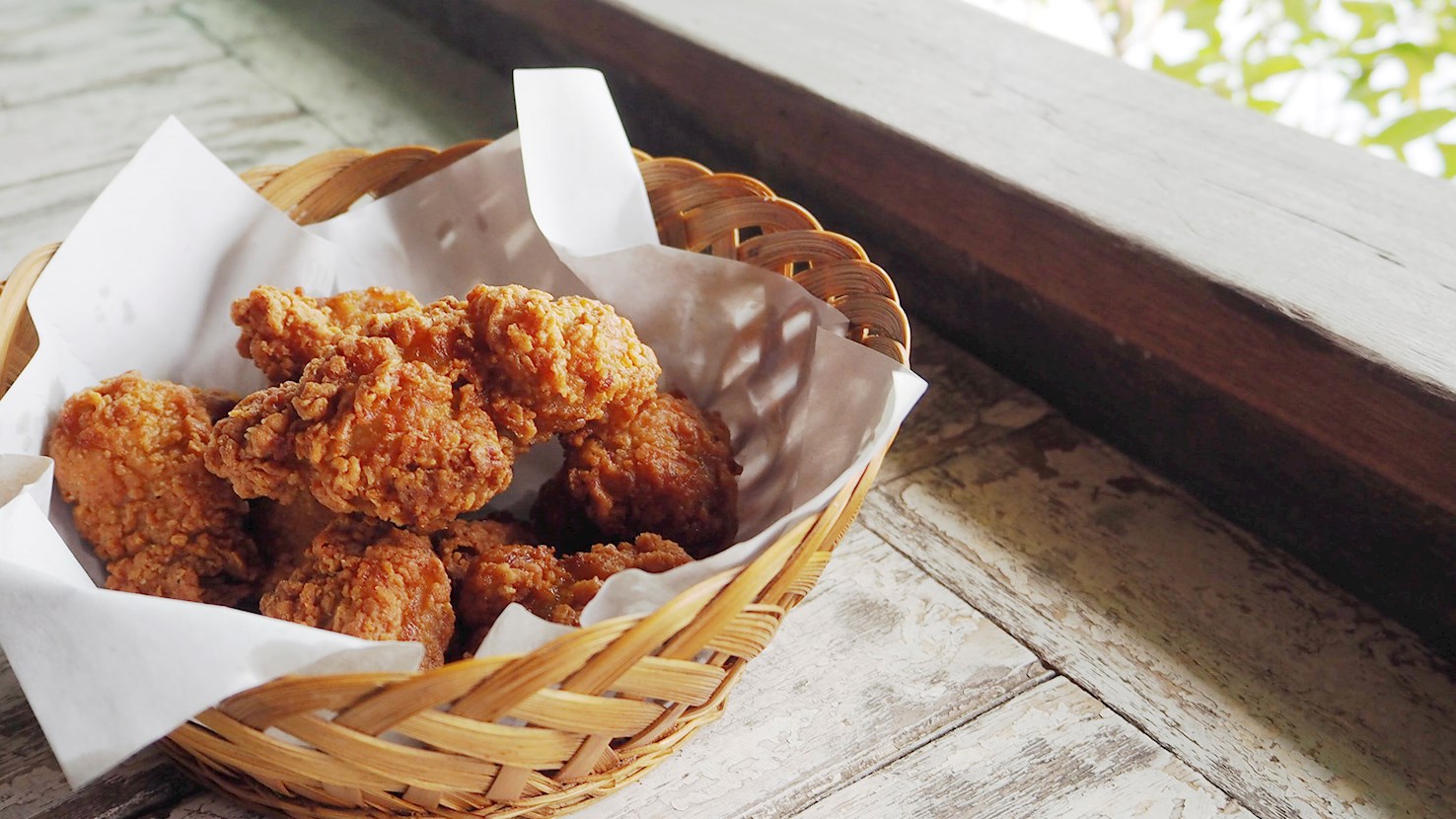
Also known as dry-frying, karaage is a Japanese cooking technique in which various foods are first lightly coated in arrowroot starch, then deep-fried. The use of arrowroot starch preserves the natural water content of fried foods and produces a crispy outer surface, but alternatively, other coating ingredients such as wheat flour, tapioca, or potato starch can also be used. Karaage can be used for frying various meats and fish, but it is most often associated with chicken, and involves a special variant called tatsutaage, where pieces of chicken are first marinated in a mixture of sake, soy sauce, and sugar which are then lightly covered with arrowroot starch and deep-fried. This method makes the meat succulent on the inside and particularly crispy on the outside. If not specified otherwise, karaage usually refers to fried chicken, but apart from chicken, the technique is sometimes used with other ingredients such as askarei (flounder), ika (bits of squid), and gobo (burdock root). Japanese karaage dishes are usually seasoned with garlic and ginger, and served with soy sauce on the side. They are a staple of informal Japanese gastropubs called izakayas, casual places for after-work drinks and snacks, but they are also available freshly fried as take-out food in numerous supermarkets and convenience stores.

02

Tori katsu

4.1 ·

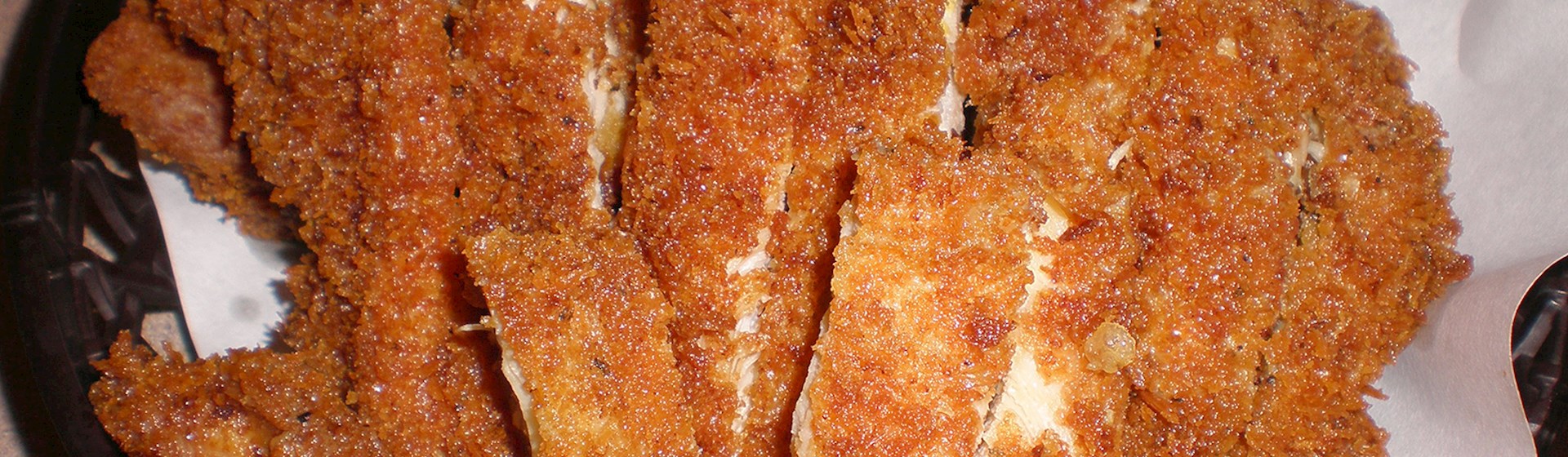
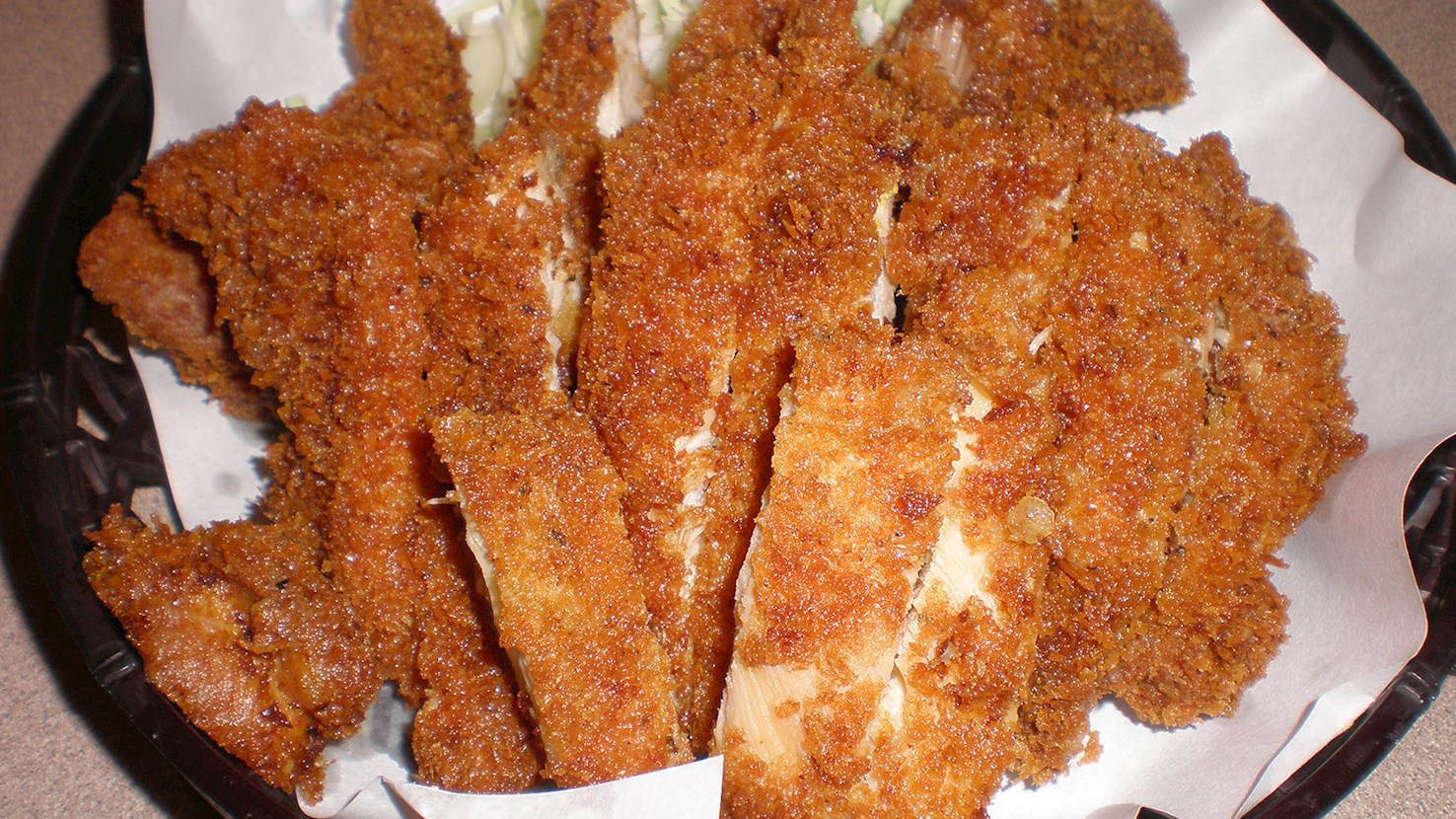
Chicken katsu is a traditional dish and a type of katsu. It's made by dredging tender chicken breast in flour, eggs, and panko breadcrumbs, then frying the cutlets in hot oil until they become golden and crunchy. Although chicken breast is the most popular choice, other parts of the bird can be used as well. The cutlet is traditionally served cut into smaller pieces since it's eaten with chopsticks. The dish is served with steamed white rice and katsu sauce, a tangy, sweet, and thick Worcestershire-like concoction made from apple purée.

03

Yakitori

4.1 ·

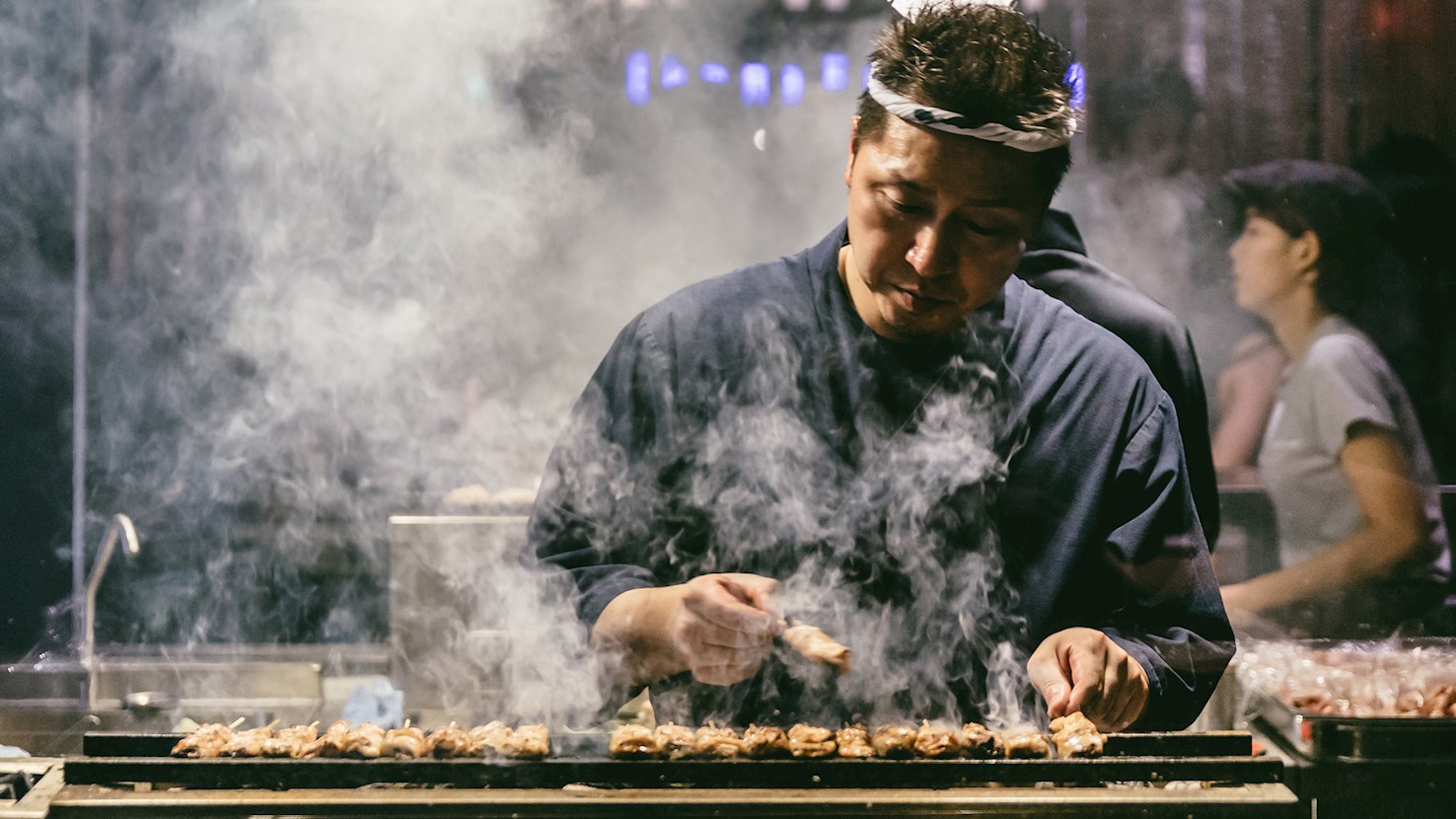
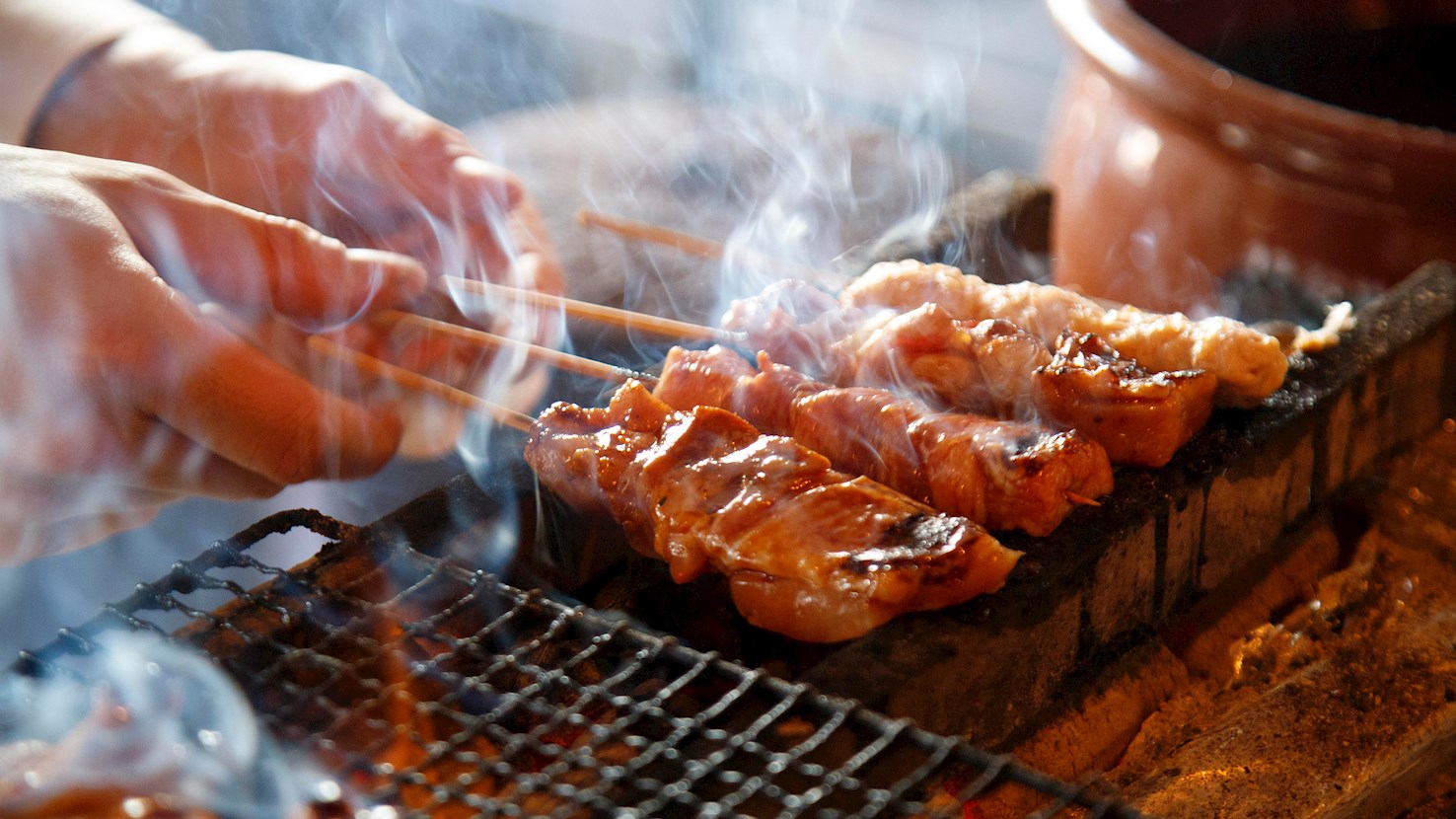
Yakitori refers to Japanese grilled chicken where pieces of chicken meat are skewered with a particular type of skewer called kushi (which can be made from either steel or bamboo) and are then traditionally grilled over a charcoal fire. Depending on the cut of chicken and the method of preparation, there are various types of this dish. An important step in the making of yakitori is the seasoning, either salty or salty-sweet, which can be done during or after grilling. Salty seasoning is just salt that can sometimes be combined with pepper, while salty-sweet seasoning is actually tare sauce made from mirin, soy sauce, sake, and sugar. Present-day versions of yakitori first appeared during the Meiji Era in the 19th century, but once chicken became abundantly available in the 1950s, the popularity of skewered chicken skyrocketed and the dish became popular among the masses. In Japan, yakitori can be purchased in specialized yakitori shops called yakitori-ya, but it is also often served in Japanese gastropubs known as izakaya. Since skewered chicken is so easy to prepare, plus it's portable, it is also a popular street food sold at yatai, the small Japanese food stalls. The dish is meant to be eaten with hands only, often directly off the skewer, and can be paired with a side of roasted vegetables, while each bite should ideally be washed down with ice-cold beer.

04

Negima yakitori

4.1 ·

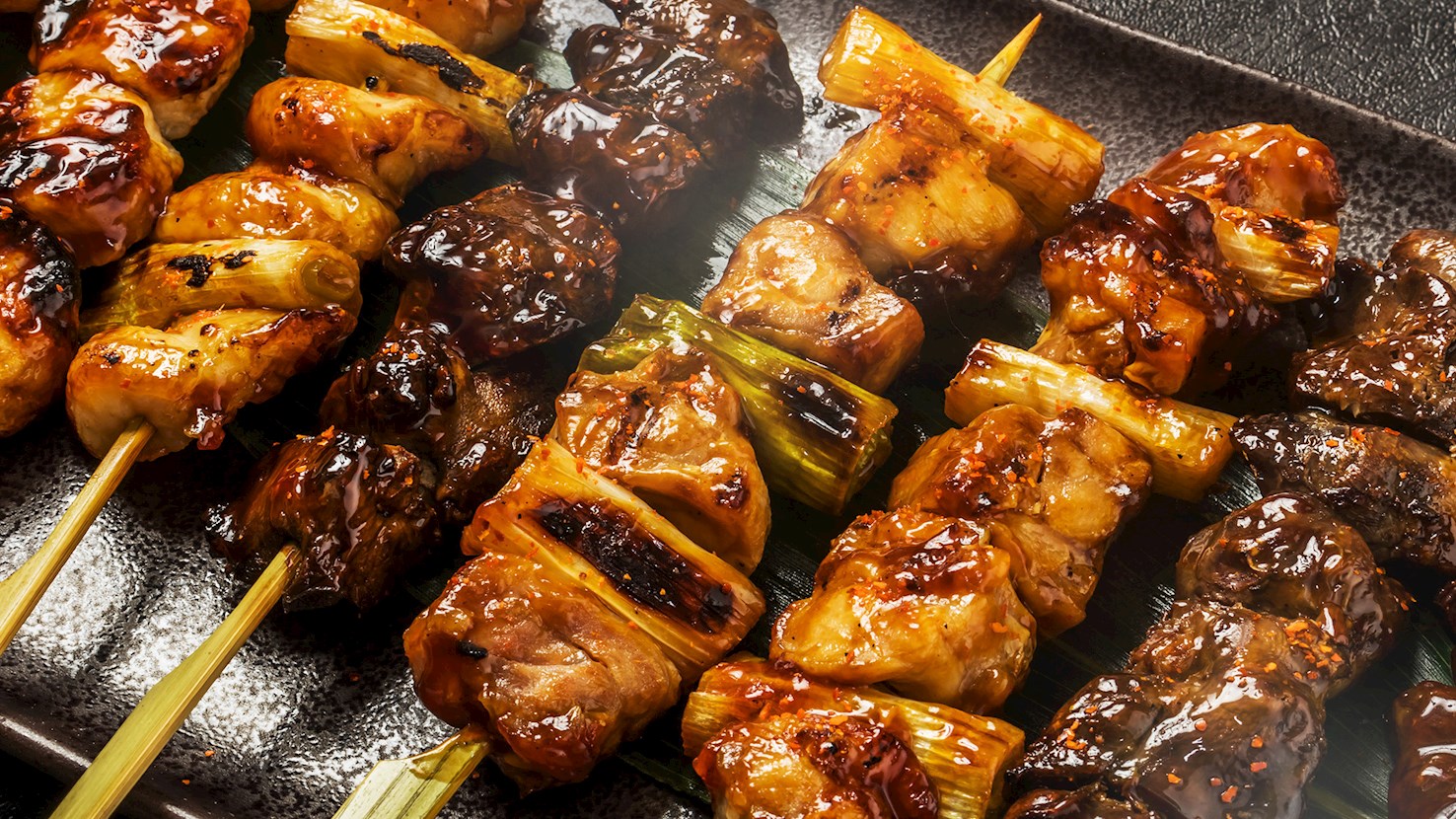
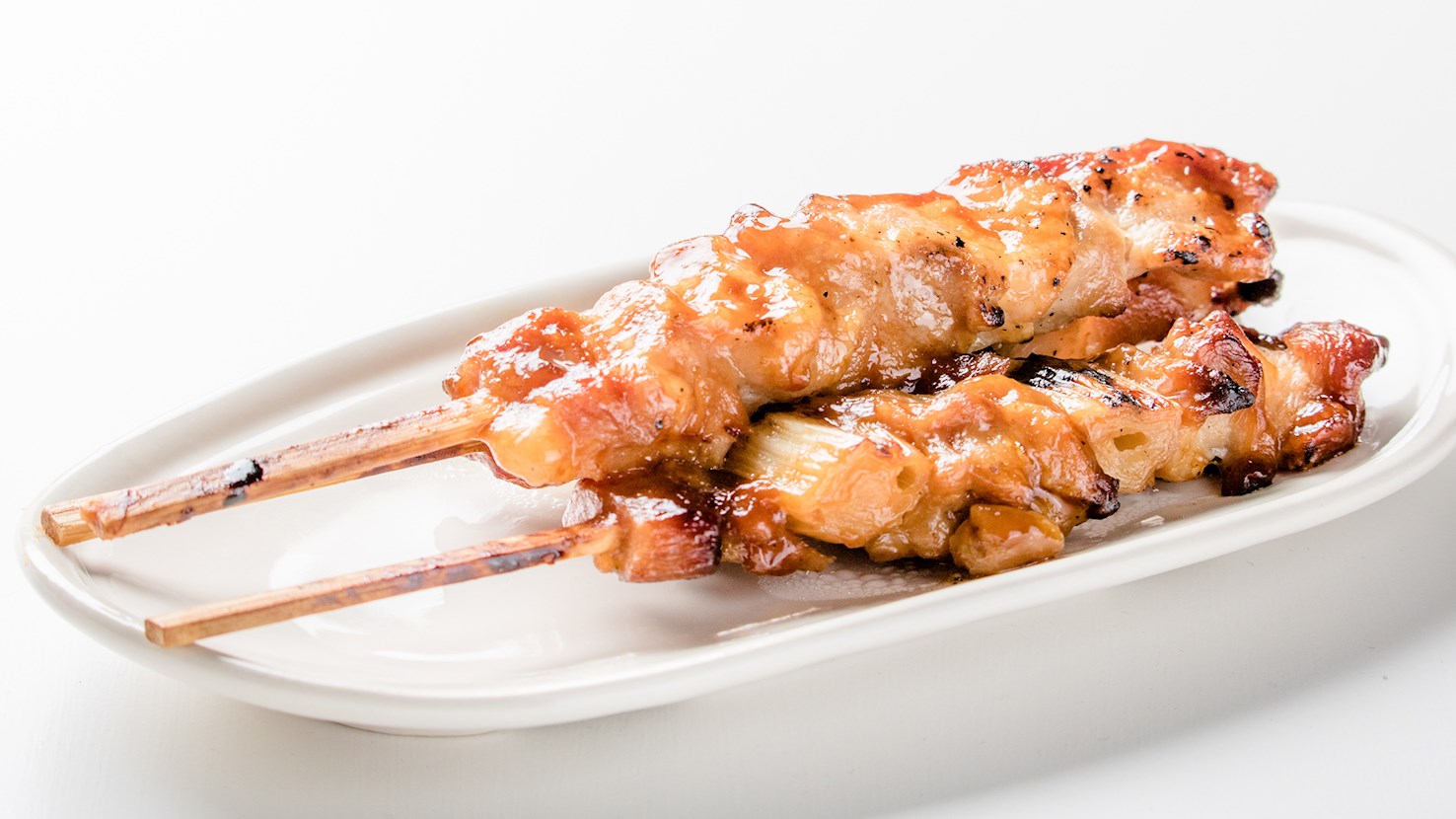
Negima is a yakitori variety that is made with sliced chicken thighs or chicken breasts that are skewered together with pieces of green or Welsh onions (negi). Like other types of yakitori, negima is also typically seasoned with salt (shio), or a thick and subtly sweet soy sauce condiment known as tare. The ingredients are alternated on bamboo skewers and are then grilled over charcoal on traditional yakitori grills. Negima is one of the most common types of yakitori in Japan. It is commonly prepared and served in restaurants and izakaya bars.

05

Tsukune yakitori

4 ·

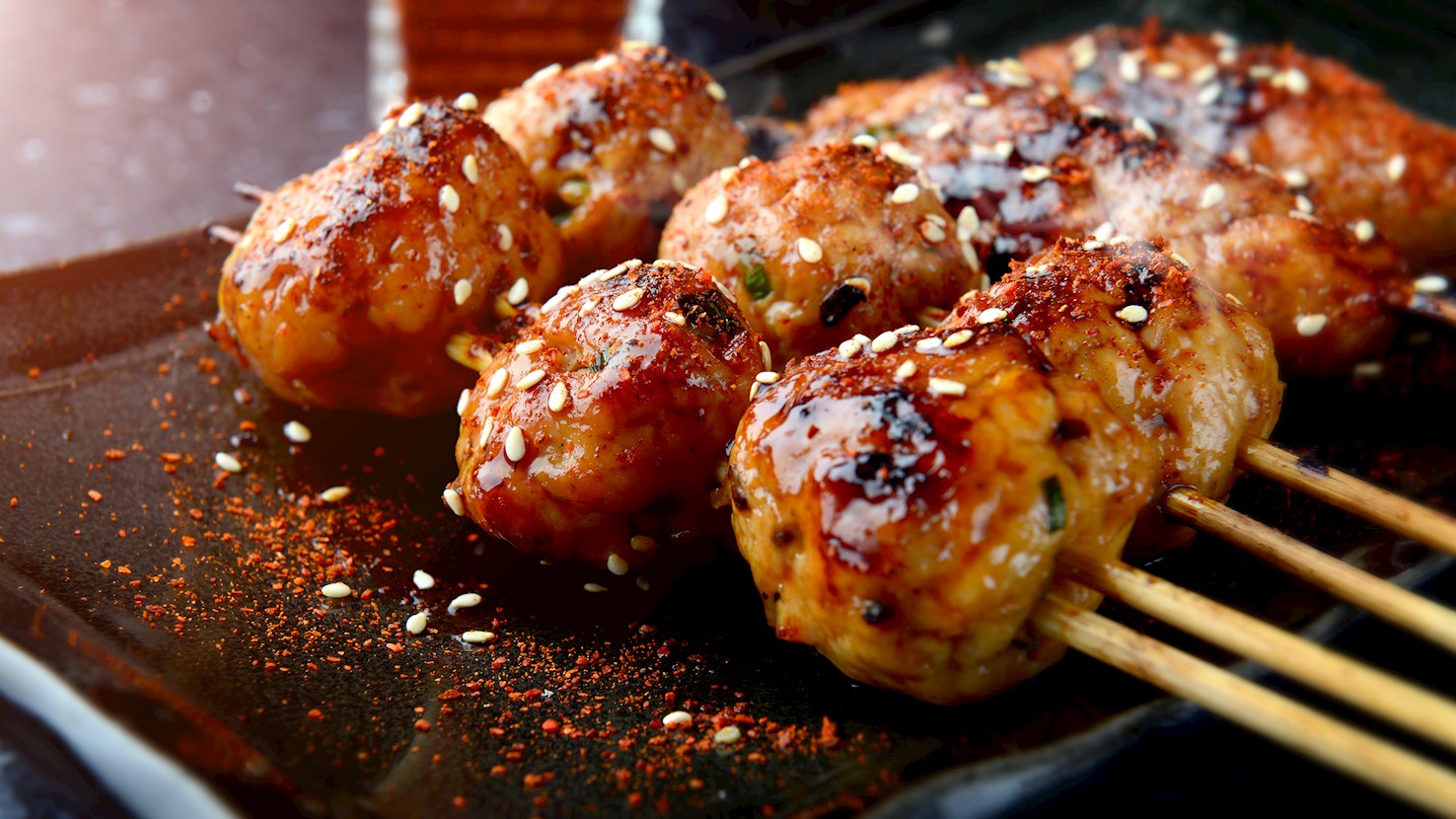
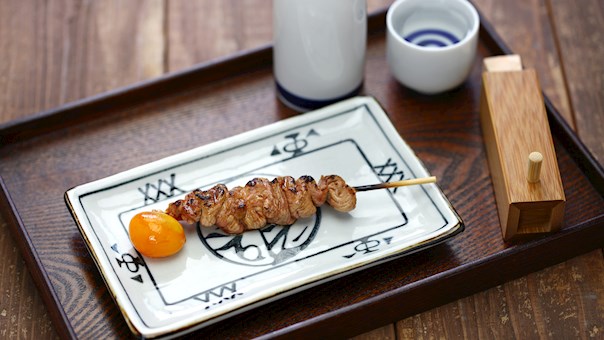
Tsukune is a yakitori version that is prepared with ground chicken. The meat is seasoned, and it is typically formed in oblong patties or small meatballs that are skewered on bamboo sticks. Like other types of yakitori, the skewers are typically seasoned with salt (shio) or tare—subtly sweet combination based on soy sauce, sake, and mirin, while the meat can be enriched with sliced scallions, garlic, ginger, onions, or shiso leaves. Tsukune is usually served with a raw egg yolk and various toppings. The dish is a staple at specialized yakitori establishments.

06

Oyakodon

4 ·

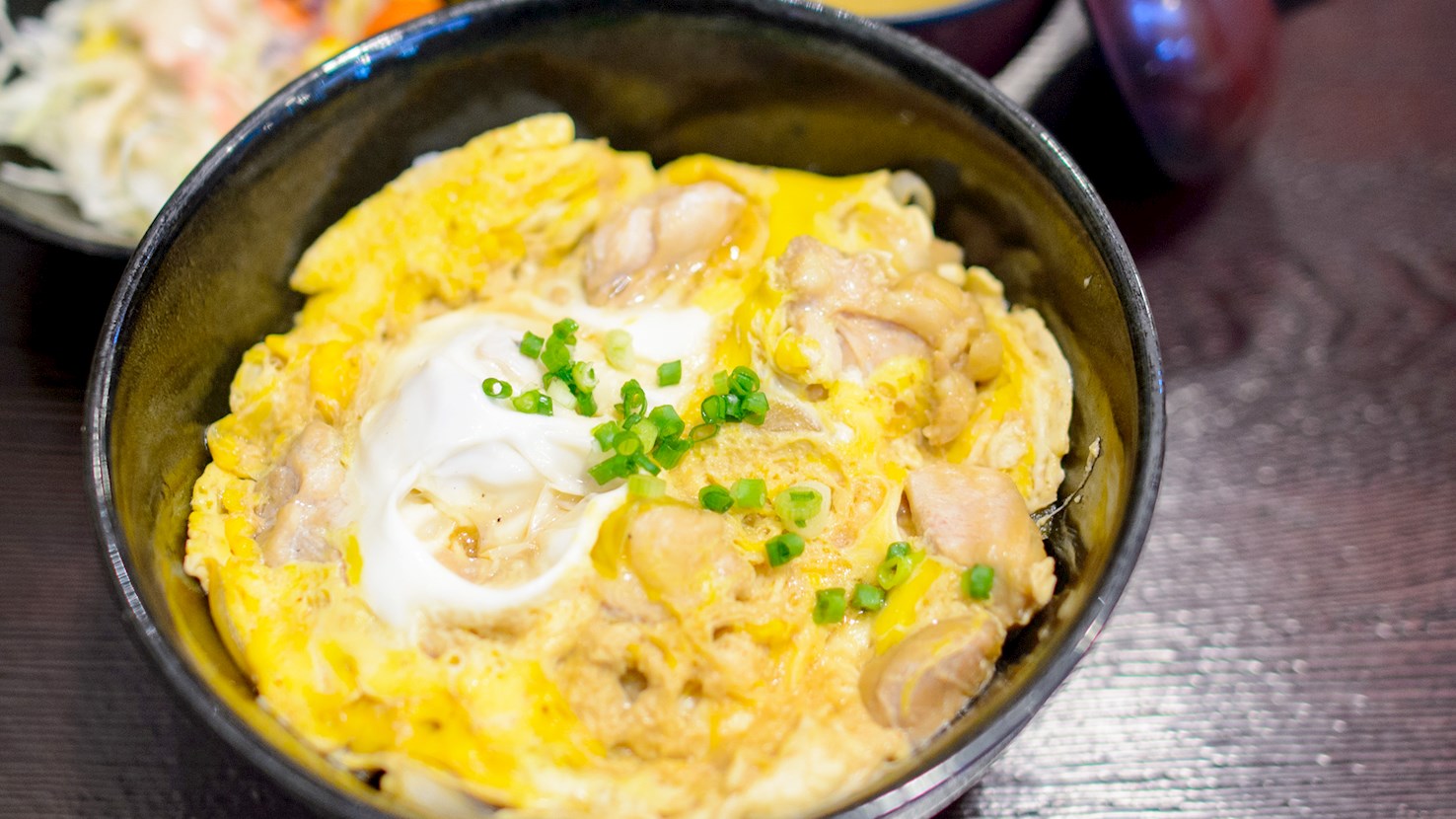
Oyakodon is a poetically named dish meaning father and child, referring to the fact that both the chicken and the egg are used in the dish. It consists of a bowl of white rice that is topped with chicken, eggs, and chopped scallions. The eggs are poured over the rice before they have completely cooked, and the cooked rice finishes the job and helps the eggs to solidify. This simple dish is served in numerous Japanese eateries, such as soba restaurants. Oyakodon is especially popular at lunchtime, since it is easy and quick to prepare, which is a crucial fact for many Japanese businessmen. In addition to Japanese fast-food restaurants, oyakodon can also be bought from numerous street vendors. It is recommended to eat it as the Japanese do, from the bottom up, so that there is always some of the topping covering the white rice.

07

Momo yakitori

3.7 ·

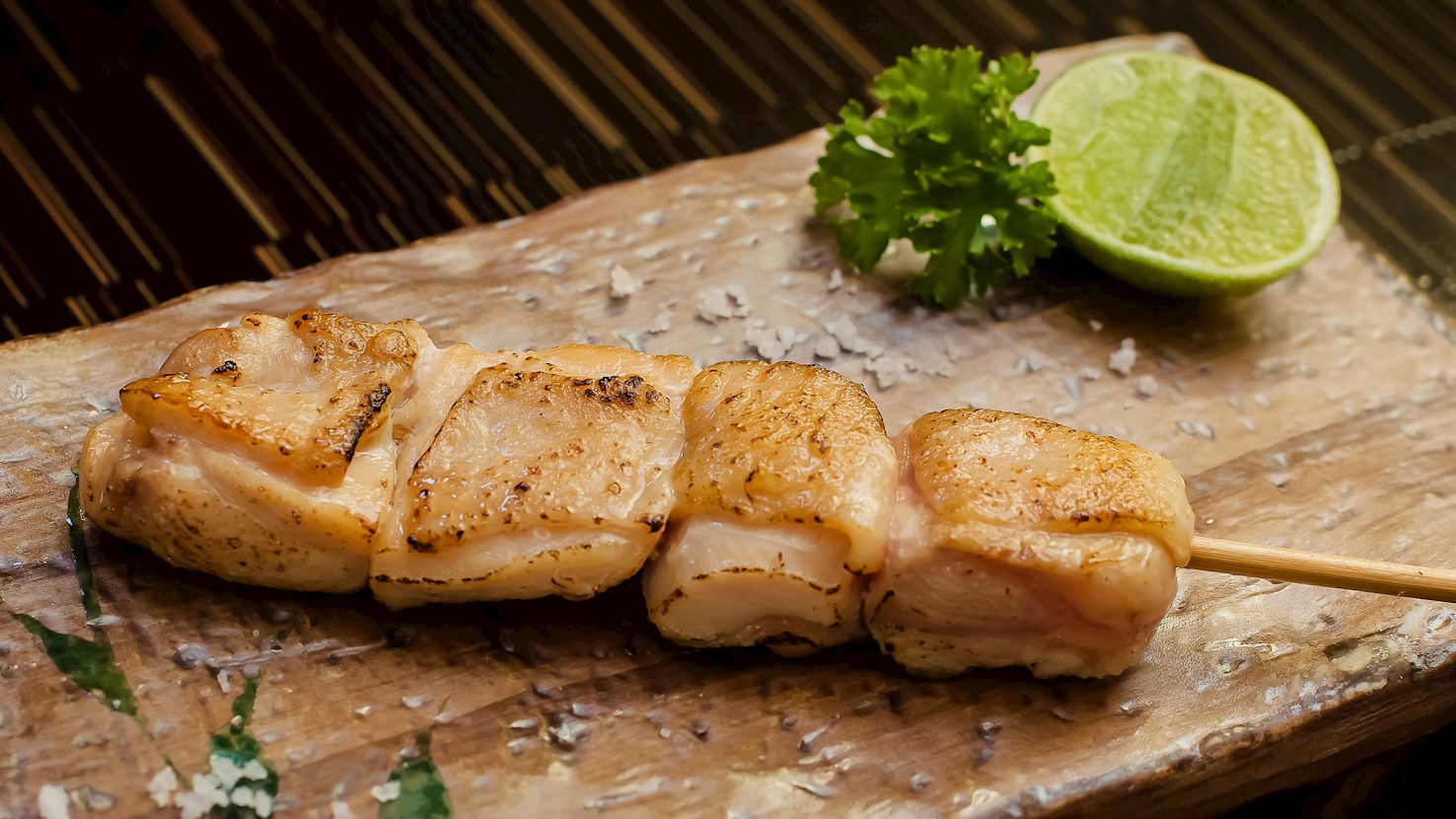
Momo is a traditional yakitori dish. It's made with chicken thighs as the main ingredient. The pieces of chicken thighs are placed on skewers, then grilled until done. Before the grilling process, the meat is sometimes brushed with a mixture of soy sauce, mirin, and brown sugar for extra flavor. These yakitori skewers can often be found in izakaya bars, paired with a bottle of beer on the side.

08

Bonjiri yakitori

3.7 ·

Bonjiri is a type of yakitori, a category of Japanese skewered chicken dishes belonging to the larger group of kushiyaki, which is any grilled and skewered type of food, whether it includes meat or not. This yakitori variety is prepared with chicken tails, seasoned with salt or a special yakitori sauce called tare, which is made with soy sauce, mirin, sake, and sugar. The tails are then skewered on bamboo sticks called tepogushi. Like other types of yakitori, bonjiri is grilled on a special type of non-griddled stove to prevent the meat from sticking and make it easier to flip and baste. Usually, the cooking is done on Binchōtan, a type of charcoal that burns at very high temperatures. Interestingly, Japanese restaurants use specific breeds of chicken for bonjiri in order to achieve the desired texture.

09

Tebasaki yakitori

3.6 ·

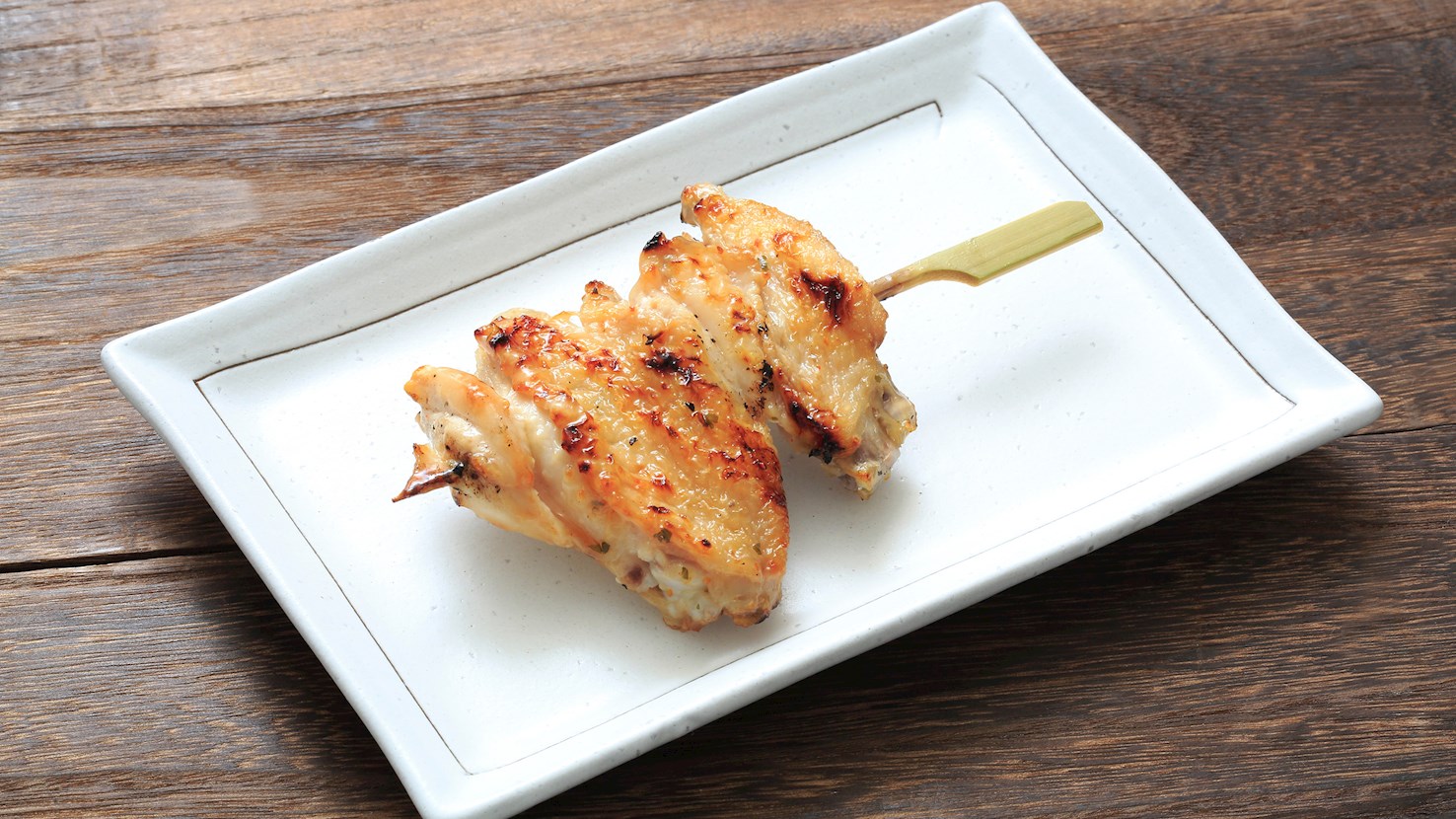
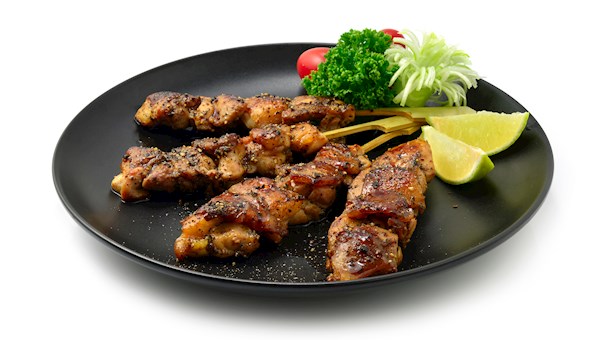
Tebasaki is a traditional yakitori dish made with chicken wings as the main ingredient. In order to prepare the dish, the wings are placed on skewers, then grilled, or in some cases, deep-fried until done (especially in Nagoya). The wings are usually seasoned only with salt and pepper in order to better savor the crispy skin, and they typically come in butterflied pairs on a skewer. If desired, the dish can be accompanied by lime wedges on the side. Tebasaki can often be found in izakaya bars.

10

Sasami yakitori

3.5 ·

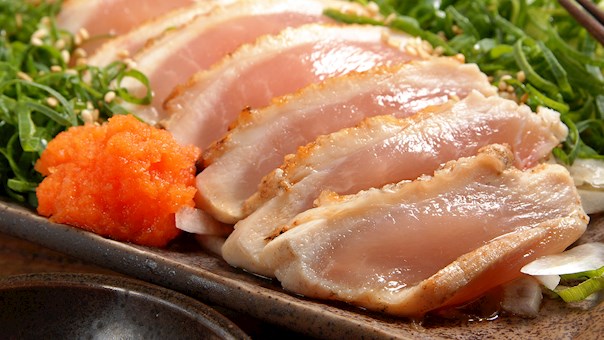
Sasami is a traditional yakitori dish made with chicken meat from the inner breast, also known as chicken tenders. This type of meat is high in protein and low in fat. The pieces of meat are (sometimes) marinated in sake, placed on skewers, then grilled until done, but not overgrilled. When served, sasami is often accompanied by salt, wasabi, or tare sauce on the side. Due to the somewhat bland flavor of sasami yakitori, it's sometimes topped with miso paste, shiso leaves, umeboshi paste (sour pickled plum paste), or mentaiko (fish roe). The dish can be found in most izakaya bars and it's usually paired with a cold beer on the side.

Read more
View all
View map
About this ranking

TasteAtlas food rankings are based on the ratings of the TasteAtlas audience, with a series of mechanisms that recognize real users and that ignore bot, nationalist or local patriotic ratings, and give additional value to the ratings of users that the system recognizes as knowledgeable. For the “Top 17 Japanese Poultry Dishes” list until May 15, 2026, 1,408 ratings were recorded, of which 1,230 were recognized by the system as legitimate. TasteAtlas Rankings should not be seen as the final global conclusion about food. Their purpose is to promote excellent local foods, instill pride in traditional dishes, and arouse curiosity about dishes you haven’t tried.

Similar lists