shutterstock

Top 14 Northern European Preserved Fish and Fish Products

Last updated on June 15, 2026

Best Northern European Preserved Fish and Fish Products
01

Fangst

5 ·
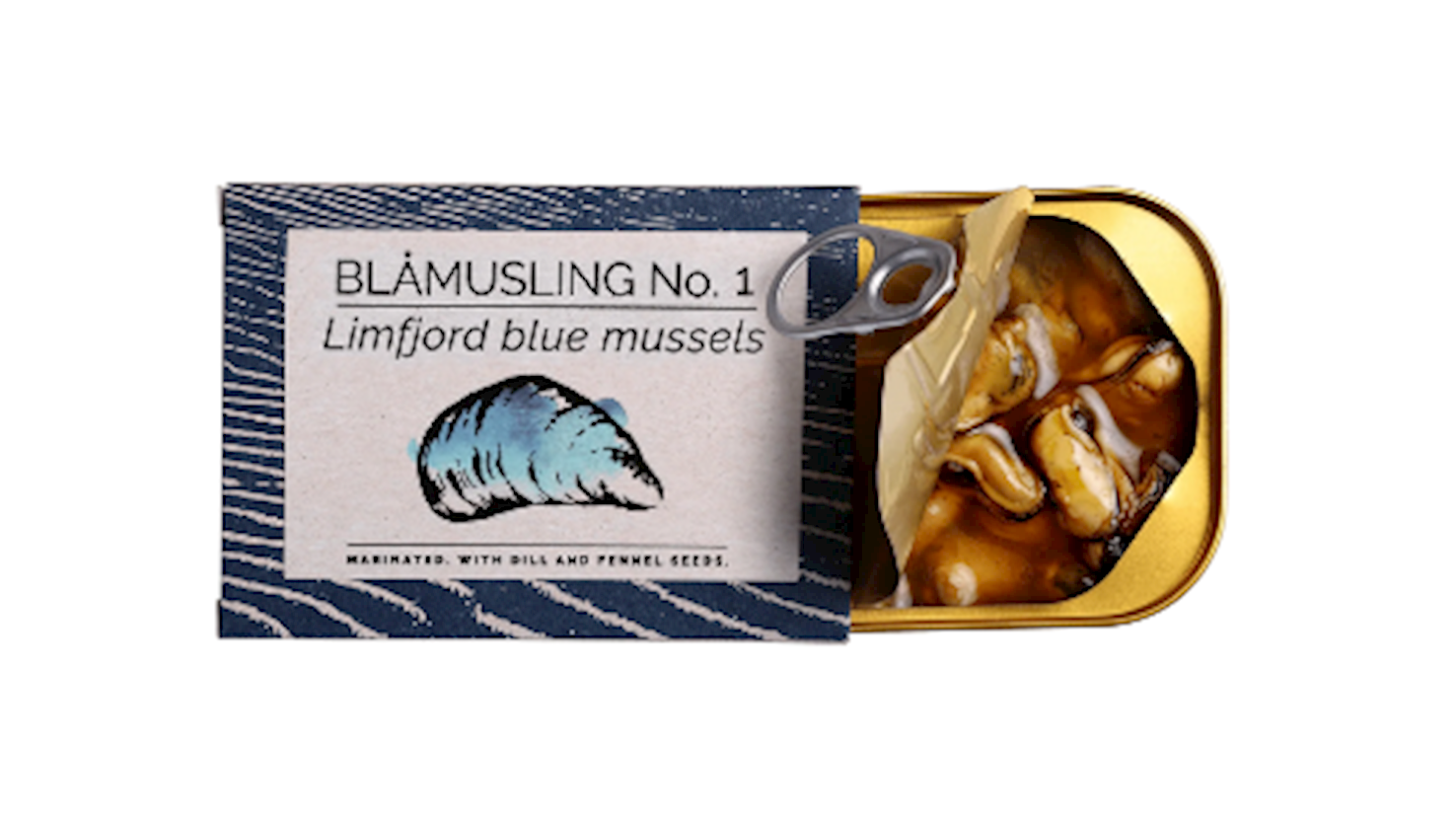
Fangst is a Danish company specializing in premium canned seafood, celebrated for its sustainably sourced products from Nordic waters. Its offerings often feature unique Scandinavian flavors, including seaweed, dill, and fermented elements, giving a distinct taste reflective of Nordic cuisine. Fangst focuses on environmentally friendly fishing practices, supporting biodiversity and traditional harvesting methods. The brand’s commitment to minimalism and design is reflected in its packaging, appealing to both gourmet enthusiasts and eco-conscious consumers. Fangst's products, including cod liver and various fish pâtés, emphasize quality and Nordic culinary heritage.
Awards
World's 101 Best Canned Products from the Sea - Top 10 Sardines (2024)
World's 101 Best Canned Products from the Sea - Top 10 Seafood (2024)
02

Röda Ulven

4.6 ·
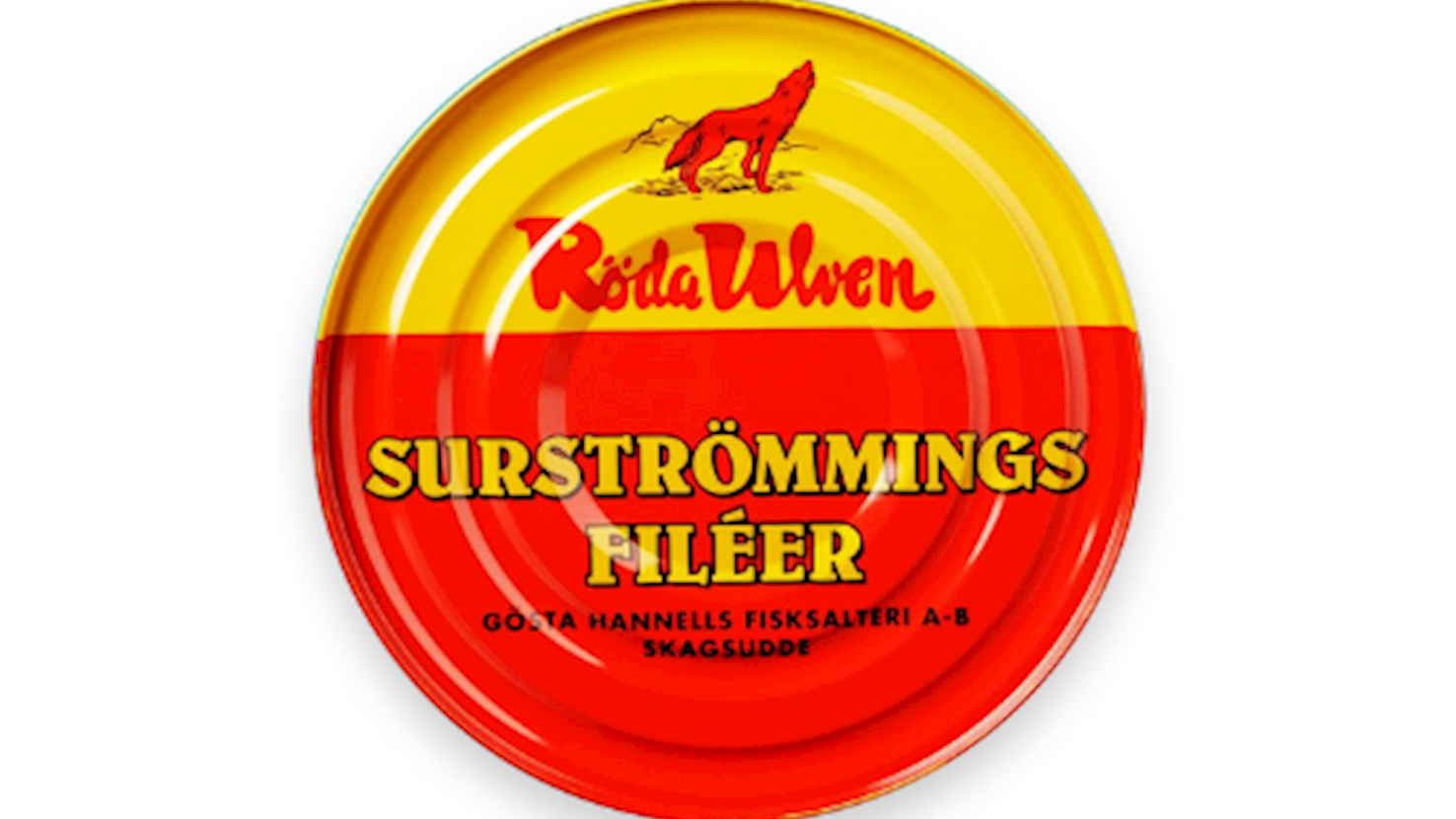
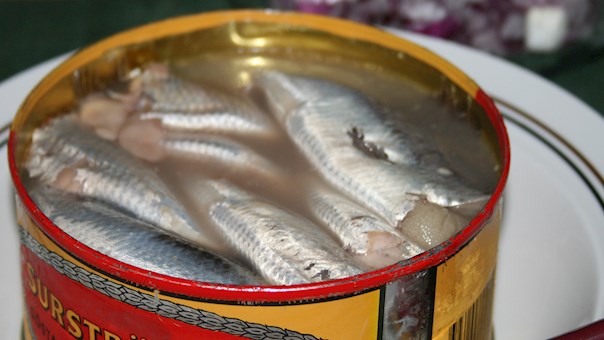
Röda Ulven is Sweden’s leading brand of traditional fermented Baltic herring (surströmming), produced by Gösta Hannells Fisksalteri in the fishing village of Skagshamn, Arnäsvall. This delicacy, known as one of the most pungent foods in the world, is fermented in lightly salted water for at least six weeks - often much longer - developing an intense, sour-salty flavor and a distinctive aromatic profile. While the smell may be shocking to the uninitiated, true enthusiasts appreciate its complex taste and deep cultural significance. Surströmming is most commonly served outdoors, accompanied by the classic combination of Swedish flatbread, boiled potatoes, chopped onions, and sour cream, which help balance and complement the strong aroma. Röda Ulven is the most recognized and widely available surströmming brand in Sweden, with over 110 years of tradition and a reputation as a national culinary icon.
03

King Oscar

4.2 ·
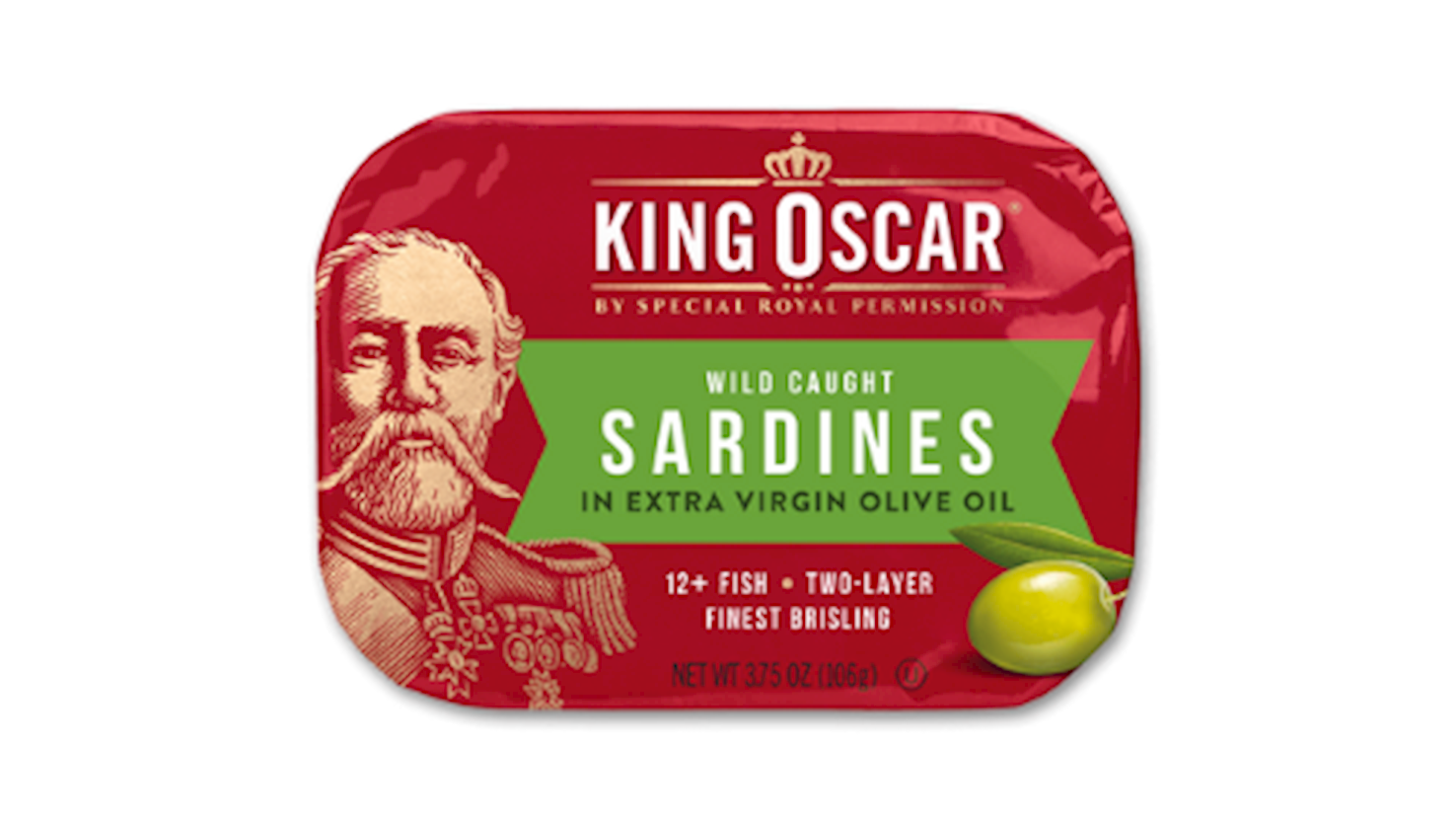
King Oscar is a renowned Norwegian brand that has been offering premium seafood since 1902. Known for its high-quality tinned fish, King Oscar specializes in products such as sardines, mackerel, salmon, and anchovies, all sourced from sustainable fisheries. The brand proudly carries the royal seal of approval, symbolizing its commitment to providing gourmet seafood fit for a king. King Oscar’s products are carefully crafted to preserve the natural flavors and textures of the fish, offering consumers a rich, delicious experience. The company emphasizes sustainability, ensuring that their seafood is responsibly caught and processed. King Oscar is synonymous with a long-standing tradition of excellence in seafood, combining innovation with over a century of expertise to deliver a royal standard of taste.

Best Northern European Preserved Fish/Fish Product Types
01

Røkelaks (Norwegian Smoked Salmon)

4.5 ·

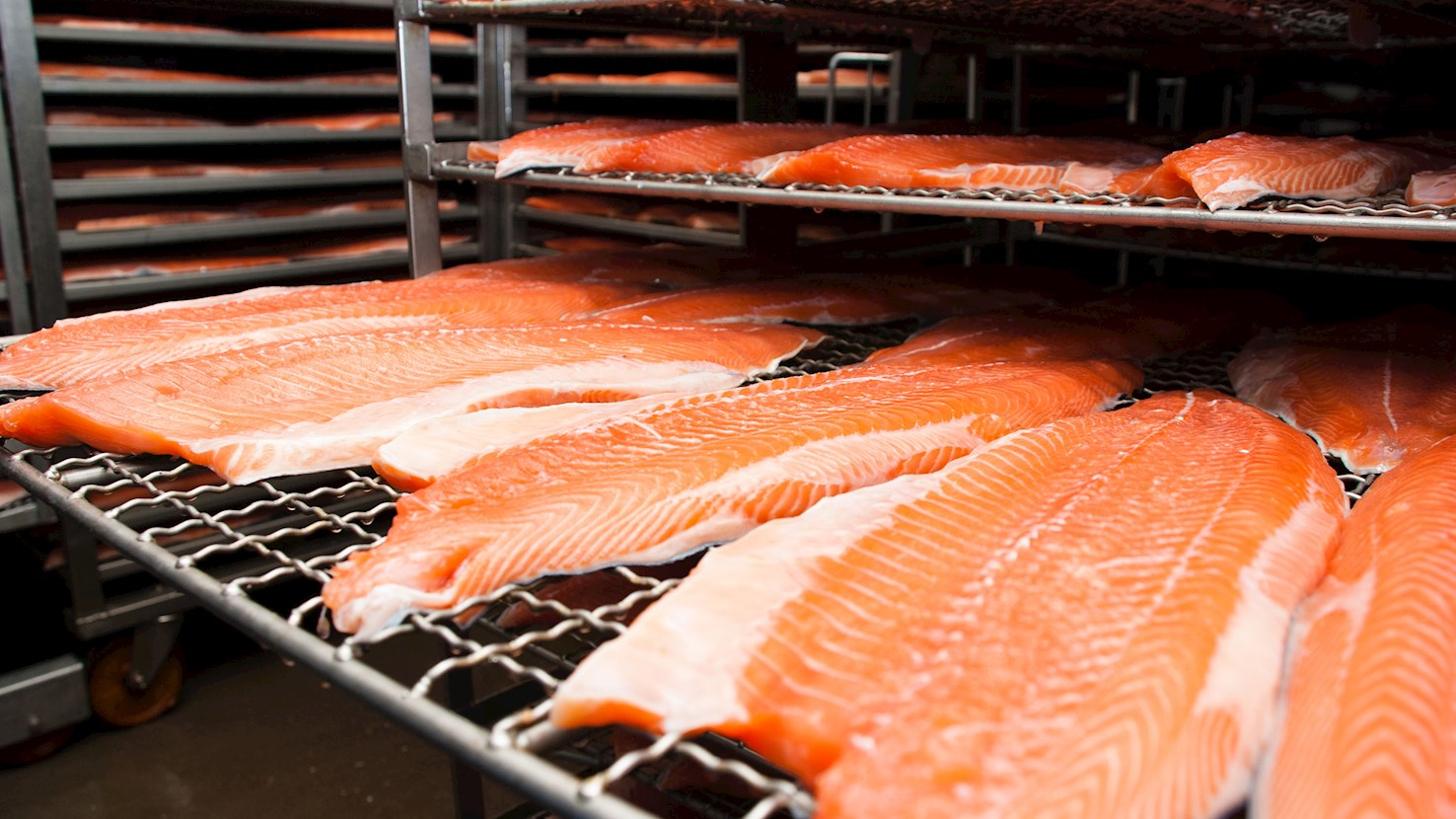
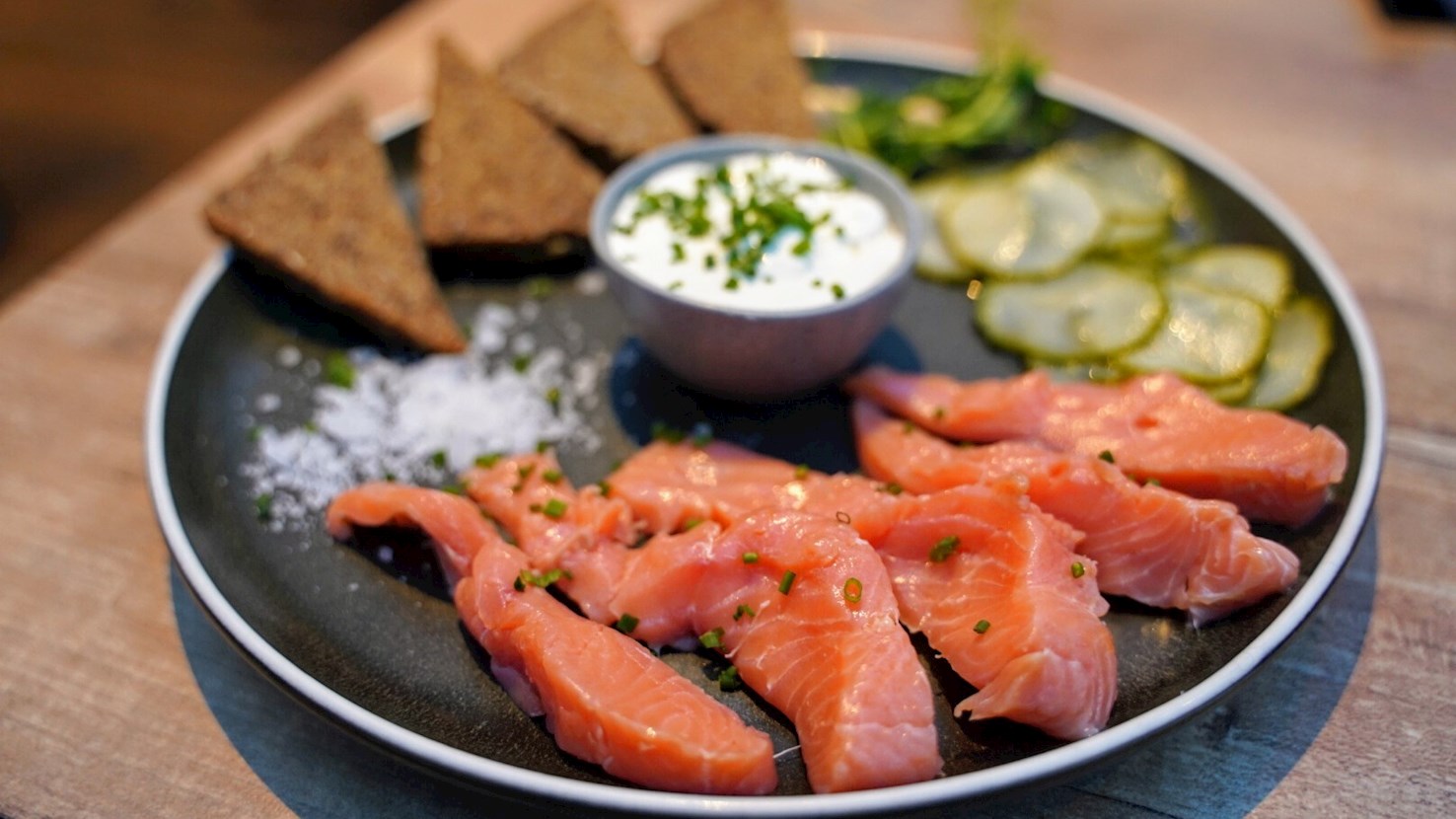
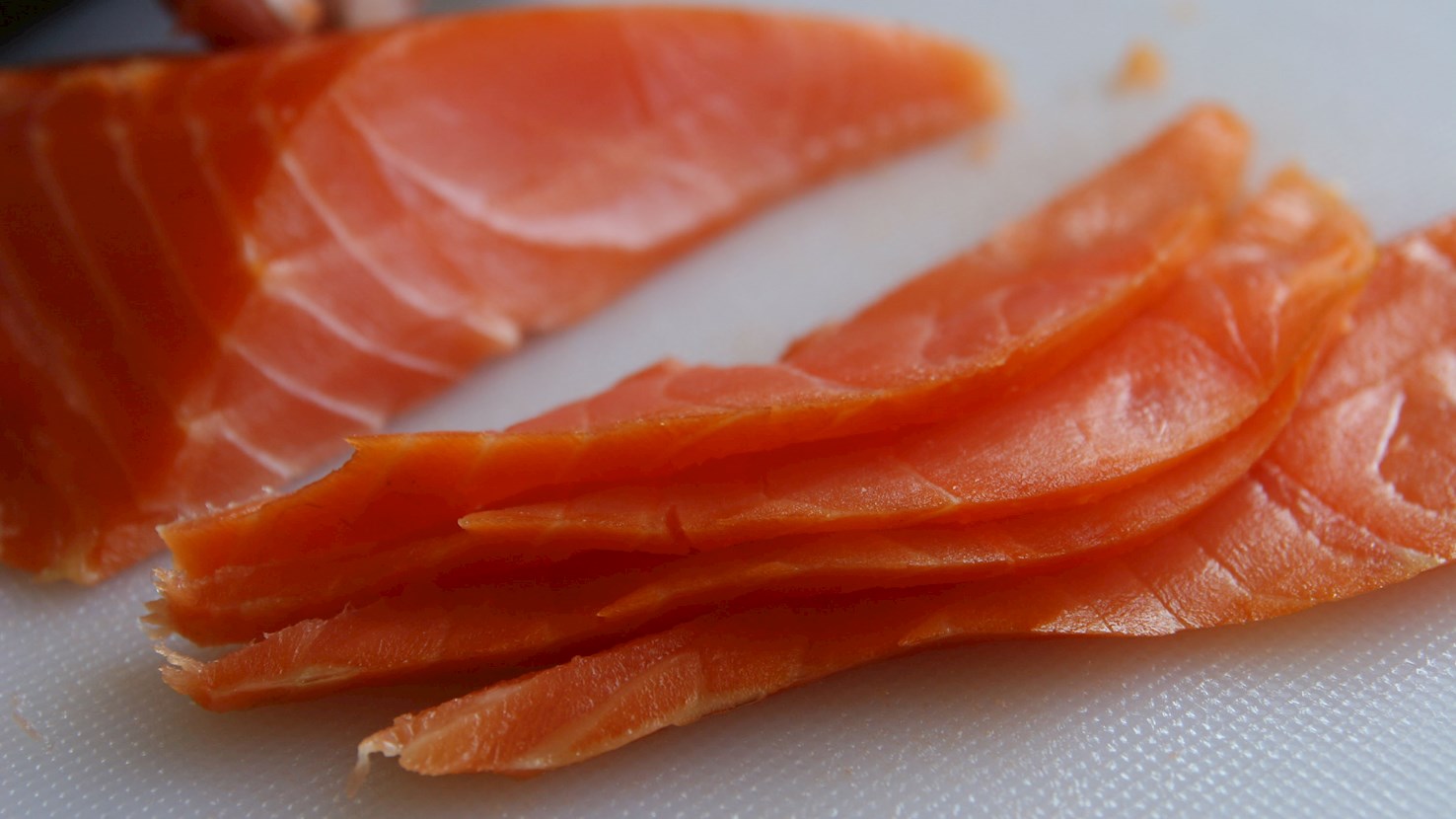
Norwegian smoked salmon or røkelaks is one of the most popular smoked salmon varieties. It is usually made with farmed Atlantic salmon (Salmo salar), and it stands out for its quality, bright pink color, and tender and flaky flesh. The flavor and the aroma are mild and have a distinctive, subtly smoky note. Before smoking, the salmon can undergo wet or dry curing, while the smoking process can be hot or cold, the latter being prevalent these days. Beech or other wood chips can be added during smoking. The final taste profile will depend on the type of salmon and the production techniques. Norwegian smoked salmon can be enjoyed on its own, and it can be used in a variety of dishes. One of the most popular options is the salmon wrap—made with lefse (Norwegian flatbread).

02

Atlantic Smoked Salmon

4.4 ·

Atlantic smoked salmon is a broad category that can include numerous types of smoked salmon found in the Eastern Seaboard of North America and in Northern Europe. The salmon has a rich and buttery flavor and it's cured and cold-smoked by using artisanal methods. It's often used in pasta dishes, sandwiches, and appetizers. Originally, Norway was the first to begin with Atlantic salmon farming, and nowadays smoked salmon from across the world is incorrectly labeled as Norwegian smoked salmon.

03

Kalix Löjrom

3.6 ·

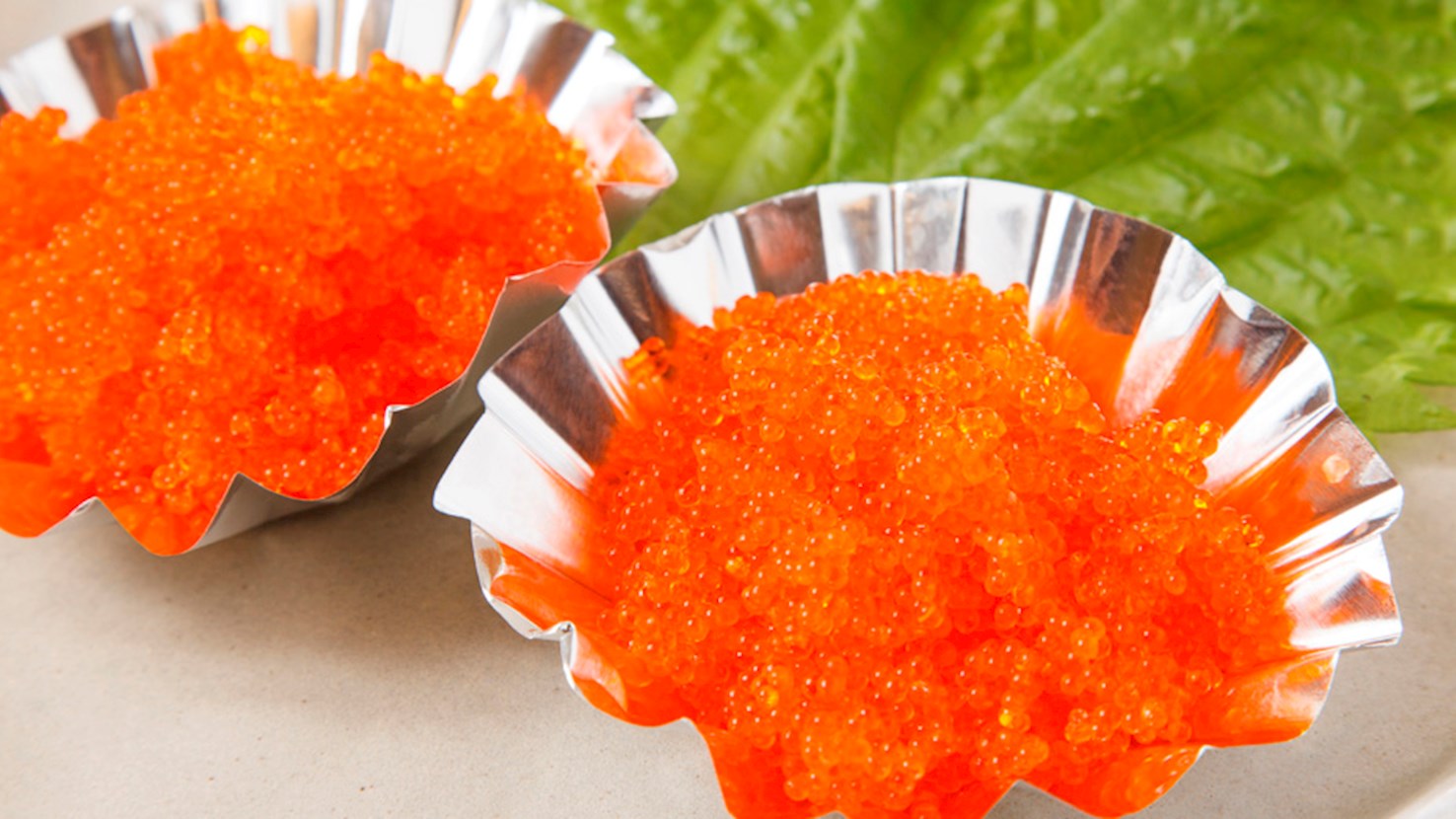
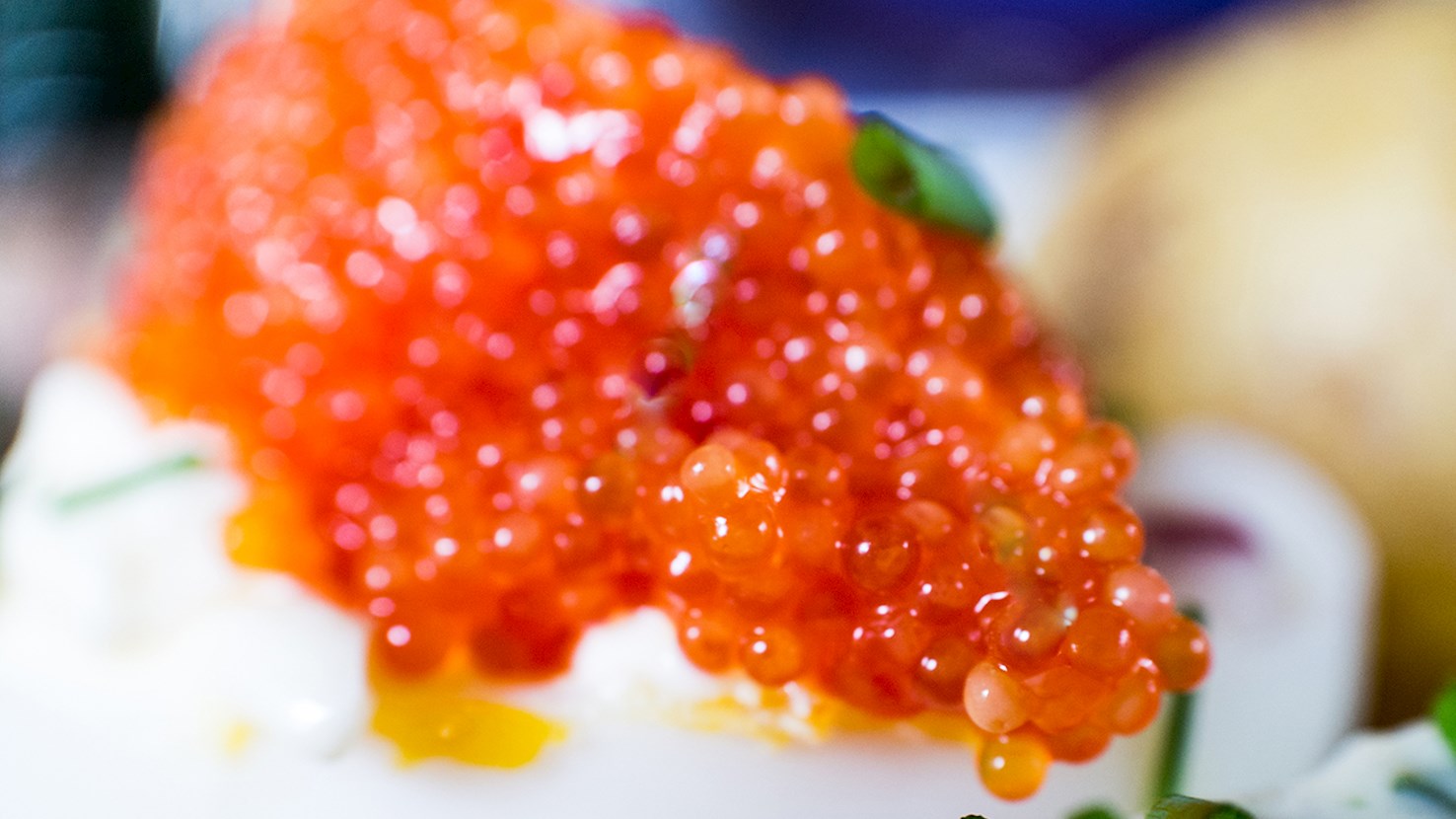
Kalix Löjrom is the roe of a small vendace fish swimming off the coast of Kalix in Northern Sweden. The roe must be hand extracted from the fish on the same day it was caught, and it is then thoroughly rinsed, dried and salted. The final product is orange-colored due to the unique feeding habits of vendace fish, and it has a subtly salty flavor reminiscent of fish oil. Kalix Löjrom can be enjoyed on its own, but it is most commonly served on rye bread with sour cream and chopped red onions. Other variations may include prawns, avocado or potato cakes.

04

Røget hellefisk (Smoked halibut)

3.6 ·

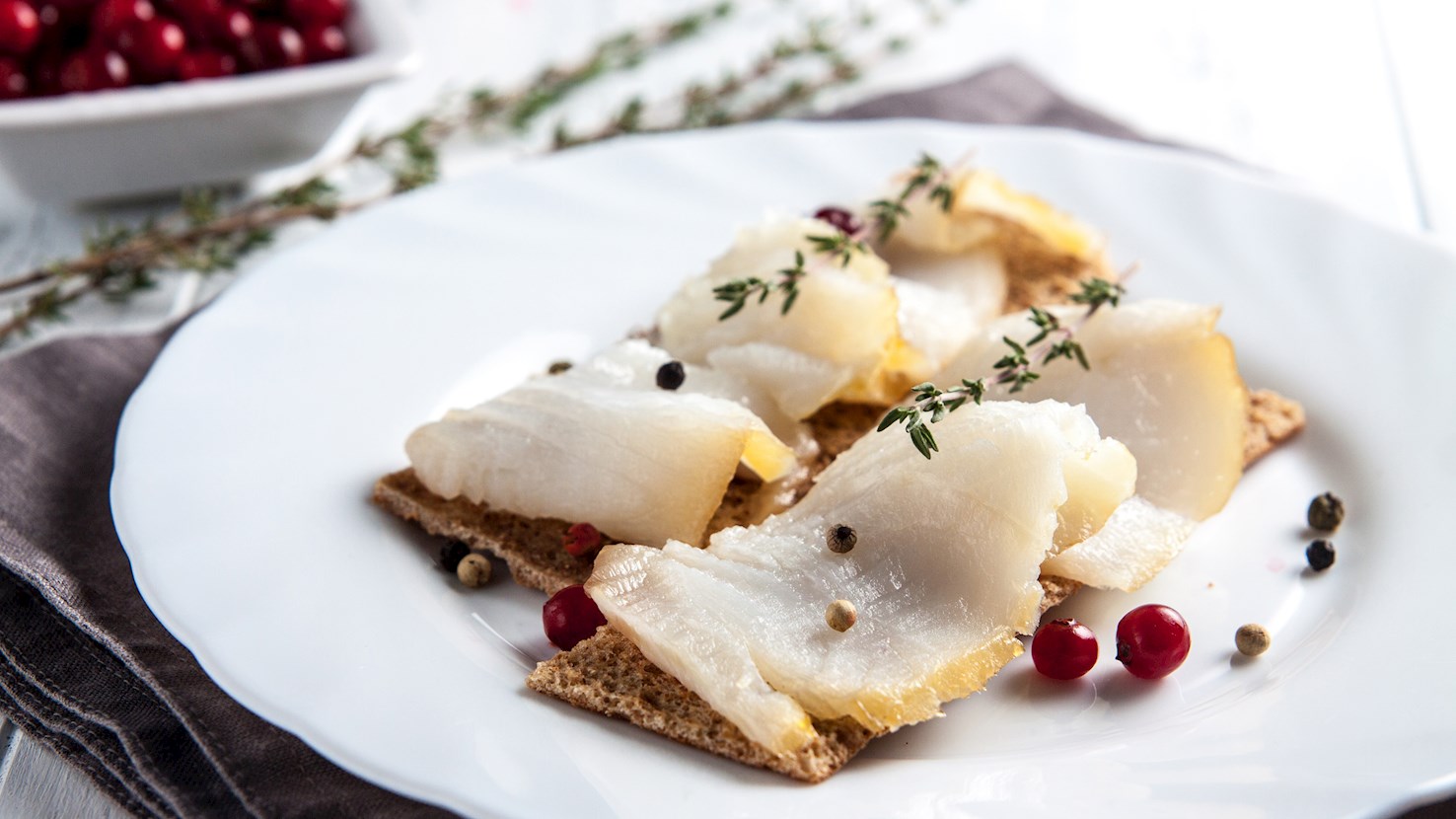
Smoked halibut is a prized ingredient in traditional Danish cuisine that is characterized by its tender, but firm texture, and a deep, smoky flavor. It is usually prepared with Greenland halibut, a variety that is well-suited for smoking. The fish is primarily salted and marinated before it is slowly dried, usually over beech wood. Served sliced, it is often used as a topping on open-faced smørrebrød sandwiches, and it perfectly pairs with various vegetables, creamy spreads, and fresh vegetables.

05

Rakfisk

3.5 ·

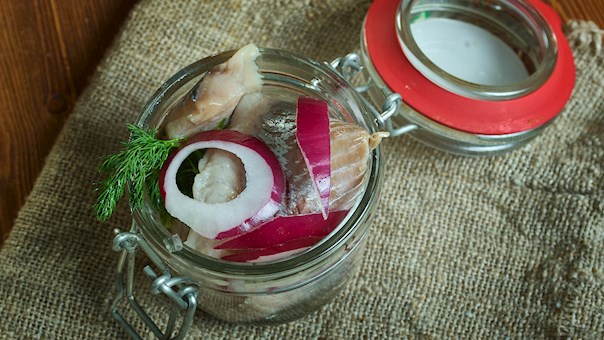
Rakfisk is a Norwegian specialty that is made by salting and fermenting fish for a few months or up to a year. It is typically prepared with trout or char, although any freshwater fish can be used instead. The fish is preserved through a process called raking, hence the name rakfisk. This fish delicacy is known to have a remarkably strong odor, often described as reminiscent of old cheese or dirty socks. Contrary to its pungent aromas, the fish has a pretty mild and slightly salty flavor with a tang to it. Rakfisk has been traditionally enjoyed during the festive Christmas season in Norway, and it can also be savored at the annual Rakfisk Festival, held in November in the district of Valdres, which is considered the original birthplace of this delicacy. The fish is typically consumed raw and chilled, either sliced or cubed, and it's usually paired with accompaniments such as potatoes, potato cakes, onions, sour cream, butter, lefse (flatbread), eggs, and mustard-dill sauce. Norwegians usually wash down the exceedingly pungent aromas of the fish with beer or shots of aquavit (a distilled Norwegian spirit).

06

Harðfiskur

3.4 ·

One of the staples of traditional Icelandic diet, harðfiskur is a fish delicacy made by following an old preserving method that involves drying fresh fish on wooden racks, outdoors in the cool Icelandic wind. The fish may be soaked in a weak brine before being dried for a slightly saltier flavor of the finished product. Typical fish include haddock, cod, and wolfish, although fish such as flounder or arctic char can also be used. After drying for several weeks, the fish obtains a tough, papery, and chewy texture, and a characteristic yellowish hue, while the flavor is salty with a strong odor. The fish needs to be pounded well before consumption so that it becomes flakier and softer, and is then typically enjoyed smeared with cold, salted butter as a snack. High in protein, omega-3 fatty acids, and vitamins, this fish delicacy is often enjoyed as packed lunch or used in stews or soups, and it is also an essential part of the Icelandic þorramatur buffet, which is traditionally consumed during the midwinter festivals (Þorrablót) in Iceland. Once food for the poor, harðfiskur is today an expensive food item in Iceland, and it can be found in almost any grocery store.

07

Stenbitsrom

3.3 ·

Lumpfish roe is one of the more available roe varieties, and it is usually reasonably priced. It is harvested from lumpfish (Cyclopterus lumpus), which is mostly found in the cold waters of the North Atlantic. The natural color of the roe can vary, though it is usually pale gray or dusty pink. However, most producers opt for artificial coloring to attain appealing red or black hues. The beads are small, mildly-flavored, briny, and subtly sweet. Lumpfish roe is an excellent addition to appetizers, salads, soups, or seafood-based main dishes. The major producers of lumpfish caviar are Denmark, Germany, Iceland, and Sweden, while the main importing countries are France, Germany and the United States of America.

08

Boknafisk

3 ·

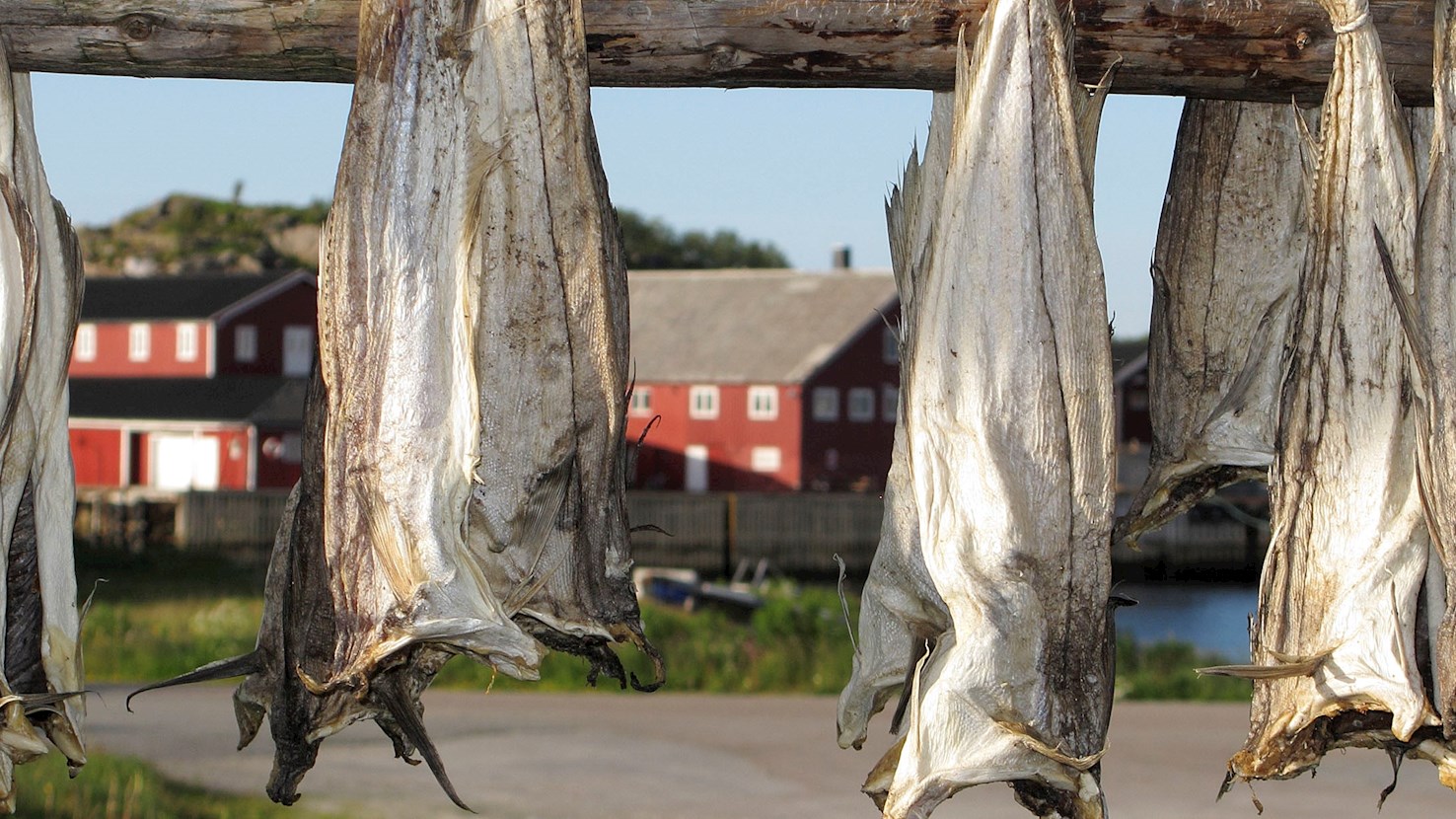
Boknafisk is a type of dried fish that is typical of Northern Norway, particularly of Lofoten and Vesterålen. Following the same process of preparation as tørrfisk, a famous stockfish delicacy from the same region, this specialty typically features Atlantic codfish that are headed, gutted, and then hung to dry on wooden racks or walls in the cold winter air. The fish are not seasoned with salt, but they are dried for a short period instead, usually ranging from two to four weeks. The shorter drying period allows the fish to retain the higher water content, leading to a tender interior that contrasts its dry exterior. The semi-dried fish is distinguished by a pungent flavor, and it is often frozen to stop the drying process. Boknafisk can be boiled, fried, baked, or poached once it is reconstituted, and it is usually paired with a side of creamed vegetables, boiled potatoes, and some fried bacon fat or lightly browned butter.

09

Tørrfisk fra Lofoten (Norwegian Dried Cod)

2.9 ·

Tørrfisk fra Lofoten is a world famous naturally dried Atlantic cod (Gadus morhua) captured around one of the richest fishing areas, Lofoten and Vesterålen from January to April. It has a rich taste and aroma of fish, golden-colored skin and a size between 40 to 90 cm. Because of the Gulf Stream, winters in Lofoten are mild which makes it the only place in the world with high-quality mature cod and such excellent conditions for fish to dry properly without freezing or decomposing. Natural drying of Tørrfisk fra Lofoten takes place on flat lofts or drying racks and the fish is preserved and matured as the water content reduces. This process gives the stockfish its special texture, unique taste, higher durability and nutritional content than that of fresh cod. Tørrfisk fra Lofoten is an important Norwegian product of export and a beloved dish in Norway and beyond.

10

Hákarl

1.9 ·

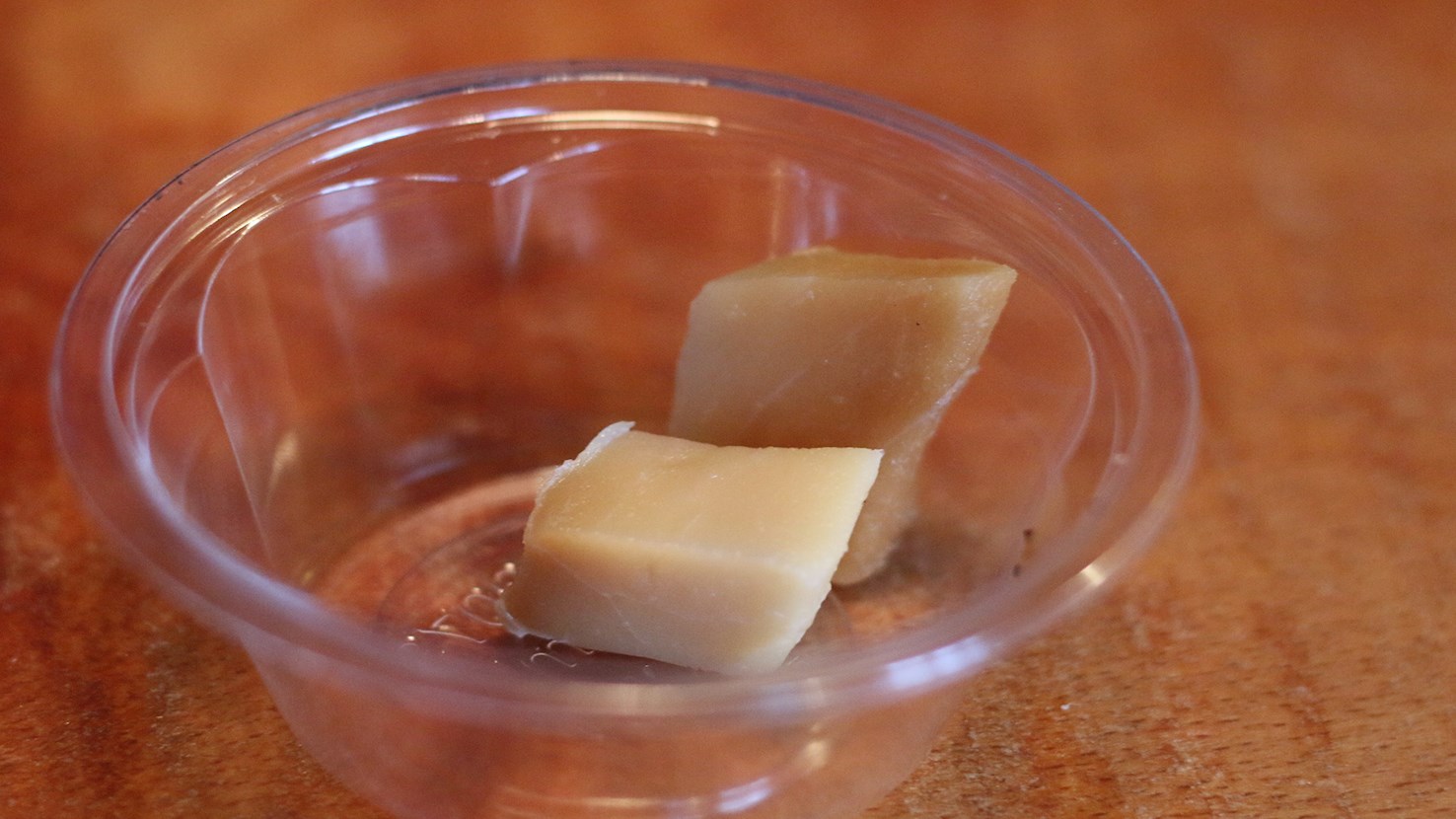
Hákarl is Iceland's national delicacy made from cured shark flesh, namely Greenland shark and other sleeper sharks. The meat is first fermented for up to three months, then hung and left to dry for another four to five months. There are two varieties of the dish: the chewy, reddish glerhákarl, and tender, white skyrhákarl. It is often considered to be food for the brave, because the high ammonia content often makes people gag. The cured shark meat is typically cut up into cubes and served on toothpicks with an accompanying shot of a local spirit known as brennivin.

Read more
View all
View map
About this ranking

TasteAtlas food rankings are based on the ratings of the TasteAtlas audience, with a series of mechanisms that recognize real users and that ignore bot, nationalist or local patriotic ratings, and give additional value to the ratings of users that the system recognizes as knowledgeable. For the “Top 14 Northern European Preserved Fish and Fish Products” list until June 15, 2026, 455 ratings were recorded, of which 358 were recognized by the system as legitimate. TasteAtlas Rankings should not be seen as the final global conclusion about food. Their purpose is to promote excellent local foods, instill pride in traditional dishes, and arouse curiosity about dishes you haven’t tried.

The initial list of top producers was compiled based on available reviews, awards, local recommendations, media and blog coverage, and consumer reviews. The list will be updated with ratings from TasteAtlas local ambassadors and TasteAtlas users.

Similar lists