




Konstantina Johnson

Top 15 Greek Raw Milk Cheeses

Last updated on June 05, 2026
01

Metsovone

4.4 ·

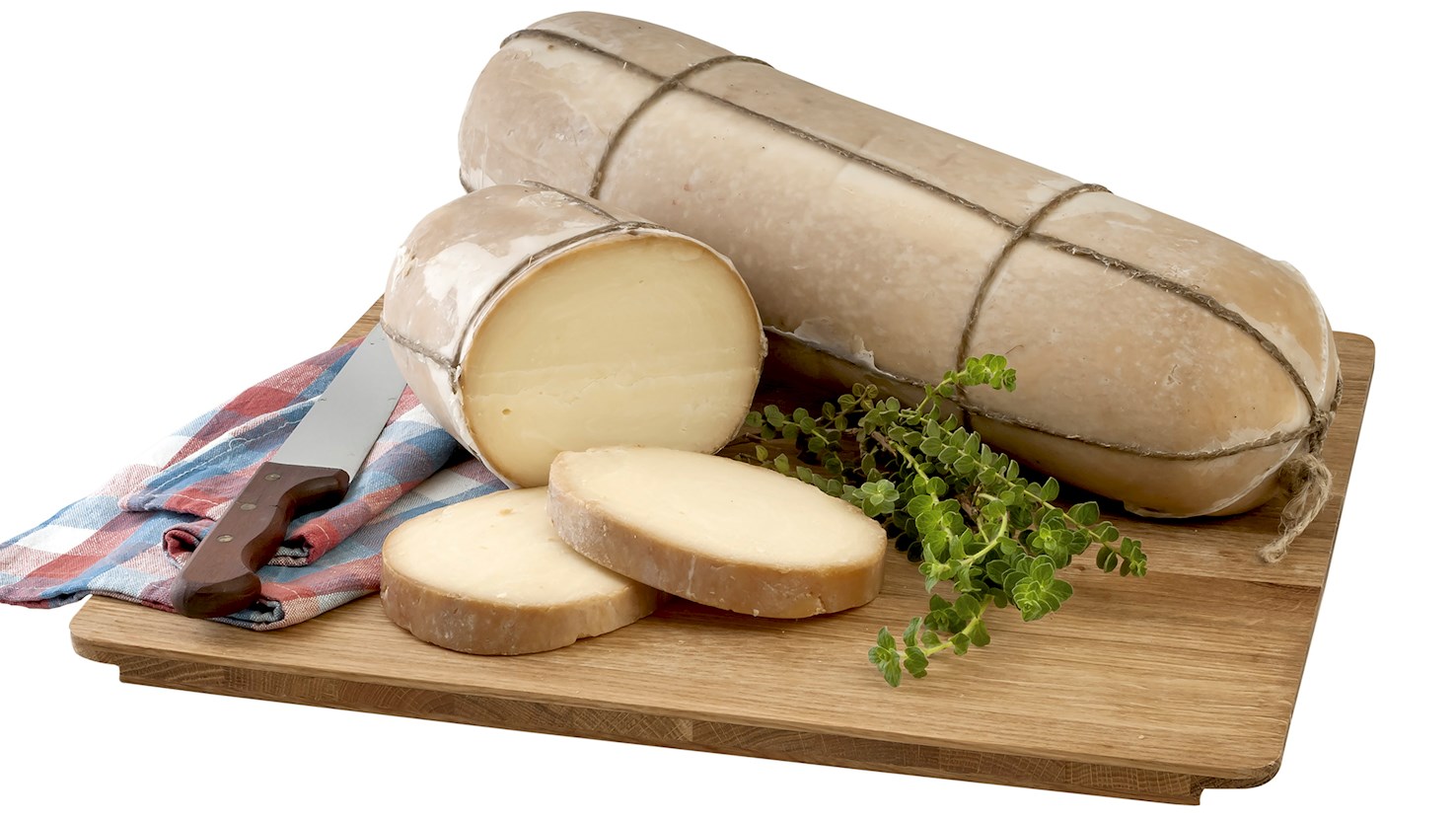
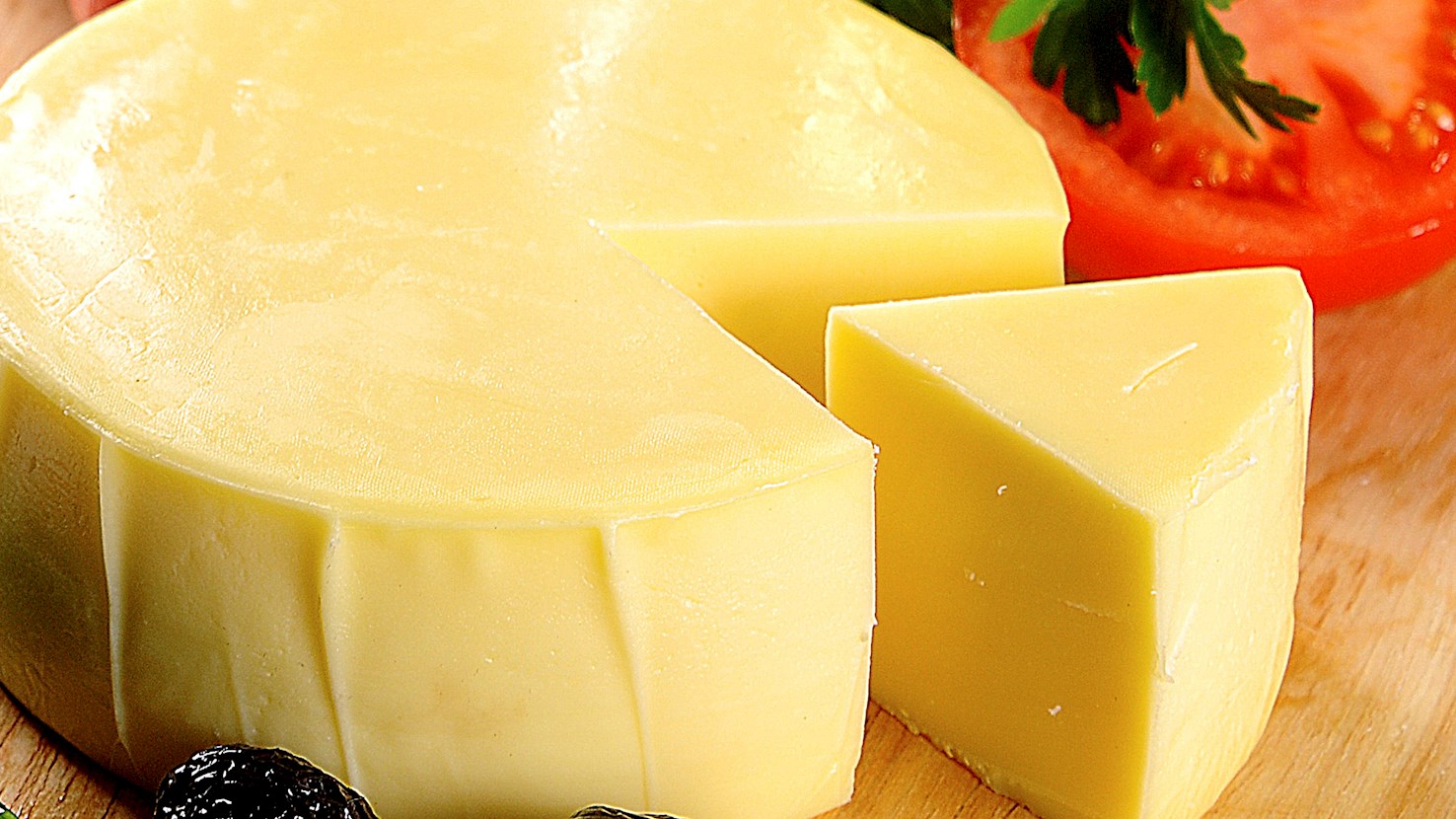
Metsovone is a hard or semi-hard smoked table cheese, produced from cow's milk or alternatively with a mixture of cow's milk with up to 20% sheep’s or goat’s milk. It has been made in the Metsovo mountain region for more than 50 years from locally reared animals' milk. During the manufacturing, it is put in cylindrical molds that are placed in cold water to make the cheese more compact and afterwards placed in pickle. After the drying, the maturation lasts, at least, three months. Finally, it is smoked for a couple of days. It has a textured paste and a slightly yellow rind. The taste is rich, slightly salty and spicy, with a dried fruit aftertaste. It can be enjoyed both raw and cooked and is a regular ingredient in quiches or pizzas. It is an excellent appetizer to serve with a glass of ouzo or wine.

02

Sfela

4.4 ·

This semi-hard cheese is traditionally produced from sheep or goat milk, or a mixture of the two. The milk used to make this cheese comes from breeds reared traditionally in the Messinia and Lakonia prefectures, where this cheese has been produced for more than 100 years. To make Sfela, the curd has to be divided into pieces and reheated. Afterwards, the pieces are drained using cheesecloth, and they are lightly pressed and cut into small strips ('sfelas') and salted. The strips are stored in tin cans full of brine for at least three months to mature. During maturation, the cheese acquires its characteristic yellowish color. Its body is full of small holes created during fermentation. A cheese adored by consumers, sfela is a commonly used ingredient in modern Greek cooking. It is usually served as an appetizer, grilled, or combined with meat and vegetables in a tasty Greek pie.

03

Arseniko Naxou

4.4 ·

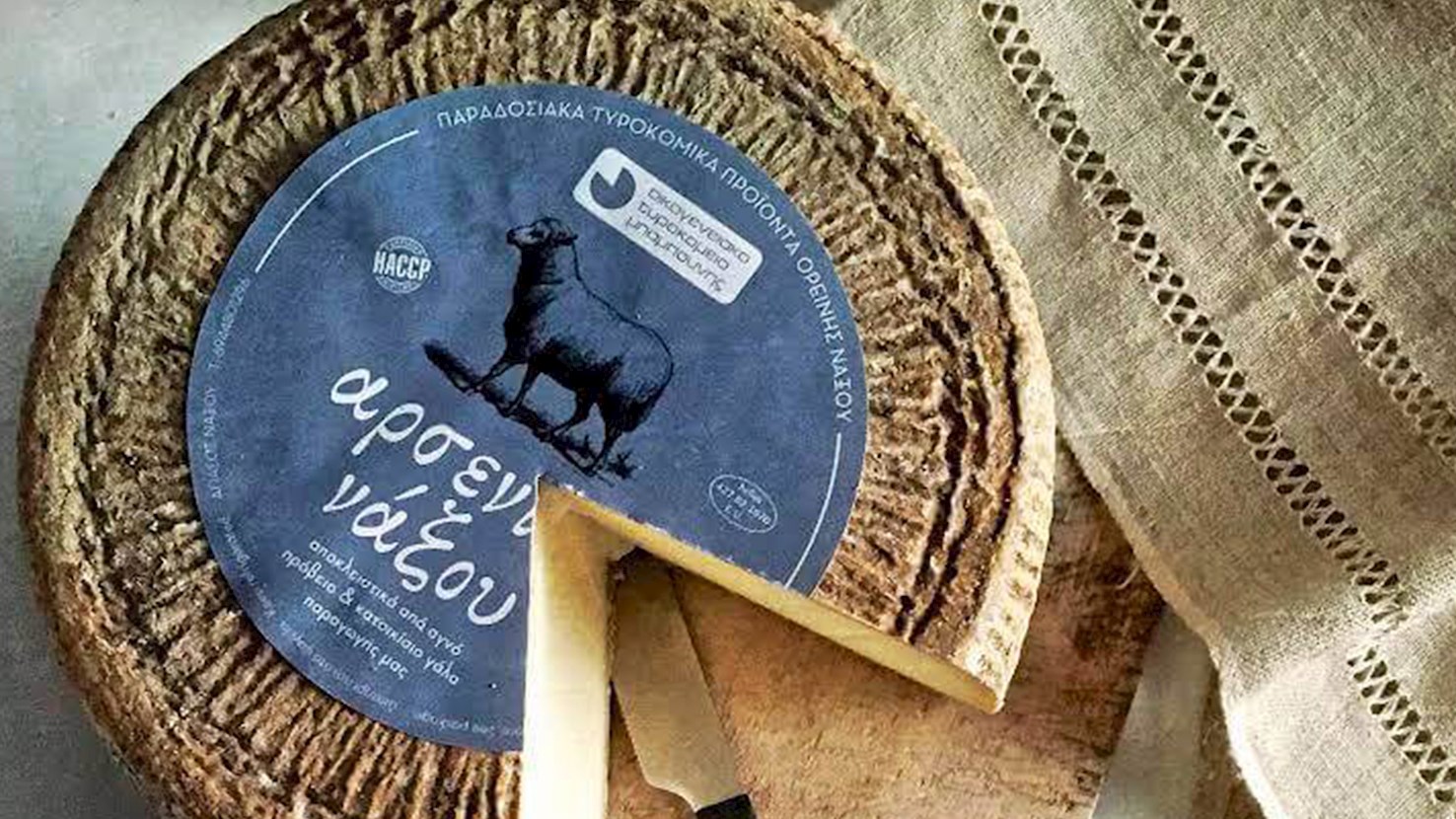
Arseniko Naxou is a Greek cheese originating from the island of Naxos, hence the name. The word arseniko means male or masculine. The cheese is made from raw sheep’s and goat’s milk with the addition of whey. After it thickens, the cheese is drained in specially designed baskets known as tirovola. In the beginning, its flavor is sweet, but after a few months it develops a spicy and aromatic flavor.

04

Xynomyzithra Kritis

4.3 ·

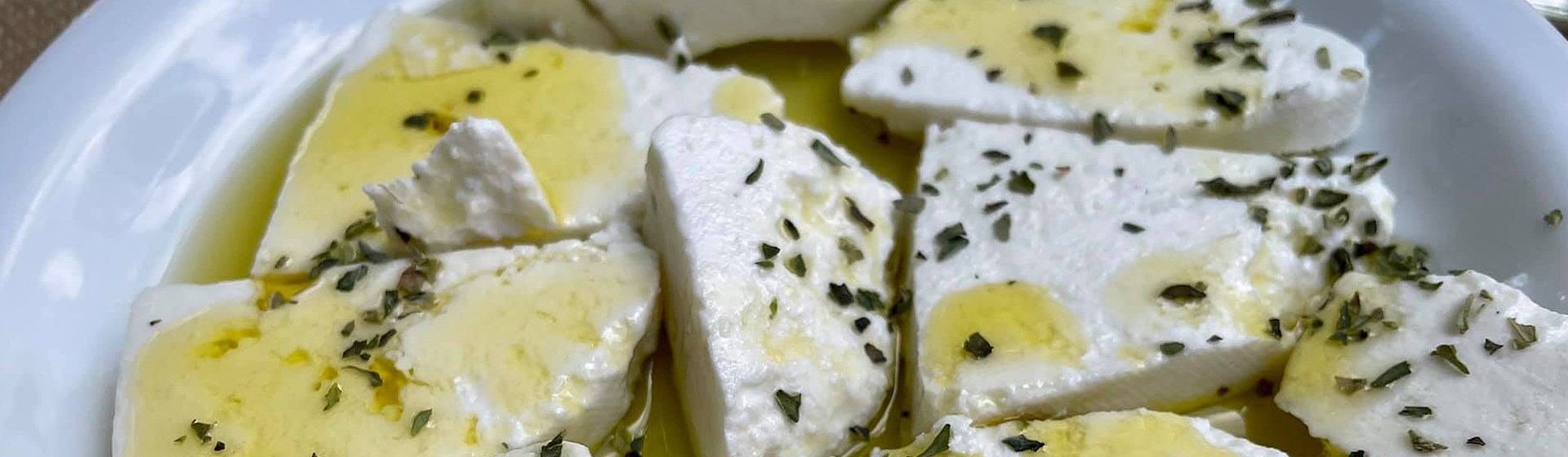
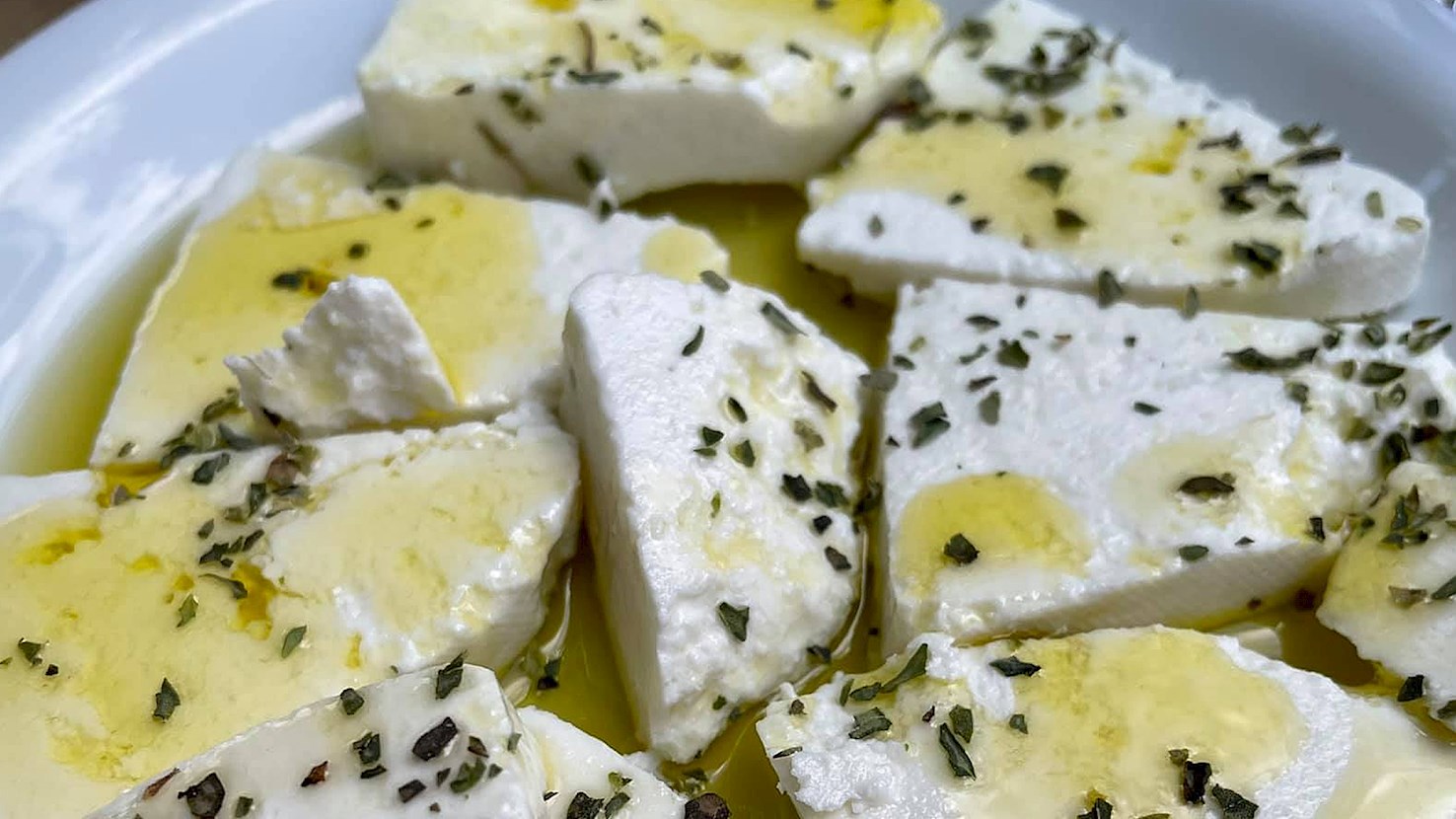
This soft table cheese is made from whey from the processing of Graviera or Kefalotyri Kritis cheeses and the addition of sheep or goat milk, or a mixture of the two. Its name is a combination of two words – mizithra and xyno – meaning 'acidic whey cheese'. It is produced on the beautiful island of Crete in the Chania, Rethymno, Heraklion, and Lasithi prefectures, where it has been produced since the 17th century. Today, Xynomyzithra Kritis is one of the most popular cheeses made on Crete. This lovely, white, rindless cheese has a distinctive sweet and sour taste, and its texture can vary from creamy to granular. Xynomyzithra Kritis can be used in a variety of recipes, as it becomes milder and softer when cooked.

05

Formaella Arachovas Parnassou

4.2 ·

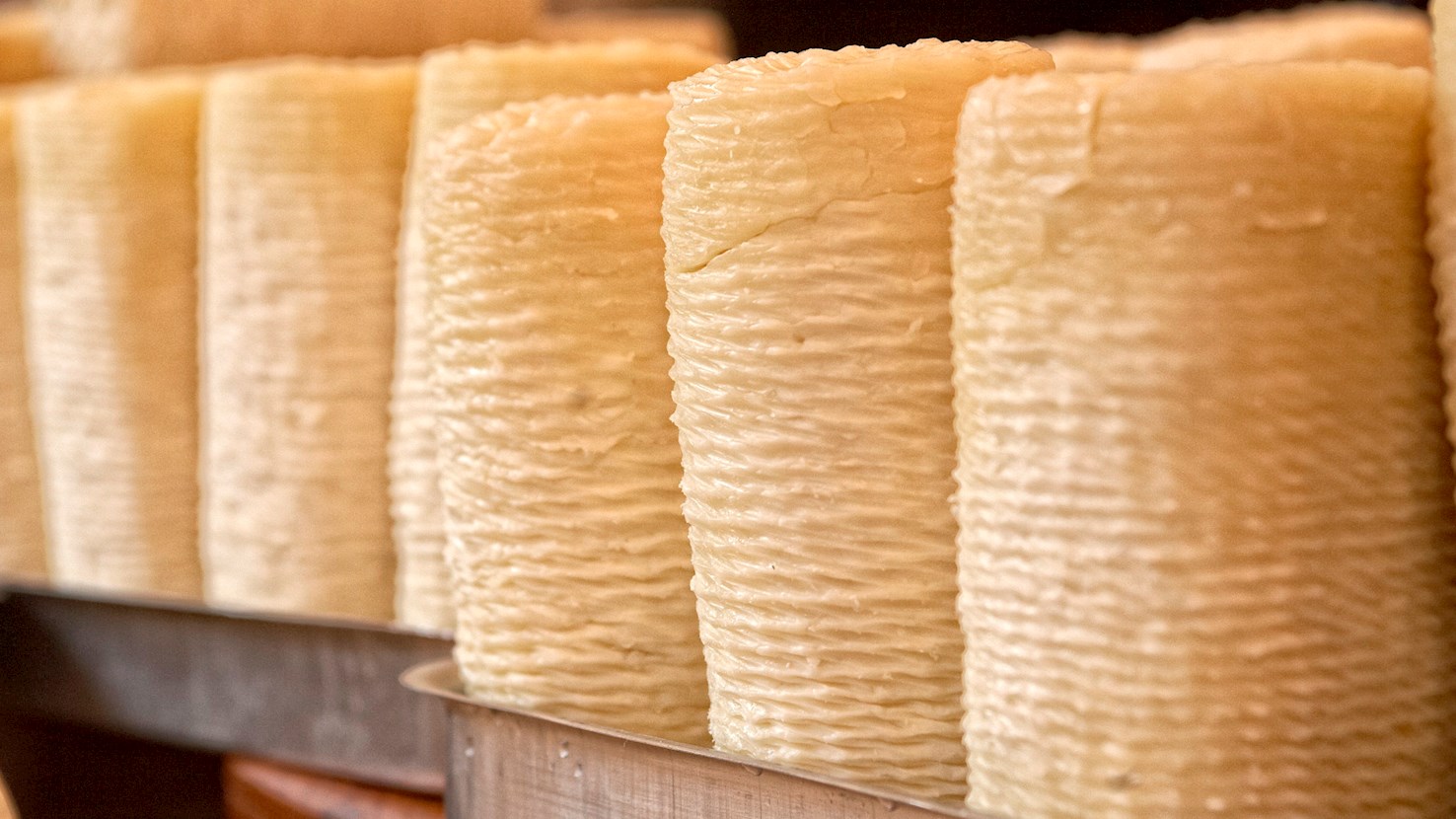
This semi-hard cheese has been produced from goat or sheep milk, or a blend of the two, in the town of Arachova below mount Parnassus in central Greece for at least a century. The milk is taken from breeds which have adapted to the mountainous region, and their diet is based on local herbs and plants. The cheese is curdled, and the curd is divided and put into special molds or baskets, where it is salted and dried. The cheeses have a compact structure, a characteristic cylindrical shape, a pale yellow color, and a striped appearance that results from the reed mats on which they are placed to dry. Formaella Arachovas Parnassou is a cheese with a very pleasant taste and aroma, and it is usually eaten plain or either fried or grilled as an ingredient in typical regional dishes.

06

Myzithra

4.2 ·

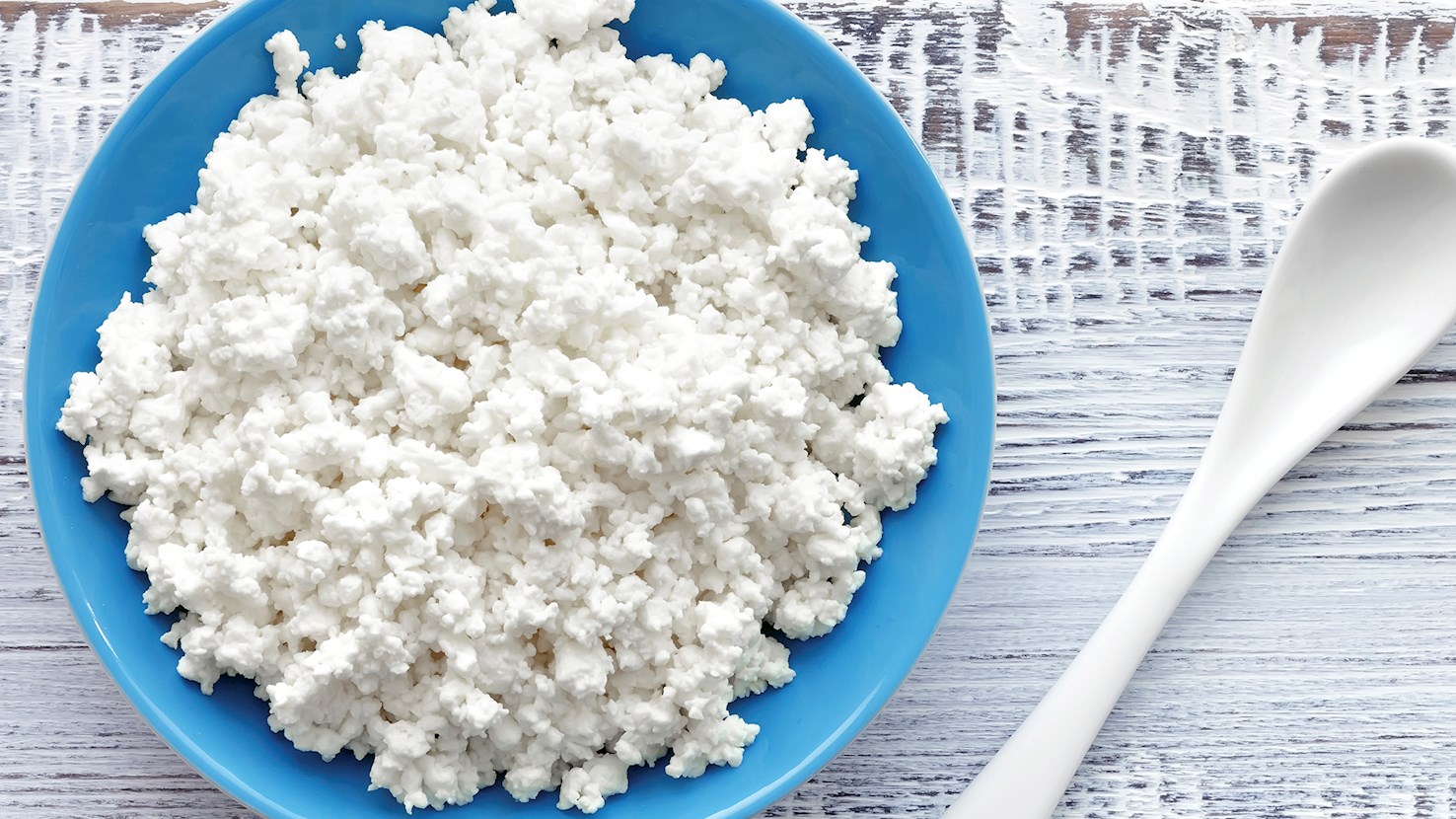
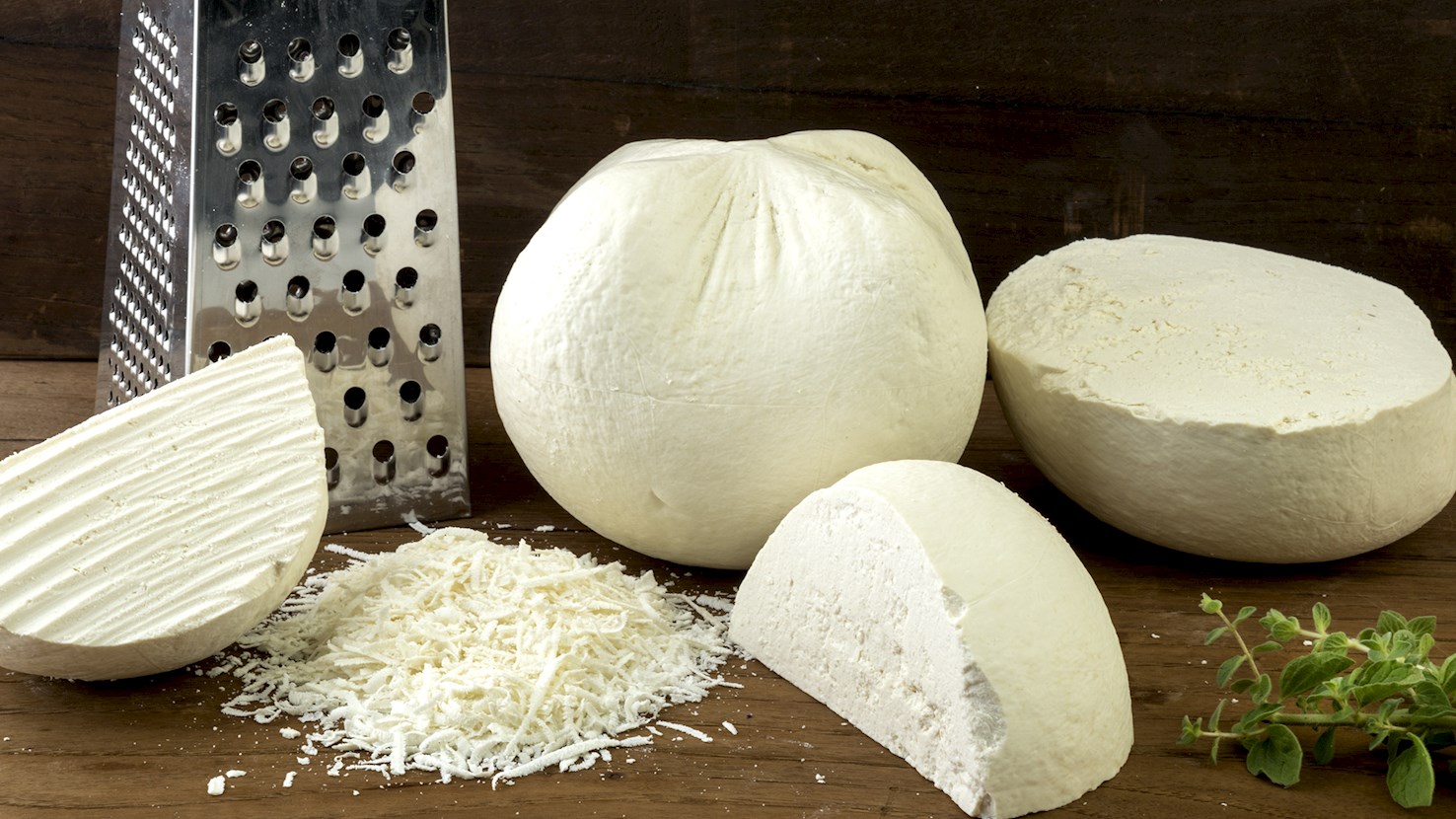
Myzithra is a traditional cheese made from the whey of goat’s or sheep’s milk cheeses. It comes in three main varieties: fresh, sour, and aged. The fresh one is soft in texture and unsalted, typically shaped into eggs or balls. Its aroma is pungent, while the flavor is quite mild. Sour myzithra is prepared with sheep’s or goat’s milk, yeast, and salt, while the aged variety is hard in texture and very salty. The first two varieties are often used in baked pastries and desserts, while the aged variety is best when grated over pasta, soups, and casseroles.

07

Kasseri

4.2 ·

This semi-hard cheese is traditionally produced from sheep milk (sometimes with the addition of no more than 20% goat milk). It is made in Macedonia, Thessaly, and Xanthi and Lesvos prefectures. This cheese has been produced in Greece since the 19th century. Regulations require Kasseri to ripen for at least three months, although it is usually left to mature for six to twelve months. Younger versions of Kasseri have a delicate flavor that is quite sweet and tangy, while the aged ones become salty and piquant, bearing a slight resemblance to parmesan cheese. This pale yellow cheese belongs to the pasta filata family, and is used as a substitute for mozzarella or feta. A bite of this delicious cheese will leave a slightly sweet aftertaste because of the sheep milk used in its production. It has a mild, slightly milky taste and a buttery texture, making it an excellent table cheese. Kasseri is usually consumed sliced in sandwiches or pizzas. Traditionally, it is the main ingredient in Greek dishes such as pita kaisarias, kasseri tiganismeno, or saganaki.

08

Feta

4.1 ·

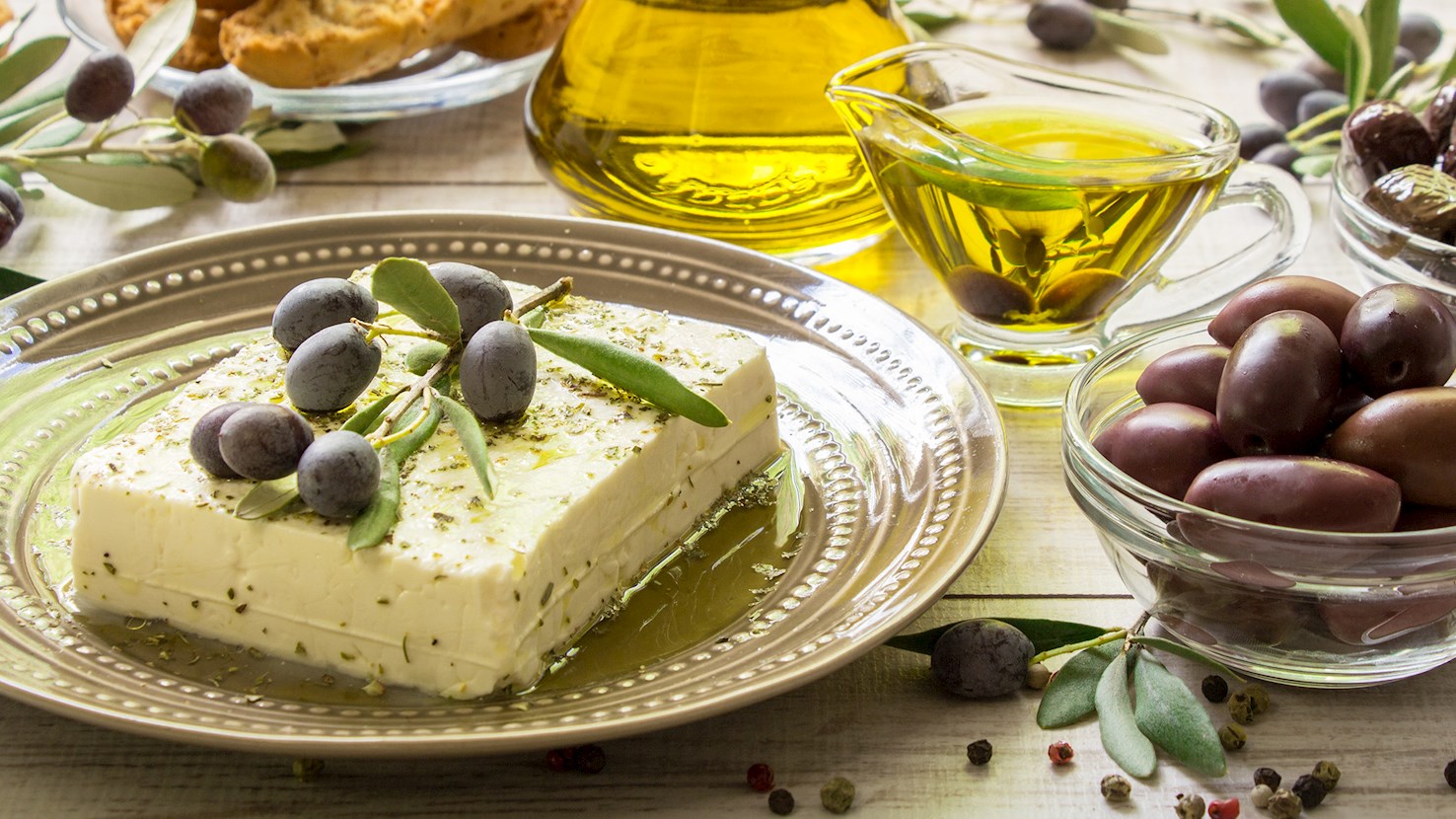
Feta is the most famous Greek cheese, affectionately called 'the princess of cheeses'. The cheese is made from sheep's milk or a mixture of sheep's and goat's milk (the latter should not exceed 30%). It is produced in the regions of Macedonia, Thessaly, Thrace, Epirus, the Peloponnese, and Central Greece. Feta is traditionally produced with non-pasteurized milk, although nowadays the use of pasteurized milk is also allowed. The cheese is made in large square or triangle-shaped molds and preserved in wooden barrels or tin containers filled with brine in order to keep it fresh and to preserve its acidity. The word feta means slice in Greek, and the cheese bears this name because of the shape it takes on when the curd is cut. This white, rindless cheese contains 7% salt, making it one of the saltiest cheeses. The flavor of feta can be described as very intense and fresh. Although it’s most commonly consumed as it is, feta is also used in a variety of salads such as the famous Greek salad horiatiki.

09

Talagani

3.8 ·

Talagani is a Greek cheese typically made from a mixture of sheep's and goat's milk, originating in the Peloponnese region. The cheese has a firm texture and a rich, slightly tangy flavor (it is often compared to halloumi, the popular Cypriot cheese). Due to its high melting point, it retains its shape under heat, making it ideal for grilling or frying, after which it will have a crispy exterior and a soft, melted interior. Talagani is perfect for salads and as a snack with a drizzle of lemon juice or honey, but it can be used in various sweet and savory dishes.

10

Krasotiri Ko

3.6 ·

Krasotiri Ko or Tiri tis Possias is a traditional soft cheese hailing from the island of Kos. The cheese is made from pasteurized or raw goat's or sheep's milk or a blend of the two. It's ripened for a minimum of one day in brine, and then for at least one month in a thick combination of boiled red wine sediment (also known as possia). Krasotiri ko has a reddish natural rind, but on the inside it's completely white. The cheese is shaped into long cylinders with visible indentations from the cheese molds on the exterior. The aromas are reminiscent of wine, while the flavor is milky and acidic. On Kos, this cheese is often included on the 'Greek Breafkast' menus in the island's hotels. For the best experience, serve it with watermelon or pair it with Greek coffee.

Read more
View all
View map
About this ranking

TasteAtlas food rankings are based on the ratings of the TasteAtlas audience, with a series of mechanisms that recognize real users and that ignore bot, nationalist or local patriotic ratings, and give additional value to the ratings of users that the system recognizes as knowledgeable. For the “Top 15 Greek Raw Milk Cheeses” list until June 05, 2026, 3,304 ratings were recorded, of which 1,710 were recognized by the system as legitimate. TasteAtlas Rankings should not be seen as the final global conclusion about food. Their purpose is to promote excellent local foods, instill pride in traditional dishes, and arouse curiosity about dishes you haven’t tried.

Similar lists