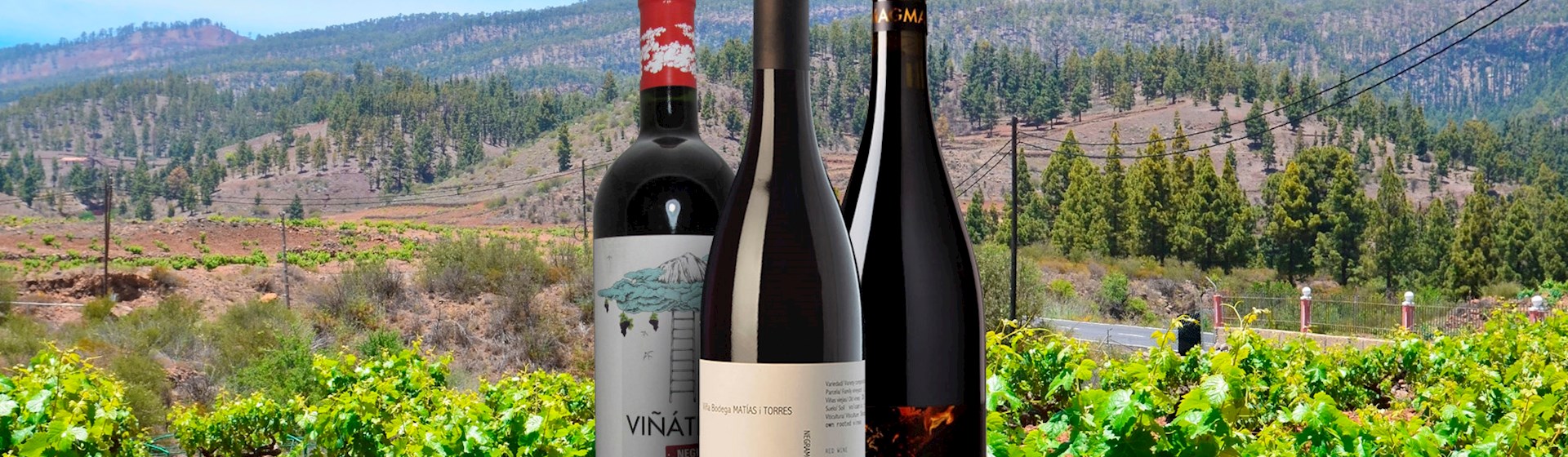
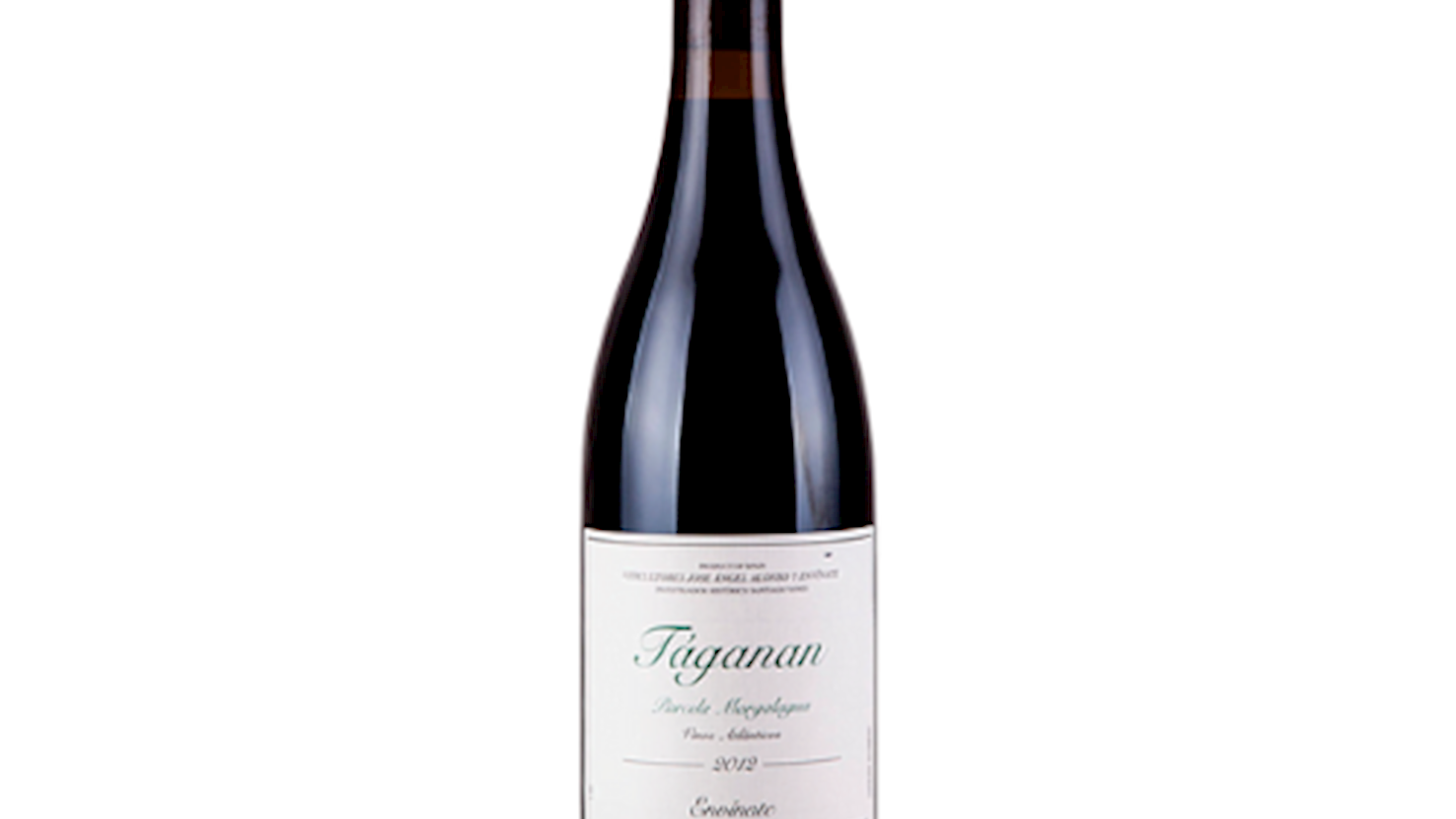
Envínate is a contemporary Spanish wine project founded by four winemakers - Roberto Santana, Alfonso Torrente, Laura Ramos, and José Martínez - with the idea of creating wines that truly reflect place rather than a fixed house style. The name Envínate means “make wine for yourself”, capturing their philosophy of personal, site-driven winemaking. Instead of working in a single region, they develop projects across several distinctive Spanish terroirs, including Tenerife in the Canary Islands, Ribeira Sacra in Galicia, and Almansa in Castilla-La Mancha. In each location, they focus on old vineyards, often planted in extreme conditions that demand careful, hands-on viticulture. The vines are farmed organically or biodynamically, avoiding heavy chemical treatments and emphasizing manual work in the vineyard. Fermentations rely on native yeasts, and sulfur is used only when absolutely necessary. Their wines are not built on power or extraction, but on freshness, mineral tension, and clarity of fruit. Envínate is especially recognized for its work with indigenous varieties such as Listán Blanco and Listán Negro in Tenerife and Mencía in Galicia. Every label is conceived as a direct expression of its origin, without attempts to polish or standardize the style. The overall profile of their wines is often described as precise, energetic, and understated, with a strong focus on drinkability and aging potential. Their bottles appeal both to fans of low-intervention winemaking and to traditional collectors who value terroir-driven expressions. Today, Envínate is widely regarded as one of the most influential voices in modern Spanish wine, demonstrating how diversity of micro-regions can be a greater strength than a single unified brand identity.
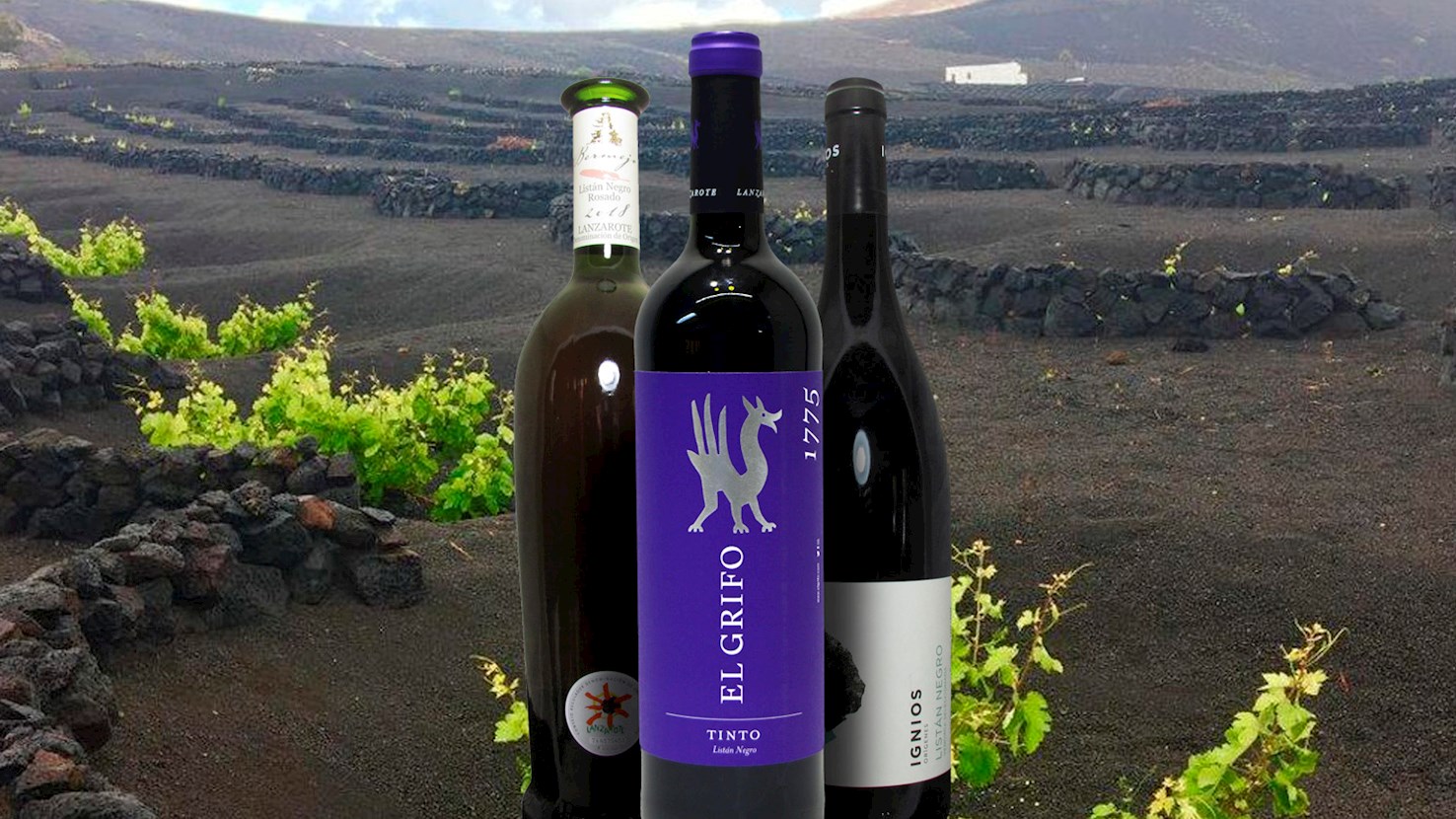
Listán Negro is a Spanish grape variety that is mostly cultivated on the Canary Islands, though its origin is generally associated with the Spanish mainland. The grape has shown great success on the volcanic soils of the Canary, where it was mostly produced with carbonic maceration—a process in which the grapes are fermented before they are crushed. This process results in lighter wines that are fruity and typically low in tannins. Listán Negro from the Canary Islands will typically display aromas of red and dark berries, roses, violets, and usually some spicy and mineral nuances. Their style may vary from light and fruity wines to more robust expressions that are achieved by oak-aging. Listán Negro was also carried to the Americas, and research has shown that the grape is genetically identical to País in Chile, Criolla Chica in Argentina, and Mission grape from California and Mexico. Though genetically identical, wines made with these grapes will usually differ in character and the final taste profile.
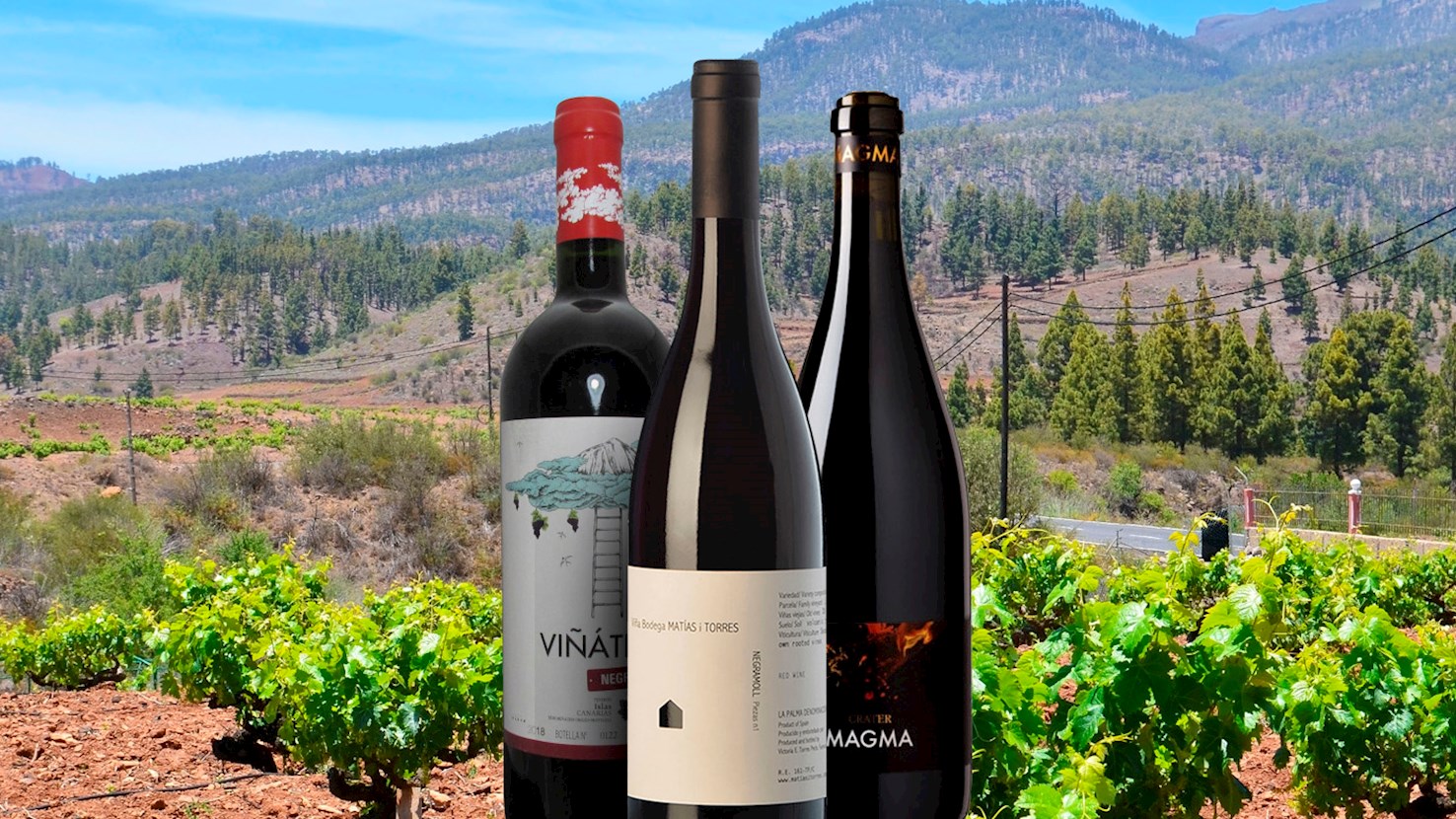
Negramoll is a red grape variety mainly cultivated on the Iberian islands, but it is best known for its results on the Canary Islands. It is also found on Madeira under the name Tinta Negra Mole, and it is identical to Andalusian Mollar Cano, suggesting that it might have originated on the Spanish mainland. The grape produces aromatic and light red wines. On Madeira, it is often used for fortified styles, but it is generally used for dry red wines on the Canary Islands. The wines are easy-drinking, approachable, and best enjoyed young. They have medium acidity and soft tannins, while the aroma is reminiscent of ripe fruit with a hint of spice. The grape is usually blended with Listán Negro. Negramoll wines can be paired with appetizers and red or white meat.
Islas Canarias wine is a regional classification that encompasses viticultural production across the seven main islands of the Canary archipelago: Tenerife, Lanzarote, Gran Canaria, La Palma, La Gomera, El Hierro, and Fuerteventura. Established as a unified designation in 2012 to represent the islands on the international market, it sits alongside eleven other specific island or sub-zone denominations. The wines are defined by their volcanic origin, produced from vines grown in basaltic soils, volcanic ash (lapilli), and clay at altitudes ranging from sea level to 1,600 meters. The subtropical climate is heavily influenced by the Atlantic trade winds, which provide moisture and maintain acidity in the grapes despite the southern latitude. Viticulture in the archipelago began in the early 15th century when European explorers and settlers from the Iberian Peninsula, Portugal, and Flanders introduced vine cuttings. By the 16th and 17th centuries, Canary wine, particularly the sweet Malvasia known as "Canary Sack," achieved significant international prominence and was a primary export to the British Empire and the American colonies. A critical factor in the current state of these vineyards is the historical absence of the phylloxera pest, which devastated European viticulture in the late 19th century. Because the volcanic and sandy soils prevented the spread of the insect, the Canary Islands remain one of the few places globally where vines are grown on their own rootstocks rather than grafted onto American resistant roots. This has preserved over 80 distinct varieties, many of which have disappeared or genetically drifted in their continental places of origin. Preparation involves labor-intensive manual techniques necessitated by the rugged terrain. Training systems vary by island to mitigate environmental stressors: in Lanzarote, vines are planted in deep "hoyos" (pits) protected by semi-circular stone walls to capture dew and block wind, while in the Orotava Valley of Tenerife, the "cordón trenzado" (braided cord) system is used, where vine branches are woven into horizontal ropes reaching up to 15 meters in length. Red wines are primarily made from Listán Negro and Tintilla, often utilizing carbonic maceration to preserve fresh fruit profiles or aging in neutral oak to manage the naturally high mineral tension. White wines are produced from Listán Blanco, Albillo Criollo, and Malvasía Volcánica, frequently kept on the lees to enhance texture. Serving temperatures are standard at 8°C to 10°C for whites and 14°C to 16°C for reds. A distinct attribute of these wines is the perceptible salinity and smoky aromatic profile derived from the high concentrations of volcanic minerals in the soil. These wines are consumed both as a staple of the local diet and in specialized international enotecas. They are eaten with regional staples such as "Papas Arrugadas" (wrinkled potatoes cooked in salt water) served with "Mojo" sauces, as the wine’s salinity complements the salt-crusted skin of the tubers. White varieties are paired with Atlantic seafood such as parrotfish (Vieja) or limpets, and semi-cured goat cheeses like Queso Majorero. Red wines are typically served with "Conejo en Salmorejo" (marinated rabbit) or slow-cooked goat stews, where the wine's acidity and structure balance the gamey flavors of the protein.
TasteAtlas food rankings are based on the ratings of the TasteAtlas audience, with a series of mechanisms that recognize real users and that ignore bot,
nationalist or local patriotic ratings, and give additional value to the ratings of users that the system recognizes as knowledgeable.
For the “Top 3 Canarian Red Wines” list until June 10, 2026, 12 ratings were recorded, of which 9 were recognized by the system as legitimate.
TasteAtlas Rankings should not be seen as the final global conclusion about food. Their purpose is to promote excellent local foods,
instill pride in traditional dishes, and arouse curiosity about dishes you haven’t tried.
The initial list of top producers was compiled based on available reviews, awards, local recommendations, media and blog coverage, and consumer reviews.
The list will be updated with ratings from TasteAtlas local ambassadors and TasteAtlas users.