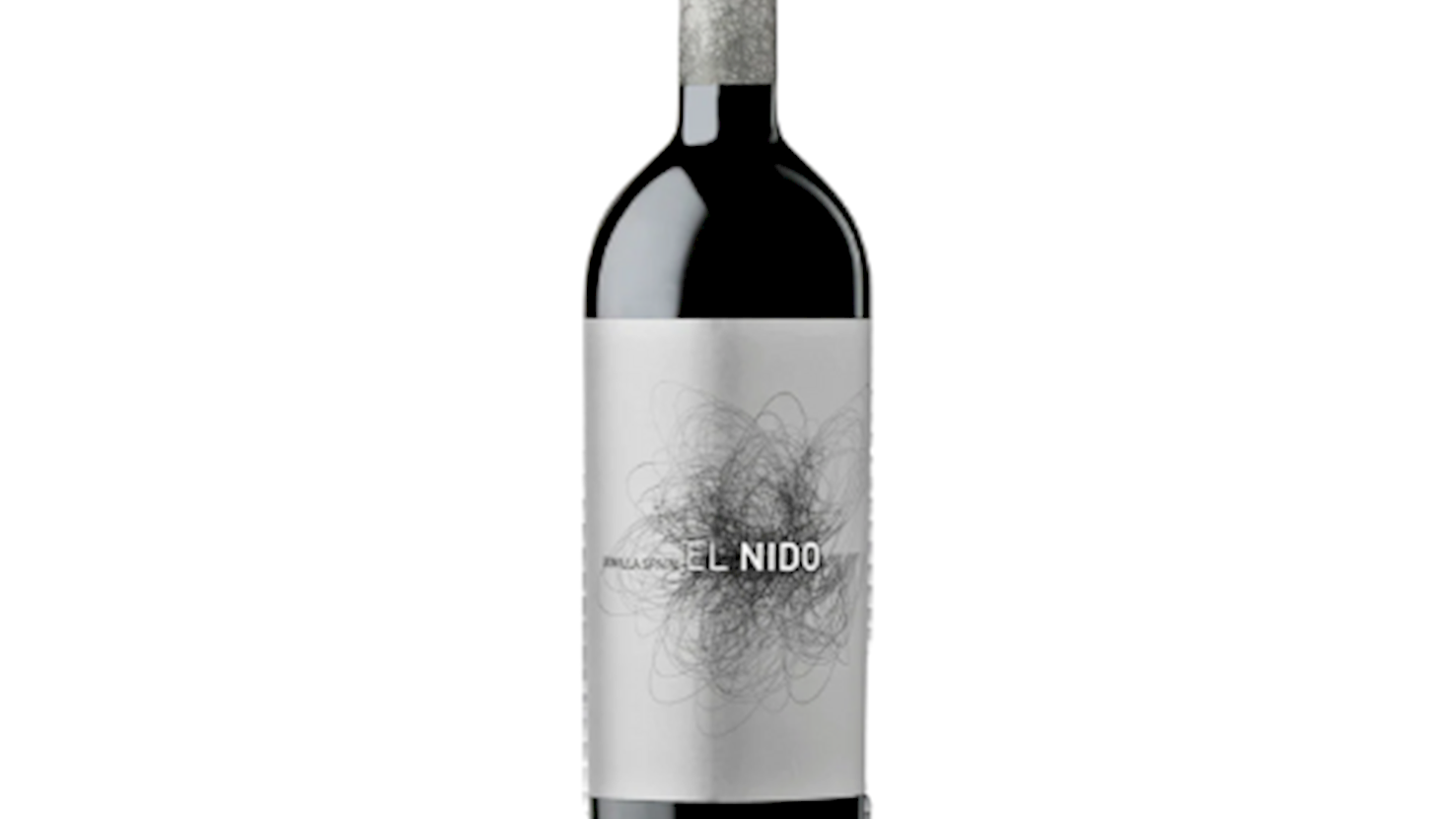
Bodegas El Nido is a prestigious winery from the Jumilla region in southeastern Spain, known for producing powerful yet remarkably refined red wines that combine the intensity of the Mediterranean climate with the precision of modern winemaking. It was founded in 2001 as a project of Juan Gil and the renowned winemaker Michel Rolland, with the aim of fully expressing the potential of old-vine Monastrell. The vineyards are located at altitudes of up to 900 meters, which helps preserve freshness and aromatic clarity despite the warm conditions. The main grape varieties are Monastrell and Cabernet Sauvignon, grown in extremely dry and stony soils with very low yields. These conditions result in grapes of great concentration and natural balance. The winery’s philosophy is based on strict grape selection and precise vinification, with no compromises when it comes to quality. Fermentation and ageing take place using top-quality French oak barrels, ensuring depth without sacrificing elegance. El Nido is especially known for its iconic wines Clío and El Nido, both of which have achieved cult status among lovers of powerful Spanish reds. Their style is rich and intense, yet always controlled, with a strong focus on texture, structure, and a long, persistent finish. The aromatic profile is dominated by ripe dark fruit notes, spices, cocoa, and subtle smoky tones. On the palate, the wines are full-bodied but well balanced, with silky tannins and impressive depth of flavor. Despite their power, they retain elegance and a strong capacity for long-term ageing.
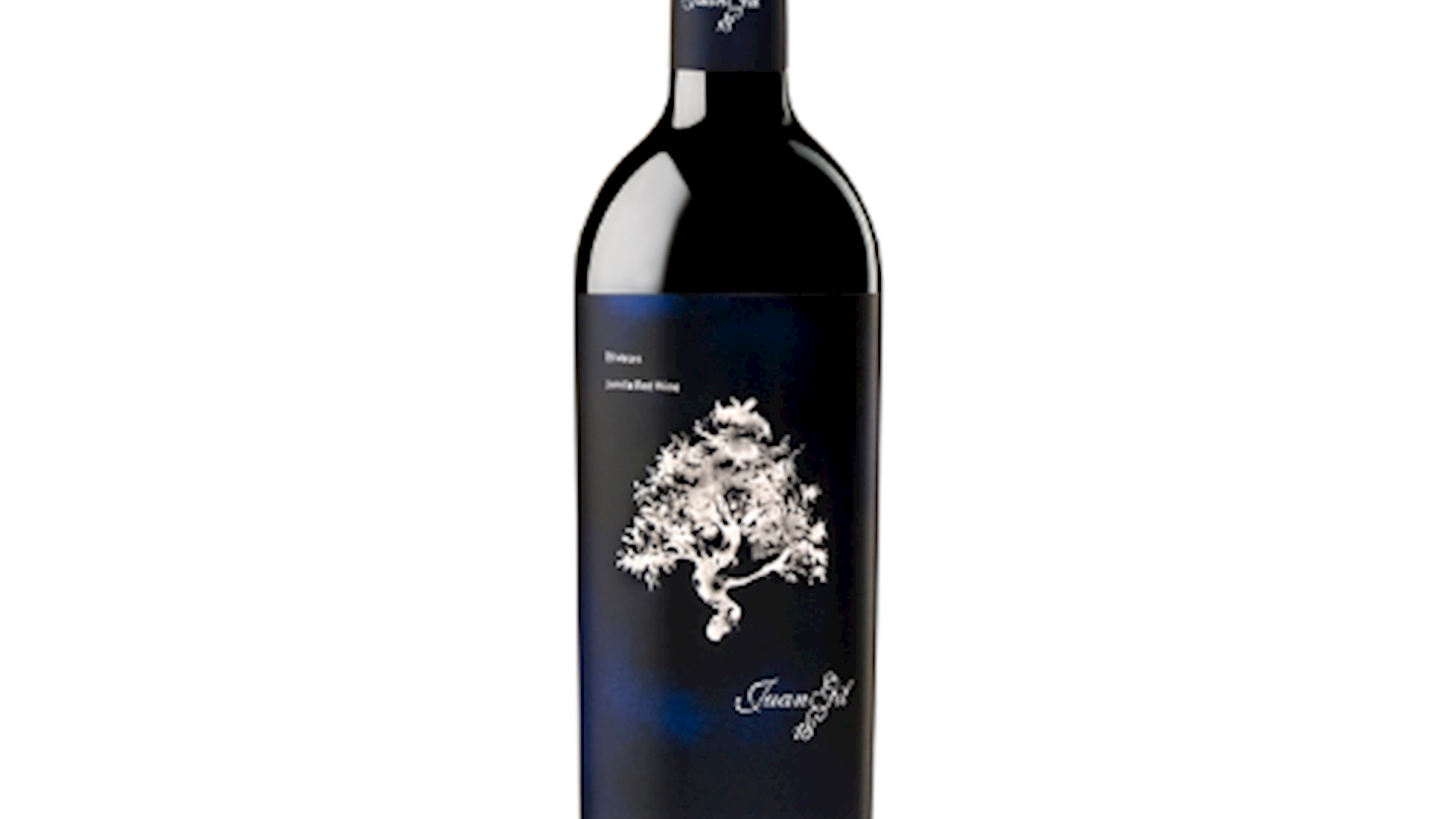
Bodegas Juan Gil is a family-owned winery from the Jumilla appellation in southeastern Spain, with a winemaking tradition that dates back to 1916, when Juan Gil Giménez began producing wine in this rugged but highly promising region. Today, the winery stands at the heart of Gil Family Estates and is one of the most recognizable representatives of the modern Jumilla style. The focus of production is on the Monastrell grape, which in this area delivers wines of deep color, strong structure, and intense aromatic character. The vineyards are planted on poor, stony, limestone-rich soils at relatively high altitudes, under extreme climatic conditions that naturally limit yields and enhance concentration. Vineyard work relies on manual harvesting and careful grape selection, with an emphasis on maintaining the natural balance of the vines. Winemaking combines traditional practices with modern technology to preserve varietal identity while ensuring consistency from vintage to vintage. Bodegas Juan Gil wines are known for their notes of ripe black fruit, spices, and subtle toasted nuances, supported by a firm yet well-balanced structure. The house style can be described as powerful but never coarse, with a clear focus on drinkability and aging potential. Over the past decades, the Gil family has played a major role in positioning Jumilla on the international wine map as a source of serious, age-worthy red wines. Today, Bodegas Juan Gil represents a strong link between more than a century of family tradition and a contemporary approach to winemaking, with a clear identity and long-term vision.
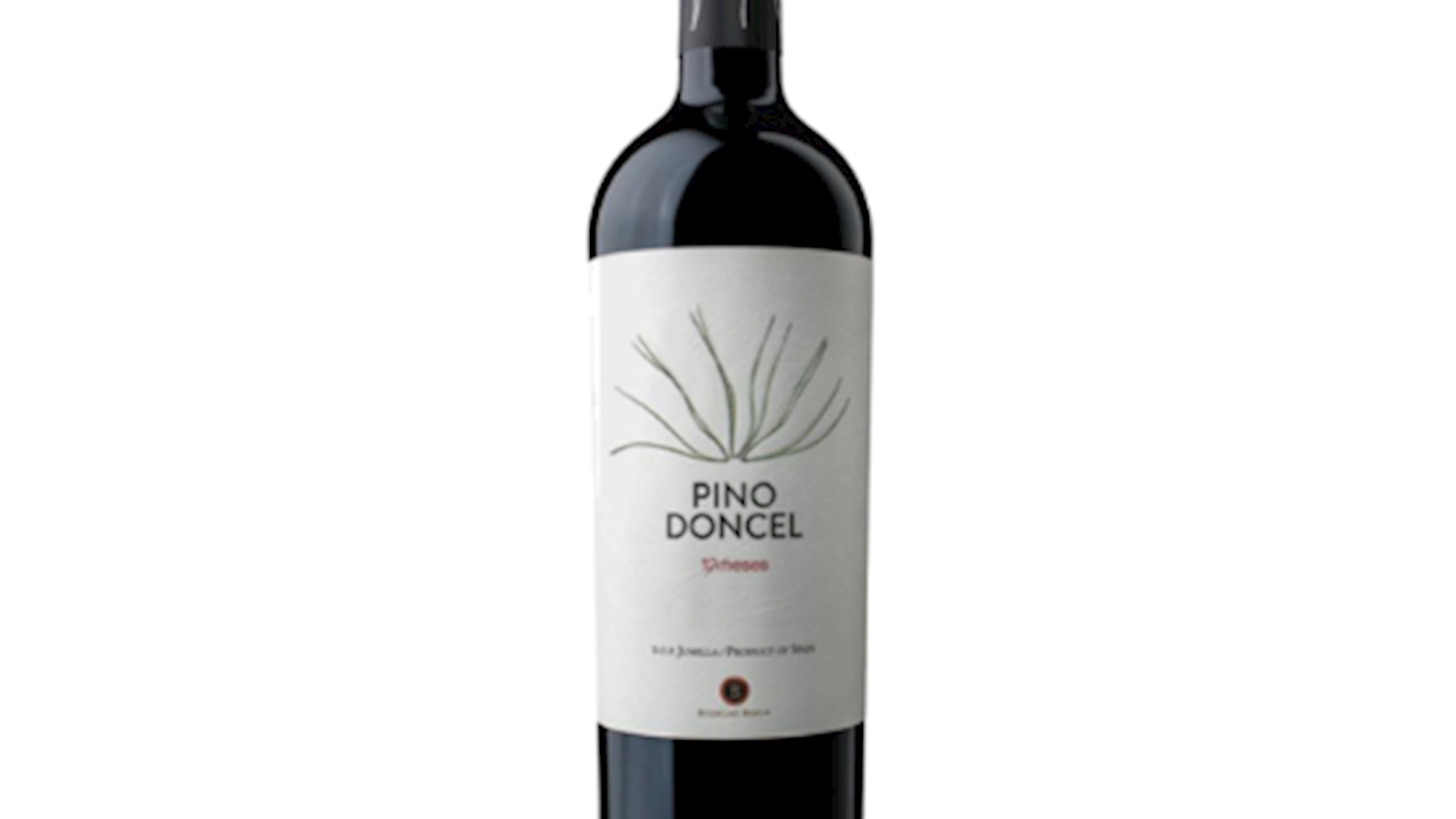
Bodegas Bleda is a historic family-owned winery based in the DO Jumilla appellation in southeastern Spain, with origins dating back to 1915. Founded by Antonio Bleda García, it was among the first wineries in the region to bottle wines commercially, playing a key role in the early development and recognition of Jumilla as a quality wine-producing area. The winery’s vineyards are located mainly in the Omblancas Valley at elevations between 600 and 800 meters, where a dry continental climate and poor, stony soils favor low yields and concentrated fruit. Monastrell is the cornerstone variety, complemented by Tempranillo, Syrah and Cabernet Sauvignon, while Macabeo and Sauvignon Blanc are used for white wines. Winemaking combines traditional knowledge with modern techniques, including temperature-controlled fermentation and selective aging in French and American oak. The style of the wines emphasizes ripe fruit, structure and balance, reflecting Jumilla’s warm climate while maintaining freshness through altitude. Bodegas Bleda produces a broad portfolio, ranging from young, fruit-forward wines to crianza and reserve bottlings. Several of its labels have achieved international recognition and awards. Today, the winery stands as a reference point for both the heritage and contemporary evolution of Jumilla wines.
García Carrión is one of Spain’s most significant wine companies and one of the largest family-owned wineries in Europe, with origins dating back to 1890 in Jumilla, in the Murcia region. The company began as a family winery focused on wine production and export, and over the course of more than five generations, it has grown into a global producer with a presence in over 150 countries. Today, García Carrión manages a broad wine portfolio spanning numerous Spanish appellations, including Rioja, Ribera del Duero, Rueda, Cava, Jumilla, and Valdepeñas, combining traditional Spanish winemaking with large-scale production capacity and modern technology. The company is particularly known for making wine accessible to a broad consumer market through widely distributed offerings, while also maintaining premium labels within its family wine collections. Beyond wine, García Carrión has significantly diversified into juices, plant-based beverages, sangria, and other drinks, with the Don Simón brand becoming one of its most recognizable products. The company works with more than 40,000 farmers and grape growers across Spain, giving it extensive access to raw materials while maintaining a strong connection to the country’s agricultural sector. Its identity combines family heritage, industrial scale, innovation, and a strong export orientation, positioning García Carrión as one of the key players in the modern Spanish wine industry.
Awards
Frankfurt International Trophy - Grand Gold
(2024, 2023)
Concours Mondial de Bruxelles - Grande Médaille d'or
(2023, 2021, 2020)
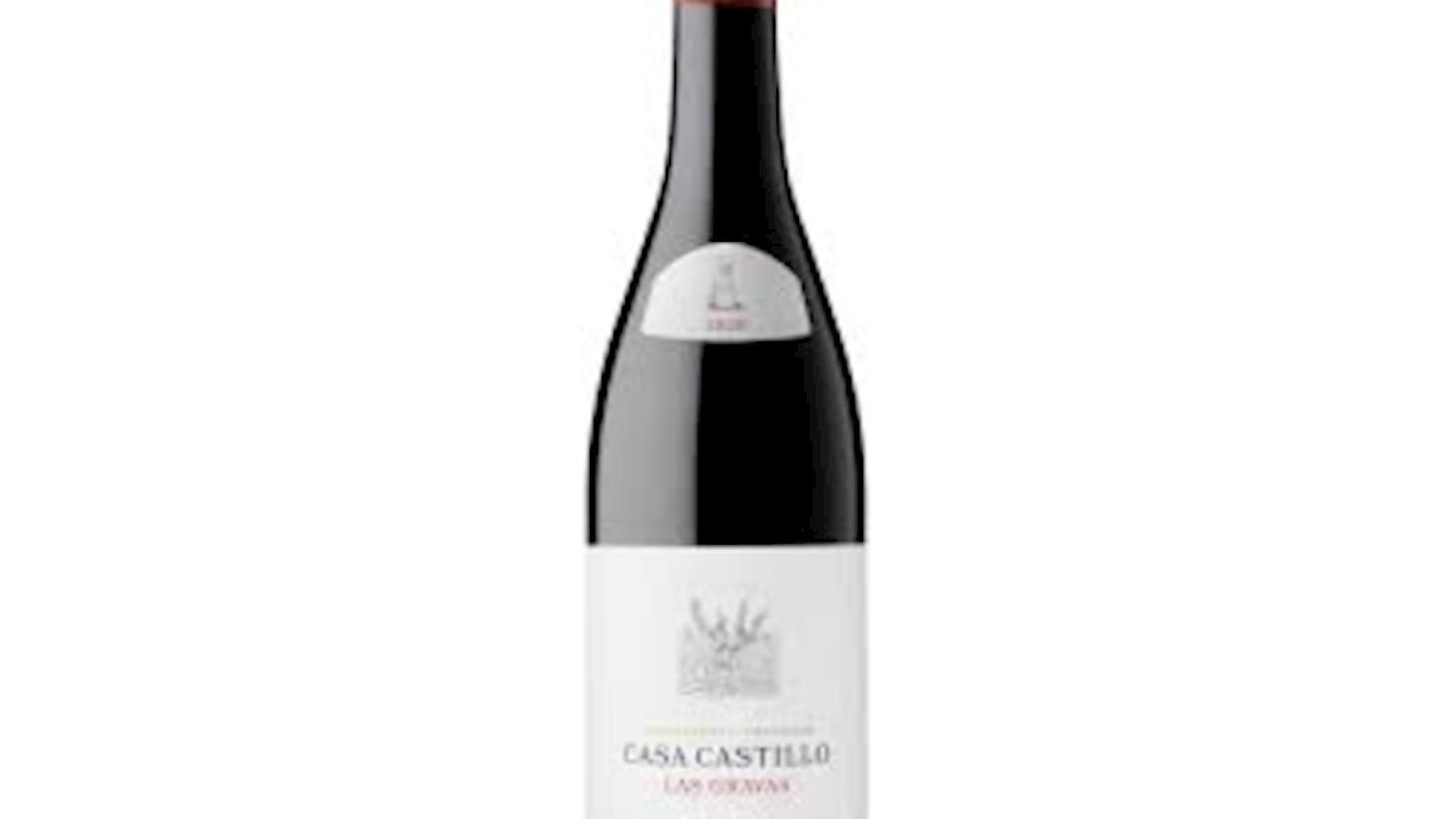
Casa Castillo is a family-owned winery from the Jumilla appellation in southeastern Spain, widely regarded today as one of the key reference producers for the Monastrell grape. Although the estate dates back to the mid-20th century, its modern wine identity began in the early 1990s when the Vicente family committed to producing estate-bottled wines from their own vineyards. The vineyards are located on the northern slopes of the Sierra del Molar, on dry, stony soils rich in limestone, in a hot Mediterranean climate marked by strong day–night temperature contrasts. These conditions allow Monastrell to reach full ripeness while still preserving freshness and structure. Vineyard work is based on dry farming and very low yields, prioritizing quality over volume. Winemaking follows a low-intervention philosophy, often using native yeasts and gentle extraction to preserve the character of the fruit and site. Aging typically takes place in large, neutral oak vessels, where wood plays a supporting rather than dominant role. The style of Casa Castillo wines combines Mediterranean power with notable elegance and precision. Aromatic profiles frequently show dark fruit, spices, and earthy tones, framed by a clear mineral backbone. From their more accessible bottlings to prestigious cuvées such as Pie Franco and Las Gravas, the wines consistently reflect the identity of Jumilla. Casa Castillo has been instrumental in redefining the reputation of the region, moving it away from bulk production toward terroir-driven quality. The estate is now seen as a benchmark for modern Monastrell in Spain. Its wines are valued for their authenticity, balance, and aging potential. Casa Castillo represents a strong connection between tradition, place, and contemporary winemaking.
TasteAtlas food rankings are based on the ratings of the TasteAtlas audience, with a series of mechanisms that recognize real users and that ignore bot,
nationalist or local patriotic ratings, and give additional value to the ratings of users that the system recognizes as knowledgeable.
For the “Top 9 Murcian Red Wines” list until June 15, 2026, 1 ratings were recorded, of which 0 were recognized by the system as legitimate.
TasteAtlas Rankings should not be seen as the final global conclusion about food. Their purpose is to promote excellent local foods,
instill pride in traditional dishes, and arouse curiosity about dishes you haven’t tried.
The initial list of top producers was compiled based on available reviews, awards, local recommendations, media and blog coverage, and consumer reviews.
The list will be updated with ratings from TasteAtlas local ambassadors and TasteAtlas users.