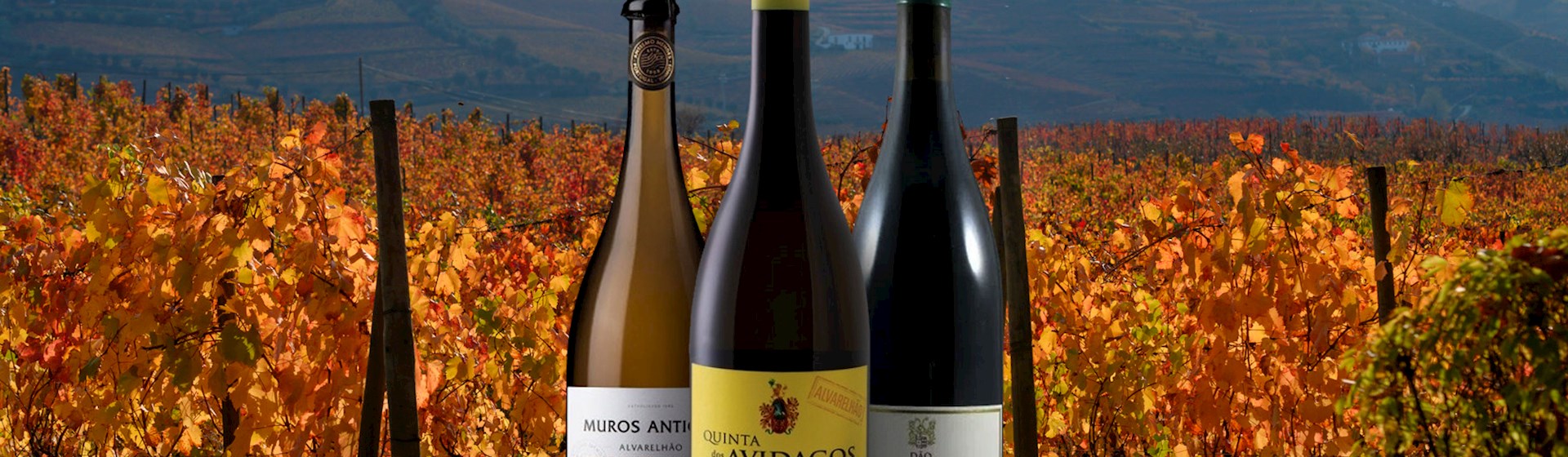
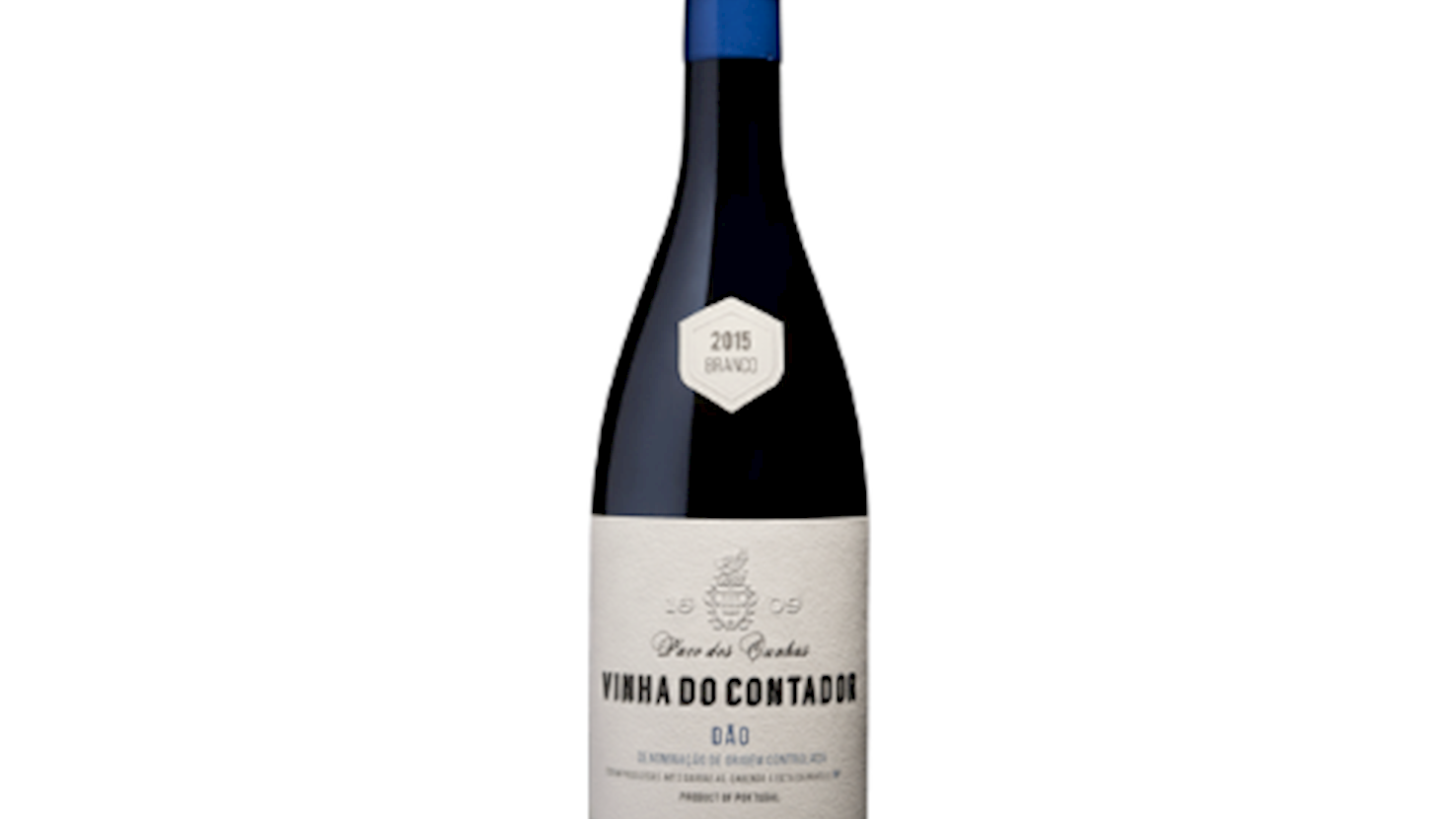
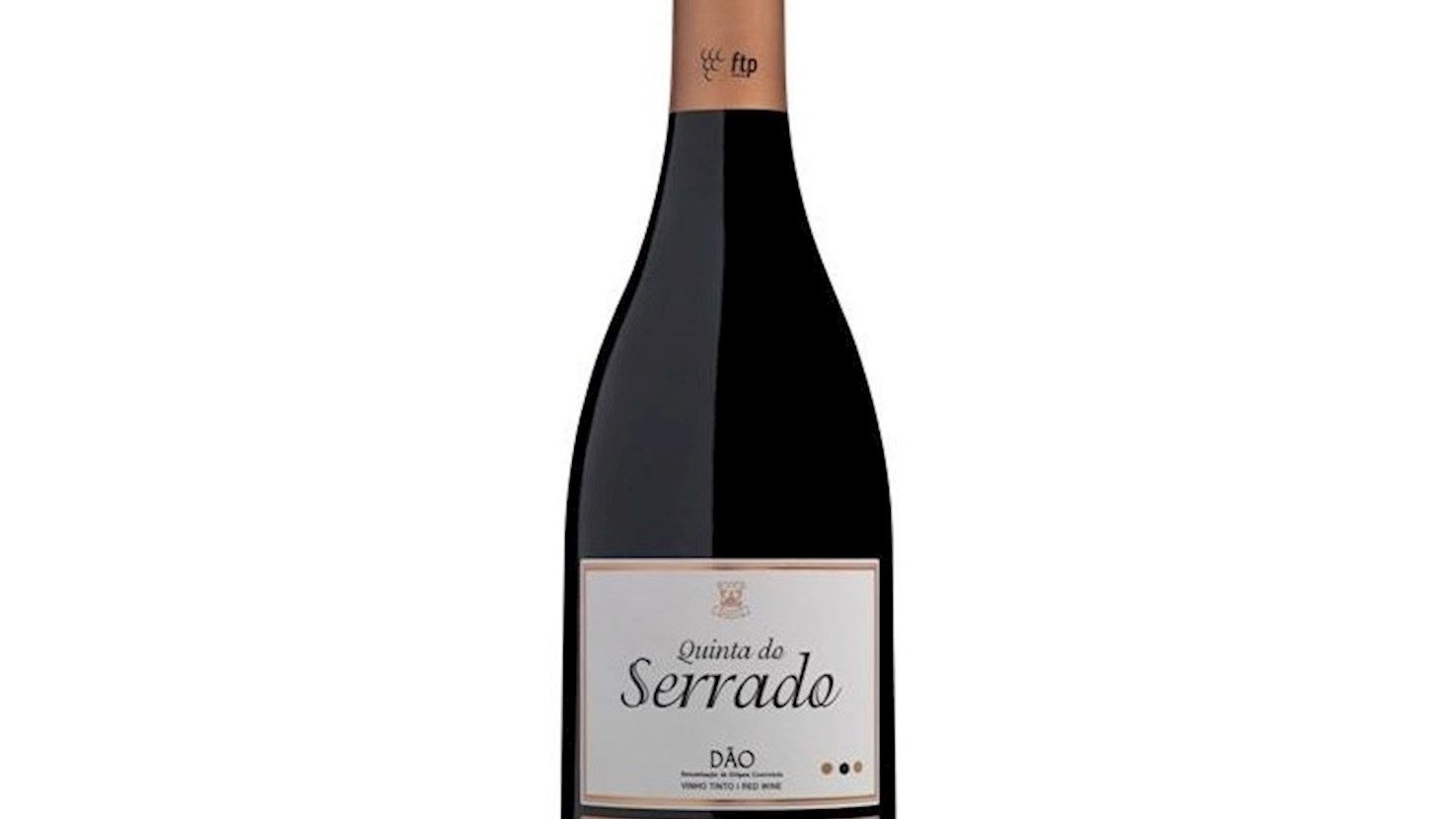
Casa de Santar is a historic wine estate located in the village of Santar in Portugal’s Dão wine region, one of the country’s most respected areas for producing elegant and age-worthy wines. The estate has a winemaking tradition that dates back several centuries, while its modern development began during the 20th century with the reorganization of vineyards and the introduction of more structured wine production. The vineyards are planted on granite soils at elevations of around 400–500 meters above sea level, in a landscape surrounded by mountain ranges that protect the vines from strong Atlantic influences and create favorable conditions for grape ripening. The winery focuses primarily on indigenous Portuguese grape varieties such as Touriga Nacional, Alfrocheiro, Tinta Roriz, and Jaen for red wines, while Encruzado and Bical are among the main varieties used for white wines. Wines from Casa de Santar are typically known for their elegance, aromatic complexity, and balance between structure and freshness, characteristics that are closely associated with the Dão region. The winery combines historical heritage with modern winemaking techniques while maintaining a traditional style. Today the estate is part of the Global Wines group and is considered one of the most recognized wine producers in the Dão region. Casa de Santar continues to play an important role in shaping the reputation of Dão as one of Portugal’s key wine regions.
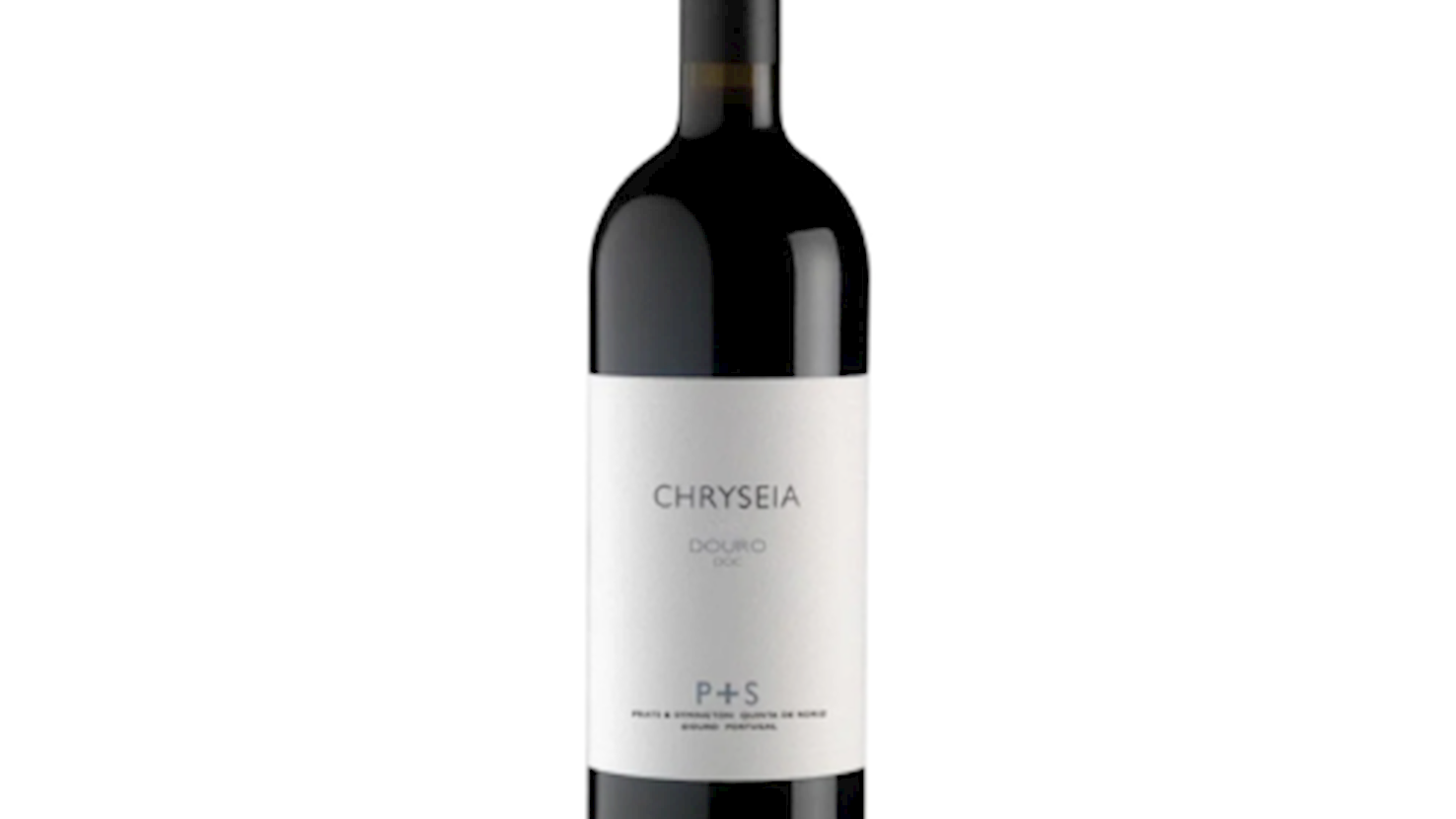
Prats & Symington is a wine project established in 1999 in Portugal’s Douro Valley through a partnership between Bruno Prats, former owner of the Bordeaux estate Château Cos d’Estournel, and the Symington family, one of the most prominent wine families in Portugal with a long tradition in the production of Port wine. The collaboration was created with the aim of combining the Symington family’s deep knowledge of Douro vineyards with the Bordeaux winemaking experience brought by Prats, resulting in high-quality dry wines based on indigenous Portuguese grape varieties. Grapes are sourced primarily from the historic estate Quinta de Roriz in the Douro Valley, whose vineyards have been cultivated for centuries, along with selected plots from other nearby vineyards in the region. The first wine released by the partnership was Chryseia from the 2000 vintage, which quickly gained recognition as one of the most notable modern wines of the Douro and contributed to the international reputation of the region’s dry red wines. The wines are typically made from traditional Douro varieties such as Touriga Nacional and Touriga Franca, which thrive on the region’s schist soils and steep terraced vineyards, producing structured and age-worthy wines. In addition to Chryseia as the flagship wine, the portfolio also includes Post Scriptum as the second wine and Prazo de Roriz, produced from younger vineyard parcels. In certain vintages the estate also produces Quinta de Roriz Vintage Port, maintaining a connection with the region’s historic Port wine tradition. Today, Prats & Symington is widely regarded as an example of the modern evolution of Douro winemaking, where traditional terroir and native grape varieties are interpreted through contemporary winemaking techniques to create wines with international appeal.
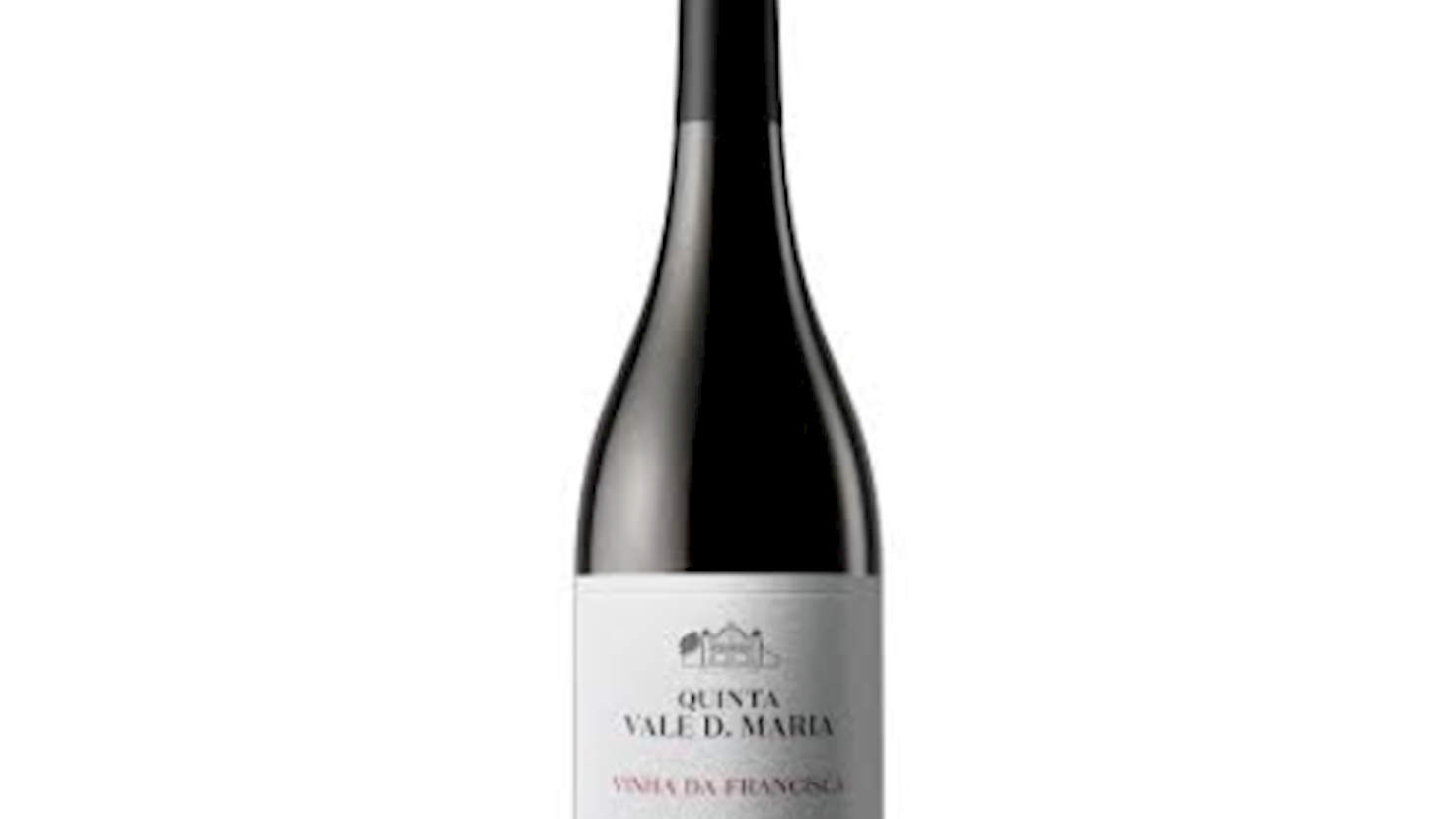
Quinta Vale Dona Maria is a wine estate located in Portugal’s Douro Valley in the Rio Torto valley, one of the important tributaries of the Douro River. Historical records of the property date back to 1868, although for many years the grapes from its vineyards were supplied to large Port houses rather than bottled under the estate’s own name. A new chapter began in 1996 when winemaker Cristiano van Zeller took over the estate and started producing wines under the Quinta Vale Dona Maria label, focusing on the potential of old Douro vineyards. The vineyards include traditional field blends with numerous indigenous grape varieties, many of them planted decades ago on the steep schist slopes typical of the region. Winemaking combines modern techniques with traditional practices such as foot-treading grapes in granite lagares, preserving the authenticity of Douro production methods. In 2017 the estate became part of the Aveleda group, continuing its focus on producing expressive Douro wines that highlight the complexity and heritage of the region’s historic vineyards.
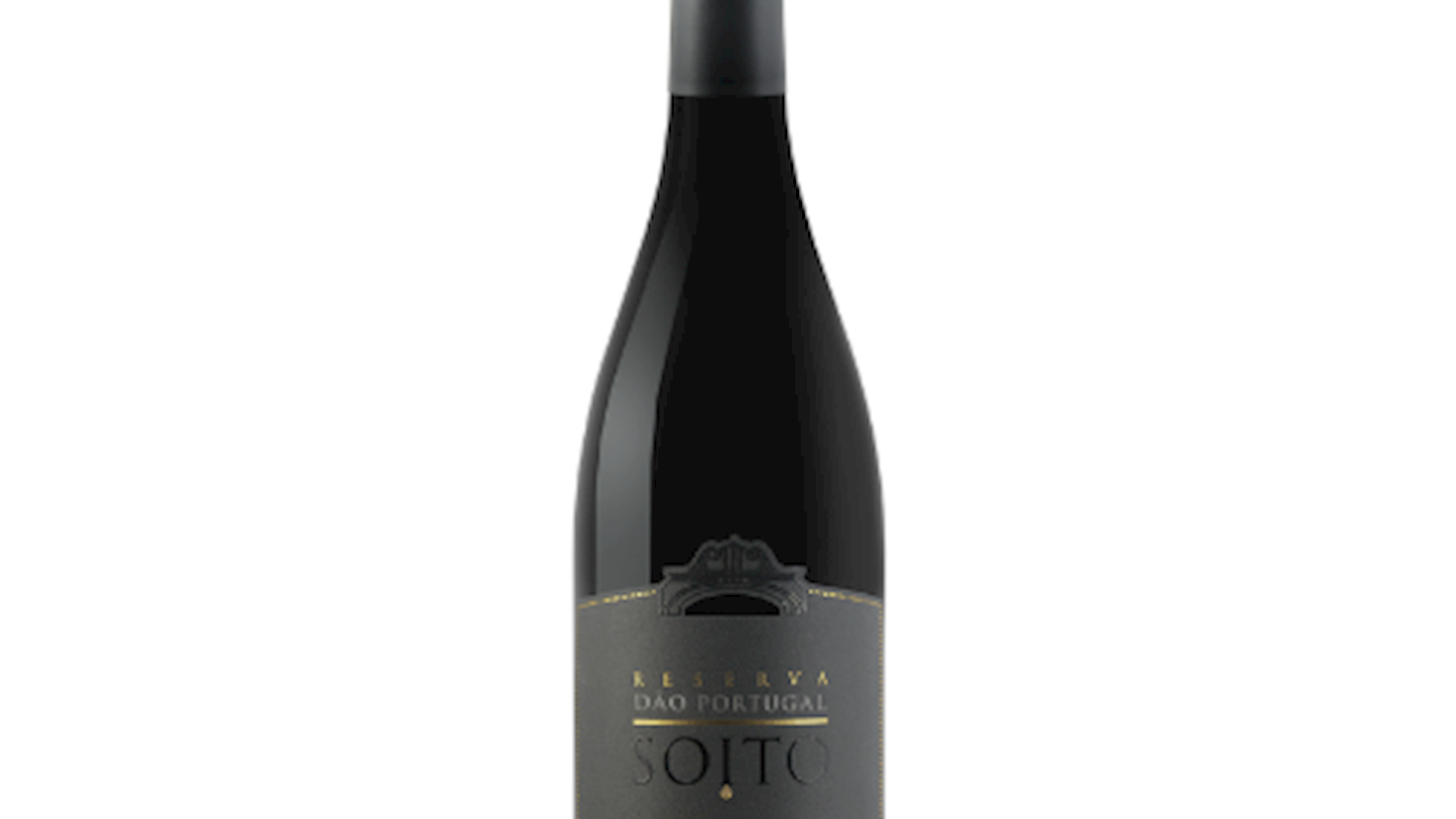
Soito Wines is a family-owned winery located in Tibalde, near the town of Mangualde in Portugal’s Dão wine region. The project was founded in 2013 by José Carlos Soares and Sandra Soares, who transformed their family estate, Quinta do Soito, into a small winery dedicated to producing wines that reflect the character of the region. The vineyards are situated in an area surrounded by the mountain ranges of Serra da Estrela, Caramulo, and Montemuro, which help create a continental climate with warm, dry summers and cooler nights. These conditions, together with the region’s granite soils, contribute to the freshness, structure, and mineral character typical of Dão wines. The estate includes several hectares of vineyards planted mainly with indigenous Portuguese grape varieties adapted to the local terroir. Winemaking combines traditional practices with modern techniques, and the winery itself is designed to use the natural slope of the terrain, allowing gravity to assist in the production process. The philosophy of the project focuses on careful vineyard work and small-scale production aimed at expressing the identity of the Dão region. Although relatively young, Soito Wines has gained recognition as a quality-driven project within this historic Portuguese wine area.
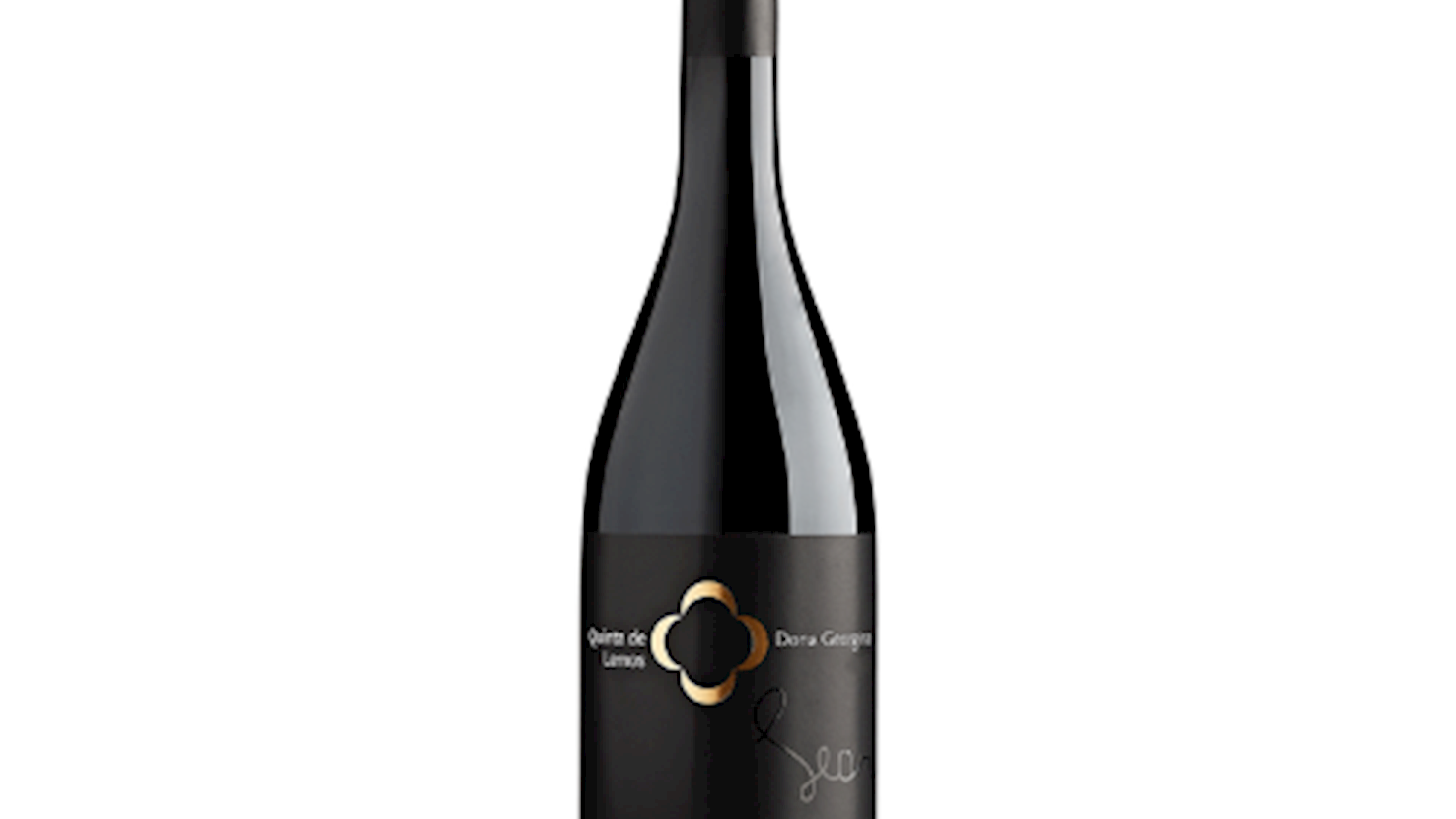
Quinta de Lemos is a family-owned winery located in Silgueiros, near the city of Viseu in Portugal’s Dão wine region. The project was initiated by entrepreneur Celso de Lemos in the late 1990s with the aim of producing wines that clearly express the character of the local terroir. The vineyards are planted on granite soils at elevations typical of this part of the region, conditions that contribute to the elegance, freshness, and mineral character of the wines. The estate covers several dozen hectares of land, including vineyards, olive groves, and natural woodland areas. The vineyards are planted mainly with indigenous Portuguese grape varieties such as Touriga Nacional, Tinta Roriz, Jaen, and Alfrocheiro for red wines, while Encruzado and Malvasia Fina are among the key white varieties. Wine production focuses on careful grape selection and relatively limited quantities, emphasizing quality and the expression of the Dão terroir. The winery’s wines are crafted under the direction of winemaker Hugo Chaves, who has been involved with the project since its early stages. The estate is also known for the restaurant Mesa de Lemos, which connects wine with contemporary Portuguese gastronomy. Today, Quinta de Lemos is regarded as one of the producers contributing to the modern reputation of the Dão wine region.
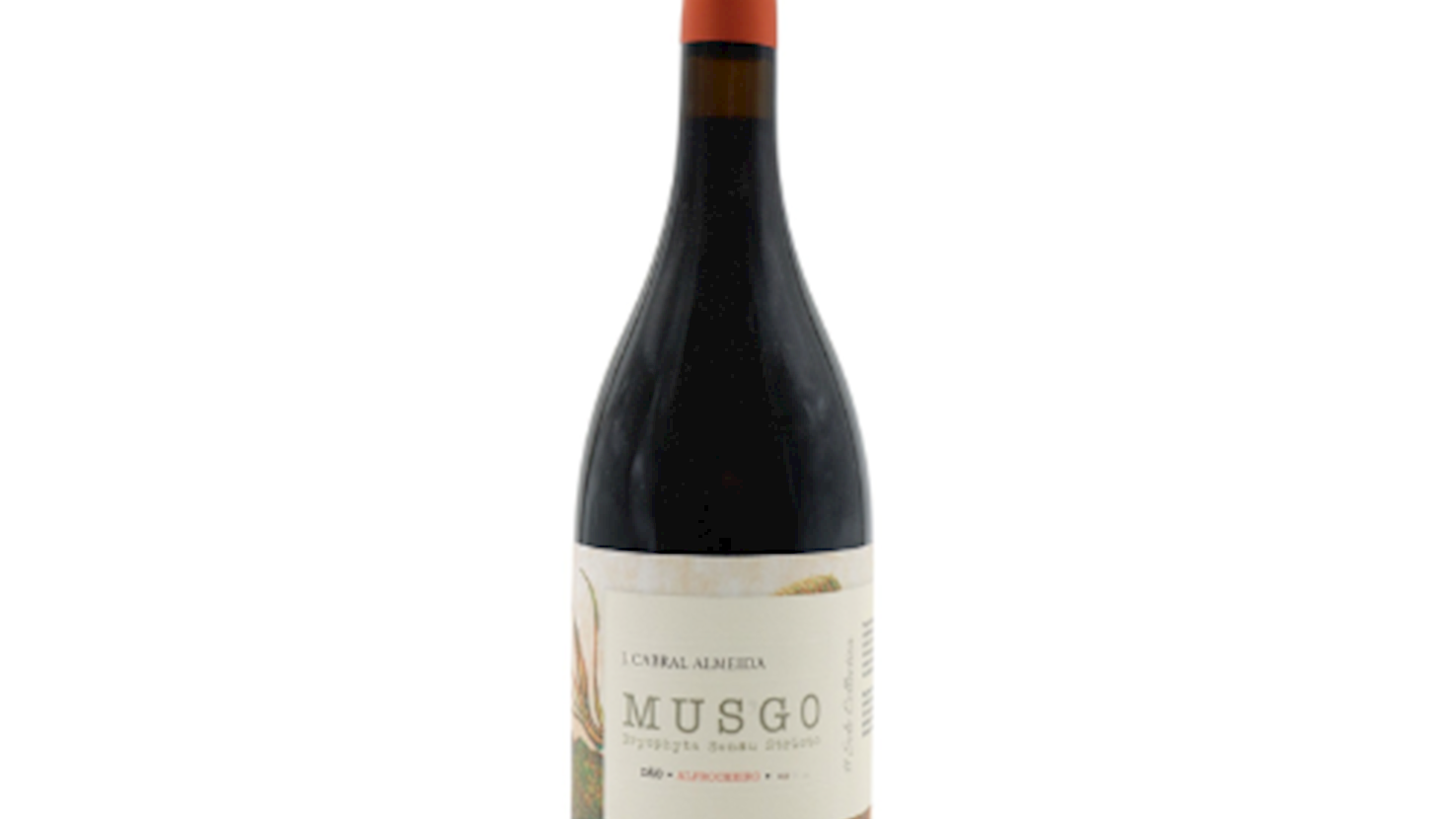
J. Cabral Almeida is a contemporary Portuguese wine project led by winemaker João Cabral de Almeida, focused on producing wines from several northern Portuguese wine regions, particularly Vinho Verde, Douro, and Dão. The project is based on working with carefully selected vineyards and parcels that best express the character of their local terroir. João Cabral de Almeida is an agronomist and oenologist with extensive experience in Portuguese winemaking and has collaborated with a number of wineries and well-known producers throughout his career. His wines are typically produced in relatively small batches and often originate from old vineyards planted with indigenous Portuguese grape varieties. Among the best-known wine lines of the project are Camaleão from the Vinho Verde region, Omnia from the Douro Valley, and Musgo and Líquen from the Dão region. The style of the wines emphasizes freshness, elegance, and a clear expression of place, supported by careful vinification and relatively minimal intervention in the cellar. The philosophy behind the project focuses on exploring different terroirs and interpreting Portuguese grape varieties through wines that reflect their regional identity. Today, J. Cabral Almeida is considered one of the modern Portuguese wine projects that combines winemaking expertise, old vineyards, and a strong focus on terroir.
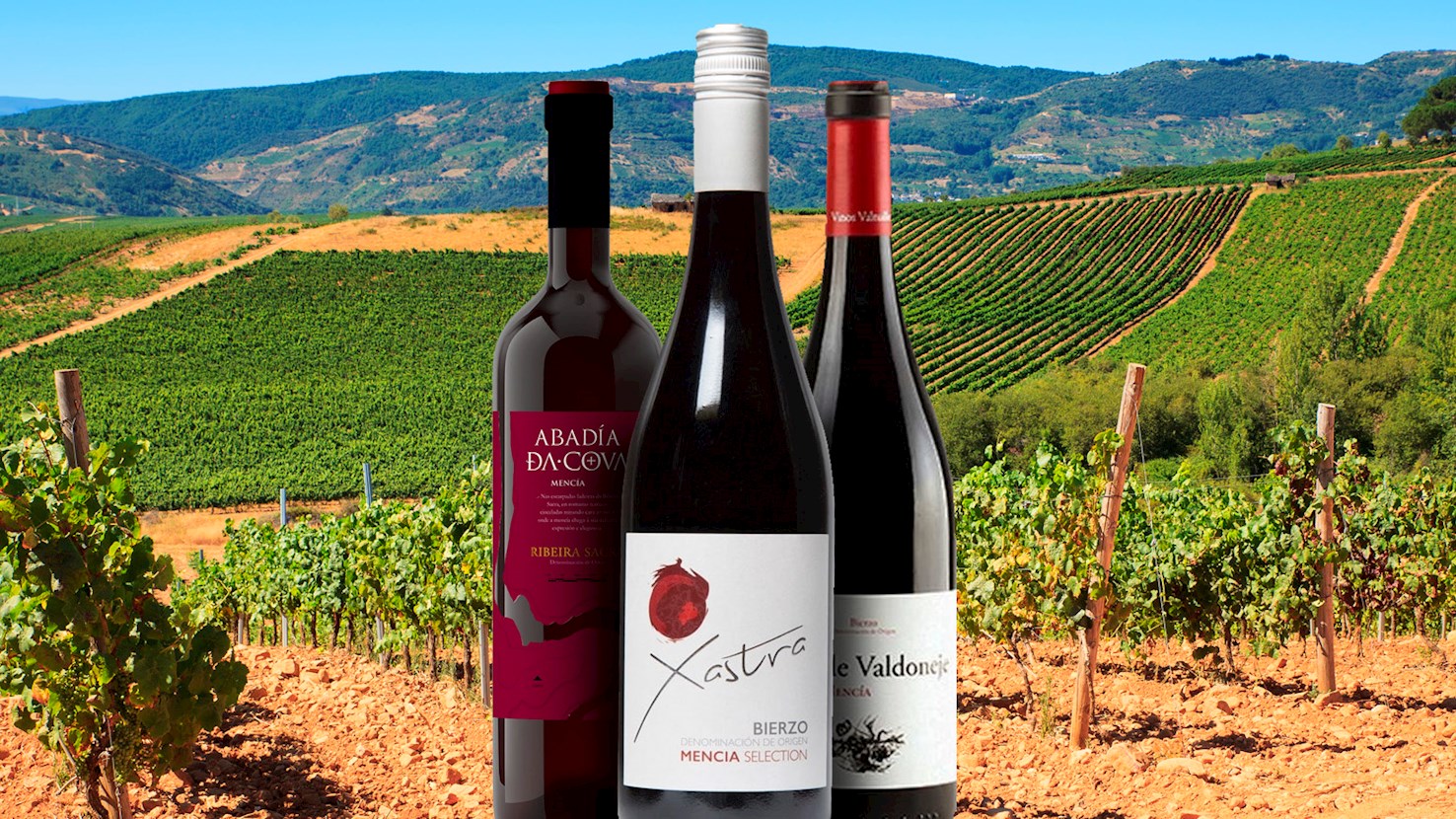
Mencía or Jaen is a grape whose origin is associated with the Iberian peninsula. In the past, it was believed that Mencía and Jaen are two separate varieties, but recent research has shown that they are genetically identical. In Spain, the grape is mostly associated with the Bierzo appellation that is located in the province of León. While for most of its history, Mencía was used in the production of light, somewhat bland table wines, some winemakers have seen the potential to produce more concentrated and better quality varietals with a medium body and good natural acidity. They can vary from fruit-forward to more complex styles, and they will usually display aromas of dark fruit, as well as earthy, mineral, and peppery nuances. In Portugal, Jaen is mostly cultivated in Dão, and for the most part, it was used as a blending grape. While the former varietals made from Jaen were mostly of low-quality, better production methods provided aromatic, juicy, and fruity wines with soft tannins, bright acidity, hints of mineral and herbaceous character as well as typical aromas that are reminiscent of red and dark berries. Both Mencía and Jaen would be an excellent match to a wide variety of tapas dishes, charcuterie, and grilled meat. They can also pair well with mushroom-based dishes and cheese.
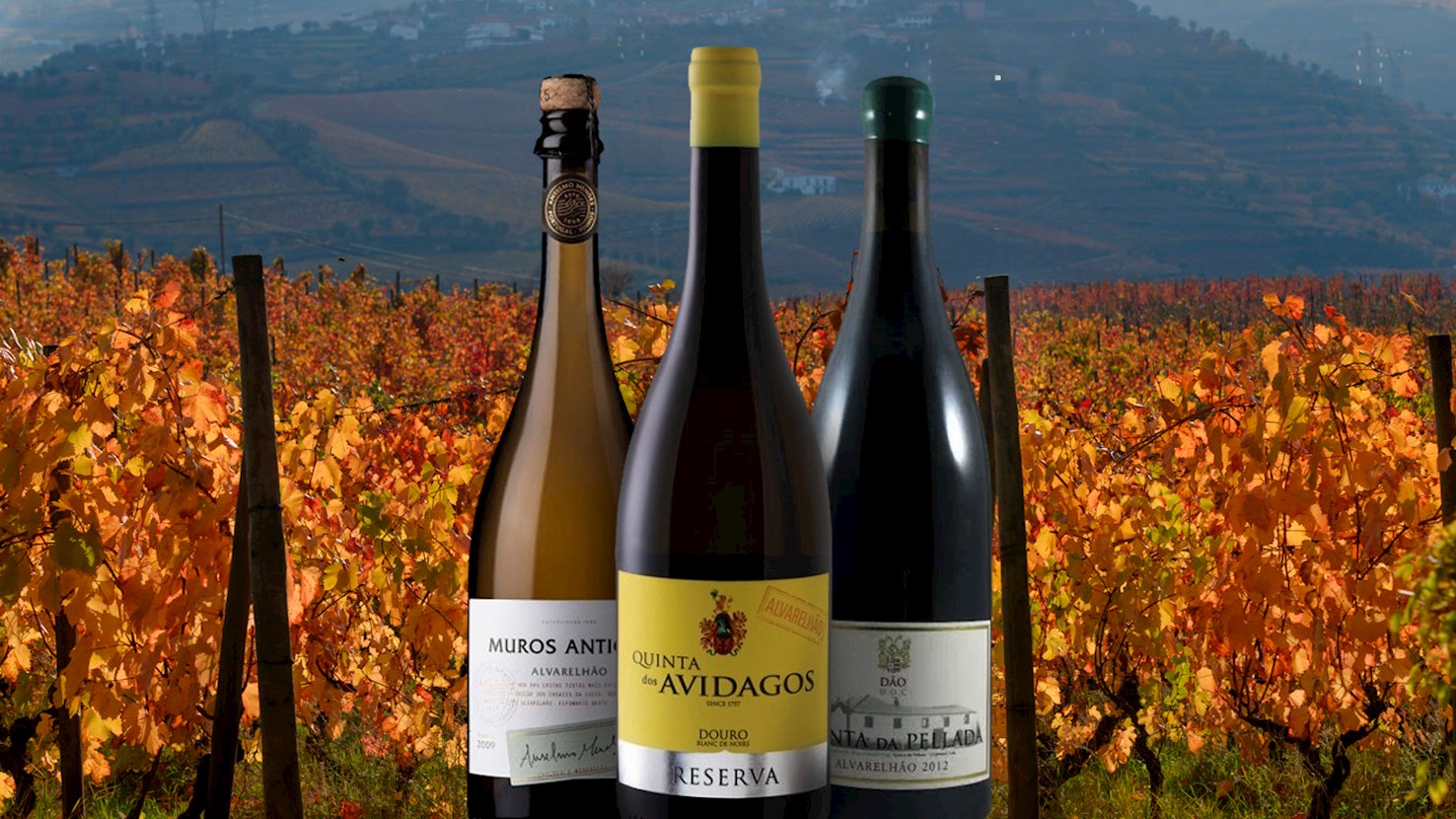
Alvarelhão is a red Portuguese variety mainly found in Douro and Dão wine regions. The grape is one of the old varieties with a lot of potential, but it has slightly declined in popularity. It is used in varietals and blends. Alvarelhão-based wines are fresh and bright. They are usually high in acidity and alcohol. The aroma is subtle, reminiscent of red fruit, such as strawberries and raspberries. The wines are light-bodied and juicy.They are best paired with meat and would go especially well with BBQ. In Spain, the grape is called Brancellao or Albarello.
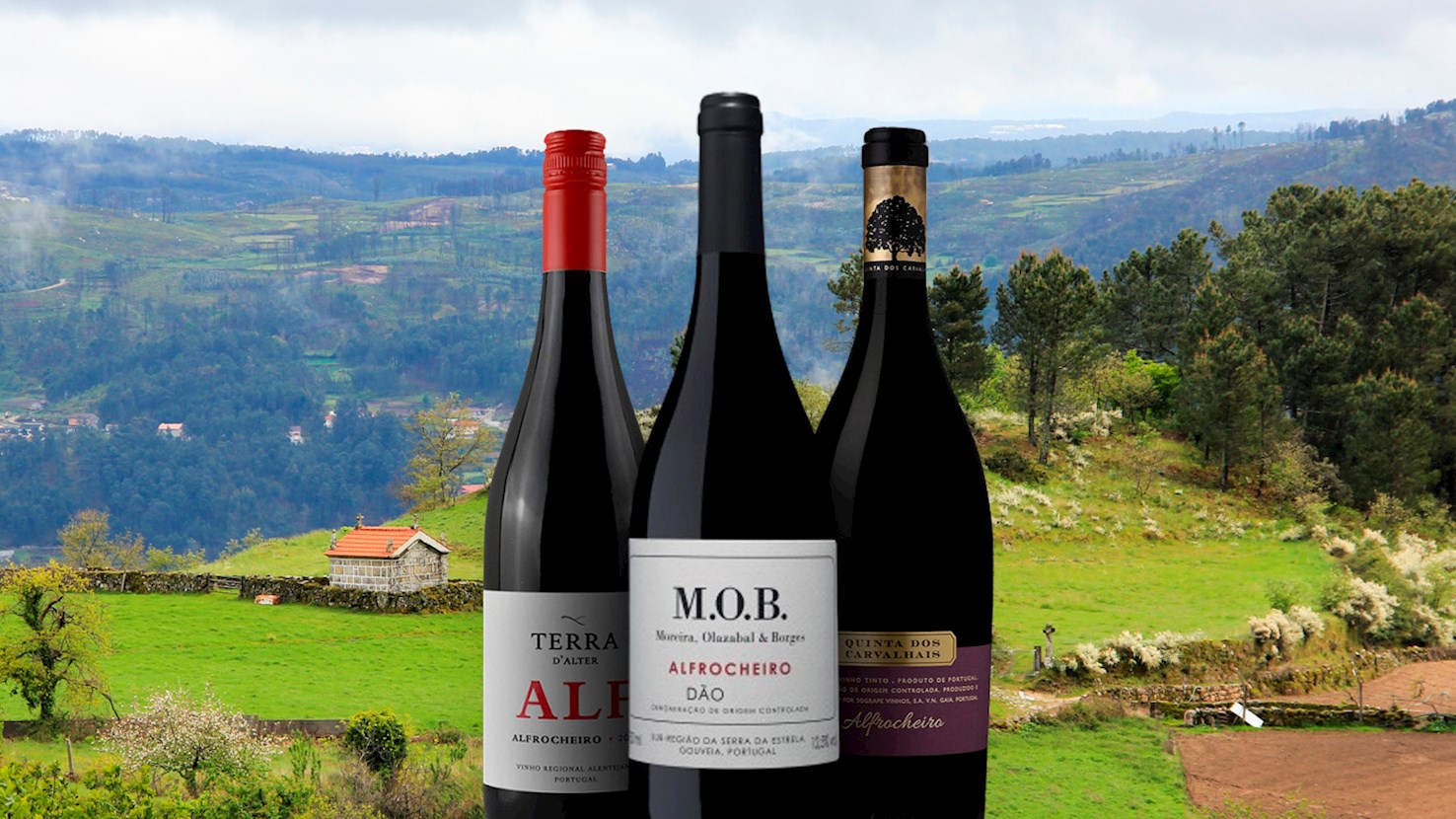
Alfrocheiro is a little-known Portuguese grape that has the potential to create fruity red wines of excellent quality. The grape is probably native to Portugal, but there is no information about its origin and predecessors. It is assumed that it could be a relatively young variety that originated on the Iberian peninsula, as it is related to several local varieties. Alfrocheiro is mostly cultivated in the Dão wine region, but it is also found in Alentejo, Bairrada, Tejo, and Ribatejo. The grape is often used in blends, and most varietal examples come from Dão. Alfrocheiro is an early ripening, finicky and demanding, but it can result in fantastic wines. Varietal Alfrocheiro has an intense color and fruity aromas reminiscent of red and dark berries. It has fine tannins and good acidity. Most wines are easy-drinking and approachable. They are usually enjoyed young, but some expressions can gain complexity with age.
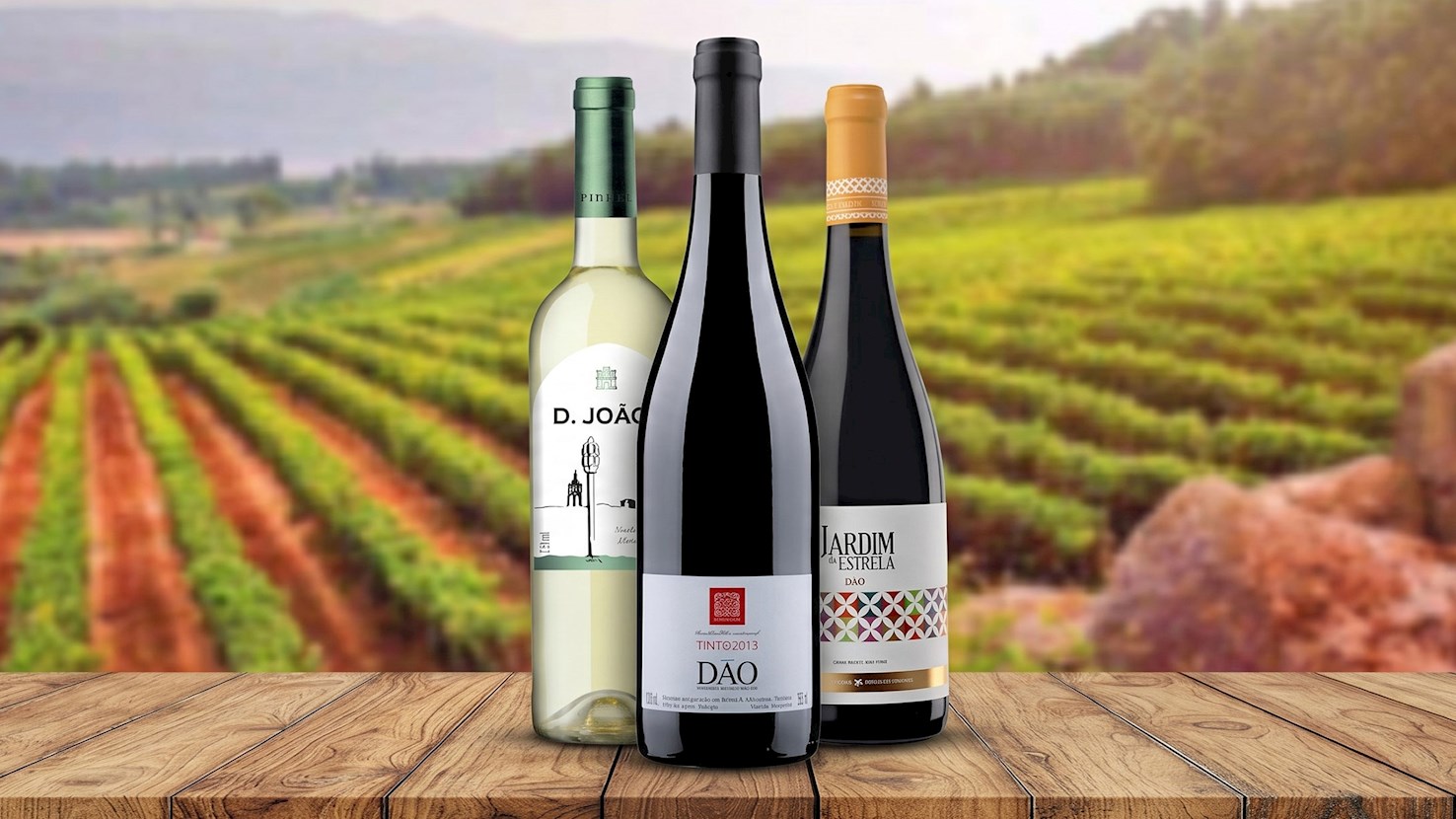
Dão is a regulated wine region located in the Beira Alta province of north-central Portugal, situated on a high plateau surrounded by the Serra da Estrela, Serra do Caramulo, and Serra da Nave mountain ranges. The region was officially established as a Região Demarcada in 1908, making it the first non-fortified wine region in Portugal to receive such a designation. The area is historically significant as the primary origin of the Touriga Nacional grape variety. Between the 1940s and 1979, production was heavily influenced by government regulations that mandated the use of large cooperatives, a period that prioritized high volume over quality. Since Portugal's integration into the European Union in 1986, the region has transitioned back to independent estate bottling, focusing on indigenous varieties and long-term aging potential. Preparation of Dão wine involves the cultivation of specific authorized grape varieties, with Touriga Nacional, Alfrocheiro, Jaen, and Tinta Roriz being the primary reds, while Encruzado is the dominant white. Red wines are typically fermented with prolonged skin contact to extract tannins and are often aged in French or Portuguese oak for several years; the Garrafeira designation specifically requires a minimum of two years in oak followed by one year in the bottle. White wines, particularly those made from Encruzado, are increasingly fermented in barrels to enhance their body and secondary aromatic profiles. Serving standards suggest that red Dão wines be served between 16°C and 18°C, often benefiting from decanting to soften their dense tannic structure. White Dão wines are served at 10°C to 12°C. A unique attribute of the region's geography is the "rain shadow" effect caused by the surrounding mountains, which protects the vineyards from the Atlantic’s humid winds and the harsh continental air from Spain, allowing for a slow and balanced ripening process. The wine is consumed as a primary table beverage, known for a profile characterized by high acidity and mineral notes. Dão reds are paired with roasted lamb, pork with garlic and wine (vinha d'alhos), and veal stews, as the wine's vibrant acidity and tannins cut through the fat of the meat. White Dão wines, especially aged Encruzado, are paired with salt cod (bacalhau), roasted octopus, and creamy poultry dishes, where the wine's structure complements the density of the food. In a cheese context, the region's wines are served with Queijo da Serra da Estrela, a local buttery sheep's milk cheese, providing a geographical and structural alignment between the dairy fats and the wine's acidic backbone.
TasteAtlas food rankings are based on the ratings of the TasteAtlas audience, with a series of mechanisms that recognize real users and that ignore bot,
nationalist or local patriotic ratings, and give additional value to the ratings of users that the system recognizes as knowledgeable.
For the “Top 9 Viseu Red Wines” list until June 15, 2026, 36 ratings were recorded, of which 22 were recognized by the system as legitimate.
TasteAtlas Rankings should not be seen as the final global conclusion about food. Their purpose is to promote excellent local foods,
instill pride in traditional dishes, and arouse curiosity about dishes you haven’t tried.
The initial list of top producers was compiled based on available reviews, awards, local recommendations, media and blog coverage, and consumer reviews.
The list will be updated with ratings from TasteAtlas local ambassadors and TasteAtlas users.