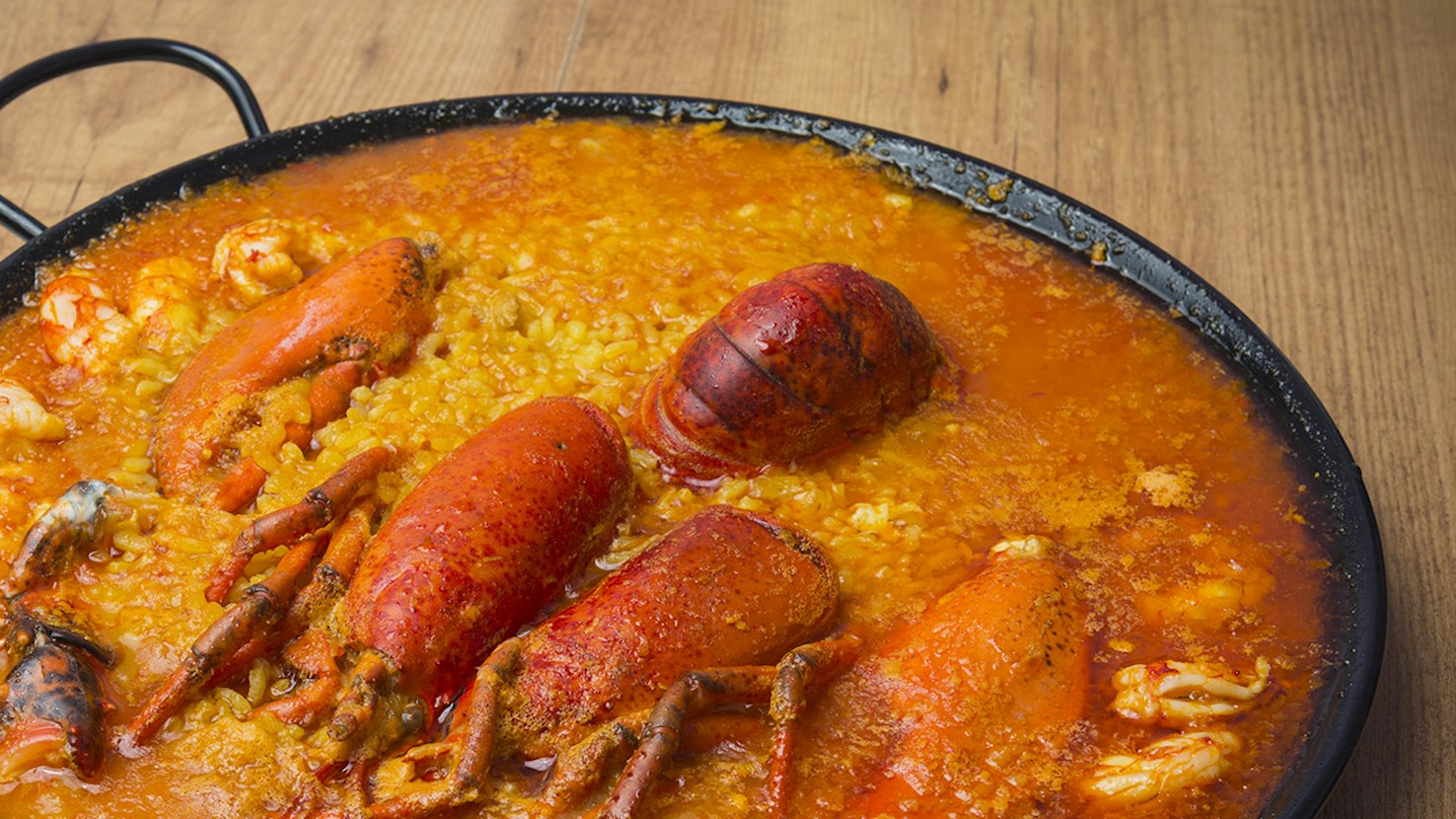
Arroz con bogavante is a traditional rice dish originating from Valencia. This brothy rice dish is usually made with a combination of round rice such as arroz bomba, lobster, fish stock, white wine, shrimps, onions, garlic, bell peppers, tomatoes, paprika, saffron, olive oil, and seasonings. The ingredients are sautéed in a pan, then simmered in stock until everything is fully cooked. There should be leftover liquid in the pan, as this dish should be brothy and the rice should float in a liquid broth. The pan is covered and the dish is left to rest for a few minutes before serving. Arroz con bogavante is often prepared for celebrations and special occasions. If desired, garnish the dish with chopped parsley.
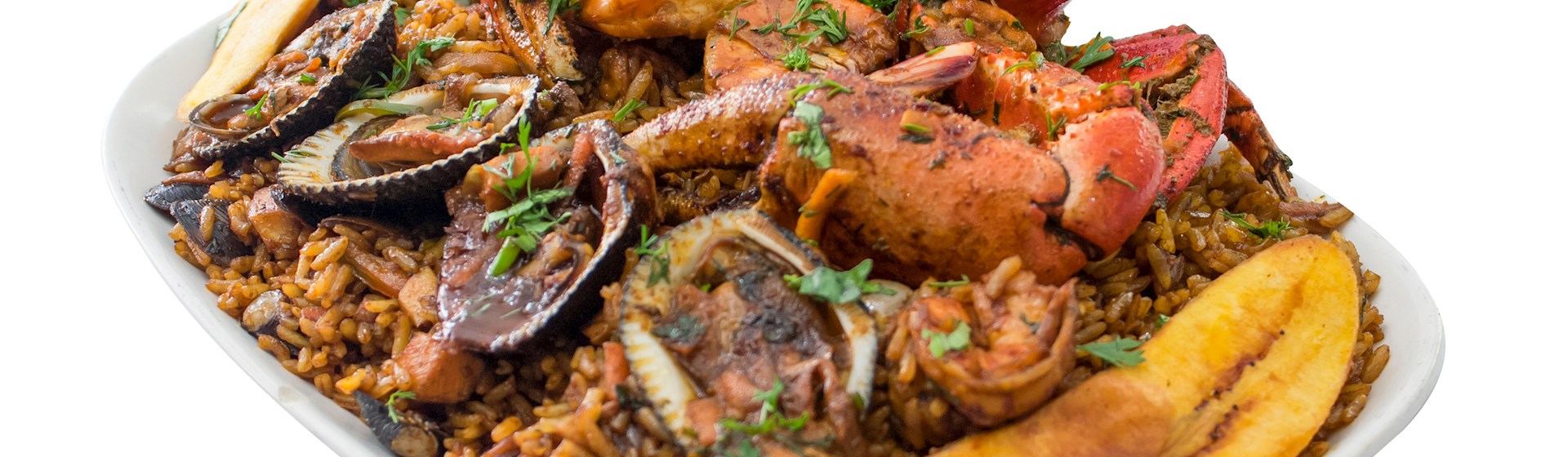
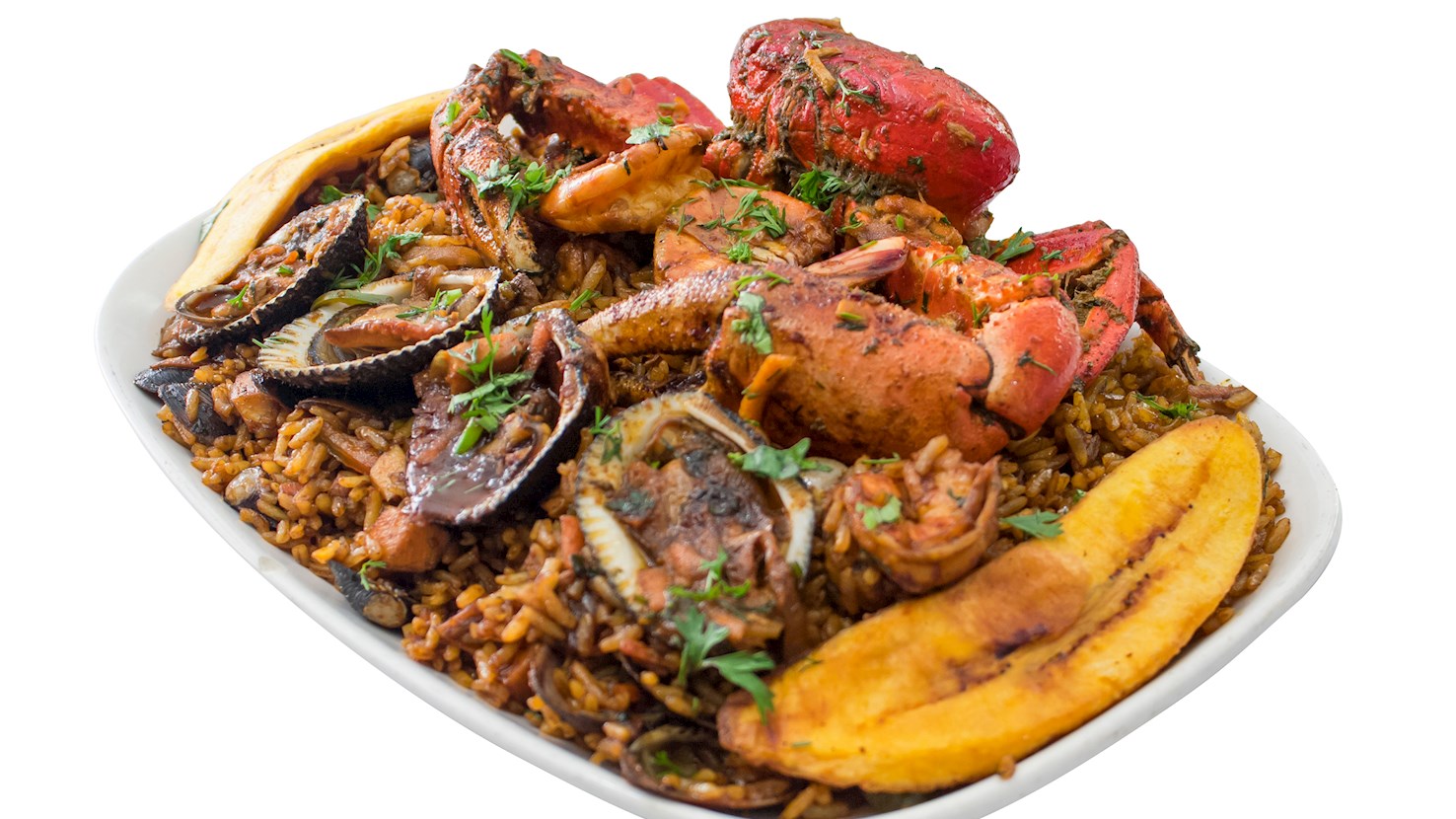
Rice and seafood are the key ingredients to making arroz marinero, a traditional specialty that originates from Spain. The main ingredients are usually combined with sautéed vegetables such as onions, peppers, tomatoes, and garlic, and the combination is typically simmered in water or stock (seafood or fish stock) with the addition of various spices and seasonings. Like many other Spanish dishes, this one has also entered the traditional cuisines of the Spanish colonies with the introduction of rice and is nowadays associated with South American countries such as Peru, Ecuador, and Colombia. The variations on the dish abound throughout Spain and the Latin American countries, with each country having its own version of this rice specialty. In Spain, the dish is usually prepared with short-grain varieties of rice such as bomba or Arborio, while in South America, arroz marinero typically consists of long-grain rice. Another crucial difference between the Spanish and South American versions of the dish is the use of different spices, which are typical of the regions where the dish is being prepared.
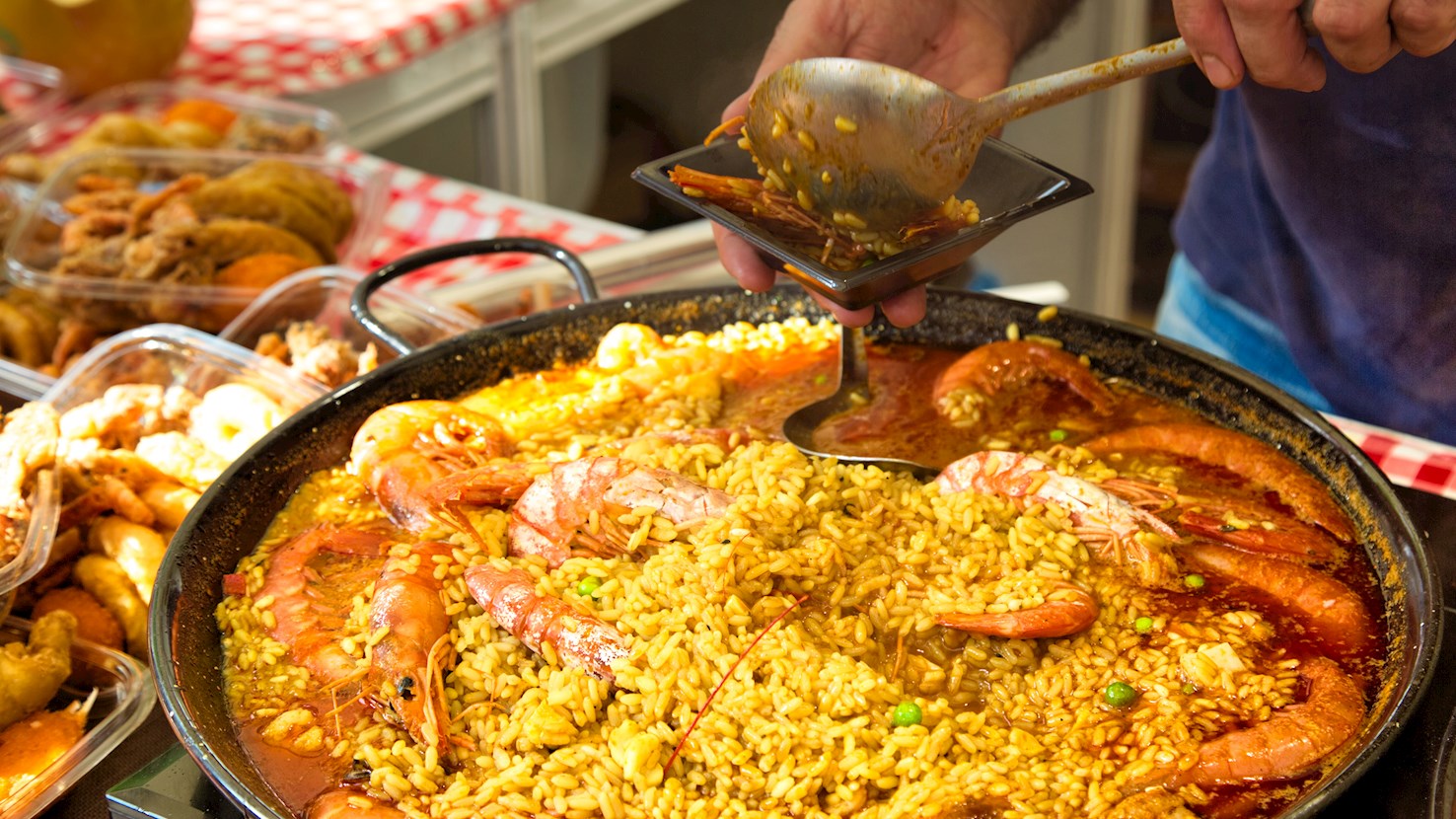
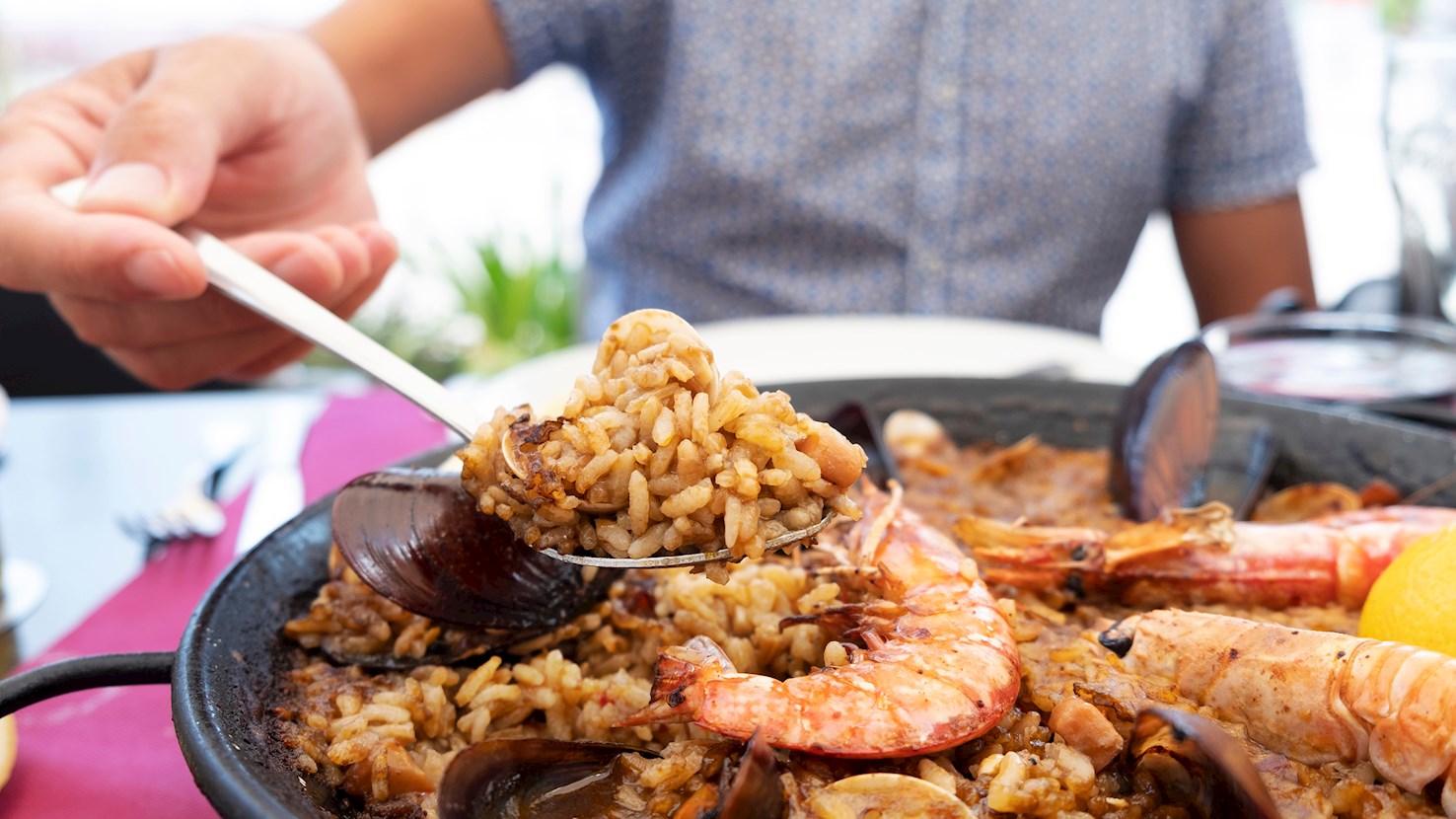
Seafood paella is one of the most popular paella varieties, not only in Valencia, but also in Andalusia and all along the Spanish coast. Due to the abundance of fresh fish and seafood, this dish is an absolute summer favorite in Spain. Paella de mariscos is prepared with a typical base of saffron-flavored rice, peppers, and tomatoes, but it owes its stunning visual appearance to the flavorful combination of fish, shrimp, mussels, and clams. It is recommended to prepare this rich dish over a wood fire to infuse it with a delicate smoky aroma.
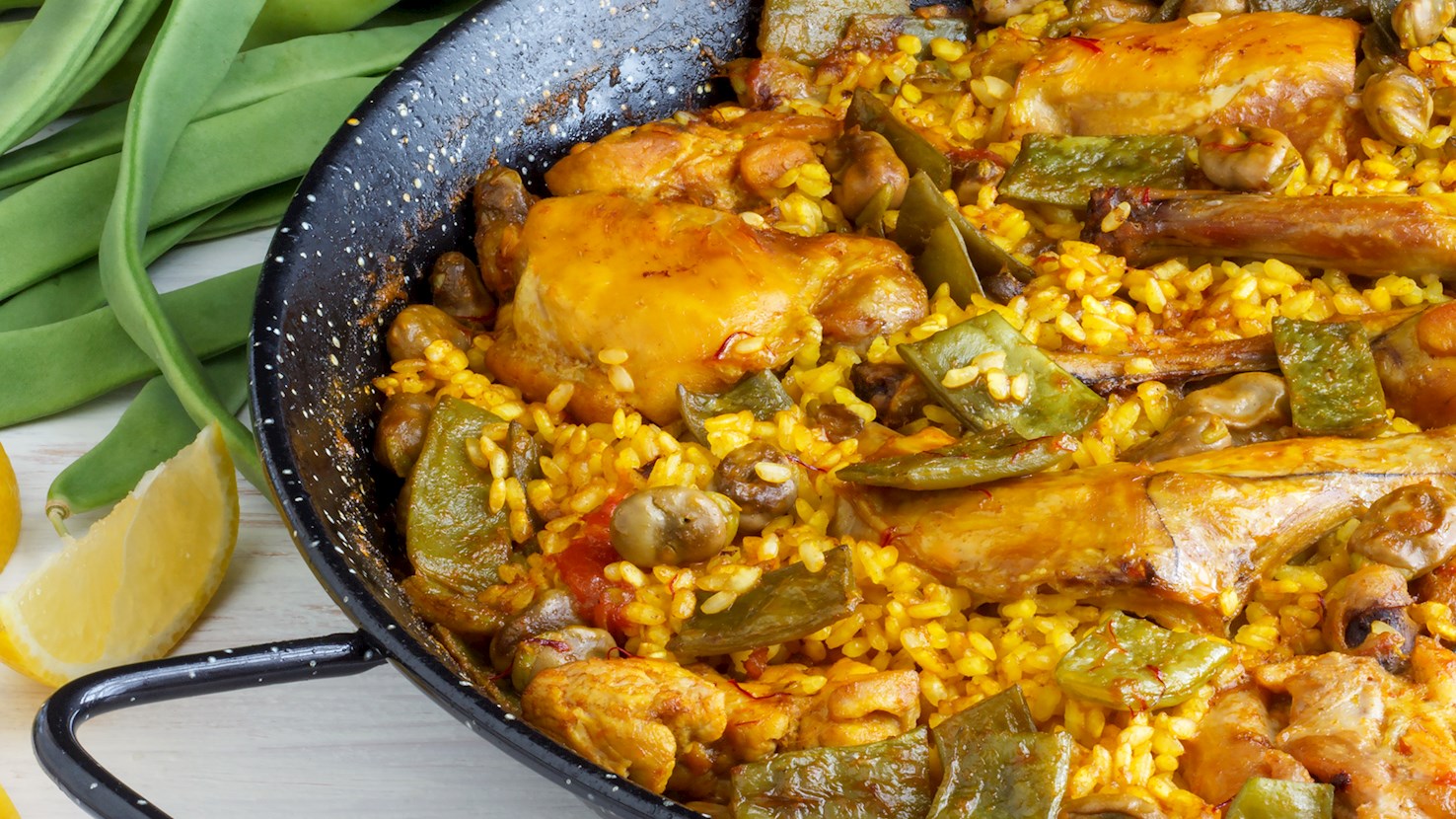
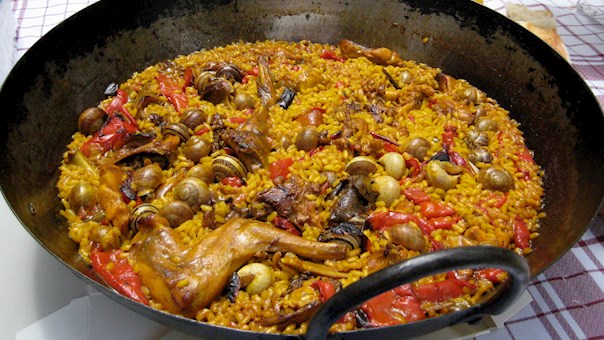
Often referred to as the original paella, this Valencian classic traditionally consists of rice that is cooked alongside chicken thighs, rabbit, three types of beans, tomatoes, and snails. Valenciana is generously seasoned with saffron and smoked paprika. It is always prepared in shallow paella pans. According to tradition, the use of additional ingredients is strictly forbidden, and only Valencian rice (PDO) should be employed in the dish. Paella Valenciana is praised for its flavor and the combination of local, authentic ingredients that perfectly illustrate the culinary heritage of the region.
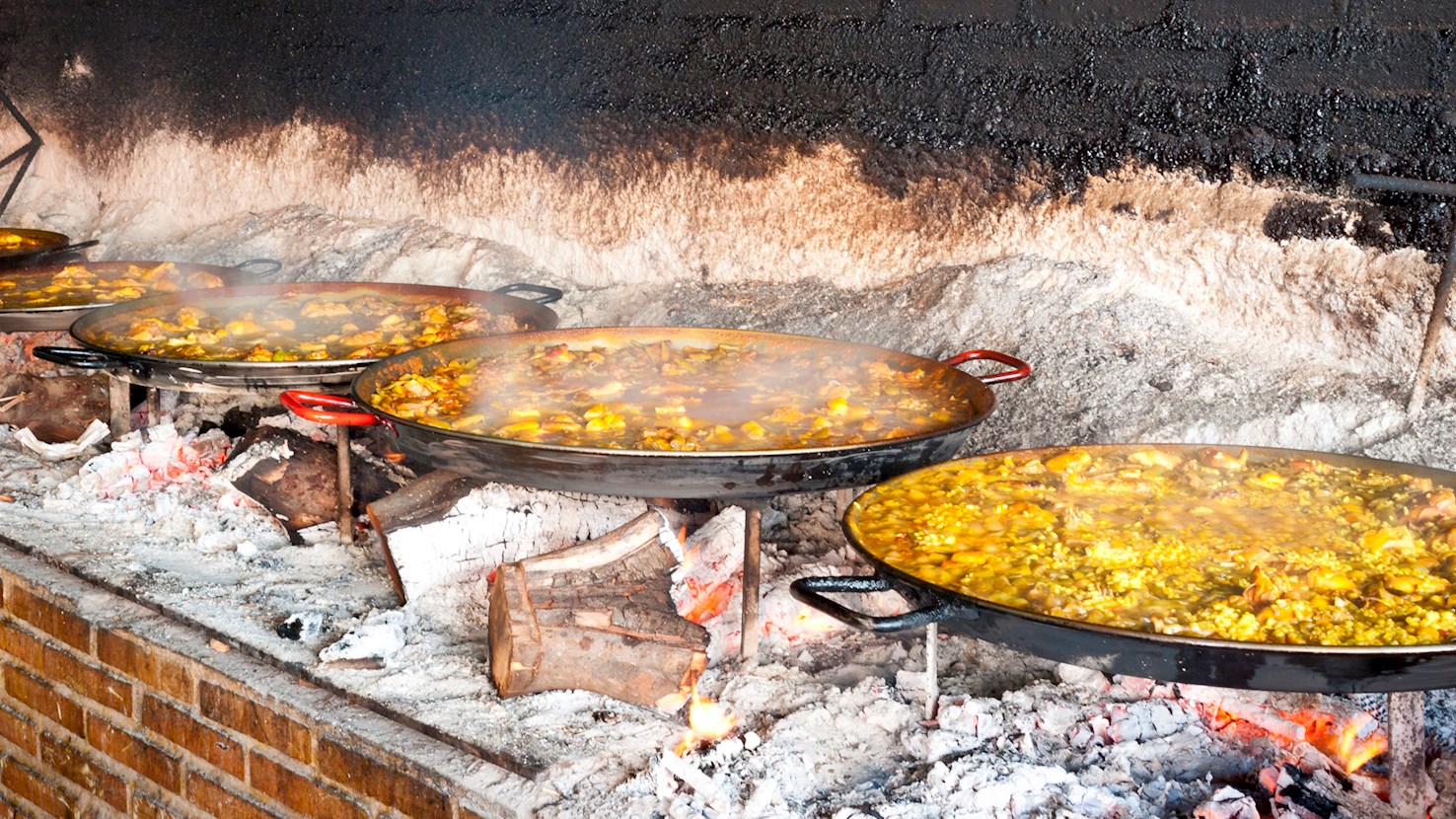
Widely acclaimed as the most popular Spanish dish, paella is a one-pot specialty that is based on saffron-flavored rice, while the additional ingredients may include meat, seafood, or vegetables. Although paella originated in Valencia, where it was made with seasonal vegetables, poultry, rabbit, and snails, in modern-day Spain, the name is used for all rice dishes prepared in a paellera or paella - the traditional shallow pan that is used both for cooking and serving. Paella has humble origins—it most likely originated around Albufera lagoon, an area known for its rice fields and wildlife, where it was made with locally-sourced ingredients. The exact ingredients used in paella have long been a matter of dispute, but everyone agrees that each paella should have a subtle saffron flavor. Another crucial element is socorrat, the crispy bottom layer, and the mandatory finishing touch of each paella. Because paella is prepared in a wide, shallow pan, the rice is evenly cooked in a thin layer, allowing the grains to caramelize and become crispy. Socorrat is such an essential element that it is even one of the categories at the Valencian paella competition. Always served in the pan, this Spanish classic can be found everywhere in the country, in an endless number of combinations. It should be noted that modern-day restaurant interpretations are often mass-produced and can significantly diverge from the authentic versions that demand time and skill. Traditionally, paellas are cooked over an open fire, and the most common option is to use orange wood.
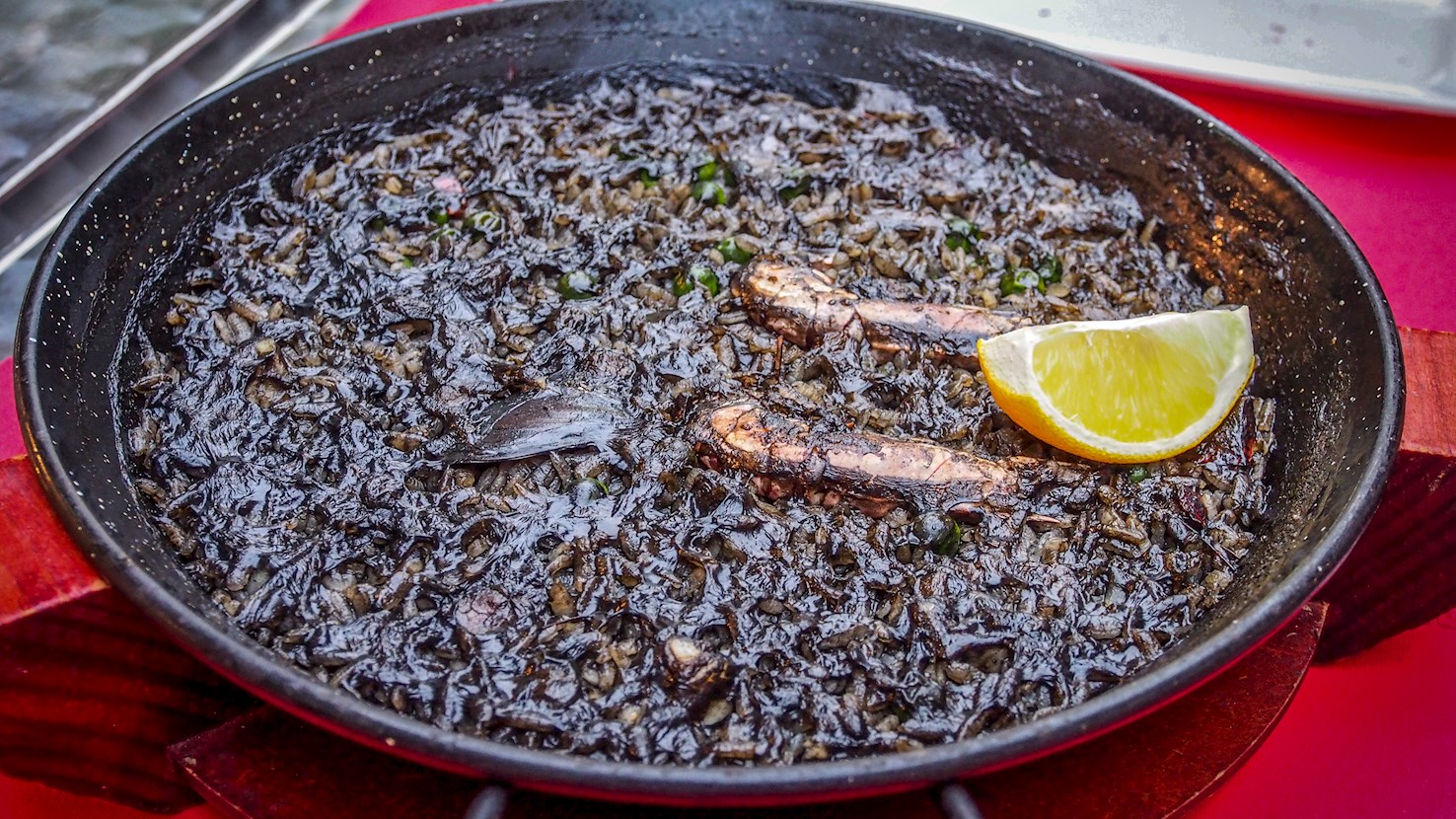
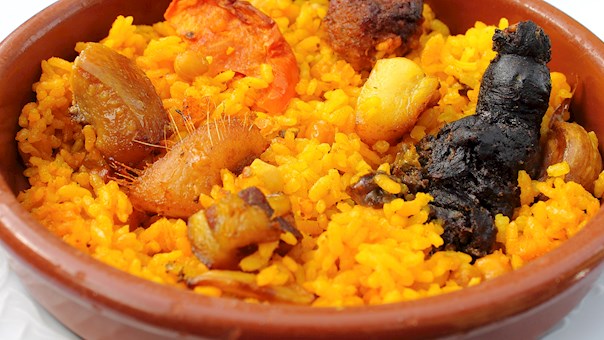
Arròs negre is a savory seafood and rice dish colored and flavored with the natural black ink of cuttlefish or squid. The name literally means “black rice” in Catalan, although the rice itself is not naturally black; its color comes entirely from the ink. It is especially associated with the Mediterranean rice cultures of Catalonia and Valencia. The base starts with good olive oil heated in a wide, shallow steel pan. Finely chopped yellow onions, garlic, and grated fresh tomatoes are cooked slowly until they form a thick, sweet mixture. This concentrated base is known as sofregit and is used in many Catalan rice and seafood recipes. Cooking the tomato until much of its water has evaporated concentrates its sweetness and helps keep the finished rice from becoming watery. Small pieces of raw cuttlefish or whole baby squid are added to the hot oil and cooked until they release their natural moisture. Letting this liquid evaporate before adding the rice gives the seafood a deeper flavor and prevents excess water from diluting the stock. Short-grain rice, especially Bomba or Senia, is then scattered into the pan so the grains can absorb the tomato base and oil. These short, plump varieties work well because they absorb strongly flavored liquid while still keeping their shape instead of becoming soft and creamy. Hot, intensely flavored fish stock is added together with cuttlefish or squid ink. The dark liquid immediately turns every grain black and gives the rice its distinctive, slightly metallic seafood flavor. The ink adds more than color, contributing concentrated marine salinity and a subtle savory depth. The rice is left to simmer without stirring until the liquid has been absorbed. The grains should remain firm in the center, while the bottom of the pan develops a caramelized crust known as socarrat. Avoiding constant stirring helps keep the grains separate and allows the bottom layer to remain in direct contact with the hot pan long enough to become crisp. Once the liquid has disappeared, the rice can rest briefly before serving so the grains settle and the crust remains intact. Historical records connect the dish specifically with the L'Empordà region of northern Catalonia. During the seventeenth century, fishermen along the coast used abundant, less valuable cuttlefish and its ink to make limited amounts of rice more filling. Today, black seafood rice is found much more widely along the Catalan and Valencian Mediterranean coast, with local versions differing in seafood, vegetables, stock, and the amount of ink used. Replacing the short-grain rice with short, hollow pasta creates a different dish known as fideuà negra. The noodle version follows a similar idea, combining sofregit, seafood, concentrated fish stock, and allioli, but the toasted pasta gives it a drier, firmer texture than rice. The seafood can also vary. Whole red prawns, clams, or thick slices of artichoke hearts may be added directly to the black rice during the final ten minutes of cooking. Other coastal versions can include langoustines, mussels, crab, or additional cuttlefish, while artichokes add a slightly bitter vegetal note that contrasts with the sweet shellfish and dark ink. The large steel pan is usually brought to the table while still hot and placed on a wooden board. The rice is then spooned directly onto individual plates. Serving it from the same pan also helps preserve the contrast between the softer rice on top and the crisp layer attached to the bottom. A generous spoonful of allioli is usually served on top of the hot rice and mixed into the grains, adding a sharp, creamy contrast to the intense, briny flavor of the ink. Classic allioli can be made simply by emulsifying garlic, olive oil, and salt without egg, although mayonnaise-style versions containing egg are also common. It can also be served in a separate bowl so that as much or as little as desired can be added.
According to chef Quim Marqués who created and patented this somewhat controversial dish, paella Catalana represents the perfect combination of land and sea. The dish consists of an extensive list of ingredients such as traditional saffron-flavored rice, chicken, longaniza sausage, crayfish, prunes, and depending on the season, either artichokes or peas. Ever since it started appearing on the menus of local restaurants, paella Catalana has been raising a heated debate over what constitutes an authentic paella. Regardless of the differing viewpoints, it has become a common dish of the Catalonia region.
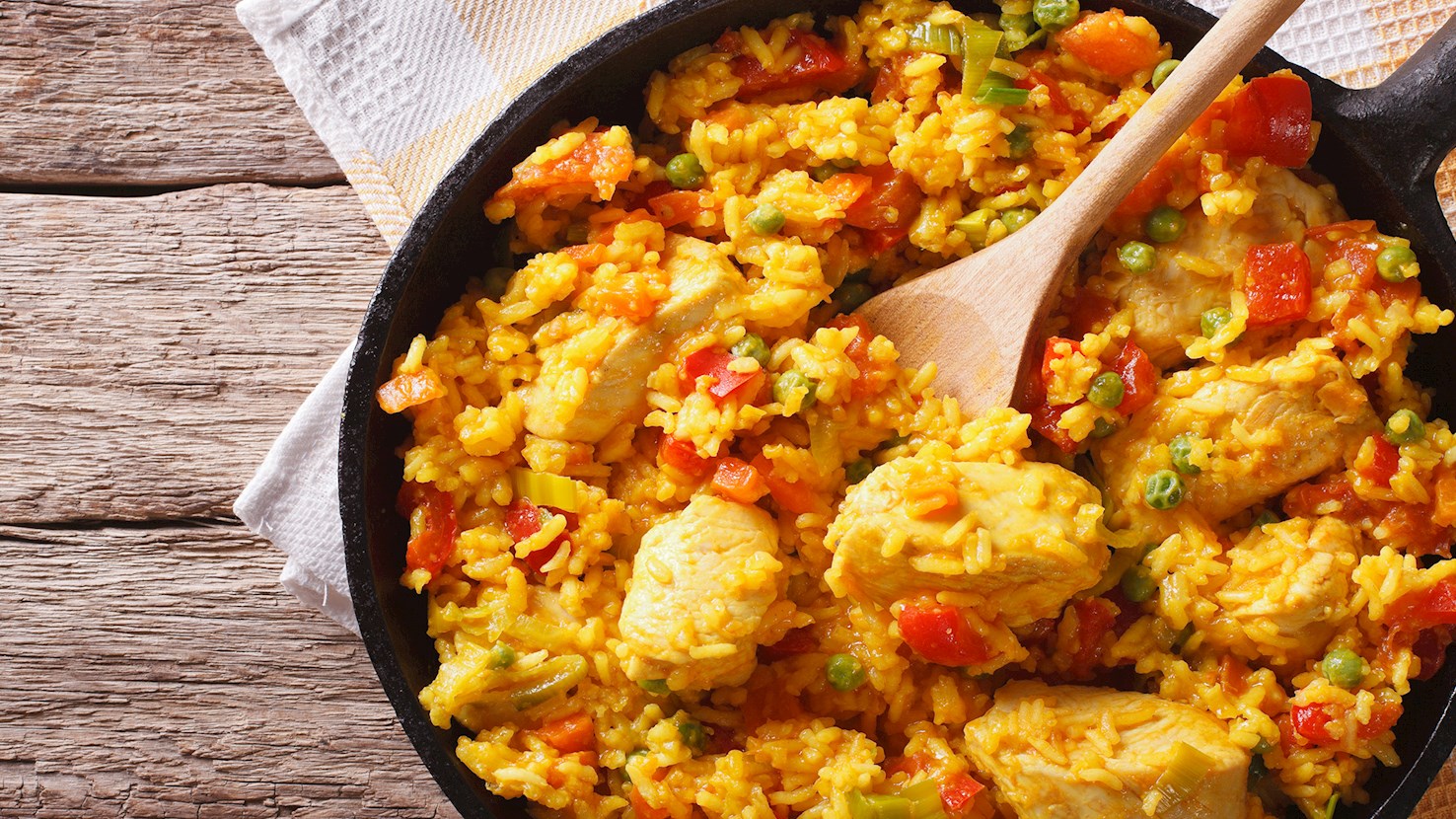
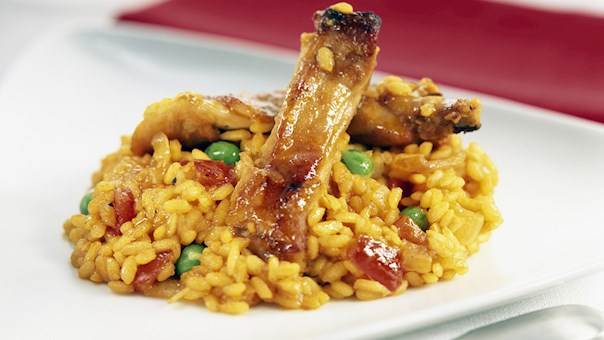
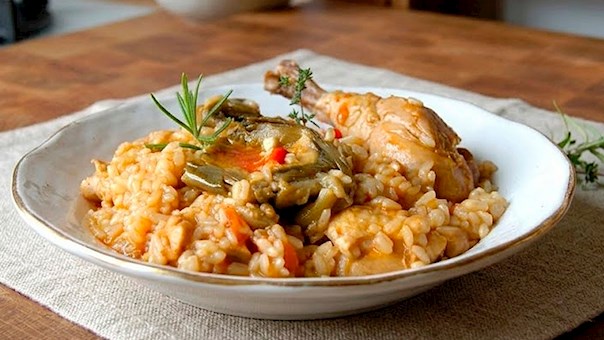
Arroz con pollo is a dish originating from the times when Spain was under the Moorish influence, consisting of chicken, rice, stock, beer, sofrito, and numerous spices such as saffron, cumin, and coriander. It is believed that over the years, arroz con pollo made its way to Latin American countries, where it is still popular. Today, there are numerous variations of the dish throughout Spain and Latin America.
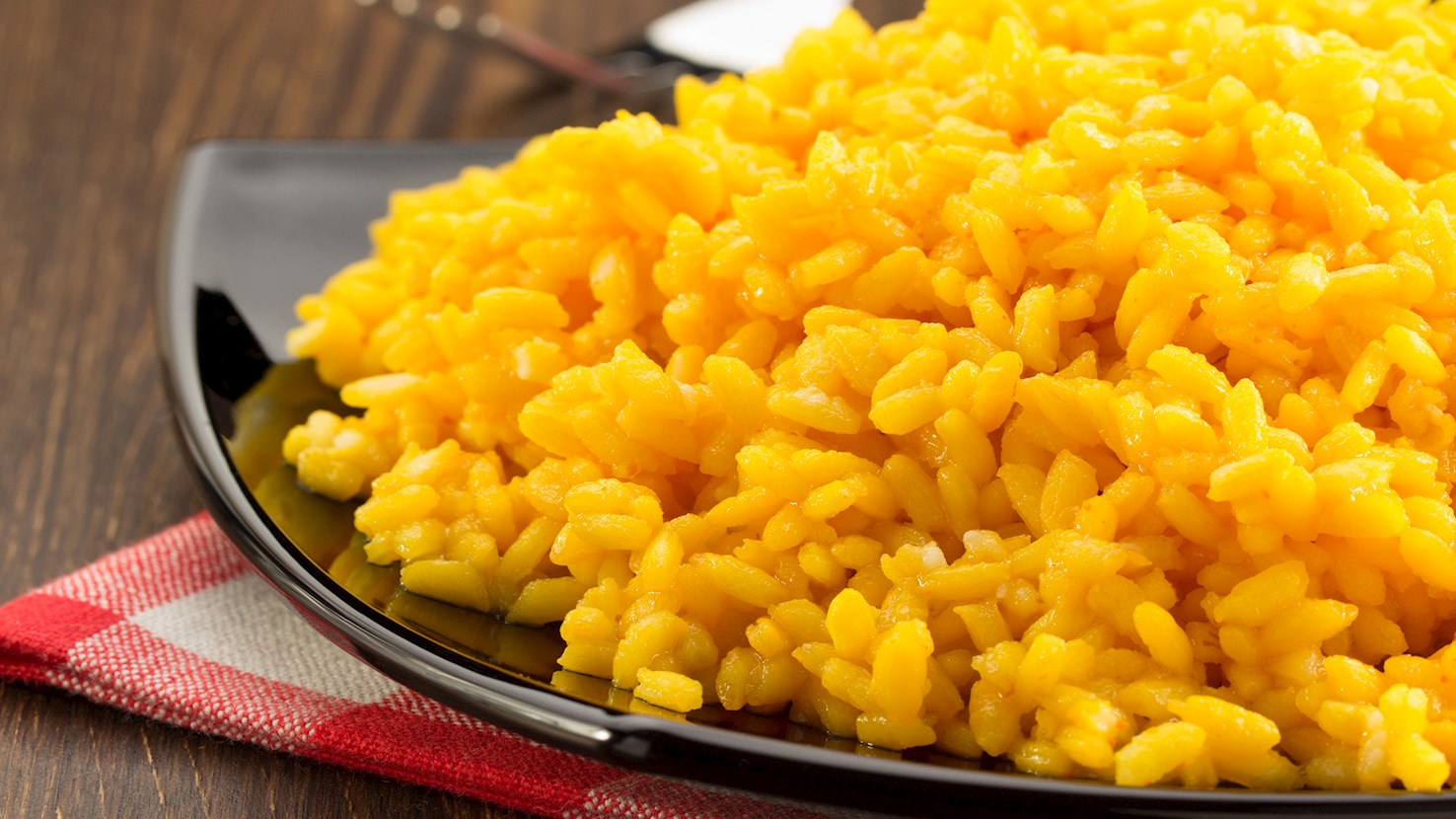
Arroz amarillo or yellow rice is a dish made by combining cooked rice with chicken stock, onions, and spices such as saffron and turmeric, giving it its vibrant color. Although the dish has Spanish origins, it is internationally popular, especially throughout Latin America. Due to the fact that saffron was not available in the New World, people in Latin America used achiote as a substitute, giving the dish a similar golden hue. Arroz amarillo can be consumed on its own, but it is more often served on the side of various main dishes.
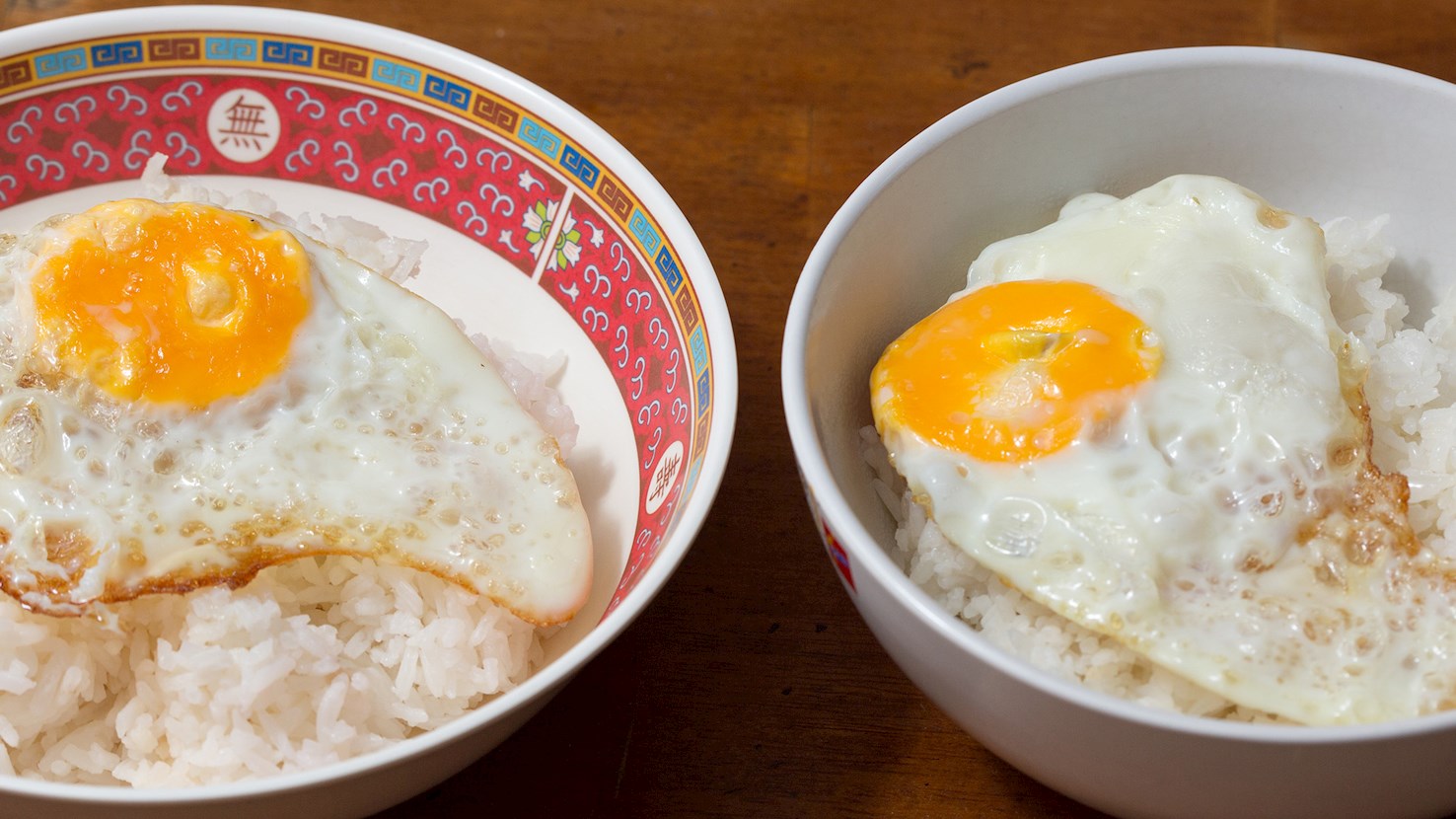
Arroz con huevo is a popular lazy lunch throughout Latin America, consisting of rice that’s topped with a fried egg. This humble dish used to be called comida de pobre (poor people food), but today it is enjoyed by people of all socio-economic classes. The dish has numerous variations, so in the Caribbean it is commonly accompanied by plantains, while the Spaniards pair it with a savory sofrito. It is recommended to top arroz con huevo with some freshly grated cheese and finely chopped parsley.
TasteAtlas food rankings are based on the ratings of the TasteAtlas audience, with a series of mechanisms that recognize real users and that ignore bot,
nationalist or local patriotic ratings, and give additional value to the ratings of users that the system recognizes as knowledgeable.
For the “Top 26 Spanish Rice Dishes” list until September 15, 2026, 3,065 ratings were recorded, of which 2,384 were recognized by the system as legitimate.
TasteAtlas Rankings should not be seen as the final global conclusion about food. Their purpose is to promote excellent local foods,
instill pride in traditional dishes, and arouse curiosity about dishes you haven’t tried.




What People Say