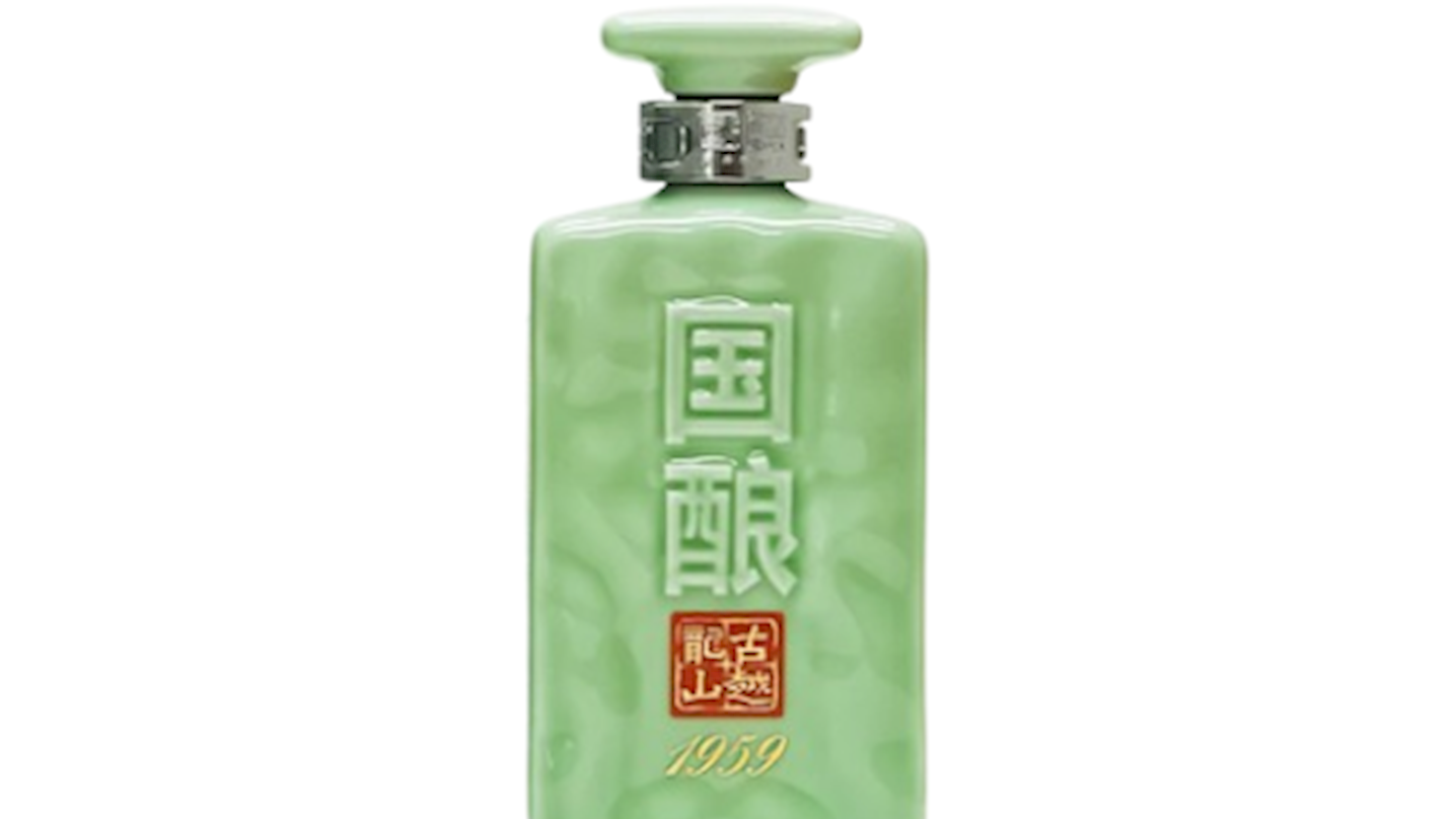
Gu Yue Long Shan is one of China’s most renowned producers of yellow rice wine, with a heritage deeply rooted in the Shaoxing region of Zhejiang Province, historically known as the heartland of this wine style. The company preserves traditional craftsmanship by using glutinous rice, yellow wheat qu (fermentation starter), and pure local water, followed by natural fermentation and aging in clay vessels that develop the wine’s layered, nutty, caramelized, and gently oxidative character.
Their portfolio includes wines of varying ages - from standard expressions to 10-, 15-, and even 20-year-old releases - where longer maturation brings greater aromatic complexity and depth of color. Regarded as a benchmark brand in the category, Gu Yue Long Shan is frequently chosen for state banquets and official ceremonies, underscoring its prestige and status as a “national wine”.
By combining time-honored methods with modern quality control, the brand has gained recognition beyond China and represents an essential reference point for understanding the authentic cultural and enological tradition of Shaoxing yellow wine.
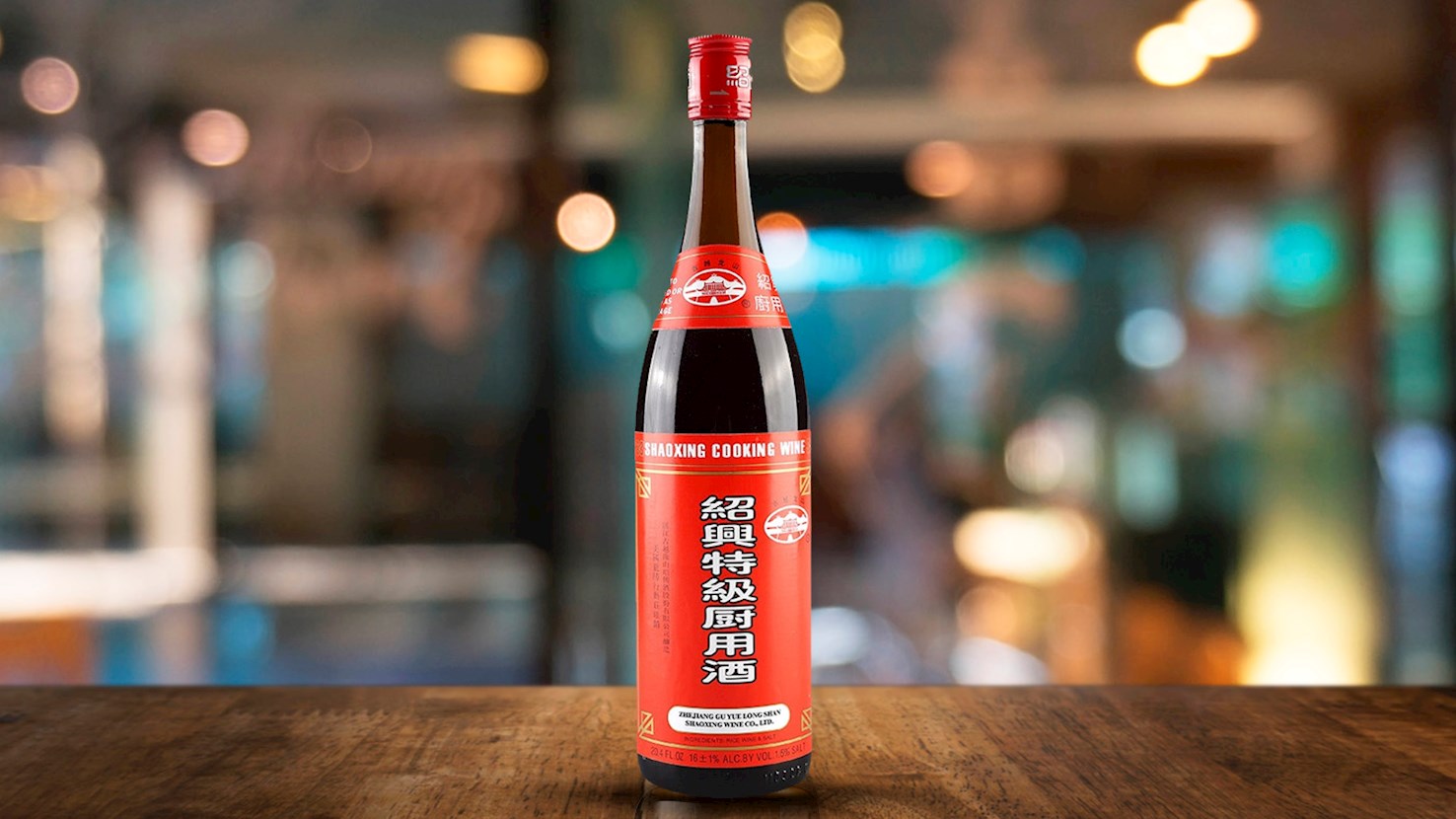
Shaoxing is a type of Chinese rice wine produced in the eponymous city in the Zhejiang province. It is made from brown glutinous rice, and it is typically aged for decades. Although the name is mainly associated with cooking, authentic Shaoxing is also commonly enjoyed as a drink. It is a clear, amber-colored wine with a mild and mellow flavor, nutty aroma, and a warming finish. The alcohol content is typically around 18% ABV. Shaoxing is usually used as a flavoring in fillings, marinades, and stir-fries, but it also works well in sauces or braised dishes. Authentic Shaoxing is generally of very good quality, but the original version should not be confused with inferior quality varieties often labeled as Shaoxing cooking wine. These versions don’t share any similarities with the original. They often contain salt and can be artificially flavored.
Mǐjiǔ is a sweet, low-alcohol rice wine originating in China, made by fermenting glutinous rice with a starter culture that breaks down starches into sugars and alcohol. It has been part of Chinese culinary and social life for centuries, linked to seasonal rituals, family celebrations, and everyday meals. Ancient records show its presence as early as the Shang and Zhou dynasties, when it was produced in small quantities for ceremonial use and domestic enjoyment. Over time, production methods spread across regions, each adapting the technique to local rice varieties, climate conditions, and taste preferences, resulting in subtle differences in flavor and aroma. The process of making mǐjiǔ begins with soaking and steaming glutinous rice until soft and sticky. Once cooled, it is inoculated with a fermentation starter known as qū, which contains enzymes and microorganisms that convert the rice starch into sugar and alcohol. The mixture ferments in clay or ceramic vessels for several days to weeks, depending on the desired sweetness and strength. The resulting liquid is filtered, producing a clear to slightly cloudy beverage that is typically between 8% and 20% alcohol by volume. It is often mildly sweet, smooth, and aromatic, with a taste that reflects the specific rice and fermentation conditions. Mǐjiǔ is consumed in various ways. It can be served warm or at room temperature as a table drink, used in cooking to enhance sauces and marinades, or incorporated into desserts such as sweet soups and rice-based sweets. In some regions, it is also enjoyed fresh and unfiltered, which yields a thicker, sweeter beverage known as jiǔniàng. Because of its mild profile, it pairs well with delicate dishes such as steamed fish, poached chicken, and vegetable stir-fries, and it is often present during festive meals and family gatherings. Its versatility and balance of sweetness and gentle alcohol have allowed it to remain an enduring element of Chinese food culture, both as a drink and a cooking ingredient.
Fújiàn lǎojiǔ is a type of aged rice wine produced in Fujian Province. It belongs to the broader category of huangjiu, or yellow wine, a fermented beverage made from rice, water, and wheat-based fermentation starter. The name lǎojiǔ means “old wine,” indicating that it has been aged for several years before consumption. It is characterized by its amber color, mild sweetness, and balanced acidity, with an alcohol content typically between 14 and 18 percent. Fujian’s version differs slightly from the better-known Shaoxing wine of Zhejiang, offering a lighter body and a distinct regional flavor shaped by local rice varieties, water sources, and fermentation techniques. The production of lǎojiǔ in Fujian developed alongside the region’s long-established rice cultivation and fermentation practices. During the Ming and Qing dynasties, Fujian’s port cities such as Fuzhou and Quanzhou became centers for rice wine production, supplying both domestic and export markets. Local brewers adapted the methods used in eastern China, refining them to match the coastal climate, which favored slow fermentation and mild aging. Unlike stronger spirits distilled from grain, Fujian lǎojiǔ retained the soft texture of fermented rice, valued for its drinkability and suitability for cooking. Over time, it became a household staple and a celebratory beverage, often stored for years to mature before serving during weddings, festivals, and family gatherings. Preparation begins with polished glutinous rice, which is steamed and cooled before being mixed with water and qu—a fermentation starter containing yeast and mold. The mixture ferments in large clay or earthenware vessels for several weeks, during which starch converts into sugars and alcohol. The resulting liquid is then pressed, filtered, and aged in sealed jars for a minimum of one year, though higher-quality lǎojiǔ may mature for three years or more. During aging, the color deepens from pale gold to amber or reddish-brown, and the flavor becomes smoother, with subtle notes of caramel, dried fruit, and soy. Some brewers add a small amount of salt if the wine is intended for cooking, but drinking-grade lǎojiǔ is left unsalted. A defining feature of Fújiàn lǎojiǔ is its relatively gentle sweetness and clean finish compared to other huangjiu styles. The fermentation process, aided by the region’s warm, humid air and mineral-rich water, produces a wine that is aromatic but not overpowering. The aging period allows amino acids and sugars to interact, giving the wine its umami depth and slightly nutty aroma. Because it is not distilled, the alcohol content remains moderate, making it suitable for slow sipping or use in food preparation. Some older vintages develop a thin layer of harmless white film on top, known as hua niang, which indicates active aging and is considered a sign of quality rather than spoilage. Fújiàn lǎojiǔ is consumed both as a beverage and as a cooking ingredient. It is served warm or at room temperature, often poured into small porcelain cups during meals or social occasions. In cooking, it is used to season seafood, poultry, and braised dishes, where it enhances aroma and removes any unwanted fishiness. The wine pairs well with Fujian-style cuisine, particularly steamed fish, red-cooked pork, and oyster omelets, as its mild sweetness complements the region’s lightly seasoned dishes. As a drink, it can accompany small plates such as marinated tofu, peanuts, or cured meats. When aged beyond a decade, it may be enjoyed on its own after meals, much like dessert wine, appreciated for its smooth texture and mellow flavor.
Húnán mǐjiǔ is a type of rice wine originating from the Hunan province, known for its mild sweetness, low alcohol content, and smooth character. It is made from glutinous rice fermented with a starter culture known as qū, a process that converts the starches into sugars and alcohol over time. The beverage has been produced in the region for centuries, with its roots linked to household brewing practices and local festivals, where rice wine played a role in seasonal celebrations, family gatherings, and offerings. Over time, its production evolved from small-scale home fermentation to more refined artisanal methods, yet it still retains a deeply local identity, often reflecting the distinct rice varieties and fermentation techniques unique to Hunan’s humid climate and agricultural landscape. The preparation involves soaking and steaming glutinous rice until tender, cooling it, and mixing it with qū before leaving it to ferment in a sealed container for several days to weeks. The resulting liquid is lightly filtered, yielding a translucent, slightly cloudy drink that is both aromatic and subtly warming. It can be consumed fresh, which results in a sweeter and more delicate flavor, or aged for a deeper, more complex profile. Unlike stronger grain-based spirits, Húnán mǐjiǔ is typically enjoyed at lower alcohol levels, making it versatile as both a casual drink and a culinary ingredient. It is often served slightly warmed or at room temperature, particularly during meals and festive occasions, and it appears frequently in cooking, where its sweetness enhances the depth of sauces and marinades. In some parts of Hunan, it is even incorporated into desserts or served with sticky rice dishes, highlighting its adaptability. Pairings usually lean toward lightly seasoned poultry, steamed fish, or vegetable dishes, as the subtle profile of the wine complements rather than overwhelms. While rice wine exists in many regions of China, the Hunan version is particularly prized for its balance of gentle sweetness and aromatic complexity, reflecting the local palate and culinary heritage.
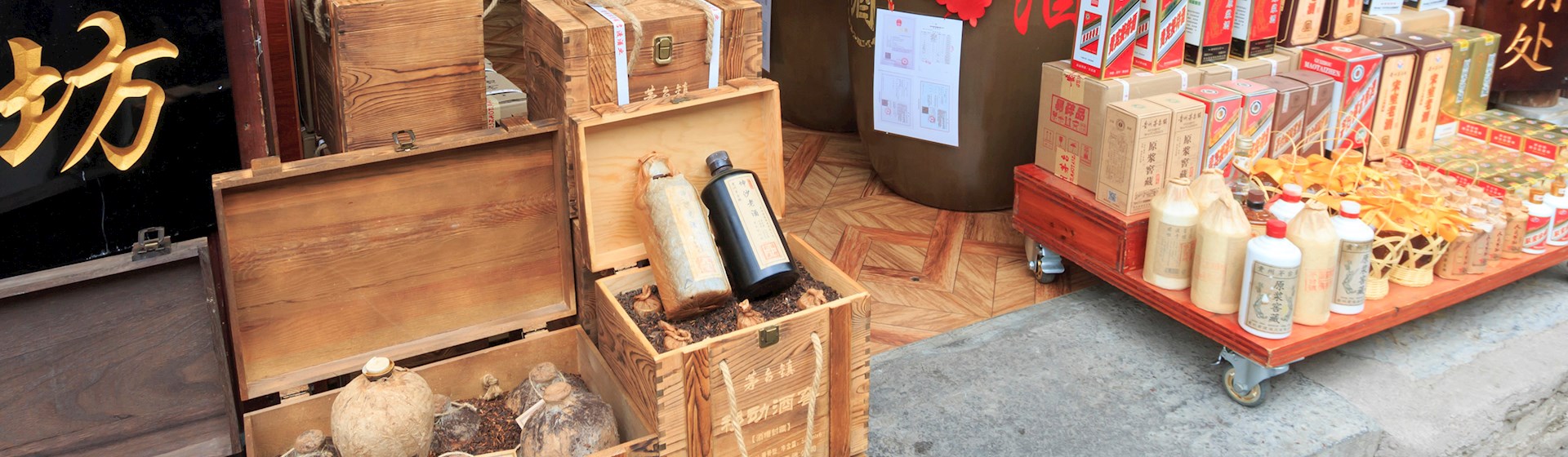
Huangjiu is a fermented alcoholic beverage from China made primarily from grains such as rice, millet, or wheat, with fermentation aided by the use of a starter culture known as qu. It belongs to one of the oldest categories of alcoholic drinks in China and is distinct from distilled liquors in that it is brewed in a process closer to beer or sake, though with its own techniques and results. Its color ranges from pale yellow to deep amber, and its flavor can vary from lightly sweet to strong and savory depending on how it is made and aged. The beverage has roots that extend back thousands of years, with archaeological evidence pointing to grain-based fermentation in China as early as the Neolithic period. Over centuries, huangjiu became closely linked to both everyday life and ritual practices, being consumed not only as a drink but also used in cooking, medicine, and ceremonial offerings. In imperial times, it was valued at court banquets and featured in poetry and records of feasts. Different regions of China developed their own styles, with Shaoxing huangjiu becoming the most widely known, often exported and recognized for its amber hue and layered taste. The preparation of huangjiu begins with steaming the grains, which are then mixed with qu to initiate fermentation. Water is added, and the mixture is left to ferment over a period of weeks or months, depending on the desired style. Some varieties undergo aging in clay jars, where the flavor matures and deepens with time. Alcohol levels are moderate, usually between 10 and 20 percent, which makes huangjiu more comparable to wine than to spirits. It can be served warm or at room temperature, with warming considered to enhance its aroma and flavor, especially in cooler seasons. What sets huangjiu apart is the diversity of its uses. Beyond being consumed as a beverage, it is commonly employed in Chinese cooking, where it adds depth to braised dishes, marinades, and sauces. Shaoxing wine in particular is an essential pantry item in Chinese kitchens, both domestically and abroad, where it serves as a key seasoning. Another notable aspect is its role in health-related practices, with certain types infused with herbs and consumed for their perceived medicinal qualities. Today, huangjiu is most strongly associated with eastern China, especially Zhejiang province, though it is produced and consumed across the country. It is drunk during festivals, family meals, and banquets, either sipped on its own or alongside food, and its culinary presence ensures that it remains part of everyday cooking as much as celebratory dining. Its reach has also extended internationally through Chinese cuisine, making it recognizable well beyond the regions where it first developed.
TasteAtlas food rankings are based on the ratings of the TasteAtlas audience, with a series of mechanisms that recognize real users and that ignore bot,
nationalist or local patriotic ratings, and give additional value to the ratings of users that the system recognizes as knowledgeable.
TasteAtlas Rankings should not be seen as the final global conclusion about food. Their purpose is to promote excellent local foods,
instill pride in traditional dishes, and arouse curiosity about dishes you haven’t tried.
The initial list of top producers was compiled based on available reviews, awards, local recommendations, media and blog coverage, and consumer reviews.
The list will be updated with ratings from TasteAtlas local ambassadors and TasteAtlas users.




What People Say