



Top 100 European Rosé Wines

Last updated on June 03, 2026

Best European Rosé Wine Types

01

Prokupac

3.6 ·

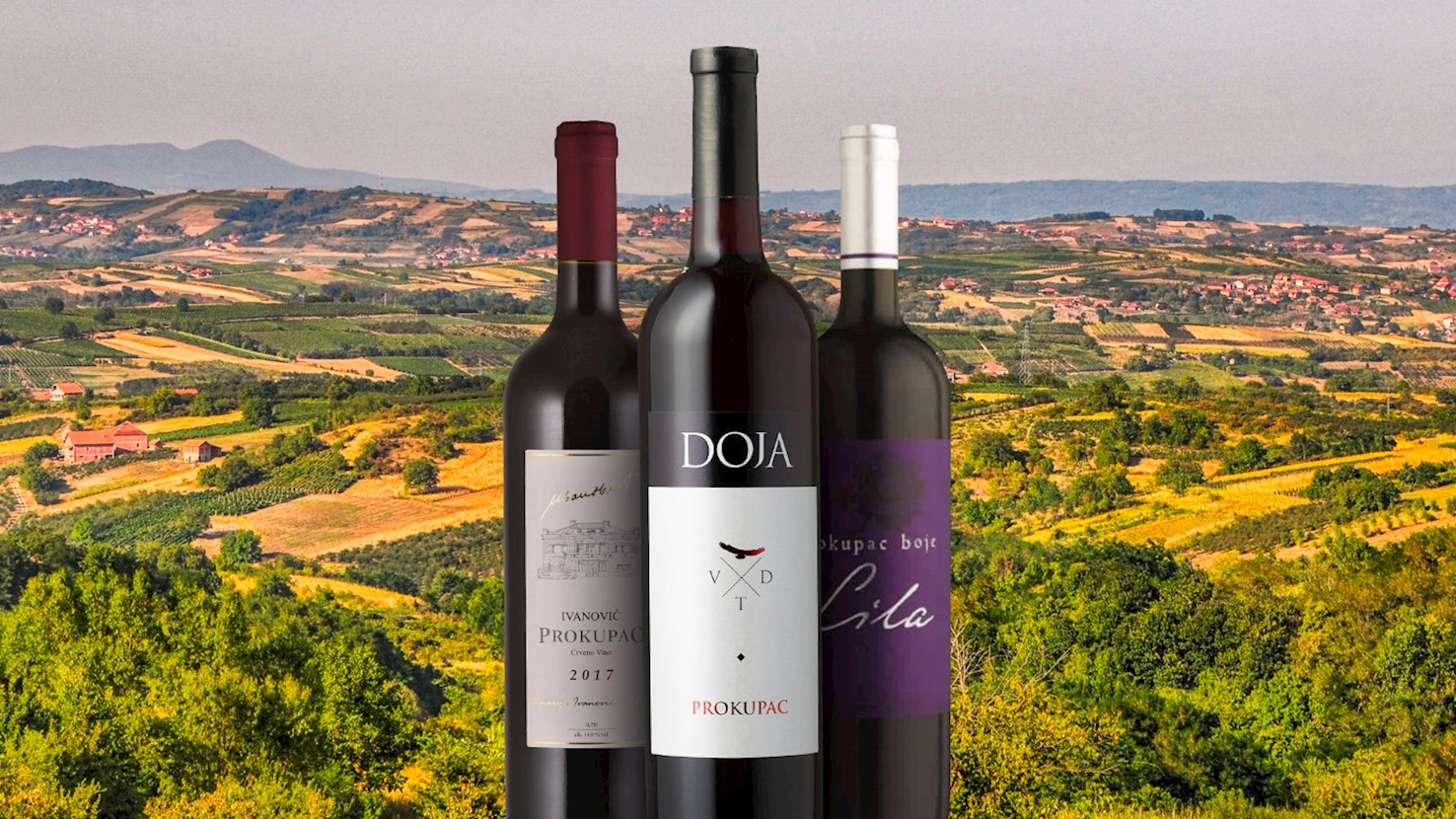
Prokupac is a native Serbian grape cultivated in several Serbian wine regions, while the best examples come from Župa. It was once a prominent variety in Serbian vineyards, mostly used for unimpressive mass-produced wines. In the last few decades, local winemakers proved that with the right approach, Prokupac creates well-structured wines with good aromatic complexity. Prokupac can vary in style, from fruity red wines to heavier oak-aged examples, but it mainly produces light-colored wines with medium body and medium alcohol. The wines have fruity aromas reminiscent of raspberries, strawberries, blackcurrants, and cherries. They will often have some spice-like nuances, and they generally improve with age. The grape is now increasingly used in the production of rosés. Prokupac is a great accompaniment to traditional Serbian dishes. Red wines are best paired with meat dishes, especially roasted red meat, lamb, or game. Rosés could go well with appetizers, grilled fish, pasta dishes, and risottos.

02

Toro

3.6 ·

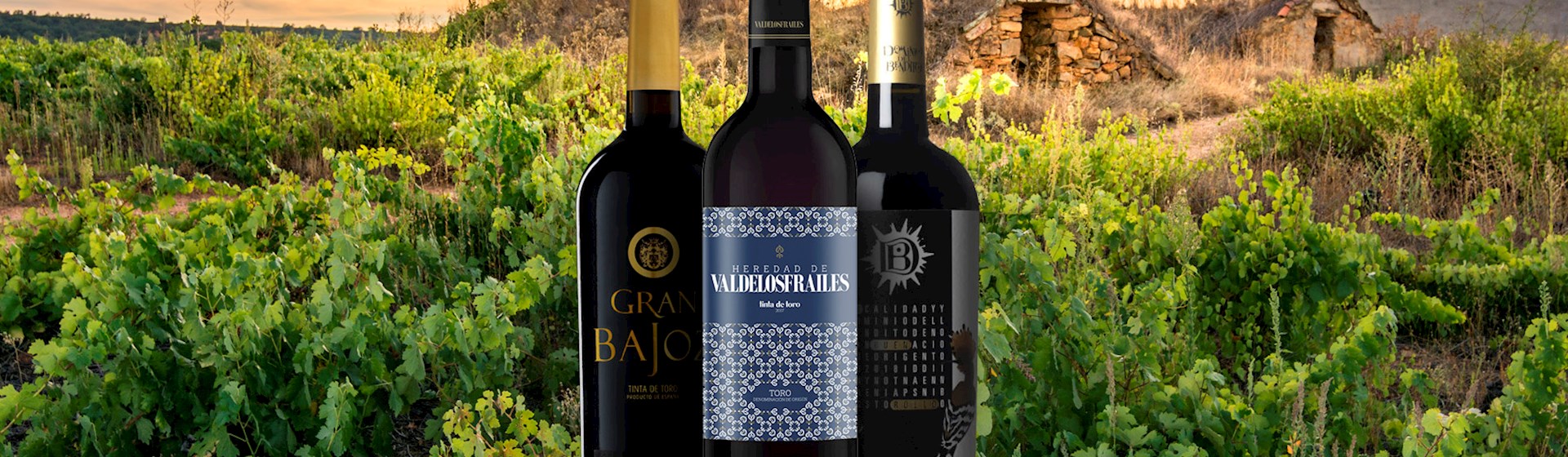
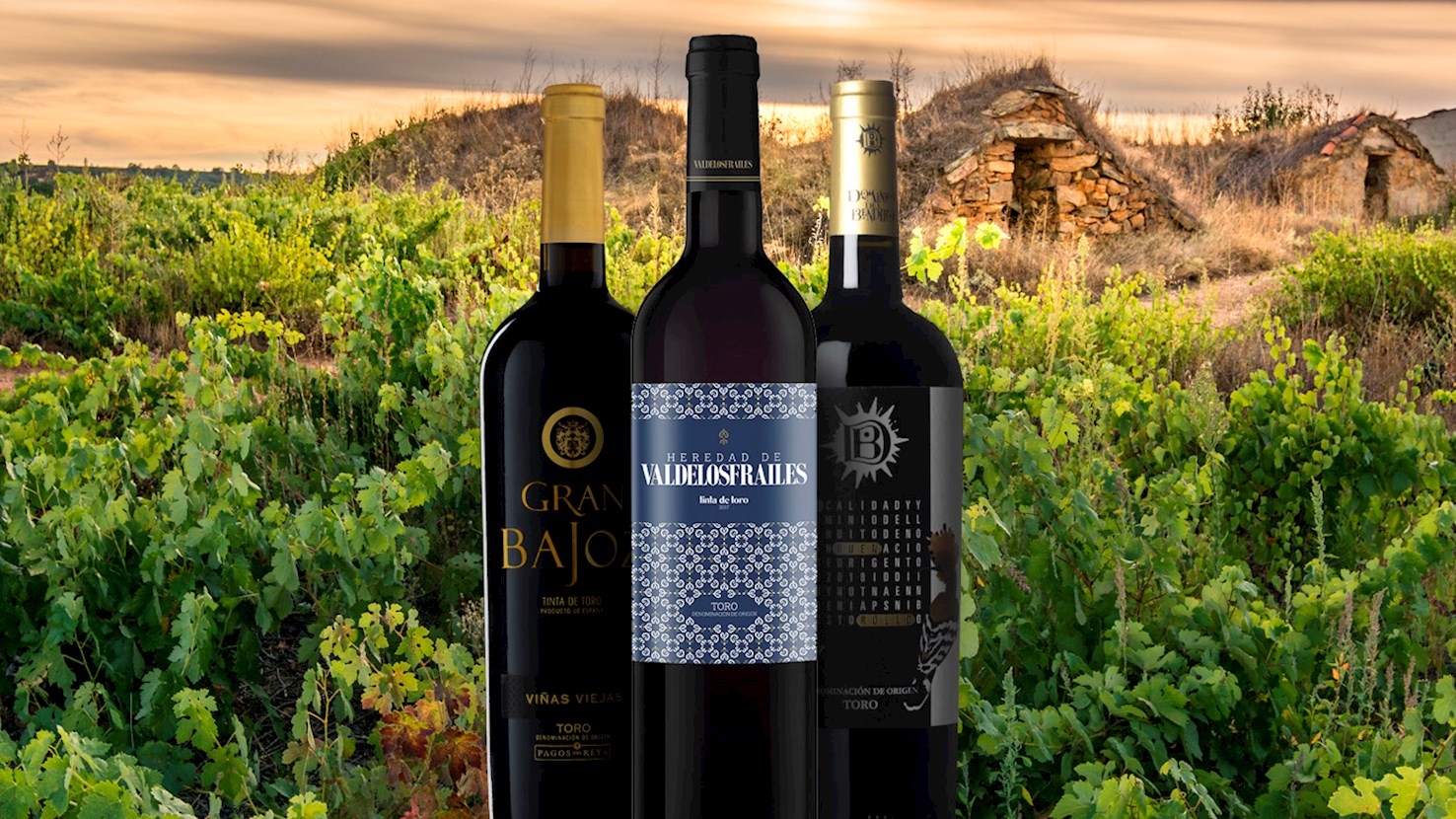
Toro is a Spanish wine region located in Castile and León, around the eponymous city in Zamora. The region mostly produces red wines from Tinta de Toro, the local variant of Tempranillo that is different from those cultivated in Rioja and Ribera del Duero. The grape produces excellent wines that are usually full-bodied, rich, potent, and concentrated. Compared to Rioja, red wines from Toro are darker, more tannic, and typically have higher alcohol content. They easily reach 15% ABV, but ideally, they would have around 13%. The wines may slightly differ in character, depending on the age and the terroir: from slightly lighter, fruit-forward styles to intense examples that are typically associated with the region. They spend some time in oak and often have spice, toffee, or leather notes. Although Tinta de Toro reigns in the region, Garnacha is also common and mostly used in blends. White wines are also allowed and produced, but the region is primarily oriented towards reds and rosés. Depending on the age, the wines can be labeled as Crianza (aged for six months in oak), Reserva (minimum of twelve months in oak), and Gran Reserva (a minimum of eighteen months in oak). As the wines can be quite versatile, they pair well with various dishes, including sausages, rice dishes, red meat, game, and mushrooms.

03

Côtes de Provence Rosé

3.6 ·

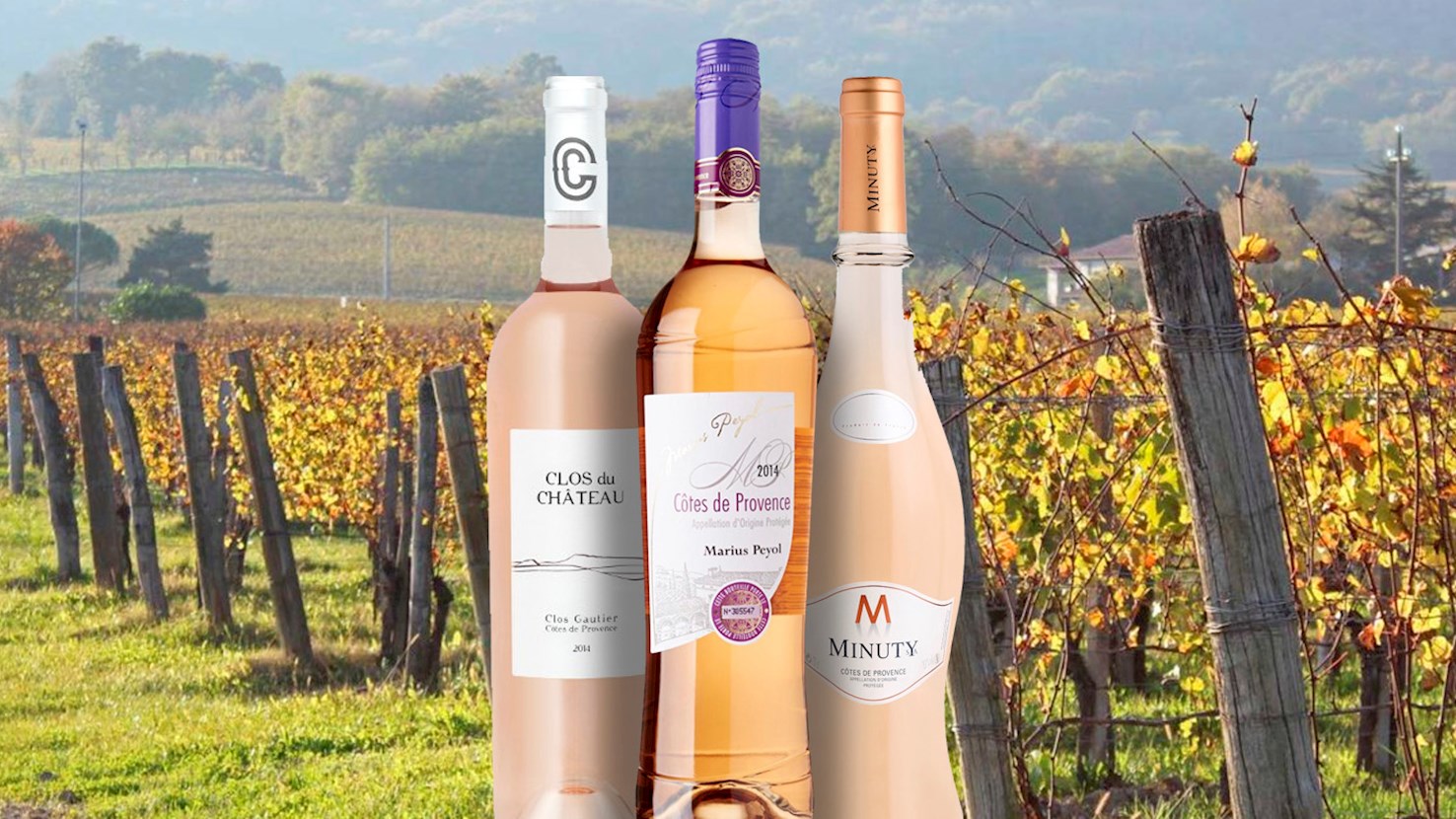
Although the appellation Côtes de Provence also produces red and white wines, most of its production is focused on light and fresh rosés that are mainly based on Grenache, Syrah, Mourvèdre, Cinsaut, and the native Provencal Tibouren variety. Rosés from Provence are typically pale pink, and they tend to display a complex aromatic profile that combines fruity and floral aromas of exotic fruit, citrus, white flowers, and herbs. Some vintages that are barrel aged may also develop notes of dried fruit, caramel, spices, and vanilla. They make a great aperitif, but they also work well with veal, lamb, fish, scallops, or crustaceans and typical Provencal dishes such as ratatouille, aïoli, soupe au pistou, bouillabaisse, as well as with fruit-based desserts.

04

Rosé d'Anjou

3.5 ·

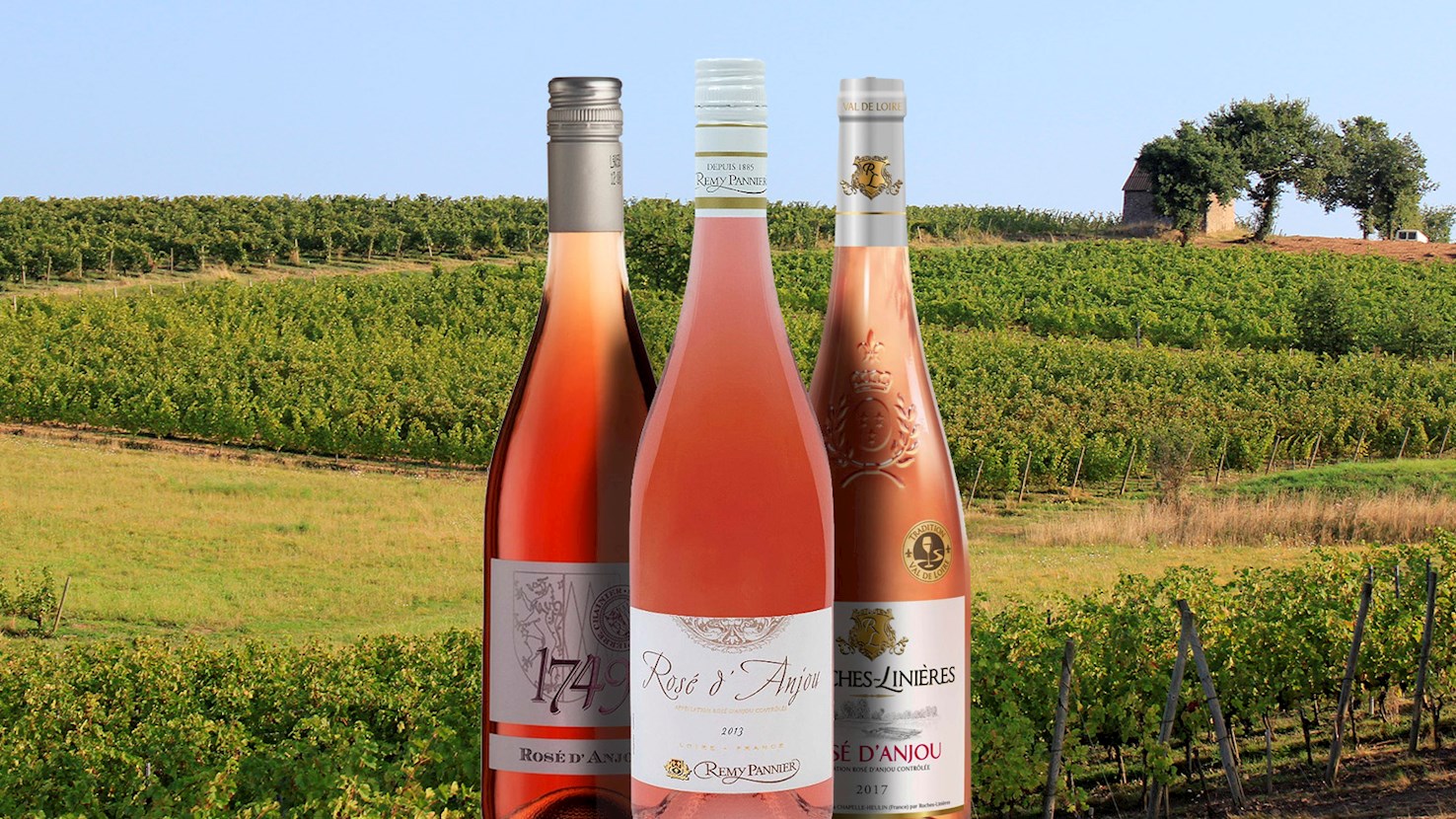
Rosé d'Anjou is a French appellation located in the Anjou district of the Loire Valley, more precisely in the departments Maine-et-Loire, Deux-Sèvres, and Vienne. The wines are predominantly made with native Grolleau grapes, while other permitted varieties include Cabernet Franc, Cabernet Sauvignon, Gamay, Malbec, and Pineau d'Aunis. These clear and bright wines are subtly sweet, without being cloying, and are often praised for their perfect balance of alcohol, acidity, and sugars. They can be pale to intensely pink, while the typical aromas include tangy red fruits, but notes of bananas, candy, and rose petals are also quite common. This rosé style is usually labeled as Primeur or a fruiter and fresher Nouveau. Both are approachable and easy-drinking, and though they make an excellent aperitif, they can also match creamy poultry or fish dishes and fruit-based desserts.

05

Lagrein

3.5 ·

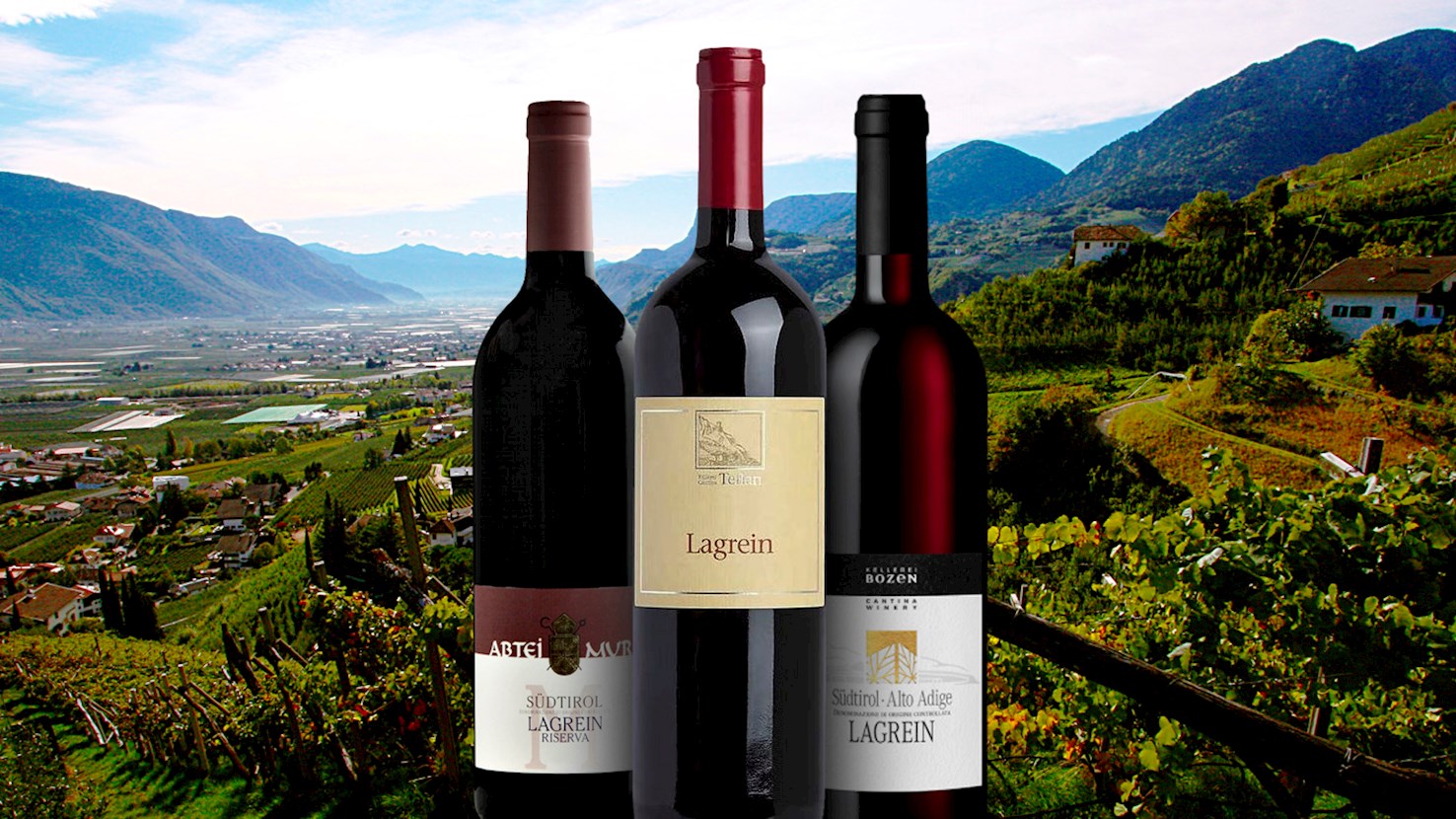
Lagrein is an ancient Italian red grape mainly cultivated in Trentino-Alto Adige in Northeast Italy. The grape has ancient origins, and though it was once common, it was later mainly replaced by Schiava (Vernatsch), which proved to be more resistant and productive. Only recently, local winemakers have been promoting it as an excellent native grape that, if treated properly, has incredible potential to produce rounded and well-balanced wines. The grape is used in varietals (included in several regional appellations) and blends. Most Lagrein is made into slightly rustic red wines. They are usually dark ruby red with an intense aroma reminiscent of ripe berries, violets, coffee, and sweet spices. Most will have a subtle bitter bite and sometimes hints of iodine-like quality. Best examples can be aged for several years. These wines have an excellent balance of acidity and tannins, making them ideal food partners. They would pair well with regional specialties, including charcuterie, cheese, red meat, and game. Lagrein is also sometimes used to produce good-quality rosés, labeled as Lagrein Kretzer (Lagrein Rosato). There were conflicting theories about the origin of Lagrein, but DNA testing has proven that Teroldego is one of its parents—suggesting that the grape probably originated in northern Italy. Interestingly, Lagrein is related to Pinot Noir and Syrah. The grape is also found in Australia and California.

06

Retsina

3.5 ·

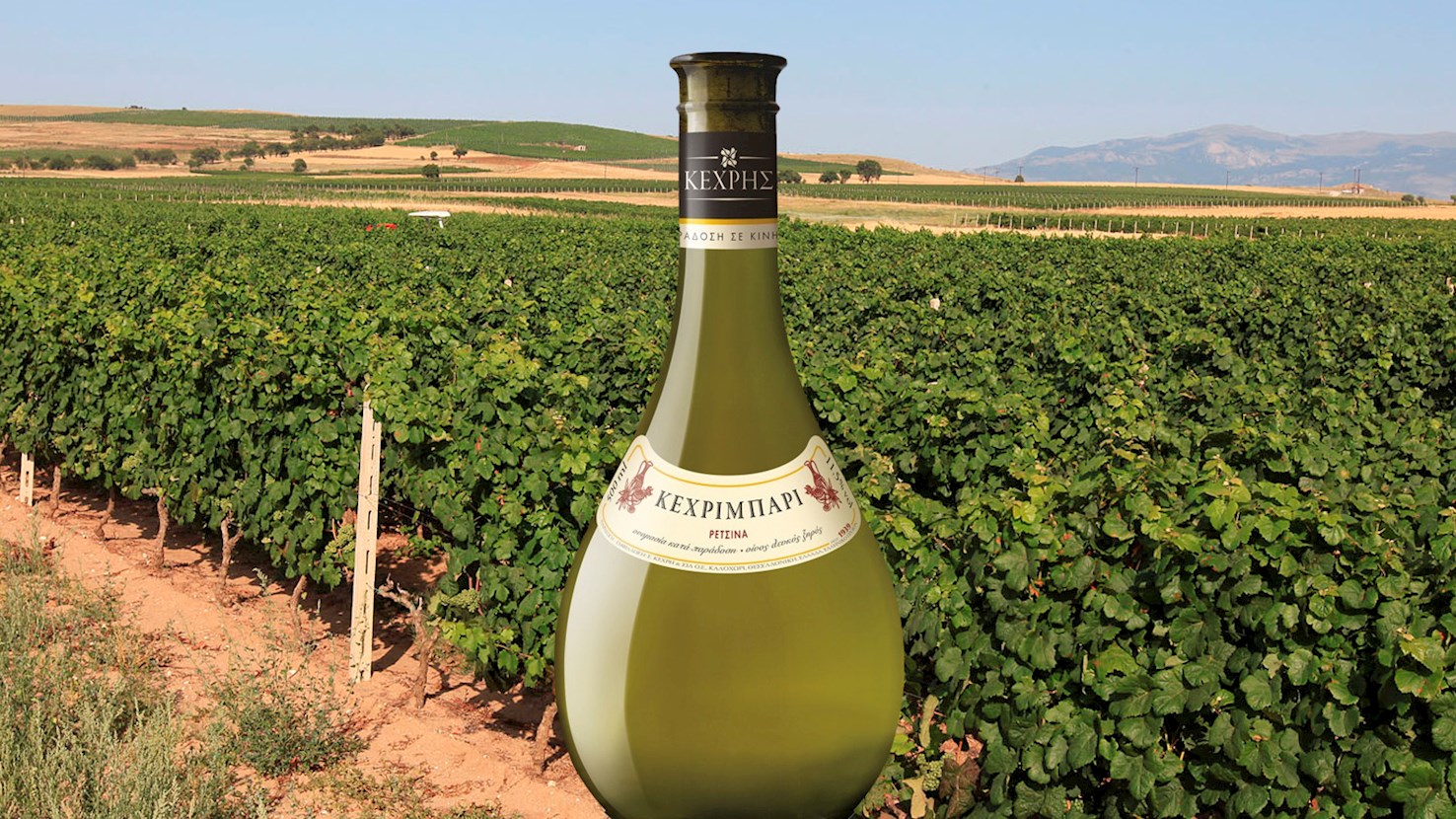
Retsina is an ancient Greek wine that is flavored with resin—a sticky sap that is typically secreted by pine trees. Historians believe that the resin has been used in Greece for over four thousand years, and while its initial purpose was to seal and insulate wine in clay amphorae, it was also used as a preservative, flavoring, and medicine. For modern Retsina wines, natural resin, usually Aleppo pine, is added to the wine during fermentation. It is traditionally made with white or in some cases rosé wines, while the typical grapes include the native Savatiano, Assyrtiko, Rhoditis, and Athiri. Although this wine style is produced in different regions, it is mostly associated with Boeotia and Euboea, but Attica has remained its most important stronghold. Retsina has seen a significant upsurge in popularity in the mid-20th century, which eventually caused an influx of low-quality wines, in which resin was mainly used to cover up the poor flavor. In the years that followed, this led to a decrease in popularity and loss of reputation, and it was mainly considered as a bland table wine served in Greek taverns. Despite its bad reputation, in recent years, some producers were determined to put Retsina back on the market by producing great-quality versions with exceptional base wine. The best expressions of modern Retsina do not have much in common to the low-quality styles from the past. They are typically more delicate, and though they can significantly vary in style, most wines are crisp, aromatic, and herbaceous, while the aromas often include herbs, green fruit, citrus, or flower blossoms, and naturally, all wines will have a subtle pine flavor. Retsina should always be served well-chilled, and it pairs well with bold and flavorful dishes. It is an excellent accompaniment to Greek meze, fried seafood, vegetables, grilled meat, and traditional Greek dishes.

07

Cabernet d’Anjou

3.2 ·

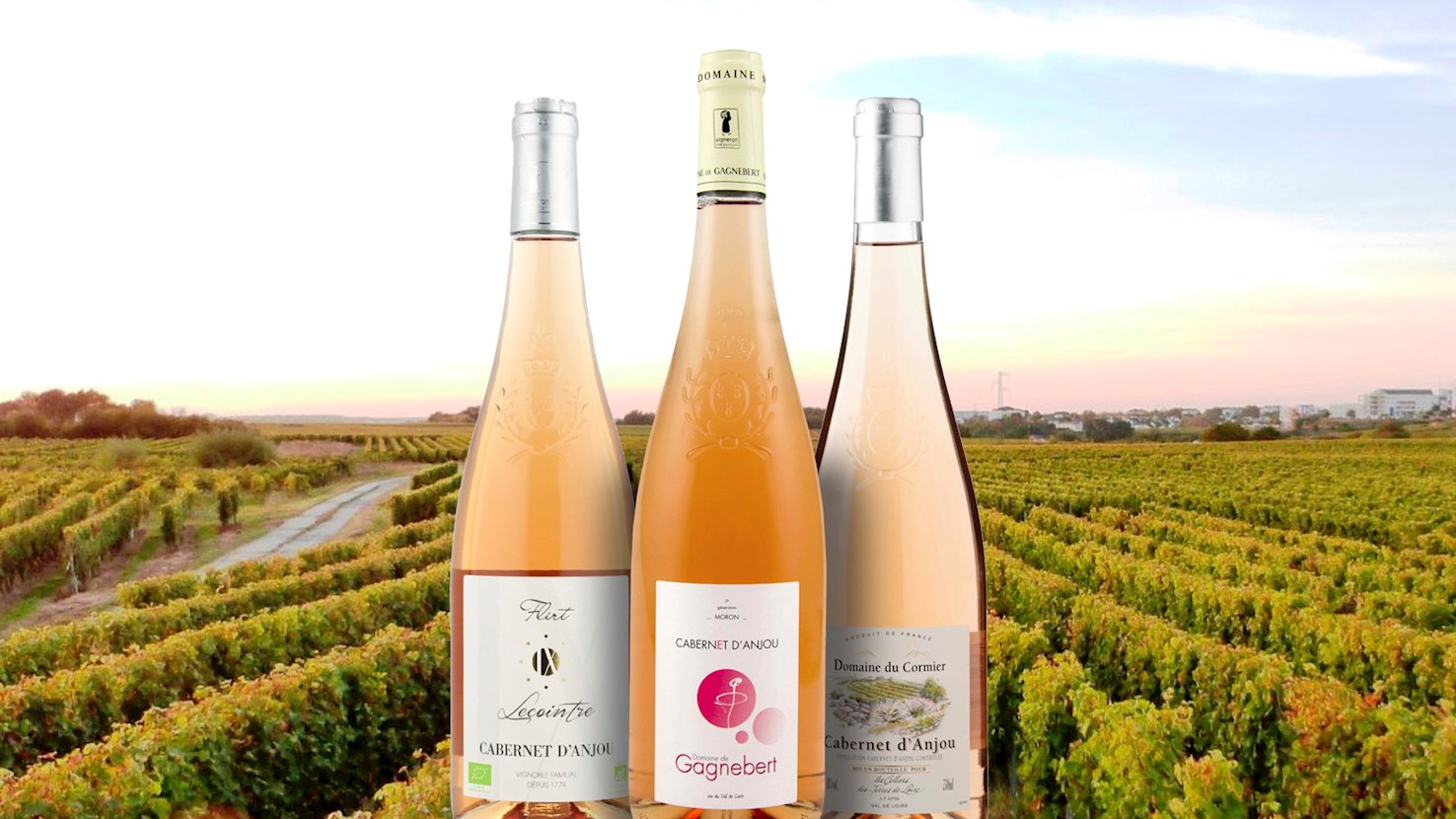
Cabernet d'Anjou is a French appellation located in Anjou, mainly in Maine-et-Loire, which it is exclusively reserved for rosé wines made from Cabernet Sauvignon and Cabernet Franc. These bright and clear wines are typically deep pink with salmon hues. They are vibrant, dense, velvety, and smooth, while typical aromas include red fruit and roses. Cabernet d'Anjou wines are praised for their well-balanced acidity and tannic structure, and though they are usually enjoyed young, some examples can age well. These wines are a perfect accompaniment to appetizers, fusion cuisine, and fruit-based desserts.

08

Cerasuolo d'Abruzzo

n/a ·

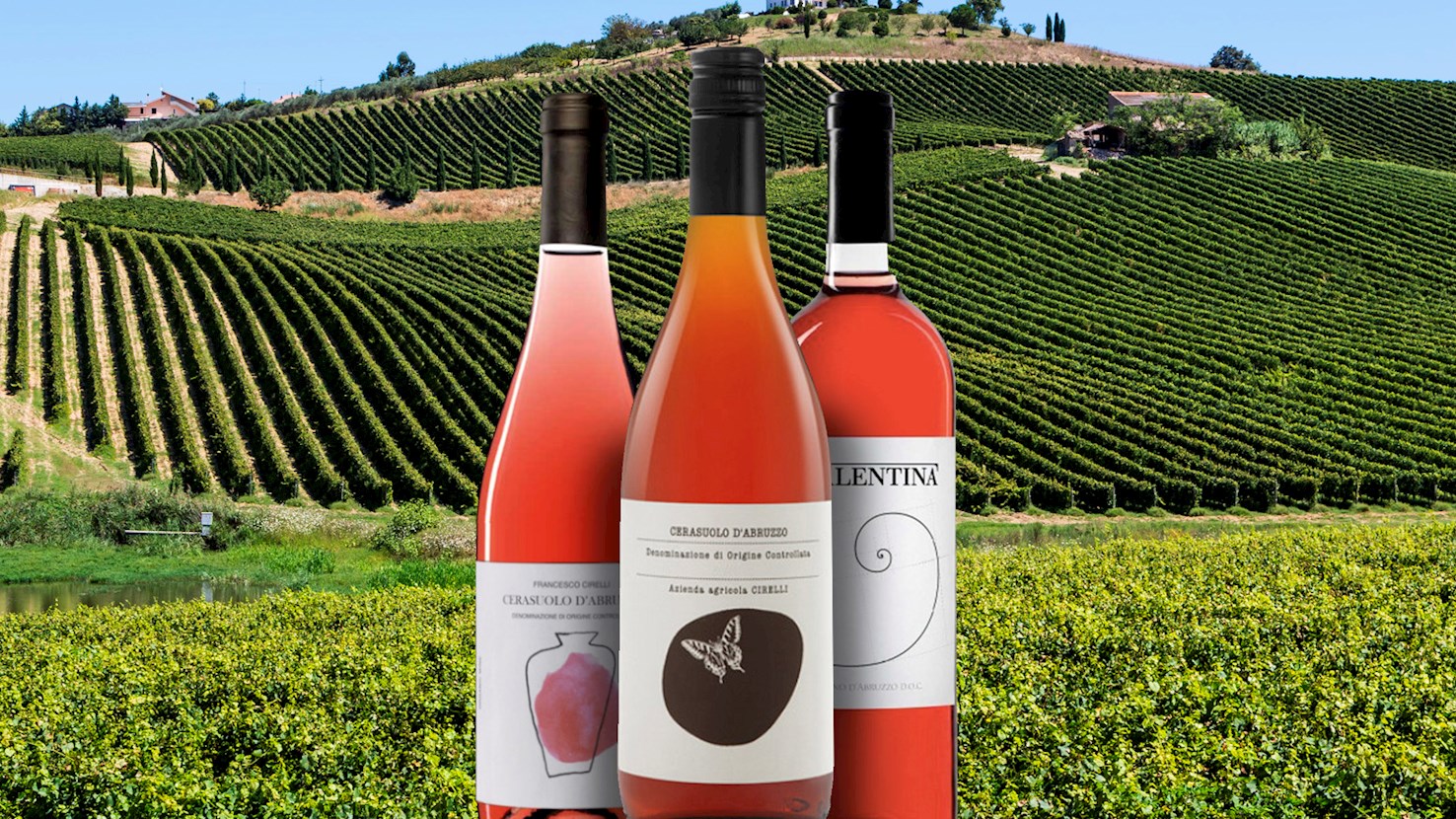
Cerasuolo d'Abruzzo was formerly a part of the renowned Montepulciano d'Abruzzo appellation, but in 2010, it became an independent designation (DOC) that only includes rosé styles made from Montepulciano as the principal grape. Cerasuolo (roughly translated as cherry-like) are made with limited skin contact that results in wines that have more body and which are usually slightly darker than most rosés. These bright and fruity wines often have aromas of raspberries, cherries, and pomegranate, which are accompanied by floral notes and usually a subtle almond finish. Because they have a similar character as red wines, Cerasuolo d'Abruzzo wines can be an excellent match to various dishes. They pair well with fish and legume soups, pasta dishes, seafood, cheese, pizza, and charcuterie, as well as lighter pork or lamb dishes. It is recommended to enjoy them young.

09

Tavel

n/a ·

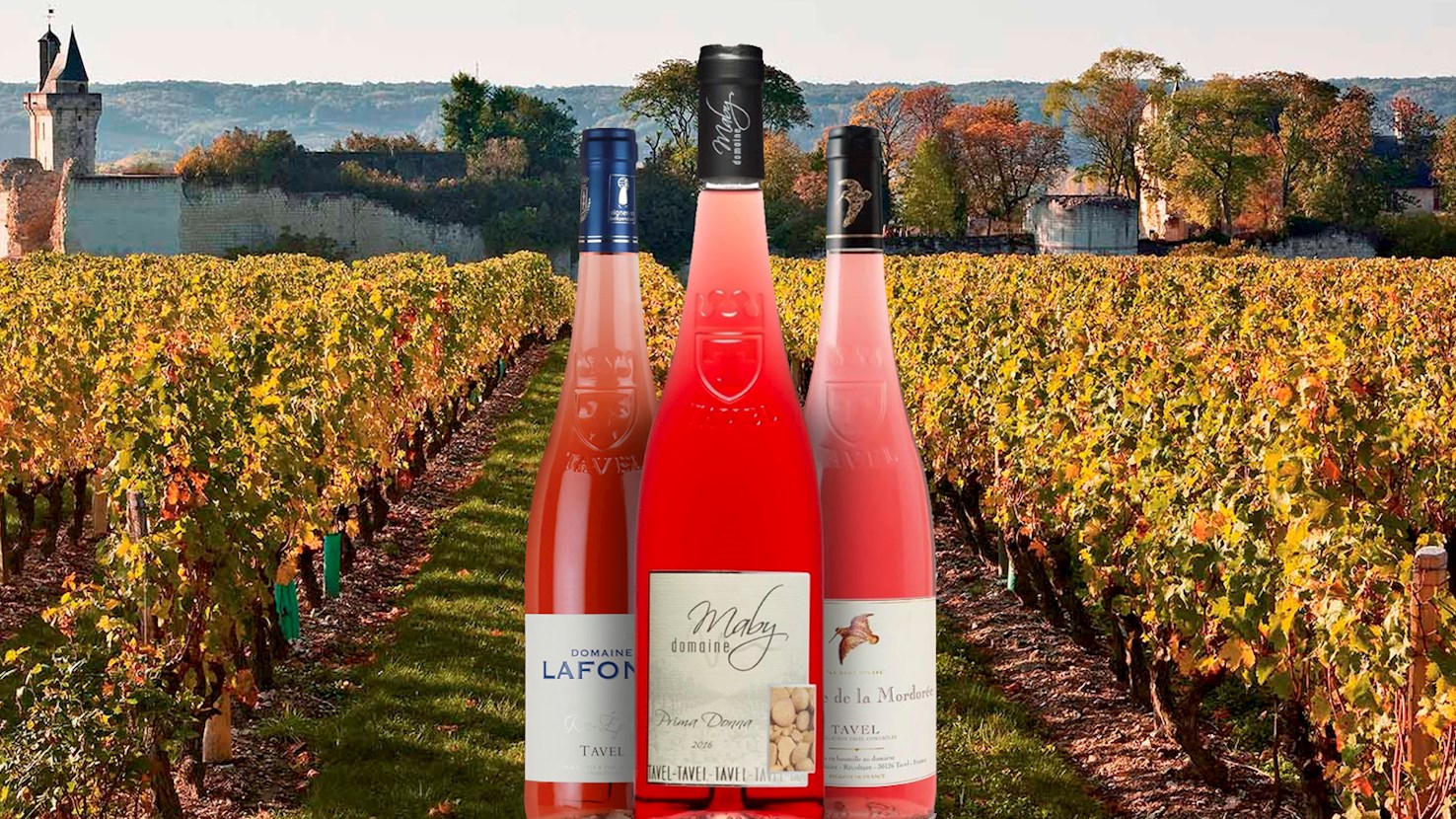
Tavel is a French appellation located in the southern Rhône that produces dry rosé wines. These full-bodied and aromatic rosés are made with Grenache Noir as the principal grape, but frequent additions also include Cinsault, Bourboulenc, Clairette, Mourvèdre, Picpoul, and Syrah. Young Tavel wines are usually pink, but with age, they tend to become deep pink with gold or amber hues. They are fruity and floral, with notes and aromas that are reminiscent of red berries, stone fruits, and sometimes subtle almond nuances. As they age, they will usually display more complex notes of ripe fruit, toasted almonds, and spices. Tavel wines are incredibly versatile and food-friendly, and they pair well with various savory dishes, especially those that include seafood, chicken, pork, or duck. These wines can be aged for a maximum of three years.

10

Saumur mousseux

n/a ·

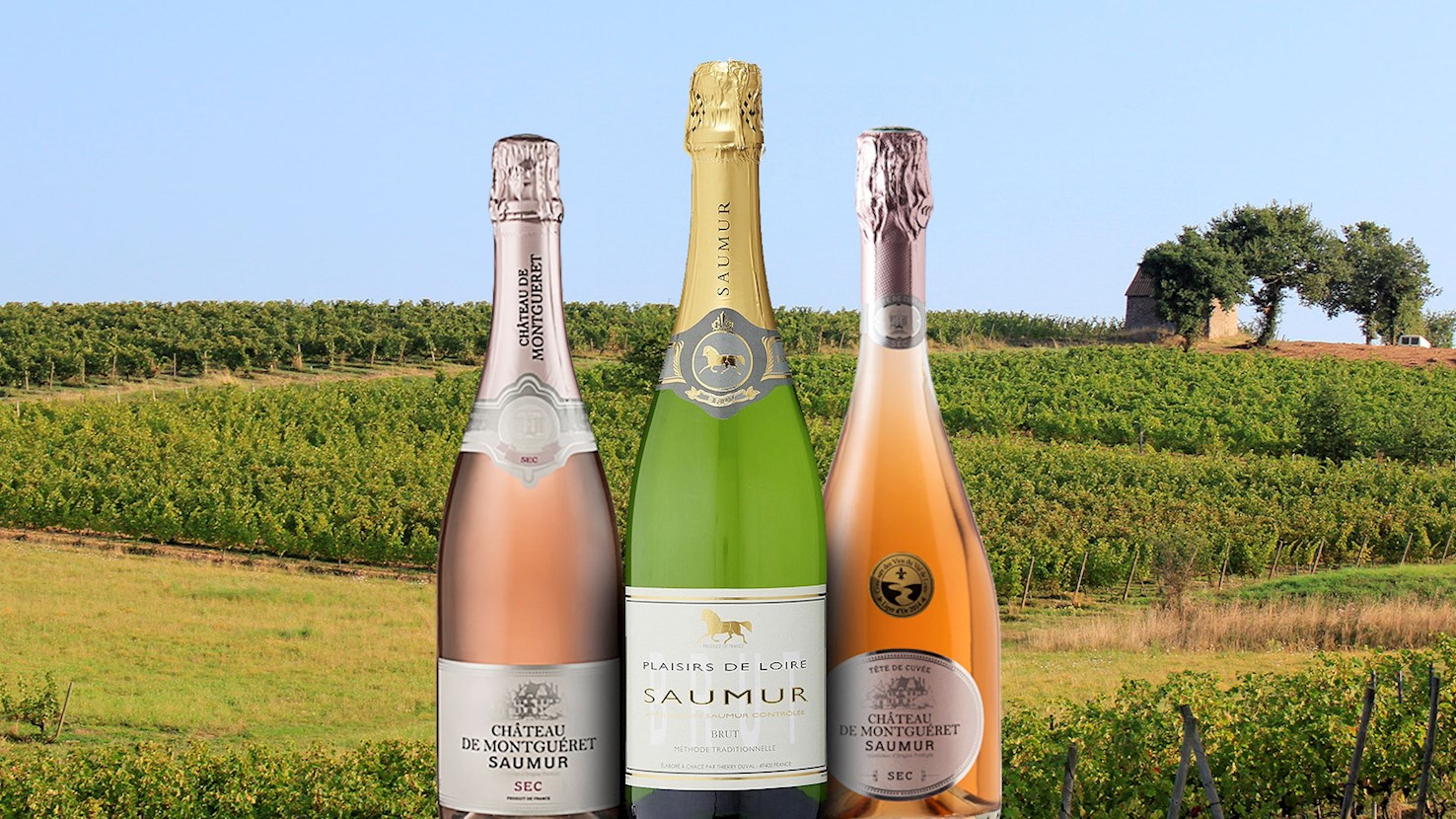
This French appellation is exclusively reserved for white and rosé sparkling wines that are predominantly based on Chenin Blanc, while the blends may also include, Chardonnay, Sauvignon Blanc, as well as Pinot Noir, Cabernet Franc, and many other. All sparkling wines under the appellation are produced using the traditional method—méthode traditionnelle—in which the wines go through the second fermentation in the bottle. Both white and rosé sparkling Saumur will have delicate and persistent bubbles, and while white version will display aromas of white and yellow flowers and white-fleshed fruit such as apples and pears, rosés will be dominated by red fruit notes. These fresh, light, and delicate wines are best served well-chilled. They can be enjoyed as an aperitif, but they can also match light appetizers and desserts. Officially, sparkling Saumur wines are produced in the Loire, more specifically the production is restricted to the departments of Maine-et-Loire, Deux-Sèvres, and Vienne.

Best European Rosé Wines
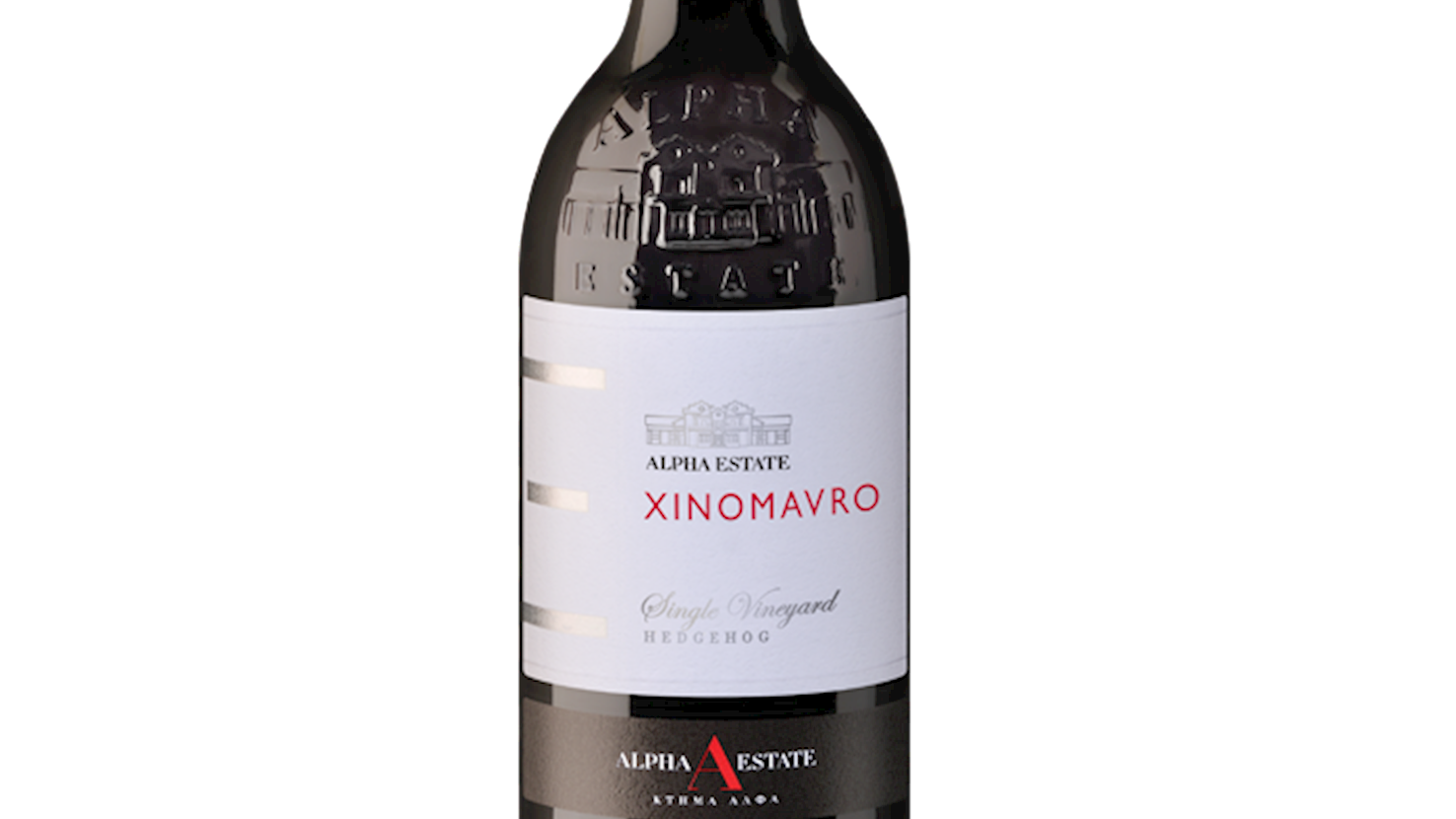
01

Alpha Estate

4.9 ·
Awards
IWSC- International wine & spirit competition - Gold (2021, 2020)
02

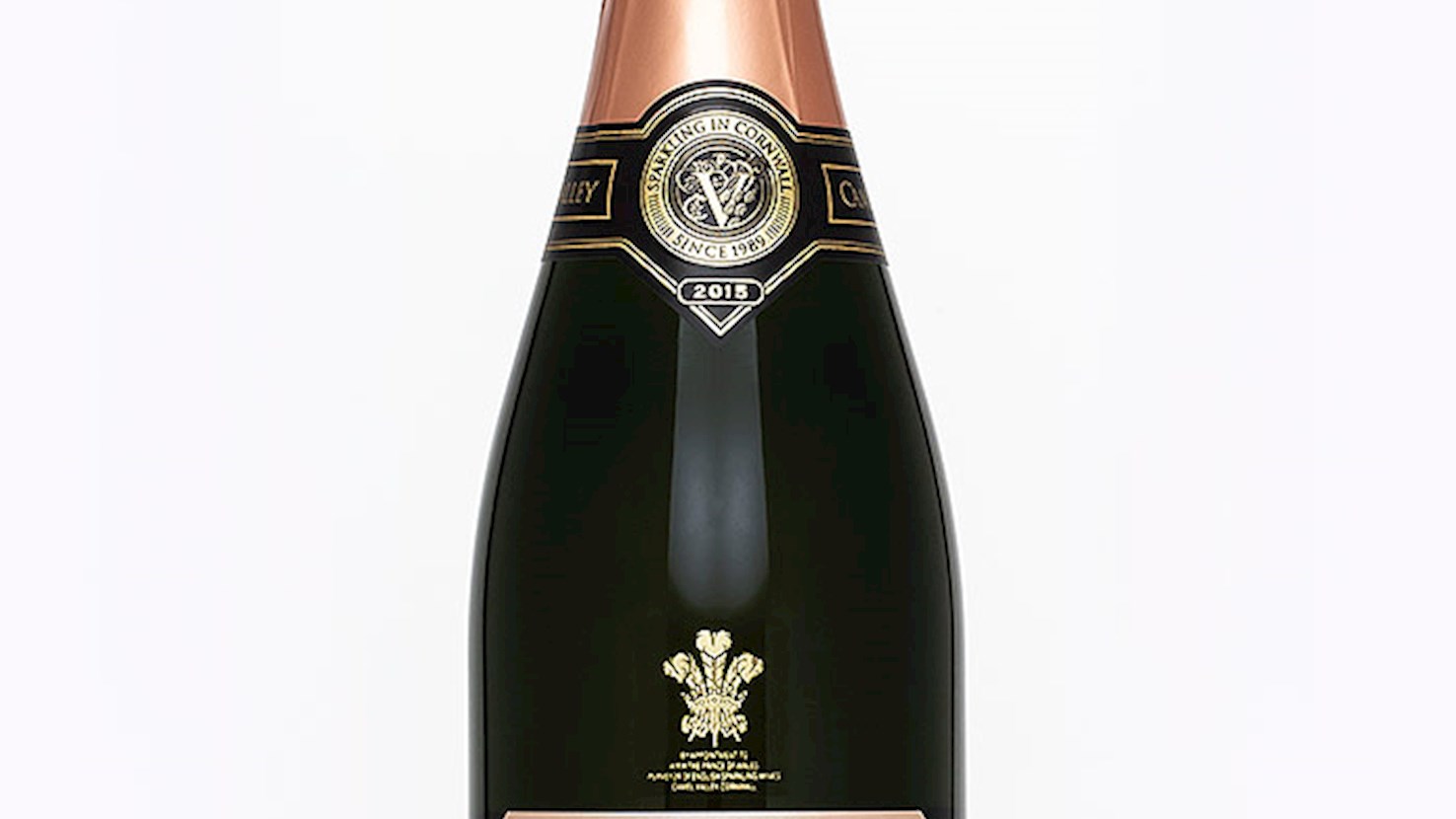
Camel Valley

4.9 ·
Awards
Decanter World Wine Awards - Platinum (2018)
03

Bride Valley Vineyard Ltd

4.9 ·
Awards
IWSC- International wine & spirit competition - Gold (2019)
04

Chevalier Torpez

4.9 ·
Awards
IWSC- International wine & spirit competition - Gold (2020)
05

Alma Cersius

4.9 ·
Awards
Decanter World Wine Awards - Platinum (2020)
Concours Mondial de Bruxelles - Grande Médaille d'or (2024, 2022)
06

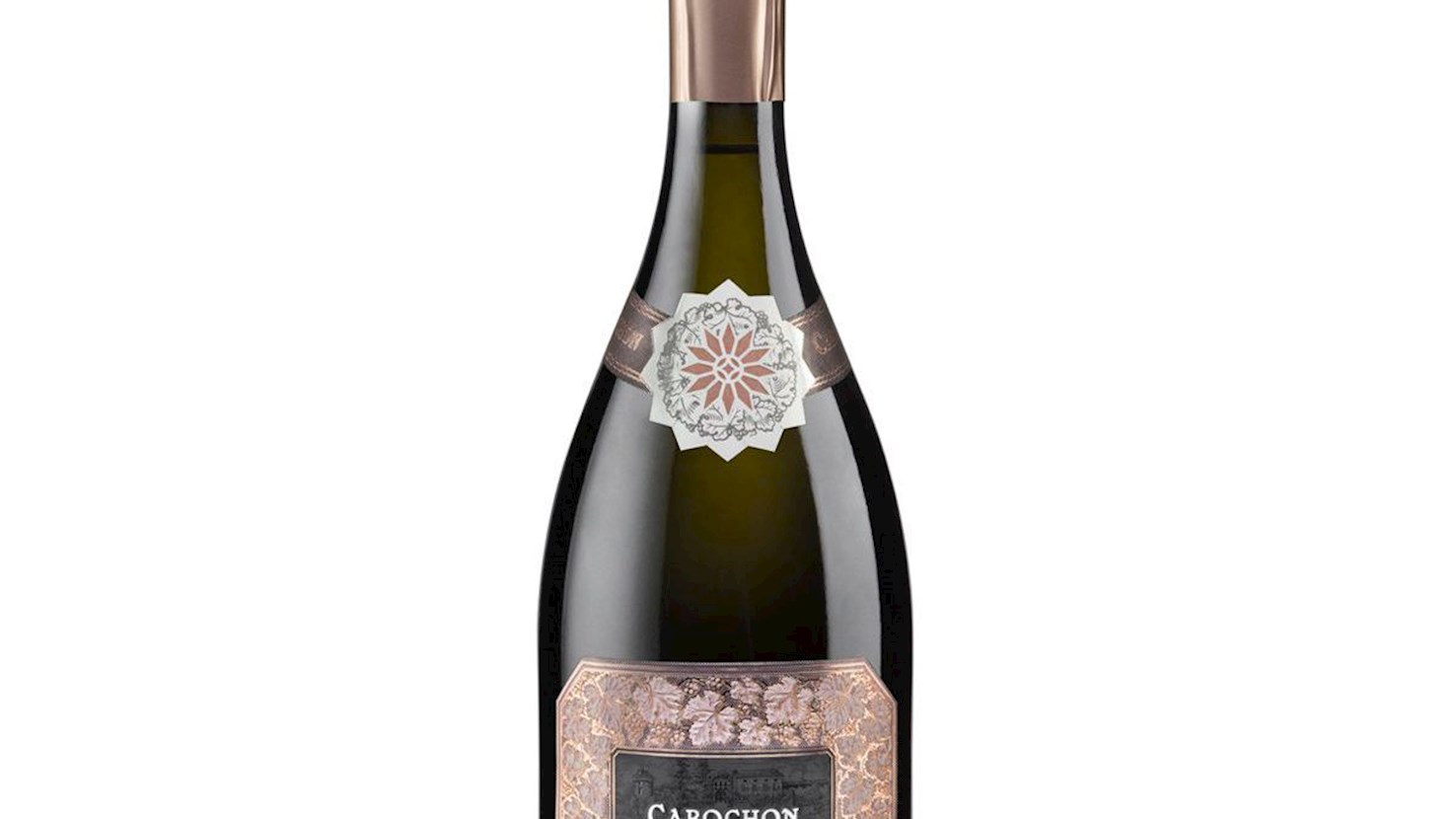
Cabochon

4.9 ·
Awards
Decanter World Wine Awards - Platinum (2021)
07

Besserat de Bellefon

4.9 ·
Awards
IWSC- International wine & spirit competition - Gold (2023, 2022)
08

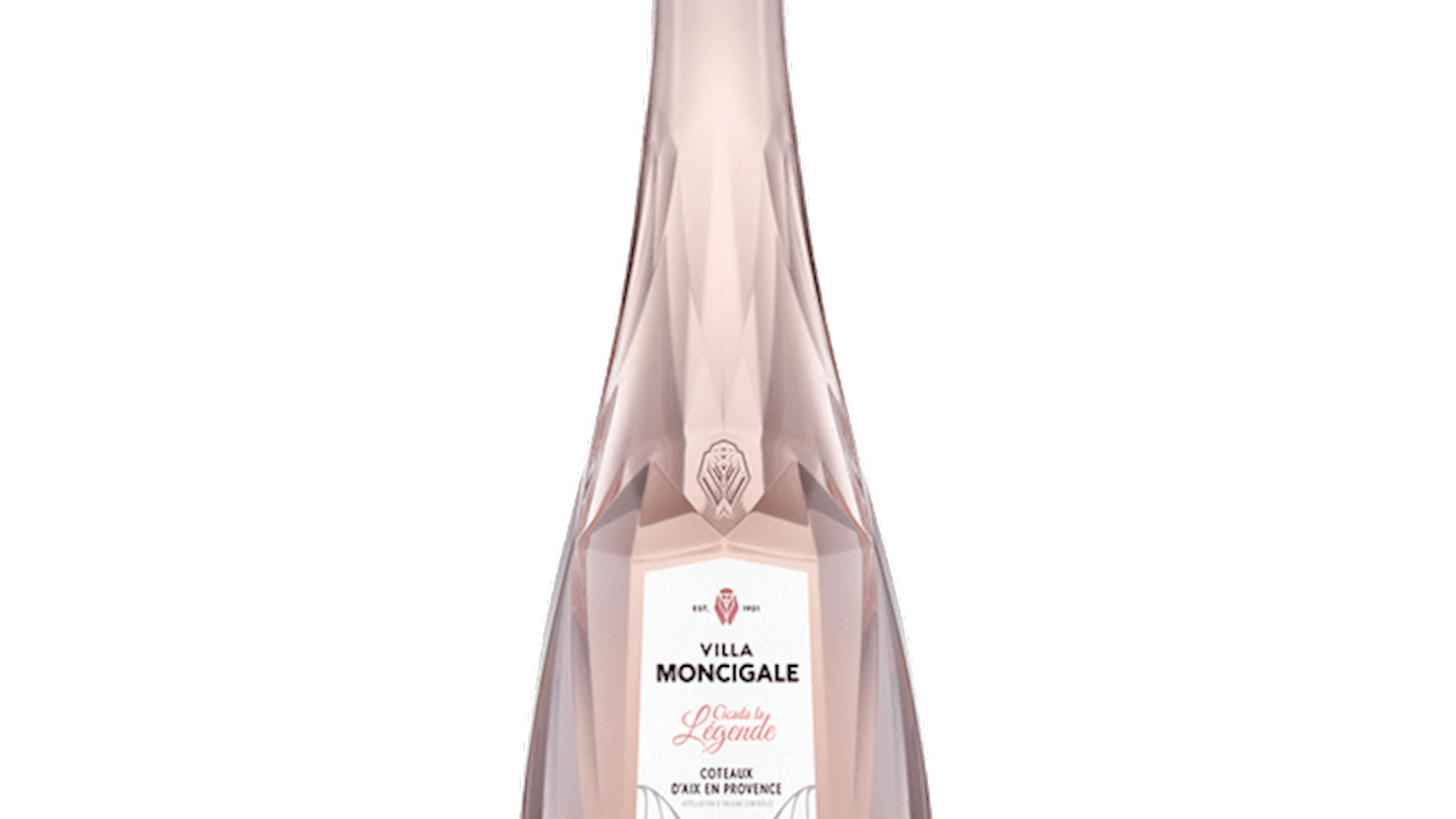
Villa Moncigale

4.9 ·
Awards
IWSC- International wine & spirit competition - Gold (2024, 2023)
09

Château Saint-Maur

4.9 ·
Awards
IWSC- International wine & spirit competition - Gold (2024)
10

Langham Wine Estate

4.9 ·
Awards
IWSC- International wine & spirit competition - Gold (2021, 2020)
Read more
View all
View map
About this ranking

TasteAtlas food rankings are based on the ratings of the TasteAtlas audience, with a series of mechanisms that recognize real users and that ignore bot, nationalist or local patriotic ratings, and give additional value to the ratings of users that the system recognizes as knowledgeable. For the “Top 100 European Rosé Wines” list until June 03, 2026, 241 ratings were recorded, of which 180 were recognized by the system as legitimate. TasteAtlas Rankings should not be seen as the final global conclusion about food. Their purpose is to promote excellent local foods, instill pride in traditional dishes, and arouse curiosity about dishes you haven’t tried.

The initial list of top producers was compiled based on available reviews, awards, local recommendations, media and blog coverage, and consumer reviews. The list will be updated with ratings from TasteAtlas local ambassadors and TasteAtlas users.

Similar lists