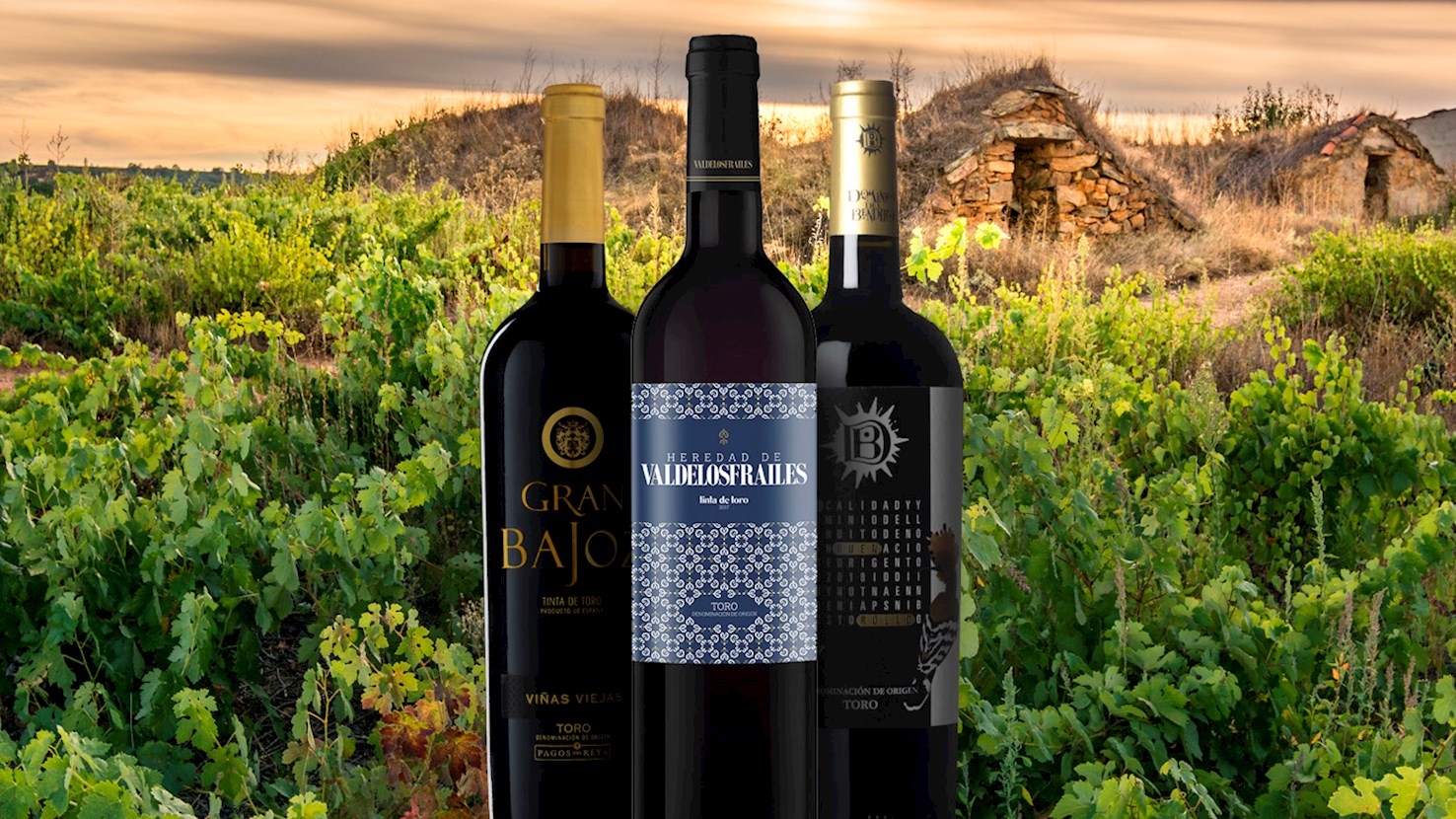
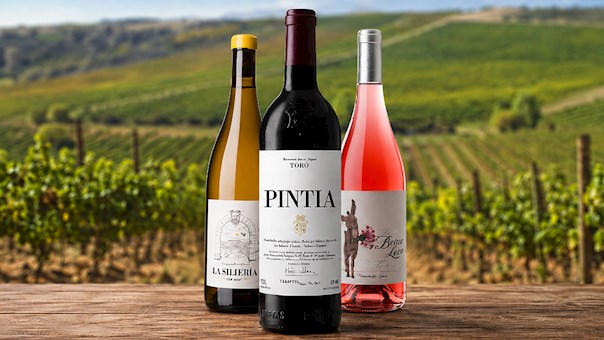
Toro is a Spanish wine region located in Castile and León, around the eponymous city in Zamora. The region mostly produces red wines from Tinta de Toro, the local variant of Tempranillo that is different from those cultivated in Rioja and Ribera del Duero. The grape produces excellent wines that are usually full-bodied, rich, potent, and concentrated. Compared to Rioja, red wines from Toro are darker, more tannic, and typically have higher alcohol content. They easily reach 15% ABV, but ideally, they would have around 13%. The wines may slightly differ in character, depending on the age and the terroir: from slightly lighter, fruit-forward styles to intense examples that are typically associated with the region. They spend some time in oak and often have spice, toffee, or leather notes. Although Tinta de Toro reigns in the region, Garnacha is also common and mostly used in blends. White wines are also allowed and produced, but the region is primarily oriented towards reds and rosés. Depending on the age, the wines can be labeled as Crianza (aged for six months in oak), Reserva (minimum of twelve months in oak), and Gran Reserva (a minimum of eighteen months in oak). As the wines can be quite versatile, they pair well with various dishes, including sausages, rice dishes, red meat, game, and mushrooms.
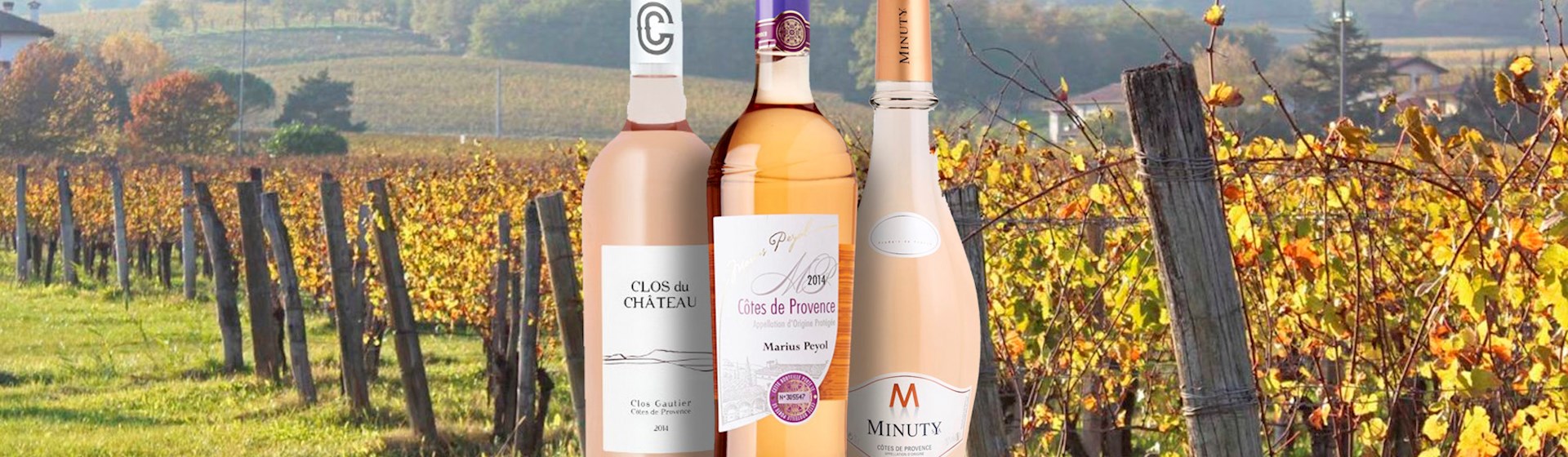
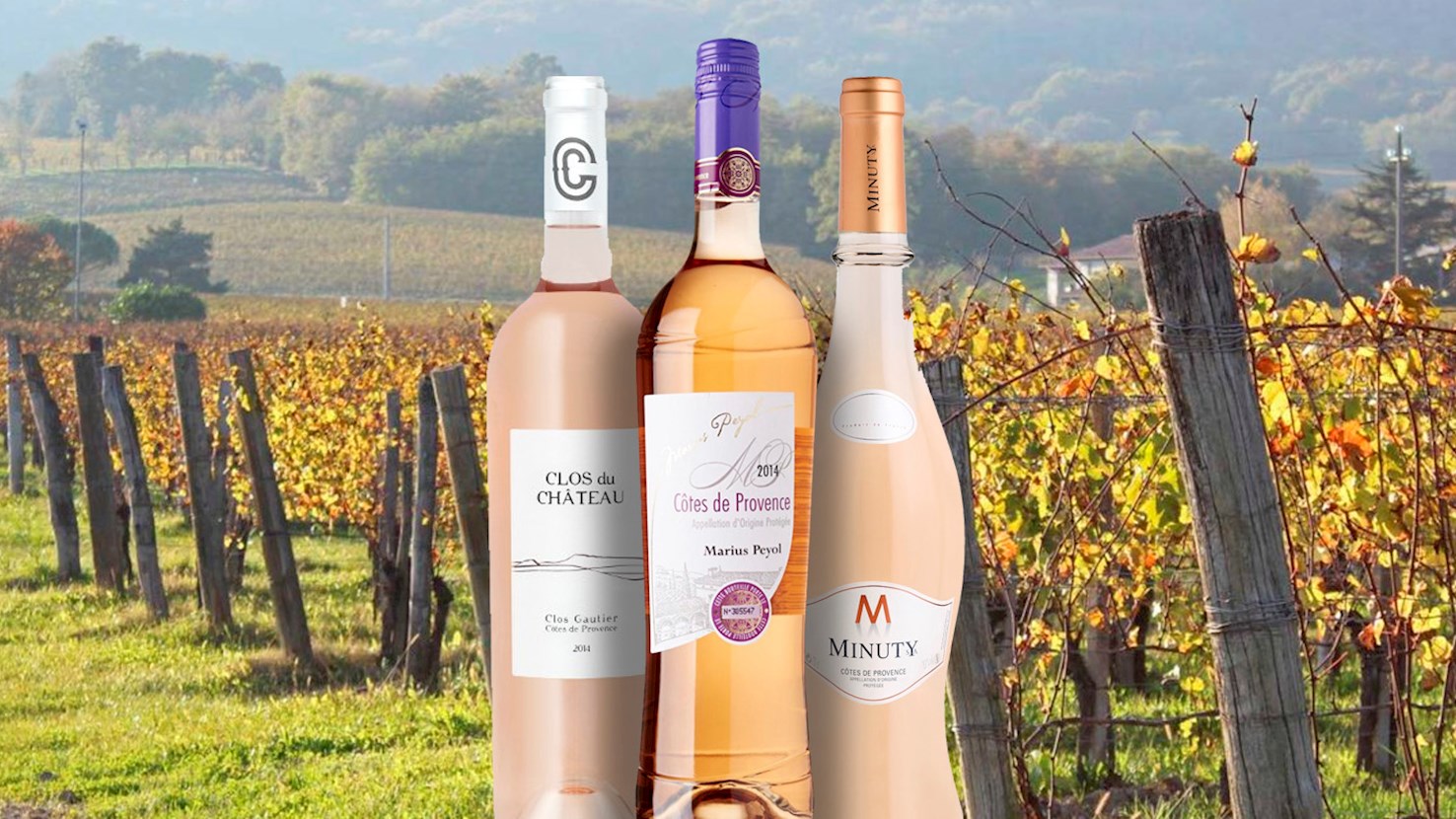
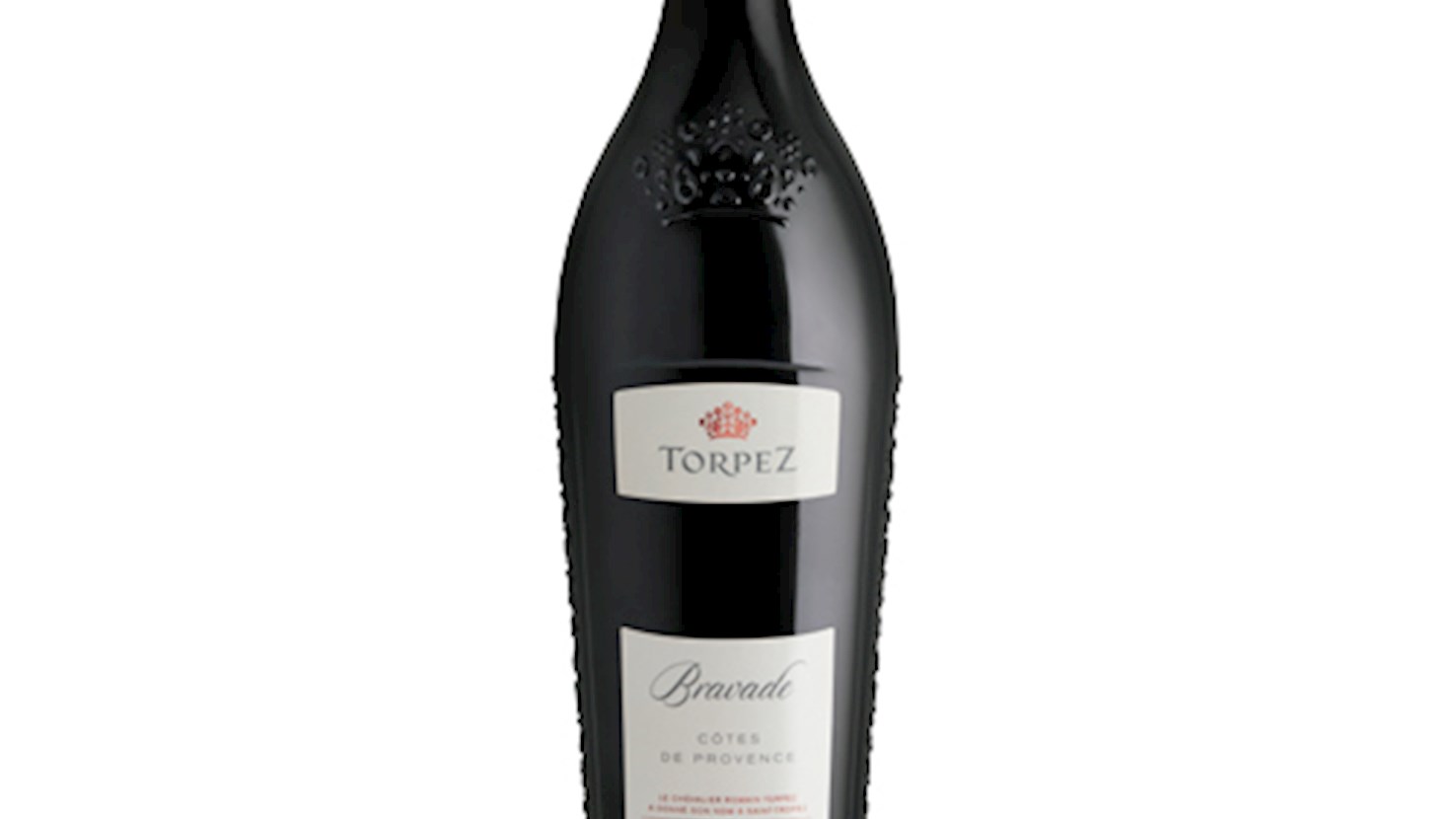
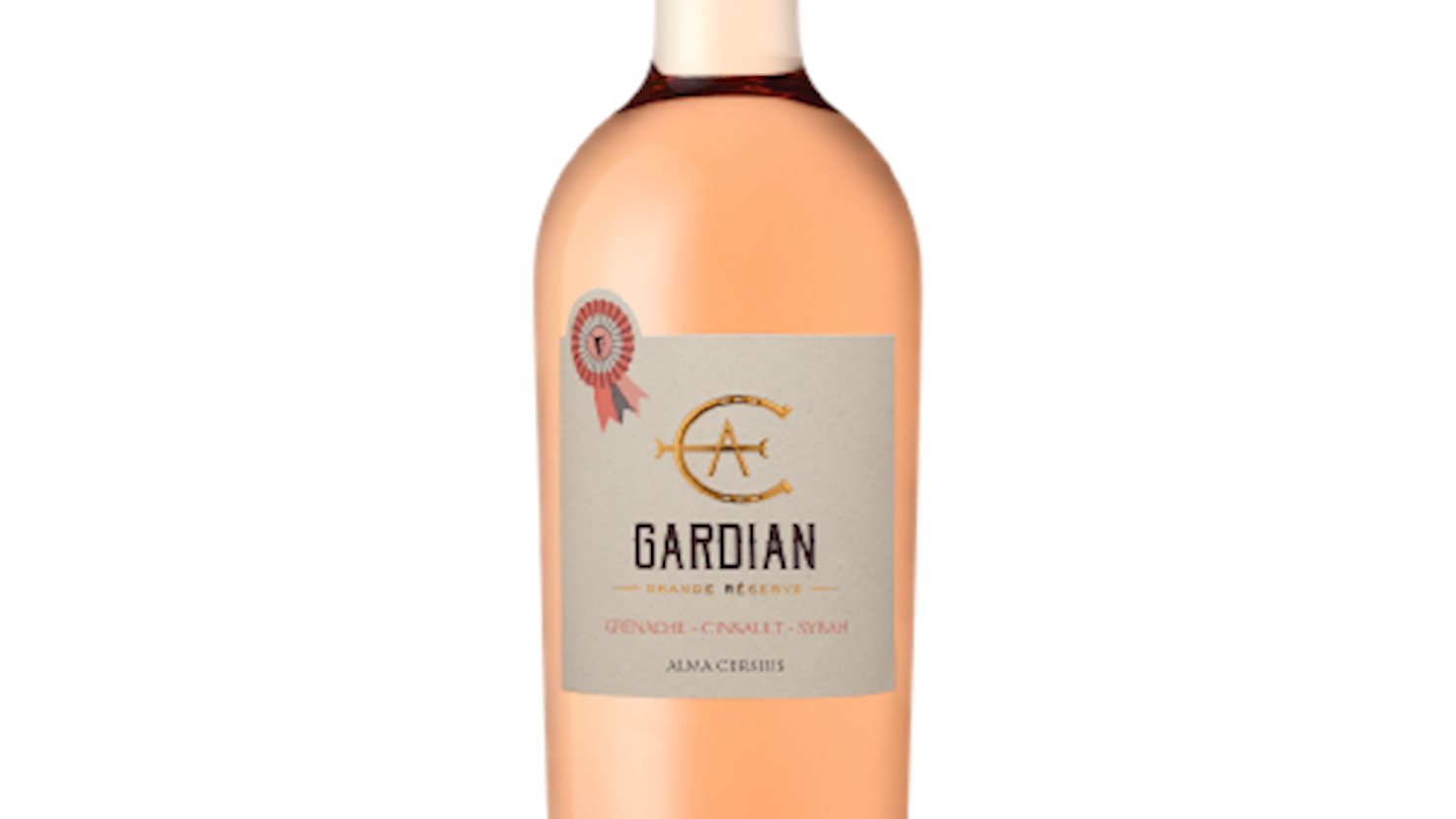
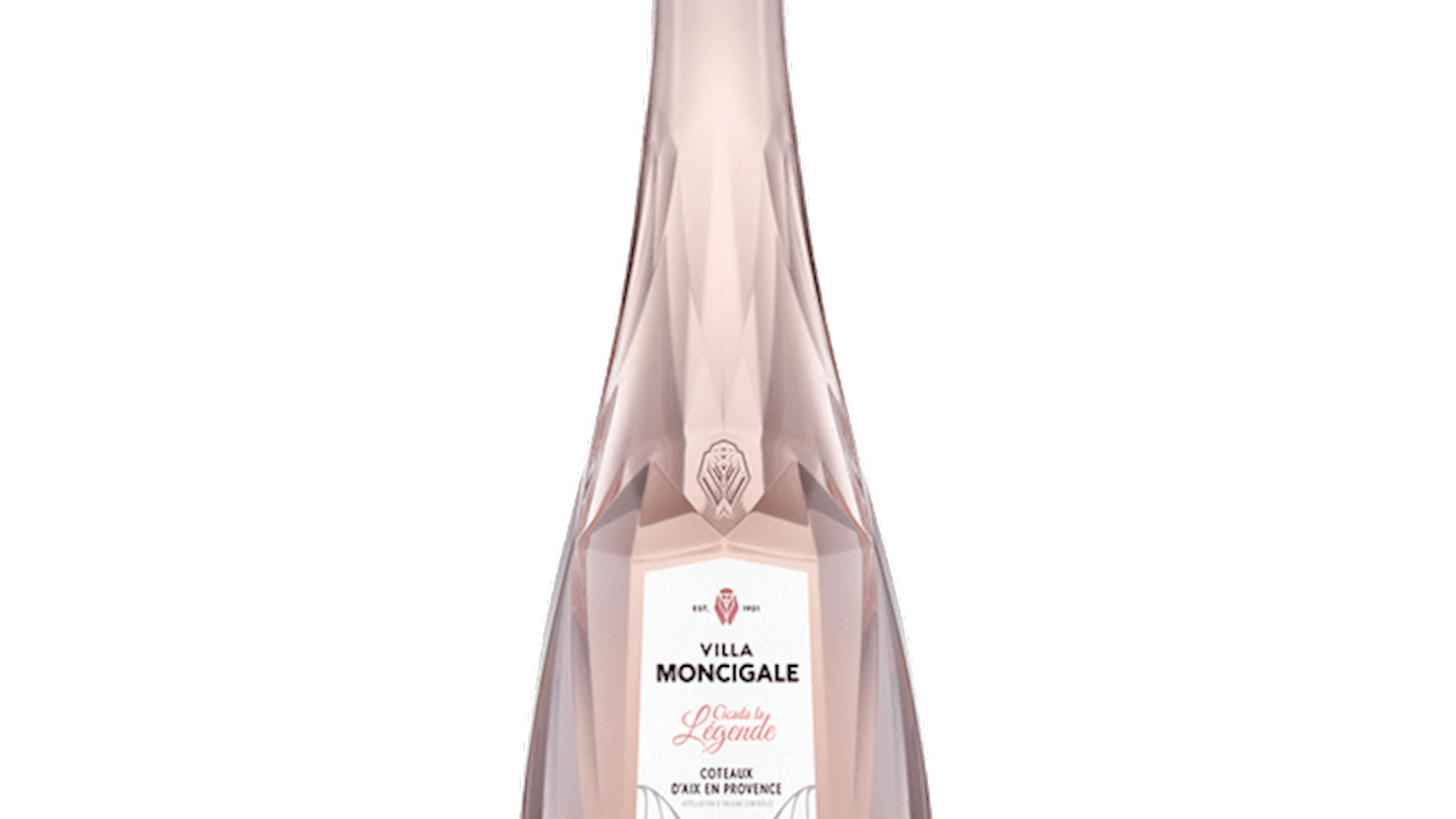
Although the appellation Côtes de Provence also produces red and white wines, most of its production is focused on light and fresh rosés that are mainly based on Grenache, Syrah, Mourvèdre, Cinsaut, and the native Provencal Tibouren variety. Rosés from Provence are typically pale pink, and they tend to display a complex aromatic profile that combines fruity and floral aromas of exotic fruit, citrus, white flowers, and herbs. Some vintages that are barrel aged may also develop notes of dried fruit, caramel, spices, and vanilla. They make a great aperitif, but they also work well with veal, lamb, fish, scallops, or crustaceans and typical Provencal dishes such as ratatouille, aïoli, soupe au pistou, bouillabaisse, as well as with fruit-based desserts.
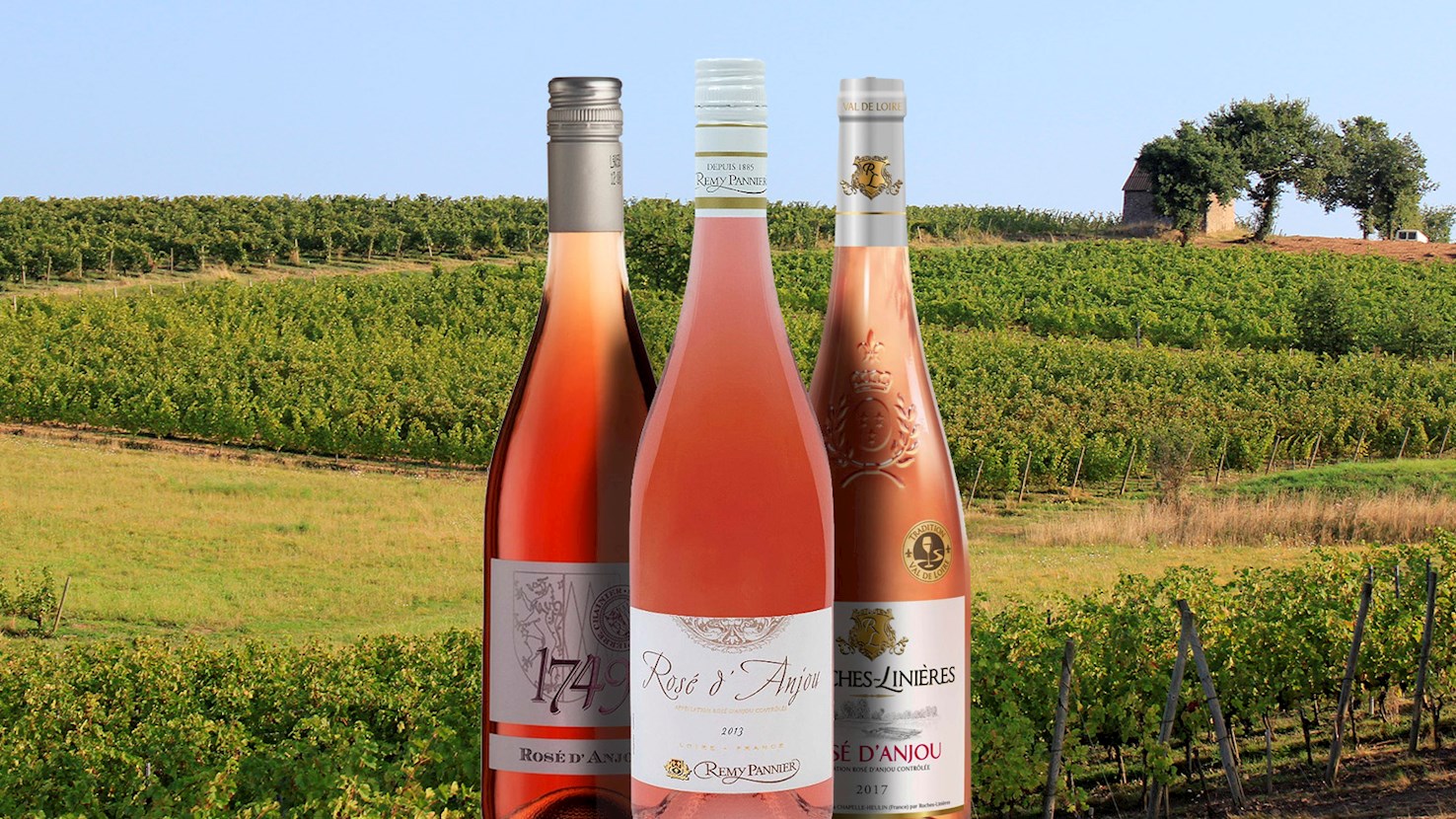
Rosé d'Anjou is a French appellation located in the Anjou district of the Loire Valley, more precisely in the departments Maine-et-Loire, Deux-Sèvres, and Vienne. The wines are predominantly made with native Grolleau grapes, while other permitted varieties include Cabernet Franc, Cabernet Sauvignon, Gamay, Malbec, and Pineau d'Aunis. These clear and bright wines are subtly sweet, without being cloying, and are often praised for their perfect balance of alcohol, acidity, and sugars. They can be pale to intensely pink, while the typical aromas include tangy red fruits, but notes of bananas, candy, and rose petals are also quite common. This rosé style is usually labeled as Primeur or a fruiter and fresher Nouveau. Both are approachable and easy-drinking, and though they make an excellent aperitif, they can also match creamy poultry or fish dishes and fruit-based desserts.
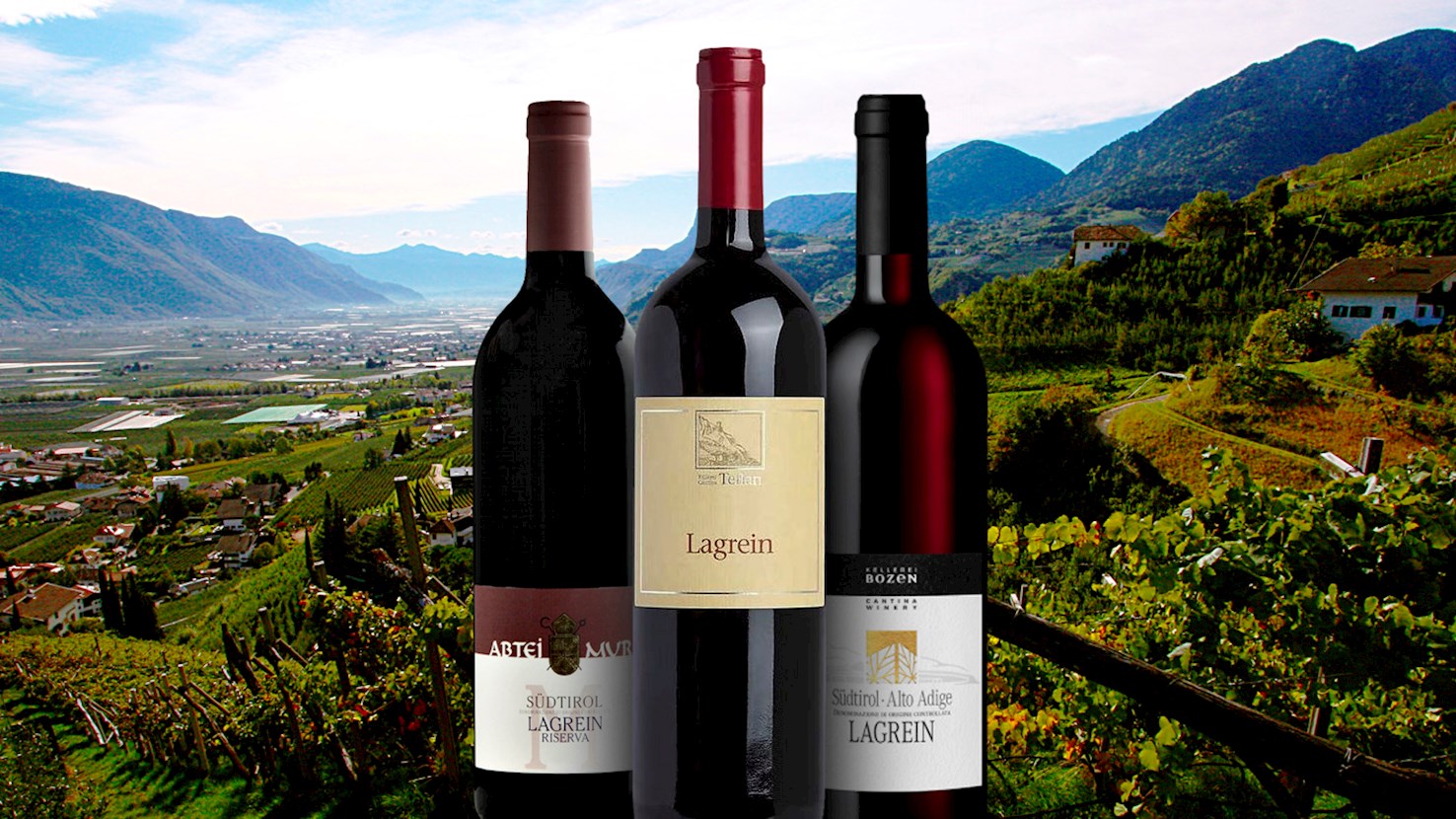
Lagrein is an ancient Italian red grape mainly cultivated in Trentino-Alto Adige in Northeast Italy. The grape has ancient origins, and though it was once common, it was later mainly replaced by Schiava (Vernatsch), which proved to be more resistant and productive. Only recently, local winemakers have been promoting it as an excellent native grape that, if treated properly, has incredible potential to produce rounded and well-balanced wines. The grape is used in varietals (included in several regional appellations) and blends. Most Lagrein is made into slightly rustic red wines. They are usually dark ruby red with an intense aroma reminiscent of ripe berries, violets, coffee, and sweet spices. Most will have a subtle bitter bite and sometimes hints of iodine-like quality. Best examples can be aged for several years. These wines have an excellent balance of acidity and tannins, making them ideal food partners. They would pair well with regional specialties, including charcuterie, cheese, red meat, and game. Lagrein is also sometimes used to produce good-quality rosés, labeled as Lagrein Kretzer (Lagrein Rosato). There were conflicting theories about the origin of Lagrein, but DNA testing has proven that Teroldego is one of its parents—suggesting that the grape probably originated in northern Italy. Interestingly, Lagrein is related to Pinot Noir and Syrah. The grape is also found in Australia and California.
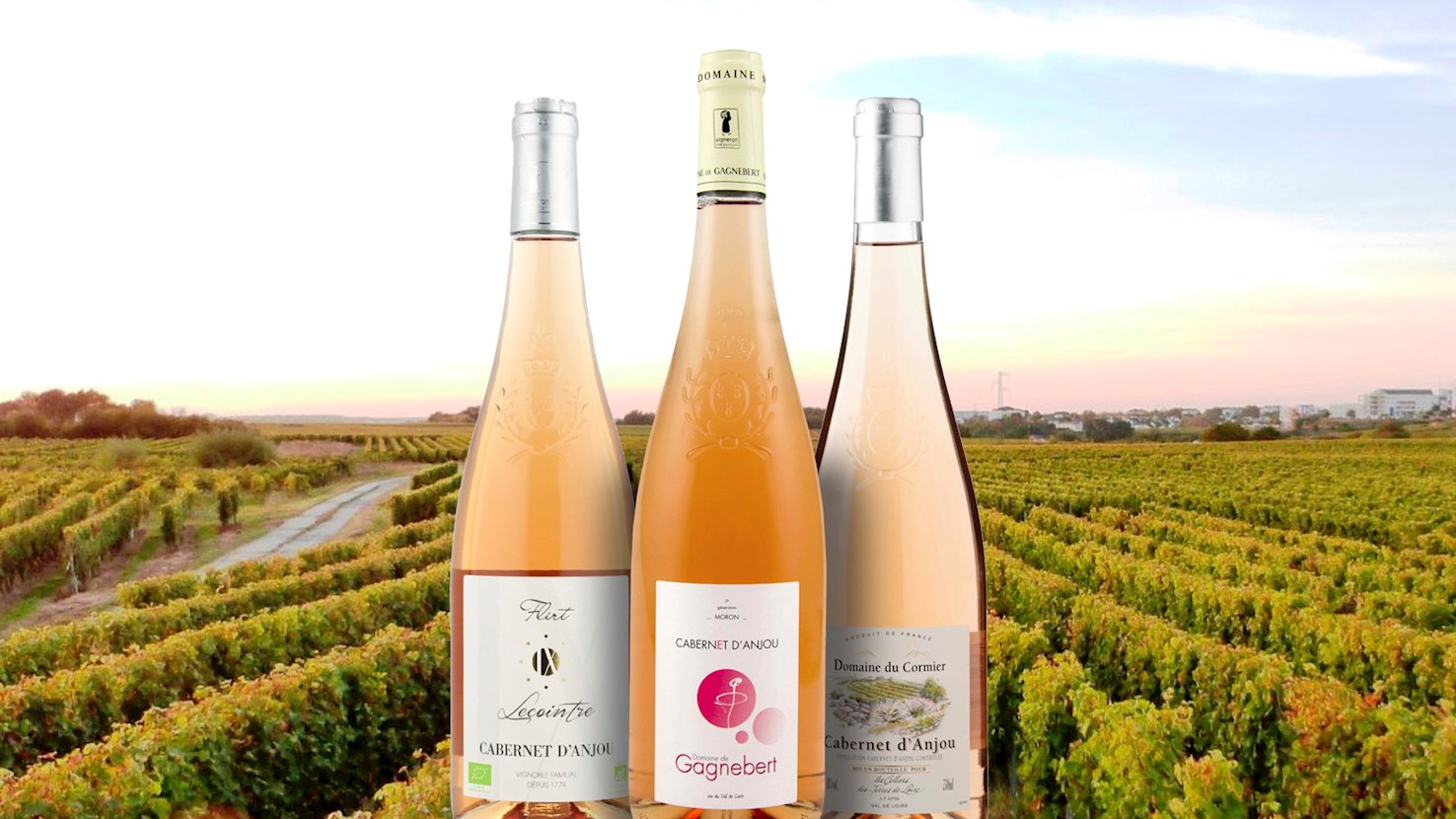
Cabernet d'Anjou is a French appellation located in Anjou, mainly in Maine-et-Loire, which it is exclusively reserved for rosé wines made from Cabernet Sauvignon and Cabernet Franc. These bright and clear wines are typically deep pink with salmon hues. They are vibrant, dense, velvety, and smooth, while typical aromas include red fruit and roses. Cabernet d'Anjou wines are praised for their well-balanced acidity and tannic structure, and though they are usually enjoyed young, some examples can age well. These wines are a perfect accompaniment to appetizers, fusion cuisine, and fruit-based desserts.
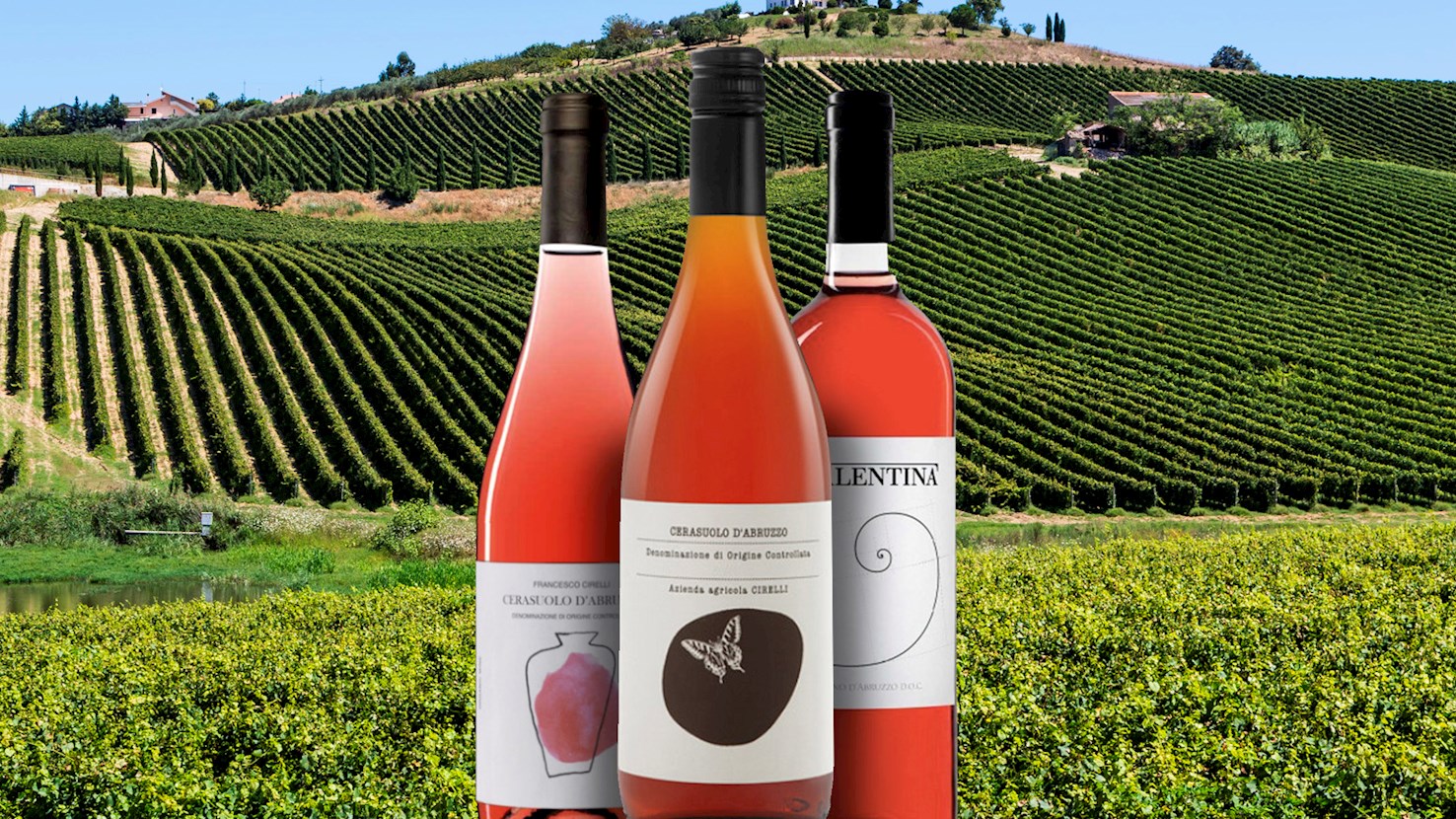
Cerasuolo d'Abruzzo was formerly a part of the renowned Montepulciano d'Abruzzo appellation, but in 2010, it became an independent designation (DOC) that only includes rosé styles made from Montepulciano as the principal grape. Cerasuolo (roughly translated as cherry-like) are made with limited skin contact that results in wines that have more body and which are usually slightly darker than most rosés. These bright and fruity wines often have aromas of raspberries, cherries, and pomegranate, which are accompanied by floral notes and usually a subtle almond finish. Because they have a similar character as red wines, Cerasuolo d'Abruzzo wines can be an excellent match to various dishes. They pair well with fish and legume soups, pasta dishes, seafood, cheese, pizza, and charcuterie, as well as lighter pork or lamb dishes. It is recommended to enjoy them young.
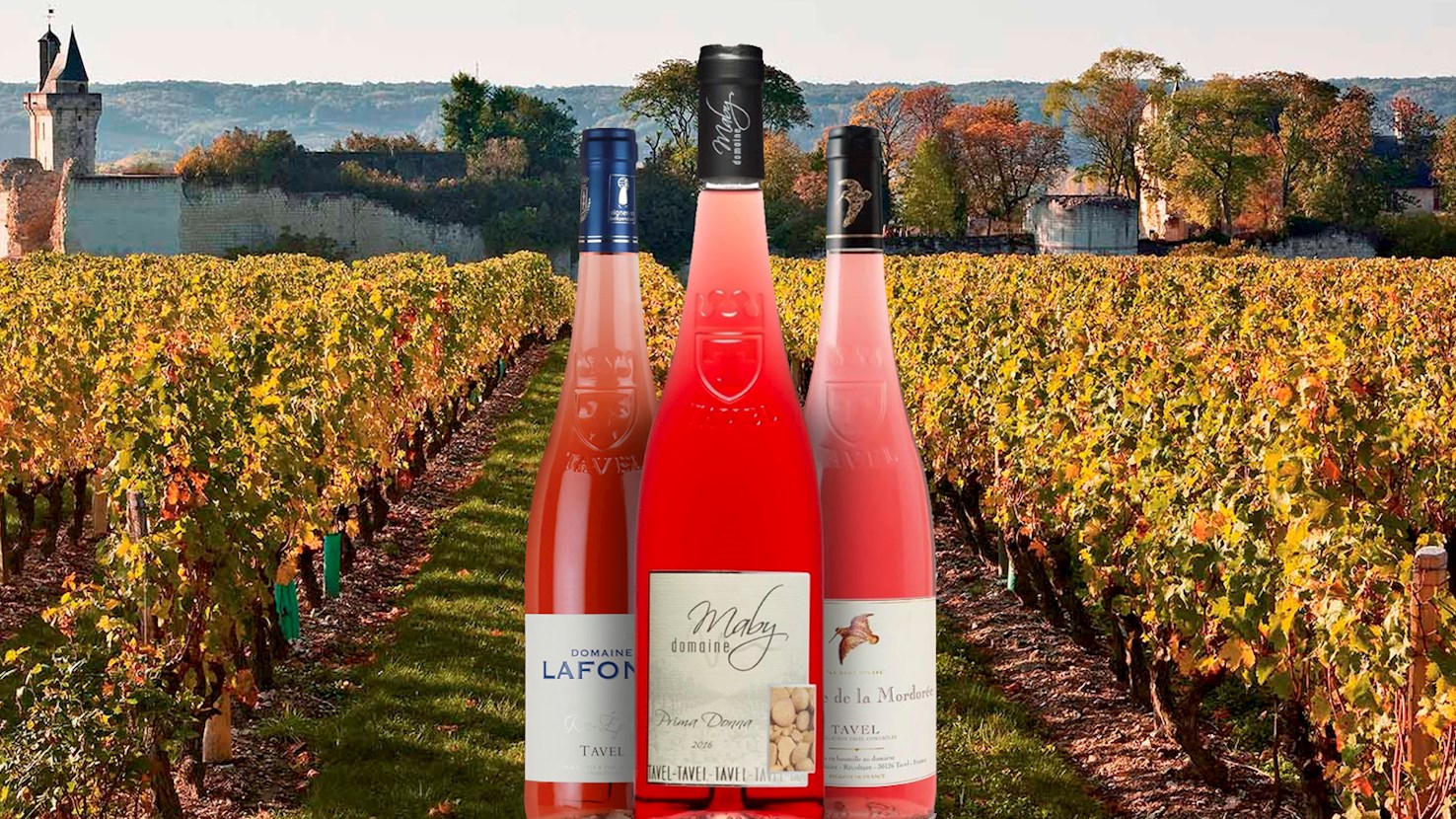
Tavel is a French appellation located in the southern Rhône that produces dry rosé wines. These full-bodied and aromatic rosés are made with Grenache Noir as the principal grape, but frequent additions also include Cinsault, Bourboulenc, Clairette, Mourvèdre, Picpoul, and Syrah. Young Tavel wines are usually pink, but with age, they tend to become deep pink with gold or amber hues. They are fruity and floral, with notes and aromas that are reminiscent of red berries, stone fruits, and sometimes subtle almond nuances. As they age, they will usually display more complex notes of ripe fruit, toasted almonds, and spices. Tavel wines are incredibly versatile and food-friendly, and they pair well with various savory dishes, especially those that include seafood, chicken, pork, or duck. These wines can be aged for a maximum of three years.
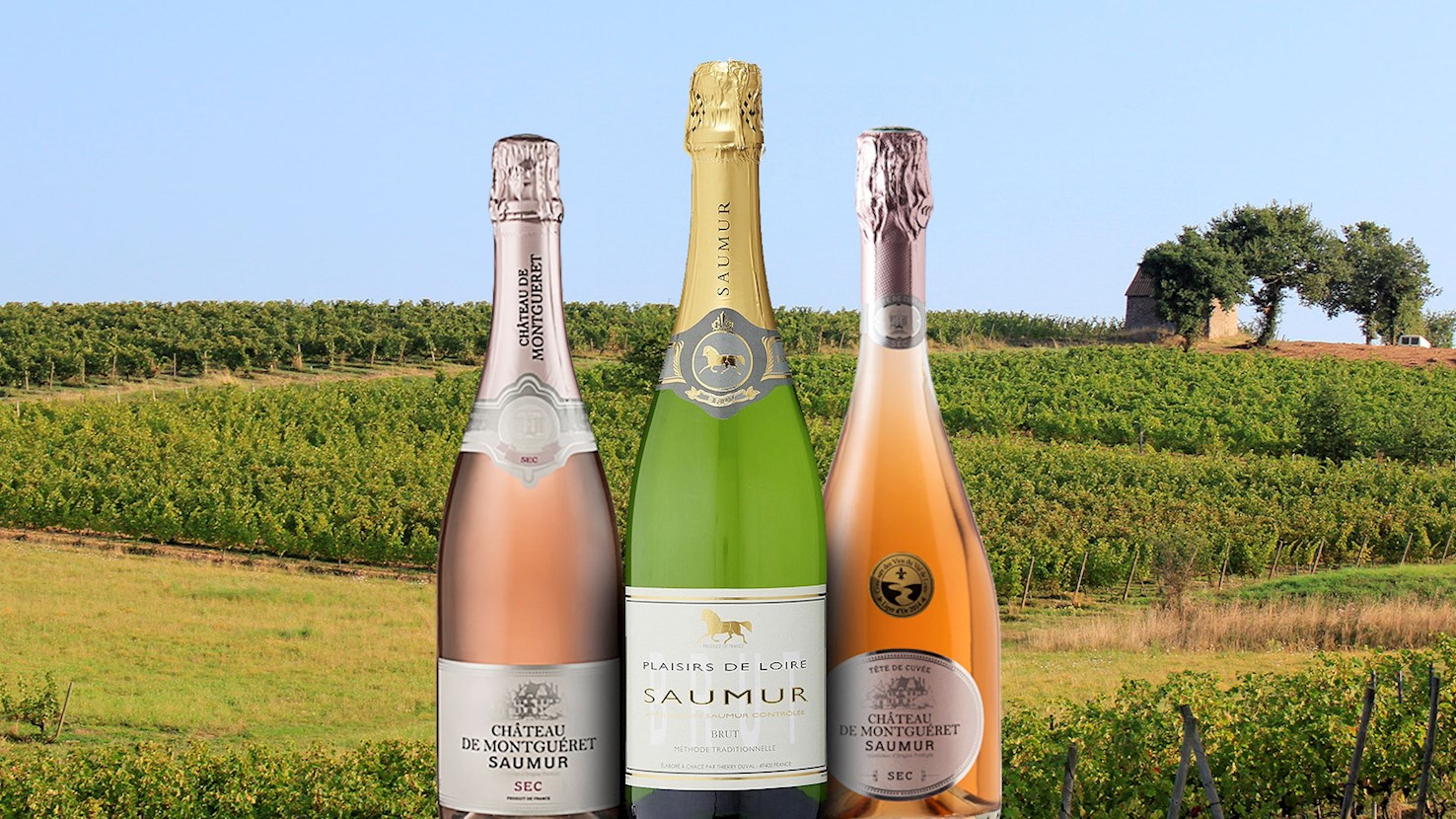
This French appellation is exclusively reserved for white and rosé sparkling wines that are predominantly based on Chenin Blanc, while the blends may also include, Chardonnay, Sauvignon Blanc, as well as Pinot Noir, Cabernet Franc, and many other. All sparkling wines under the appellation are produced using the traditional method—méthode traditionnelle—in which the wines go through the second fermentation in the bottle. Both white and rosé sparkling Saumur will have delicate and persistent bubbles, and while white version will display aromas of white and yellow flowers and white-fleshed fruit such as apples and pears, rosés will be dominated by red fruit notes. These fresh, light, and delicate wines are best served well-chilled. They can be enjoyed as an aperitif, but they can also match light appetizers and desserts. Officially, sparkling Saumur wines are produced in the Loire, more specifically the production is restricted to the departments of Maine-et-Loire, Deux-Sèvres, and Vienne.
Veronese, also legally designated as Provincia di Verona, is a highly versatile red, white, or rosé wine produced within the legally protected Indicazione Geografica Protetta (IGP) appellation, which covers the entire administrative territory of the province of Verona in the western section of the Veneto region in northeastern Italy. The structural creation of this provincial wine classification materialized on November 18, 1995, through a specific Italian ministerial decree designed to implement the European Union framework for Protected Geographical Indications, establishing a flexible legislative space for progressive winemakers who sought to cultivate international grape varieties or execute unique monovarietal expressions that directly breached the rigid blending ratios and aging mandates imposed by the older, historically fixed Denominazione di Origine Controllata (DOC) frameworks of neighboring zones like Valpolicella, Bardolino, and Soave. The preparation of Veronese wine follows distinct vinification tracks that depend heavily on the chosen grape variety and color designation, as the production rules permit both indigenous cultivars like Corvina, Corvinone, Rondinella, and Garganega, alongside international varieties including Merlot, Cabernet Sauvignon, Chardonnay, and Sauvignon Blanc. White variants undergo mechanical destemming, immediate pneumatic pressing, and cool fermentation inside stainless steel tanks at fourteen to sixteen degrees Celsius to maintain crisp, volatile fruit esters, whereas red expressions are macerated on the skins in automated vats at twenty-four to twenty-eight degrees Celsius with systematic pump-overs to regulate tannin extraction, frequently followed by a maturation phase in French oak barriques or large Slavonian oak casks for twelve to twenty-four months to refine the phenolic structure. The wine is distributed universally through commercial restaurant chains, specialized international retail shops, and direct estate cellars, served at 10 to 12 degrees Celsius in standard white wine glasses for the fresh, crisp Garganega or Chardonnay expressions, and at 16 to 18 degrees Celsius in broad, large-bowled glasses for the dense, dried-grape red blends to ensure proper alcohol volatilization and oxygen integration. For food and beverage pairings, the high dry extract, varying sugar concentrations, and balanced acidity of Veronese wines permit them to cut through rich fats and match complex proteins, meaning it is eaten alongside slow-simmered beef stews, roasted duck breast, grilled lamb chops, pasta with rich wild boar ragù, dense mushroom risottos, baked freshwater fish, and a wide array of medium-aged to hard cheeses like Asiago or Parmigiano-Reggiano.
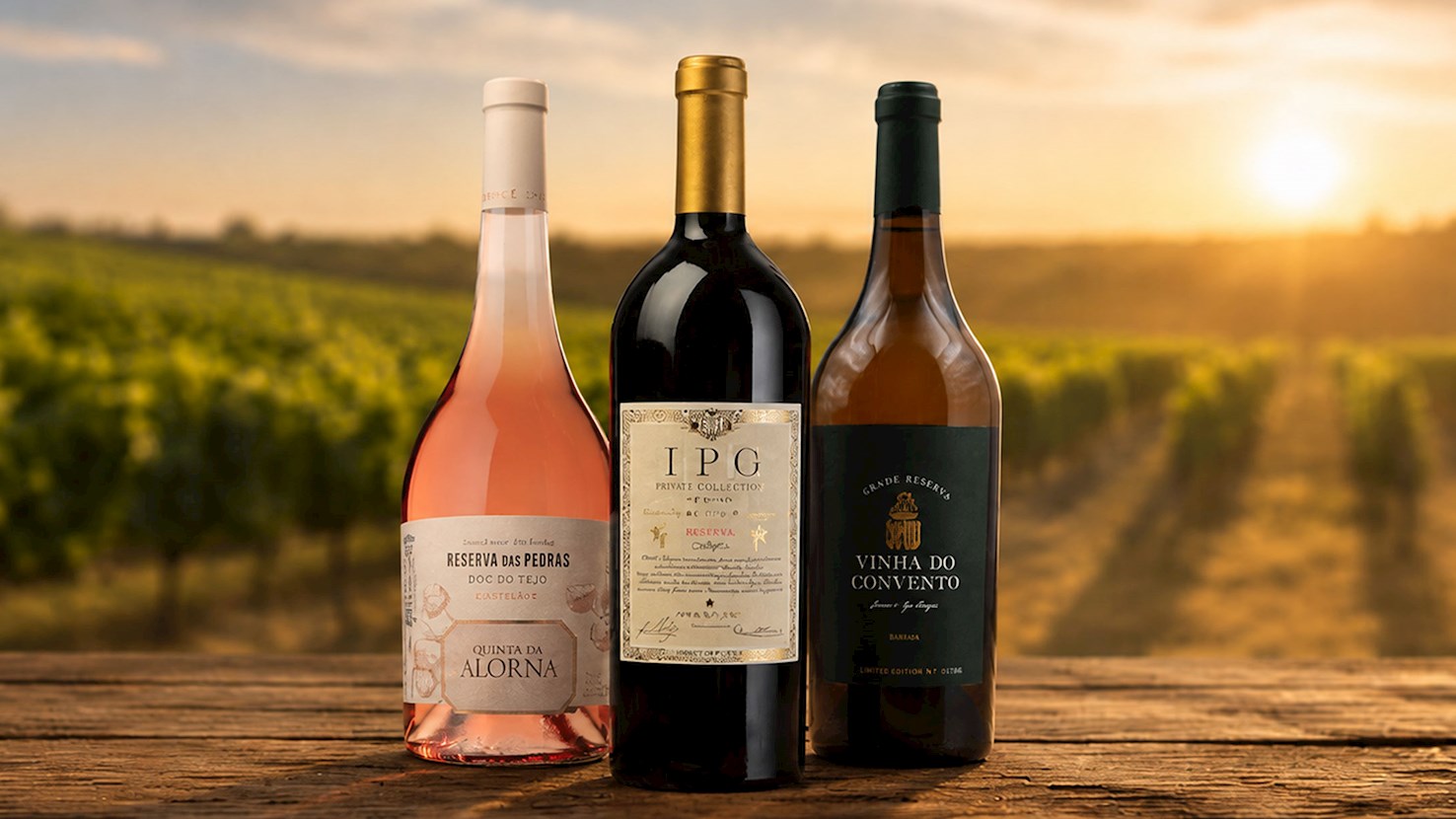
Tejo is a demarcated wine region in the heart of Portugal, situated along the banks of the river from which it takes its name. Formerly known as Ribatejo, the region was renamed in 2009 to emphasize its geographic and viticultural connection to the Tejo River. It is a diverse agricultural landscape defined by fertile plains, rolling hills, and a temperate Mediterranean climate with hot summers and mild winters. The region produces a vast array of styles, including crisp whites, robust reds, and aromatic rosés, utilizing indigenous grapes like Fernão Pires and Castelão alongside international varieties. The viticultural lineage of Tejo is associated with the Roman occupation of the Iberian Peninsula, during which vineyards were established on the well-watered alluvial plains. Over centuries, the region became a primary source of wine for the nearby capital of Lisbon. In the late 20th century, the area underwent a significant technical modernization, moving away from high-yield bulk production toward a focus on quality and terroir-specific bottling. This evolution was formalized with the official recognition of three distinct sub-zones (Campo, Bairro, and Charneca) and more recently, in 2025, a fourth high-altitude terroir known as Serras. Preparation of Tejo wines is determined by the specific soil profile of the vineyard. The Campo zone, located on the riverbanks, features fertile alluvial soils that produce fresh, fruit-forward wines. The Bairro zone, to the north, consists of rolling hills with clay-limestone soils, ideal for structured reds. The Charneca zone, to the south, has poor, sandy soils that force the vines to struggle, resulting in more complex, concentrated fruit. Grapes are typically fermented in temperature-controlled stainless steel vats to preserve acidity, though many premium reds are aged in French or American oak barrels. White wines are served chilled at 8°C to 10°C, while reds are served between 16°C and 18°C. The region is also the center of Portugal’s cork production; the ancient cork oak forests, or montados, share the landscape with the vineyards, providing a sustainable source for the natural closures used in bottling. Tejo wines are staples of both casual and formal dining, often served in the lancherias and restaurantes of central Portugal. The white wines are paired with river fish, roasted chicken with piri-piri, or creamy vegetable soups, as their acidity balances the fats. The reds are paired with grilled meats, slow-cooked stews, or aged sheep’s cheese, where the tannins interact with the protein.
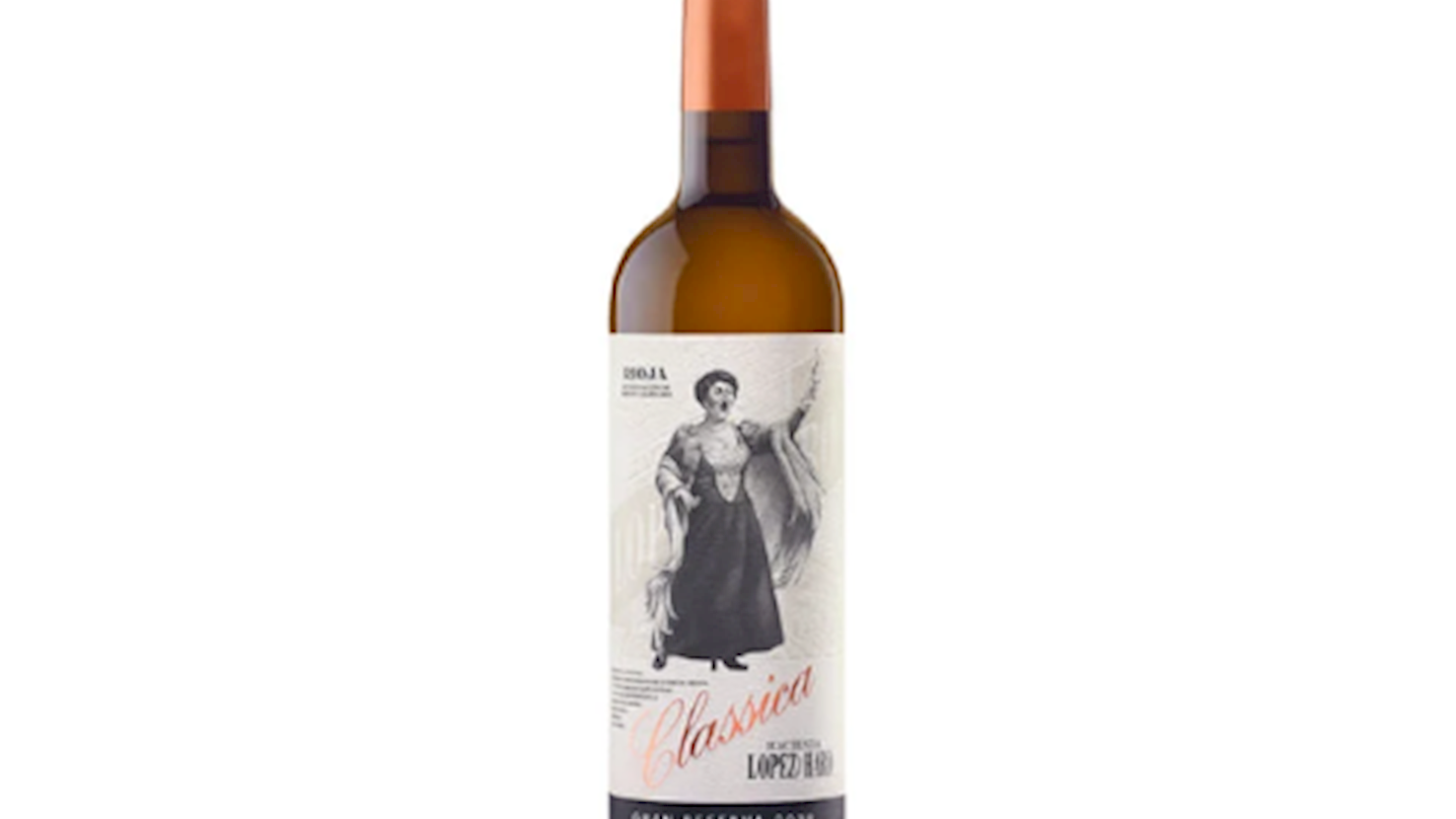
Hacienda López de Haro is a winery located in San Vicente de la Sonsierra, in the heart of the Rioja, known for offering a modern interpretation of classic Rioja wines. It is part of the Vintae portfolio, a company focused on creating accessible wines that reflect regional identity. The vineyards are primarily situated in Rioja Alta, where a combination of altitude, soil diversity, and climate contributes to balanced ripening and complexity. Tempranillo is the dominant grape variety, often complemented by Garnacha and Graciano to enhance structure and aromatic depth. The winemaking approach emphasizes a balance between fruit expression and oak aging, resulting in wines that show notes of red and dark berries, spice, vanilla, and light toast. The style is approachable yet structured, with good freshness and smooth tannins, making the wines suitable for both early drinking and moderate aging. Overall, Hacienda López de Haro represents a contemporary take on Rioja, blending tradition with a more accessible and fruit-driven profile.
Awards
Decanter World Wine Awards - Platinum
(2024)
Decanter World Wine Awards - Best in Show
(2022, 2021)
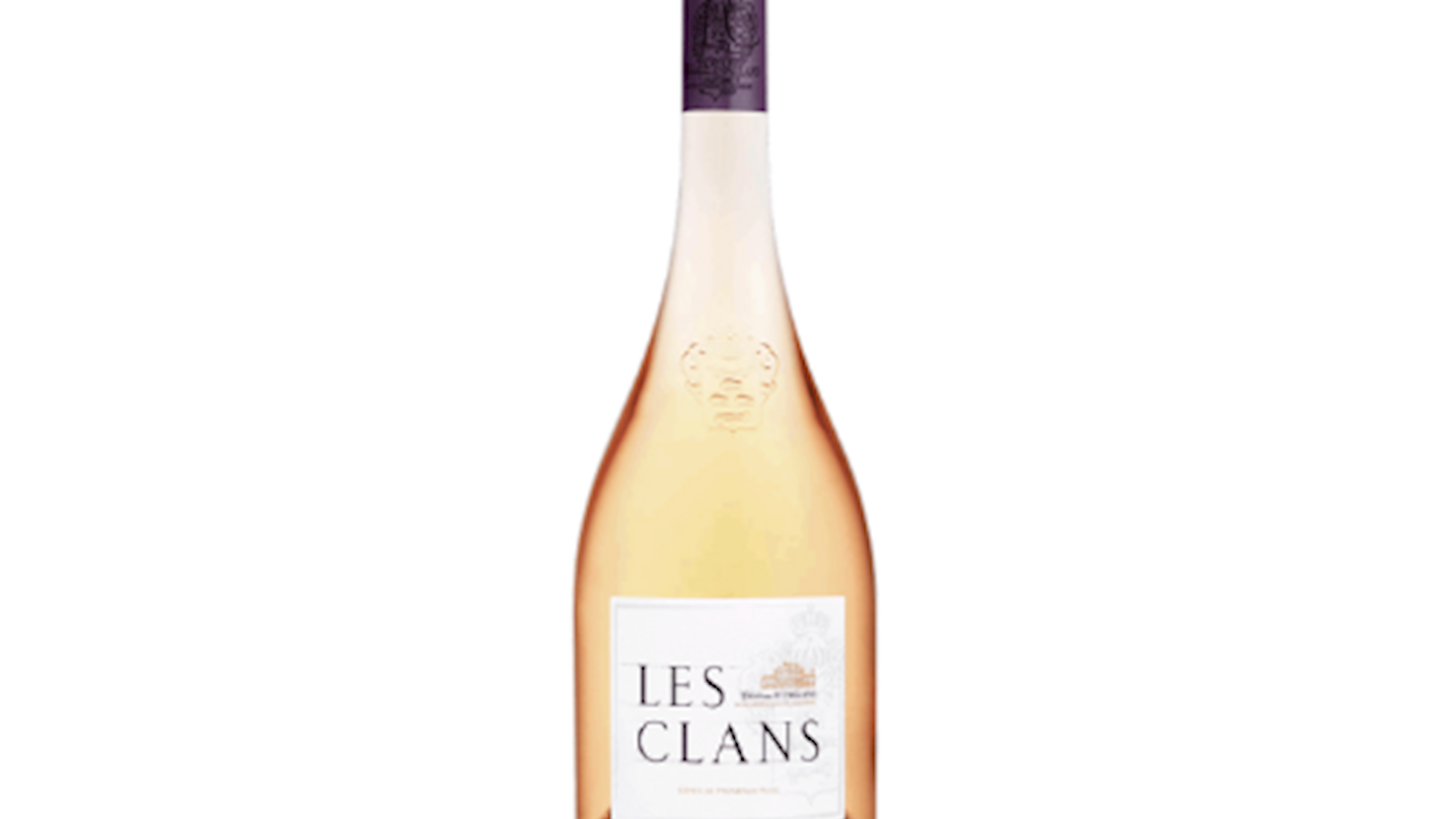
Château d’Esclans is a Provençal estate located in the Esclans Valley, surrounded by hillside parcels that combine mineral-rich soils, intense sunlight, and cool nights, allowing for slower, more balanced ripening of the grapes. The estate gained its modern identity in 2006 when it was taken over by Sacha Lichine, whose ambition was to redefine the perception of rosé wine and elevate it to the level of serious, complex styles. The vineyards are planted primarily with Grenache, a variety that in this region produces remarkably pale juice with strong potential for elegance and aromatic precision. Harvesting is done by hand in the early morning hours to preserve freshness, after which the grapes are sorted using optical sensors for maximum selection accuracy. Fermentation takes place in a combination of stainless steel tanks and large oak demi-muid barrels, building a wine profile that blends pure fruit expression with subtle textural nuances. Their approach fuses regional tradition with modern techniques, resulting in wines that stand out for their clearly defined identity and depth. The outcome is a portfolio that demonstrates how rosé can be far more than a seasonal refreshment - it can be refined, structured, and capable of graceful aging.
TasteAtlas food rankings are based on the ratings of the TasteAtlas audience, with a series of mechanisms that recognize real users and that ignore bot,
nationalist or local patriotic ratings, and give additional value to the ratings of users that the system recognizes as knowledgeable.
For the “Top 81 Western European Rosé Wines” list until June 24, 2026, 137 ratings were recorded, of which 121 were recognized by the system as legitimate.
TasteAtlas Rankings should not be seen as the final global conclusion about food. Their purpose is to promote excellent local foods,
instill pride in traditional dishes, and arouse curiosity about dishes you haven’t tried.
The initial list of top producers was compiled based on available reviews, awards, local recommendations, media and blog coverage, and consumer reviews.
The list will be updated with ratings from TasteAtlas local ambassadors and TasteAtlas users.