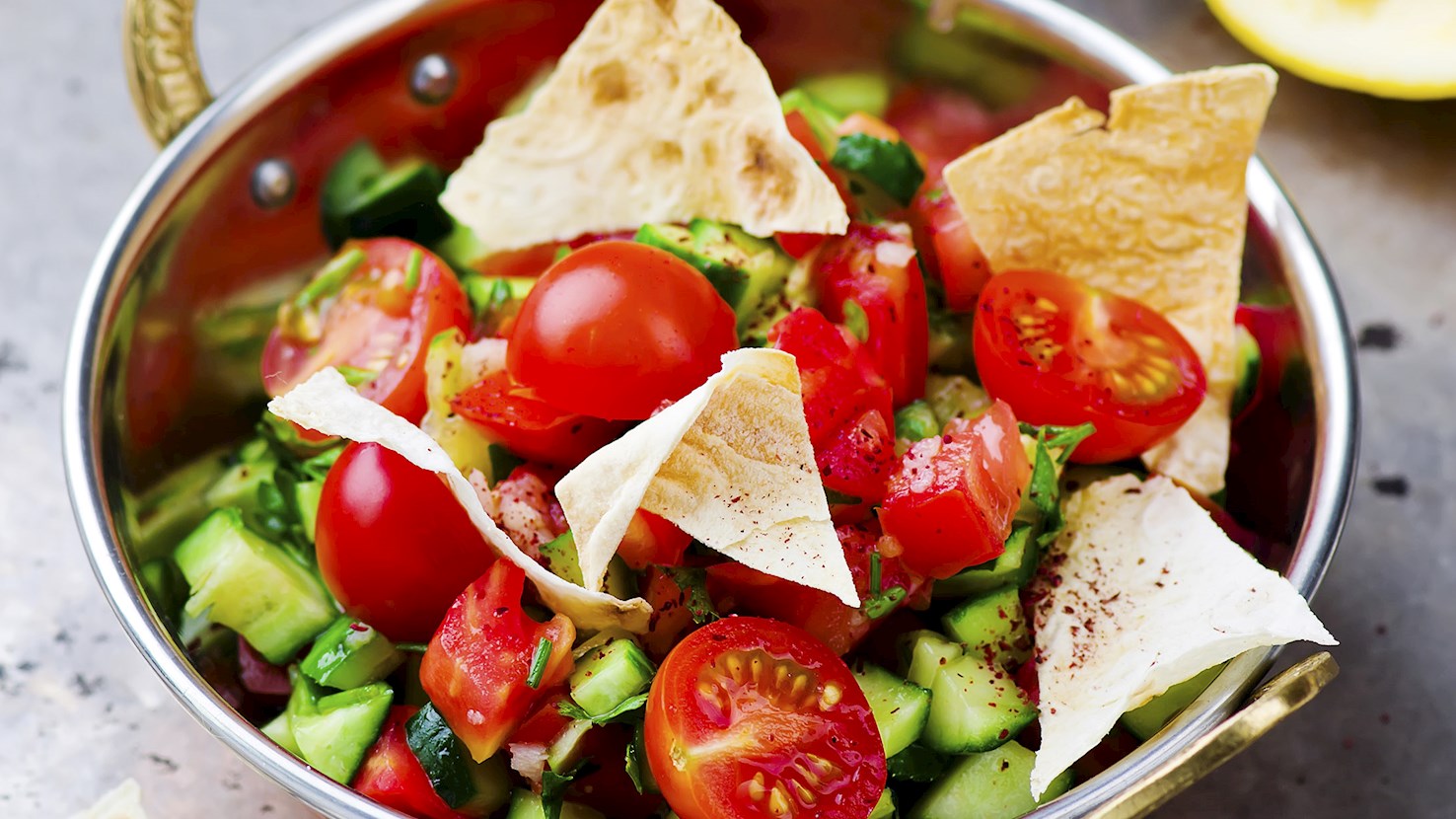
Fattoush is a simple salad made with traditional pita bread as a base on which the rest of the ingredients are built on. Pita bread is torn or cut into small bite-sized pieces, then toasted, grilled, or fried. It is then mixed with a variety of vegetables such as lettuce, radish, crunchy cucumbers, cherry tomatoes or regular tomatoes, peppers, onions, and (occasionally) garlic. All ingredients are chopped and cut into pieces and mixed with a generous amount of herbs, most commonly mint and parsley. The final touch to this authentic salad is the dressing, usually made with olive oil, lemon juice, and pomegranate syrup. The key ingredient, next to the crunchy pita bread, is sumac - a spice commonly used in the Levantine area. Sumac can be added to the dressing, and it is usually sprinkled on top of a prepared salad. It gives the dish a slightly tart taste and zest, which perfectly matches with the gentle flavors and aromas of fresh herbs and vegetables. The original fattoush is highly versatile, and other common additions may include crisp pomegranate seeds, olives, yogurt, and feta cheese. It is one of the most famous salads frequently eaten in Lebanon, Syria, Israel, Palestine, Jordan, and Iraq. This refreshing salad belongs to a group of dishes popularly called fattat, which use the stale pita, or any other flatbread, as the star ingredient.
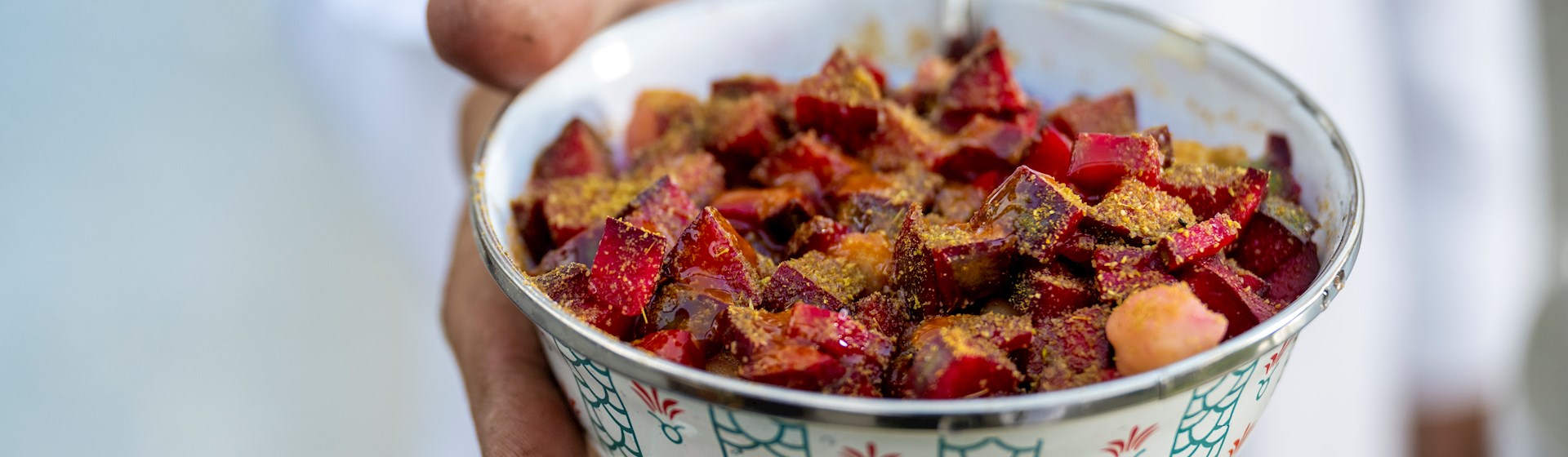
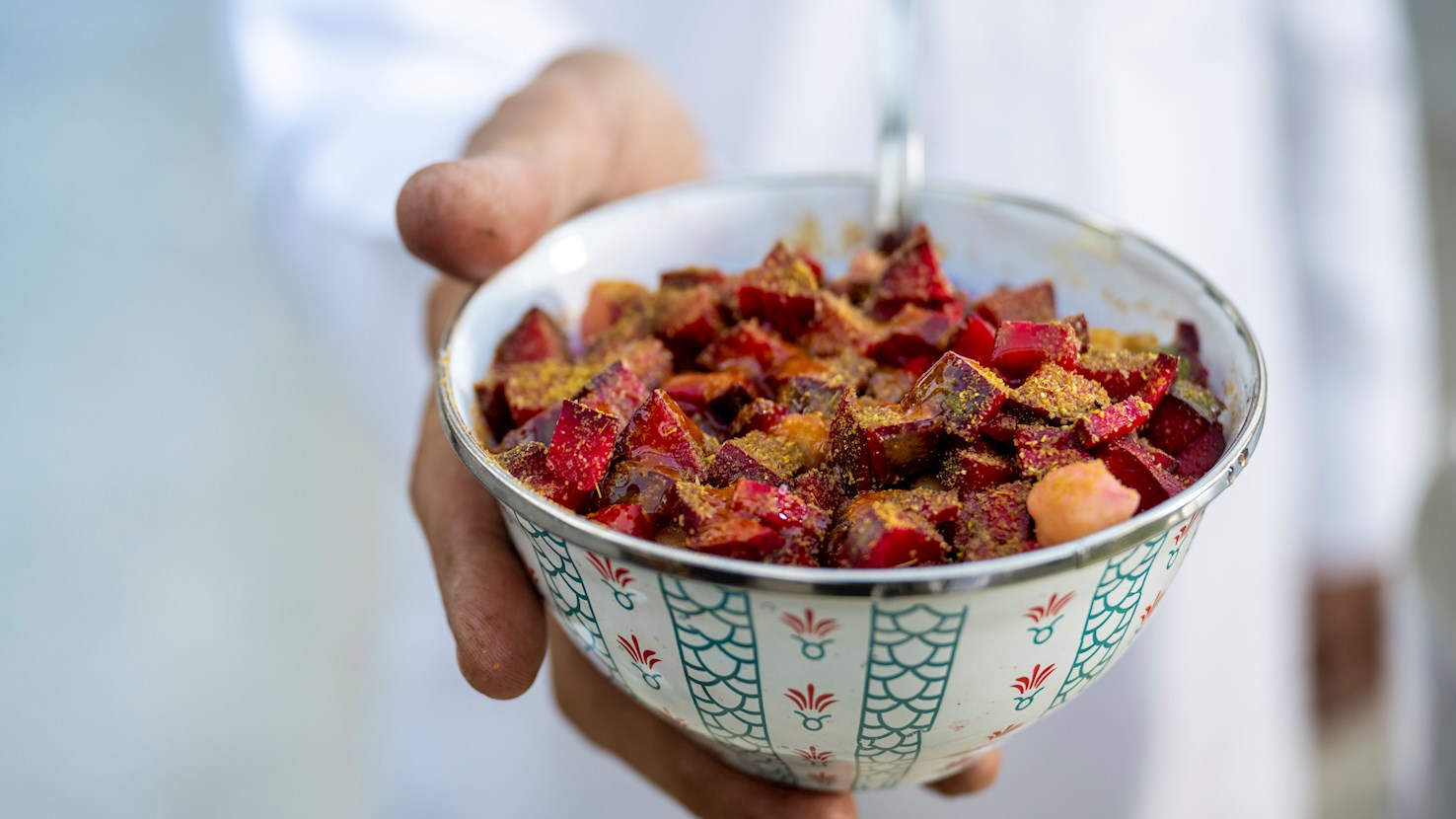
Balilah is a traditional Middle Eastern salad, particularly popular in Saudi Arabia and Syria. It is a simple and healthy snack made primarily from cooked chickpeas. The chickpeas are typically served warm with diced cucumbers and grated beets, and seasoned with a mixture of spices, lemon juice, olive oil, and sometimes garlic and herbs. The core ingredient is chickpeas (in Syria broad beans are also included), which are cooked until tender and then flavored with lemon juice, olive oil, cumin, salt, and sometimes other spices like black pepper, sumac, or paprika. Garlic and fresh herbs, such as parsley, are added for extra flavor. Balilah is usually served warm as a snack or appetizer, often enjoyed as a popular street food and eaten with a spoon or scooped up with bread. It is commonly enjoyed during Ramadan as part of the iftar meal (the meal to break the fast) due to its simplicity and nutritious qualities. It is also a staple at social gatherings and is appreciated for its light, tangy flavor.
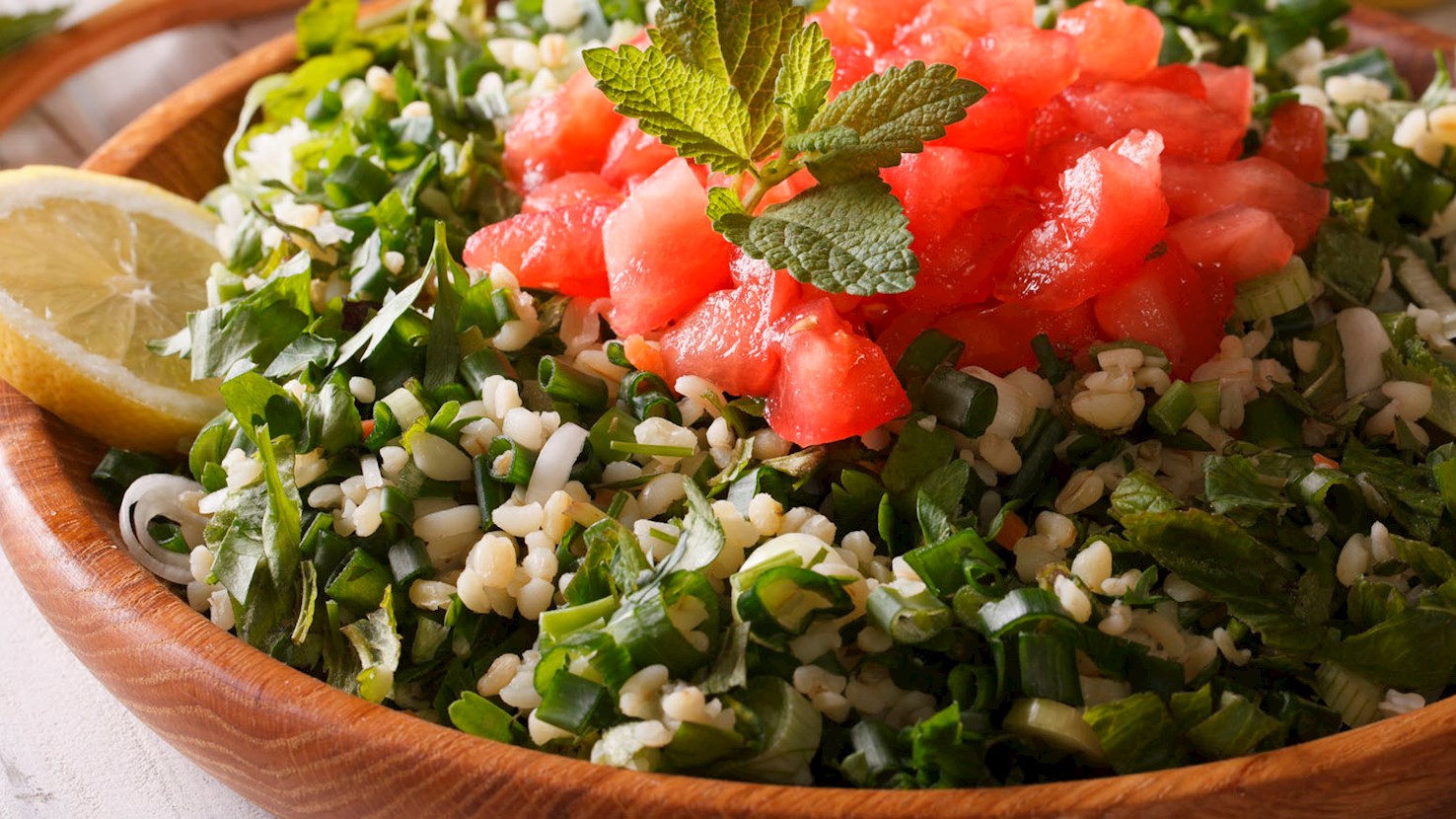
Tabbouleh is a colorful Lebanese and Syrian national dish that is usually considered a salad, with a crunchy and chewy texture, made with fresh, finely chopped parsley leaves, olive oil, bulgur wheat, and chopped mint leaves as a base. It originated in the mountains of Lebanon and Syria, where edible herbs that are used in tabbouleh were consumed by Arabs since Medieval times. Usually served as an appetizer, it is sometimes accompanied by pita bread, baba ghanoush, or hummus. Chopped red tomatoes, diced cucumbers, fresh lemon juice and minced onions can be added to the salad, imparting a tangy flavor. It is best to refrigerate tabbouleh for a few hours before serving to improve its taste. Its refreshing flavors are ideal for a hot summer day, while bulgur provides a rich source of fiber, protein, and minerals, making tabbouleh one of the healthiest food options in the region. Tabbouleh is so popular that it even has its own day, celebrated every year on the first Saturday in July.
TasteAtlas food rankings are based on the ratings of the TasteAtlas audience, with a series of mechanisms that recognize real users and that ignore bot,
nationalist or local patriotic ratings, and give additional value to the ratings of users that the system recognizes as knowledgeable.
For the “Top 3 Lebanese Salads” list until August 15, 2026, 1,479 ratings were recorded, of which 558 were recognized by the system as legitimate.
TasteAtlas Rankings should not be seen as the final global conclusion about food. Their purpose is to promote excellent local foods,
instill pride in traditional dishes, and arouse curiosity about dishes you haven’t tried.


What People Say