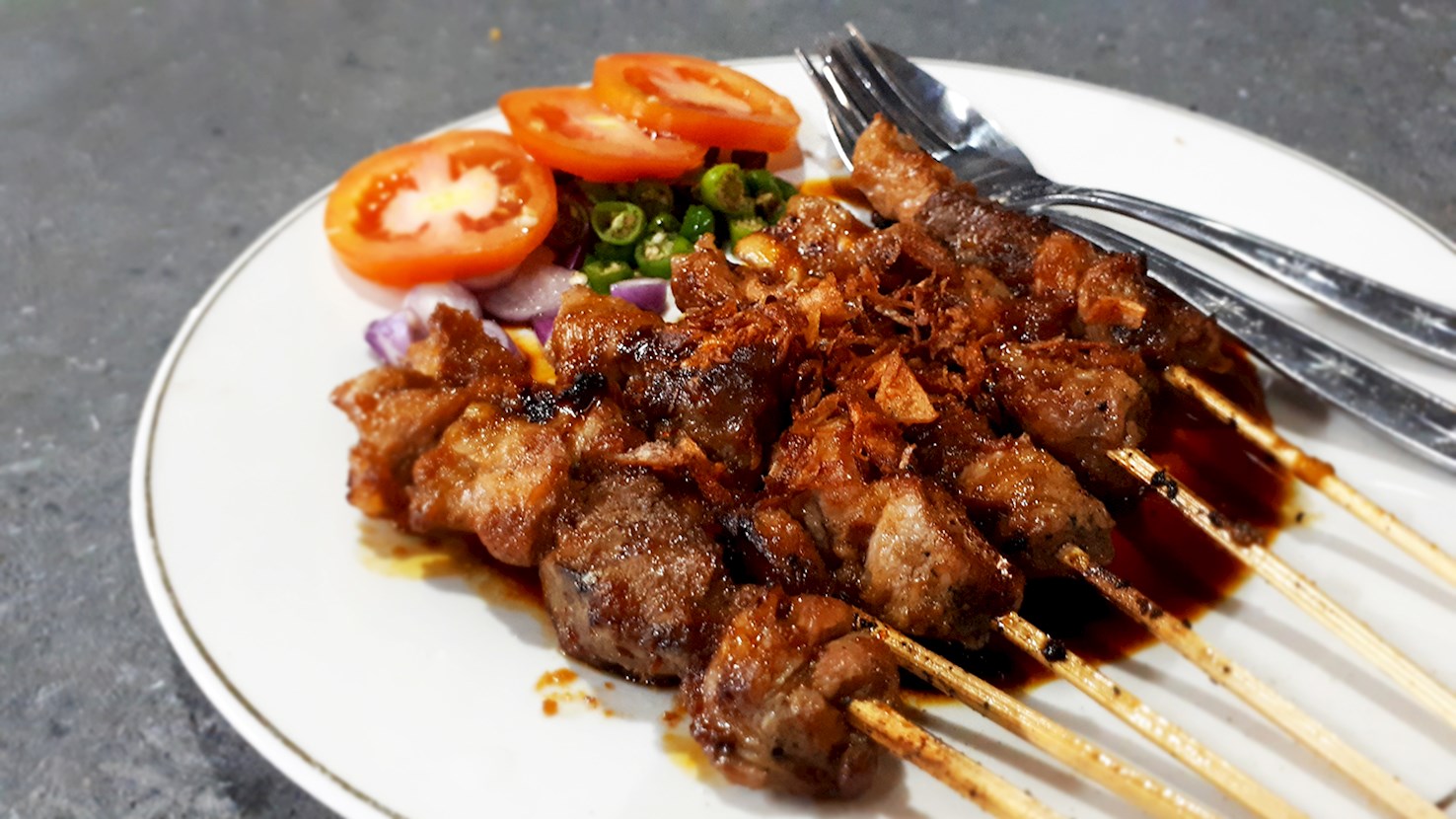
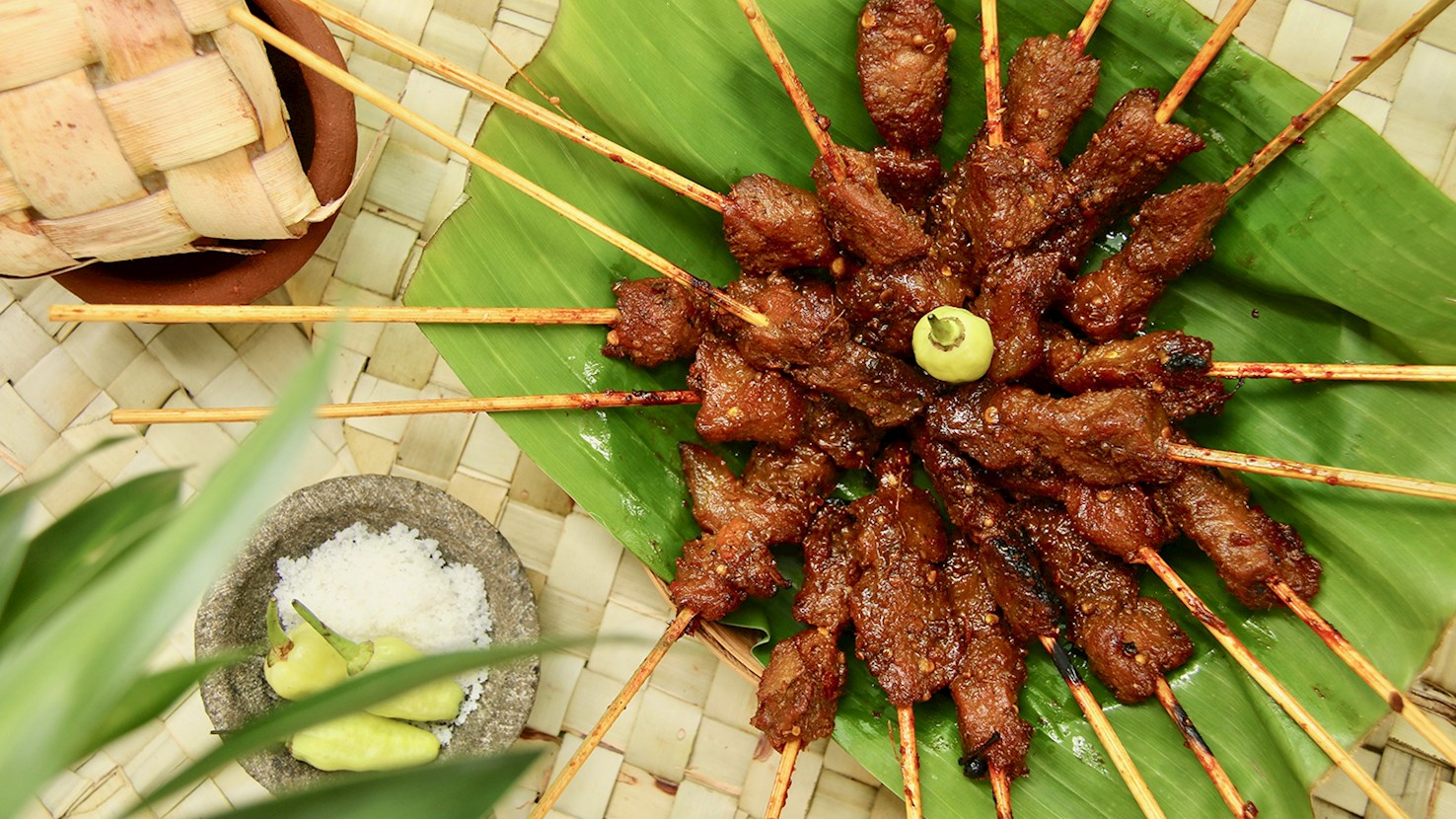
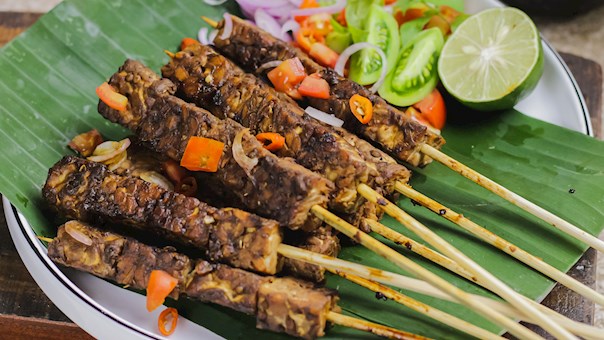
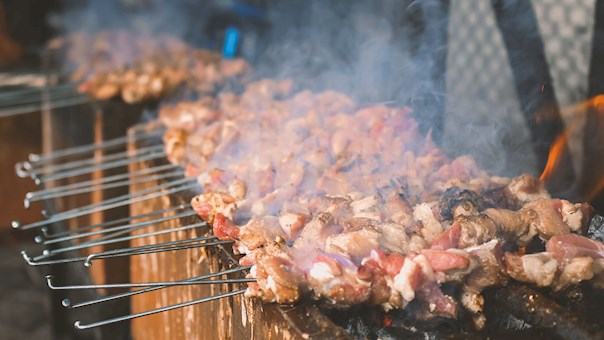
Sate kambing is a traditional dish and a type of satay prepared with goat or mutton as the main ingredient. The meat is cut into chunks or cubes and it's marinated in a combination of ingredients such as kecap manis (sweet soy sauce), galangal, ground shallots, pineapple juice, and (often) chili peppers. After it's been marinated, the meat is placed on skewers that are larger and thicker than the ones used for chicken satay as the texture and thickness of mutton or goat is tougher than chicken. The skewers for sate kambing are usually made from bamboo. The meat is grilled, then served with kecap manis sauce, peanut sauce, or chili sauce, consisting of shallots, bird eye chili peppers, and kecap manis. Some like to eat sate kambing with steamed rice or rice cakes on the side. This type of sate is especially popular in Java.
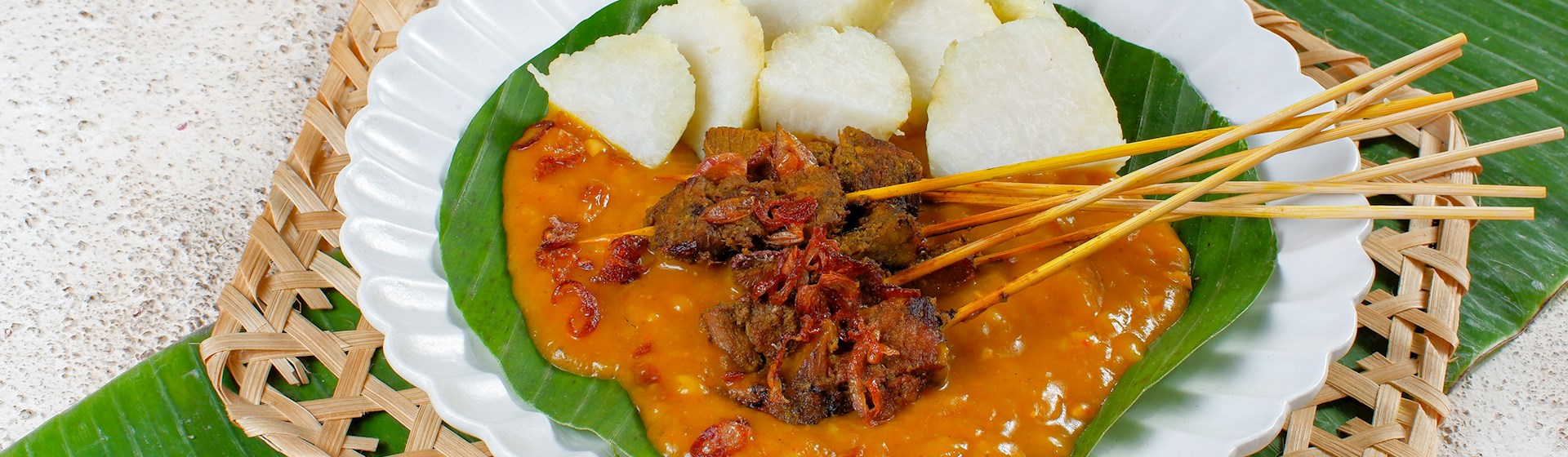
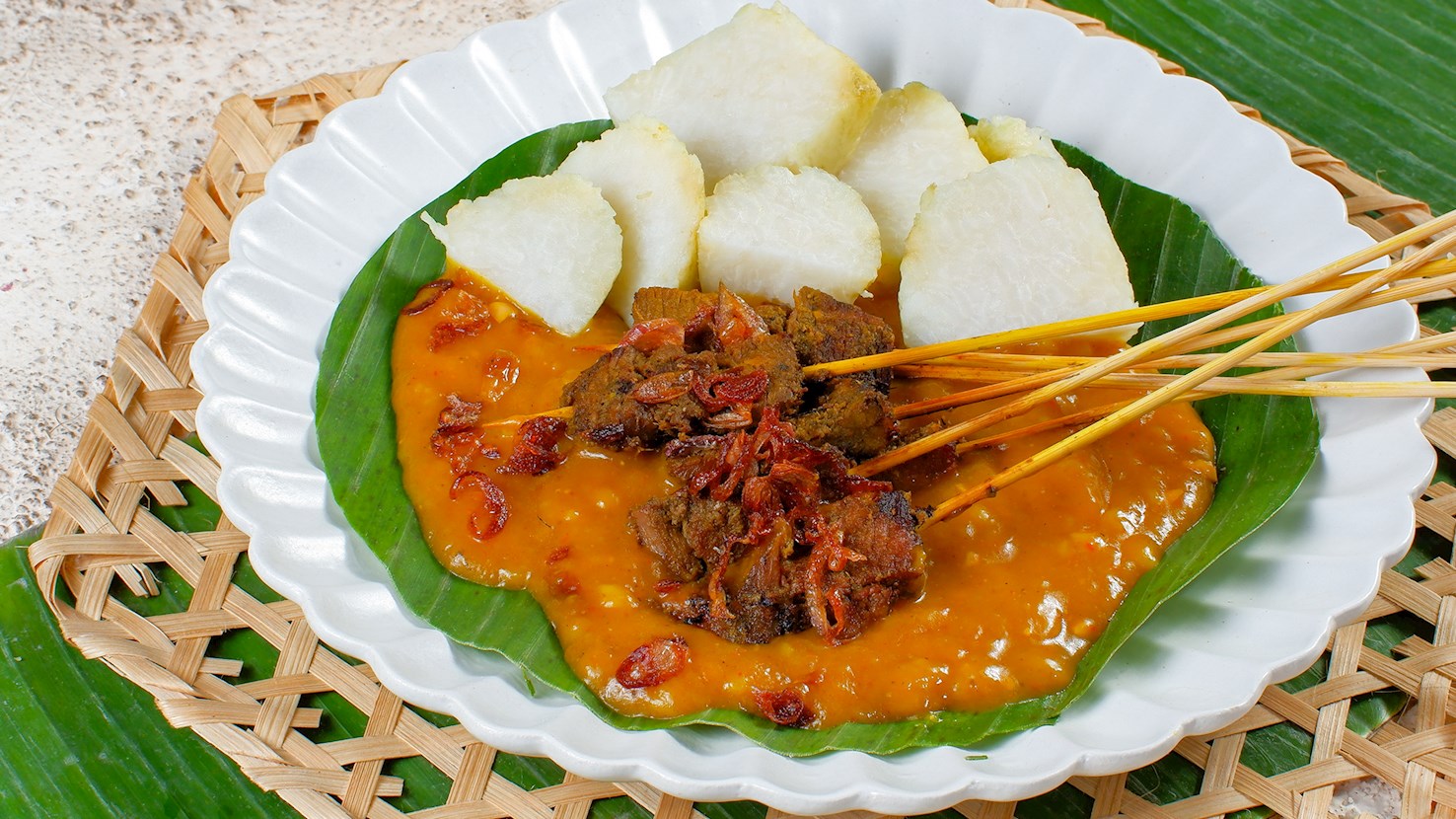
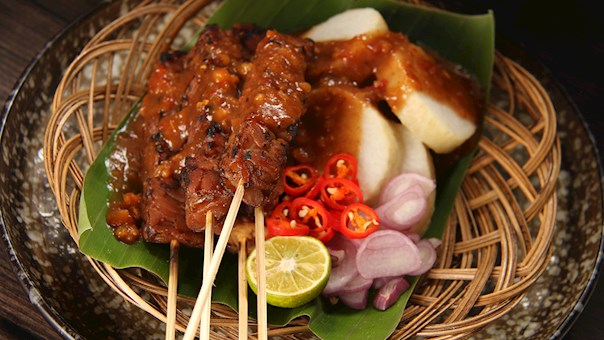
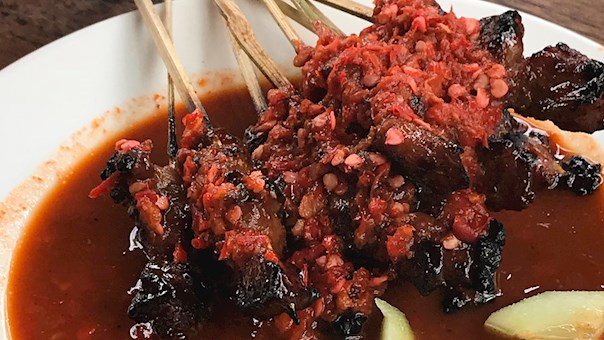
Padang satay is a spicy, rich, and aromatic Indonesian satay originating from Padang, West Sumatra, known for its thick, flavorful curry-based sauce. Unlike other Indonesian satay varieties that use peanut sauce or sweet soy sauce, Padang satay is distinct for its bold, turmeric-infused, and mildly spicy gravy, made from beef broth, rice flour, and a blend of local spices. The skewered meat—usually beef, beef tongue, or offal like intestines and heart—is first boiled in spiced broth until tender, then grilled over charcoal to achieve a smoky, caramelized crust. The signature thick, golden-brown sauce is made by reducing the broth used to cook the meat, thickened with rice flour, and enhanced with galangal, turmeric, coriander, cumin, lemongrass, and chilies, giving it a savory, slightly spicy, and deeply aromatic flavor. Padang satay is typically served on banana leaves, accompanied by steamed rice cakes (ketupat or lontong) and topped with crispy fried shallots, adding a final layer of crunch and fragrance.
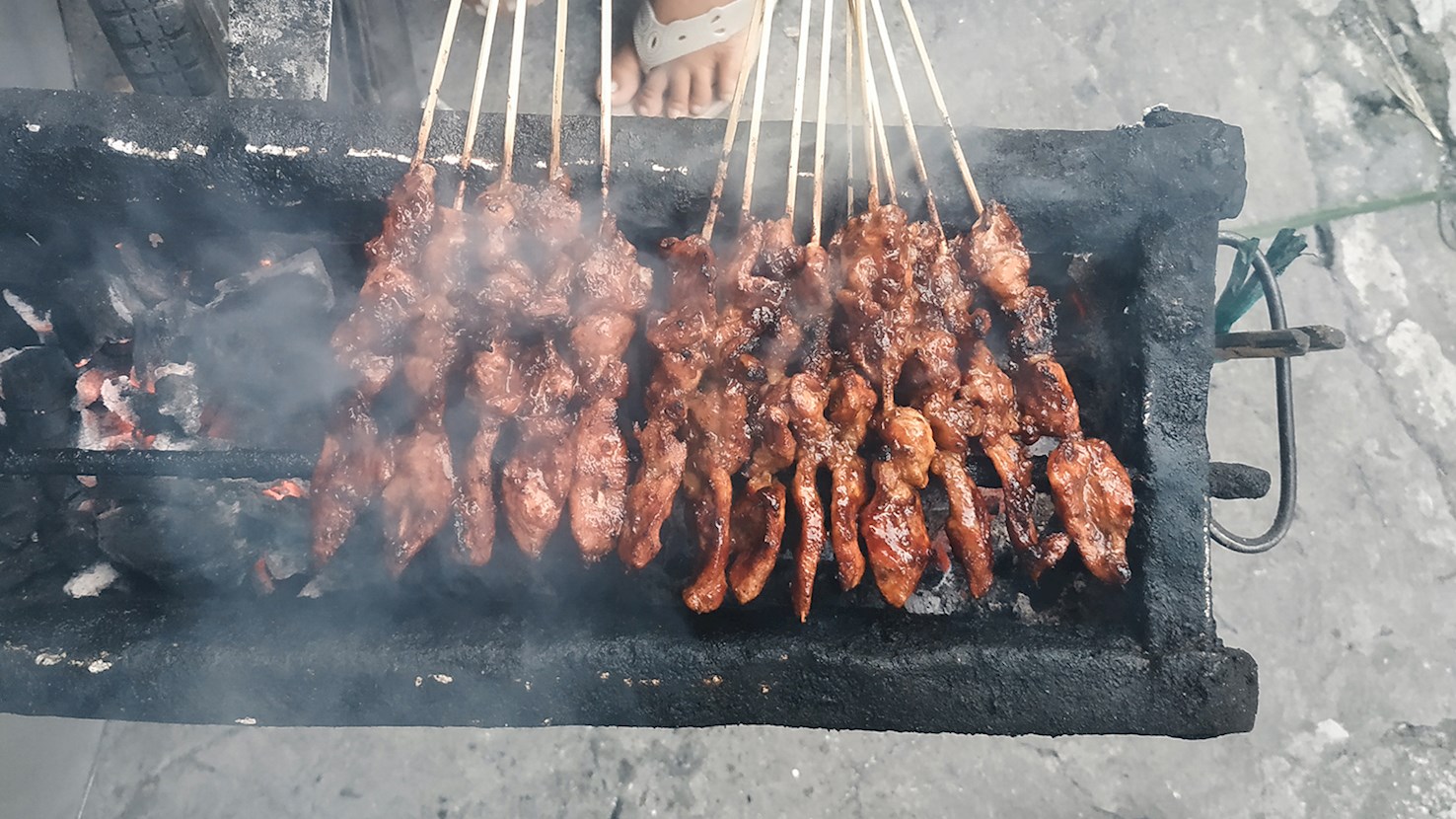
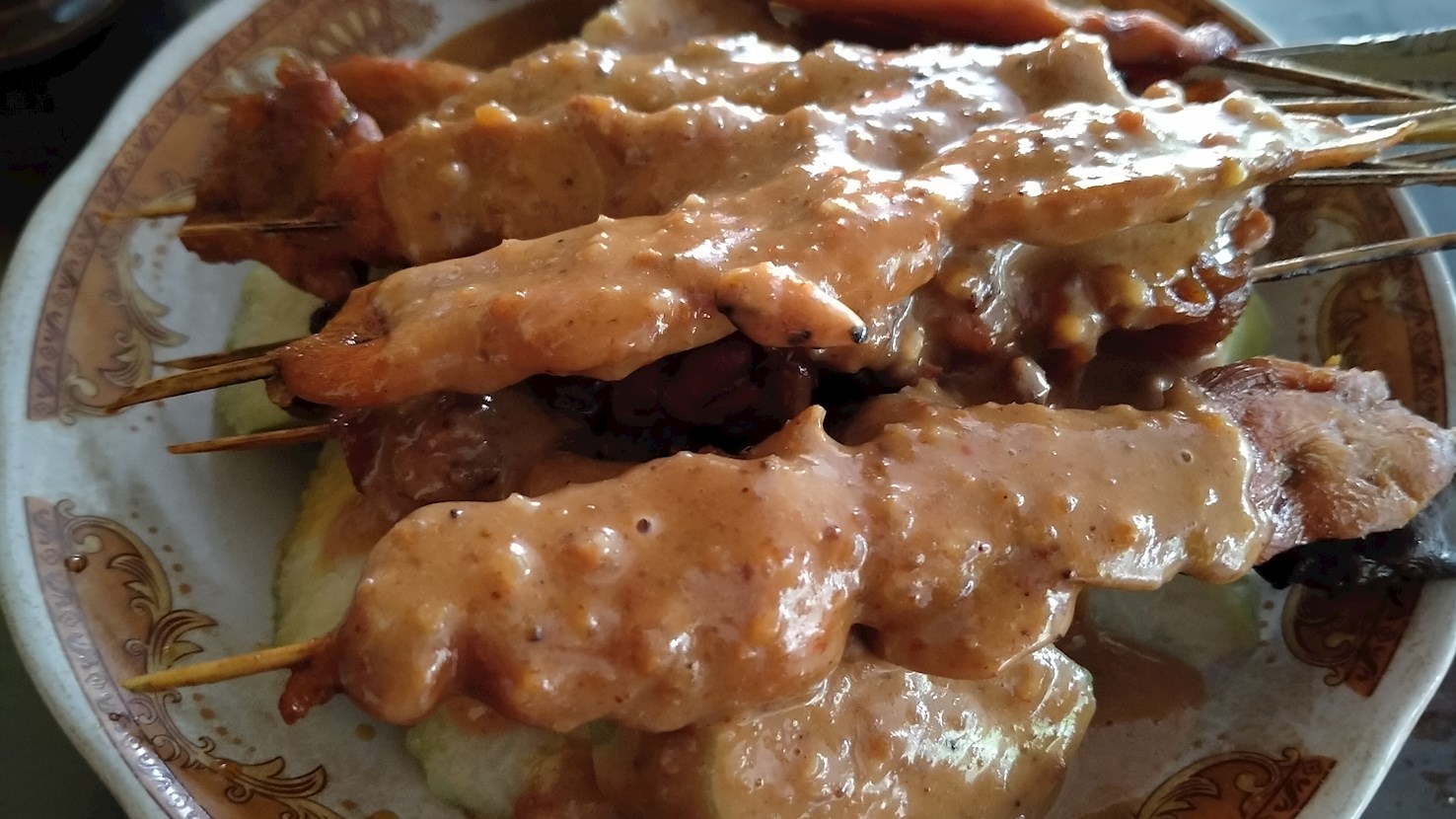
Sate Madura is a popular Indonesian skewered meat dish that originates from the island of Madura, located just northeast of Java. It is one of the most widely recognized regional variations of sate in Indonesia, known for its distinctively rich, sweet-savory peanut sauce and smoky, charcoal-grilled aroma. Typically made with small cuts of chicken or beef, the meat is marinated, skewered onto bamboo sticks, and grilled over hot coals while being brushed with a glaze that often includes sweet soy sauce, garlic, and shallots. What sets sate Madura apart from other styles is the generous use of thick, dark kecap manis and the robust, slightly caramelized peanut sauce that is poured over the cooked skewers just before serving, often accompanied by fried shallots and rice cakes called lontong. The roots of sate Madura lie in the island’s long-standing culinary influence on Javanese street food culture. Sellers from Madura have historically migrated to urban centers such as Jakarta and Surabaya, bringing their version of sate to roadside stalls, markets, and night-time food courts. Their presence has made sate Madura almost synonymous with street-side grilling throughout Indonesia, where the sight of glowing charcoal pits and the aroma of seared meat have become an essential part of the evening food scene. Often served on brown wax paper or banana leaves, sate Madura is eaten with the hands or simple wooden forks, emphasizing its role as a deeply rooted, everyday comfort food.
Sate babi is an Indonesian pork satay that originates primarily from the Chinese-Indonesian and Balinese communities, offering a distinctive take on the country’s iconic skewered meat dishes. Unlike most Indonesian sate, which is often made from chicken, beef, or goat due to the country’s majority Muslim population, sate babi is popular in regions where pork is widely consumed, such as Bali, North Sulawesi, and parts of Java with significant non-Muslim populations, particularly among Chinese-Indonesians. The dish consists of small cuts of pork that are marinated in a richly seasoned mixture before being skewered and grilled over charcoal. The marinade typically includes garlic, shallots, coriander, tamarind, soy sauce, palm sugar, and sometimes lemongrass or ginger, resulting in a flavor profile that is simultaneously savory, sweet, and aromatic. The meat is usually cut into bite-sized cubes or thin slices, allowing it to cook quickly while maintaining a tender, juicy interior and slightly charred exterior. During grilling, the skewers are often brushed with the leftover marinade to deepen the flavor and create a glossy, caramelized finish. In Bali, sate babi is often prepared for religious ceremonies and festive gatherings, where it is served alongside lawar, rice, and spicy sambal. It holds an important cultural role, symbolizing celebration and abundance. In Chinese-Indonesian cuisine, it is commonly sold at street stalls and small family-run warungs, especially in urban areas like Jakarta and Surabaya, where it is typically served with rice, pickled vegetables, and a thick peanut or soy-based sauce. The Balinese version tends to be spicier and more aromatic, reflecting the island’s bold and vibrant culinary traditions, while Chinese-Indonesian versions may lean slightly sweeter and more soy-forward.
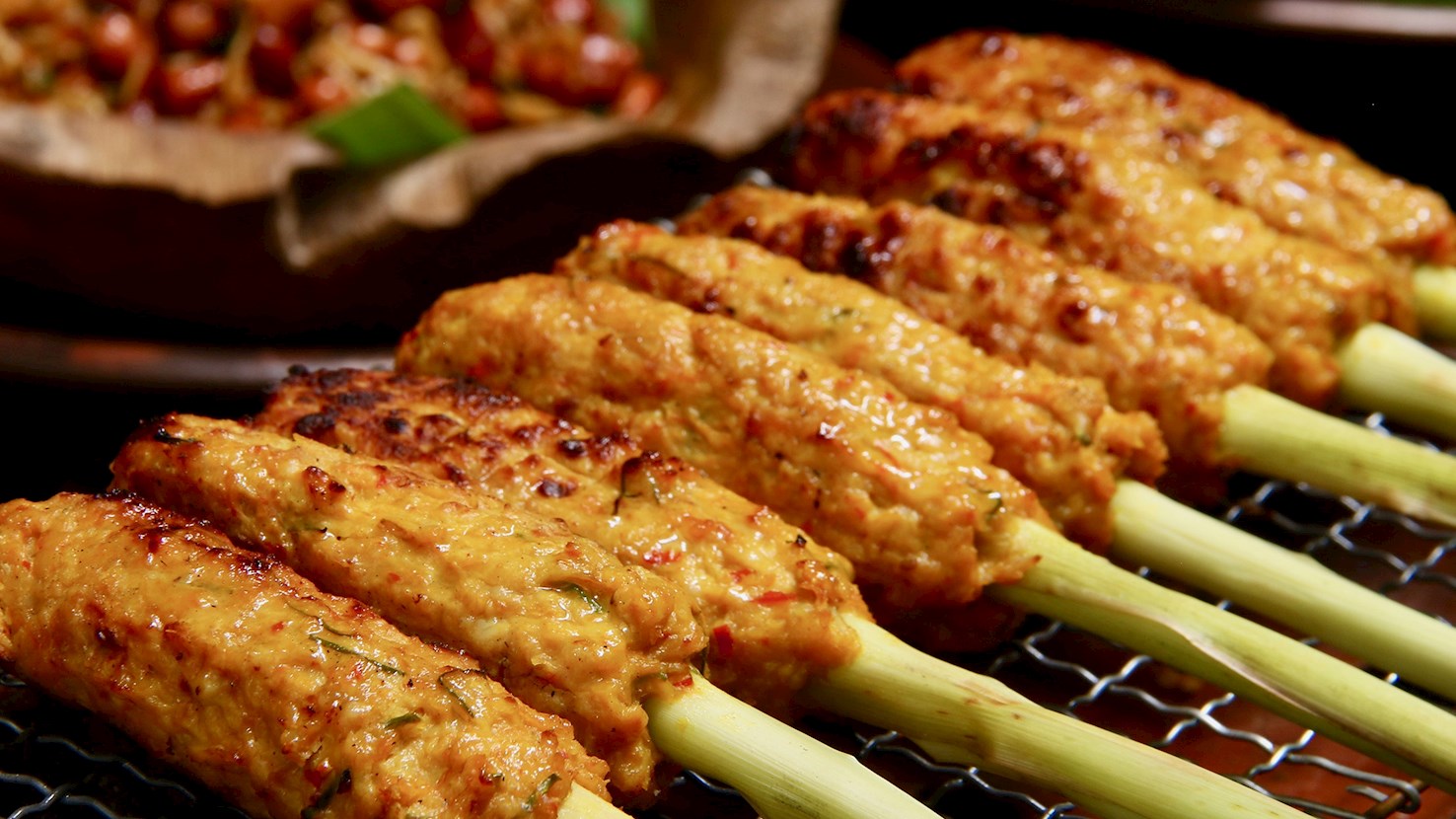
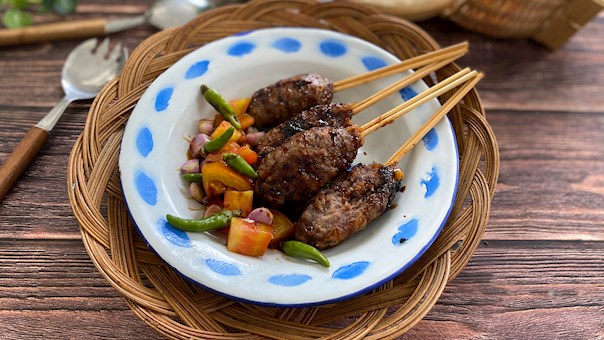
Sate lilit is the favorite street food on Bali. This traditional delicacy is usually made with minced meat which is wrapped around a flat skewer. All meat varieties (including fish and other seafood) are used to prepare sate lilit. However, the most common variety is prepared with pork. The skewers are usually spiced with traditional Indonesian spices such as lemongrass, galangal, chili, and lime leaves. It is believed that Indonesia is the birthplace of sate, and its numerous varieties can be found everywhere in Indonesia. Since sate lilit originated on Bali, it is often referred to as sate lilit Bali, and next to babi guling, it is one of the most popular dishes on the island. This traditional Balinese delicacy can be eaten for breakfast, lunch, or dinner, and it can be served as a light main course or a nutritious snack. The skewers are usually served with rice or rice cakes, and occasionally with spicy sauces on the side.
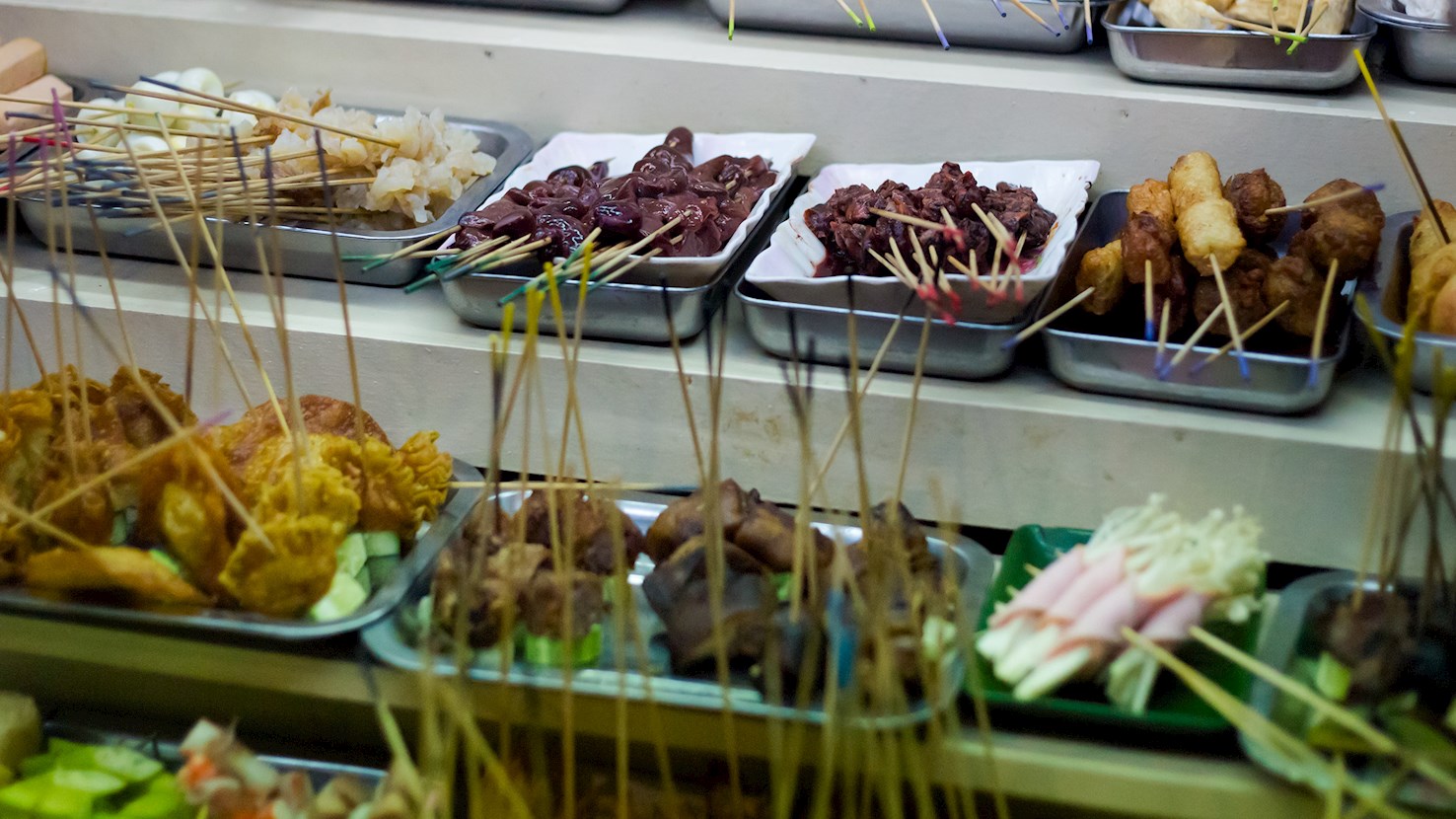
Satay celup is a traditional dish, particularly popular in the Malacca state (also known as "the historic state"), where it is considered a local favorite. It is a self-serve dish, consisting of skewers of marinated meat, raw seafood, or even vegetables that are dunked into a simmering pot of satay sauce. The sauce is primarily made with peanuts, dried chili peppers, garlic, and palm sugar, but the full recipe differs from one eatery to another. Usually, satay celup is accompanied by barley drinks, coconut water, or herbal tea in order to combat the spiciness of the sauce.
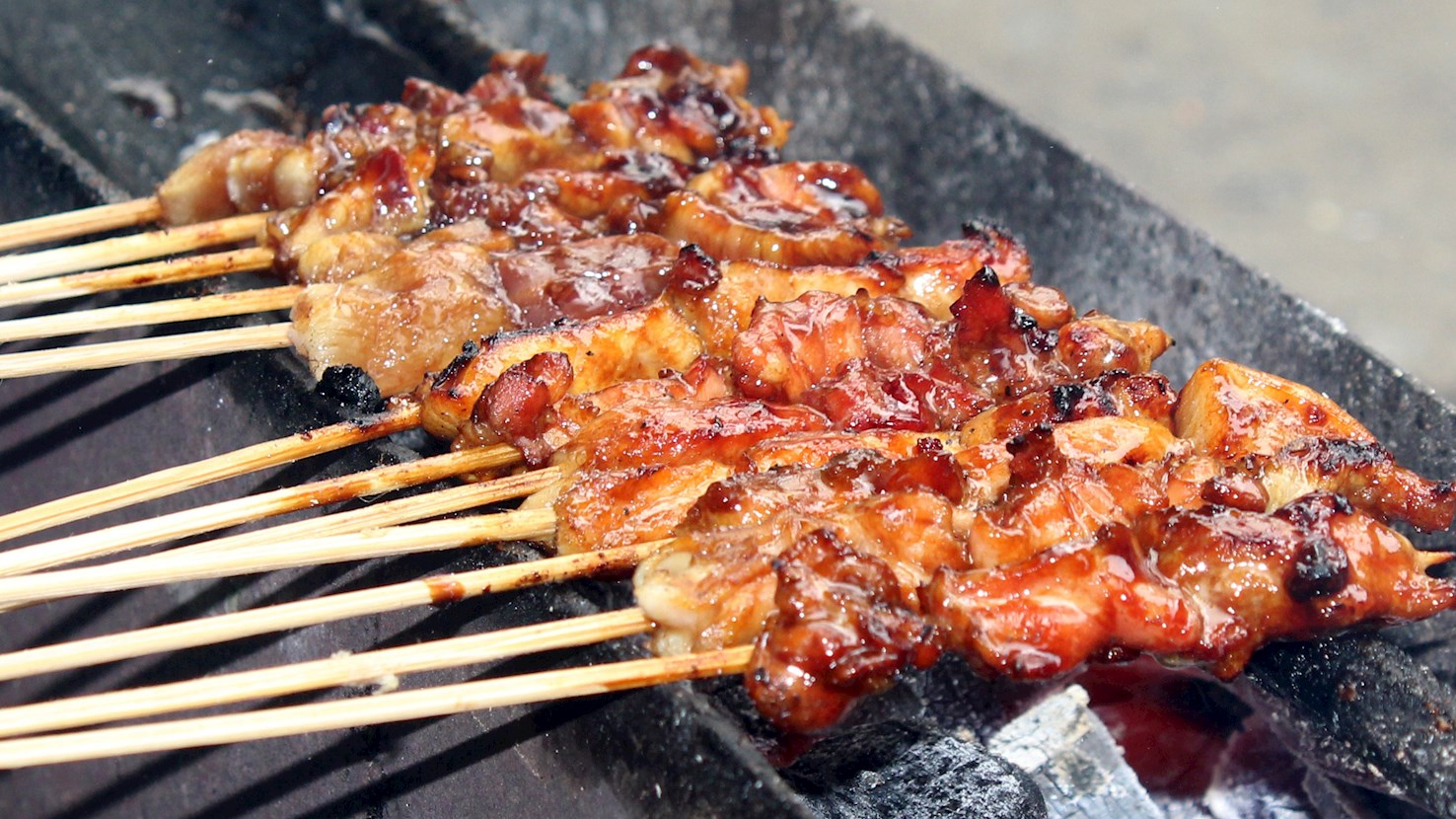
Sate Ponorogo is a regional satay dish originating from Ponorogo, a regency in East Java, Indonesia. It is a distinct variation of Indonesian chicken satay, known for its specific marination technique, longer and thinner meat slices, and rich peanut sauce that differs from the versions found in Central Java or Jakarta. The chicken is sliced in broad, flat pieces instead of cubes, allowing it to absorb the marinade more effectively and cook evenly on skewers. The preparation of sate Ponorogo begins with marinating chicken pieces in a mixture of shallots, garlic, coriander, candlenuts, turmeric, galangal, salt, and a generous amount of sweet soy sauce or palm sugar-based seasoning. The marinade is sometimes applied in two stages to allow deeper flavor absorption, often involving hours or even overnight soaking. Unlike other satay types where the meat is threaded onto skewers in smaller chunks, the pieces used for sate Ponorogo are cut lengthwise and arranged on bamboo skewers with more space between them, helping them cook faster and develop a slightly charred edge while staying tender. Grilling is done over charcoal, with repeated basting using a similar sweet-savory sauce derived from the marinade. The cooking process is closely monitored, and the skewers are turned regularly to ensure even grilling. The accompanying peanut sauce is smoother and slightly thinner compared to the Central Javanese variety, often mixed with sweet soy sauce and a small amount of chicken broth or leftover marinade for depth. It is served separately or poured over the satay along with sliced shallots, lime wedges, and fresh chili. Sate Ponorogo is commonly eaten with rice cakes known as lontong, or with steamed rice, and is typically served at specialized stalls or street vendors in Ponorogo, some of which have operated for generations. While variations of chicken satay exist throughout Indonesia, sate Ponorogo is notable for the prominence it gives to the marinade and the specific slicing and skewering method that define its appearance and texture. The dish has gained recognition beyond its region, with stalls in Surabaya, Jakarta, and even other provinces offering it under the same name, though the most sought-after versions remain those sold in the town of Ponorogo itself.
Sate kelinci is a skewered rabbit meat dish originating from the highland regions of Central Java, Indonesia, particularly popular in areas such as Tawangmangu, Lembang, and around the slopes of Mount Merapi. This variant of Indonesian sate features tender cuts of rabbit grilled over charcoal and typically served with either a savory soy-based sauce or a spiced peanut sauce, depending on local preference. The meat is usually marinated in a mixture of garlic, coriander, salt, and sweet soy sauce before being skewered and grilled, giving it a subtly sweet, smoky, and mildly gamey flavor that distinguishes it from more common versions made with chicken, beef, or goat. Sate kelinci is known for its lean texture and is often considered a lighter option, enjoyed by travelers and locals alike in cooler mountain climates where rabbit farming is more common. The dish is closely associated with Javanese culinary culture, where sate is a central component of street food and home cooking. In regions where sate kelinci is widely sold, such as tourist spots in the Dieng Plateau or forested hill towns, it is often grilled fresh to order by roadside vendors and eaten with steamed rice or rice cakes. Unlike more urban sate variants that are mass-produced or widely exported, sate kelinci tends to remain a specialty of areas where rabbit is both raised and consumed more regularly.
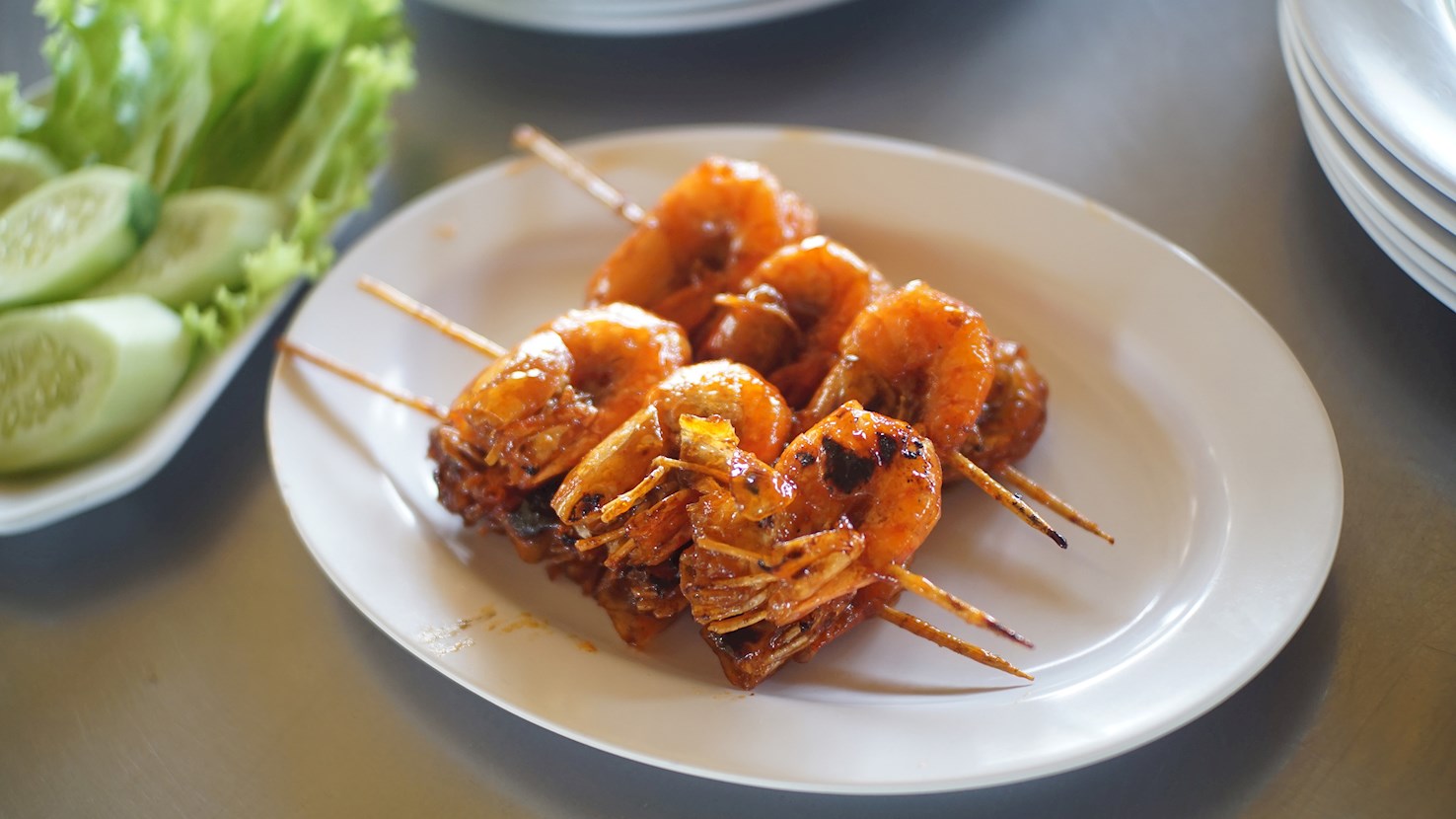
Sate udang is an Indonesian dish consisting of skewered and grilled shrimp, commonly marinated in a mixture of spices and served with various dipping sauces or condiments, depending on regional preference. It is part of the broader sate (or satay) family, a category of grilled meat skewers widely found across Indonesia and Southeast Asia. While most sate variants use chicken, beef, or goat, sate udang highlights the country's abundant seafood resources, particularly in coastal areas such as Bali, Java, and Sulawesi, where shrimp are readily available and feature prominently in local cuisine. The preparation of sate udang typically begins with raw shrimp, peeled and deveined but often left with the tail intact for presentation. The shrimp are marinated in a blend that may include garlic, shallots, turmeric, coriander, chili, lime juice, coconut milk, and palm sugar. This seasoning mixture varies by region, with some versions leaning more toward savory and spicy, while others favor a slightly sweet and aromatic profile. Once marinated, the shrimp are threaded onto bamboo skewers and grilled quickly over hot coals, allowing them to develop a slight char while remaining juicy and tender inside. Sate udang is often served with sambal, kecap manis (sweet soy sauce), or a peanut-based sauce, though simpler versions might be accompanied only by sliced shallots, lime, or rice cakes such as lontong. In seafood-focused warungs and restaurants, it may be one of several sate options offered, particularly in areas known for their grilling techniques and spice blends. The dish is popular as a street food item, appetizer, or part of a larger shared meal.
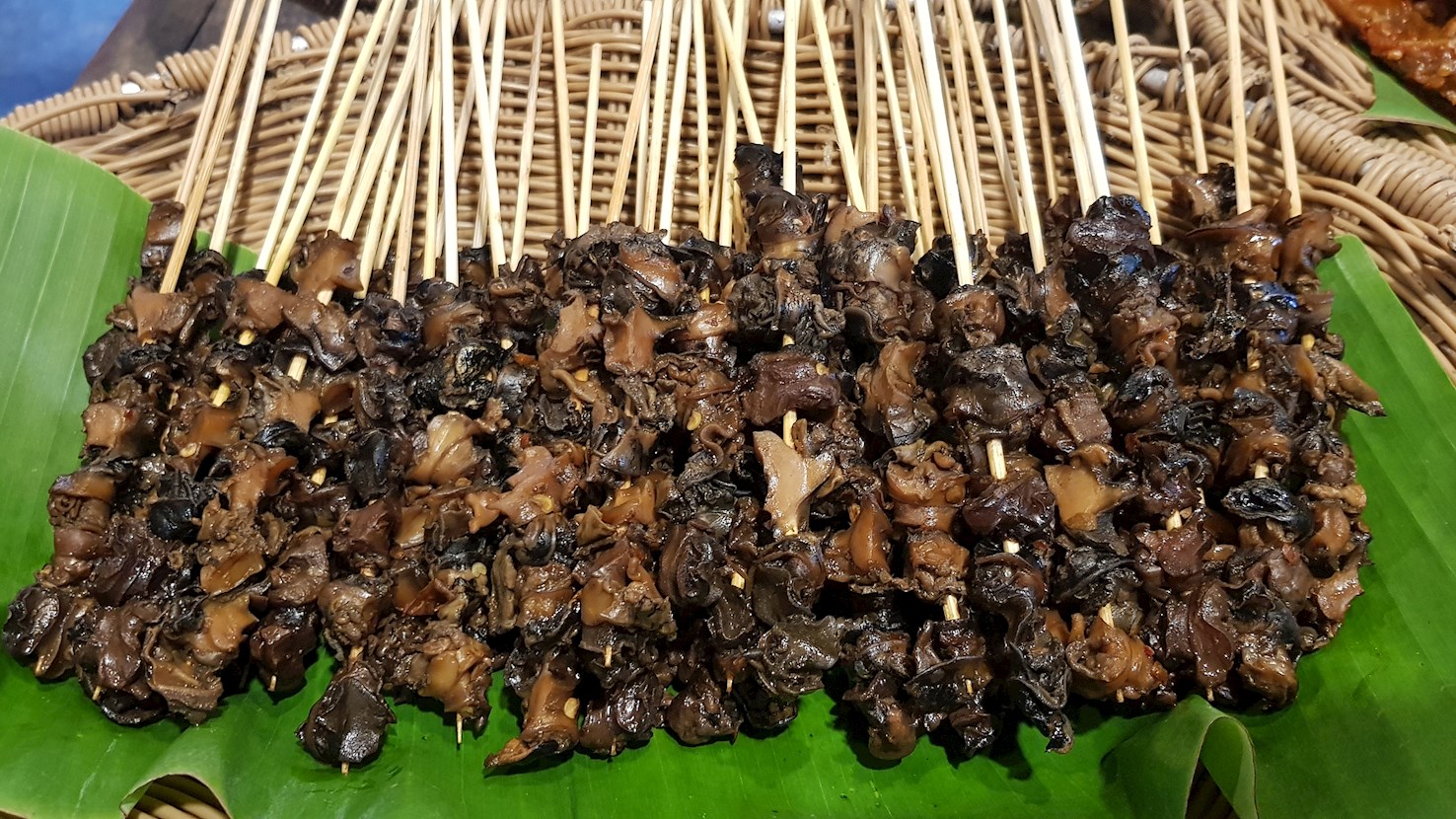
Sate kerang is an Indonesian skewered dish made with spiced and cooked mussels or clams, most famously associated with the city of Medan in North Sumatra. Unlike other types of sate that are grilled over charcoal, sate kerang is typically boiled or braised in a richly seasoned spice mixture before being skewered, resulting in a tender, flavorful bite with no need for additional grilling or sauces. Shellfish are first cleaned and then simmered in a blend of ground spices such as coriander, turmeric, galangal, lemongrass, chili, and shallots, often with the addition of coconut milk and sweet soy sauce to balance the heat with richness and a touch of sweetness. Sate kerang is commonly sold as a snack or side dish in warungs, roadside stalls, and markets, particularly in Medan, where it is often served alongside rice dishes like nasi gurih or as part of mixed platters during festive occasions. Its popularity has spread beyond North Sumatra, and it is now enjoyed in other parts of Indonesia, although it remains especially emblematic of Medan’s diverse culinary identity.
TasteAtlas food rankings are based on the ratings of the TasteAtlas audience, with a series of mechanisms that recognize real users and that ignore bot,
nationalist or local patriotic ratings, and give additional value to the ratings of users that the system recognizes as knowledgeable.
For the “15 Sate Varieties Ranked From the Best To the Worst” list until June 17, 2026, 777,524 ratings were recorded, of which 504,674 were recognized by the system as legitimate.
TasteAtlas Rankings should not be seen as the final global conclusion about food. Their purpose is to promote excellent local foods,
instill pride in traditional dishes, and arouse curiosity about dishes you haven’t tried.