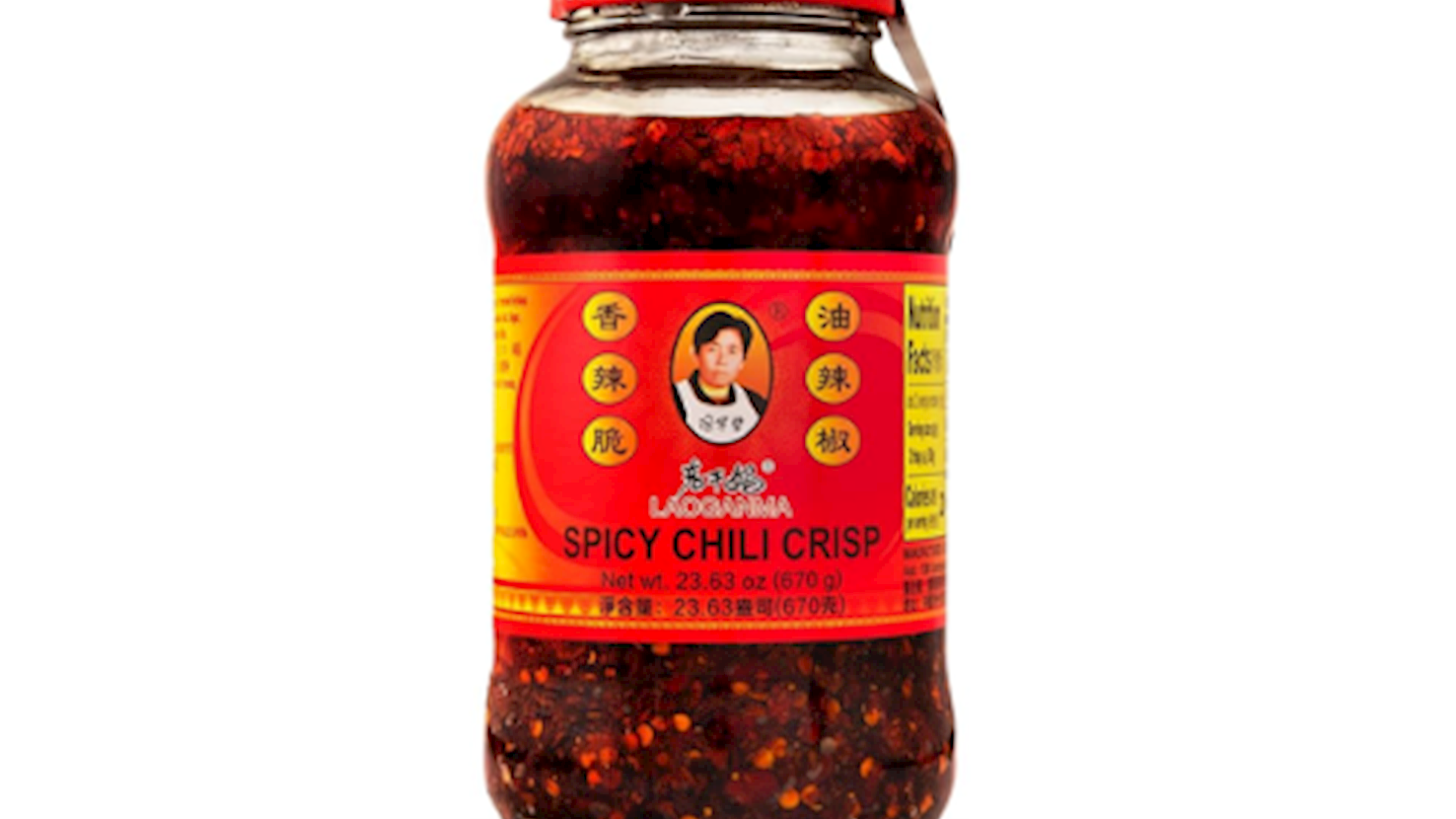
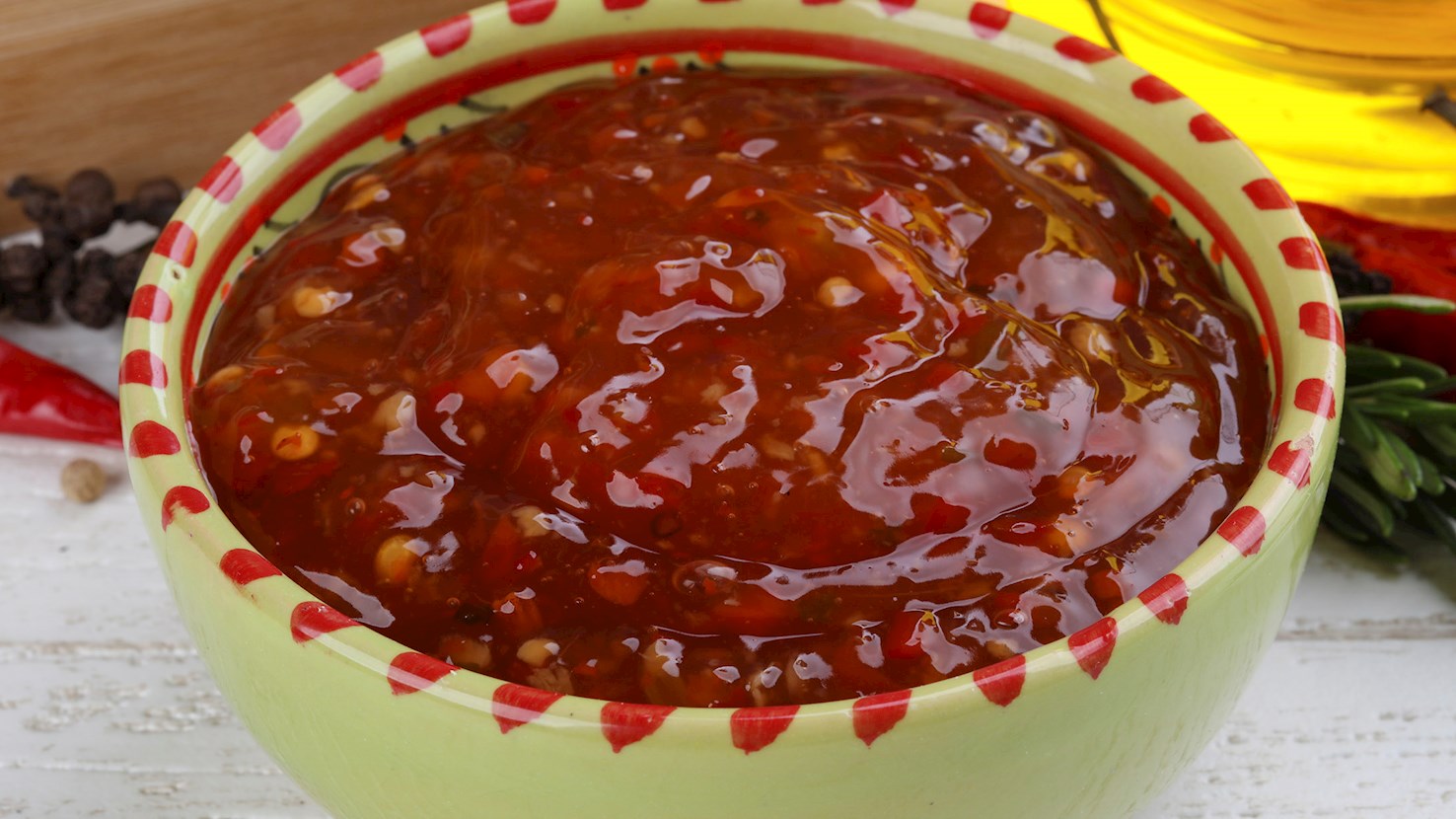
Lao Gan Ma is a Chinese brand renowned worldwide for its authentic chili sauces originating from Guizhou Province. The company was founded in 1997 by Tao Huabi, a woman of remarkable entrepreneurial determination who began her journey modestly, running a small noodle restaurant. The sauce she created - made from chili peppers, fermented soybeans, and oil-quickly became recognized for its aromatic depth and layered flavor. The brand has grown into a cultural icon of Chinese cuisine, known for its label featuring the portrait of its founder - a simple yet striking image that has become synonymous with homemade taste. Its product range includes various chili sauces used in households and restaurants across the globe. The uniqueness of Lao Gan Ma lies in the perfect balance between spiciness, saltiness, and umami, making it suitable for almost any dish - from noodles and rice to meat and vegetables. Today, the company exports to over 30 countries and produces millions of jars annually while maintaining its traditional production methods. Its philosophy reflects a blend of tradition and ingenuity-proof that a local product, built on simple ingredients and genuine flavor, can become a global phenomenon. Lao Gan Ma has become not only an essential part of countless kitchens but also a story of perseverance and quality that transcends the boundaries of gastronomy.
Lee Kum Kee is a well-known and reputable Chinese food manufacturer, specializing in sauces and condiments. Founded in 1888 in Guangdong, China, the company has a long history of producing high-quality products that are widely used in Asian cooking. Lee Kum Kee is particularly famous for its oyster sauce, soy sauce, and various other cooking sauces, which are staples in both home kitchens and professional restaurants around the world. The company uses traditional recipes combined with modern production techniques to ensure consistency and authenticity in its products. With a strong focus on innovation and quality, Lee Kum Kee has expanded its product range to include seasonings, marinades, and ready-to-cook products, catering to a diverse global audience.
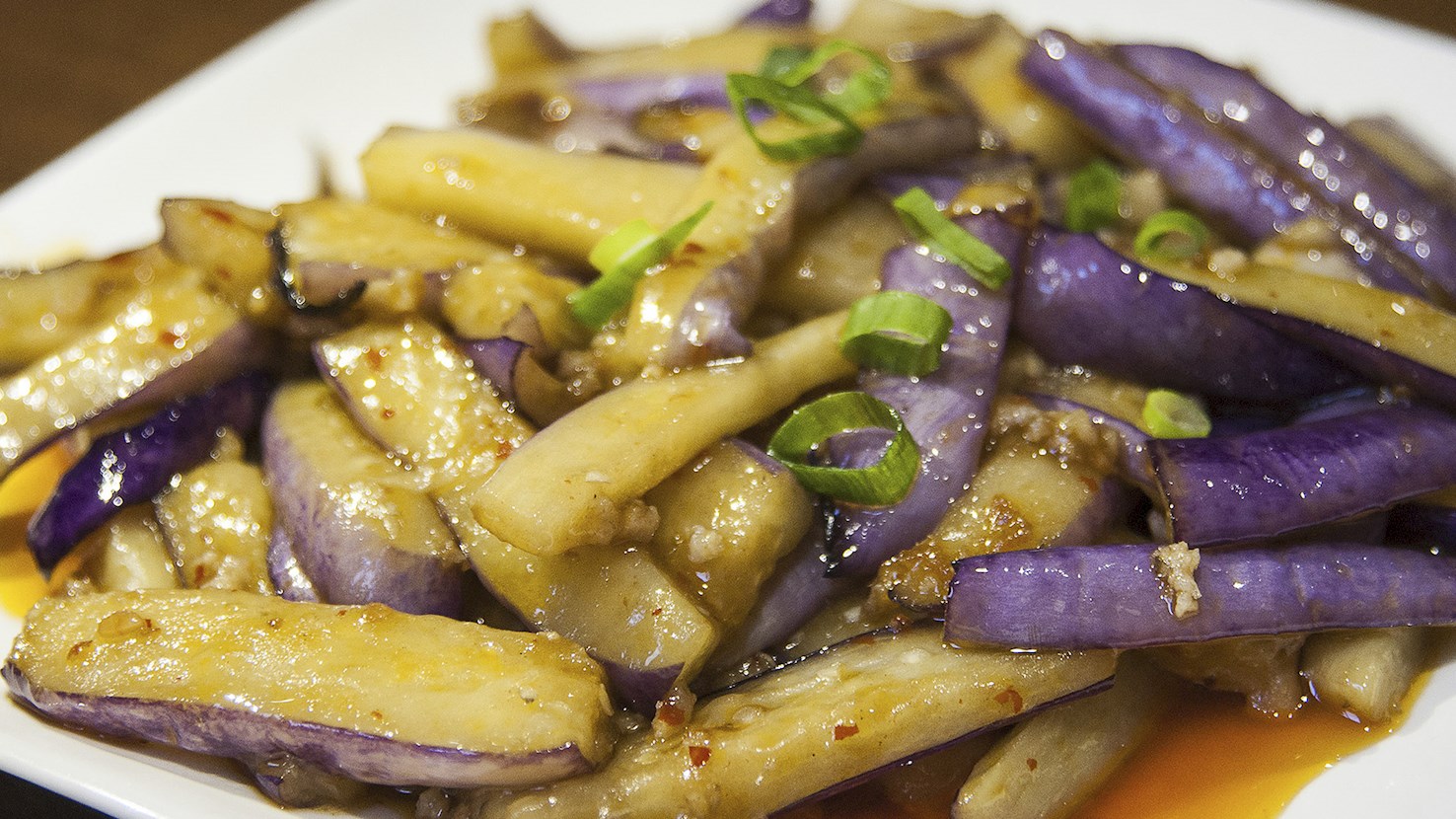
This traditional Chinese seasoning mix is said to have originated in Sichuan cuisine, which is known for spiciness and bold flavors, but has since spread to other regions as well. The word yuxiang also refers to the sauce in which the meat or vegetables were cooked. Yúxiāng literally translates to fish fragrance, although it contains no seafood and is not commonly used in seafood dishes, but rather to create a flavor base for vegetarian recipes and various dishes containing beef, pork, or chicken. The mix typically consists of finely minced pickled chili called pao la jiao, white scallion, ginger, and garlic; in more or less equal amounts. To create the sauce, on top of the basic mixture, cooking with yúxiāng almost always includes the use of sugar, salt, chili peppers, soy sauce or vinegar and doubanjiang - a spicy fermented broad bean, soybean, and rice paste popularly known as the soul of Sichuan cuisine.
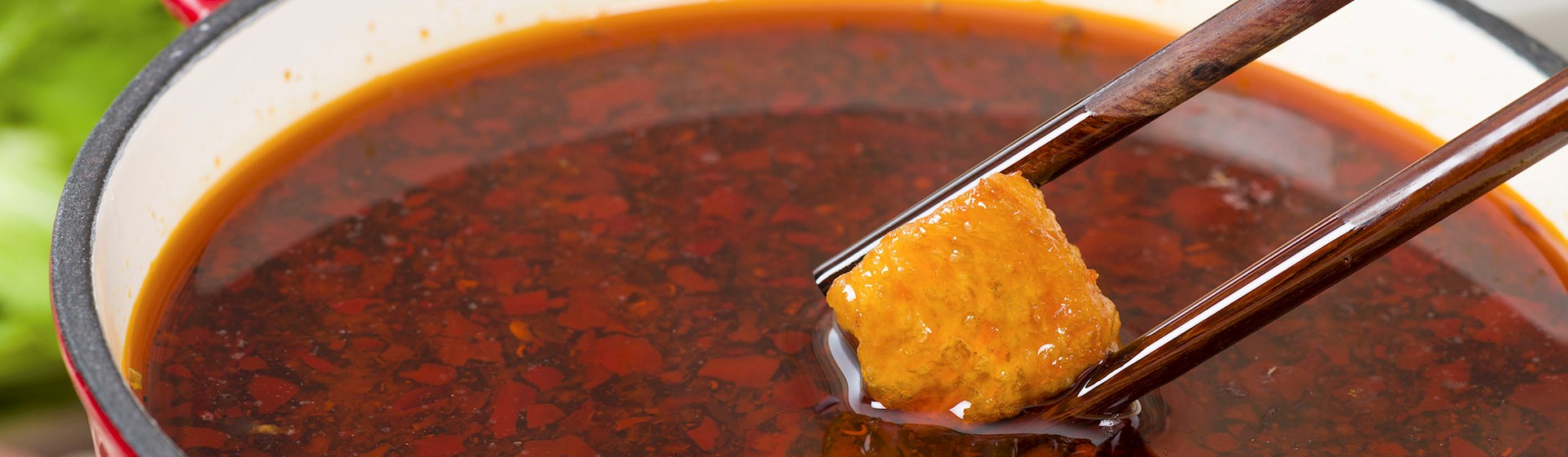
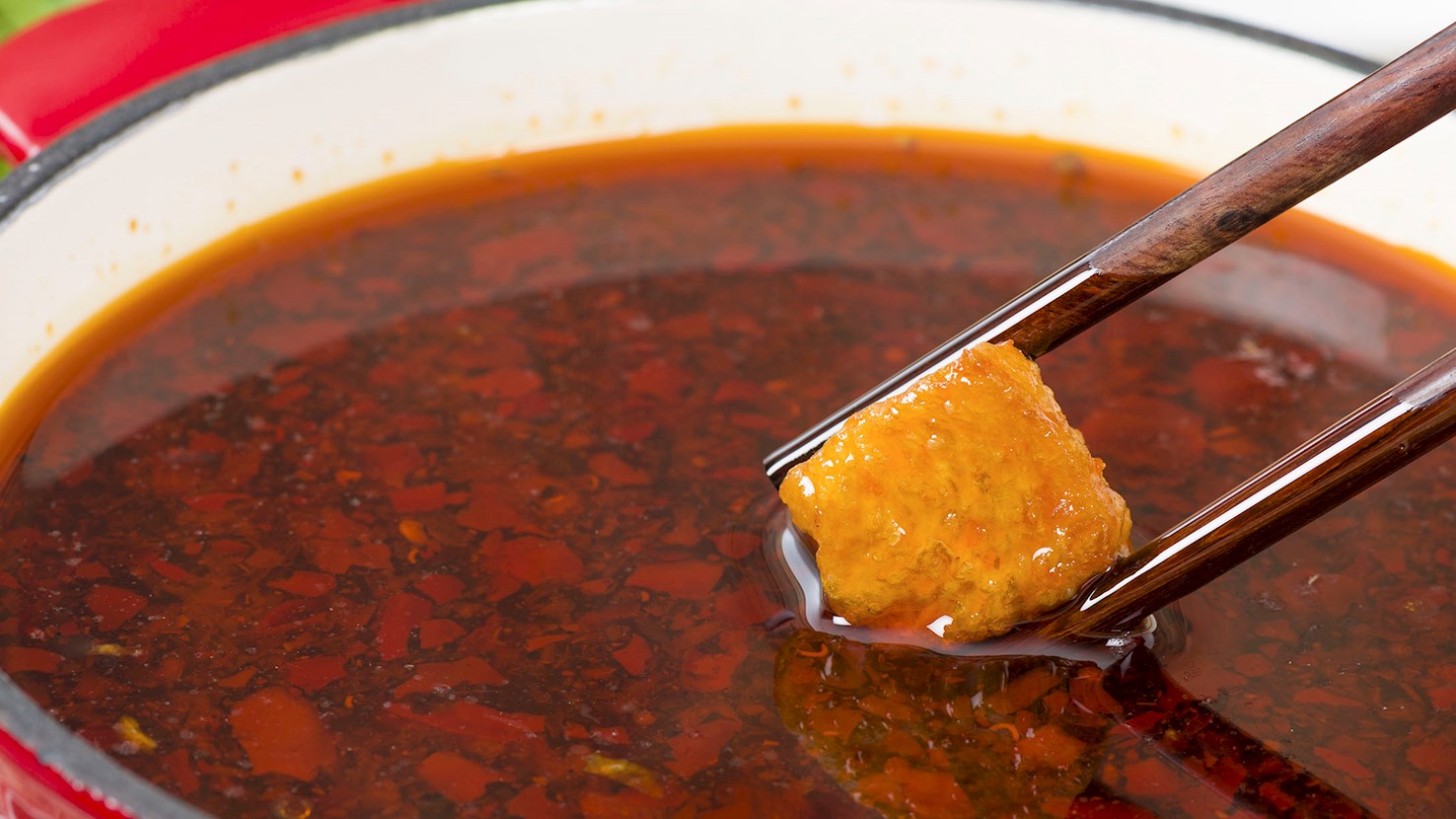
Mala is a brothy, spicy sauce consisting of Sichuan peppercorns, chili peppers, oil, and a handful of various spices. In Chinese gastronomy, it is considered as one of the most popular sauces with many regional varieties. The sauce is so spicy that it is even implicated in its name, the term málà literally meaning numbing and spicy, caused by the Sichuan peppercorns. Although the origins of the sauce are still unclear, the most popular theory suggests that it was invented in Sichuan in the 19th and 20th century, when it was full of pier workers who were regularly eating cheap foods such as beef stomach, kidney, and solidified blood. The sharp flavors and layers of oil in mala helped to mask the bad scents. Today, mala is used in various stir-fries, stews, and hot pots.
Hoisin sauce is a thick, dark brown sauce, commonly used in Cantonese and northern Chinese cooking. It is known for its balanced combination of sweet, salty, and umami flavors, and is made from fermented soybeans blended with sugar, vinegar, garlic, and various spices. The sauce is used both as a glaze for meat and as a dipping sauce, contributing flavor depth and color to a range of dishes. Its name, derived from the Cantonese word “hoisin” meaning “seafood,” refers not to its ingredients but to the sauce’s early use in dishes often paired with fish or shellfish. Today, hoisin sauce is found throughout Asia and in international Chinese cuisine, where it is a common accompaniment to roasted meats, noodles, and spring rolls. The sauce developed during the late imperial period in China, when fermentation techniques were widely applied to preserve soybeans and create seasonings such as soy sauce and bean paste. In the southern provinces, cooks began combining these pastes with sweeteners and aromatics to produce a thicker, more versatile sauce suitable for glazing and dipping. It spread quickly through urban markets and restaurants, particularly in Guangdong and Hong Kong, and was later adopted in Beijing-style cuisine where it became an essential component of dishes such as Peking duck. Modern versions vary slightly by region and manufacturer, but the core flavor profile, a combination of sweetness, salt, and fermented richness, remains constant. Preparation begins with a base of fermented soybean paste, which is mixed with sugar or molasses, vinegar, garlic, chili, and five-spice powder. The mixture is cooked slowly until thickened and then cooled to achieve a smooth, glossy texture. In commercial production, starches are sometimes added for consistency, and preservatives are included for shelf stability. The resulting sauce is dark and viscous, with a strong aroma and a flavor that combines the savoriness of fermented beans with the sweetness of sugar and the tang of vinegar. The depth of flavor comes from the fermentation process, which produces complex umami compounds that interact with the other ingredients to create balance. Hoisin sauce is eaten throughout China and across East and Southeast Asia, and it has become a familiar element in global Chinese cuisine. It is found in restaurant kitchens and household pantries alike, used both as a cooking ingredient and as a condiment. The sauce pairs well with meats such as duck, pork, and beef, as well as with tofu and grilled vegetables. It is commonly served alongside steamed buns or pancakes in Beijing-style dishes and with noodle soups in southern China. For beverages, it complements light teas such as jasmine or oolong, whose floral notes balance its richness, while beer or dry white wine can provide contrast when served with roasted or spiced meats.
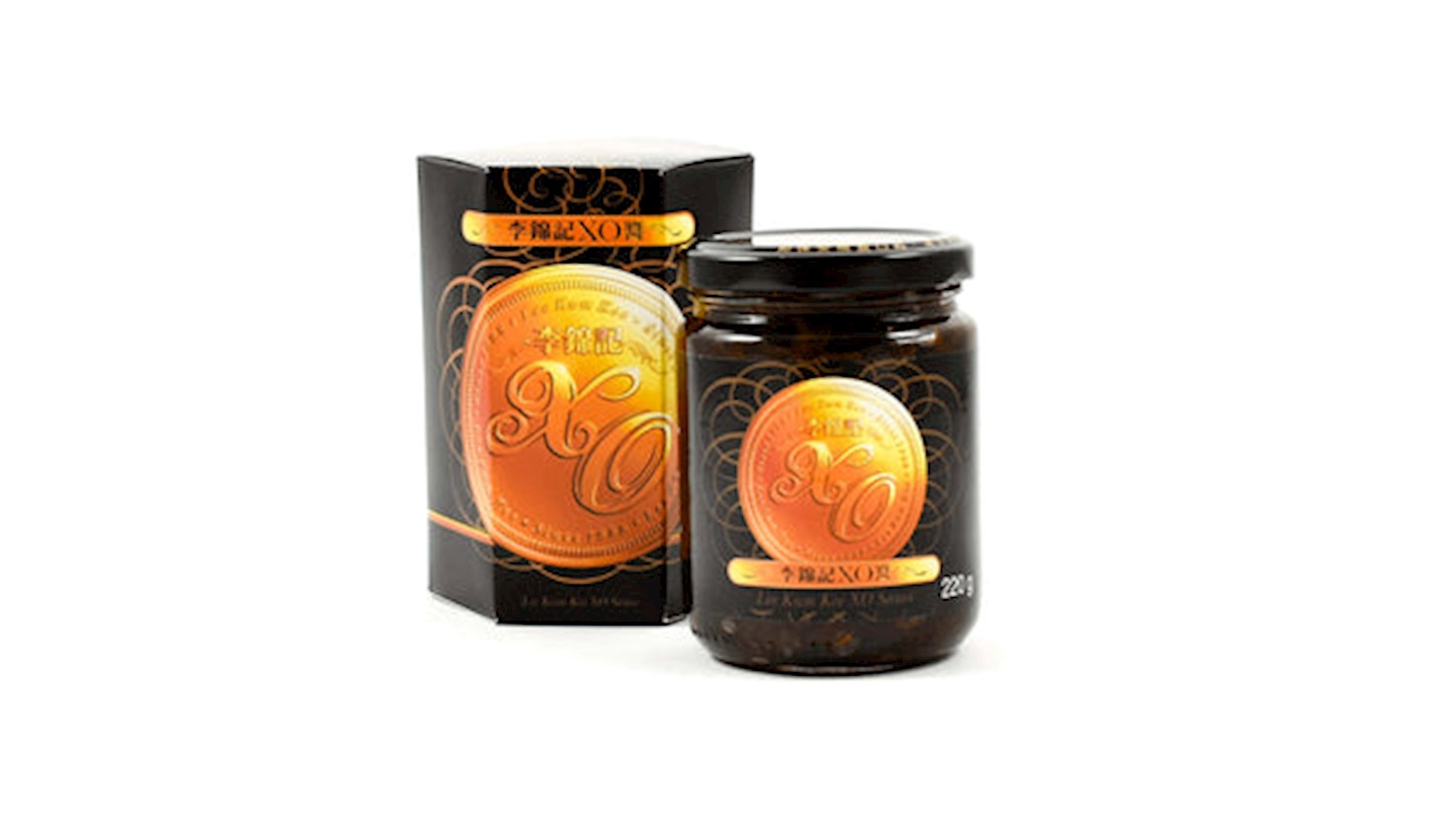
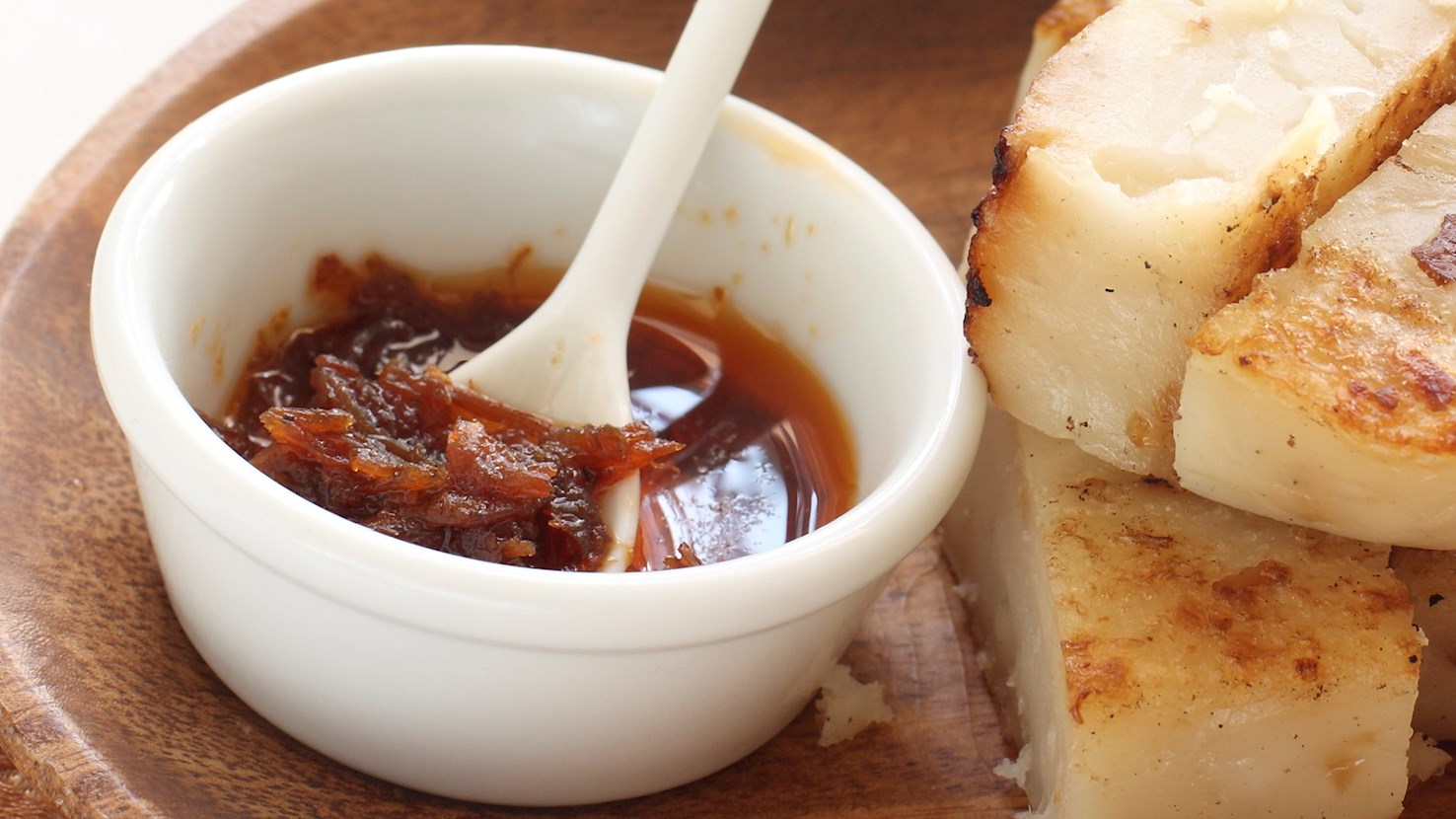
Sometimes referred to as caviar of the East, XO sauce is a popular sauce originating from Hong Kong, consisting of boiled dried scallops, dried shrimp, dried ham, garlic, onions, and chili peppers. XO refers to extra old cognac, even though the sauce doesn't contain a drop of it. Because cognac is considered chic and is a status symbol in Hong Kong, the sauce is also packaged in a similar-looking box, which is very clever marketing, if nothing else. However, XO sauce is extremely flavorful and full of umami, showing up even in restaurants across North America. The sauce is not just a simple condiment, seeing that it is often used to improve the flavors of various stir-fries, seafood, rice, and vegetable dishes. Today, it is still unclear whether the sauce was invented at the Spring Moon restaurant in Hong Kong or at one of numerous seafood restaurants in Kowloon in the 1980s.
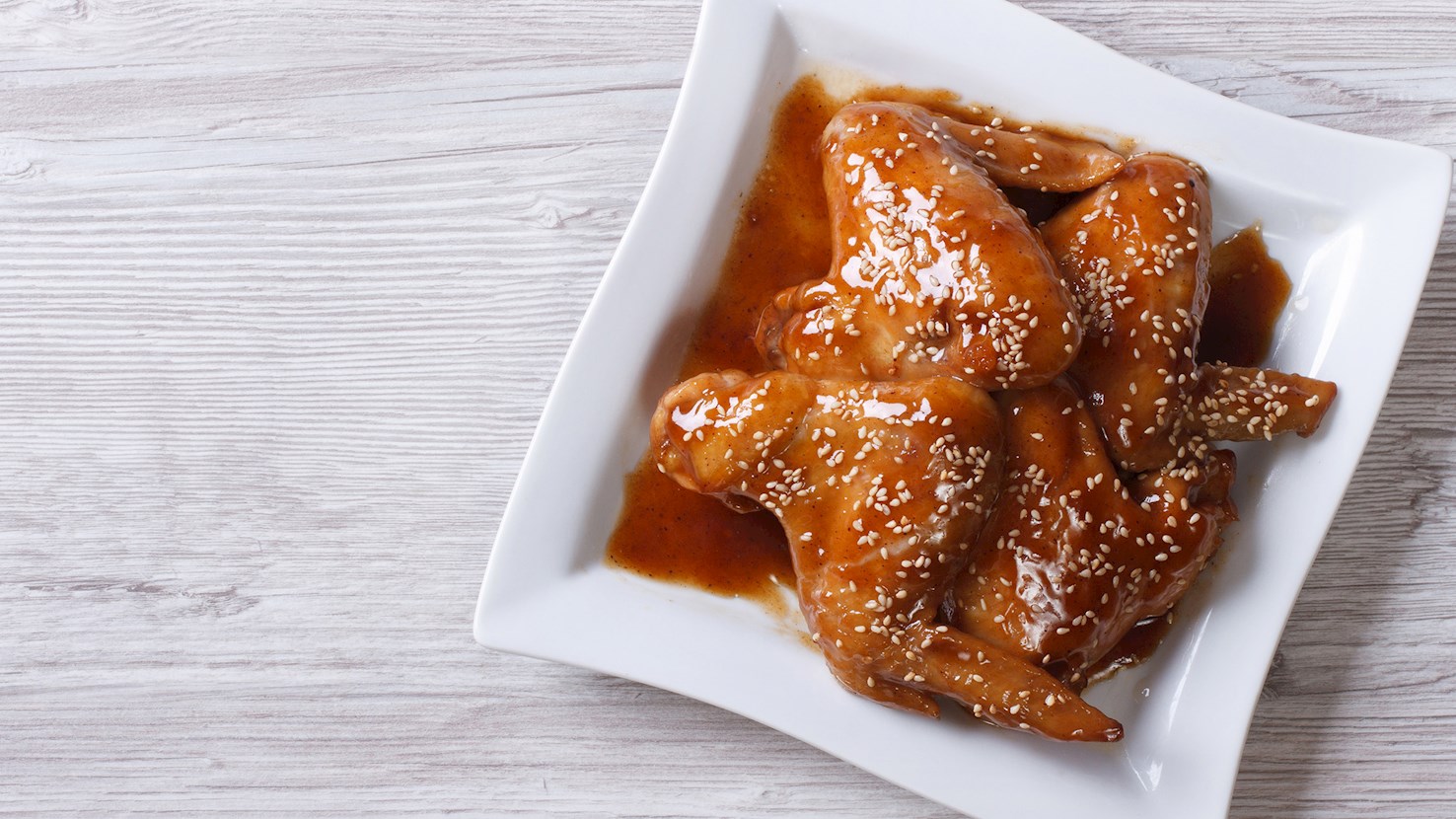
Plum sauce is a flavorful condiment consisting of sweet plums, vinegar, ginger, chili, garlic, sugar, and salt. It has Chinese origins and is an often-seen condiment of choice in numerous Chinese restaurants. The sauce can be used as a dip for a variety of dishes such as roast duck, spring rolls, and noodles, or it can be brushed on poultry or ribs before grilling. Additionally, other fruits such as apricots or prunes can be added to the sauce in order to thicken it.
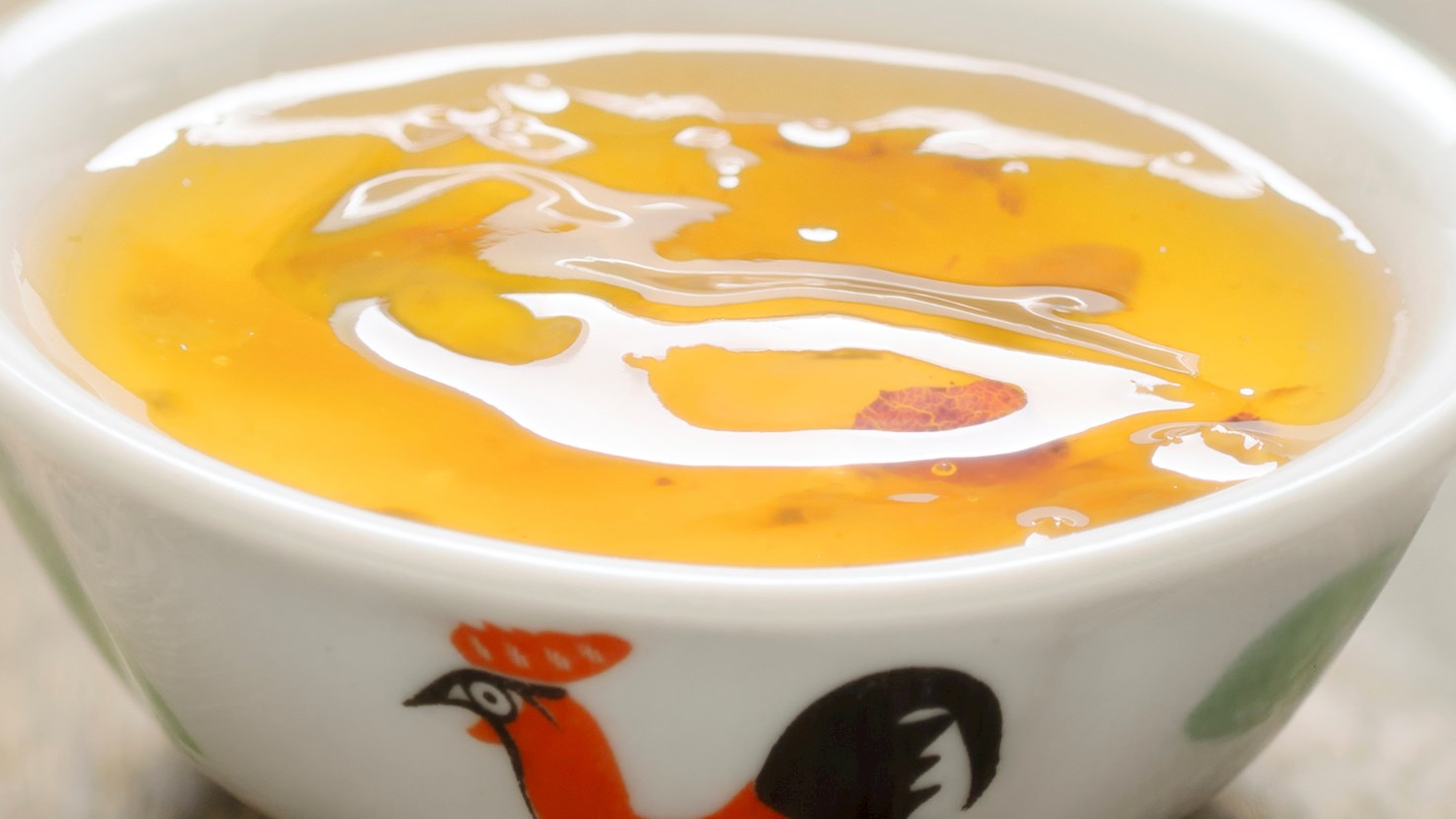
Sweet and sour sauce is usually associated with the authentic Chinese combination of rice vinegar and sugar. The probable origin of this sweet and sour mixture is the Chinese province of Hunan, where it was originally used as a condiment or a sauce for fish, meat, and vegetables. Some theories claim that the Chinese province of Guangdong was the place where this traditional sauce first appeared, but it is also possible that both sauces were developed independently at the same time in different provinces. The primary form had a pale yellow color, it was usually uncooked and served on the side as a dipping sauce. In some eastern Chinese provinces fruits such as pears and pineapples were used to create different flavor combinations. Later, the addition of various sauces, primarily soy and Worcestershire sauce, and different ingredients such as brown sugar, molasses, and honey, enabled the creation of numerous flavor varieties. The western versions usually add ketchup, which contributes to the distinctive red color of the sauce. In China, sweet and sour sauce is mostly used for dipping and is usually incorporated in stir-fries. The sauce is highly versatile, and can act as an accompaniment to seafood, meat, and even vegetable dishes. In the United States and Europe, it has become one of the most popular condiments and sauces, which has surpassed its original purposes, and is now commonly served in fast food chains and restaurants. This flavorful sauce is easily prepared at home, but can also be found in every better-equipped supermarket in China, Europe, and North America.
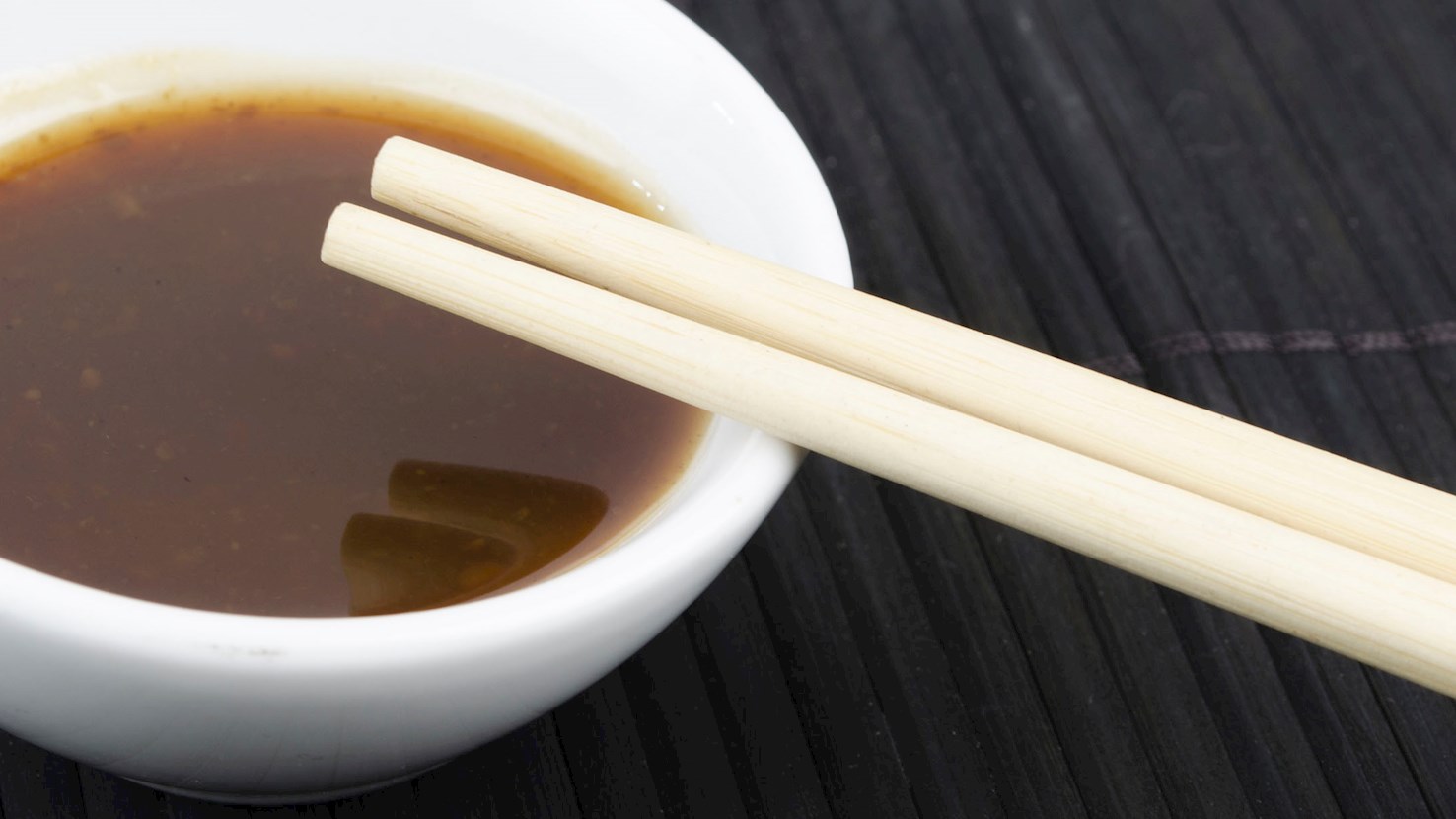
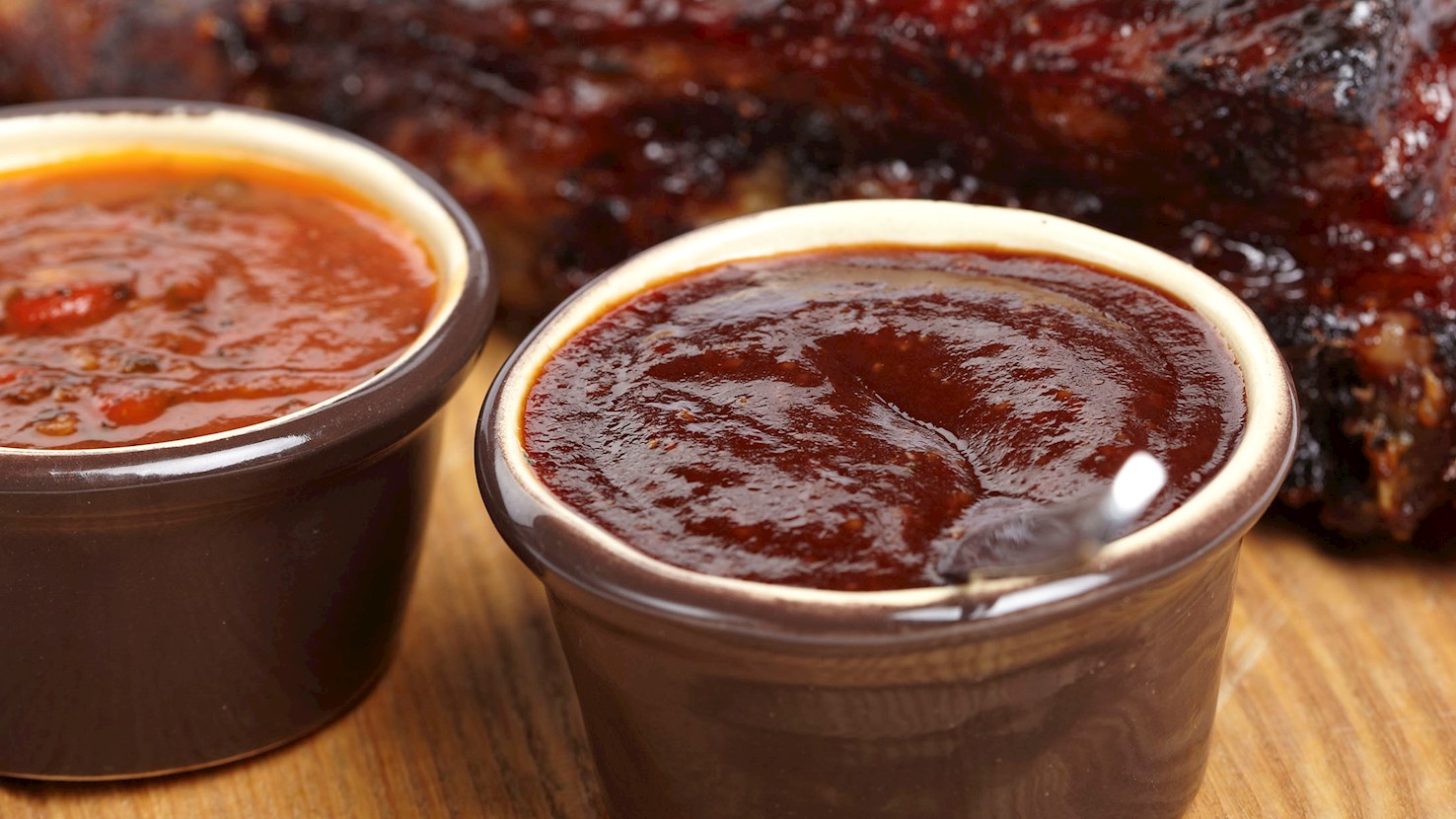
Siu haau is a popular type of thick, savory, and slightly spicy barbecue sauce that is primarily used in Chinese and Cantonese cuisine. It is not used as a flavoring after the food is done, like some other sauces, but during the barbecue process, while the meat is still cooking. The sauce usually consists of a combination of soy, oyster, and hoisin sauce, sugar, garlic, honey, pepper, and salt.
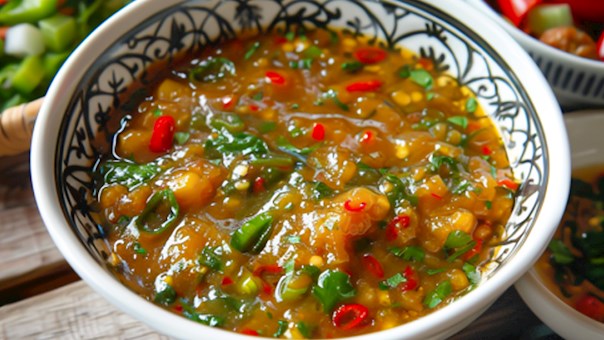
Sepen is an extremely hot and spicy sauce originating from Tibet. Although there are many variations (thick or thin, chunky or smooth), it's usually made with a combination of red hot chili peppers, onions, tomatoes, scallions, garlic, celery, coriander, salt, and oil. The ingredients are chopped by hand and stir-fried in oil until everything is cooked down. Once cooked, the sauce can be enjoyed as it is or mashed and blended until smooth. Sepen is typically served with mild Tibetan foods such as momo dumplings or laping.
Guaiwei is a unique Sichuan blend of spices that is commonly used in the preparation of sauces or as a seasoning for various seafood and meat dishes. Its name is literally translated to strange or exotic taste and is extremely prized in Sichuan cuisine, although it is rare to find it outside of the region. Essentially, it is a combination of mala seasoning and yuxiang sauce, with added sugar, sesame seeds or oil, rice vinegar, soy sauce, and Sichuan peppercorns, resulting in a complex layering of piquant, salty, sweet, and sour flavors. The sauce is commonly used in the preparation of chicken dishes and stir-fries, dressing salads, or as a dip for wontons and pot stickers.
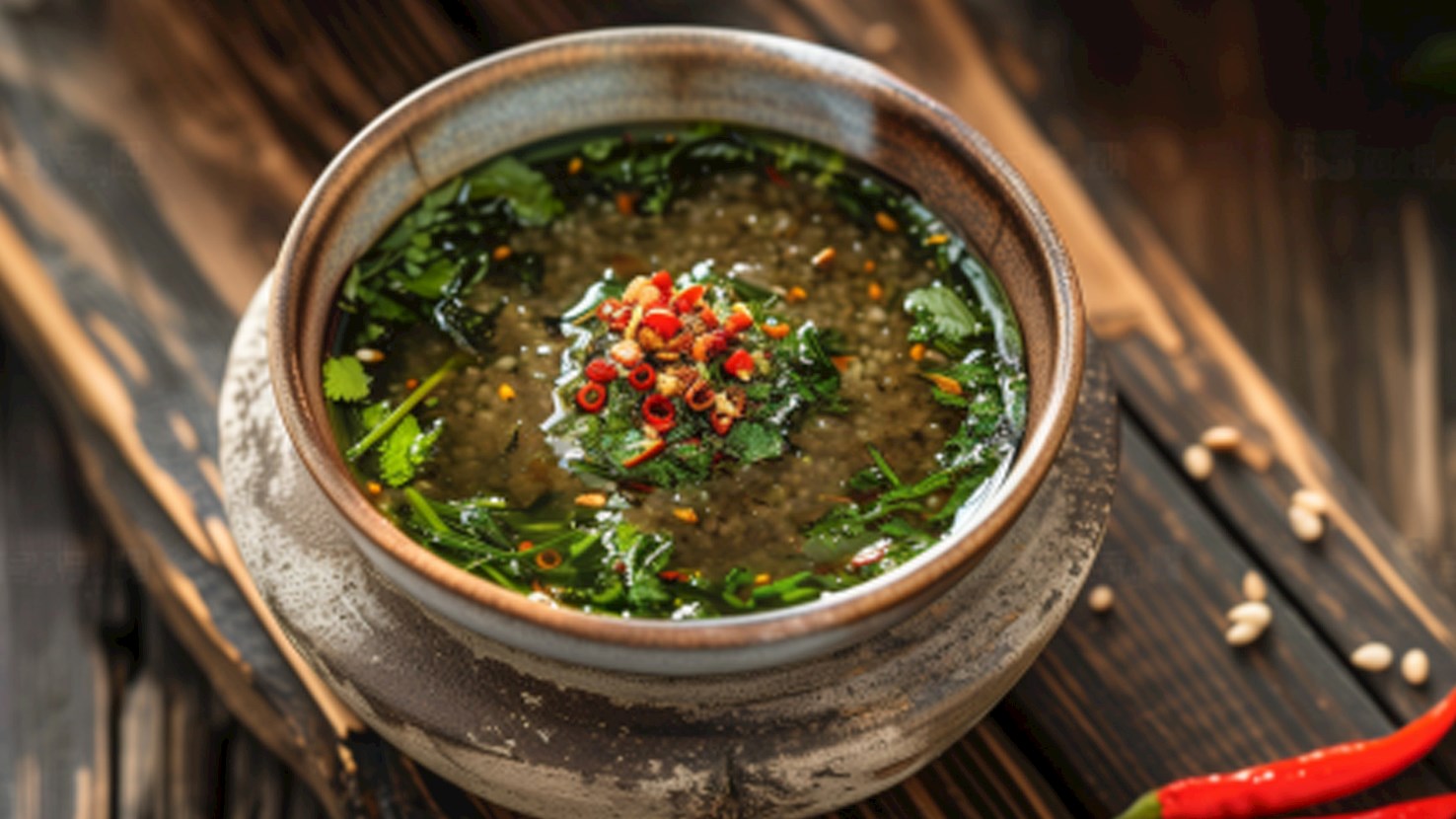
Sapie is a Dai dish from the Yunnan province consisting of a dipping sauce and various cold ingredients that are dipped into the sauce before consumption. The sauce is made with raw beef, spices such as knotweed, culantro, ramson, garlic, and bovine bile, the bile giving it a bitter taste. The so-called cold ingredients are usually rice noodles, tripe, grilled intestine, hot peppers, cabbage, and smoked beef jerky. There are many variations of this dish, most notably the lemon sapie that has lemon juice instead of bovine bile, sapie with ants, fish sapie, and sapie with coagulated pork blood.
TasteAtlas food rankings are based on the ratings of the TasteAtlas audience, with a series of mechanisms that recognize real users and that ignore bot,
nationalist or local patriotic ratings, and give additional value to the ratings of users that the system recognizes as knowledgeable.
For the “Top 11 Chinese Sauces” list until June 15, 2026, 631 ratings were recorded, of which 557 were recognized by the system as legitimate.
TasteAtlas Rankings should not be seen as the final global conclusion about food. Their purpose is to promote excellent local foods,
instill pride in traditional dishes, and arouse curiosity about dishes you haven’t tried.
The initial list of top producers was compiled based on available reviews, awards, local recommendations, media and blog coverage, and consumer reviews.
The list will be updated with ratings from TasteAtlas local ambassadors and TasteAtlas users.