

shutterstock

Top 32 Southeast Asian Sauces

Last updated on October 15, 2026

Best Southeast Asian Sauces
01

Curry Paste

4.4 ·

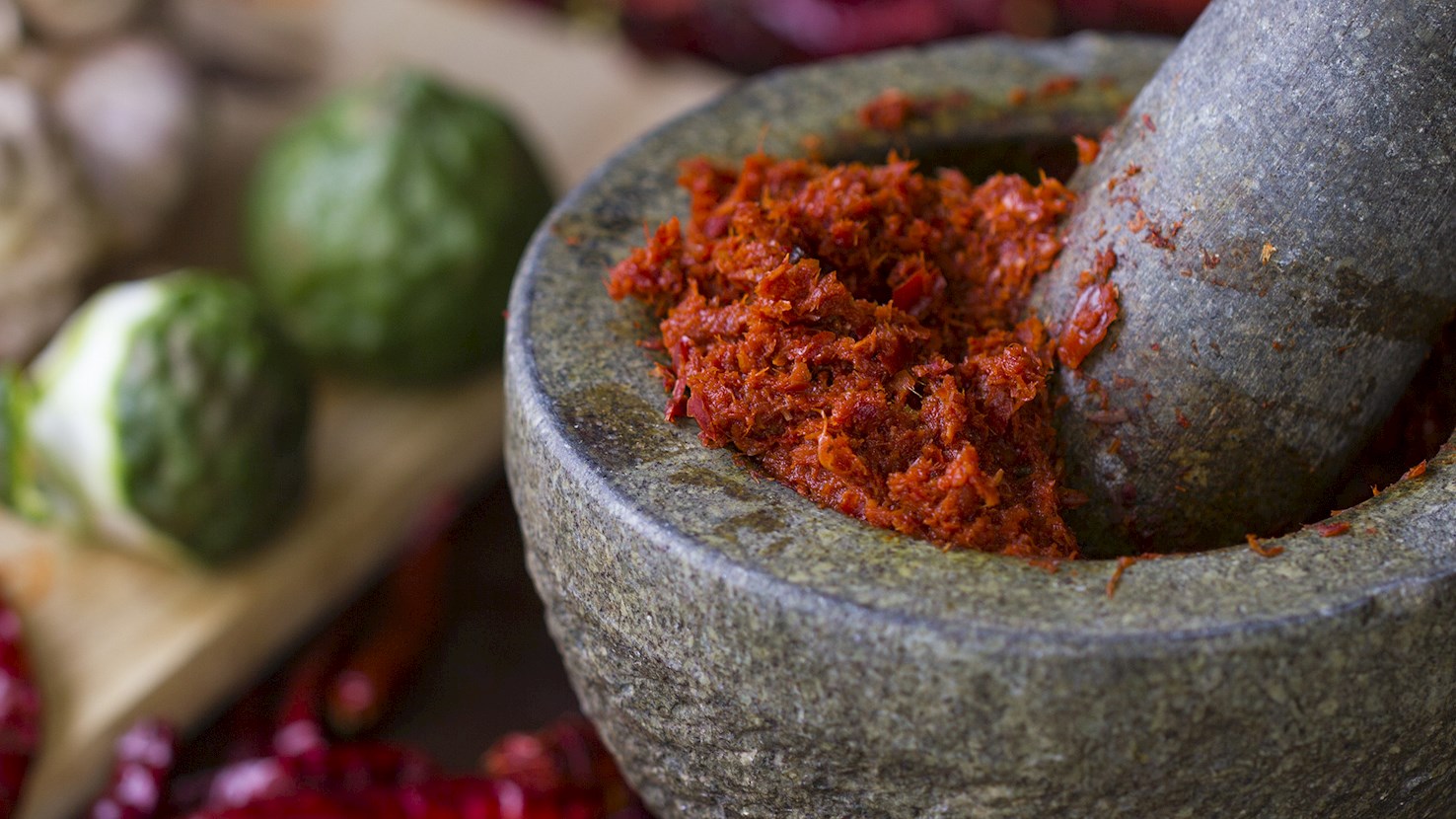
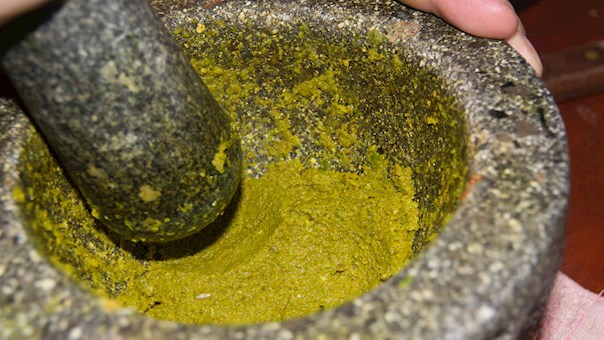
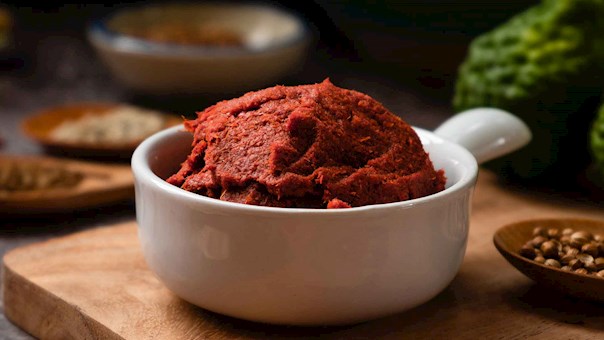
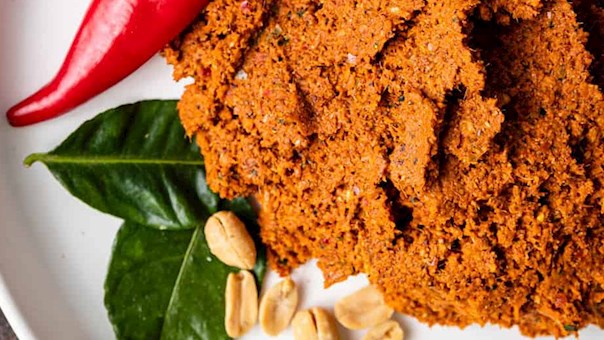
Gaeng is a Thai word for the world-famous Thai curry paste, either yellow, red, or green in color, sorted by the order of spiciness where yellow curry is slightly spicy and green curry is the spiciest. Yellow curry consists of coconut milk as its base and toasted and powdered variety of spices such as turmeric, anise, cinnamon, dried chilis, bay leaves, ginger, coriander, cumin, and fermented shrimp paste. Yellow curries are often prepared with bits of beef, lamb or chicken, onions, potatoes, and pineapple. Red curries consist of coconut milk, red chili powder, white pepper, cumin, nutmeg, coriander, garlic, lemongrass, ginger, and grated kaffir limes. The sauce pairs well with roasted pork, beef, shrimp, duck, eel, bamboo shoots, Thai basil, and pumpkin. Green curries consist of coconut milk, hot green chilis, lemongrass, ginger, coriander, cumin, white pepper, onions, palm sugar, grated kaffir lime, garlic, and holy basil (Thailand's beloved pungent herb). This devilishly hot curry pairs well with beef or chicken and Thai eggplants. There is also a popular Thai curry that is not linked with a specific color - massaman curry, consisting of cumin, caraway, cloves, anise, cinnamon, cardamom, white pepper, ginger, nutmeg, cashews, lime, garlic, lemongrass, and the extremely hot bird's eye chilis. Massaman curry is a legacy of Muslim spice traders, so it is not usually paired with pork, but with tamarind, bitter oranges, potatoes, pineapples, chicken, or beef, which is the reason why it is more aromatic than spicy in the end. One might wonder why most curries are served with rice on the side, and the reason is that beverages and liquids spread the spicy, hot oils all over the surface of the tongue while rice is used to "mop them up" - so the next time you eat a hot and spicy curry, try eating more rice instead of drinking a cold beverage to soothe the palate.

02

Nước chấm (Vietnamese Fish Sauce)

4.3 ·

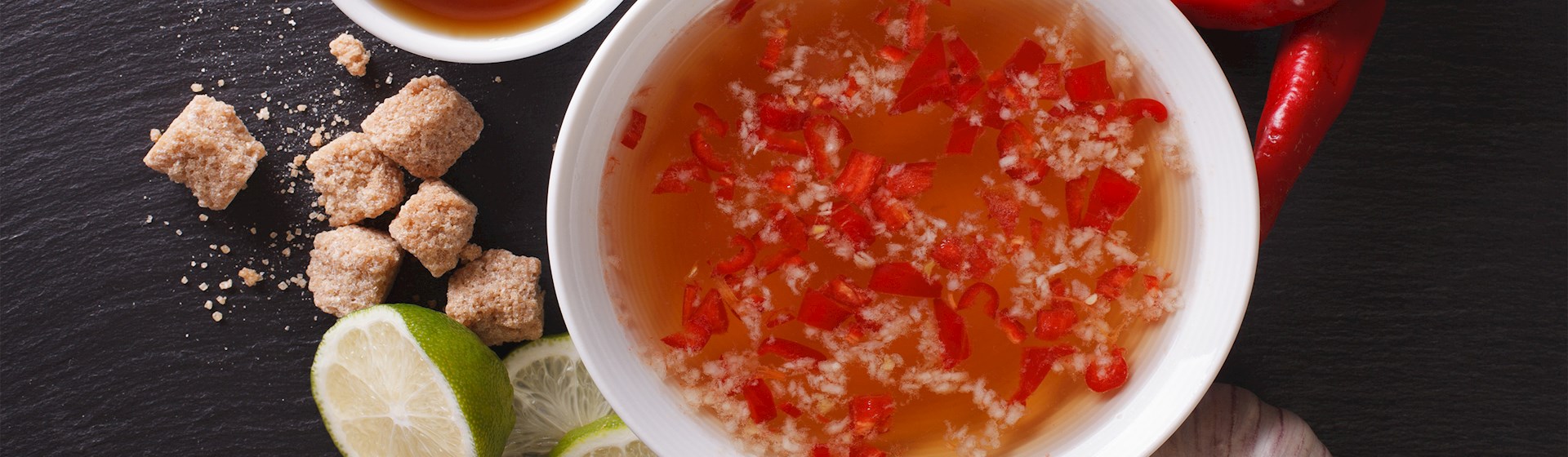
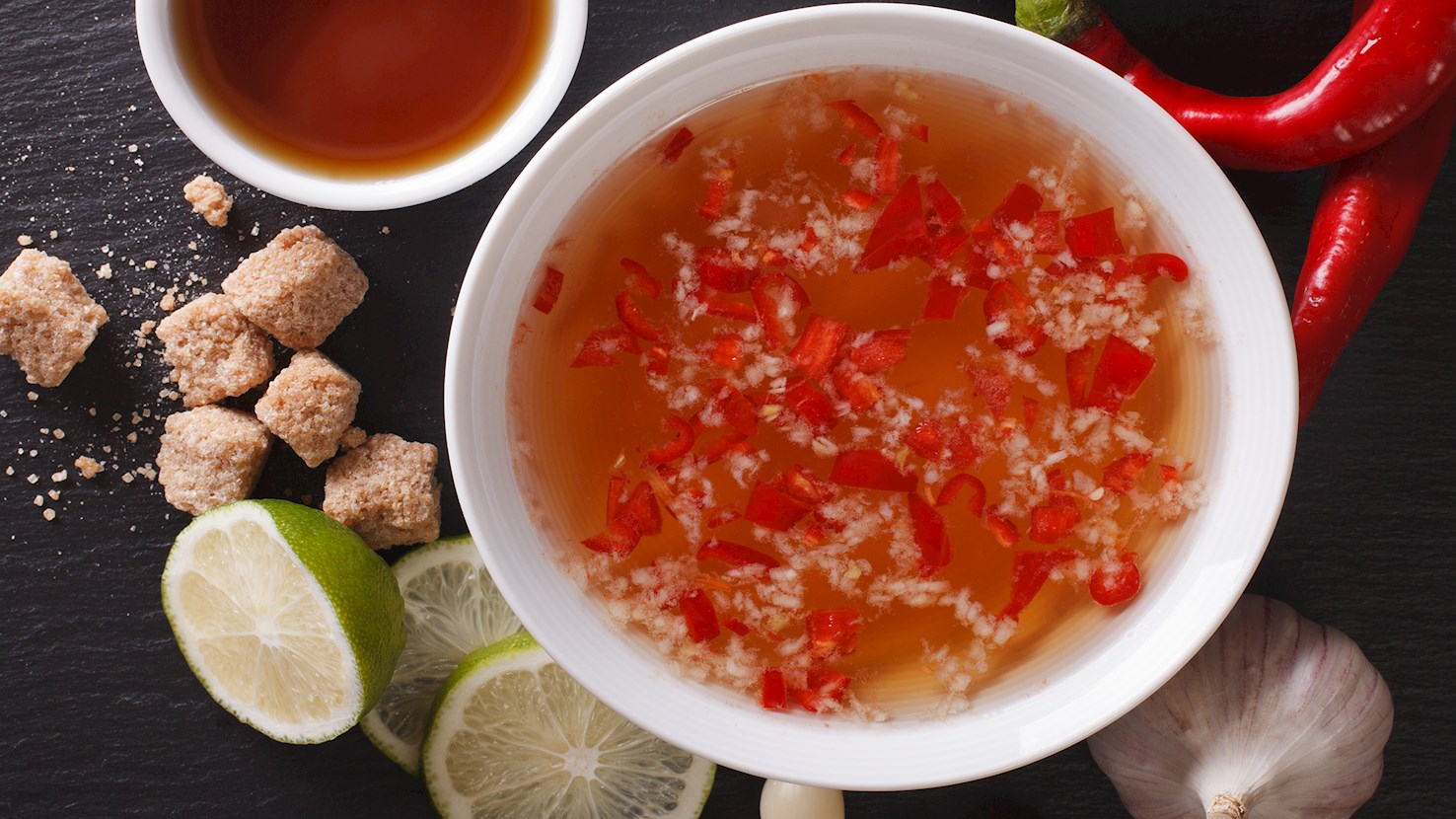
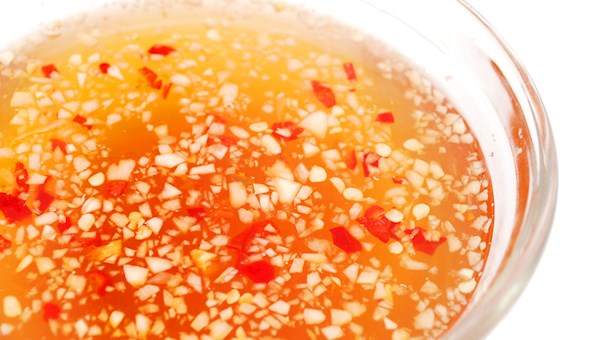
In its basic form, this ubiquitous Vietnamese sauce is prepared with a sour base of lime juice, or optionally vinegar, sugar, water, and fish sauce. Common additions include finely sliced chili peppers, garlic, shallots, spring onions, ginger, or fresh herbs. The sauce comes in many regional varieties, and the final composition may also depend on the type of meal which it accompanies. Nước chấm is usually served as a dipping sauce alongside chả giò (spring rolls), bánh xèo (crispy pancakes), and various meat or seafood dishes, as well as noodles and soups.

03

Pecel

4.2 ·

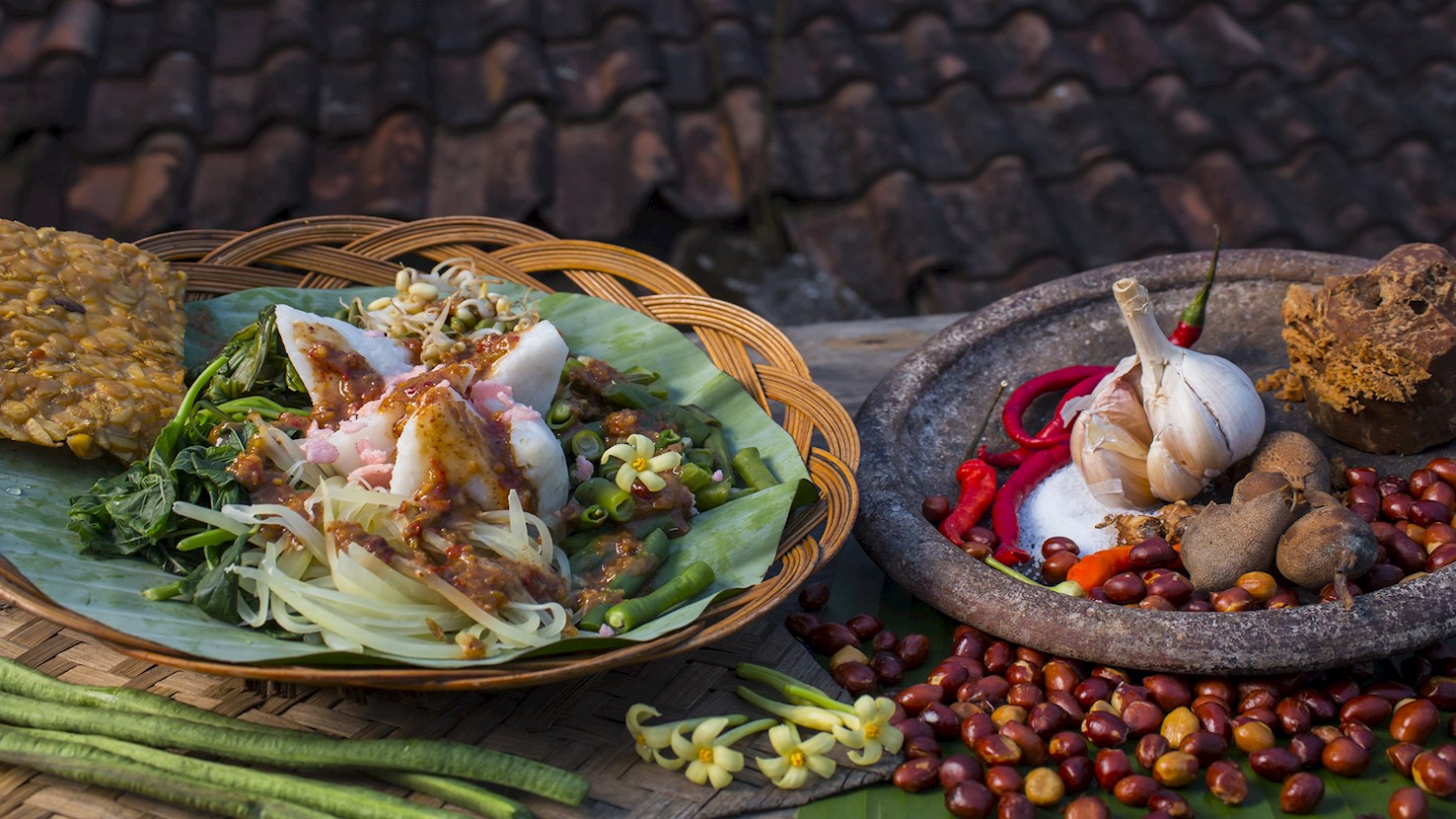
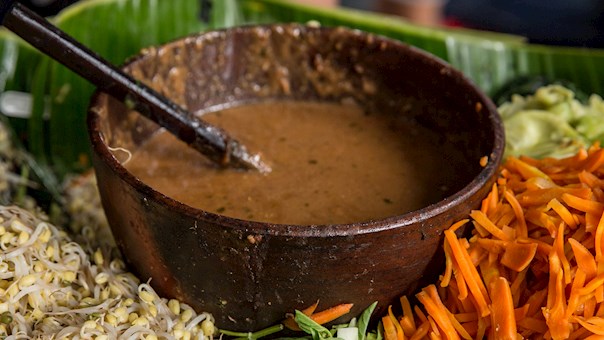
Indonesian pecel may refer to a fragrant peanut sauce or a combination of the sauce and various vegetables, when it is commonly referred to as a salad. The base of the sauce is prepared with roasted peanuts and spices that typically include chili peppers, palm sugar, garlic, tamarind juice, shrimp paste, kaffir lime leaves, salt, and kencur, an aromatic ginger variety. Usually associated with Java, the sauce is characterized by its distinctive combination of sweet and spicy flavors. When served with rice, the dish goes under the name nasi pecel.

04

Sambal terasi

4.2 ·

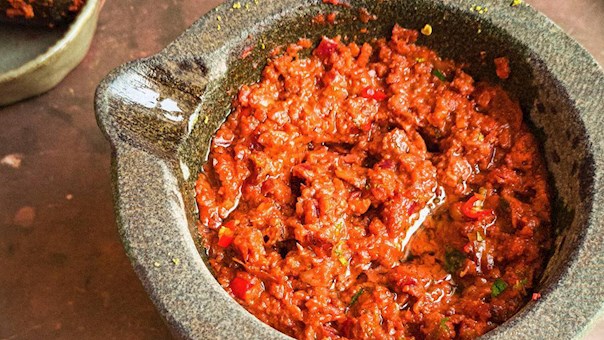
Sambal terasi is an Indonesian chili paste made primarily from fresh red chilies and fermented shrimp paste known as terasi. It is one of the most common and widely used sambals across Indonesia and serves as a versatile condiment that accompanies a variety of dishes, from fried fish and vegetables to rice and tofu. The key ingredient, terasi, is made from ground, salted, and fermented small shrimp that is sun-dried and either formed into blocks or sold loose. Before being used in sambal, terasi is typically toasted or fried to reduce its strong odor and enhance its umami flavor. The sambal is prepared by grinding red chilies, garlic, shallots, and sometimes tomatoes together with the toasted shrimp paste using a mortar and pestle, though modern versions may use a blender. Palm sugar is added to introduce sweetness, and tamarind juice or lime juice provides a sour note to balance the flavors. Salt is used for seasoning, and a small amount of oil is often added to blend everything smoothly or to fry the sambal further if a cooked version is desired. There are two main types of sambal terasi: sambal terasi mentah (raw), which uses raw chilies and ingredients and is served fresh, and sambal terasi matang (cooked), where the ingredients are sautéed to develop a deeper, more mellow flavor. Sambal terasi is an essential part of Indonesian cuisine and is found in households and restaurants throughout the country. It is known for its bold, savory taste and ability to enhance even the simplest dishes. While it can be very spicy depending on the amount and type of chilies used, it is always characterized by its complex combination of spicy, salty, sweet, and tangy notes. Because of its strong flavor and the presence of shrimp paste, sambal terasi is often made in small batches and consumed fresh, although it can be stored for several days in a sealed container in the refrigerator. In Malaysia, sambal terasi is known as sambal belacan.

05

Sambal

4.1 ·

This quintessential Southeast Asian condiment is usually made only with spicy chili peppers and salt. It is occasionally adapted with lime juice, onions, sugar, ginger, shrimp paste, or vinegar. Traditionally prepared in a mortar, it is characterized by its thick consistency and an incredibly strong and sharp flavor. This original Indonesian creation has gained worldwide acclaim, and store bought varieties are available at numerous Asian food markets and international stores around the world. Sambal is used in a variety of Asian dishes, usually as a spicy condiment, seasoning, or a topping served alongside meat, seafood, vegetables, or rice.

06

Nam phrik

4.0 ·

The term nam phrik refers to a vast range of chili-based sauces that are found throughout Thailand. Although the sauces may vary in consistency, they are traditionally prepared in a mortar, and apart from fresh or dry chili peppers, they usually consist of lime juice, garlic, seasonings, as well as fish sauces or shrimp paste. Different regional varieties include ingredients such as galangal, sugar, tamarind, and even dry or fermented fish and fruits. Most nam phrik are served as dipping sauces with vegetables and meat or fish.

07

Nam phrik phao

4.0 ·

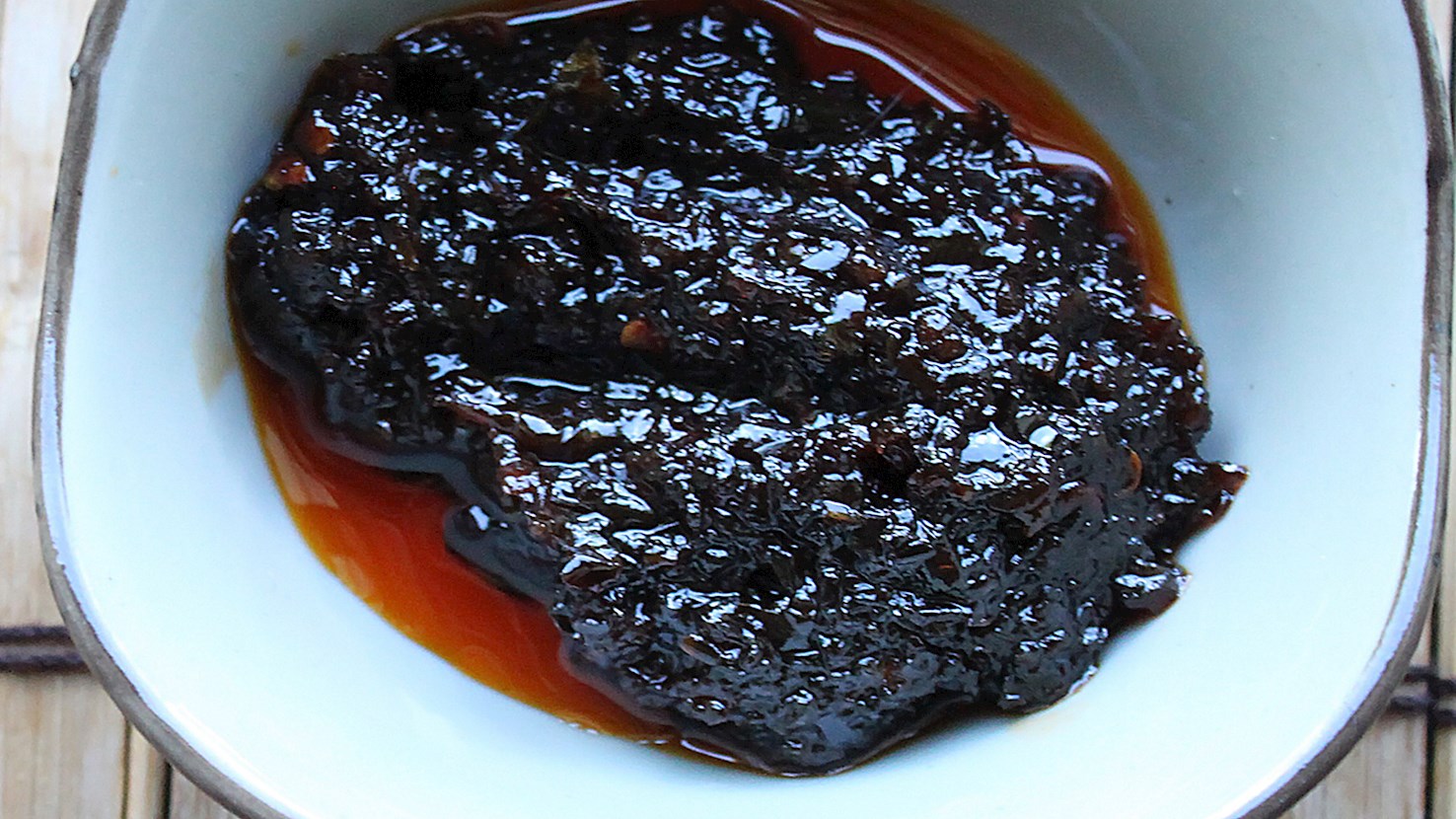
Nam phrik phao is a versatile Thai concoction and a secret ingredient in numerous Thai dishes. It is made with a combination of roasted chili peppers, dried shrimp, garlic, shallots, ginger, fish sauce, tamarind paste, fermented shrimp paste, and palm sugar. It can be used as a sauce, condiment, a dip, or a spread, along with being used in a number of different dishes as a cooking ingredient.

08

Sambal matah

4.0 ·

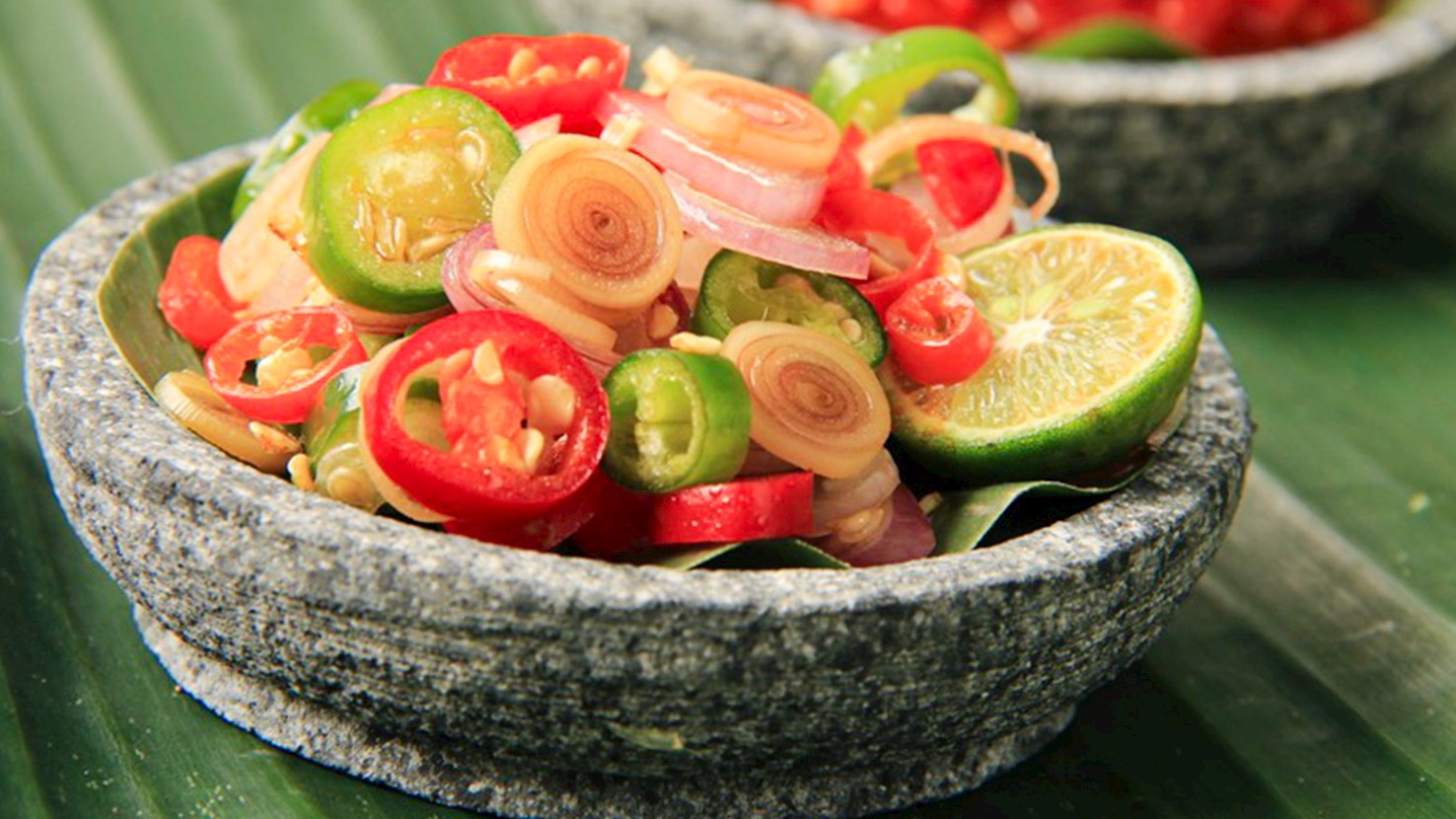
Sambal matah is a type of Indonesian sambal that features a raw mixture of chopped shallots, lemongrass, chili peppers, and sometimes garlic, mixed with coconut oil (or another type of vegetable oil) and lime juice. This sambal is known for its fresh, spicy, and slightly tangy flavor profile, making it a popular condiment in Indonesian cuisine, especially in Bali and Lombok. Unlike cooked sambals, sambal matah is prepared without any heat treatment, preserving the sharp, pungent flavors of its raw ingredients. It's commonly served as a side dish or condiment alongside grilled meats, seafood, or rice dishes, adding a burst of freshness and spice that enhances the overall flavor of the meal.

09

Rica-rica

4.0 ·

Rica-rica is an umbrella term which encompasses all the dishes that use the fiery Indonesian spice mixture. The base of this hot, sauce-like spice mixture is chili, which is then incorporated with shallots, garlic, ginger, lime leaves, lemongrass, and salt. The mixture can be made in various ways, spices can be chopped, ground, sliced, or sometimes even burned. Traditionally, the mixture is stir-fried separately in order to release all the flavors and aromas. The taste and the level of spiciness can easily be adjusted, and when it has been made, rica-rica can be used in a wide array of dishes. It is believed that this hot mixture of spices originated in Manado, an Indonesian city situated in North Sulawesi, and was first used by the native Minhasan people. The main ingredients used with rica-rica are extremely variable and include all meat, seafood, or vegetable varieties. However, the most popular is the chicken rica-rica, known in Indonesia as ayam rica- rica. Plain rice, rice crackers, or steamed vegetables are traditionally served together with all varieties of rica-rica.

10

Sambal tomat

4.0 ·

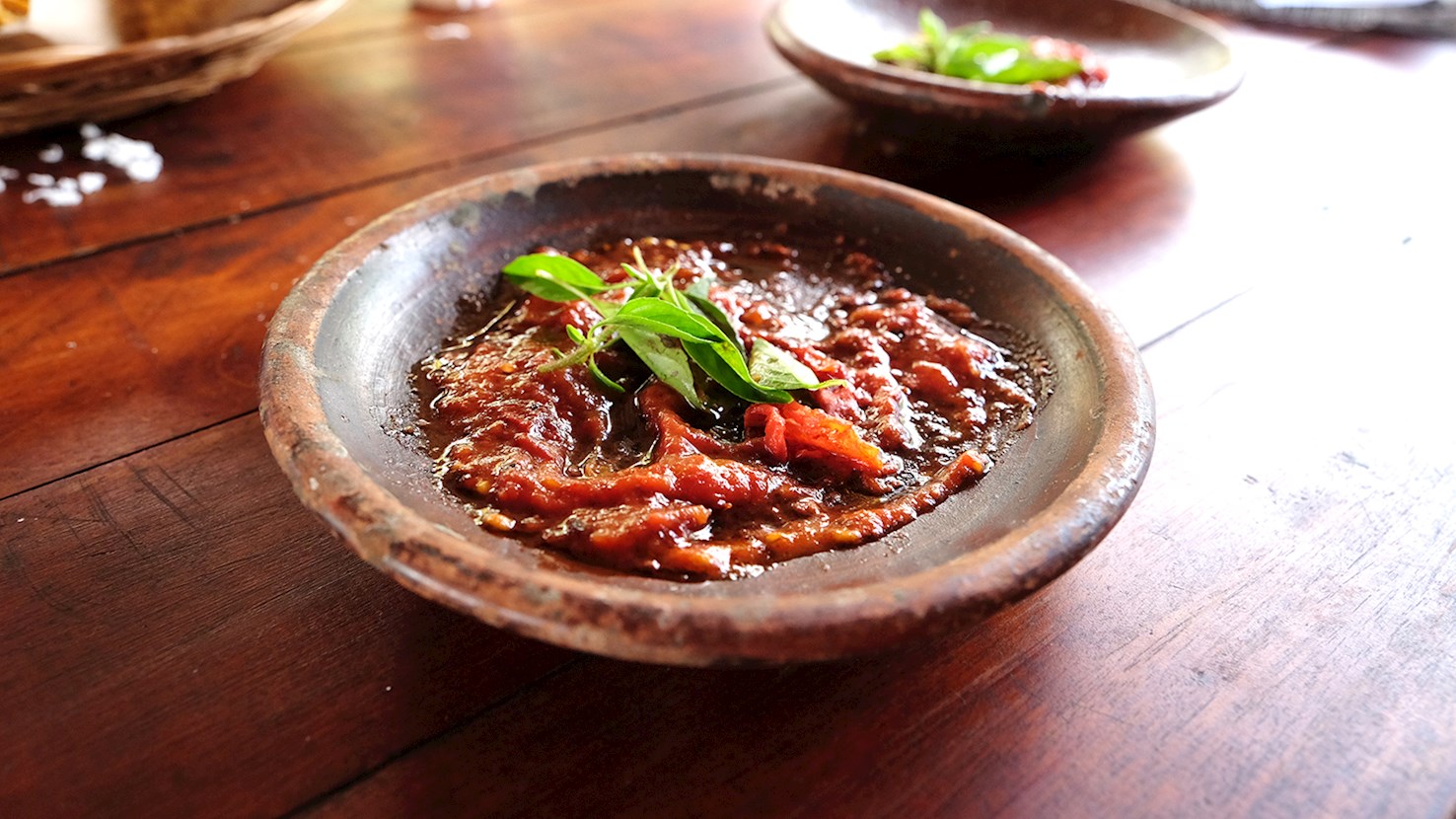
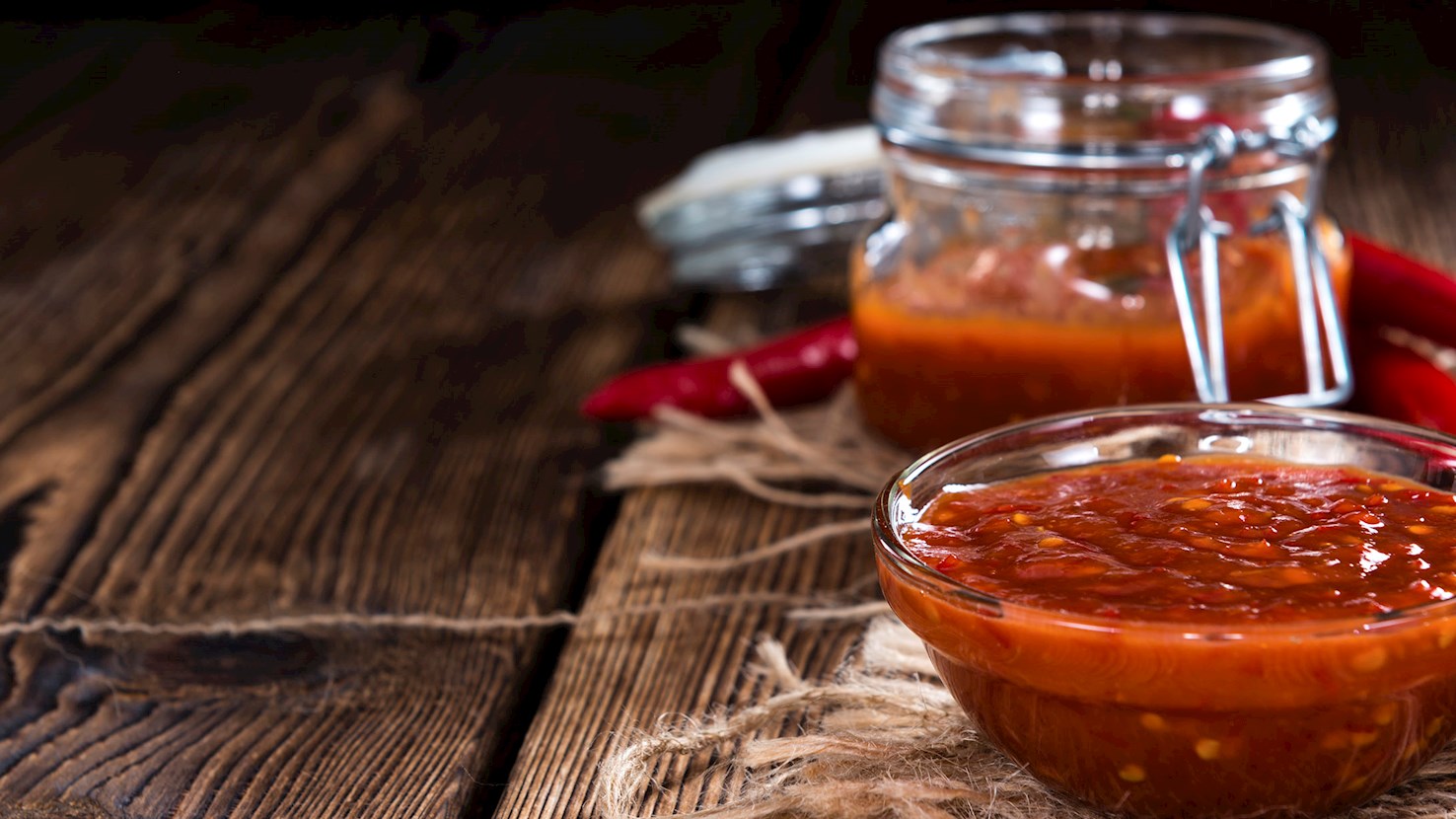
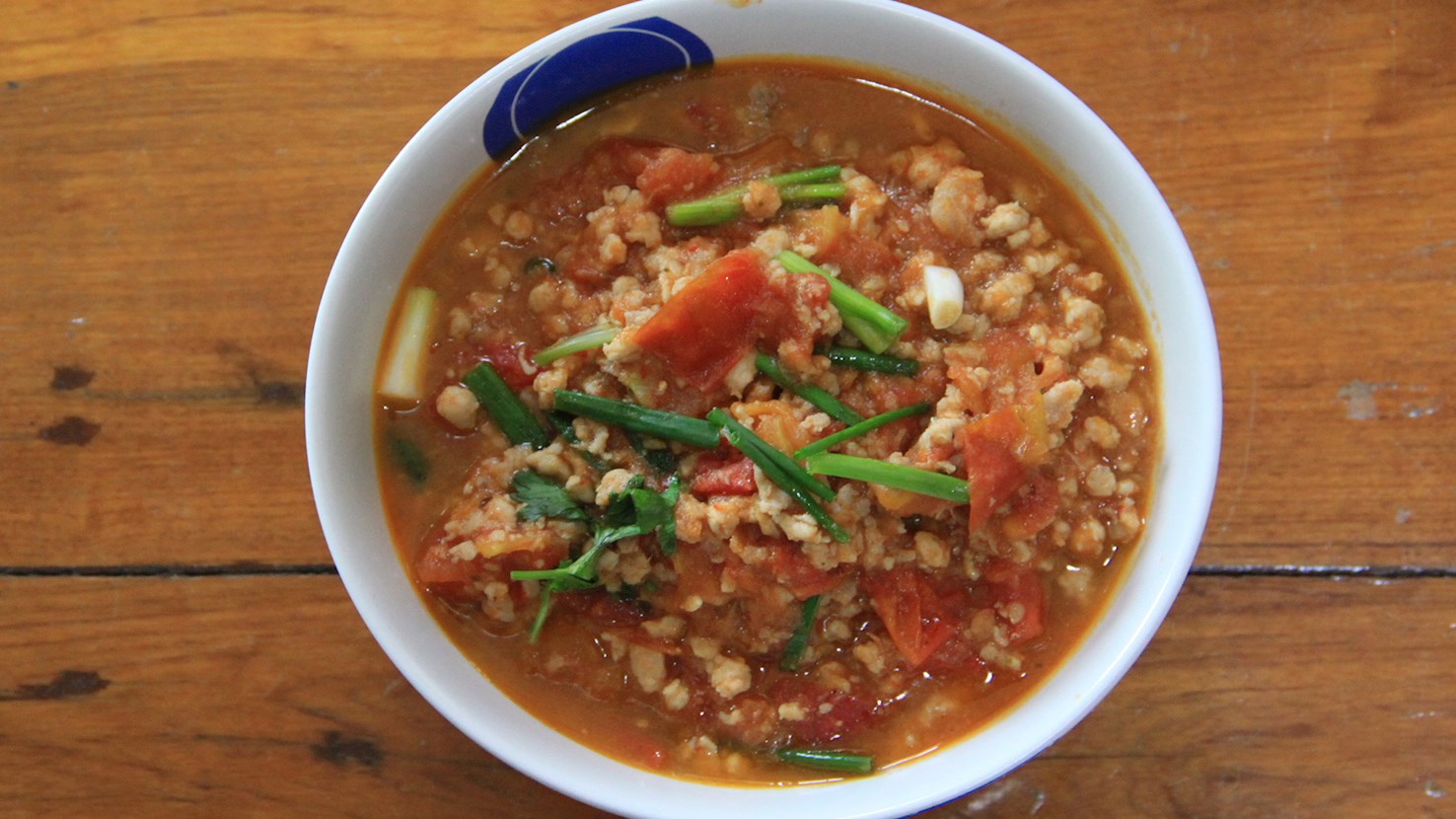
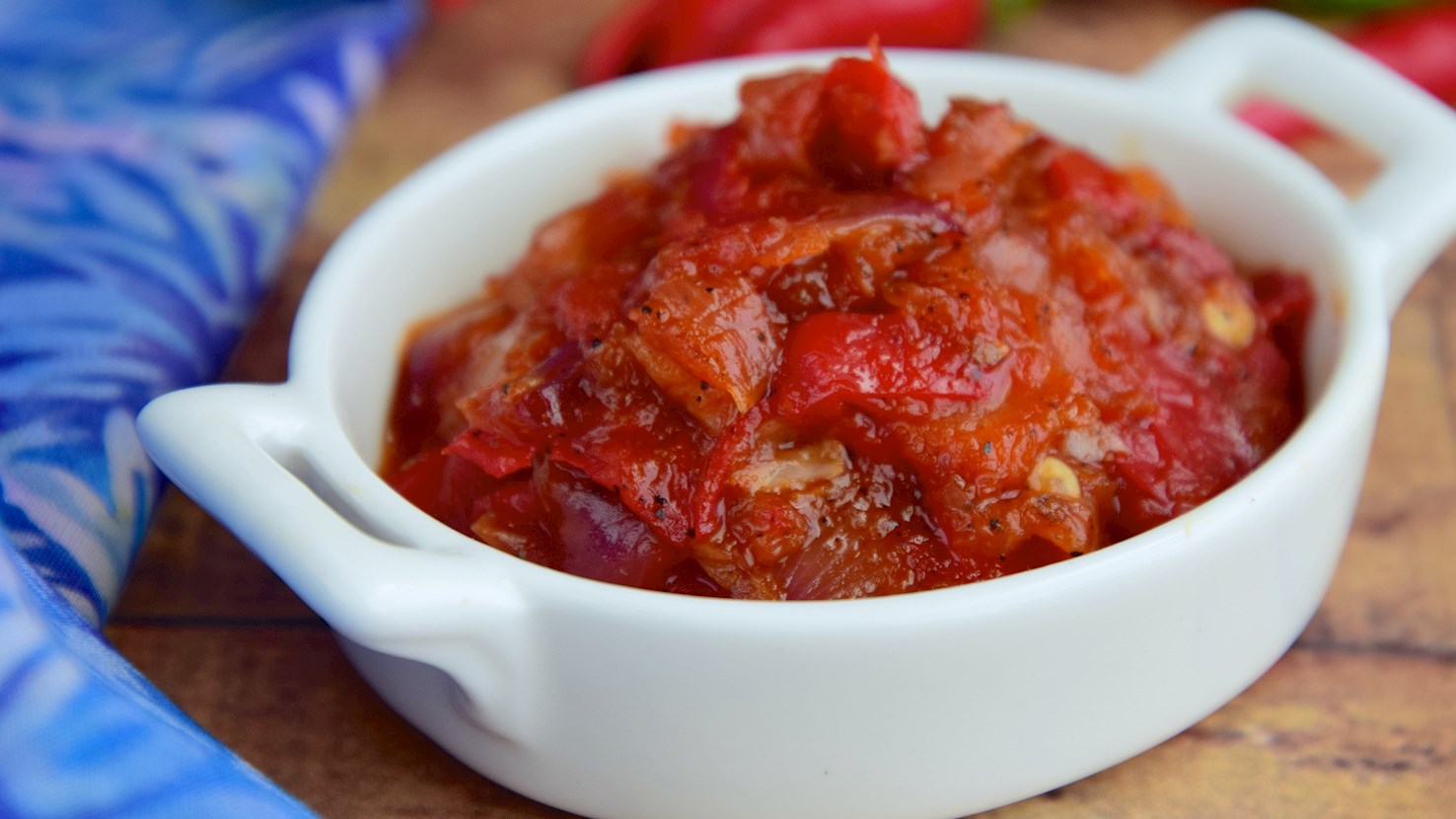
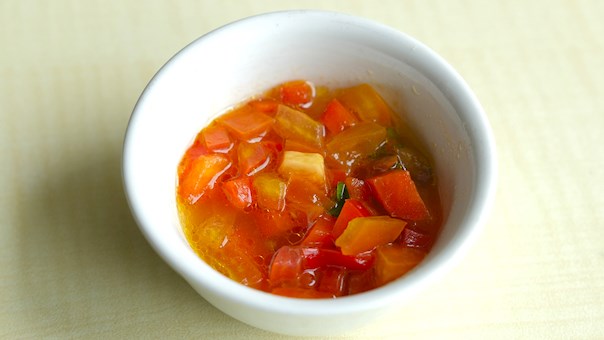
Sambal tomat is an Indonesian chili sauce that prominently features tomatoes along with chili peppers. The inclusion of tomatoes gives this sambal a distinctive tangy and somewhat sweet flavor, complementing the spiciness of the chilies. This sambal can vary in texture from smooth to chunky, depending on how finely the ingredients are chopped or blended. The basic ingredients for sambal tomat usually include fresh red chili peppers, shallots, garlic, and, of course, ripe tomatoes. Most variations also include shrimp paste (terasi) for added depth, as well as salt, sugar, and lime juice to balance the flavors. The ingredients are typically ground into a paste, which can then be cooked (fried) to intensify the flavors and meld them together, although there are also versions that are served fresh, without cooking. Sambal tomat is a versatile condiment in Indonesian cuisine, serving as a flavorful addition to dishes such as grilled fish, chicken, rice, and vegetables.

Best Southeast Asian Sauces

01

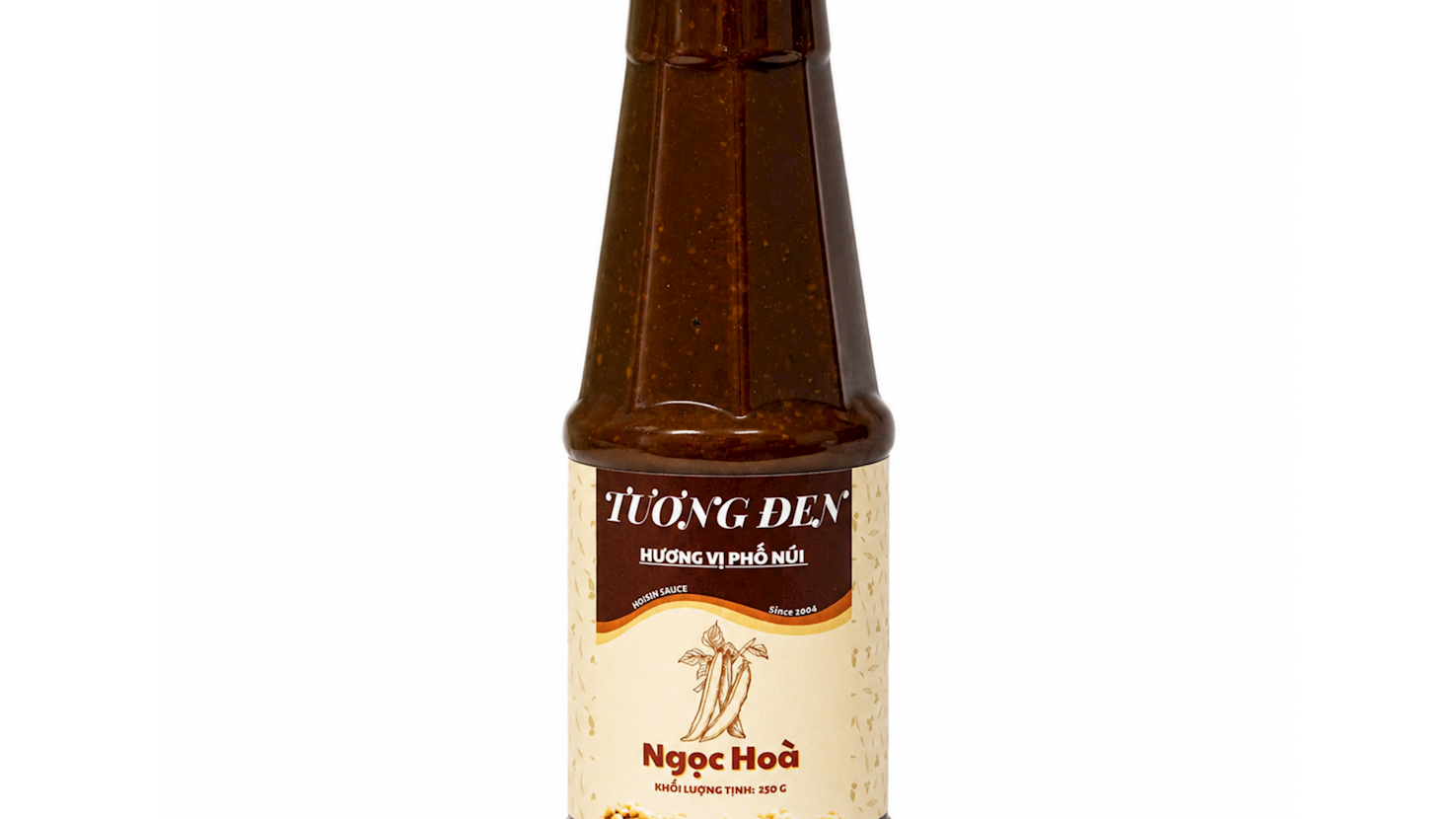
Ngọc Hòa

4.9 ·

Ngọc Hòa is a Vietnamese producer of traditional dark soybean sauce based in Pleiku, Gia Lai Province. The production workshop is operated by Nguyễn Hữu Cường, who learned soybean fermentation techniques from producers in Ho Chi Minh City and other parts of southern Vietnam. After returning to Gia Lai, he established his own workshop in 2004 and developed a dark sauce specifically suited to the local culinary tradition of phở khô Gia Lai. Soybeans are the main raw material and are first steamed before being spread in shallow trays and fermented for seven to ten days. The fermented soybeans are then transferred to larger containers where they continue to mature with coarse salt. Molasses is added during the final stage, contributing to the sauce’s dark color, thick consistency, and characteristic sweet and savory flavor. The production process combines traditional fermentation with equipment developed by the producer to provide more consistent heating and automatic stirring. Ngọc Hòa produces several hundred kilograms of dark sauce per day, with production increasing during periods of higher demand. The sauce is distributed through markets, restaurants, and establishments serving phở khô in Gia Lai and neighboring provinces.

02

Tương Việt Hoa Sen

4.7 ·

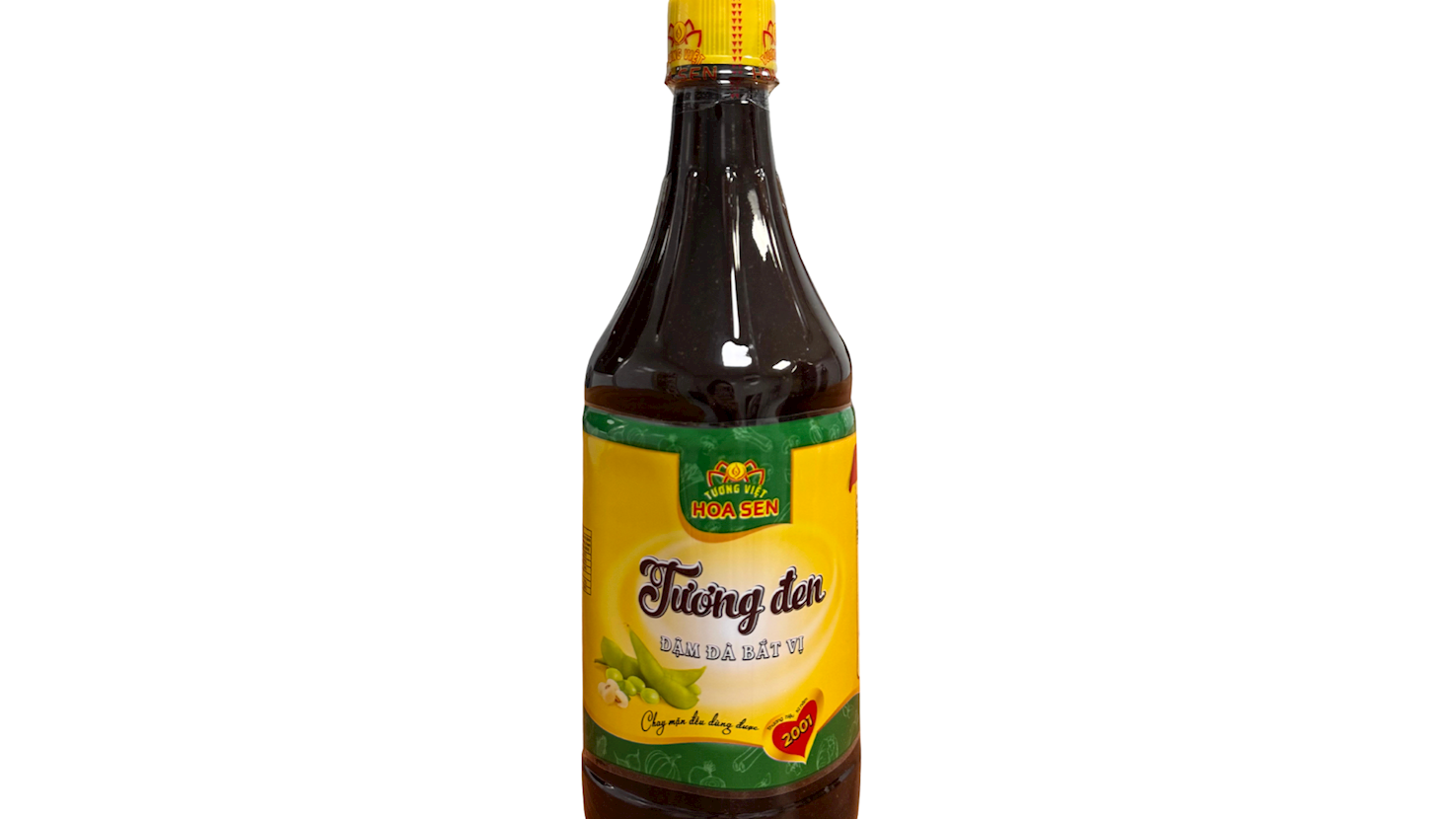
Tương Việt Hoa Sen is a Vietnamese producer of sauces, seasonings, and fermented soybean products based in Long Khánh, Đồng Nai Province. The family-run business was founded in 1994 by Lê Xuân Sơn and Trần Thị Tâm together with their children. From the beginning, the company has focused on traditional Vietnamese sauces and seasonings intended for everyday use. Soybean-based products prepared through fermentation according to local recipes occupy an important place in its production. The soybeans are soaked, steamed, inoculated with a natural fermentation culture, and left in brine under sunlight. These traditional methods are now combined with modern processing and packaging lines to ensure consistent quality across larger production volumes. The range includes fermented whole soybeans, miso, phở sauce, soy sauce, chili sauce, tomato sauce, vegetarian fish sauce, satay chili sauce, and chili-based seasoning blends. Tương Việt Hoa Sen is a medium-scale producer that combines Vietnamese fermentation traditions with modern industrial production and broad distribution.

03

Mae Pranom

4.6 ·

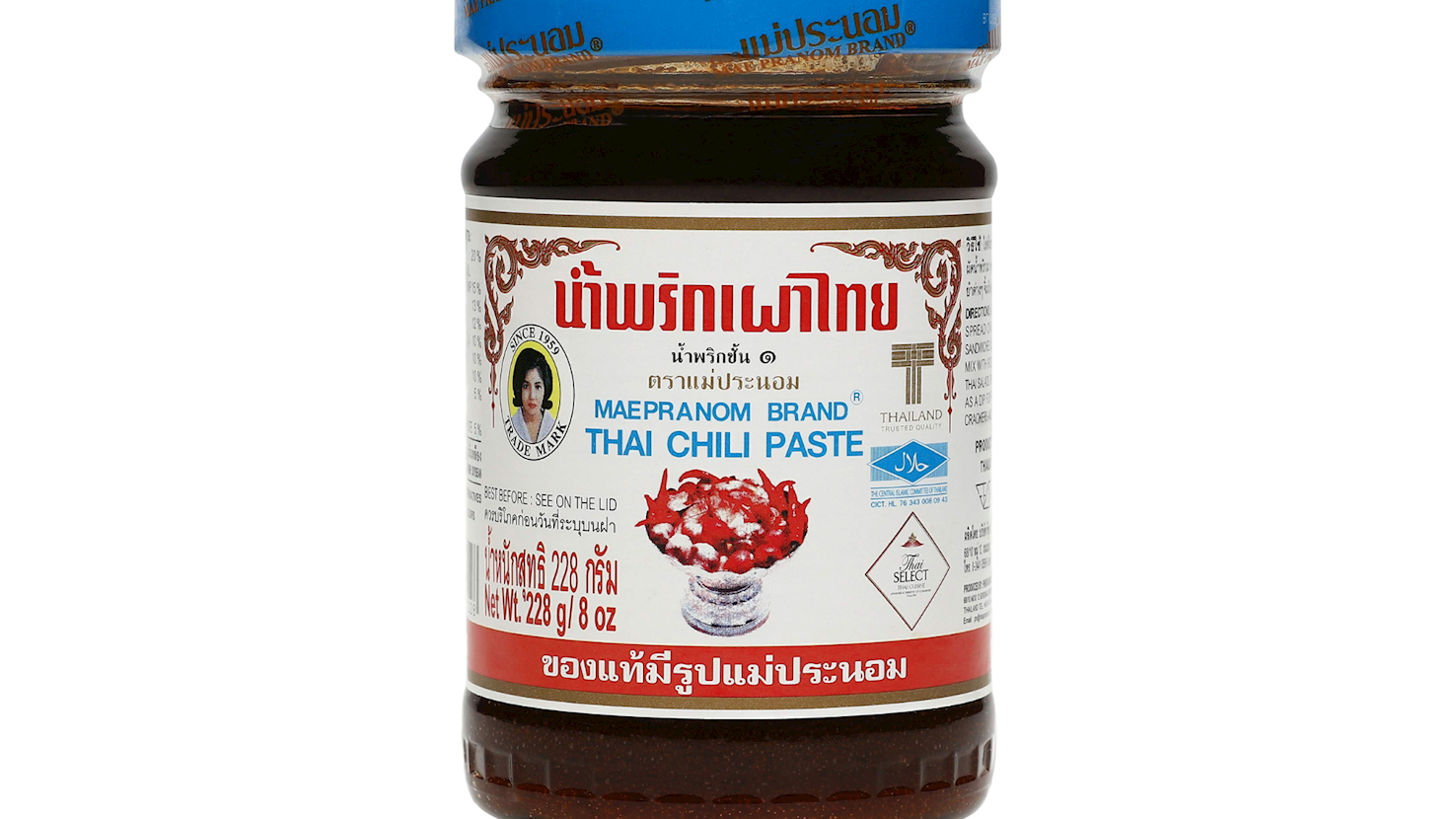
Maepranom is one of Thailand’s most recognized brands of curry pastes, sauces, and condiments, with roots dating back to 1959 when Pranom and Sirichai Daengsupha founded Phiboonchai Maepranom Thai Chili Paste. The brand was named after its founder, Pranom Daengsupha, whose portrait remains a distinctive feature on the packaging to this day. The company began by producing traditional Thai chili paste and gradually evolved into one of the country’s leading manufacturers of ready-to-use and semi-prepared food products. Its portfolio includes chili pastes, curry pastes, sweet chili sauces, dipping sauces, seasoning blends, and ingredients for preparing authentic Thai dishes. Maepranom is particularly known for preserving traditional Thai flavors while adhering to modern production and food safety standards. Its products are exported worldwide and are widely regarded as some of the most recognizable representatives of Thai cuisine on the international market. Through a combination of culinary heritage, quality ingredients, and consistent innovation, Maepranom has established itself as a leading ambassador of Thailand’s rich food culture.

04

Nosa Food

4.6 ·

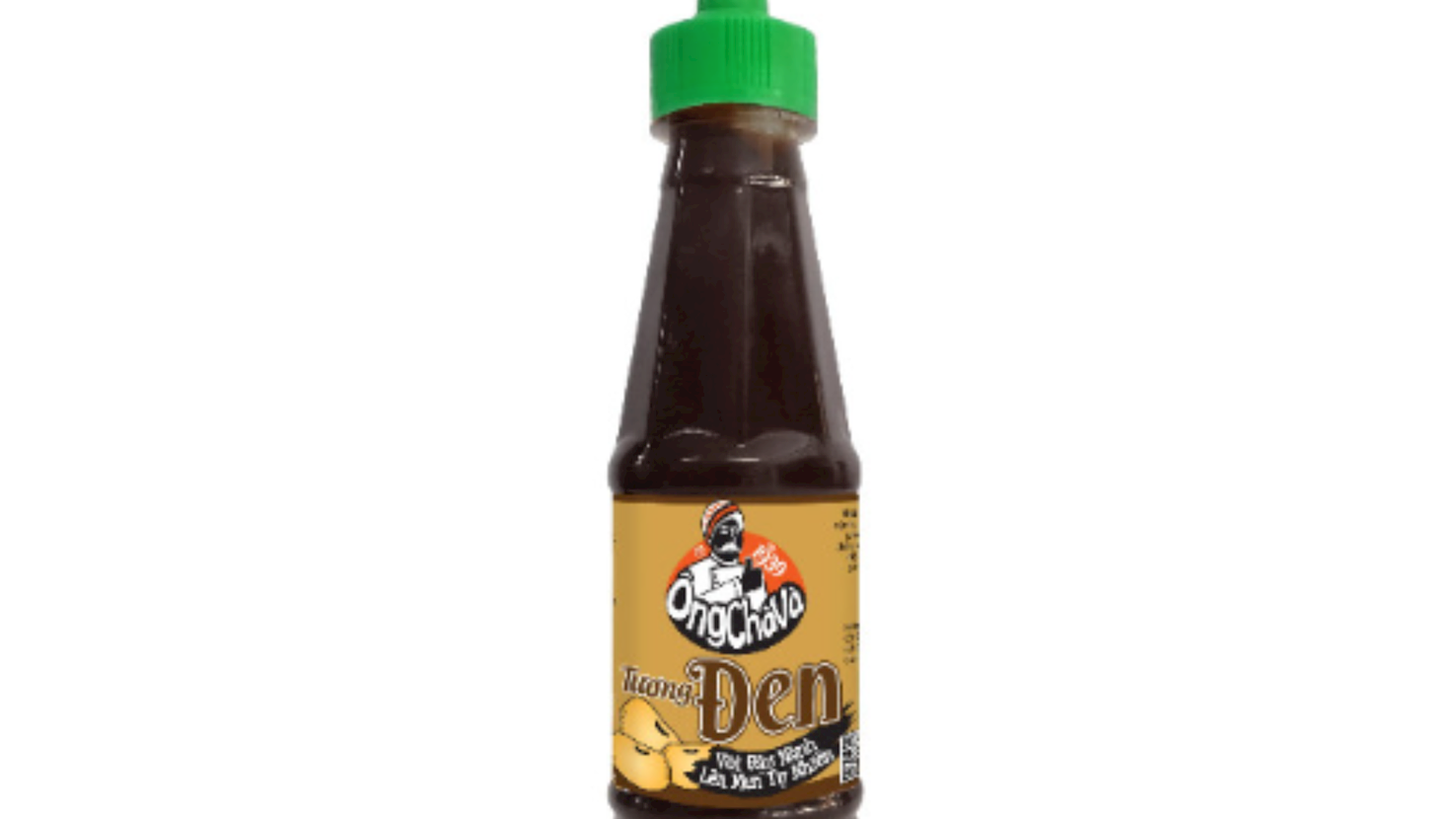
Nosa Food is a Vietnamese company specializing in the production of spices, sauces, and other food products for households, the food service sector, and export markets. Its origins date back to 1976, when it was established as the Agricultural and Food Processing Research Station within the food industry of Ho Chi Minh City. Over nearly five decades of operation, the company has developed a broad portfolio of traditional Vietnamese spices and condiments distributed throughout the country and in international markets. It is particularly known for the Ông Chà Và brand, one of the most recognizable names in the Vietnamese spice segment, whose history dates back to 1939. Today, Nosa Food distributes its products through a network of more than 100 distributors and has a presence in all provinces of Vietnam. The company also exports its products to markets across Asia and Europe. Its production is based on automated processing lines and quality control systems designed to meet international food safety standards. The factory is equipped with modern machinery for grinding, blending, and packaging spices and sauces. Its product range includes natural spices, curry blends, sauces, seasoning cubes, and other products intended for everyday cooking.

05

Blue Elephant

4.5 ·

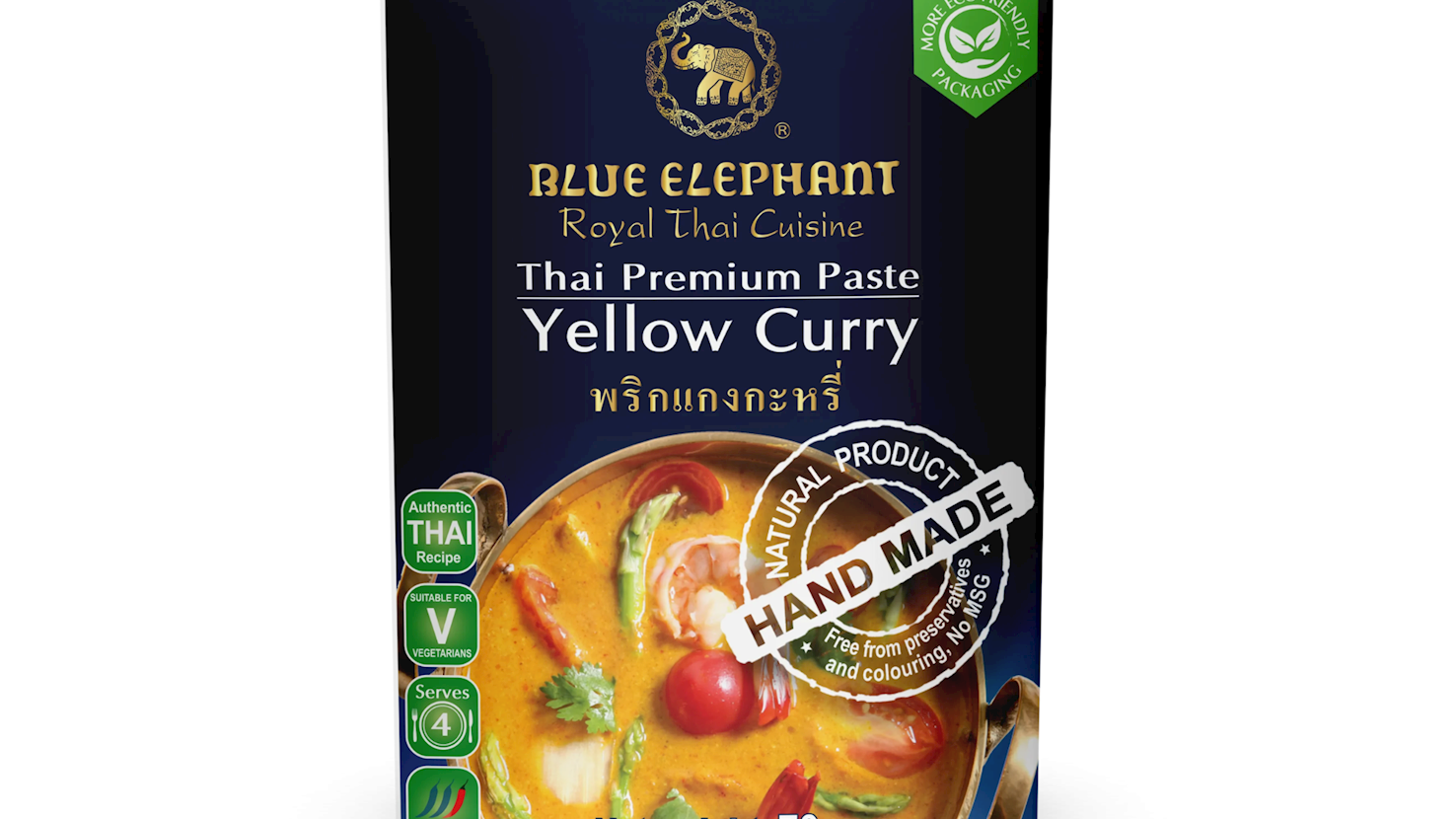
Blue Elephant is a globally recognized Thai culinary brand founded by Master Chef Nooror Somany Steppe and Karl Steppe. Established with the opening of its first restaurant in Brussels in 1980, the company has grown into an international ambassador of Thai heritage cuisine through its restaurants, cooking schools, and premium food products.

Blue Elephant is dedicated to preserving and promoting traditional Thai recipes, regional culinary traditions, and authentic ingredients while adapting them for a global audience. Its product portfolio includes curry pastes, sauces, seasonings, rice, noodles, teas, and gourmet gift sets developed from Chef Nooror’s recipes and produced in Thailand.

Through a combination of culinary education, food manufacturing, and hospitality, Blue Elephant has become one of the most influential brands representing Thai gastronomy worldwide, with its products available in more than 45 countries.

06

Nam Dương

4.5 ·

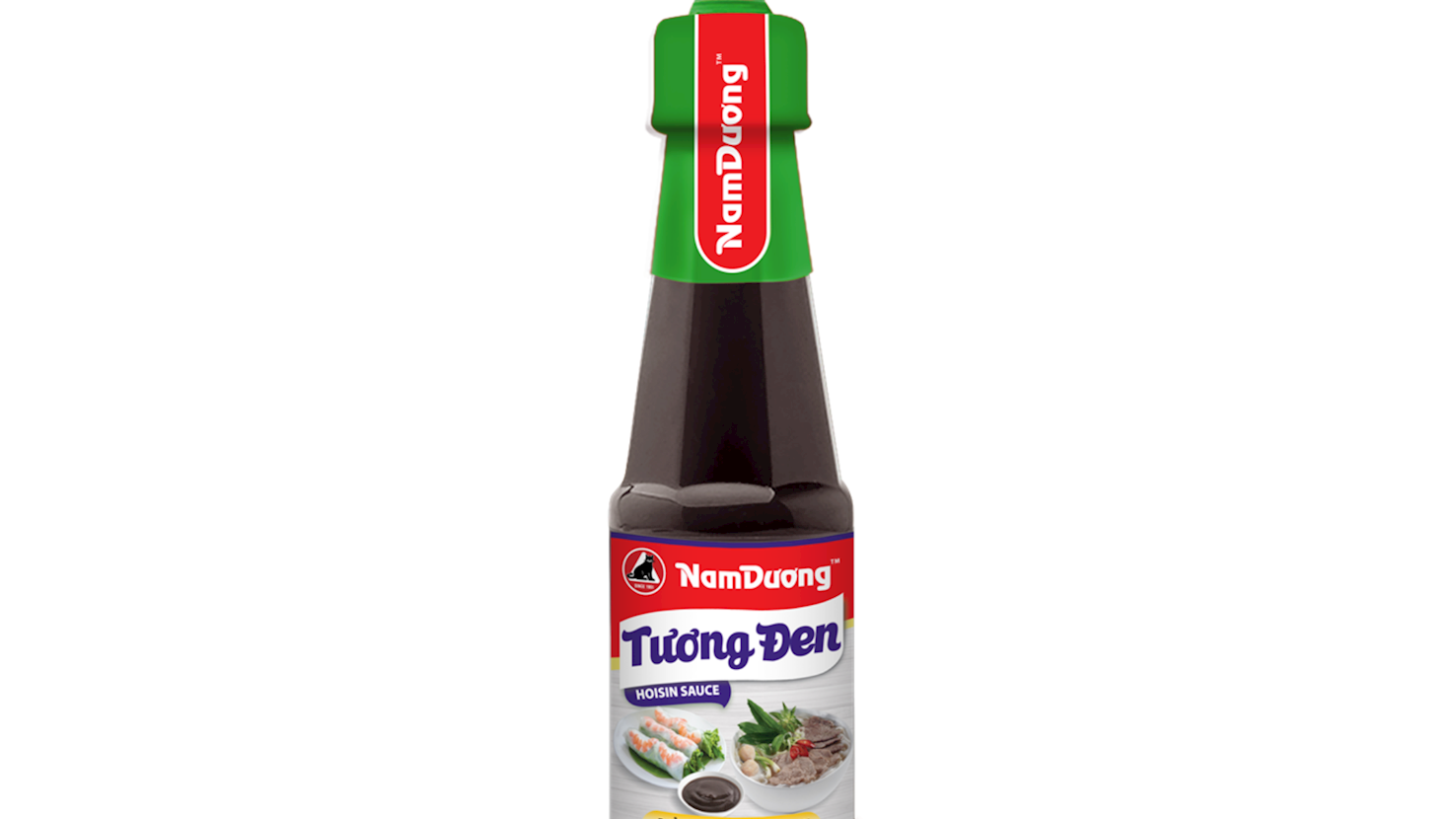
Nam Dương is a Vietnamese producer of soy sauces, seasonings and various food sauces headquartered in Ho Chi Minh City. The brand was founded by entrepreneur Tân Triều Long in 1951 in the Bình Đông Wharf area of what was then Saigon. It began as a small soy sauce workshop under the name Mèo Đen–Nam Dương. Its products became recognizable through the black cat emblem that continues to appear on some of the company’s packaging. During the 1960s, Nam Dương soy sauce expanded from Saigon into markets across central and southern Vietnam as well as Cambodia and Laos. Saigon Co.op assumed control of the business in 1981. The modern Nam Dương International Foodstuff Corporation was established in 2015 as a joint venture between Vietnam’s Saigon Co.op and Singapore-based Wilmar International. Its new manufacturing facility in the Hiệp Phước Industrial Park began operating in December 2017. The factory uses automated production and packaging lines designed to manufacture sauces and seasonings on a large scale. Its portfolio includes soy sauces, liquid seasonings, chili and tomato sauces, oyster sauce, mayonnaise, seasoning blends and other condiments. Nam Dương products are distributed throughout Vietnam and exported to North America, Europe and several Asian markets. Although its identity is rooted in recipes and a market tradition dating back to 1951, Nam Dương is now a large industrial manufacturer rather than a small artisanal producer.

07

Cholimex

4.4 ·

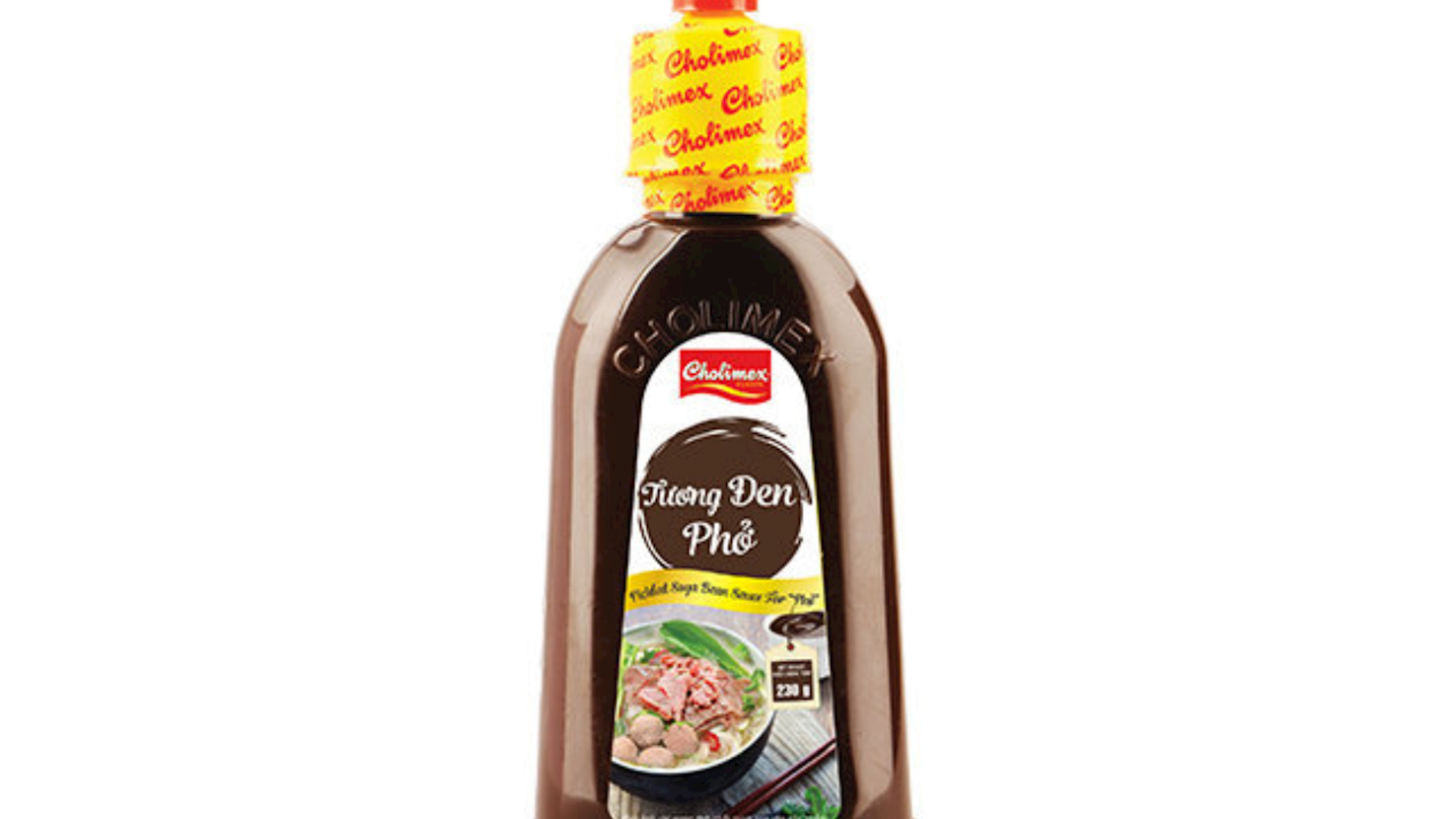
Cholimex is a Vietnamese food company headquartered in Ho Chi Minh City, where its main production facility is also located. Its origins date back to June 2, 1983, when a processing facility for export goods was established. During its early years, production focused on basic processed foods, frozen seafood, and agricultural products. In 1985, the company began developing chili sauce and several types of frozen foods, including spring rolls and shrimp on sugarcane. By the end of the 1980s, chili sauce had become one of its characteristic products, combining a spicy and mildly sweet flavor with a pronounced garlic aroma. Chili sauce production was initially largely manual, but in 1992 the company introduced chili-grinding equipment from Switzerland, increasing production capacity to approximately 30,000 bottles per day. During this period, its sauces began to be exported to Eastern European markets, including Russia, Poland, and Ukraine. In 2006, the business was converted into a joint-stock company and has since operated as Cholimex Food Joint Stock Company. Today, its portfolio includes chili sauces, tomato sauces, soy sauces, fish sauces, satay seasonings, marinades, ready-made seasoning mixes, and various frozen foods. Cholimex currently operates production facilities in Ho Chi Minh City and Tây Ninh Province.

08

Chef Pom

4.3 ·

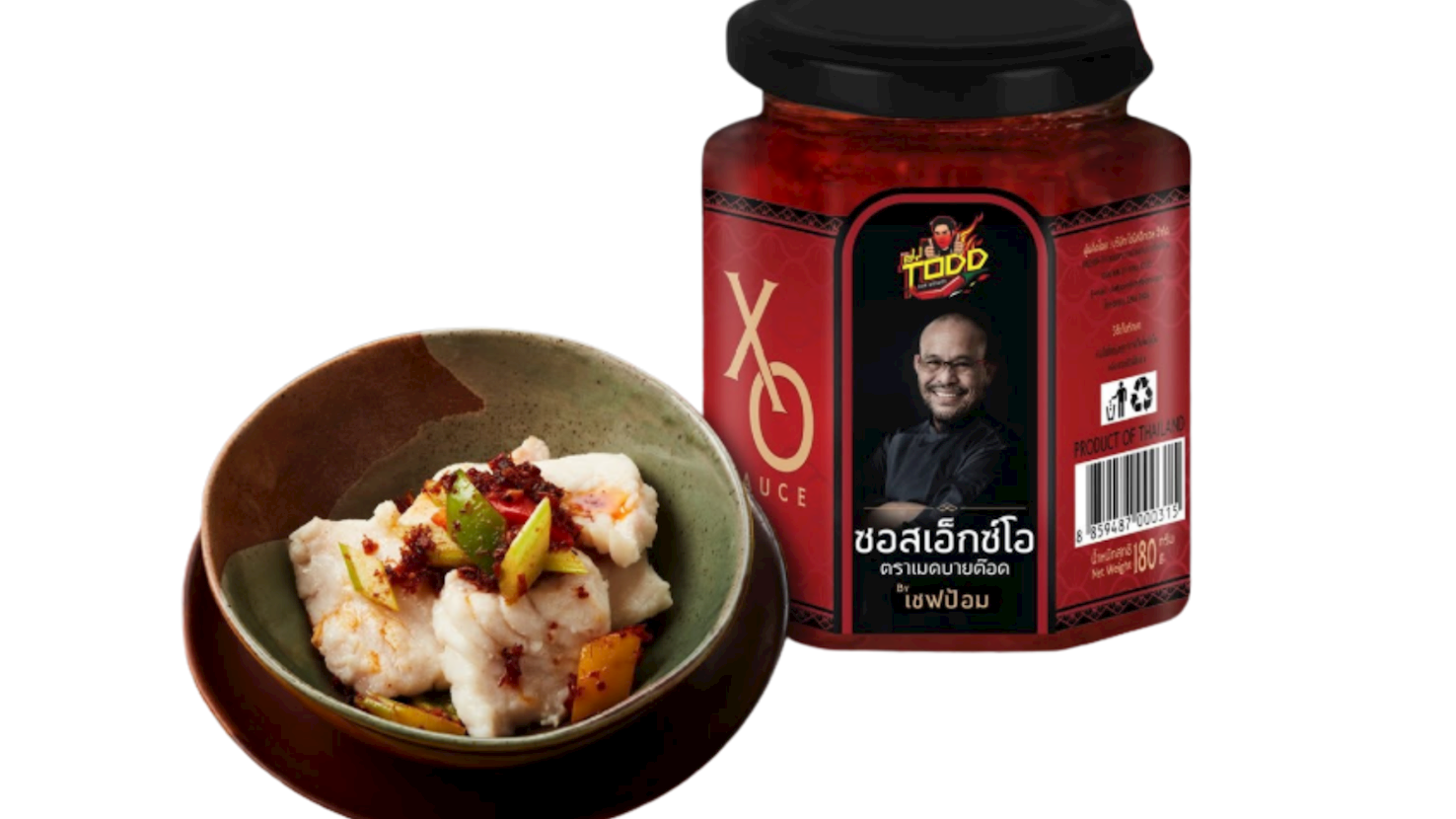
Chef Pom is a Thai culinary brand created by renowned chef Thanarak Chuto, widely known as Chef Pom and recognized as one of Thailand's leading experts in Chinese cuisine. The brand was established with the aim of combining traditional Chinese culinary techniques with a contemporary approach to food preparation and presentation, placing a strong emphasis on premium ingredients and authentic flavors. Its menu features Cantonese specialties, dim sum, Peking duck, seafood dishes, soups, and other classic Chinese recipes prepared with modern refinement. The brand is distinguished by its commitment to high-quality ingredients, precise culinary craftsmanship, and elegant presentation. Chef Pom gained nationwide recognition through television cooking competitions, including Iron Chef Thailand, where its founder became one of the country's most prominent chefs. Beyond its restaurants, the brand is also involved in hospitality consulting, culinary events, and educational programs for professional chefs and food enthusiasts. Through its consistent quality and the strong reputation of its founder, Chef Pom has become one of the leading names in contemporary Chinese gastronomy in Thailand.

About this Ranking

TasteAtlas food rankings are based on the ratings of the TasteAtlas audience, with a series of mechanisms that recognize real users and that ignore bot, nationalist or local patriotic ratings, and give additional value to the ratings of users that the system recognizes as knowledgeable. For the “Top 32 Southeast Asian Sauces” list until October 15, 2026, 1,144 ratings were recorded, of which 921 were recognized by the system as legitimate.

TasteAtlas Rankings should not be seen as the final global conclusion about food. Their purpose is to promote excellent local foods, instill pride in traditional dishes, and arouse curiosity about dishes you haven’t tried.

The initial list of top producers was compiled based on available reviews, awards, local recommendations, media and blog coverage, and consumer reviews. The list will be updated with ratings from TasteAtlas local ambassadors and TasteAtlas users.

What People Say

Similar Lists