No other dish in Germany is as well known as currywurst, a street snack that has become an indispensable part of Germany’s culinary heritage. The dish is made from two essential parts - boiled and subsequently fried sausage, served whole or sliced, and a smooth and rich curry-spiced tomato sauce. With a portion of french fries or a kaiser roll on the side, the dish is usually lightly dusted with yellow curry powder. A wide range of sausages are used for currywurst, but the famous German bratwurst is the most commonly used variety. The real star of this dish is its gravy-like sauce made with puréed tomatoes and infused with the aromatic curry powder. The popularity of currywurst in Germany has generated numerous legends about its origins. Even though Hamburg is sometimes mentioned as its birthplace, Berlin is the city that is most commonly associated with the invention of this delicious dish. The most famous legend tells the story of Herta Heuwer, a Berlin local who is widely credited as the inventor of the tomato and curry concoction. In 1949, amid the aftermath of World War II, many ingredients were hard to come by and life was tough. However, thanks to Herta’s negotiating skills, she was able to get hold of a hard to come by ingredient – British yellow curry powder. She then mixed it with puréed tomatoes and other spices to create the base sauce, which she served with the sliced sausage. The dish became an instant success. Herta patented her creation and never revealed her original recipe. Later, as currywurst grew in popularity, numerous varieties popped up all over Berlin and the rest of Germany. No two are the same, and every local has their own favorite style and a favorite currywurst place. Germans are so fond of this fast food staple that they have even built a museum in its honor. Located in Berlin, the Currywurst Museum offers a glimpse into the history of the legendary currywurst, as well as a detailed overview of the numerous varieties, cooking styles, and serving options of this famous dish.
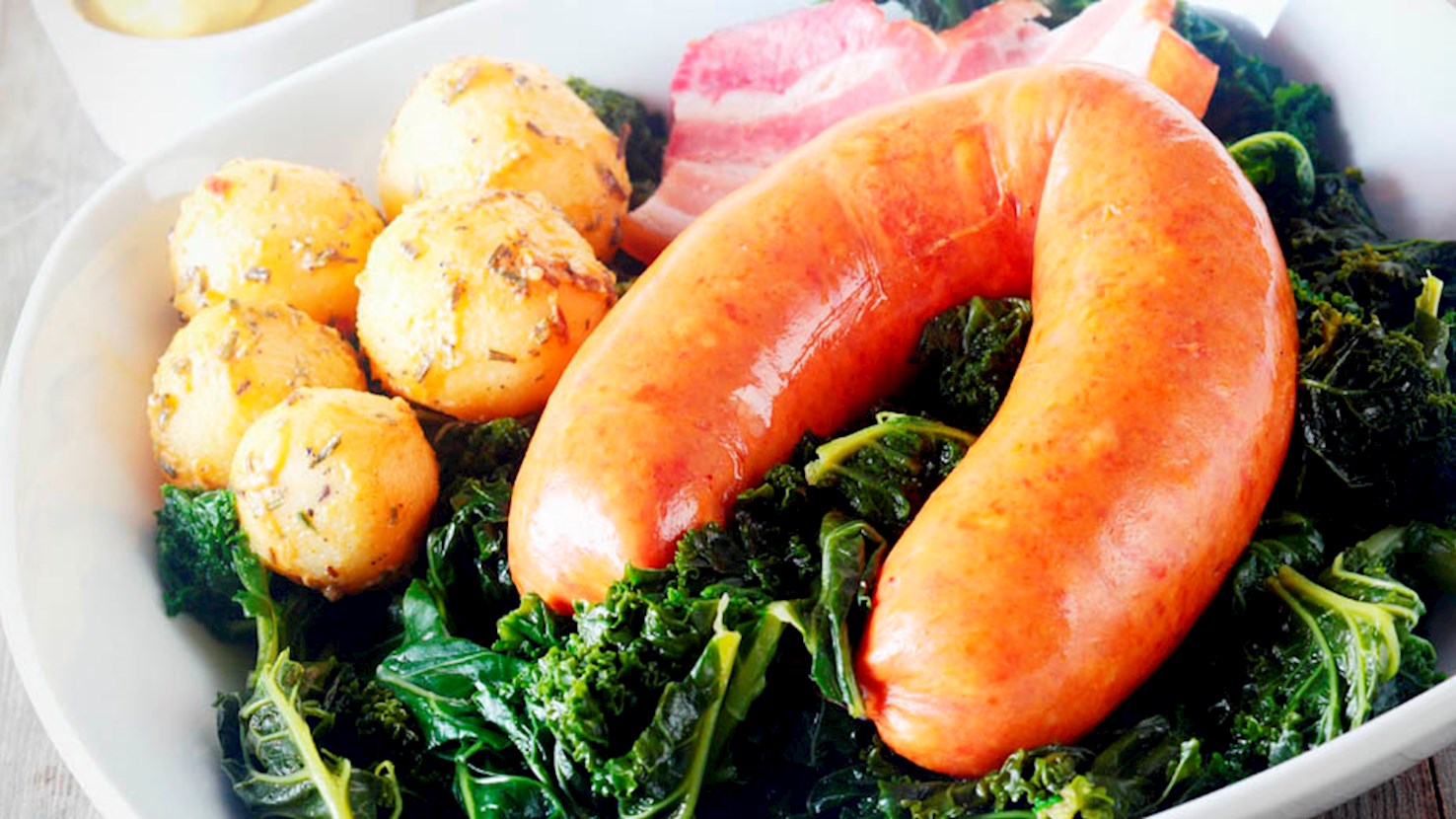
A typical winter dish from Northern Germany, Gruenkohl und Pinkel consists of finely chopped kale that is cooked with lard and onions, accompanied by smoked sausages made from pork meat and grits, called Pinkel. The dish is commonly served with either boiled or fried potatoes. A hearty, nourishing dish like Gruenkohl und Pinkel is commonly accompanied by local beer or wine. Traditionally, Germans celebrate winter with a Gruenkohlfahrt, a long walk to a country inn or a restaurant of their choice, where they eat a dinner of stewed kale and sausages.
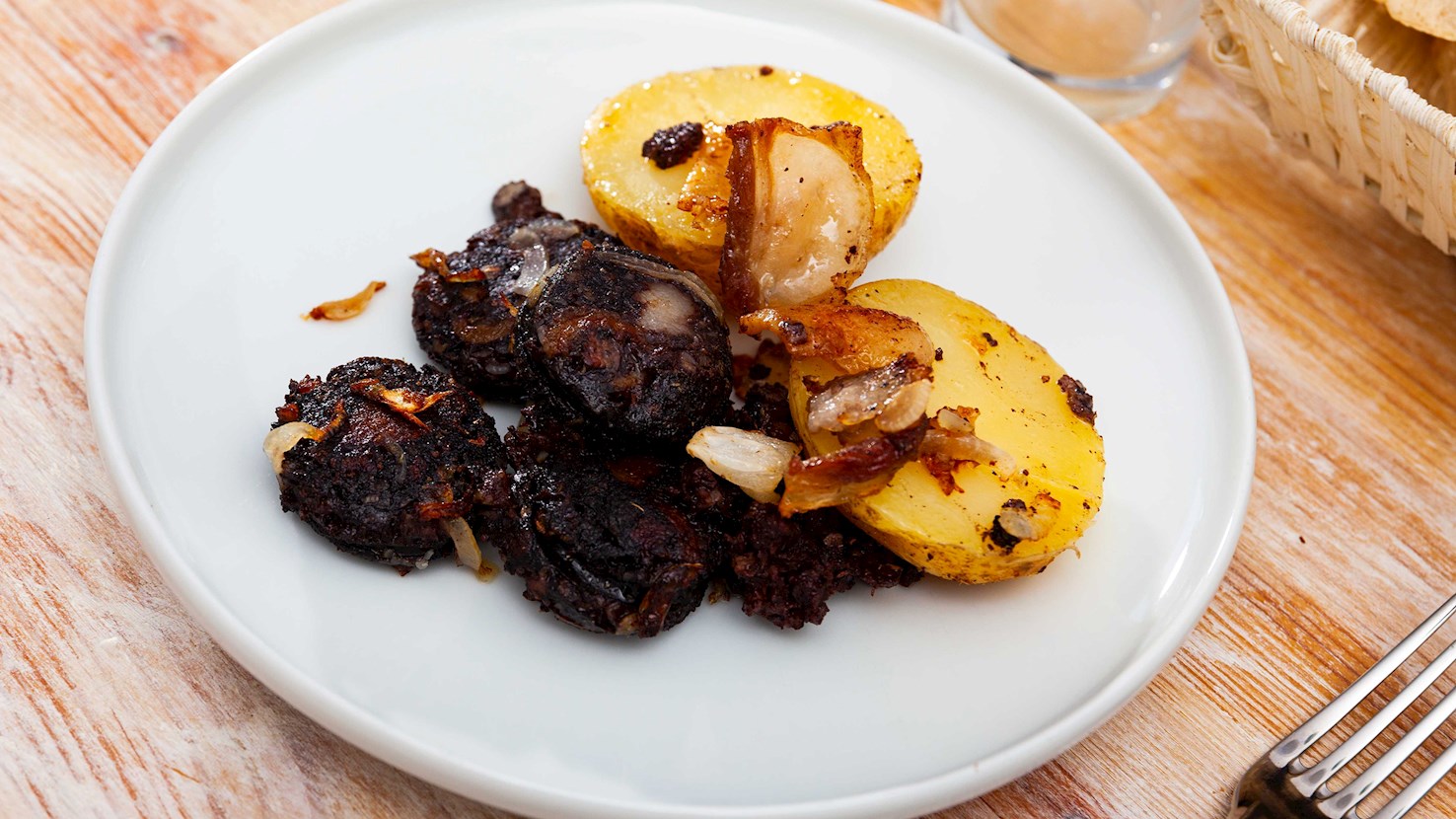
Blunzengröstl is a traditional Bavarian and Austrian dish made by frying pieces of blood sausage (Blunzen) with onions and often potatoes. It also includes other ingredients like garlic or parsley, and it's commonly seasoned with marjoram, salt, and pepper. Sometimes, apples or vinegar are included to provide a bit of tanginess that balances the richness of the sausage. Blunzengröstl is usually served hot and can be enjoyed as a main course or a hearty snack.
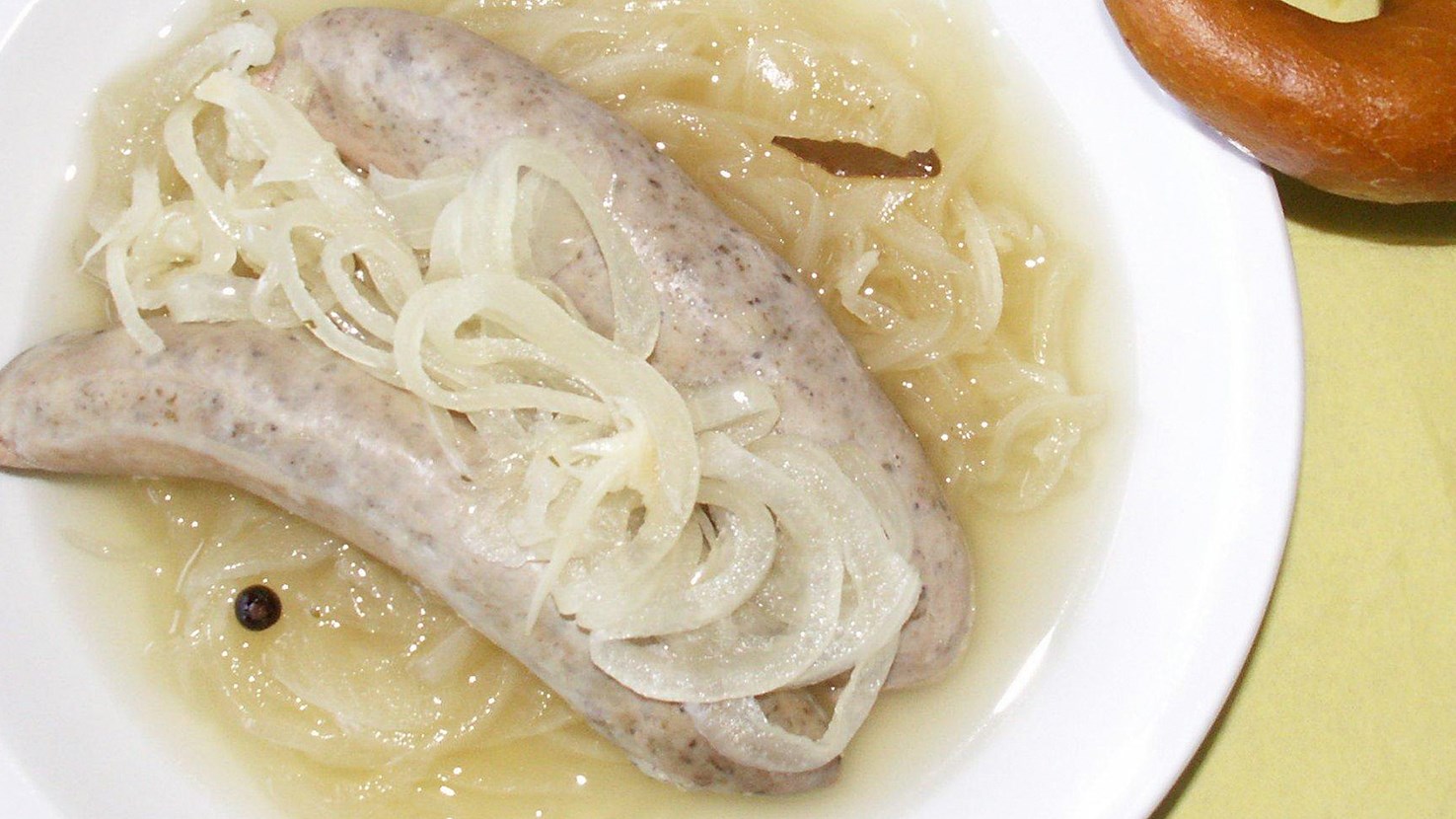
Saure zipfel is a traditional winter dish hailing from Franconia, consisting of bratwurst sausages that are simmered in a vinegar-based broth alongside onions, carrots, sugar, salt, and spices such as juniper berries, pepper, mustard seeds, and bay leaves. The broth is typically enhanced with a splash of white wine, and once ready, it is typically enjoyed piping hot, accompanied by slices of brown bread or a fresh pretzel bun for dipping on the side. When translated, the name of this dish means sour ends, which refers to the sharp flavor imparted to the sausages by the tangy broth. Saure zipfel is also often referred to as blaue zipfel (blue ends) due to the slightly bluish hue the sausages get once they’ve been cooked.
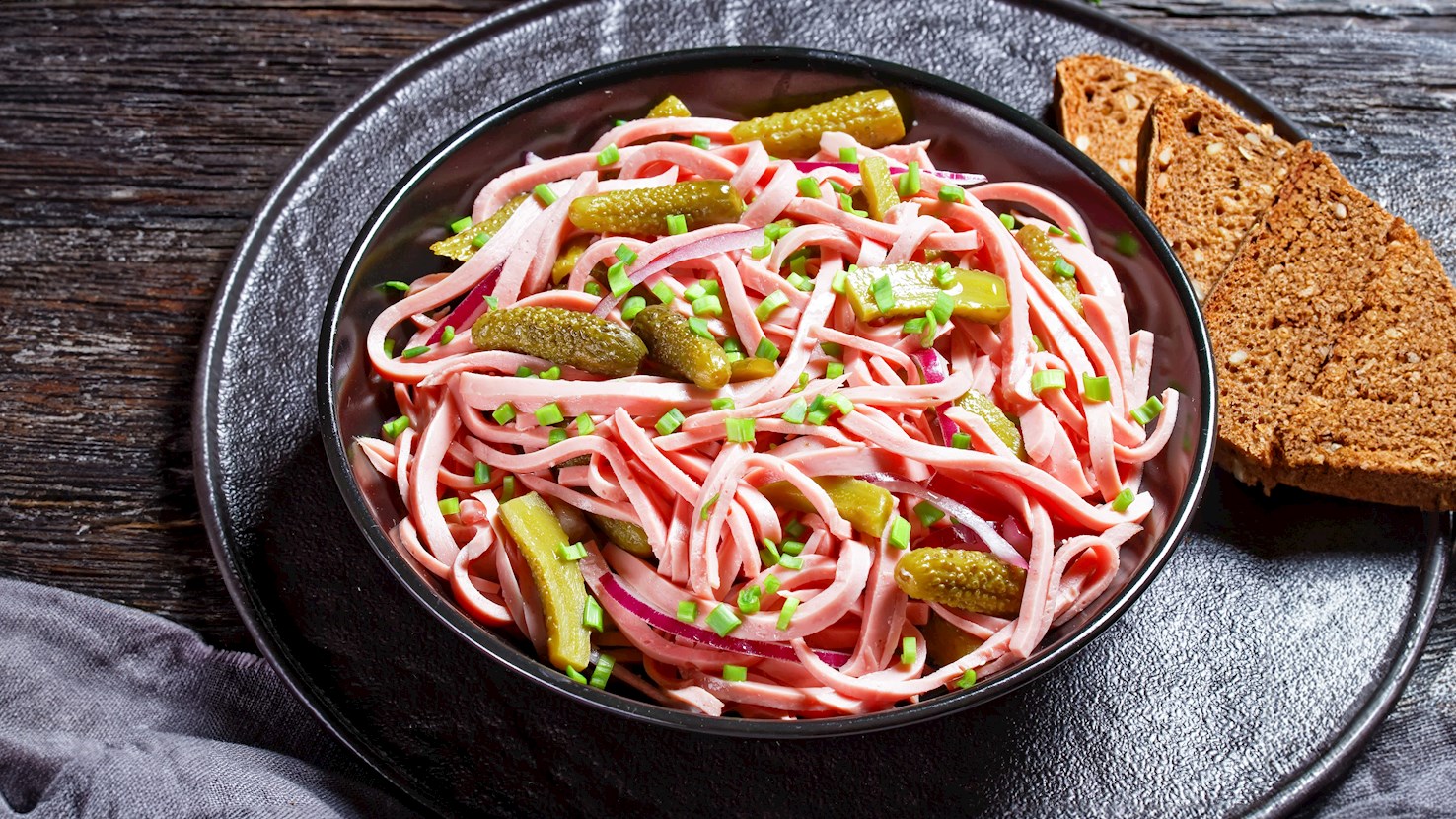
Wurstsalat is a traditional salad from Germany (especially southern parts), Switzerland, Austria, and Alsace in France made with strips of sausage. It's a popular dish often consumed as a light meal in beer gardens or traditional inns, especially during the warm summer months. The main ingredient in wurstsalat is thinly sliced sausage. The most commonly used type is Lyoner, fleischwurst, or stadtwurst, although the Swiss variant often uses cervelat. These are all types of cooked sausage that are similar to bologna or frankfurter. The sliced sausage is mixed with chopped onions, and the salad is dressed with a simple vinaigrette made from oil, vinegar, salt, and pepper. The dish is typically marinated for a few hours or overnight to allow the flavors to meld together. There are several regional variations of Wurstsalat. For example, in Switzerland and in the Swabian and Bavarian regions of Germany, it's common to add pickles and cheese, typically Swiss Emmental, to the salad. In some regions, it's also common to add other ingredients such as radishes, boiled eggs, tomatoes, or bell peppers. Wurstsalat is typically served chilled, often accompanied by bread or pretzels. It can be a standalone dish or part of a larger meal. Despite its simplicity, wurstsalat is beloved for its tangy, hearty flavors and refreshing qualities.
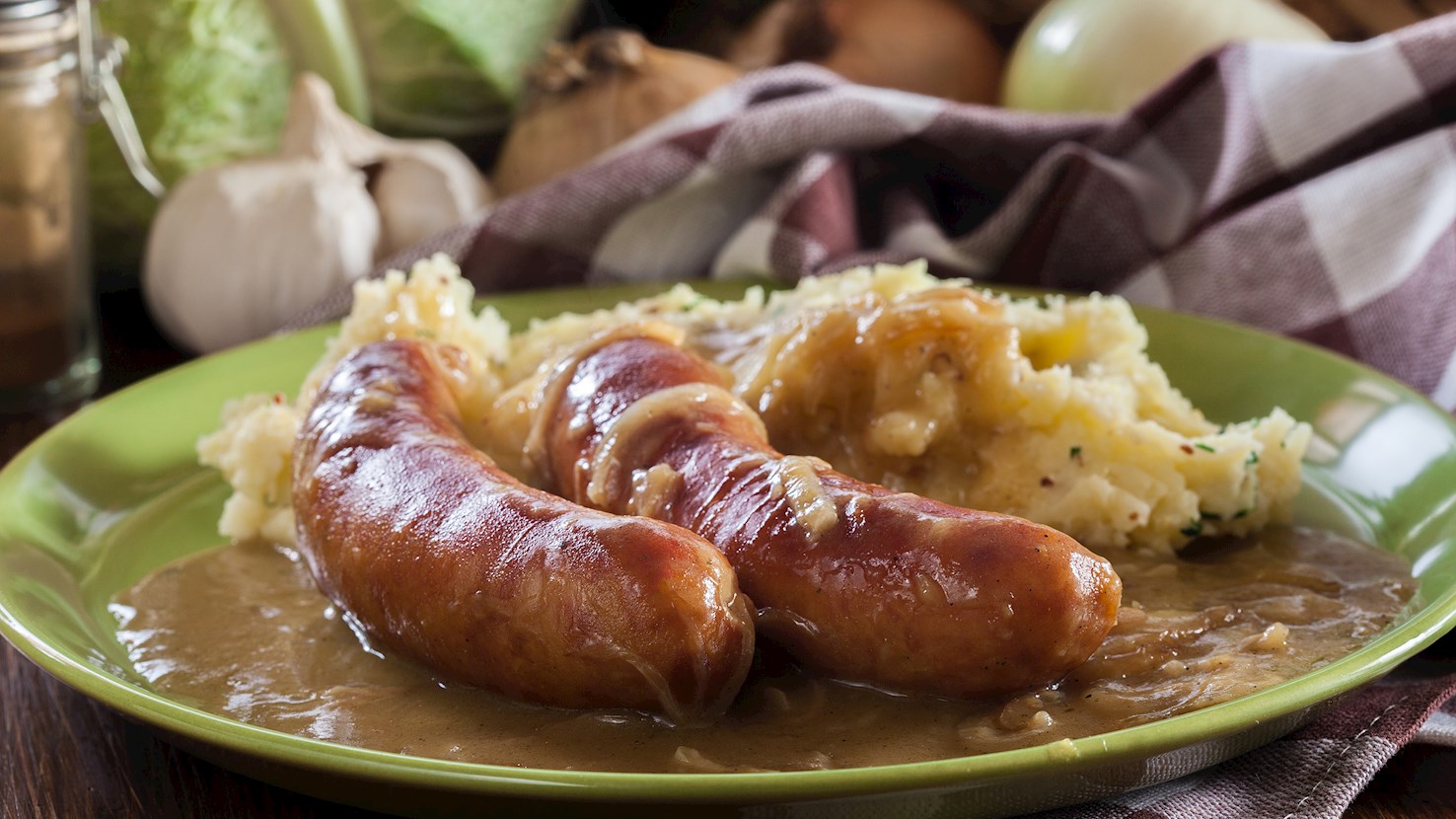
Bratwurst in Biersoße or Stolzer Heinrich (lit. Proud Henry) is a traditional dish originating from East Germany. The dish is usually made with a combination of bratwurst, dark beer, oil, sugar, salt, pepper, and spiced cookies that are used as a thickener for the sauce. The sausages are boiled and sautéed in oil over medium-high heat until browned on all sides. The pan is deglazed with beer, and the cookies are added to the pan. The mixture is simmered until the cookie bits dissolve. The sauce is seasoned with sugar, salt, and pepper, and it's then poured over the bratwurst. The dish is traditionally served with mashed potatoes on the side.
TasteAtlas food rankings are based on the ratings of the TasteAtlas audience, with a series of mechanisms that recognize real users and that ignore bot,
nationalist or local patriotic ratings, and give additional value to the ratings of users that the system recognizes as knowledgeable.
For the “Top 6 German Sausage Dishes” list until September 15, 2026, 784 ratings were recorded, of which 682 were recognized by the system as legitimate.
TasteAtlas Rankings should not be seen as the final global conclusion about food. Their purpose is to promote excellent local foods,
instill pride in traditional dishes, and arouse curiosity about dishes you haven’t tried.





What People Say