shutterstock

Top 18 Local Sausages
in Alentejo

Last updated on May 31, 2026

Best Sausages in the World
01

Mestre Henriques

4.7 ·
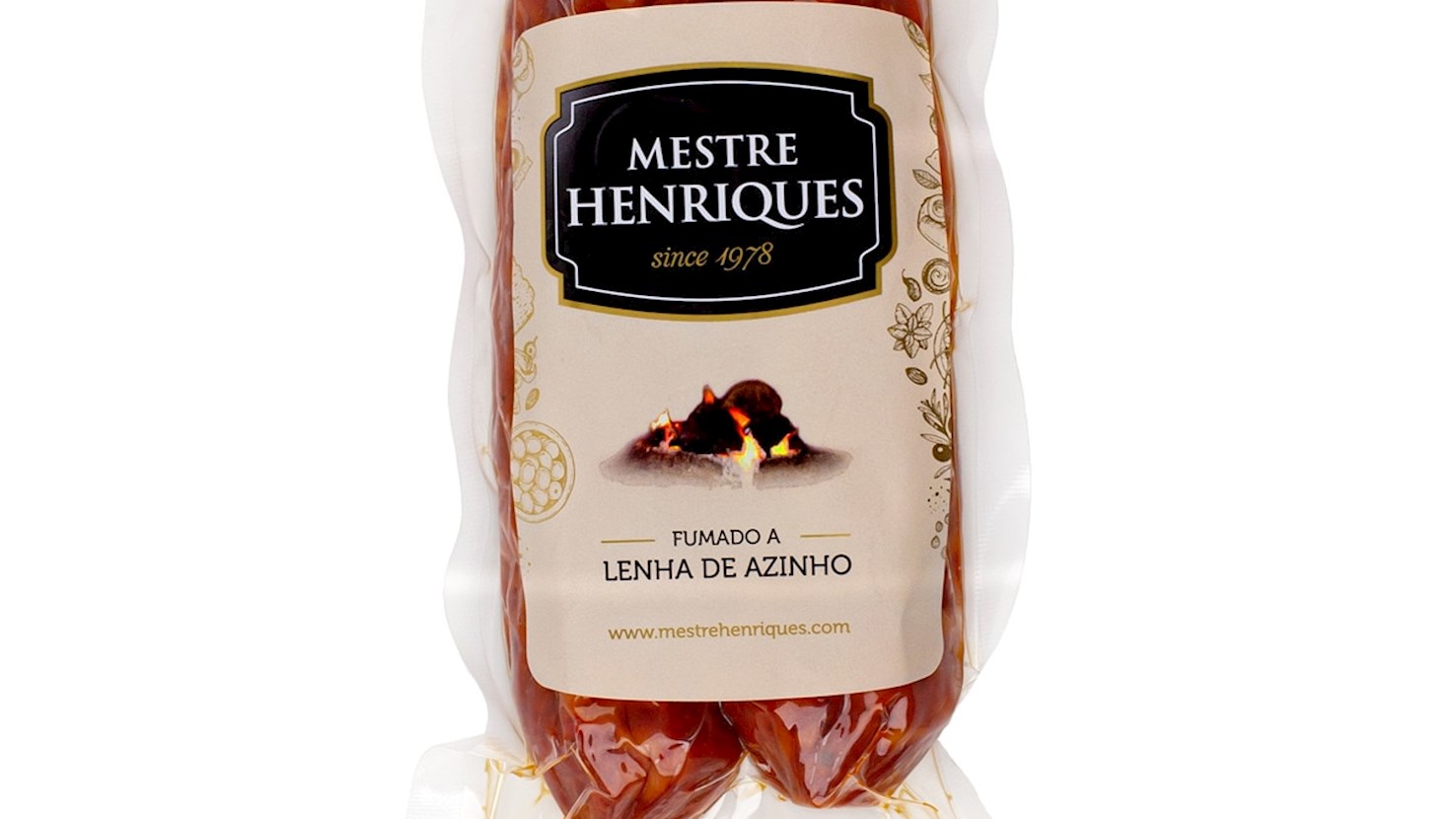
Mestre Henriques, established in 1978, is a family-owned Portuguese company specializing in traditional charcuterie and sausage production. Their products are crafted using fresh pork, carefully selected seasonings, natural casings, and are smoked over holm oak wood, adhering to authentic Portuguese methods. Located in Rio Maior, the company offers a diverse range of items, including traditional chouriço, black pudding, and paiola. Mestre Henriques is committed to upholding high-quality standards, catering to discerning palates both domestically and internationally.
02

Casa do Porco Preto

4.6 ·
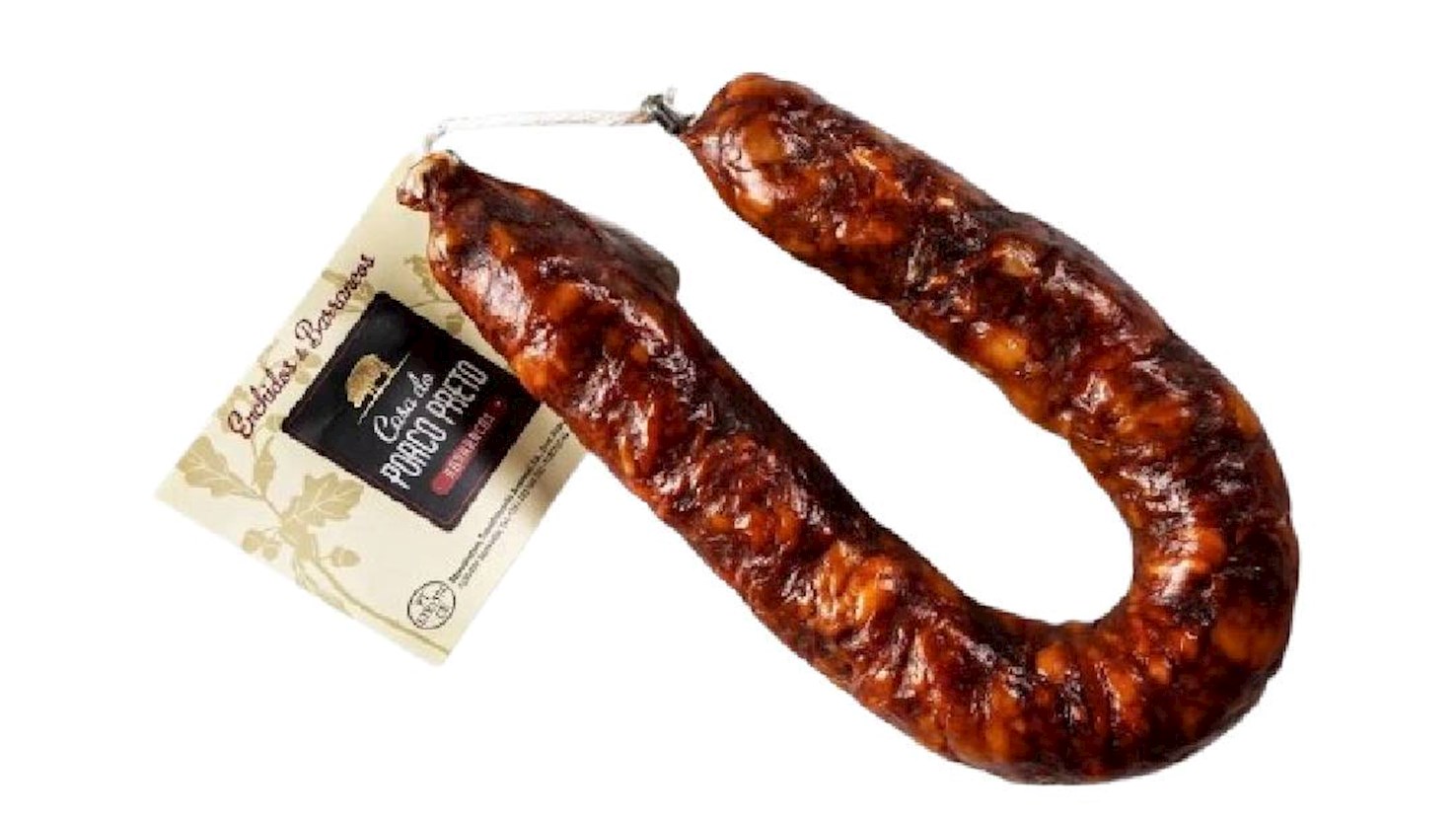
Casa do Porco Preto is a renowned Portuguese producer specializing in Presunto de Barrancos DOP, a dry-cured ham made from free-range Alentejano black pigs. Located in the Alentejo region, the company emphasizes sustainable farming practices, allowing pigs to roam freely and feed on acorns, which enhances the flavor of the meat. Their presunto is aged for extended periods, often over 24 to 36 months, resulting in an intense, nutty, and melt-in-the-mouth flavor. Casa do Porco Preto has received numerous accolades for its dedication to artisanal craftsmanship and adherence to traditional curing methods. Their products are exported globally, making them a symbol of Portuguese culinary excellence.

Best Sausage Types in the World
01

Paio de Beja

4.3 ·

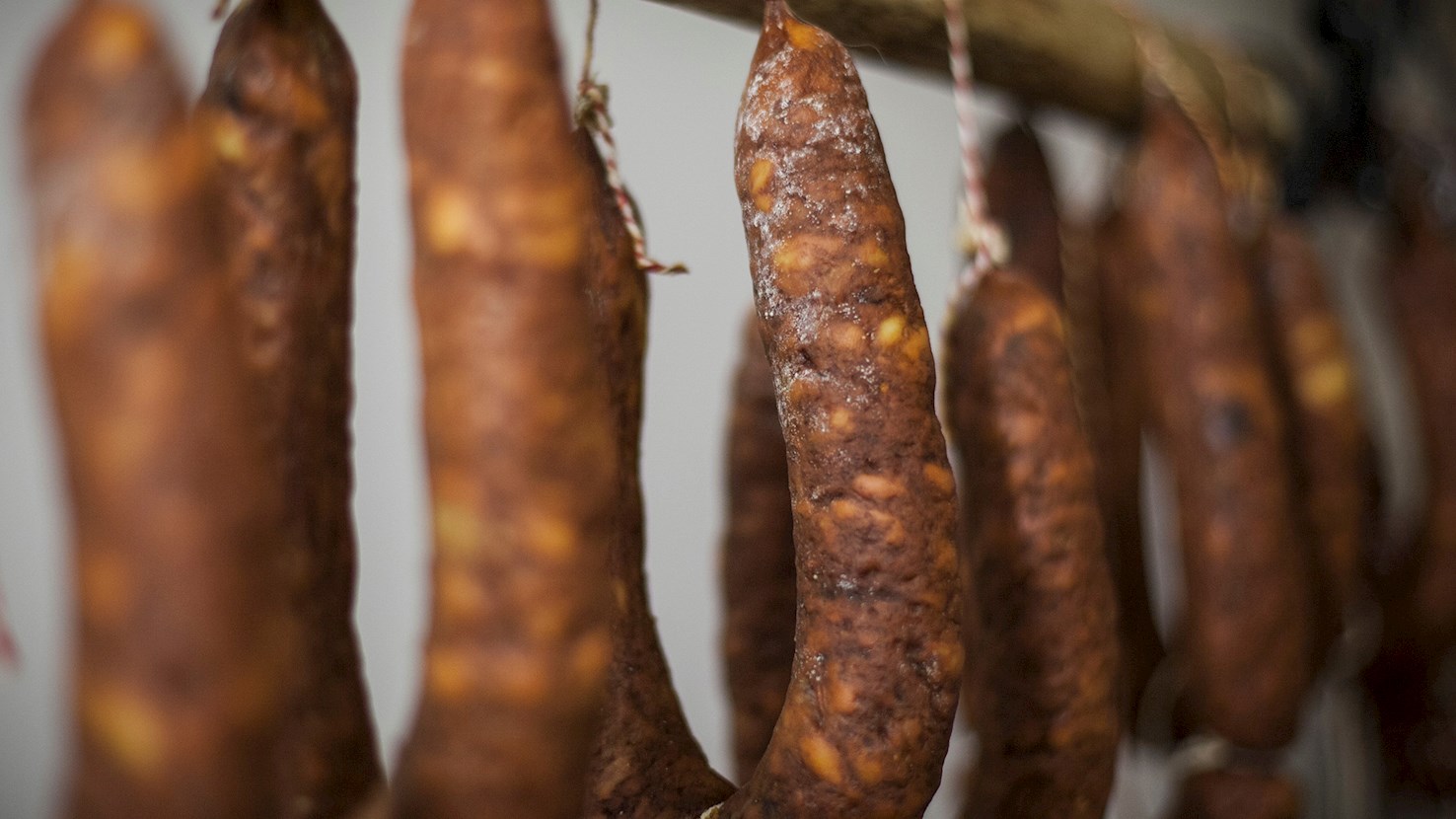
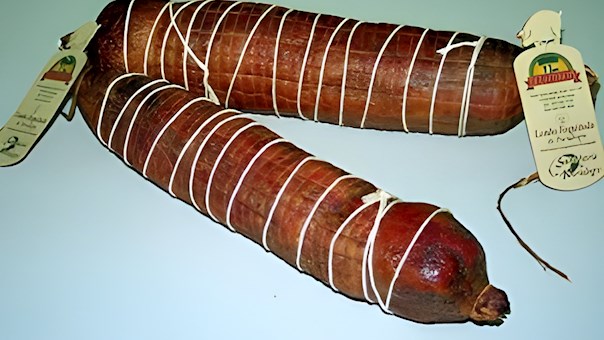
Beja paio sausage is a smoked meat product made from pork of the Alentejo breed of pigs. Roughly 70-90% of the sausage consists of lean meat, while the remaining 10-30% is fat. The pork meat and fat are diced and mixed with water, garlic, paprika, and salt before being stuffed into sausage casings. The smoking process lasts for several days, and is carried out at a low temperature using local oak wood. Paio has a firm consistency and a pleasant, delicate flavor that is savory and slightly spicy. Served with bread, this sausage is a traditional meal that is brought to the fields by local farmers during the harvest. Today, it is most often served as an appetizer. The typical flavor of the Beja paio sausage is closely tied to the local oak – not only is the wood used during the smoking process, but the acorns from the trees are one of the main food sources for the Alentejo pigs used in the sausage.

02

Linguíça do Baixo Alentejo

4.1 ·

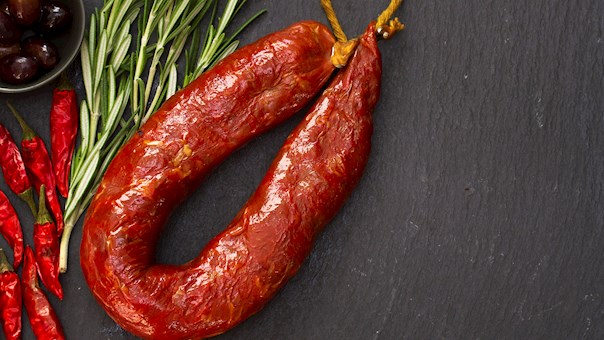
This smoked sausage is similar to chorizo, but longer. It is made with the meat and fat from the Alentejo breed of pigs, along with flavorings and seasonings such as paprika, pepper, salt, garlic, and wine. The mixture is marinated briefly before being stuffed into sausage casings which are subsequently smoked and dried. The texture is smooth and marbled, while the flavor is slightly salty with a typical smoky aroma. This sausage is often sliced and pan-fried for a typical breakfast dish. Extra thin slices also make for a great pizza topping or a filling for francesinha, a traditional Portuguese sandwich. It can also be used in feijoada, a bean stew containing a variety of pork sausages.

03

Farinheira de Estremoz e Borba

3.9 ·

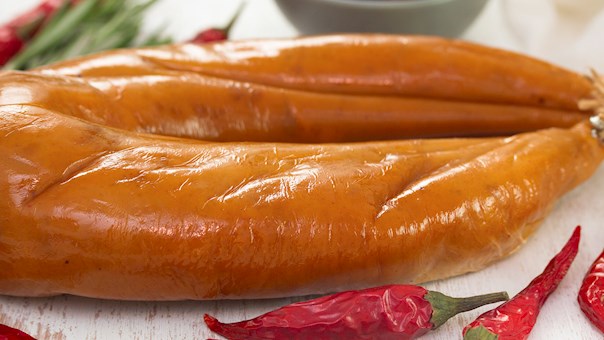
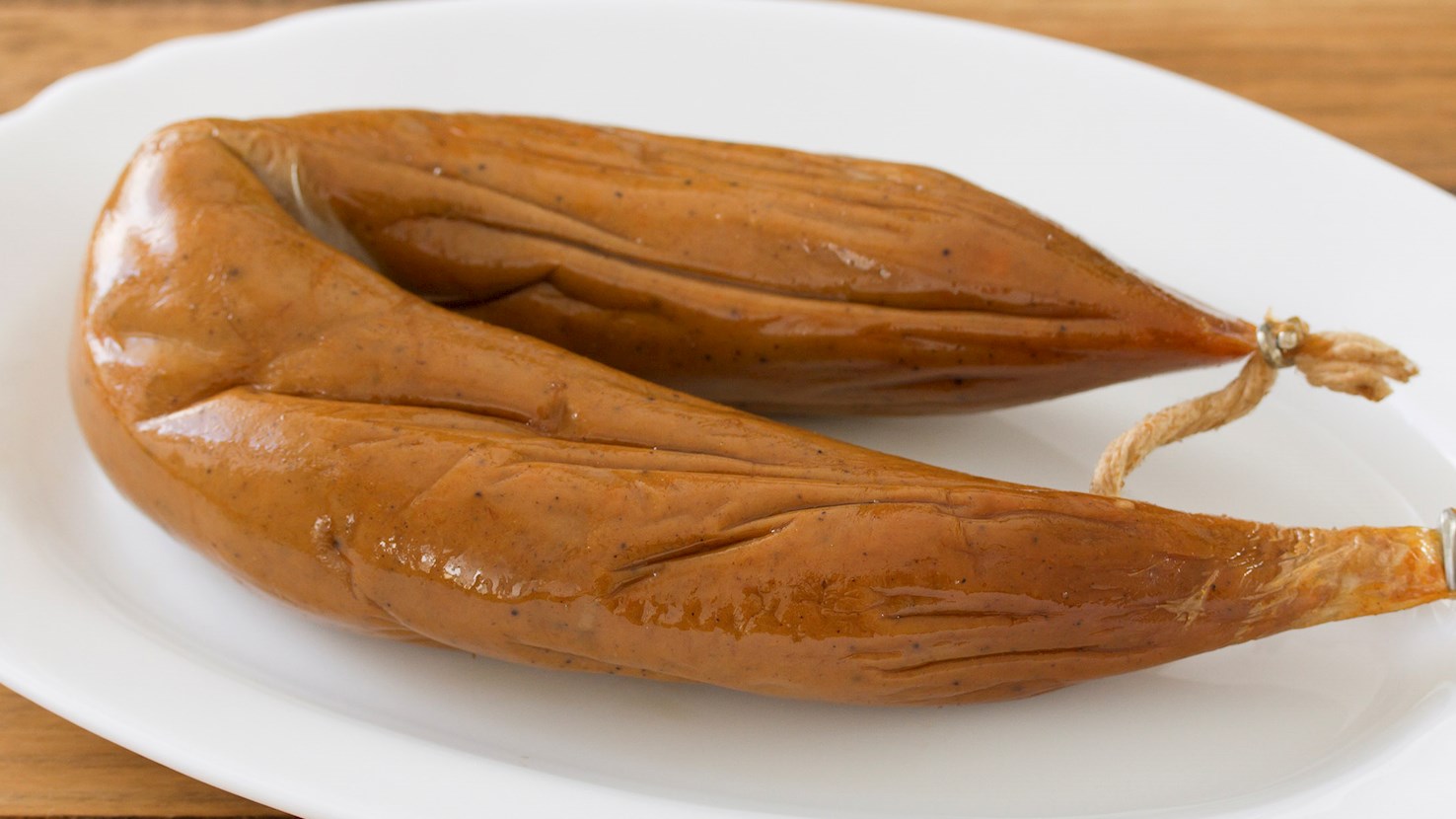
This sausage is made with fatty cuts of pork taken from the Alentejo breed of pigs with the addition of wheat flour, garlic, paprika, salt, and water. The animals are fattened and fed mostly on acorns, which imparts a distinctive flavor to their meat. The meat is cut into small pieces and mixed with seasonings, after which it is stuffed into sausage casings and smoked slowly over an oak fire. The final product is a horseshoe-shaped sausage that is yellow to orange in color, with a semi-soft, pasty texture. The flavor is pleasant and slightly sweet with hints of garlic and a fine balance between sweet and savory. It can be consumed boiled, roasted, or fried, and it's also commonly served as an appetizer or paired with aperitifs.

04

Chouriço de carne de Estremoz e Borba

3.8 ·

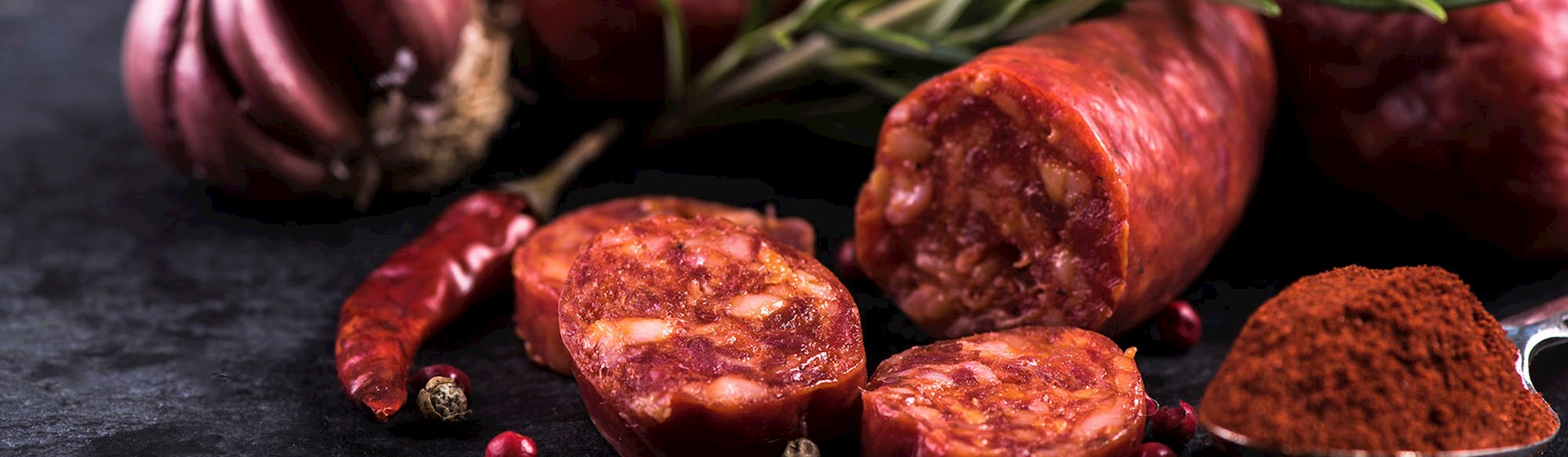
This chorizo sausage is made with pork taken from Alentejo breed pigs raised in the municipalities of Borba, Estremoz, Vila Viçosa, and Alandroal in Portugal's Portalegre district. The pigs feed mainly on acorns, which provide a unique, unmistakable flavor to the meat used for these sausages. The meat is cut into small pieces and mixed with garlic, paprika, salt, and water. The mixture is then stuffed into sausage casings and smoked until it develops a dark-red to black color and wrinkled texture. The sausages have a pleasant, smoky, garlicky aroma and a well-nuanced balance of sweet and savory flavors. This chorizo can be eaten raw, roasted, fried, or boiled, and it is often used as a basic ingredient in traditional Portuguese dishes, stews, and soups, such as sopa de panela.

05

Morcela de assar de Portalegre

3.8 ·

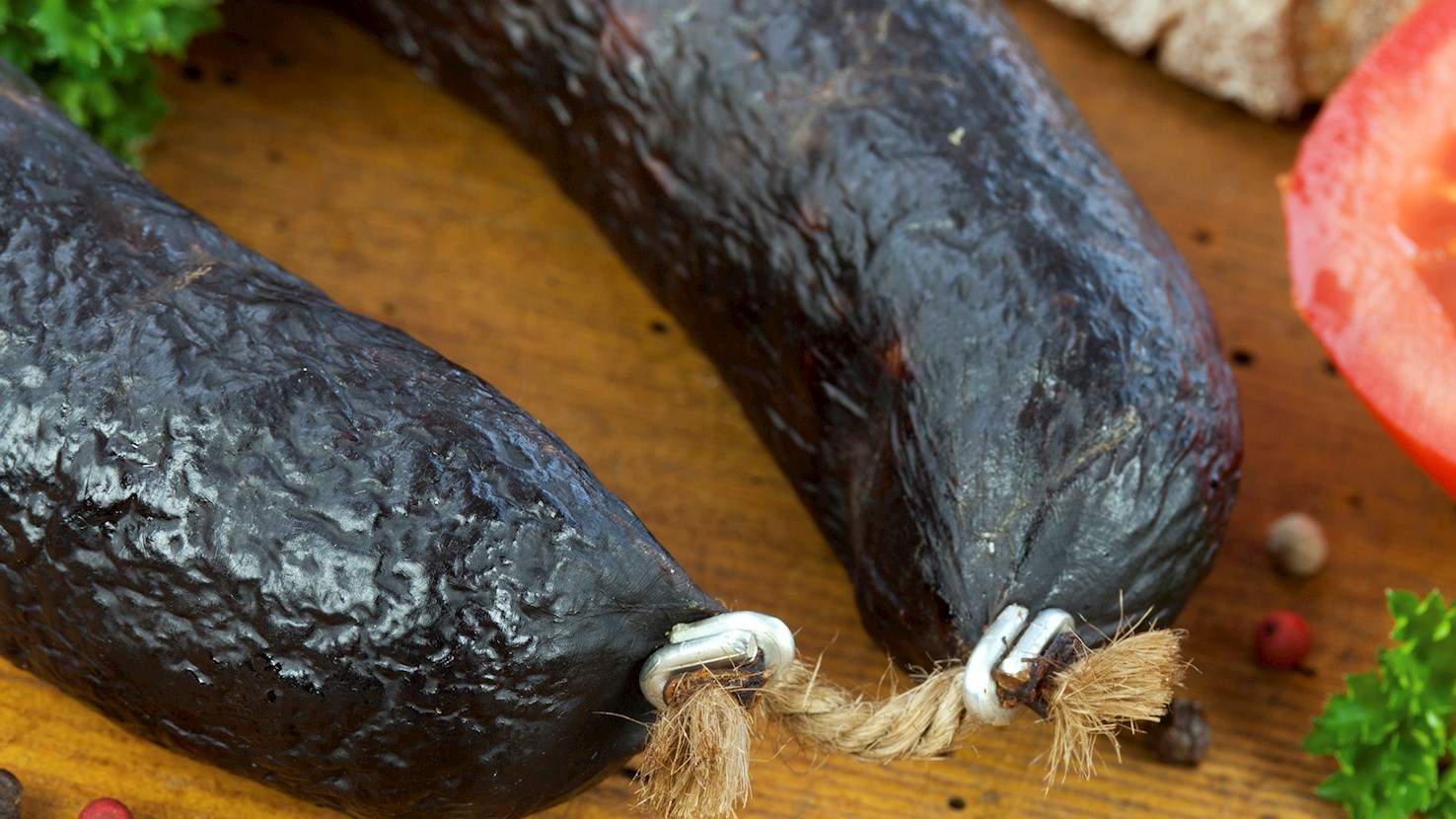
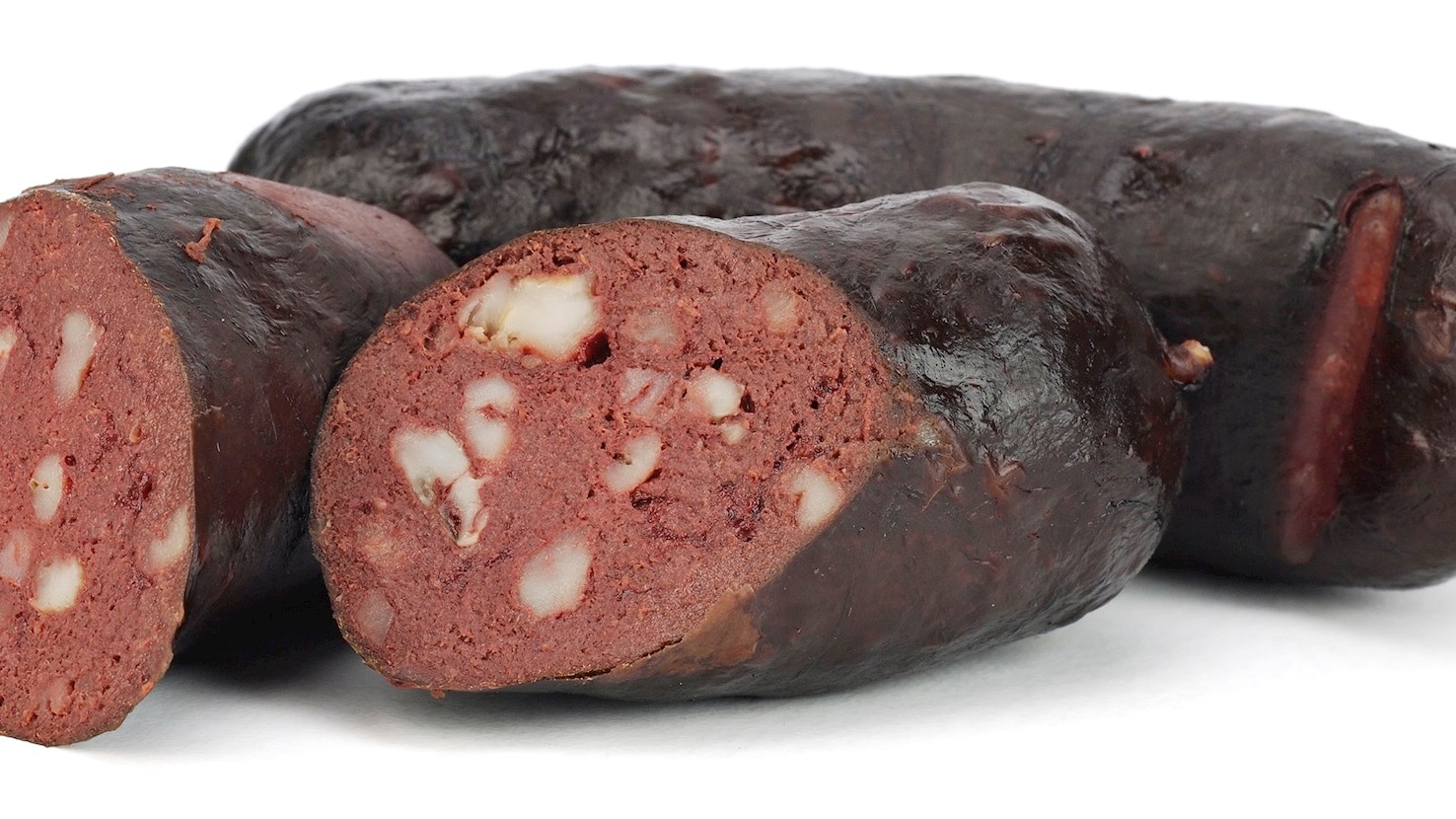
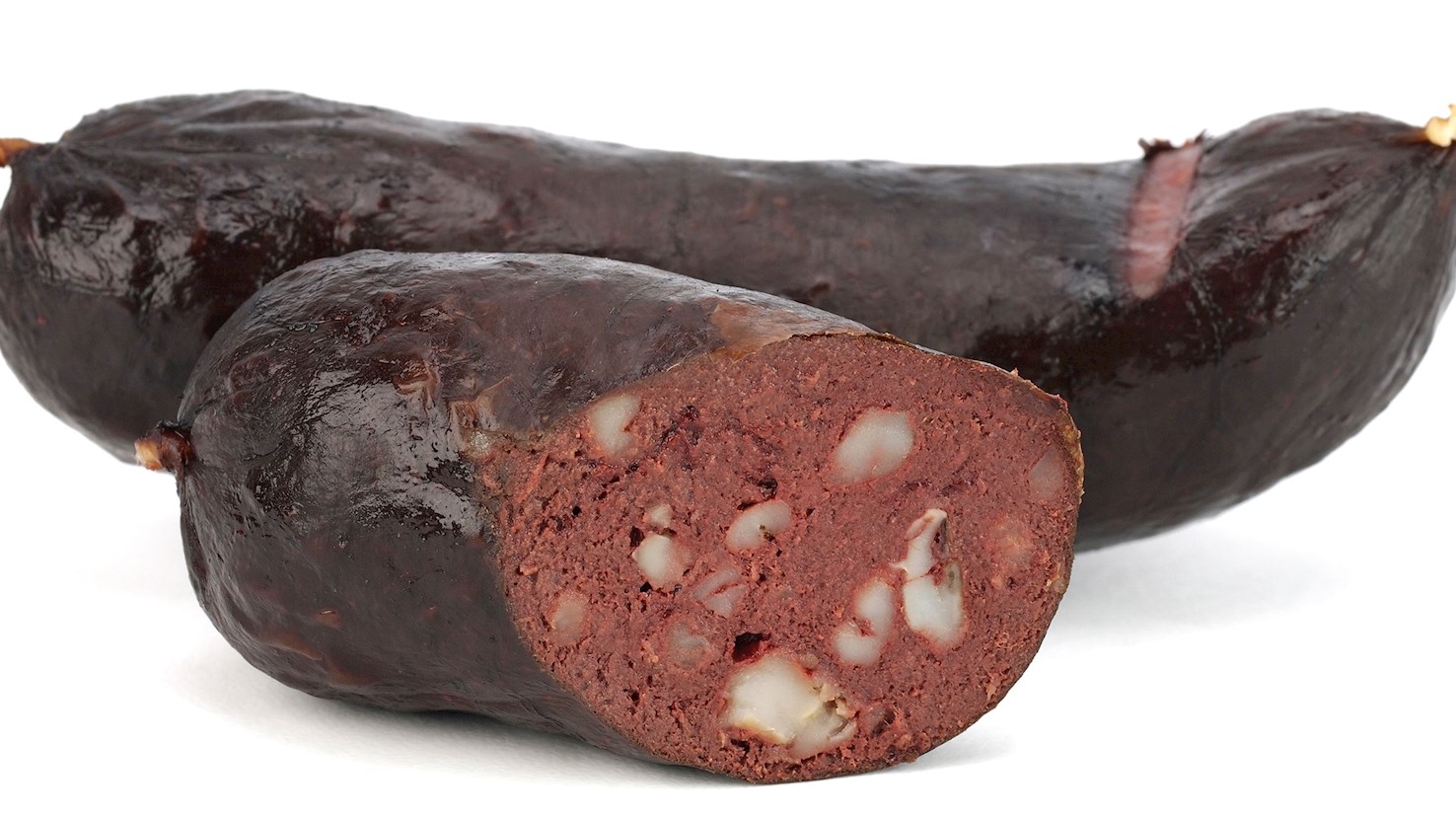
According to EU directives, Portalegre blood sausage can only be produced from the fat and blood of Alentejo pigs in the Portuguese district of Portalegre. The first written records of this smoked black pudding date to the mid-18th century, but one can assume that the farmers of the region have been making it since much before. This product was yet another ingenious way of making use of all possible parts of a slaughtered animal, even the fat and blood, and the smoking process additionally extended its shelf life. To make Portalegre black pudding, soft fatty tissue is crushed, blood is added, and the two ingredients are mixed into a paste. This paste is then combined with salt, dried garlic, cumin, paprika, and local wine, and it is finally stuffed into sausage casings and twisted into a horseshoe shape. The smoked sausage is black and has a glossy surface, while the dark interior is marbled with fat. Portalegre blood sausage has an unmistakable, pleasant flavor with delicate hints of garlic and smoke.

06

Chouriço de Portalegre

3.7 ·

This smoked chorizo sausage is made with meat taken from the Alentejana breed of pigs. The meat is cut into pieces and mixed with water and various seasonings before being manually stuffed into sausage casings and left to smoke slowly over an oak fire. The finished sausages have a pleasant, mild, and delicately spicy flavor and a smoky aroma. They can be preserved in oil and are often used as a key ingredient in a variety of traditional Portuguese dishes. The unique flavor of this chorizo sausage stems from the fact that the pigs feed almost entirely on acorns which impart a distinctive flavor to their meat.

07

Chouriço mouro de Portalegre

3.7 ·

This smoked chorizo sausage is made from the meat of the Alentejo pig, which is raised throughout the district of Portalegre in Portugal. All of the meat used in this type of sausage must be taken from Alentejo pigs in order to be sold as chouriço mouro de Portalegre. The meat, fat, and blood are mixed with sweet paprika or red bell peppers, salt, garlic, and local wine, with the optional addition of caraway seeds. The mixture is then stuffed into sausage casings and smoked over a fire of locally-grown oak wood. The final product is a red-to-dark-brown sausage with a semi-hard texture and a unique, meaty, smoky flavor. The sausage can be preserved in oil, and it's often used as a key ingredient in many traditional Portuguese dishes.

08

Morcela de Estremoz e Borba

3.6 ·

Estremoz e Borba blood sausage is made exclusively with pork taken from the Alentejo breed of pigs. Pork meat and fat are finely cubed, mixed with spices, pig blood, and local wine before being stuffed into animal intestines and smoked slowly for a few days over an oak fire, resulting in a long-lasting sausage similar to chorizo. As pigs in the region were traditionally slaughtered and butchered before Christmas, the smoking process for this sausage ensured that the meat was able to last throughout the year. The unique flavor and consistency of Estremoz and Borba sausages result from the sausage-making skills and traditions of the local people, which have been handed down through the generations for centuries. This blood sausage has a dark red, wrinkled surface and a semi-soft texture, while its interior is finely marbled. It is commonly eaten raw, roasted, fried, or boiled, and it is used as an ingredient in numerous regional dishes, particularly stews.

09

Paia de lombo de Estremoz e Borba

3.5 ·

The Estremoz e Borba region in the eastern district of Évora has a unique tradition of smoking and drying meat that has developed across the centuries, and the dried meat products were long the principal source of protein for the local population. Estremoz e Borba pork loin sausage is a cured sausage made using the whole pork loin of Alentejo pigs. The pork loin is seasoned with salt, whole garlic cloves, and paprika paste, and it's left to dry for two days. The semi-dried pork loin is then split in half and a layer of fat is sandwiched between the two halves before it is rolled and stuffed into the casing. The sausage is then smoked for a minimum of twenty-two days over an oak fire, resulting in a reddish-black, smooth, and firm sausage with an unmistakable spiral pattern when sliced crosswise. Paia de Lombo has an intense, smoky, garlicky flavor, and it is best enjoyed served sliced as cold cuts with crusty bread and a glass of red wine.

10

Morcela de cozer de Portalegre

3.5 ·

According to EU regulations, this blood sausage can only be produced from the fat and blood of Alentejo pigs. It hails from the Portuguese district of Portalegre, which has a long history of pig farming and sausage production. To make this blood sausage, soft fatty tissue is diced, mixed with blood, and combined with salt, garlic, cumin, paprika, and (occasionally) local wine. This mixture is then stuffed into sausage casings, tied, and scalded in hot water. The finished sausage is black and glossy, and it has a pleasant, mild, delicate, and savory flavor. It is traditionally served with bread and beer, and it also serves as an ingredient in various traditional stews.

About this ranking

TasteAtlas food rankings are based on the ratings of the TasteAtlas audience, with a series of mechanisms that recognize real users and that ignore bot, nationalist or local patriotic ratings, and give additional value to the ratings of users that the system recognizes as knowledgeable. For the “Top 18 Local Sausages in Alentejo” list until May 31, 2026, 322 ratings were recorded, of which 161 were recognized by the system as legitimate. TasteAtlas Rankings should not be seen as the final global conclusion about food. Their purpose is to promote excellent local foods, instill pride in traditional dishes, and arouse curiosity about dishes you haven’t tried.

The initial list of top producers was compiled based on available reviews, awards, local recommendations, media and blog coverage, and consumer reviews. The list will be updated with ratings from TasteAtlas local ambassadors and TasteAtlas users.

Similar lists