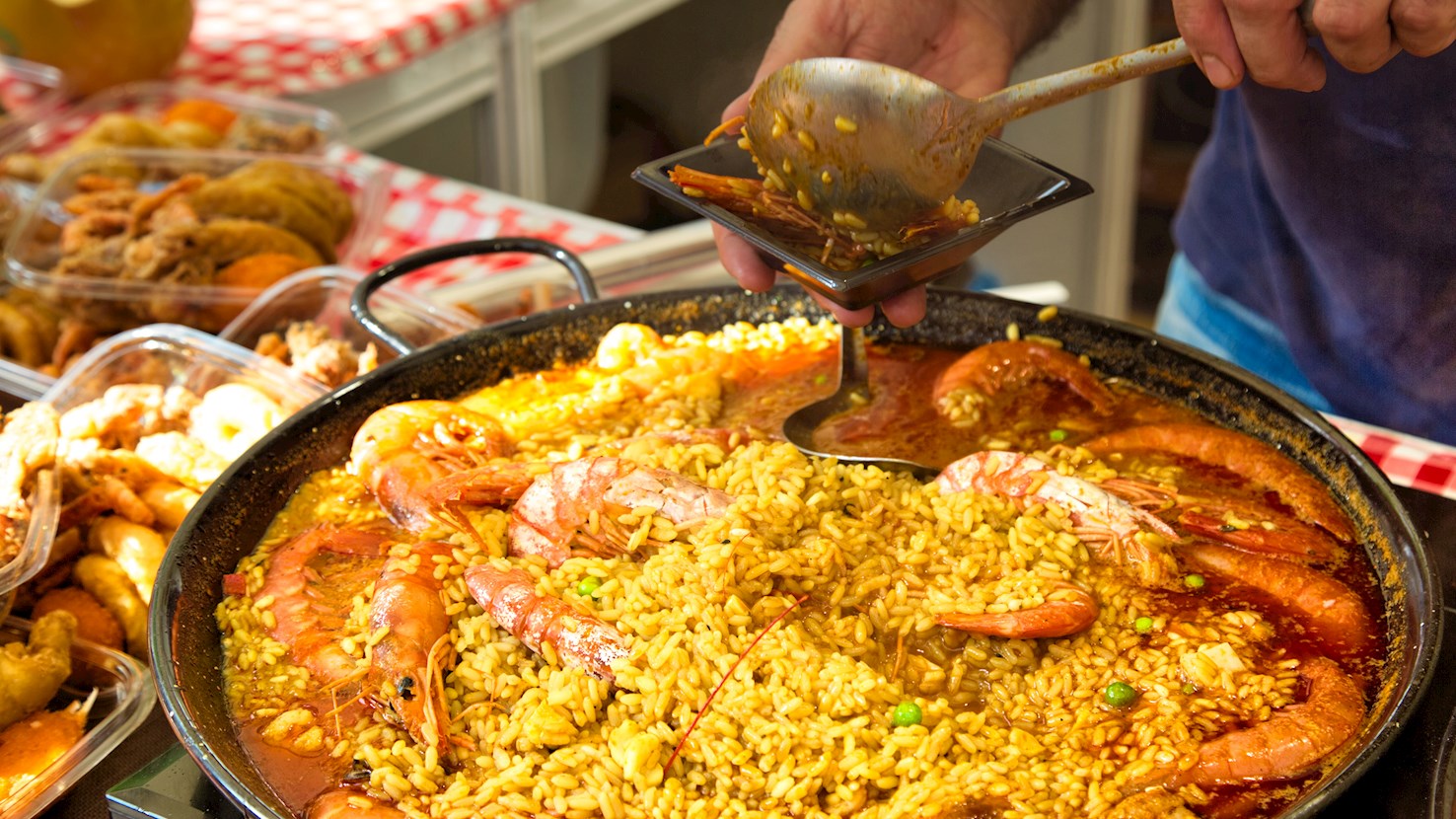
Seafood paella is one of the most popular paella varieties, not only in Valencia, but also in Andalusia and all along the Spanish coast. Due to the abundance of fresh fish and seafood, this dish is an absolute summer favorite in Spain. Paella de mariscos is prepared with a typical base of saffron-flavored rice, peppers, and tomatoes, but it owes its stunning visual appearance to the flavorful combination of fish, shrimp, mussels, and clams. It is recommended to prepare this rich dish over a wood fire to infuse it with a delicate smoky aroma.
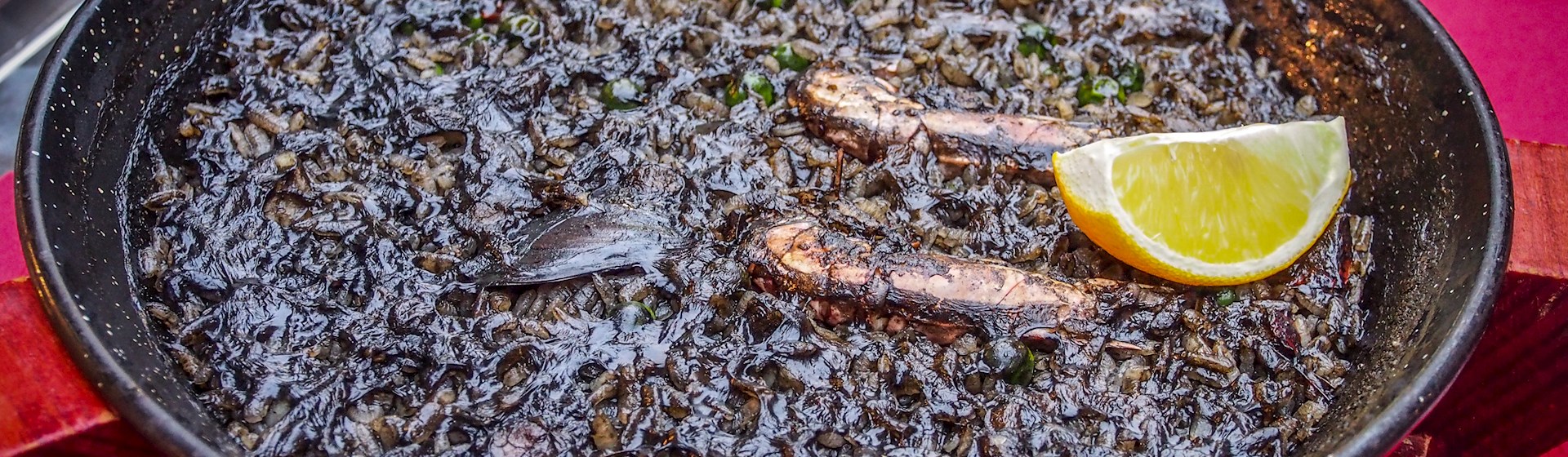
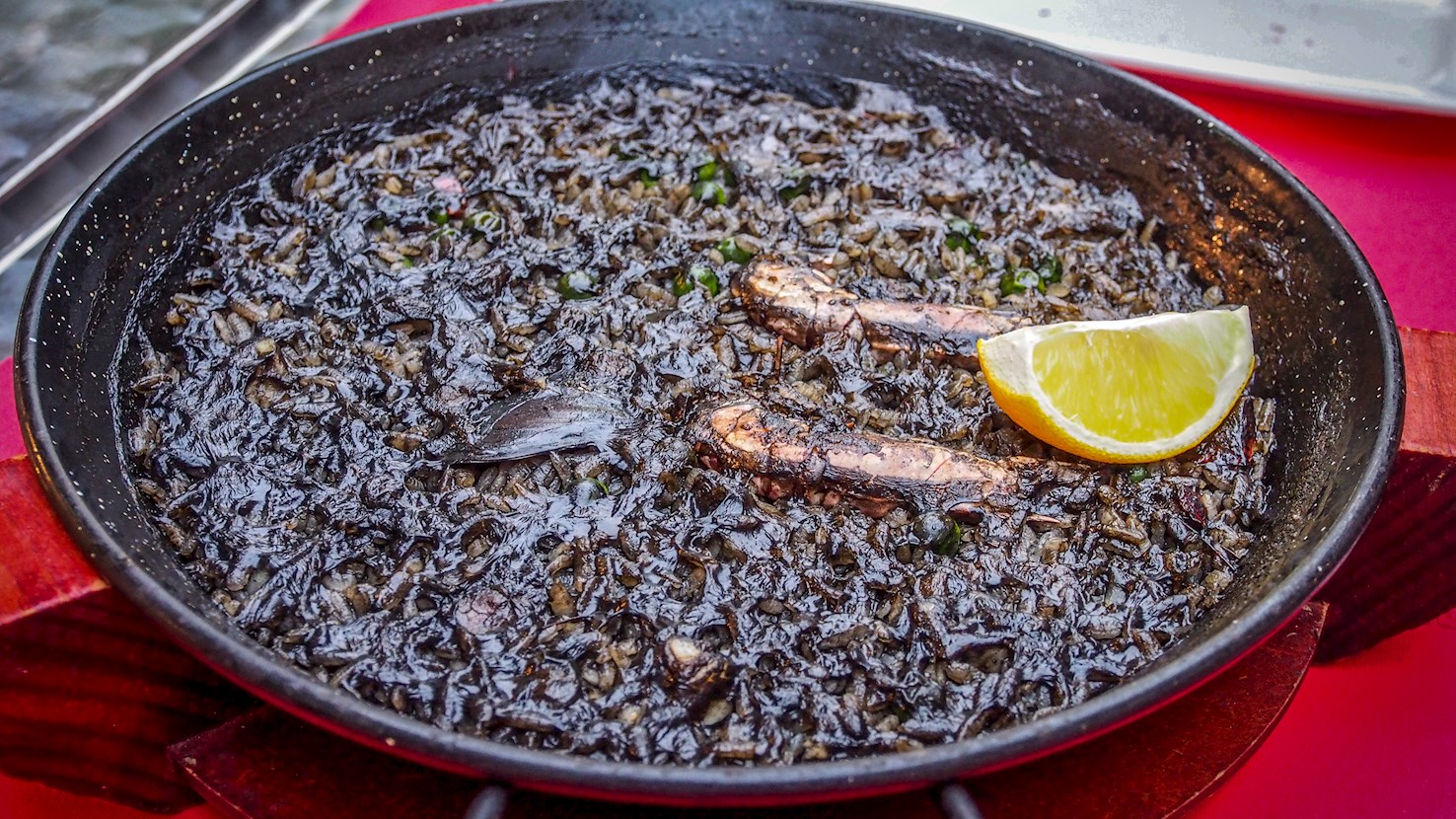
Arròs negre is a Spanish dish originating from Valencia and Catalonia, and it is the most popular in Castellon and Tarragona. It is made with white rice, squid or cuttlefish, and squid ink, which gives the dish its characteristical black color. The dish is often enriched with the addition of garlic, onions, fish stock, cubanelle peppers, olive oil, and sweet paprika, and many cooks like to add other types of seafood into the paella pan, such as shrimp and crab.
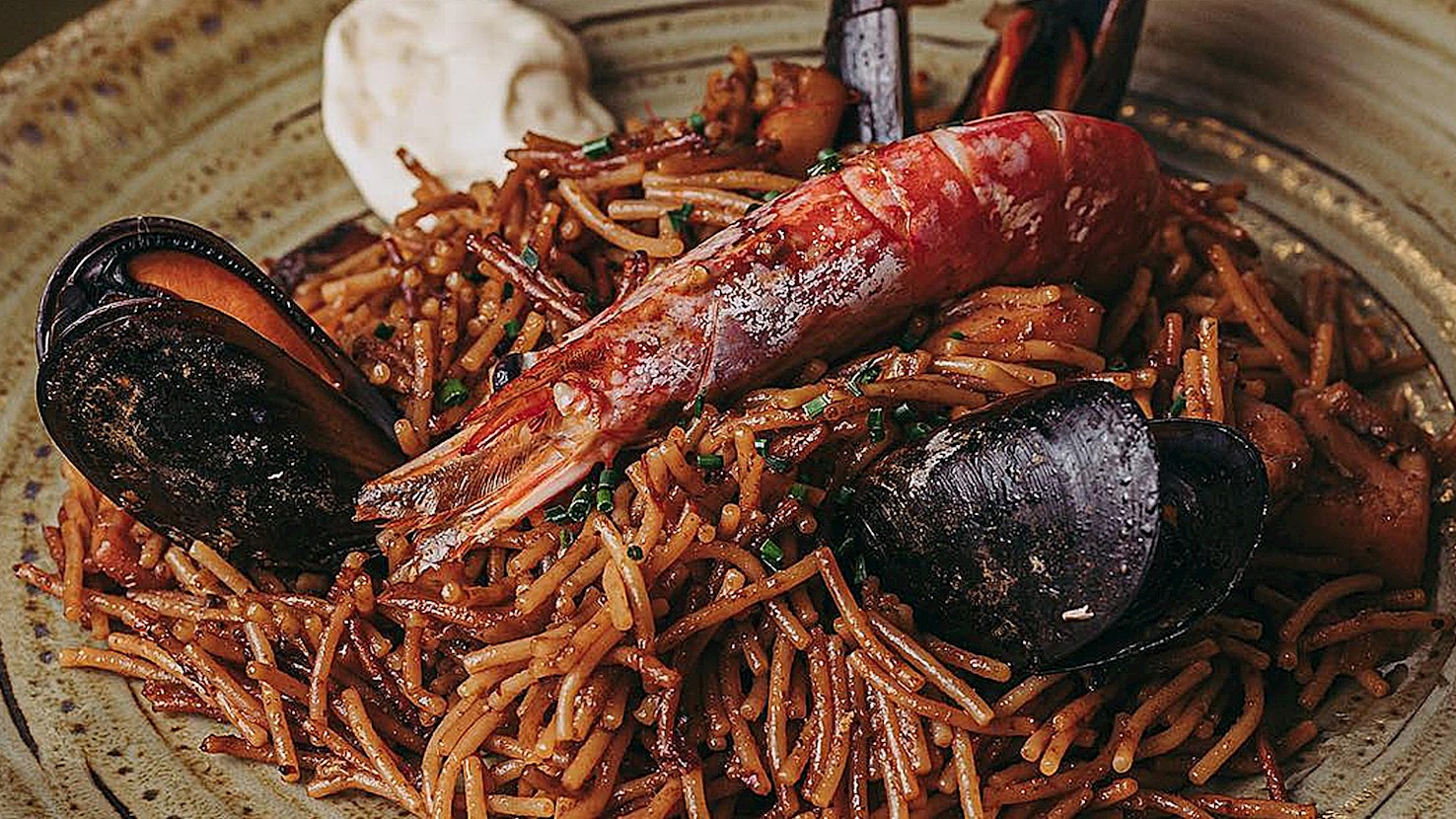
Fideuà is a colorful Valencian and Catalan dish often described as an interpretation of the popular paella. Similar to its more popular counterpart, fideuà employs a variety of seafood ingredients, but instead of rice, it combines them with thin and short pasta called fideo. The choice of seafood can include many fish and shellfish varieties such as cuttlefish, monkfish, and shrimps. To prepare the dish, pasta is shortly fried, and only later added and cooked in the flavorful saffron-spiced seafood broth. Like paella, fideuà is cooked in a shallow iron pan and it is typically not mixed in order to allow a crispy crust to be formed on the bottom. It is believed that this Valencian classic originated in 1930 in the city of Gandia, on one of many local fishing boats. In restaurants, it is often served in a pan in which it was prepared, and it is usually shared among a group of people. Before serving, the dish is often topped with chopped parsley and lemon juice, while some prefer to pair it with an aromatic aioli sauce.
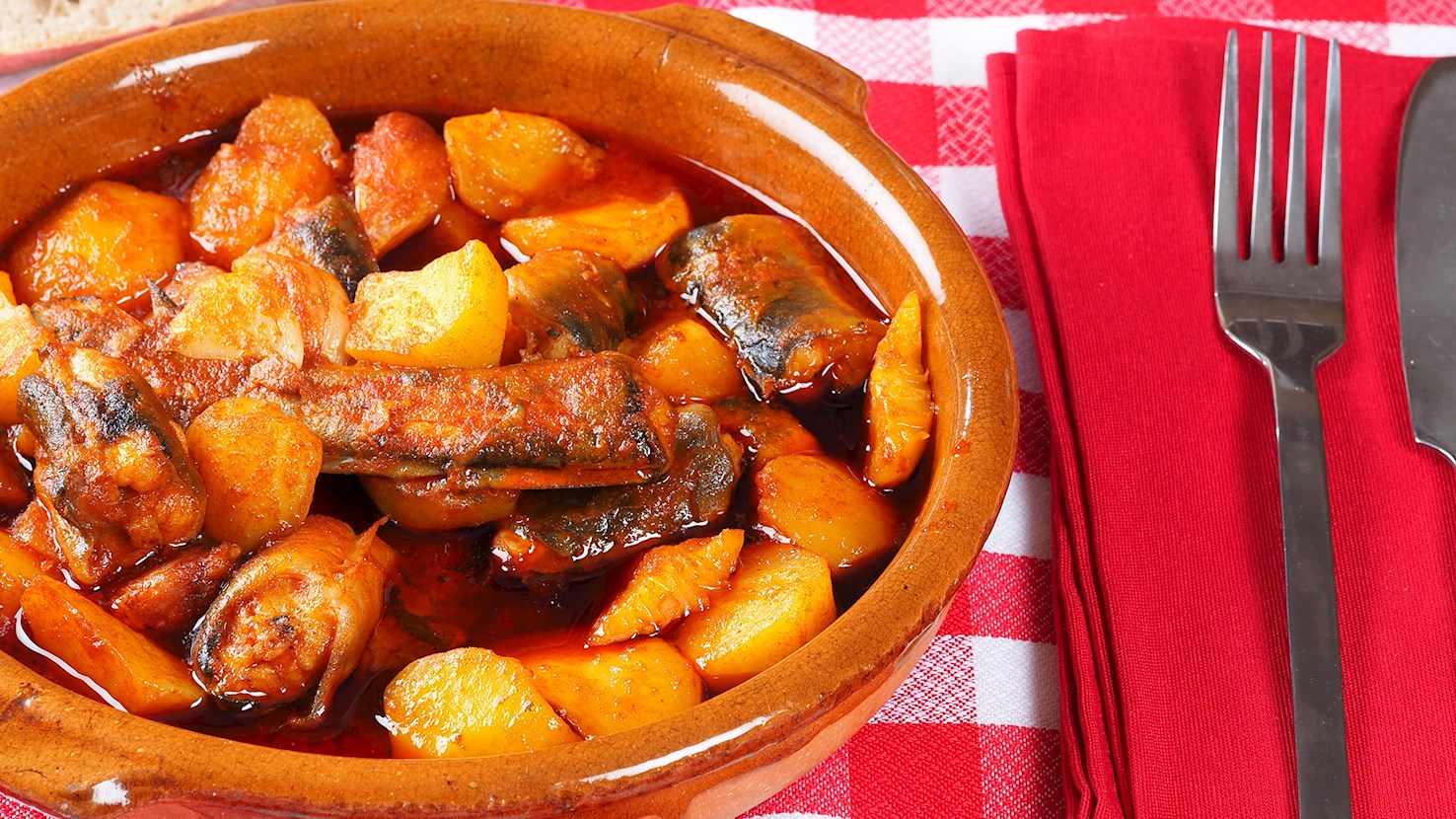
All i pebre is a traditional signature dish of Valencia and the surrounding area, although its origin is in the Albufera wetlands near the city. The name of the dish means garlic and pepper, referring to the sauce, a key component of the dish. Other ingredients include eel and potatoes, but the eel can be replaced with other types of fish, while the potatoes are often replaced with bread. However, the spicy sauce consisting of olive oil, garlic, and paprika is essential. The dish is often prepared in an earthenware bowl, and once done, it's served with bread on the side, which is used for dipping.
Boyitori is a traditional dish originating from the Valencian community. The dish is usually made with a combination of salt cod, potatoes, onions, parsley, olive oil, and salt, if needed. The potaotes are cut into pieces and sautéed with onion quarters in olive oil over high heat. The cod is cut into pieces and added to the pan, and the mixture is sautéed over medium heat. The mixture is covered with water and simmered until the potatoes are soft. Once done, boyitori is garnished with parsley and seasoned with a pinch of salt before serving.
Rossejat de fideos is a seafood dish consisting of thin noodles toasted in olive oil, cooked in fish broth with cuttlefish, prawns, or shrimp, and typically served straight from the pan with allioli. It belongs to the same family of seafood-and-pasta preparations as fideuà but has its own character and place at the table. The recipe was born in the seafaring kitchens, where fishermen relied on what was readily available: the catch of the day, a base of stock made from smaller rockfish, and simple pantry staples like pasta and garlic. Over time, it became established in coastal homes and restaurants, valued for both its economy and its depth of flavor. The dish is prepared in a wide, shallow pan similar to that used for paella. Short, thin noodles are first lightly toasted in olive oil until they take on a golden color, which gives the dish its name—rossejat refers to the act of browning. A sofrito of tomato, garlic, and onion may be added, and then hot fish broth is poured in, allowing the pasta to absorb the liquid and swell. Seafood such as cuttlefish, prawn, or shrimp is often included, but the exact combination depends on the market. Once cooked, the noodles should be tender but slightly dry at the base, with the pan imparting a concentrated flavor. Rossejat de fideos is usually served directly in the pan, with the noodles forming a compact layer rather than the looser arrangement found in fideuà. A common accompaniment is allioli, a pungent garlic sauce that diners mix into their portion at the table. The way the pasta is toasted before adding the stock sets this dish apart, imparting a nutty depth and altering the final texture compared to other noodle-based seafood dishes in the region. Today, it is eaten along the Catalan coast in both humble taverns and refined restaurants, particularly in seaside towns where fishing continues to shape the local cuisine. It frequently appears at family gatherings, weekend meals, and festivals, always enjoyed communally and often accompanied by lighter local desserts. Rossejat de fideos continues to represent a link between the fishing heritage of Catalonia and the everyday cooking of its people.
TasteAtlas food rankings are based on the ratings of the TasteAtlas audience, with a series of mechanisms that recognize real users and that ignore bot,
nationalist or local patriotic ratings, and give additional value to the ratings of users that the system recognizes as knowledgeable.
For the “Top 6 Valencian Seafood Dishes” list until May 15, 2026, 640 ratings were recorded, of which 535 were recognized by the system as legitimate.
TasteAtlas Rankings should not be seen as the final global conclusion about food. Their purpose is to promote excellent local foods,
instill pride in traditional dishes, and arouse curiosity about dishes you haven’t tried.