shutterstock

Top 45 Asian Seafood

Last updated on June 15, 2026

Best Asian Seafood Types
01

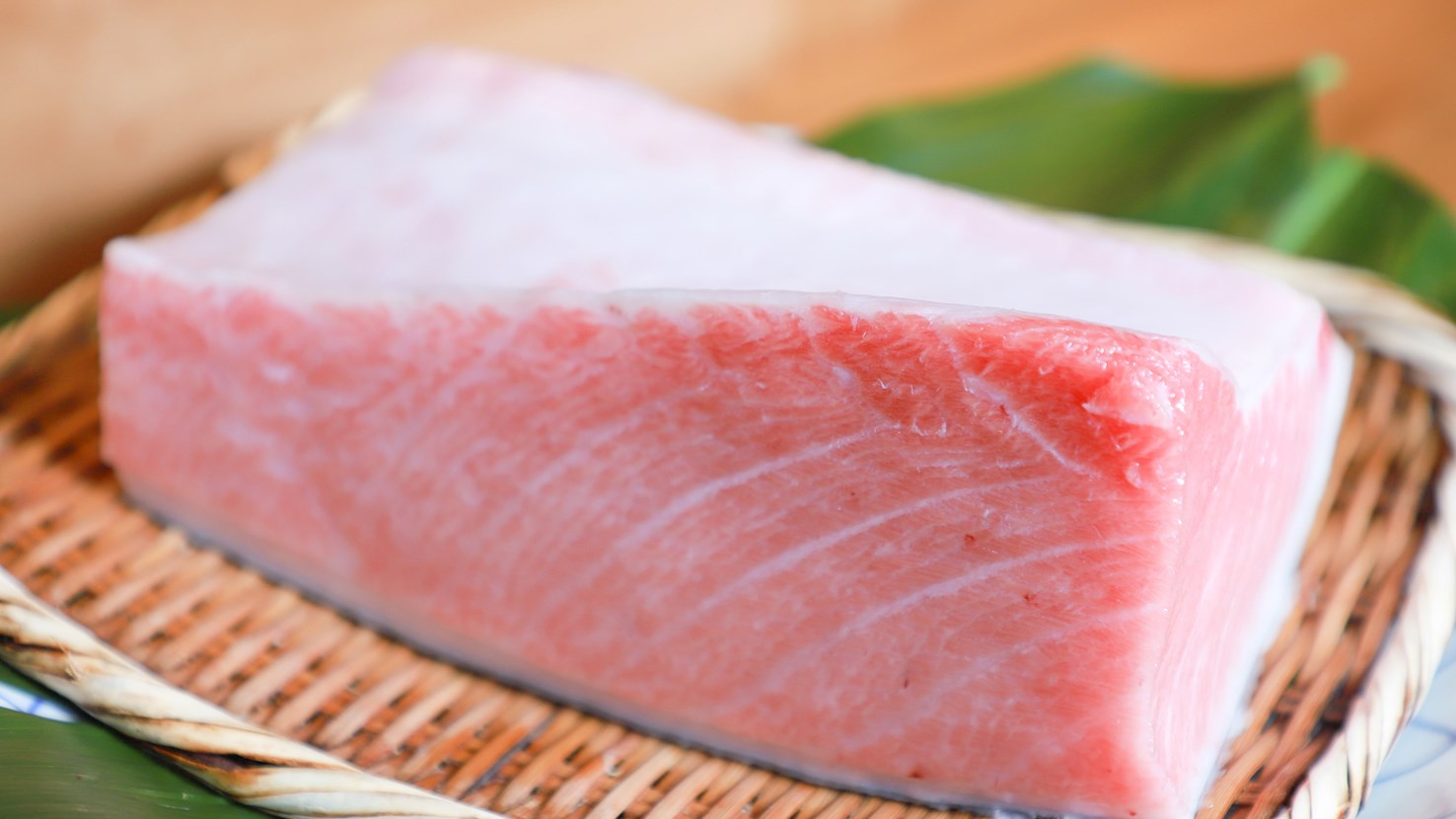
Otoro Tuna

4.5 ·

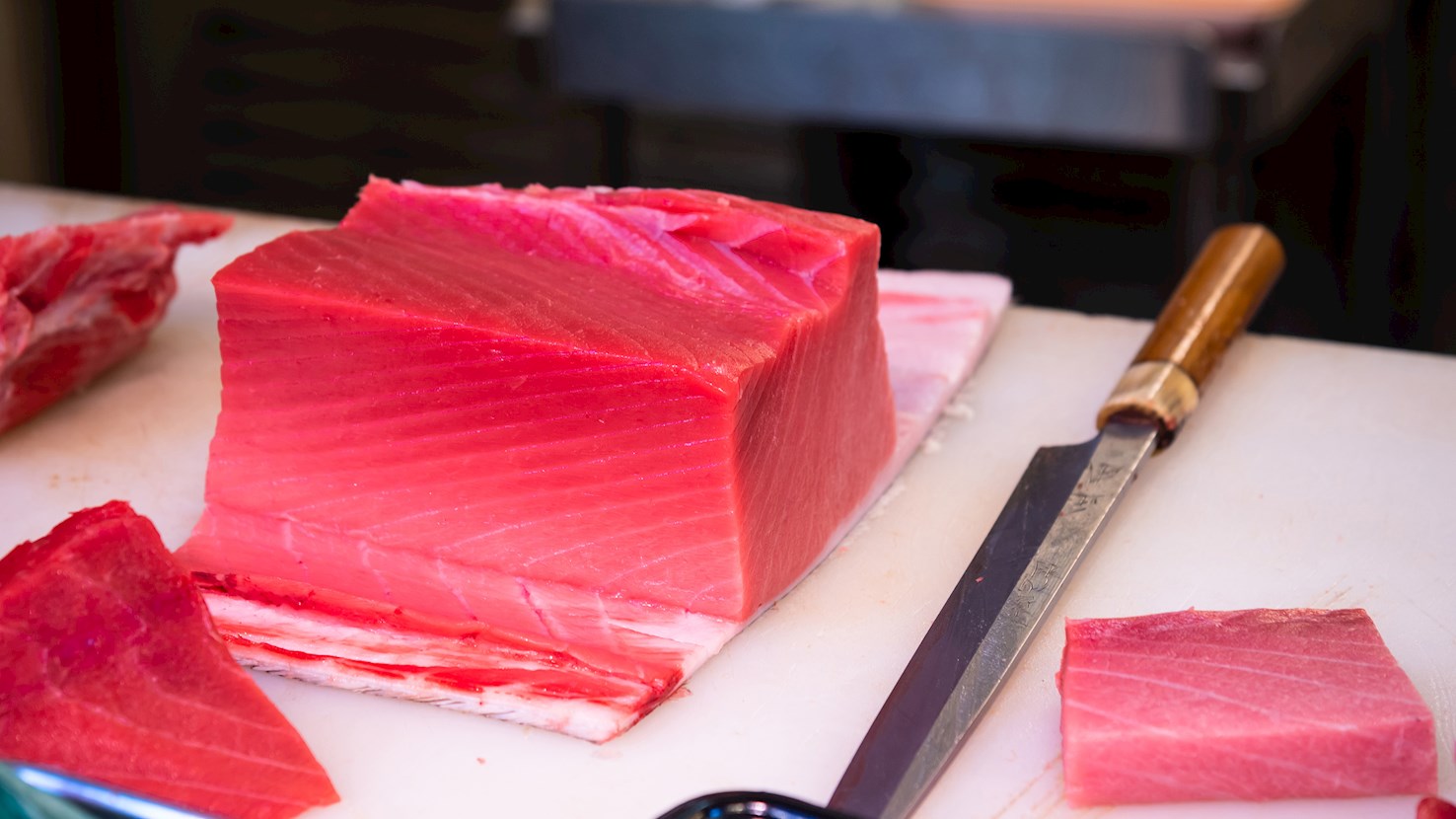
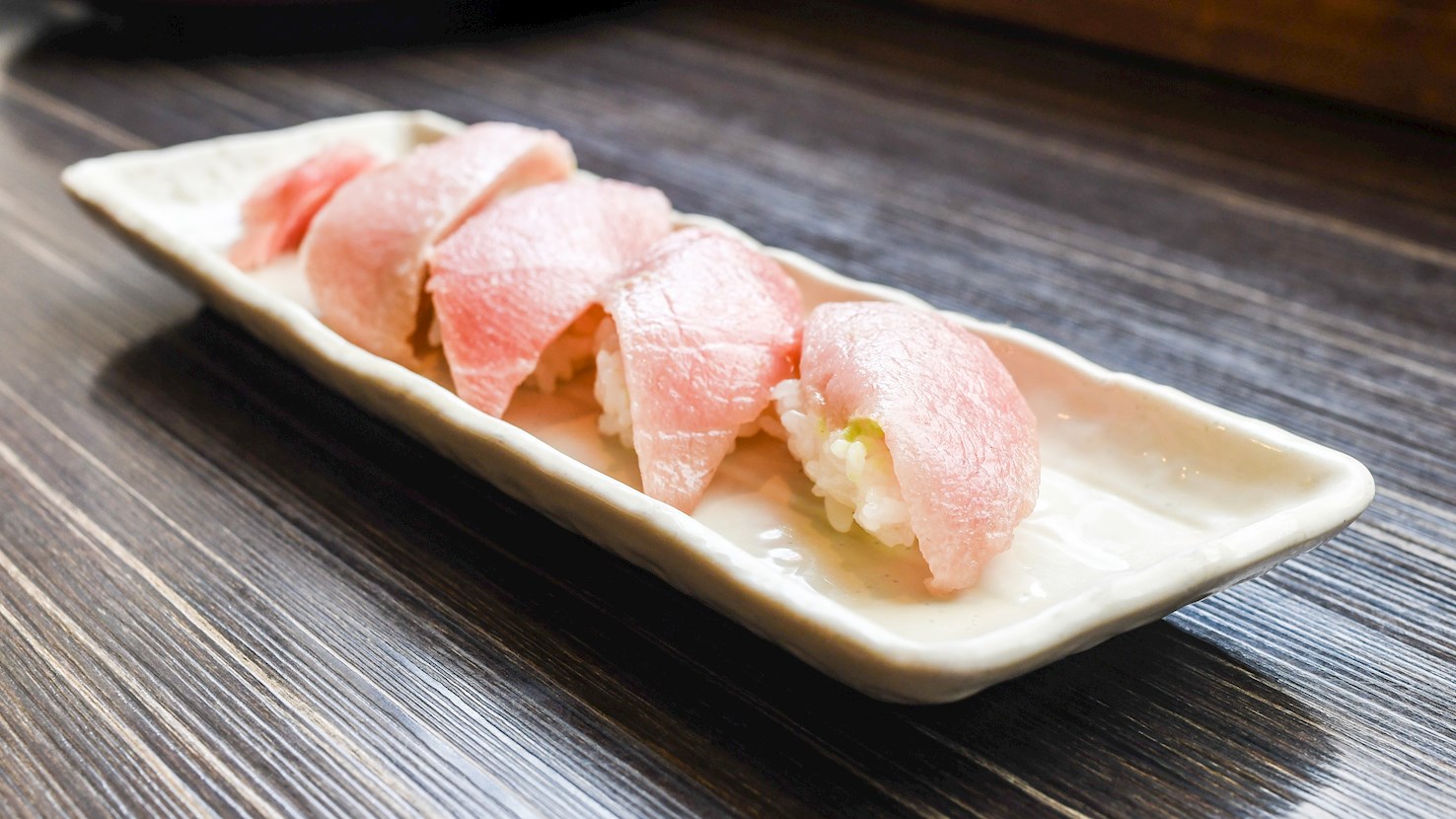
Otoro is a part of bluefin tuna that is the most desirable. It comes from the inside of the belly and it's the fattiest part of the fish. The texture is often described as intensely rich, marbled, and having melt-in-the-mouth properties. Due to these facts, it's traditionally the most expensive part of bluefin tuna. It's often used in sashimi and nigiri, giving the dish a sweeter flavor. Otoro is the best during winter, once the tuna acquires additional body fat. It should always be consumed fresh as it doesn't last too much when frozen. This part of tuna is rarely found outside of Japan.

02

Akami Tuna

4.5 ·

Akami is a part of bluefin tuna that refers to lean red meat. This is the main part of the fish, so it's more readily available than the other parts, called chūtoro and otoro. It has the least fat out of the whole tuna, which makes it the most affordable. Akami is typically used atop rice in sashimi or nigiri. In a sushi restaurant, if you order maguro (a broad term for tuna), you will get akami from whichever species of tuna they have on hand. This part of tuna also has the most umami tuna flavor of all other, fattier cuts.

03

Chūtoro Tuna

4.4 ·

Chūtoro is a part of bluefin tuna that refers to medium fatty cuts when served as a part of nigiri or sashimi. The tuna yields otoro (fatty parts from the belly), akami (red meat), and chūtoro, which is a combination of both that's found near the skin on the back and belly. It's a mix of otoro's sweetness and a deep, slightly bitter flavor of akami. This part of bluefin tuna is usually a bit more on the expensive side, and it's typically served on special occasions or festivities. Specifically, the part of the back near the head is called sekami, the center of the back is senaka, and the part near the tail is called seshimo.

04

Unagi

4.3 ·

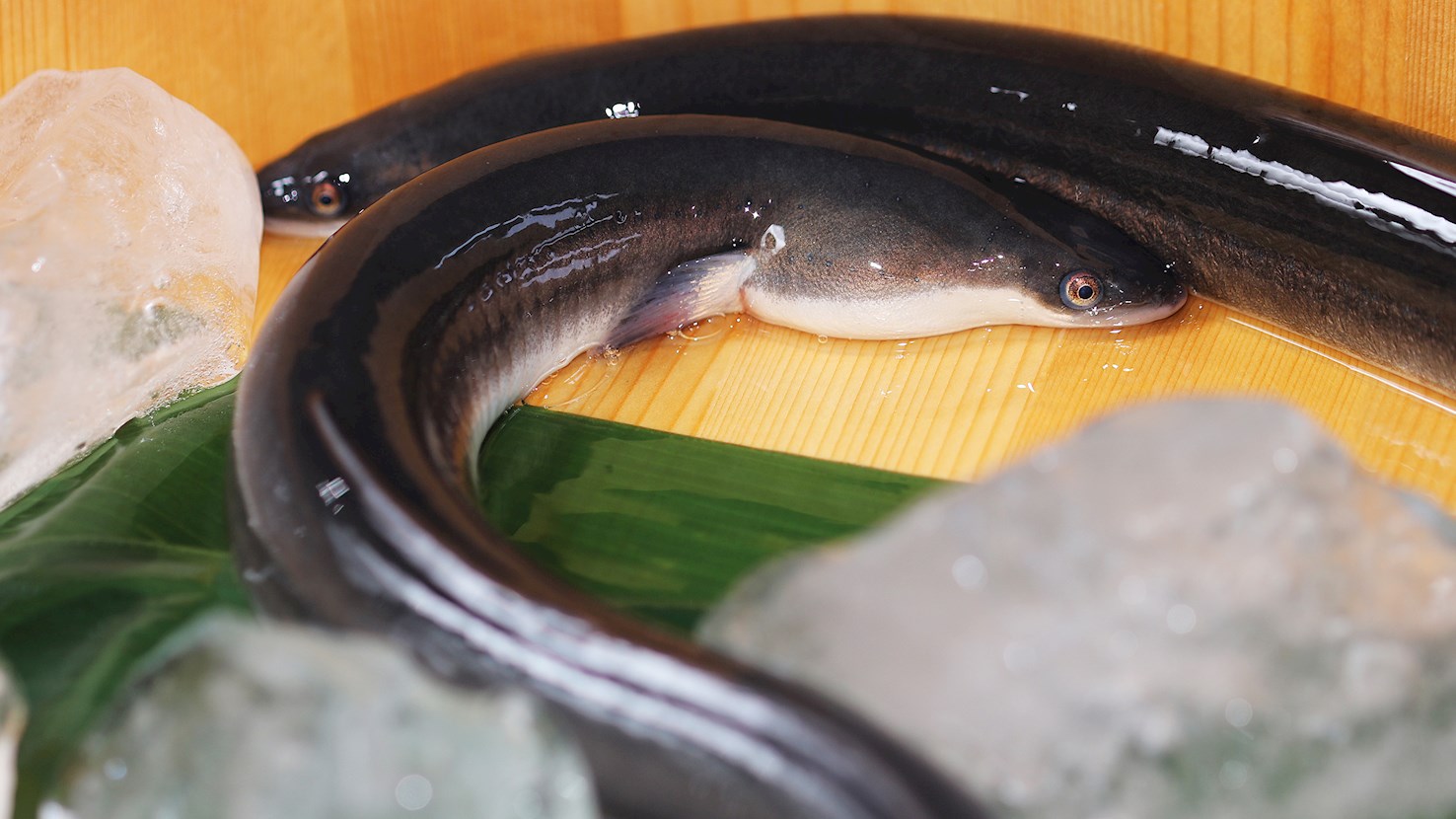
Unagi is the Japanese word referring to the freshwater eel, commonly used in Japanese cuisine. It is mainly consumed in the form of fillets, which are always grilled due to the presence of harmful toxins. The fillets are then spread with a sweet and salty sauce made with soy sauce, mirin, and sugar. Although unagi is consumed in the entire country, there are slight regional differences in the way the eel is cut and prepared. In Kanto region, the cuts are made from the back, and the fillets are grilled and steamed, while in Kansai the eel is cut from the stomach and the fillets are merely grilled. Depending on the preparation, unagi can range from crispy to chewy, but it always has a strong salty and semi-sweet taste. It is regarded as a delicacy and an expensive, luxurious ingredient that is mainly consumed in Japan, where the eel has been proclaimed an endangered species. Unagi is usually served on top of plain steamed rice, alongside pickles and sansho pepper, and it is often found as a part of intricate sushi creations served in sushi restaurants.

05

Bangus

4.2 ·

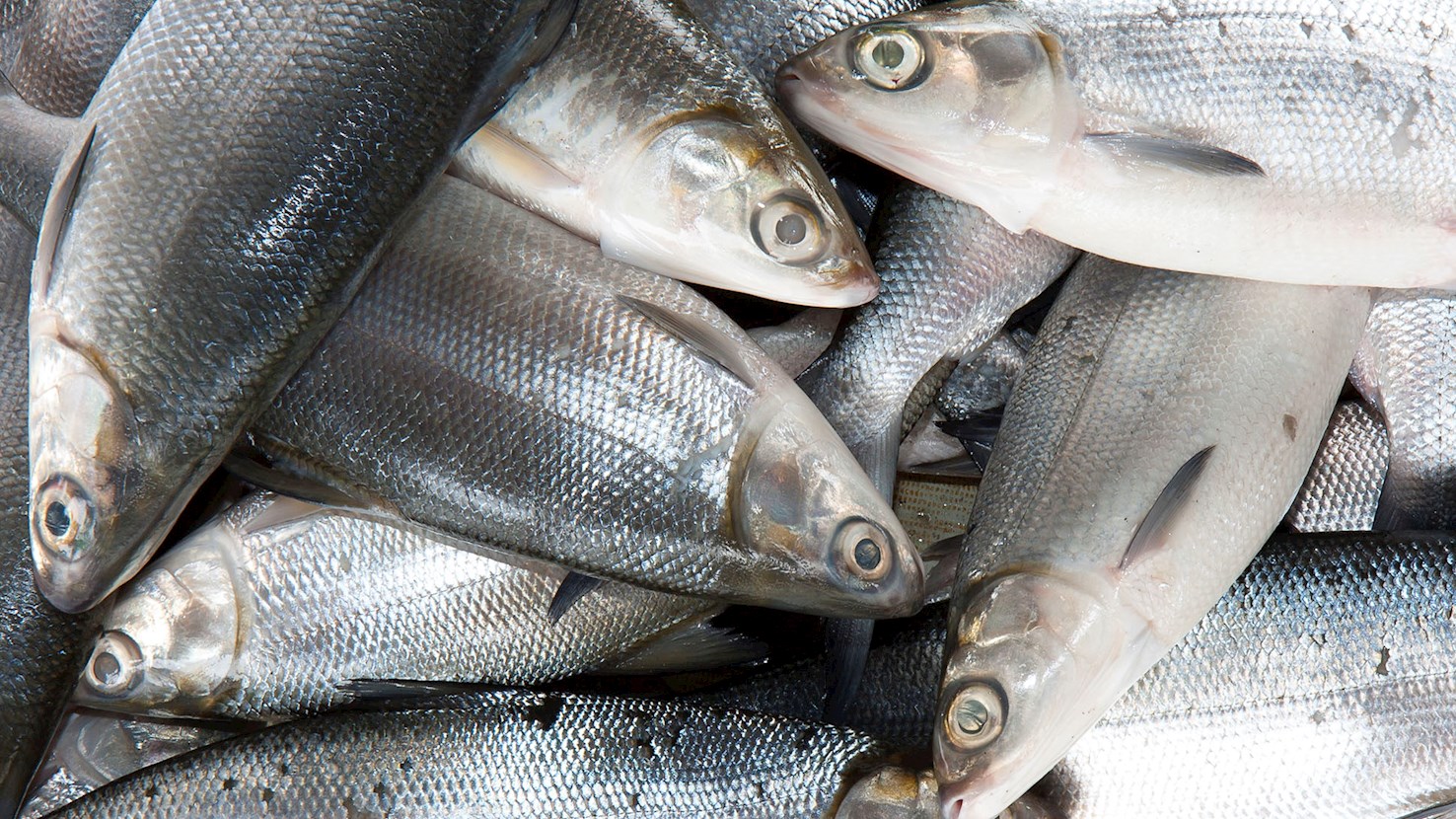
Bangus is the national fish of Philippines, called milkfish in English. It is an adaptable, tough, and sturdy fish that can survive in confined spaces, so it is regularly bred on fish farms, which is the reason why it is widely available all over the Philippines. The flavor of milkfish is distinctive and mild, best paired with complementary ingredients. Bangus is usually cooked in soups, fried, grilled, barbecued, stuffed or stewed in various spices, ginger and vinegar, but the varieties of bangus-based dishes are numerous. There is bangus nilagpang with broiled milkfish, tomatoes and onions, rellenong bangus with fried and stuffed milkfish, cooked bangus in coconut milk, marinated bangus strips in pasta... and the list goes on. Regardless of the preparation method and the additional ingredients used in dishes, bangus is a unique Filipino delicacy that shouldn't be missed.

06

Tarako

4.2 ·

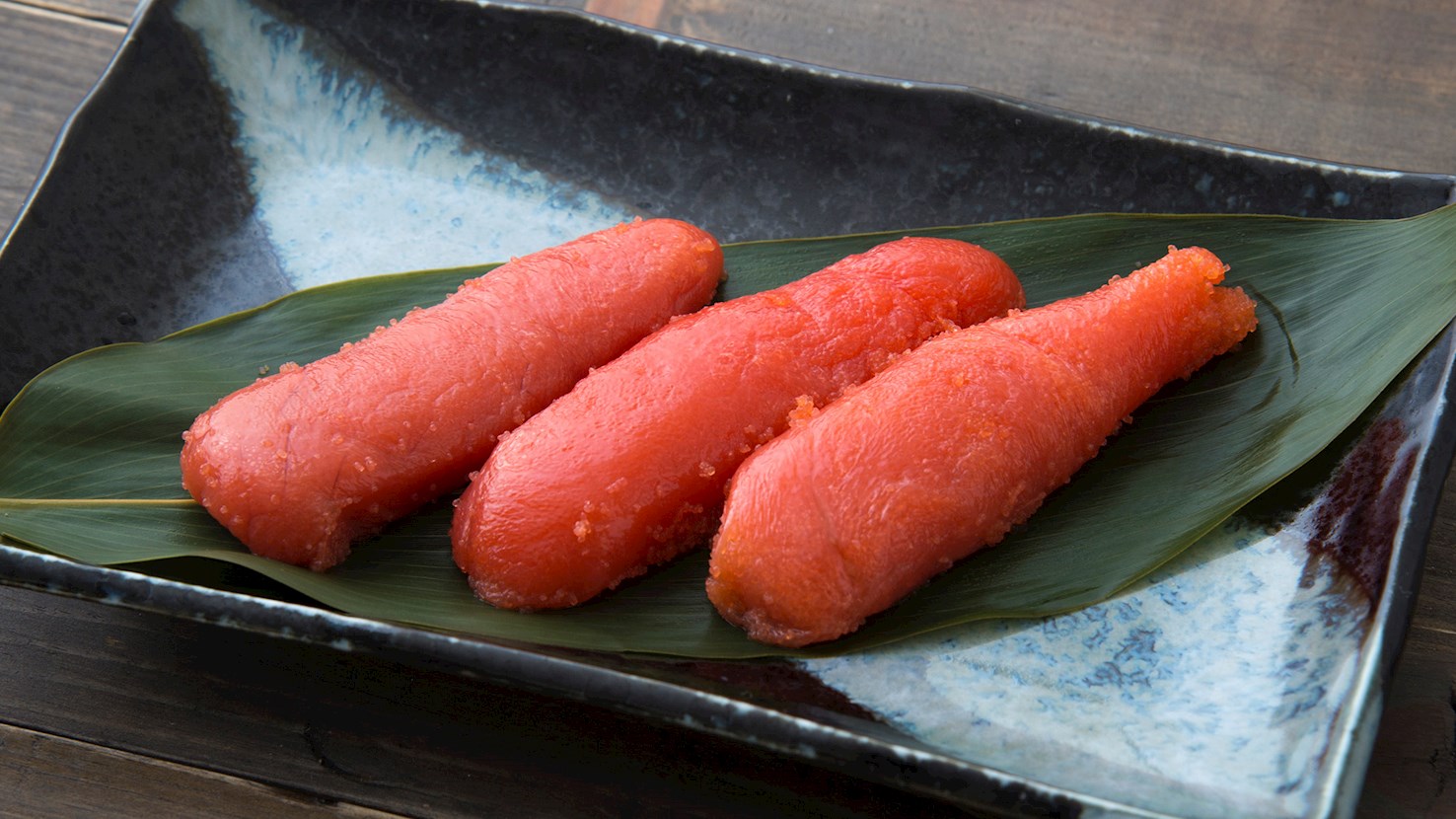
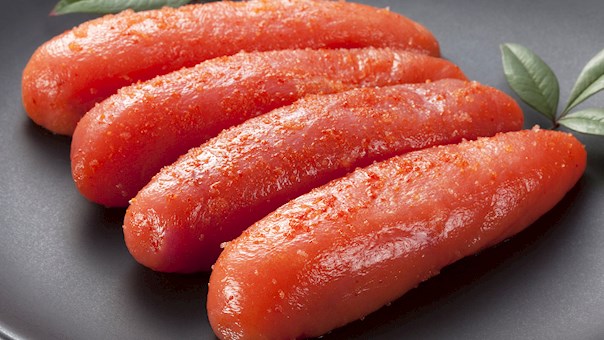
Tarako is a type of roe mostly harvested from Alaska pollock, but since the fish is closely related to cod, it is often labeled as cod roe. It is a type of salted roe with a light pink color, incredibly tender texture, and a mild and neutral flavor. This roe can be eaten plain or incorporated into various dishes. It is often used as a topping on rice dishes and sushi, but it can also be cooked and used in sauces. When salted and marinated in spices, it goes under the name mentaiko.

07

Uni

4 ·

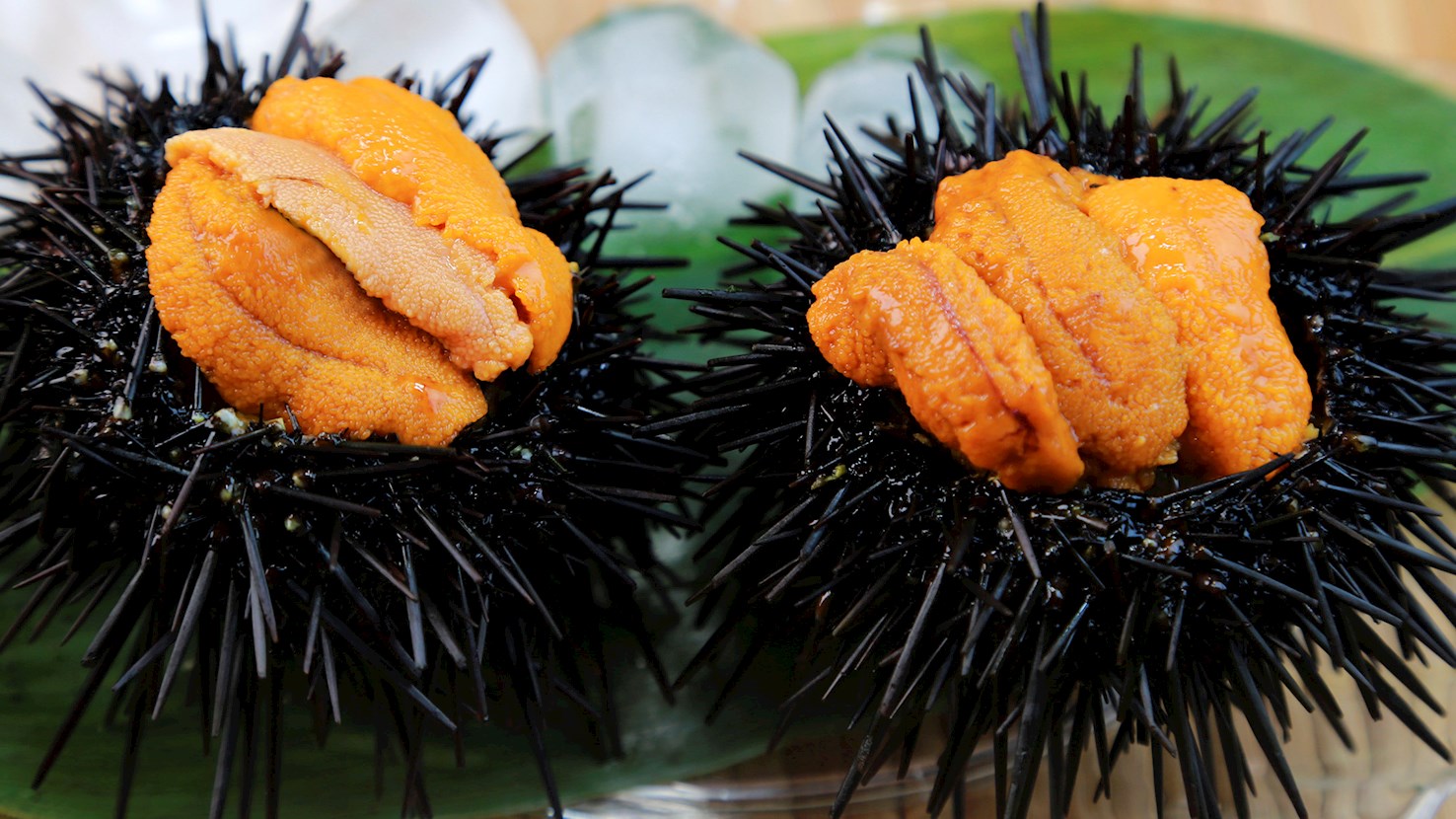
Uni is a Japanese name for sea urchin gonads, an organ which produces the animal's roe. It is the only edible part of the sea urchin, commonly consumed in various European, South American, and Asian countries. The texture of uni should be firm, creamy, and smooth, while its flavor is rich and briny. Uni is usually found at local markets or restaurants, and it can be easily incorporated into a variety of dishes. However, it should always be consumed fresh, preferably just out of the shell. In most countries, it is eaten raw, usually with a splash of lemon juice. The most prominent uni varieties are cultivated in Japan, California, Maine, and Italy, and although very similar, they are region-specific and differ in size, flavor, color, and texture. In Japan, uni is mostly used as a sushi ingredient, though it is also easily incorporated into other Japanese dishes. In Italy (ricci di mare), they are mainly found in Sicily, Sardinia, and Apulia where they are consumed raw, usually with a splash of lemon juice and homemade bread, but they are also incorporated into pasta dishes. Sea urchin gonads, known as oricios, are also consumed in various Spanish regions, in Greece (achinos), and Chile (erizos). They are eaten raw, but they are also used in sauces, patés, scrambled eggs, or soups.

08

Ikura

4 ·

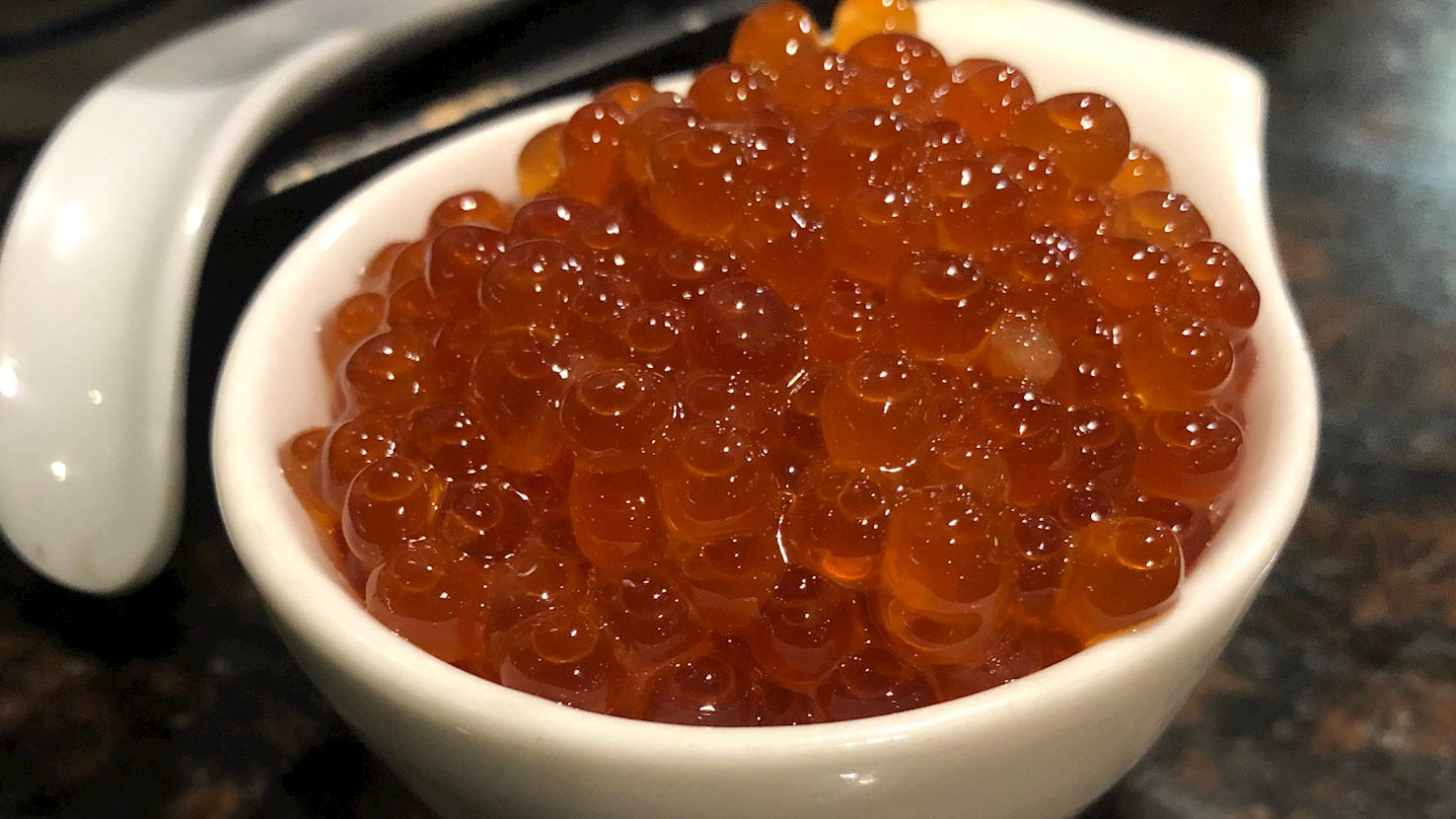
Ikura (also known as salmon roe) are round, almost transparent salmon eggs, an unusual ingredient which is especially popular in Japan. After they have been removed from the sack, creating individual plump orbs, the eggs undergo the curing process which usually includes salt or brine. During the Taisho period in Japan, which started in 1912, the Russians introduced the tradition of curing salmon roe to the Japanese. However, the Japanese adjusted the recipe to their tastes and started using fragrant soy sauces, sake, and rice wine for curing, giving the roe a deeper and distinctively Japanese flavor. The strong and flavorful Japanese curing brine managed to remove the unpleasant smell from the roe, and at the same time preserved it for a longer period. The tradition of eating salmon roe has not been popularized as soon as it was introduced - it was only in the 1980s that it started to become a staple ingredient in sushi restaurants around Tokyo. Today, it is still an important sushi component, but the most common dish which incorporates ikura is ikuradon, a bowl of freshly steamed fluffy rice topped with a spoonful of this flavorful ingredient. It is also often served with traditional Japanese dishes such as grated daikon or various noodle dishes. Although it is often replaced with cheaper and more available versions, ikura is regarded as a highly specific variety in which the combination of flavors creates a truly spectacular eating experience.

09

Katsuobushi

4 ·

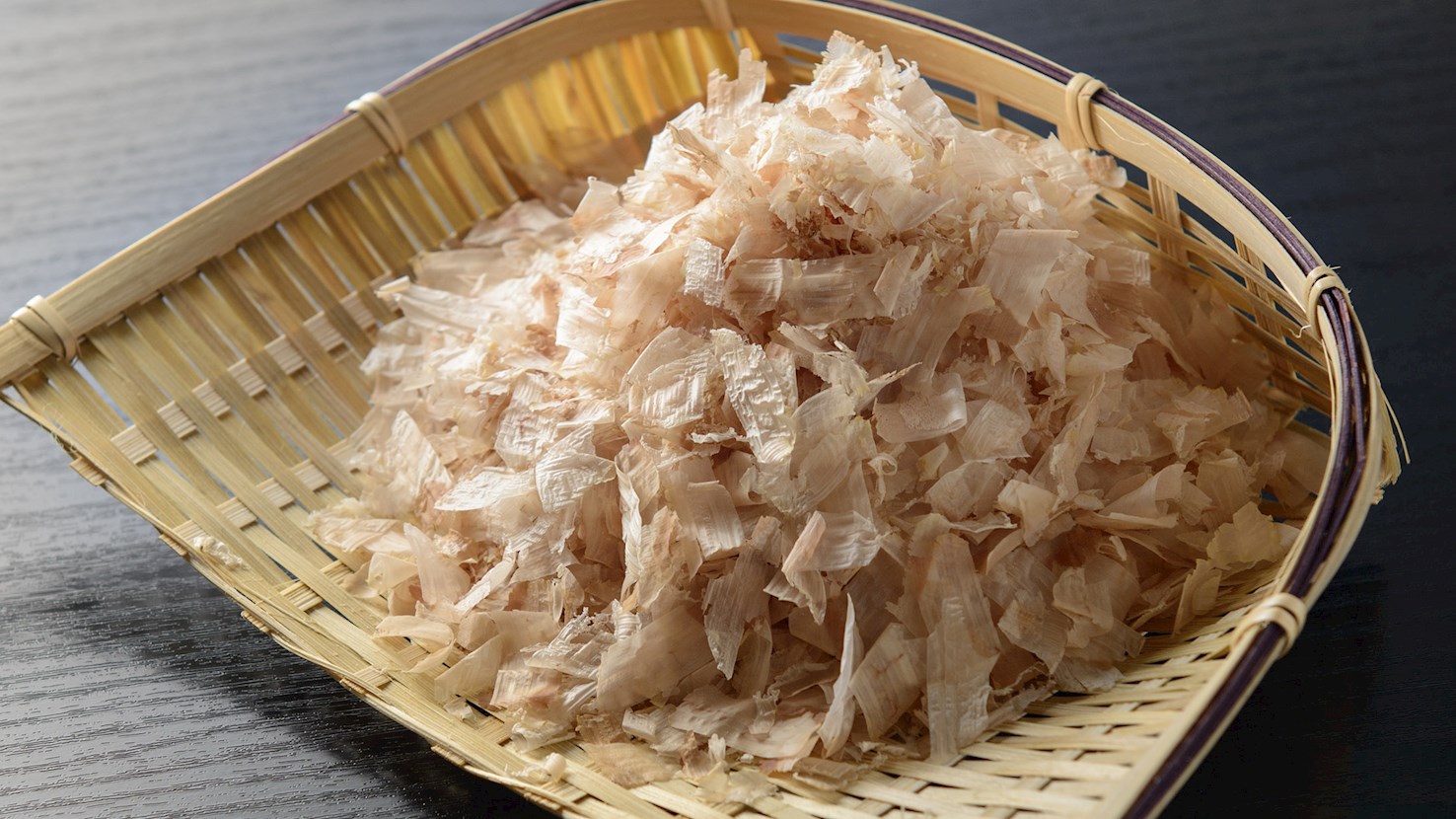
One of the essential ingredients in Japanese cuisine, katsuobushi or okaka refers to dried, fermented, and wood-smoked skipjack tuna. It is typically available pre-packaged in the form of delicate shavings which are used for imparting not only an intense umami flavor to various dishes but also the so-called kokumi - another taste sensation that can be described as heartiness and mouthfulness. The production of katsuobushi is known to be complex and time-consuming, which contributes to its price tag. Also, the expensive skipjack tuna is sometimes substituted with its less pricey relative called bonito fish, which is why katsuobushi is often dubbed bonito flakes, and even though real katsuobushi is a far more superior product, both names are used interchangeably. Katsuobushi flakes are quite simple to use: when making a sauce or a stock, they are simply added to the hot liquid and allowed to soak for a period of time before being strained out. Alternatively, they can be used as a condiment or garnish for topping cooked dishes, both for flavor and visual appeal.

10

Lakerda

4 ·

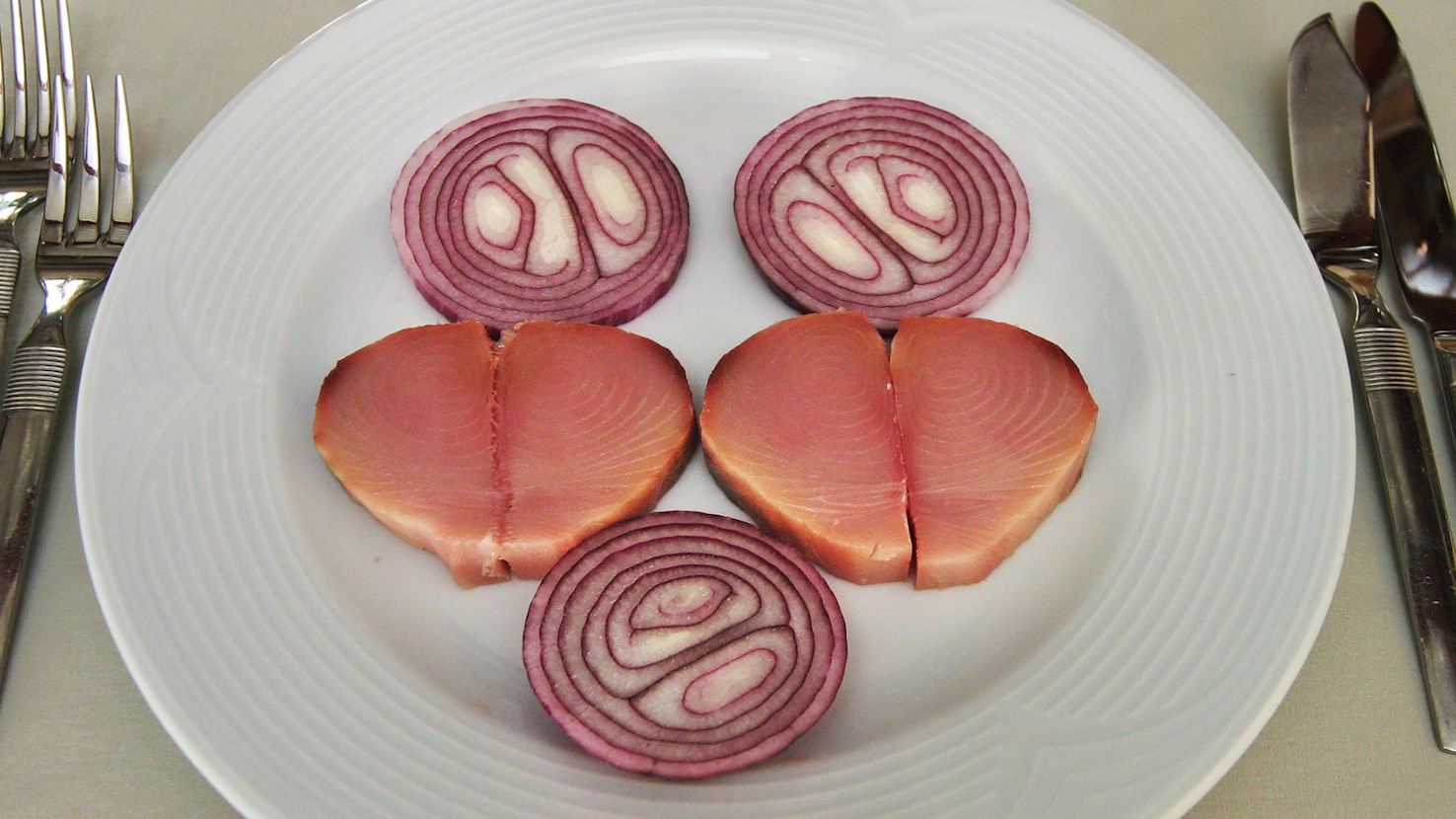
Equally popular in Greece and Türkiye, lakerda is pickled raw fish that is typically prepared with steaks of mature Atlantic bonito, a firm-fleshed fish similar to tuna and mackerel. When thoroughly cleaned, the thick fillet slices are either dry-salted or covered in a salty brine before they are stored in olive or vegetable oil. In both Greece and Turkey, lakerda is usually enjoyed as an appetizer or a part of meze—traditional meal service that consists of a selection of small dishes. It is typically accompanied by fresh herbs, spices, onions, and a drizzle of olive oil.

11

Black Sea mussels

3.9 ·
12

Mentaiko

3.9 ·
13

Masago

3.9 ·
14

Kamaboko

3.8 ·
15

Ilish

3.7 ·
16

Tobiko

3.7 ·
19

Narutomaki

3.6 ·
20

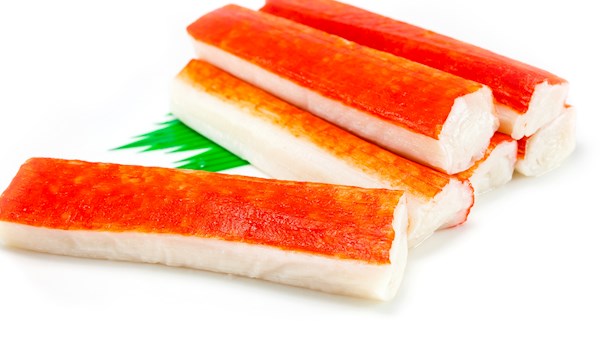
Surimi

3.4 ·

Best Asian Seafood
01

Yui Canning

4.9 ·
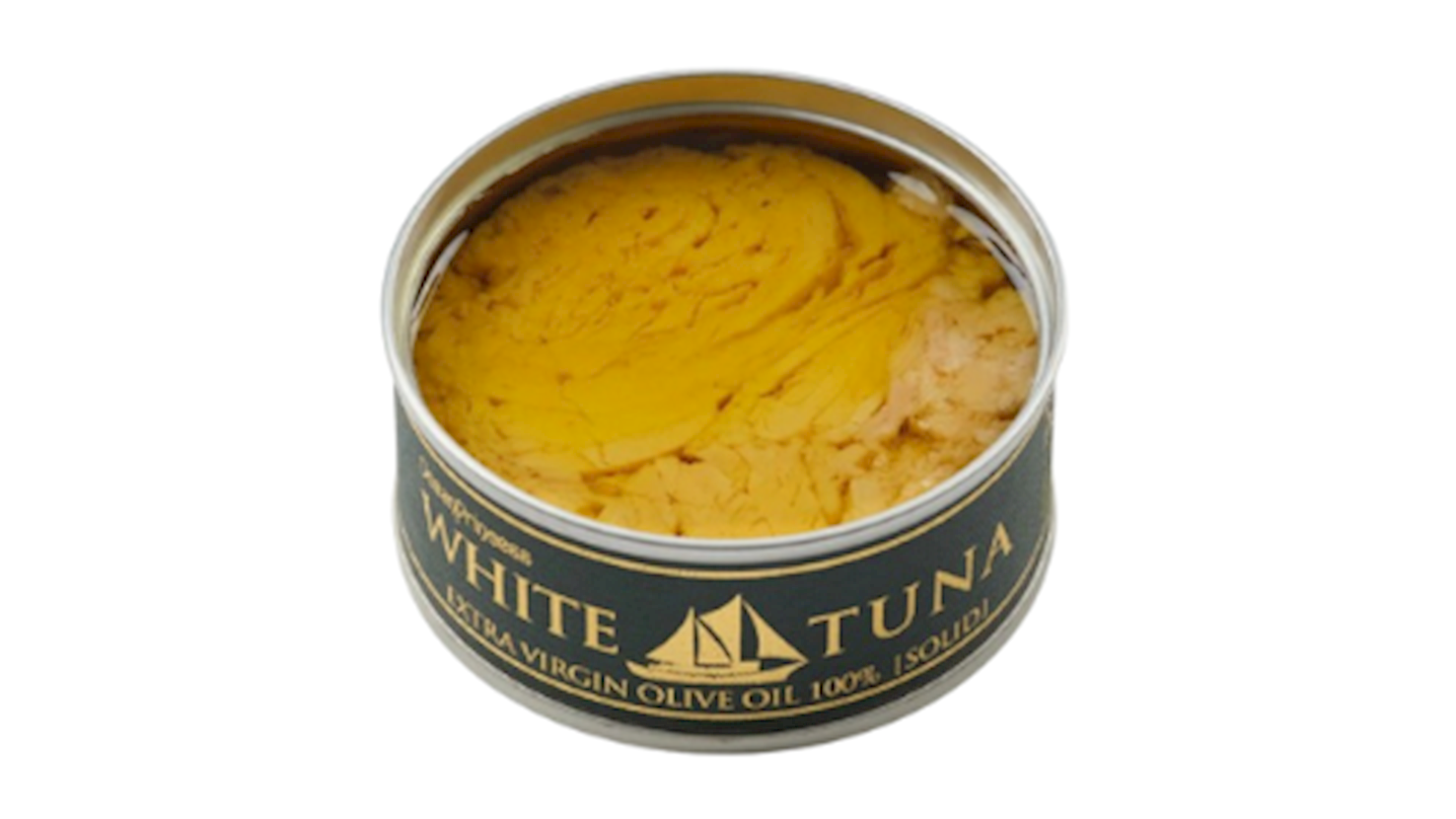
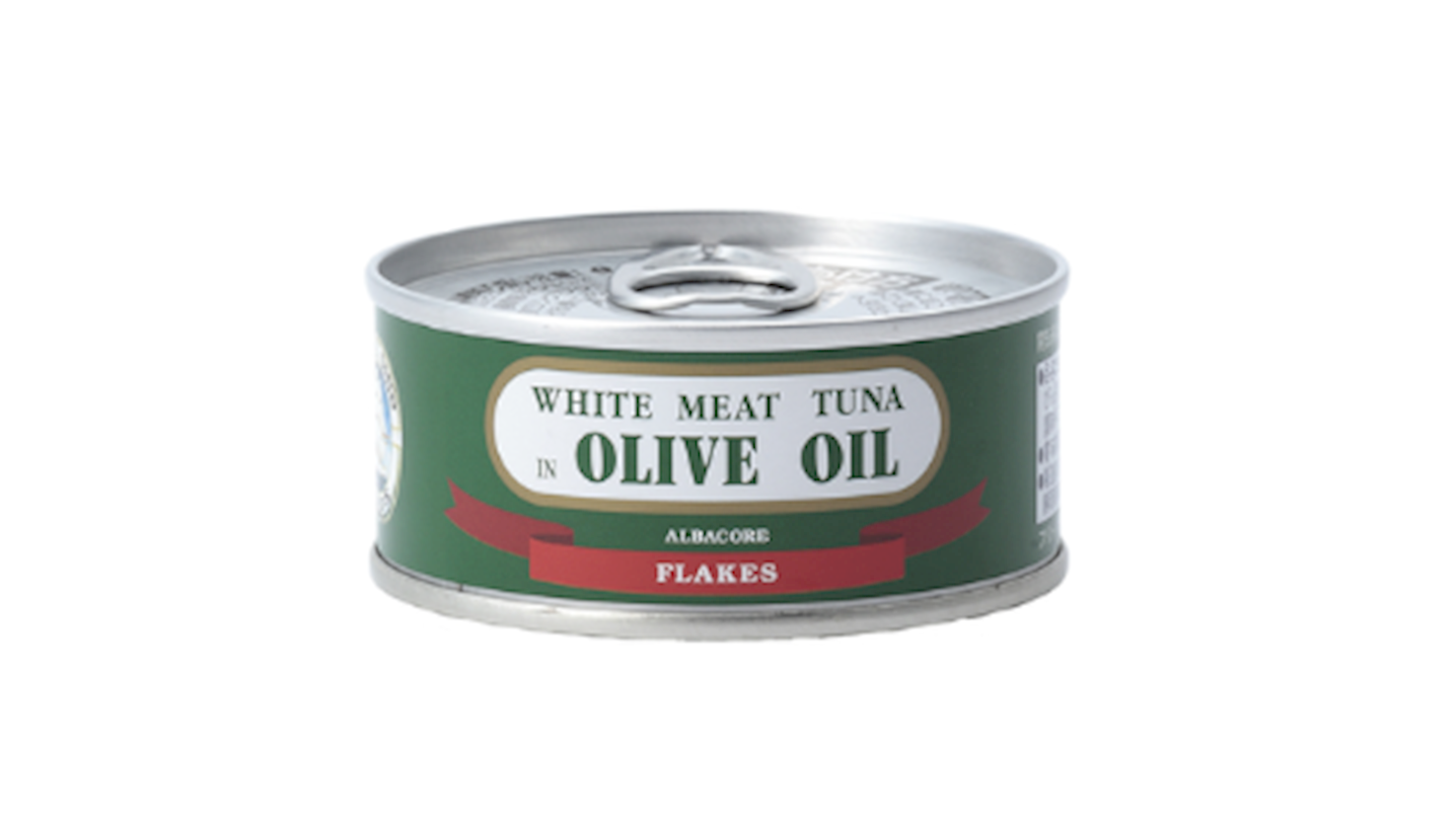
Yui Canning is a Japanese producer of canned seafood based in the port settlement of Yui, within Shimizu Ward in Shizuoka City, a region known for its long tradition of fish processing. The company operates under the brand White Ship and specializes in premium canned tuna made from binchō maguro (albacore), a variety known for its light-colored meat and mild fat content. The fish is selected seasonally, during the summer period when the texture is most stable and best suited for canning. The meat is not shredded; instead, it is cut into larger fillets to preserve visible fiber structure and maintain firmness. Olive oil is used in production because it does not overpower the taste of the fish, but rather complements and enhances its natural aroma. For certain products, the tuna matures in the can for up to six months before release, allowing the flavor to stabilize and develop a more rounded profile. Yui Canning focuses on quality over mass production, enabling tight control over every stage of processing. The company also operates a factory shop where visitors can purchase their products directly. In gastronomy, their tuna is used not only for home cooking but also in restaurants that value premium ingredients. The factory’s location near fishing ports allows the fish to be processed quickly after landing. Thanks to the combination of high-quality raw materials, artisanal production, and a strong sense of terroir, Yui Canning has positioned itself as one of the most distinguished canned tuna producers on the Japanese market.
02

Otuna

4.8 ·
Otuna is a Japanese brand specializing in premium preserved tuna, originating from the city of Yaizu in Shizuoka Prefecture, one of Japan’s most renowned fishing hubs. The brand works directly with local fishermen and relies on traditional tuna-processing methods, using what they refer to as “Yaizu style canned tuna” - a technique that preserves the natural texture of the meat and its clean, pure flavor. During processing, water from Suruga Bay is used, a bay known for its deep ocean current and the freshness of its seafood. The product is intended for consumers who expect authenticity and full traceability - from the place of catch to the packaging stage. In this case, canning does not imply industrial production, but a premium preservation method that extends shelf life at room temperature without compromising nutritional value. The philosophy is minimal intervention: tuna, quality oil and salt - without additives that might alter the natural taste. The tuna remains in large pieces rather than shredded, maintaining a recognizable structure. Otuna blends the Japanese philosophy of respect for the ingredient with a modern gourmet approach, creating a product that can be served directly from the tin as a delicacy. In gastronomy, it is used in salads, sashimi-inspired appetizers or simply enjoyed on toasted bread with olive oil. It particularly appeals to those who value high-quality seafood and a minimalist culinary style.
03

Ocean Princess

4.7 ·
Ocean Princess is a Japanese brand specializing in premium canned seafood, rooted in the tradition of Shimizu Foods, the company that initiated industrial tuna canning in Japan back in 1929. The brand focuses on clean ingredients, precise selection of fish, and minimal processing to preserve the natural flavor and texture of the meat. For its tuna, Ocean Princess uses only albacore, a species known for its light, firm flesh and lower fat content, selecting exclusively summer catches when the meat structure is at its best. Sardines come from coastal Japanese waters, and their smaller size allows them to absorb olive oil more efficiently, resulting in a fuller flavor and delicate texture. Ingredients are reduced to the essentials - fish, olive oil, and salt - ensuring that the natural taste of the fish remains the focus. The fish is cut into identifiable fillets rather than shredded, and the production process prioritizes the integrity of each piece. Ocean Princess does not use additives or artificial flavor enhancers, relying instead on the quality of the raw material. The visual identity and packaging are refined, minimalist, and designed to emphasize the exclusivity of the product. By insisting on whole fillets, clear traceability, and seasonal catches, Ocean Princess distinguishes itself from mass-market canned tuna. As a result, the final product offers a taste and texture that come closer to freshly prepared fish than to typical industrial canned seafood.
04

Time Canning

4.6 ·
Time Canning is a Japanese company specializing in premium canned fish, based in Rikuzentakata in Iwate Prefecture, an area known for the rich fishing grounds of the Sanriku coast. Their production focuses on processing fresh fish without freezing the raw material beforehand, which preserves the natural texture and quality of the meat. The fish is handled manually, from cleaning to placing it into cans, a practice that stands out in an industry dominated by automation. Time Canning products are frequently used in cooking demonstrations to show how high-quality canned fish can be incorporated into simple dishes such as ramen, salads or soups. Time Canning exemplifies how canned fish can be a high-quality product, designed for consumers who value authenticity and full traceability of origin.
05

Moj Wild Seafood

n/a ·
Moj Wild Seafood is a small, specialized tuna producer from Lebanon, focused on completely natural and traditional processing of wild-caught fish. The company uses only sustainably sourced tuna, which is hand-cleaned and packed in glass jars to preserve the texture and authentic flavor of the meat. Their products are immersed in 100% extra virgin olive oil, contributing to a clean, rounded taste and strong nutritional value. Production is carried out in small batches, with an emphasis on manual craftsmanship and strict quality control at every stage of the process. Due to limited quantities, the brand is mostly distributed through selected specialty stores and gourmet platforms, and it builds its reputation through customer recommendations and reviews from enthusiasts of high-quality preserved seafood.
Read more
View all
View map
About this ranking

TasteAtlas food rankings are based on the ratings of the TasteAtlas audience, with a series of mechanisms that recognize real users and that ignore bot, nationalist or local patriotic ratings, and give additional value to the ratings of users that the system recognizes as knowledgeable. For the “Top 45 Asian Seafood” list until June 15, 2026, 1,471 ratings were recorded, of which 1,157 were recognized by the system as legitimate. TasteAtlas Rankings should not be seen as the final global conclusion about food. Their purpose is to promote excellent local foods, instill pride in traditional dishes, and arouse curiosity about dishes you haven’t tried.

The initial list of top producers was compiled based on available reviews, awards, local recommendations, media and blog coverage, and consumer reviews. The list will be updated with ratings from TasteAtlas local ambassadors and TasteAtlas users.

Similar lists