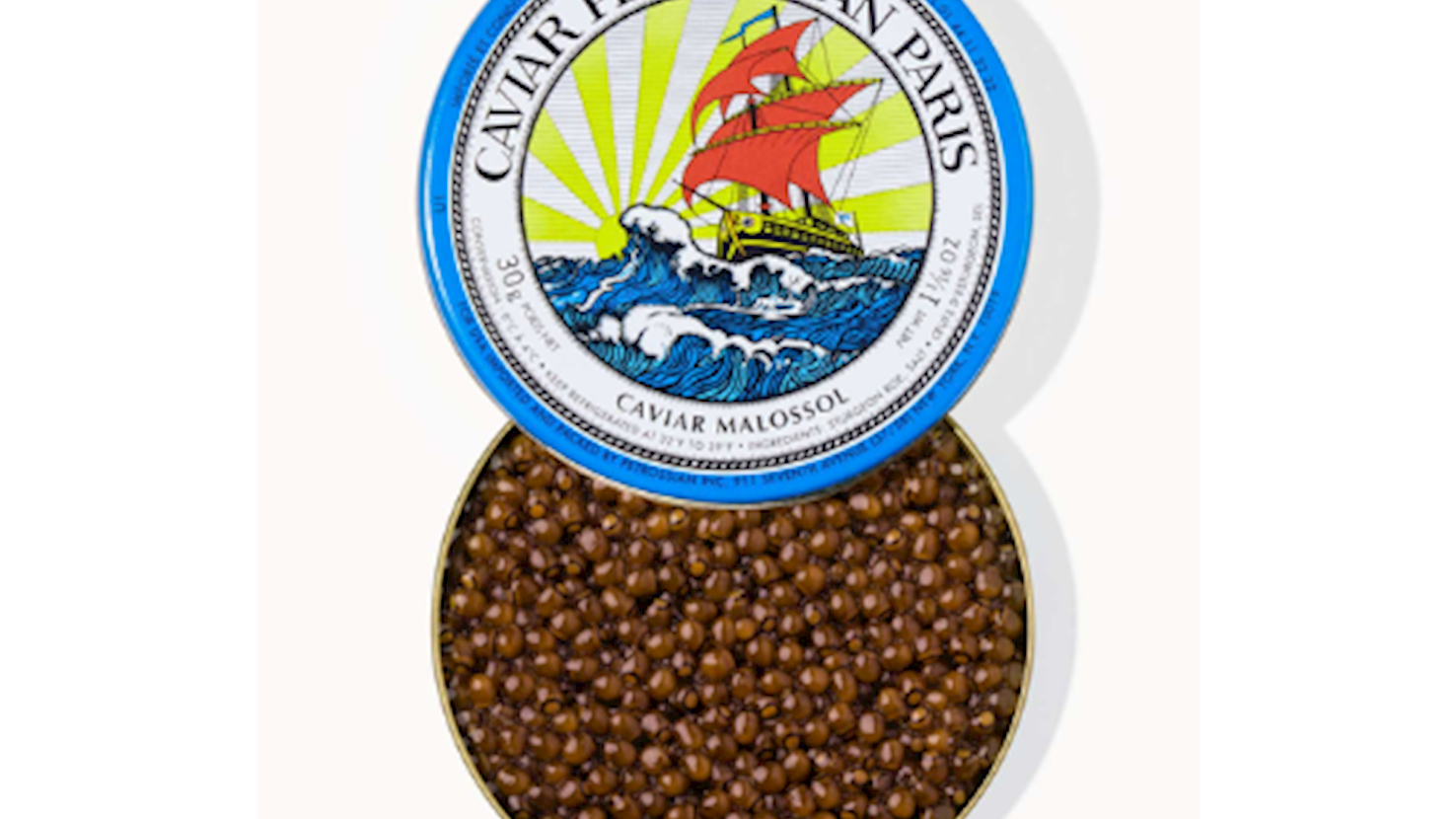

Petrossian is one of the most iconic names in French luxury gastronomy, internationally recognized for its long-standing expertise in caviar and fine delicacies. Founded in Paris in 1920 by Armenian brothers Melkoum and Mouchegh Petrossian, the company played a defining role in introducing caviar to French haute cuisine and transforming it into a global symbol of refinement and luxury. Over more than a century, Petrossian has evolved from a specialist caviar house into a broader gourmet brand offering smoked salmon, seafood delicacies, foie gras, truffle products, pastries, chocolates, and curated gastronomic gift collections. The company’s core identity remains rooted in its expertise in sourcing, selecting, salting, and maturing caviar rather than farming sturgeon directly, with craftsmanship and sensory precision central to its positioning. Petrossian is also known for pioneering its own concept of “caviarology”, emphasizing deep product knowledge and tasting expertise. While firmly anchored in French savoir-faire, the brand maintains strong ties to its Armenian heritage and the historic caviar traditions of the Caspian region. Its original Paris boutique remains a landmark of the brand’s identity, while Petrossian has expanded internationally through boutiques, restaurants, and premium retail distribution. Today, Petrossian is widely regarded as one of the global benchmark brands in the world of high-end gourmet food and luxury caviar.
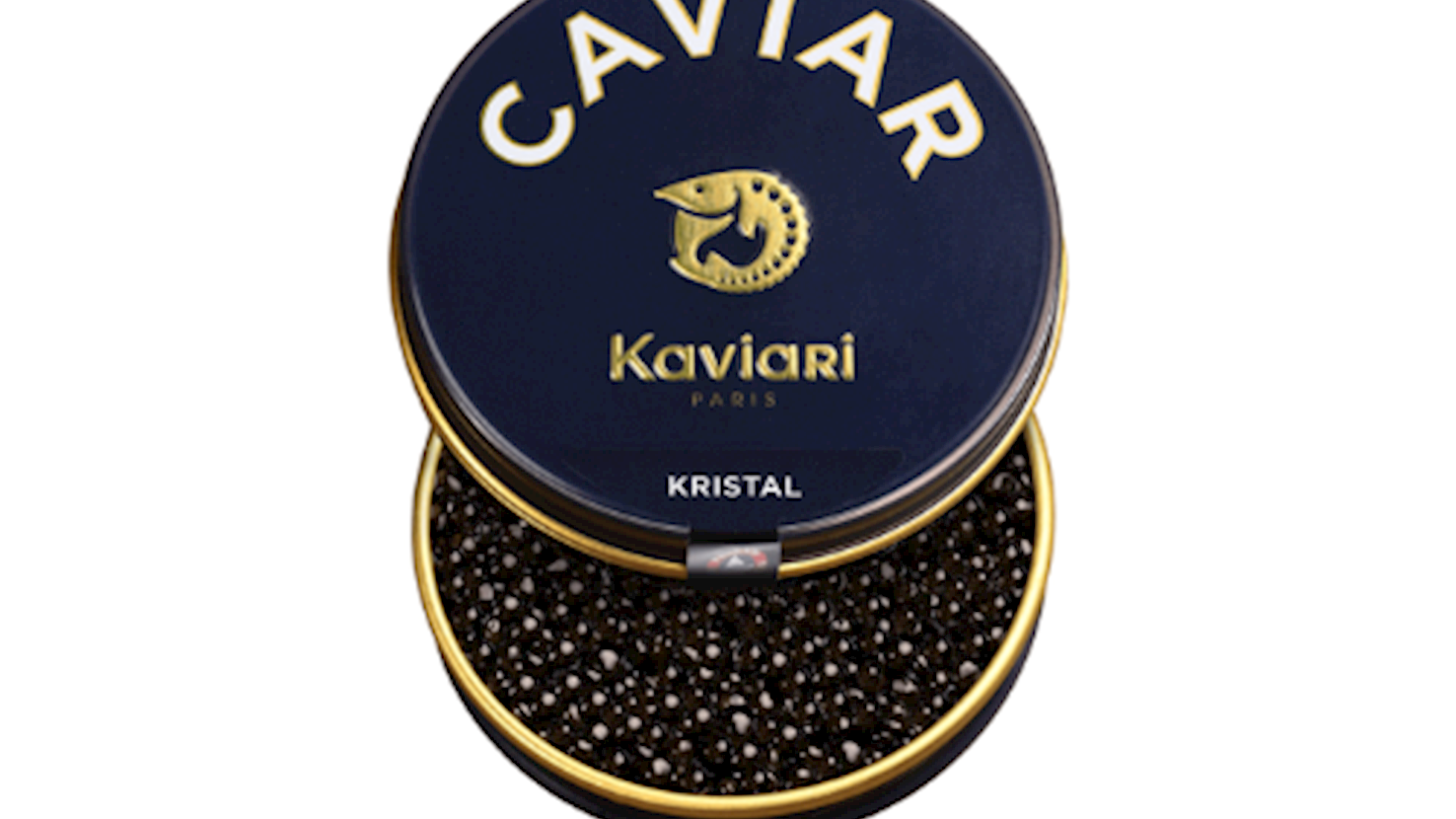
Kaviari is a Paris-based caviar house founded in 1980 by Jacques Nebot and Raphaël Bouchez. The brand specializes in selecting, maturing and distributing premium caviar, with a strong focus on traceability, consistency and close relationships with carefully chosen sturgeon farms. Originally created during the era of wild caviar, Kaviari later adapted to the global shift toward farmed sturgeon, maintaining its role as a specialist rather than a conventional producer. Its portfolio includes several caviar selections such as Kristal, Ossetra, Baeri, Sevruga and Beluga, alongside smoked fish, taramas, seafood delicacies and fine grocery products. Kaviari is particularly respected among chefs and luxury restaurants, supplying many high-end culinary establishments in France and abroad. The brand’s Paris site, La Manufacture Kaviari, also functions as a space dedicated to caviar maturation, tasting, education and professional exchange. Its identity combines French gourmet savoir-faire with a contemporary approach to responsible sourcing and product transparency. Today, Kaviari is considered one of the important modern caviar houses in France, positioned between traditional luxury gastronomy and chef-driven fine dining.
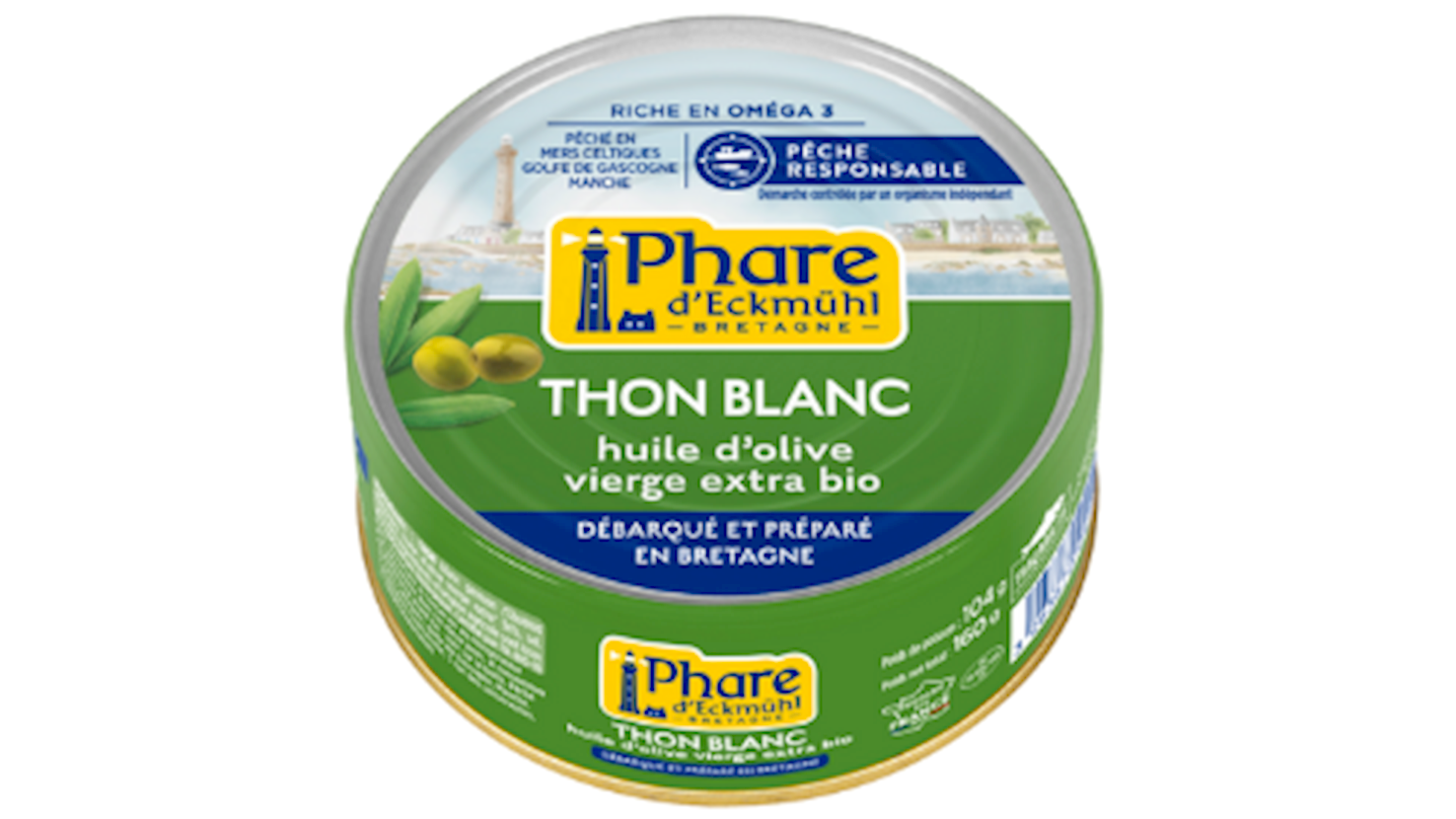
Phare d’Eckmühl is a French premium canned-fish brand based in Brittany, in the town of Douarnenez - a region famous for one of the longest canning traditions in Europe. The brand is part of Conserverie Chancerelle, the oldest active sardine cannery in the world, founded in 1853, which gives additional historical credibility to its products. Phare d’Eckmühl positions itself in the high-quality and organic segment, as a large part of its range uses certified organic ingredients. The fish is caught in the Northeast Atlantic and off the coast of Brittany, with strict respect for seasonality and sustainable fishing methods. Production is based on manual processing, where fish are cleaned and packed by hand in small batches. The products are intended for consumers who seek delicacy-level canned fish but also care about origin, transparency and sustainability. In gastronomy, they are used in salads, pasta dishes, bruschetta or served on their own. The brand emphasizes full traceability of origin and complete transparency of production. Their approach makes every can feel like a small, carefully crafted gastronomic product rather than an industrial commodity.
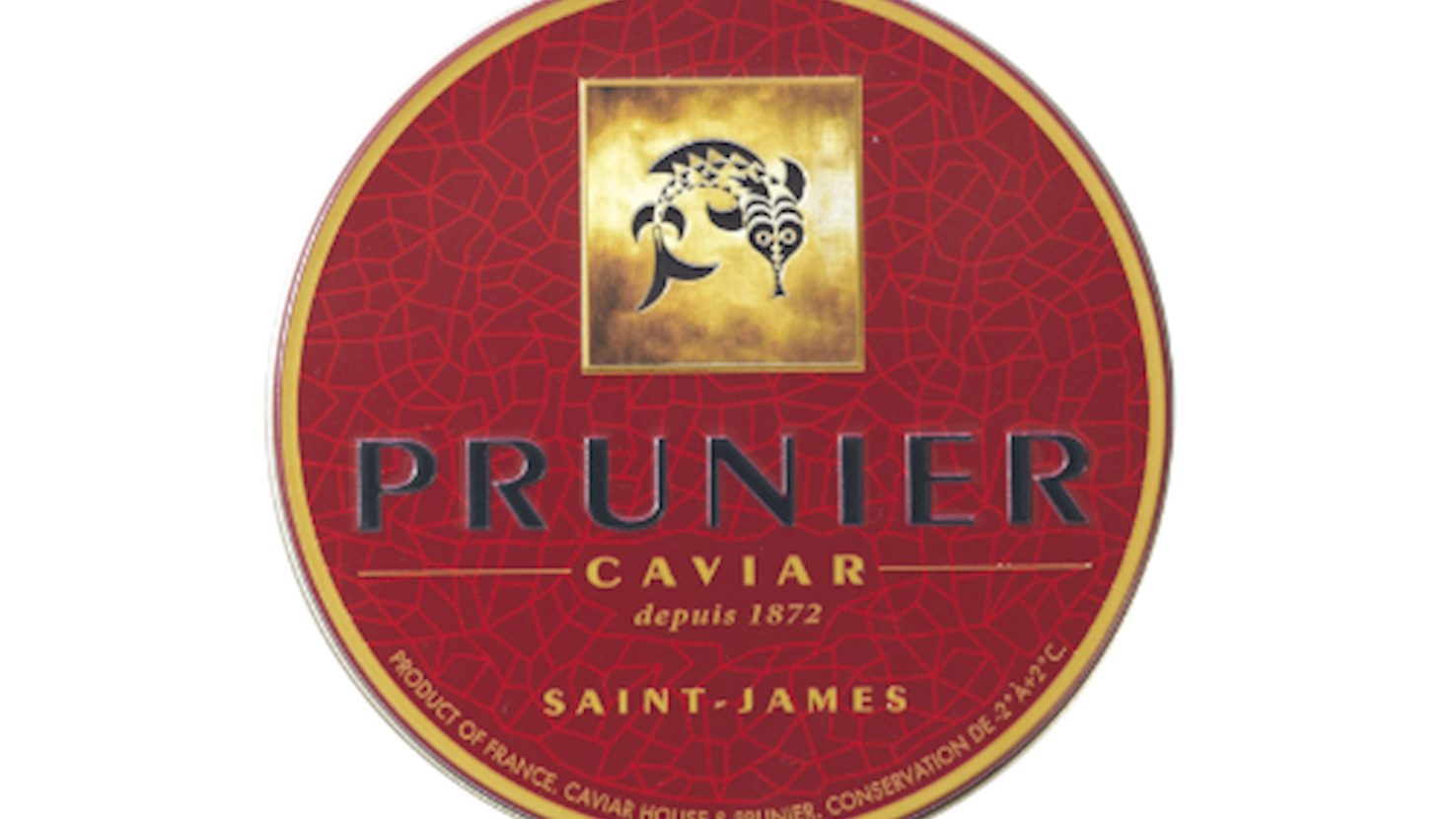
Prunier is a historic French caviar and seafood house founded in Paris in 1872 by Alfred Prunier. Originally established as a refined seafood restaurant, it became closely associated with oysters, champagne, fish and later caviar, building a reputation as one of the pioneering names in French luxury seafood gastronomy. Prunier is especially important in the history of caviar because it became the first French caviar producer in the early twentieth century and later developed one of the world’s earliest sturgeon farming and processing centres in Dordogne. Today, the brand is known for French caviar made from sturgeon raised in France, with a strong emphasis on controlled production, maturation and traceability. Its portfolio includes several caviar selections, such as Saint-James, Paris, Malossol and Heritage, along with seafood delicacies and gourmet products connected to the brand’s restaurant heritage. Prunier combines the tradition of Parisian fine dining with a specialist approach to caviar production, positioning itself as one of the reference houses for French caviar. The brand remains closely linked to Parisian art de vivre, while its production story is rooted in French aquaculture and long-term expertise in sturgeon farming.
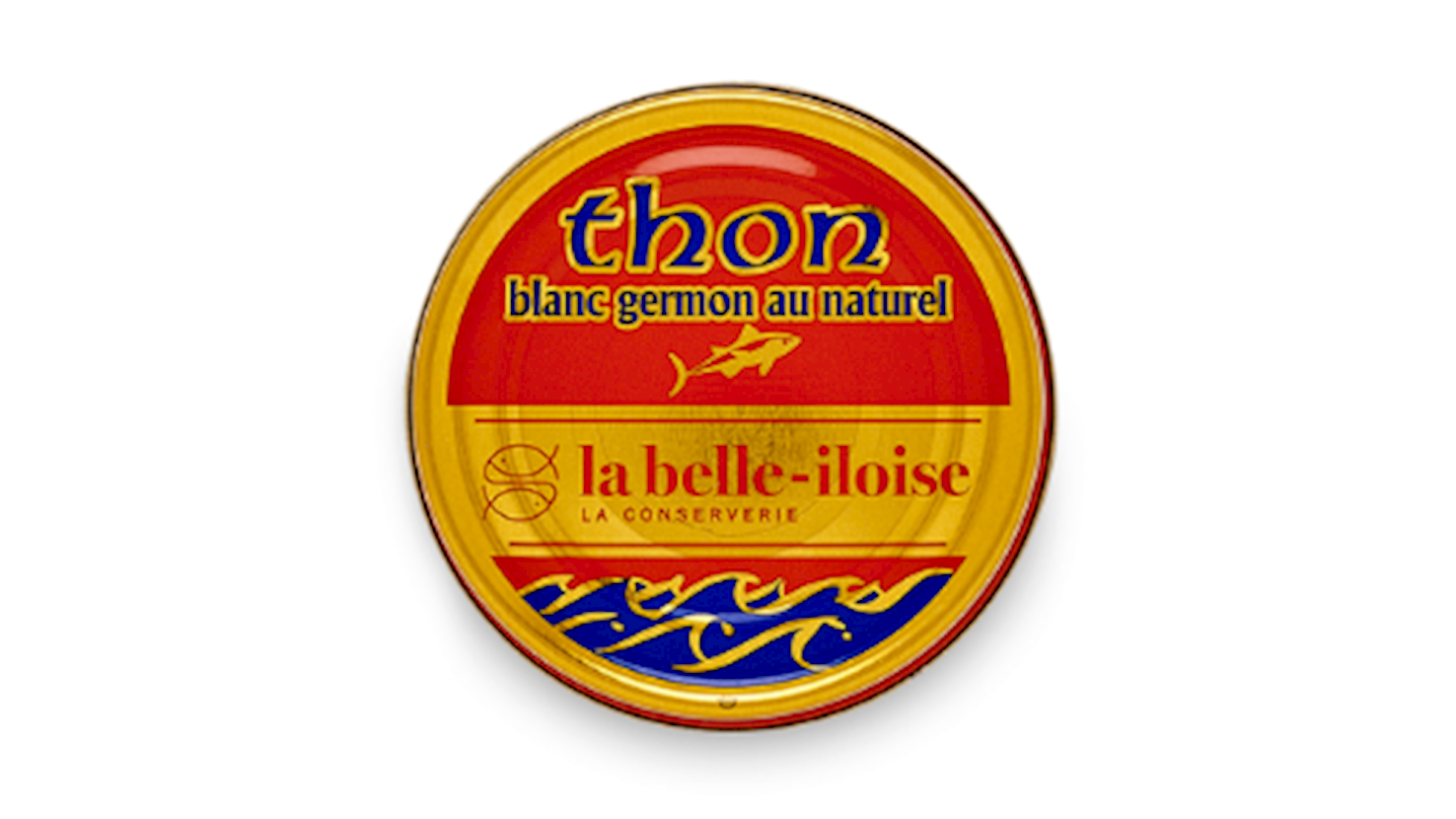
La Belle-Iloise is a renowned French brand specializing in premium canned seafood. Known for its artisanal methods, the company produces a variety of gourmet products, including tuna, sardines, and other fish delicacies. Each product is made with care, following traditional recipes and using high-quality ingredients sourced sustainably from the Atlantic. La Belle-Iloise offers an exceptional taste experience, with many of their recipes featuring Mediterranean flavors enhanced with olive oil, herbs, and spices. The brand is committed to sustainability and responsible fishing practices, ensuring both quality and environmental responsibility. Their products reflect a dedication to preserving both tradition and the pleasures of fine dining.
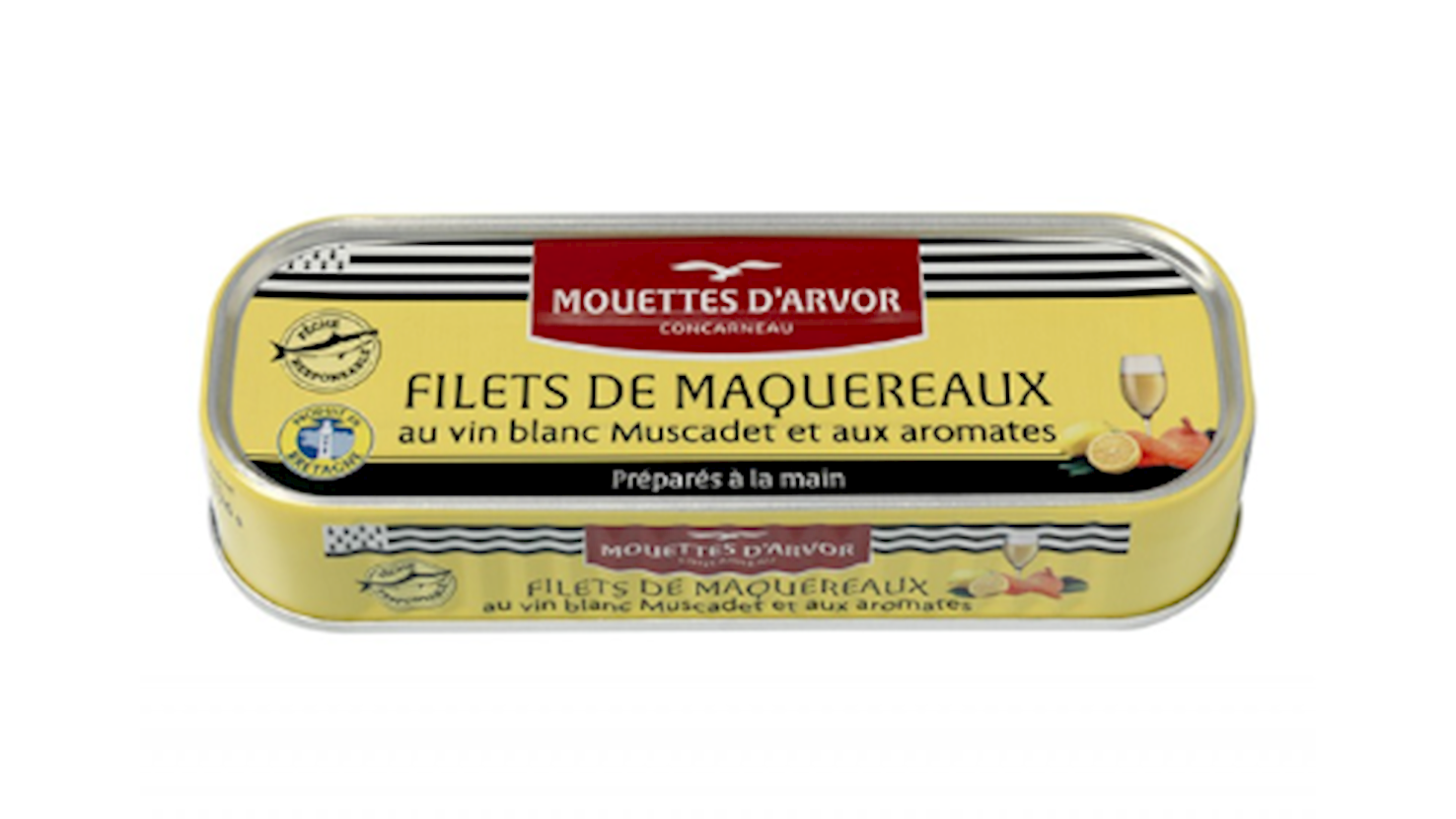
Conserverie Les Mouettes d'Arvor is a renowned French producer of canned food, specializing in high-quality seafood products. Located in Concarneau, a small coastal town in Brittany, this canning company has a long tradition of producing canned fish, particularly tuna, sardines, and other seafood delicacies.
Founded with the aim of preserving the local fishing heritage, Conserverie Les Mouettes d'Arvor uses the latest technologies to ensure the high quality of its products while nurturing ecological and sustainable practices. The company is known for using fresh, locally caught fish and seafood, which are processed and canned in a way that preserves their natural taste and nutritional value.
What sets this canning company apart is that its products are handmade, with a strong emphasis on precision and maintaining authenticity. Each can reflects the expertise and passion that the company invests in every step of the production process, from selecting raw materials to the final processing. Popular products include canned tuna, sardines, as well as innovative combinations with vegetables and spices, which have become favorites among gourmet food lovers.
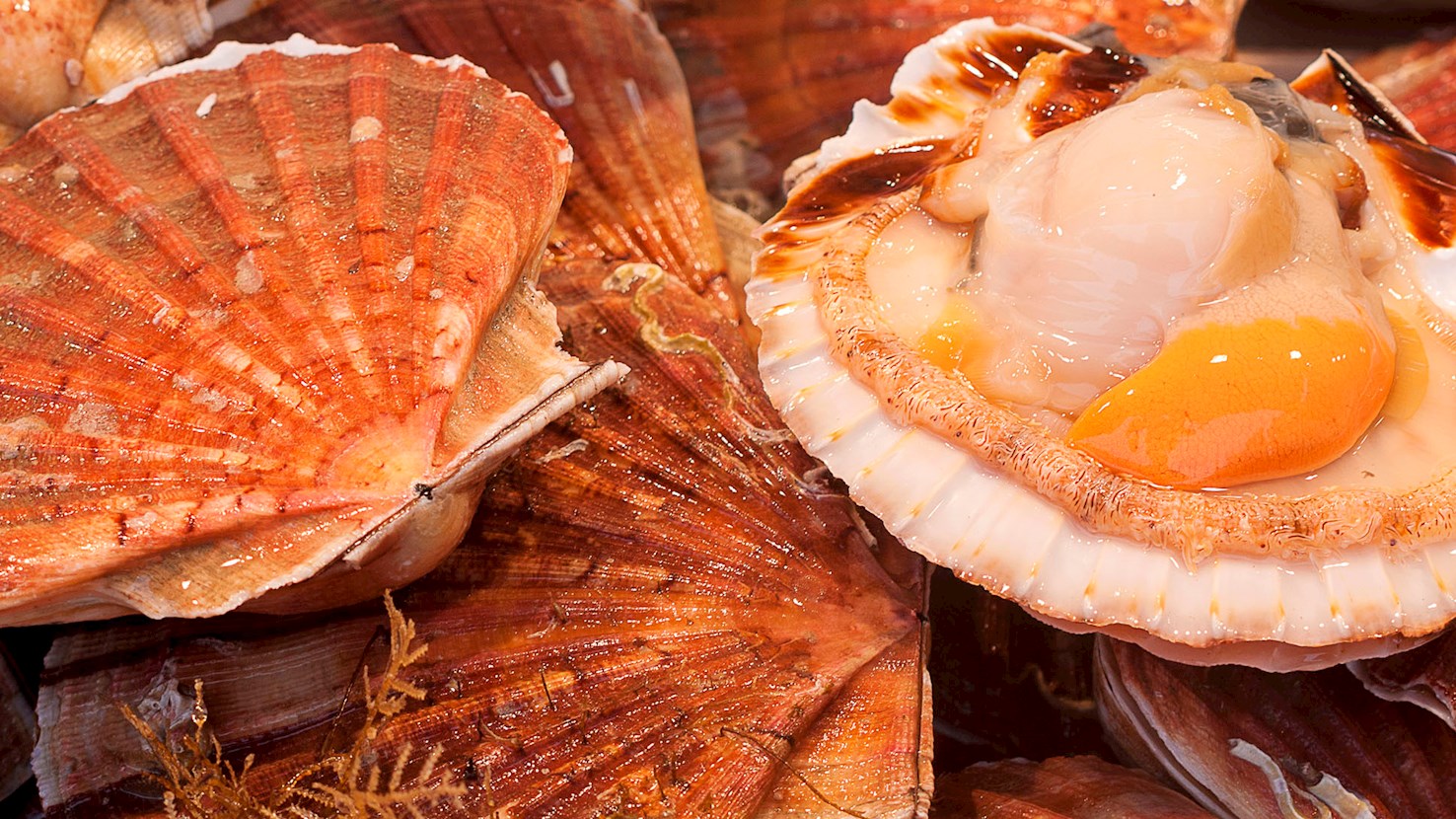
Coquille Saint-Jacques des Côtes-d'Armor are scallops of the pecten maximus species that are sold whole, either fresh or frozen in their shells. They come from the seabed in the Côtes-d'Armor region, famous for its fish products since the 1960s. The scallops are caught in the wintertime, their taste is complex, at the same time sweet and salty and their texture is delicately creamy. When fresh, they are quite firm and have a pleasant smell but when they are out of the shell they will become softer and lose some of their moisture. As they are very versatile in cooking, they can be paired with a wide variety of products such as mushrooms, wine, butter, used in gratins or baked with cheese for a tasty appetizer.
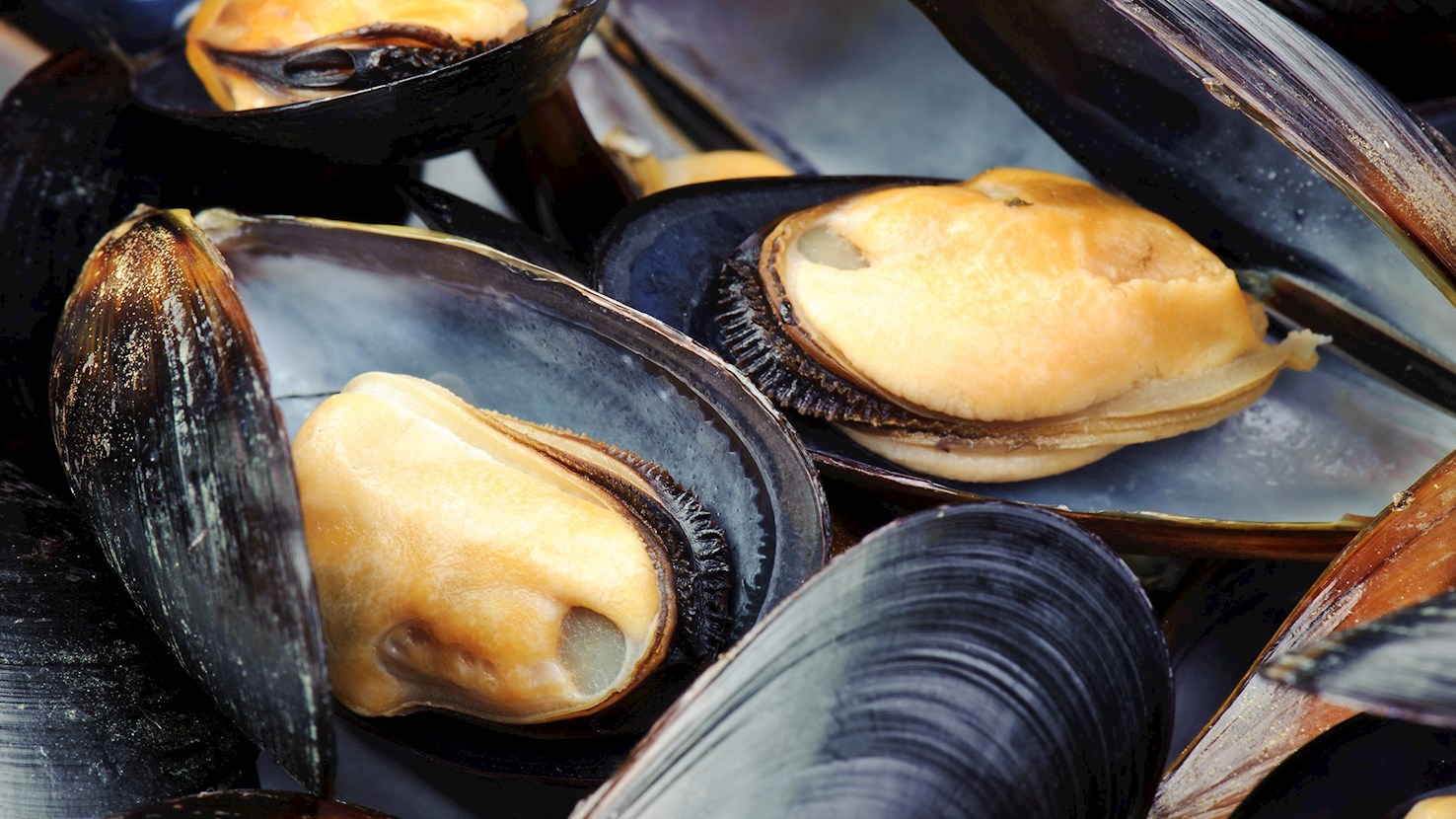
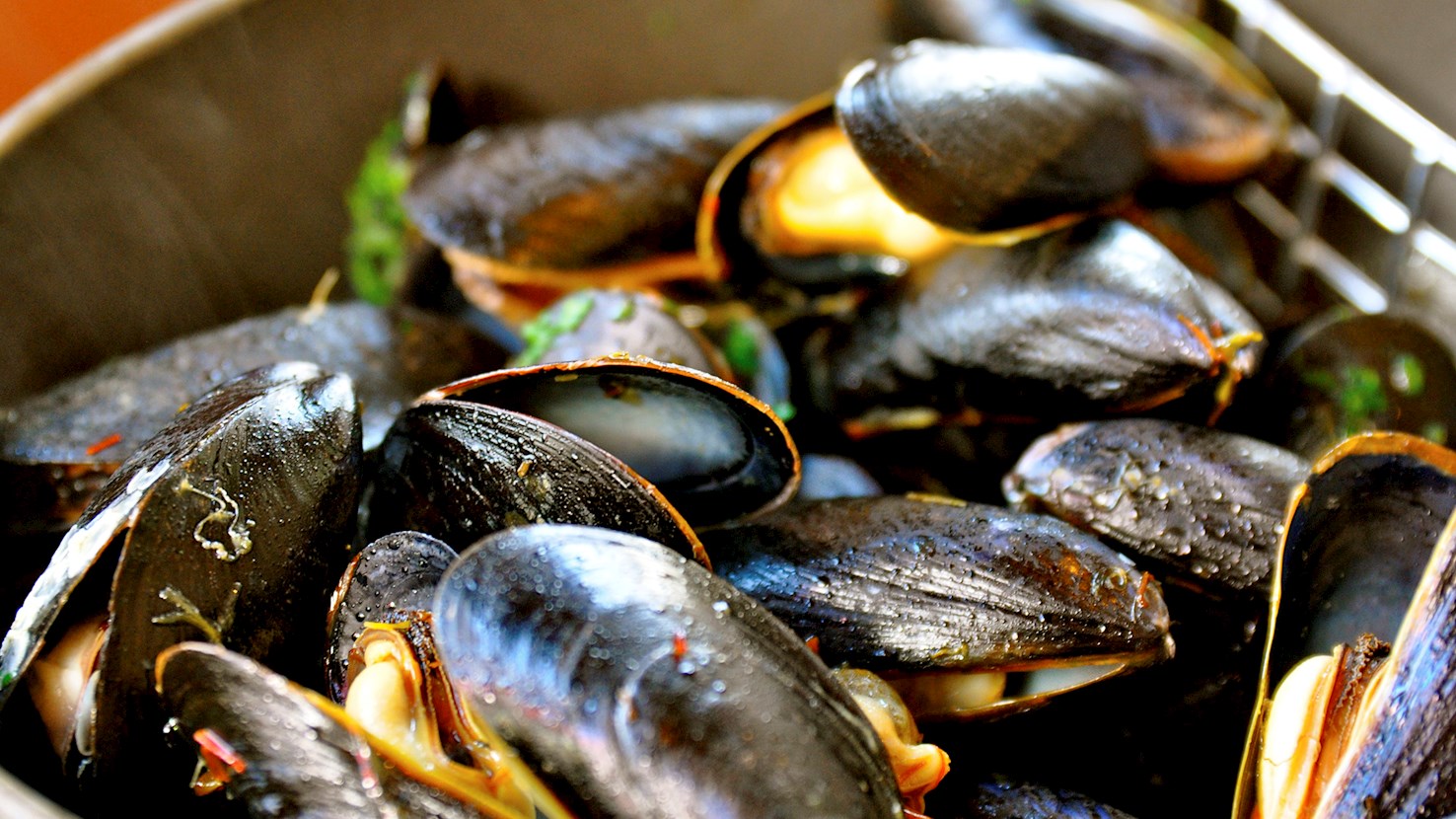
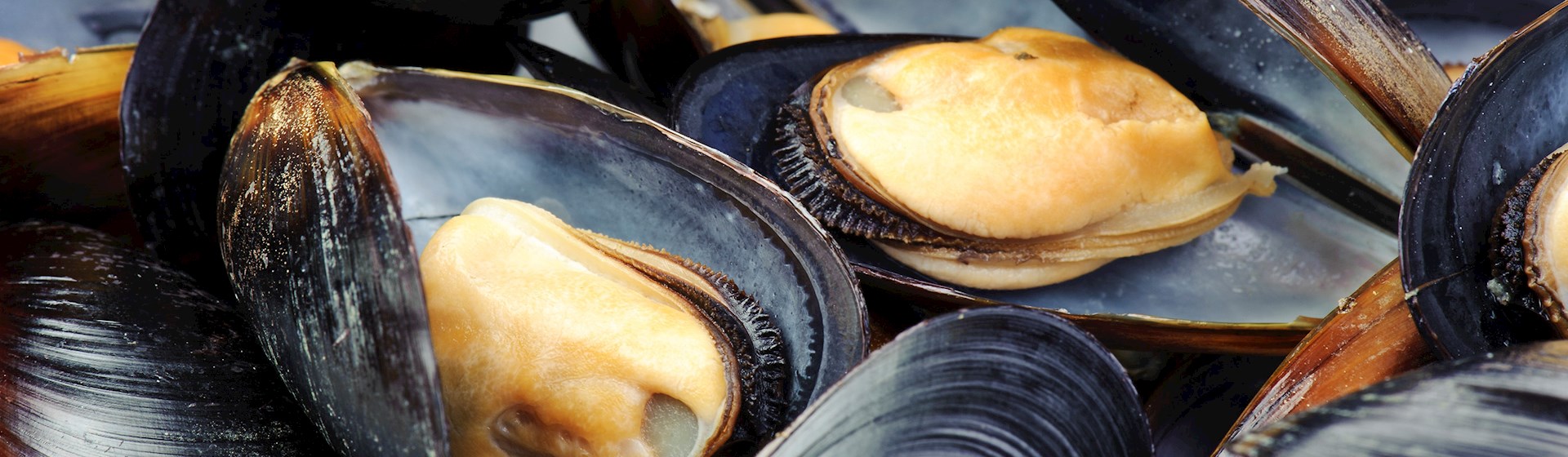
Moules de Bouchot de la Baie du Mont-Saint-Michel are fresh mussels of the Mytilus edulis species, farmed on the high wooden stakes placed in water in the Bay of Mont-Saint-Michel between the regions of Ille et Vilaine and Manche in France. The mussels have hard, black shells and big, orange flesh on the inside. It is one of the gastronomic gems of the region, farmed since 1954, and today there is a fascinating 270 kilometers of mussel lines. The season in which they are harvested lasts from July until February. The flesh is delicately soft and creamy, with a melt-in-the-mouth texture. These mussels are best enjoyed with white wine and selected herbs, in risottos or creamy sauces.
Moules de Bouchot are mussels that are cultivated on stakes from larvae caught in their natural habitat, exclusively. When the species Mytilus edulis and Mytilus galloprovincialis are cultivated, they produce moules de Bouchout. The mussels have dark brown to blue shells and are characterized by their two organs - a foot and a gland. Because the mussels are on stakes and exposed to the tides, they develop very strong muscles in order to keep their shells closed, which become sturdier and more resistant when harvested. Another benefit of the stakes cultivation is that the mussels are free from grit and have a much cleaner flavor, sweeter than other mussels, with a melt-in-the-mouth quality. Their flesh is creamy to yellow when cooked, smooth, silky and not floury at all. Bouchot mussels are perfect for steaming, sautéing or baking, accompanied with tomatoes, garlic and parsley for the best experience.
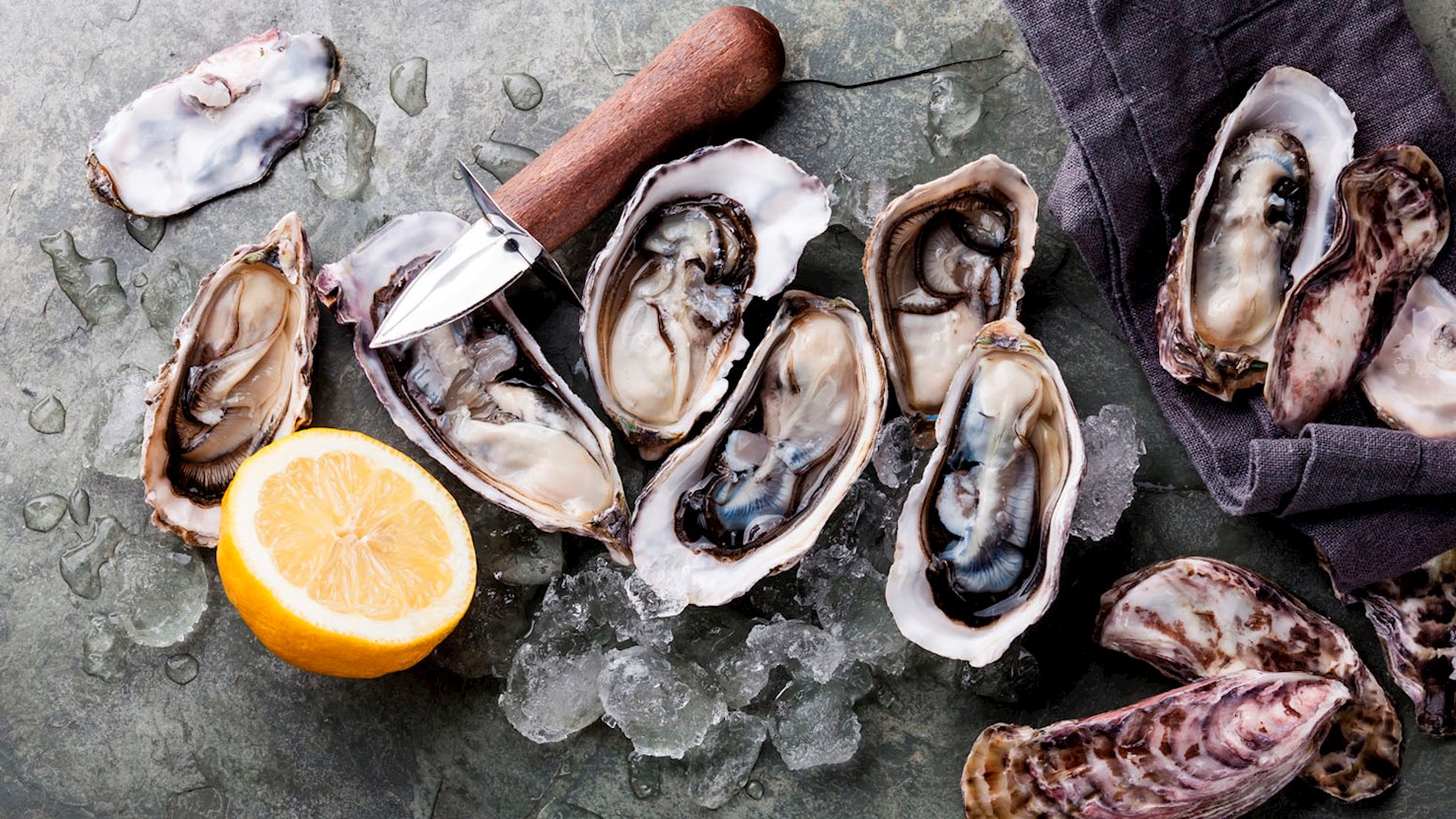
Huîtres Marennes Oléron are oysters from the Bassin de Marennes Oléron area in France, where shellfish farming is a principal activity. The oysters are matured and fattened on oyster beds after which they are sold fresh, live and unprocessed. There are quite a few varieties of these oysters, some of them rich in water and with a fine flesh flavor, the others greener, rounder, softer, firmer, crispier or with a more pronounced, long-lasting, hazelnutty taste, depending on the type of oyster. Generally, Marennes Oléron oysters have a refined, delicate, less bitter and iodized taste than that of open sea oysters. They are better protected, with a high-quality shell, and some have a green hue around the gills, due to the Blue Navicula algae, native to the region. The flesh grows significantly in the oyster beds, giving them a specific texture and flavor known as "oyster bed taste", which is first salty on the palate and then it becomes sweet. Pair the oysters with lemon, bread and butter for a complete, tasty appetizer.
True Belon oysters are produced in the area around the French river Belon, and some say that they are some of the rarest oysters in the world. They have a flavor reminiscent of brine and an intense copper finish, and they are full of umami. These oysters are flat and round, with rippled green shells. However, in the 1950s, scientists brought these oysters to the Unites States of America, Maine in particular, where they are sold in a quantity of only 5,000 oysters per year.
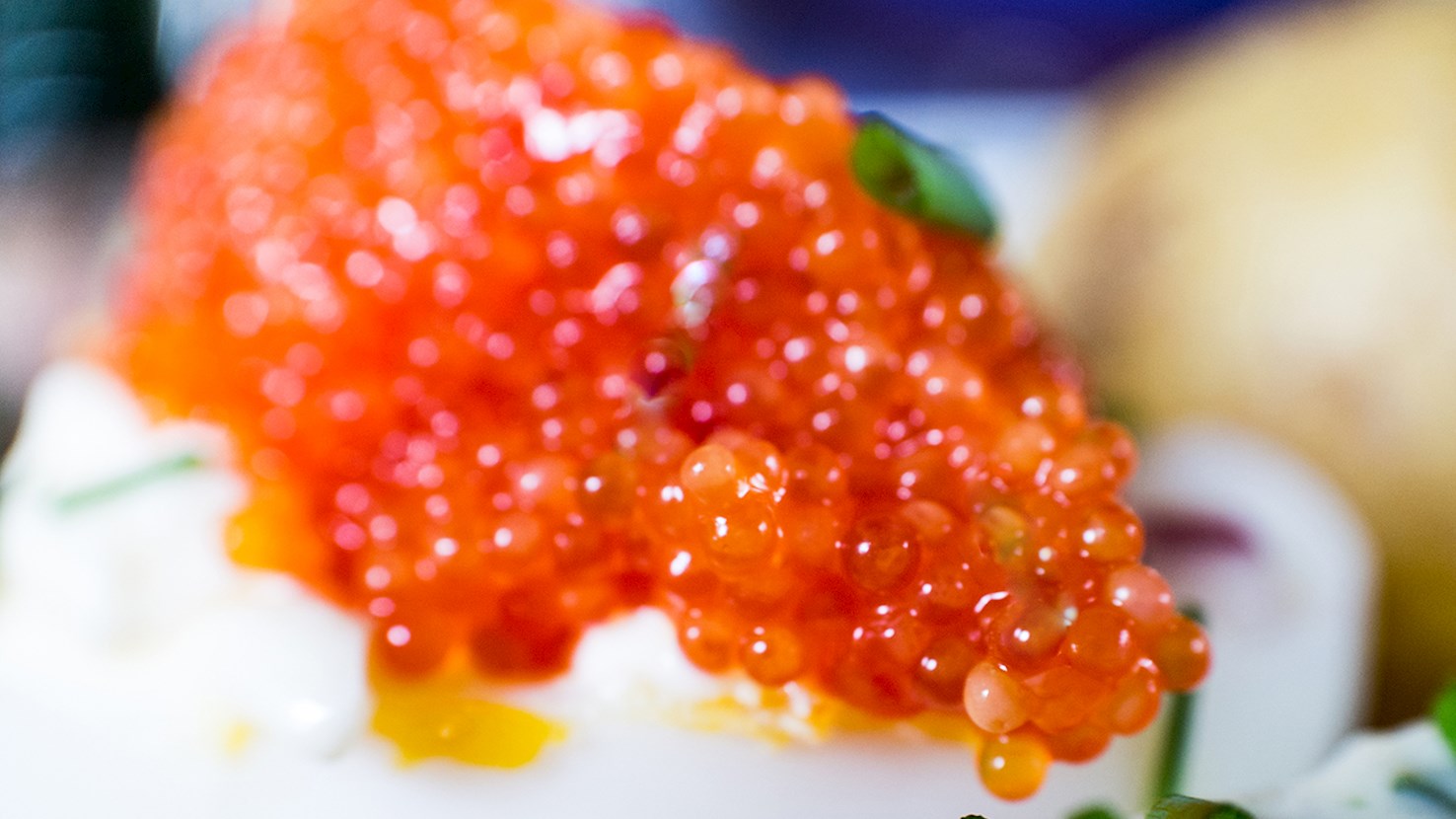
Lumpfish roe is one of the more available roe varieties, and it is usually reasonably priced. It is harvested from lumpfish (Cyclopterus lumpus), which is mostly found in the cold waters of the North Atlantic. The natural color of the roe can vary, though it is usually pale gray or dusty pink. However, most producers opt for artificial coloring to attain appealing red or black hues. The beads are small, mildly-flavored, briny, and subtly sweet. Lumpfish roe is an excellent addition to appetizers, salads, soups, or seafood-based main dishes. The major producers of lumpfish caviar are Denmark, Germany, Iceland, and Sweden, while the main importing countries are France, Germany and the United States of America.
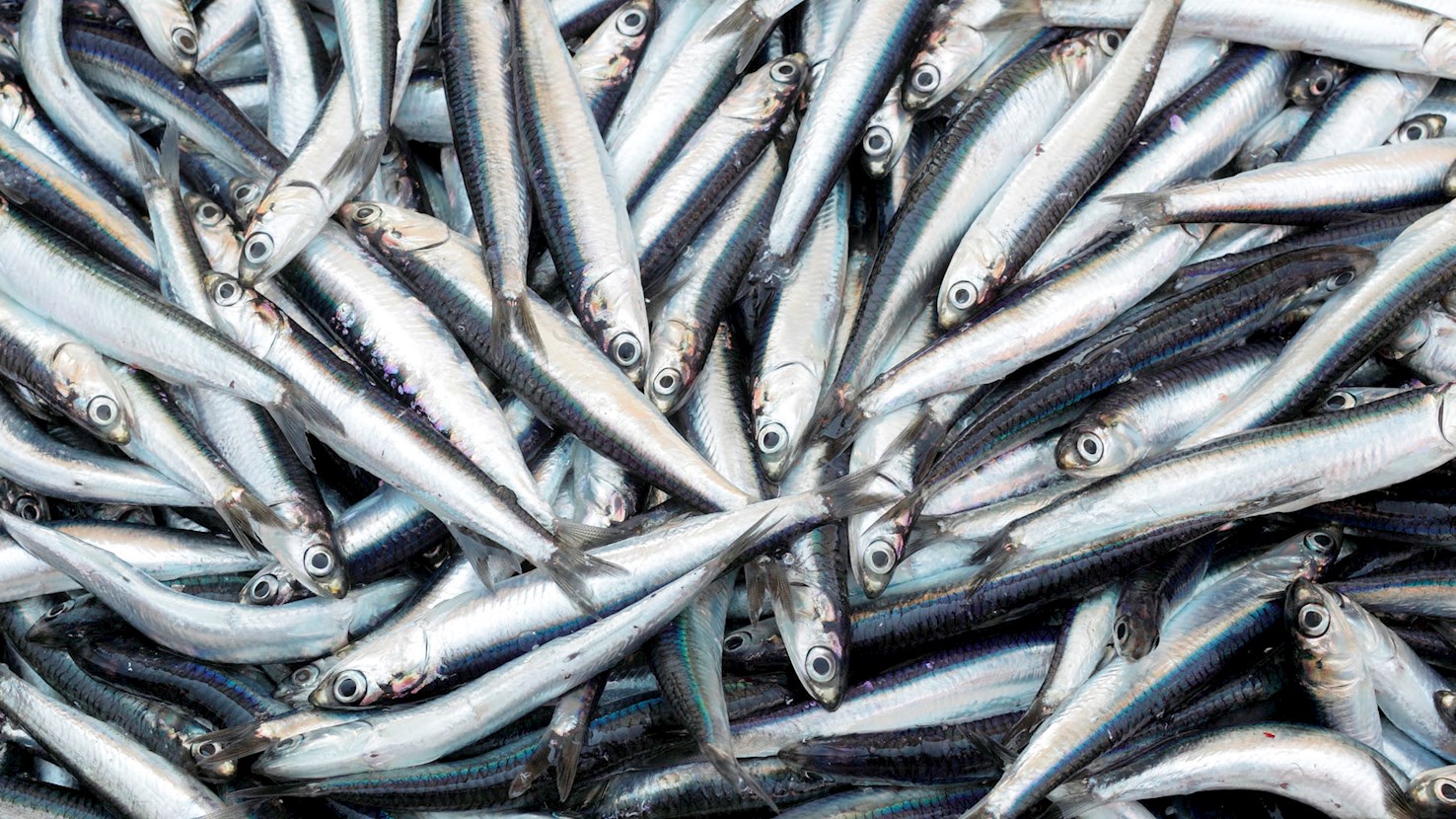
Anchois de Collioure are anchovies of the Engraulisencrassicholus species from the Collioure area in France. The anchovies can be sold salted, as fillets in oil and as fillets in brine. The method of production of these unique anchovies is so complex that it has nine stages of preparation. The fish are received fresh at the salting facility, then pre-salted and brined, sorted, topped, gutted and left to mature until they develop their specific color, taste, and texture. The skin then gets removed, they are gutted, filleted, dried and packaged in airtight packages, juiced with brine or oil, and dispatched to be sold. This whole process is done completely by hand. The fillets are dark brown, with a soft texture and a smell reminiscent of mountain ham. Anchois de Collioure can be enjoyed with braised rabbit and mint or paired with pasta and pine nuts.
Demoiselles du Guilvinec is a local brand name for Norway lobsters (langoustines), caught and brought ashore exclusively at the fishing port of Le Guilvinec in Brittany. The local fishing industry grew rapidly in the 20th century when crews started using specialized nets to drag the muddy ocean floor of the Bay of Biscay and the Celtic Sea. The town created this nickname to highlight the high quality of its fresh catch and distinguish it from frozen seafood caught by large industrial ships. The small local boats run on a strict daily schedule, leaving before sunrise and returning to the harbor auction by late afternoon so the crew can unload the shellfish while they are still alive and moving. Unlike common lobsters, which turn bright red when cooked, this crustacean has a pale pink shell that retains its color whether it is alive in the ocean or boiled in a pot. Cooking these langoustines requires very little time to keep the tail meat soft. A cook drops the live catch into boiling seawater or into heavily salted water seasoned with bay leaves and thyme, leaving it in the pot for no more than 3 minutes. Right after boiling, the batch is transferred to a bowl of ice water to stop the cooking process and prevent the meat from becoming tough and rubbery. The cold seafood is then stacked on large metal platters. People eat them at seafood restaurants, coastal festivals, and home dining tables throughout Brittany. To eat one, a person twists off the head, cracks the tail shell open with their fingers, and pulls out the solid piece of white meat by hand. Individuals usually dip the peeled tail into a small bowl of fresh mayonnaise or a sharp shallot vinaigrette. Thick slices of crusty bread spread with salted butter always accompany the meal, along with poured glasses of very dry, crisp white wines like Muscadet or Sauvignon Blanc to balance the heavy fats of the mayonnaise and butter.
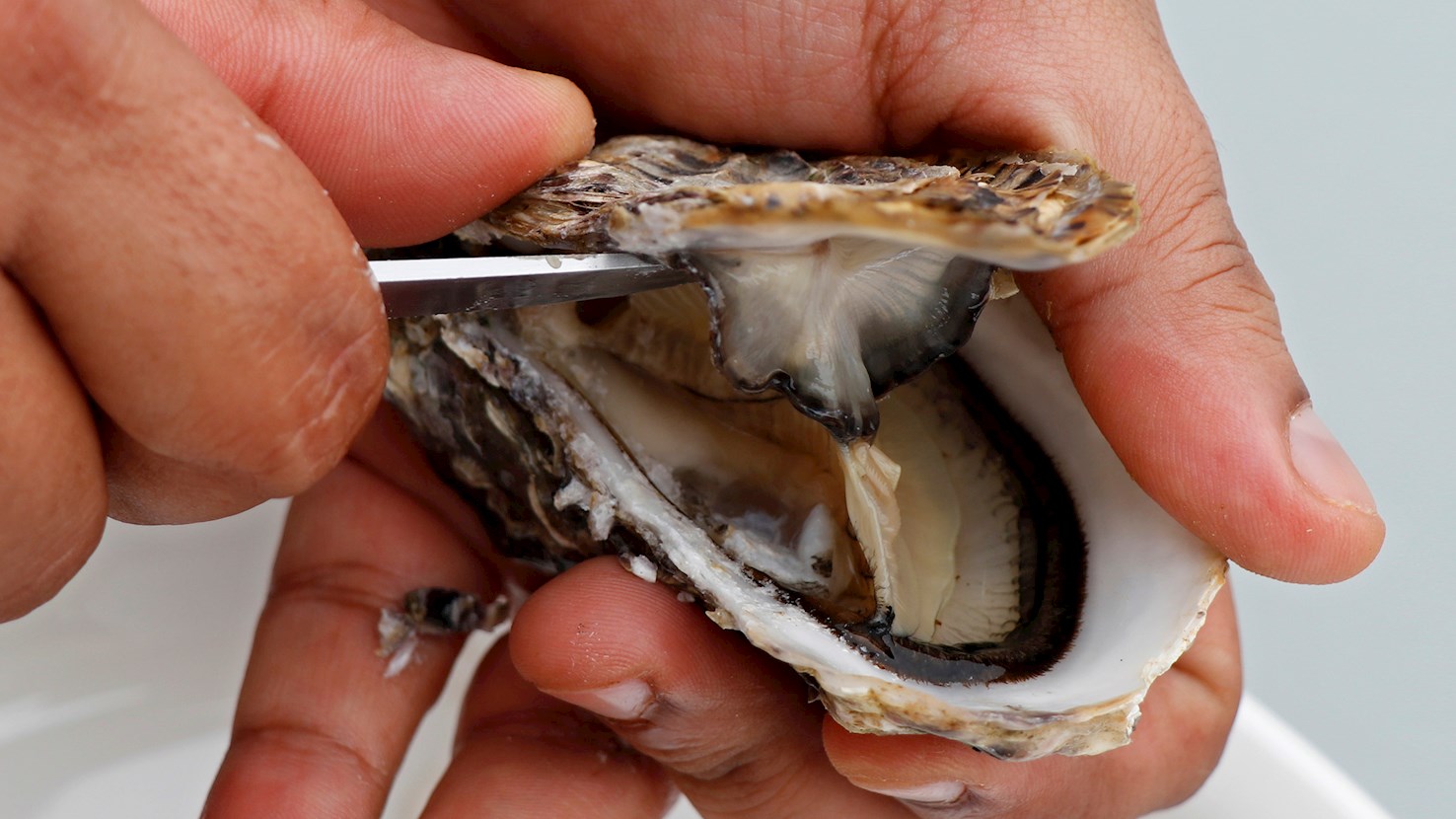
Huîtres de Cancale are farmed oysters, including both the native flat variety and the Pacific cupped variety, grown in the coastal town of Cancale in Brittany. Harvesting these shellfish from the Bay of Mont Saint-Michel goes back to the Roman era. By the 1500s, the town supplied oysters to the royal court of François I and later sent regular shipments to Paris to feed the French monarchy. When overfishing eventually wiped out the wild offshore beds, locals shifted to organized oyster farming in the mid-1800s. Farmers set up raised metal racks and mesh bags in shallow water to carefully manage the crop's growth. When disease wiped out most of the native flat oysters in the 1970s, growers brought in the hardier Pacific cupped type to keep the local industry going. The farming areas sit in a bay with massive tides that change by up to fourteen meters. This extreme shift leaves the oyster beds completely exposed to the air twice a day, forcing the shellfish to constantly open and close tightly to survive the dry spells. This daily workout builds strong muscle, giving the meat a firm, crisp texture, while the constant flow of seawater provides plenty of plankton, giving the oysters a strong, salty flavor. Workers gather, wash, and sort the catch by weight and size before sending them to market. To prepare them, someone inserts a short, thick knife into the hinge of the shell to cut the muscle and pop off the flat top lid. The oyster meat and its natural saltwater juices are served raw on wide platters, covered with crushed ice or damp seaweed to keep everything cold. People eat them right out of the deep bottom shell, using a tiny fork or just tilting the shell back to slide the meat straight into their mouths. They are consumed at seafood restaurants, home tables, and right at the open-air market on the Cancale seawall, where buyers actually toss their empty shells over the wall onto the beach below. Individuals usually add a few drops of fresh lemon juice or a spoonful of mignonette sauce made from chopped shallots and red wine vinegar. Slices of dense rye bread spread thick with salted butter almost always come on the side, along with poured glasses of very dry, crisp white wines like Muscadet Sèvre et Maine, Chablis, or brut Champagne to balance out the intense saltiness of the seafood.
Named after the fishing port of Loctudy, where they are unloaded alive daily between April and October, demoiselles de Loctudy are a regional catch of Norway lobster (Nephrops norvegicus). Following the introduction of motorized trawlers in the mid-twentieth century, local maritime crews shifted their focus toward harvesting these deep-water crustaceans from the muddy seabed of the Bay of Biscay and the Celtic Sea. The specific nickname emerged as a municipal identifier to distinguish the local landings from imported frozen alternatives, highlighting the strict operational practice of returning the boats to the harbor daily to unload the crustaceans while they are still alive and actively moving. Unlike many other marine arthropods that undergo a drastic color transformation only when exposed to heat, this specific species possesses a pale, translucent orange-pink exoskeleton even in its natural, unheated state beneath the ocean surface. Culinary application requires minimal intervention to maintain the delicate structural integrity of the tail meat. Cooks plunge the whole specimens into heavily salted boiling water or a rapidly simmering liquid infused with aromatic vegetables and peppercorns, removing them after exactly two to three minutes to prevent the muscular tissue from seizing into a rubbery texture. The cooked catch is immediately transferred to an ice bath to halt the thermal process and subsequently arranged on large serving platters. People consume the chilled or room-temperature crustaceans at coastal seafood festivals, specialized marine brasseries, and private residences along the Breton coastline. Consuming the seafood requires manually detaching the head from the thorax, pinching the tail shell to fracture the calcified plates, and extracting the unbroken segment of white meat entirely by hand. The extracted tail sections are frequently swiped through freshly whisked mayonnaise or a simple garlic emulsion. Slices of dense, dark bread, heavily coated with coarse-salt-flecked butter, usually accompany the lobster, alongside poured glasses of highly mineral white wines, such as Muscadet Sèvre et Maine or a crisp Chablis, which structurally balance the rich lipids of the paired condiments.
TasteAtlas food rankings are based on the ratings of the TasteAtlas audience, with a series of mechanisms that recognize real users and that ignore bot,
nationalist or local patriotic ratings, and give additional value to the ratings of users that the system recognizes as knowledgeable.
For the “Top 13 French Seafood” list until June 01, 2026, 160 ratings were recorded, of which 134 were recognized by the system as legitimate.
TasteAtlas Rankings should not be seen as the final global conclusion about food. Their purpose is to promote excellent local foods,
instill pride in traditional dishes, and arouse curiosity about dishes you haven’t tried.
The initial list of top producers was compiled based on available reviews, awards, local recommendations, media and blog coverage, and consumer reviews.
The list will be updated with ratings from TasteAtlas local ambassadors and TasteAtlas users.