

shutterstock

Top 4 Southeastern Brazilian Snacks

Last updated on June 15, 2026
01

Pão de queijo

4.4 ·

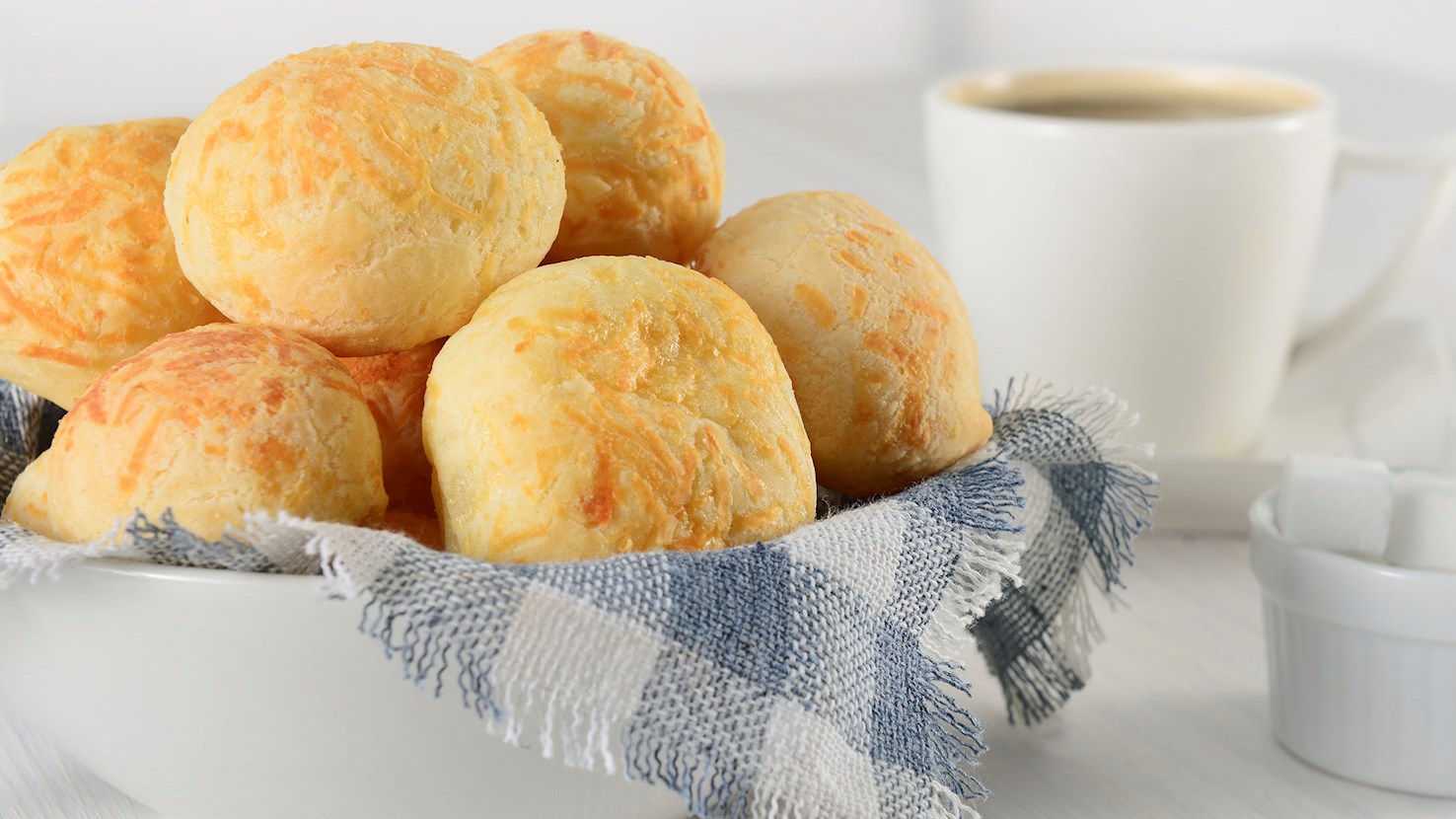
Literally translated to cheese bread, pão de queijo has its origins in the culinary inventions of African slaves, when they started to use the residue of the cassava plant. A fine white powder, or starch, was rolled into balls and baked. At the time, no cheese was added, so it was just baked starch, but at the end of the 19th century, when slavery ended, other foods started to become available to the Afro-Brazilians for the first time. In the state of Minas Gerais, the dairy center of Brazil, cheese and milk started to be added to the starchy balls, and pão de queijo was created. Today, it is a popular Brazilian snack or breakfast food that is also widely consumed in northern Argentina, sold at numerous coffee shops, snack bars, and bakeries.

02

Coxinha

4.3 ·

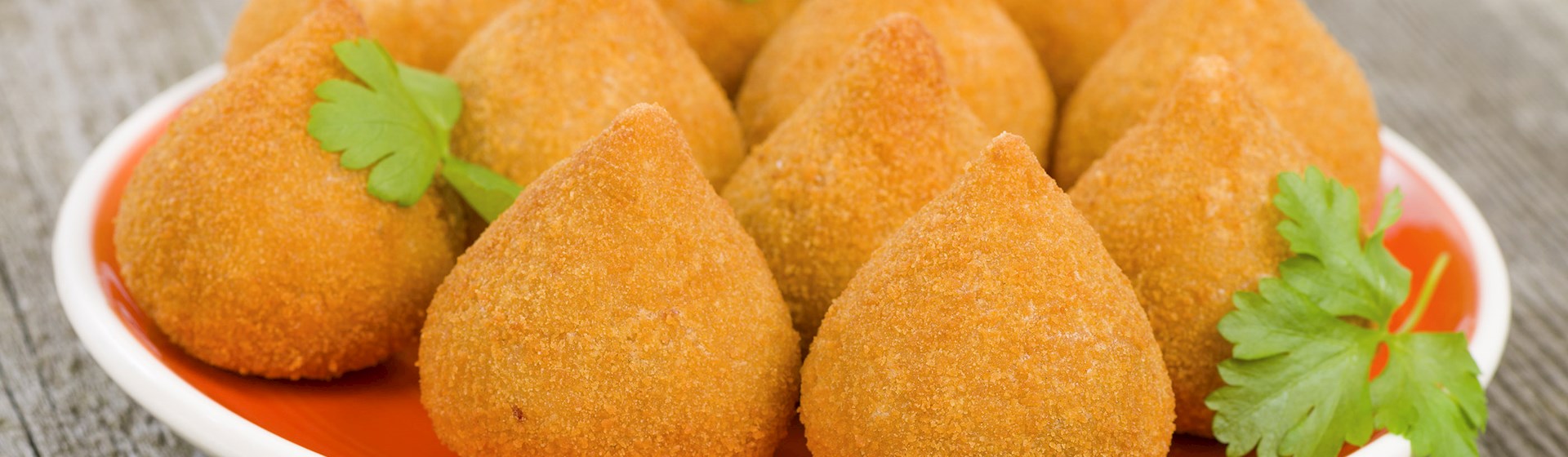
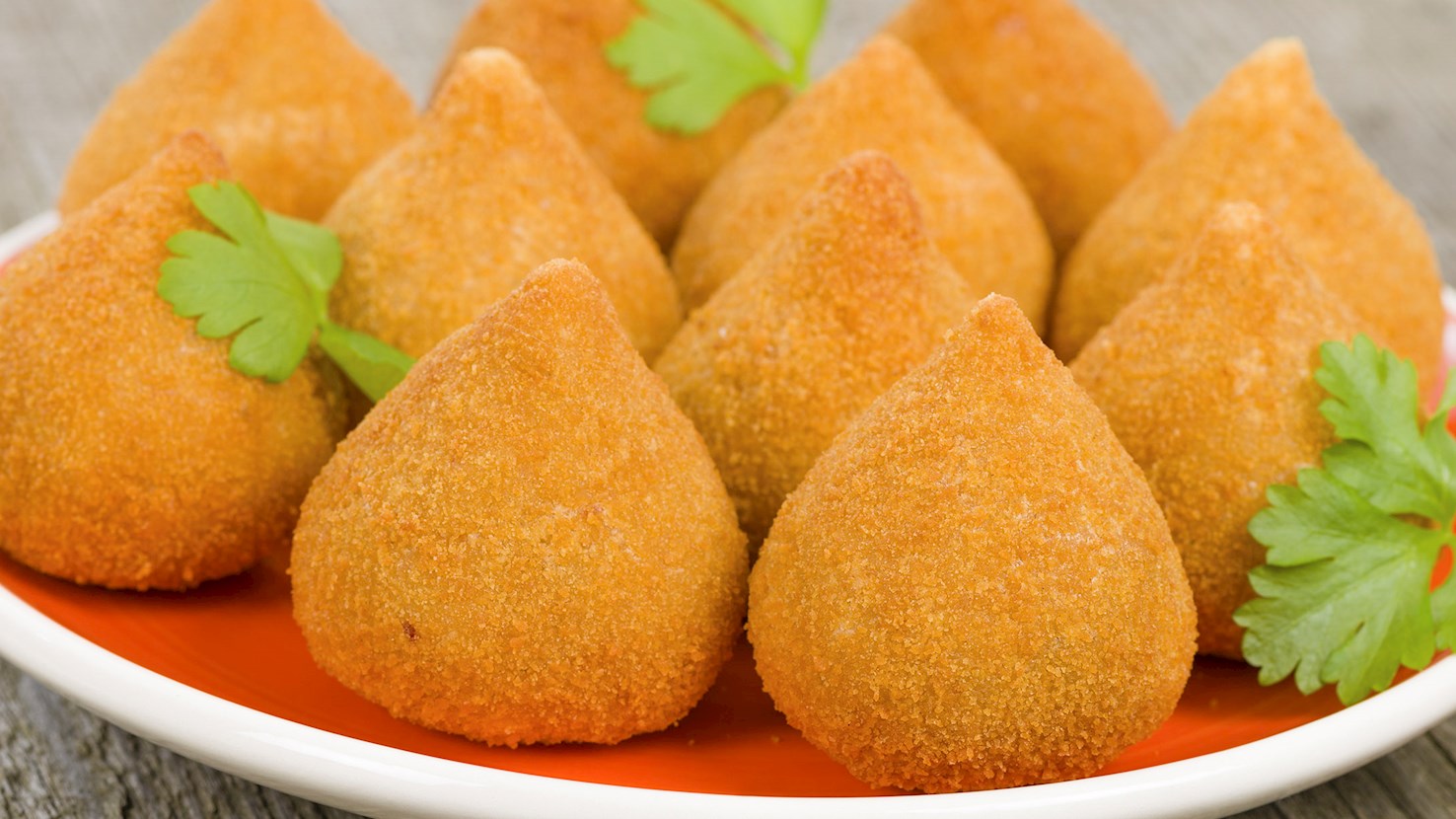
One of Brazil's favorite street foods, coxinha (lit. little thigh) is a crispy croquette filled with chicken meat and cream cheese that is cleverly shaped into a chicken drumstick, then breaded and deep-fried. Coxinha originated around São Paulo in the 19th century, and by the 1950s it spread to Rio de Janeiro and Paraná, having now become one of the most popular salgados (savory appetizers) across the country. Legend has it that coxinha was first made for the Brazilian princess Isabel's son who only liked chicken thigh meat. However, according to food historians, it was probably invented during the industrialization of São Paulo to be marketed as a cheaper and more durable substitute to traditional chicken cuts that were sold at the gates of local factories as snacks for the workers. Nowadays, coxinhas can be found anywhere from Brazilian snack bars called lanchonetes, cafés, buffets and even bakeries to numerous stand-up lunch counters and street food stalls. The perfect coxinha has a golden, crunchy crust which envelopes the chicken stock and flour dough and breaks away into its creamy interior made with shredded chicken breast and Catupiry requeijão cremoso cheese. It is typically flavored with onion, garlic, cilantro, and lime. For a well-rounded snack, these delicious Brazilian chicken-filled nibbles are usually served with hot chili sauce, vinaigrette or garlic mayonnaise, and best enjoyed with a glass of cold beer.

03

Pamonha Mineira

3.8 ·

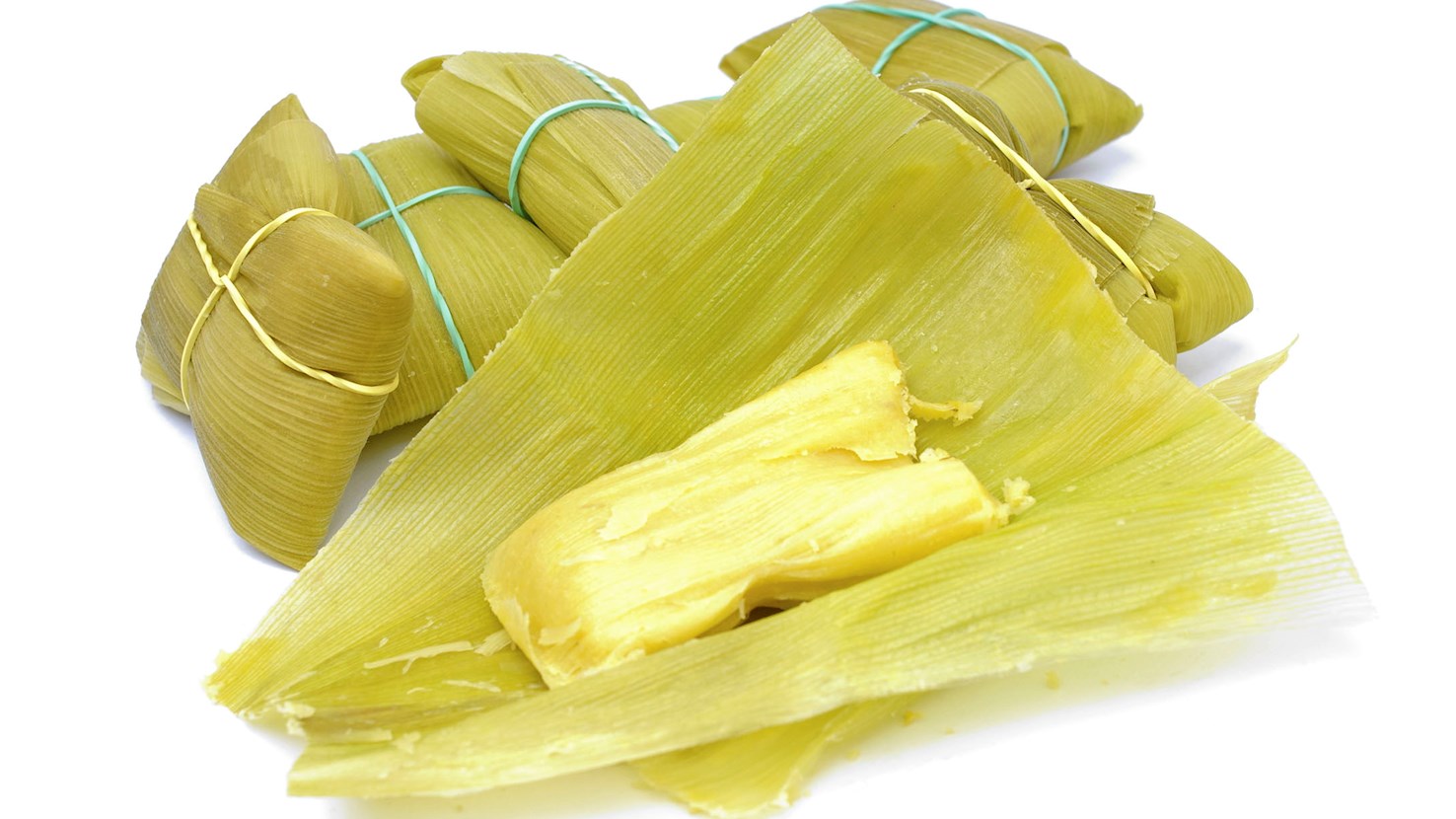
Similar to Mexican tamales, pamonha is a traditional dish made with fresh corn. The dough, or more precisely the paste, is made out of grated and juiced corn. It is tightly wrapped in fresh corn husks and cooked in boiling water. Depending on the ingredients, pamonhas can be either sweet or savory. The savory varieties are usually prepared plain or made with chopped meat, sausages, or cheese. The sweet version of pamonhas is often made by incorporating coconut milk or coconut pulp in the dough. Pamonhas are traditionally eaten all year round in Brazil, but they are usually associated with Festa Junina, the annual Brazilian festivity celebrated throughout June, marking the end of the harvest season and the beginning of Brazilian winter. The snack was primarily sold as a street food item, but nowadays the tradition has disappeared, and pamonhas are usually prepared at home or served in traditional Brazilian restaurants.

04

Biscoito de polvilho

3.7 ·

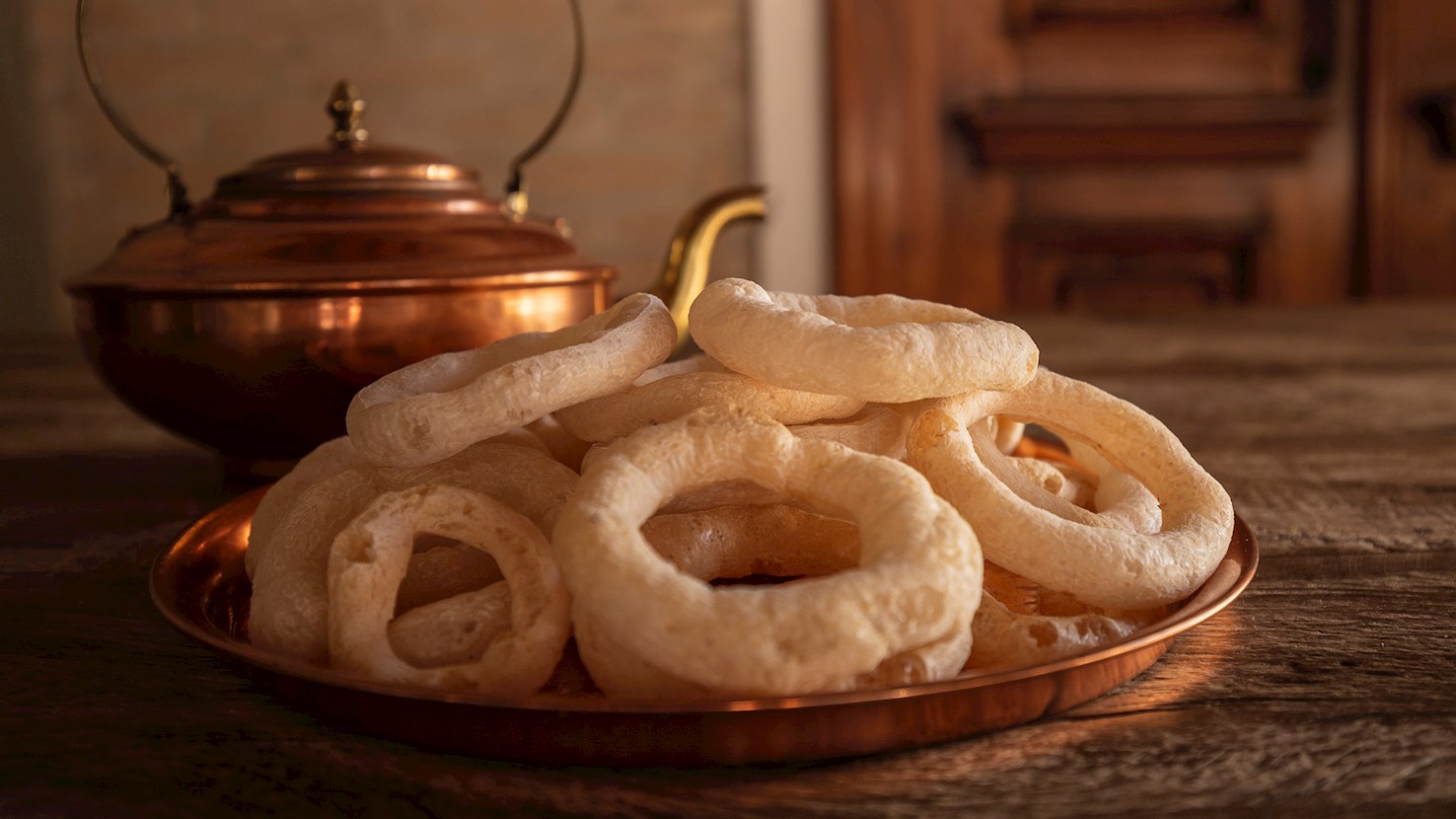
Biscoito de polvilho is a traditional, starchy, salted cookie from Brazil. The cookies are characterized by their round, puffy shape and a crispy exterior. The word from its name, polvilho, is derived from the Latin word pulvis and the Spanish polvillo, meaning fine powder, referring to the sour cassava starch, a key ingredient used in the preparation of these snacks. Biscoito de polvilho can be traced back to the 18th century, when it was prepared on farms in the state of Minas Gerais and served to the plantation owners along with cheese and coffee as an afternoon snack. Due to their unique flavor and airy texture, the cookies are so popular in Brazil that they can even be found at most supermarkets, or bought from numerous beach food vendors.

Read more
View all
View map
About this ranking

TasteAtlas food rankings are based on the ratings of the TasteAtlas audience, with a series of mechanisms that recognize real users and that ignore bot, nationalist or local patriotic ratings, and give additional value to the ratings of users that the system recognizes as knowledgeable. For the “Top 4 Southeastern Brazilian Snacks” list until June 15, 2026, 1,507 ratings were recorded, of which 1,081 were recognized by the system as legitimate. TasteAtlas Rankings should not be seen as the final global conclusion about food. Their purpose is to promote excellent local foods, instill pride in traditional dishes, and arouse curiosity about dishes you haven’t tried.

Similar lists