shutterstock

Top 6 Portuguese Soft Cheeses

Last updated on August 19, 2026

Best Portuguese Soft Cheeses
01

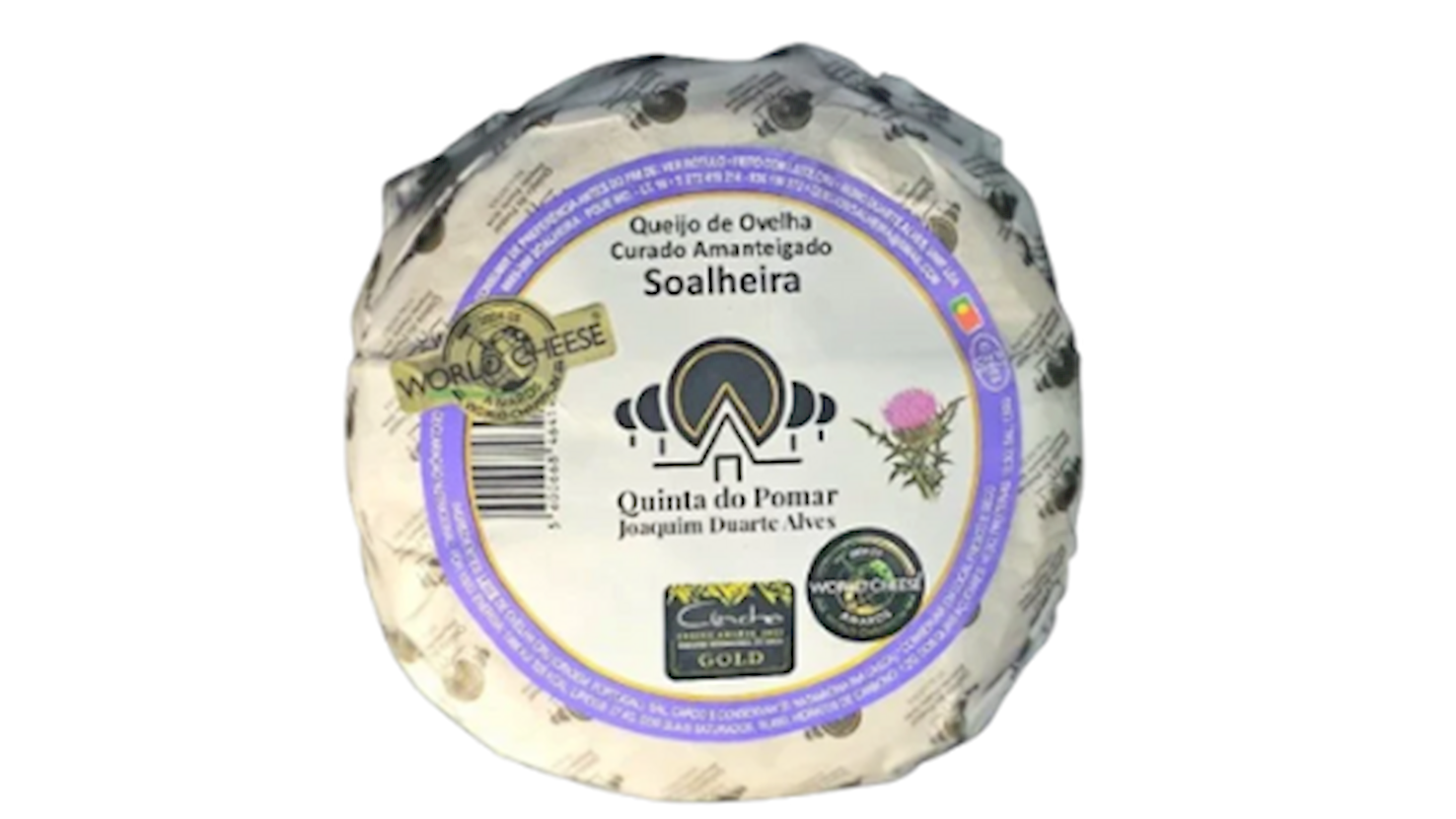
Queijo Soalheira Quinta Pomar

5.0 ·

Queijo Soalheira Quinta Pomar is a family-run artisanal dairy from the village of Soalheira, located at the foothills of the Serra da Gardunha mountain range in central Portugal, founded in 1983. It was created from the Alves family’s desire to produce authentic regional cheeses based on local knowledge and raw materials, primarily sheep’s milk sourced from nearby farms.

Production relies on traditional methods, the use of raw milk and vegetable rennet made from thistle flower, combined with modern hygiene standards. The focus is on small batches and consistent quality, without industrial shortcuts.

Today, Quinta do Pomar is internationally recognized as one of the most important producers of traditional Portuguese cheeses, with numerous awards and a strong identity closely tied to the terroir of Soalheira.

Awards
World Cheese Awards - Super Gold (2024)
Great Taste Awards - 2 Stars (2021)

Best Portuguese Soft Cheese Types
01

Queijo do Pico

4.2 ·

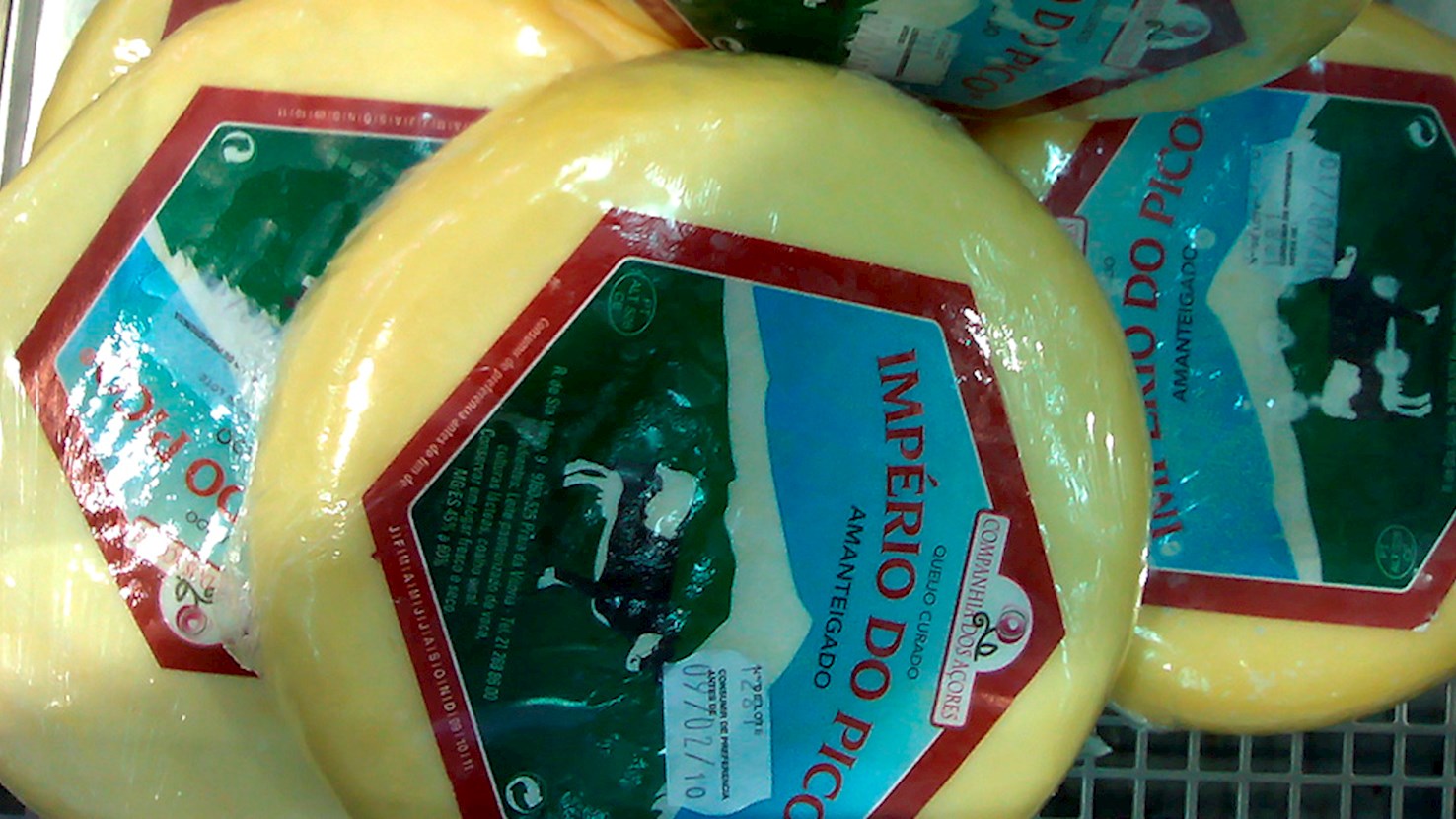
This hard cheese is produced exclusively on the island of Pico in the Portuguese Azores. The climate on the island, although quite harsh, is particularly good for raising cattle. Due to the fact that the island was separated from the mainland by long boat trips in the past, the only way to make use of the milk produced by the island's cattle was to produce cheese. Pico is made from cow's milk that's curdled with animal rennet. The curd is salted and formed into cheeses that are left to mature for a month in cold and humid conditions. Pico cheese is round, flat, and smooth with a yellow rind and a doughy white interior with a soft texture. Its fat content is about 50%, making it very moist, and it has a strong, salty flavor and an intense aroma. The cheese is traditionally consumed at the end of a big meal, ideally accompanied by Verdelho do Pico wine.

02

Requeijão Serra da Estrela

4.1 ·

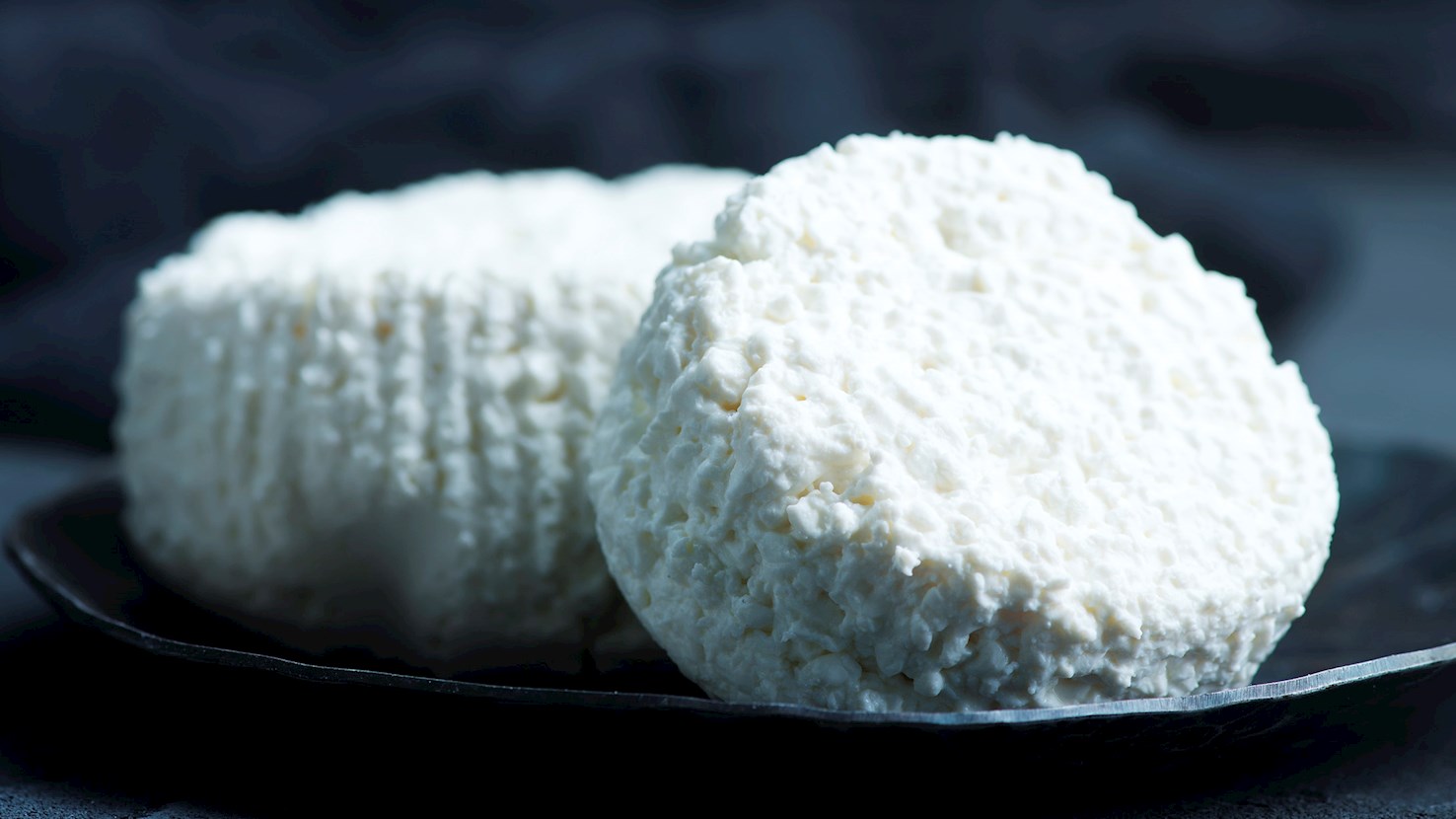
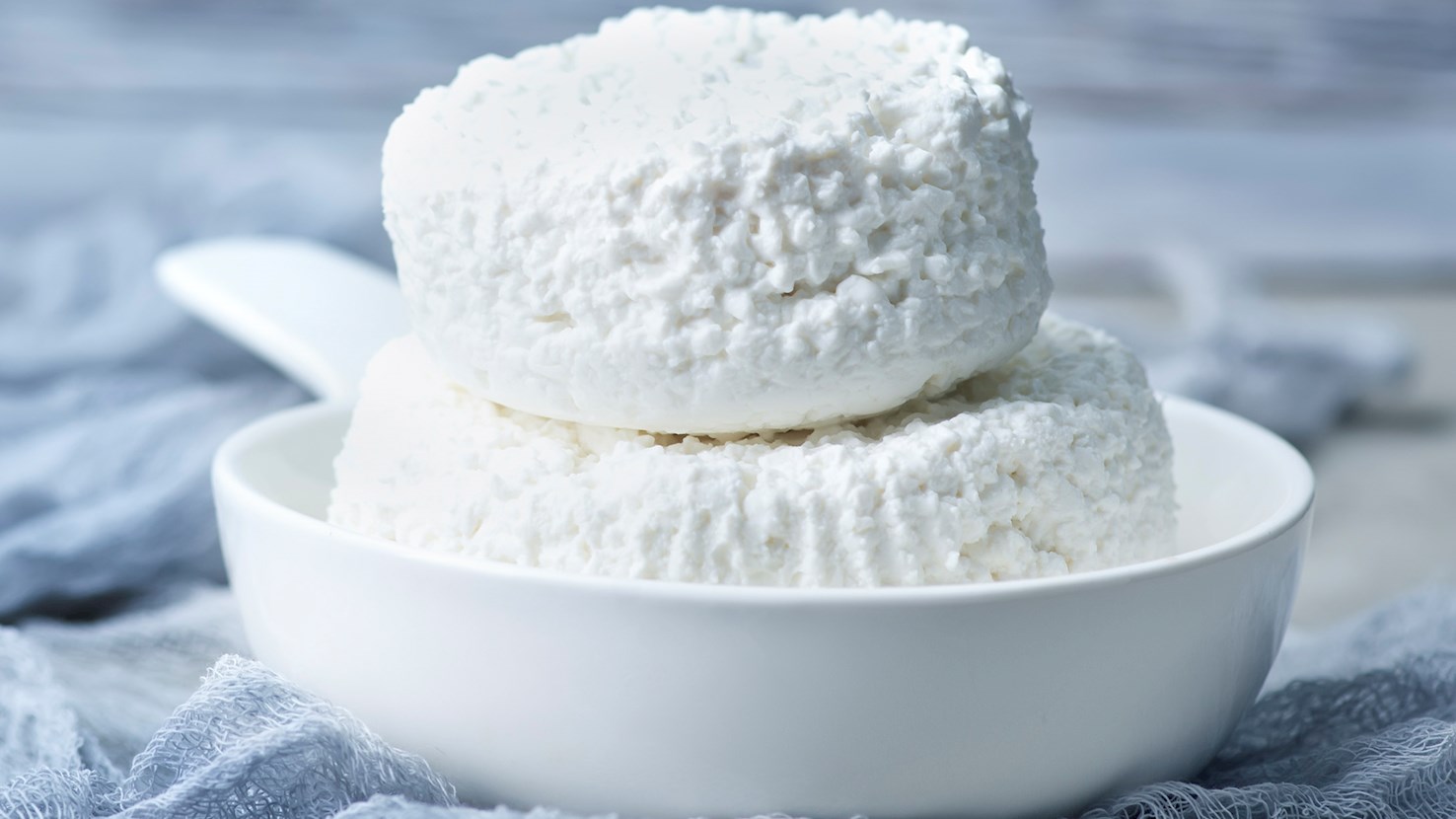
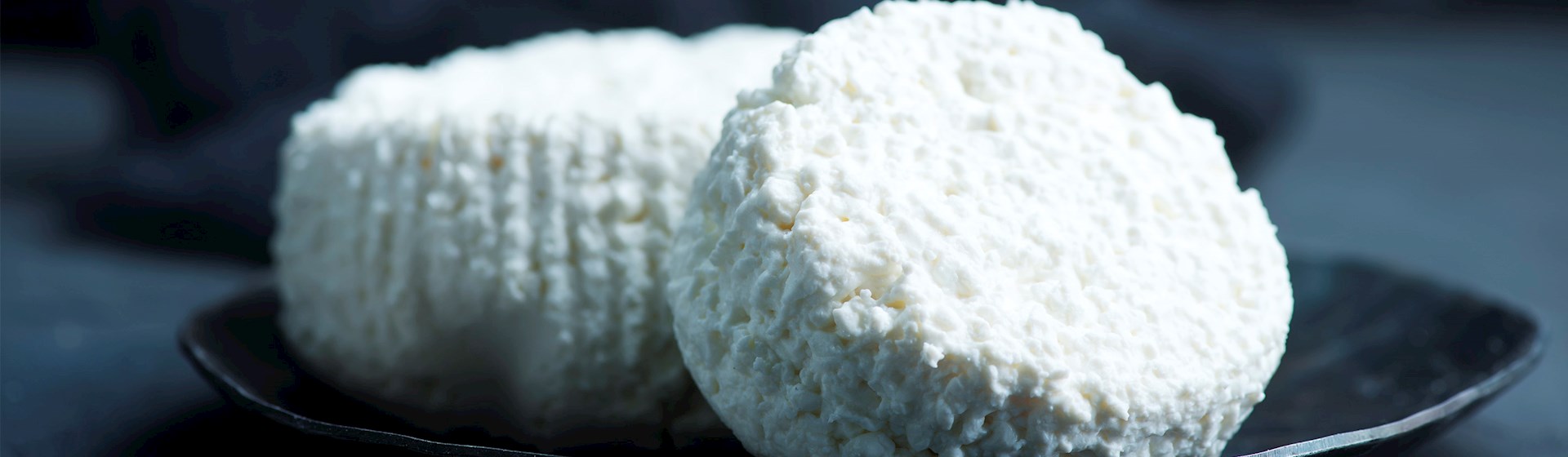
Serra da Estrela cottage cheese is a milk product obtained by heating and curdling unpasteurized sheep milk from the Churra Bordaleira and Mondegueira breeds, which are raised in the Beira littoral and interior. After heating, rennet is added to the milk to curdle it, and when it separates, it is strained and packaged in parchment immediately. Serra da Estrela cottage cheese ranges in texture from creamy to grainy. It is white and takes the shape of the vessel in which it is placed, and it has a mild and pleasant flavor and aroma.
The history of Serra da Estrela cheese is well documented. In the past, the cheese was packaged in the oldest form of packaging – it was wrapped in cabbage leaves and transported in wicker baskets. It remained a local product for a long time due to the fact that it would spoil easily in transport. Today, this cheese is popular throughout the country, and it is highly valued as an accompaniment to many traditional dishes and as a basic ingredient in regional pastries, puddings, and cakes. It is eaten fresh with a sprinkling of salt and pepper, or as a dessert mixed with honey, nuts, or traditional abóbora de doce (sweet pumpkin preserves).

03

Requeijão da Beira Baixa

4.0 ·

Requeijão da Beira Baixa is a cottage cheese from the region of Beira Baixa. The raw goat/sheep milk is not subjected to any kind of fermentation – instead, it is heated and mixed with whey until small flakes start to appear on the surface. The cheese is then placed in traditional fine wicker baskets (known as açafates) to be distributed and sold. This cottage cheese has a soft consistency and is white and creamy with a grainy texture. The aroma is pleasant with a sweet lactic acid note, and it melts in the mouth.
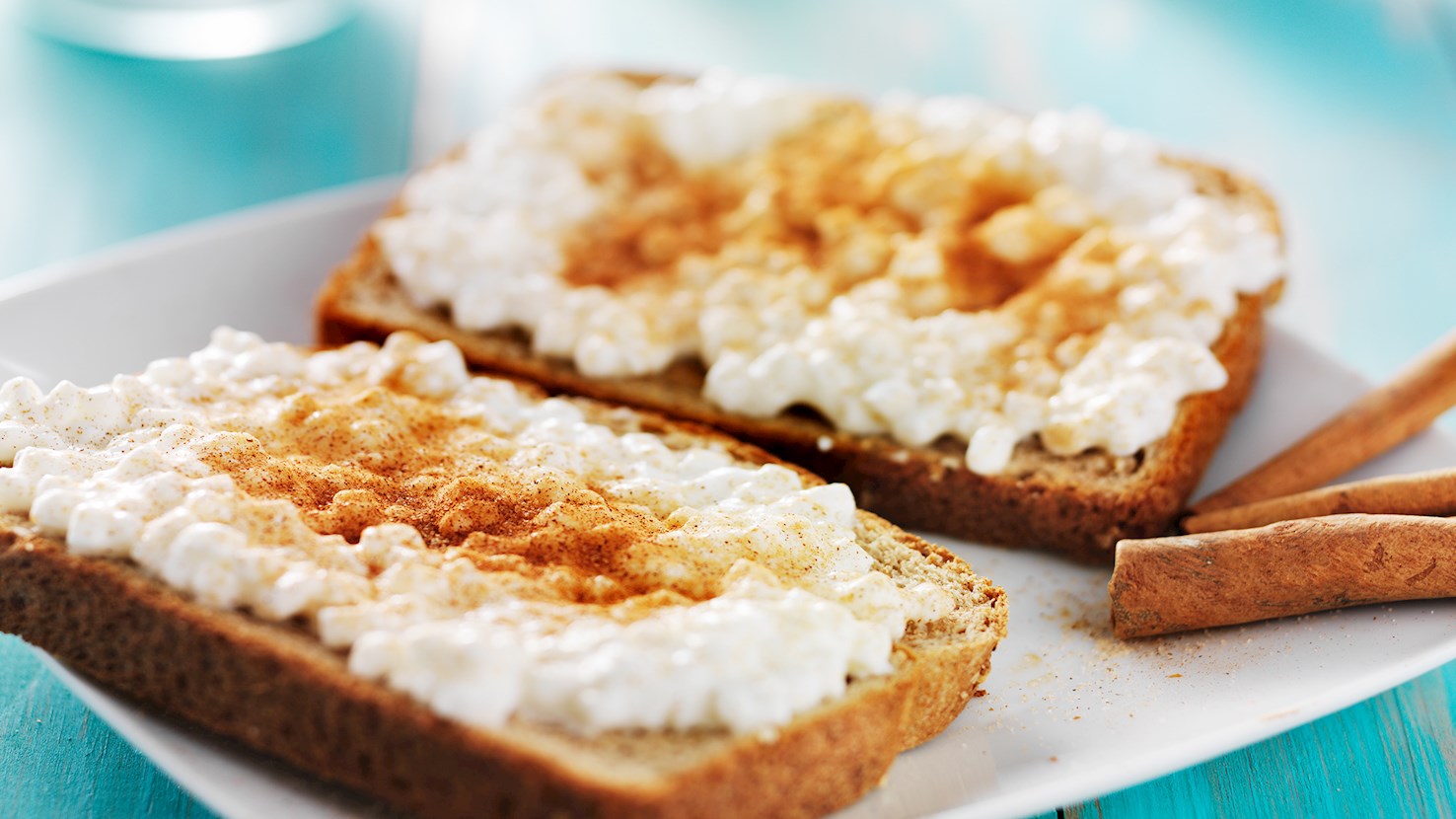
It makes a delicious breakfast, it can be served as a dessert topped with sugar or cinnamon, it goes well with bread and honey or pumpkin jam (doce de abóbora), and it makes a great appetizer simply spread on sliced bread. It is also frequently used as a base for cheesecakes and cheese tarts (queijadas).

04

Omorro Amanteigado

4.0 ·

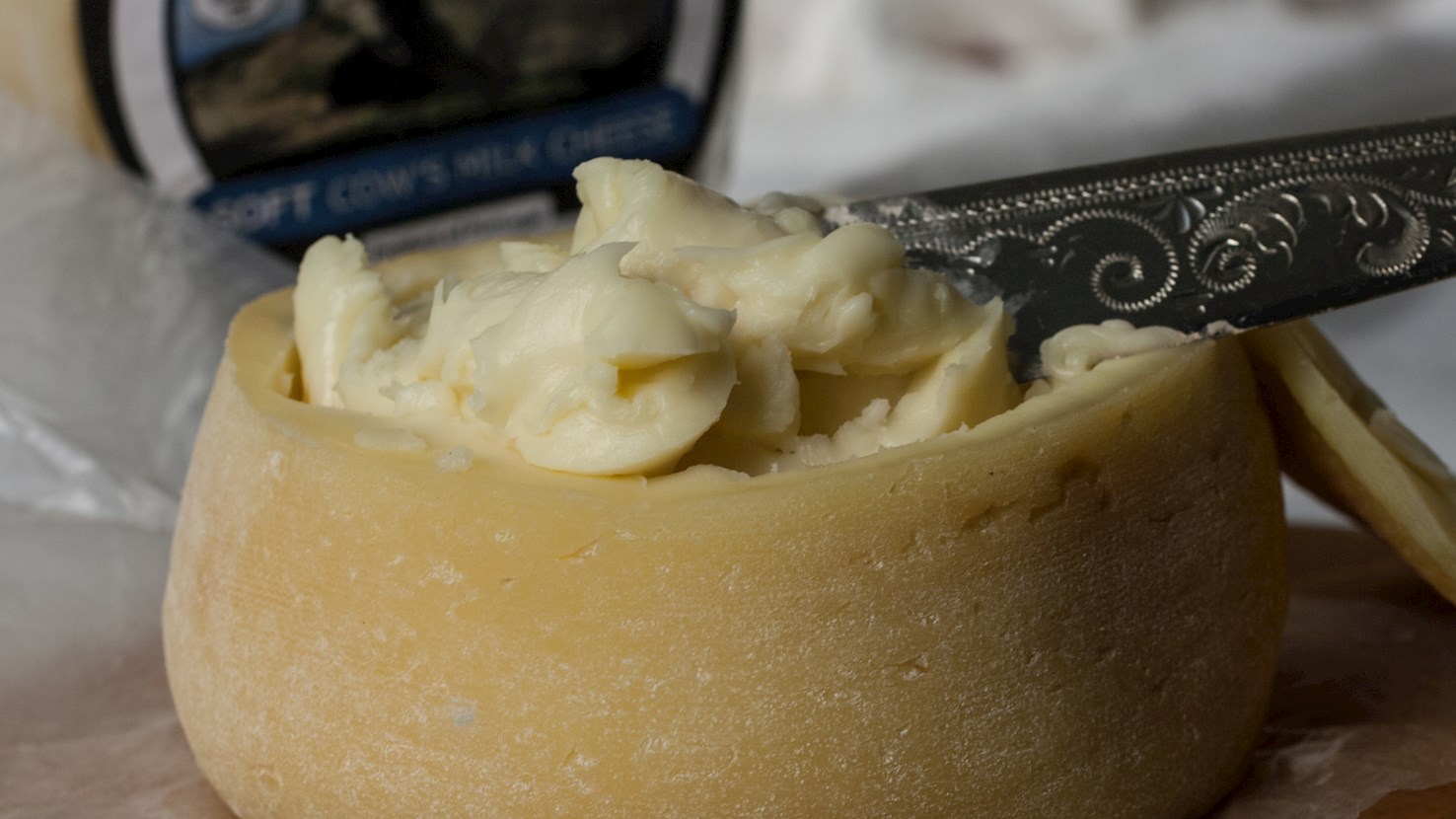
Omorro amanteigado is a soft cow's milk cheese originating from Faial island in the Azores. The milk is pasteurized and comes from Holstein and Simmental cows. The dairy is located near the natural reserve of Morro del Castelo Branco, and this cheese has been produced there since 2012 by Rui Caldeira and his family. Omorro is very creamy and buttery in texture, while the flavor is slightly tangy with savory notes. The cheese can be sliced, but its top can also be peeled off and the gooey interior can be used as a decadent dip. Apart from the flagship cheese, there are also versions flavored with hot peppers and garlic-and-parsley.

05

Zimbro

3.4 ·

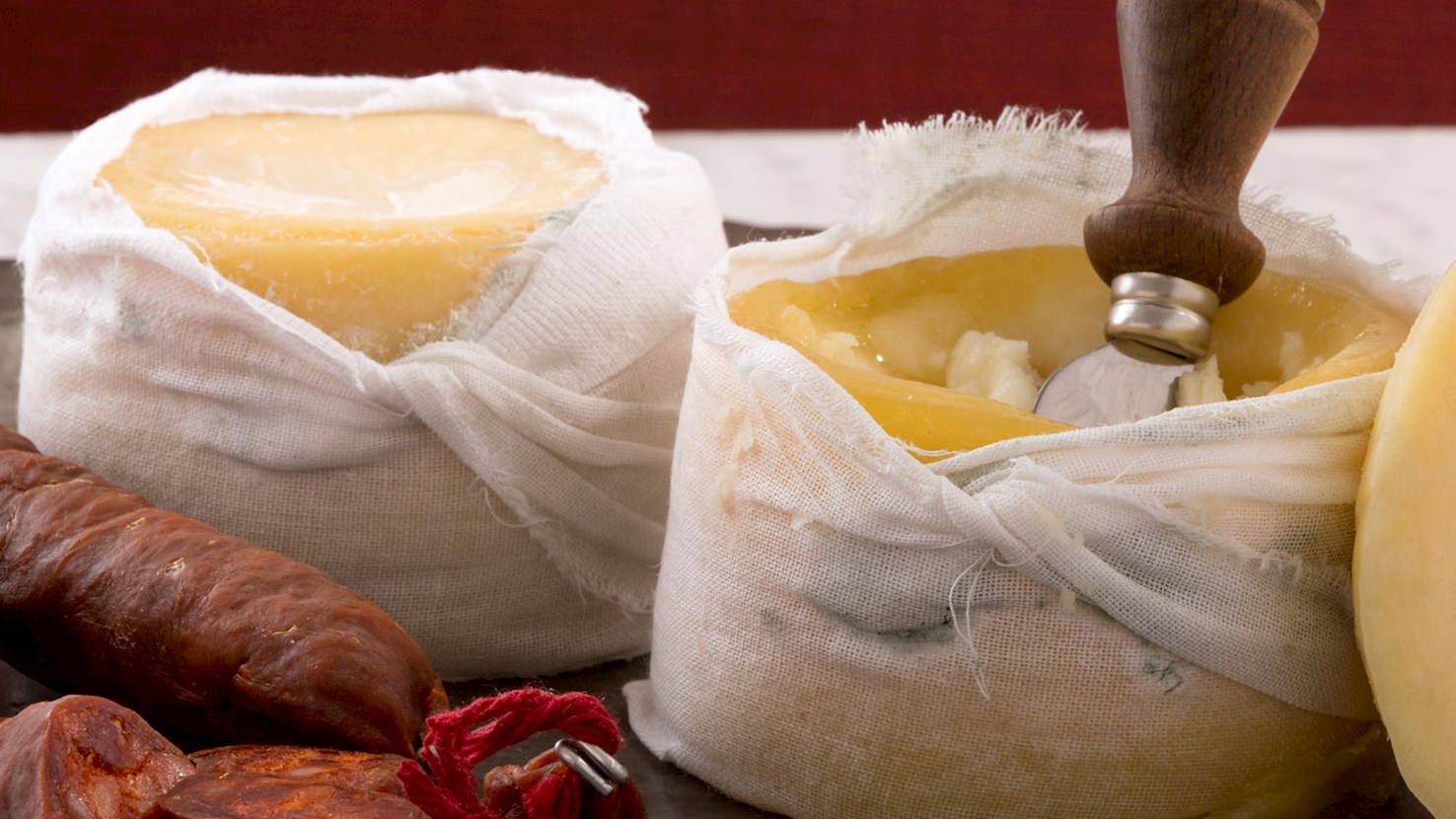
Zimbro is a Portuguese cheese produced in the Serra da Estrela mountains. The cheese is made from raw sheep's milk and thistle rennet. It's aged for 60 days in order to produce a thick, pudding-like interior that hides beneath its washed rind. The interior is kept in place as the cheese is traditionally bound with strips of white cloth. The aromas are clean, while the flavors range from herbal and fruity to sweet and slightly sour. The top of the cheese is typically sliced off, and the interior can then be scooped. It's recommended to pair Zimbro with Crianza Rioja.

06

Travia da Beira Baixa

2.4 ·

This Portuguese whey cheese is made from either sheep or goat milk whey left over from the cheesemaking operations in the Beira Baixa historical region, now Castelo Branco. The delicate, unfermented travia has a grainy but spreadable texture, and a pleasant, sweet lactic flavor. In Portugal, travia is one of the breakfast favorites, and it is usually enjoyed fresh, spread over toasted sourdough bread, sprinkled with sugar and ground cinnamon.

About this Ranking

TasteAtlas food rankings are based on the ratings of the TasteAtlas audience, with a series of mechanisms that recognize real users and that ignore bot, nationalist or local patriotic ratings, and give additional value to the ratings of users that the system recognizes as knowledgeable.

TasteAtlas Rankings should not be seen as the final global conclusion about food. Their purpose is to promote excellent local foods, instill pride in traditional dishes, and arouse curiosity about dishes you haven’t tried.

The initial list of top producers was compiled based on available reviews, awards, local recommendations, media and blog coverage, and consumer reviews. The list will be updated with ratings from TasteAtlas local ambassadors and TasteAtlas users.

What People Say

Similar Lists