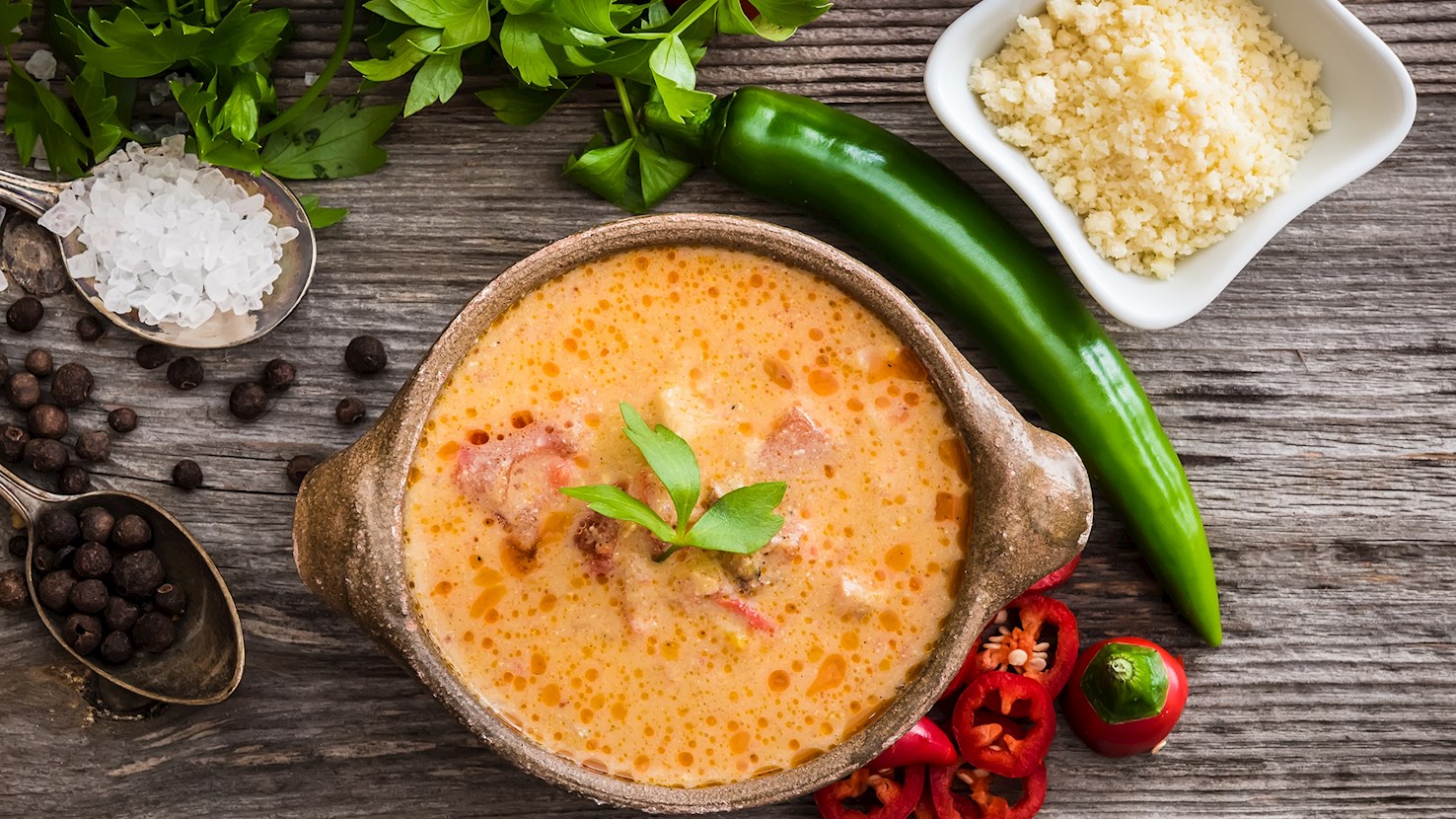
Caldo de queso is a simple Mexican soup featuring potatoes, green chilies, chicken broth, and cheese. It is important to add the cheese last in order for it to turn the soup creamy without producing large mounds of cheese in the liquid. The soup is traditionally served with fried corn tortilla chips on the side.
A traditional dish from Mexico's Yucatan Peninsula, sopa de lima is a spicy, flavorful chicken and tomato soup, contrary to its name that would make one think limes are the main ingredient in the dish. However, the soup is flavored with unique, bittersweet Yucatan limes and spicy habanero peppers. Since native Yucatan limes are scattered throughout the peninsula, it is no wonder that they are incorporated in numerous recipes of Yucatecan cuisine. A hearty, healthy soup from a warm climate, sopa de lima is also great as a winter comfort food. Although the origins of this soup are still a mystery, some food historians claim that it was most likely derived from an ancient Mayan dish.
Tarascan puréed bean soup hails from the Mexican state of Michoacán, home of the Tarascan or Purépecha people — one of the major pre-Columbian civilizations of Mesoamerica. Their culture flourished from 1100s to the early 1500s, but by the 1530, Purépecha people had succumbed to the Spanish conquistadors who eventually named them Tarascos, hence the name sopa Tarasca. Apart from the beans — which are usually cooked together with tomatoes in a simple chicken broth — this dish is a great source of both fresh and dried chili peppers, most of which are native to the New World like the smoked pasilla de Oaxaca, which imparts not only a delicate heat but also adds a nice smoky flavor to this hearty soup.
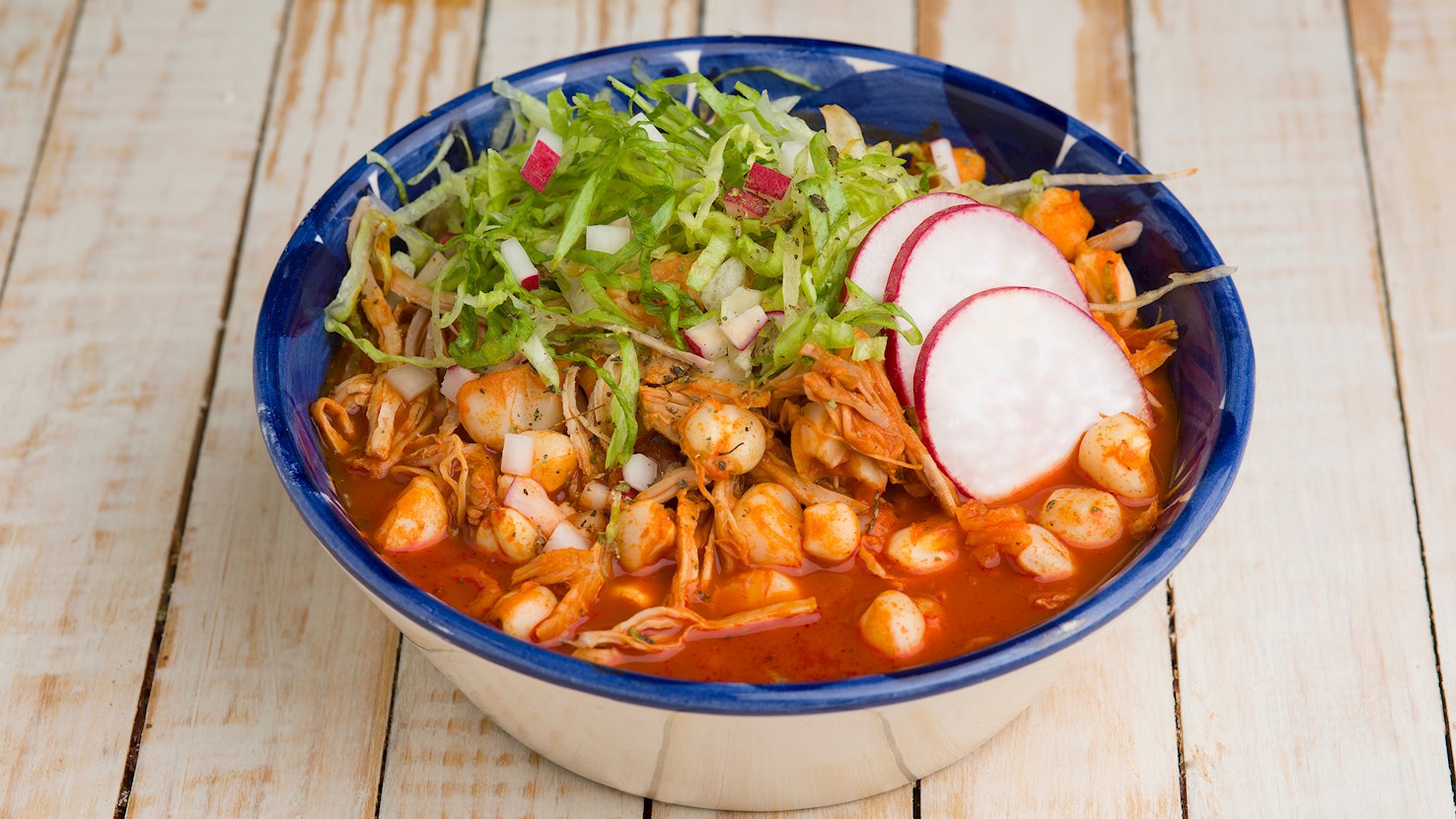
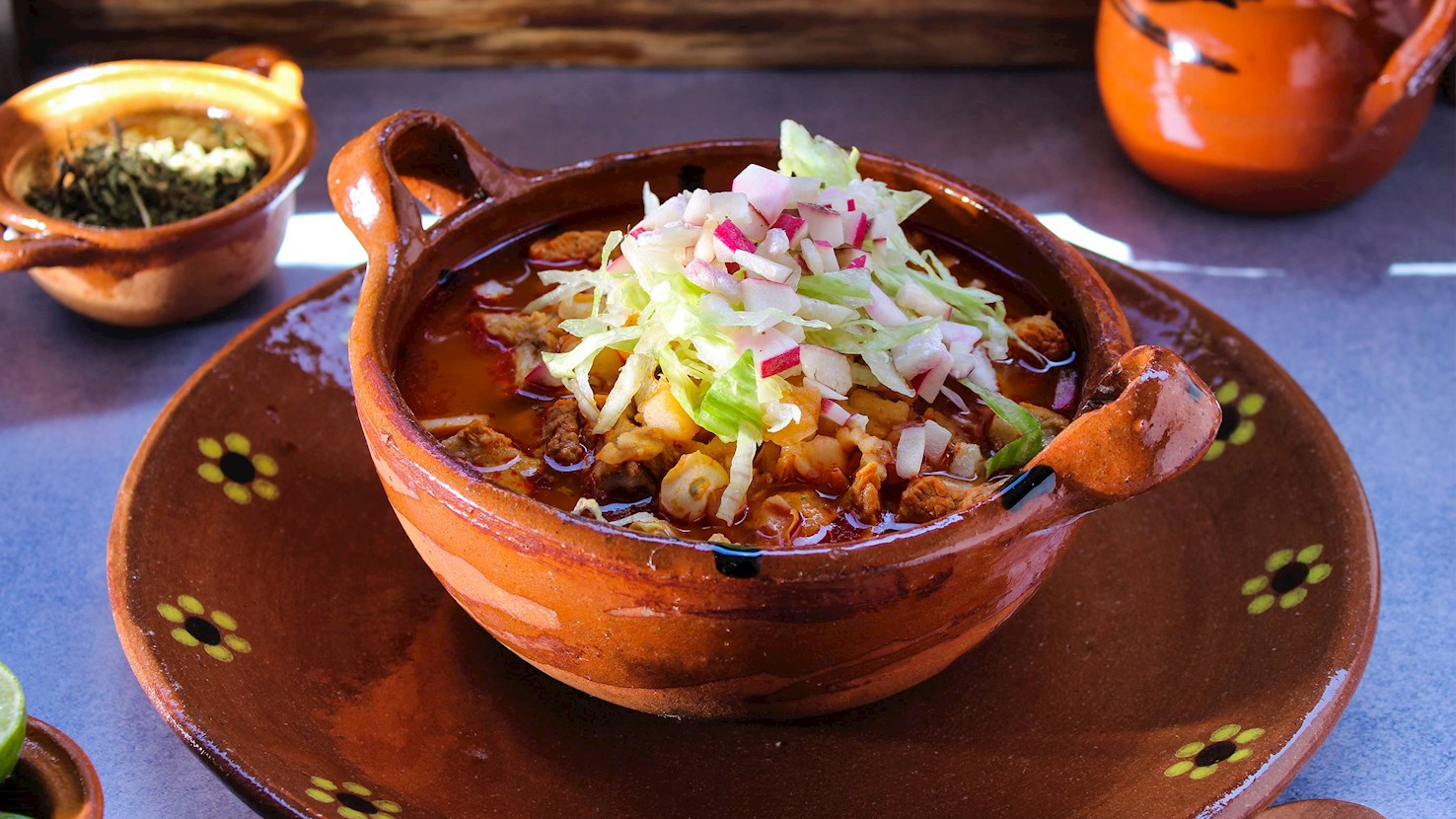
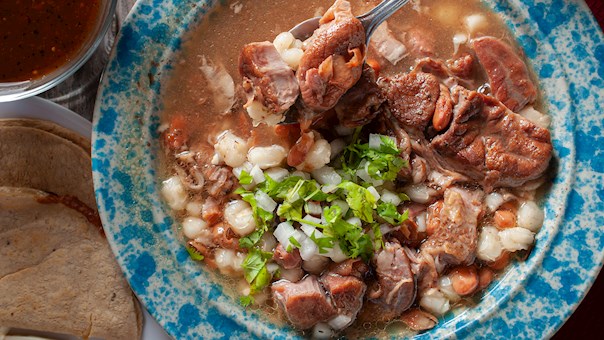
Pozole is a soupy and aromatic one-bowl stew from Mexico, usually served to crowds on special occasions and celebrations such as Christmas, weddings, or birthdays. Its main ingredient is nixtamal or hominy - large, dried corn kernels that are pre-cooked in an alkaline solution in order to soften them. The process, known as nixtamalization, makes the solution foamy or potzolli in Nahuatl, which is how pozole got its name. Other ingredients in the dish include a variety of herbs, spices, and meat such as pork, chicken, or seafood, depending on the region. Usual garnishes include lettuce, onion, oregano, pepper, fried tortillas, and lime, so that each guest can add something to the dish according to their preference. The dish has an extremely unusual history - it was invented in pre-Hispanic times and was used in ritual sacrifices, when corn and pieces of human flesh were offered to the gods. After the Spaniards' arrival, cannibalism was banned, and pork became the meat of choice because it tasted similar to human flesh. The Mesoamericans believed that the gods created people out of masa (cornmeal dough), so hominy corn remained in the dish. Pozole can be served in a red, white, or green broth, symbolizing the colors of Mexico's flag. It is also a well-known and popular cure for hangovers, especially in restaurants known as pozolerías that specialize in it. In the state of Guerrero, pozole is especially beloved - at the moment, there are four versions of pozole in this Mexican state.
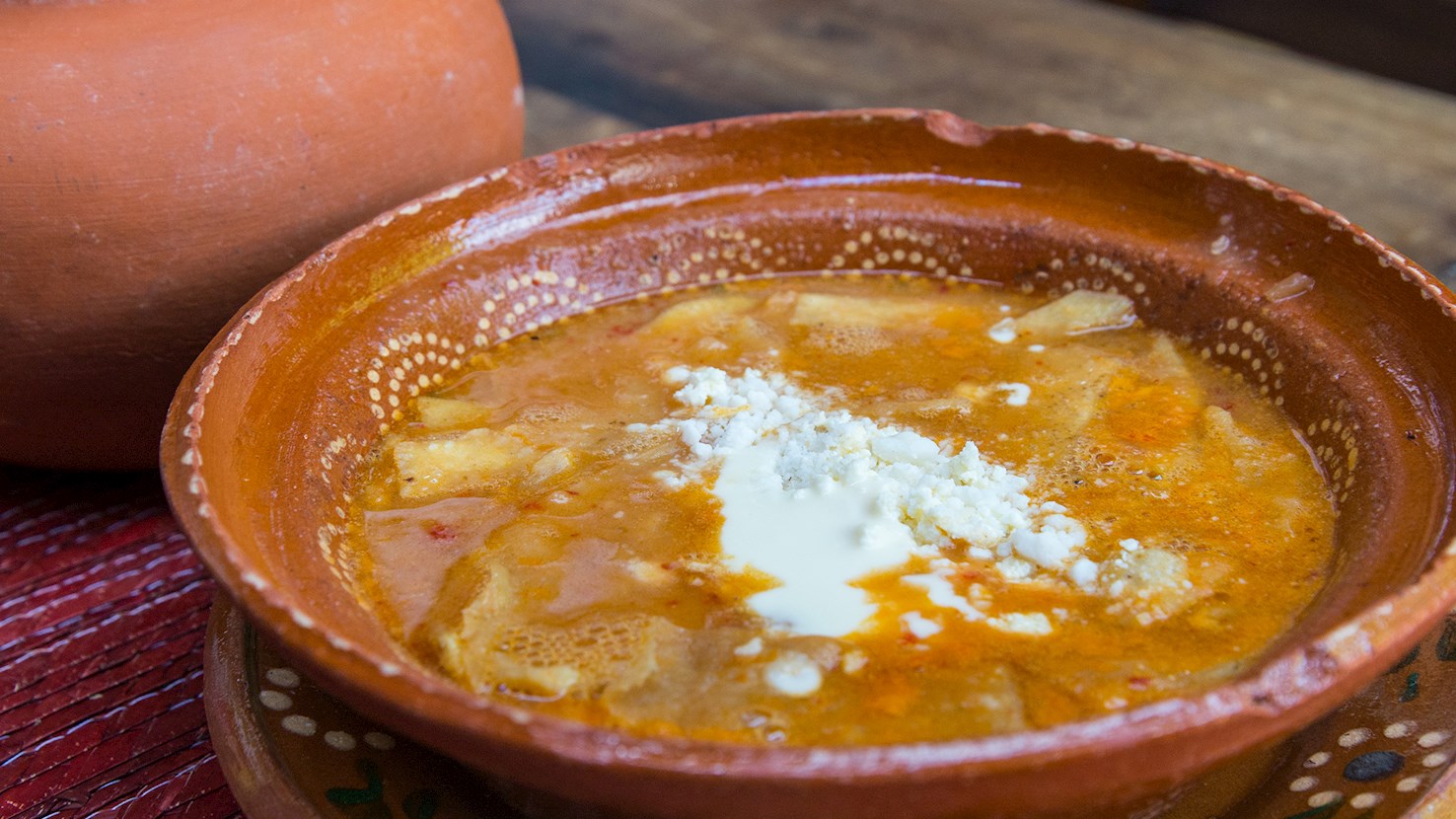
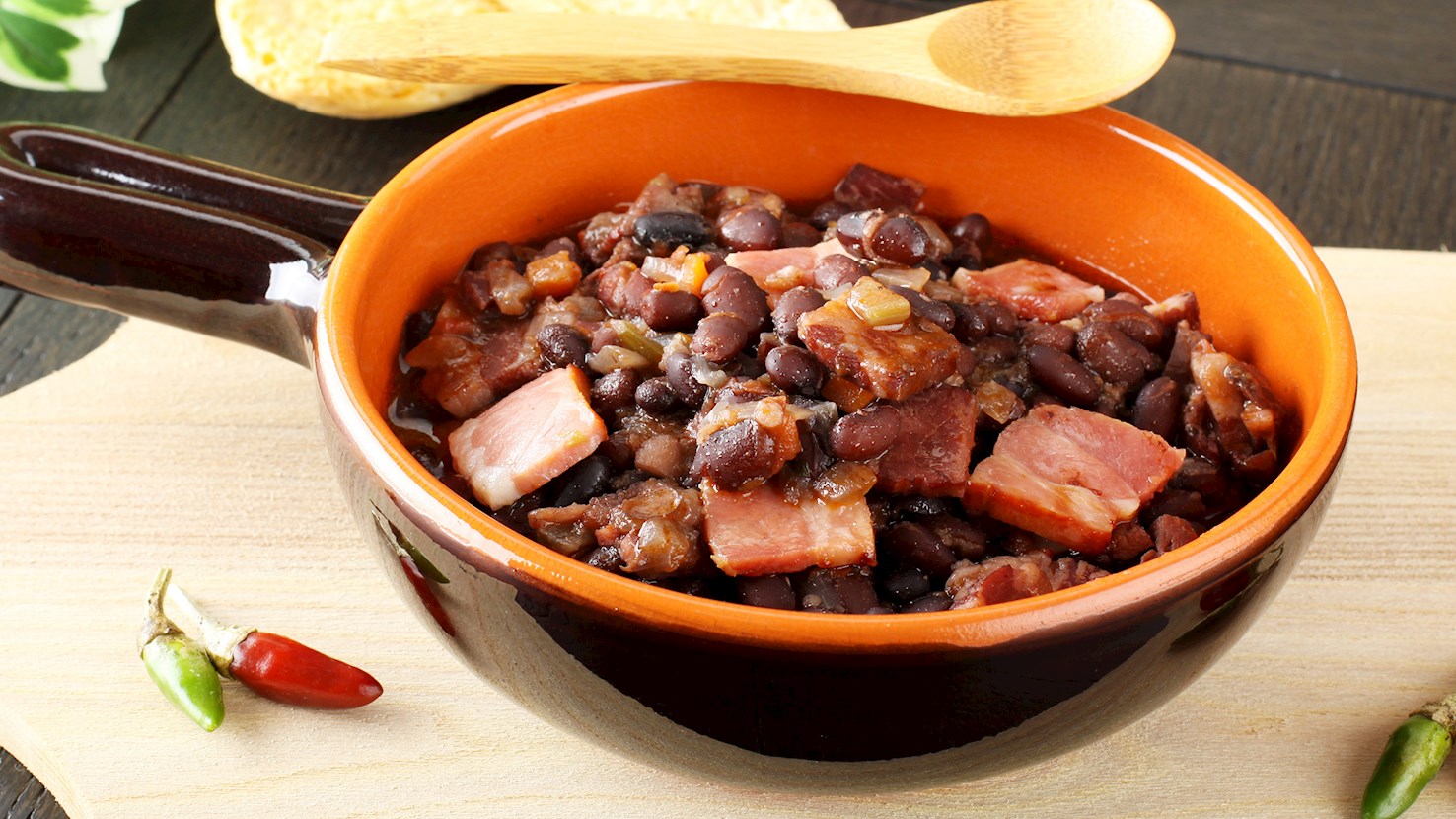
Carne en su jugo is a traditional beef soup with bacon, beans, garlic, and onions. The broth can be additionally flavored with chilis and vegetables. The soup originates from Guadalajara, and it was first made in the 1950s in a restaurant called El Gallo, when it was used as a hangover cure in the late hours of the evening. Today, carne en su jugo is traditionally served in clay plates.
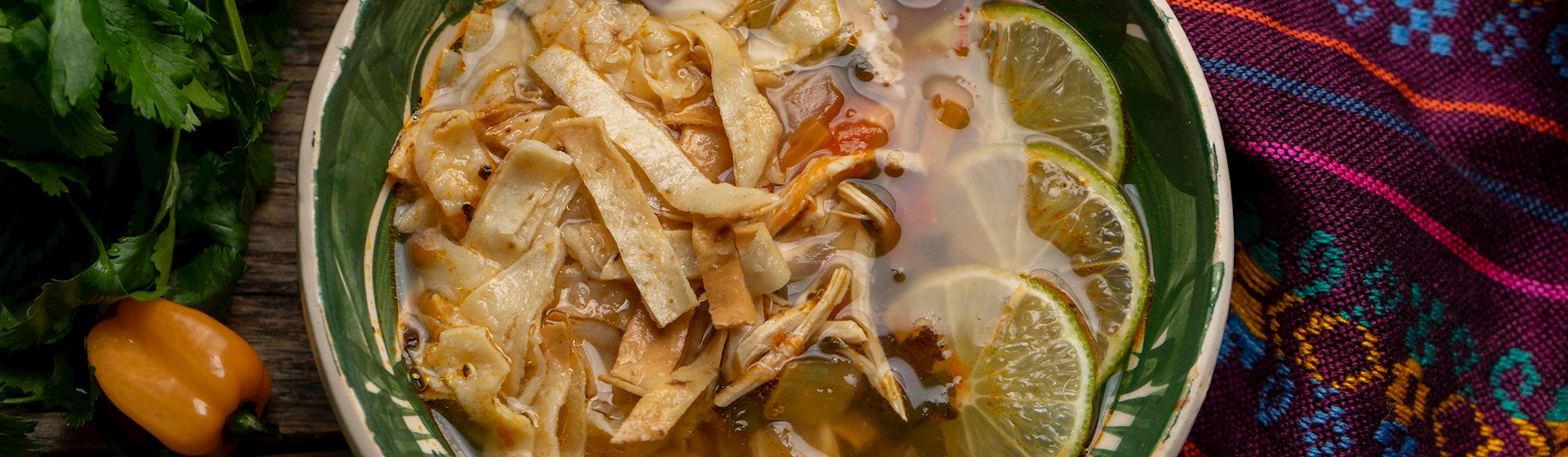
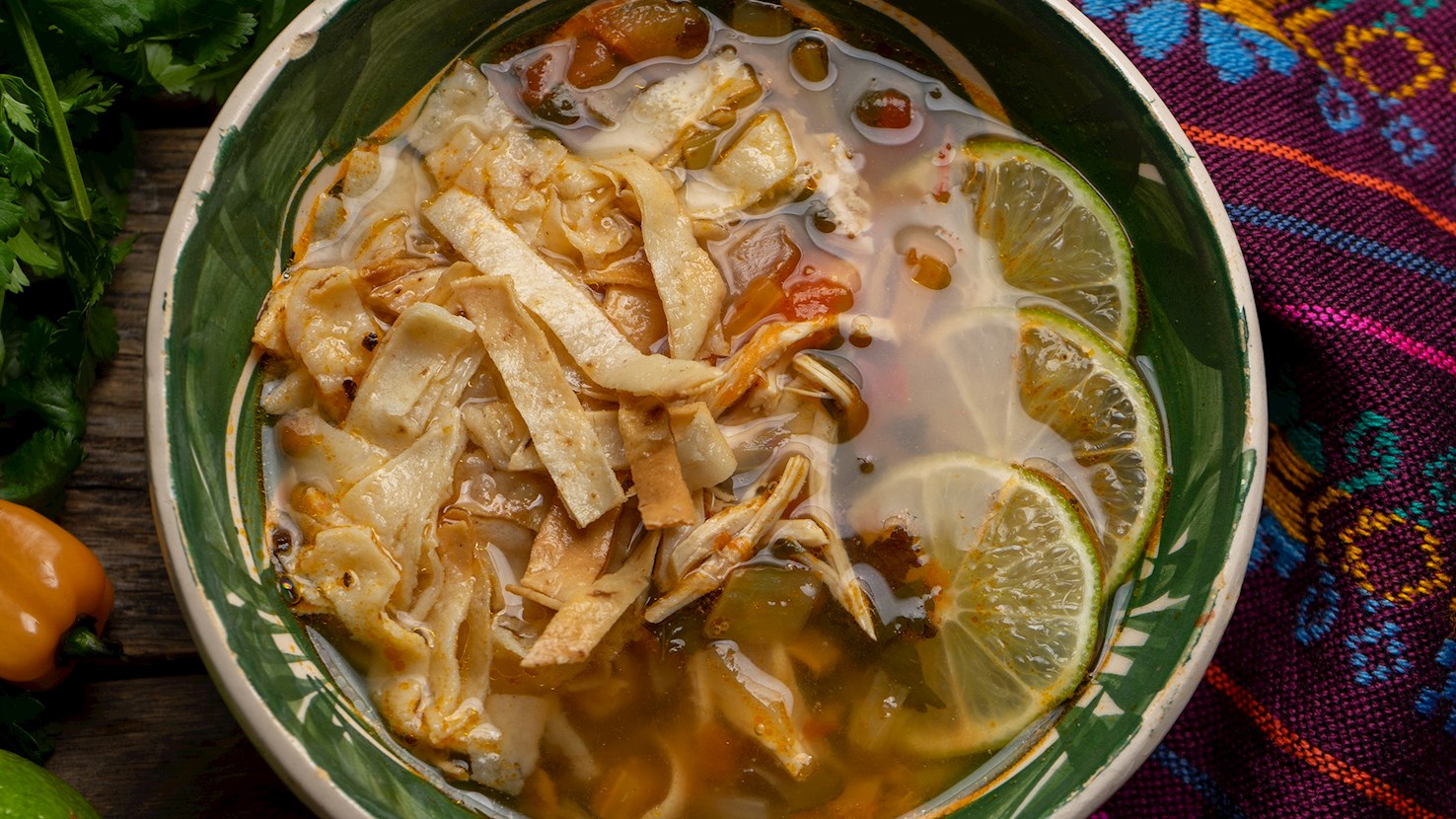
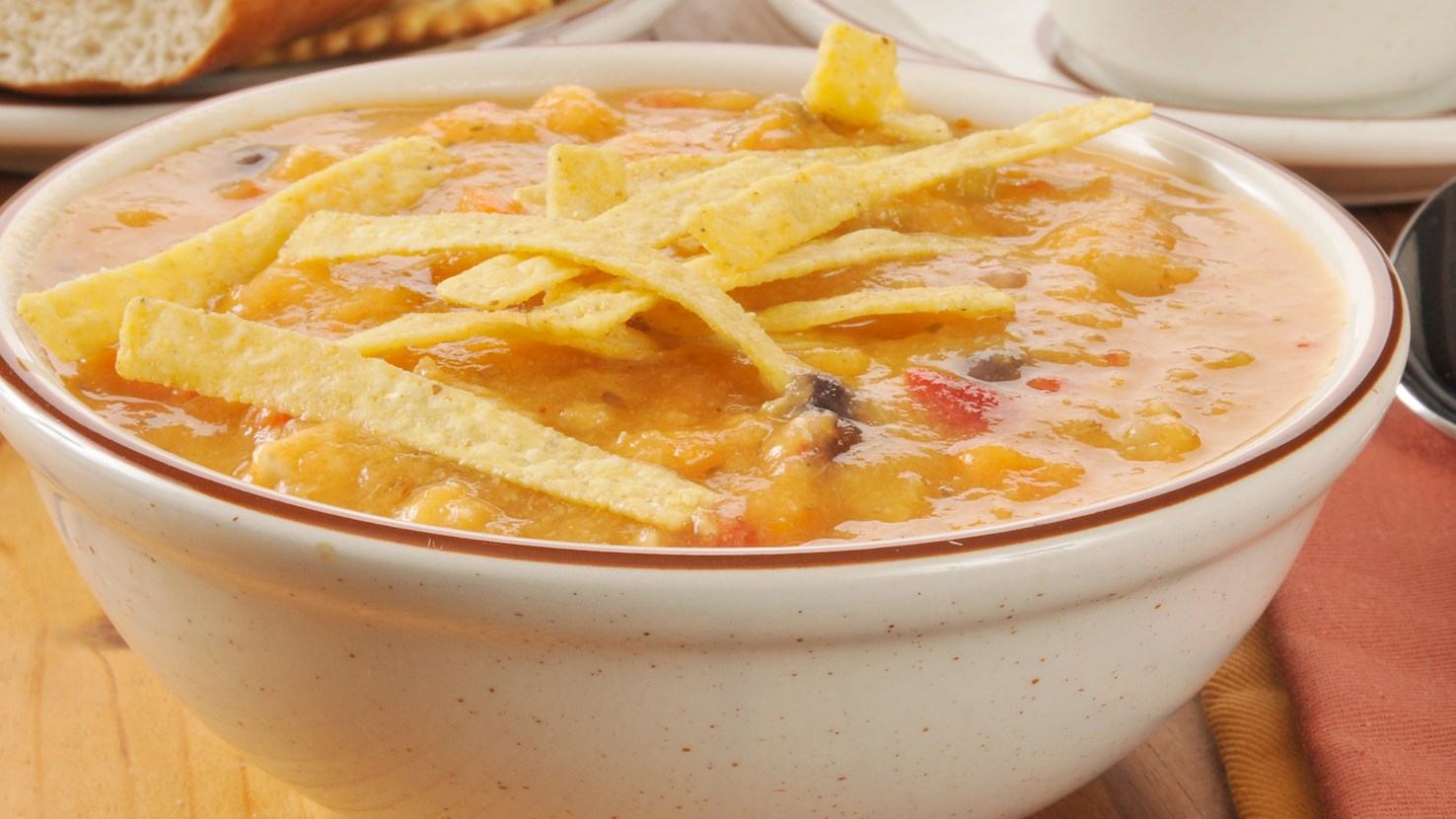
It is said that among numerous ways to enjoy tortillas, one of the best is in this aromatic broth, known as sopa de tortilla. Although little is known about its origins, tortilla soup is a specialty of Mexico City, where this golden chicken broth is enriched with onions, tomatoes, chipotle chiles, epazote, and fried pieces of tortillas. Thick, nourishing, and rich, the combination of those ingredients is elevated by the contrasts in flavors and textures that best characterize typical Mexican comfort food. It is recommended to garnish the soup with avocado slices or grated cheese, and serve it as a starter or as a meal in itself.
Pozole is a soupy and aromatic Mexican stew that comes in three versions – red, white, and green, symbolizing the colors of the Mexican flag. Although there are many variations, pozole rojo or red pozole is usually made with a combination of pork, hominy, onions, garlic, bay leaves, salt, and a thick and spicy red sauce consisting of onions, garlic, salt, pepper, olive oil, ancho chili peppers, and guajillo chili peppers. The ingredients are covered with water, simmered until everything is fully cooked, and then mixed with the sauce and simmered for a few more minutes. The stew is served in individual bowls and it's usually garnished with lime wedges, shredded lettuce, and sliced avocado.
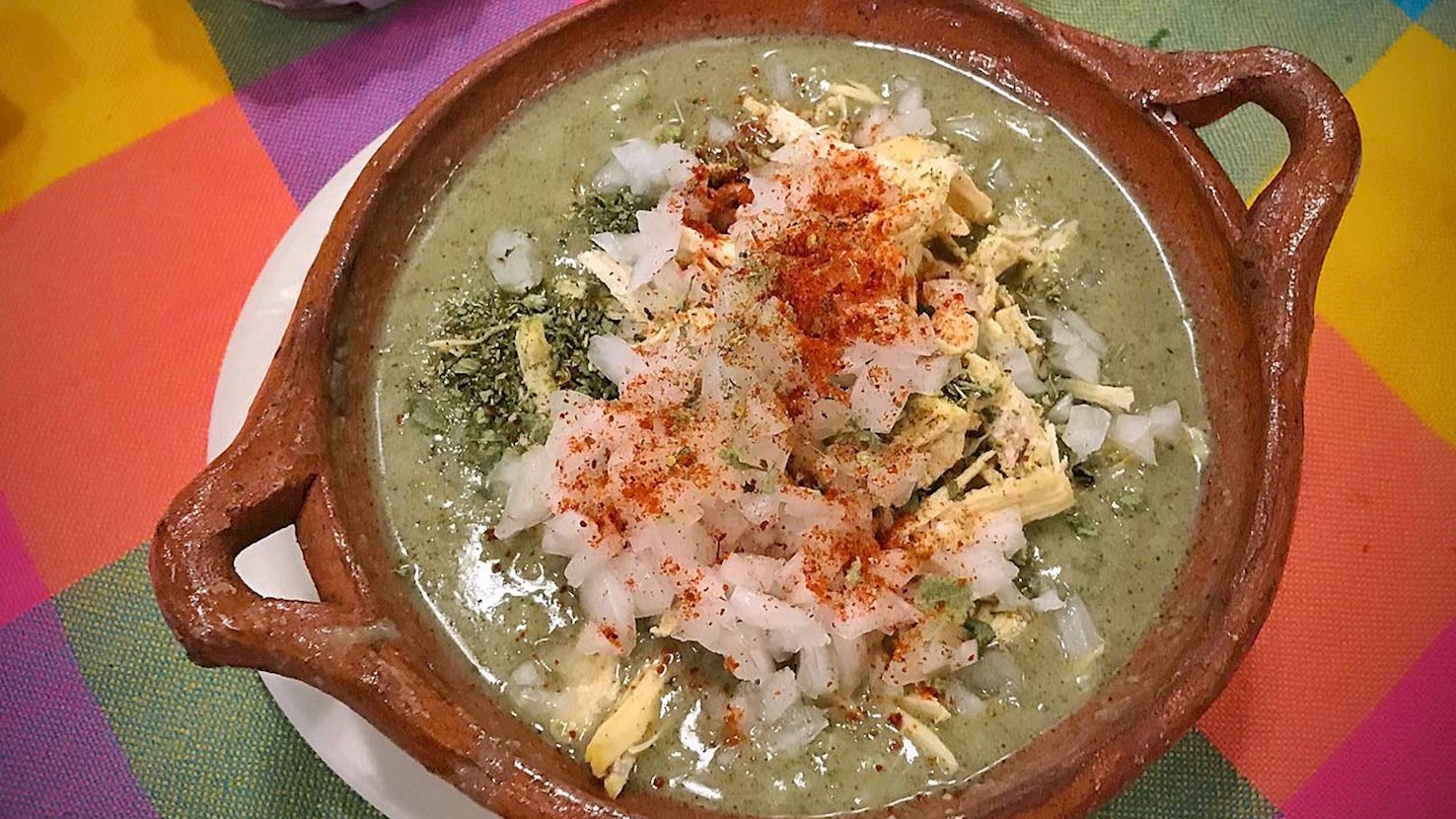
Pozole is a soupy and aromatic Mexican stew that comes in three versions – red, white, and green, symbolizing the colors of the Mexican flag. Although there are many variations, pozole verde or green pozole is usually made with a combination of hominy, chicken or pork (or both), onions, garlic, salt, and a green sauce consisting of poblano and jalapeño peppers, green tomatoes, lettuce, radish or spinach leaves, oregano, cumin, pumpkin seeds, salt, garlic, and onions. The ingredients are covered with water, simmered until everything is fully cooked, and then mixed with the sauce and simmered for a few more minutes. The stew is served in individual bowls and it's usually garnished with shredded lettuce, diced onions, lime wedges, and chicharrónes.
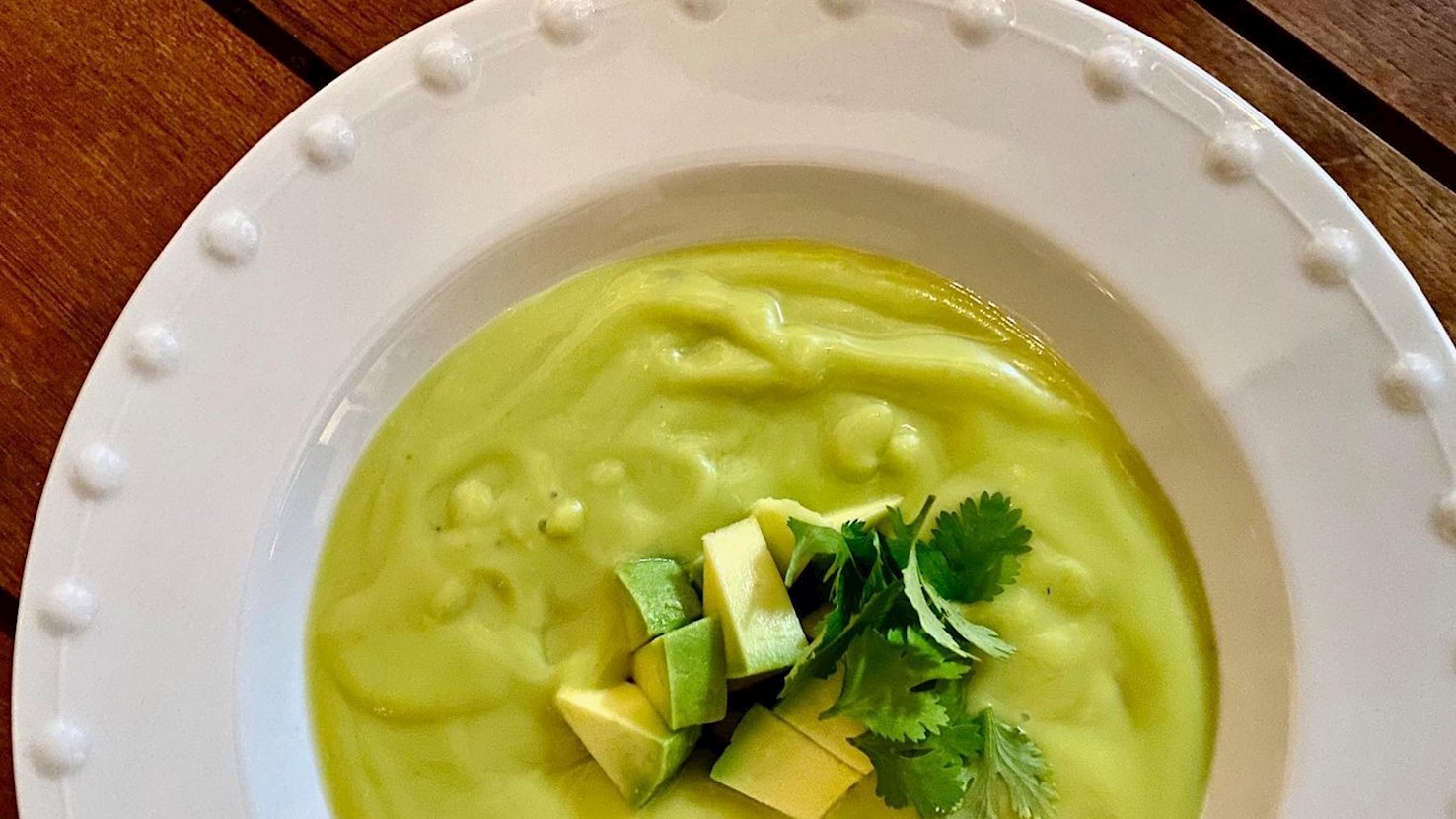
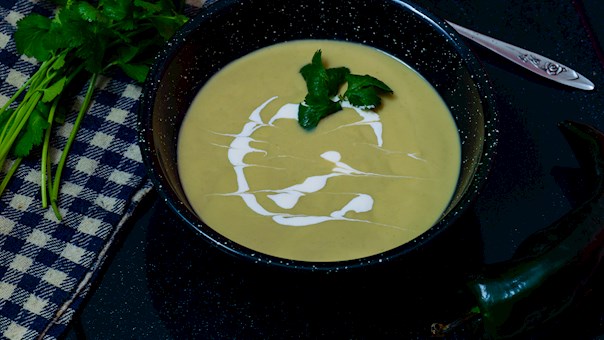
Sopa de aguacate is a traditional soup originating from Central Mexico, but it's popular throughout Latin America. Although there are numerous variations, this pale gren soup is usually made with a combination of avocados, chicken stock or caldo de pollo soup, chipotle chili peppers, and fried pieces of tortilla. The avocados are blended with the stock into a smooth purée, then heated gently so that the mixture doesn't boil. The soup is served immediately, while still warm, and it's topped with the tortilla pieces and chipotle chili peppers torn into pieces. Other versions of the soup also add onions, lemon juice, garlic, or bell peppers into the mix.
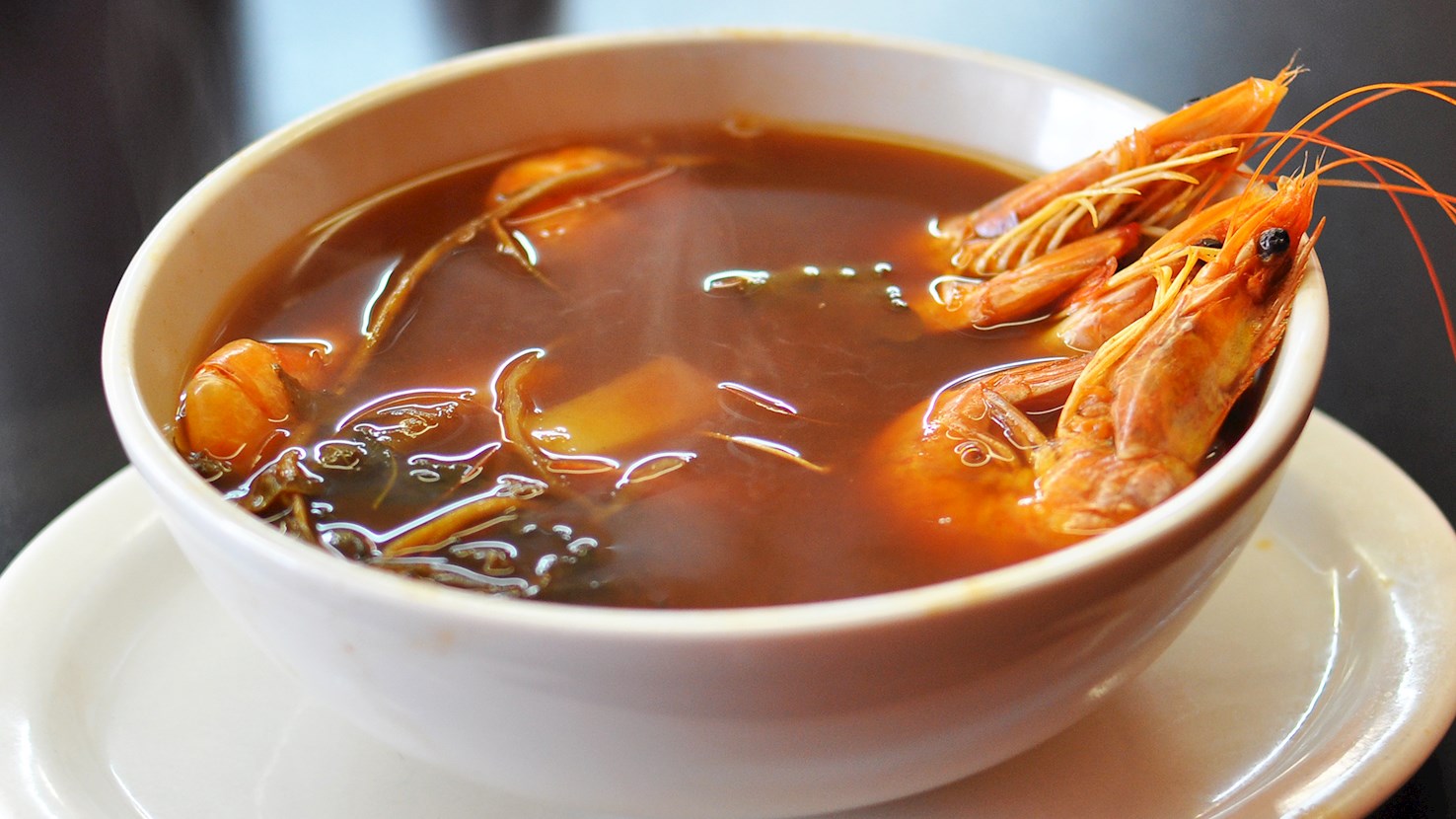
Caldo de camarón is a vibrant, chili-infused seafood soup where whole shrimp and diced root vegetables are simmered in a robust, savory broth. The recipe starts by removing the stems and seeds from dried guajillo, ancho, and pasilla chilies. These brittle pods are soaked in hot water until soft, then blended with roasted tomatoes, raw garlic cloves, and white onions to create a smooth, thick puree. This chili paste is briefly fried in a hot, oiled pot to release its natural oils before a large pour of water or light fish stock is added to form the soup base. Cubes of peeled potatoes, carrots, and chayote squash are dropped into the boiling liquid to soften. Fresh shrimp, often left completely intact with their heads and shells to maximize the release of briny oceanic flavors, go into the pot during the final few minutes of boiling to prevent the meat from turning rubbery. The origins of caldo de camarón trace directly back to pre-Columbian coastal communities that heavily relied on boiling abundant local marine life with native chilies and tomatoes. Over several centuries, this indigenous foundation merged with European agricultural imports, specifically integrating the garlic, onions, and root vegetables introduced during colonization to establish the modern version. The meal frequently surfaces on menus during the religious fasting period of Lent and holds a strong reputation as a potent hangover cure due to its intense spice and salt levels. Customizing the soup happens right at the table. The steaming bowl arrives alongside fresh lime wedges, which are squeezed directly into the broth to cut through the heat with sharp acidity. Handfuls of finely diced white onions and chopped cilantro are tossed over the top for raw crunch, while stacks of warm corn tortillas or packets of brittle saltine crackers sit nearby to be submerged in the spicy liquid. Modifying the baseline recipe completely changes the texture and taste. Some kitchens swap the fresh seafood for sun-dried shrimp, resulting in a much saltier, sharper broth with a funky, concentrated flavor. Other versions thicken the soup by dropping small, indented dumplings made from fresh corn masa directly into the boiling pot, where they absorb the liquid. Expanding the protein selection entirely transforms the bowl into a wider seafood medley, adding raw octopus tentacles, clams, and chunks of white fish alongside the shrimp for a denser, meatier stew.
TasteAtlas food rankings are based on the ratings of the TasteAtlas audience, with a series of mechanisms that recognize real users and that ignore bot,
nationalist or local patriotic ratings, and give additional value to the ratings of users that the system recognizes as knowledgeable.
For the “Top 31 Mexican Soups” list until September 15, 2026, 3,330 ratings were recorded, of which 1,259 were recognized by the system as legitimate.
TasteAtlas Rankings should not be seen as the final global conclusion about food. Their purpose is to promote excellent local foods,
instill pride in traditional dishes, and arouse curiosity about dishes you haven’t tried.



What People Say