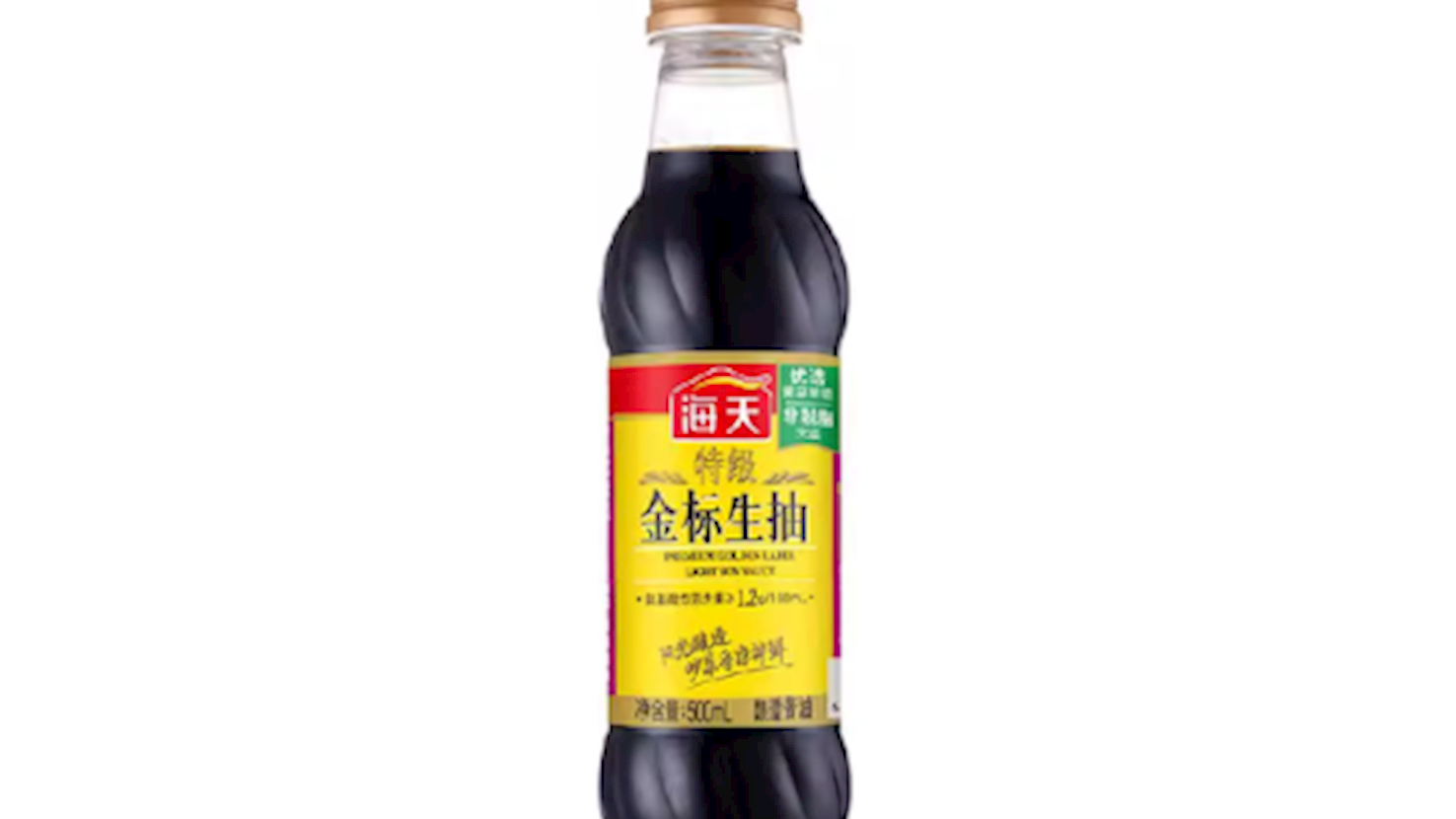
Haitian is China’s largest producer of soy sauce, oyster sauce, and other fermented seasonings, with roots that trace back to traditional workshops of the 16th century in Foshan, Guangdong Province. Its product range covers a broad selection of seasonings - from various types of light and dark soy sauce to oyster sauce, marinades, and modern ready-to-cook sauces designed for global markets.
Haitian is regarded as a benchmark brand in its category due to its consistent quality, adaptability to both domestic and international consumers, and continuous technological innovation in production. The brand has a strong export presence and serves as one of the key gateways for introducing authentic Chinese flavors to international gastronomy.
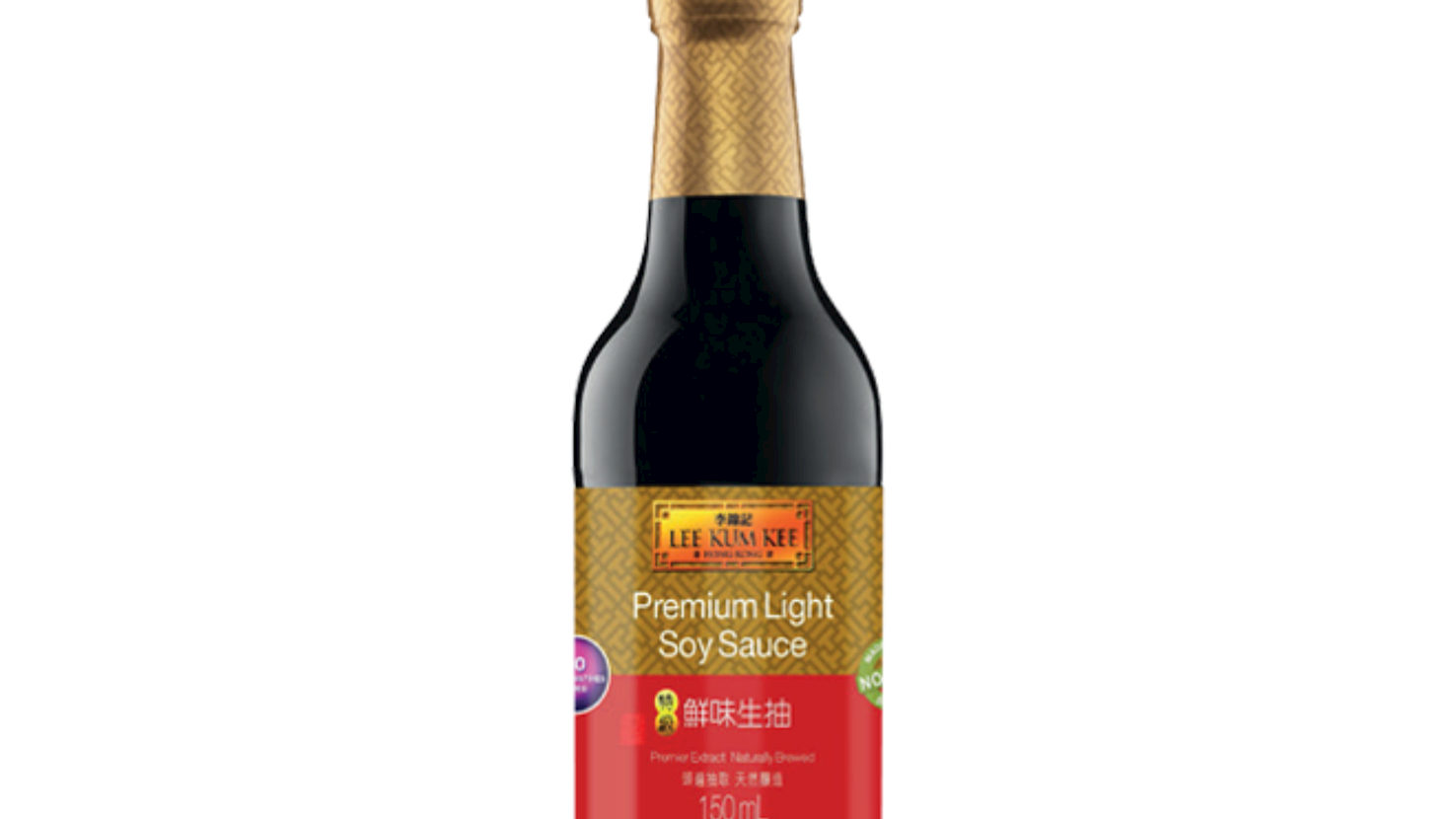
Lee Kum Kee is a Hong Kong-based manufacturer of sauces and condiments and one of the world's oldest and most recognized Asian food brands. Founded in 1888 by Lee Kum Sheung, the company originated after he accidentally invented oyster sauce, which remains its flagship product and one of the most influential ingredients in Chinese cuisine. Over more than 130 years, Lee Kum Kee has grown into a global company offering more than 300 sauces and seasonings, including soy sauces, hoisin sauce, XO sauce, chili sauces, marinades, cooking oils and ready-to-use recipe sauces. The company operates production facilities in China, Hong Kong, Malaysia and the United States, while distributing its products to more than 100 countries and regions worldwide. Lee Kum Kee places a strong emphasis on food safety, quality control and sustainable manufacturing practices, combining traditional recipes with modern production technology. Its products are widely used by both home cooks and professional chefs and have become staples in Asian restaurants around the world. With a heritage spanning more than a century, Lee Kum Kee is widely regarded as one of the leading global ambassadors of authentic Chinese cuisine and a symbol of quality and culinary tradition.
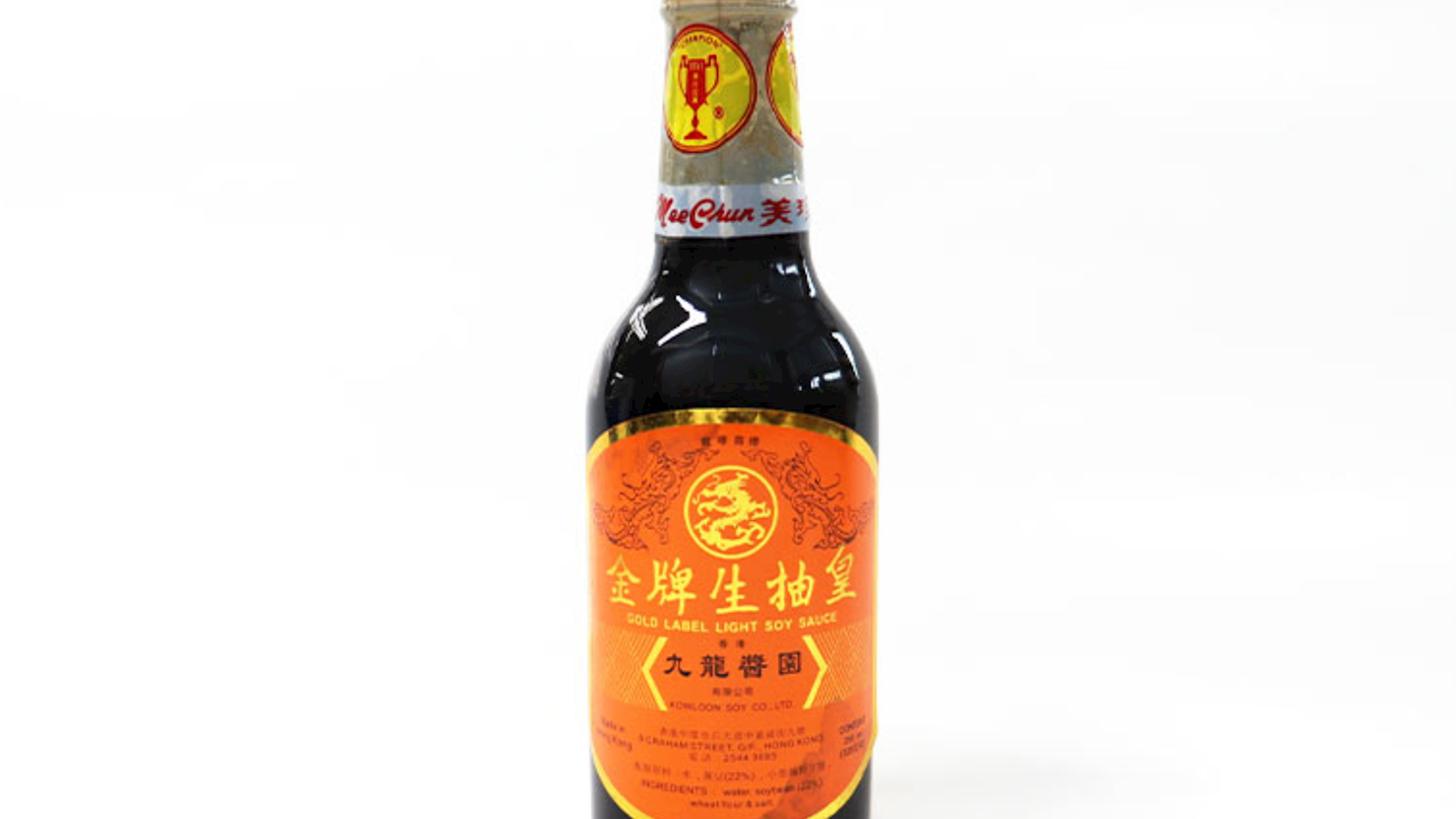
Kowloon Soy Company is one of Hong Kong's oldest soy sauce manufacturers and the city's last remaining producer to continue making premium soy sauce using traditional sun fermentation in large ceramic jars. Founded in 1917 under the name Mee Chun, the company adopted the name Kowloon Soy Company during the Japanese occupation of Hong Kong and has retained it ever since. Its production is based on naturally fermenting non-GM soybeans in salt brine for several months, allowing the sauce to develop a deep, complex umami flavor without the use of rapid industrial processing methods. In addition to light and dark soy sauces, the company produces oyster sauce, hoisin sauce, fermented soybean products, vinegar and traditional Chinese condiments. Remaining committed to small-batch craftsmanship despite competition from large industrial brands, Kowloon Soy Company is widely regarded as a guardian of Hong Kong's culinary heritage. Its products are valued by both professional chefs and home cooks for their authentic flavor, traditional production methods and consistently high quality, making the company an enduring symbol of artisanal soy sauce production in Hong Kong.
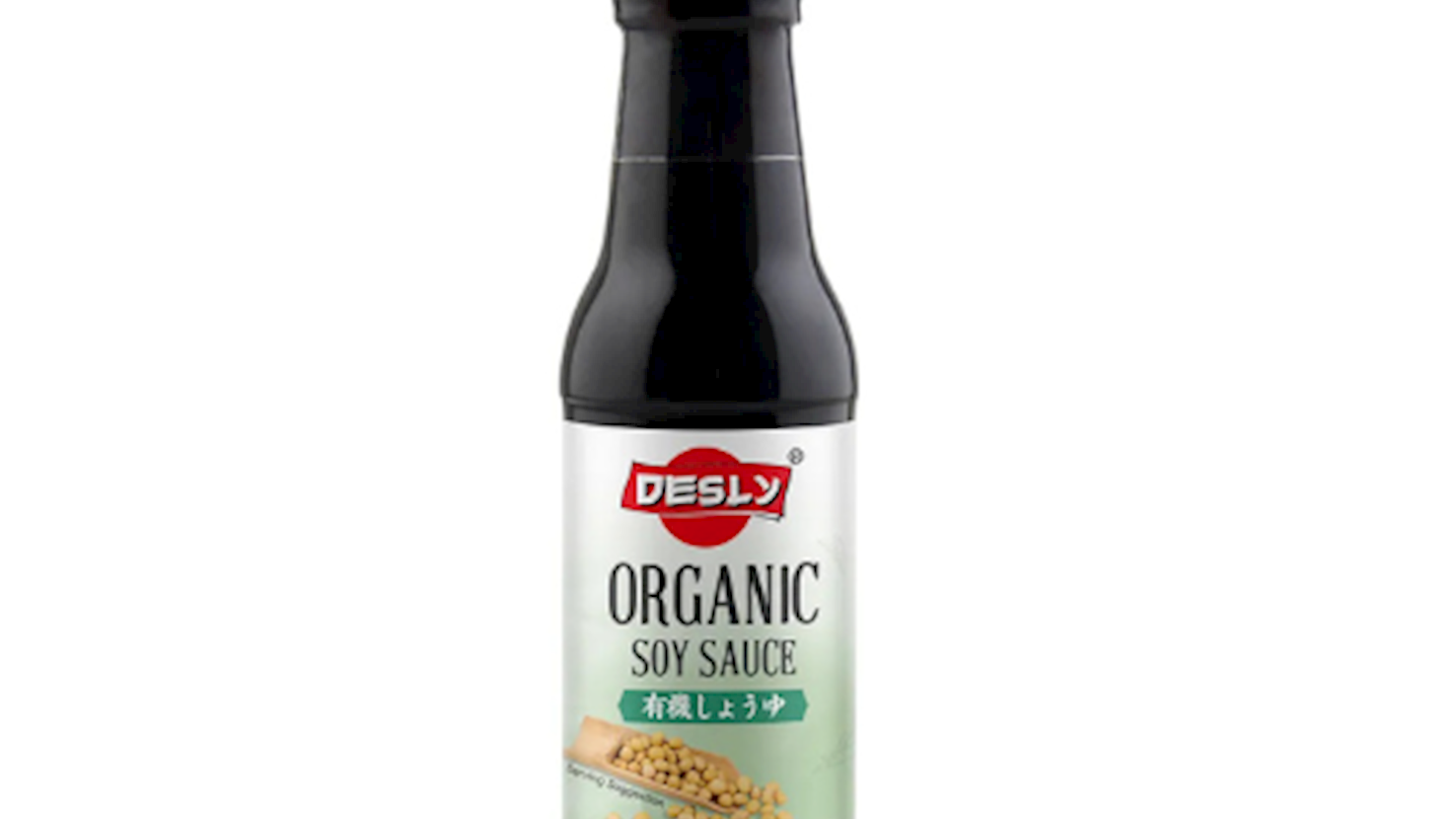
Desly Foods is a well-established manufacturer specializing in the production of high-quality canned food products. Founded in 1996, the company has grown into one of China's leading producers, exporting to international markets.
Desly offers a wide range of products, including canned vegetables, fruits, and ready-to-eat meals. With a focus on food safety and quality, they adhere to rigorous standards, ensuring their products meet both local and global requirements.
The company operates advanced processing facilities, utilizing state-of-the-art technology to maintain consistency and efficiency. Desly is committed to sustainable practices, including using eco-friendly packaging and reducing environmental impact.
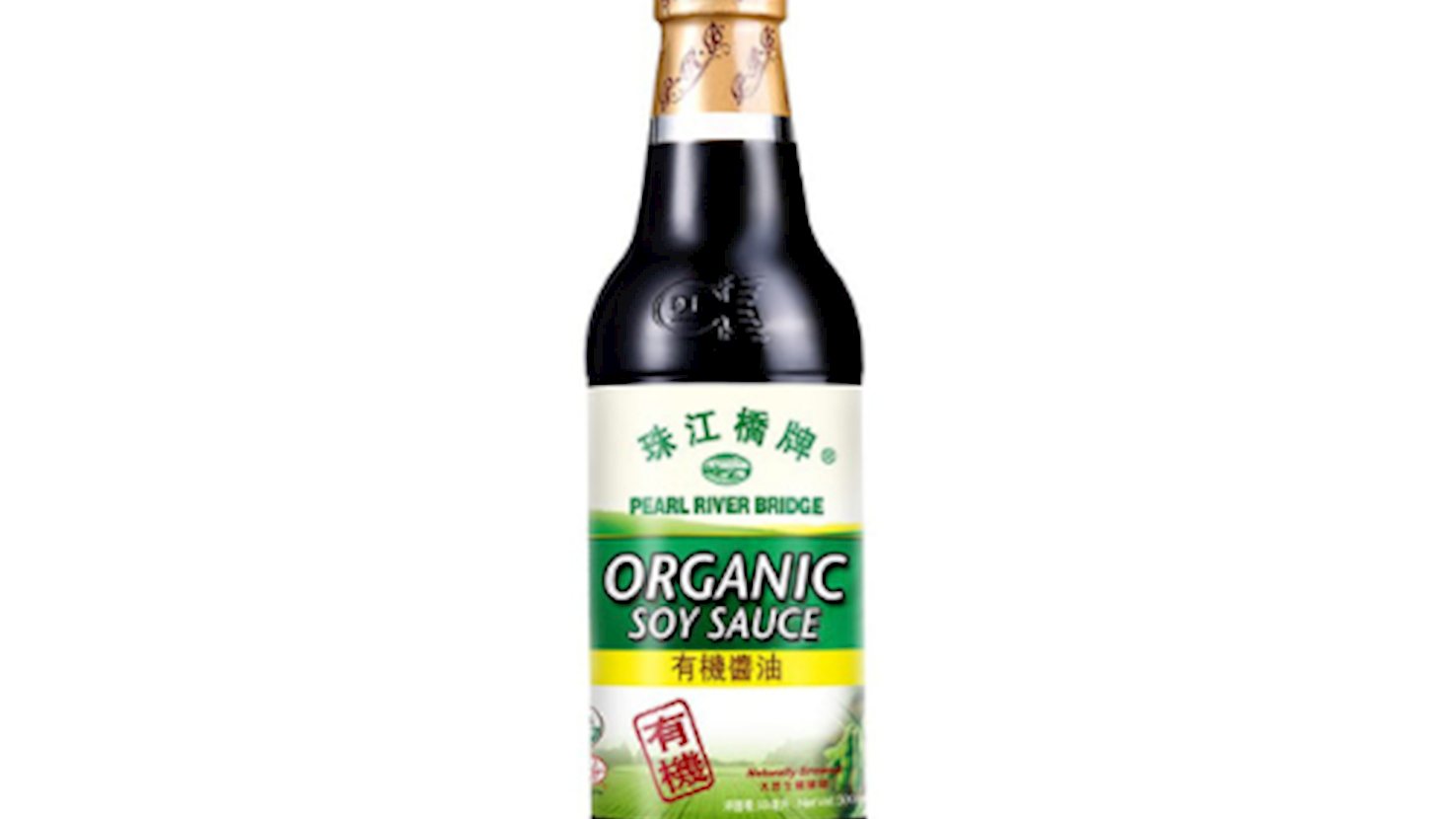
Pearl River Bridge is a renowned Chinese food manufacturer, best known for producing high-quality soy sauces, vinegars, and other condiments. Established in 1958, the company has become a leading brand in both domestic and international markets.
With a commitment to using traditional brewing techniques and premium ingredients, Pearl River Bridge is recognized for its rich, authentic flavors that enhance the taste of a wide variety of dishes. The company’s product range includes soy sauces, oyster sauces, vinegars, and other seasonings that cater to both professional chefs and home cooks alike.
Pearl River Bridge has gained a reputation for consistency, quality, and innovation in the culinary industry.
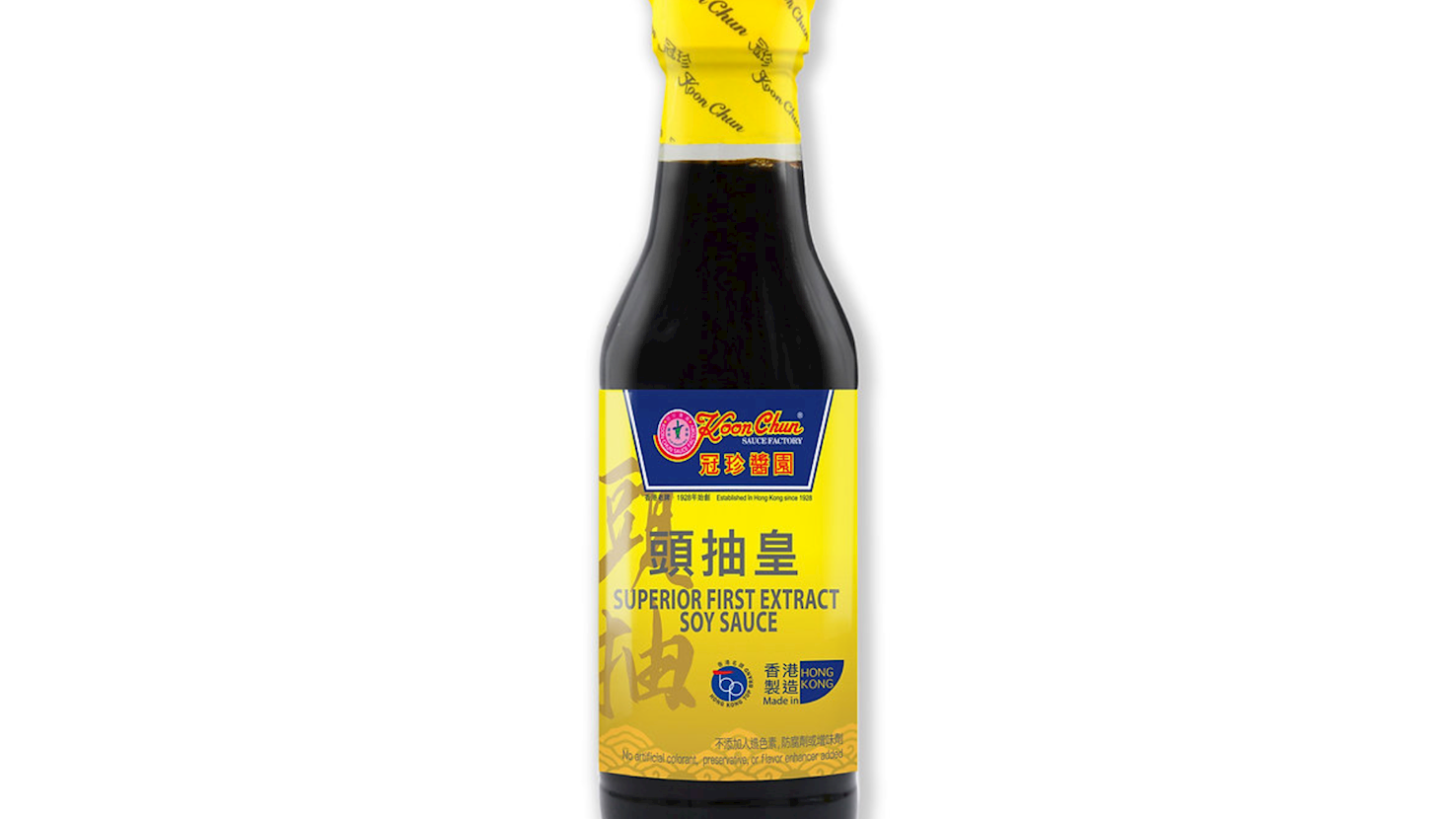
Koon Chun Sauce Factory is a producer of traditional Chinese sauces and condiments whose history dates back to 1928. The company was founded in Kowloon City, and since 1968 its production has been based in Yuen Long, where its factory remains today. For nearly a century, it has specialized in the production of naturally fermented soy sauces and other traditional Cantonese condiments. The company uses non-genetically modified Canadian soybeans and follows a traditional sun-fermentation process that lasts at least six months, without the use of chemical fermentation accelerators, preservatives, or added monosodium glutamate. Its product range includes various types of soy sauce, hoisin sauce, oyster sauce, Chee Hou sauce, black bean sauce, chili sauce, black rice vinegar, and other products commonly used in Chinese cuisine. Koon Chun is known for producing only first-extract soy sauce rather than second or third extracts, resulting in a richer flavor and a higher concentration of natural aromas. Throughout much of its history, the company focused on export markets, and its products became well recognized among Chinese communities and professional chefs around the world.
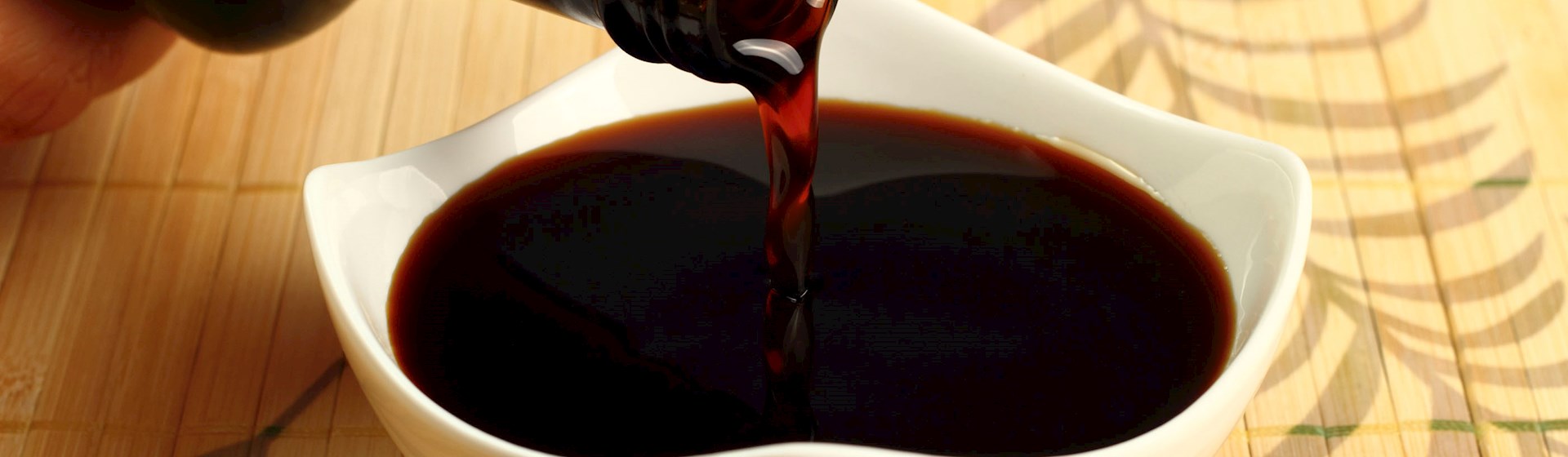
Light soy sauce or shèng chóu is a translucent, thin-bodied fermented liquid condiment made from soybeans, wheat, salt, and water. The emergence of this specific liquid can be traced back to the widespread use of soybean pastes in the Han and Tang dynasties, where the savory liquid byproduct was eventually siphoned off and developed into a standalone seasoning. Unlike meat-based sauces used in earlier eras, this legume-based alternative gained prominence due to its high glutamic acid content and its suitability for diverse dietary requirements across East Asia. Preparation begins with steaming soybeans and mixing them with roasted wheat to serve as a growth medium for Aspergillus oryzae or Aspergillus sojae molds. This mixture, known as qū, is then submerged in a brine solution and kept in large fermentation vats, often exposed to sunlight to facilitate the enzymatic breakdown of proteins into amino acids. The light version is the first extract taken from this process, harvested after several months of aging before any significant thickening or darkening occurs. A specific property of light soy sauce is its high sodium concentration combined with a low viscosity, which allows it to penetrate food surfaces quickly without altering the natural color of the ingredients. It is served both as a fundamental seasoning during the cooking process and as a cold dipping sauce. It is most frequently eaten with steamed seafood, blanched vegetables, and dumplings, where it provides a sharp, salty umami profile. Functional food pairings include white-fleshed fish, which benefit from the sauce's ability to highlight delicate flavors, and lean meats like chicken. Beverage pairings include lightly oxidized oolong teas or pale lagers, which provide a crisp finish that cleanses the palate of the high salt content inherent to the condiment.
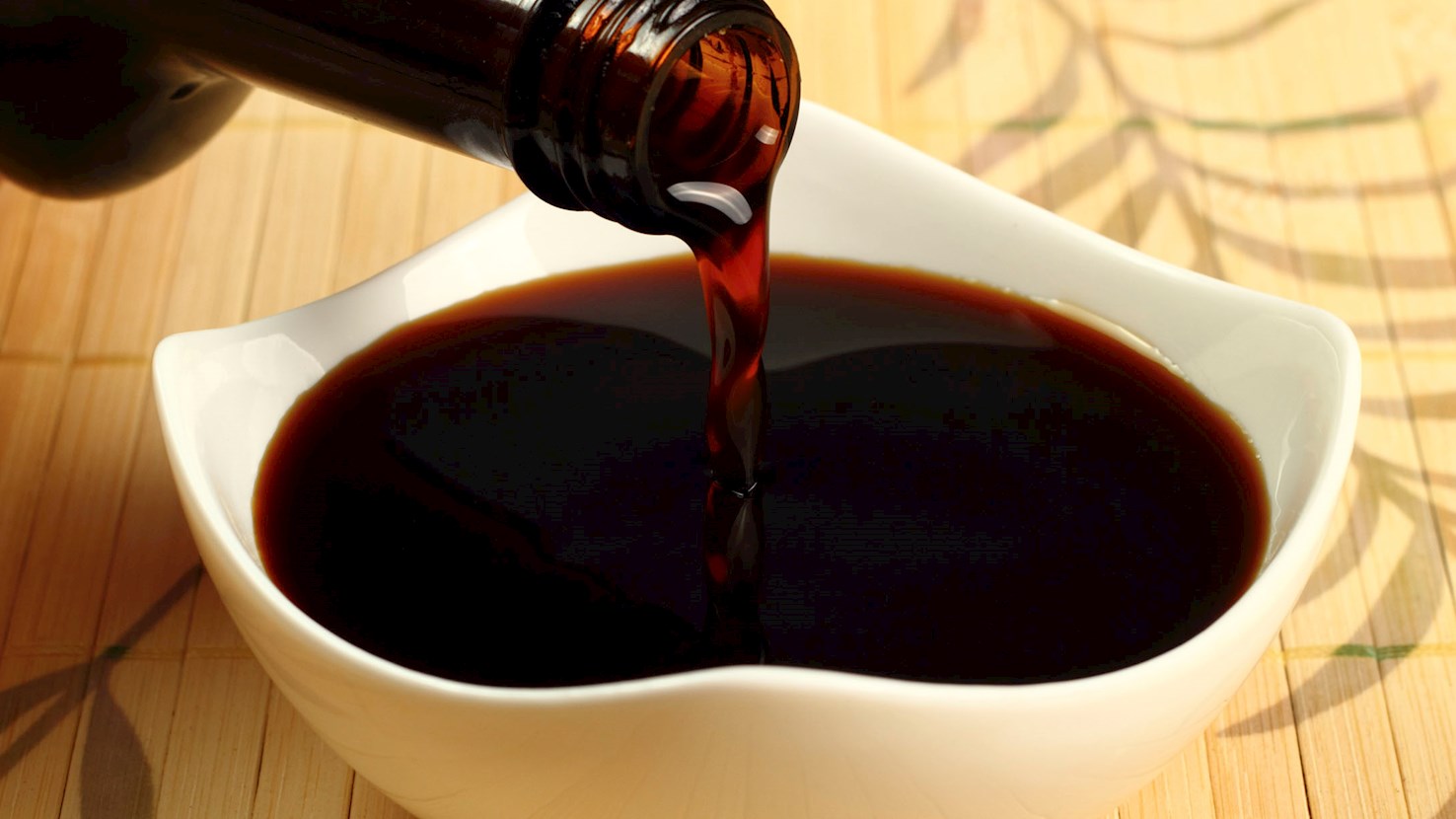
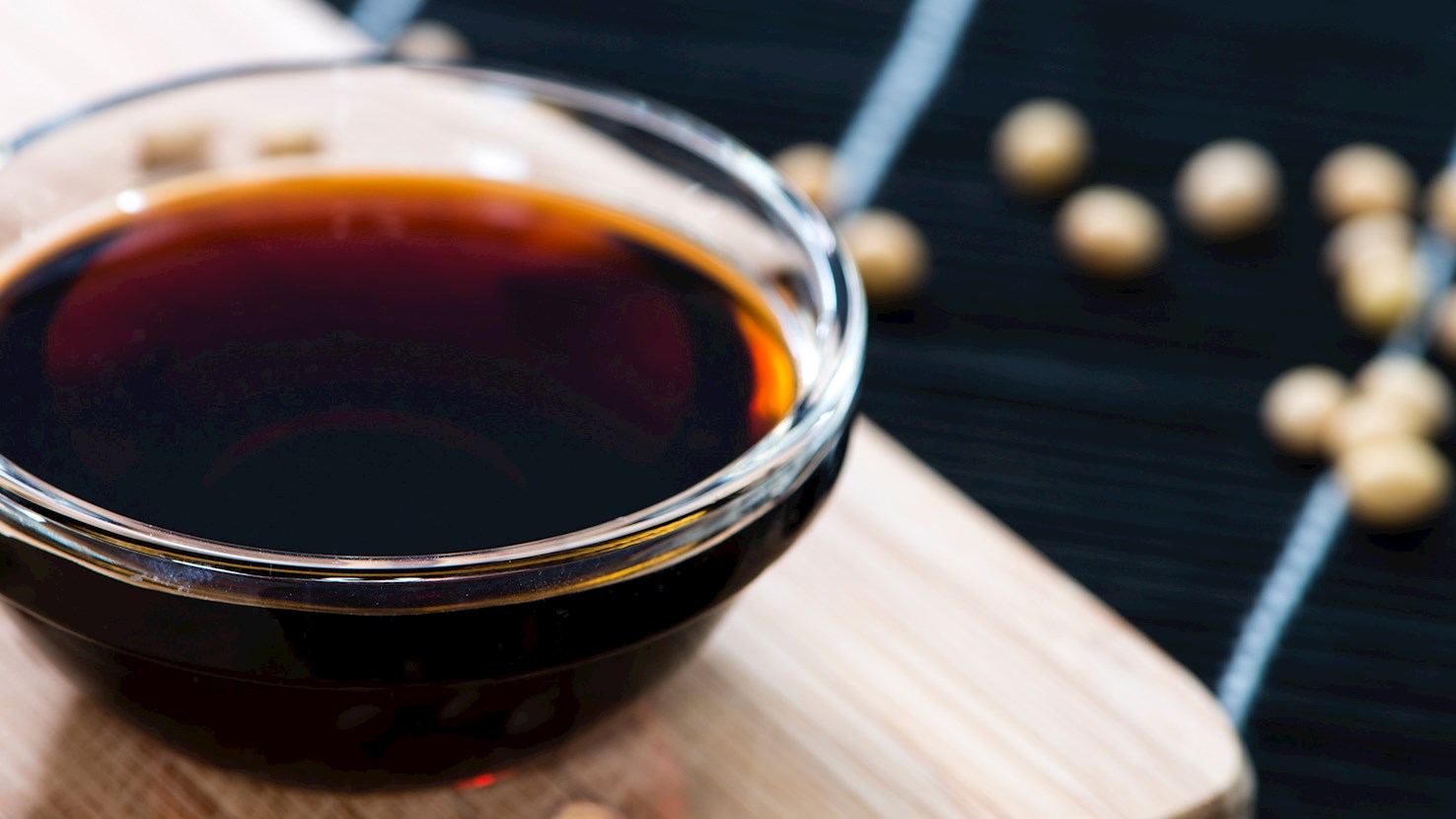
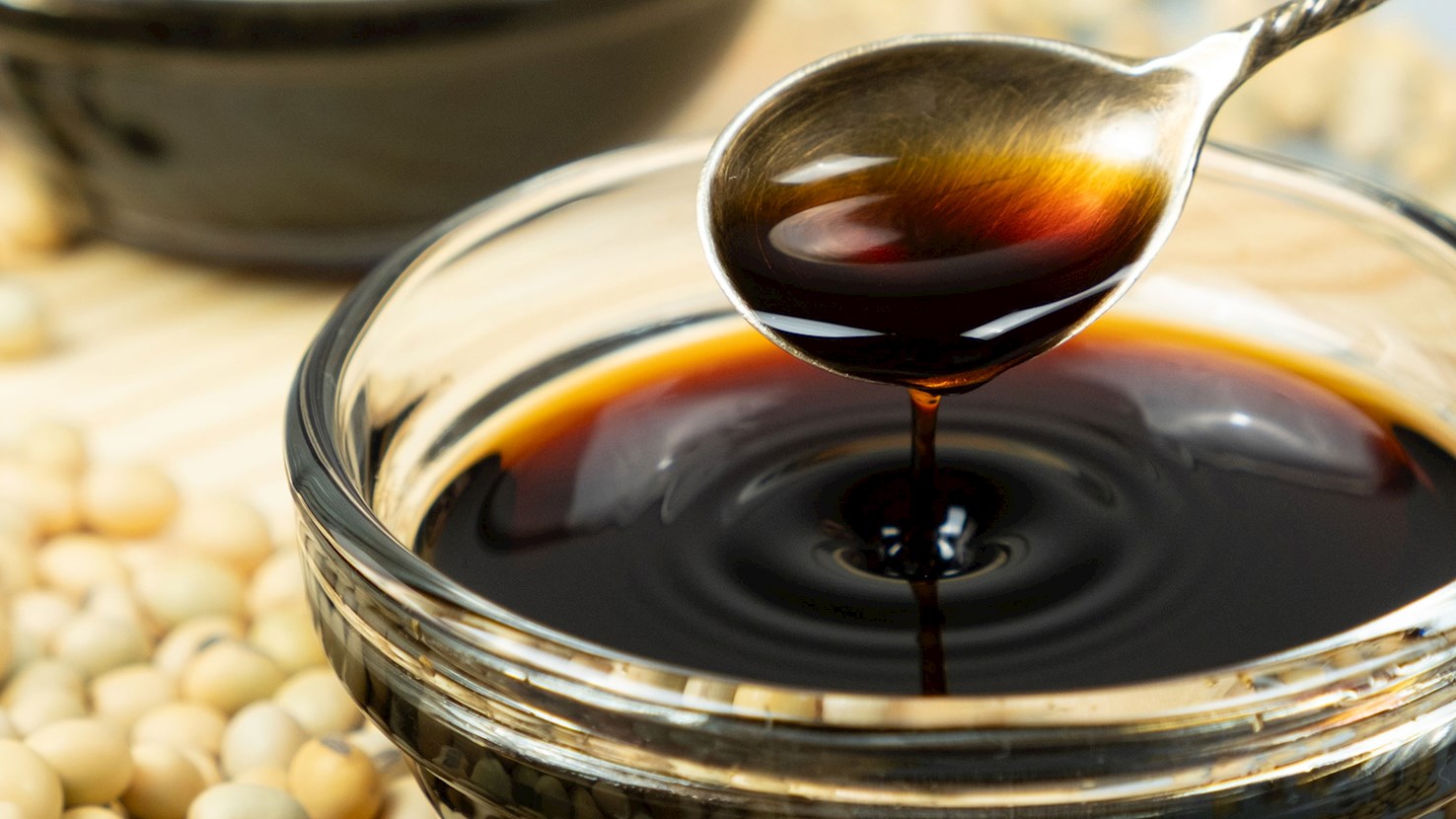
Soy sauce or jiàng yóu is a fermented liquid condiment produced from soybeans, wheat, salt, and water, originating in China during the Han Dynasty. It evolved from ancient meat-based fermented pastes known as jiàng, which transitioned toward a legume-based production model due to the increasing availability of soybeans and the influence of vegetarian Buddhist practices. The development reached a technological plateau during the Song Dynasty, where the liquid byproduct was systematically separated from the solids to create a refined seasoning. Preparation begins with steaming soybeans and roasting wheat, which are then inoculated with a mold culture, typically Aspergillus oryzae or Aspergillus sojae, to create kōji or qū. This mixture is combined with a saltwater brine and transferred to fermentation vats where enzymes break down the proteins into amino acids and the starches into simple sugars over a period of several months to years. The resulting liquid is extracted, pasteurized, and filtered to produce light soy sauce (shèng chóu), or aged further with the addition of molasses to create dark soy sauce (lǎo chóu). A specific chemical property of jiàngyóu is its high concentration of glutamic acid, which triggers the umami taste receptors on the human tongue. Unlike many other fermented condiments, high-quality jiàng yóu relies on the Maillard reaction occurring slowly at ambient temperatures to develop its dark pigmentation and complex aroma compounds. The condiment is used both as a cooking ingredient and a table seasoning across every province of China and throughout the global Chinese diaspora. It is utilized in the "red braising" technique to provide color and savory depth to proteins, and it is frequently served as a dipping sauce for dumplings or cold appetizers. Common food pairings include steamed fish, where the salinity of the sauce enhances the delicate flavors of the seafood, and stir-fried vegetables where the sugars in the sauce undergo caramelization. For beverage pairings, jiàng yóu-heavy dishes are often accompanied by Shàoxīng rice wine, which shares similar fermentation metabolites, or roasted oolong teas that provide a tannic structure to balance the savory intensity of the fermented soy.
Dark soy sauce, known in Mandarin as lǎo chóu, is a viscous, fermented condiment that is primarily used to impart a deep mahogany color and a savory-sweet depth to cooked dishes. Its development followed the establishment of light soy sauce as a primary seasoning, appearing as a specialized derivative through extended maturation and the addition of specific thickening agents. The manufacturing process begins with a base of fermented soybeans and roasted wheat, which undergoes a significantly longer aging period than standard soy sauce, often ranging from several months to years. During this time, a non-enzymatic browning known as the Maillard reaction occurs between the amino acids and reducing sugars, resulting in the development of complex aromatic compounds and a naturally darker pigment. Most commercial versions are further modified through the inclusion of molasses or caramel color, which increases the total dissolved solids and creates a syrup-like consistency that is capable of adhering to the surfaces of proteins and starches. A specific property of dark soy sauce is its lower salt concentration relative to light soy sauce, despite its more intense visual appearance and pungent aroma. It contains a high concentration of nitrogenous compounds and esters that provide a "sauce-like" and slightly smoky flavor profile when exposed to high heat. The condiment is served almost exclusively as a cooking ingredient rather than a table seasoning, utilized most notably in the "red braising" (hóngshāo) technique to glaze meats. It is also a critical component in stir-fried noodle dishes like beef chow fun, where it provides the characteristic dark color and a subtle caramelized sugar notes. Functional food pairings include fatty meats like pork belly, where the sauce's acidity and savory notes balance the lipid content, and starchy vegetables like potatoes or taro. For beverage pairings, the robust and earthy profile of dark soy sauce is complemented by aged Shàoxīng rice wines or full-bodied black teas, such as Pu-erh, which share similar fermentation-derived metabolites.
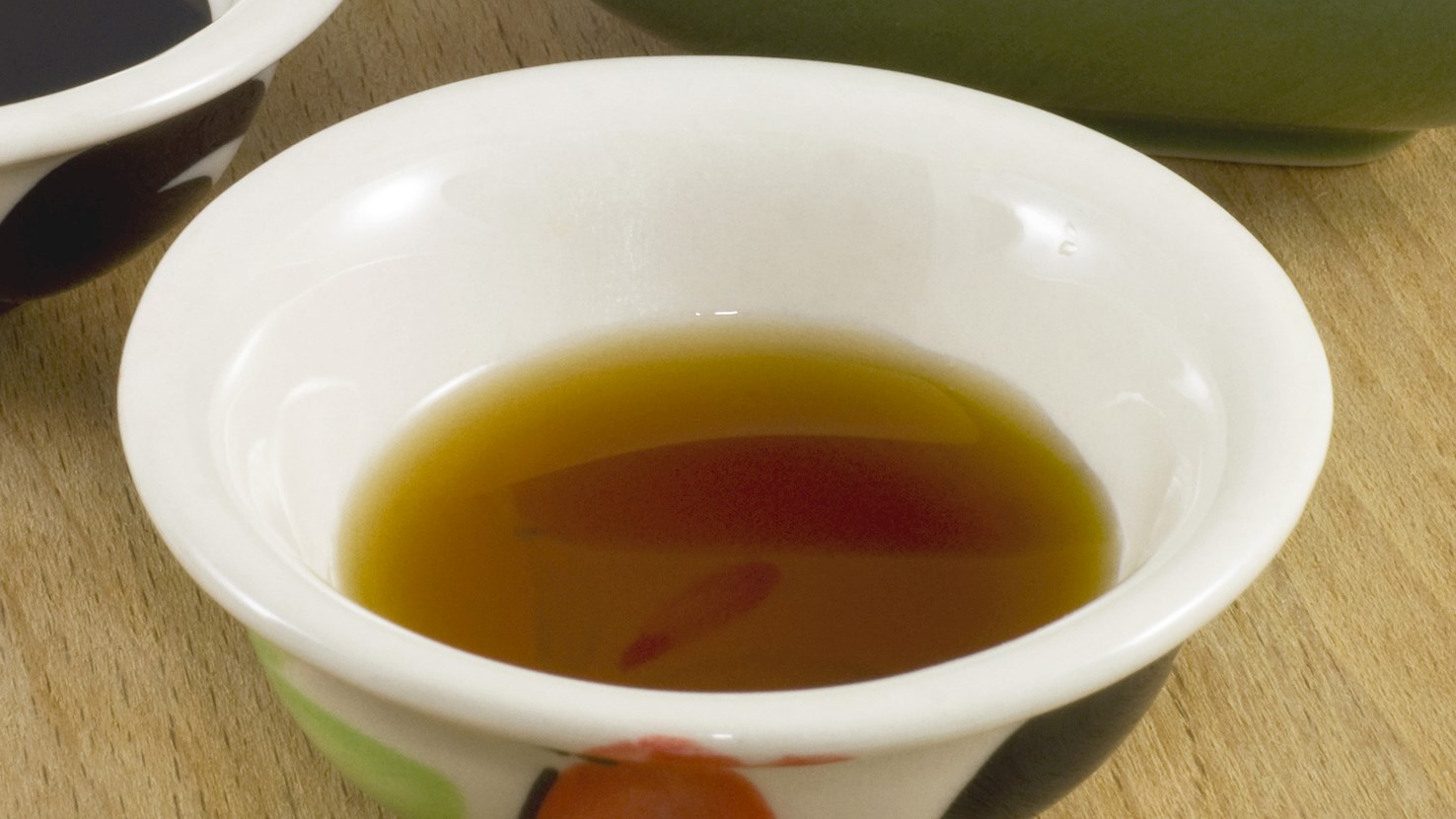
Xiā zǐ jiàng yóu is a shrimp roe-infused soy sauce particularly associated with Suzhou. The development of this condiment is rooted in the regional abundance of freshwater shrimp from the Taihu Lake basin, where the seasonal surplus of shrimp eggs led to their preservation within high-quality fermented liquids. This integration became a signature of Su-style cuisine during the late Qing Dynasty, as local sauce houses sought to combine the land-based umami of soybeans with the aquatic salinity of the roe. Preparation begins with the selection of first-draw light soy sauce (tóu chōu), which is placed in a vessel and simmered with a precise quantity of dried shrimp roe, sugar, ginger, and occasionally Shaoxing wine. During the simmering process, the proteins and lipids within the roe release flavorful compounds and pigments into the liquid, while the salt in the soy sauce acts as a stabilizing agent for the delicate seafood notes. A specific technical aspect of xiā zǐ jiàngyóu is the suspension of the tiny, dehydrated roe particles within the liquid, which provide a granular texture and concentrated bursts of flavor when consumed. Unlike standard infused sauces, the roe is typically left in the bottle, allowing for continuous extraction of flavor over time. The condiment is served primarily as a finishing season or a dressing for starches, where the heat of the food helps to volatilize the briny aromas of the shrimp. It is most frequently eaten with "shrimp roe noodles" (xiā zǐ bàn miàn), where it is tossed with plain wheat noodles and lard to create a rich, savory coating, or used as a dip for delicate river fish and wontons. Food pairings include neutral-flavored proteins like silken tofu or poached egg whites, which allow the complex seafood profile to predominate. Beverage pairings include light, floral green teas such as Biluochun, which originates from the same geographical region and provides a tannic structure that balances the savory-sweet intensity of the infused sauce.
Cǎogū lǎochōu is a mushroom-infused dark soy sauce, specifically developed as a specialized variation of standard dark soy sauce to enhance the savory profile of cooked dishes. Its development followed the establishment of lǎo chóu as a coloring agent, where producers in the southern regions began incorporating the essence of straw mushrooms (lat. Volvariella volvacea) to capitalize on the natural synergy between fungal glutamates and soy-based amino acids. The manufacturing process begins with the standard production of dark soy sauce, involving the long-term fermentation of soybeans and wheat in a brine solution until the liquid achieves a high density of melanoidins and a naturally dark pigmentation. During the final stages of maturation or after the primary extraction, the liquid is infused with a concentrated extract of straw mushrooms, which are typically harvested in the budding stage when their amino acid density is at its peak. Most commercial formulations also include a specific ratio of molasses or caramel color to ensure the sauce maintains a high viscosity and an opaque, light-absorbing appearance. A specific property of cǎogū lǎochōu is the presence of naturally occurring ribonucleotides, such as disodium guanylate, which function as umami synergists; these compounds multiply the perceived intensity of the savory flavors already present in the soy base. The sauce is served as a heavy seasoning and coloring agent rather than a table condiment, as its intense flavor and low salt-to-pigment ratio are designed for high-temperature applications. It is eaten primarily in slow-cooked braises, such as mushroom-based red-cooked pork or stir-fried vegetable dishes, where the heat allows the mushroom volatiles to integrate with the steam. Functional food pairings include earthy ingredients like shiitake mushrooms, bamboo shoots, and firm tofu, which provide a neutral structural base for the sauce's deep flavor. Beverage pairings involve robust, fermented liquids like aged Pu-erh tea, which mirrors the earthy notes of the mushroom extract, or dark grain-based spirits that can withstand the sauce's significant aromatic presence.
Shuāng huáng is a double-fermented soy sauce from southern China, characterized by its high amino acid concentration and diminished saltiness. The development of this variety occurred as a refinement of standard fermentation practices, where brewers sought to increase the savory depth of the liquid without increasing the sodium chloride content. It is produced by replacing the standard saltwater brine used in the second stage of fermentation with a previously finished batch of light soy sauce. Preparation begins with the creation of qū, a substrate of steamed soybeans and roasted wheat inoculated with Aspergillus oryzae spores. This mixture is submerged into a vat of mature soy sauce rather than water, subjecting the new batch of beans to an environment already rich in active enzymes and microbial metabolites. This process effectively doubles the exposure of the liquid to the protein-breaking proteases, resulting in a significantly higher yield of glutamic acid and peptides. The extended fermentation and high density of dissolved solids produce a naturally darker and more viscous liquid than standard light soy sauce, achieved without the addition of caramel or molasses. A specific property of shuāng huáng is its low salt-to-umami ratio, as the secondary fermentation allows for the accumulation of savory compounds while the total salt content remains capped by the initial brine concentration of the base sauce. The condiment is served primarily as a premium dipping agent or a finishing sauce for high-quality ingredients that require a profound savory character without overwhelming salinity. It is eaten with dishes such as cold-sliced "drunken" chicken, steamed abalone, or delicate tofu preparations where the complexity of the sauce can be appreciated in its raw state. Food pairings include rich proteins that benefit from a clean, savory finish, and beverage pairings often involve aged Huángjiǔ (yellow wine), which shares the fermented grain notes of the sauce, or robust semi-fermented teas like Tieguanyin.
Tóu chōu is the premium liquid extract obtained from the first harvest of a fermented soybean vat, made in the southern brewing centers of China. The production of this specific grade became a formalized standard in the Pearl River Delta as a means to categorize the varying concentrations of amino acids resulting from sequential extractions. It represents the highest concentration of the primary fermentation metabolites, gathered before the remaining soybean solids are subjected to secondary or tertiary brine infusions. Preparation begins with the selection of high-protein soybeans which are steamed and mixed with roasted wheat and Aspergillus mold spores to create a starter culture. This substrate is placed in large earthenware jars or industrial vats with a saltwater brine and fermented under the heat of the sun for several months, a process that allows the natural enzymes to hydrolyze the bean proteins into savory peptides. Once the initial fermentation period is complete, the liquid is drawn off solely by the force of gravity or light pressing, ensuring that only the most concentrated solution is bottled. A specific characteristic of tóu chōu is its superior Total Nitrogen (TN) content, which frequently exceeds 1.2 to 1.5 grams per 100 milliliters, placing it in the highest quality grade according to national food standards. It contains a complex profile of volatile aroma compounds and a natural reddish-brown transparency that is not achieved in later extractions or through the addition of caramel coloring. The condiment is served primarily as a finishing sauce or a premium dipping agent where its nuanced flavor profile is not obscured by high-heat cooking. It is eaten with delicate Cantonese preparations such as steamed fish, "white cut" chicken, or premium dim sum, where the clarity and salinity of the sauce enhance the freshness of the primary ingredients. Food pairings include high-quality seafood and cold sliced meats, while beverage pairings often involve light floral teas like Jasmine or Tieguanyin, which do not overwhelm the refined umami characteristics of the first-draw liquid.
TasteAtlas food rankings are based on the ratings of the TasteAtlas audience, with a series of mechanisms that recognize real users and that ignore bot,
nationalist or local patriotic ratings, and give additional value to the ratings of users that the system recognizes as knowledgeable.
TasteAtlas Rankings should not be seen as the final global conclusion about food. Their purpose is to promote excellent local foods,
instill pride in traditional dishes, and arouse curiosity about dishes you haven’t tried.
The initial list of top producers was compiled based on available reviews, awards, local recommendations, media and blog coverage, and consumer reviews.
The list will be updated with ratings from TasteAtlas local ambassadors and TasteAtlas users.








What People Say