shutteratock

Top 24 Asian Spice Blends and Seasonings

Last updated on June 04, 2026

Best Asian Spice Blend and Seasoning Types
01

Garam masala

4.4 ·

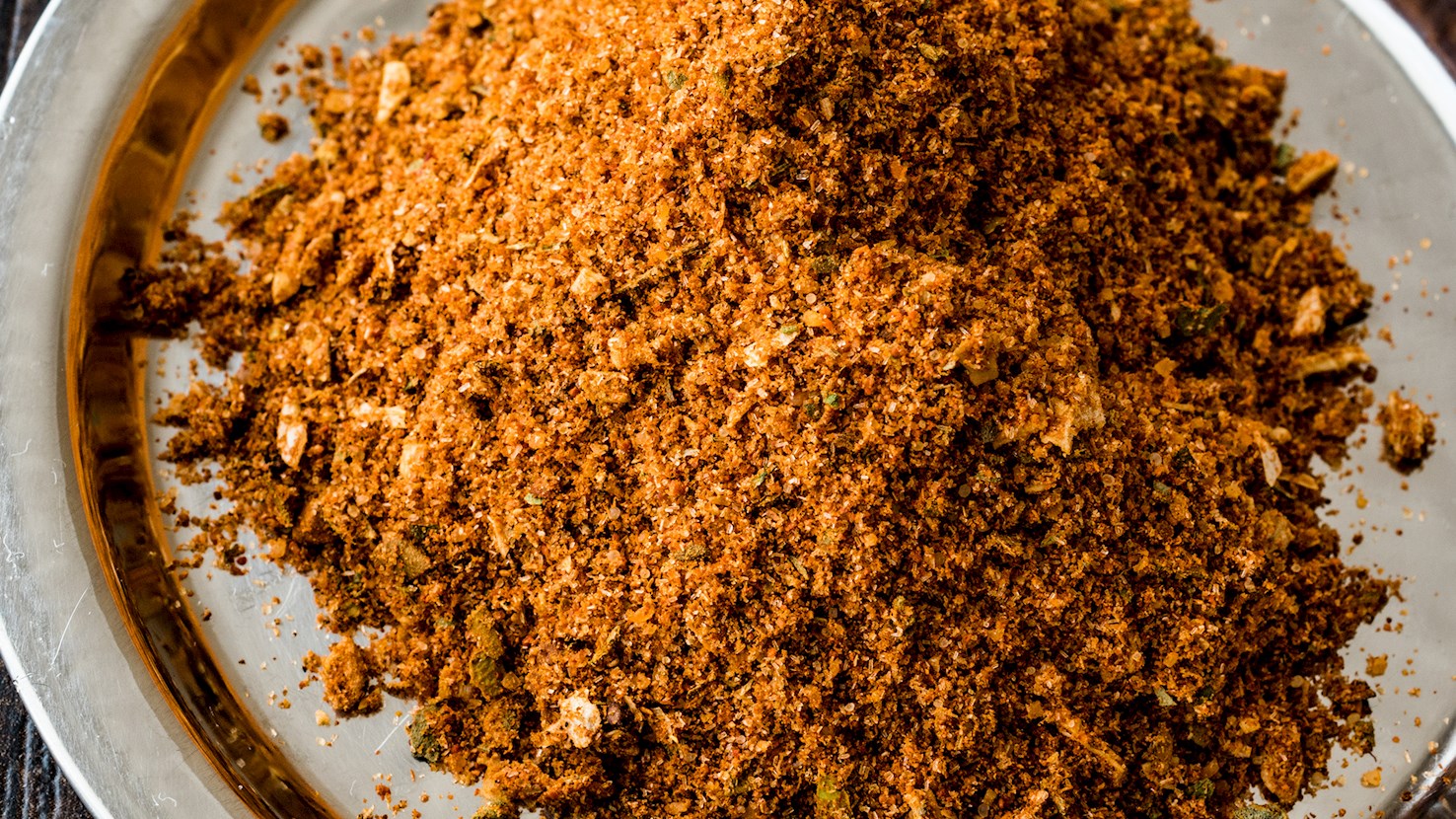
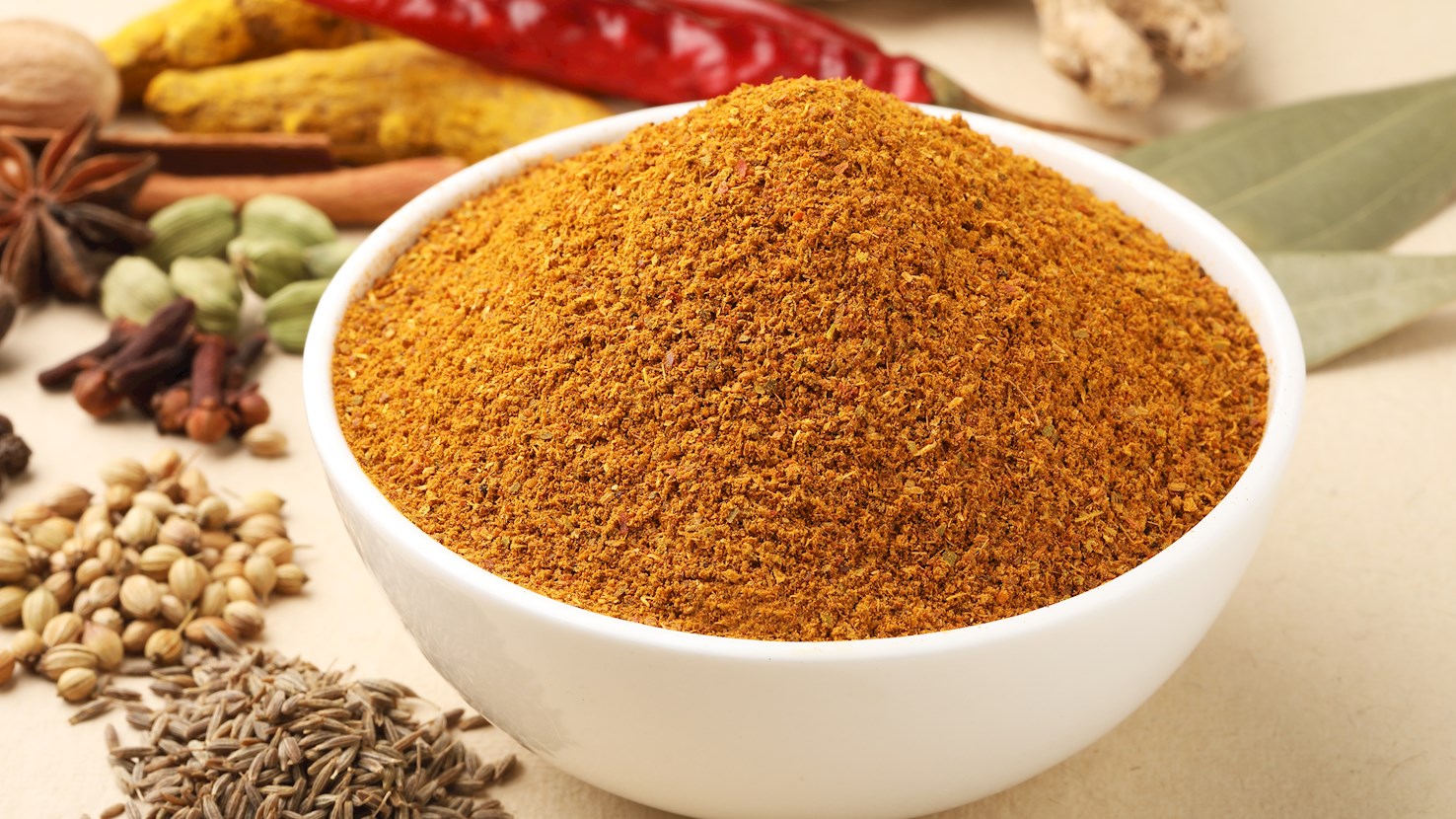
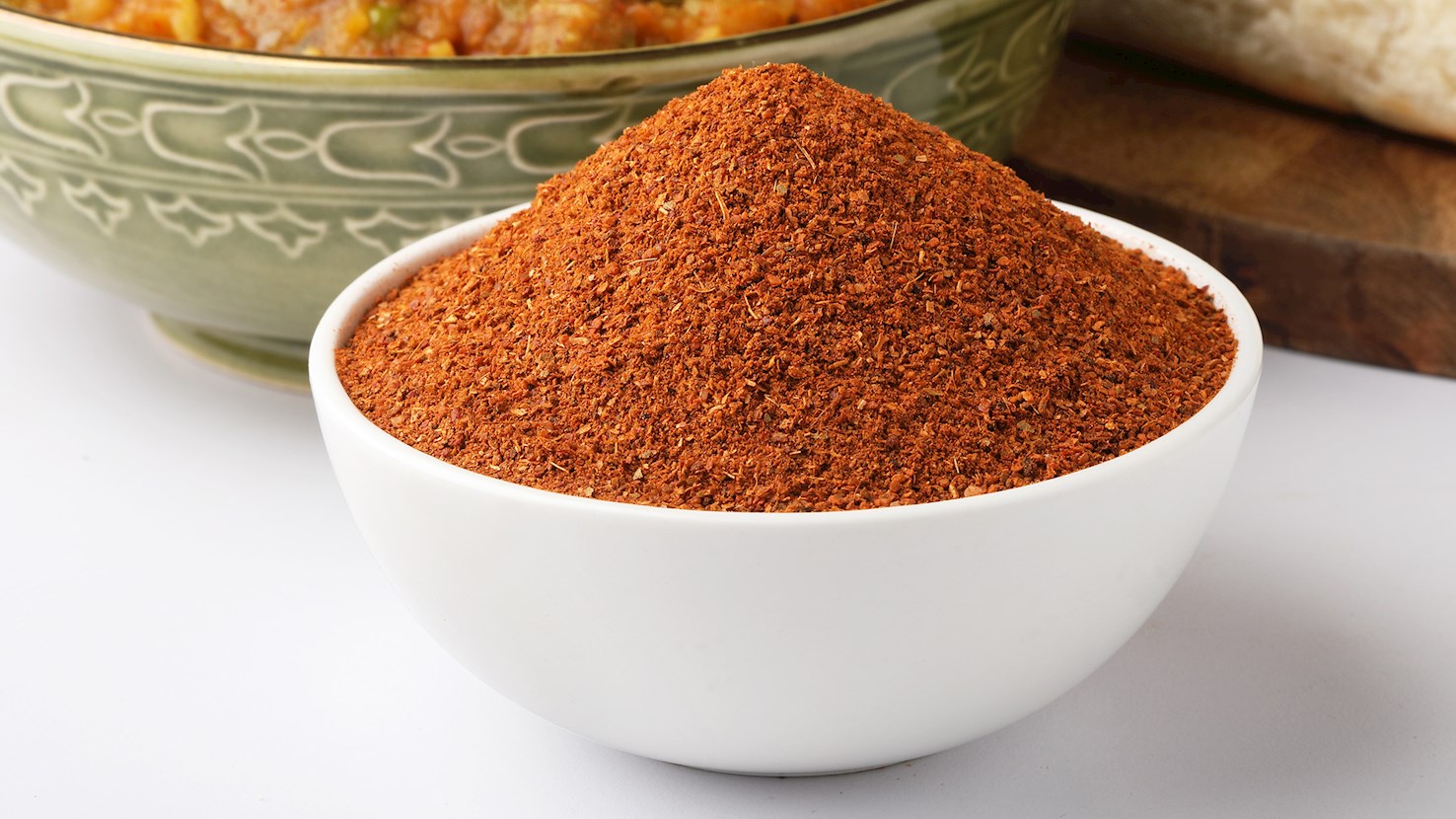
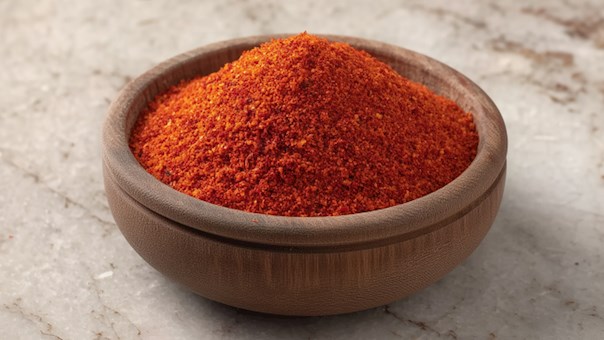
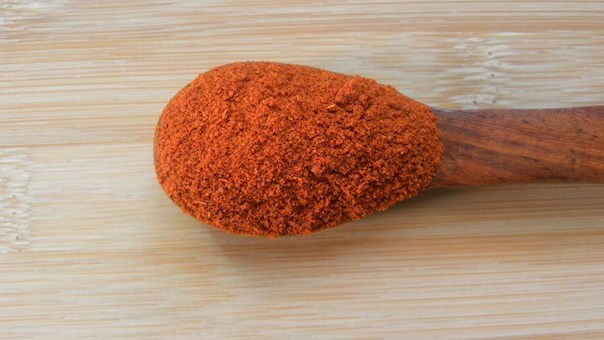
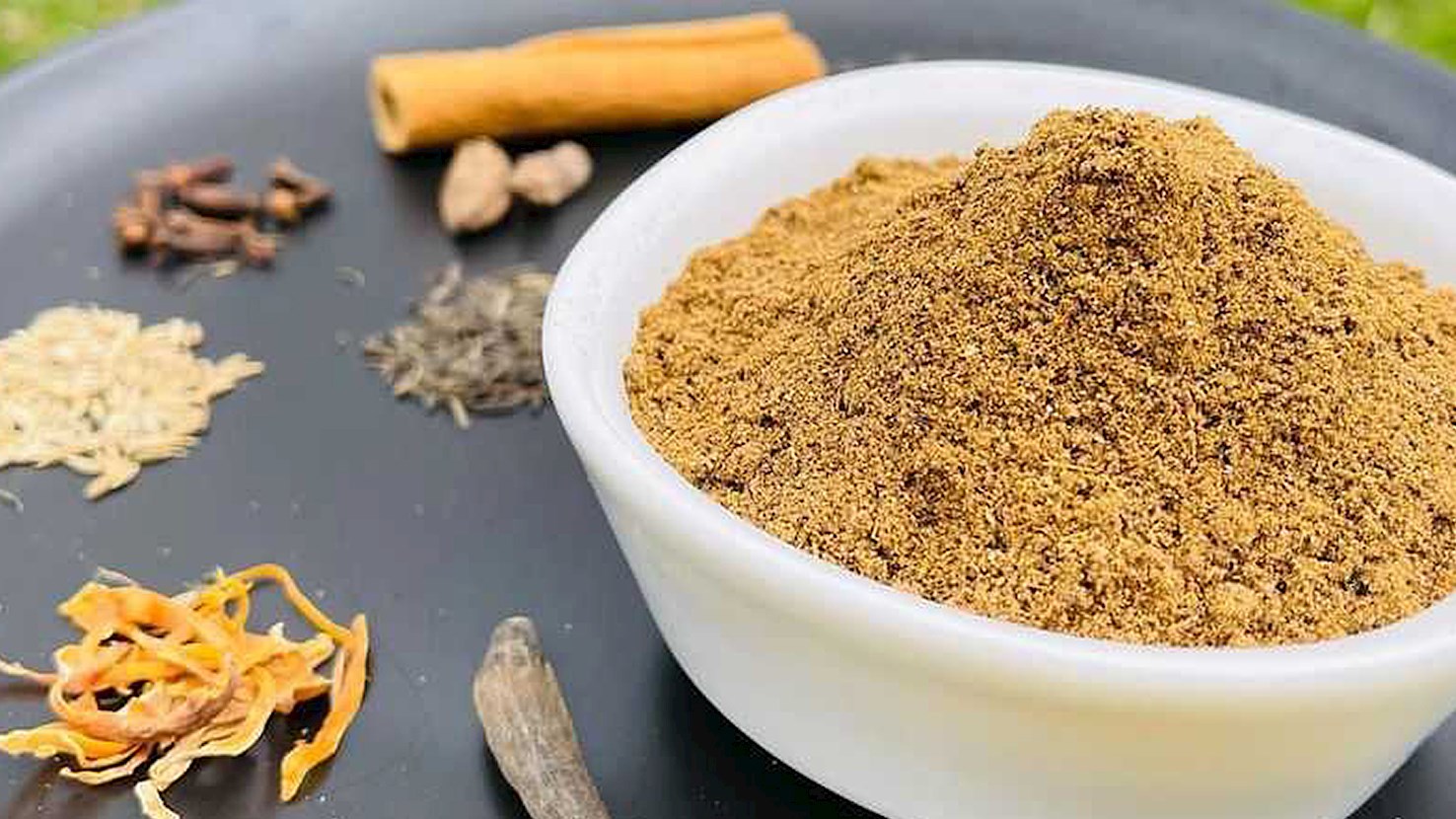
Garam masala is an intensely aromatic blend of ground spices such as cinnamon, cumin, cardamom, cloves, and peppercorns. Its name can be literally translated as hot ingredients, and is sometimes described as an aromatic blend that is meant to heat the body. This spice blend has origins in Northern India, where winters are typically colder than in the rest of the country. The spices used in garam masala vary from region to region, but no combination of spices is believed to be more authentic than another. It is recommended to use the spice blend at the end of the cooking process in order to achieve the best flavor, although it can also be used at the beginning of cooking, when it's usually added to ghee or cooking oil in order to provide a more pungent flavor. Garam masala is often used in the preparation of popular dishes such as rogan josh, a Kashmiri specialty, pulao, a Pakistani pilaf, or murgh kari.

Best producers
02

Za'atar

4.3 ·

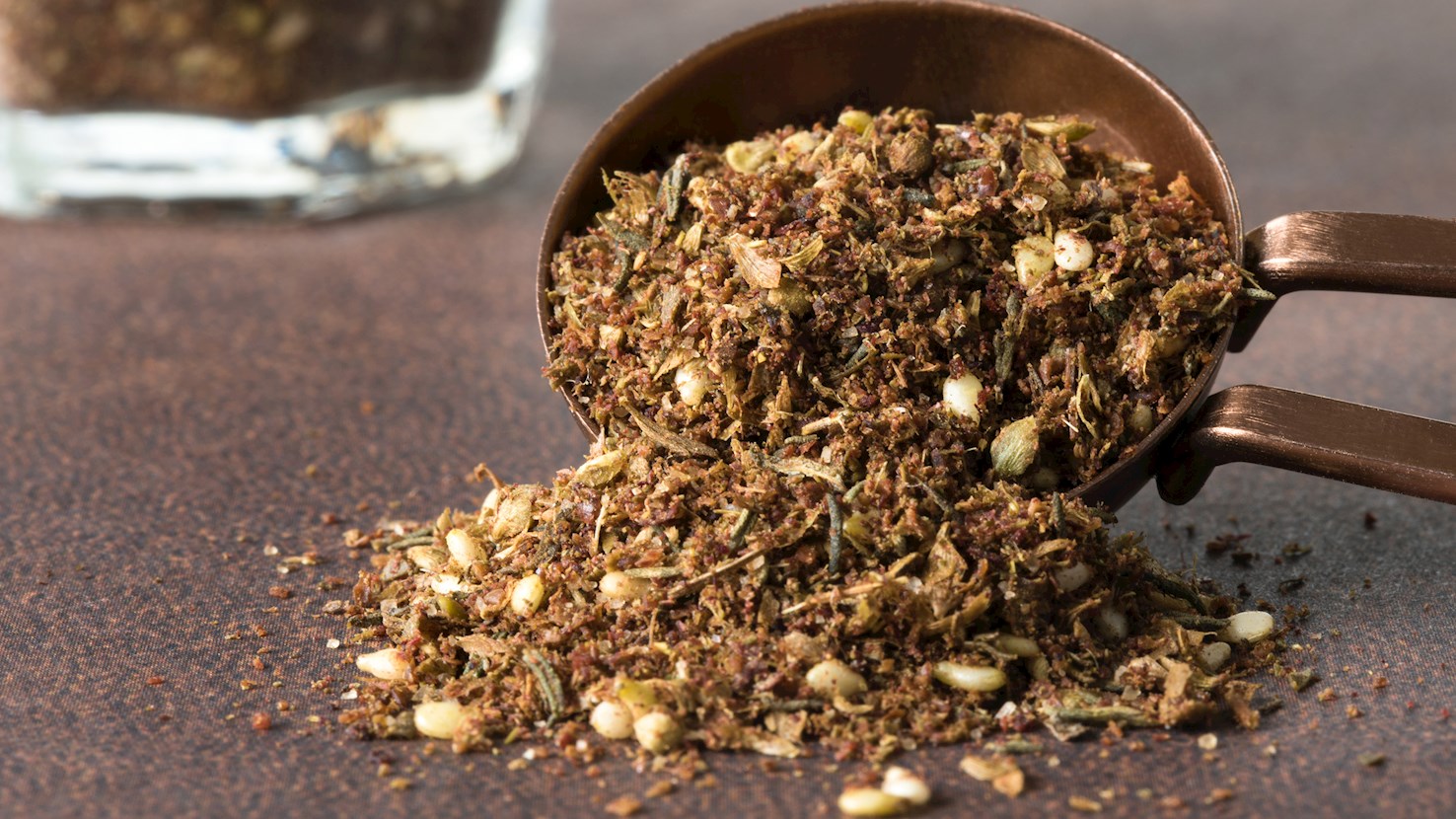
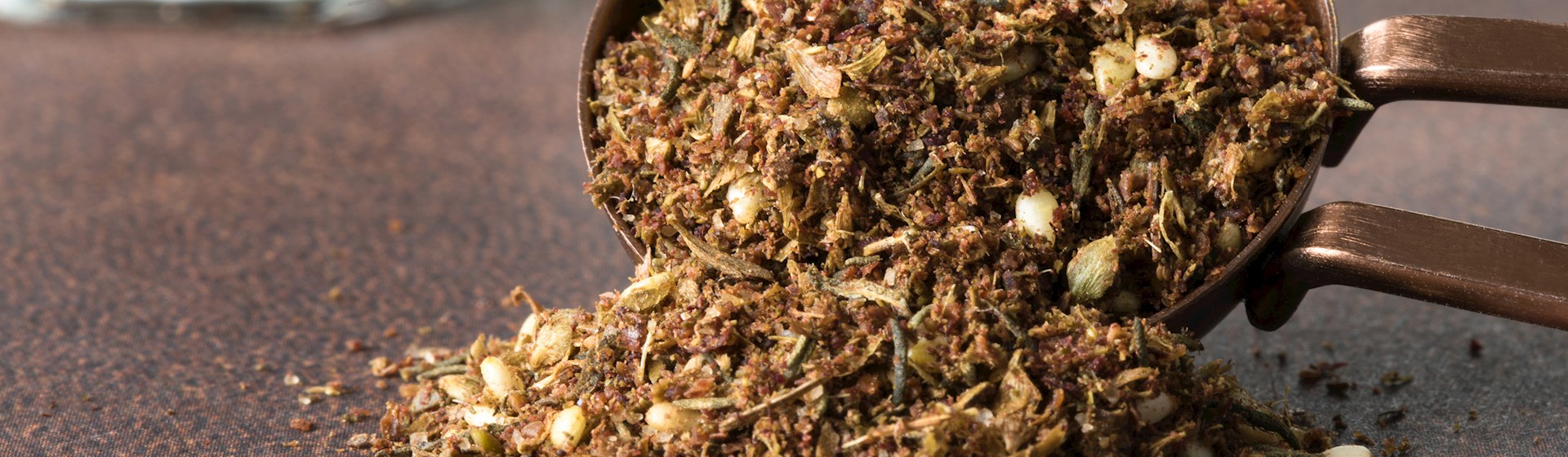
Za’atar is a herb and spice blend that comes from the Levant region, especially associated with Lebanon, Syria, Jordan, and Palestine, though its use extends across much of the Middle East. It is recognized by its earthy, tangy, and slightly nutty flavor, often made with a base of dried thyme or other herbs, combined with sumac, sesame seeds, and salt. Its name in Arabic refers both to the herb thyme itself and to the mixture that has become a defining element of Levantine cooking. References to za’atar go back to ancient times, with mentions of similar herb mixtures found in texts from the Eastern Mediterranean. For centuries it has been linked not just to culinary use but also to medicinal and cultural practices, as thyme and sumac were valued for both flavor and health properties. Families often developed their own preferred balance of ingredients, leading to variations from one region to another. In village markets, it became a product sold by weight, ground fresh and mixed with sesame, sumac, or other herbs like oregano and marjoram depending on local preferences. Preparation of za’atar starts with drying the chosen herbs until they can be crumbled into a fine texture. These are then blended with ground sumac, which adds acidity and a deep reddish hue, and sesame seeds, which are usually toasted to highlight their nutty aroma. Salt is added to preserve the mixture and balance the flavors. In some cases, other spices or wild herbs are included, reflecting regional differences. Za’atar is not eaten as a dish on its own but as a seasoning, yet its importance in daily meals is substantial. It pairs particularly well with fresh bread, labneh, roasted vegetables, and grilled meats. Its flavor stands out when combined with olive oil from the same regions, emphasizing the agricultural ties between land, spice, and table.

03

Shichimi Togarashi

4.1 ·

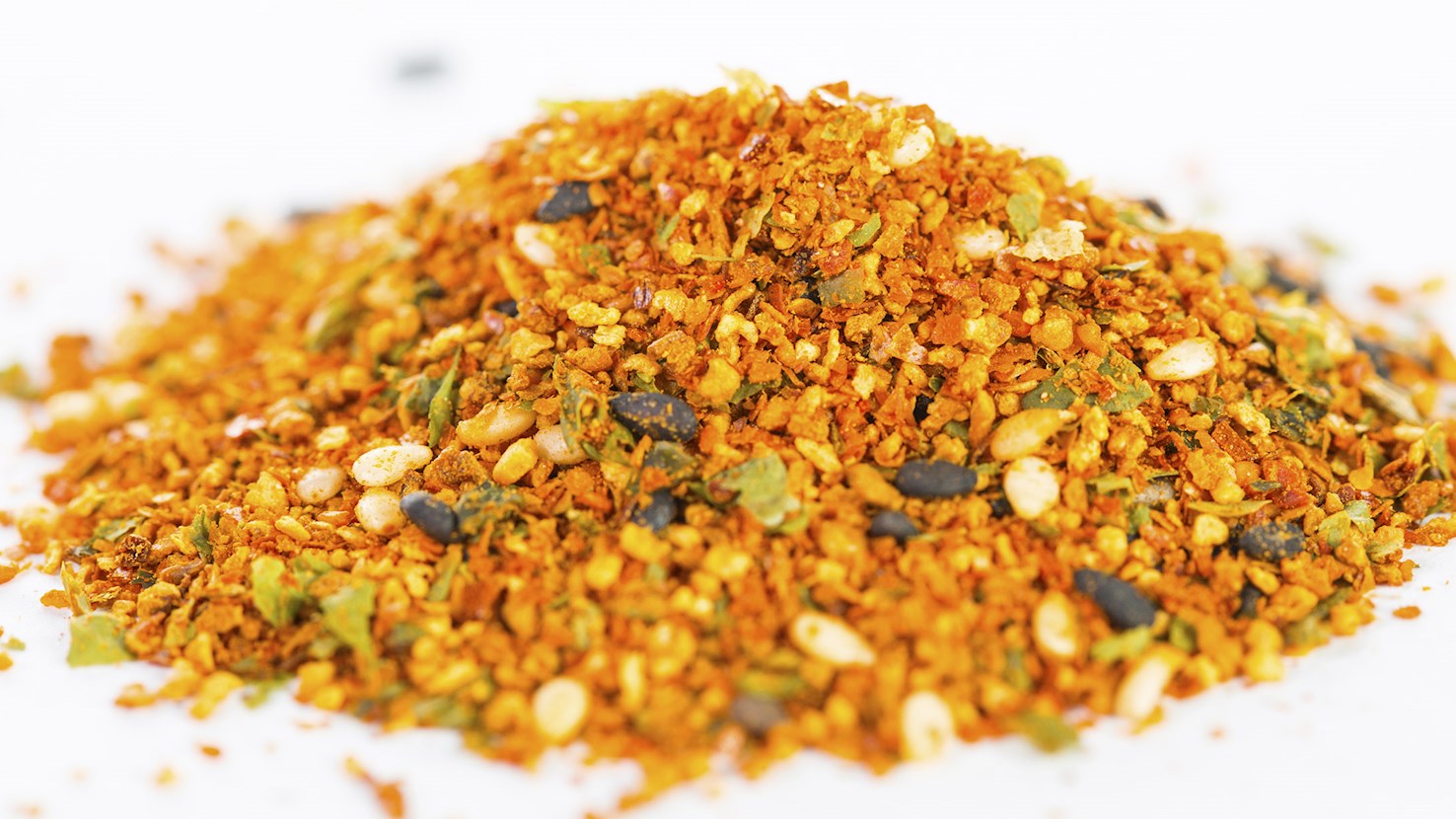
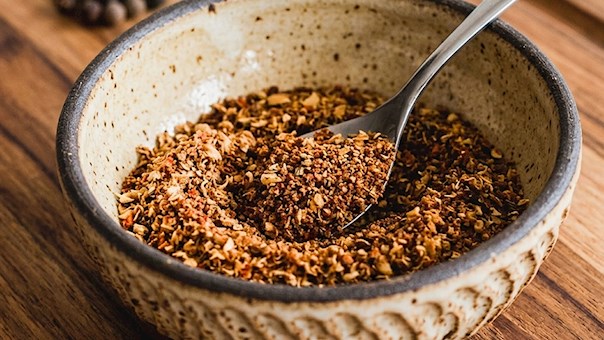
Sometimes referred to as the seven-spice powder, shichimi togarashi is a spice blend widely used in Japanese cuisine for imparting a nice smoky-sweet heat to a variety of dishes, from a steaming bowl of soba noodles to grilled fish. The origin of shichimi togarashi dates back at least to the 17th century when it was produced by local herb dealers in what was then a small, little-known fishing village of Edo, currently known as Tokyo. Its Japanese name literally translates to seven-flavor chili pepper, which is a reference to the usual seven ingredients that are used to make it: ground chili pepper, sansho or Japanese pepper, roasted satsuma mandarin peel, black or white sesame seeds, hemp seeds or hearts, ground ginger, and nori seaweed. Despite its name, the blend can also add or substitute other ingredients, including poppy seeds, yuzu citrus peel, shiso mint, and rapeseed, while the primary ingredient is always ground chili pepper. Shichimi togarashi is usually simply sprinkled on top of cooked dishes, but it also makes for an excellent rub or marinade for various meats and seafood. Also, while the selection of shichimi togarashi tends to be fairly limited in Western markets, in Japan, these flavorful spice blends are readily available in specialty stores such as the famous Yagenbori, which was established in 1625 and hasn't changed the manufacturing process since.

04

Bahārāt

4.1 ·

Translated from Arabian as spice, bahārāt is an aromatic blend of spices native to the Middle East. Although it is hard to pinpoint the exact spices used in the mix, the most common ingredients include black peppercorns, allspice, cassia bark, coriander, cardamom, chili peppers or paprika, cinnamon, cloves, and cumin. The amount of added spices influences the final aroma, which is typically smoky, sweet, and spicy. Bahārāt can be used as a seasoning for fish and meat, it is commonly added to soups and stews, but it also works well in marinades or as a dry rub.

05

Wu xiang fen (Five-spice powder)

3.8 ·

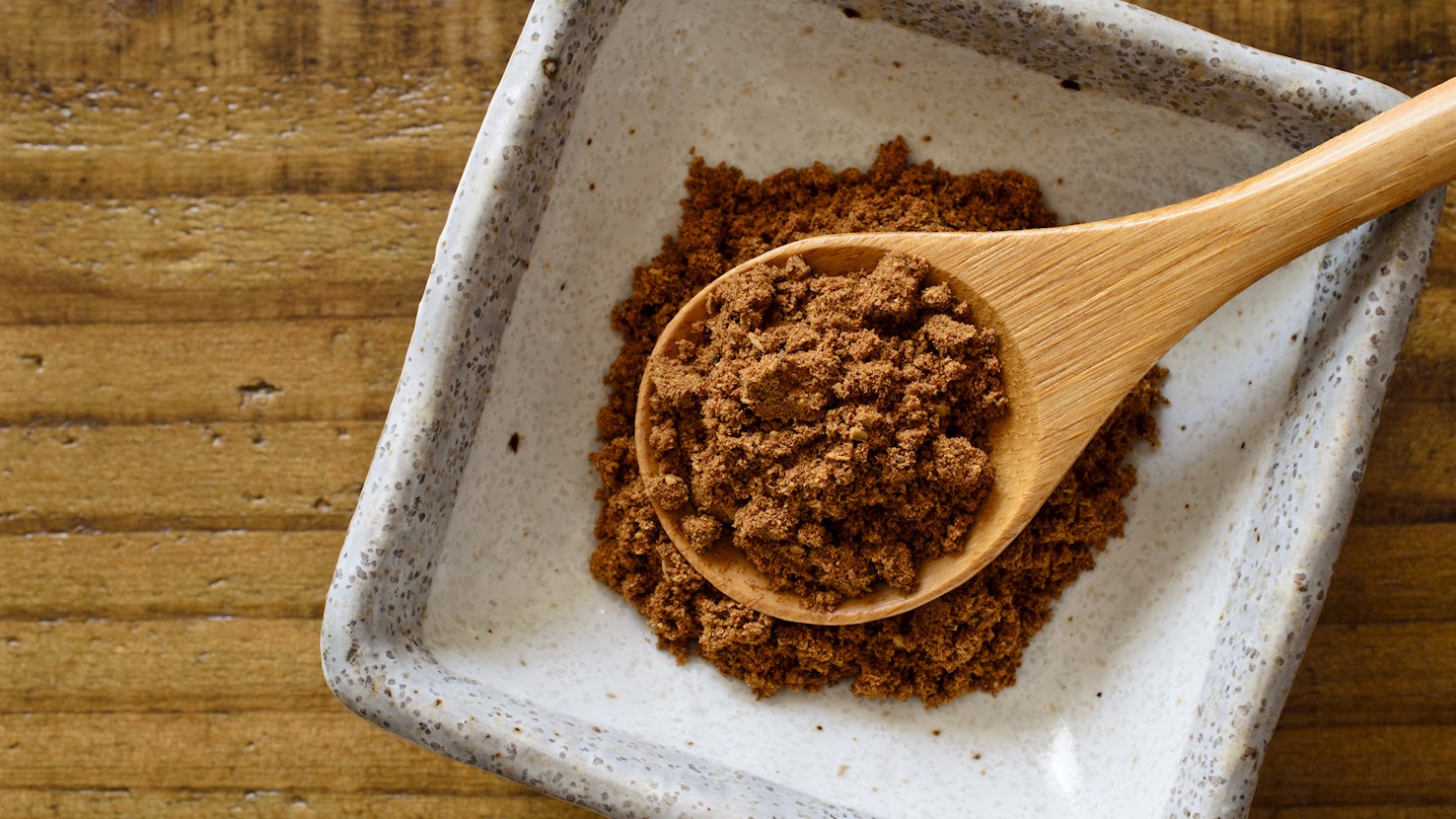
Wu xiang fen or five-spice powder is a traditional spice blend originating from China. The spice blend consists of five spices: fennel seeds, cinnamon, cloves, Sichuan peppercorns, and star anise. The number five refers to the five flavors that are represented in the blend – sweet, salty, bitter, sour, and umami. There are many ways to use the aromatic five-spice powder – in marinades, stir-fries, soups, stews, as a seasoning for the breading for fried foods, as a glaze, or a dry rub for meat and seafood. Interestingly, the spice blend has antiseptic properties and it's sometimes used to cure indigestion.

06

Duqqa

3.7 ·

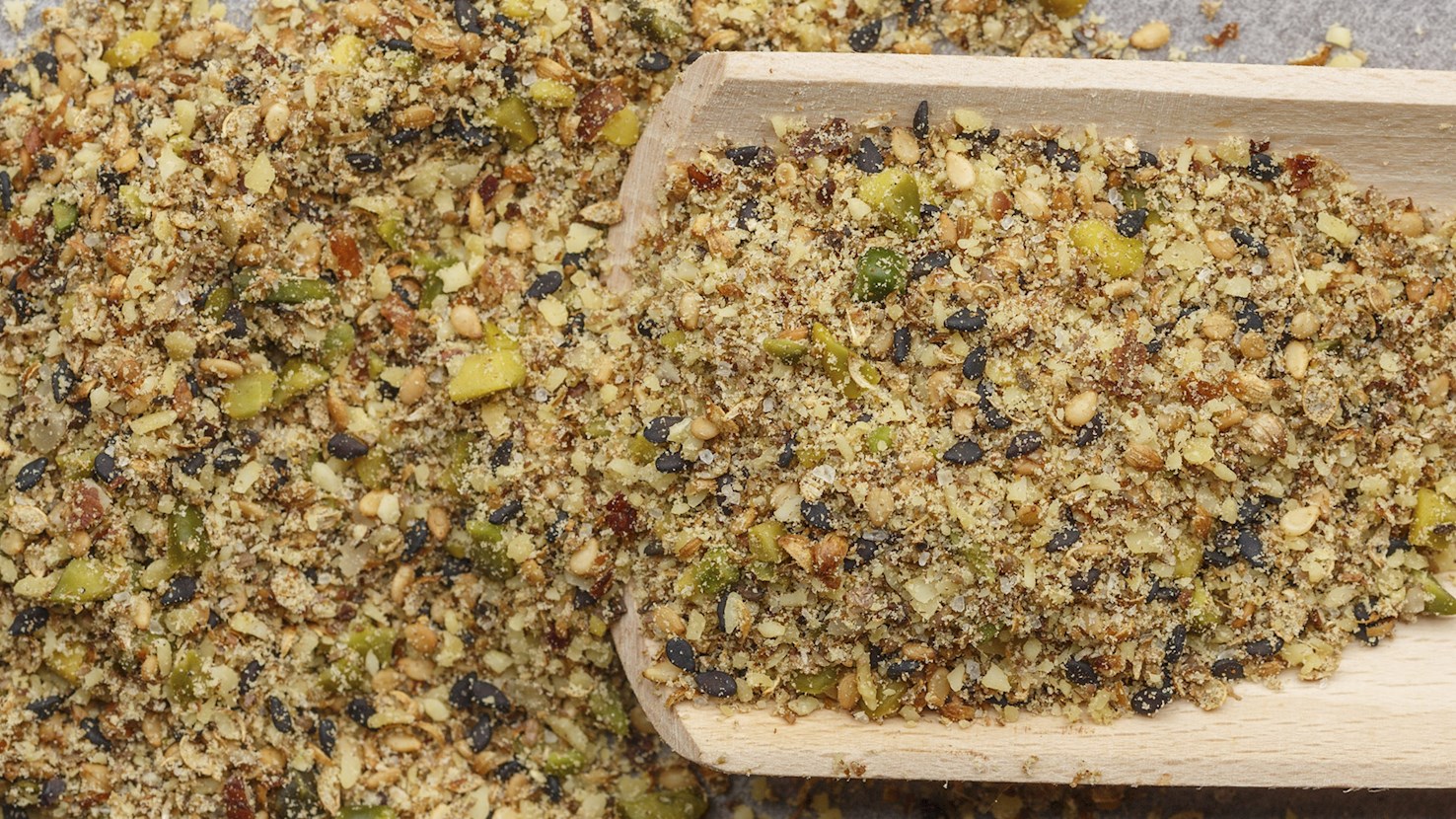
Duqqa is an Egyptian blend of herbs, toasted nuts, and spices such as cumin, sesame seeds, and coriander. The combination of these ingredients is ground into a coarse powder which can be used as a salad topping, a dip with olive oil and bread, or as a seasoning. Its name is derived from the Egyptian Arabic word for to crush or to pound, referring to the method of production. Duqqa originated as peasant food and people mostly consumed it as a seasoning for bread. Due to its high protein and fat content, it provided sustenance throughout the day. The blend has recently taken off in Australia, where it is consumed on its own, as a bar snack.

07

Chettinad masala

3.6 ·

Chettinad masala is a traditional spice blend originating from Tamil Nadu, India. The spice blend consists of 16 or more spices including cinnamon, green cardamom, mace, star anise, cloves, fenugreek seeds, black pepper, kapok buds, cumin seeds, coriander seeds, fennel seeds, mustard seeds, dry red chili peppers, curry leaves, poppy seeds, turmeric powder, grated coconut, and the key ingredient called stone flower. Also known as kalpasi or dagad phool, stone flower is a unique spice that releases an intense aroma when tempered. The spices are dry-roasted in a particular order, then left to cool and pounded in a mortar with a pestle. Chettinad masala is usually used in various Chettinad curries, both non-vegetarian and vegetarian.

08

Chaat masala

3.4 ·

Chaat masala is a spice mixture that's widely used in Indian, Pakistani, and Bangladeshi cuisine. It often consists of coriander, asafoetida, red chili powder, tamarind powder, cumin, amchoor (dry mango powder), and kala namak (black salt). The origins are somewhat murky, but it is believed that the spice blend was invented in the 17th century by Mogal emperor Shah Jahan's kitchen staff. The flavors of chaat masala are best the day after it's been prepared, but it keeps for up to 3 months in airtight containers. Although it has an unusual aroma (mostly due to kala namak), people love it for its complexity and perfect flavors. It's recommended to use chaat masala on different Indian snacks called chaat, such as papri chaat, but it's also worth trying it over vegetables, salads, curries, dals, and fruit.

09

Panch phoron

3.2 ·

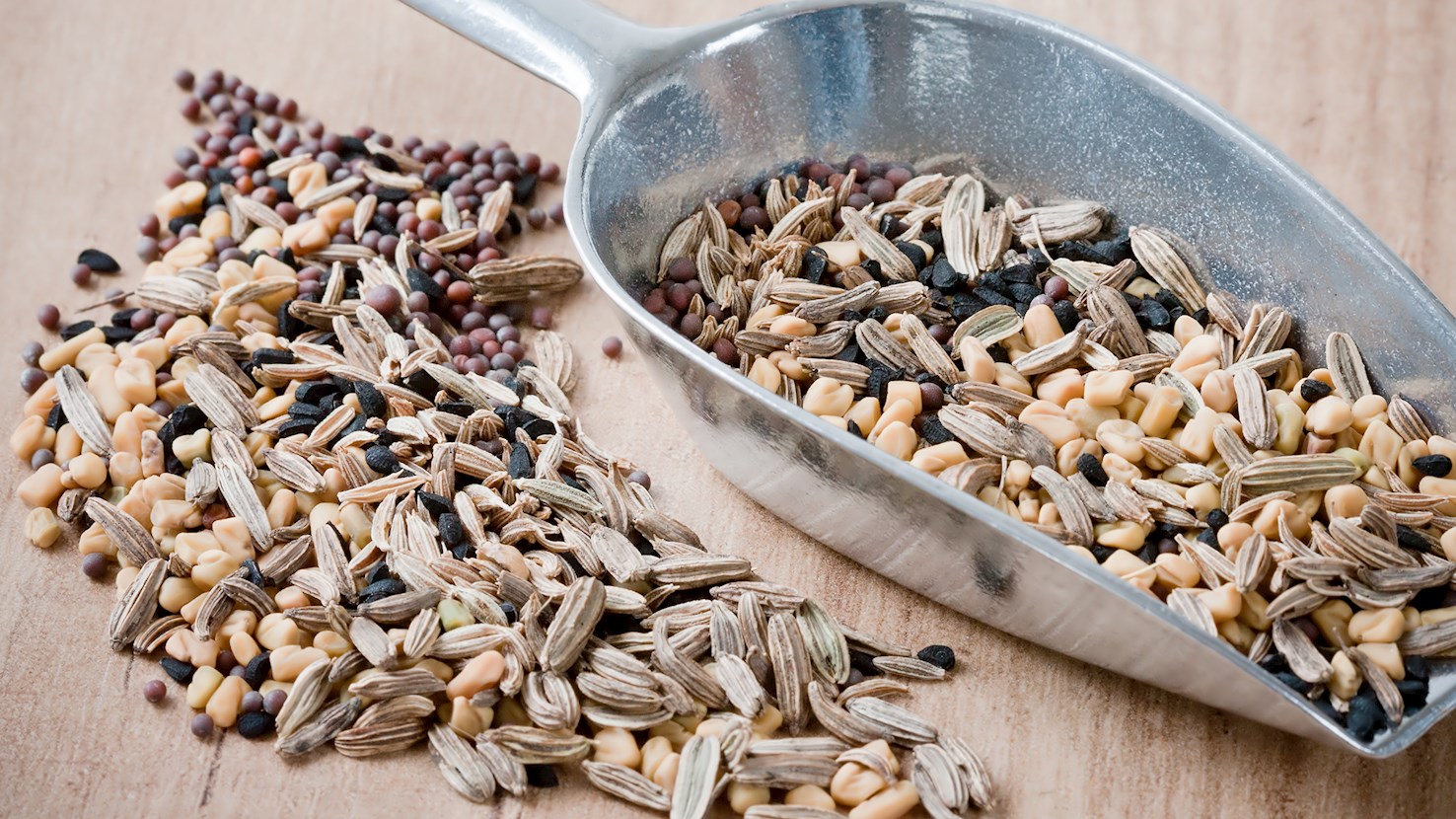
The Bengali spice mix known as panch phoron (lit. five spices) is an aromatic combination of cumin, fennel, fenugreek, black mustard, and nigella or kalonji onion seeds. This spice blend adds a wonderful depth and flavor to various dishes of Bangladesh, Eastern India, and Southern Nepal, especially in the regional cuisines of Bhojpuri, Mithila of Nepal, Bengal, Assam, and Oriya. Unlike other similar blends which are made with ground spices, panch phoron is made with whole seeds that are typically either dry roasted or fried in mustard oil or ghee - this helps to release the aromas and the bittersweet flavor of the blend. Traditionally, panch phoron is most often used with chicken or beef curry, fish, legume stews, and various vegetable-based dishes like the Bengali shukto. In addition, this robust spice blend can even be added to breads before baking, sprinkled over roasted potatoes and vegetables, or used for pickling vegetables, but it also makes for a delicious spice rub for meats.

10

Pav bhaji masala

3.1 ·

Pav bhaji masala is a special spice blend used to make pav bhaji, a popular Indian street food. It is a mix of aromatic spices that provide the characteristic flavor and aroma of the dish. This masala typically includes coriander seeds, cumin seeds, red chili powder, turmeric, dry mango powder, black pepper, cloves, cinnamon, fennel seeds, cardamom, fenugreek leaves, and dry ginger powder. The flavor profile of pav bhaji masala is a balanced blend of spicy, tangy, and earthy flavors, making it robust and savory without being overly hot. It is not only used in pav bhaji but also in dishes like tawa pulao, mixed vegetable curries, chaats, and spiced snacks. While it is widely available as a ready-made spice mix in stores, it can also be made at home by dry roasting and grinding spices such as coriander, cumin, fennel, cloves, cinnamon, and dried red chilies, then mixing them with turmeric, mango powder, and ginger powder.

11

Hawaij

2.9 ·
14

Bafat

n/a ·
15

Bzar

n/a ·
16

Dabeli masala

n/a ·
17

Char Masala

n/a ·
18

Mala

n/a ·
19

Advieh-e mahi

n/a ·
20

Advieh-e torshi

n/a ·

Best Asian Spice Blends and Seasonings
01

Bo Tree Farm

4.8 ·
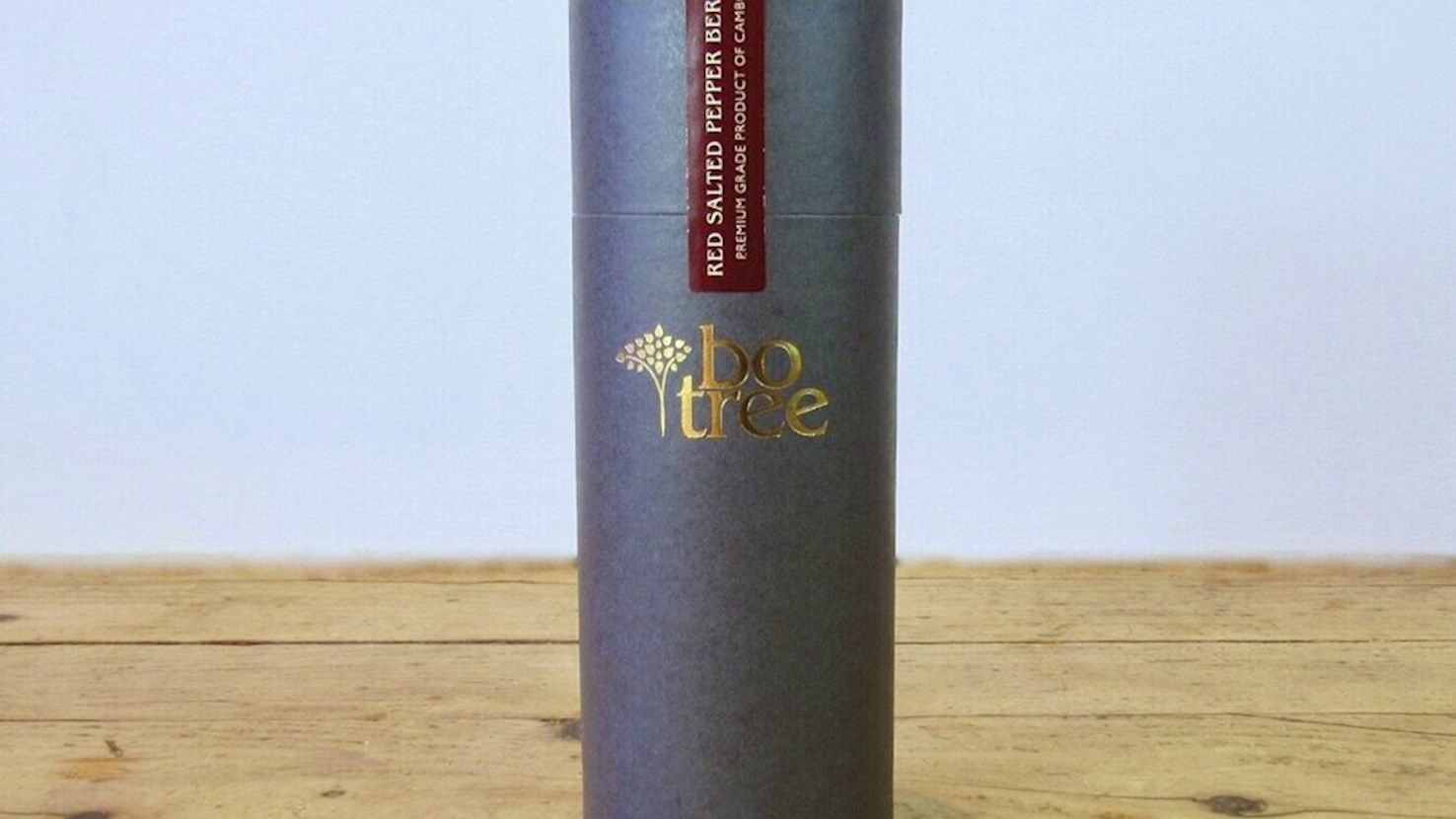
Bo Tree Farm is a spice blend and seasoning producer located in Cambodia. The company specializes in cultivating organic Kampot pepper, a variety highly prized within the culinary world. Bo Tree Farm emphasizes sustainable farming practices and works closely with local communities to ensure ethical production. They export their pepper globally, and it is known for its distinct flavor profile and high quality.
Awards
Great Taste Awards - 3 Stars (2022, 2021)
Great Taste Awards - 2 Stars (2023, 2022, 2021)
02

Yagenbori Shichimi Togarashi

4.6 ·
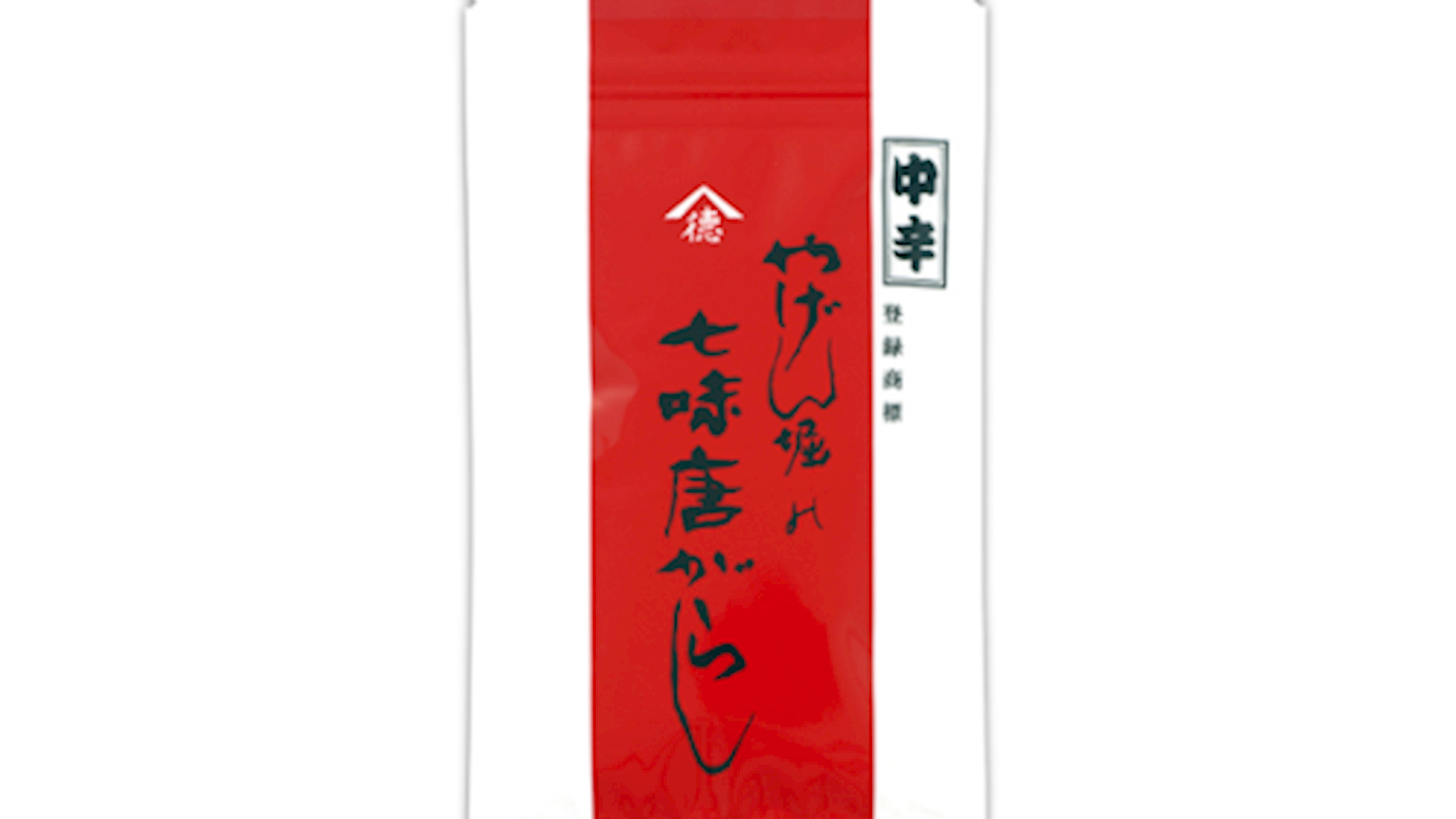
Yagenbori Shichimi Togarashi is a historic Japanese spice brand founded in 1625 during the Edo period, recognized as one of Tokyo’s oldest producers of the traditional seven-spice blend. The brand built its reputation on a carefully balanced mixture of red chili pepper, sansho (Japanese pepper), sesame seeds, poppy seeds, hemp seeds, and dried citrus peel, creating a layered profile of heat and aroma. Rather than delivering simple spiciness, Yagenbori emphasizes complexity and controlled warmth that enhances rather than overwhelms dishes. Production continues to rely on traditional hand-blending techniques and strict ingredient selection. For more than three centuries, the brand has remained closely tied to Tokyo’s culinary identity, particularly as a finishing spice for soba and udon noodles, soups, rice dishes, and grilled foods. Its distinctive packaging and availability in different levels of spiciness further reinforce its status as an authentic gastronomic emblem of the Japanese capital.
03

Lee Kum Kee

4.2 ·
Lee Kum Kee is a well-known and reputable Chinese food manufacturer, specializing in sauces and condiments. Founded in 1888 in Guangdong, China, the company has a long history of producing high-quality products that are widely used in Asian cooking. Lee Kum Kee is particularly famous for its oyster sauce, soy sauce, and various other cooking sauces, which are staples in both home kitchens and professional restaurants around the world. The company uses traditional recipes combined with modern production techniques to ensure consistency and authenticity in its products. With a strong focus on innovation and quality, Lee Kum Kee has expanded its product range to include seasonings, marinades, and ready-to-cook products, catering to a diverse global audience.
Awards
Great Taste Awards - 3 Stars (2024, 2023)
Great Taste Awards - 2 Stars (2024, 2023)
04

Namlı Gurme

4 ·
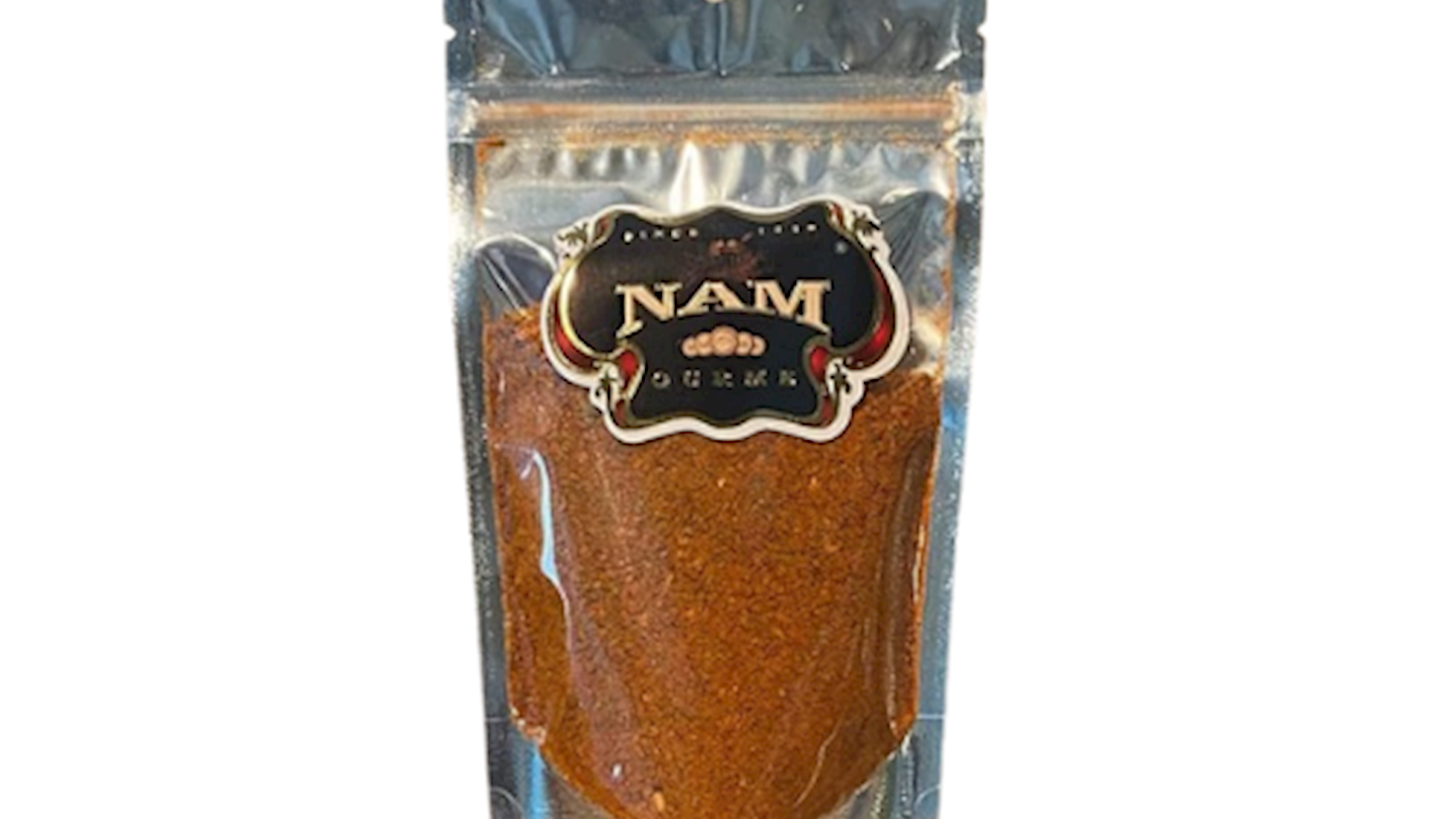
Namlı Gurme is an established Turkish gourmet concept that combines a delicatessen, restaurant-café, and breakfast/brunch venue, with a strong focus on high-quality local products and traditional cuisine. The delicatessen section allows customers to select items directly from extensive display counters and purchase them to take away, while the restaurant offers an authentic Turkish breakfast and dining experience where guests create their own plates from a wide assortment of products and pay according to their selection. Namlı Gurme is particularly known for its broad range of traditional cheeses and olives, freshly prepared meze, honey, jams, spices, and cured meat specialties that reflect the depth of Turkish gastronomy. The concept merges a comprehensive gourmet retail offer with a comfortable setting for on-site dining, making it popular among both local residents and visitors seeking to experience traditional Turkish flavors in the modern, urban atmosphere of Karaköy and other locations.
Read more
View all
View map
About this ranking

TasteAtlas food rankings are based on the ratings of the TasteAtlas audience, with a series of mechanisms that recognize real users and that ignore bot, nationalist or local patriotic ratings, and give additional value to the ratings of users that the system recognizes as knowledgeable. For the “Top 24 Asian Spice Blends and Seasonings” list until June 04, 2026, 1,258 ratings were recorded, of which 599 were recognized by the system as legitimate. TasteAtlas Rankings should not be seen as the final global conclusion about food. Their purpose is to promote excellent local foods, instill pride in traditional dishes, and arouse curiosity about dishes you haven’t tried.

The initial list of top producers was compiled based on available reviews, awards, local recommendations, media and blog coverage, and consumer reviews. The list will be updated with ratings from TasteAtlas local ambassadors and TasteAtlas users.

Similar lists