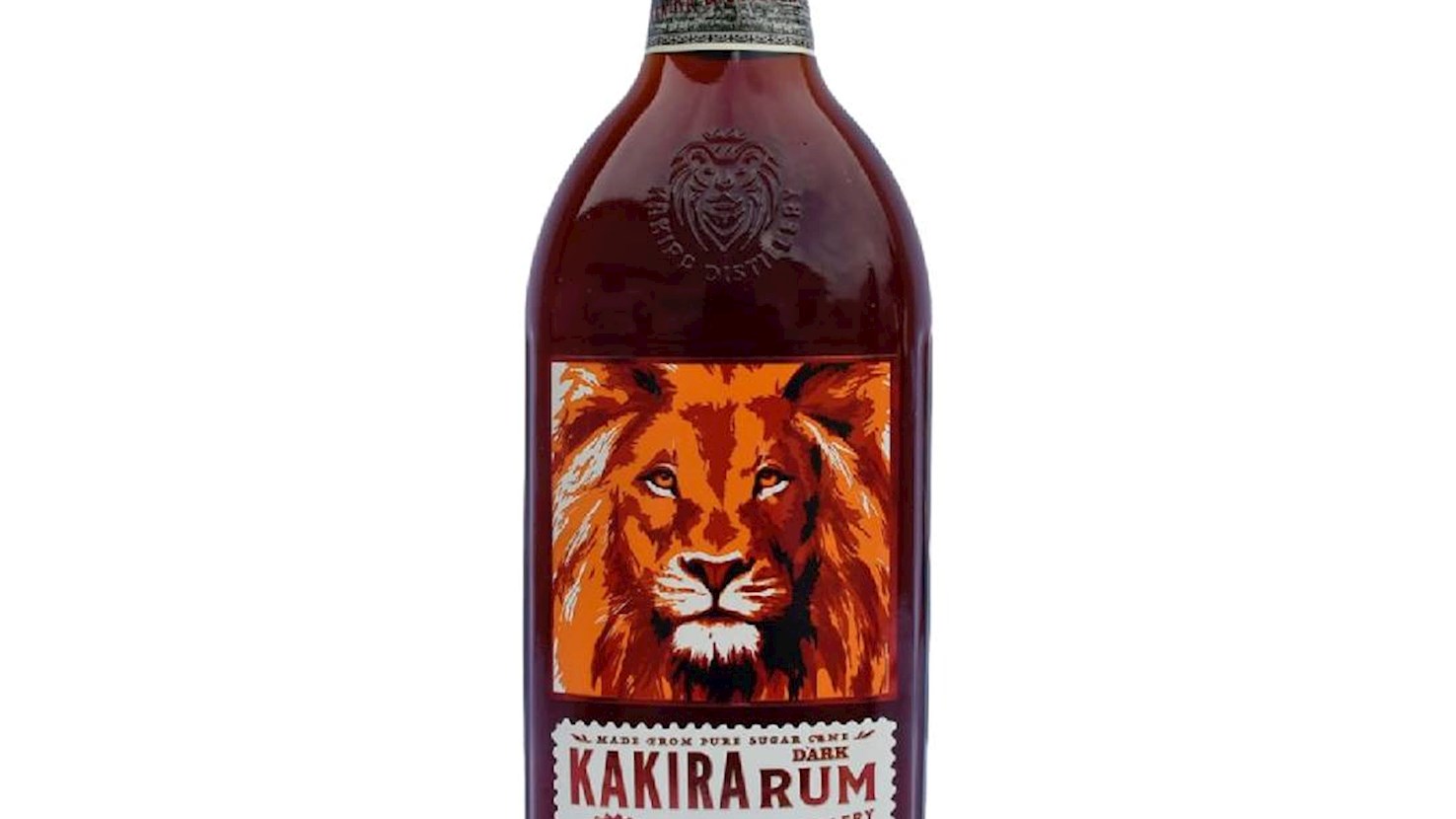
Kakira Spirits is a producer of premium alcoholic beverages located in Jinja, Uganda, on the shores of Lake Victoria at the source of the Nile River. Established in 1930 by the Madhvani family, Kakira Spirits is part of the Kakira Sugar Estate, where sugarcane has been cultivated and processed for over 70 years.
The company produces award-winning spirits such as gin, vodka, and rum, using molasses derived as a by-product of sugar production. This approach reduces waste and carbon footprint while simultaneously increasing revenues.
Awards
IWSC- International wine & spirit competition - Spirit Gold
(2024)
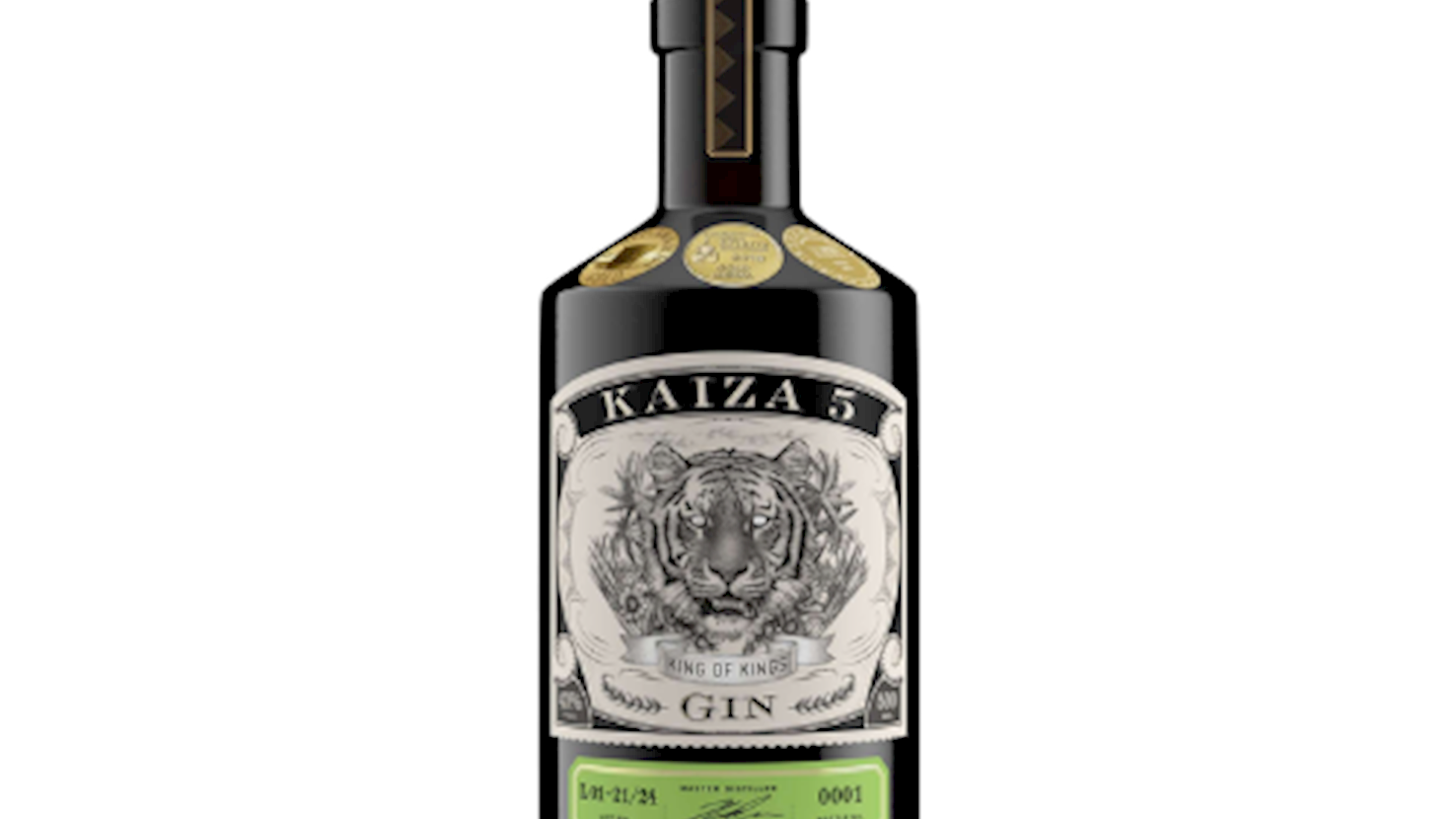
Kaiza 5 is a premium gin brand originating from South Africa, created with the intention of blending African identity with a contemporary, globally oriented craft spirits approach. Founded in Cape Town, the brand is positioned as a small-batch project with a strong emphasis on controlled distillation, carefully selected botanicals, and a clearly defined flavor profile.
The name Kaiza has roots in African cultural context and conveys ideas of strength, authority, and creative energy, which are reflected in both the brand’s visual identity and its storytelling. Rather than following classic London Dry conventions, Kaiza 5 develops its own character through a balance of traditional juniper structure and vibrant citrus and aromatic notes.
The brand targets consumers seeking authenticity and versatility, offering a gin that performs equally well in cocktails and simple serves with tonic. Through its origin, philosophy, and modern positioning, Kaiza 5 presents itself as a globally relevant gin brand with strong local roots.
Awards
World Gin Awards - Country Winner
(2024, 2022, 2021)
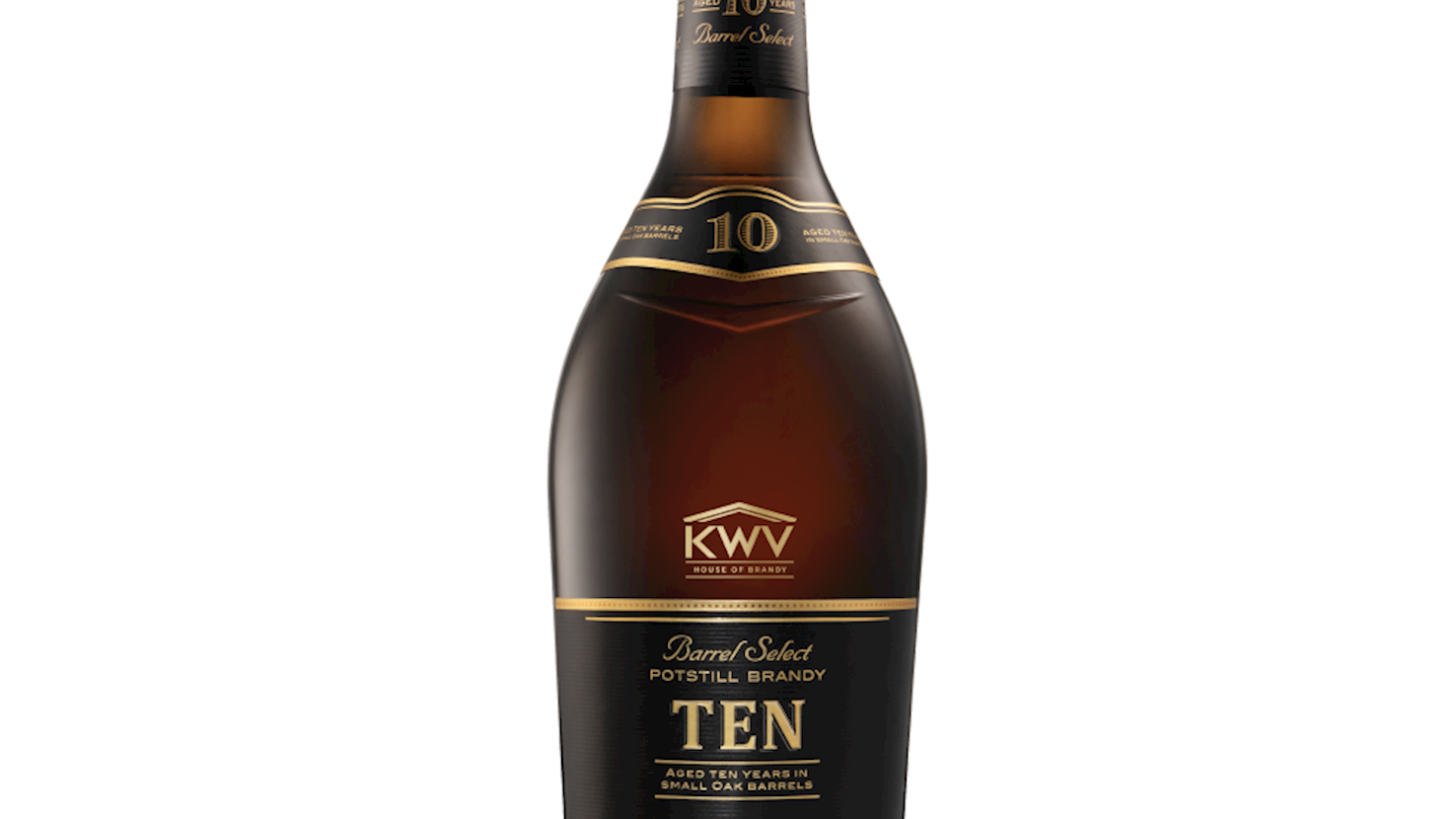
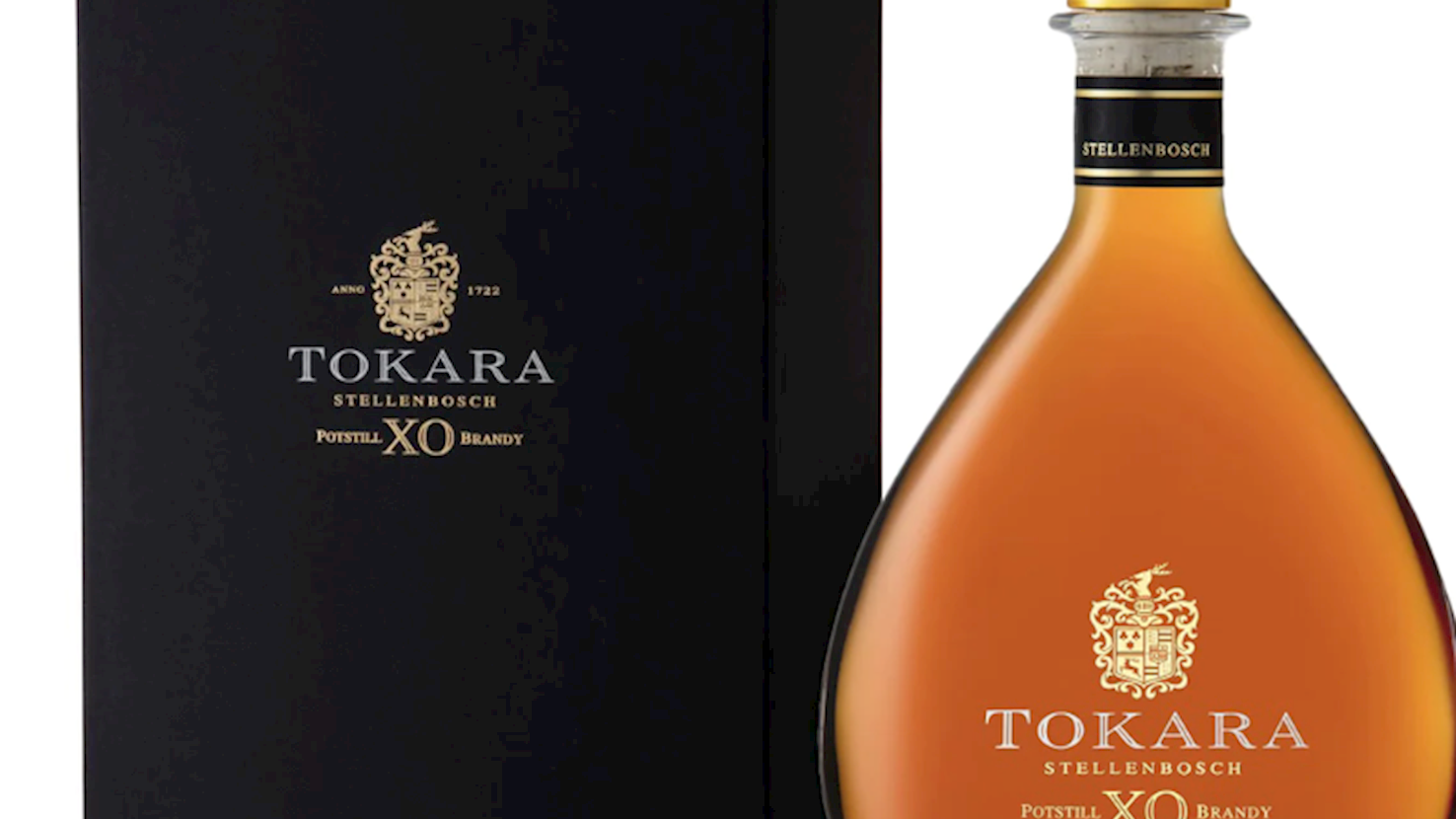
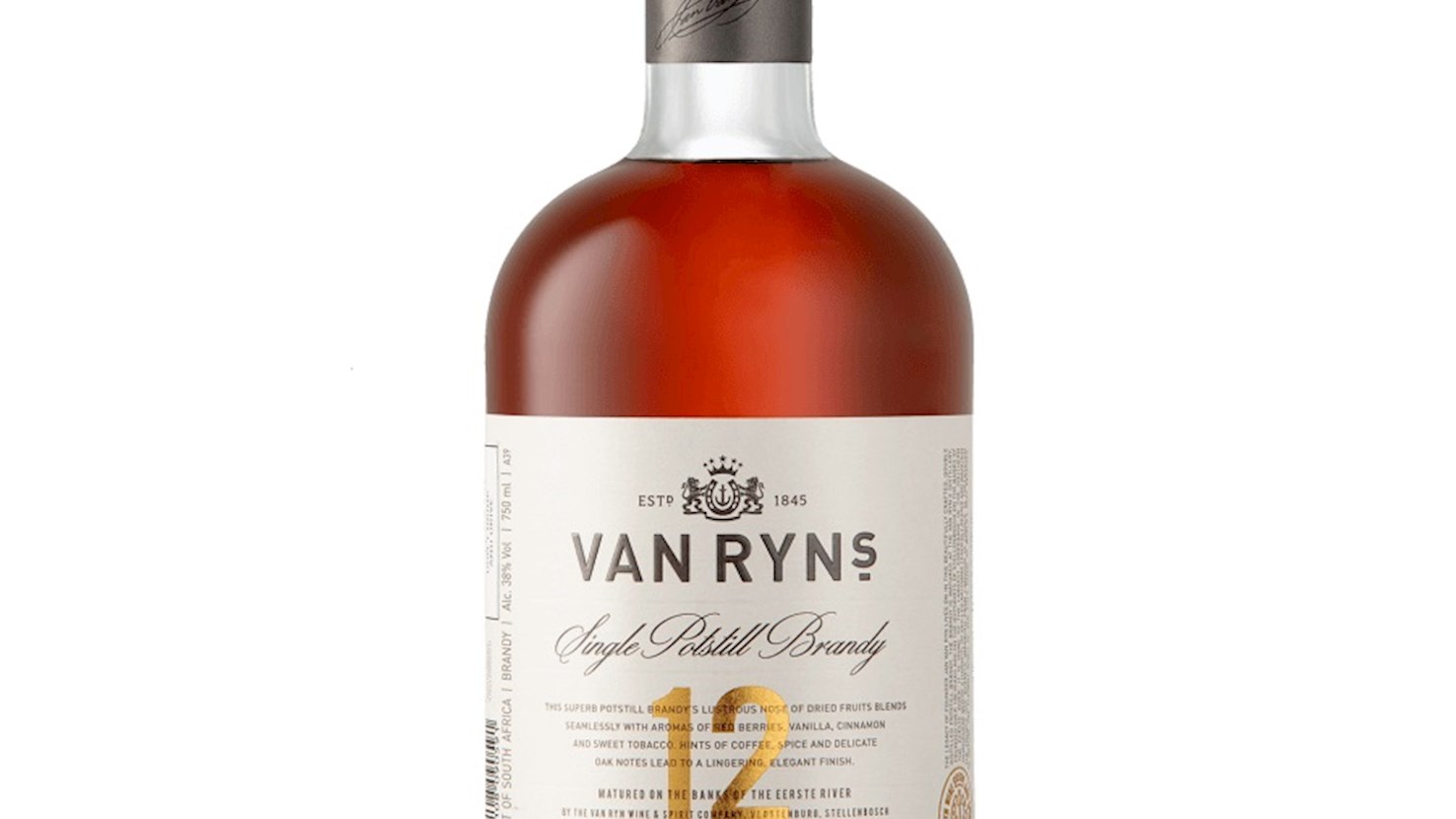
KWV is a major South African wine and spirits producer with a history dating back to 1918, when it was founded as a cooperative to support and structure the country’s wine industry. Over time, it evolved into an international brand while remaining closely connected to South Africa’s key wine-growing regions, including Paarl, Stellenbosch, Robertson, and Swartland.
KWV produces a wide portfolio of wines and spirits, with particular recognition for its brandies, which are distilled from wine and aged in French oak to emphasize balance, maturity, and depth. Its brandy range spans different age statements and styles, highlighting both fruit character and extended maturation.
In addition to brandy, KWV also produces wines and selected spirits such as gin, reflecting a broad but quality-focused approach. The brand is positioned at the intersection of heritage, technical expertise, and modern South African winemaking.
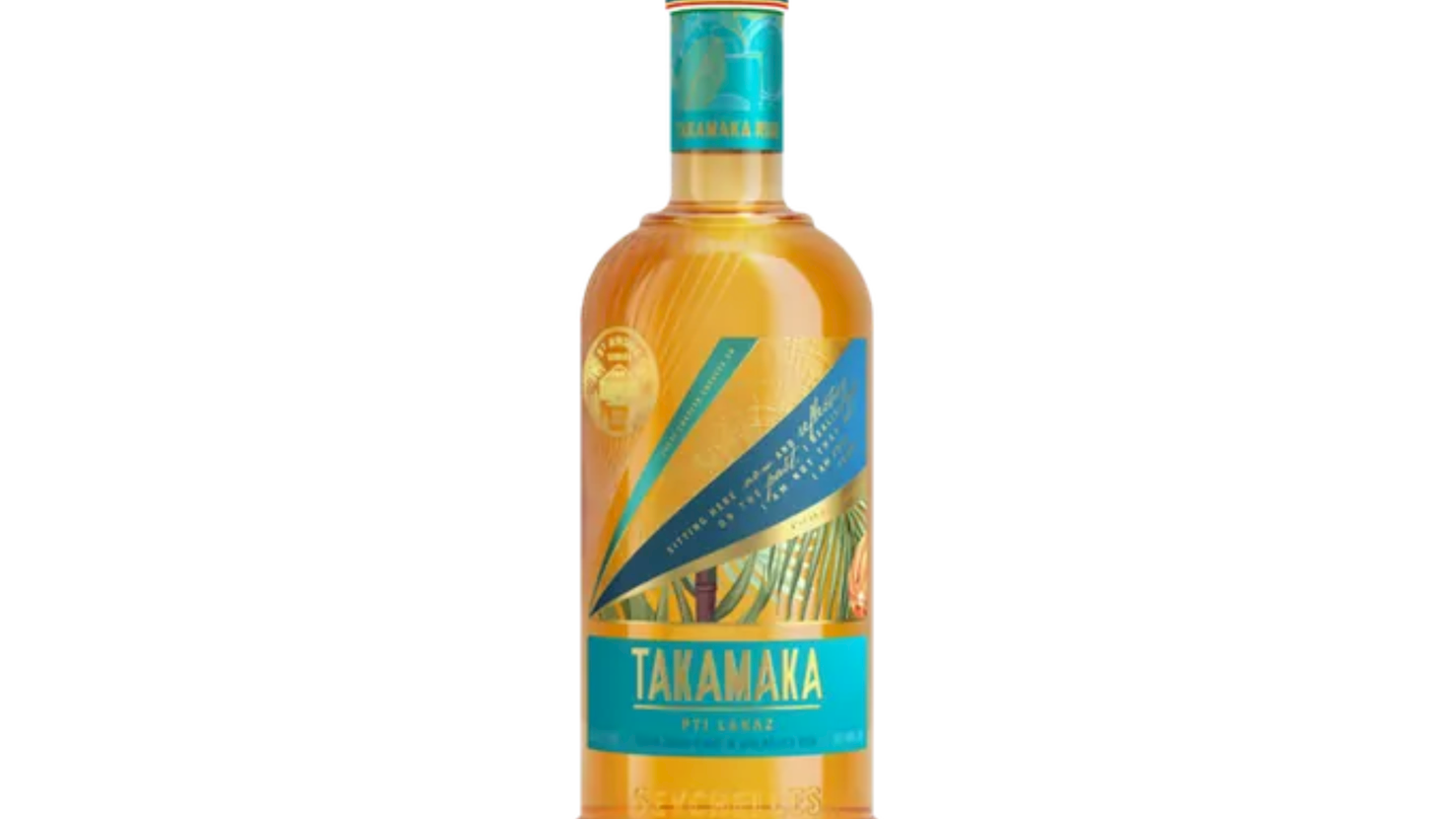
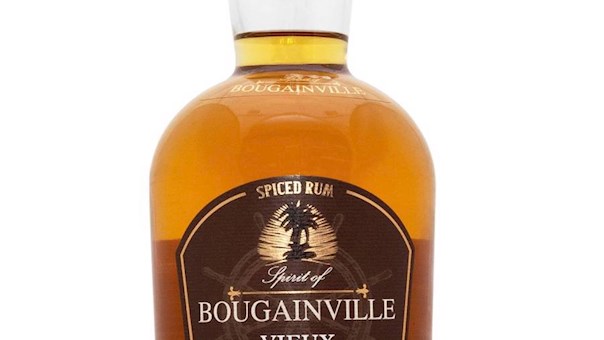
Takamaka is a Seychellois rum brand produced by the family-owned Trois Frères Distillery, founded in 2002 by brothers Richard and Bernard d’Offay. Its rums are made at La Plaine St André, a historic plantation estate dating from 1792 on the island of Mahé, which the family restored after securing a long-term lease in 2008. Takamaka works with both molasses and locally grown sugarcane juice: its molasses rums are distilled in a continuous column still and diluted with natural Seychellois spring water, while its artisanal cane rums are fermented, pot-distilled and matured on the estate. The company supports local growers in cultivating several sugarcane varieties without pesticides and experiments with tropical maturation, French and ex-bourbon oak, blending and pressure-assisted interaction between rum and wood. Its portfolio comprises the accessible Seychelles Series, the more complex St André Series and the limited, often cask-strength Le Clos Series. Once primarily associated with its home islands, Takamaka has developed into an international brand distributed in more than 50 markets, while continuing to position itself as an expression of Seychellois culture, ingredients and unconventional rum-making.
Awards
IWSC- International wine & spirit competition - Spirit Gold
(2024)
The DB & SB Autumn Blind Tasting - Gold
(2023, 2022)
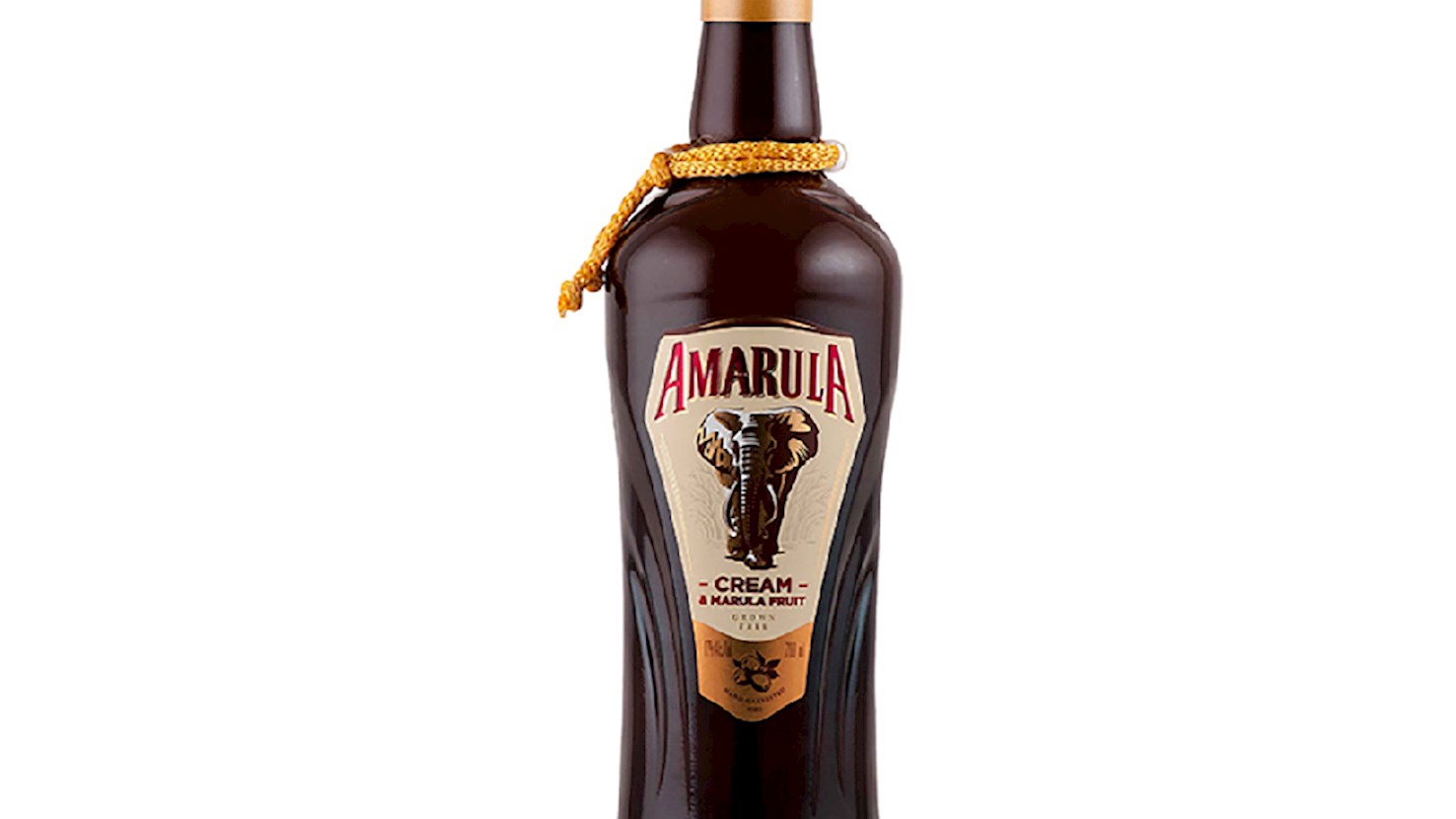
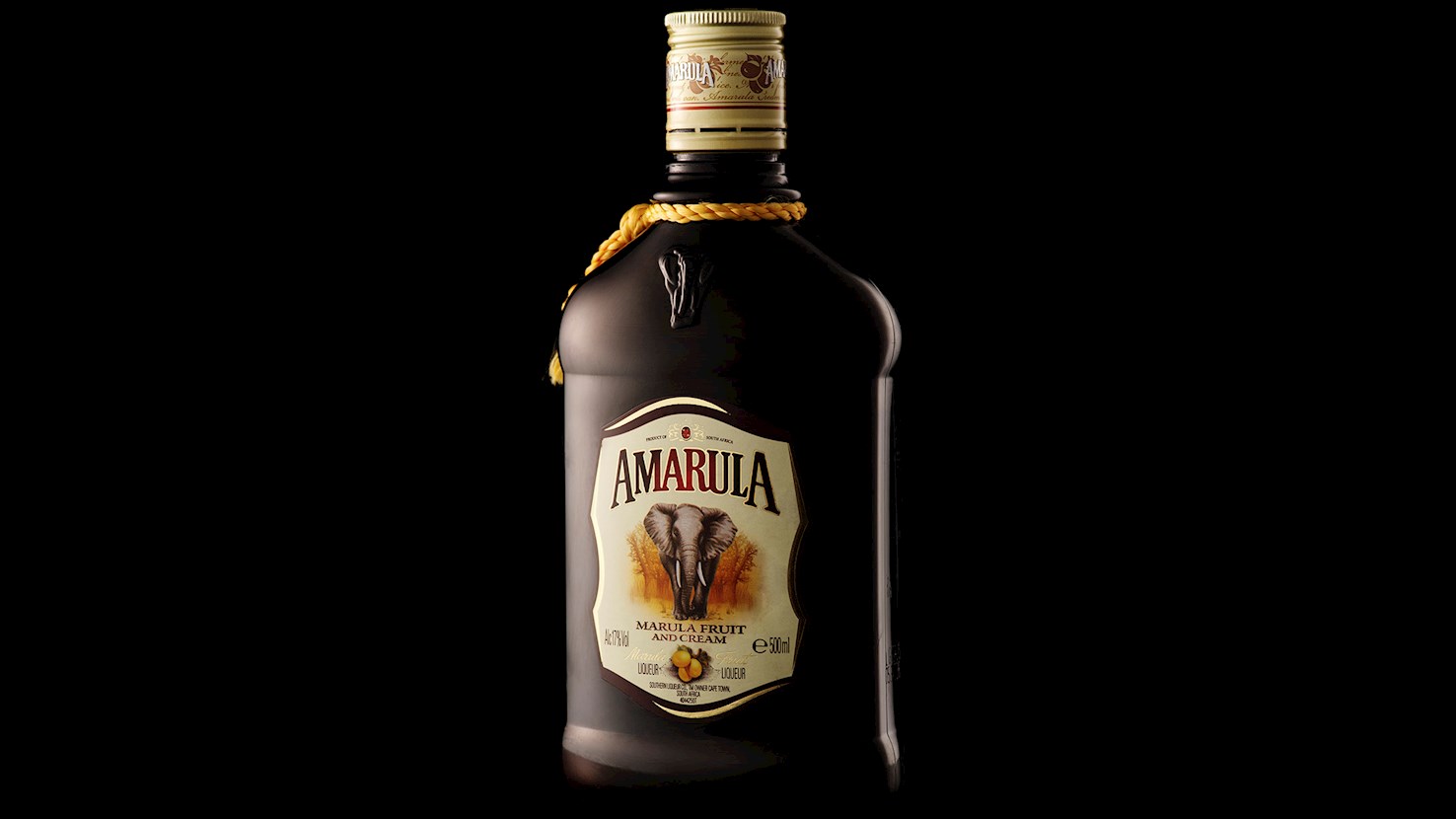
Amarula is a renowned South African brand produced by Distell Group Ltd that has built its identity around the unique marula fruit, which grows wild across sub-Saharan Africa. Founded in 1989, Amarula is celebrated for its cream liqueur, made by distilling marula fruit into a spirit, blending it with cream, and infusing it with flavors that reflect the spirit of Africa.
This liqueur is globally recognized for its smooth, fruity taste and creamy texture, symbolized by the iconic elephant logo that pays homage to the elephants who consume the marula fruit in the wild.
Amarula has expanded its range to include other innovative products, such as Amarula Ethiopian Coffee and Amarula African Gin, which use marula as a central ingredient while incorporating regional botanicals and flavors.
Awards
SFWSC - San Francisco World Spirits Competition - Double Gold
(2024, 2023)
Hailing from South Africa, this cream liqueur is produced with a base spirit that is distilled from carefully selected and hand-picked fruits of African marula, which is also known as elephant tree. The base is aged and then combined with sugar and cream to create a rich liqueur that is characterized by its slight caramel flavor and underlying notes of vanilla and spices. Since marula fruit is a treat for elephants, the brand has turned them into a trademark, and actively work on their protection. Amarula is best served well-chilled, preferably over ice, but it also blends well into cocktails, especially those based on whiskey or vodka.
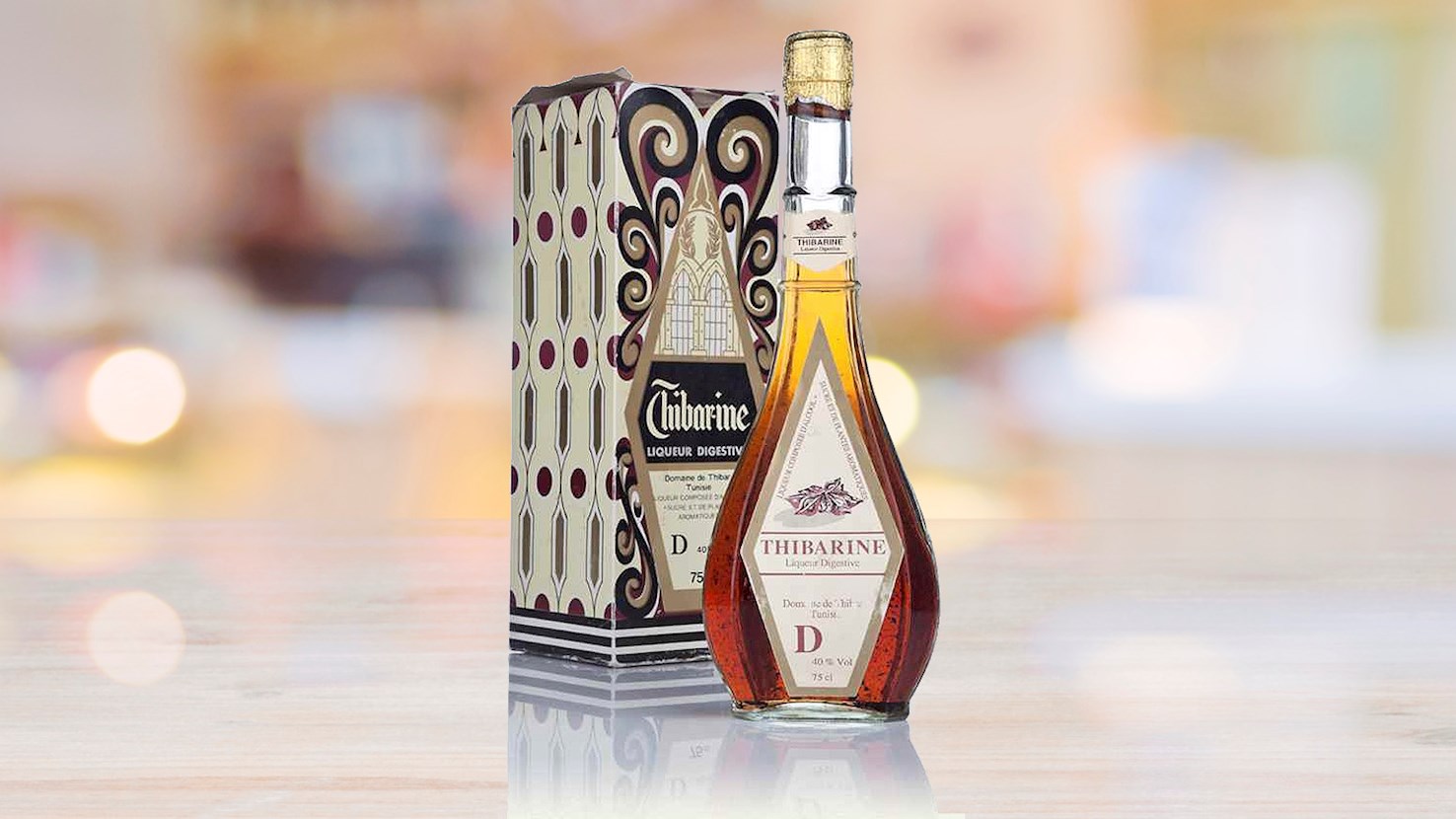
Thibarine is a sweet liqueur that hails from Tunisia. It is often said that it is based on dates, but the exact ingredients and the recipe are held secret. The only known ingredients include alcohol, sugar, and botanicals. The drink was first created in the 1940s by the Missionaries of Africa, known as the White Fathers, at the monastery in Thibar. The drink is usually enjoyed as a digestif, and it is bottled at 40% ABV.
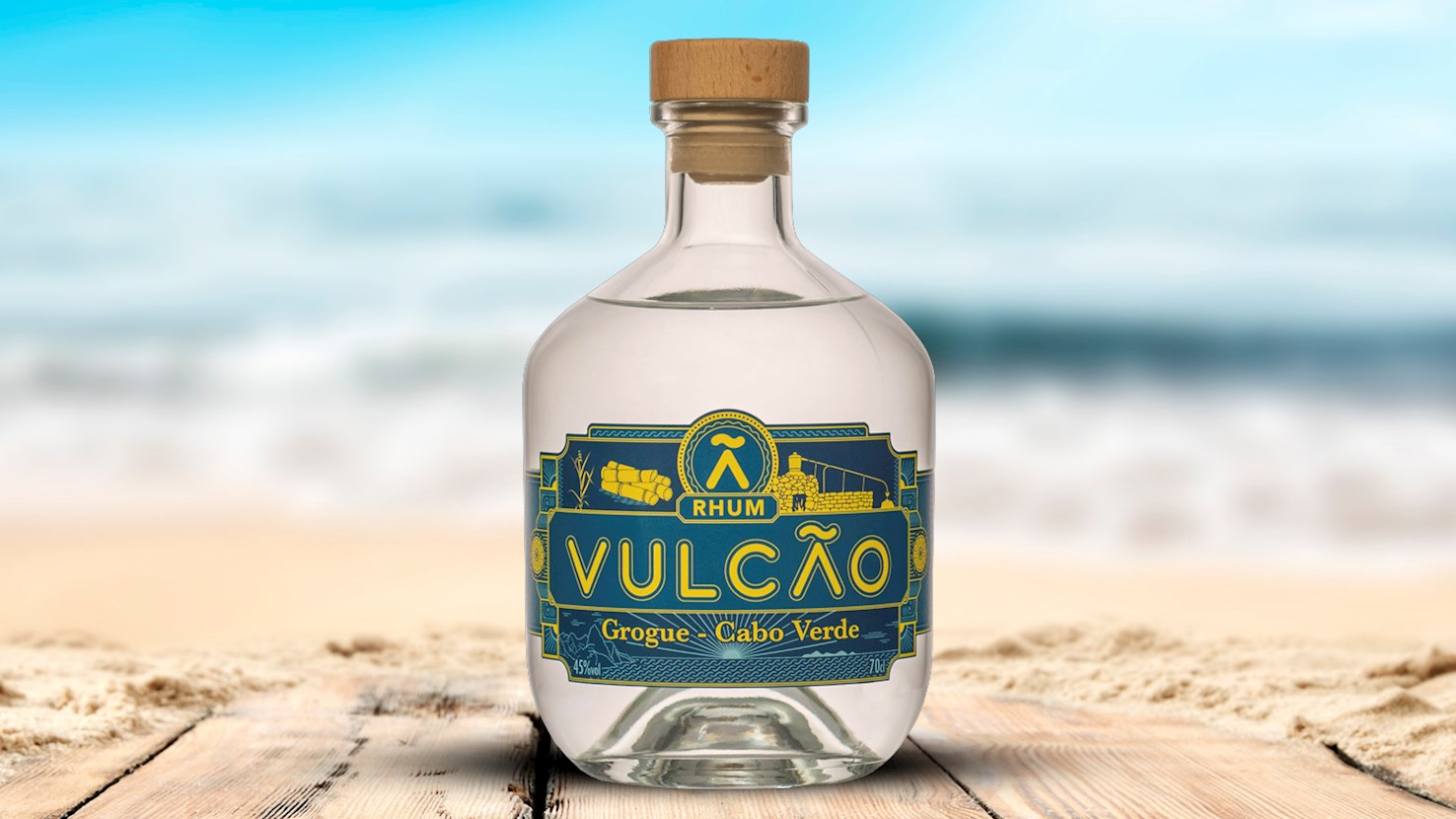
Hailing from Cape Verde, grogue is a sugar cane spirit and a favorite national drink. Though it can be found throughout the archipelago, the center of production is mainly concentrated on the islands of Santo Antão and Santiago, and most production is still artisanal. To produce grogue, sugar cane juice is extracted with a press (trapiche) and is then left to ferment for several days. The juice is then distilled in alembic stills. The drink is clear and potent, sometimes aged, mixed with fruit juice, or infused with herbs. Although it is a common, everyday drink, it is also a staple on special occasions. It can be served neat, but it is also used in cocktails and long drinks.
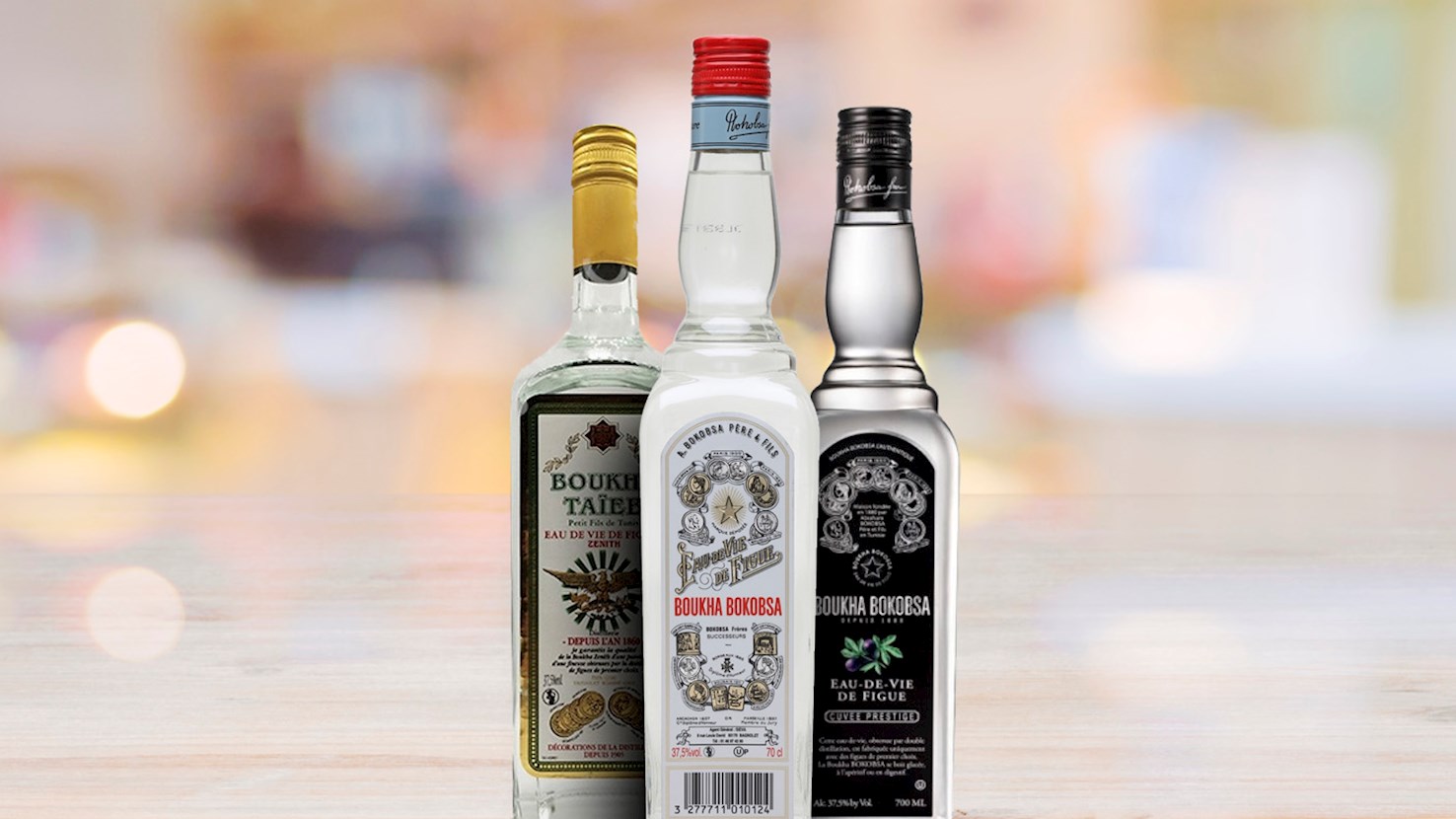
Boukha is a clear, colorless Tunisian spirit that is distilled from fermented figs. The drink was first produced in 1820 by Yaakov Bokobsa. Together with his sons, he perfected the recipe in 1870, and the drink is still produced following traditional procedures and the old, secret recipe. Boukha is a smooth and warming spirit with complex notes of raisins and spices. It can be enjoyed neat, preferably well-chilled, or as a cocktail ingredient. Boukha has an alcohol content of 37,5% ABV.
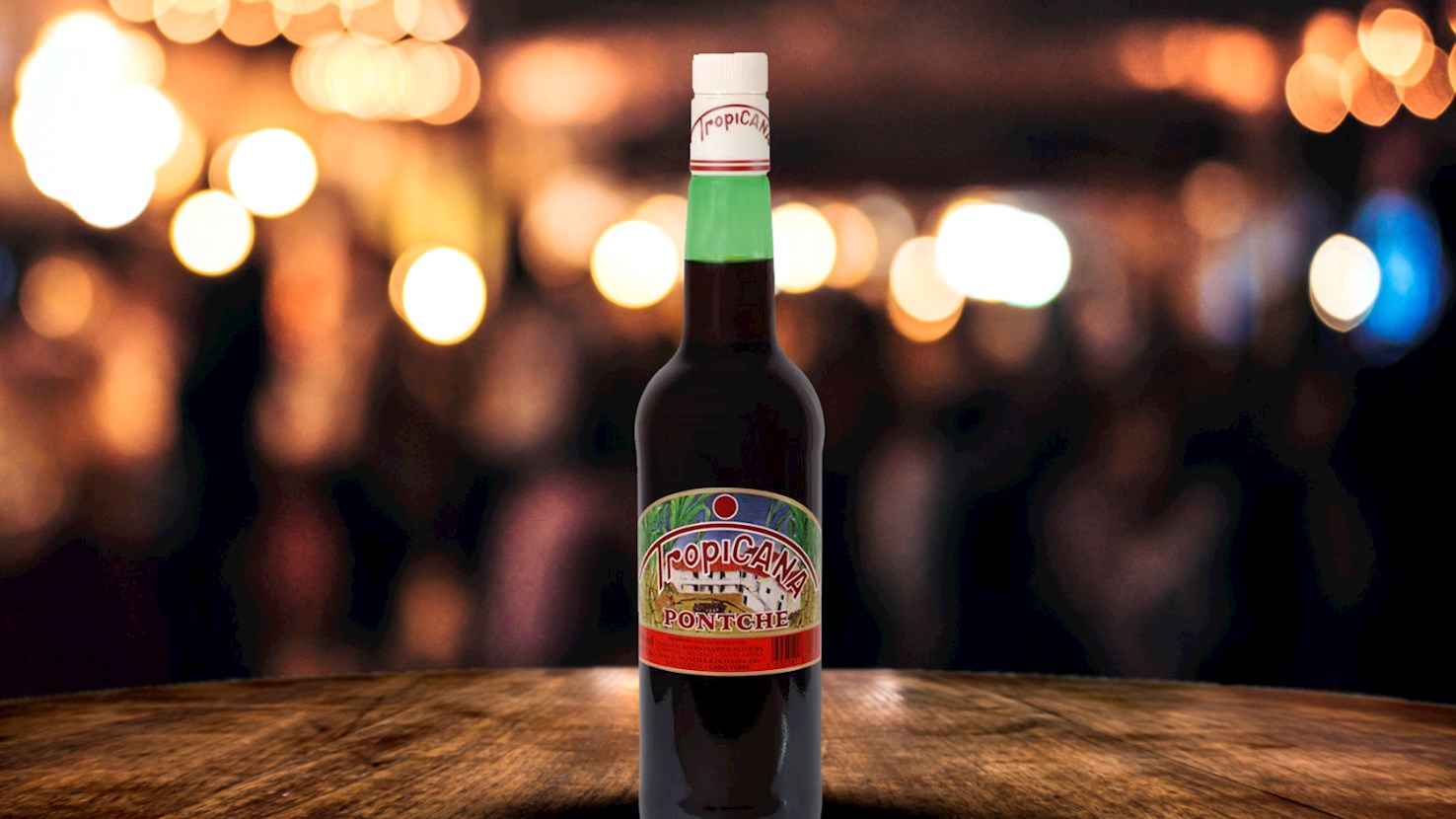
Pontche is a type of liqueur that hails from Cape Verde. In its basic form, it is a combination of grogue—sugar cane spirit—and molasses or honey. Sometimes, lime juice is also added to the mix. The original version of pontche is often altered to create various flavors, including coconut, chocolate, or fruit-flavored versions, which are mainly intended for tourists. Unlike grogue, which is a potent and pure sugar cane spirit, pontche is mellow and sweet. It is usually served neat or over ice.
Areke is a clear distilled spirit made from fermented cereal grains and gesho, the leaves and stems of Rhamnus prinoides. It is produced in many parts of Ethiopia, particularly in rural and semi-urban communities, and is closely related to the country’s cereal-based fermented drinks because the mash used for distillation is prepared from many of the same ingredients. Barley, wheat, maize, millet, sorghum, and teff can all be used, depending on the region and household recipe. Areke developed within Ethiopia’s long-established practice of fermenting grains for alcoholic beverages, but differs from drinks such as tella in one important step: after fermentation, the mash is distilled, producing a considerably stronger and clearer drink. Production usually begins with a fermenting mixture called yereki-tensis, made from malted grain, known as bikil, powdered gesho, and water. Baked cereal bread called kita and roasted or toasted grain flour known as enkuro are later added, and the mixture is left to ferment into a concentrated mash called medifedef. Once fermentation is complete, the mash is heated in a pot still, traditionally assembled from clay or metal vessels connected by a bamboo or other hollow tube that carries the alcohol-rich vapor toward a cooled collecting container. The condensed liquid becomes areke, which is typically colorless and commonly reaches around 30–50% alcohol by volume, although strength varies significantly between batches. Two commonly recognized forms are terra areke, meaning ordinary or first-distilled areke, and dagim areke, which is distilled again and is therefore usually stronger, often reaching around 45% alcohol. Gesho remains an important part of the drink even after distillation because it contributes bitter and herbal compounds to the fermented mash, giving areke a character different from neutral grain spirits. The final flavor can range from relatively clean and cereal-like to noticeably earthy, smoky, herbal, or sharp, depending on the grains, fermentation, heating method, and number of distillations. Areke is usually served in small quantities at homes, local drinking places, celebrations, and social gatherings, either on its own or alongside food. Its high alcohol content works particularly well with strongly seasoned Ethiopian foods such as tibs, kitfo, siga wat, doro wat, and other meat dishes served with injera, while salty or spicy snacks can also accompany it.
TasteAtlas food rankings are based on the ratings of the TasteAtlas audience, with a series of mechanisms that recognize real users and that ignore bot,
nationalist or local patriotic ratings, and give additional value to the ratings of users that the system recognizes as knowledgeable.
TasteAtlas Rankings should not be seen as the final global conclusion about food. Their purpose is to promote excellent local foods,
instill pride in traditional dishes, and arouse curiosity about dishes you haven’t tried.
The initial list of top producers was compiled based on available reviews, awards, local recommendations, media and blog coverage, and consumer reviews.
The list will be updated with ratings from TasteAtlas local ambassadors and TasteAtlas users.















What People Say