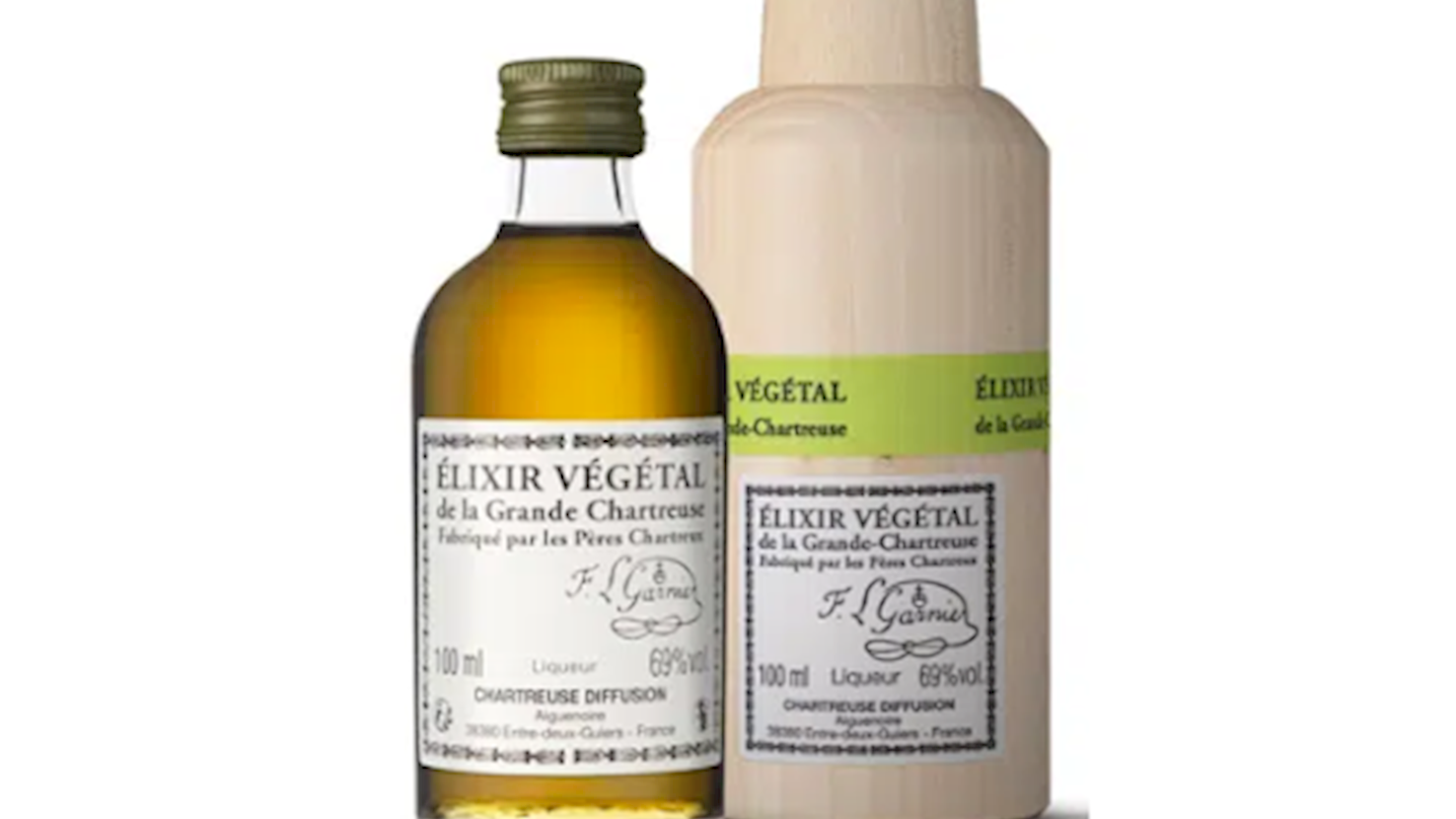
Chartreuse Diffusion is a French company responsible for the commercialization and distribution of the renowned Chartreuse liqueurs, produced by Carthusian monks according to a strictly guarded recipe. The history of this liqueur dates back to 1605, when the order received a manuscript containing the recipe for an “elixir of long life”, with the modern version first crafted in 1764 at the Grande-Chartreuse monastery in the French Alps. The range includes Chartreuse Verte (55% ABV), with an intense herbal character derived from 130 different plants, and Chartreuse Jaune (43% ABV), milder and sweeter, with citrus, floral, and spicy notes. The secret recipe is known only to a handful of monks, adding to the brand’s exclusivity and mystique. In addition to distribution, Chartreuse Diffusion operates tourist centers in Voiron, where visitors can learn more about the history, production process, and taste different varieties of this unique liqueur.
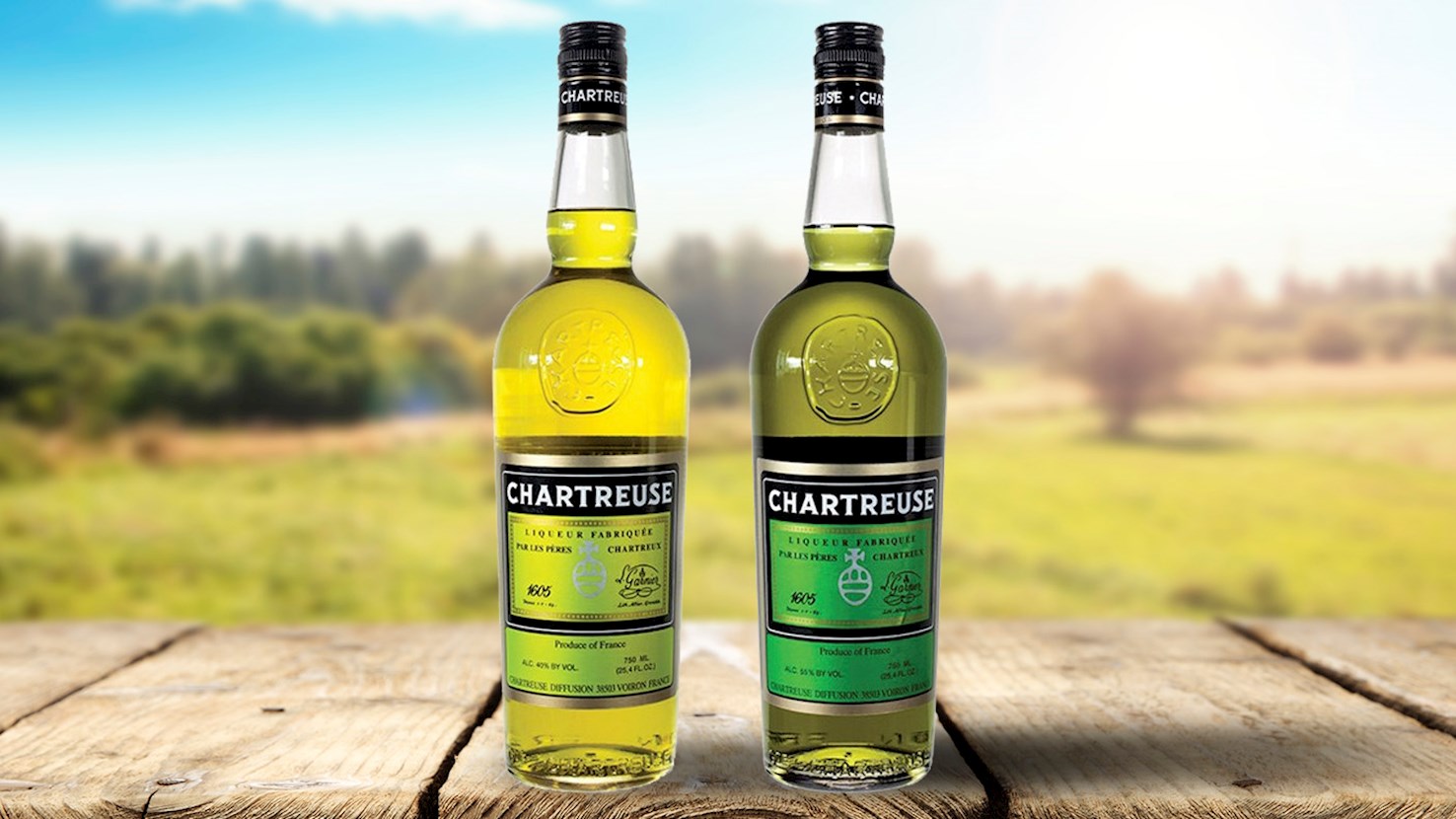
Chartreuse is one of the oldest and most popular French liqueurs. It is believed that the drink originates from an ancient manuscript that was sent to the Grande Chartreuse monastery at the beginning of the 18th century. In 1764, the Carthusian Monks decoded the paper and produced the first version of a health elixir that was mostly used as a medicine. The monks then adapted the recipe in 1840 to create the original Green Chartreuse—the first version of Chartreuse liqueur that is still prepared following a secret formula that includes around 130 herbs, spices, and other botanicals. The macerate is distilled and then aged in oak casks. Chartreuse comes in several varieties, including the original Green Chartreuse (55% ABV) characterized by its complex herbal and floral aromas. Yellow Chartreuse (43% ABV) is produced in the same manner, but it results in a slightly milder and sweeter drink due to the use of different herbs. Chartreuse is best appreciated as a digestif, served neat or on the rocks. It can also work well as a cocktail ingredient. Limited editions of the drink included various flavored versions such as orange, anise, or myrtle.
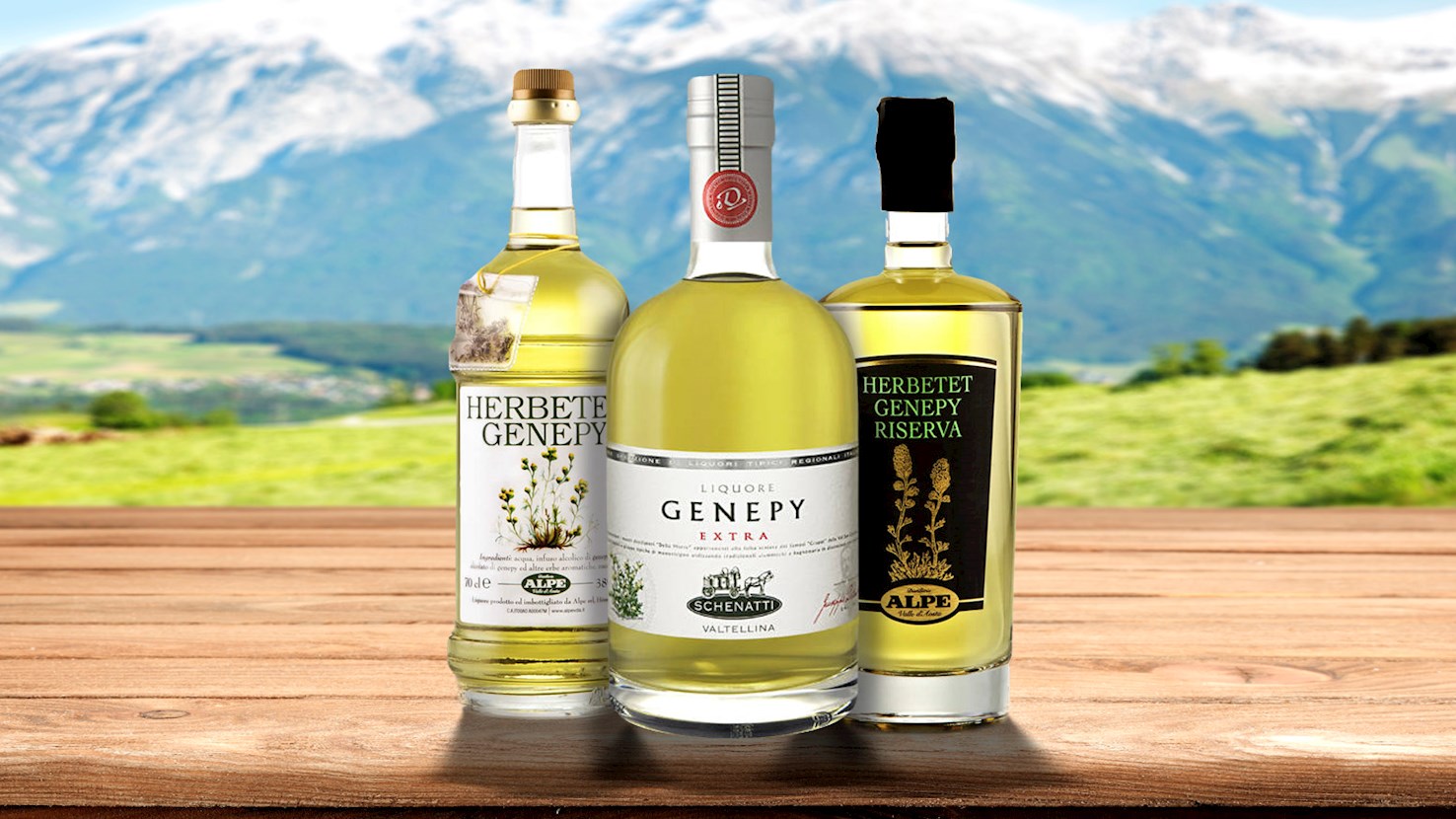
Génépi is a herbal liqueur that is usually made by macerating dried herbs in neutral alcohol or grain spirit, with added sugar. Although small amounts of other herbs may be added to the macerate, the most prominent are the alpine shrubs of the genus Artemisia (wormwood), which impart the drink with a distinctive subtly bitter flavor. The drink is believed to have originated in the Savoy region and has earned a PGI status for beverages produced in Savoy. It remains a favorite après-ski aperitif in the Alpine mountain huts, especially in the Aosta valley. Génépi is mostly light green or pale yellow, with a well-balanced and delicate floral flavor that is complemented by hints of sweetness and bitterness. It is usually enjoyed neat as an aperitif or digestif, but recently it has also been promoted as an excellent cocktail ingredient, as well as a great addition to desserts and coffee.
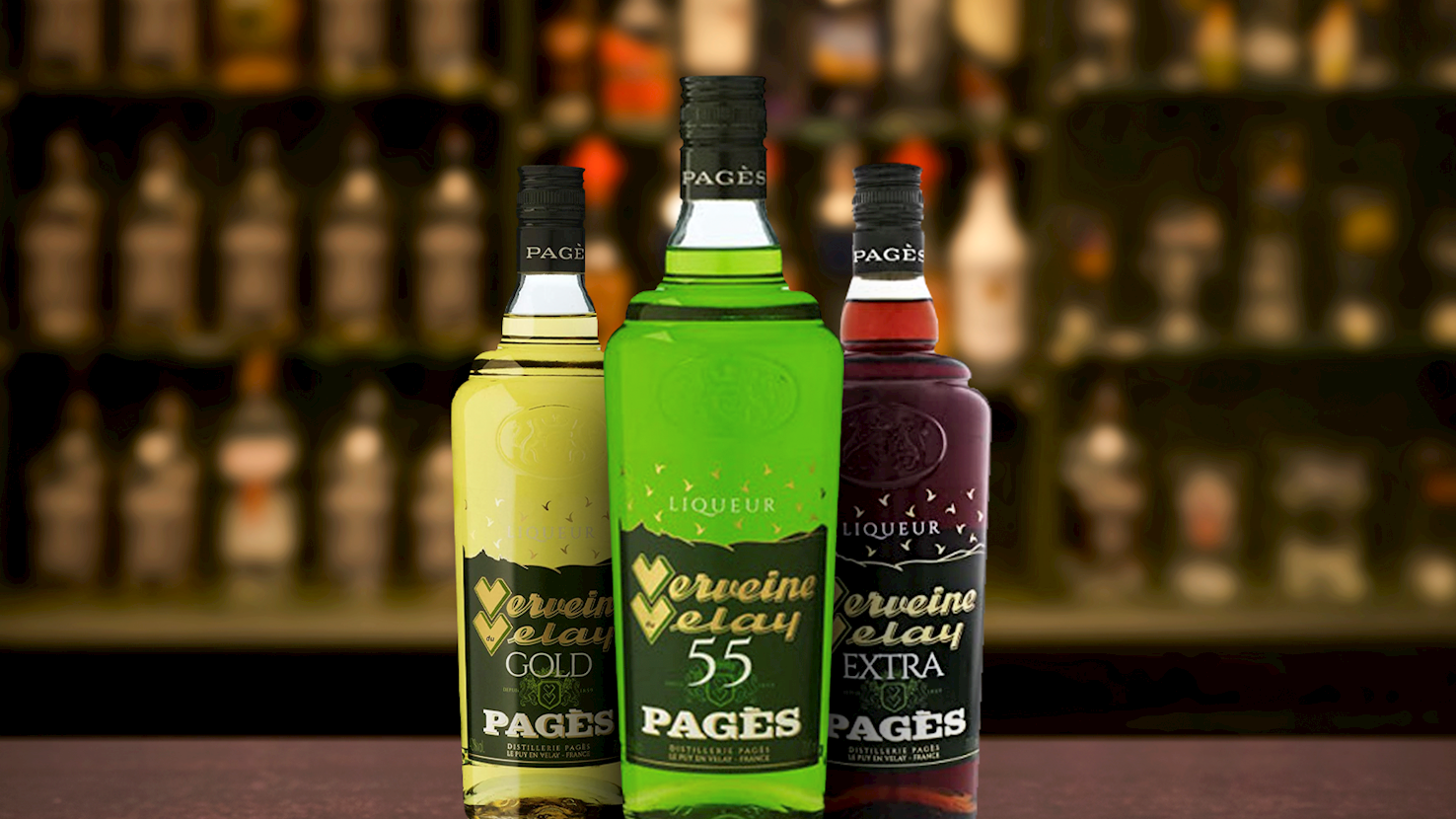
Verveine du Velay is a herbal liqueur produced from 32 botanicals, including lemon verbena (verveine), nutmeg, and juniper. The resulting liqueur has a vibrant green color and intense herbal aromas. On the palate, it is rich and full-bodied, with a rounded, lingering finish. It is a complex liqueur aged in oak before bottling. It is usually enjoyed neat as a digestif, but it can also be served over ice or used in cocktails. Verveine has a long tradition in the Auvergne region. It was first made in 1859 by Joseph Rumillet-Charretier, a pharmacist from Le Puy-en-Velay. Apart from the standard green (Verte) version, which is bottled at 55% ABV, there are three more labels. The slightly weaker Gold Verveine (40%), Extra label made with Cognac, and a very mellow La Petit label (18% ABV).
Marc de Provence is a robust distilled spirit crafted in the southeastern French regions of Provence, Drôme, and Hautes-Alpes by extracting alcohol from leftover winemaking materials. Repurposing the skins, seeds, and pulp remaining after pressing grapes for wine, local artisans transform these agricultural byproducts into a refined, high-proof liquor. Official regulations enacted in 1942 strictly govern the manufacture of this potent drink, ensuring it remains deeply tied to its geographic roots. Winemakers must gather pristine grape remnants from approved regional vines and quickly move them to the distillation phase. Strict appellation rules require this crucial step to be completed before November 15 of the harvest year to capture the freshest aromatics. Distillers rely on classic distillation equipment or continuous column setups to vaporize and condense the fermented matter, ultimately yielding a raw, fiery liquid hovering around 55 to 60 percent alcohol by volume. Once distilled, the liquid can be bottled immediately or transferred to wooden casks for maturation. The youngest classification, known as a "blanche," rests for a minimum of three months, retaining a completely transparent appearance and a sharp, unaged bite. Conversely, extending the resting period in oak barrels produces older designations like "vieux" or "hors d'âge," which require anywhere from 6 to well over 10 years of cellaring. Resting inside the wood naturally softens the harsh alcohol and imparts deep amber colors, along with complex layers of caramel, baking spices, and dried fruits. Master blenders frequently experiment with the final flavor profile by isolating specific grape varieties, such as Syrah or Cabernet Sauvignon, or by resting the liquid in imported Bordeaux and Burgundy wine barrels to add distinct structural notes. Traditionally poured as a digestif to settle the stomach after a heavy dinner, this intense beverage is best enjoyed at room temperature from small, tulip-shaped glasses. The strong, warming character of the liquor perfectly complements the herbaceous, oil-rich dishes of southern France, while also pairing magnificently with pungent cheeses, roasted nuts, or dark chocolate desserts.
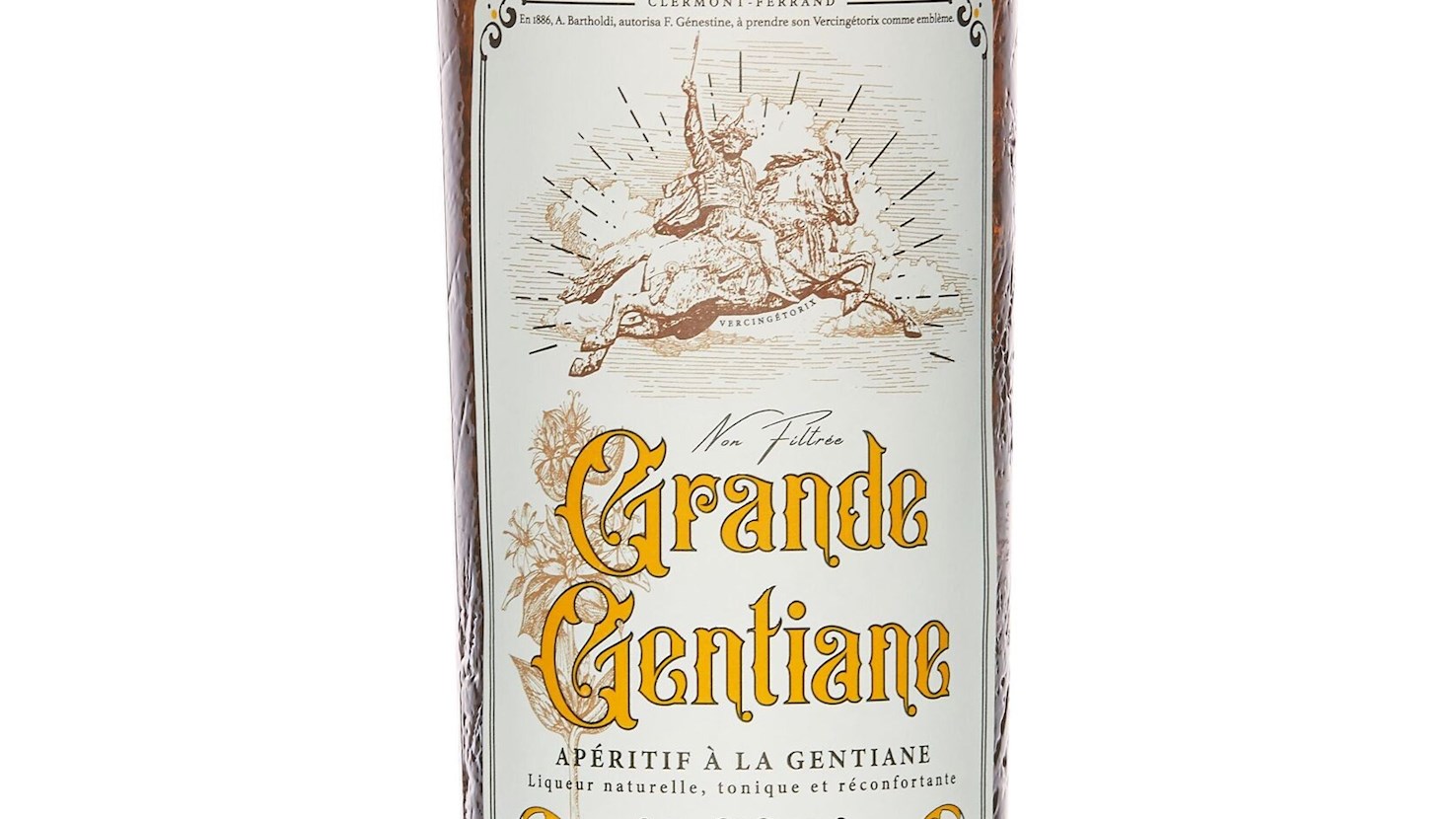
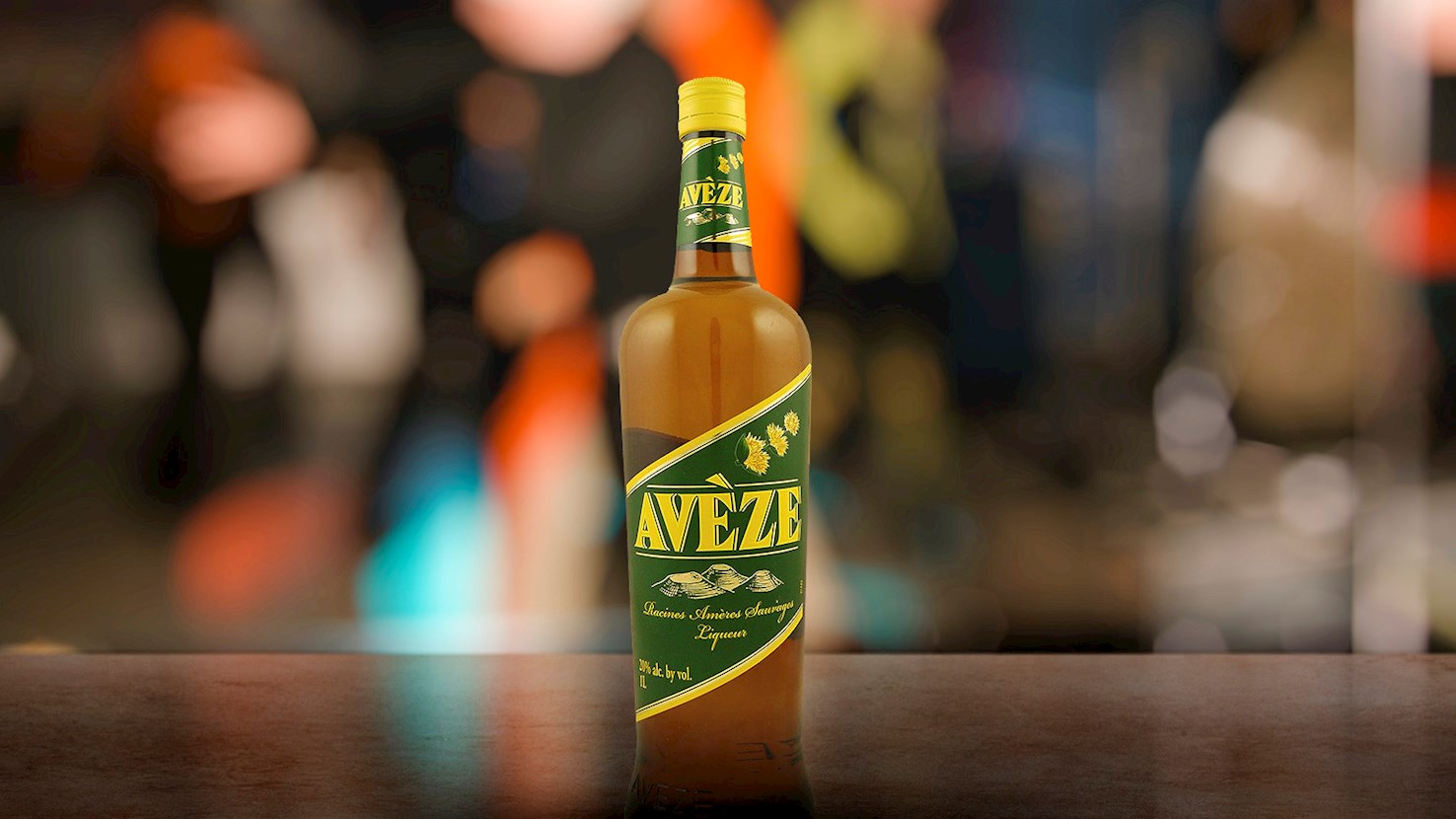
Avèze is a gentian root-based liqueur that hails from Riom-ès-Montagnes. It is a toned-down gentian version that is not as astringent as Suze or Salers. Avèze is made from yellow gentian root that is grown in Volcans d’Auvergne national park. It is the only gentian liqueur that uses wild gentian root. Fresh gentian is macerated in alcohol, together with a mix of other botanicals. The result is a yellow-colored liqueur with a herbaceous, grassy, and floral character. It is soft and mellow, while the flavor is bitter and complemented by pleasant sweetness. The liqueur was created in 1921 by Émile Refouvelet who initially called it Auvergne Gentiane. Traditionally, Avèze is served neat, over ice, or topped with soda water, but it also makes a great ingredient in cocktails.
TasteAtlas food rankings are based on the ratings of the TasteAtlas audience, with a series of mechanisms that recognize real users and that ignore bot,
nationalist or local patriotic ratings, and give additional value to the ratings of users that the system recognizes as knowledgeable.
For the “Top 5 Aurhalpin Spirits and Liqueurs” list until June 24, 2026, 99 ratings were recorded, of which 77 were recognized by the system as legitimate.
TasteAtlas Rankings should not be seen as the final global conclusion about food. Their purpose is to promote excellent local foods,
instill pride in traditional dishes, and arouse curiosity about dishes you haven’t tried.
The initial list of top producers was compiled based on available reviews, awards, local recommendations, media and blog coverage, and consumer reviews.
The list will be updated with ratings from TasteAtlas local ambassadors and TasteAtlas users.