Top 8 Norwegian Spirits and Liqueurs

Last updated on June 15, 2026

Best Norwegian Spirits and Liqueurs
01

Linie Aquavit

5 ·
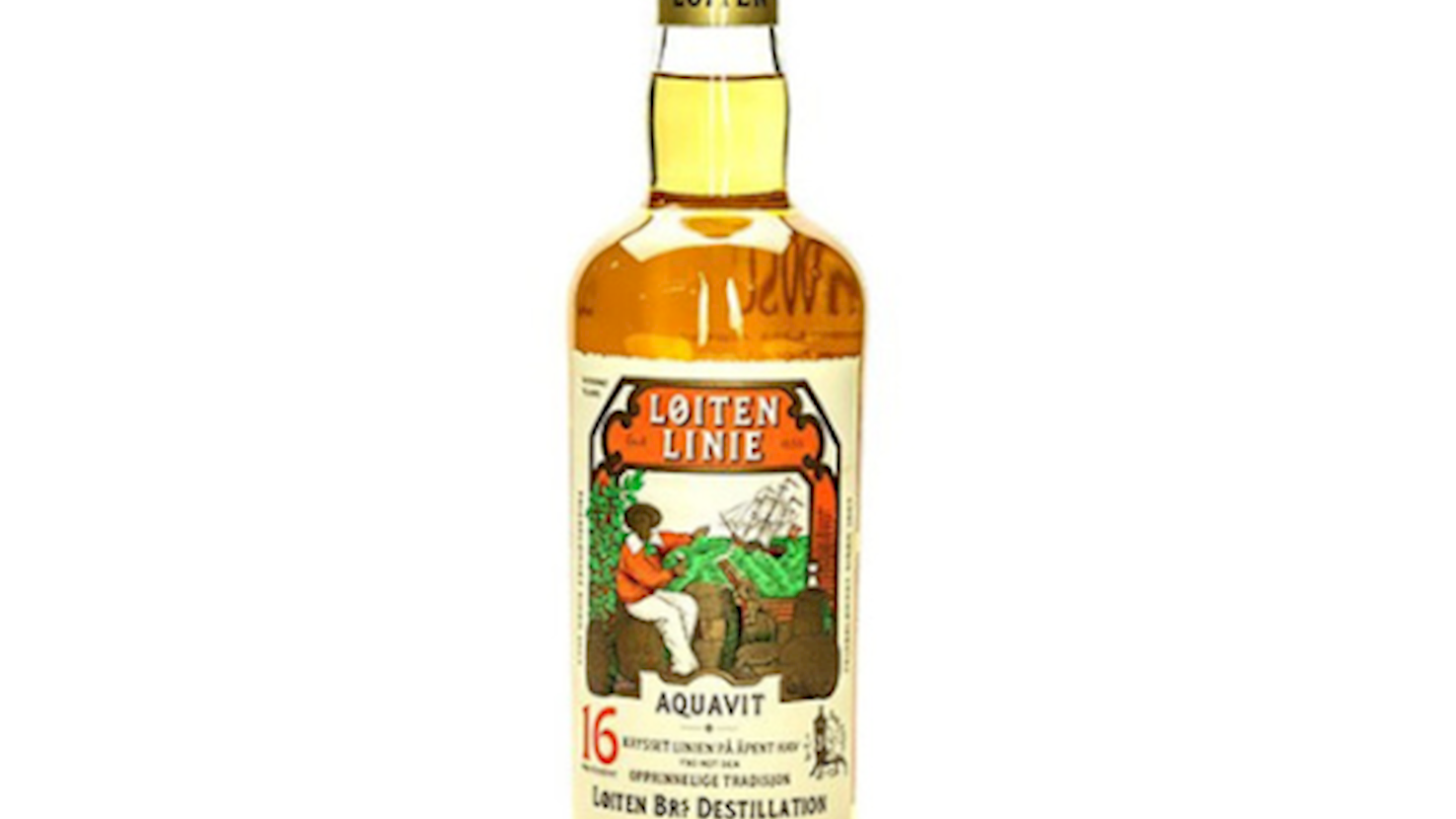
Linie Aquavit is a renowned Norwegian brand that specializes in aquavit, a traditional distilled spirit flavored with spices and herbs, such as caraway or dill. Linie Aquavit stands out for its unique maturing process, which involves shipping the spirit in oak barrels across the equator twice—a journey that enhances its flavor through temperature fluctuations and constant movement. This tradition dates back to the early 19th century and is a hallmark of the brand's commitment to quality and heritage. Linie continues to innovate while preserving its rich history, offering aquavit enthusiasts a taste of Norway's cultural essence.
Awards
ISC-International Spirits Challenge - Double Gold (2023, 2022, 2021, 2020, 2019)
ISC-International Spirits Challenge - Gold (2022)
02

Oss Craft Distillery

5 ·
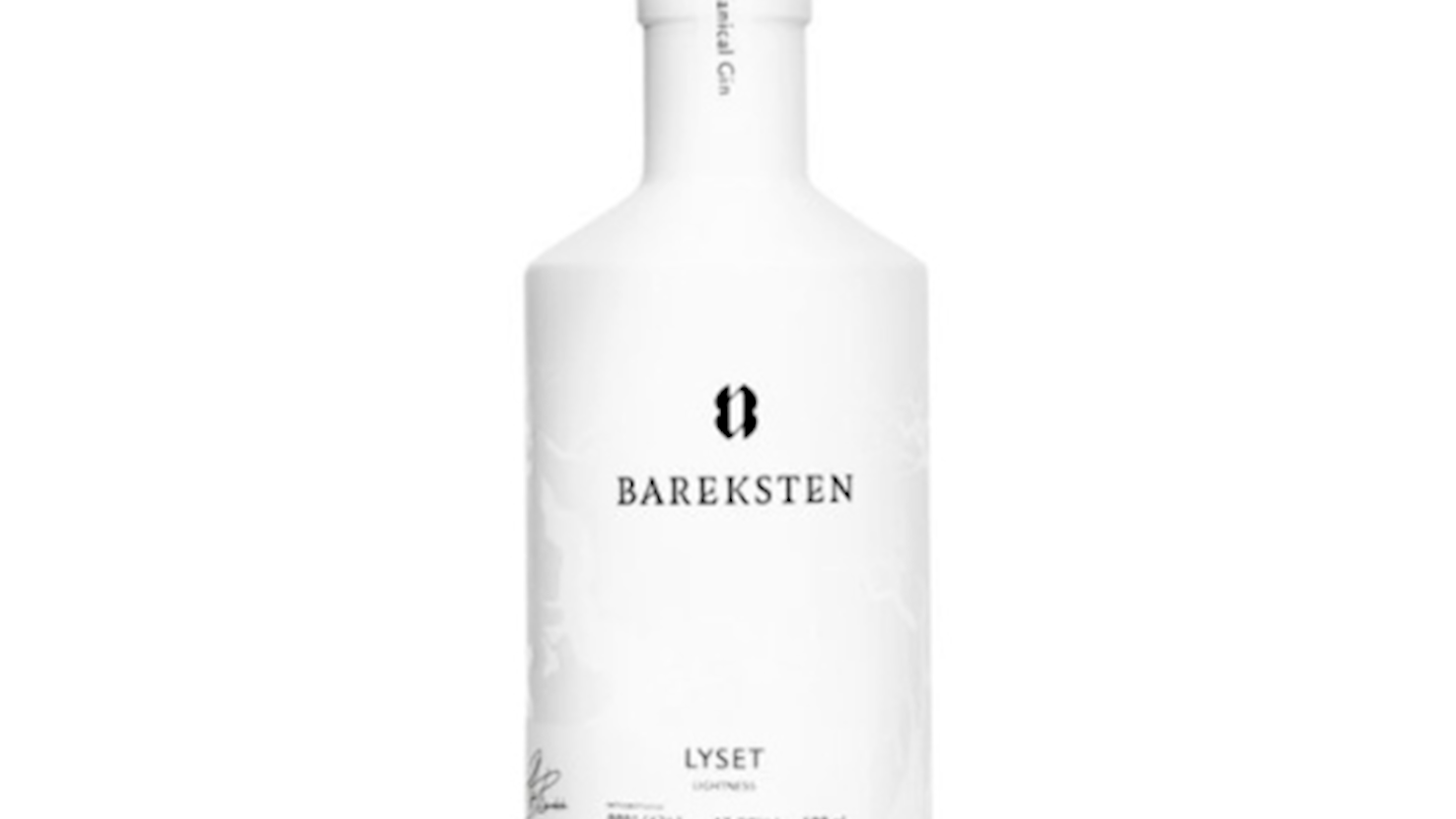
Oss Craft Distillery is a Norwegian distillery renowned for its high-quality craft spirits, blending traditional methods with modern innovation. Located in Blomsterdalen, near Bergen, it draws inspiration from Norway’s natural landscapes and folklore. Its flagship product, Bareksten Botanical Gin, features over 20 botanicals, capturing the essence of Nordic forests with flavors like juniper, elderflower, and blueberries. Founded by Stig Bareksten, the distillery emphasizes authenticity and craftsmanship in every bottle. Oss Craft Distillery has gained international recognition for its unique approach and premium-quality products.
Awards
SFWSC - San Francisco World Spirits Competition - Double Gold (2023)
ISC-International Spirits Challenge - Double Gold (2019)
03

Det Norske Brenneri

5 ·
Det Norske Brenneri, established in 2011, is one of Norway's leading producers of alcoholic beverages, based in Grimstad, in the Agder region. As the first private distillery to receive a license to produce spirits following the abolition of the state monopoly in 2005, the distillery is dedicated to preserving Norwegian artisanal traditions, producing in small batches to ensure the highest quality of its products. Their range includes a variety of beverages, such as aquavit, gin, and whisky. Among their most renowned products is "Arvesølvet Aquavit," which features hand-picked berries and herbs from the Norwegian wilderness. Det Norske Brenneri has won numerous international awards for its products, underscoring their commitment to quality and authenticity. The distillery utilizes the finest raw materials from Norway's natural landscapes and combines them with traditional production methods, creating beverages that reflect the rich cultural heritage of Norway.
Awards
Bartender Spirits Awards - Double Gold (2022)
European Spirits Challenge - Gold (2023)
04

Feddie Ocean Distillery

5 ·
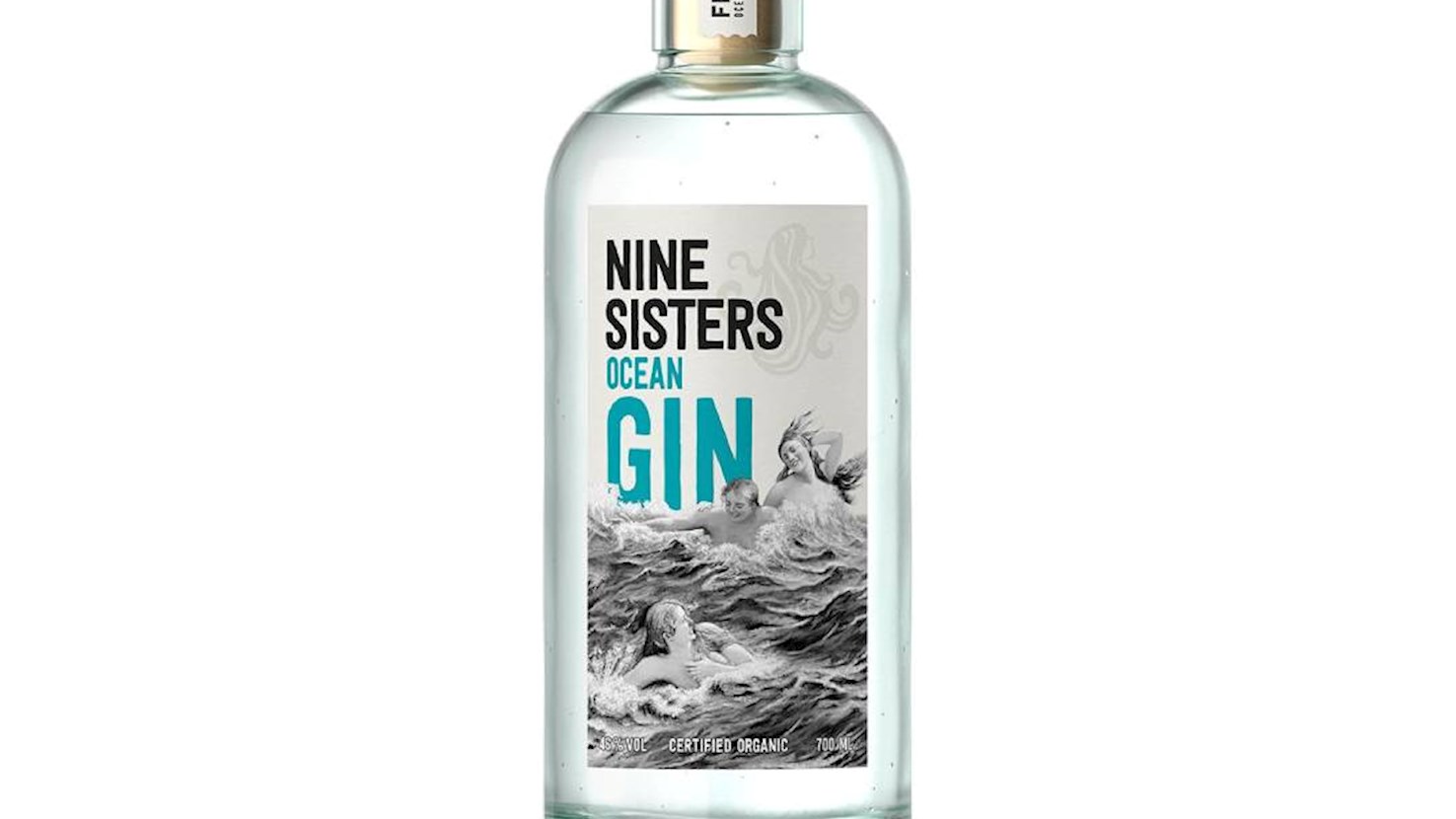
Feddie Ocean Distillery is an artisanal producer of whisky, gin, and aquavit, located on the island of Fedje, off Norway's west coast. Established in 2018, it stands out as Norway's only certified organic distillery, emphasizing sustainability and environmental responsibility. The distillery was founded with a vision of creating world-class spirits and is notable for its unique ownership structure, being entirely owned by women. This initiative aims to challenge the traditionally male-dominated spirits industry and promote gender equality. Feddie Ocean Distillery draws inspiration from the island's rich history and natural beauty, incorporating local botanicals and resources into their products. Their portfolio includes meticulously crafted whiskies, artisanal gins, and aquavits, each reflecting the distillery's dedication to quality and flavor.
Awards
European Spirits Challenge - Gold (2024)
05

Brennevinsgrova

5 ·
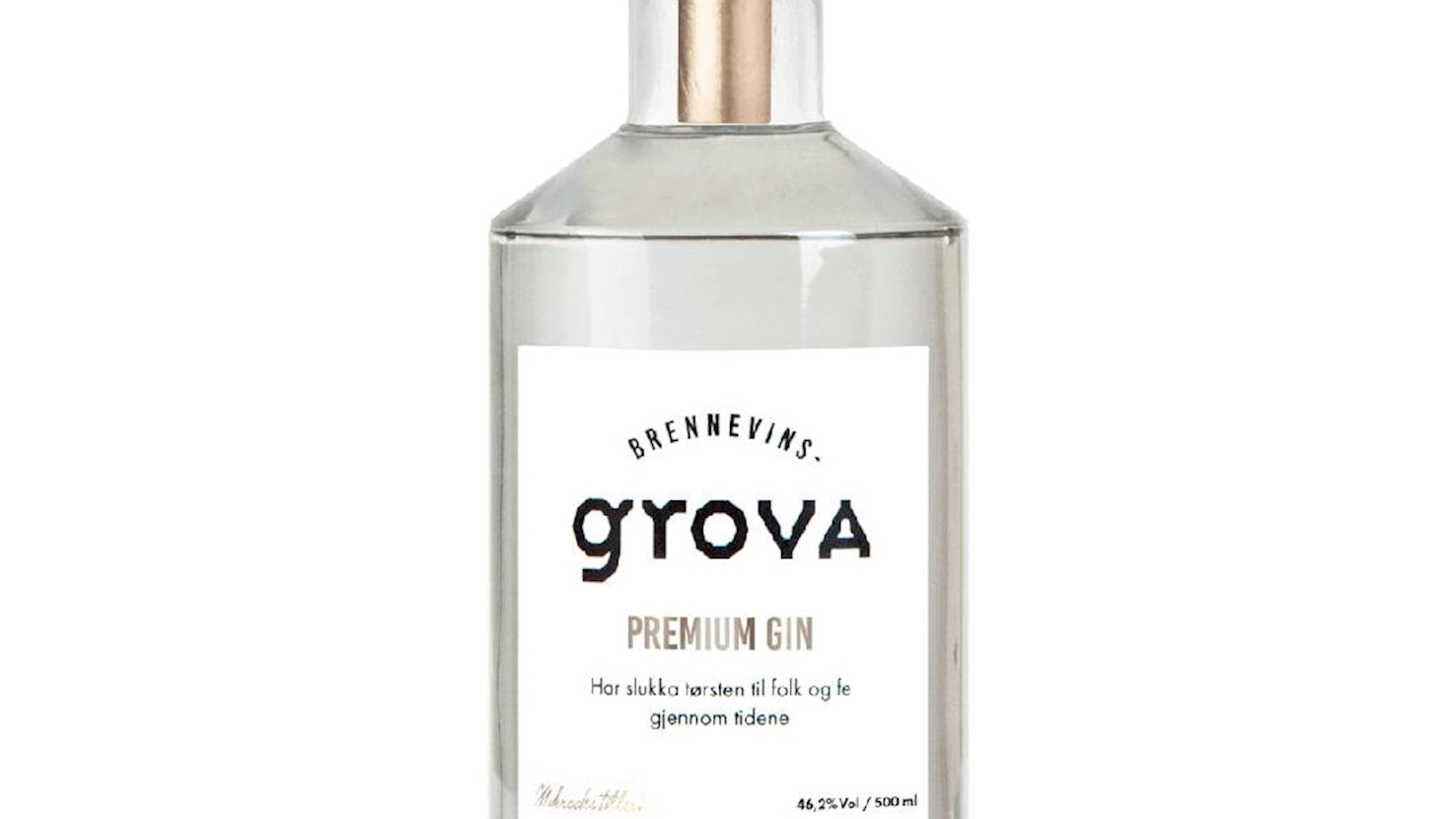
Brennevinsgrova is a Norwegian distillery located in a valley on the outskirts of Sykkylven, surrounded by the Sunnmørsalpene mountains. It was founded by Harald Strømmegjerde in 2019 on his family farm, inspired by the local environment and traditions. The distillery produces gin, aquavit, and whiskey, using exclusively local ingredients. Raspberries from Valldal, sugar kelp from Herøy, and glacial water contribute to the unique flavor of their beverages, offering an authentic taste of Sunnmøre. Brennevinsgrova has received numerous awards for the quality of its products, including recognition for the best gin in Norway. Their approach combines traditional distillation methods with modern techniques, creating spirits that reflect the rich cultural heritage of the region.
Awards
World Gin Awards - Country Winner (2024, 2022, 2021)
European Spirits Challenge - Gold (2023)
06

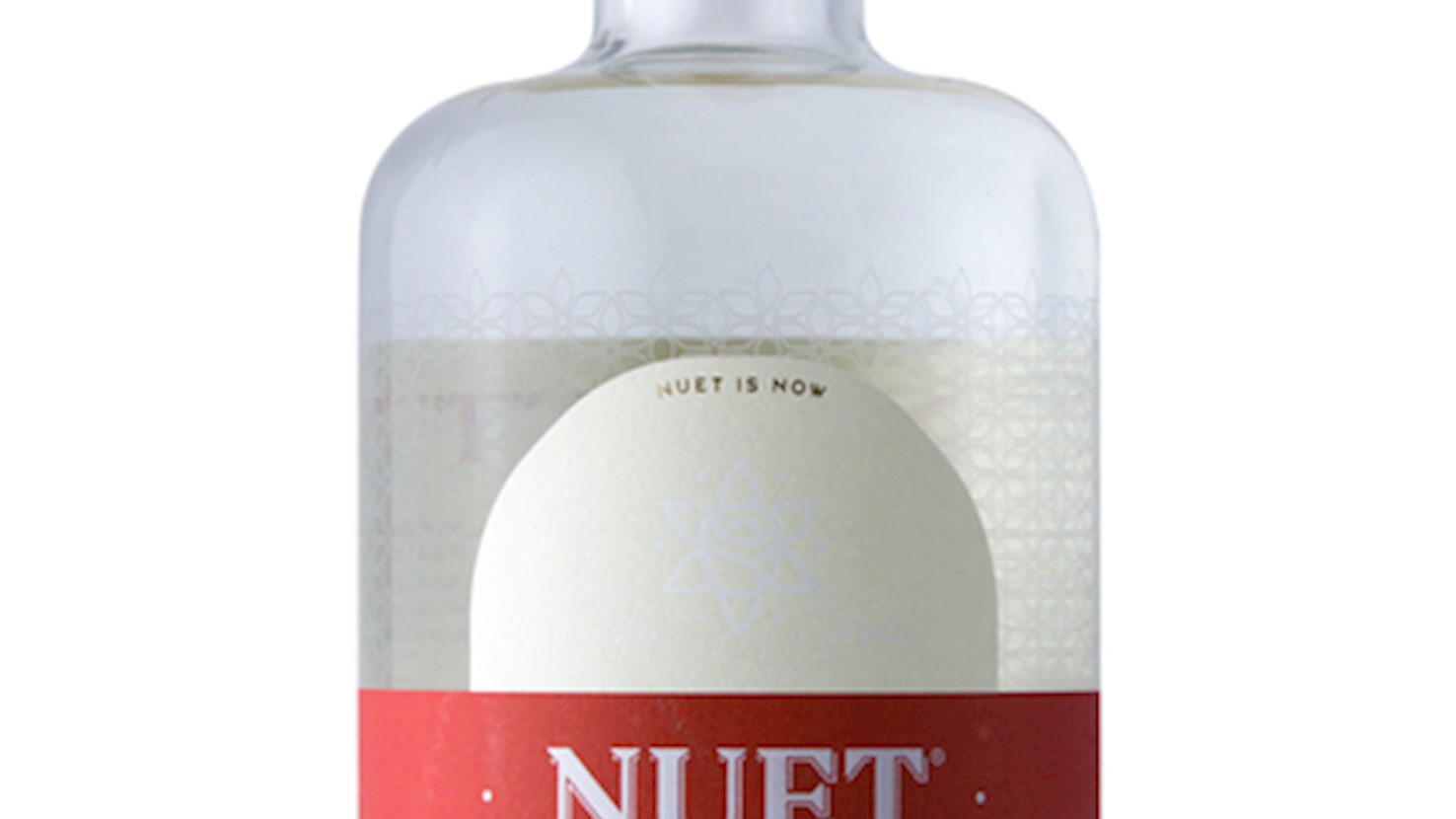
Nuet

4.8 ·
Awards
The DB & SB Autumn Blind Tasting - Gold (2023)
The Liqueur Masters - Gold (2023)
07

Berentsens Distillery

4.5 ·
Awards
Bartender Spirits Awards - Double Gold (2022)
World Gin Awards - Country Winner (2024)
08

Oslo Håndverksdestilleri

4.5 ·
Awards
IWSC- International wine & spirit competition - Spirit Gold (2021)

Best Norwegian Spirit/Liqueur Types

01

Akvavit

2.8 ·

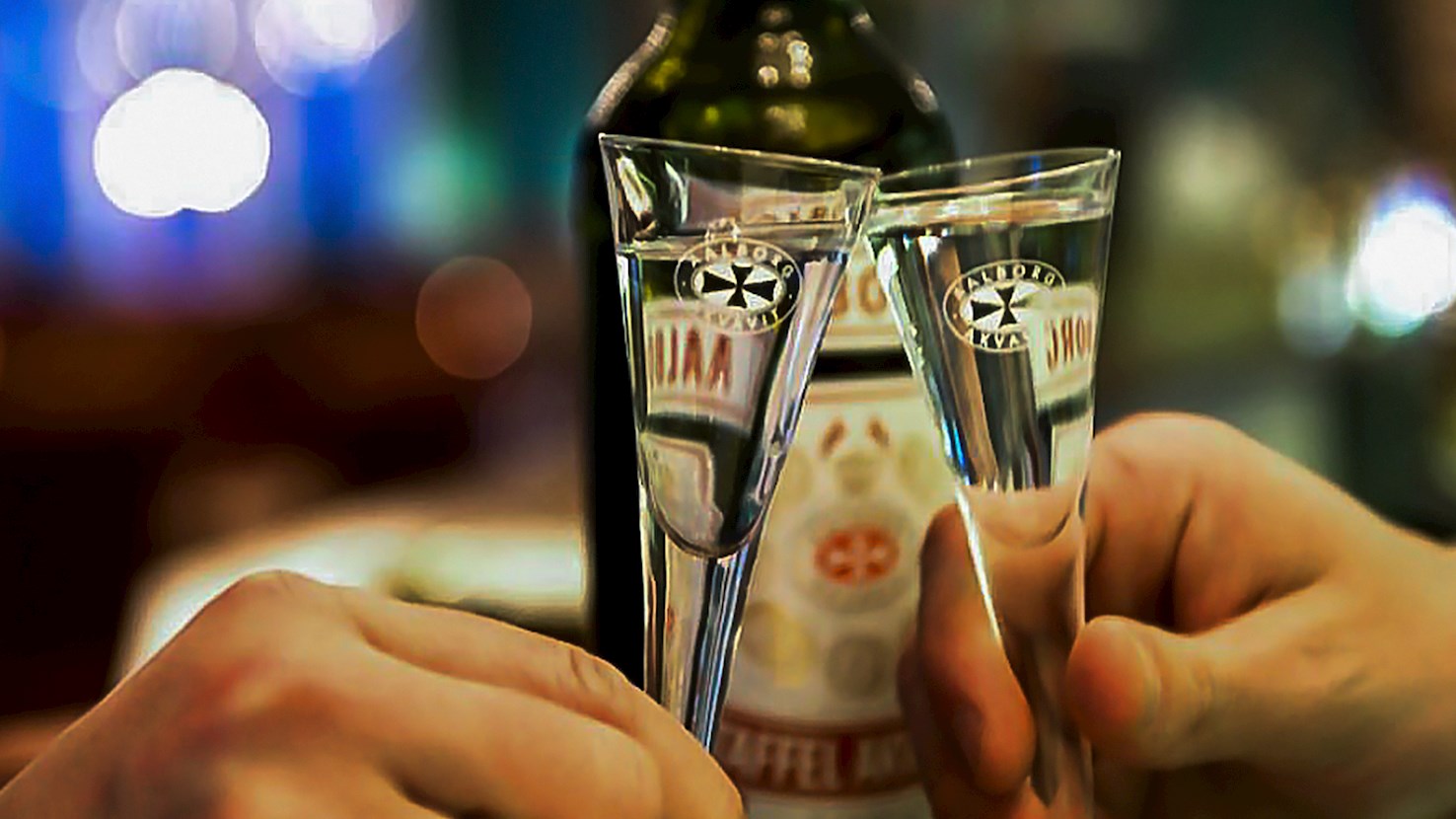
Akvavit is a Scandinavian spirit that is usually distilled from grains or potatoes. After distillation, it is infused with various botanicals, though the most common are caraway and dill. Other options may include fennel, coriander, cloves, or cumin. The drink can vary in color, and its flavor profile can greatly differ depending on the age and the base ingredients. Danish and Swedish akvavit is typically clear and colorless, while the Norwegian version is sometimes aged in sherry casks, allowing it to attain golden-like color and slightly stronger flavor. All varieties must have a minimum of 37,5 % ABV. Akvavit, whose name derives from aqua vitae (the water of life), has been produced since the 15th century. The first mention appears in a letter dated April 13th, 1531, that was sent from the Danish Lord Eske Bille to Norwegian Archbishop Olav Engelbrektsson. April 13th is celebrated as the akvavit day in Norway. The biggest producers come from Norway, Sweden, and Denmark. Although this strong spirit is usually enjoyed well-chilled, some prefer to serve it at room temperature. In Scandinavia, akvavit is mainly enjoyed as an aperitif, and it is one of the mandatory drinks during festive lunch and dinners. It perfectly pairs with local specialties.

02

Norsk akevitt

n/a ·

Norsk akevitt is a spirit from Norway, made by distilling potatoes or grain and flavoring the result with herbs and spices, most notably caraway and dill. It belongs to the family of Scandinavian aquavits but is set apart by the raw materials and techniques particular to Norway. Recognized with European geographical indication status, it is closely tied to the country’s climate, agriculture, and cultural celebrations. Production of akevitt in Norway dates back to the sixteenth century, when distilling techniques spread through Northern Europe. Over time, potatoes became a preferred base once they were introduced and widely cultivated in Norway in the eighteenth century. The addition of caraway, along with other botanicals like fennel, coriander, and anise, gave Norwegian versions a distinct aromatic profile. By the nineteenth century, akevitt had secured its place not just as a drink but as an integral part of social and festive occasions. The preparation involves fermenting potatoes or grain to create a mash, distilling it, and then infusing it with a carefully selected blend of botanicals. Unlike some other spirits, Norwegian akevitt is typically matured in oak casks, sometimes for years, which gives it a golden color and layers of complexity beyond the spice flavors. Serving is usually in small glasses, often chilled, and it is most commonly consumed alongside food rather than on its own. One unique aspect of Norwegian akevitt is the so-called “linie” style, in which barrels of the spirit are sent across the equator by ship before bottling. The movement of the vessel, changes in temperature, and exposure to sea air are believed to affect the maturation, producing a distinctive taste. Bottles of Linie akevitt often note the voyage taken, underlining how geography and travel are part of its character. Today, Norsk akevitt is drunk both in Norway and abroad, most strongly associated with holiday meals, national celebrations, and family gatherings. In Norway it is paired with hearty dishes such as pork, lamb, and herring, where its spice and warmth balance rich flavors.

03

Norsk vodka (Norwegian vodka)

n/a ·

Norsk vodka is a clear spirit produced in Norway, known for its purity, clean taste, and reliance on high-quality local water and grains or potatoes. Though vodka is not native to the country, Norwegian distillers have developed a distinct style that reflects the precision and restraint of Nordic craftsmanship. The spirit draws on the same emphasis on purity and balance that defines much of Norway’s food and beverage culture. It emerged relatively recently in comparison to the long-established vodkas of Eastern Europe, but over the past few decades, Norway has become recognized for producing small-batch, high-grade versions that emphasize natural ingredients and refined distillation. Vodka production in Norway developed as part of the country’s growing spirits industry during the twentieth century, when domestic distillers began expanding beyond aquavit, the caraway-flavored liquor that had long been the national drink. As international demand for neutral spirits grew, Norwegian producers applied their experience with grain and potato distillation to craft vodka with the same attention to detail. The country’s access to exceptionally pure glacial and spring water gave these vodkas a distinct character, often described as clean and smooth without harshness. Brands like Vikingfjord and Heavy Water became early representatives of this approach, combining Scandinavian minimalism with modern distilling technology. To make Norsk vodka, either grain (such as barley or wheat) or potatoes are fermented to produce a base alcohol. This is distilled several times, often in column stills, to achieve a high level of purity and remove impurities that would affect taste. Water from natural Norwegian sources, particularly glacial springs, is then added to reduce the alcohol to drinking strength. The process focuses on maintaining a neutral, crisp profile while allowing a subtle mineral note from the water to remain. Some producers filter their vodka through charcoal or quartz to enhance clarity and softness. The final spirit is bottled clear and usually unflavored, though a few small distilleries experiment with local botanicals or herbs in limited editions. What distinguishes Norsk vodka from other European vodkas is its emphasis on water quality and smoothness over strong character. While Russian and Polish vodkas often highlight grain or a certain warmth, Norwegian versions lean toward precision and texture, more about how it feels than how it tastes. This reflects both the natural environment and the Norwegian approach to food and drink: clean, understated, and exact. The cold climate also plays a part, as production and storage in low temperatures help maintain the spirit’s crispness. In Norway, vodka is most often consumed neat and chilled, served in small glasses, especially during festive occasions or gatherings. It is also used in cocktails, where its smoothness makes it versatile without dominating other ingredients. Pairings are usually simple and reflect the Nordic table: smoked fish, shellfish, or cured meats complement the clarity of the drink. Some prefer to serve it alongside small bites such as rye bread with salmon or cheese, letting the vodka act as a palate cleanser.

Read more
View all
View map
About this ranking

TasteAtlas food rankings are based on the ratings of the TasteAtlas audience, with a series of mechanisms that recognize real users and that ignore bot, nationalist or local patriotic ratings, and give additional value to the ratings of users that the system recognizes as knowledgeable. For the “Top 8 Norwegian Spirits and Liqueurs” list until June 15, 2026, 79 ratings were recorded, of which 68 were recognized by the system as legitimate. TasteAtlas Rankings should not be seen as the final global conclusion about food. Their purpose is to promote excellent local foods, instill pride in traditional dishes, and arouse curiosity about dishes you haven’t tried.

The initial list of top producers was compiled based on available reviews, awards, local recommendations, media and blog coverage, and consumer reviews. The list will be updated with ratings from TasteAtlas local ambassadors and TasteAtlas users.

Similar lists