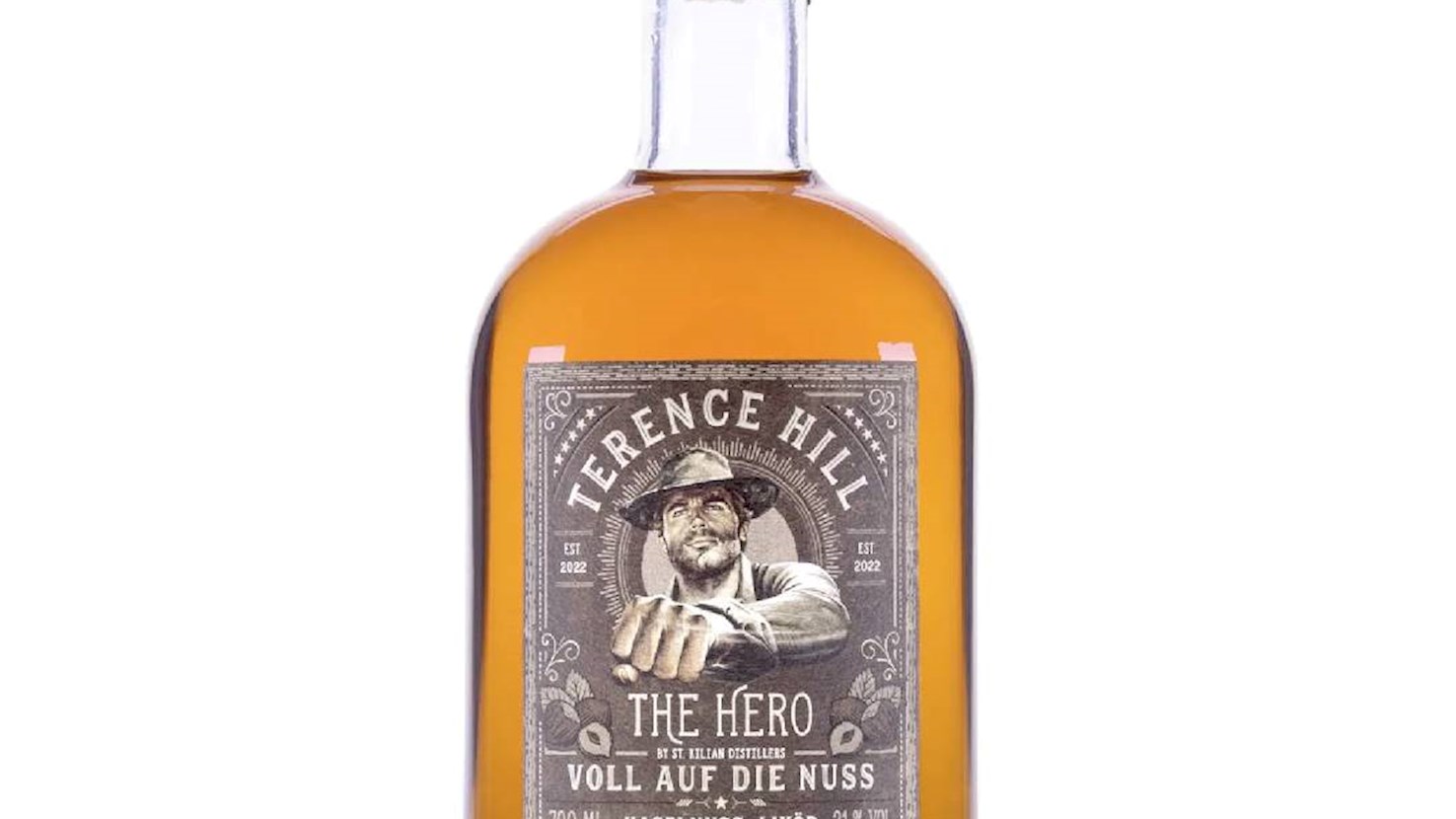
St. Kilian Distillers is a German single malt whisky distillery founded in 2012 in Rüdenau, Bavaria.
Located in a former textile factory, the distillery is named after St. Kilian, an Irish-Scottish missionary who worked in Würzburg. St. Kilian Distillers is renowned for its innovation and diverse product range, including special editions created in collaboration with famous personalities and musical bands.
Their "White Dog" won the award for the best in the world in 2018.
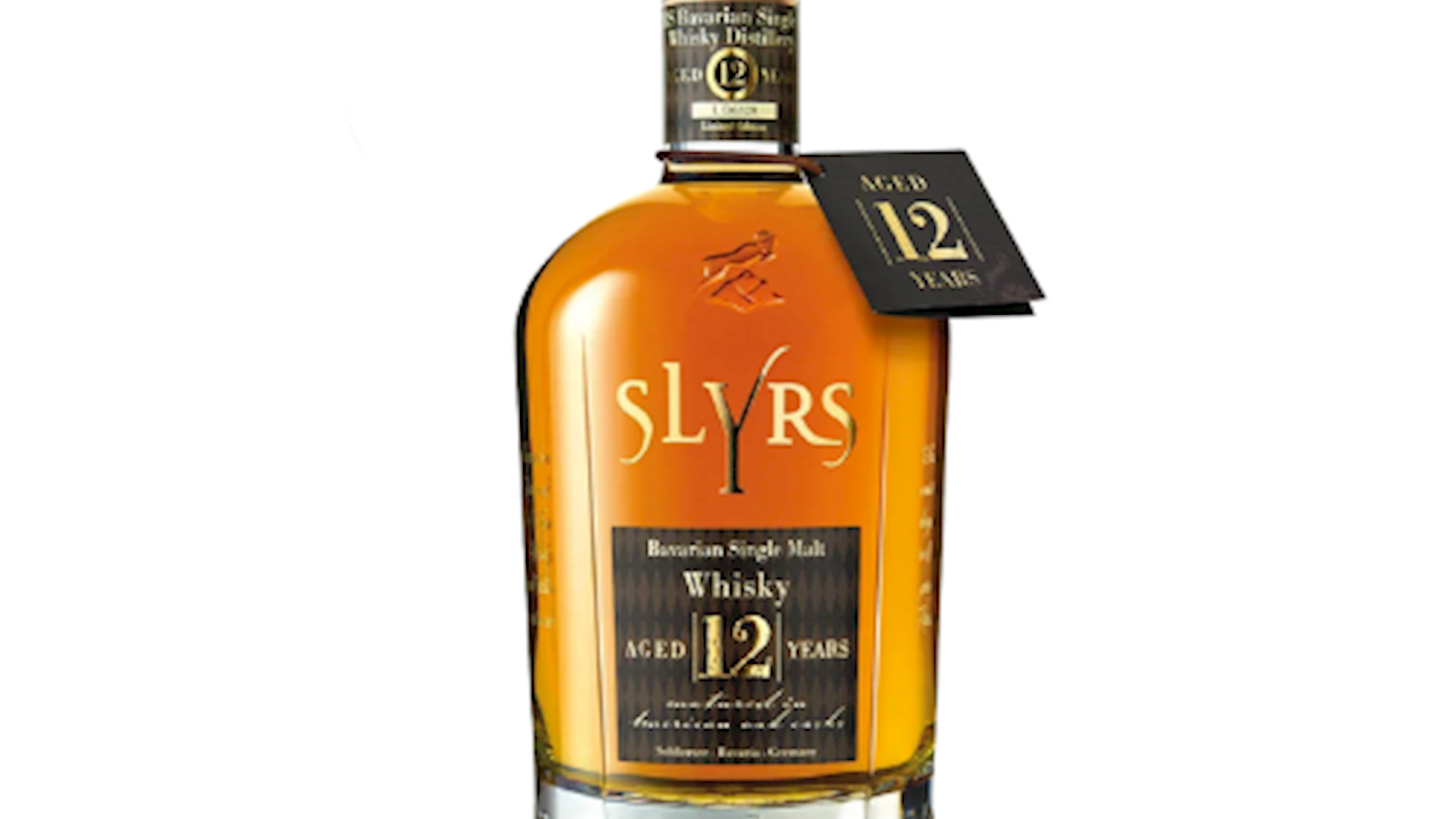
Slyrs Distillery is a pioneering German whisky distillery located in Schliersee, Bavaria, founded in 1999 and widely regarded as a benchmark for Bavarian single malt whisky. Inspired by Scottish whisky-making traditions but firmly rooted in its Alpine environment, Slyrs produces single malt whisky from Bavarian malted barley and pure Alpine spring water.
Distillation takes place in traditional copper pot stills, followed by maturation primarily in new American white oak casks, with additional expressions finished in sherry, port, or other specialty barrels. The continental Alpine climate - marked by warm summers and cold winters - accelerates interaction between spirit and wood, resulting in whiskies that are typically rounded, expressive, and gently fruity, with notes of vanilla, malt, spice, and soft oak.
Over the years, Slyrs has built a strong reputation both in Germany and internationally, combining regional identity, technical consistency, and a clear house style. The distillery is also positioned as a visitor destination, offering tours and tastings that emphasize transparency and craftsmanship, reinforcing its role as a leading figure in modern German whisky production.
Awards
IWSC- International wine & spirit competition - Spirit Gold
(2019)
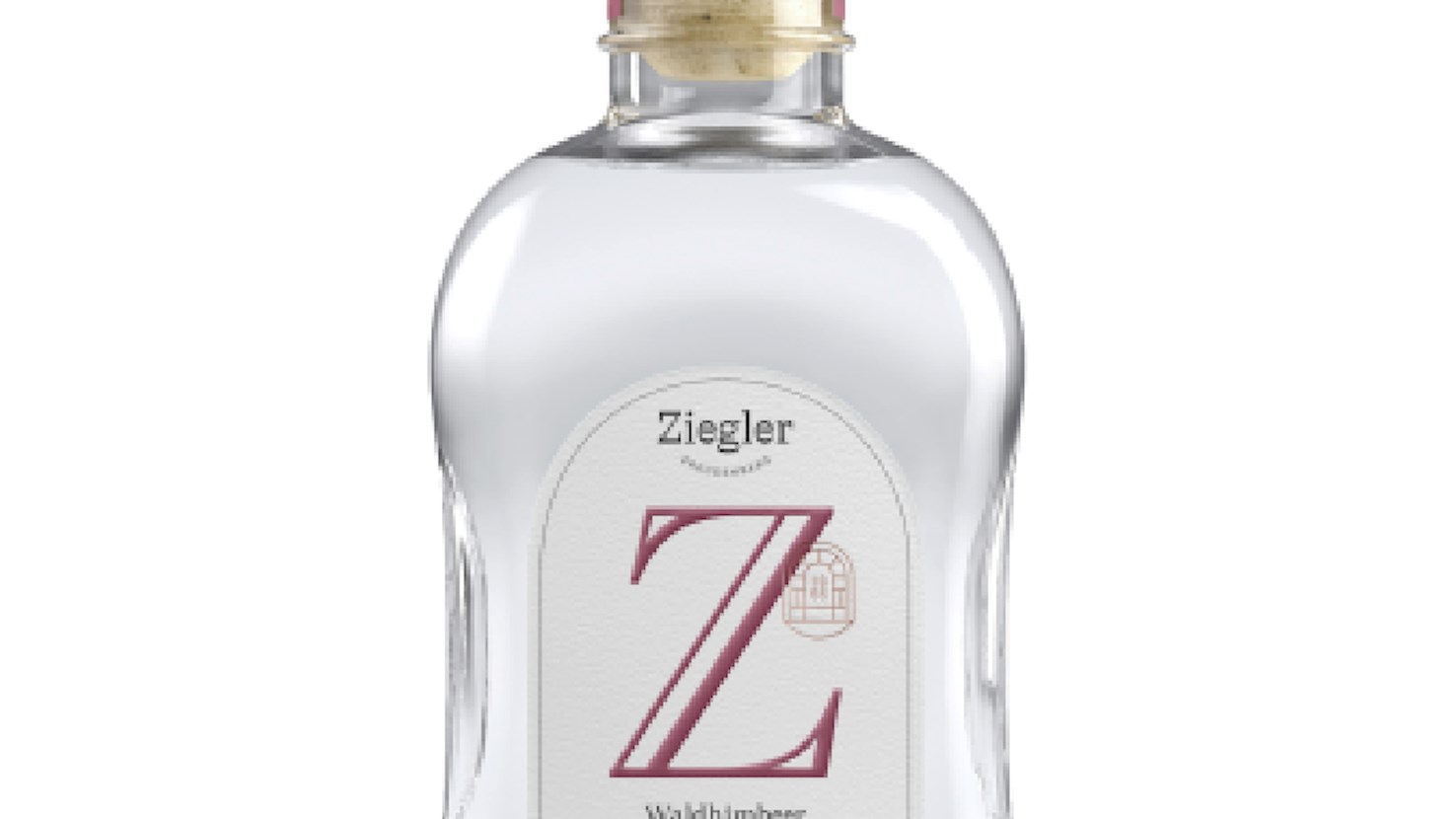
Brennerei Ziegler, founded in 1865 in Freudenberg am Main, Germany, is renowned for its high-quality fruit brandies, spirits, liqueurs, and whisky. The distillery emphasizes traditional craftsmanship, with experienced artisans overseeing every step from fruit harvesting to bottle labeling.
This dedication to quality has established Ziegler as a leading name in the industry.
Awards
IWSC- International wine & spirit competition - Spirit Gold
(2024)
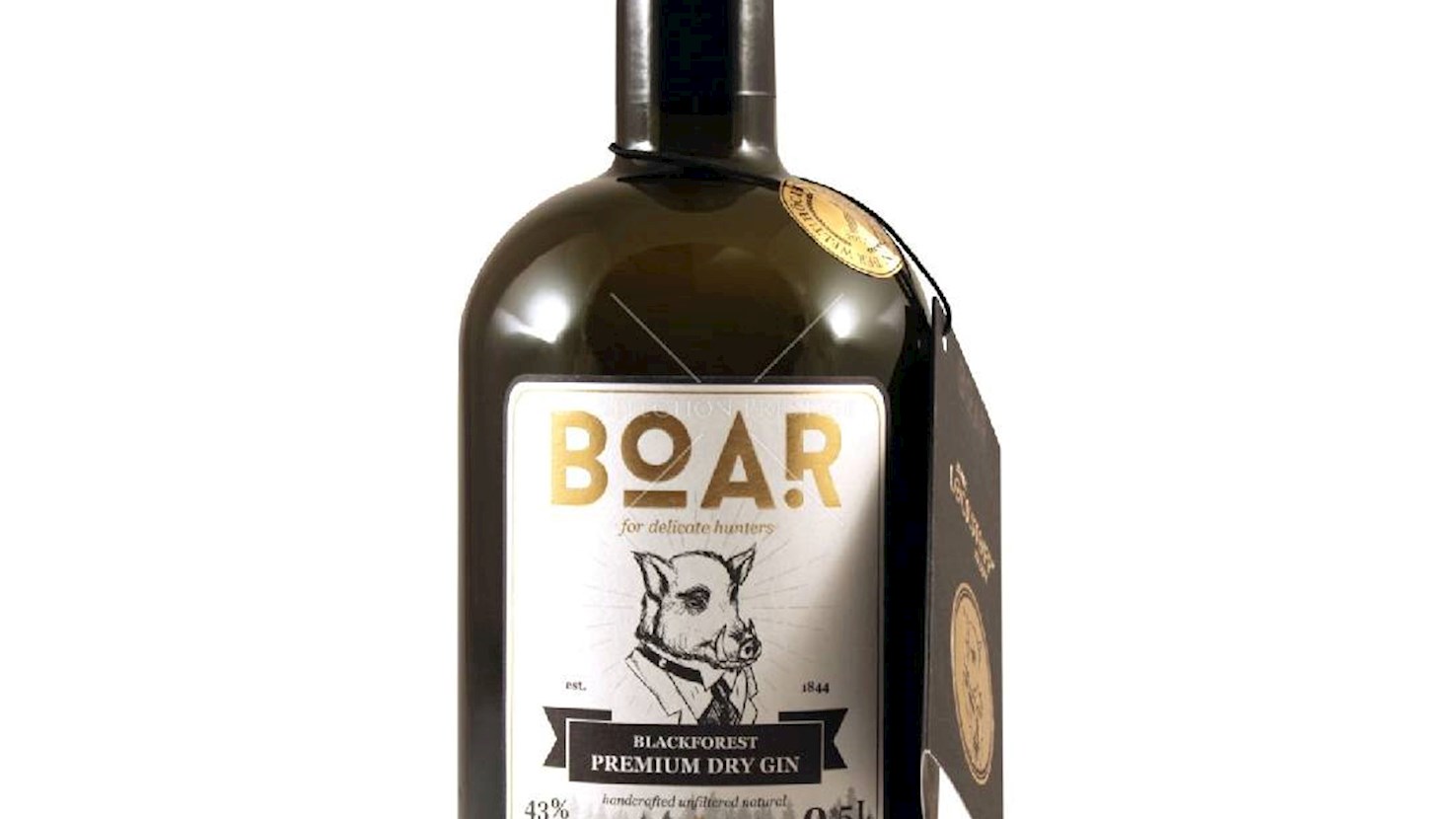
BOAR Gin is crafted by a family-owned distillery located in the heart of the Black Forest region in Germany. This distillery combines tradition with innovation to produce a premium gin known for its exceptional quality.
The name "BOAR" reflects the local heritage, as wild boars are native to the surrounding Black Forest. What sets BOAR Gin apart is its unique infusion with Black Forest Burgundy truffle, a rare and valuable ingredient that harmonizes the flavors and gives the gin its distinctive complexity.
The gin is also made with pure mineral-rich spring water sourced directly from the family’s estate, ensuring a natural and smooth taste. The production process is meticulous, with small-batch distillation ensuring attention to detail and consistency in quality.
Each step, from selecting botanicals to bottling, is done by hand to maintain the highest standards. BOAR Gin has gained international recognition, earning numerous awards, including the title of "World's Best Gin" and "Best Clear Spirit" at the Global Spirit Awards in Las Vegas.
Awards
European Spirits Challenge - Gold
(2024, 2023)
IWSC- International wine & spirit competition - Silver
(2024)
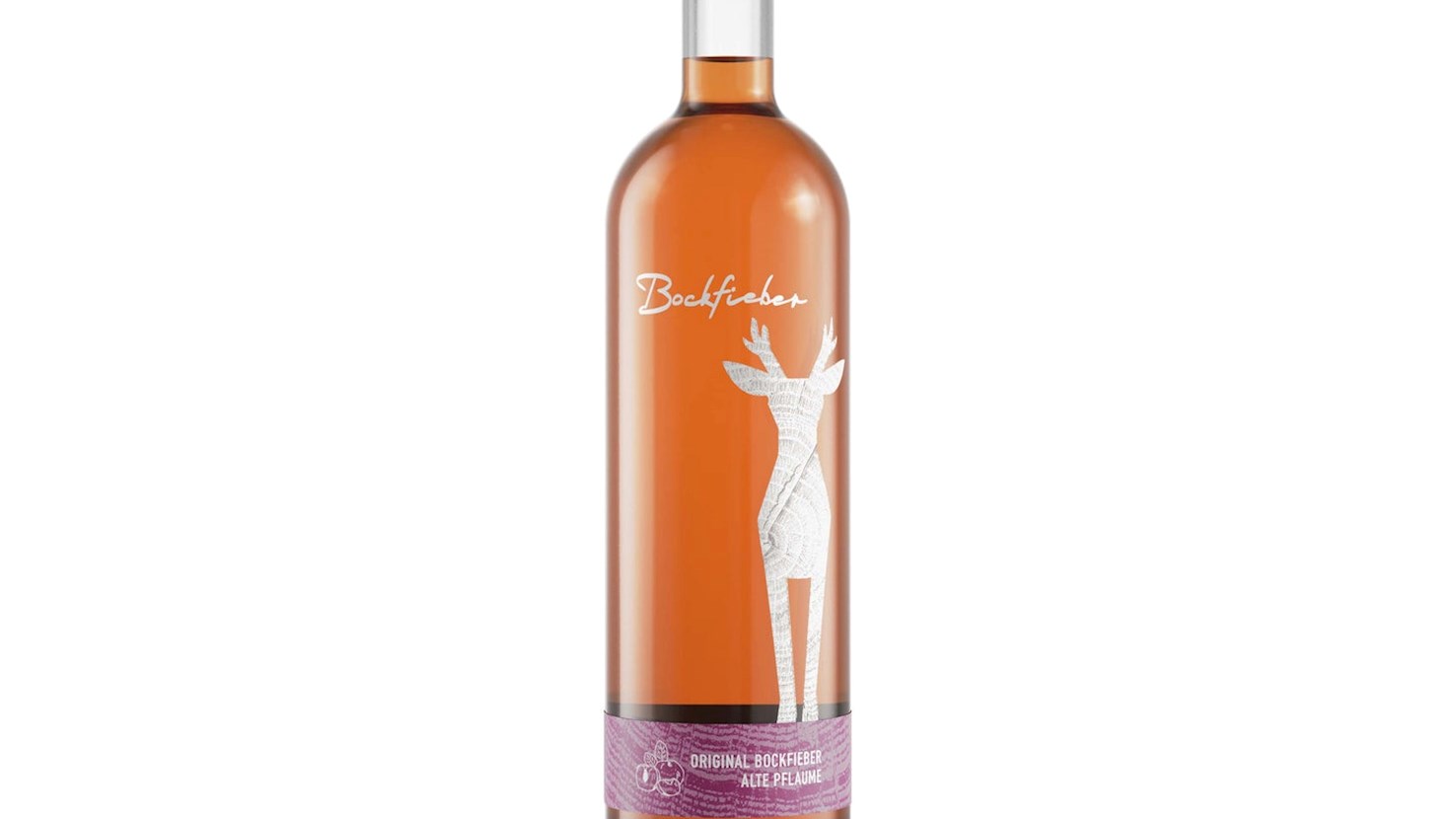
Bockfieber is a German producer of premium liqueurs, renowned for its handcrafted, high-quality products. The company was founded by Holger P.
Härter, a passionate hunter, who drew inspiration for his first creation while staying in a hunting lodge. Unable to find the perfect herbal liqueur to suit his taste, he decided to craft it himself, leading to the establishment of Bockfieber in 2016.
Bockfieber prides itself on using only natural ingredients and traditional production methods.
Their liqueurs are aged for a minimum of six months in old stone containers, allowing the flavors to fully develop. The products are bottled in small batches, limited to no more than 500 bottles per series, to ensure freshness and quality.
The product range includes more than ten different liqueurs, featuring herbal, fruity, and nutty varieties.
All products are crafted using a carefully selected blend of over 32 different herbs and roots, which are macerated and distilled following traditional methods.
Awards
London Spirits Competition - Gold
(2024)
IWSC- International wine & spirit competition - Spirit Gold
(2021)
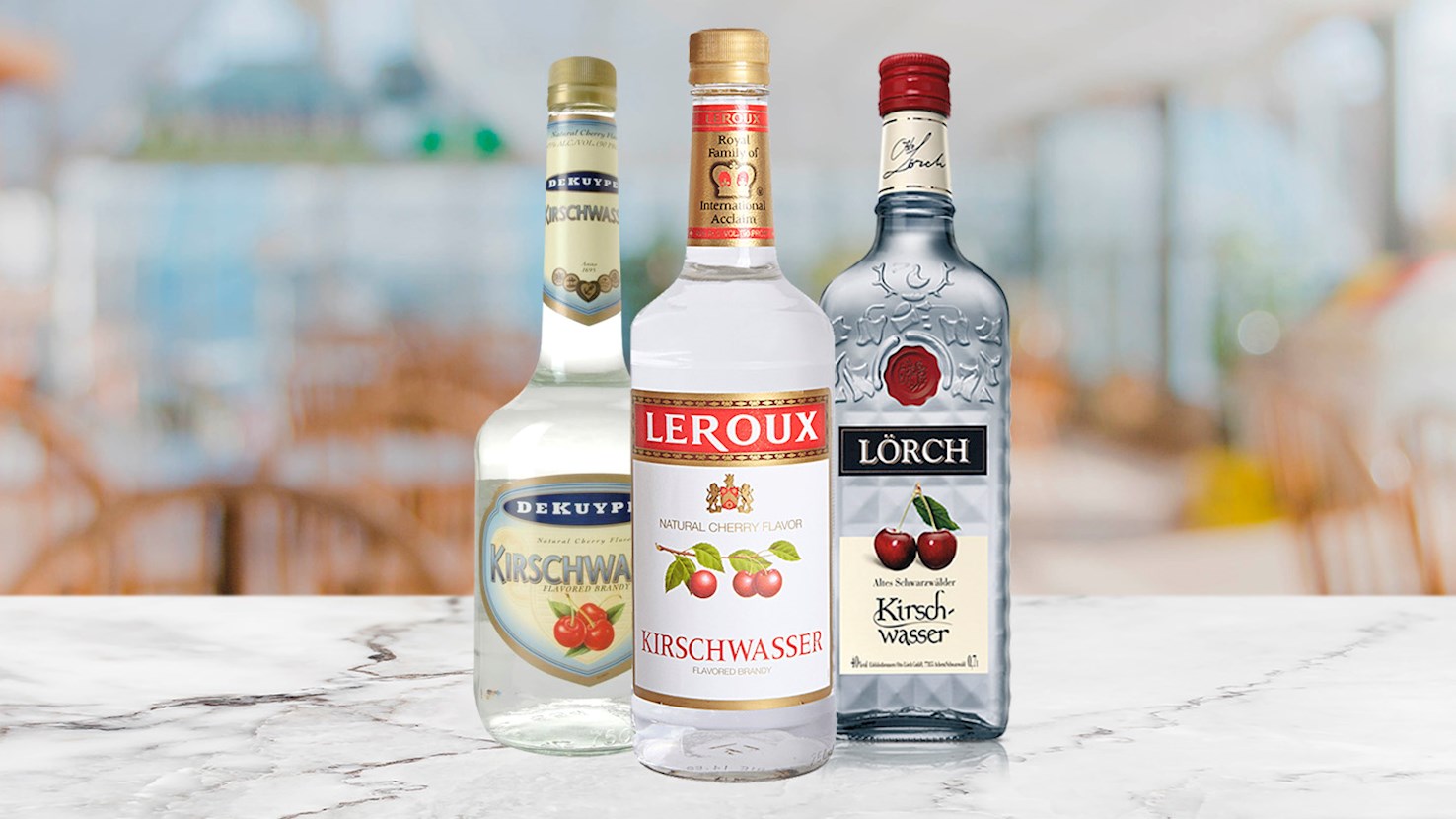
This clear, colorless fruit brandy is double-distilled from the fermented cherry mash. Because it was originally produced with sour morello cherries, it is believed that it first appeared in Schwarzwald, Germany, where the morello cherries were traditionally cultivated. The drink is mainly produced in Germany, Austria, Alsace, and Switzerland, with various, local cherry varieties. Because cherry pits are also crushed in the process, kirschwasser is characterized by its cherry notes, pungent flavor, and mild bitter-sweet finish. It can be served as an aperitif or a digestif, preferably well-chilled and over ice, but it also incorporates well into cocktails, desserts, cheese fondue, or even espresso.
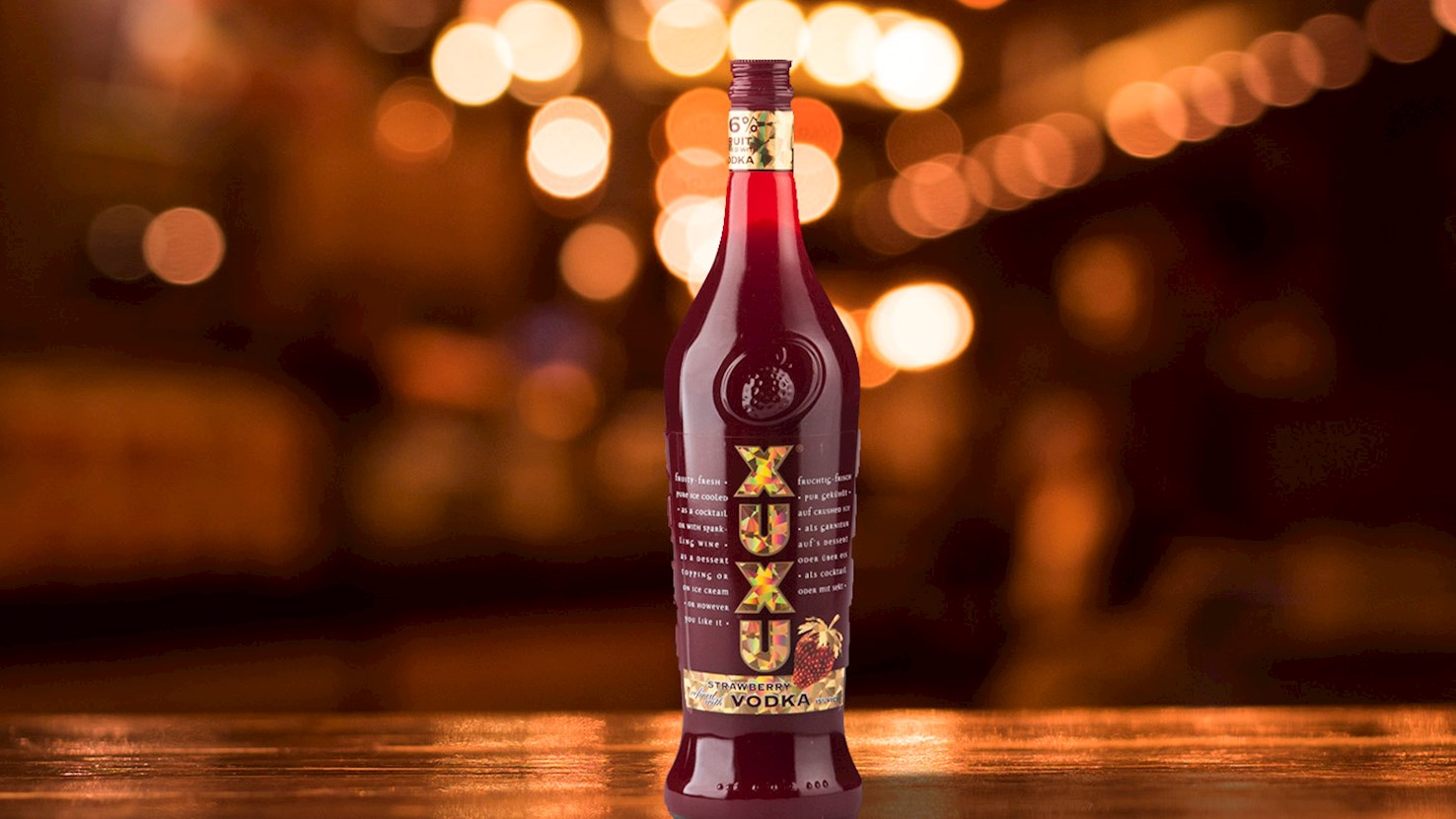
XUXU is a German strawberry liqueur that is made with a combination of fresh strawberry mash, vodka, and a splash of lime to balance out the sweetness. The fruit content in the liqueur reaches the impressive 66%, and no additional sugars, apart from the natural fruit sugar, is added to the blend. Because of its composition, XUXU displays fresh and fruity strawberry aromas and flavors. This sweet liqueur can be enjoyed as a shot, but it also perfectly blends into cocktails and long drinks. It is also commonly used in dessert-making, and it blends exceptionally well into custards and ice creams. The drink is produced in Erding, Bavaria by Georg Hemmeter.
Münchener Kümmel is a clear, caraway-flavored liqueur that originates from Munich. It belongs to a category of herbal spirits that are commonly consumed throughout German-speaking regions, especially in the context of digestifs or post-meal drinks. The defining ingredient is caraway seed, which imparts a sharp, aromatic profile that sets it apart from sweeter or more anise-forward liqueurs. While the precise recipes may vary by producer, the base formula typically involves distilling neutral alcohol with caraway and occasionally blending it with other subtle botanicals such as fennel or coriander, followed by sweetening and dilution to a drinkable strength. Münchener Kümmel has roots in the distilling history of the city and was once produced by several Munich-based operations, though its presence has fluctuated over time due to shifts in consumer preferences and industry consolidation. Unlike mass-market spirits, this liqueur is more closely tied to regional drinking customs and is generally encountered in local taverns, specialty shops, or through small-batch distilleries that continue to maintain the recipe. Its taste is clean, dry, and herbaceous, with a slightly oily mouthfeel and a long-lasting caraway finish, making it a drink favored by those who appreciate assertive, spice-driven flavors without added complexity for its own sake. The alcohol by volume (ABV) of Münchener Kümmel typically ranges between 35% and 40%, depending on the producer, placing it on par with many other clear liqueurs in strength. Often served neat and chilled, it remains a niche but respected component of southern German drinking culture. Its authenticity and geographic specificity are recognized by the European Union through the designation of Protected Geographical Indication (PGI).
Bayerischer Kräuterlikör is a herbal liqueur from Bavaria in southern Germany, known for its robust blend of aromatic herbs, roots, and spices steeped in alcohol to create a deep, bittersweet flavor. This category of liqueurs has long been associated with Alpine regions where herbal preparations developed both as beverages and as digestive remedies. In Bavaria, Kräuterlikör emerged as part of monastic and rural distilling practices that drew on locally foraged botanicals. The origins of Bayerischer Kräuterlikör date back several centuries when monks and apothecaries experimented with preserving medicinal plants in alcohol. Over time, these preparations evolved from purely medicinal tinctures into flavored spirits enjoyed socially and valued for their reputed digestive benefits. By the 19th century, Kräuterlikör had become established as a specialty of Bavarian distilleries, each developing proprietary recipes with unique combinations of herbs such as gentian root, wormwood, anise, and angelica. These recipes were often closely guarded and passed down within families or monastic communities. Preparation begins by macerating a carefully measured selection of dried and fresh herbs, barks, and spices in neutral grain spirit. The mixture is left to steep for a period ranging from several days to several weeks, depending on the distillery’s methods and the desired intensity of aroma. After maceration, the infusion is pressed and filtered, then blended with sugar syrup to achieve a balanced sweetness that softens the bitter elements. Some producers age the liqueur in oak barrels to develop complexity, while others bottle it after a brief resting period. Producers in Bavaria often emphasize the use of alpine herbs and regional ingredients, which give Bayerischer Kräuterlikör its distinct local character compared to other German herbal liqueurs. Alcohol content varies but is usually between 30 and 40 percent ABV. Bottles are typically dark glass to protect the herbal extracts from light. Bayerischer Kräuterlikör is usually served neat in small glasses, often chilled or at cellar temperature. It is a customary digestif after hearty Bavarian meals such as roast pork, sausages, or dumplings. In alpine inns and beer halls, it is common to offer a small glass alongside coffee or dessert. Some locals also use a splash to enrich cakes or to flavor whipped cream. Whether enjoyed slowly after dinner or shared in a toast among friends, this liqueur remains a distinctive expression of Bavarian herbal craft.
Bayerischer Blutwurz is a herbal liqueur that comes from Bavaria, Germany, particularly the Lower Bavaria region where it has been produced for generations. The drink takes its name from the potentilla root known locally as Blutwurz, a plant with reddish underground parts that contain high levels of tannins. These tannins contribute a dry, bitter taste and a deep amber color that set the liqueur apart from other herbal spirits. The preparation begins by harvesting the potentilla roots, cleaning and drying them thoroughly, then steeping them in high-proof neutral alcohol to extract their intense flavors. The infusion is filtered and combined with other botanicals, which can vary by producer, before being blended into a finished liqueur with a moderately high alcohol content, often around 40 to 50 percent. The result is a spirit with a pronounced earthy bitterness, slight astringency, and a lingering herbal finish. Bayerischer Blutwurz is commonly consumed neat in small glasses as a digestif, often after a rich meal. In parts of Bavaria, it is also drizzled over desserts or incorporated into cocktails to add complexity. The liqueur’s distinctive character comes not only from the root but also from the way each producer adjusts the proportion of botanicals and sweeteners to create their own interpretation. Because the recipes are closely guarded, different brands can taste noticeably different, ranging from sharper and more tannic versions to smoother blends with hints of warm spices. Historically, potentilla root was used in folk remedies for digestive issues and to treat wounds, which contributed to its adoption in alcoholic preparations meant to soothe the stomach. Modern production methods are regulated to ensure consistent quality, and bottles are often sold in distinctive packaging that highlights their Bavarian origin.
Ettaler Klosterlikör is a herbal liqueur produced in the village of Ettal, located in the Bavarian Alps of Germany. It originates from the Benedictine Ettal Abbey, which has been known for centuries for monastic distillation and brewing. This liqueur is recognized for its rich blend of alpine herbs, roots, and spices, combined with neutral spirits and a touch of sweetness. The creation of Ettaler Klosterlikör is deeply tied to the long-established monastic tradition of herbal medicine and self-sufficiency. Monks began distilling herbal infusions in the 17th century, first for medicinal use, and later developed them into refined liqueurs. Over time, the recipe evolved as knowledge of alpine botanicals expanded. The liqueur became more widely produced and commercially available by the 20th century as tourism in Bavaria grew and visitors developed an interest in monastic products. The preparation involves macerating a selection of herbs and roots, many harvested from the surrounding alpine meadows, in high-proof alcohol. After a period of infusion, the mixture is filtered and blended with sugar syrup to balance the pronounced herbal bitterness. Some versions are matured briefly in wooden casks to develop more depth. Ettaler Klosterlikör is typically bottled at a strength between 30% and 40% alcohol by volume, which helps preserve the natural aromas and oils extracted from the plants. The liqueur is customarily served in small glasses as a digestif after a meal, either neat or occasionally poured over ice. It is also used sparingly to flavor desserts or enrich coffee. Despite the focus on herbal composition, it is distinguished by a softer, more rounded character compared to stronger alpine bitters. The production remains partly overseen by the monastery to maintain continuity of the recipe. Ettaler Klosterlikör can be purchased at the monastery shop, specialty spirits retailers, or enjoyed in inns and restaurants throughout Bavaria, especially those that promote regional and monastic culinary heritage. Visitors to Ettal often combine tasting the liqueur with tours of the abbey and its historic distillery, where they can learn more about centuries-old methods that still inform its production today.
Bayerischer Bärwurz is a clear herbal spirit produced in Bavaria, where it has been distilled for generations, mainly in the Bavarian Forest region. The name comes from the German word “Bärwurz,” referring to the Meum athamanticum plant, whose roots are the defining ingredient. These roots are known for their intense aromatic compounds, which lend the spirit a distinctive, slightly sweet, and earthy flavor profile. To produce Bayerischer Bärwurz, the roots are carefully cleaned and chopped, then macerated in a neutral grain spirit that extracts their essential oils and active substances. The infusion is distilled slowly to preserve the delicate herbal notes and bottled as a clear schnapps with a relatively high alcohol content, often around 40 percent ABV. The drink is most often consumed as a digestive after meals, served in small glasses and sipped in measured quantities. Its flavor is often described as robust and complex, with a combination of herbal, spicy, and subtly licorice-like notes. Some producers may blend Bärwurz root with other alpine herbs to create a more rounded profile, but the core identity remains centered on the wild root that grows in upland meadows and forest edges. Bayerischer Bärwurz is usually sold in distinctive bottles with labels that highlight its regional origin, and small distilleries remain the main source of authentic production. In Bavarian inns and restaurants, Bärwurz schnapps is a familiar part of the after-dinner ritual, often offered alongside other regional herbal spirits such as Blutwurz. It is considered an acquired taste because of its strong aroma and the warming sensation it produces, but many locals appreciate it for its association with the landscape and the longstanding craft of small-scale distillation. Historically, Bärwurz root was used in folk medicine as a digestive aid and tonic, and the spirit is sometimes marketed with reference to these associations. The production process is still regulated to ensure quality and protect regional identity, and most distilleries prefer to use hand-harvested roots collected during specific times of year when their aromatic compounds are most concentrated. The drink’s connection to the Bavarian Forest and the careful cultivation of wild plants reflects how local distilling has remained tied to the land and seasonal cycles.
Bayerischer Gebirgsenzian is a Bavarian spirit distilled from the roots of wild gentian plants that grow in the alpine and subalpine meadows of southern Germany. The name translates to “Bavarian mountain gentian,” emphasizing both the origin of the raw material and the regional identity of the drink. It belongs to a broader category of alpine schnapps that have been produced in the German-speaking regions of the Alps for generations, prized for their intensely bitter flavor and their use as a digestive after hearty meals. Production begins by harvesting the thick roots of yellow gentian, a plant known botanically as Gentiana lutea. The roots are carefully cleaned and finely chopped before being fermented in water to extract their aromatic and bitter compounds. After fermentation, the mash is distilled slowly in copper pot stills, resulting in a clear, high-proof distillate with a distinct earthy aroma. Unlike many fruit-based schnapps, Bayerischer Gebirgsenzian is not sweetened, which leaves it with an uncompromisingly dry, robust taste. The finished spirit is typically bottled at 38–40% alcohol by volume. Bayerischer Gebirgsenzian is usually served in small glasses at room temperature, sipped slowly to appreciate the strong bitterness that lingers on the palate. Its flavor is sometimes compared to other European bitter liqueurs, but it is more austere and earthy, without added sugar or aromatic herbs. In Bavaria, it is especially popular in mountain inns and alpine huts, where it is offered to guests as a digestive after meals of sausages, smoked meats, or rich stews. Over time, this spirit has become closely associated with alpine culture and the idea of harvesting and preserving mountain plants. Because gentian grows slowly and is protected in many areas, harvesting is carefully regulated to prevent overexploitation, and some producers cultivate gentian specifically for distillation.
Bierbrand is a clear or amber distilled spirit produced exclusively by the direct distillation of fresh beer, originating from Bavaria, but also popular in Central European brewing regions of Germany, Austria, and Alsace. The structural emergence of this liquor relates directly to small-scale agricultural distilleries and community breweries during the late nineteenth and early twentieth centuries, where producers sought a method to salvage unpasteurized surplus beer or batches that failed to meet carbonation or clarified retail standards before bacterial spoilage occurred, utilizing local copper column or pot stills to concentrate the alcohol content and isolate the volatile malt fractions. The preparation of Bierbrand mandates that the base beverage must consist entirely of fully fermented beer that complies with national brewing standards, without any external grain or sugar additives introduced during the boiling phase. The liquid beer is transferred into a copper alembic still and heated gradually, requiring precise temperature control during the first distillation pass to manage the high volume of residual carbon dioxide gas and proteins, which prone the liquid to intense foaming and boil-over inside the pot chamber. The vaporized alcohol and aromatic compounds are condensed, and a second fractional distillation isolates the core heart fraction from the unwanted heads and tails, yielding a raw distillate with an alcohol content below eighty-six percent by volume to ensure the aromatic characteristics of the original malt and hops remain legally recognizable under European Union spirit regulations. This raw spirit is either transferred directly into inert stainless steel tanks to produce a clear, sharp Eau-de-vie style beverage or placed into charred oak, chestnut, or ex-bourbon casks for a maturation period lasting from several months to three years, allowing the wood tannins to soften the alcohol bite and impart golden hues, after which it is diluted with demineralized water to a standard bottling strength between thirty-eight and forty-five percent alcohol by volume. Bierbrand is served at a cellar temperature of 14 to 18 degrees Celsius, poured into small, narrow-nosed tulip tasting glasses that concentrate the delicate hop vapors toward the olfactory receptors, and is consumed as a digestive aid or standalone sipping drink. It is eaten and drunk throughout regional German gastropubs, Austrian mountain taverns, and craft distillery tasting rooms, positioned strictly at the conclusion of a meal. For food and beverage pairings, the roasted grain backbone and dry, herbaceous finish of an oak-aged Bierbrand cut cleanly through dense proteins and dairy fats, meaning it is consumed alongside smoked pork knuckle, cured ham platters, dark rye bread with lard, matured mountain cheeses like Bergkäse, or paired as a chaser with a small glass of the identical style of bottom-fermented beer from which it was originally distilled.
Bierlikör is a sweet, alcoholic beverage formulated by blending a concentrated beer base with distilled spirits and sugar, originating from the German-speaking alpine and monastic brewing regions of Central Europe, most notably Bavaria and parts of Austria. The structural emergence of this liquor is historically tied to the domestic thrift and seasonal storage operations of small-scale breweries and monastery kitchens during the eighteenth and nineteenth centuries, where surplus specialty beers, particularly highly concentrated, bottom-fermented winter styles like Doppelbock, that were approaching their shelf-life limits were salvaged by combining them with neutral spirits or fruit brandies to stabilize the beverage, elevate the ethanol percentage, and halt the bacterial spoiling actions of atmospheric oxygen. The preparation of Bierlikör requires a deliberate thermal reduction process to extract the core flavor compounds from the beer without introducing burnt or bitter tones. A high-malt beer variety, such as a dark Bock, Schwarzbier, or a heavily spiced winter ale, is poured into a large vessel and heated gently over low heat alongside refined sugar, white candy sugar, or honey to evaporate the dissolved carbon dioxide gas and partially reduce the water volume, a phase that occasionally includes the infusion of whole botanicals like vanilla beans, cinnamon sticks, cloves, or roasted coffee beans. Once the sugar completely dissolves and the liquid forms a light syrup, the mixture is allowed to cool completely to room temperature before a high-proof distilled spirit, usually neutral grain alcohol (Korn), clear rum, or a subtle brandy, is introduced to achieve a final alcohol-by-volume content typically ranging between twenty and twenty-five percent. The combined liquid is filtered through fine mesh cloths to remove particulate matter, transferred into airtight glass containers, and left to mature in dark, cool storage spaces for two to four weeks to allow the harsh alcohol top-notes to fuse cleanly with the dense dextrins and hop compounds of the beer base. Bierlikör is served cold or at a slightly chilled cellar temperature of 10 to 14 degrees Celsius, poured into small, tulip-shaped liqueur glasses or standard shot glasses, and is occasionally warmed gently during winter months to volatilize the aromatic spice compounds. It is consumed across regional German taverns, specialized craft beer bars, and domestic holiday gatherings throughout Bavaria, Thuringia, and Upper Austria, either as a standalone digestif following a heavy meal or poured raw over desserts. For food and beverage pairings, the pronounced caramel, malt, and roasted notes of Bierlikör combine effectively with dairy fats, vanilla aromatics, and tart fruit acids, meaning it is eaten poured directly over vanilla bean ice cream, alongside warm apple strudel, dense plum tarts, or paired with sharp, intensely matured cheeses like sharp cheddar or blue varieties, and occasionally dropped directly into mugs of hot black coffee or dark hot chocolate.
TasteAtlas food rankings are based on the ratings of the TasteAtlas audience, with a series of mechanisms that recognize real users and that ignore bot,
nationalist or local patriotic ratings, and give additional value to the ratings of users that the system recognizes as knowledgeable.
For the “Top 20 Southern German Spirits and Liqueurs” list until July 22, 2026, 70 ratings were recorded, of which 66 were recognized by the system as legitimate.
TasteAtlas Rankings should not be seen as the final global conclusion about food. Their purpose is to promote excellent local foods,
instill pride in traditional dishes, and arouse curiosity about dishes you haven’t tried.
The initial list of top producers was compiled based on available reviews, awards, local recommendations, media and blog coverage, and consumer reviews.
The list will be updated with ratings from TasteAtlas local ambassadors and TasteAtlas users.