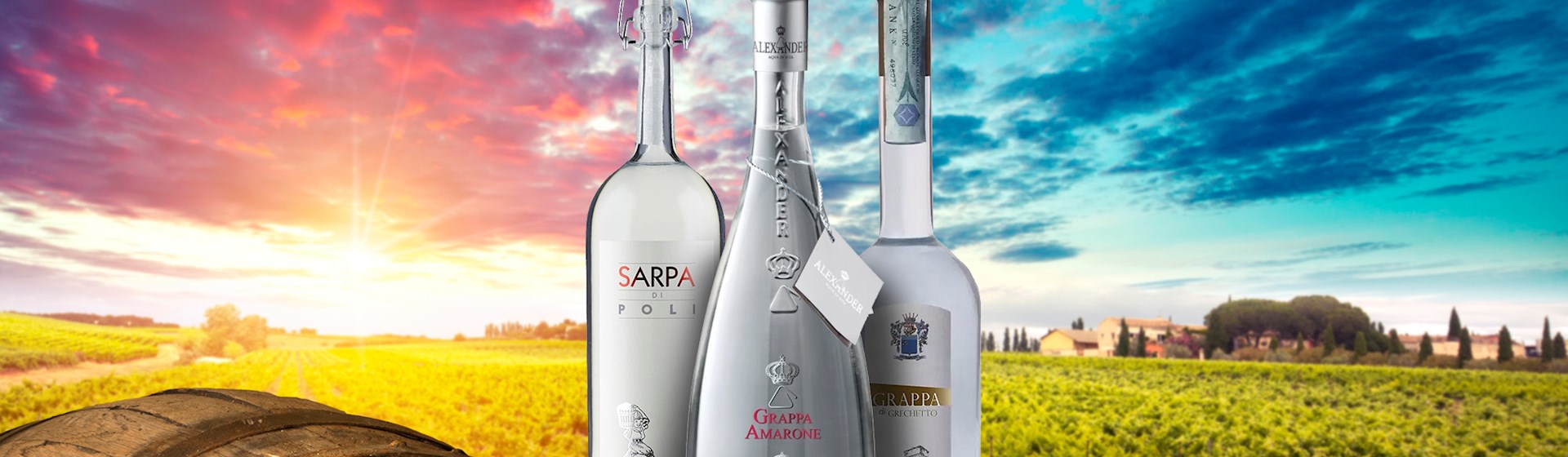
Top 11 Venetian Spirits and Liqueurs

Last updated on July 22, 2026

Best Venetian Spirits and Liqueurs
01

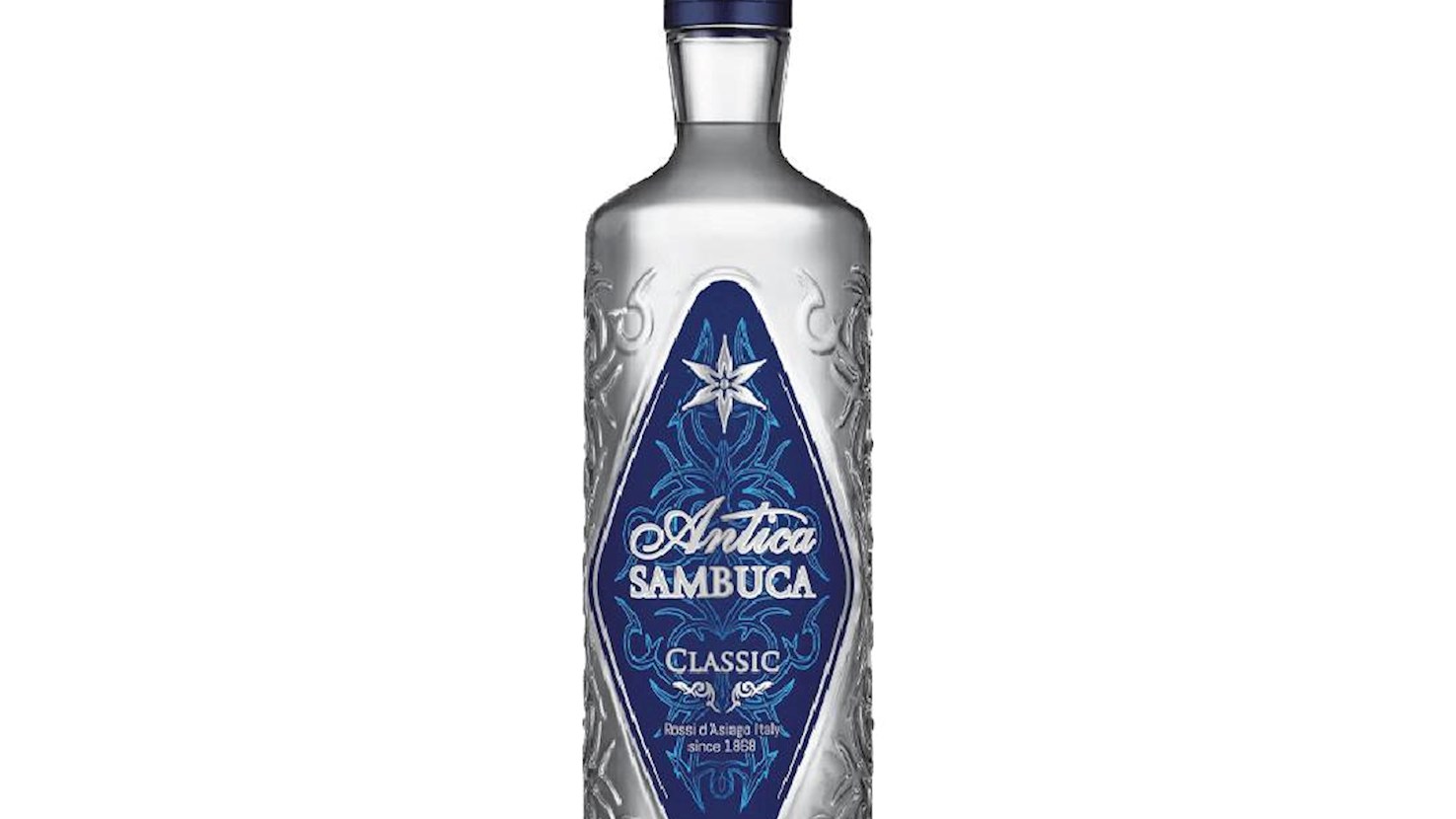
Rossi d'Asiago

5.0 ·

Rossi d'Asiago is an Italian distillery founded in 1868 by pharmacist Giovan Battista Rossi in Asiago, a picturesque town in the Venetian Alps. Initially, Rossi created elixirs and natural remedies for tourists, and his products' success led to the establishment of the distillery, which became known as the "highest distillery in Europe." In 1993, the Dal Toso family, with a longstanding tradition in distillation, acquired the Rossi d'Asiago brand, revitalizing it under the name Antiche Distillerie Riunite.

This acquisition included traditional recipes and production techniques passed down since 1868. The distillery is renowned for its innovative products characterized by intense aromas and smooth flavors.

Notable creations include Antica Sambuca, a sambuca variant that blends tradition with modernity, and Kranebet, a white bitter liqueur distilled from juniper berries, gentian, and alpine roots, which has become emblematic of the Asiago plateau.

Awards
European Spirits Challenge - Gold (2023)
02

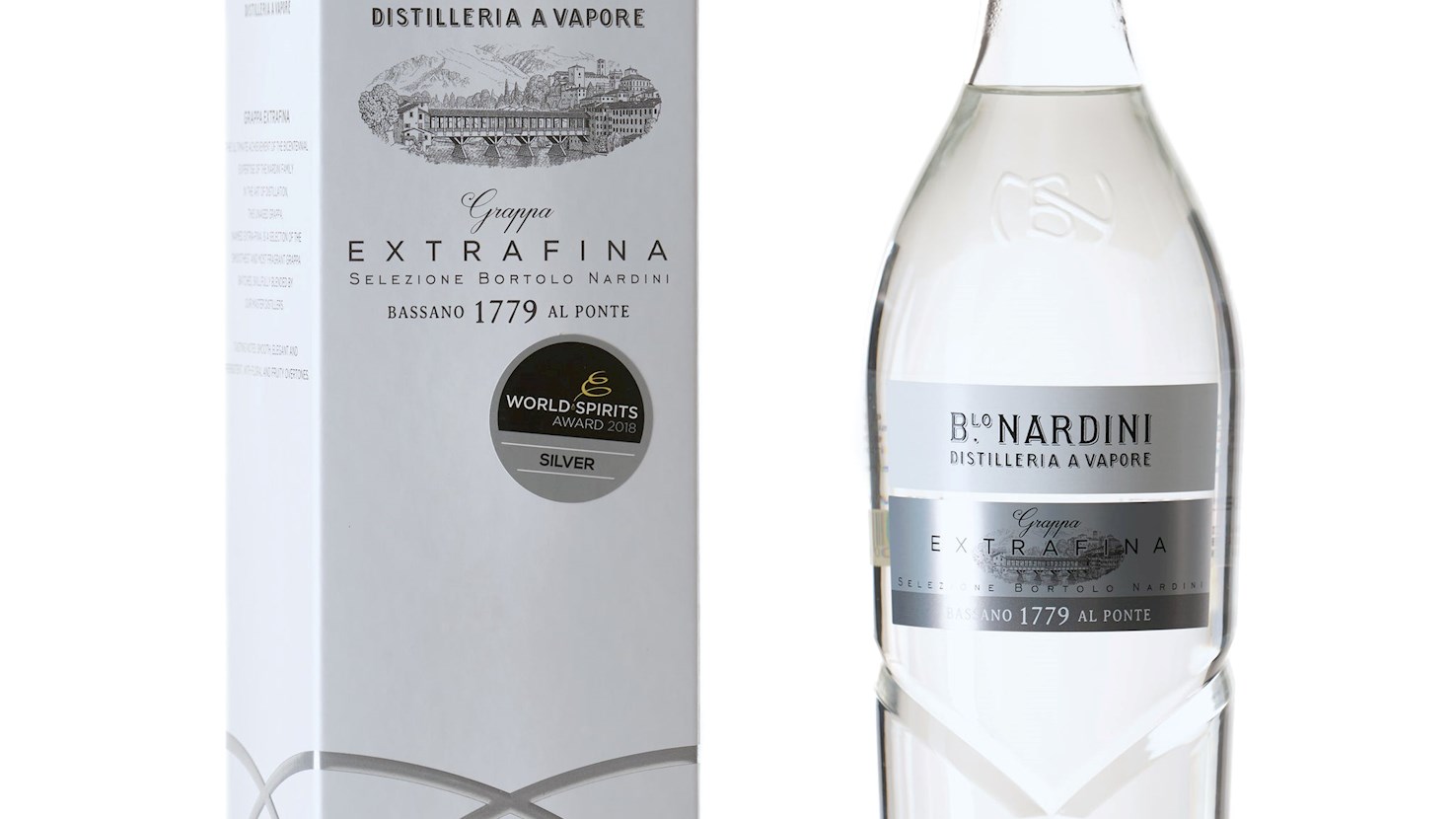
Distilleria Nardini

5.0 ·
Awards
IWSC- International wine & spirit competition - Spirit Gold Outstanding (2024, 2021)
IWSC- International wine & spirit competition - Spirit Gold (2022)
03

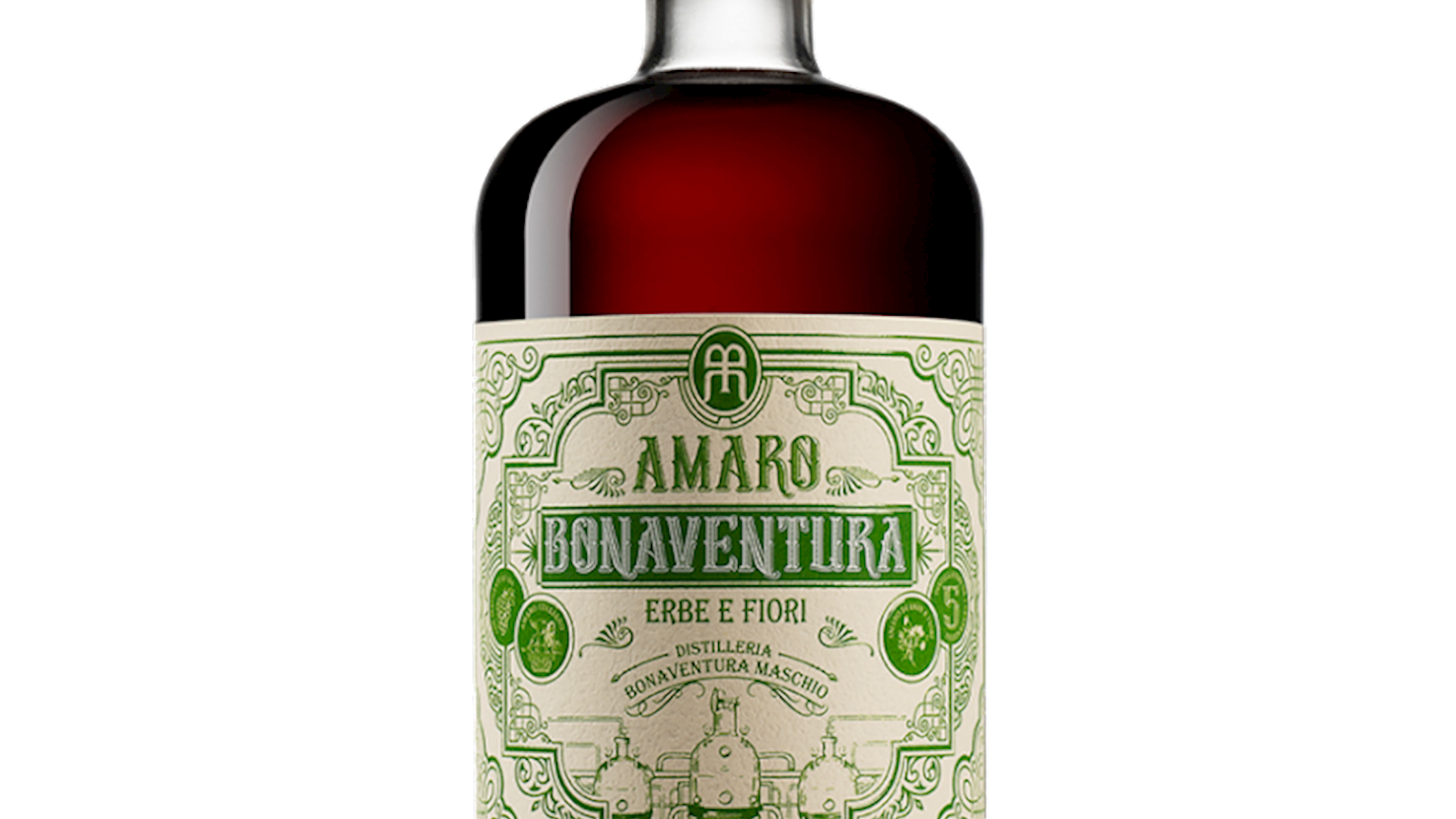
Distilleria Bonaventura Maschio

5.0 ·
Awards
SFWSC - San Francisco World Spirits Competition - Double Gold (2023)
ISC-International Spirits Challenge - Double Gold (2022, 2019)
04

Luxardo

4.8 ·

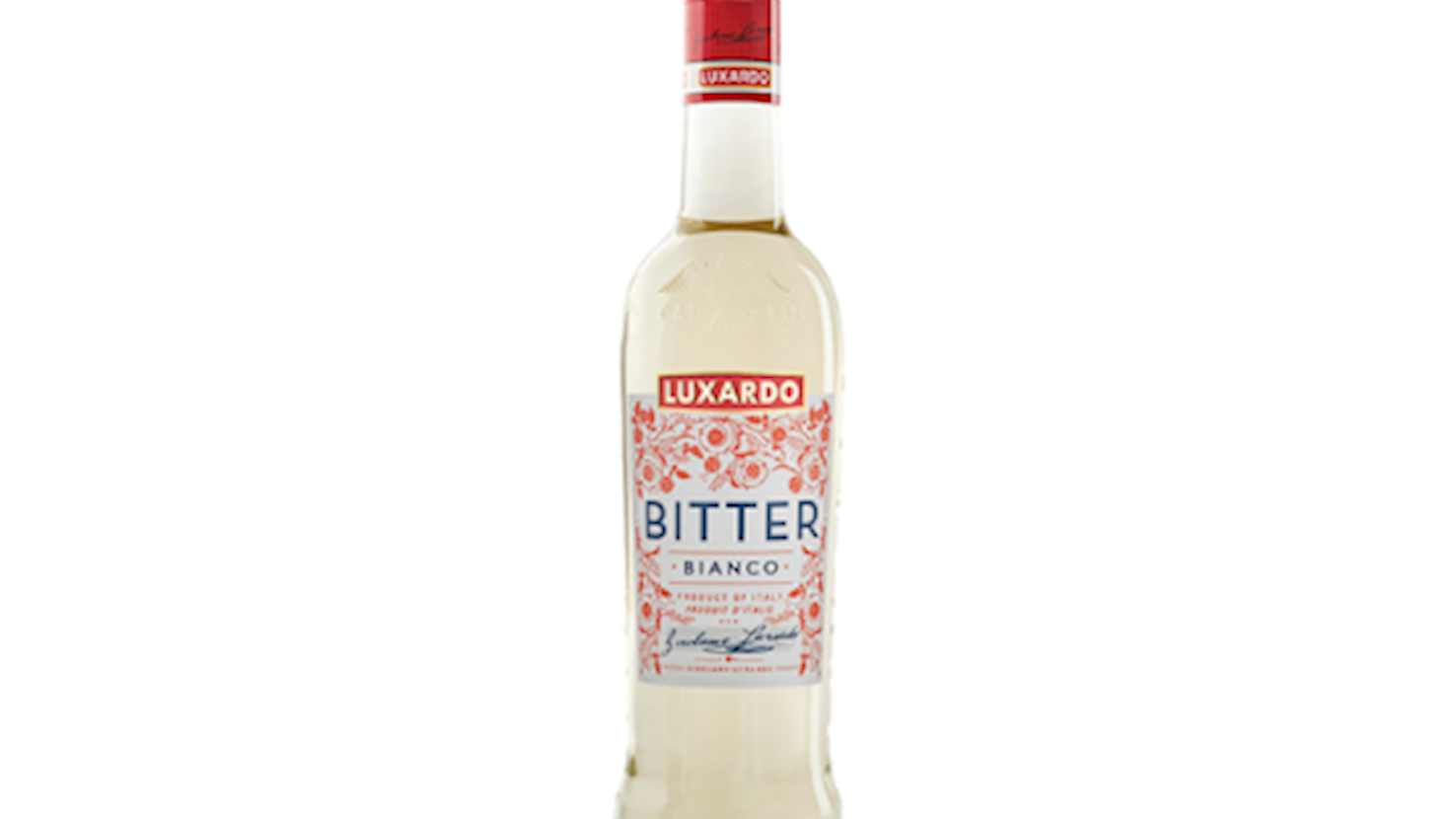
Luxardo is a historic Italian distillery founded in 1821, renowned for its continuous family ownership and its signature Maraschino Originale liqueur made from marasca cherries. After the original factory in Zadar was destroyed during World War II, production was rebuilt in Torreglia near Padua, where the company still operates using traditional methods and long aging processes for its distillates.

Beyond maraschino, Luxardo produces a wide range of liqueurs and spirits - including amaretto, sambuca, grappa, fruit liqueurs, and its celebrated maraschino cherries, regarded as a benchmark in the cocktail industry. Luxardo’s products hold a central place in classic cocktails and Italian gastronomy, and the brand’s global presence reflects its blend of authenticity, craftsmanship, and more than two centuries of heritage.

Awards
IWSC- International wine & spirit competition - Spirit Gold (2024)
05

Distillerie Bonollo Umberto

4.8 ·

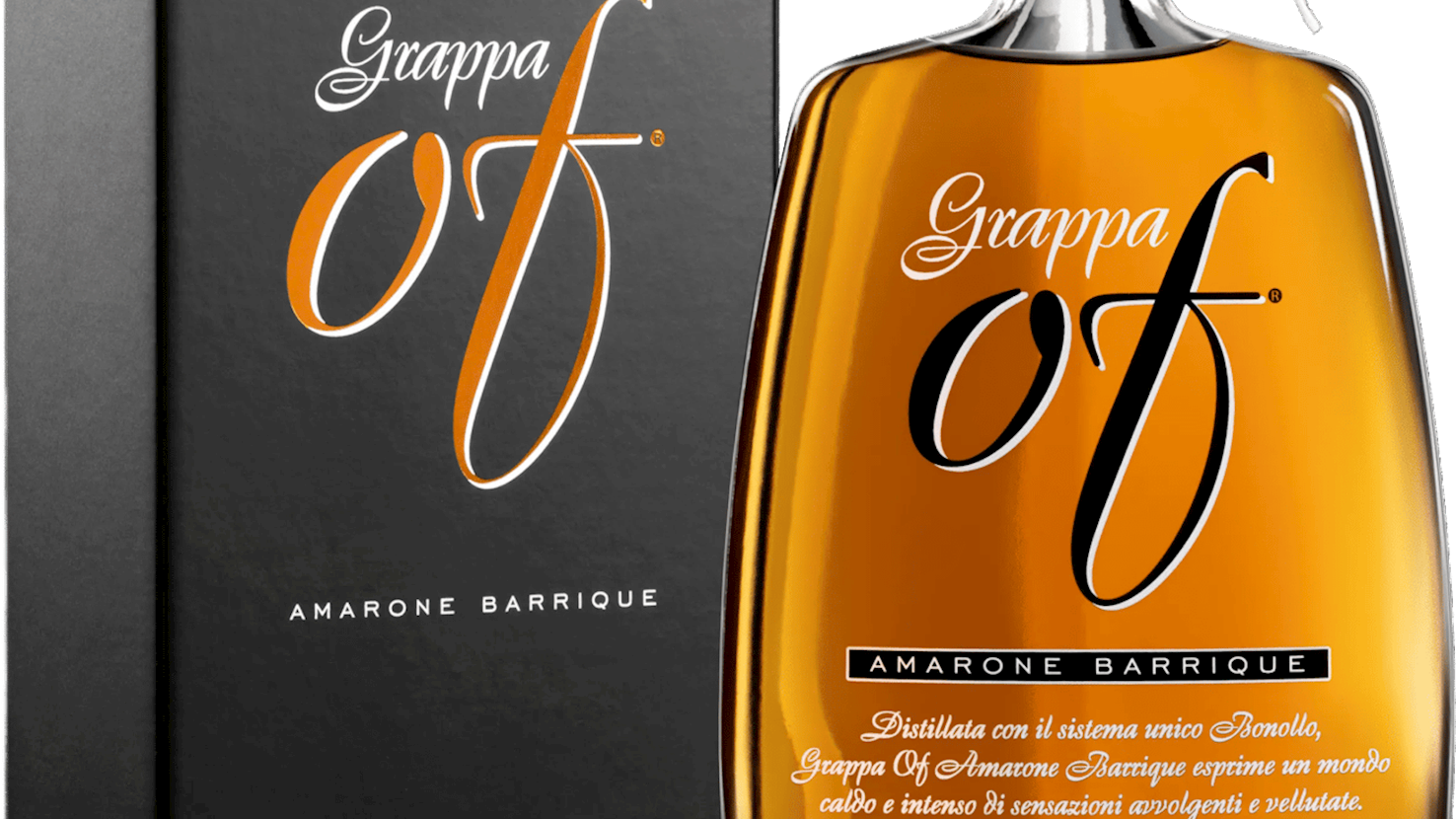
Distillerie Bonollo is a prestigious Italian producer renowned for its exceptional grappas and spirits, embodying over a century of distillation expertise. Founded in Padua, in the heart of the Veneto region, Bonollo combines deep-rooted family tradition with innovative techniques to create products of outstanding quality and character.

The hallmark of Bonollo’s craftsmanship lies in its dedication to selecting the finest pomace (grape skins) sourced from Italy's most celebrated wine regions. Through the use of state-of-the-art equipment and the family’s proprietary “Bonollo Method”, each product achieves a perfect balance of purity, aroma, and flavor.

Bonollo's range includes premium grappas, including their renowned Grappa OF line, celebrated for its smoothness, complexity, and refinement, often aged in oak barrels to develop rich and velvety notes. The distillery also produces innovative liqueurs and spirits that showcase Italian creativity and a passion for excellence.

Their offerings are distinguished not only by their exceptional taste but also by their elegant packaging, making Bonollo products a symbol of Italian luxury and craftsmanship. As a fourth-generation family business, Bonollo continues to honor its legacy while embracing modern innovation, delivering spirits that are cherished by enthusiasts and connoisseurs worldwide.

Awards
IWSC- International wine & spirit competition - Spirit Gold (2023)
06

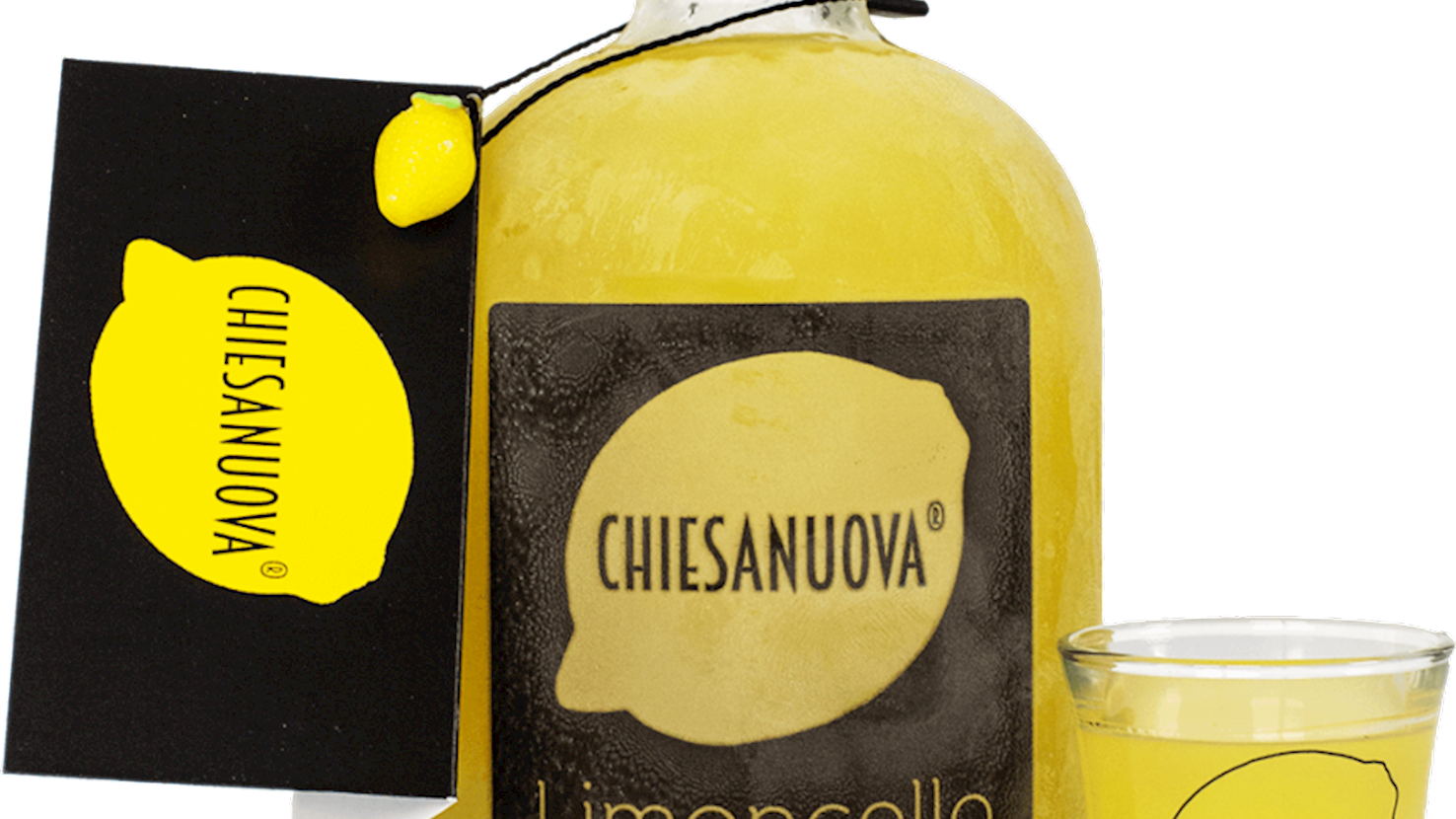
Chiesanuova

4.8 ·
Awards
IWSC- International wine & spirit competition - Spirit Gold (2022)
07

Trentin Grappa

4.8 ·
Awards
IWSC- International wine & spirit competition - Spirit Gold (2024, 2023)
08

Ditta Bortolo Nardini

4.8 ·
Awards
IWSC- International wine & spirit competition - Spirit Gold (2019)
09

Farmacia Bason Dr Sandro

4.8 ·
Awards
IWSC- International wine & spirit competition - Spirit Gold (2019)
10

Threespirits Srl

4.5 ·
Awards
IWSC- International wine & spirit competition - Spirit Gold (2019)

Best Venetian Spirit/Liqueur Types

01

Aperol

3.7 ·

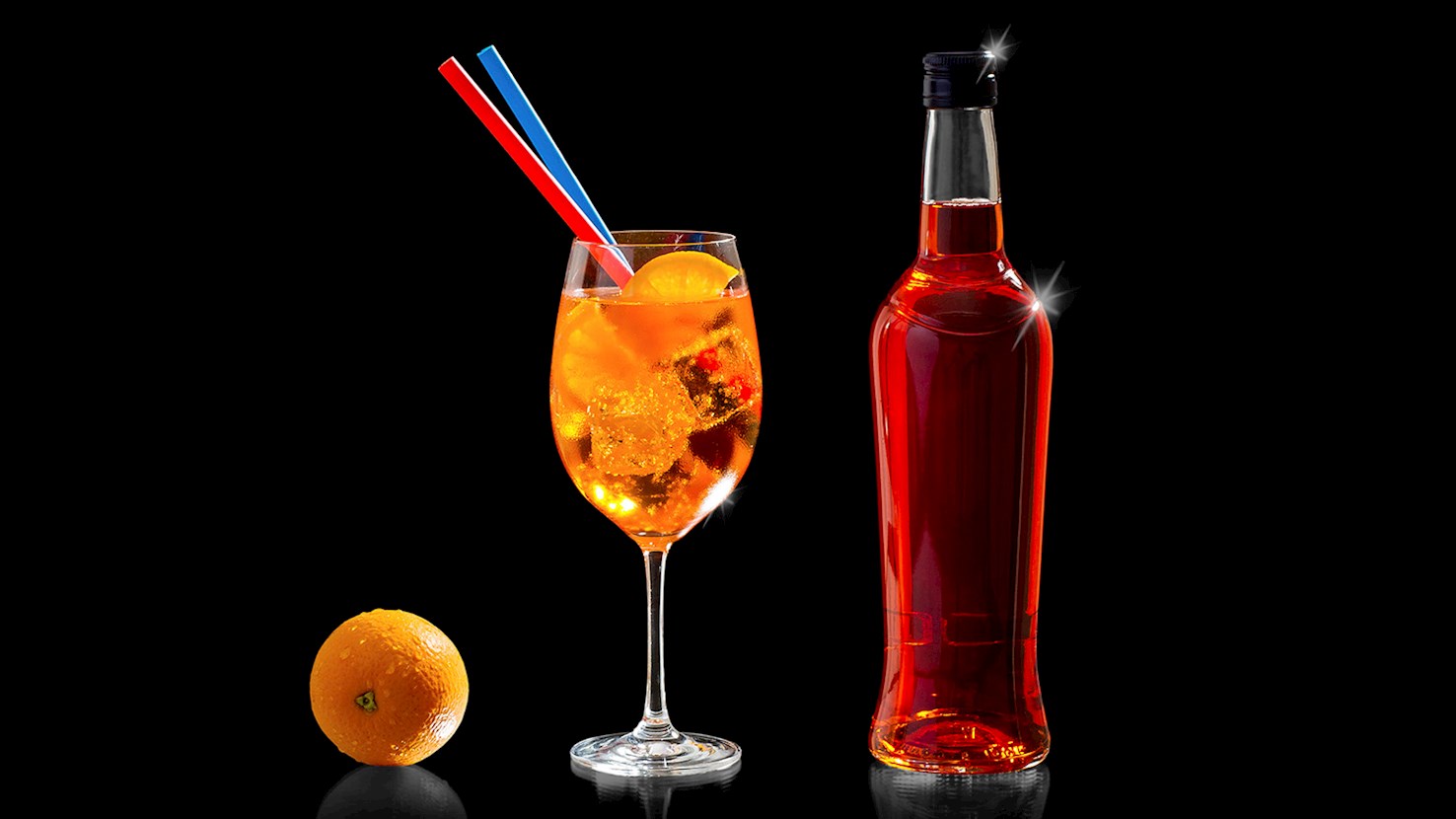
Hailing from Padua, this Italian liqueur was invented in 1919 by the Barbieri brothers. It has been produced following the original secret infusion that combines bitter and sweet oranges, rhubarb, herbs, and alcohol. It is characterized by its combination of bitter, fruity, and floral flavors and a low alcohol content of only 11% ABV. Aperol was initially invented as an apéritif, preferably served over ice, but it also pairs incredibly well with citrus or fruit juices, and soda. The most popular combination is undoubtedly Aperol Spritz—the fashionable, light apéritif that combines Aperol, Prosecco, and a splash of soda water.

02

Grappa

3.2 ·

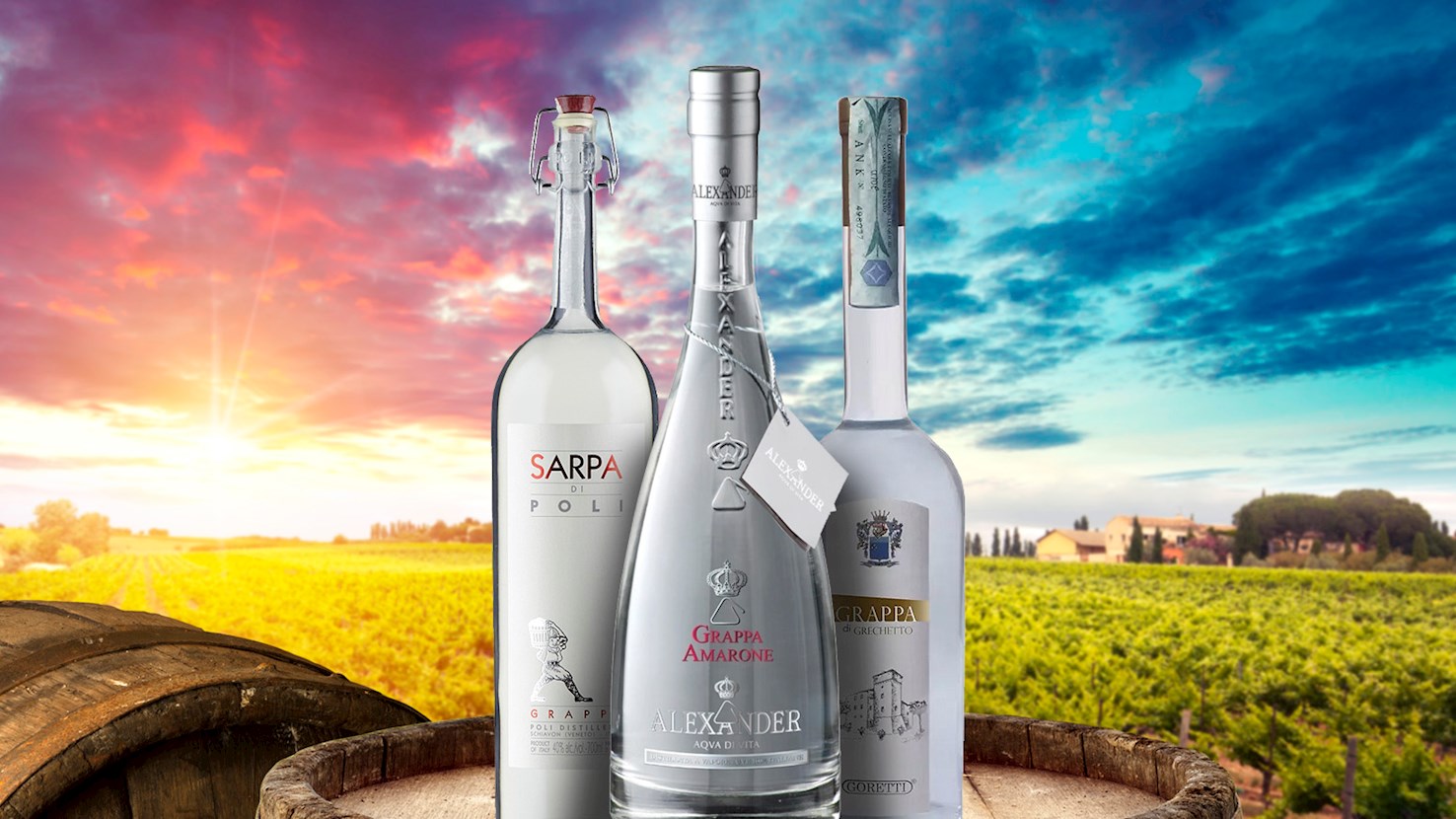
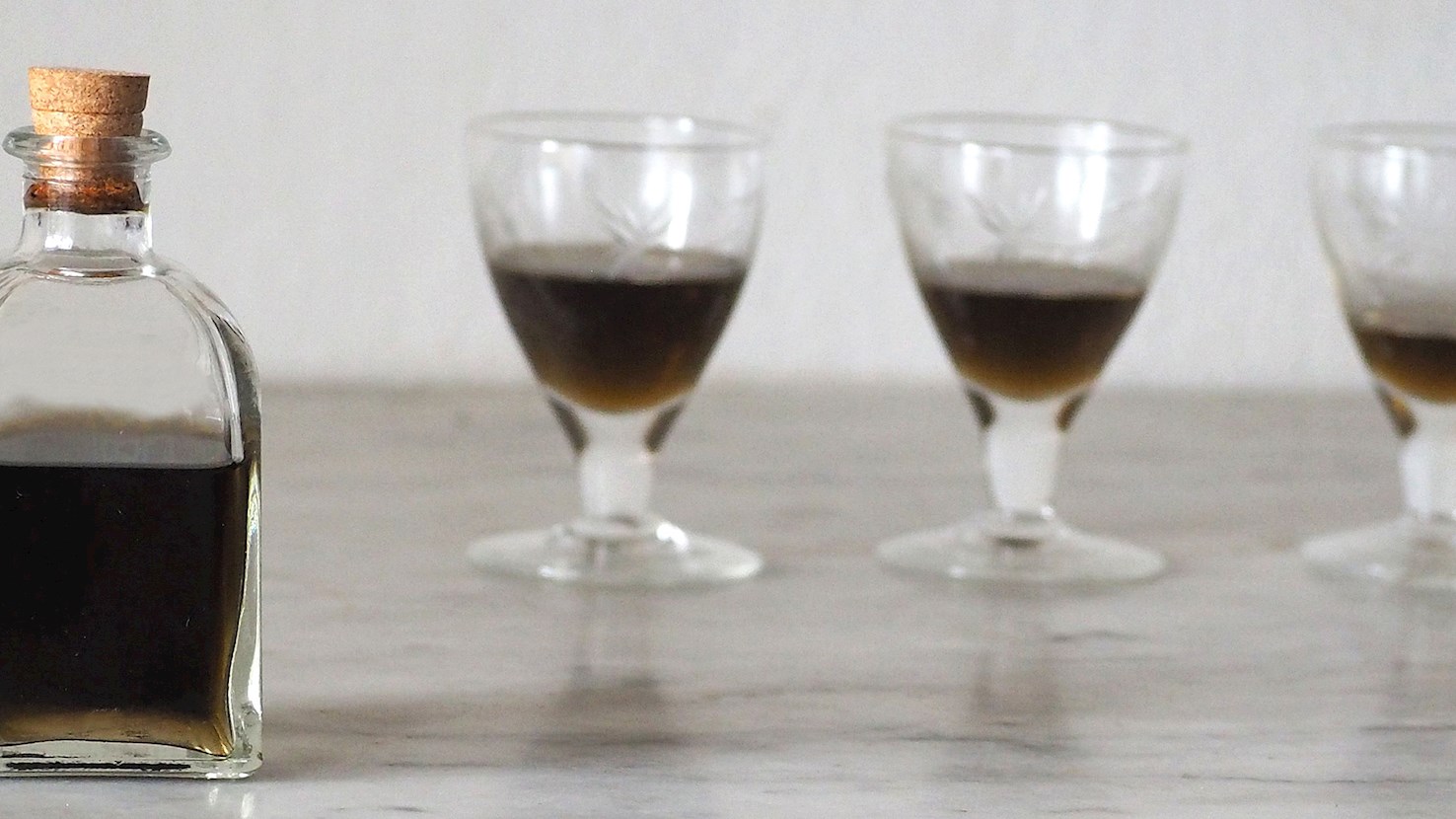
Italian grappa is distilled from fermented pomace—solid components of grapes that are left after the juice has been pressed. The taste profile of grappa varies, and each variety is distinguished for their unique character that depends on the choice of raw materials, distillation, as well as nature and the length of maturation. The basic distinction is made between grappa bianca, which is aged in stainless steel, and golden varieties that are traditionally aged in large barrels. Through history, grappa was mainly associated with northern parts of Italy, but today it is produced throughout the country. In Italy, grappa is typically enjoyed as a digestif and is usually served straight, in shot glasses.

03

Select

3.2 ·

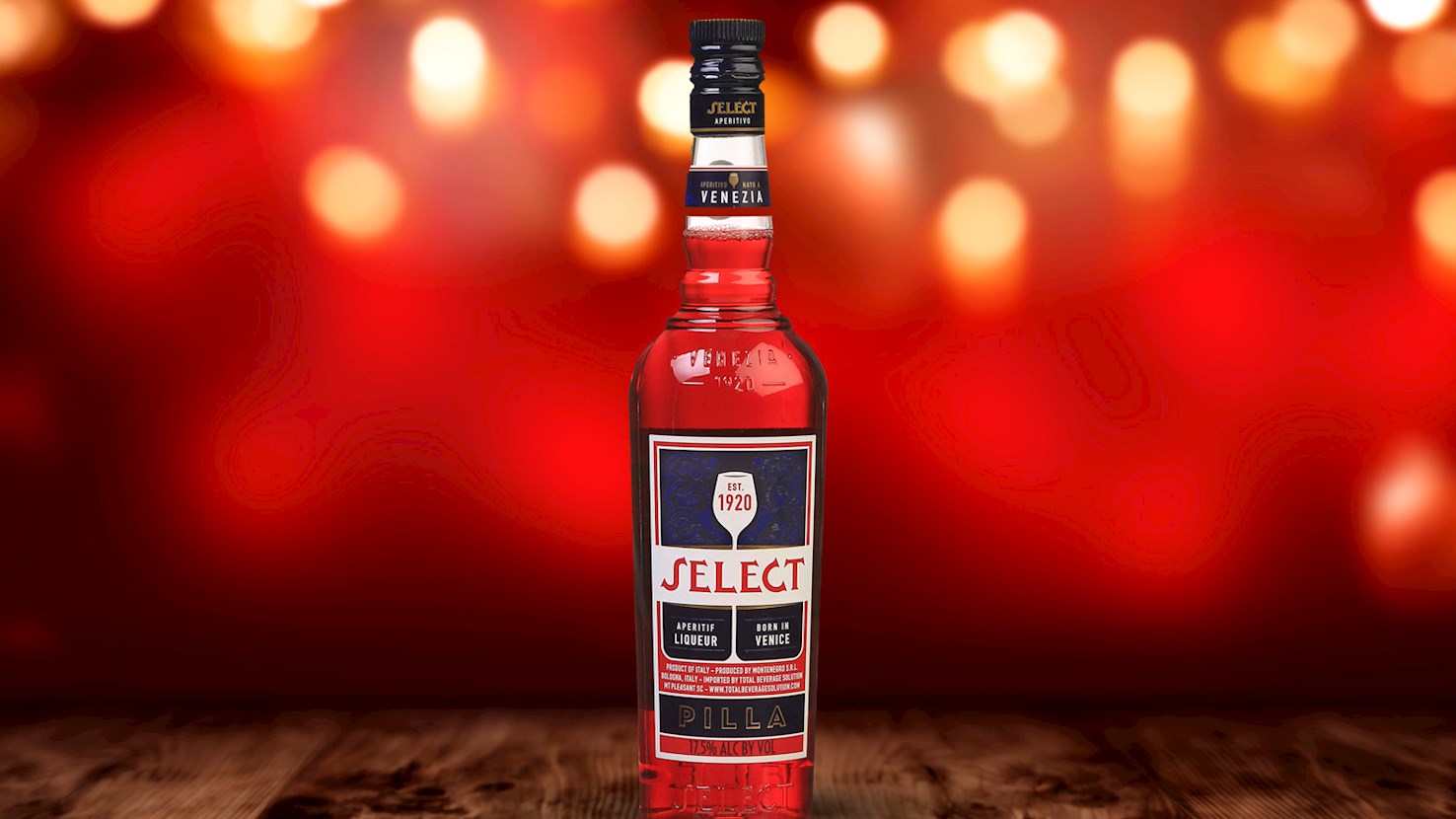
Select is an aromatic Venetian liqueur often enjoyed as an aperitif and used in Venetian Spritz. The recipe is based on more than thirty different botanicals, including rhubarb and juniper berries. The resulting ruby-red liqueur has citrusy and herbal aromas. On the palate, it has a complex, bittersweet flavor dominated by earthy, tropical, and citrus notes. The finish is long and fresh. Select was created in 1920 by the Pilla brothers, who owned a distillery in the Castello neighborhood. The drink can be enjoyed on the rocks, mixed with soda or mineral water, or added to cocktails. It is said that the authentic Spritz Veneziano uses Select.

04

VOV

3.1 ·

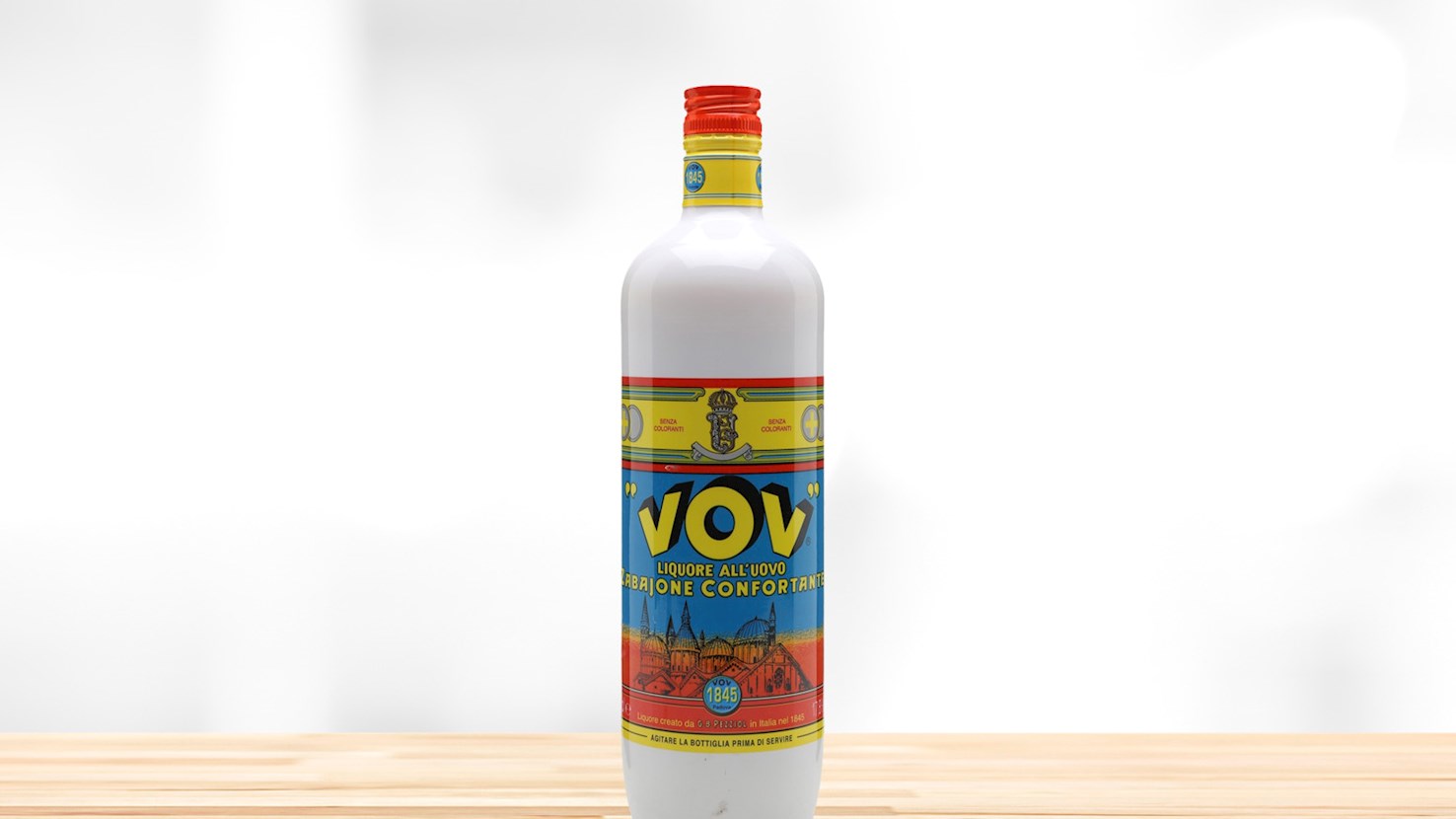
VOV is an Italian egg liqueur that was invented in 1845 by a confectioner Gian Battista Pezziol. He used the surplus of egg yolks left from his nougat business, and he combined them with Marsala and sugar to create this creamy, sweet liqueur. His concoction was an immediate success, and it was even favored by the Austrian court. The drink was first marketed as vovi, which in Venetian dialect translates as eggs, and when it gained international recognition, it was shortened to VOV. It has 17.8% ABV, and it comes in a signature white bottle. VOV can be served neat, at room temperature or chilled, but it is probably best known as the ingredient in Bombardino—the most popular Italian après-ski drink.

05

Grappa di Moscato

n/a ·

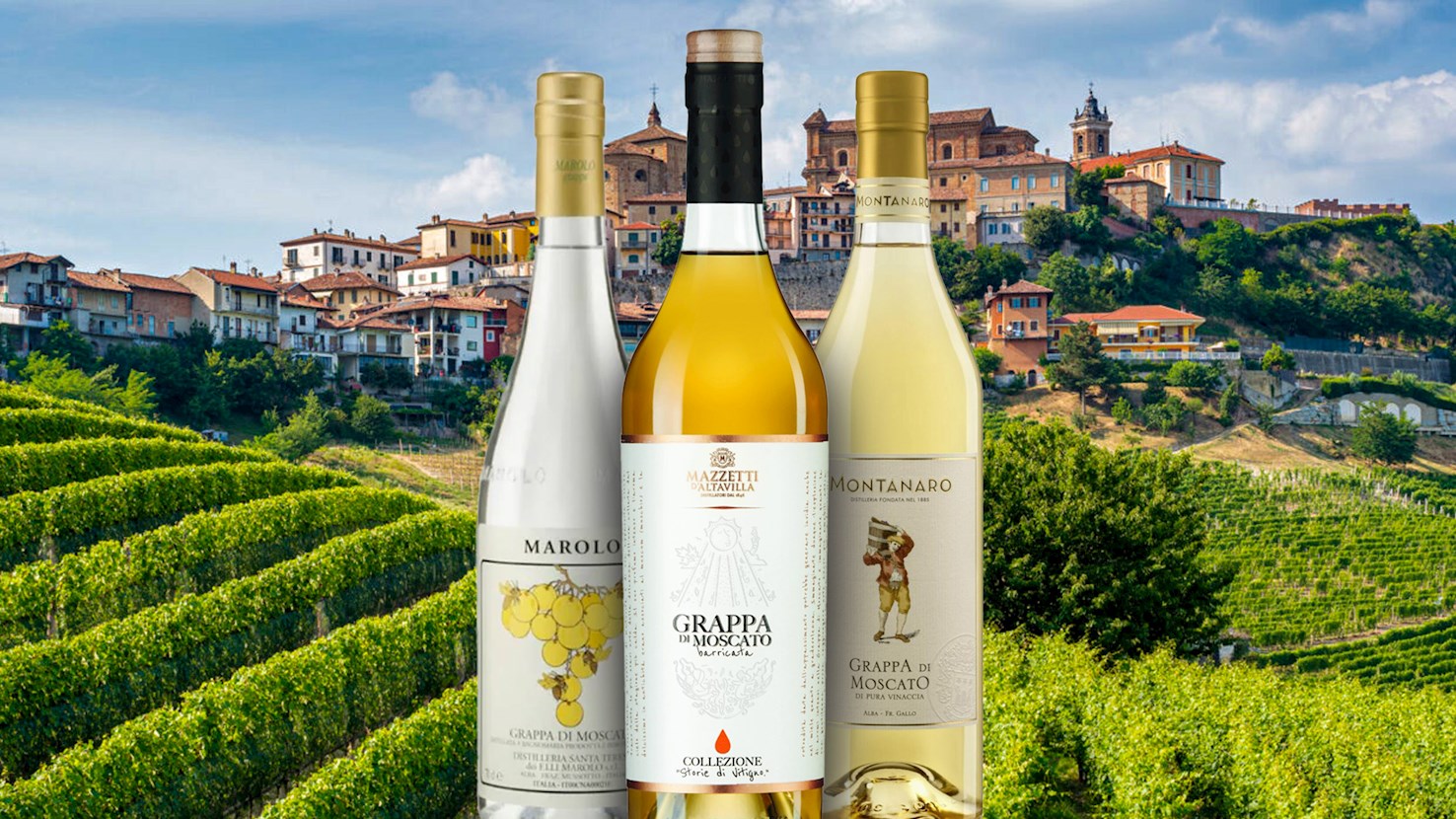
Grappa di Moscato is an aromatic pomace brandy produced in Italy, primarily in the regions of Piedmont and Veneto, where Moscato grapes are widely cultivated for both still and sparkling wines. This spirit is distilled from the fresh, fragrant pomace left over after pressing Moscato grapes, which are known for their pronounced floral and fruity aromas. The production begins immediately after winemaking to ensure the pomace retains as much of its volatile compounds as possible. Distillers often use copper alembic stills to carry out a slow, gentle distillation that captures the delicate perfume of the grapes without introducing harsh or overly earthy notes. The resulting grappa is typically crystal clear, with an alcohol content ranging between 40 and 45 percent. It is appreciated for its unmistakable bouquet of white flowers, orange blossom, ripe grapes, and sometimes a hint of sage or honey. Because Moscato grapes are naturally aromatic, Grappa di Moscato is considered softer and more approachable than many other pomace brandies, making it especially popular among people who prefer milder, fruit-driven spirits. While most versions are unaged to highlight their fresh, floral profile, some distilleries mature small batches in oak or acacia barrels to add subtle vanilla and spice notes. Grappa di Moscato is usually served neat at a cool room temperature in tulip-shaped glasses that concentrate its fragrance. It is commonly offered as a digestif after meals and sometimes accompanies coffee or light desserts. The spirit is also used occasionally in pastry making, where its aromatic qualities can enhance creams, syrups, or fruit compotes. Producers often label bottles with the specific origin of the Moscato grapes and the name of the distillery, reflecting the importance of provenance in the category. Among grappas, this style has gained a reputation as particularly elegant, with a gentler character that appeals to both newcomers and long-time enthusiasts.

Best producers
06

Latte di Suocera

n/a ·

Latte di Suocera is a highly concentrated, dry herbal liqueur originating from the Veneto region in northeastern Italy, with its commercial production centered at the historic Zanin distillery in Zugliano, within the Province of Vicenza. The formulation of this spirit belongs to a category of composite herbal extractions known in Italy as centerbe, meaning "one hundred herbs," which was developed during the late nineteenth century by regional distillers who processed alpine botanicals to create potent shelf-stable digestifs. Preparation of the liqueur involves gathering a diverse selection of dried berries, roots, and alpine plants, which are subjected to a cold extraction technique where they macerate in pure grain alcohol to leach out their essential oils and aromatic compounds without heat degradation. This concentrated hydroalcoholic infusion is subsequently blended with a minimal amount of sugar syrup, filtered at cold temperatures to ensure clarity, and aged for approximately three to four months in stainless steel tanks or large oak barrels to allow the intense vegetal notes to stabilize. A unique characteristic of latte di suocera is its exceptionally high proof, commonly containing 70 to 75 percent alcohol by volume, which ranks it among the strongest commercial spirits available globally and results in immediate flammability. This extreme chemical composition requires a distinctive packaging convention, featuring a prominent white skull design on a black background to explicitly warn consumers of its caustic strength. The liqueur is primarily consumed across Italy as a digestif after heavy meals, served in small shot glasses at room temperature or slightly chilled to highlight its dry, sharp, and intensely warm finish. Because its high proof makes it volatile, it is frequently used in mixology as a combustible top-layer to create flambé cocktails, or diluted directly into sweet orange juice, lemon soda, or cream to manage the proof. Appropriate food pairings are limited to rich, high-fat items that can withstand the intense alcohol bite, such as dark chocolate tortes, dense hazelnut pralines, or scoops of vanilla bean ice cream over which the liqueur is poured as a sharp contrast.

07

Grappa di Amarone

n/a ·

Grappa di Amarone is a pomace brandy distilled from the skins and seeds of grapes used to produce Amarone della Valpolicella, a full-bodied red wine from the Veneto region of northern Italy. This spirit is made after the winemaking process that involves drying the grapes for several months before pressing, a method called appassimento that concentrates their sugars and flavors. The resulting pomace is especially rich in aromatic compounds and residual sweetness, giving Grappa di Amarone a deeper and more intense profile compared to many other grappas. Distillation begins shortly after pressing to preserve these qualities, using copper stills operated by small distilleries that have refined their methods over generations. The process typically involves slow, careful heating to capture the most delicate aromatic fractions and avoid harsh elements. The resulting spirit is often clear and unaged, though some producers mature it in small oak barrels to add notes of vanilla, dried fruit, and mild spice. Alcohol content usually ranges between 40 and 45 percent, and the flavor is robust yet smooth, reflecting both the richness of the Amarone wine and the careful distillation techniques. Grappa di Amarone stands out for its combination of ripe red berry aromas, a touch of raisin or fig, and a warm, lasting finish. This grappa is commonly served neat in tulip-shaped glasses at room temperature or slightly chilled. It is appreciated as a digestif after a substantial meal and is often paired with dark chocolate or aged cheeses. In the Veneto, offering a glass of Grappa di Amarone is a gesture of hospitality, and many local restaurants keep bottles on hand to share with guests. Bottles often carry both the name of the distillery and the producer of the Amarone wine, emphasizing the direct connection between the vineyards and the spirit. The limited quantity of Amarone pomace available each year means that production is often small-scale and reserved for specialty markets.

08

Grappa Veneta

n/a ·

Grappa Veneta, also known as Grappa del Veneto PGI, is a grape marc spirit produced exclusively in the Veneto region of Italy. The production process involves the distillation of fermented or semi-fermented grape marc using water vapor or added water. Natural liquid wine lees may be used in the process, but their contribution to the alcohol content cannot exceed 35%. Distillation must occur at less than 86% alcohol by volume, and redistillation is allowed. The addition of aromatic plants, fruit, and sugars is permitted, with caramel allowed only in aged grappa. The spirit may be aged in wooden containers, with “Vecchia” or “Invecchiata” labels for those aged at least 12 months, and “Riserva” or “Stravecchia” labels for those aged at least 18 months. Grappa Veneta may reference specific grape varieties or DOC/IGT wines, with restrictions on how these are labeled based on the grape content. The first distillation of grape marc in Veneto dates back to between 1200-1300, during a time when Venice was a prominent center for the export of wine and spirits. Initially, grappa was used mostly for medicinal purposes. Around 1601, the "Congrega dell’Università degli Acquavitai" was founded in Venice, and a Master Distiller certificate was established for those trained in distillation. By 1876, the Royal School of Viticulture and Oenology advanced research and improved grappa production, especially with the development of the direct-fire still. Today, Veneto is home to many artisanal distilleries that preserve the region’s grappa-making traditions. Since 1964, the Istituto Grappa Veneta has supported and protected the authenticity of this product. Grappa Veneta PGI is highly regarded for its rich flavors and historical roots in the Veneto region. It has a minimum alcohol content of 40% by volume.

09

Mezzoemezzo

n/a ·

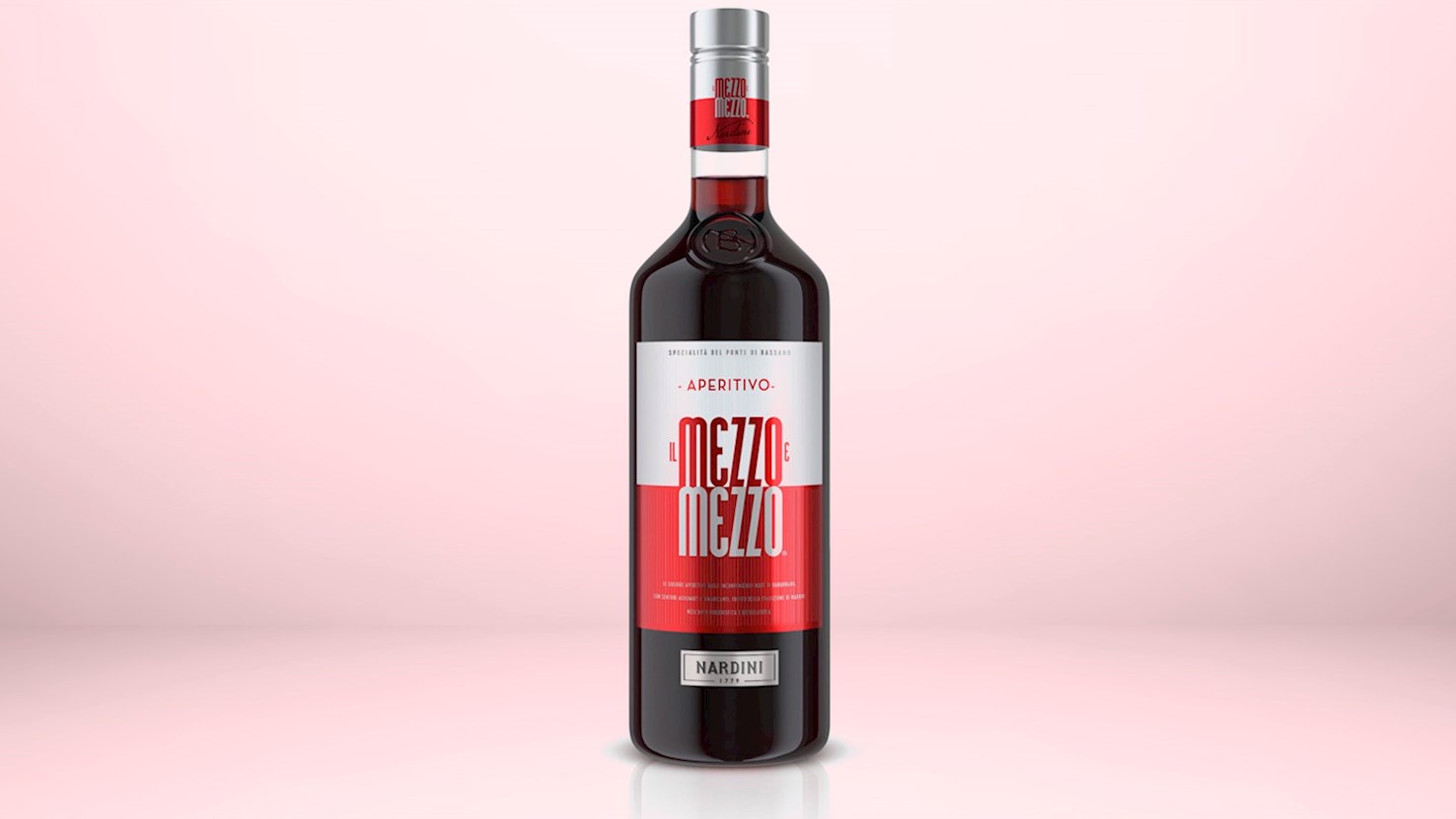
Mezzoemezzo is an Italian liqueur that was based on the cocktail Mezzo e Mezzo. The cocktail was invented in 1970, and as it became increasingly popular, the company decided to bottle a premixed blend of Nardini Rosso and Nardini Rabarbaro. The liqueur is bittersweet, aromatic, and herbal, with citrus and rhubarb notes. It is best served on ice, optionally with a dash of soda, and garnished with a lemon twist.

10

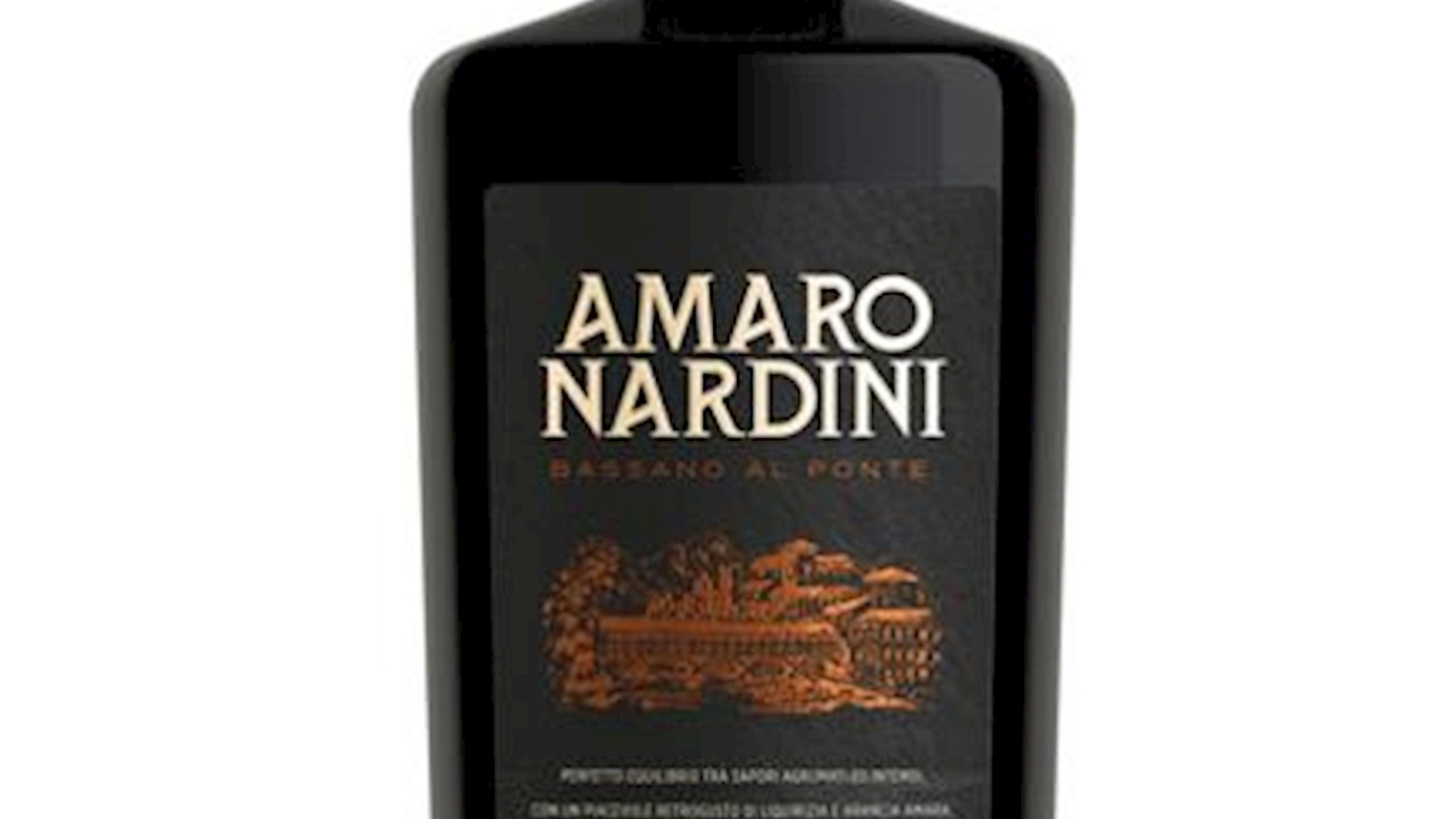
Amaro Nardini

n/a ·

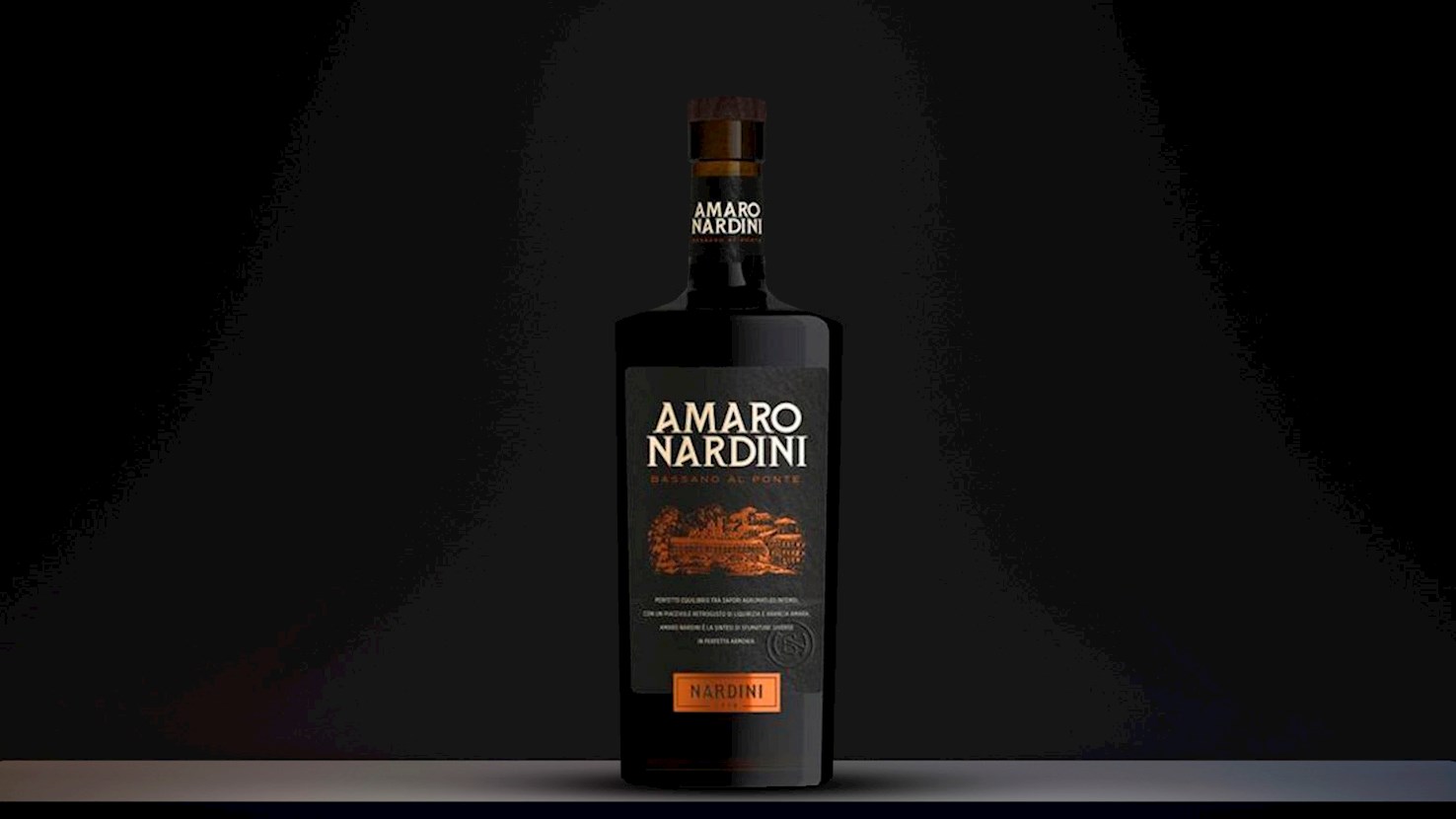
Nardini is an Italian amaro made with grappa and a macerate of several botanicals. Although the recipe is a closely guarded family secret, some ingredients include peppermint, bitter oranges, licorice, cloves, and gentian. This is a clear amaro that has dark, almost mahogany color. It is a rich and herbal liqueur with a smooth texture and an aroma reminiscent of mint, milky chocolate, licorice, herbs, warming spices, citrus fruit, and dark cherries. It is best enjoyed as an after-dinner drink, served neat or on the rocks, along with an orange slice. Nardini is a family-operated business located in Bassano del Grappa.

Read more
View all
View map
About this ranking

TasteAtlas food rankings are based on the ratings of the TasteAtlas audience, with a series of mechanisms that recognize real users and that ignore bot, nationalist or local patriotic ratings, and give additional value to the ratings of users that the system recognizes as knowledgeable. For the “Top 11 Venetian Spirits and Liqueurs” list until July 22, 2026, 385 ratings were recorded, of which 326 were recognized by the system as legitimate. TasteAtlas Rankings should not be seen as the final global conclusion about food. Their purpose is to promote excellent local foods, instill pride in traditional dishes, and arouse curiosity about dishes you haven’t tried.

The initial list of top producers was compiled based on available reviews, awards, local recommendations, media and blog coverage, and consumer reviews. The list will be updated with ratings from TasteAtlas local ambassadors and TasteAtlas users.

Similar lists