Top 18 Eastern European Spirits

Last updated on June 03, 2026

Best Eastern European Spirits
01

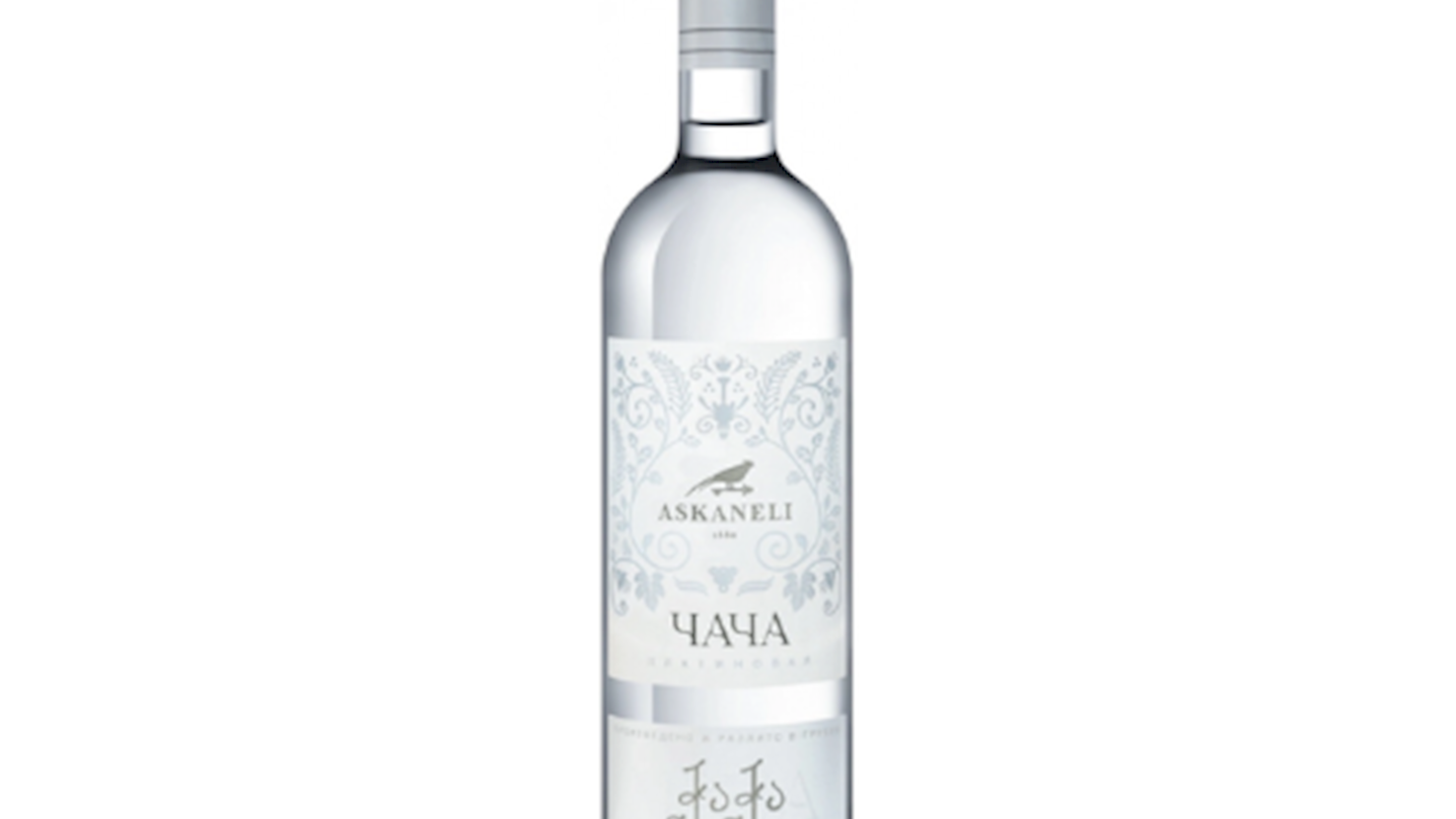
Askaneli

5 ·
Askaneli is a Georgian winery founded by the Chkhaidze brothers, building on a family winemaking tradition that dates back to the 1880s in the village of Askana, Guria. The historic cellar established by their ancestor Antimoz Chkhaidze, along with traditional qvevri vessels, remains an important part of the winery’s identity. Today, the company operates as a vertically integrated producer, managing the entire process from vineyard cultivation to bottling under certified quality standards. Its vineyards extend across key regions such as Kakheti, including the Kindzmarauli appellation, as well as Guria, where rare indigenous varieties like Chkhaveri are preserved. Production combines traditional Georgian techniques - especially qvevri fermentation - with modern winemaking technology, resulting in a diverse portfolio of over 60 wine labels, alongside sparkling wines, brandy, chacha, and fruit distillates. Askaneli Brothers is considered one of the leading wine producers in Georgia, with a strong presence in international markets. The winery plays an active role in preserving native grape varieties while adapting to contemporary production standards. Its overall approach reflects a balance between heritage, scale, and consistency in quality.
Awards
Vivino - 4.6
Vivino - 4.5
02

Niva Distillery

5 ·
Awards
ISC-International Spirits Challenge - Double Gold (2022)
03

Ararat Brandy

4.9 ·
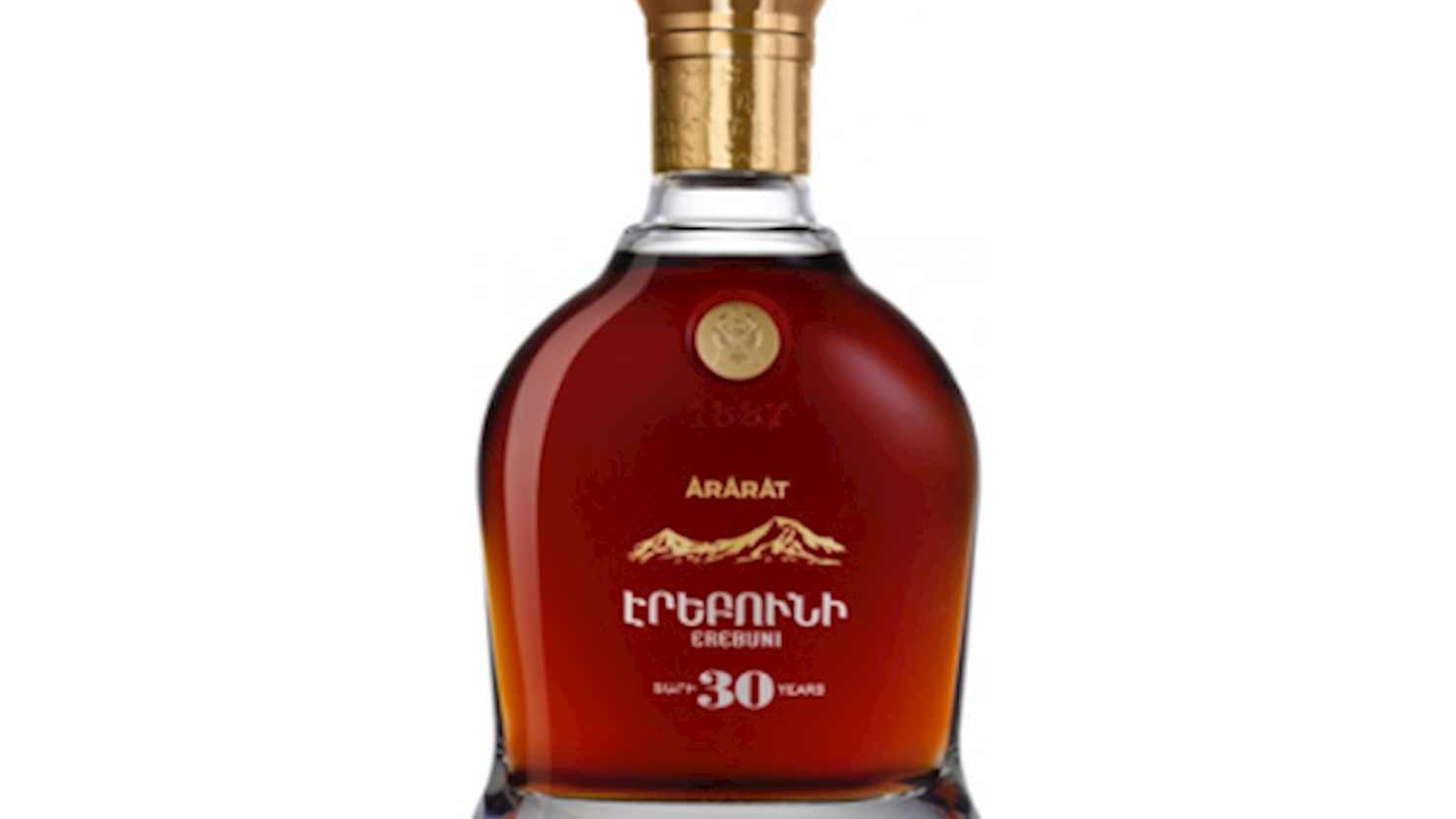
Ararat Brandy is the most iconic expression of Armenia’s distillation heritage, produced by the Yerevan Brandy Company since 1887. It is made exclusively from local white grape varieties grown in the Ararat Valley and neighboring regions, followed by double distillation that yields a clean, aromatically concentrated spirit. Maturation takes place in Caucasian oak barrels, whose old, dense wood imparts notes of dried fruit, nuts, vanilla, and gentle spice. The range includes various cuvées - from classic, younger expressions to premium and long-aged editions such as Akhtamar, Nairi, and Erebuni, some of which mature for decades. Ararat is appreciated for its clarity of style, balanced structure, and the way it unites traditional production methods with the character of the local terroir, establishing it as one of the most respected brandy producers in the region and beyond.
04

Shabo

4.8 ·
Shabo is a renowned producer of wine and alcoholic beverages from Ukraine, established in 2003. The company's headquarters are located in the village of Shabo in the Odesa region, which boasts a long tradition of winemaking dating back to the 16th century. The company spans over 1,200 hectares of vineyards and produces a wide range of wines, cognacs, brandies, and liqueurs. Shabo is known for combining traditional winemaking methods with modern technologies, resulting in high-quality products that have won numerous international awards.
Awards
Decanter World Wine Awards - Platinum (2023)
London Spirits Competition - Gold (2024)
05

Permalko JSC

4.8 ·
Awards
IWSC- International wine & spirit competition - Spirit Gold (2021)
ISC-International Spirits Challenge - Gold trophy (2021)
06

Rusimport

4.8 ·
Awards
ISC-International Spirits Challenge - Gold trophy (2014, 2011)
07

Ladoga Group

4.8 ·
Awards
IWSC- International wine & spirit competition - Spirit Gold (2021)
08

Saranskiy Distillers

4.8 ·
Awards
IWSC- International wine & spirit competition - Spirit Gold (2020)
09

Manufacturing Company Syabry LLC
4.8 ·
Awards
ISC-International Spirits Challenge - Gold trophy (2021, 2019, 2018)
IWSC- International wine & spirit competition - Spirit Gold (2019)
10

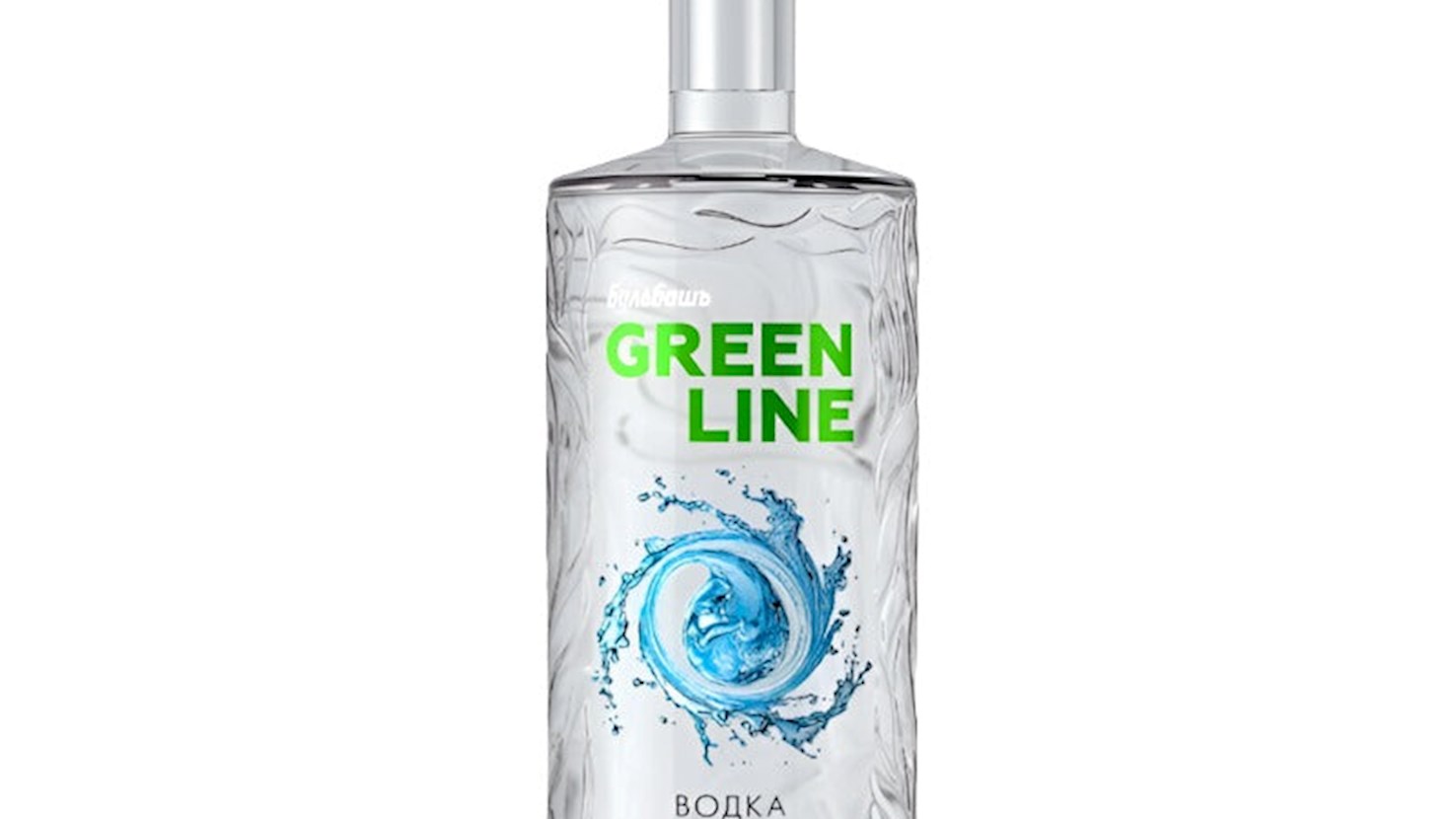
Bulbash Zavod Llc.

4.8 ·
Awards
ISC-International Spirits Challenge - Gold trophy (2018, 2014)

Best Eastern European Spirit Types
01

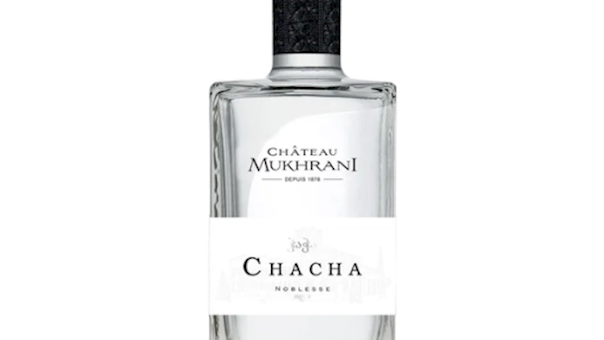
Chacha

3.4 ·

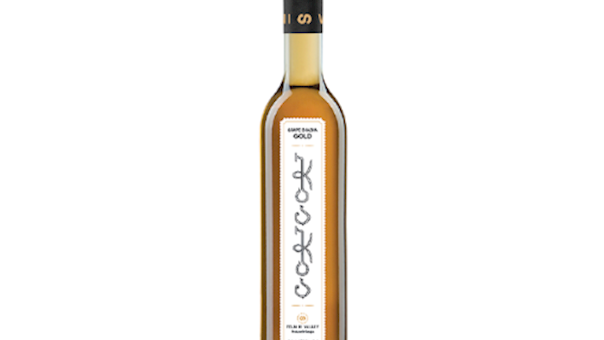
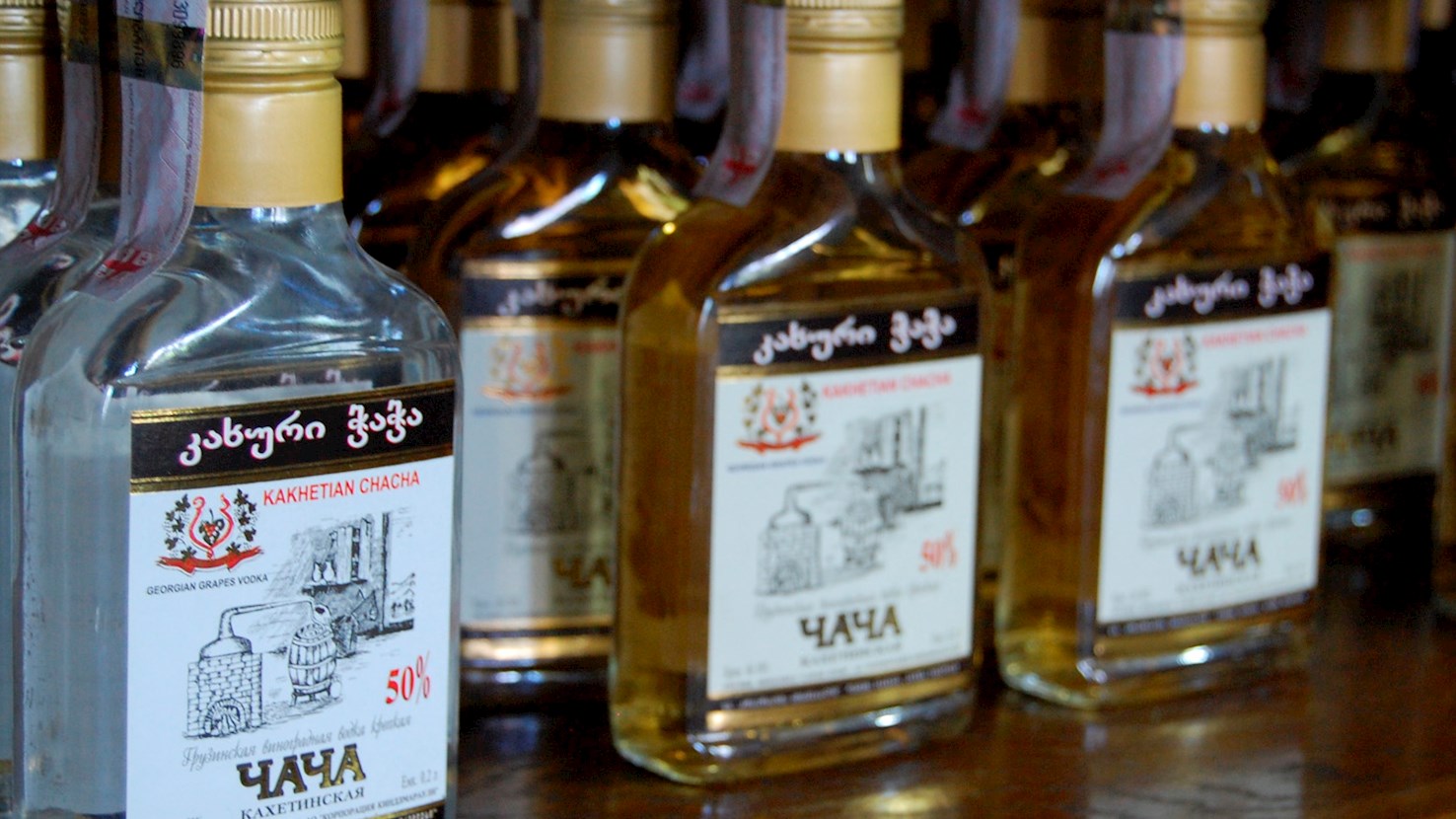
Chacha is a potent Georgian brandy that is made from pomace—solid remains of grapes such as skins, stems, and seeds that are left after the juice has been pressed. The drink is usually a by-product of winemaking, in which the pomace is collected and aged before it is distilled. Varying between 40 to 60 percent in alcohol content, chacha is usually clear and characterized by aromas of dried fruit. When it is oak-aged, it attains a light golden color and notes of vanilla, caramel, and wood. Although it is commercially produced, many families produce wine at home, and also distill chacha from the leftover pomace, while some producers even make it from whole grapes. This potent drink is best served well-chilled and makes a great aperitif or digestif.

02

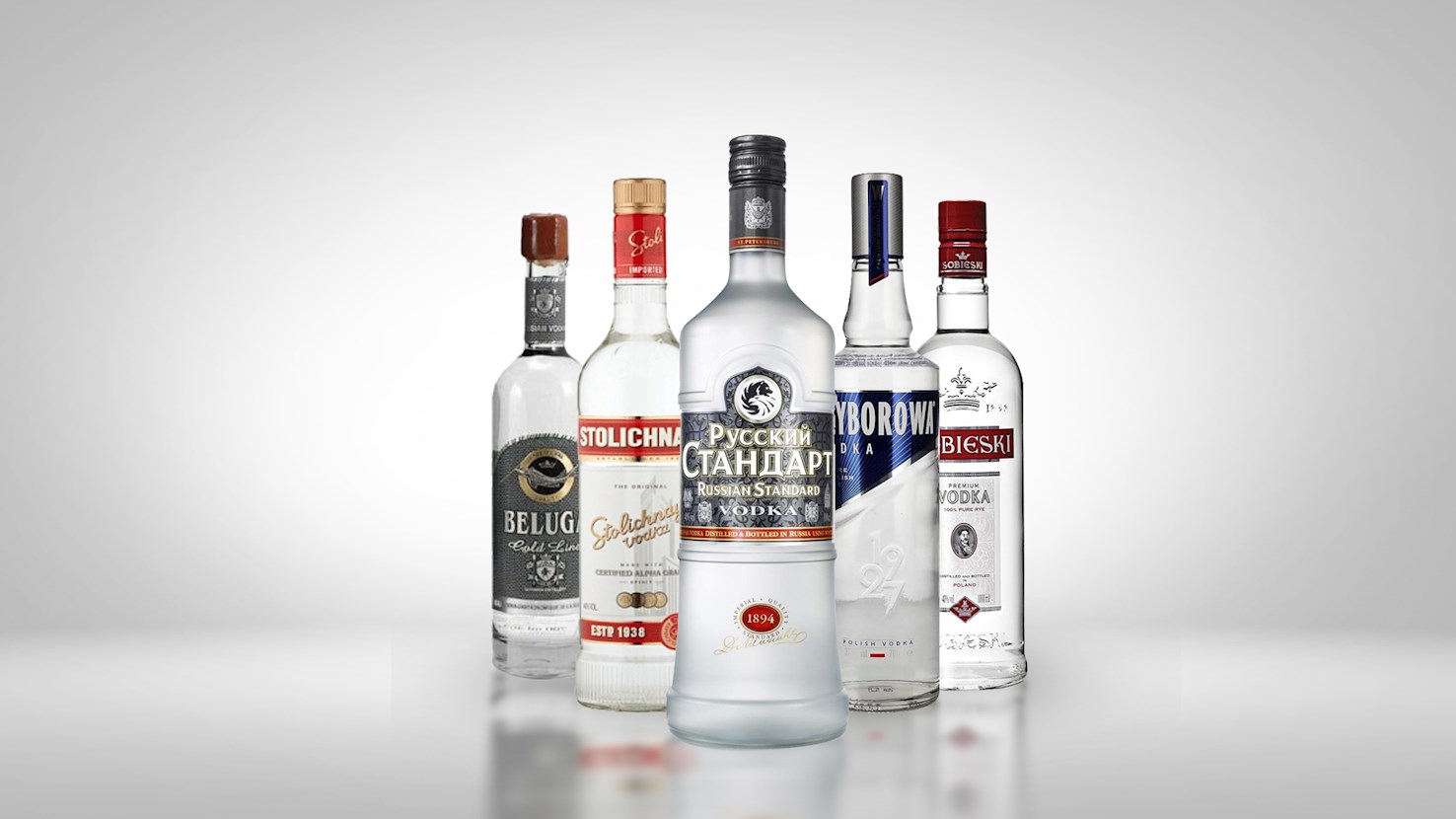
Vodka

3.4 ·

Vodka is a distillate that is mainly produced from fermented grains or potatoes, and even though many purists disagree, fruit or molasses can also be used. The base material can be distilled many times, and each distillation produces stronger and purer vodka varieties. The history of vodka remains unclear, with both Russia and Poland claiming to be the place of origin. According to some written records, the drink has been enjoyed since the 15th century, with many enthusiasts arguing that it appeared earlier, but was not known under its current name. Today it is produced worldwide, and most notable brands include Smirnoff, Belvedere, Żubrówka, Stolichnaya, Russian Standard, Finlandia, Grey Goose, and Absolut. The taste of vodka is primarily reflected in the use of the base material, but it is typically strong, with a long-lasting finish. Though it is a standard element in many classic cocktails such as Vodka martini, Vodka tonic, White Russian, and Cosmopolitan, it is usually enjoyed neat or on the rocks, and should always be well-chilled.

03

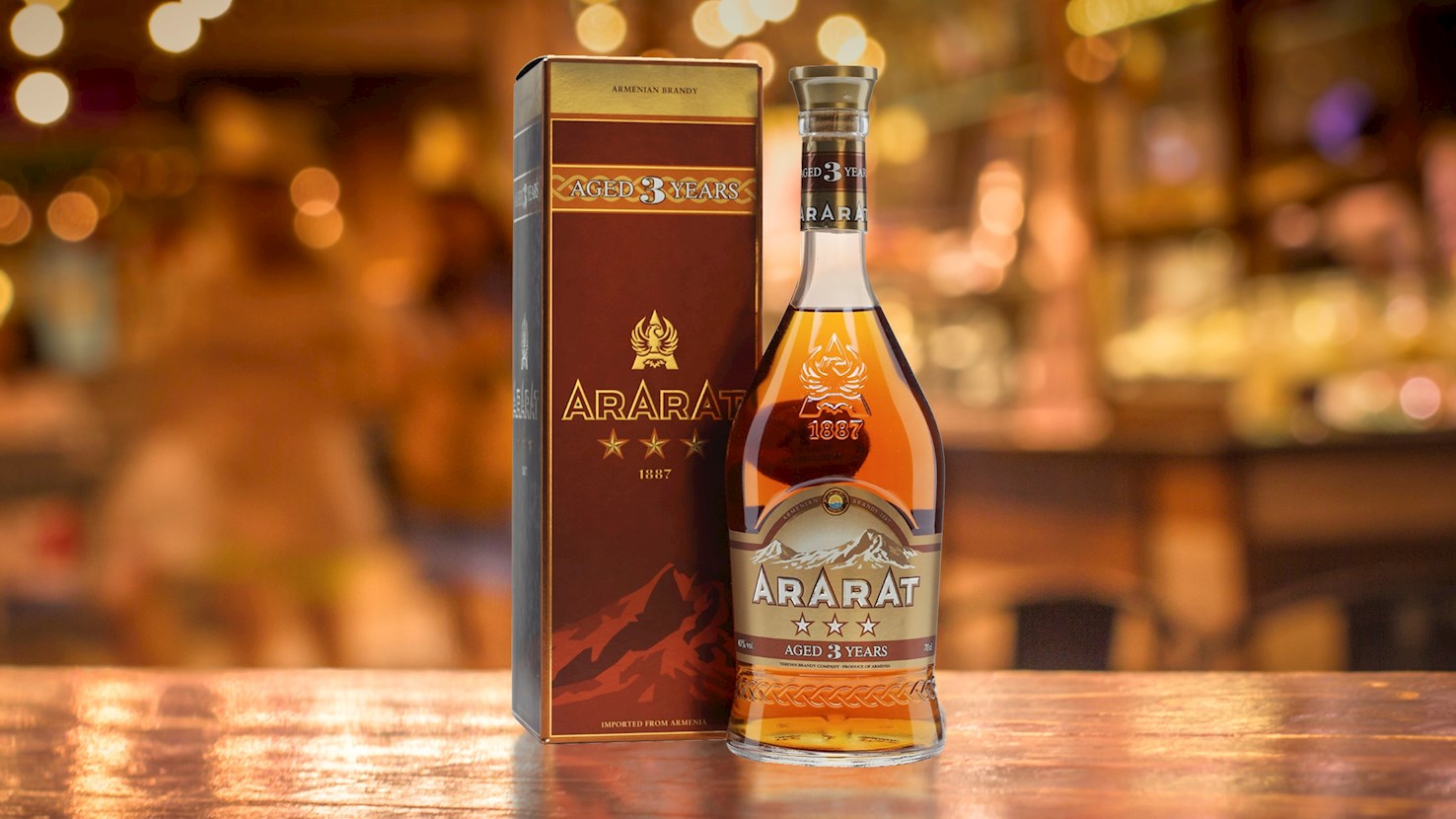
Ararat

3.2 ·

Named after the eponymous mountain in Yerevan, Ararat is the most famous Armenian brandy. Ararat was first introduced in 1887, and it was mainly modeled on the famed French cognac-making tradition. Although Armenian producers copied French methods, the combination of spring water from the Katnaghbyur source, climate, and native grapes influenced the creation of a brandy that has been praised for its excellent quality and a unique character. The brandy is exclusively produced from local Armenian grapes that are grown in Ararat Valley, and it is aged for at least three years in centuries-old Caucasian oak casks. Depending on the age of the blend, Ararat can be labeled differently, while specialty blends also carry various designations. Ararat brandy usually displays aromas and flavors of dried fruit, vanilla, and dried herbs. It is recommended to serve it neat or over ice, preferably in a snifter glass, but it also incorporates well into various cocktails. From its beginnings, Armenian brandy was labeled as cognac or kanyak, but since the European Union officially forbade the name, Armenian brandy is now labeled as arbun. However, in Armenia, virtually everyone sticks to its original name. Although it was never confirmed, the most popular legend relating to Ararat claims that Winston Churchill ordered copious amounts of the brandy after Joseph Stalin offered it to him at the Yalta Conference in 1944.

04

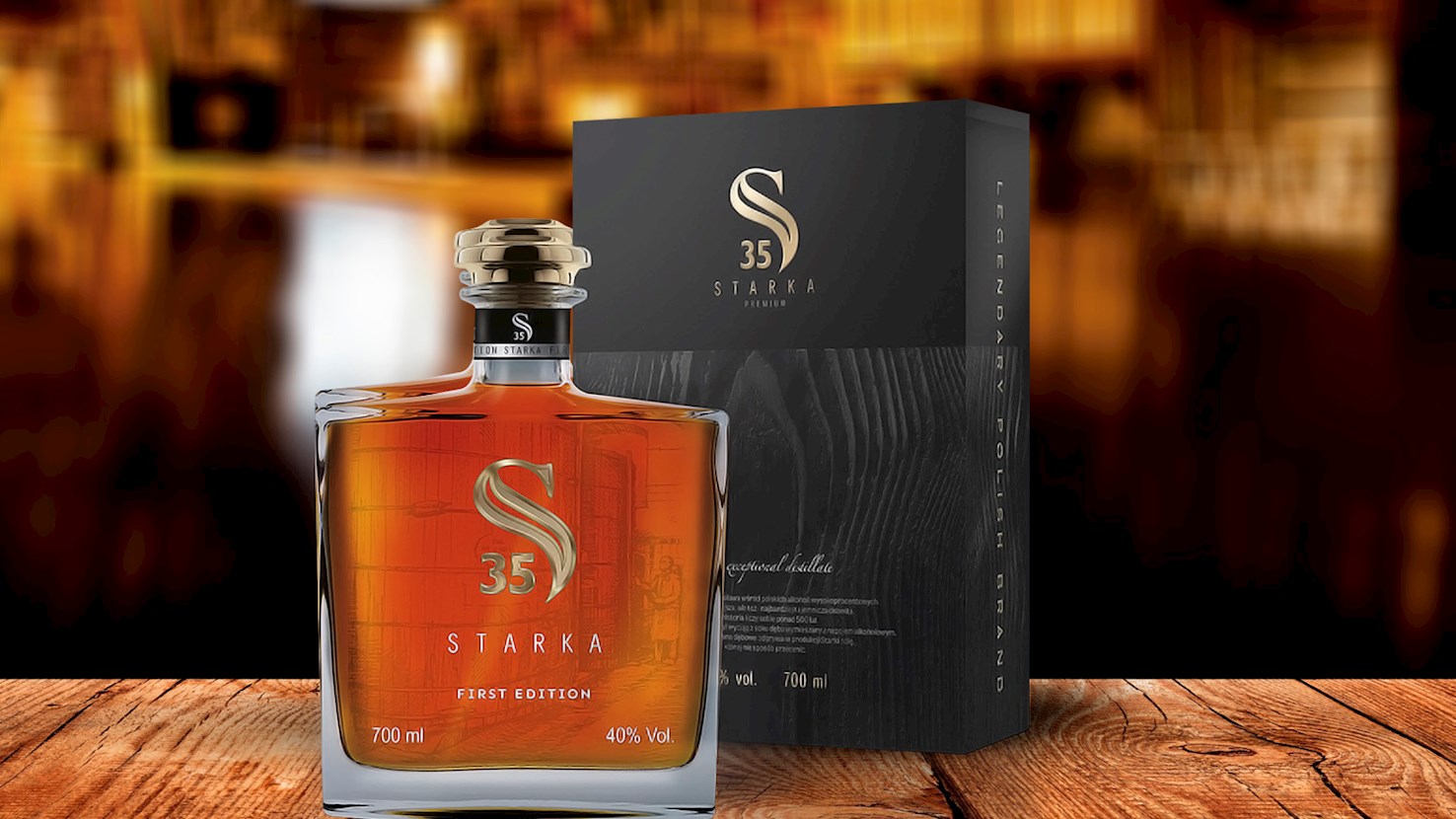
Starka

3 ·

Starka is an alcoholic beverage that is usually based on rye spirit. It dates back to the 15th century, and it is traditionally associated with Poland, Lithuania, and Belarus. Its origin is mostly connected to Polish noble families who would bury and age a distillate in wooden barrels to commemorate the birth of a child. Starka was only consumed on special occasions, most commonly on the child’s wedding day. Nowadays, most varieties of this old drink are made from a rye distillate and a number of secret ingredients, while the best versions are still aged in oak barrels. The aging period can range from a couple up to several decades for the best examples. Oak-aging will give provide caramel color, and it will allow the drink to develop finer flavors, as well spicy and fruity notes reminiscent of vanilla, wood, and dried fruit. Starka is sold in various grades—which are defined by the length of maturation. It should be noted that some producers do not use traditional techniques and add flavorings to a rye distillate. This flavored version is usually of low-quality and cheaper than oak-aged varieties.

05

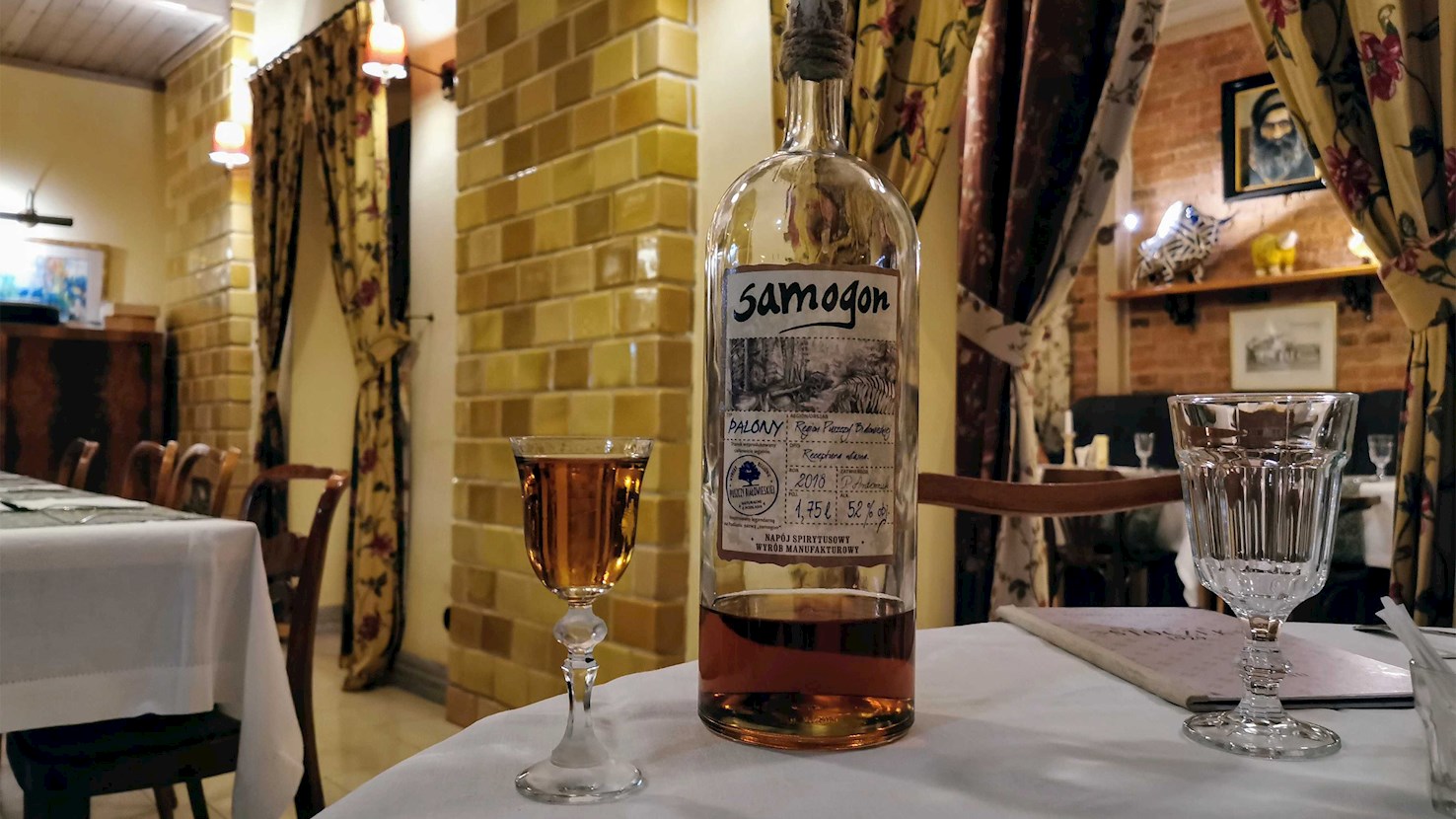
Samogon

2.5 ·

Often dubbed as Russian moonshine, samogon is a potent drink that can be distilled from virtually anything, but the most common base ingredients include grains, corn, beets, sugar, potatoes, bread, or various fruits. The name of this centuries-old drink roughly translates as self-distilled. The exact time when samogon first appeared is not known, but it is suggested that it even might precede the all-time-favorite Russian vodka. Through history, samogon was a drink of choice among lower social classes and in rural areas in Russia. Starting with the reign of Ivan the Terrible, any liquor that was not state-produced was outlawed, and vodka and wine were mainly promoted as suitable options. This practice continued in the Soviet era, but throughout this period, samogon was still produced, mostly in rural areas by the so-called samogonschiki. Following the fall of USSR, the regulations have changed, and from 1997 home distilling has been made legal, but home-distilled beverages cannot be promoted or sold. However, the change of regulations has also influenced the appearance of several brands which make artisanal and commercially produced versions that are sometimes even distilled from grapes, wines, or pomace. The final taste profile of samogon can significantly vary due to the use of different raw materials and the choice of various flavorings. The alcohol content of samogon is usually about 40 percent, but homemade versions can often reach higher numbers.

06

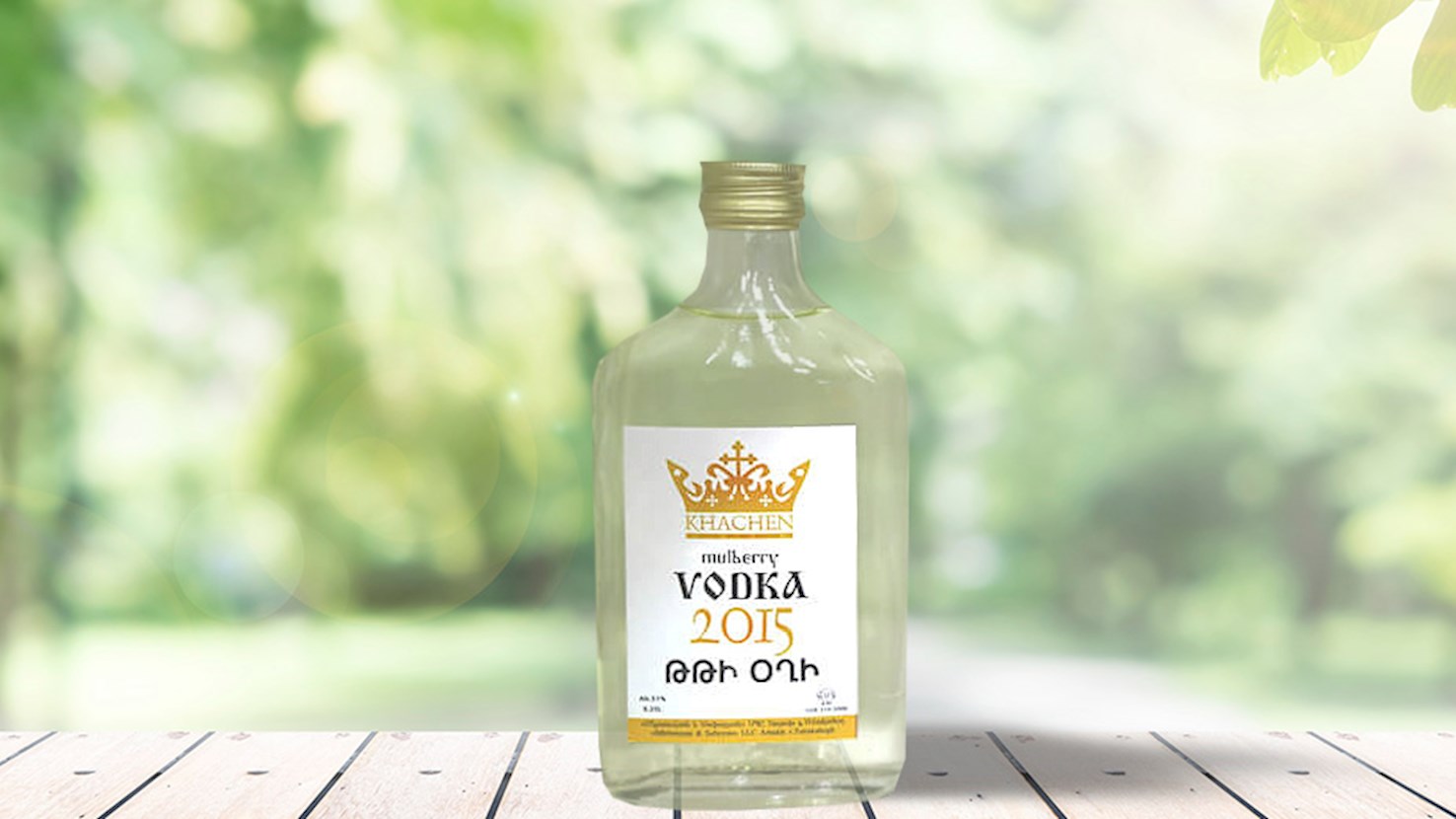
Oghi

2.1 ·

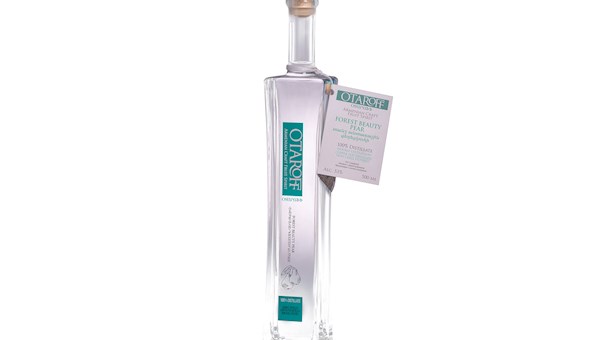
Often dubbed as Armenian vodka, oghi is a strong Armenian spirit that is distilled from various fruit and berries. The drink is traditionally produced as a local moonshine variety, with many households distilling their versions from various available fruit. Mulberries, apricots, pears, cherries, grapes, or plums can all be used in the production of oghi. The fruit is distilled to produce a clear spirit whose flavor reflects in the use of base material. Oghi is usually served in small shot glasses, and it is often enjoyed for breakfast or to accompany hearty Armenian dishes.

Read more
View all
View map
About this ranking

TasteAtlas food rankings are based on the ratings of the TasteAtlas audience, with a series of mechanisms that recognize real users and that ignore bot, nationalist or local patriotic ratings, and give additional value to the ratings of users that the system recognizes as knowledgeable. For the “Top 18 Eastern European Spirits” list until June 03, 2026, 654 ratings were recorded, of which 497 were recognized by the system as legitimate. TasteAtlas Rankings should not be seen as the final global conclusion about food. Their purpose is to promote excellent local foods, instill pride in traditional dishes, and arouse curiosity about dishes you haven’t tried.

The initial list of top producers was compiled based on available reviews, awards, local recommendations, media and blog coverage, and consumer reviews. The list will be updated with ratings from TasteAtlas local ambassadors and TasteAtlas users.

Similar lists