Top 63 German Spirits

Last updated on August 05, 2026

Best German Spirits

01

St. Kilian Distillers

5.0 ·

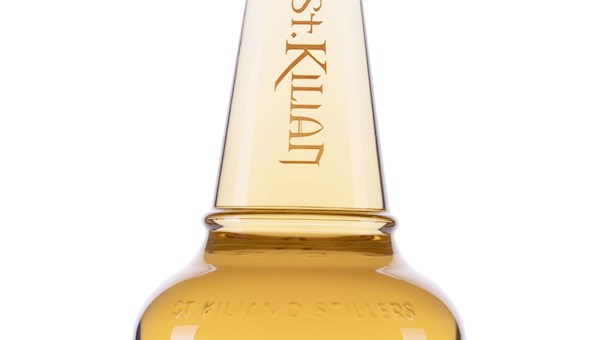
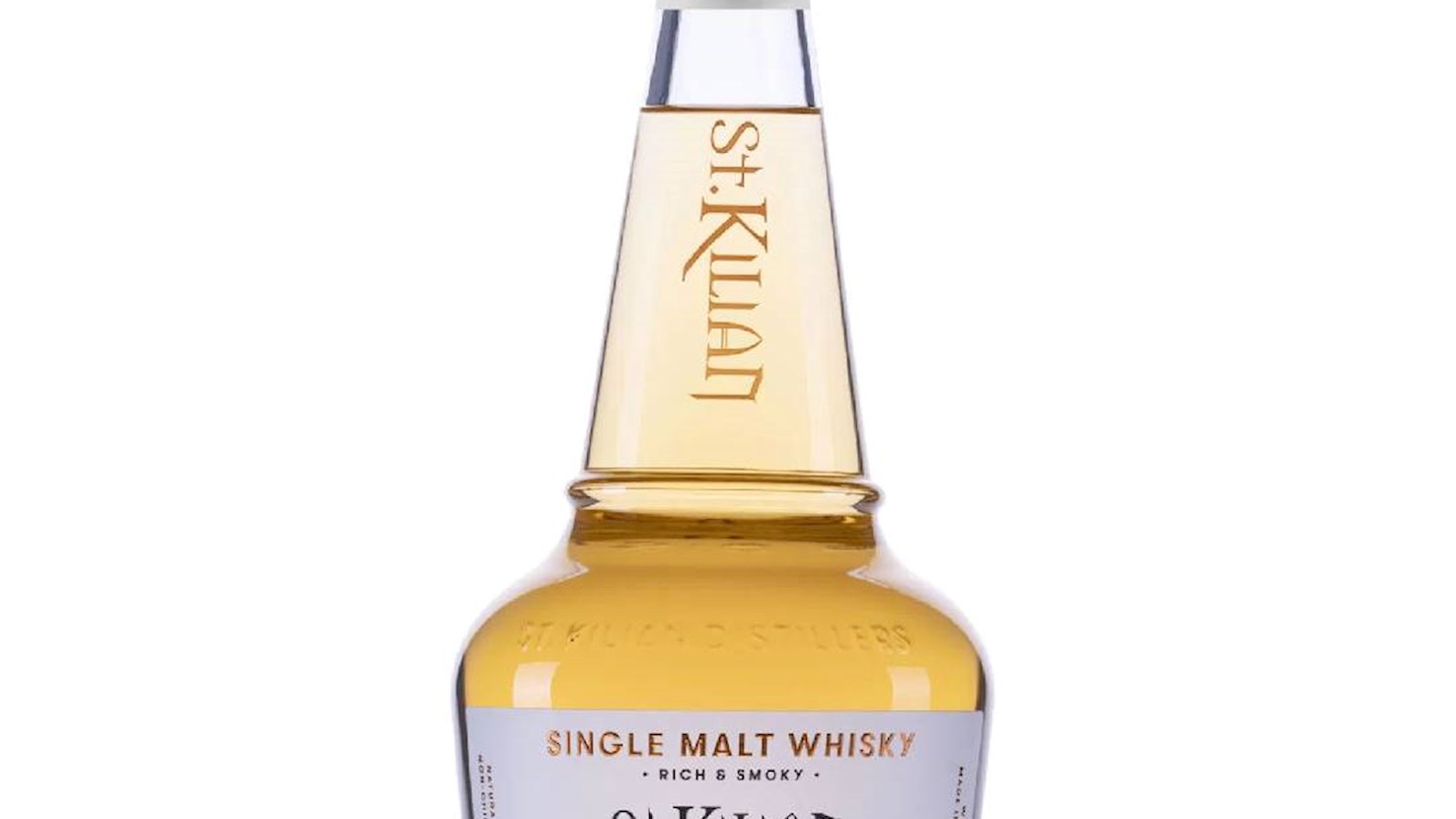
St. Kilian Distillers is a German single malt whisky distillery founded in 2012 in Rüdenau, Bavaria.

Located in a former textile factory, the distillery is named after St. Kilian, an Irish-Scottish missionary who worked in Würzburg. St. Kilian Distillers is renowned for its innovation and diverse product range, including special editions created in collaboration with famous personalities and musical bands.

Their "White Dog" won the award for the best in the world in 2018.

Awards
IWSC- International wine & spirit competition - Spirit Gold (2024, 2023, 2022)
European Spirits Challenge - Gold (2023)
02

Slyrs Distillery

5.0 ·

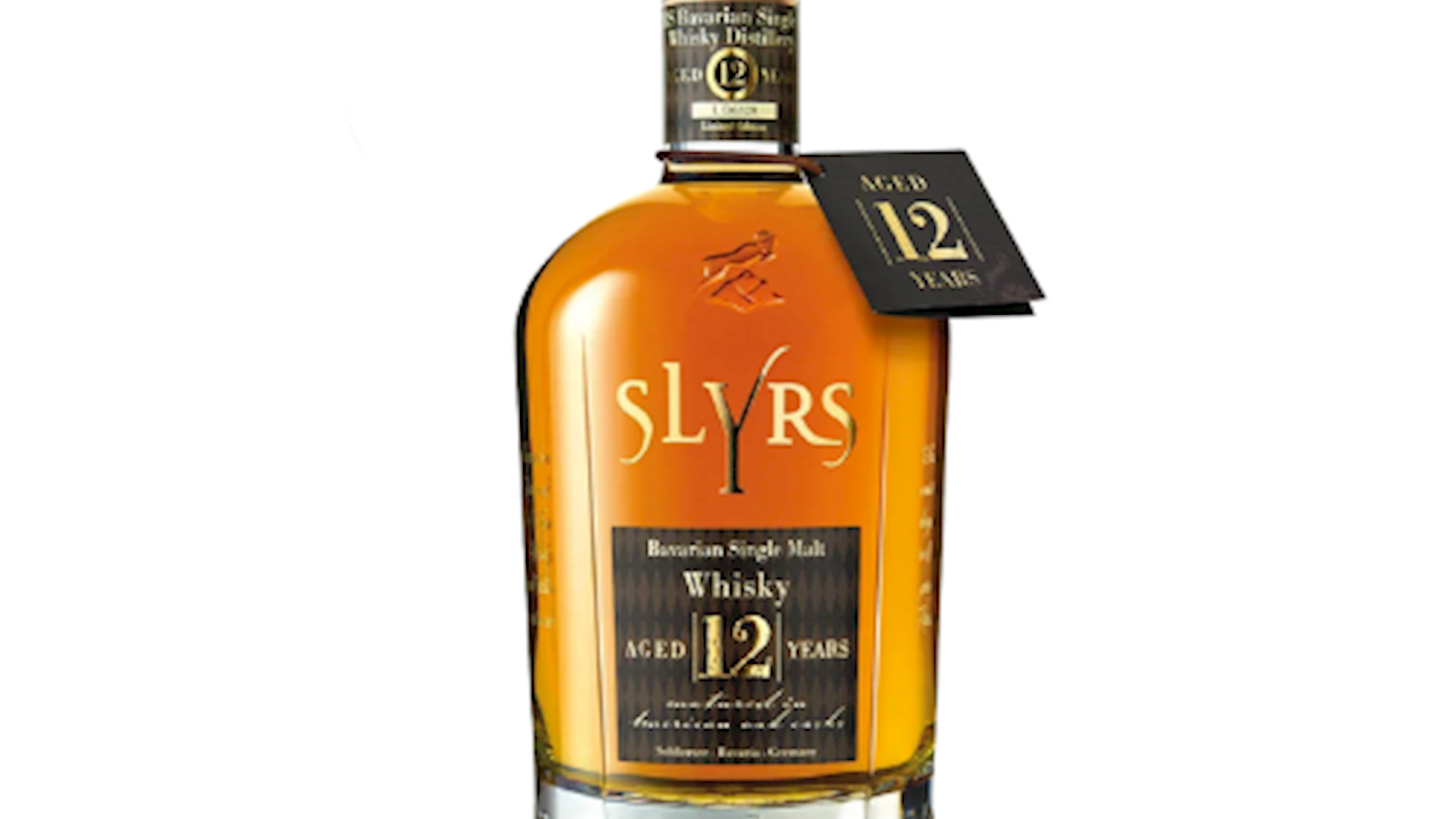
Slyrs Distillery is a pioneering German whisky distillery located in Schliersee, Bavaria, founded in 1999 and widely regarded as a benchmark for Bavarian single malt whisky. Inspired by Scottish whisky-making traditions but firmly rooted in its Alpine environment, Slyrs produces single malt whisky from Bavarian malted barley and pure Alpine spring water.

Distillation takes place in traditional copper pot stills, followed by maturation primarily in new American white oak casks, with additional expressions finished in sherry, port, or other specialty barrels. The continental Alpine climate - marked by warm summers and cold winters - accelerates interaction between spirit and wood, resulting in whiskies that are typically rounded, expressive, and gently fruity, with notes of vanilla, malt, spice, and soft oak.

Over the years, Slyrs has built a strong reputation both in Germany and internationally, combining regional identity, technical consistency, and a clear house style. The distillery is also positioned as a visitor destination, offering tours and tastings that emphasize transparency and craftsmanship, reinforcing its role as a leading figure in modern German whisky production.

Awards
IWSC- International wine & spirit competition - Spirit Gold (2019)
International Spirits Award - Gold (2025)
03

Bene

5.0 ·

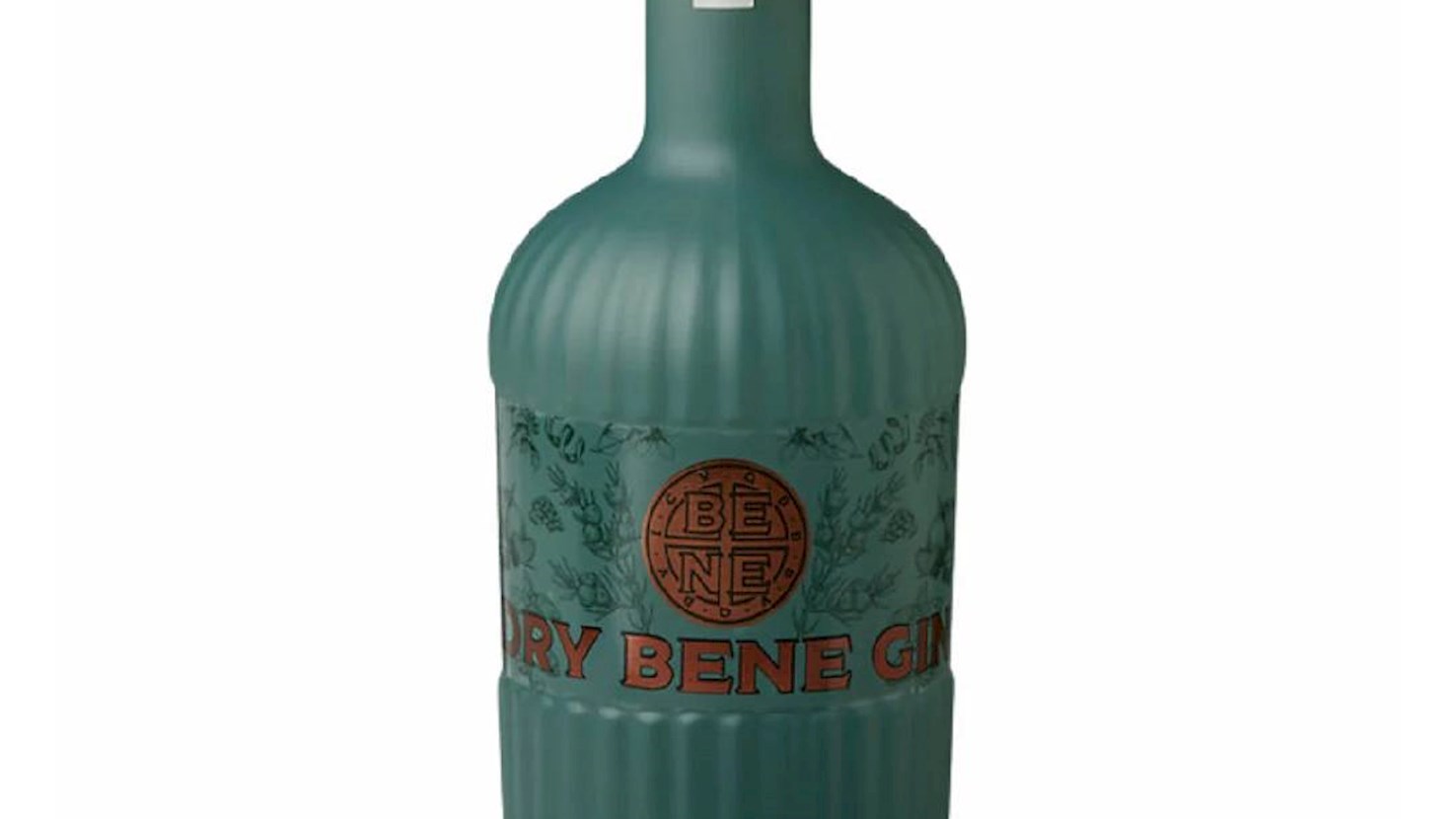
The name "Bene Gin" is inspired by Benedict of Nursia, the founder of the Benedictine Order, whose year of birth, 480 AD, is reflected in the alcohol percentage of this gin. The brand's logo resembles the Benedictine medal, while the copper color, a signature of the brand, pays homage to Saint Benedict as the patron saint of engravers. Bene Gin is produced by HIS Hamburgische Gesellschaft für Investitionen und Spirituosen mbH, based in Hamburg, Germany.

Known for its premium quality and unique character, Bene Gin is crafted using carefully selected botanicals that deliver a harmonious balance of juniper, citrus, and subtle spice notes. The distillery emphasizes sustainability and tradition, reflecting these values in both its production process and branding.

Awards
European Spirits Challenge - Gold (2024)
04

JJs Manöverschluck

5.0 ·

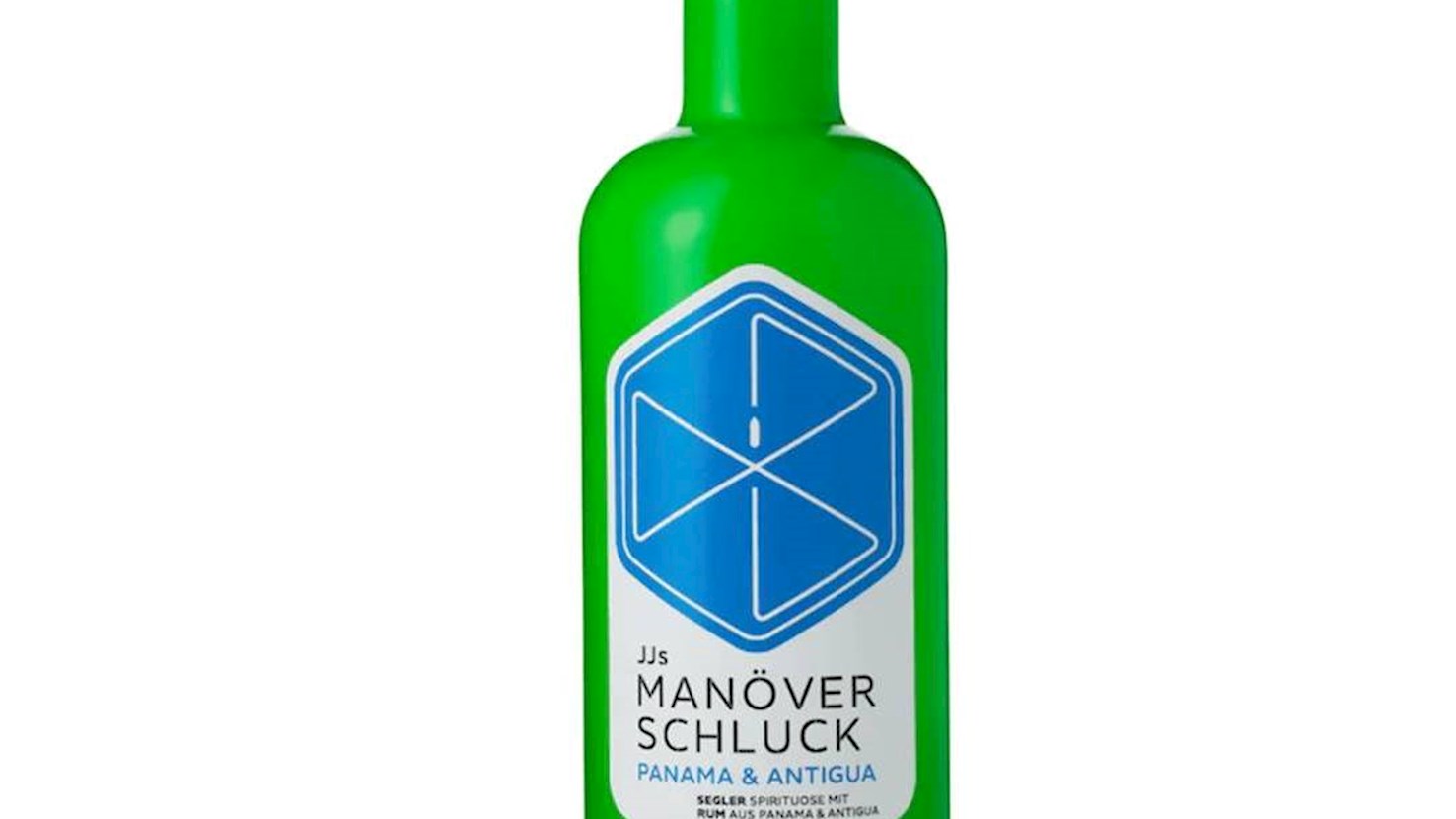
JJ's Manöverschluck is a premium spirit brand from Hamburg, Germany, crafted by sailors for sailors and maritime enthusiasts. The brand offers a range of award-winning spirits, including rums sourced from Jamaica, Panama, Antigua, the Dominican Republic, and Venezuela, as well as Tennessee bourbon and whiskey.

Each variant is uniquely flavored: the Jamaica rum is enhanced with sun-ripened tangerines and butterscotch, while the Panama & Antigua blend features Bourbon vanilla and a hint of sea salt. The concept of JJ's Manöverschluck was born during a sailing trip, aiming to create a spirit that captures the essence of maritime adventures.

The brand's design reflects nautical themes, with bottle colors reminiscent of buoys and life vests, and a logo symbolizing a sailing maneuver.

Awards
IWSC- International wine & spirit competition - Spirit Gold (2024)
European Spirits Challenge - Gold (2024)
05

Franz Fies Schwarzwälder Edelobstbrennerei
5.0 ·

Franz Fies Schwarzwälder Edelobstbrennerei, founded in 1948 by Franz and Elise Fies, is a family-owned distillery located in Oberkirch-Ringelbach, in the heart of the sun-kissed Ortenau region of Germany's Black Forest. The distillery specializes in crafting premium fruit brandies and liqueurs, utilizing traditional methods to transform locally sourced fruits into high-quality spirits.

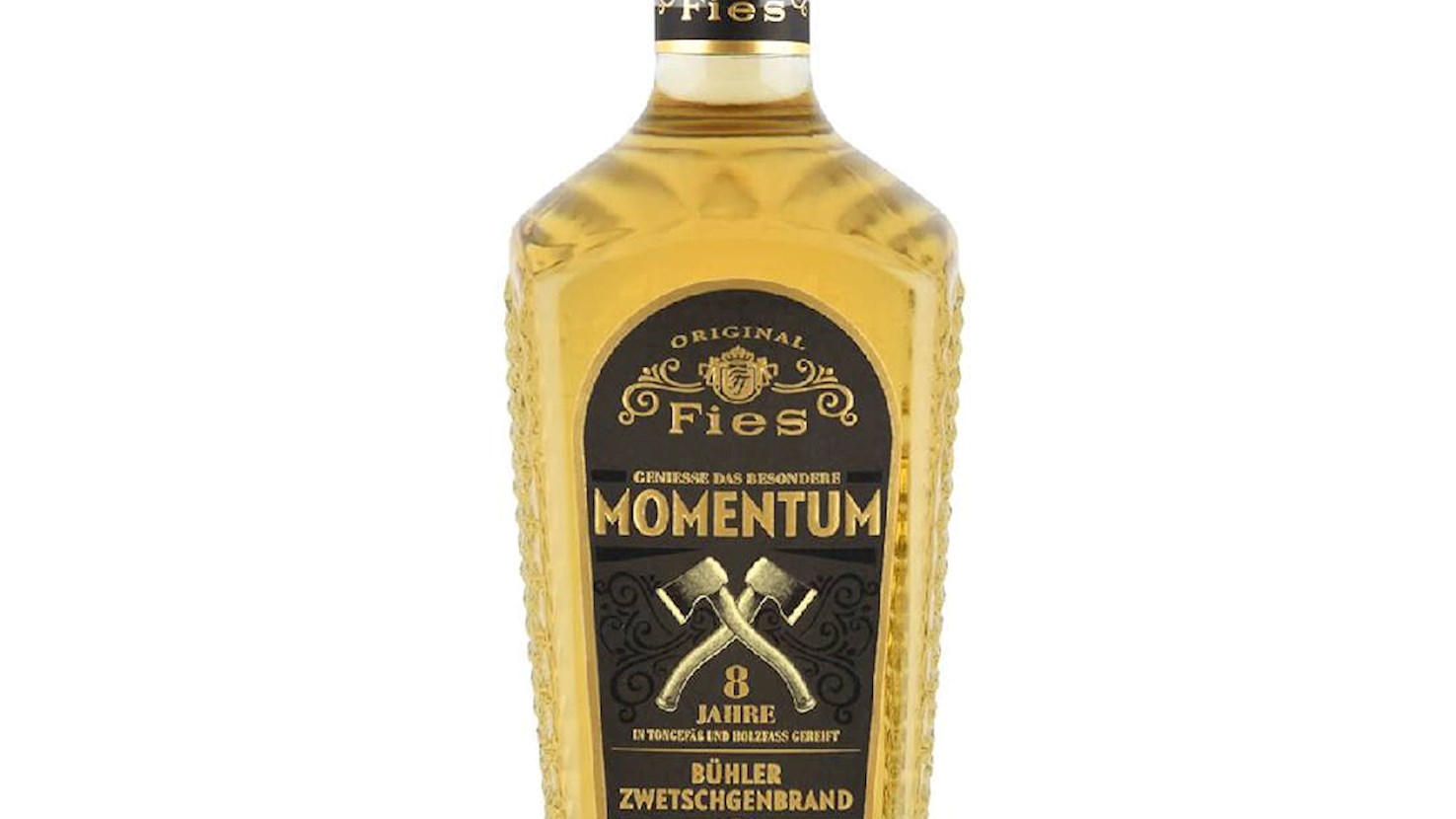
Their product range includes the "Original Fies" line of fruit brandies, the "CHRONUM" series, and the "MOMENTUM" collection, each offering unique flavor profiles that reflect the rich heritage of the Black Forest. Committed to excellence, the distillery is certified according to the International Food Standard (IFS), ensuring that each bottle meets rigorous quality standards.

Visitors are welcome to tour the distillery to experience firsthand the meticulous craftsmanship that defines Franz Fies Schwarzwälder Edelobstbrennerei.

Awards
European Spirits Challenge - Gold (2023)
European Spirits Challenge - Silver (2023)
06

Porky46

5.0 ·
Awards
The Gin Masters - Master (2022)
07

UNIQUE LIQUIDS GmbH

5.0 ·
Awards
IWSC- International wine & spirit competition - Spirit Gold (2023, 2020, 2019)
IWSC- International wine & spirit competition - Spirit Gold Outstanding (2020)
08

Ziegler Distillery

5.0 ·

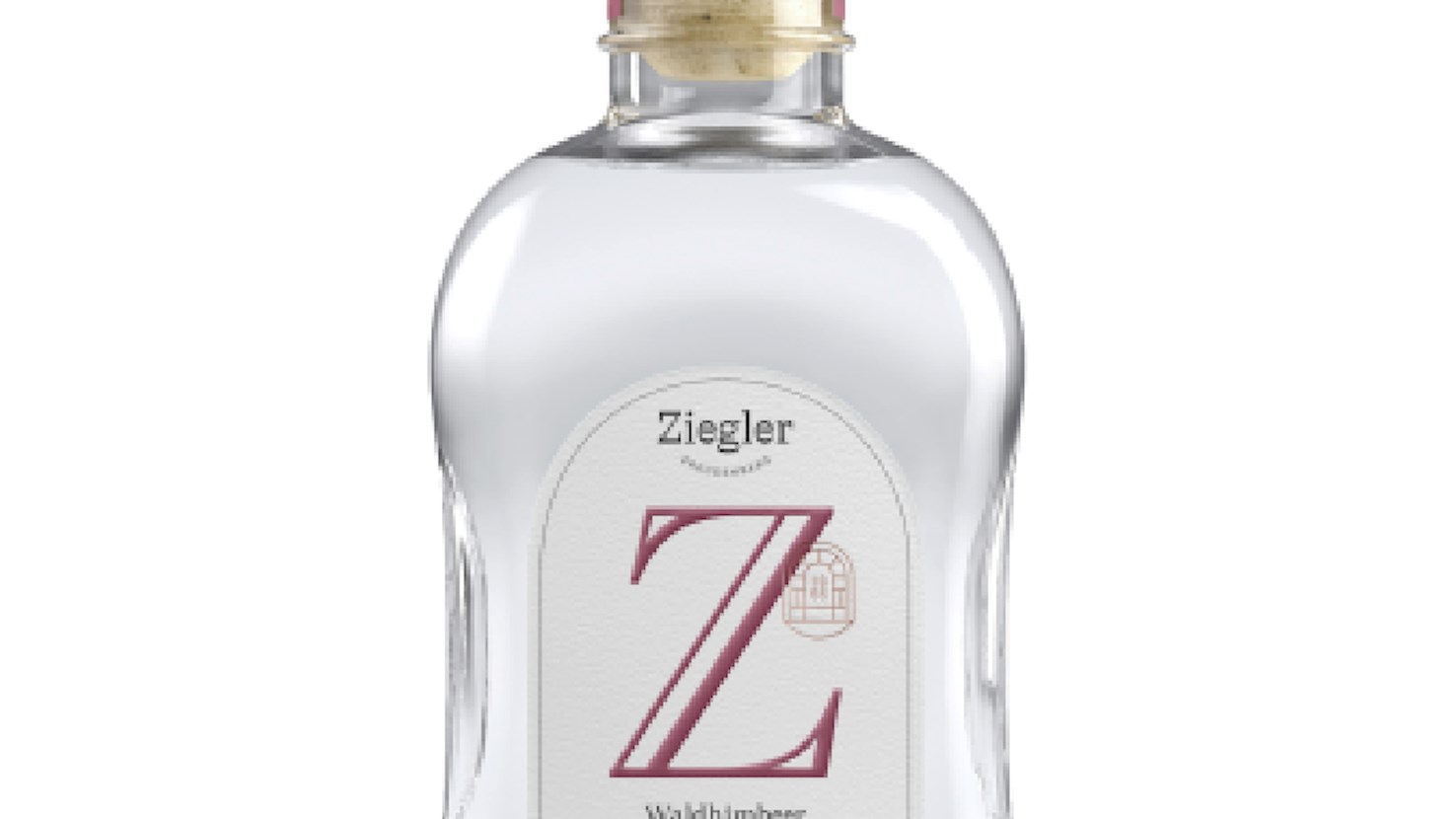
Brennerei Ziegler, founded in 1865 in Freudenberg am Main, Germany, is renowned for its high-quality fruit brandies, spirits, liqueurs, and whisky. The distillery emphasizes traditional craftsmanship, with experienced artisans overseeing every step from fruit harvesting to bottle labeling.

This dedication to quality has established Ziegler as a leading name in the industry.

Awards
IWSC- International wine & spirit competition - Spirit Gold (2024)
IWSC- International wine & spirit competition - Spirit Gold Outstanding (2024)
09

Spreewood Distillers

5.0 ·
Awards
The World Whiskey Masters - Gold (2023)
IWSC- International wine & spirit competition - Spirit Gold (2021, 2020)
10

Asbach

5.0 ·
Awards
USC- Ultimate Spirits Challenge - Top 100 (2021, 2020)
USC- Ultimate Spirits Challenge - Chairman's Trophy (2020)

Best German Spirit Types
01

Marillenschnaps

3.5 ·

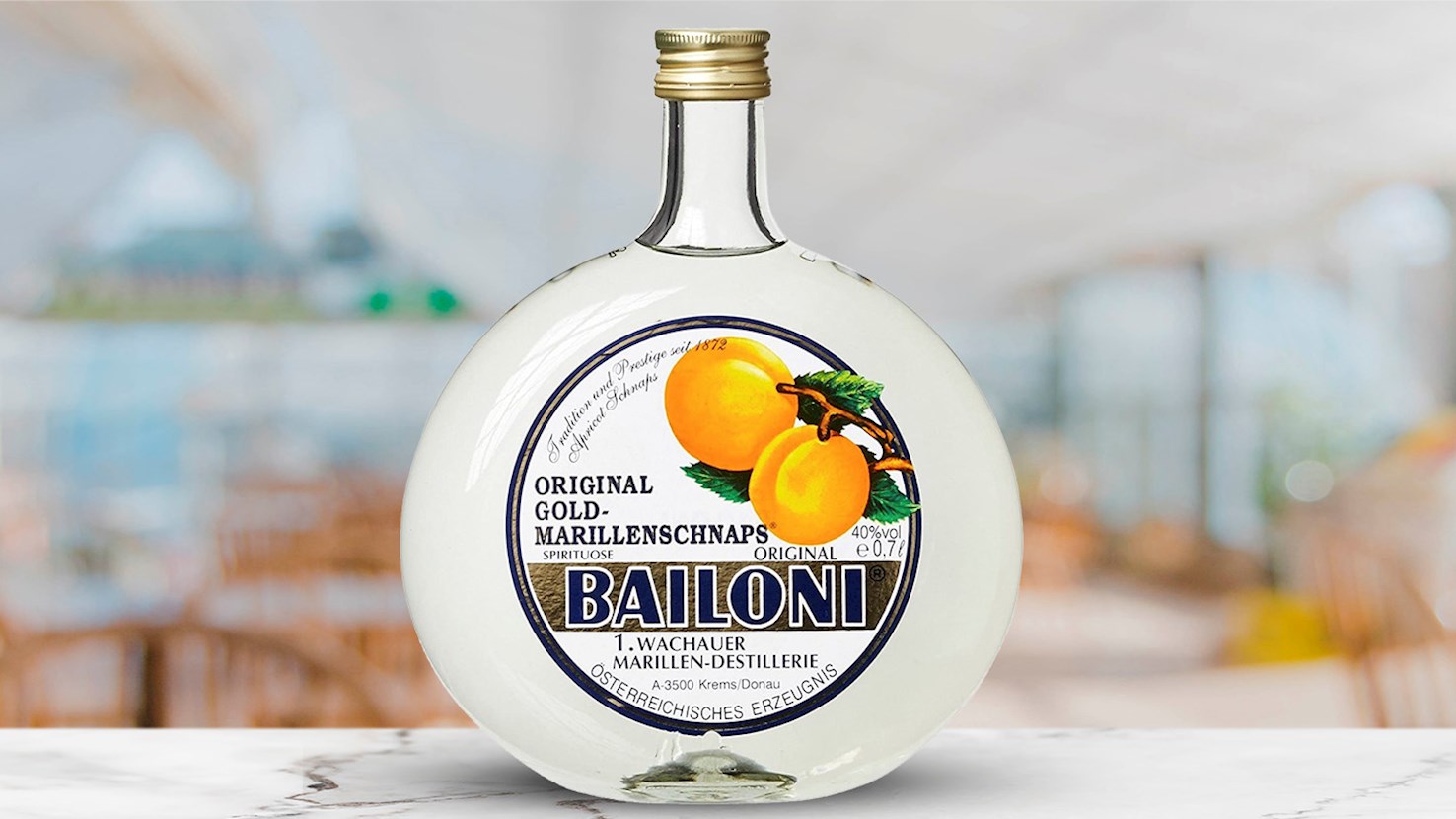
Marillenschnaps is a type of fruit brandy that is distilled from apricots. The drink is traditionally associated with Wachau—a region known for apricot production—though it is also produced in other Austrian and German regions. High-quality apricot brandy should be double-distilled from fresh apricot mash to create a clear and potent spirit with an alcohol content that typically goes around 40% ABV. This brandy will display apricot and floral aromas with a warming, fruity, and long aftertaste. Like other types of fruit brandies, apricot schnaps is also traditionally enjoyed neat, though it can also work as an ingredient in cocktails and long drinks.

02

Himbeergeist

3.4 ·

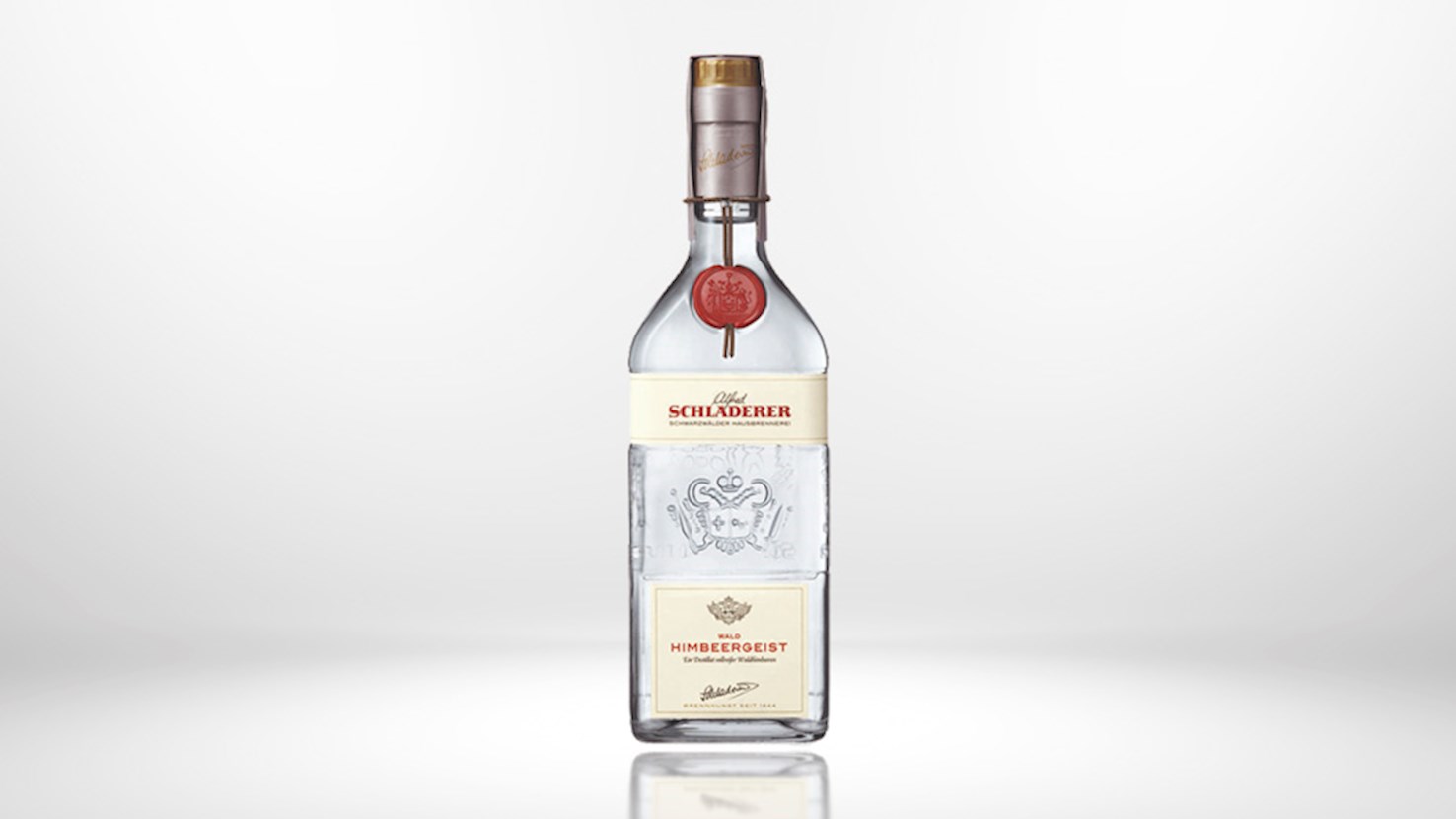
Himbeergeist is a German raspberry spirit that is made by macerating fresh raspberries in neutral alcohol. No artificial flavorings or colorings are added, and the infusion is then distilled before it is bottled. Himbeergeist has to have a minimum of 40% ABV. It results in a clear and colorless spirit that displays clean raspberry aromas. The drink should be served well-chilled, and it is best enjoyed slowly sipped. It is recommended to enjoy it as a digestif. Optionally, it can be mixed with coffee or used in cocktails, and it goes exceptionally well with sparkling wines. Himbeergeist is also incorporated into fruit-based desserts, and it can be used as an ice cream topping.

03

Poire Williams

3.2 ·

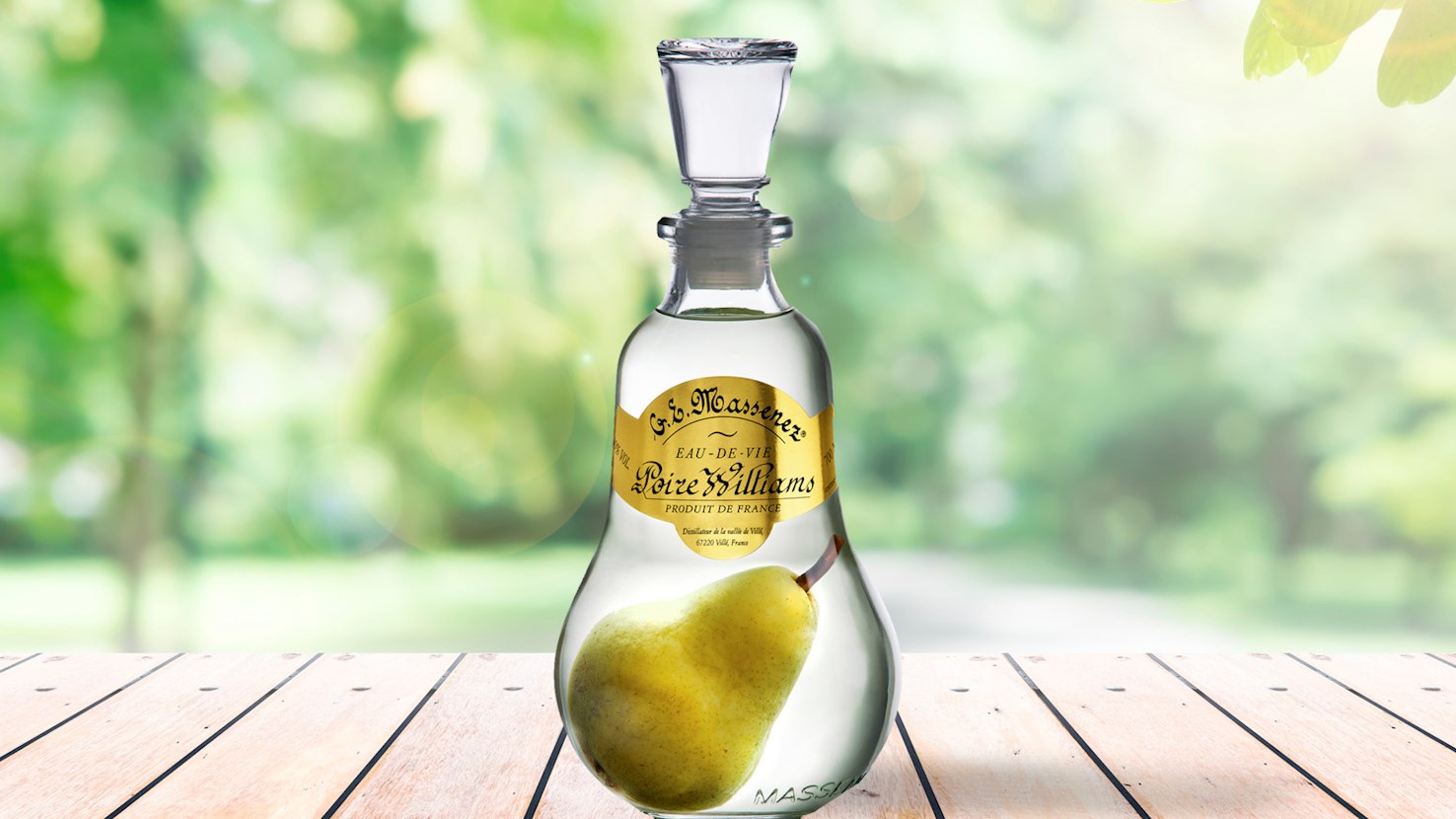
Poire Williams is a type of eau-de-vie (fruit brandy) that is distilled from fermented Williams pears. The production of this clear and colorless spirit is mostly associated with France, Switzerland, and Germany. The drink is often sold with a whole pear inside the bottle—this is achieved by attaching the bottle to a branch with a small pear. The fruit is tucked inside and then allowed to grow inside the bottle. When it’s ripe, the fruit is cut off, and the distilled spirit is then poured inside. This brandy is usually of high quality, with clean and crisp flavor and ripe pear aromas. It is traditionally enjoyed as a digestif.

04

Kirschwasser

3.0 ·

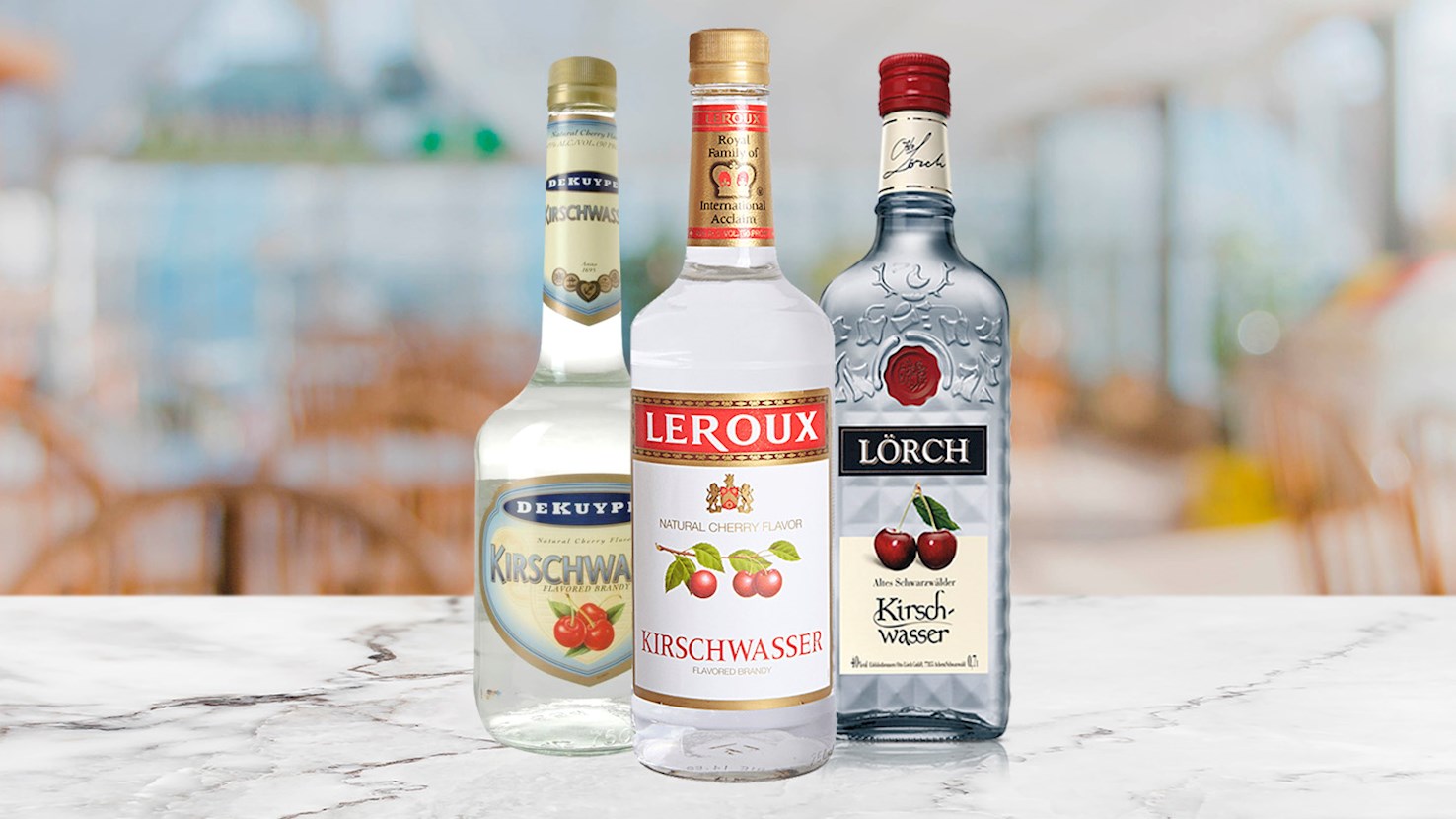
This clear, colorless fruit brandy is double-distilled from the fermented cherry mash. Because it was originally produced with sour morello cherries, it is believed that it first appeared in Schwarzwald, Germany, where the morello cherries were traditionally cultivated. The drink is mainly produced in Germany, Austria, Alsace, and Switzerland, with various, local cherry varieties. Because cherry pits are also crushed in the process, kirschwasser is characterized by its cherry notes, pungent flavor, and mild bitter-sweet finish. It can be served as an aperitif or a digestif, preferably well-chilled and over ice, but it also incorporates well into cocktails, desserts, cheese fondue, or even espresso.

05

Asbach Uralt

2.8 ·

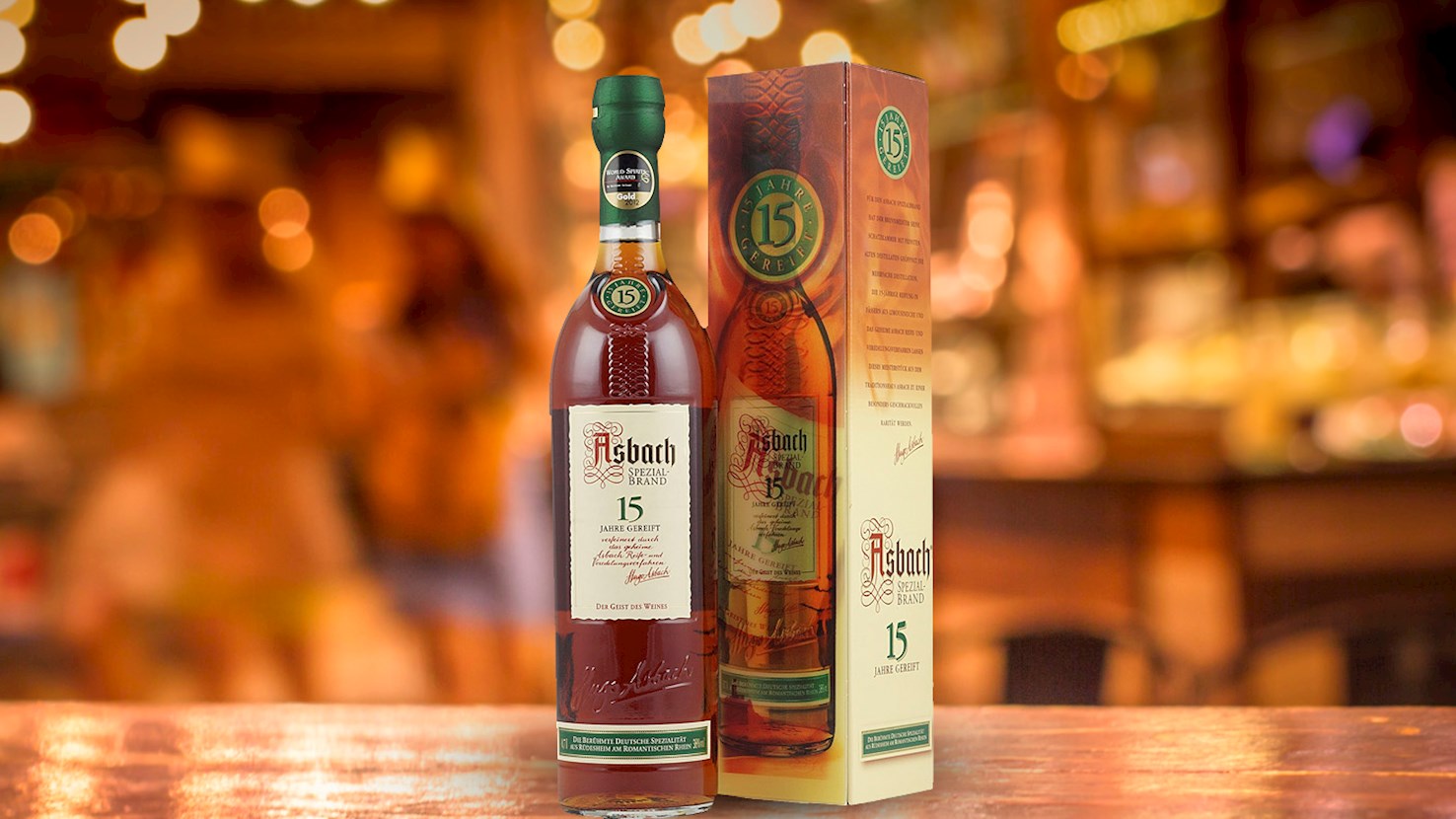
Asbach Uralt is a German brandy that was first distilled in 1892 by Hugo Asbach, a Cologne native. With the knowledge he gained at various French distilleries, Asbach distilled his first batch of brandy and opened a company in Rüdesheim am Rhein. He initially labeled his brandy as Rüdesheim Cognac, but after the Treaty of Versailles, which stipulated that only French products can be named Cognac, Asbach coined the term Weinbrand (wine brandy) and gave his product its current name. Aged in Limousin and German oak, classic Asbach Uralt is an amber-colored brandy that is smooth and warming, with subtle sweetness and peppery nuances that are accompanied by aromas and flavors reminiscent of honey, vanilla, caramel, plums, nuts, chocolate, and coffee. Apart from the classic version, Asbach Uralt is available in several specialty versions that include various aged styles. This brandy is best enjoyed neat, though it is sometimes incorporated into long drinks. It is also one of the ingredients in Rüdesheimer Kaffee.

06

Korn

2.0 ·

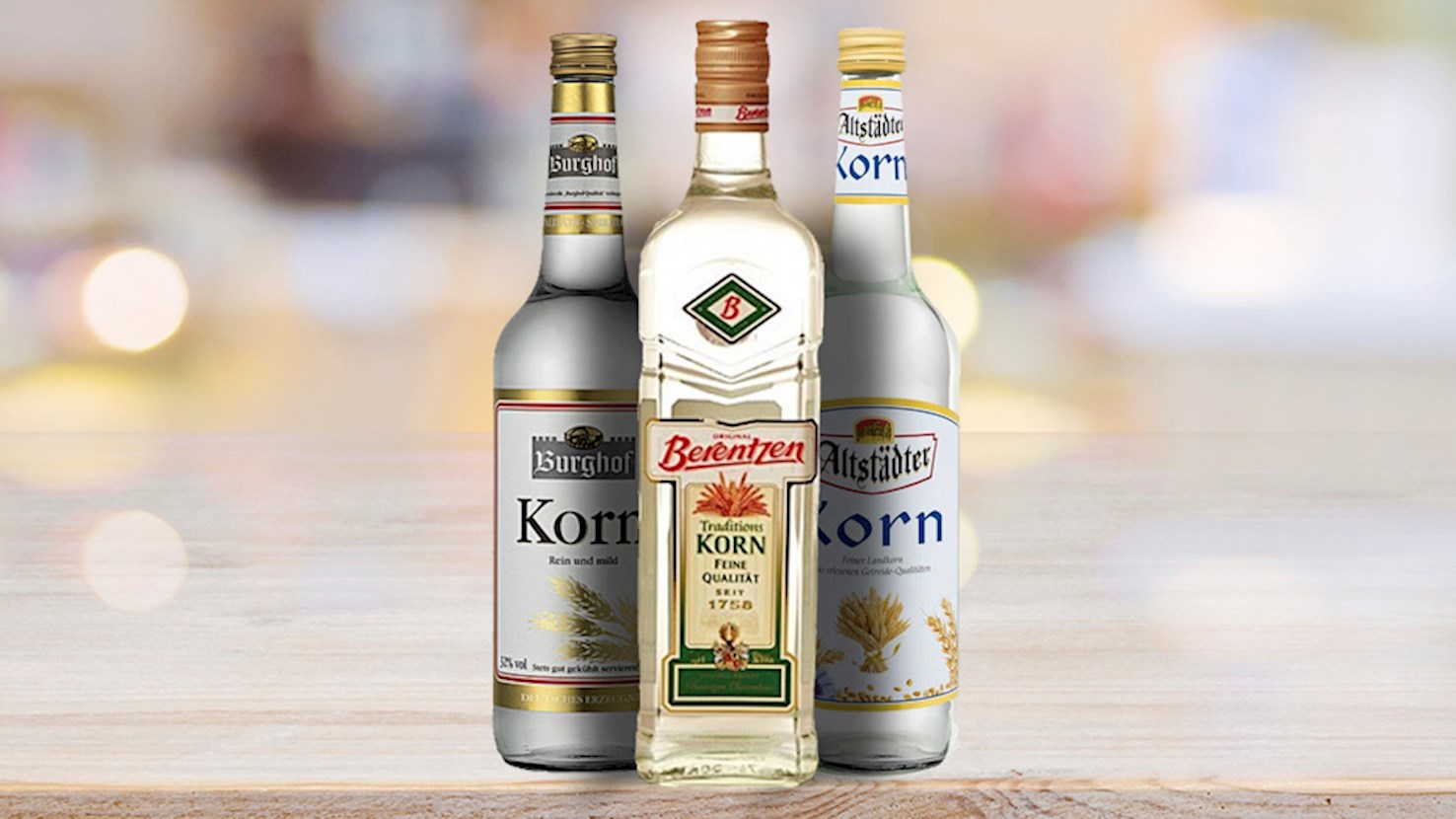
Korn is a German grain spirit that is traditionally distilled from fermented mash of wheat, rye, buckwheat, barley or oats. This strong colorless drink is never sweetened or flavored, and it has to have a minimum of 32% ABV, but if the alcohol content is higher than 37.5% the drink is named Kornbrand. It is believed that the production of Korn started in the 15th century, and although it is enjoyed throughout the country, it is especially popular in the northern parts of Germany. The drink is usually low-priced, but oak-aging may provide for more complex and better-quality expressions. Korn is mainly enjoyed straight from shot glasses, but it is also commonly combined with carbonated soft drinks, while a popular combination known as Herrengedeck (gentlemen’s menu) includes beer with a shot of Korn.

07

Steinhäger

n/a ·

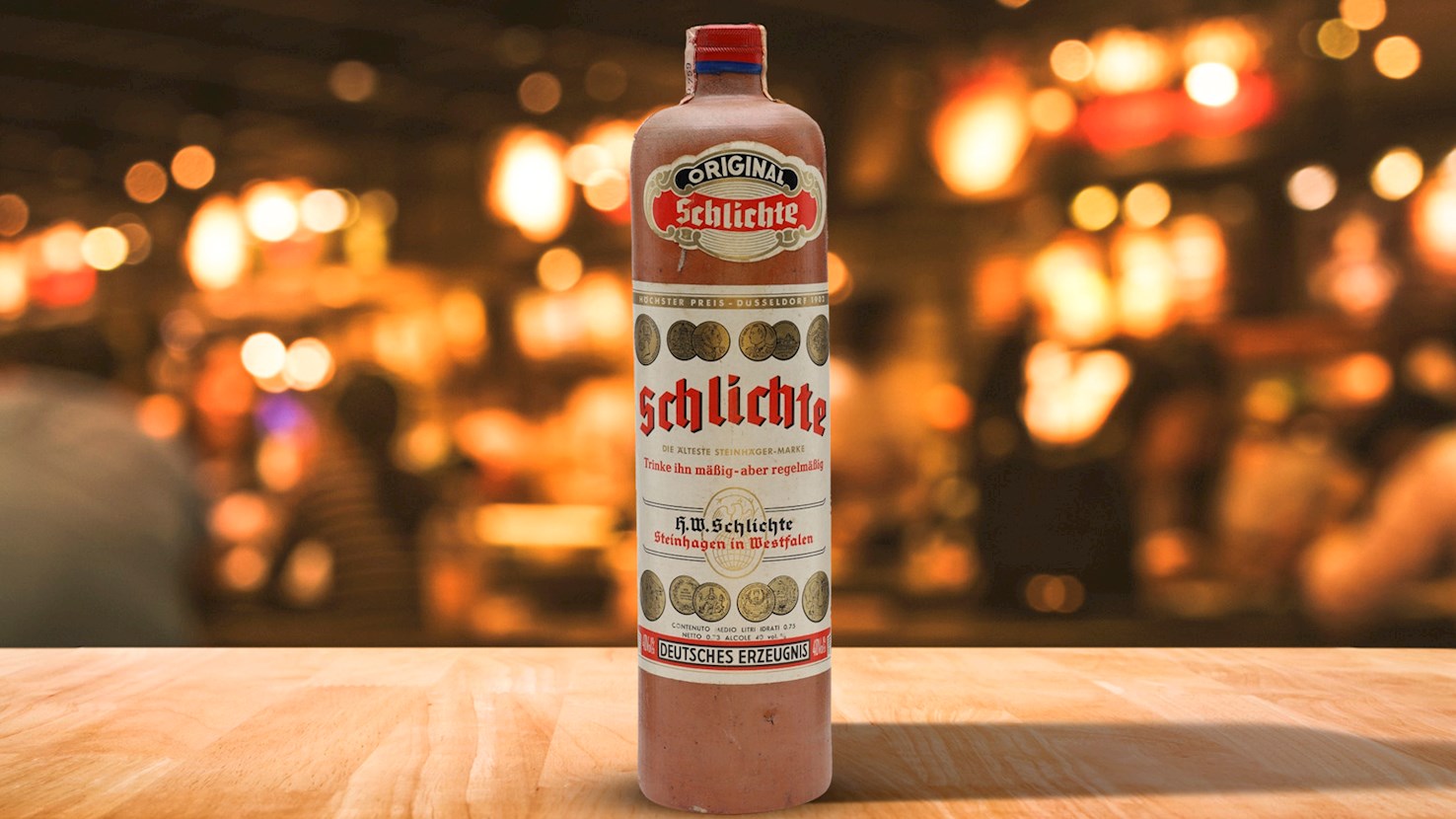
Often classified as a type of gin, Steinhäger is a juniper-flavored spirit produced in Westaphalian Steinhagen municipality. It is produced from grain spirit, juniper berries, and wacholderlutter—fermented mash made from juniper berries. This spirit is clear and colorless and has a subtle juniper flavor. The minimum alcohol content is 30% ABV, but it is mainly bottled at 38% ABV, as then it can be classified as gin. Traditionally, Steinhäger is bottled in brown stoneware bottles known as a Kruke or Betonbuddel, but other materials can also be used. It is believed that by the 14th century, the use of juniper berries was already widespread in the region, while juniper-based drinks were already produced in the 15th century. During the second half of the 19th century, the region had 20 distilleries, but only two have survived to this day.

08

Bayerischer Gebirgsenzian

n/a ·

Bayerischer Gebirgsenzian is a Bavarian spirit distilled from the roots of wild gentian plants that grow in the alpine and subalpine meadows of southern Germany. The name translates to “Bavarian mountain gentian,” emphasizing both the origin of the raw material and the regional identity of the drink. It belongs to a broader category of alpine schnapps that have been produced in the German-speaking regions of the Alps for generations, prized for their intensely bitter flavor and their use as a digestive after hearty meals. Production begins by harvesting the thick roots of yellow gentian, a plant known botanically as Gentiana lutea. The roots are carefully cleaned and finely chopped before being fermented in water to extract their aromatic and bitter compounds. After fermentation, the mash is distilled slowly in copper pot stills, resulting in a clear, high-proof distillate with a distinct earthy aroma. Unlike many fruit-based schnapps, Bayerischer Gebirgsenzian is not sweetened, which leaves it with an uncompromisingly dry, robust taste. The finished spirit is typically bottled at 38–40% alcohol by volume. Bayerischer Gebirgsenzian is usually served in small glasses at room temperature, sipped slowly to appreciate the strong bitterness that lingers on the palate. Its flavor is sometimes compared to other European bitter liqueurs, but it is more austere and earthy, without added sugar or aromatic herbs. In Bavaria, it is especially popular in mountain inns and alpine huts, where it is offered to guests as a digestive after meals of sausages, smoked meats, or rich stews. Over time, this spirit has become closely associated with alpine culture and the idea of harvesting and preserving mountain plants. Because gentian grows slowly and is protected in many areas, harvesting is carefully regulated to prevent overexploitation, and some producers cultivate gentian specifically for distillation.

09

Bierbrand

n/a ·

Bierbrand is a clear or amber distilled spirit produced exclusively by the direct distillation of fresh beer, originating from Bavaria, but also popular in Central European brewing regions of Germany, Austria, and Alsace. The structural emergence of this liquor relates directly to small-scale agricultural distilleries and community breweries during the late nineteenth and early twentieth centuries, where producers sought a method to salvage unpasteurized surplus beer or batches that failed to meet carbonation or clarified retail standards before bacterial spoilage occurred, utilizing local copper column or pot stills to concentrate the alcohol content and isolate the volatile malt fractions. The preparation of Bierbrand mandates that the base beverage must consist entirely of fully fermented beer that complies with national brewing standards, without any external grain or sugar additives introduced during the boiling phase. The liquid beer is transferred into a copper alembic still and heated gradually, requiring precise temperature control during the first distillation pass to manage the high volume of residual carbon dioxide gas and proteins, which prone the liquid to intense foaming and boil-over inside the pot chamber. The vaporized alcohol and aromatic compounds are condensed, and a second fractional distillation isolates the core heart fraction from the unwanted heads and tails, yielding a raw distillate with an alcohol content below eighty-six percent by volume to ensure the aromatic characteristics of the original malt and hops remain legally recognizable under European Union spirit regulations. This raw spirit is either transferred directly into inert stainless steel tanks to produce a clear, sharp Eau-de-vie style beverage or placed into charred oak, chestnut, or ex-bourbon casks for a maturation period lasting from several months to three years, allowing the wood tannins to soften the alcohol bite and impart golden hues, after which it is diluted with demineralized water to a standard bottling strength between thirty-eight and forty-five percent alcohol by volume. Bierbrand is served at a cellar temperature of 14 to 18 degrees Celsius, poured into small, narrow-nosed tulip tasting glasses that concentrate the delicate hop vapors toward the olfactory receptors, and is consumed as a digestive aid or standalone sipping drink. It is eaten and drunk throughout regional German gastropubs, Austrian mountain taverns, and craft distillery tasting rooms, positioned strictly at the conclusion of a meal. For food and beverage pairings, the roasted grain backbone and dry, herbaceous finish of an oak-aged Bierbrand cut cleanly through dense proteins and dairy fats, meaning it is consumed alongside smoked pork knuckle, cured ham platters, dark rye bread with lard, matured mountain cheeses like Bergkäse, or paired as a chaser with a small glass of the identical style of bottom-fermented beer from which it was originally distilled.

10

Schwarzwälder Kirschwasser

n/a ·

Schwarzwälder Kirschwasser is a clear distilled fruit spirit made from sour cherries and produced in the Black Forest region of southwestern Germany, where it is recognized as a geographically defined agricultural distillate rather than a flavored liqueur. Its emergence is tied to the long cultivation of small dark cherries in the Black Forest and to local distillation practices that developed in response to surplus fruit and restrictive grain usage, leading farmers to ferment and distill cherries as a way to preserve value and concentrate alcohol without added sugar, while regional regulations gradually formalized production standards tied to place and raw material. Preparation begins with fully ripe cherries that are crushed whole, including the stones, then fermented without added yeast so that natural sugars convert to alcohol, after which the mash is distilled slowly in copper stills, separating the clear spirit from heavier compounds, and the resulting distillate is rested in inert containers rather than wood to preserve its transparent appearance and sharp fruit profile. Serving is restrained and precise, with kirschwasser poured in small amounts into narrow glasses and consumed neat at room temperature, emphasizing aroma rather than volume, and it is also used as a structural ingredient in baking and desserts, most notably as a component in Black Forest cake where it provides alcoholic depth without sweetness. What sets Schwarzwälder Kirschwasser apart is the inclusion of cherry stones during fermentation, which contributes subtle almond-like notes through natural benzaldehyde, and the absence of sugar or aging that keeps the spirit dry and direct rather than rounded or softened. It is consumed as a digestif after meals, offered in homes and restaurants in its region of production, and used sparingly in pastry kitchens, and it pairs well with chocolate-based desserts, stone fruit dishes, and strong coffee, while it is usually enjoyed on its own rather than alongside other alcoholic beverages to avoid masking its intensity.

About this Ranking

TasteAtlas food rankings are based on the ratings of the TasteAtlas audience, with a series of mechanisms that recognize real users and that ignore bot, nationalist or local patriotic ratings, and give additional value to the ratings of users that the system recognizes as knowledgeable.

TasteAtlas Rankings should not be seen as the final global conclusion about food. Their purpose is to promote excellent local foods, instill pride in traditional dishes, and arouse curiosity about dishes you haven’t tried.

The initial list of top producers was compiled based on available reviews, awards, local recommendations, media and blog coverage, and consumer reviews. The list will be updated with ratings from TasteAtlas local ambassadors and TasteAtlas users.

What People Say

Similar Lists