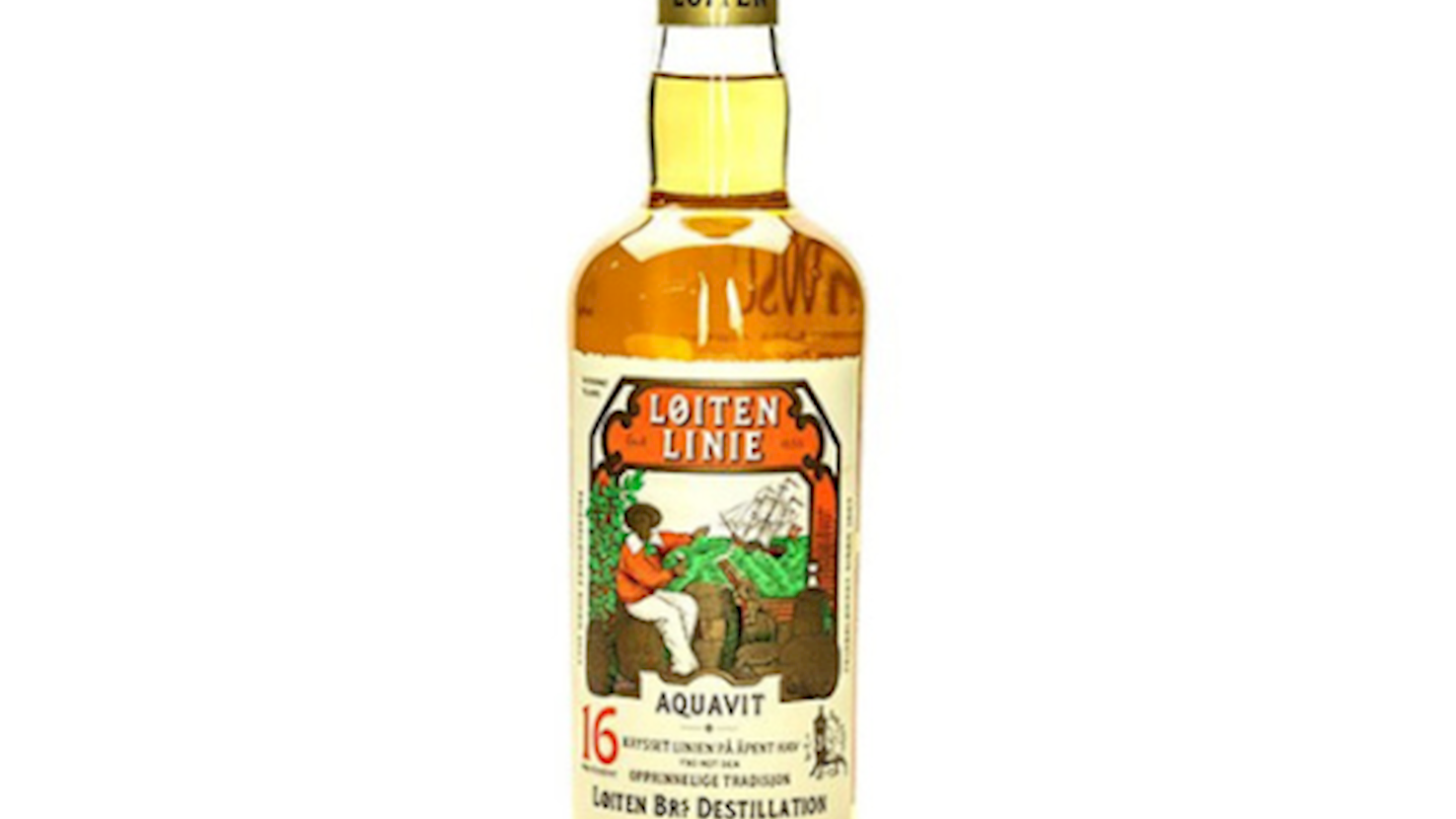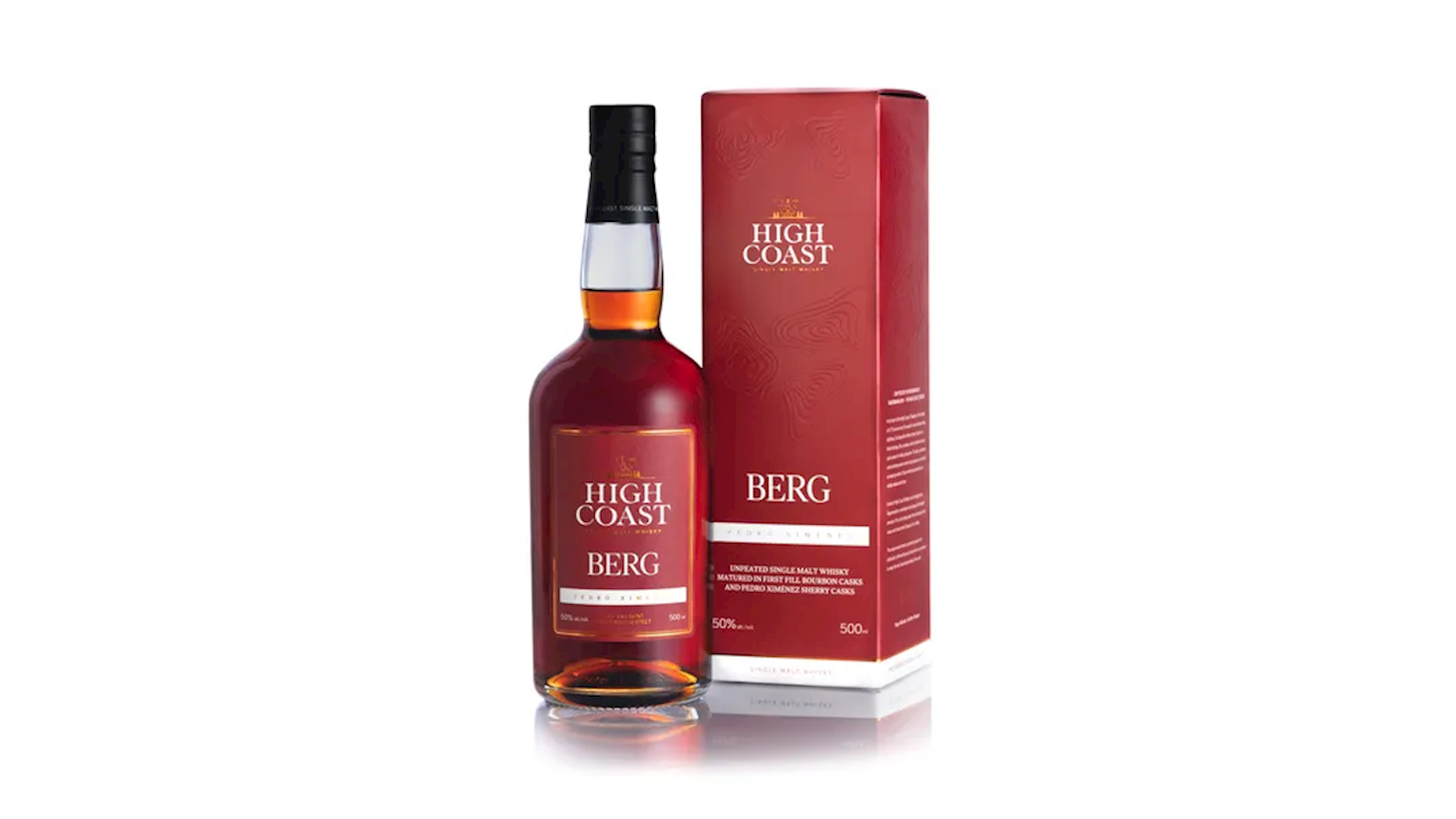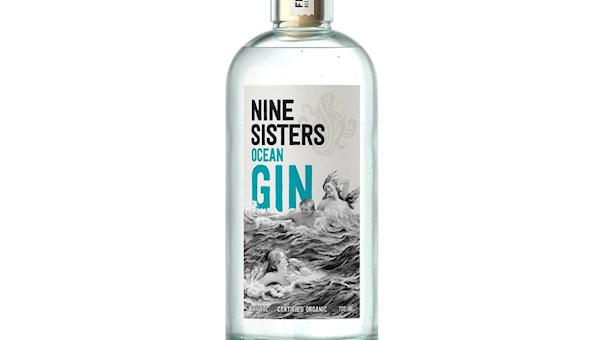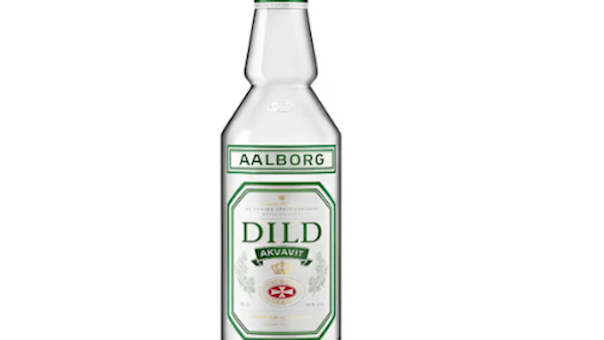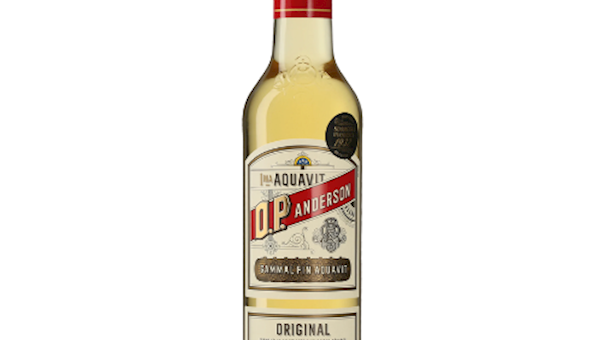
Linie Aquavit is a renowned Norwegian brand that specializes in aquavit, a traditional distilled spirit flavored with spices and herbs, such as caraway or dill. Linie Aquavit stands out for its unique maturing process, which involves shipping the spirit in oak barrels across the equator twice—a journey that enhances its flavor through temperature fluctuations and constant movement. This tradition dates back to the early 19th century and is a hallmark of the brand's commitment to quality and heritage. Linie continues to innovate while preserving its rich history, offering aquavit enthusiasts a taste of Norway's cultural essence.
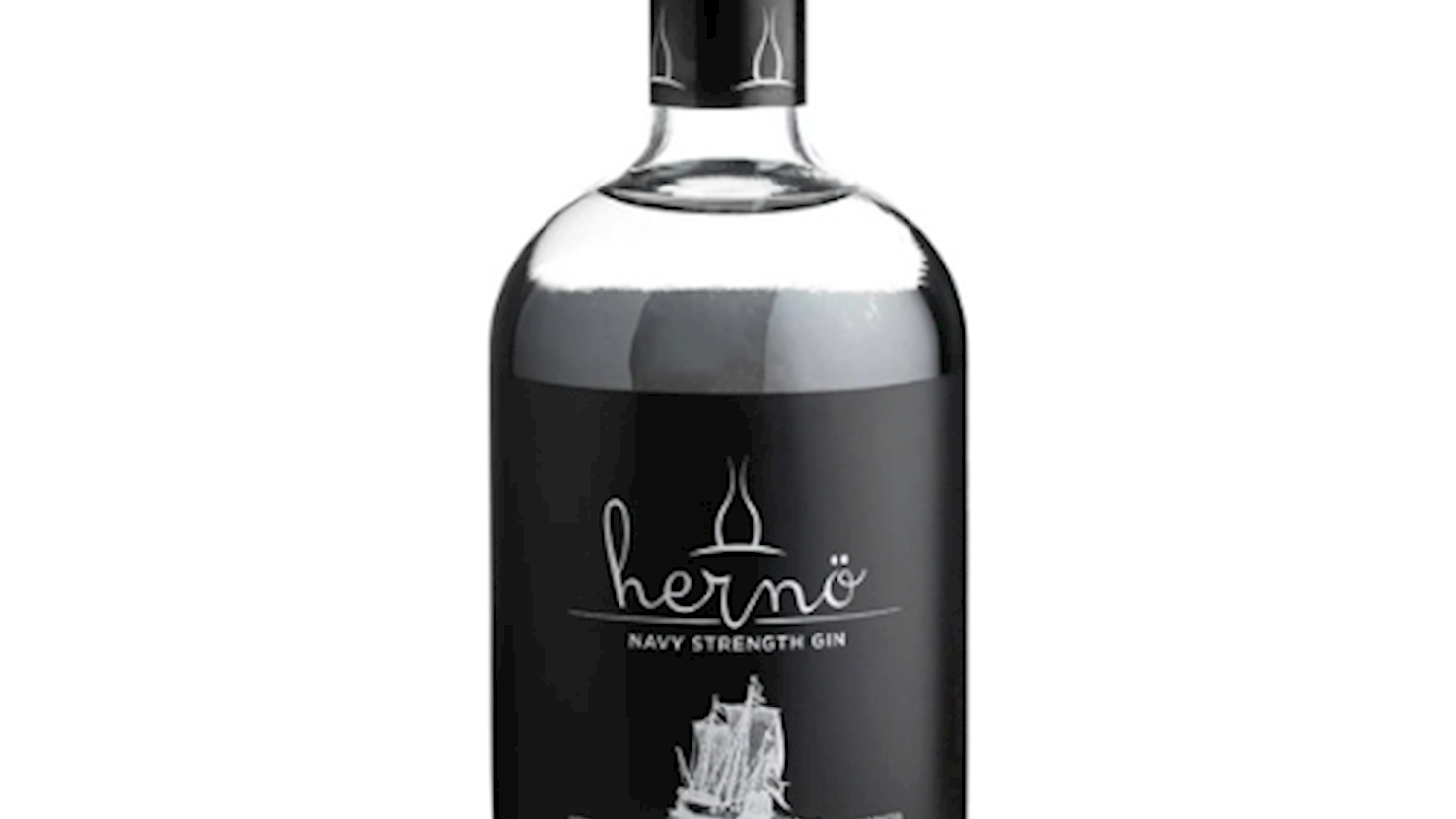
Hernö Gin Distillery is Sweden's first dedicated gin distillery, located in Dala, near Härnösand. Founded in 2011 by Jon Hillgren, it is renowned for its organic and sustainably crafted gins. Using traditional copper pot stills, Hernö combines high-quality botanicals like juniper, coriander, lemon peel, lingonberry, and birch leaves. Their range includes award-winning expressions such as Hernö Dry Gin, Old Tom Gin, Navy Strength Gin, and Juniper Cask Gin. The distillery has earned numerous global accolades, including titles for the world's best gin. Visitors can enjoy guided tours, tastings, and workshops on cocktail-making and gin crafting. Hernö is celebrated for its commitment to quality, innovation, and Scandinavian nature.
Awards
SFWSC - San Francisco World Spirits Competition - Double Gold
(2024)
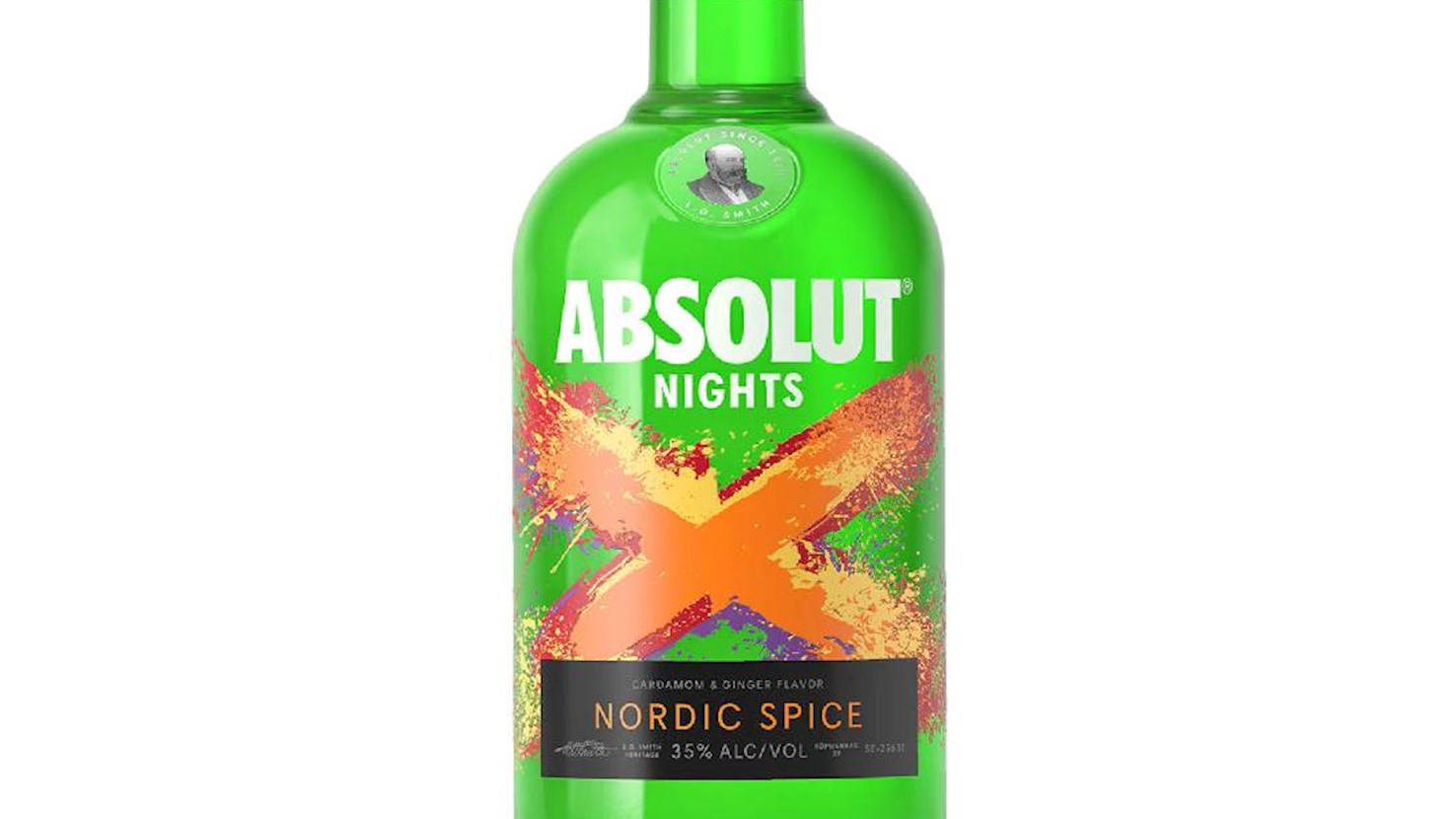
Absolut Vodka is one of the world’s top ten international spirits brands, with every drop of Absolut Vodka coming from one source, in and around Åhus in southern Sweden. With more than 200 years of distilling heritage, Beefeater Gin was born in the heart of London, where its only distillery remains today, while Plymouth Gin is made from England's oldest distillery using the original 1793 recipe. Unique and unrivalled, Monkey 47 name derives from the 47 handpicked ingredients sourced from the soft and mild water of Germany’s Black Forest, while KI NO BI is a recognisably dry gin from the Kyoto Distillery in Japan. Malfy Gins are made in Italy using Italian lemons, Sicilian pink grapefruits and blood oranges that express the sun-soaked spirit of the Almafi coast.
Awards
SFWSC - San Francisco World Spirits Competition - Double Gold
(2024)
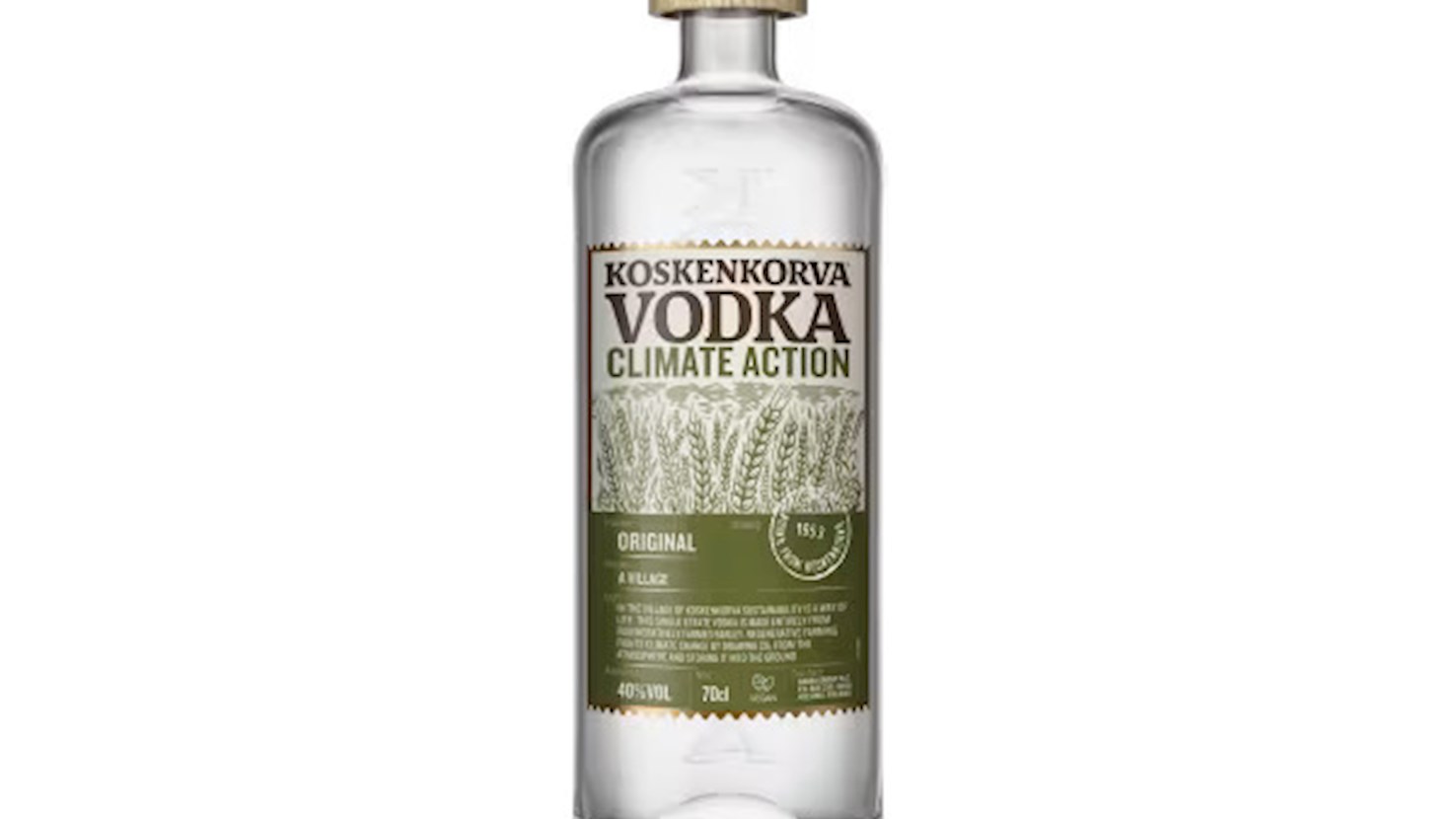
The Koskenkorva distillery, located in the village of Koskenkorva in Southern Ostrobothnia, has a long tradition dating back to the 1940s. This distillery was founded by the Finnish state alcohol company Oy Alkoholiliike Ab on land purchased from the Koskenkorva family. The first experimental distillation process was completed in 1941, and by 1953, the production of spirits became permanent. Koskenkorva Viina, their first product, became Finland’s best-selling spirit as early as 1960. The distillery relies on local barley cultivation, especially the Kaarle and Elmeri varieties, which thrive in the fertile coastal fields around Koskenkorva village.
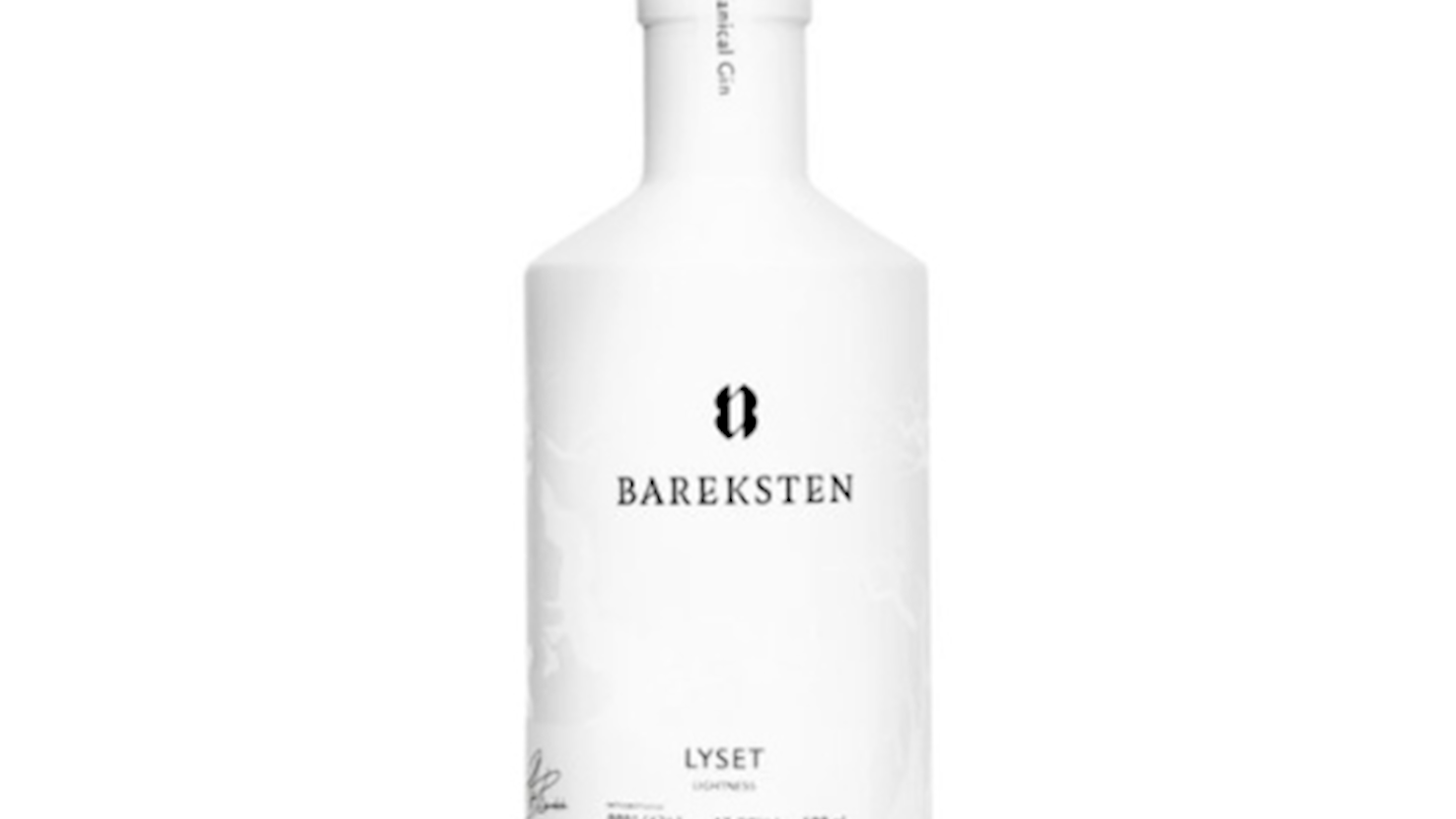
Oss Craft Distillery is a Norwegian distillery renowned for its high-quality craft spirits, blending traditional methods with modern innovation. Located in Blomsterdalen, near Bergen, it draws inspiration from Norway’s natural landscapes and folklore. Its flagship product, Bareksten Botanical Gin, features over 20 botanicals, capturing the essence of Nordic forests with flavors like juniper, elderflower, and blueberries. Founded by Stig Bareksten, the distillery emphasizes authenticity and craftsmanship in every bottle. Oss Craft Distillery has gained international recognition for its unique approach and premium-quality products.
Awards
SFWSC - San Francisco World Spirits Competition - Double Gold
(2023)
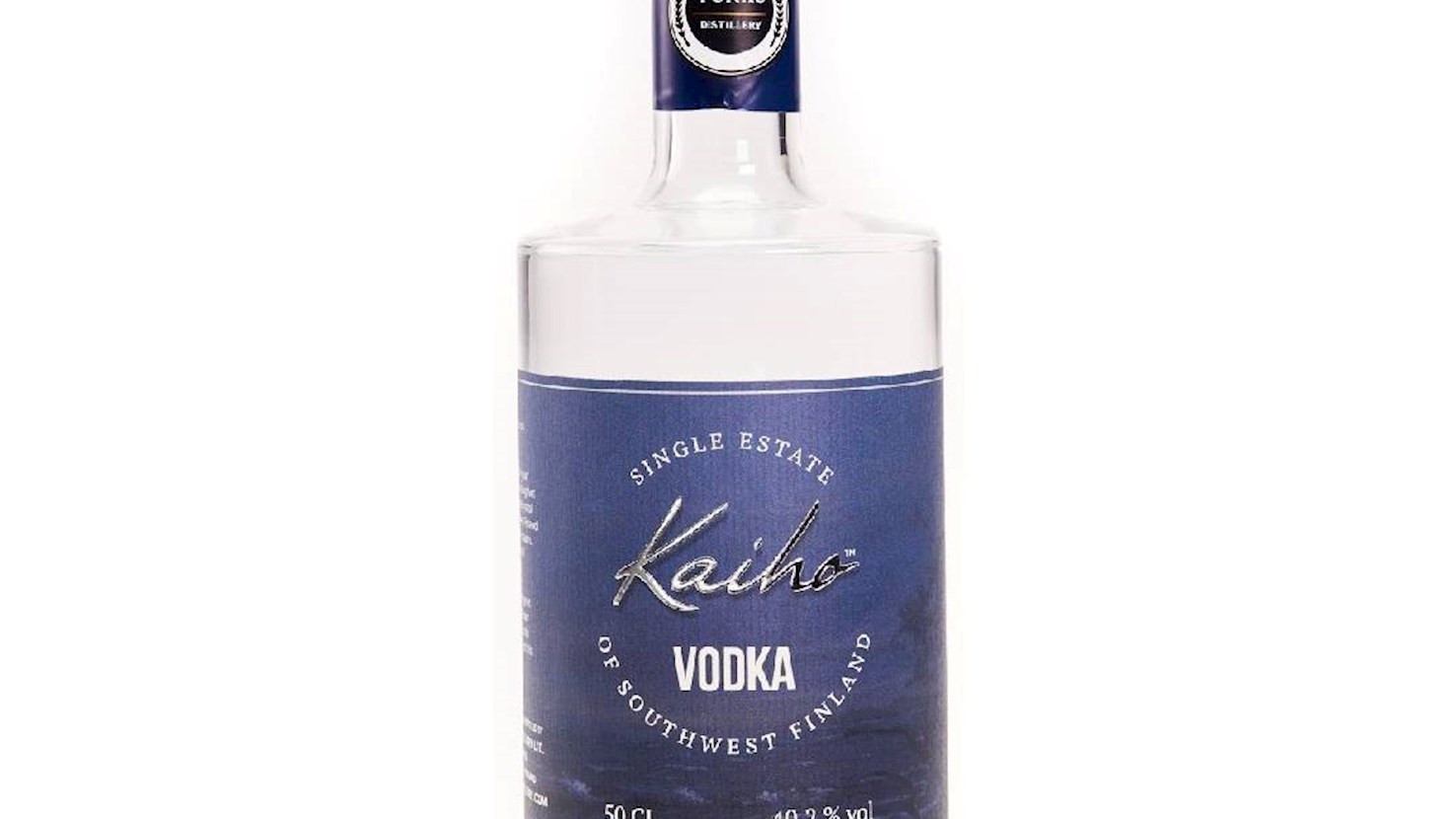
Turku Distillery Ltd, established in 2021, is a craft distillery located in Raisio, Southwest Finland. The company is renowned for producing organic vodka and liqueurs using the finest organic winter wheat and crystal-clear artesian water from Southwest Finland. Distillation takes place in a high-quality copper column, resulting in premium products such as Kaiho™ Vodka and Kaiho™ Ruby Blackcurrant Liqueur. Turku Distillery has earned numerous international accolades for its products, including gold medals at competitions such as the Craft Spirits Awards™ 2023 and the European Spirit Challenge™ 2023. The company is committed to sustainable production, employing carbon-neutral processes and using bioenergy for heating. With its dedication to quality and authenticity, Turku Distillery Ltd continues to expand its presence in the international market.
Awards
IWSC- International wine & spirit competition - Spirit Gold
(2024)
Det Norske Brenneri, established in 2011, is one of Norway's leading producers of alcoholic beverages, based in Grimstad, in the Agder region. As the first private distillery to receive a license to produce spirits following the abolition of the state monopoly in 2005, the distillery is dedicated to preserving Norwegian artisanal traditions, producing in small batches to ensure the highest quality of its products. Their range includes a variety of beverages, such as aquavit, gin, and whisky. Among their most renowned products is "Arvesølvet Aquavit," which features hand-picked berries and herbs from the Norwegian wilderness. Det Norske Brenneri has won numerous international awards for its products, underscoring their commitment to quality and authenticity. The distillery utilizes the finest raw materials from Norway's natural landscapes and combines them with traditional production methods, creating beverages that reflect the rich cultural heritage of Norway.
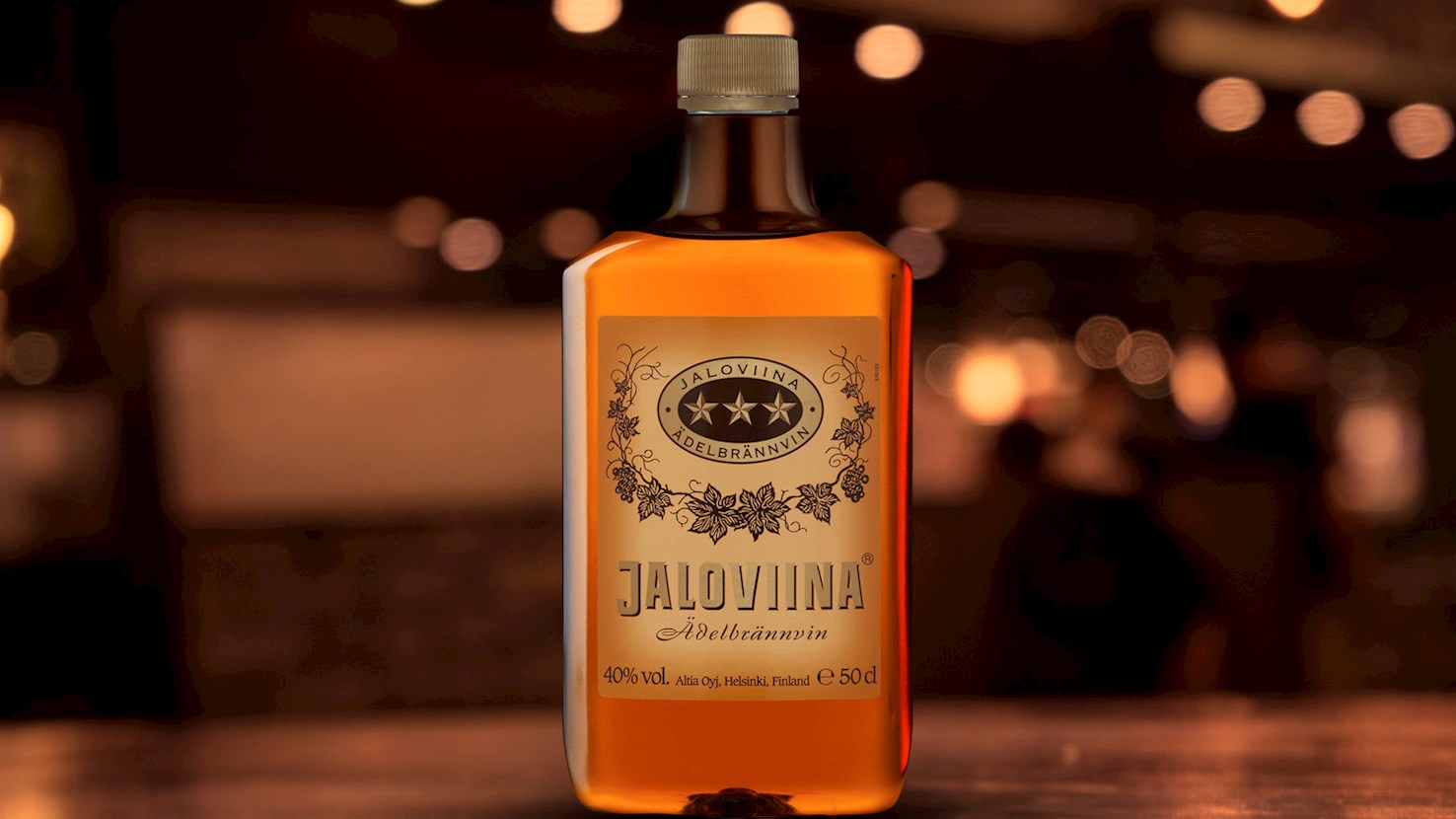
Jaloviina is a type of Finnish cut brandy, a type of brandy that has been cut with neutral grain spirit. This Finnish version is based on French brandy and the Finnish spirit. Jaloviina comes in several grades, usually differentiated by the number of stars. One being the lowest, and three being the highest grade. Jaloviina is typically amber-colored and has a smooth flavor with a long, warming finish. The dink was introduced in 1932, following the end of prohibition in Finland. Jaloviina can be served neat or on the rocks, but it could also work well in mixed drinks. It typically has around 40% ABV.
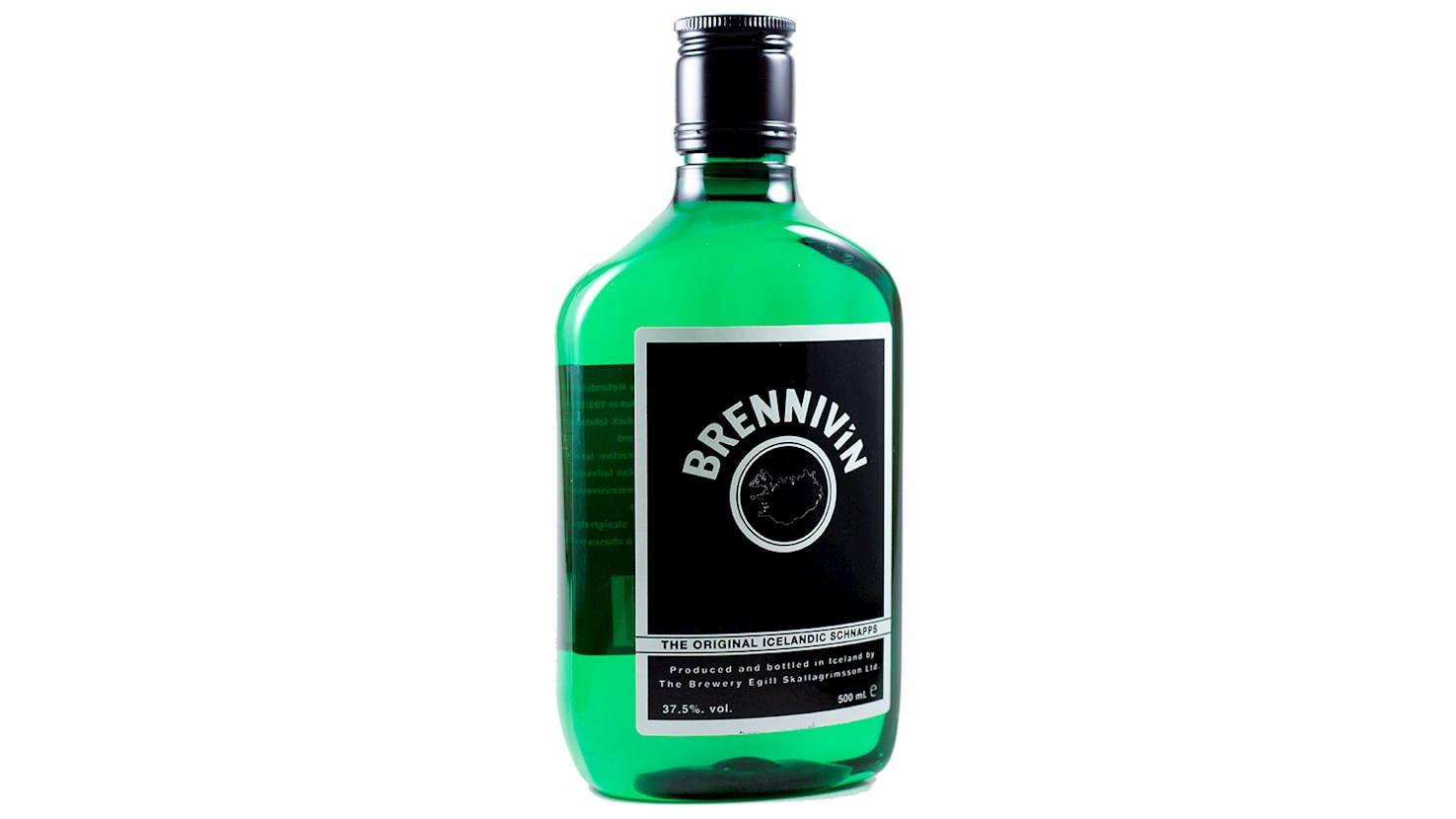
Brennivín is distilled from potato mash, and it is traditionally flavored with various herbs and spices, including caraway seeds, cumin, and angelica. Although the name Brennivín translates to burning wine, this strong spirit was nicknamed Svarti Dauði, meaning Black Death, presumably because the bottle once had a label depicting a black skull, while some claim the nickname originated due to the distinctive, sharp taste of the drink. This Icelandic staple is best enjoyed well-chilled, served in a shot glass and paired with hákarl - cured shark flesh.
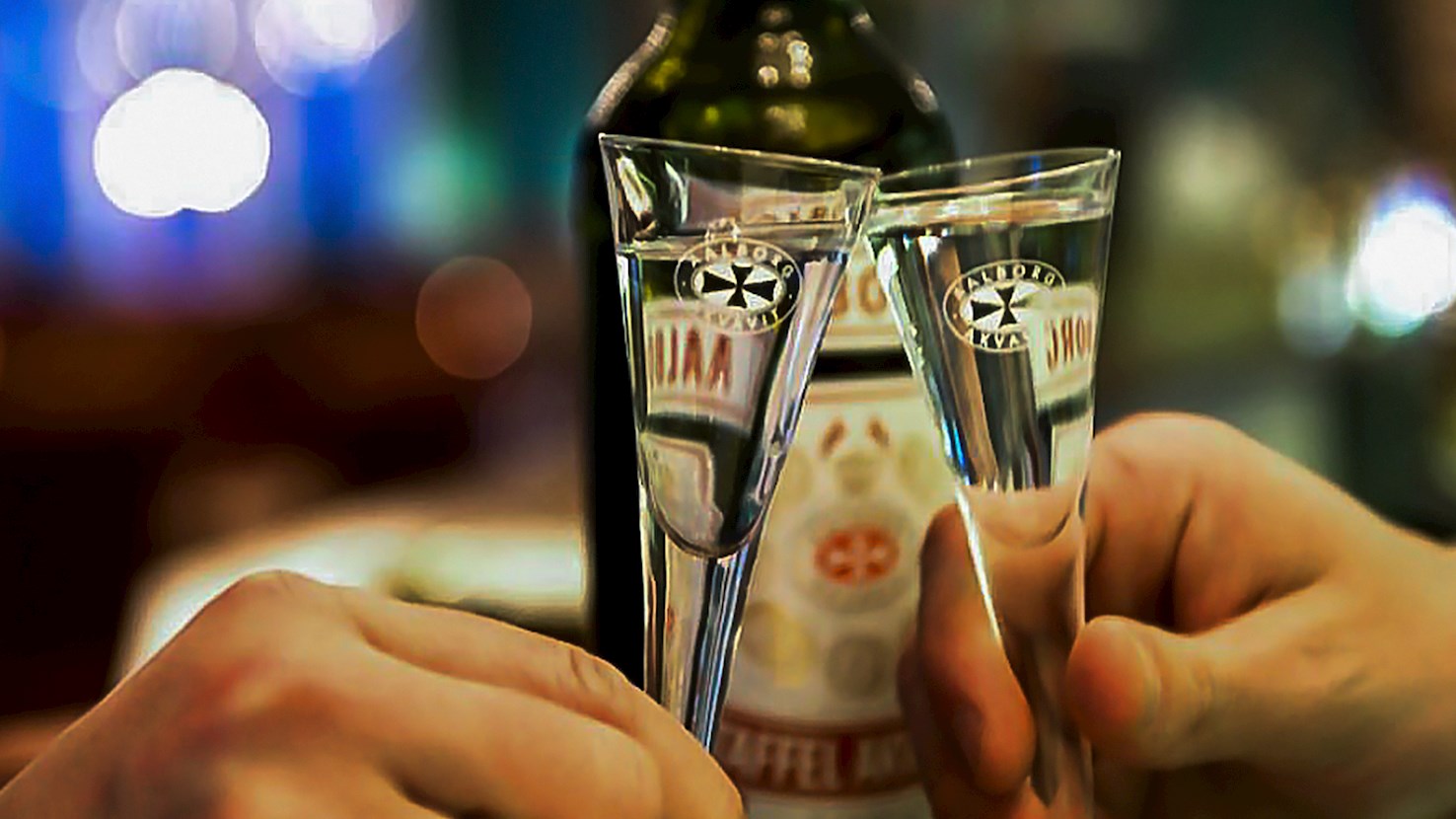
Akvavit is a Scandinavian spirit that is usually distilled from grains or potatoes. After distillation, it is infused with various botanicals, though the most common are caraway and dill. Other options may include fennel, coriander, cloves, or cumin. The drink can vary in color, and its flavor profile can greatly differ depending on the age and the base ingredients. Danish and Swedish akvavit is typically clear and colorless, while the Norwegian version is sometimes aged in sherry casks, allowing it to attain golden-like color and slightly stronger flavor. All varieties must have a minimum of 37,5 % ABV. Akvavit, whose name derives from aqua vitae (the water of life), has been produced since the 15th century. The first mention appears in a letter dated April 13th, 1531, that was sent from the Danish Lord Eske Bille to Norwegian Archbishop Olav Engelbrektsson. April 13th is celebrated as the akvavit day in Norway. The biggest producers come from Norway, Sweden, and Denmark. Although this strong spirit is usually enjoyed well-chilled, some prefer to serve it at room temperature. In Scandinavia, akvavit is mainly enjoyed as an aperitif, and it is one of the mandatory drinks during festive lunch and dinners. It perfectly pairs with local specialties.
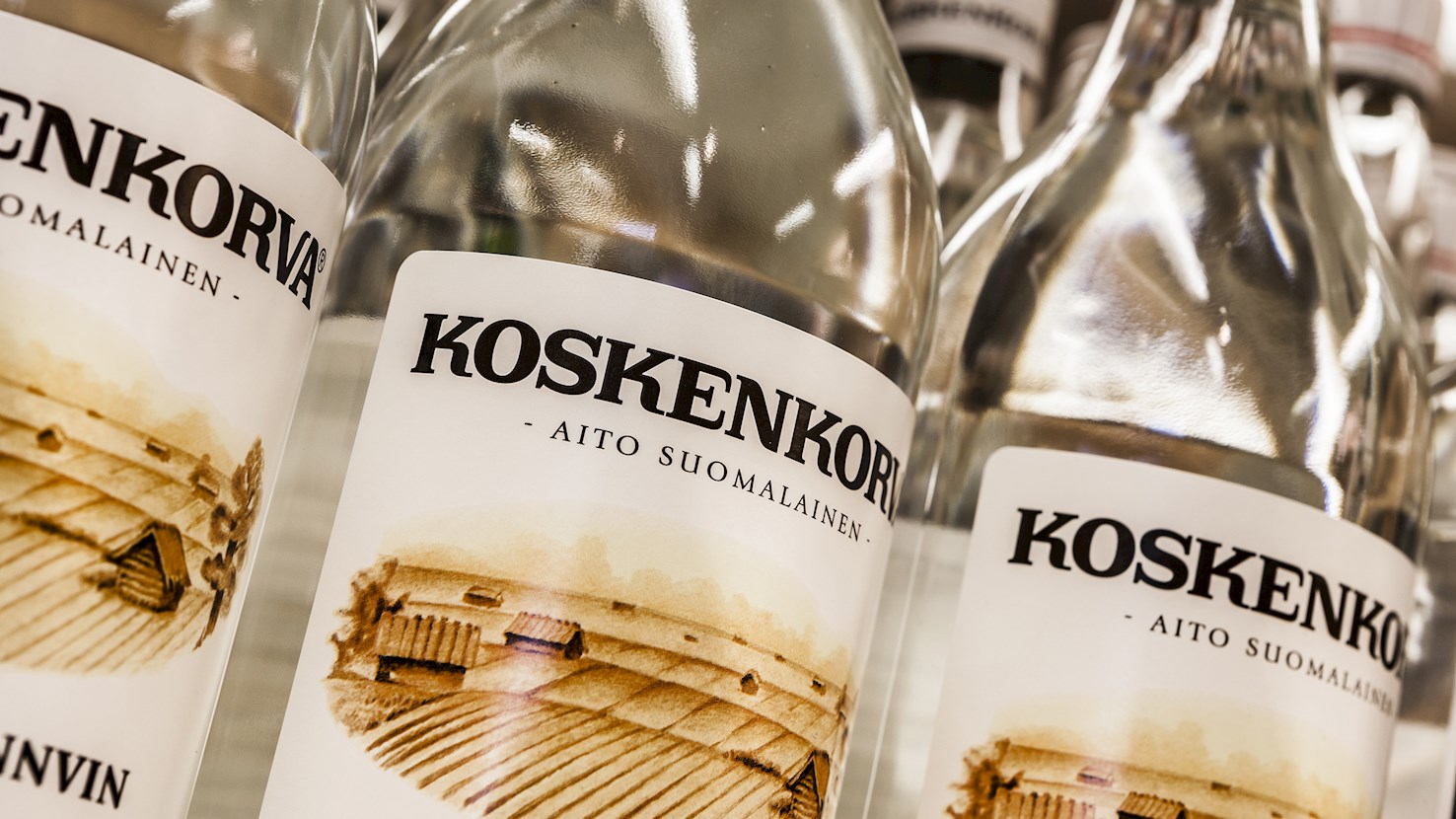
Koskenkorva is a clear Finnish spirit that is distilled from a combination of locally grown barley and unfiltered spring water. Often dubbed as vodka, the drink is produced with continuous distillation, which involves highly developed producing techniques that utilize 100% of the grain—none of it goes to waste. The original version of this high-quality spirit is smooth, pure, neutral, and bright. Apart from its basic version, it also comes in several specialty varieties, including aged and flavored spirits. The drink is produced in Koskenkorva village, and the company which produces it operates in an entirely sustainable manner that focuses on the circular economy. Koskenkorva can be enjoyed straight, preferably as an aperitif, but it also makes a great cocktail ingredient. In Finland, it is labeled as Koskenkorva Viina, and it is bottled at 38% ABV.
Norsk akevitt is a spirit from Norway, made by distilling potatoes or grain and flavoring the result with herbs and spices, most notably caraway and dill. It belongs to the family of Scandinavian aquavits but is set apart by the raw materials and techniques particular to Norway. Recognized with European geographical indication status, it is closely tied to the country’s climate, agriculture, and cultural celebrations. Production of akevitt in Norway dates back to the sixteenth century, when distilling techniques spread through Northern Europe. Over time, potatoes became a preferred base once they were introduced and widely cultivated in Norway in the eighteenth century. The addition of caraway, along with other botanicals like fennel, coriander, and anise, gave Norwegian versions a distinct aromatic profile. By the nineteenth century, akevitt had secured its place not just as a drink but as an integral part of social and festive occasions. The preparation involves fermenting potatoes or grain to create a mash, distilling it, and then infusing it with a carefully selected blend of botanicals. Unlike some other spirits, Norwegian akevitt is typically matured in oak casks, sometimes for years, which gives it a golden color and layers of complexity beyond the spice flavors. Serving is usually in small glasses, often chilled, and it is most commonly consumed alongside food rather than on its own. One unique aspect of Norwegian akevitt is the so-called “linie” style, in which barrels of the spirit are sent across the equator by ship before bottling. The movement of the vessel, changes in temperature, and exposure to sea air are believed to affect the maturation, producing a distinctive taste. Bottles of Linie akevitt often note the voyage taken, underlining how geography and travel are part of its character. Today, Norsk akevitt is drunk both in Norway and abroad, most strongly associated with holiday meals, national celebrations, and family gatherings. In Norway it is paired with hearty dishes such as pork, lamb, and herring, where its spice and warmth balance rich flavors.
Svensk aquavit is a spirit from Sweden, produced by distilling grain or potatoes and flavouring the resulting alcohol with caraway, dill, fennel, or a blend of Nordic herbs and spices. It belongs to the wider family of Scandinavian aquavits, but the Swedish version is known for its distinctive balance of herbal sharpness and clean, crisp finish that reflects the country’s approach to distilled beverages. The drink is most often bottled clear, though some varieties are matured in oak, which imparts subtle colour and rounder notes. Its roots go back several centuries, when distilled alcohol began to spread across northern Europe and was quickly adopted in Sweden both for medicinal purposes and for drinking during feasts. The infusion of caraway and other spices developed as a way to add flavour and character, while also linking aquavit to the Nordic culinary landscape. Over time, the spirit gained a place not just on festive tables but also in everyday culture, especially around seasonal celebrations such as midsummer and Christmas, when it was served alongside dishes like herring, salmon, or pork. Producing svensk aquavit involves careful distillation of the base spirit, after which the botanicals are steeped or distilled into the alcohol, depending on the recipe. The most common flavours are caraway and dill, though some brands introduce citrus peel, anise, or coriander to create variations. In certain cases, the spirit is aged in oak casks for months or years, producing a golden hue and hints of vanilla or wood that complement the spice. This diversity means that aquavit can range from sharp and herbaceous to mellow and complex, offering different experiences within the same category. A unique element of Swedish aquavit culture is the practice of singing snapsvisor, short drinking songs, before downing a small glass in one sip. This custom connects the spirit not only to food but to social ritual, and it remains a hallmark of festive gatherings. In Sweden, aquavit is rarely consumed without food, as its strong, aromatic character is meant to cut through rich dishes and enhance flavours on the table. Today svensk aquavit is enjoyed widely in Sweden and is increasingly appreciated abroad, where Scandinavian restaurants and specialty bars introduce it to new audiences. It is typically served chilled in small glasses, paired with pickled fish, cheeses, or cured meats, and forms part of the rhythm of seasonal feasts.
Norsk vodka is a clear spirit produced in Norway, known for its purity, clean taste, and reliance on high-quality local water and grains or potatoes. Though vodka is not native to the country, Norwegian distillers have developed a distinct style that reflects the precision and restraint of Nordic craftsmanship. The spirit draws on the same emphasis on purity and balance that defines much of Norway’s food and beverage culture. It emerged relatively recently in comparison to the long-established vodkas of Eastern Europe, but over the past few decades, Norway has become recognized for producing small-batch, high-grade versions that emphasize natural ingredients and refined distillation. Vodka production in Norway developed as part of the country’s growing spirits industry during the twentieth century, when domestic distillers began expanding beyond aquavit, the caraway-flavored liquor that had long been the national drink. As international demand for neutral spirits grew, Norwegian producers applied their experience with grain and potato distillation to craft vodka with the same attention to detail. The country’s access to exceptionally pure glacial and spring water gave these vodkas a distinct character, often described as clean and smooth without harshness. Brands like Vikingfjord and Heavy Water became early representatives of this approach, combining Scandinavian minimalism with modern distilling technology. To make Norsk vodka, either grain (such as barley or wheat) or potatoes are fermented to produce a base alcohol. This is distilled several times, often in column stills, to achieve a high level of purity and remove impurities that would affect taste. Water from natural Norwegian sources, particularly glacial springs, is then added to reduce the alcohol to drinking strength. The process focuses on maintaining a neutral, crisp profile while allowing a subtle mineral note from the water to remain. Some producers filter their vodka through charcoal or quartz to enhance clarity and softness. The final spirit is bottled clear and usually unflavored, though a few small distilleries experiment with local botanicals or herbs in limited editions. What distinguishes Norsk vodka from other European vodkas is its emphasis on water quality and smoothness over strong character. While Russian and Polish vodkas often highlight grain or a certain warmth, Norwegian versions lean toward precision and texture, more about how it feels than how it tastes. This reflects both the natural environment and the Norwegian approach to food and drink: clean, understated, and exact. The cold climate also plays a part, as production and storage in low temperatures help maintain the spirit’s crispness. In Norway, vodka is most often consumed neat and chilled, served in small glasses, especially during festive occasions or gatherings. It is also used in cocktails, where its smoothness makes it versatile without dominating other ingredients. Pairings are usually simple and reflect the Nordic table: smoked fish, shellfish, or cured meats complement the clarity of the drink. Some prefer to serve it alongside small bites such as rye bread with salmon or cheese, letting the vodka act as a palate cleanser.
Svensk vodka is vodka produced in Sweden, made primarily from winter wheat or sometimes other grains or potatoes, and distilled with a focus on purity and a clean, neutral taste. Sweden’s production benefits from its access to high-quality raw materials grown in its cold climate and the availability of exceptionally clean water, often drawn from natural springs or deep wells. The drink has its roots in Scandinavian distilling practices that developed over centuries, beginning with early grain-based spirits that were refined and filtered to create smoother, more versatile alcohol. Modern Svensk vodka is made by fermenting the chosen base ingredient, then distilling the spirit multiple times to remove impurities, and finally filtering it, sometimes through activated charcoal, to achieve clarity and a mild aroma. While it is most often bottled plain, some producers create flavored versions using berries, herbs, or spices. The beverage is usually served chilled and neat in small glasses, but it is also used in mixed drinks and cocktails. Svensk vodka has earned a place in international markets due to its consistent quality, with several brands gaining global recognition. One notable aspect is Sweden’s regulation and quality standards for vodka production, which emphasize both environmental responsibility and precision in distillation. In Sweden it is consumed at home during festive meals, in bars and restaurants, and at celebrations where it may be paired with food such as herring, salmon, or other dishes from the national cuisine.
TasteAtlas food rankings are based on the ratings of the TasteAtlas audience, with a series of mechanisms that recognize real users and that ignore bot,
nationalist or local patriotic ratings, and give additional value to the ratings of users that the system recognizes as knowledgeable.
For the “Top 75 Northern European Spirits” list until June 15, 2026, 135 ratings were recorded, of which 118 were recognized by the system as legitimate.
TasteAtlas Rankings should not be seen as the final global conclusion about food. Their purpose is to promote excellent local foods,
instill pride in traditional dishes, and arouse curiosity about dishes you haven’t tried.
The initial list of top producers was compiled based on available reviews, awards, local recommendations, media and blog coverage, and consumer reviews.
The list will be updated with ratings from TasteAtlas local ambassadors and TasteAtlas users.