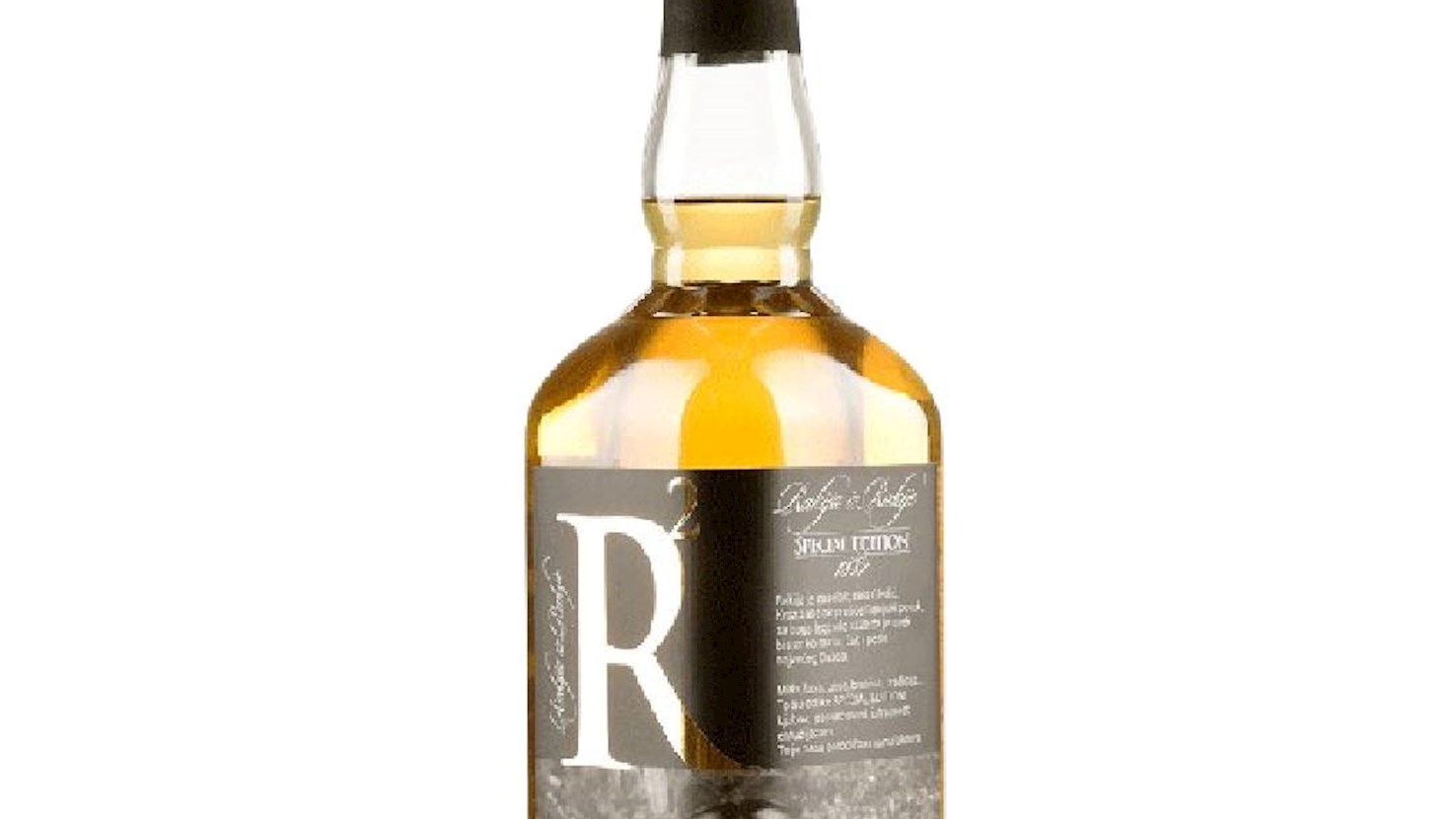
Tucked away in the hamlet fittingly named Rakija, at the foot of the Gledić Mountains, this small family-run distillery embodies authenticity and deep respect for tradition. For generations, the Đusić family has passed down the art of making true plum rakija, relying on native Serbian varieties like Crvena ranka and Požegača, grown on their own land with patience, purity, and a strong bond with nature.
"Rakija iz Rakije" is more than just a name—it’s a way of life, where each drop carries the essence of the land, time, and hands that shaped it.
This rakija has earned recognition far beyond Serbia’s borders: it is part of the international Slow Food movement, and their Crvena ranka has been listed among the 500 most authentic products in the world.
In every sip, you can taste the silence of the countryside, the ripeness of the fruit, and the warmth of true hospitality. Rakija iz Rakije is not mass-produced, not rushed—it is honest, timeless, and crafted for those who recognize true value in simplicity.
Awards
ZGrappa festival - The World’s 15 Best Rakijas - Marin Levaj
(2025)
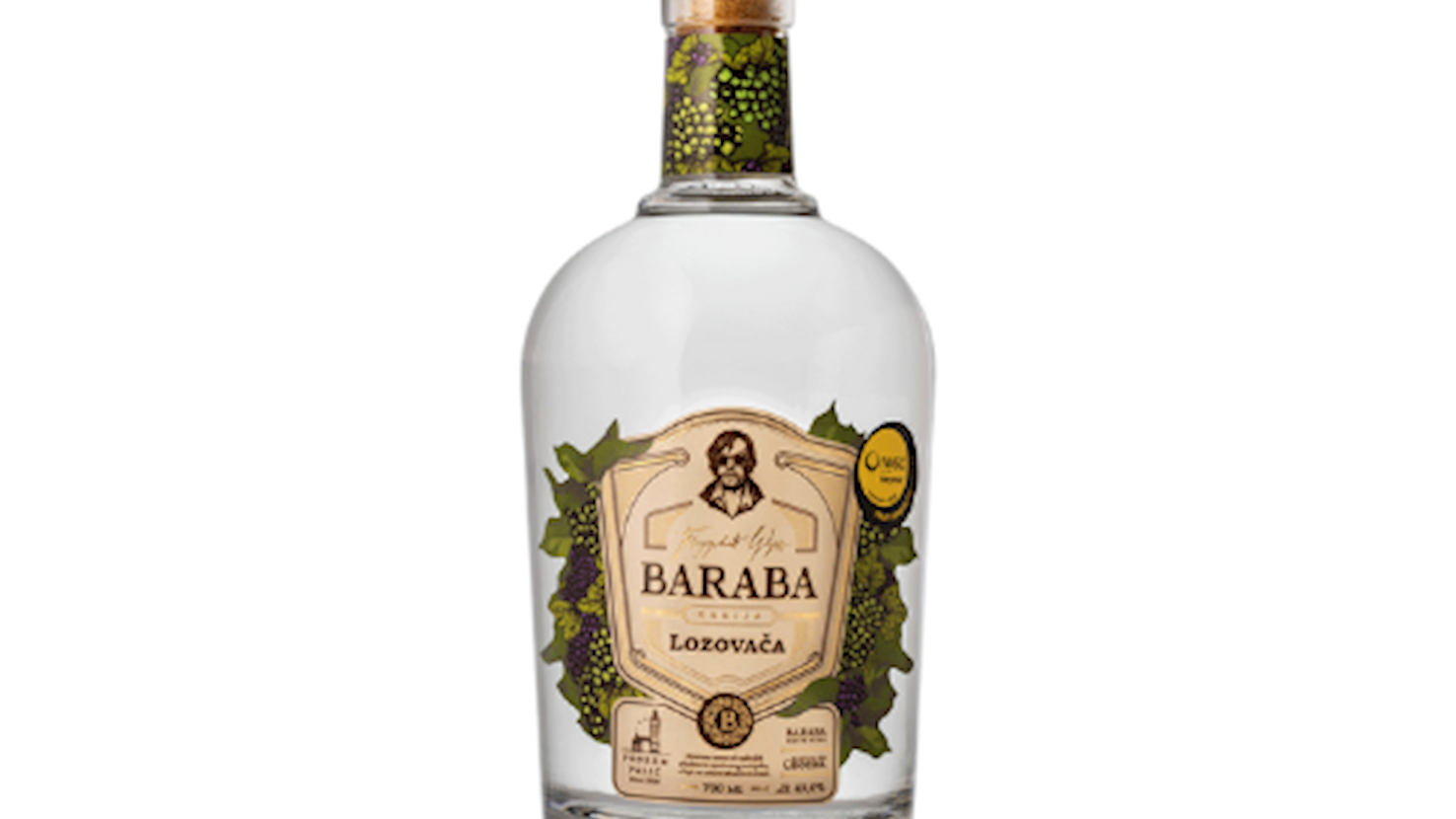
Podrum Palić is a modern distillery that blends more than a century of tradition with contemporary production standards, located in the fruit-growing region of Palić on mineral-rich soil once covered by the Pannonian Sea. Following a complete reconstruction, the distillery now operates within an 11,000 m² facility equipped with controlled fermentation areas, cold storage, and oak-barrel cellars for aging.
Their products rely on fruit sourced from their own orchards, ensuring full traceability and consistent quality. The flagship line is Baraba, a range of premium fruit brandies that has earned multiple international awards, complemented by a grape-based vinjak aged in French oak, the Sinner gin, and herbal liqueurs such as Amaro Botanic Garden and Gorshtak.
The house style emphasizes clean fruit expression, technical precision, and maturation that adds depth and complexity. Podrum Palić is today regarded as one of the leading distillate producers in the region, a reputation strengthened by significant global accolades.
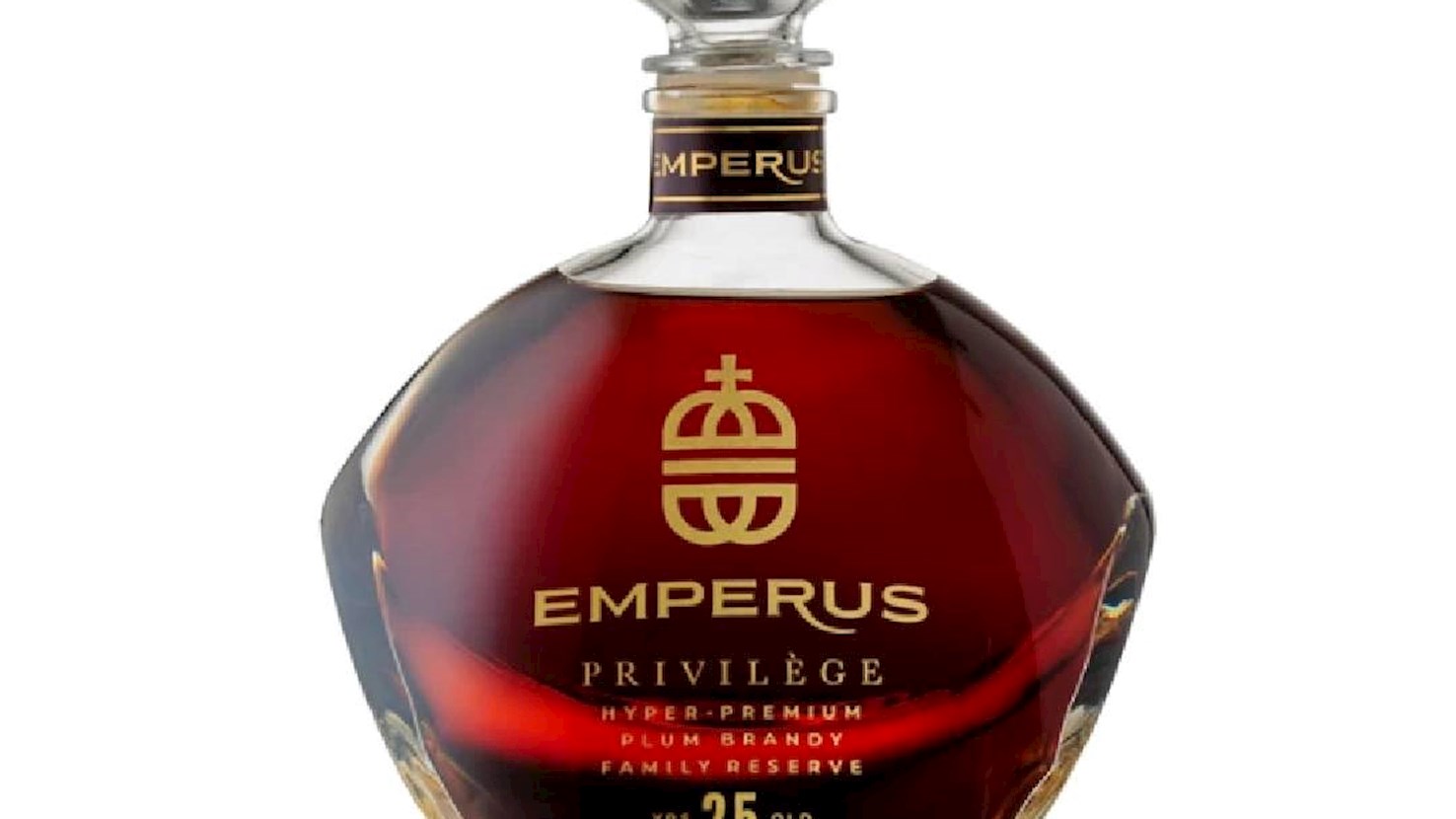
Emperus is more than a distillery—it is a family story of dedication, expertise, and passion for exceptional rakija. For generations, they have preserved the tradition of transforming the finest fruit into a spirit that captures the soul of Serbia.
Every bottle of Emperus rakija reflects carefully selected ingredients, precise distillation, and long aging that enriches each sip.
Whether it’s the bold Privilège plum rakija, the delicate Victory quince rakija, the exclusive Emperus 12 line, or the rich Reserva Antica, every label bears the unmistakable mark of elegance and authenticity. Their rakijas have won top awards at international competitions, but what truly sets them apart is the spirit of family heritage and an unwavering pursuit of perfection.
Awards
IWSC- International wine & spirit competition - Spirit Gold
(2024)
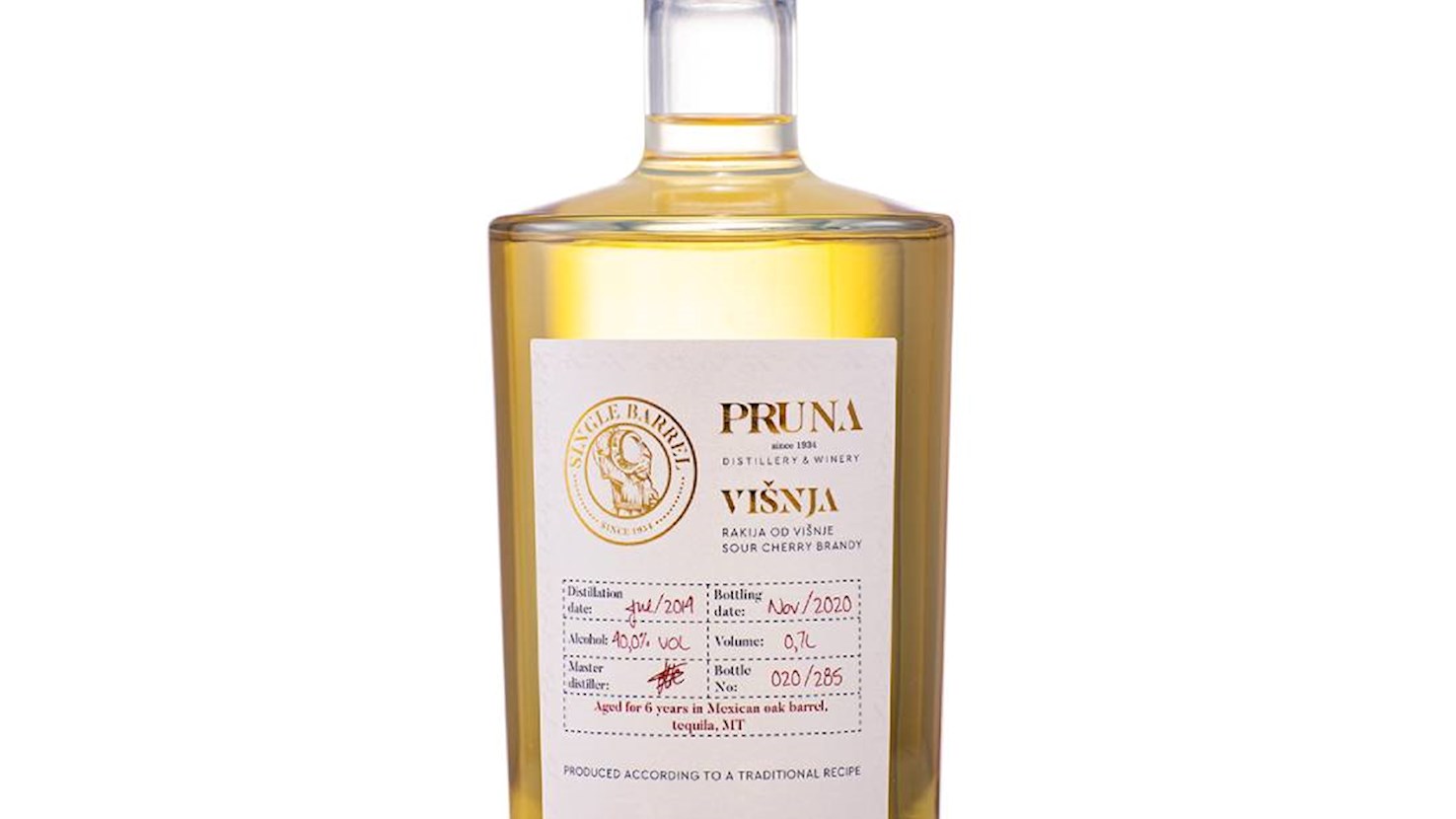
Pruna is a family-run distillery and winery built on a desire to revive a legacy and craft spirits with character, quality, and soul. Rooted in heritage and guided by a modern vision, Pruna brings together carefully cultivated fruit and thoughtful craftsmanship to create rakija, wine, and gin of exceptional authenticity.
From orchard to bottle, every stage—from harvest and fermentation to distillation and barrel aging—is carried out with precision and care, preserving the full essence and richness of each ingredient.
Their rakijas are produced in limited batches, with a strong focus on quality and a deep respect for tradition.
Whether it’s the depth of a well-aged plum rakija, the freshness of a refined gin, or the boldness of their wines, Pruna offers more than just drinks—they offer stories, memories, and moments captured in every glass.
Awards
ZGrappa festival - The World’s 15 Best Rakijas - Marin Levaj
(2025)
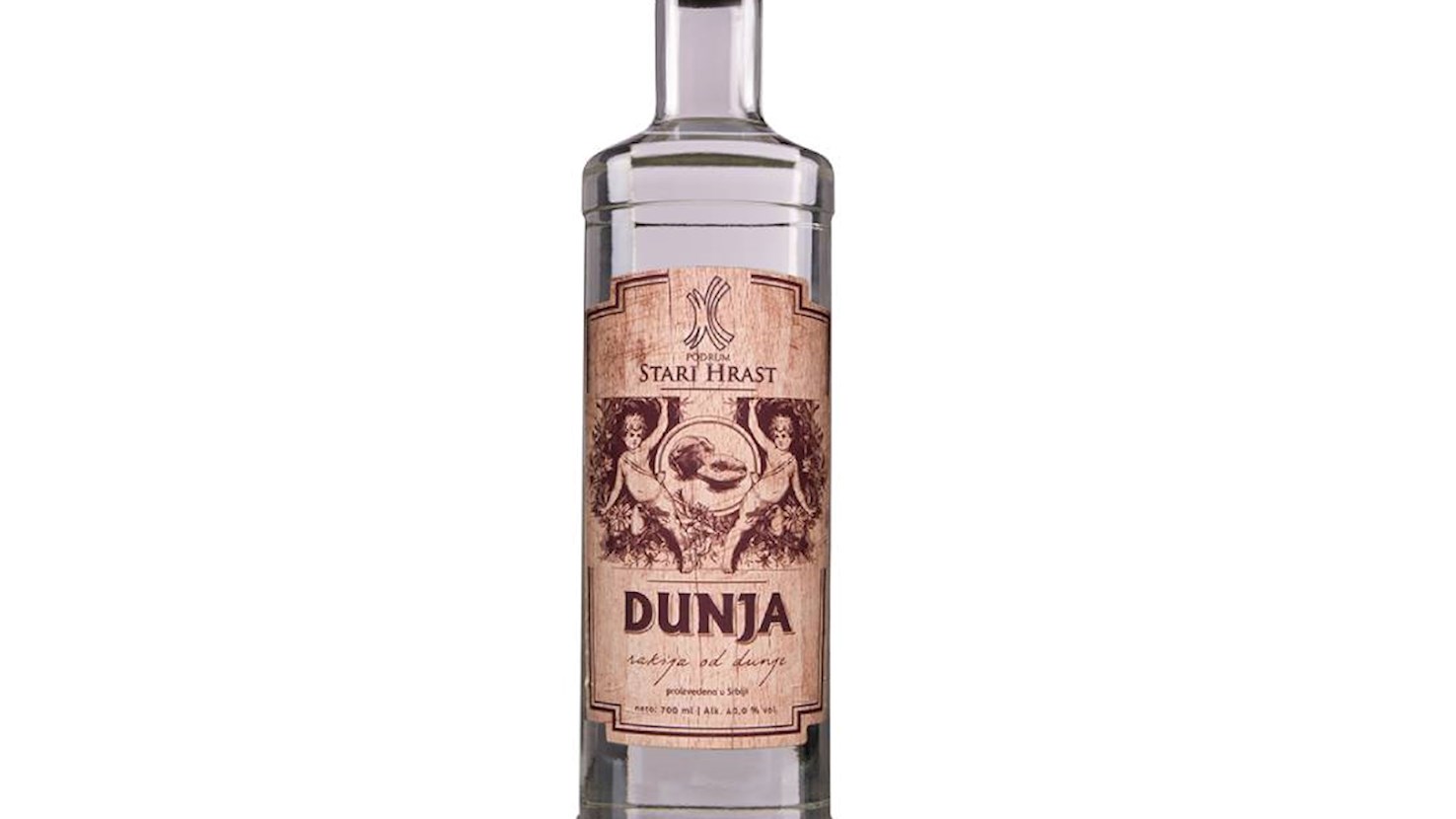
Stari Hrast Winery & Distillery is a family-run estate dedicated to crafting high-quality wines and traditional rakija that embody the spirit of Serbian land and heritage. Surrounded by fertile vineyards and orchards, the estate operates with deep respect for nature and a passion for time-honored practices passed down through generations.
Every bottle begins in the field — with carefully tended grapes and fruit — and is brought to life through skilled, small-batch production.
Their wines, made from both native and international grape varieties, are expressive, balanced, and crafted to reflect a sense of place and authenticity. The rakija, distilled using traditional copper stills, captures the pure essence of the fruit and offers a smooth, aromatic character.
By blending traditional craftsmanship with modern techniques, Stari Hrast creates products that are both rooted in history and attuned to contemporary tastes.
Whether poured into a wine glass or sipped from a rakija snifter, each drop tells a story of dedication, nature, and family. With growing recognition both locally and abroad, Stari Hrast continues to share the true flavors of Serbia with the world.
Awards
ZGrappa festival - The World’s 15 Best Rakijas - Marin Levaj
(2025)
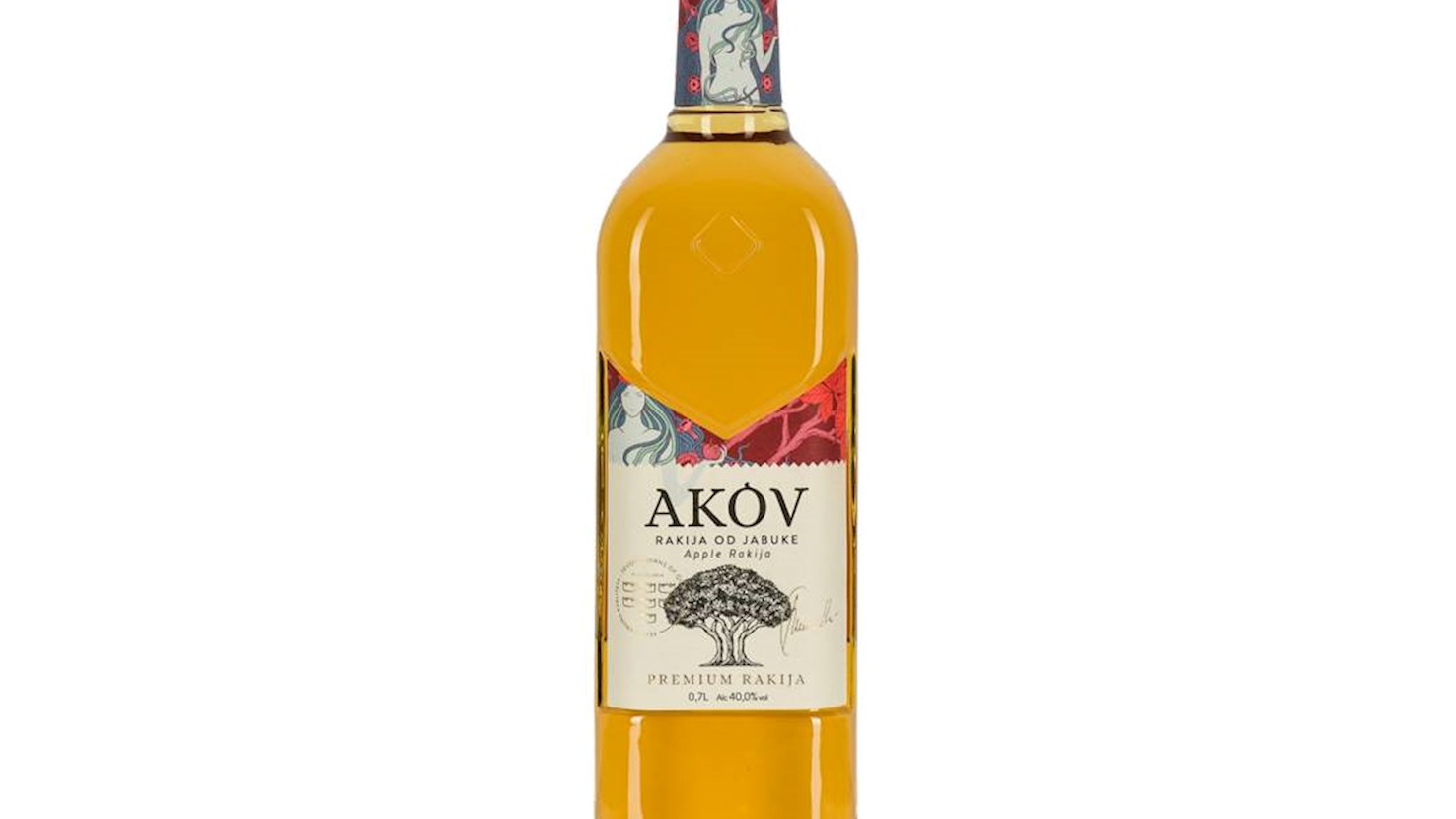
Akov is a distillery devoted to crafting premium fruit brandies through small-batch production, using only carefully selected, high-quality fruit. Its name comes from the traditional unit of measure "akó," symbolizing both heritage and a deep commitment to authenticity.
Each rakija is double-distilled in copper stills and aged in fine oak barrels, developing complexity, depth, and a refined character.
The production process blends modern standards with time-honored artisanal techniques, resulting in exceptional purity and layered flavor profiles. Akov brandies are known for their rich fruit aromas, smooth body, and long, elegant finish.
The portfolio includes distinctive rakijas made from plum, quince, apricot, pear, grape, and even carrot—each with its own unique personality.
What sets Akov apart is its philosophy: rakija is not just a product, but a story of craftsmanship, intuition, and emotion. These spirits are made for moments that matter, created with care and passion.
Every bottle reflects a balance of tradition and innovation, offering a true taste of refined Serbian distilling.
Awards
ZGrappa festival - The World’s 15 Best Rakijas - Marin Levaj
(2025)
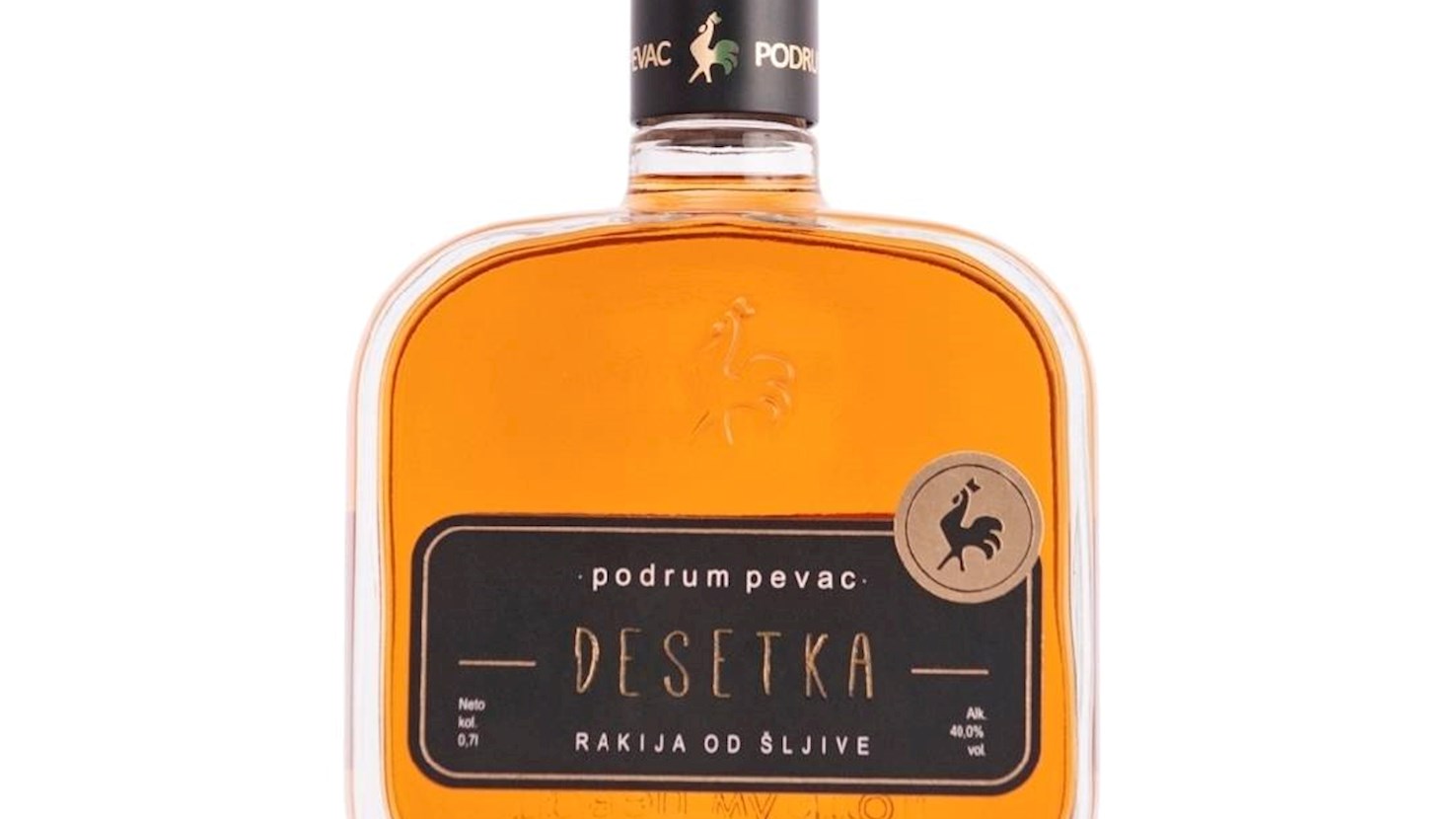
Podrum Pevac is a family-owned distillery and winery dedicated to crafting high-quality beverages with passion and precision. Blending heritage with modern techniques, every product that carries the Pevac name reflects a careful balance of tradition and innovation.
What sets Podrum Pevac apart is their attention to every detail—from their own orchards and vineyards, to sophisticated distillation and aging in oak barrels, all the way to thoughtfully designed labels.
Their plum brandies, vinjaks, herbal spirits, liqueurs, wines, and craft beers are all created with the intention of capturing nature, time, knowledge, and love in every bottle.
Whether you choose the elegant Desetka—a 10-year-aged plum brandy—the comforting warmth of Debeljko liqueur, or the fresh fruitiness of their wines, Podrum Pevac offers an authentic taste of craftsmanship at its finest. Through awards, international presence, and a loyal following, they continue to prove what their customers already know—Pevac is a name that stands for quality.
Awards
IWSC- International wine & spirit competition - Silver
(2024)
ZGrappa festival - The World’s 15 Best Rakijas - Marin Levaj
(2025)
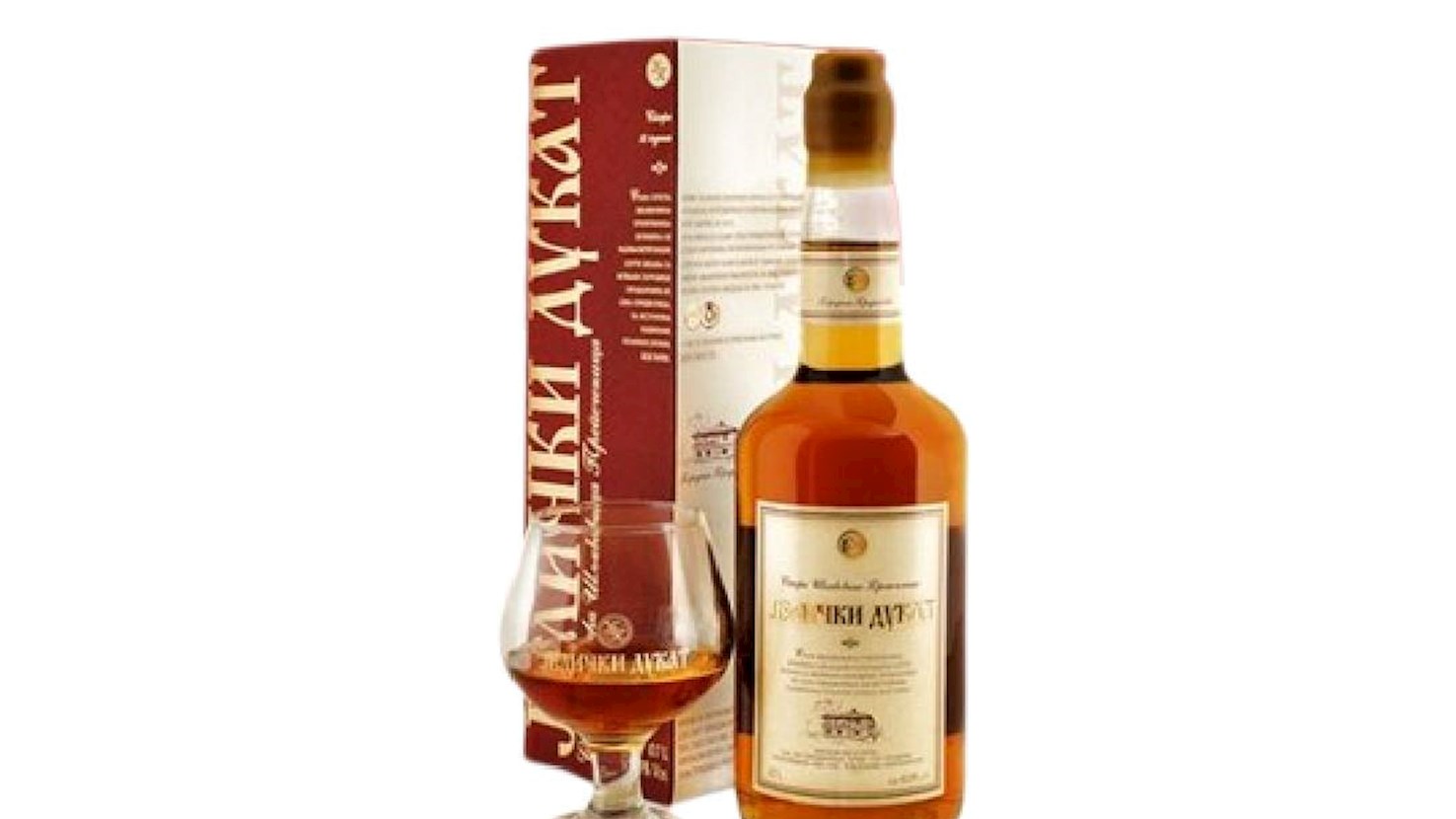
The producer of Jelički Dukat rakija is the family-owned estate PP “Pridvorica”, run by the Prodanović family from the village of Pridvorica, nestled on the eastern slopes of Mount Jelica near Čačak. The family’s distilling tradition dates back to the 18th century, and today, their knowledge and dedication are reflected in every detail—from the cultivation of plums to the final drop of rakija.
This long and meticulous aging process gives the rakija its rich flavor and aroma, a distinctive golden-amber color, and a refined, noble character.
Production takes place in the family’s own cellars under strict quality control, and numerous awards—including gold medals and Champion of Quality titles at the Novi Sad Fair—attest to the high standards Jelički Dukat consistently upholds.
Jelički Dukat is more than just rakija—it's a true expression of family heritage, love for the land, and respect for traditional values.
Awards
ZGrappa festival - The World’s 15 Best Rakijas - Marin Levaj
(2025)
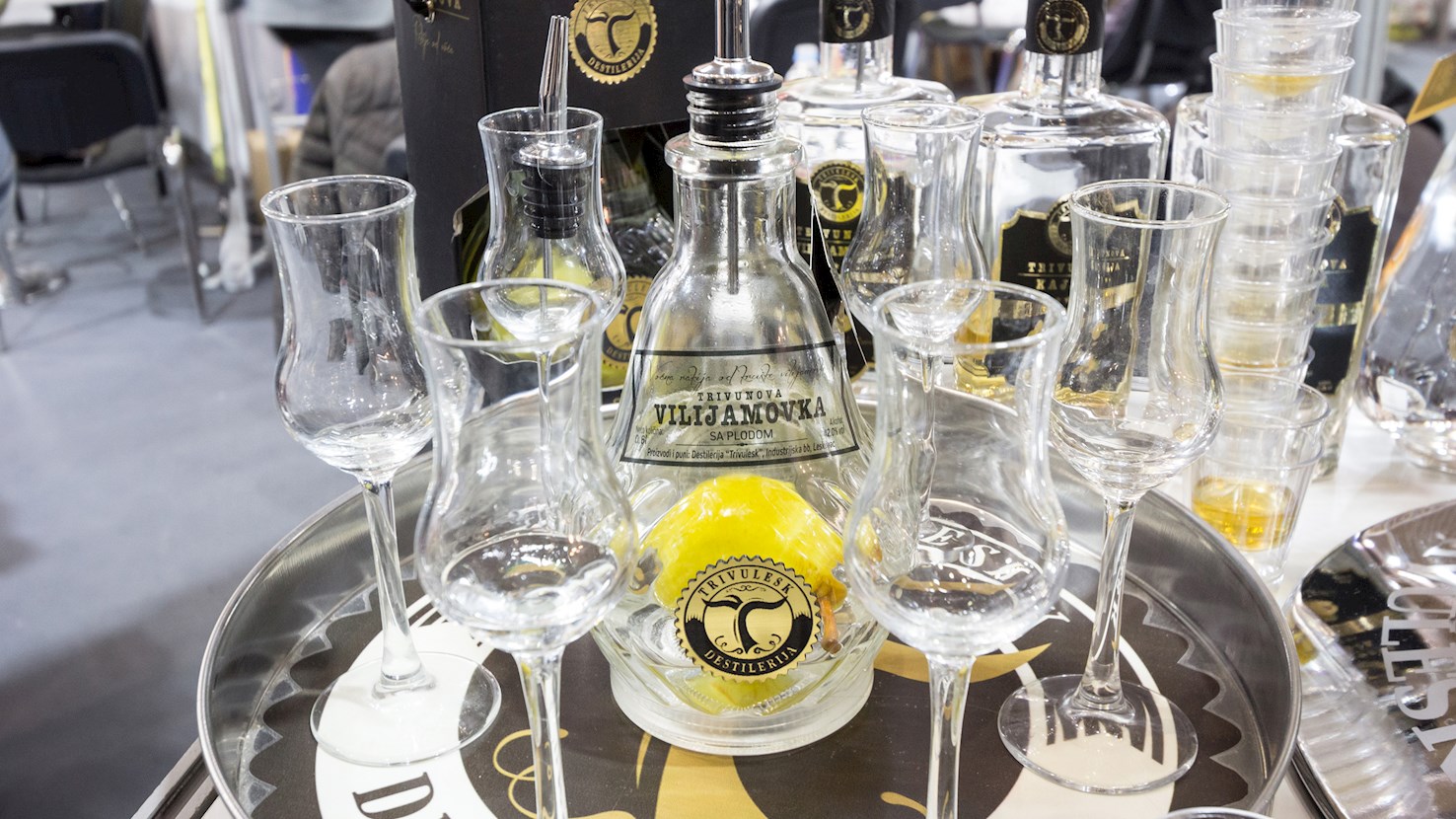
Viljamovka is a type of fruit brandy (rakija) that is distilled from Williams pear. This mellow and aromatic spirit is produced and enjoyed in several Balkan countries. It is often regarded as the finest type of fruit brandy produced in the region. Viljamovka is made with fresh, ripe pears that are fermented before they are distilled. The result is a clear and colorless spirit that typically has an intensive pear aroma, mellow flavor, and a long, warming finish. Viljamovka is traditionally enjoyed as an aperitif. It should always be served well chilled. Some producers leave the whole pears inside the bottle—this is achieved by placing the bottle on the branch while the fruit is still young and then allowing it to grow and ripen in the bottle. The fruit is then cut off, and the bottle is removed and filled with distilled brandy. Other types of pear brandies are also produced, but they usually have a generic name kruškovača—kruška translates as pear.
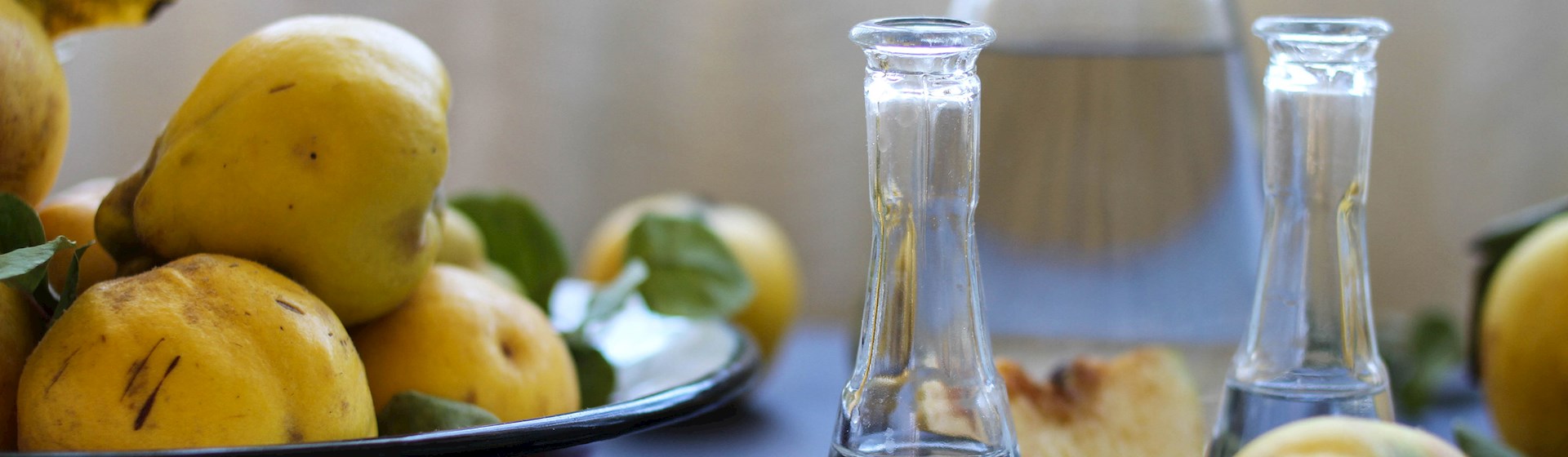
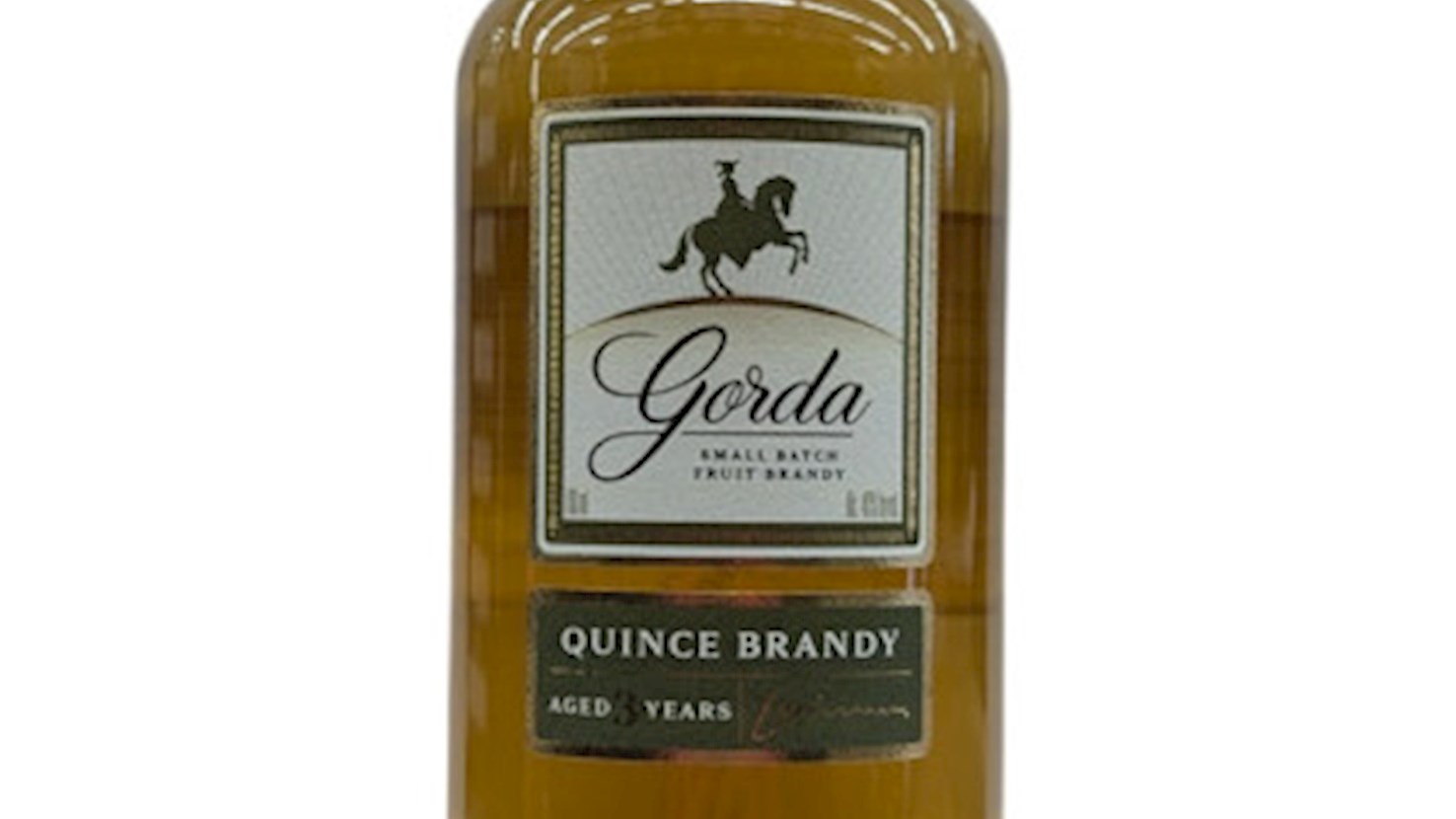
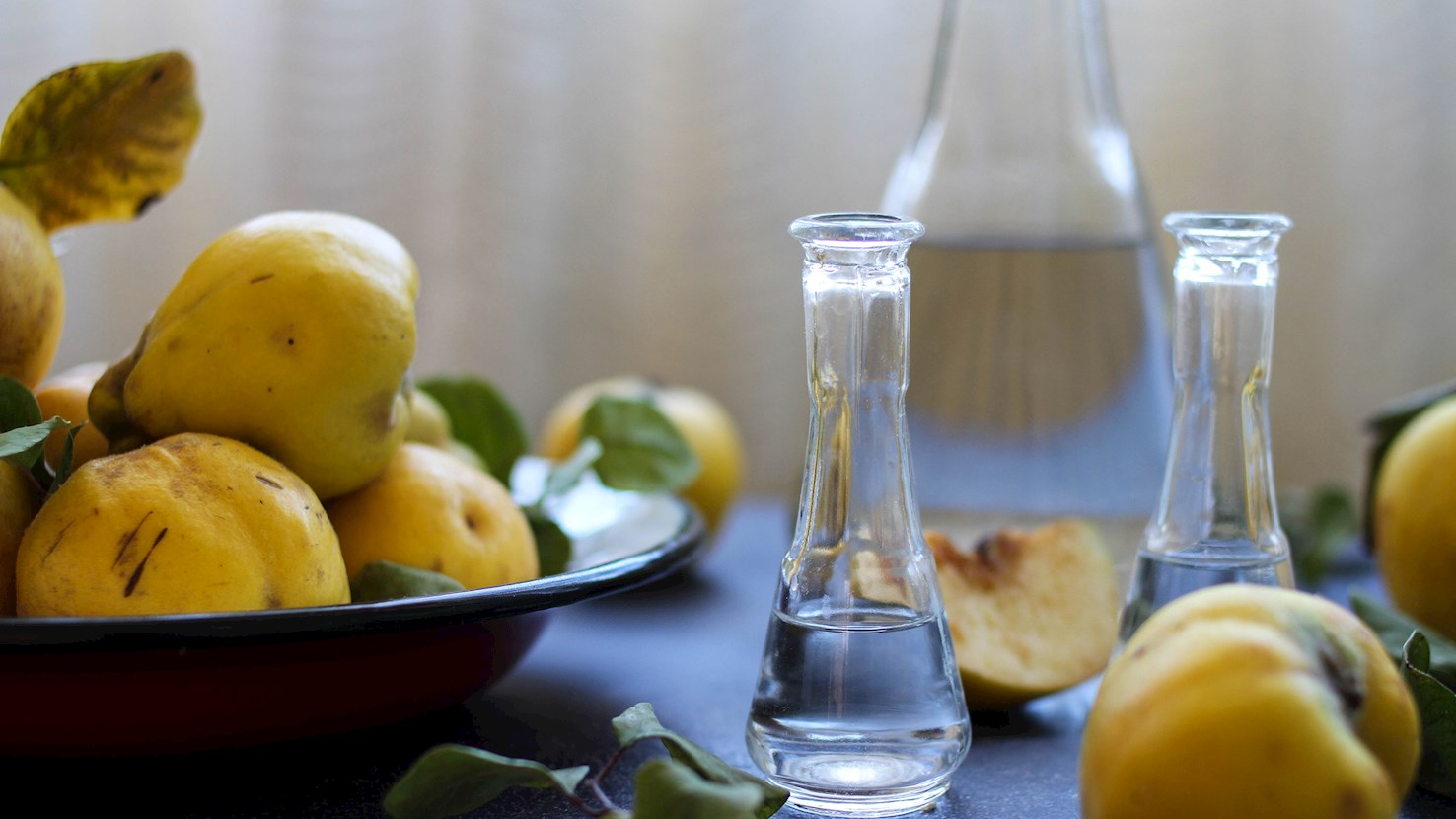
Dunjevača (rakija od dunje) is a clear and colorless spirit distilled from ripe fermented quinces. This fruit brandy—known as rakija—is one of the most popular spirits in the Balkans and is usually of excellent quality. Dunjevača is a potent spirit (40% ABV) that has a pleasant quince aroma. Most examples are colorless, but some producers opt for oak-aging, which typically imparts golden color and woody notes. Dunjevača is served neat, preferably well chilled. It is mainly enjoyed as an aperitif.
Šljivovica, internationally known as slivovitz, is a clear, potent drink that is distilled from fermented plums. It is produced throughout Central and Eastern Europe—namely Serbia, Croatia, Bosnia and Herzegovina, Slovenia, Hungary, Slovakia, Czech Republic, Bulgaria, Poland, and Romania. Depending on tradition and the desired taste profile, šljivovica can be distilled once or multiple times, and it benefits from aging in oak which can significantly improve its flavor, color, and aroma. The drink has a long tradition in each region where it is produced, and although it was mainly associated with home production, nowadays there are multiple regional brands available on the market. Regardless of the varieties, šljivovica is always enjoyed neat, preferably served well-chilled in a shot glass. In 2007, various Slavic states reached an agreement with European Union which allowed each country to name their version and protect it under the desired name.
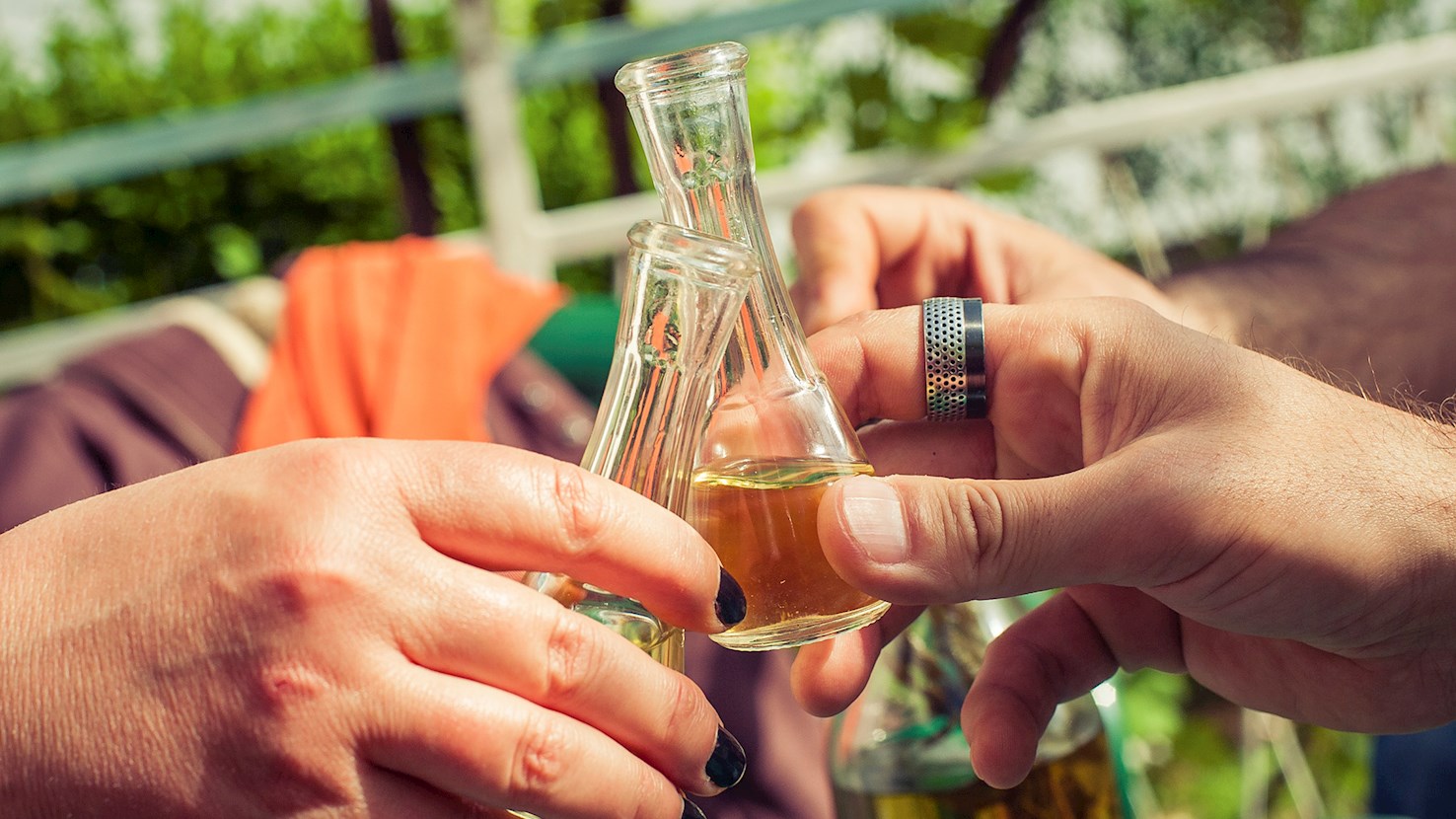
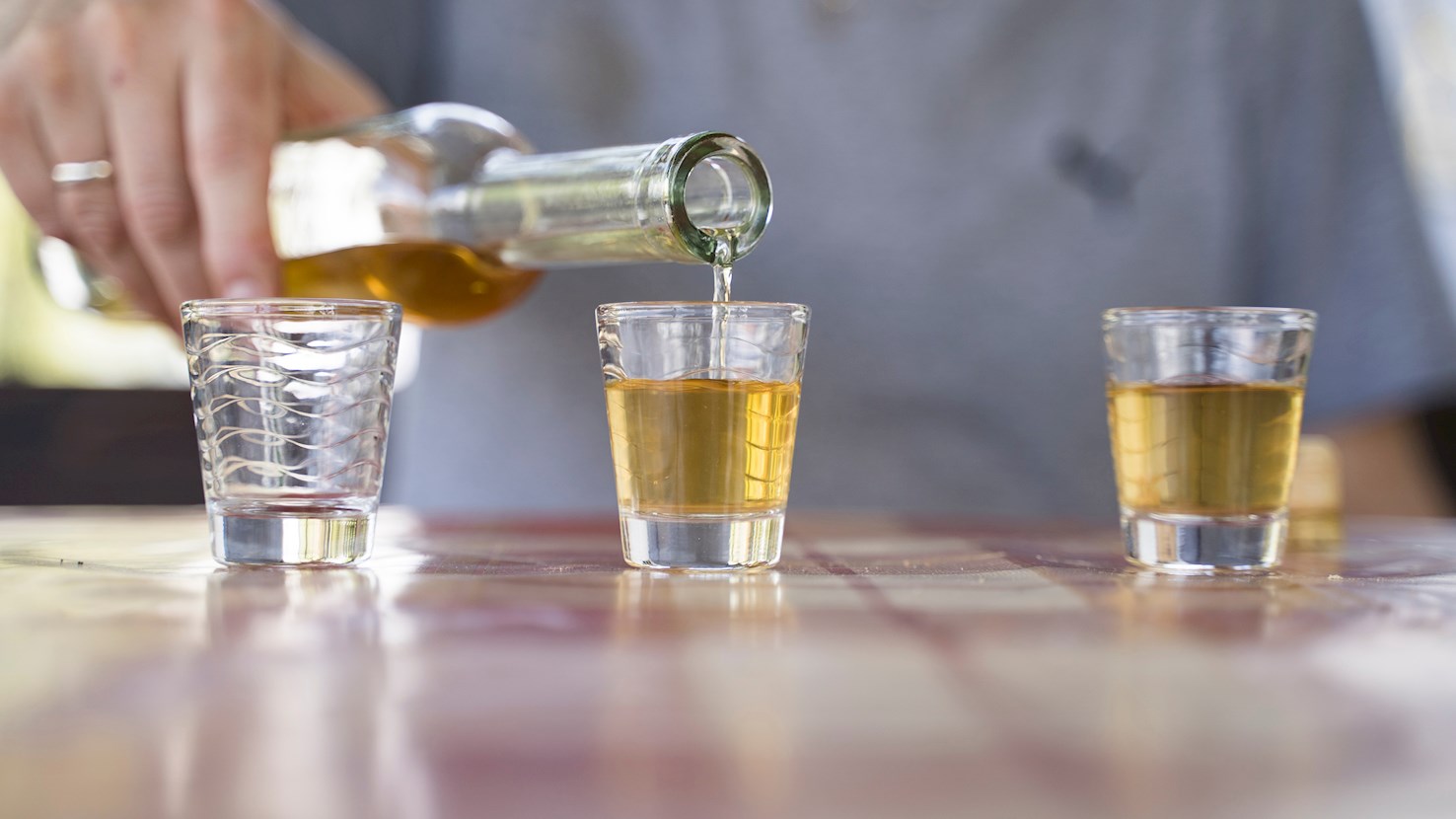
Rakija is a universal term used for various fruit brandies produced in several Balkan countries (Southeast Europe). This strong spirit is distilled from different fruit and is sometimes additionally flavored or used as a liqueur base. The most common versions are made from plums (šljivovica), Williams pear (viljamovka), quinces (dunjevača), apricots (kajsijevača), apples (jabukovača), grapes (lozovača/komovica), and many more. Rakija has present in the region for centuries. It is mainly associated with Croatia, Serbia, Bosnia, Montenegro, and North Macedonia. Although fruit brandies are produced in other European countries and regions, in the Balkans, rakija is a household name and has a large following among all generations. This potent spirit typically falls between 40% to 60% ABV. It is usually served neat, preferably well chilled, in a shot glass. Rakija is primarily a social beverage meant to be consumed with friends or as a welcome drink. Locals also like to believe that rakija is a terrific health remedy, and they use it boosts their immune system or ease any minor medical problems. Rakija can be in the form of a pure distilled spirit, but sometimes it is flavored with herbs and fruits. Many producers often use rakija as a liqueur base, but although these liqueurs are often labeled as rakija—such as orahovac made with walnuts or honey-flavored medica—they are technically liqueurs and not fruit brandies. Although rakija holds a reputation as a crude and harsh drink, many producers try to break away from its traditional image and create exceptional labels, which they promote as savoring and sipping drinks.
Komovica is a type of pomace brandy that is produced in the Balkans. It is distilled from fermented pomace—solid components of grapes that are left after the juice has been pressed. The resulting drink is a potent, clear, and colorless spirit. After distillation, the spirit is usually aged to attain smoother and more mellow character. Komovica can be enjoyed on its own, but it is also often used as a base for other types of rakija—signature spirit from the Balkans—and various types of liqueurs and macerates.
Višnja rakija is a cherry-infused fruit brandy originating in the Balkans, where it has long been produced as a popular home-distilled beverage and a specialty in small family distilleries. The drink is made by steeping sour cherries in clear fruit brandy, most often a type of rakija distilled from plums or grapes. Over several weeks or months, the cherries macerate in the alcohol, gradually releasing their color, aroma, and natural sugars into the spirit. This process yields a rich red liqueur with a balanced profile that combines the tartness of sour cherries with the smooth, warming quality of rakija. To prepare višnja rakija, ripe cherries are washed and pricked or lightly crushed to help the flavor develop fully during infusion. They are then submerged in brandy inside glass containers, usually with sugar added to soften the acidity and enhance the depth of flavor. The mixture is stored in a cool, dark place and stirred or gently shaken from time to time to keep the infusion even. After sufficient aging, which can last anywhere from four weeks to several months, the liqueur is strained and bottled. Some producers leave whole cherries in the bottle, both for visual appeal and for continued flavor development over time. Višnja rakija is typically served chilled or at room temperature in small glasses, either as an aperitif or an after-dinner digestif. It is appreciated for its smooth texture and a characteristic balance of sweetness and sour cherry tang. In Serbia and other parts of the Balkans, it is a popular offering for guests on festive occasions and family gatherings. Many households make their own versions using family recipes that specify the proportion of cherries, sugar, and the base rakija. Commercially bottled višnja rakija has also gained recognition for its consistency and quality, with some distilleries exporting to international markets where Balkan spirits are increasingly appreciated.
Kruškovača is a fruit brandy produced in the Balkans, especially in Serbia and Croatia, where it is made by distilling fermented pear mash. The name comes from the word “kruška,” meaning pear, and reflects the clear link between the fruit and the finished spirit. To prepare kruškovača, ripe pears are carefully selected, washed, and crushed into a pulp that includes the juice, skins, and in some cases, seeds. The mash is placed in fermentation tanks or barrels, where natural or cultured yeasts convert the sugars into alcohol over a period that can last two to three weeks, depending on the temperature and variety of pear. Once fermentation is complete, the mash is gently distilled in copper stills to separate and concentrate the alcohol. The distillation process is usually carried out in two stages to achieve a clean, aromatic spirit that preserves the delicate fragrance of ripe pears. Kruškovača is typically bottled unaged, retaining its crystal-clear appearance, though some producers briefly mature it in stainless steel or glass vessels to allow flavors to integrate. The aroma is fresh and lightly floral, with notes of ripe pear flesh and subtle hints of stone fruit. Alcohol content generally ranges between 40 and 45 percent, giving kruškovača a smooth yet warming character. The brandy is served neat in small glasses, often at room temperature, and is appreciated both as an aperitif and a digestif. It is commonly enjoyed on festive occasions and family gatherings, offered to guests as a gesture of hospitality. In rural areas, homemade kruškovača is still widely produced using pears grown in private orchards, while larger distilleries make consistent bottled versions that are sold across the region and exported to specialty markets. Some variations include placing a whole pear inside the bottle during production, a practice that requires enclosing the growing fruit in glass so it matures inside the container.
Jabuka rakija is an apple brandy produced in the Balkans, particularly in Serbia and Croatia, where distilling fruit spirits has been an integral part of rural life for generations. The drink is made by fermenting crushed apples and then distilling the resulting mash into a clear, fragrant spirit. It is known for its smooth, clean taste with pronounced apple aroma and a soft finish. The process begins with selecting ripe apples, which are washed, crushed, and left to ferment in large barrels or tanks. Natural yeasts convert the sugars into alcohol over a period of several weeks. When fermentation is complete, the mash is carefully distilled in copper stills to preserve the delicate apple character and remove unwanted impurities. The first distillation yields a raw spirit, which is often distilled again to achieve higher purity and a refined flavor. The resulting rakija is typically clear and bottled directly after resting or mild aging in stainless steel or glass vessels. Some producers choose to mature jabuka rakija in wooden barrels for a smoother texture and more complex taste, though this is less common than with plum or grape rakija. The alcohol content usually ranges between 40% and 45%, depending on local customs and producer preferences. Jabuka rakija is served in small glasses and enjoyed as an aperitif or digestif, often alongside meze platters of cured meats, cheese, and pickled vegetables. In many households, it is also offered to guests as a gesture of hospitality. The flavor profile is gentle and fruity, making it approachable compared to stronger, more assertive rakija varieties. In parts of Serbia, it is particularly popular in regions with established apple orchards, where the fruit is cultivated both for fresh consumption and for distilling. It is not unusual for families to produce their own batches each autumn when apples are harvested in abundance.
Mastika is a clear, aromatic spirit produced in Bulgaria, North Macedonia, and parts of Serbia, flavored with mastic resin, anise, or a combination of the two. It is widely consumed in bars, restaurants, and homes throughout the Balkans and is bottled by both large commercial distilleries and smaller local producers. The alcohol content usually ranges between 40 and 50 percent, and the drink is known for its sweet aroma, mild herbal character, and the distinct resinous note imparted by mastic. Although mastika shares certain characteristics with Mediterranean anise spirits such as ouzo and rakı, it has its own established profile within Balkan drinking culture, shaped by local taste preferences and regional distilling practices. Mastika emerged within the broader distillation traditions of the Balkans, where grape-based spirits such as rakia have long been produced. Distillers began flavoring clear spirits with mastic resin brought from the eastern Mediterranean or with anise grown in the region. Bulgaria adopted mastika on a large scale, incorporating it into commercial production during the twentieth century, while North Macedonia developed its own variations. The use of mastic resin distinguished it from other flavored spirits in the region, and the drink gained popularity as a flavored alternative to grape brandy. In some areas, producers used anise either to enhance the flavor or to replace the resin when supplies were limited, resulting in a range of styles that vary from strongly resinous to predominantly anise-based. Mastika is made by infusing a distilled base spirit—typically derived from grapes or grain—with mastic resin or aniseed. The flavoring may be added directly to the alcohol or combined before a second distillation that clarifies the spirit and concentrates its aroma. Some producers add sugar to achieve a smoother, slightly sweet finish. When mixed with water or ice, mastika often becomes cloudy due to the separation of essential oils, a characteristic shared with other anise-flavored spirits. Its flavor is both sweet and herbal, with a soft resin note that defines the drink in its resin-forward versions. Mastika is consumed across the Balkans as an aperitif or a social drink, commonly served chilled or over ice. It can be mixed with water to reduce its intensity or consumed neat in small glasses. It is paired with salads, grilled meats, cheeses, olives, and other small appetizers found in Balkan cuisine. In warm months, it is frequently enjoyed outdoors and in casual social settings, while in restaurants it accompanies shared dishes and light starters. Outside the region, mastika appears in Balkan specialty restaurants and among communities maintaining regional drinking customs, where it is valued for its distinctive combination of sweetness, resin, and herbal notes.
Kajsijevača is an apricot rakija distilled mainly in Serbia, where fruit brandy holds an established place in rural and urban life. This spirit is produced by fermenting ripe apricots and distilling the mash to create a clear, fragrant drink with a soft, slightly sweet aroma that sets it apart from plum or grape rakija. The production starts with carefully selected apricots that are washed, destoned, and sometimes lightly crushed to release their juice and natural sugars. Fermentation takes place in closed containers, often lasting two to three weeks, depending on temperature and sugar content. As the fruit ferments, natural yeasts convert sugars into alcohol, producing a thick, aromatic mass ready for distillation. Distilling kajsijevača typically happens in copper stills, where the mash is heated gently to separate alcohol vapors while preserving the fruit’s distinct character. Some distillers use double distillation to achieve higher purity and a smooth finish. The resulting rakija is usually bottled clear, though limited quantities may be aged in glass or stainless steel vessels to allow flavors to settle and mellow. A small number of producers age kajsijevača in wooden barrels, which adds additional complexity and softens the edges, but most prefer the clean, unaged style that showcases the pure apricot aroma. Alcohol content generally ranges between 40 and 45 percent. Kajsijevača is served at room temperature in small glasses, typically as an aperitif or during festive occasions such as family gatherings and holidays. It is common for hosts to offer it to guests as a sign of welcome. The spirit’s smoothness and fruit-forward character make it accessible even to those less familiar with stronger brandies. In Serbia and neighboring countries, distilling fruit rakija at home is still widespread, and many families prepare small batches each summer when apricots are in season. Larger distilleries also produce bottled versions that are sold across the region and exported to specialty markets.
TasteAtlas food rankings are based on the ratings of the TasteAtlas audience, with a series of mechanisms that recognize real users and that ignore bot,
nationalist or local patriotic ratings, and give additional value to the ratings of users that the system recognizes as knowledgeable.
TasteAtlas Rankings should not be seen as the final global conclusion about food. Their purpose is to promote excellent local foods,
instill pride in traditional dishes, and arouse curiosity about dishes you haven’t tried.
The initial list of top producers was compiled based on available reviews, awards, local recommendations, media and blog coverage, and consumer reviews.
The list will be updated with ratings from TasteAtlas local ambassadors and TasteAtlas users.










What People Say