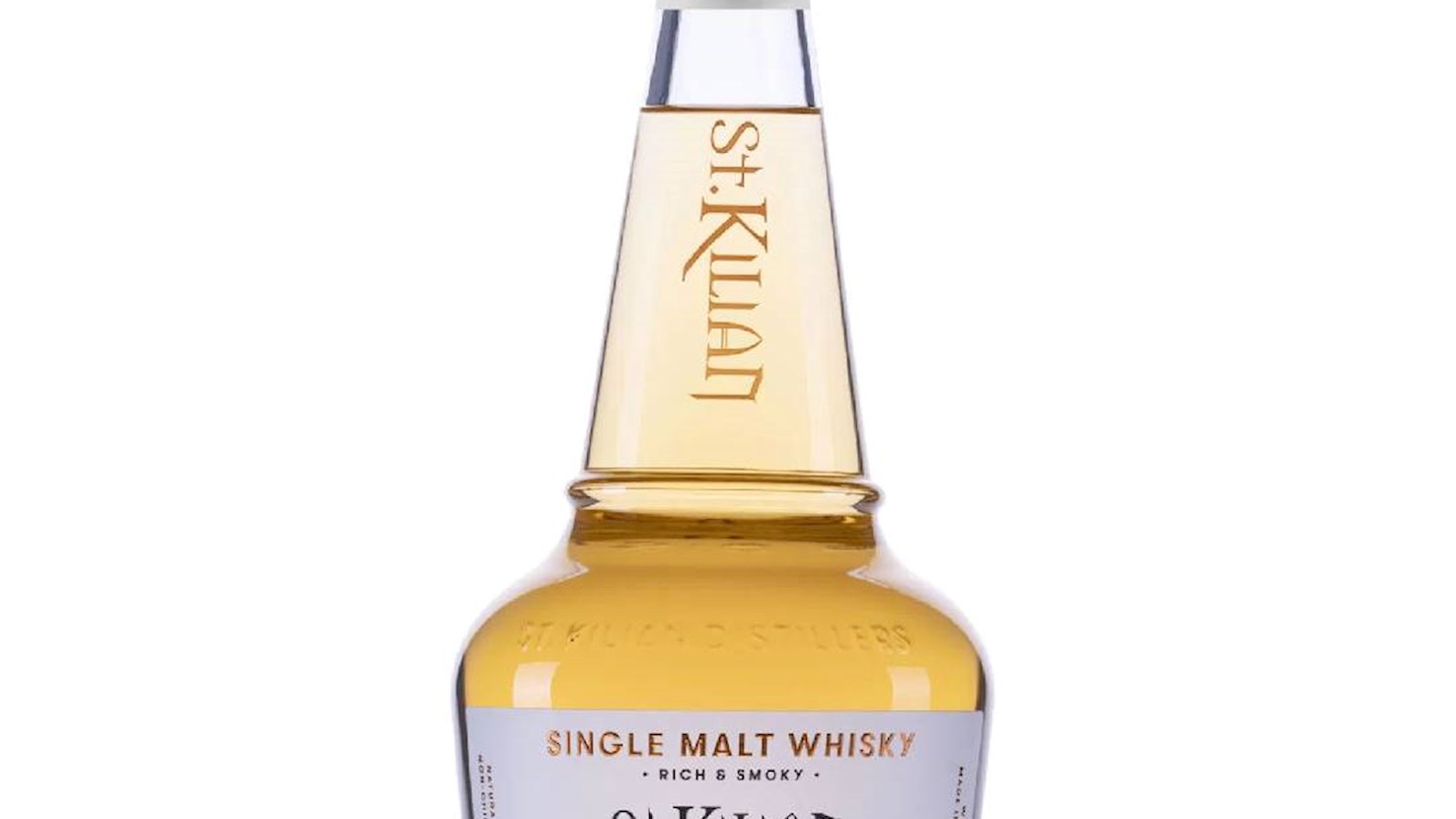
St. Kilian Distillers is a German single malt whisky distillery founded in 2012 in Rüdenau, Bavaria. Located in a former textile factory, the distillery is named after St. Kilian, an Irish-Scottish missionary who worked in Würzburg. St. Kilian Distillers is renowned for its innovation and diverse product range, including special editions created in collaboration with famous personalities and musical bands. Their "White Dog" won the award for the best in the world in 2018.
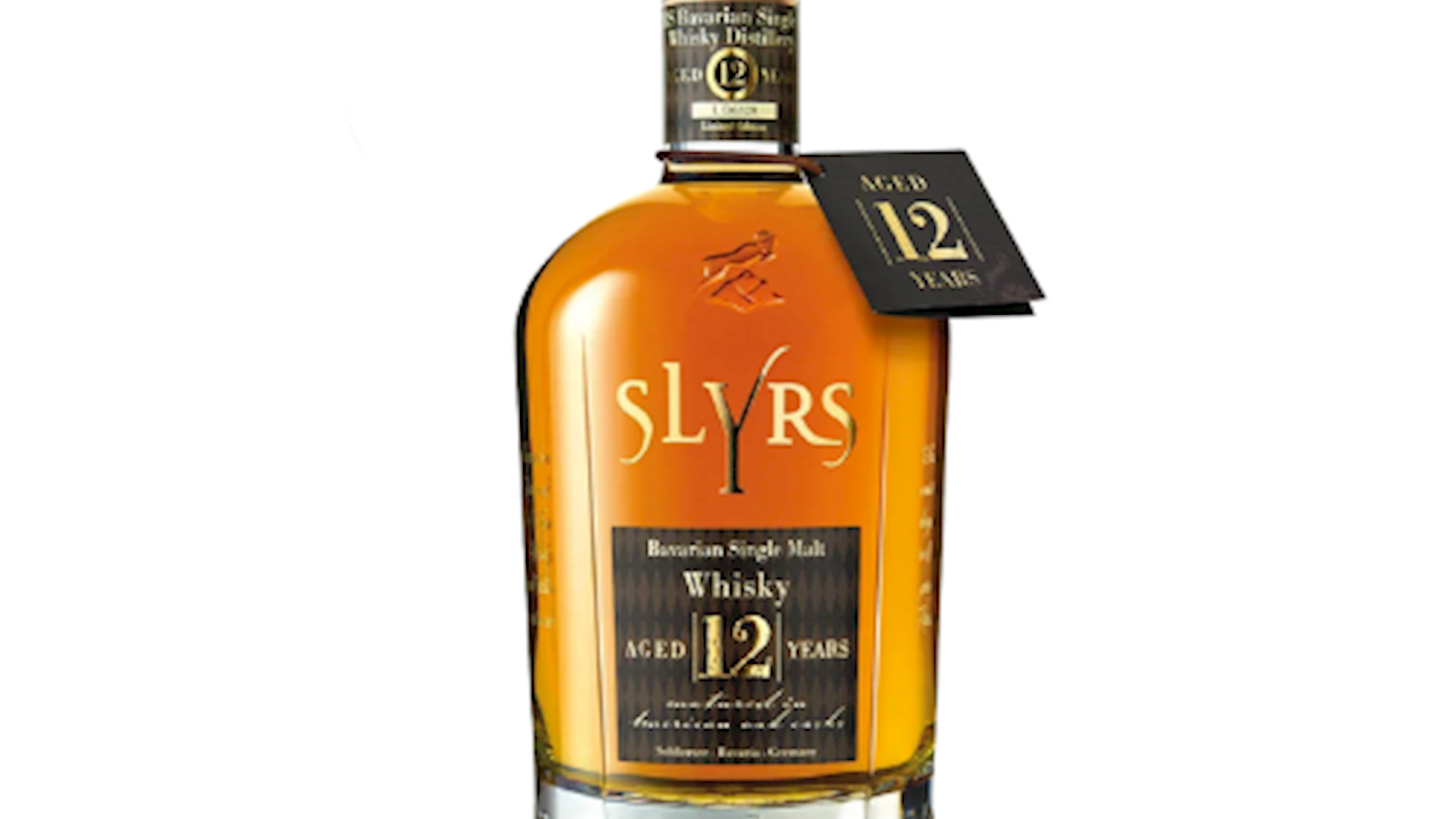
Slyrs Distillery is a pioneering German whisky distillery located in Schliersee, Bavaria, founded in 1999 and widely regarded as a benchmark for Bavarian single malt whisky. Inspired by Scottish whisky-making traditions but firmly rooted in its Alpine environment, Slyrs produces single malt whisky from Bavarian malted barley and pure Alpine spring water. Distillation takes place in traditional copper pot stills, followed by maturation primarily in new American white oak casks, with additional expressions finished in sherry, port, or other specialty barrels. The continental Alpine climate - marked by warm summers and cold winters - accelerates interaction between spirit and wood, resulting in whiskies that are typically rounded, expressive, and gently fruity, with notes of vanilla, malt, spice, and soft oak. Over the years, Slyrs has built a strong reputation both in Germany and internationally, combining regional identity, technical consistency, and a clear house style. The distillery is also positioned as a visitor destination, offering tours and tastings that emphasize transparency and craftsmanship, reinforcing its role as a leading figure in modern German whisky production.
Awards
IWSC- International wine & spirit competition - Spirit Gold
(2019)
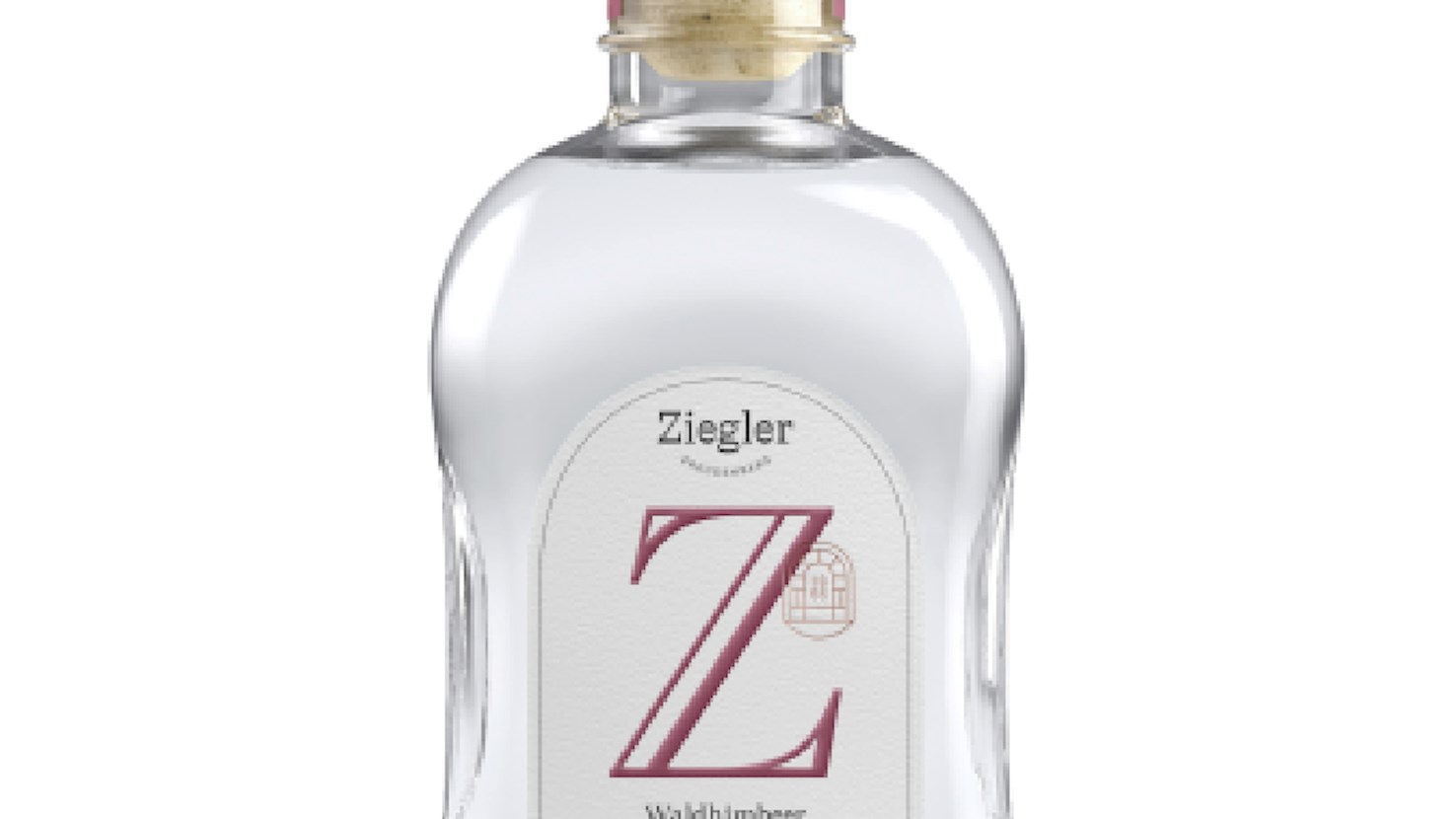
Brennerei Ziegler, founded in 1865 in Freudenberg am Main, Germany, is renowned for its high-quality fruit brandies, spirits, liqueurs, and whisky. The distillery emphasizes traditional craftsmanship, with experienced artisans overseeing every step from fruit harvesting to bottle labeling. This dedication to quality has established Ziegler as a leading name in the industry.
Awards
IWSC- International wine & spirit competition - Spirit Gold
(2024)
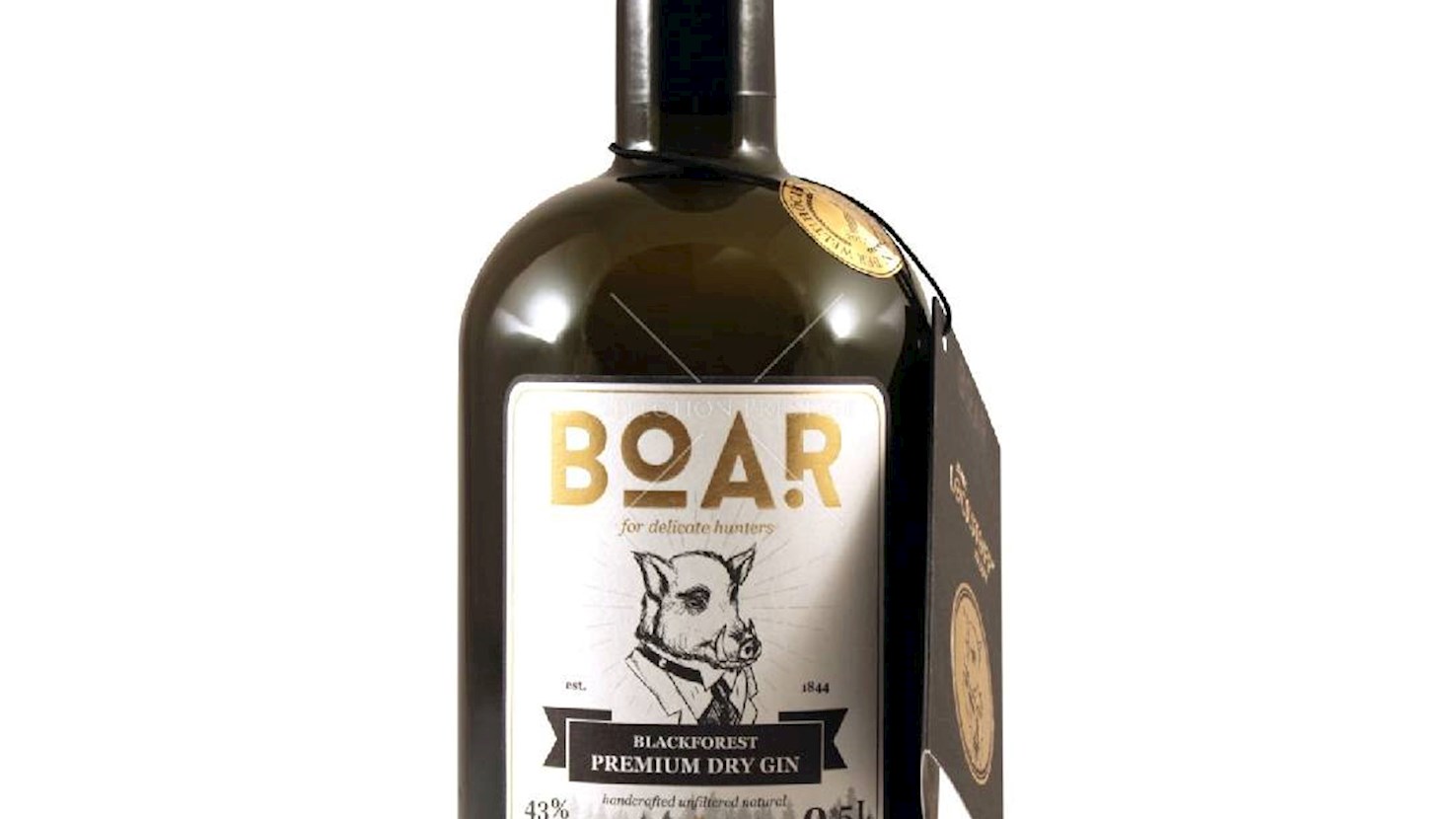
BOAR Gin is crafted by a family-owned distillery located in the heart of the Black Forest region in Germany. This distillery combines tradition with innovation to produce a premium gin known for its exceptional quality. The name "BOAR" reflects the local heritage, as wild boars are native to the surrounding Black Forest. What sets BOAR Gin apart is its unique infusion with Black Forest Burgundy truffle, a rare and valuable ingredient that harmonizes the flavors and gives the gin its distinctive complexity. The gin is also made with pure mineral-rich spring water sourced directly from the family’s estate, ensuring a natural and smooth taste. The production process is meticulous, with small-batch distillation ensuring attention to detail and consistency in quality. Each step, from selecting botanicals to bottling, is done by hand to maintain the highest standards. BOAR Gin has gained international recognition, earning numerous awards, including the title of "World's Best Gin" and "Best Clear Spirit" at the Global Spirit Awards in Las Vegas.
Awards
European Spirits Challenge - Gold
(2024, 2023)
IWSC- International wine & spirit competition - Silver
(2024)
The distillery emphasizes the use of local, hand-picked fruits and premium ingredients, ensuring each bottle reflects the unique character of the Black Forest. Bimmerle KG is committed to sustainability, being the first German distillery to meet its heat and energy needs from regional resources. Their production process includes maceration, fermentation, distillation, maturation, and bottling, all conducted with a focus on quality and efficiency.
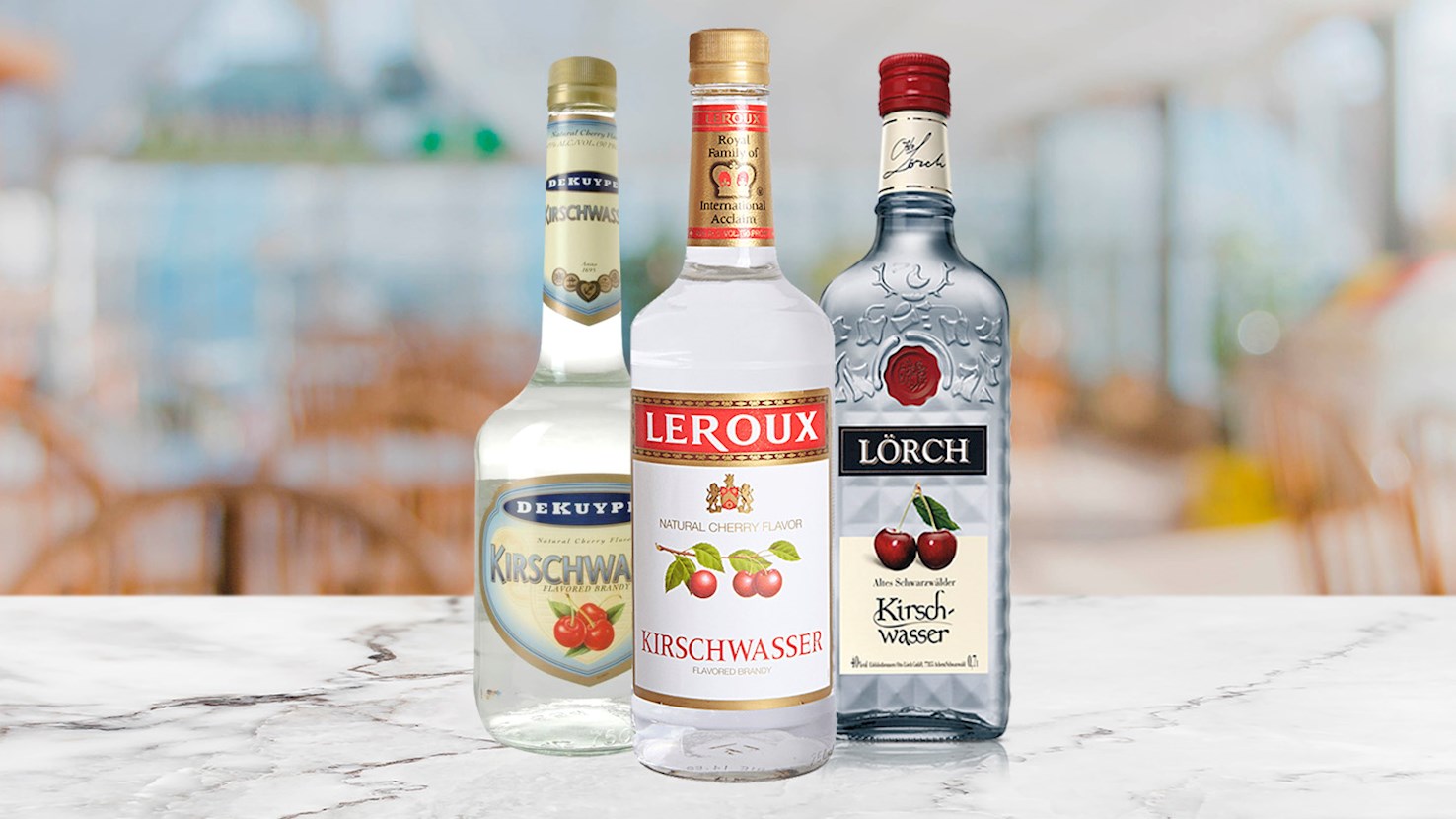
This clear, colorless fruit brandy is double-distilled from the fermented cherry mash. Because it was originally produced with sour morello cherries, it is believed that it first appeared in Schwarzwald, Germany, where the morello cherries were traditionally cultivated. The drink is mainly produced in Germany, Austria, Alsace, and Switzerland, with various, local cherry varieties. Because cherry pits are also crushed in the process, kirschwasser is characterized by its cherry notes, pungent flavor, and mild bitter-sweet finish. It can be served as an aperitif or a digestif, preferably well-chilled and over ice, but it also incorporates well into cocktails, desserts, cheese fondue, or even espresso.
Bayerischer Gebirgsenzian is a Bavarian spirit distilled from the roots of wild gentian plants that grow in the alpine and subalpine meadows of southern Germany. The name translates to “Bavarian mountain gentian,” emphasizing both the origin of the raw material and the regional identity of the drink. It belongs to a broader category of alpine schnapps that have been produced in the German-speaking regions of the Alps for generations, prized for their intensely bitter flavor and their use as a digestive after hearty meals. Production begins by harvesting the thick roots of yellow gentian, a plant known botanically as Gentiana lutea. The roots are carefully cleaned and finely chopped before being fermented in water to extract their aromatic and bitter compounds. After fermentation, the mash is distilled slowly in copper pot stills, resulting in a clear, high-proof distillate with a distinct earthy aroma. Unlike many fruit-based schnapps, Bayerischer Gebirgsenzian is not sweetened, which leaves it with an uncompromisingly dry, robust taste. The finished spirit is typically bottled at 38–40% alcohol by volume. Bayerischer Gebirgsenzian is usually served in small glasses at room temperature, sipped slowly to appreciate the strong bitterness that lingers on the palate. Its flavor is sometimes compared to other European bitter liqueurs, but it is more austere and earthy, without added sugar or aromatic herbs. In Bavaria, it is especially popular in mountain inns and alpine huts, where it is offered to guests as a digestive after meals of sausages, smoked meats, or rich stews. Over time, this spirit has become closely associated with alpine culture and the idea of harvesting and preserving mountain plants. Because gentian grows slowly and is protected in many areas, harvesting is carefully regulated to prevent overexploitation, and some producers cultivate gentian specifically for distillation.
Schwarzwälder Kirschwasser is a clear distilled fruit spirit made from sour cherries and produced in the Black Forest region of southwestern Germany, where it is recognized as a geographically defined agricultural distillate rather than a flavored liqueur. Its emergence is tied to the long cultivation of small dark cherries in the Black Forest and to local distillation practices that developed in response to surplus fruit and restrictive grain usage, leading farmers to ferment and distill cherries as a way to preserve value and concentrate alcohol without added sugar, while regional regulations gradually formalized production standards tied to place and raw material. Preparation begins with fully ripe cherries that are crushed whole, including the stones, then fermented without added yeast so that natural sugars convert to alcohol, after which the mash is distilled slowly in copper stills, separating the clear spirit from heavier compounds, and the resulting distillate is rested in inert containers rather than wood to preserve its transparent appearance and sharp fruit profile. Serving is restrained and precise, with kirschwasser poured in small amounts into narrow glasses and consumed neat at room temperature, emphasizing aroma rather than volume, and it is also used as a structural ingredient in baking and desserts, most notably as a component in Black Forest cake where it provides alcoholic depth without sweetness. What sets Schwarzwälder Kirschwasser apart is the inclusion of cherry stones during fermentation, which contributes subtle almond-like notes through natural benzaldehyde, and the absence of sugar or aging that keeps the spirit dry and direct rather than rounded or softened. It is consumed as a digestif after meals, offered in homes and restaurants in its region of production, and used sparingly in pastry kitchens, and it pairs well with chocolate-based desserts, stone fruit dishes, and strong coffee, while it is usually enjoyed on its own rather than alongside other alcoholic beverages to avoid masking its intensity.
Fränkisches Zwetschgenwasser is a clear fruit brandy from Franconia in northern Bavaria, distilled from ripe plums known locally as Zwetschgen. It belongs to the category of German eaux-de-vie, or fruit spirits, made by fermenting and distilling whole fruits to capture their aroma and essence in liquid form. The name literally means “Franconian plum water,” referring to the purity and transparency of the finished spirit. Its origins lie in the orchards of the Main valley and surrounding hills, where plum trees have grown for centuries alongside apples, pears, and cherries. The region’s mild climate and fertile soil make it particularly suitable for stone fruits, and Zwetschgen, smaller and more aromatic than other plums, became a favored variety for preserves and spirits alike. Distilling plum brandy developed as a way to preserve excess harvests and convert them into a stable product with economic and social value. Over time, Fränkisches Zwetschgenwasser gained a distinct reputation within German fruit brandies for its balanced aroma, neither overly sweet nor overly sharp, and for the clarity that comes from careful small-batch distillation. Many farms and local distillers in Franconia still produce it under regulated designations that protect its regional identity. The process of making Zwetschgenwasser begins with ripe plums that are washed, pitted, and crushed into a pulp. The fruit mass is then allowed to ferment naturally or with added yeast until the sugars convert into alcohol, a stage that can take several days depending on temperature. After fermentation, the mixture is distilled slowly, often twice, in copper stills. The distillation must be controlled precisely to separate the clean heart of the spirit from the early and late fractions, which can carry impurities or harsh flavors. The resulting clear distillate is then rested or aged for a short time in glass or stainless steel to allow the aromas to stabilize. The final product typically has an alcohol content between 38 and 45 percent and carries the scent of ripe plums with a dry, smooth finish. What distinguishes Fränkisches Zwetschgenwasser from other European plum brandies is its restraint and refinement. Where Hungarian pálinka or Serbian slivovitz may emphasize strength and intensity, the Franconian version focuses on balance and fruit clarity. The plum character is clean and direct, supported by a light almond note that comes from the fruit pits used during fermentation. Fränkisches Zwetschgenwasser is most often enjoyed neat and slightly chilled, served in small tulip-shaped glasses that concentrate the aroma. It is consumed both as a digestif after meals and during festive occasions, particularly in autumn when plums are harvested. The spirit pairs well with desserts that highlight fruit or nuts. Plum cake, apple strudel, or nut pastries complement its subtle sweetness. Some also serve it with rich cheeses or smoked meats, where its clean acidity refreshes the palate.
Fränkisches Kirschwasser is a clear cherry brandy originating from Franconia, a region in northern Bavaria, Germany. It is made by fermenting and then double-distilling ripe sour cherries, often harvested from orchards near the Main River, where the climate and soil are well-suited for fruit cultivation. The resulting spirit is unaged and colorless, with a sharp cherry aroma and a dry, clean finish. It typically has a high alcohol content and is consumed in small quantities. The production of cherry brandy in Franconia can be traced back several centuries, with roots in rural distillation practices that were common in southern Germany. Fruit spirits were originally produced by farmers to preserve excess harvest and provide an additional source of income. Over time, local expertise and the quality of regional cherries helped elevate Kirschwasser to a respected product, with small family-run distilleries refining techniques through generations. To produce Fränkisches Kirschwasser, ripe sour cherries are crushed and fermented with their stones, contributing a slight bitter almond note. The fermented mash is then distilled in copper stills in two stages to ensure purity and concentration of flavor. After distillation, the spirit is usually rested in stainless steel tanks to allow its flavors to harmonize. It is bottled without any aging in wood, maintaining its clear appearance. One notable aspect of Fränkisches Kirschwasser is the use of whole cherries including pits, which imparts a distinct, nuanced bitterness that distinguishes it from sweeter liqueurs. Unlike flavored spirits, no sugar or additives are used in its production, preserving the integrity of the fruit. This makes it a popular ingredient in high-quality desserts like Black Forest cake and also in culinary applications where a clean cherry note is desired. Fränkisches Kirschwasser is typically served chilled as a digestif in a small tulip-shaped glass, allowing the aroma to concentrate. It is consumed slowly after meals or on special occasions and is appreciated both in Franconia and beyond for its clarity, craftsmanship, and regional character.
Fränkischer Obstler is a fruit brandy from Franconia, a region in northern Bavaria, Germany, where it has long been part of the local drinking culture. This clear spirit is typically produced by distilling a fermented mash of apples and pears, though recipes can include other orchard fruits depending on the harvest and the distiller’s preferences. The practice of making Obstler in Franconia has roots going back centuries, as small farms and rural households would often process excess fruit into high-proof spirits to avoid waste and create a product that could be stored for long periods. Over time, local distilleries refined the technique, establishing Obstler as a recognized specialty of the region. The process begins by harvesting fully ripe fruit, which is cleaned, crushed, and left to ferment naturally or with added yeast. The fermented mash is distilled in copper stills to extract the alcohol along with the pure fruit aromas. The resulting clear distillate is often bottled without aging to preserve its bright, fresh character. Fränkischer Obstler typically has an alcohol content around 38–40% and a distinctive fragrance of fresh apples and pears. It is usually served neat in small glasses, slightly chilled or at room temperature to allow the fruit notes to open up. A detail about Franconian Obstler is that many family-run distilleries still hold licenses dating back generations, reflecting the deep connection between small-scale agriculture and local spirits. The product is protected as a regional specialty, and its production must follow defined methods and use fruit sourced from the area. Fränkischer Obstler is enjoyed throughout Franconia in taverns, festivals, and family gatherings. It is commonly offered as a digestif after hearty meals of pork dishes, sausages, or roast meats, and is often poured for guests as a gesture of hospitality.
TasteAtlas food rankings are based on the ratings of the TasteAtlas audience, with a series of mechanisms that recognize real users and that ignore bot,
nationalist or local patriotic ratings, and give additional value to the ratings of users that the system recognizes as knowledgeable.
For the “Top 17 Southern German Spirits” list until June 15, 2026, 41 ratings were recorded, of which 38 were recognized by the system as legitimate.
TasteAtlas Rankings should not be seen as the final global conclusion about food. Their purpose is to promote excellent local foods,
instill pride in traditional dishes, and arouse curiosity about dishes you haven’t tried.
The initial list of top producers was compiled based on available reviews, awards, local recommendations, media and blog coverage, and consumer reviews.
The list will be updated with ratings from TasteAtlas local ambassadors and TasteAtlas users.