


Top 49 Asian Spreads

Last updated on May 16, 2026

Best Asian Spreads

01

Toum

4.5 ·

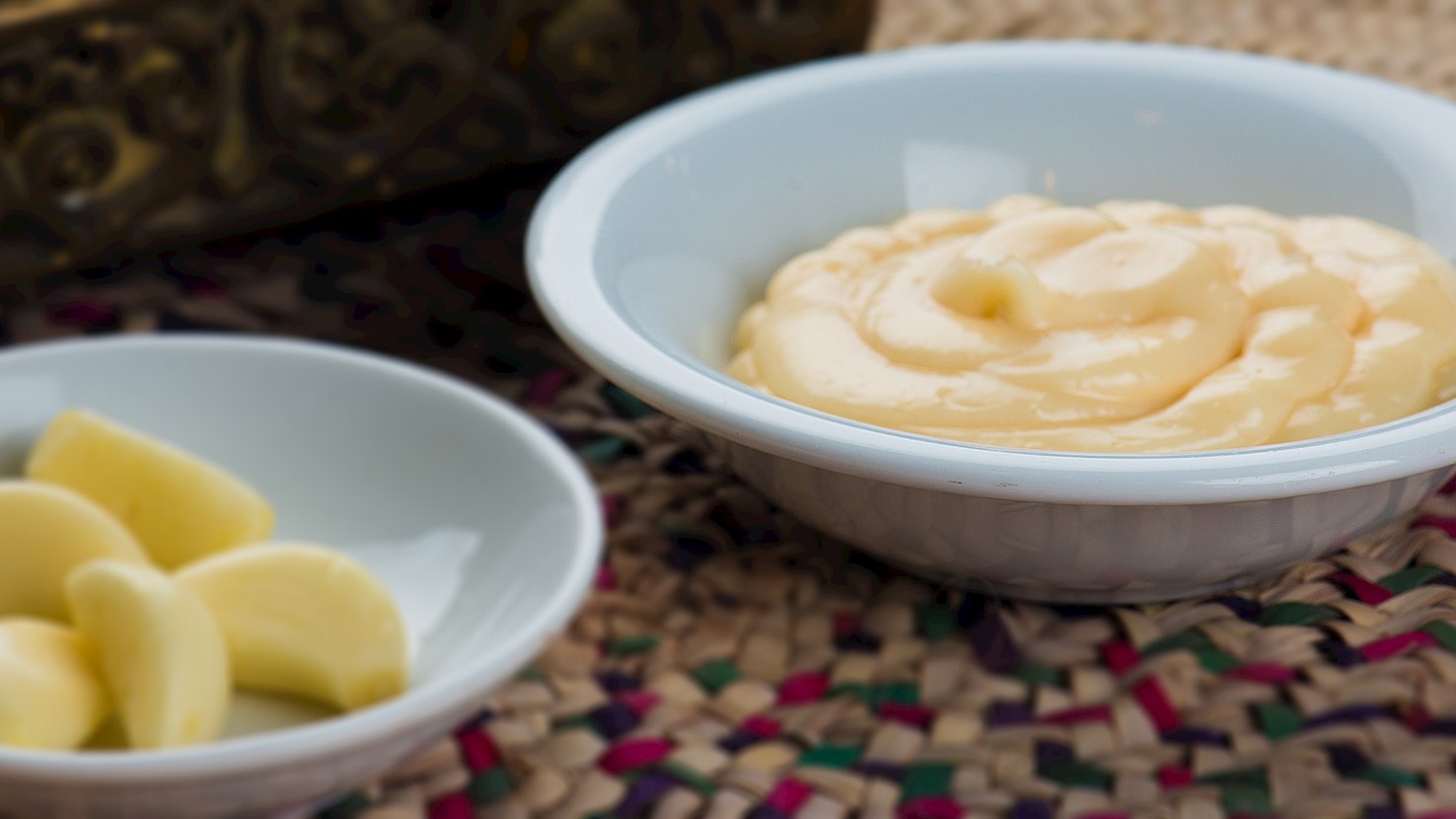
Toum is an authentic Lebanese and Syrian garlic paste. It is made with whole garlic cloves, which are slowly crushed using a mortar and pestle, or nowadays simply ground in a food processor. During this process, oil (preferably neutral oil such as canola, or the flavorful olive oil) is gently added to create a homogeneous garlic paste with an unusual, fluffy texture. Finally, salt and lemon juice are added to the mix, giving the paste a salty flavor and ivory color. Toum is used for marinades, sauces, and dips, and can enrich any meal. It is usually combined with chicken in traditional dishes such as roast chicken, chicken skewers or chicken shawarma, but is also commonly combined with beef, lamb, or goat meat. It is often used as a spread in the famous Lebanese pita sandwiches and wraps, or as a simple spread over bread, which is served as a starter or a snack. Toum can be made in advance and can keep up as long as three weeks. Since it is highly versatile, numerous ingredients, such as mint, can be added to diversify its flavor and texture. This delightful, pungent garlic spread and its adaptations can also be found in eastern Mediterranean countries, Egypt, and Iraq.

02

Hummus Beiruti

4.4 ·

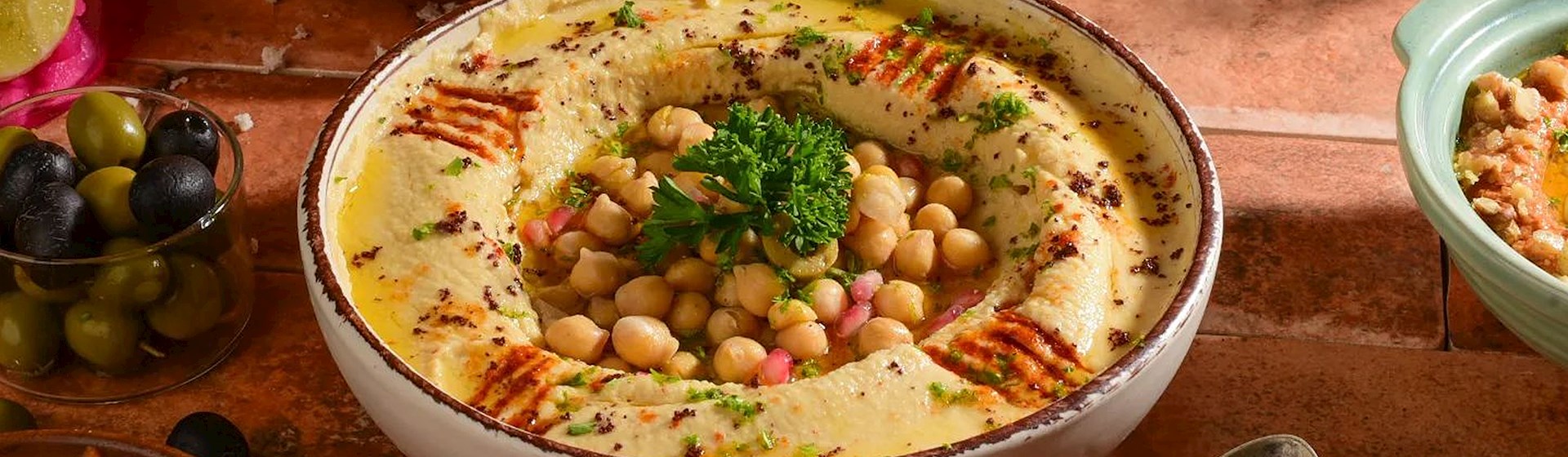
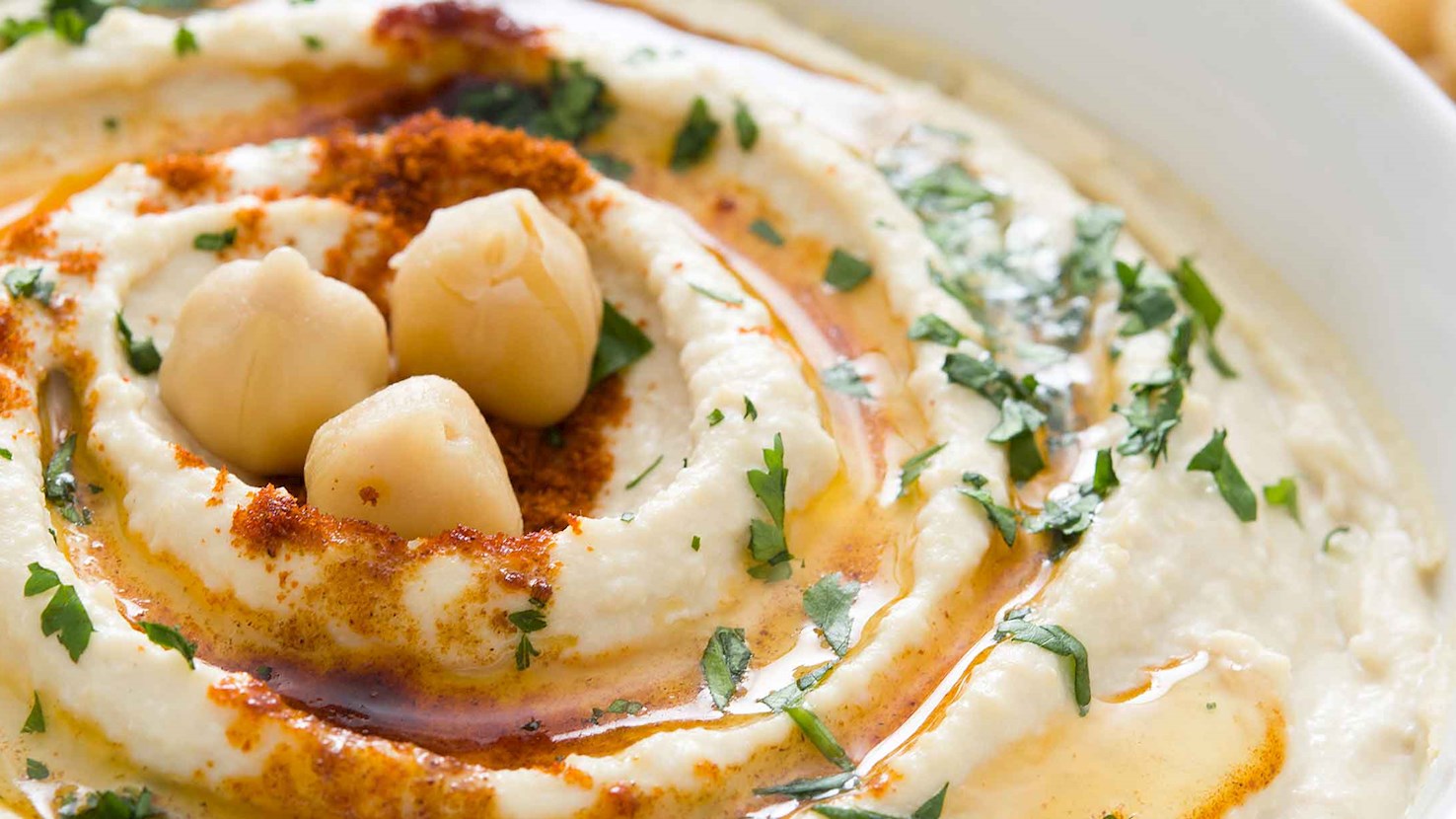
Hummus Beiruti is a Lebanese version of hummus, the famous chickpea-based dip. This version adds a large amount of garlic and spices to it. It’s usually made with a combination of chickpeas, olive oil, garlic, yogurt, tahini, cold water, cumin, lemon juice, chili peppers, chopped parsley, and paprika. Once prepared, this hummus version is plated and garnished with a drizzle of olive oil, chopped parsley, and mint leaves. Hummus Beiruti is served with freshly baked pita or lavash flatbread.

03

Bal kaymak

4.3 ·

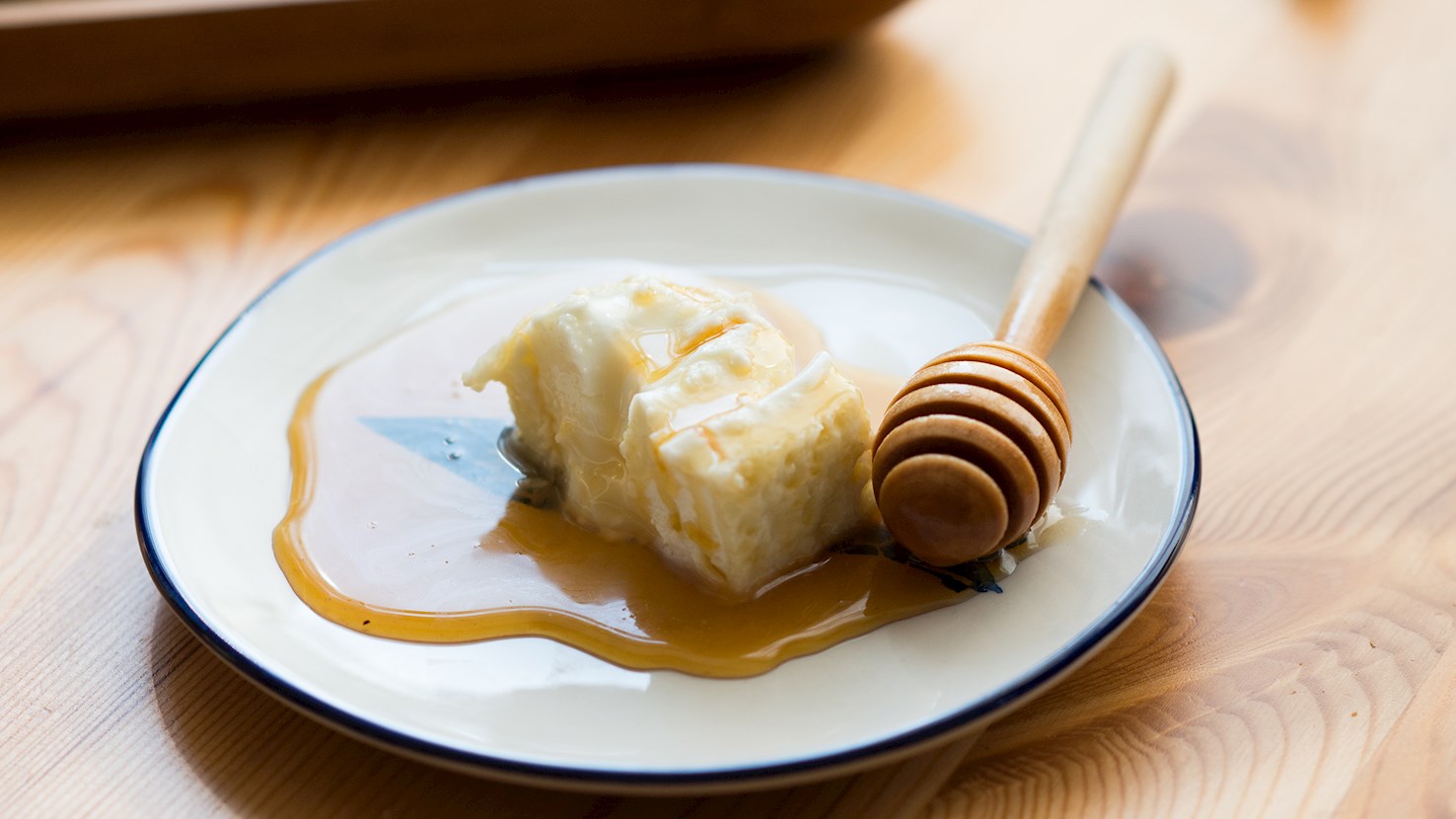
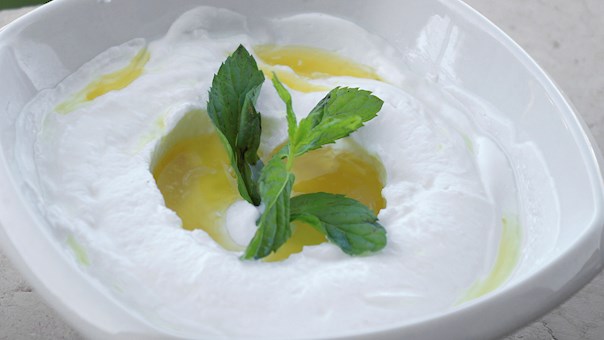
A staple breakfast dish in Turkey, bal kaymak is a delicious combination of kaymak - a traditional dairy product produced from water buffalo milk, very similar to clotted cream - that is generously doused with honey. The dish is served as a spread or a sweet dip alongside tea or a variety of other traditional breakfast dishes and is typically paired with bread. Rarely, it is served as a dessert and it sometimes comes garnished with ground, chopped, or whole walnuts.

04

Hummus

4.2 ·

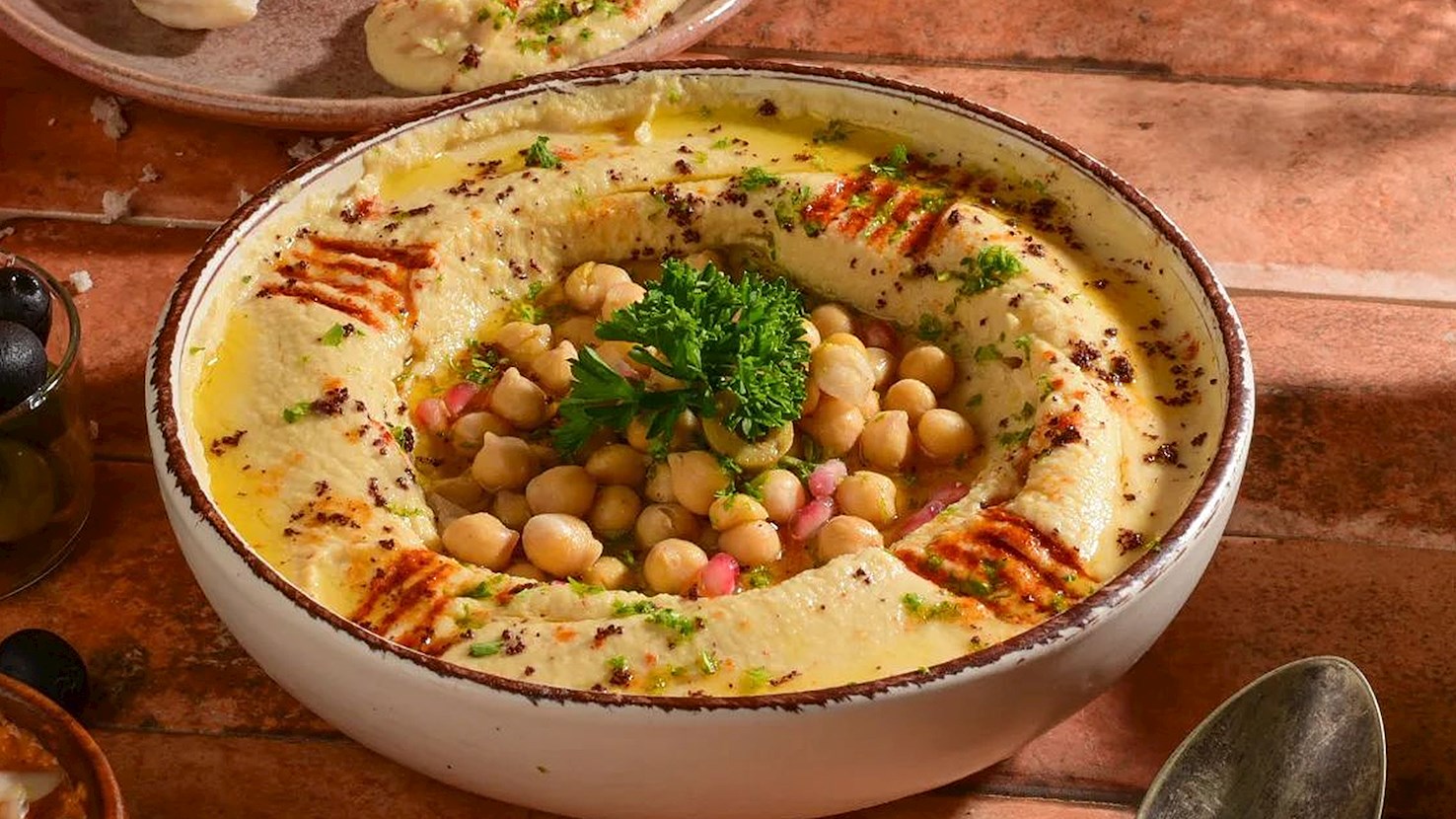
Hummus is a creamy dip made primarily from cooked and mashed chickpeas blended with tahini, olive oil, lemon juice, and garlic. It originates from the Middle East, where it has been a dietary staple for centuries, especially in countries like Lebanon, Palestine, Israel, Syria, and Jordan. Hummus’s roots can be traced back to ancient times (earliest mention of hummus dates back to 13th-century Egypt), when legumes and seeds were common sources of nutrition in the Levant. Over time, the combination of chickpeas and tahini evolved into a dish that balances earthy, nutty, and tangy flavors. While recipes vary slightly across regions, the core ingredients remain consistent, emphasizing freshness and quality. The smooth texture and rich taste make hummus both versatile and widely appealing, able to serve as a simple snack or a complement to more elaborate meals. Preparation involves soaking and cooking dried chickpeas until tender, then blending them with tahini paste, freshly squeezed lemon juice, crushed garlic, and extra virgin olive oil to create a velvety consistency. Salt is added to enhance the flavors, and the mixture is often garnished with a drizzle of olive oil, a sprinkle of paprika or sumac, and sometimes fresh herbs or whole chickpeas. Hummus can be served chilled or at room temperature, paired with pita bread, vegetables, or as part of a larger mezze platter. Hummus enjoys widespread popularity not only in the Middle East but globally, embraced as a healthy and flavorful dish. It is commonly found in homes, restaurants, and markets, representing both everyday nourishment and a dish for social gatherings.

05

Ssamjang

4.1 ·

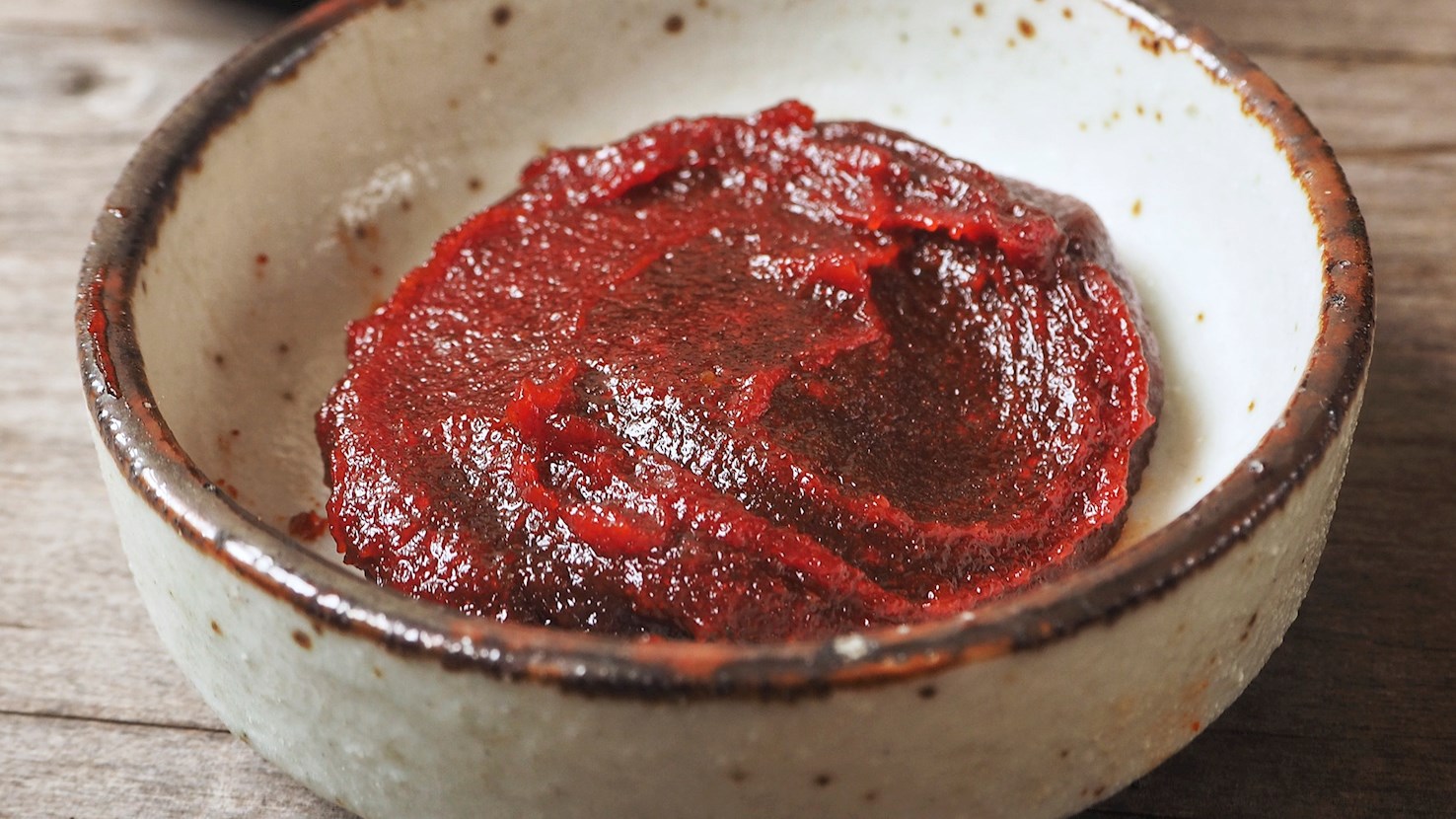
This thick and spicy paste is one of the most common dipping sauces in South Korean cuisine. It is traditionally prepared with a combination of fiery gochujang (red pepper paste) and the pungent doenjang (fermented soybean paste). Although the combination is easily adapted to personal preference, the usual additions include sesame oil, scallions, sesame, garlic, and some sweet element such as brown sugar or honey. Ssamjang is roughly translated as a sauce for wraps, and it is usually enjoyed as a dipping sauce served with various Korean barbecue dishes such as bulgogi or galbi.

06

Menemen

4.1 ·

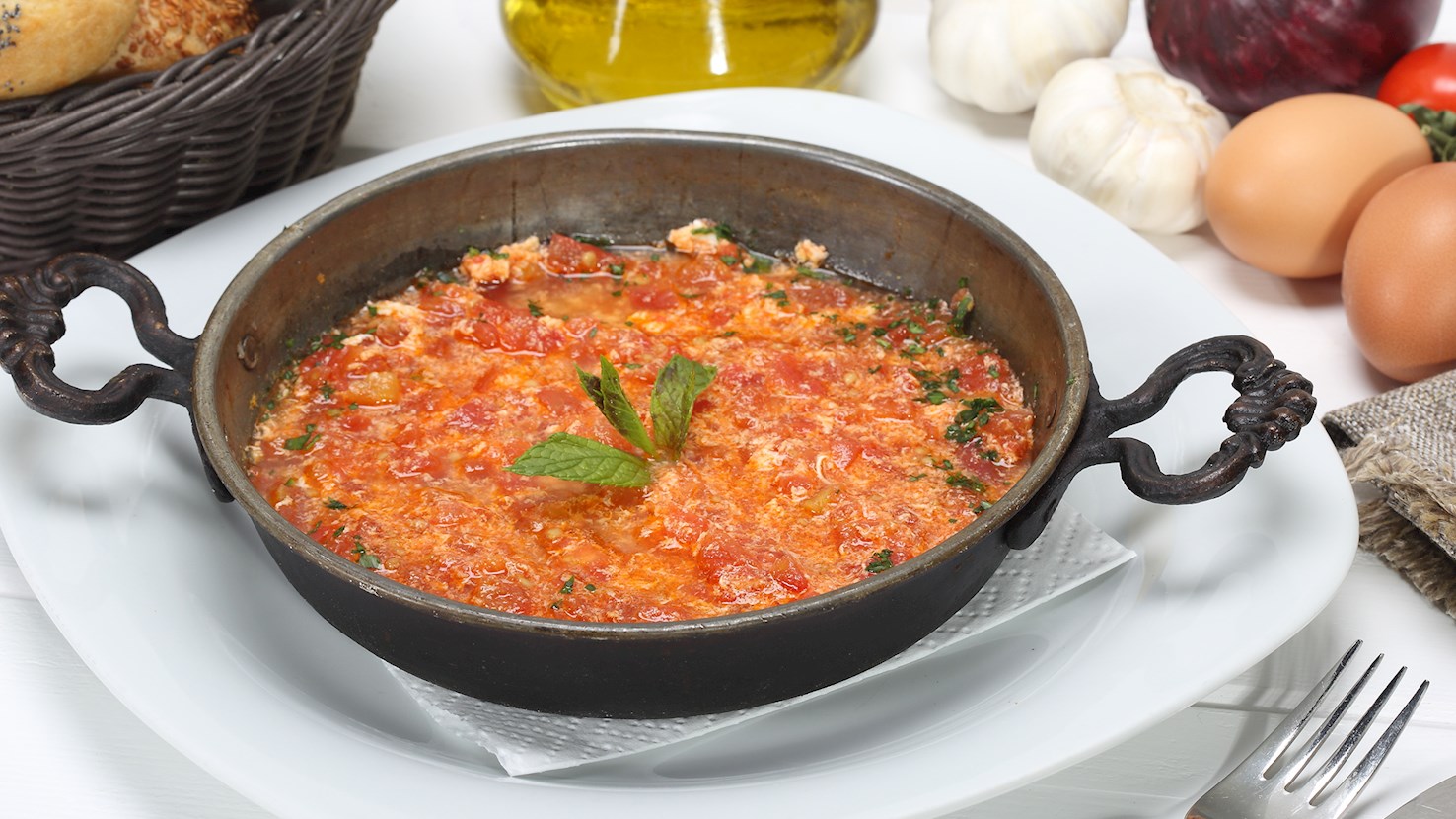
Menemen is a traditional spread consisting of tomatoes, eggs, peppers, and various spices. There are many version of menemen, so it can also contain garlic, cheese, spinach, sausage pieces, or onions (when menemen is served as a main dish). It is usually sold at breakfast or brunch places in Turkey, and most restaurants serve it in metal pans, with a big basket filled with bread as an accompaniment. Most people don’t use forks, as they opt for bread as the utensil of choice, scooping up this flavorful spread in the process.

07

Dhaniya ki chutney (Coriander chutney)

4.1 ·

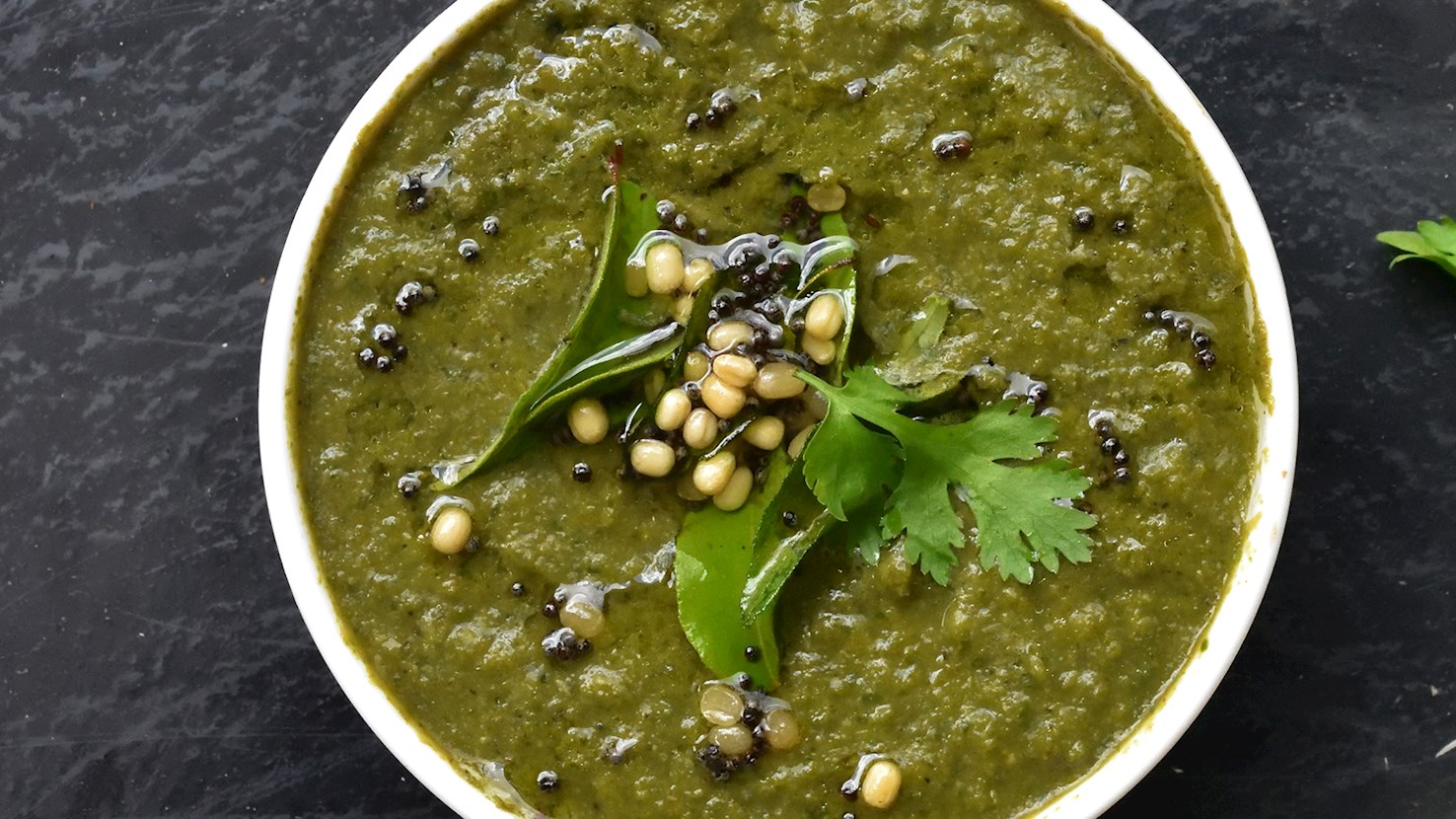
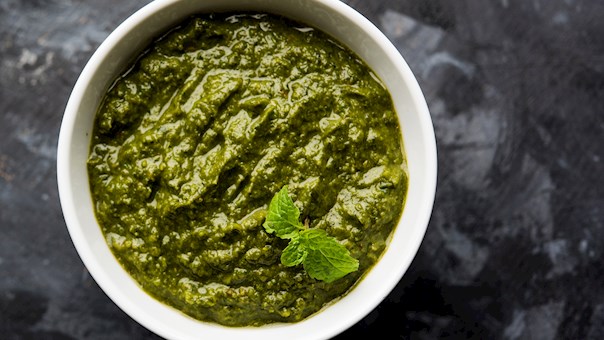
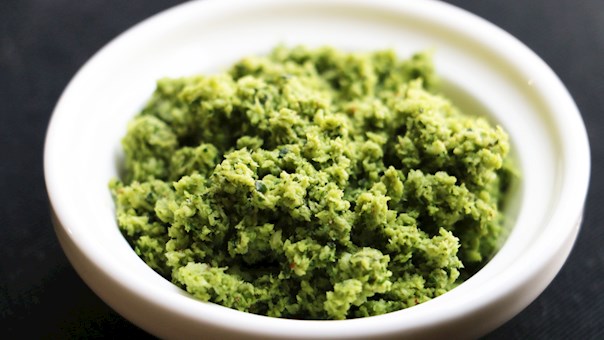
Coriander chutney is a traditional chutney made with chopped fresh coriander leaves as the main ingredient. Other ingredients usually include ginger, green chili peppers, lemon juice, cumin powder, water, and salt. There are many coriander chutney variations made with different additional ingredients such as yogurt, sugar, and mango powder. The ingredients are blended until smooth or chunky, and the chutney is then usually served as a spread or a dip, but it's also used as an ingredient or condiment to prepare Indian chaat dishes such as bhel puri or sev puri. It is believed that the best coriander chutney has flavors that are spicy and tangy.

08

Baba ghanoush

4.1 ·

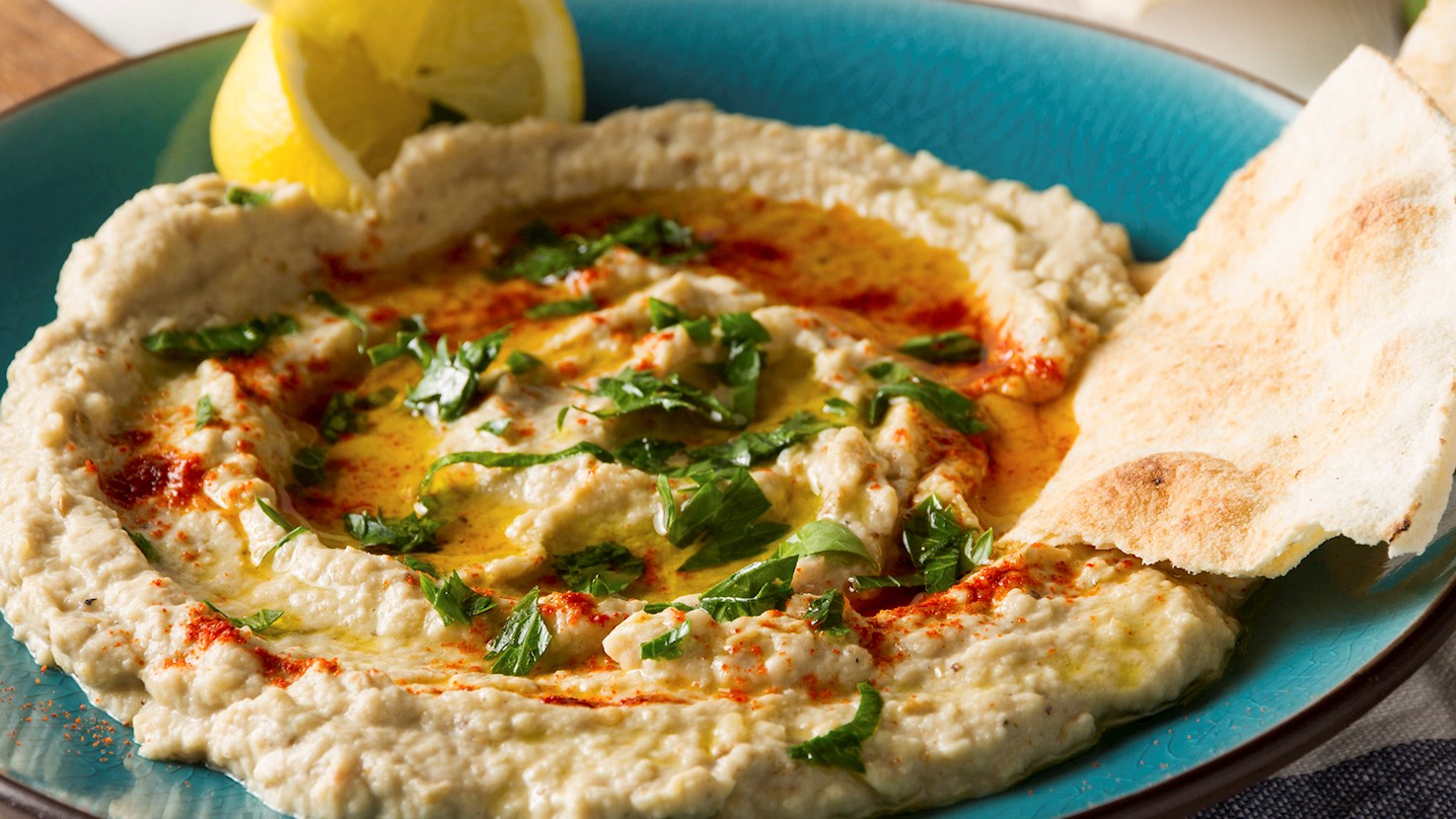
Baba ghanoush is a cold eggplant-based spread originating from the Levant, widely prepared and consumed in countries such as Lebanon, Syria, Jordan and Palestine, made primarily from cooked eggplant combined with tahini, lemon juice, garlic, and olive oil to form a smooth or lightly textured paste. Its emergence is tied to the long-standing cultivation of eggplant in the eastern Mediterranean and the parallel development of sesame-based condiments, with medieval Arabic cookery texts describing mashed or puréed eggplant dishes seasoned with acids and fats, indicating a settled place in regional cuisines by the early Islamic period as cooking techniques such as open-fire roasting became common in domestic kitchens. Its name comes from the Arabic phrase baba gannuj, where baba means father or daddy, and gannuj means pampered or spoiled, referring to a supposed invention of baba ghanoush by a member of a royal harem. Preparation begins with whole eggplants roasted directly over flame or in ovens until the flesh softens and absorbs smoke, after which the skin is removed and the pulp drained to control moisture before being mixed with tahini, lemon juice, salt, and garlic, producing a balance between bitterness, acidity, and fat, and the spread is usually finished with olive oil and sometimes garnished with parsley or pomegranate seeds depending on local preference. A defining characteristic of baba ghanoush is the use of smoke from direct heat rather than added spices to create depth of flavor, and its composition relies on emulsification between eggplant fibers and sesame paste rather than dairy or starch for body. Baba ghanoush is eaten throughout the Levant and beyond as part of mixed appetizer spreads, served with flatbreads such as pita or saj, alongside raw vegetables or grilled meats, and it pairs well with dry white wines, light-bodied reds, anise-based spirits diluted with water, or non-alcoholic options like mint tea and sparkling water that complement its acidity and richness without overpowering its flavor.

09

Acuka

4 ·

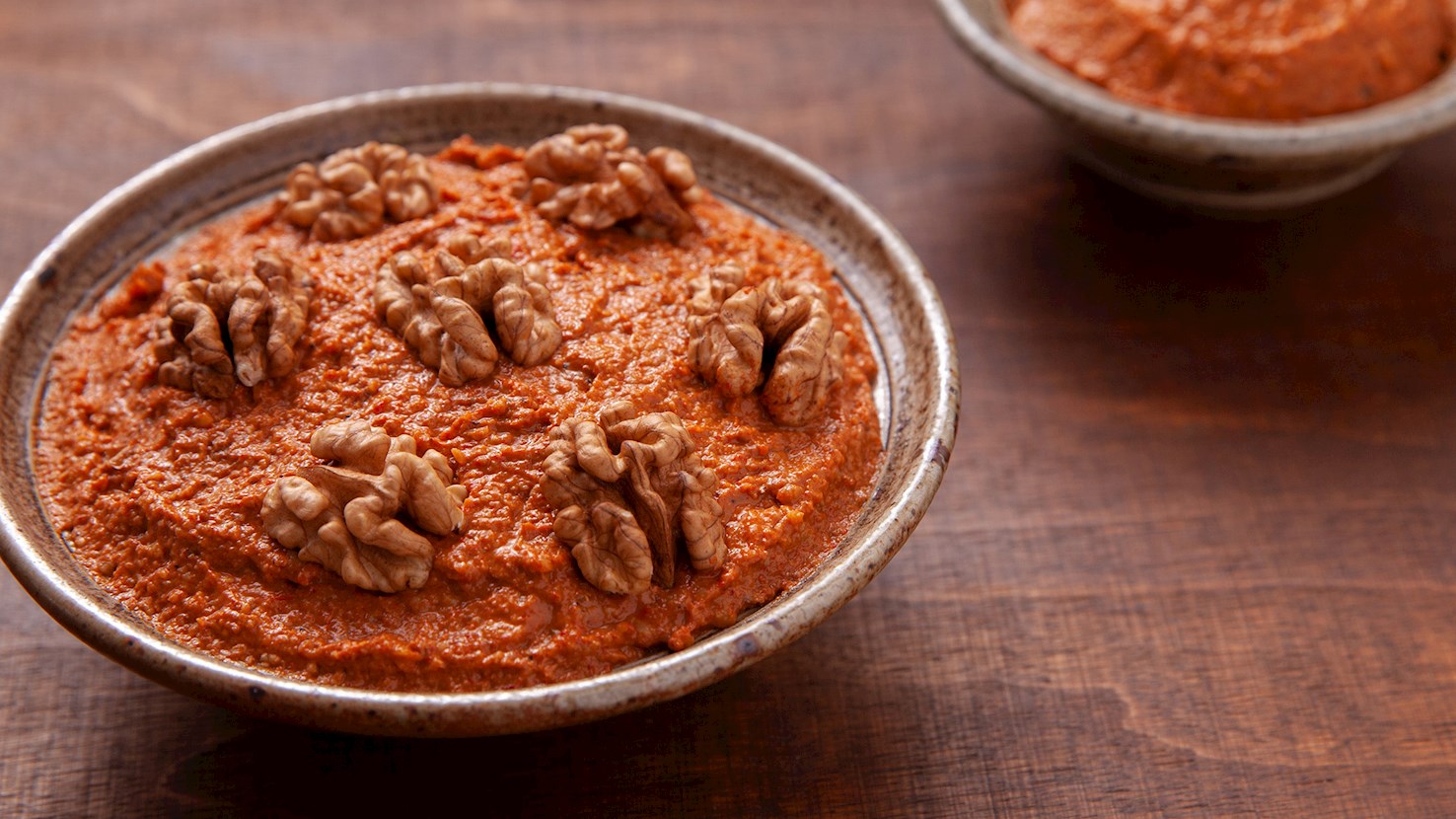
Acuka is a spicy, savory spread from Türkiye made with red peppers, walnuts, garlic, olive oil, and a blend of aromatic spices, often enjoyed as part of a meze platter or as a flavorful accompaniment to bread. Originating in southeastern regions such as Gaziantep and extending throughout Anatolia, acuka reflects the bold, earthy, and pepper-forward character of the local cuisine. The mixture typically includes tomato paste and sometimes breadcrumbs to bind the ingredients, creating a rich, slightly coarse paste with a deep red hue and a balanced flavor that is both warming and complex. Its taste profile varies slightly from region to region, but commonly features cumin, paprika, chili flakes, and dried herbs like thyme or mint, making it intensely flavorful without being overwhelmingly hot. Often compared to muhammara from neighboring Syria, acuka shares many of the same ingredients but differs in the use of tomato paste and the optional absence of pomegranate molasses, resulting in a more savory and herbal expression. It is prepared by finely grinding or blending the ingredients, then allowing the mixture to rest so the flavors can deepen and meld. Acuka is typically served cold or at room temperature and is most commonly spread on crusty bread or used as a side to complement grilled meats, cheeses, or fresh vegetables.

10

Nam phrik phao

4 ·

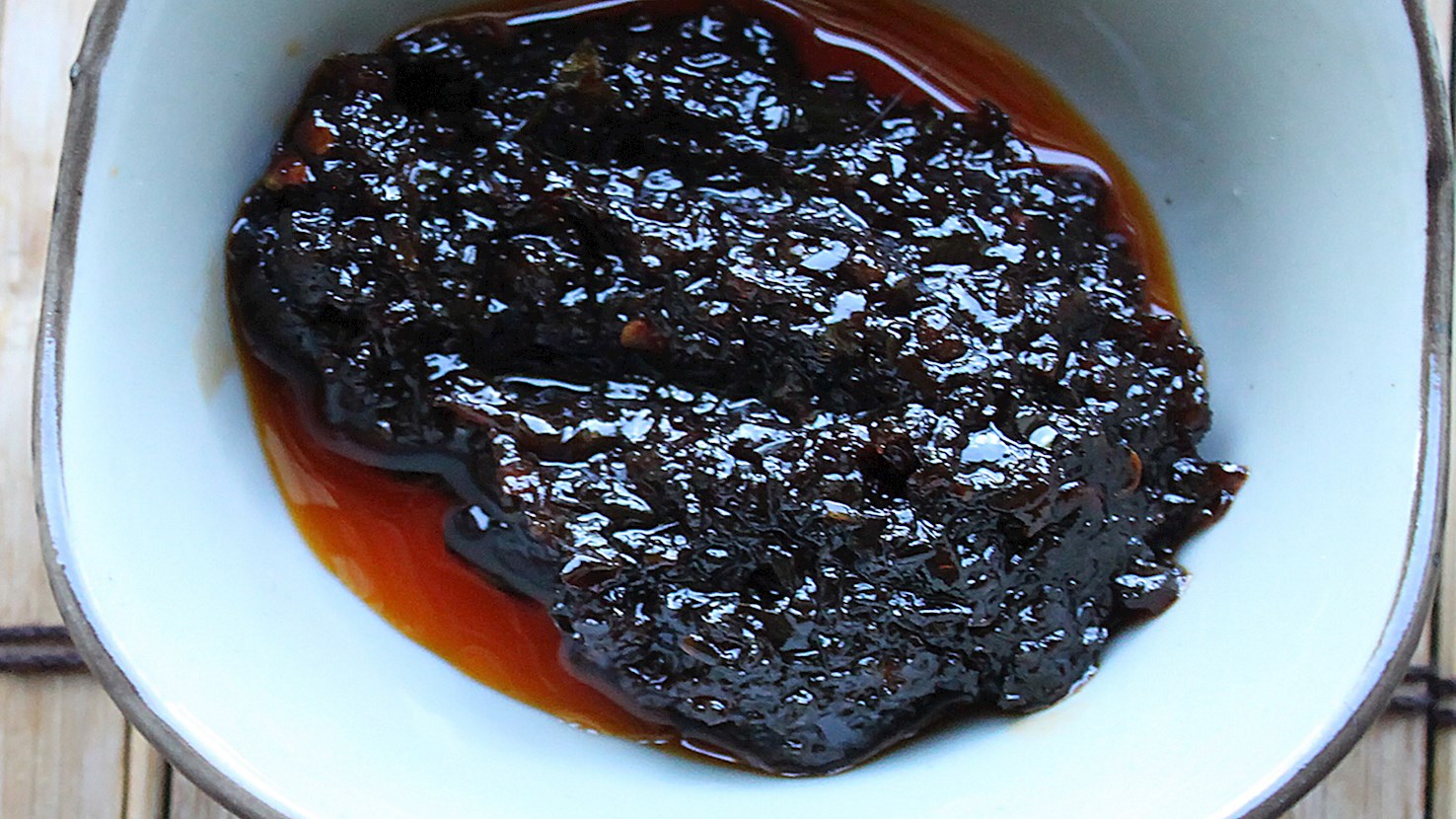
Nam phrik phao is a versatile Thai concoction and a secret ingredient in numerous Thai dishes. It is made with a combination of roasted chili peppers, dried shrimp, garlic, shallots, ginger, fish sauce, tamarind paste, fermented shrimp paste, and palm sugar. It can be used as a sauce, condiment, a dip, or a spread, along with being used in a number of different dishes as a cooking ingredient.

Best Asian Spreads

01

Vanillest

4.2 ·
Awards
Great Taste Awards - 2 Stars (2024)
Read more
View all
View map
About this ranking

TasteAtlas food rankings are based on the ratings of the TasteAtlas audience, with a series of mechanisms that recognize real users and that ignore bot, nationalist or local patriotic ratings, and give additional value to the ratings of users that the system recognizes as knowledgeable. For the “Top 49 Asian Spreads” list until May 16, 2026, 7,299 ratings were recorded, of which 3,620 were recognized by the system as legitimate. TasteAtlas Rankings should not be seen as the final global conclusion about food. Their purpose is to promote excellent local foods, instill pride in traditional dishes, and arouse curiosity about dishes you haven’t tried.

The initial list of top producers was compiled based on available reviews, awards, local recommendations, media and blog coverage, and consumer reviews. The list will be updated with ratings from TasteAtlas local ambassadors and TasteAtlas users.

Similar lists