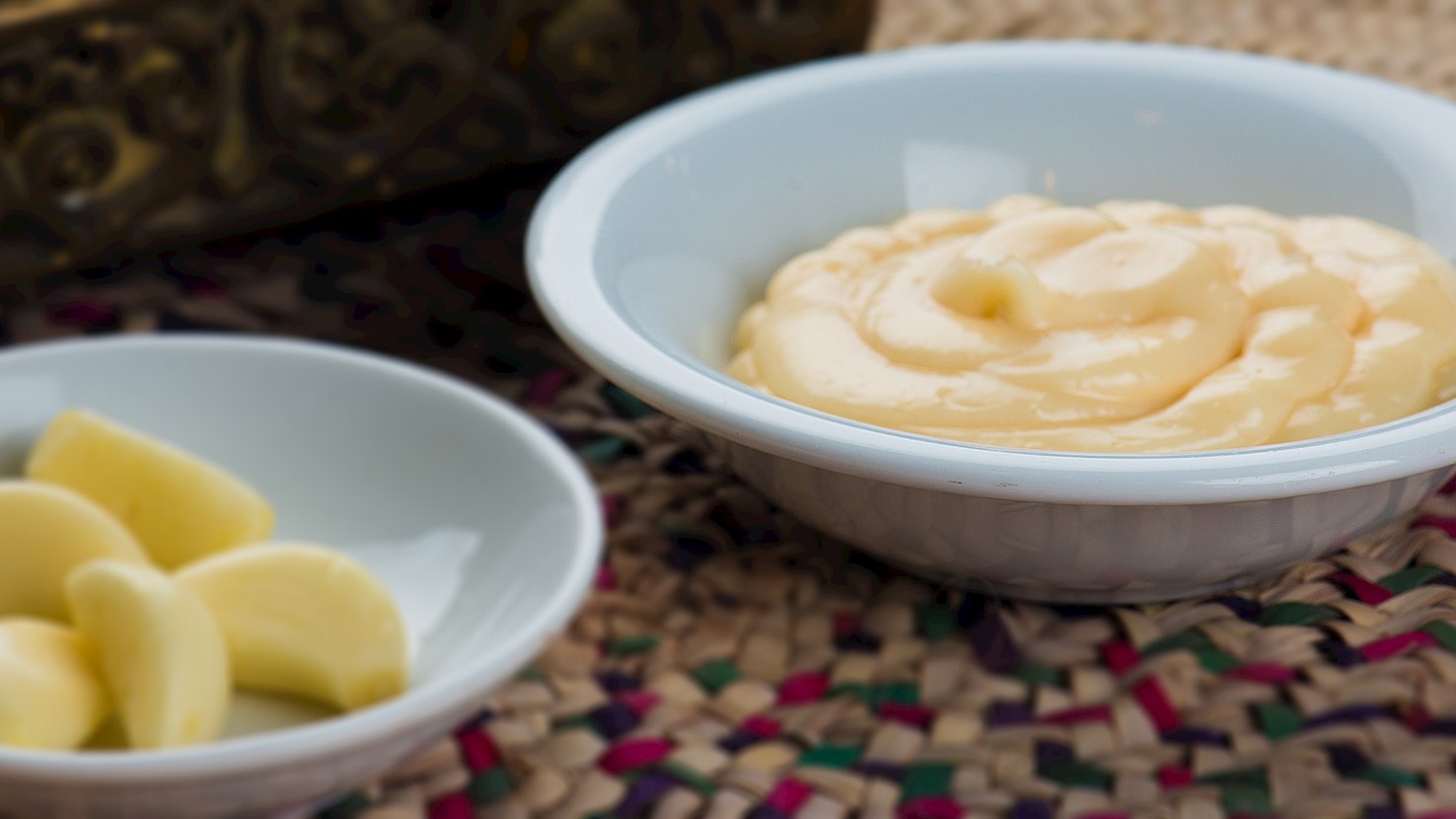
Toum is a traditional Levantine garlic sauce, prized for its intense, creamy flavor and airy texture. It is made with a simple but bold combination of raw garlic, salt, lemon juice, and neutral oil (like sunflower or canola oil). The key to toum is in its preparation: the ingredients are emulsified slowly — often using a mortar and pestle or a food processor — to create a fluffy, mayonnaise-like sauce without the use of eggs. Toum's powerful, spicy garlic taste is balanced by the acidity of lemon and the richness of the oil. It is traditionally served as a condiment alongside grilled meats like shawarma, kebabs, and roast chicken, or used as a dip for fries and flatbreads.
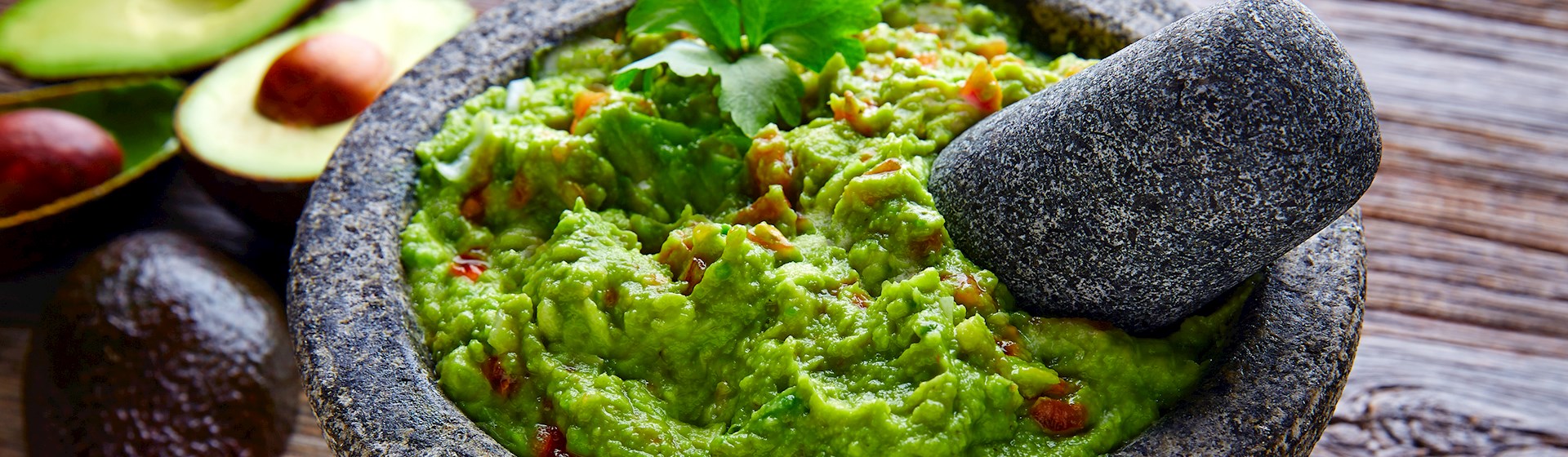
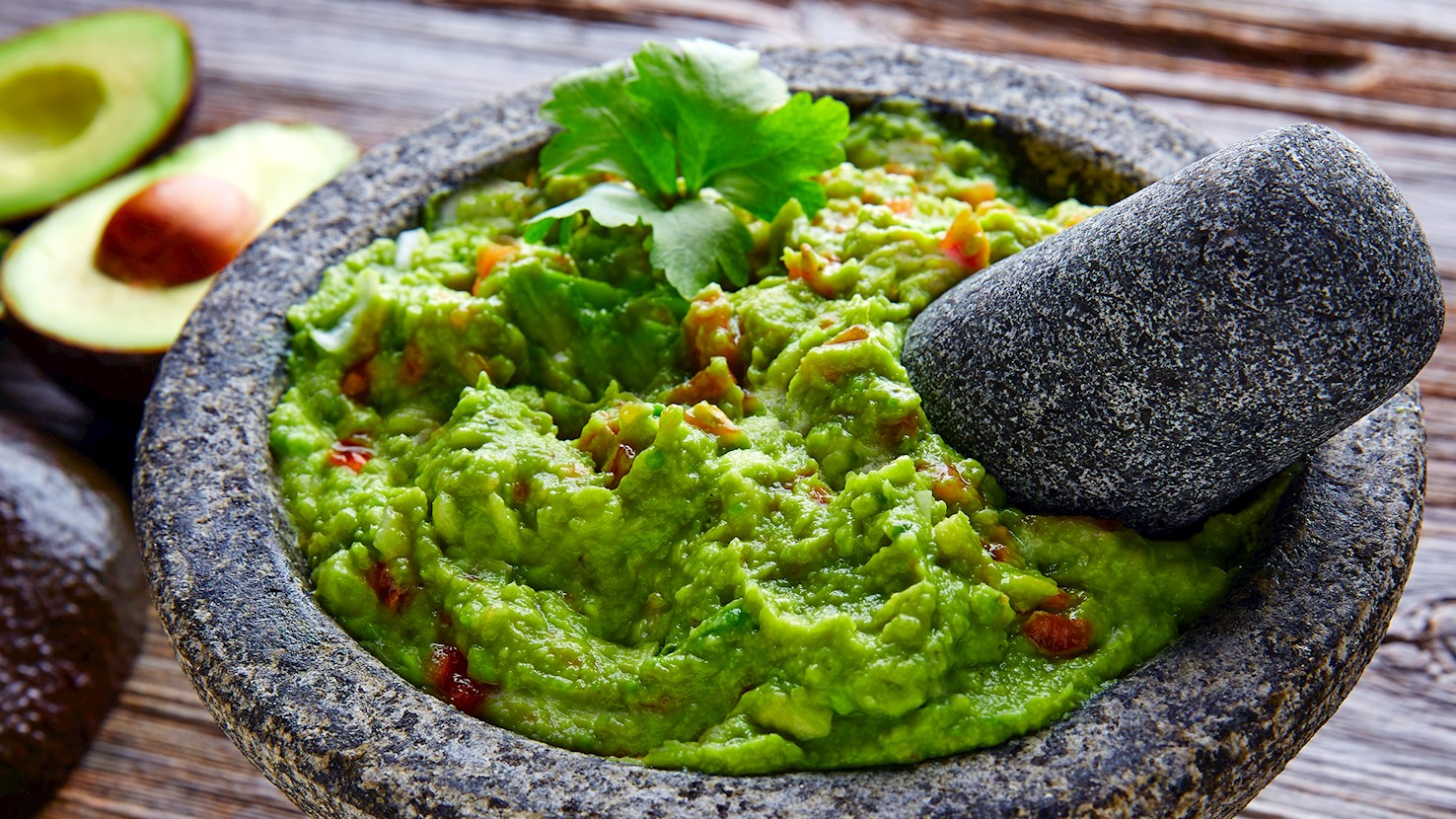
At its most basic, guacamole is made by mashing a ripe avocado in a mortar and pestle with a dash of sea salt until it turns into a thick paste. However, the recipe considered traditional these days will also include additional ingredients such as onions, tomatoes (which same consider not part of the traditional recipe), lime or lemon juice, cilantro, and a spicy component in the form of chile serrano, cayenne, or jalapeño peppers. The consistency can be either smooth or chunky, depending on personal preference. It is typically served as a dip with tortilla chips or vegetables like carrots, cucumbers, and celery, but it is also equally at home in salads, atop pizzas or pasta, and is used as a condiment in burritos, burgers, tacos, and omelets.
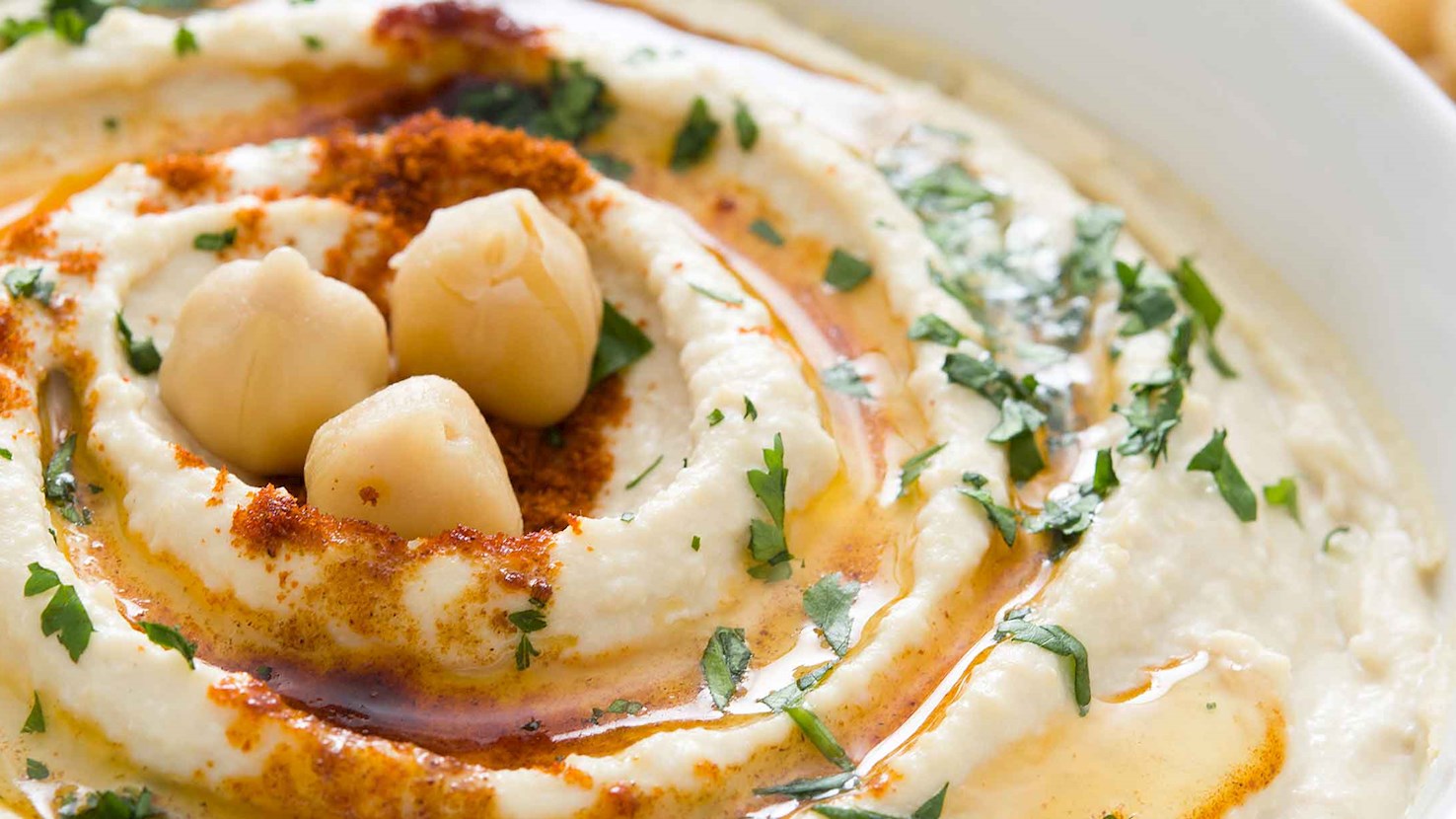
Traditionally consumed for breakfast, this Levantine dish is also enjoyed as a dip or an appetizer, and is also included in mezze, an assortment of small dishes typically served before a multicourse meal. Furthermore, it is a part of other Middle Eastern dishes like falafel and sabich. Hummus or hummus bi'tahina, at its basic, consists of chickpeas, tahini, garlic, lemon juice, and often cumin that are ground and served with a drizzle of olive oil on top and a sprinkling of spices like paprika and/or herbs like parsley. A few whole chickpeas or pine nuts can also be added as decoration. Hummus ful, on the other hand, is almost identical to hummus bi'tahina, except that it is topped with a fava bean paste. The third version of hummus is hummus msabbaha. Here the chickpeas are left whole and mixed with tahini and hummus bi'tahina. No matter which version is served, it should be served warm, with pita bread on the side for scooping it up.
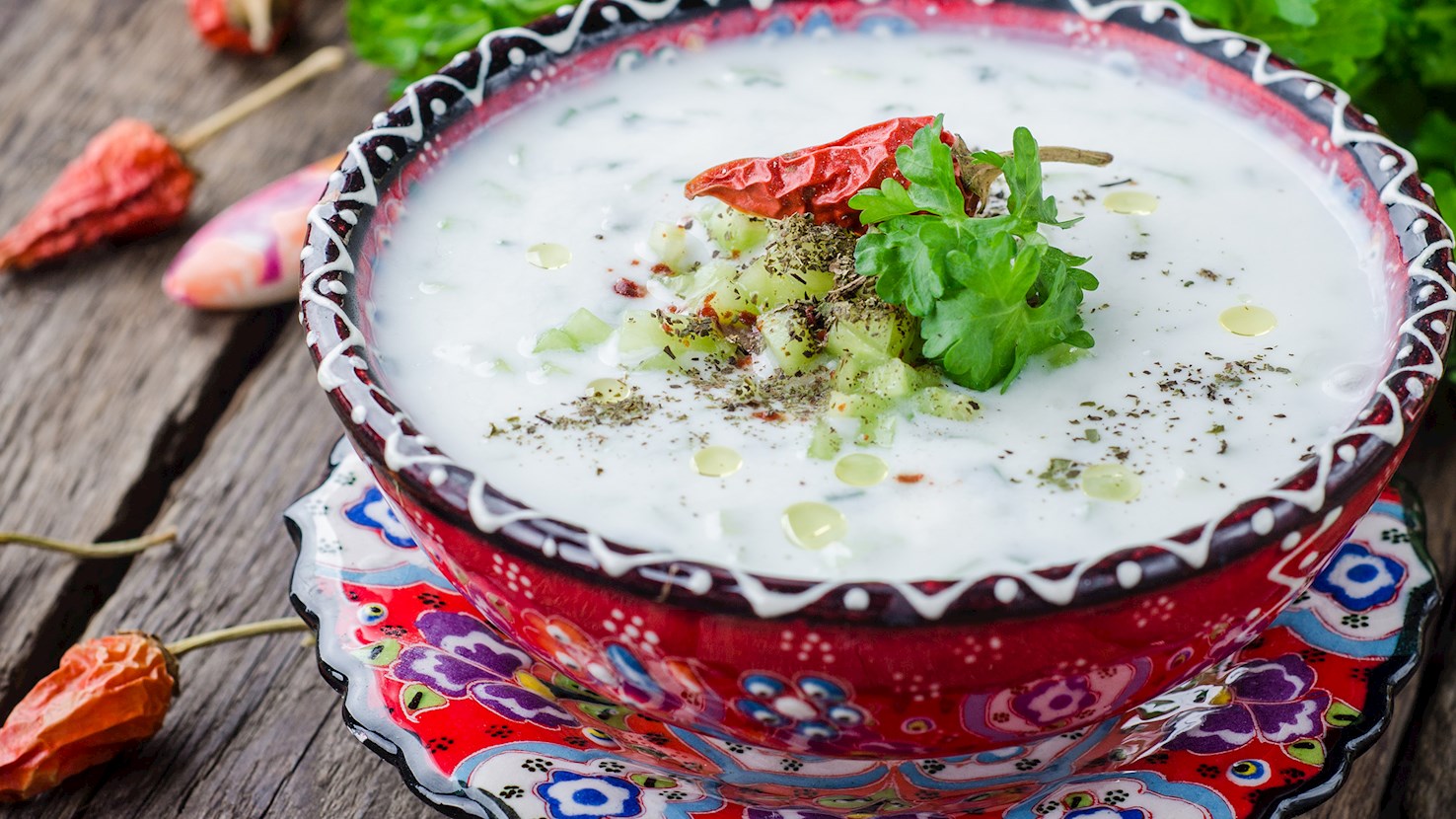
Adapted from the gastronomy book Turkish Cuisine With Timeless Recipes, this recipe gives instructions on how to prepare the cacık dip the traditional way.
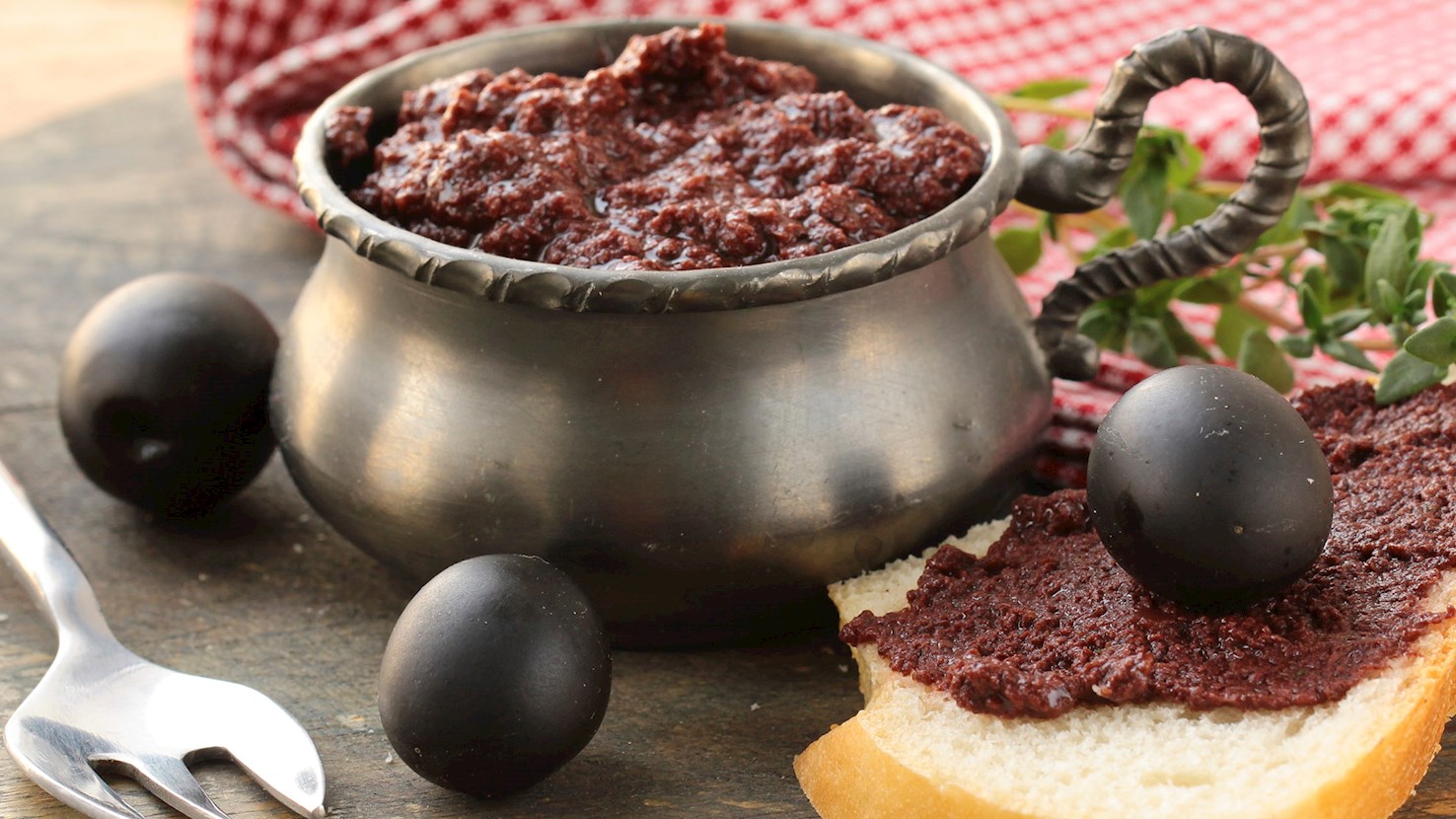
Preparing tapenade is a no-brainer: olives, capers, and anchovies are pounded together until they form a thick purée, and the liquid ingredients — olive oil and lemon juice — are added gradually at the end. Traditional preparation calls for a mortar and a pestle, but by using a blender, you can have your tapenade ready in a matter of seconds. A South-French specialty, tapenade can be made with black or green olives, which need to be pitted and well-drained before preparation. Since olives and anchovies are salty enough, there is no need to add salt — a pinch of pepper will do. A hint of acidity is brought by pickled capers (which are flower buds of the namesake plant) and a drizzle of lemon. Some recipes suggest adding some finely minced garlic and a spoonful of mustard, but these might come as a distraction to the original taste. The density of tapenade can be adjusted by dosing the amount of olive oil — the idea is to reach a consistency of a spread that will hold firmly on toast, sliced baguette, or bread sticks which are a usual serving proposal. Tapenade can also be used as a filling for hard-boiled eggs, as an addition to various sauces, or as a meat filling, and, since its preparation is rather simple, the most important factor is to purchase the best-quality ingredients you can buy.
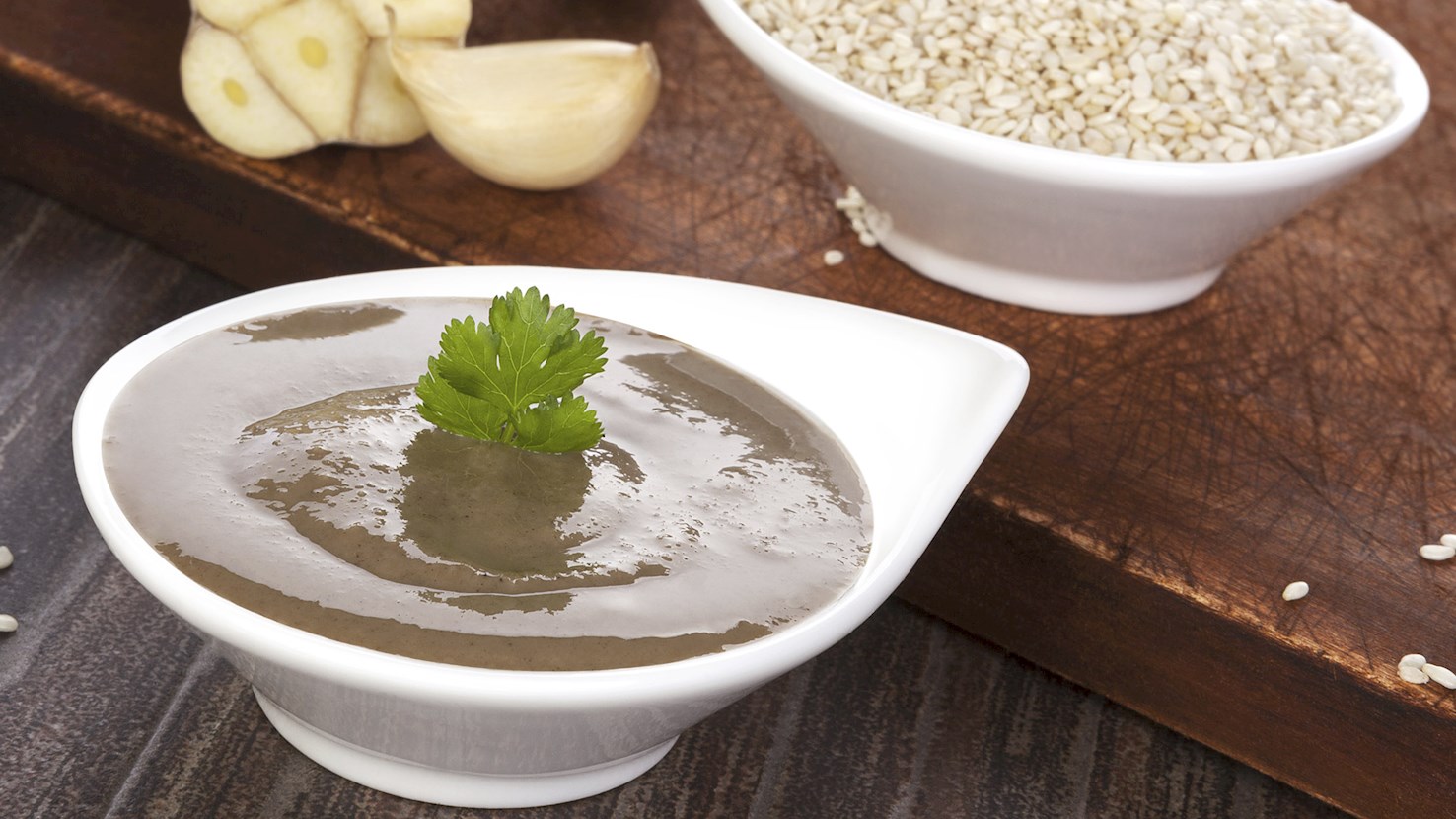
The simplicity of preparation, widely available ingredients, plus virtually no fuss in the kitchen is what made tahini popular not just in Israel, but also worldwide. The word tahini — or tahina — may refer to two different things. The first one is a paste made with roasted sesame seeds, salt, and oil, which serves as a base for the namesake dip or sauce, in which tahini paste, garlic, water, and lemon juice are combined into a form of a purée. Tahini paste — also called raw tahini — is usually store-bought, but it can also be prepared at home in just a few minutes. Raw sesame seeds are roasted in an oven or on a skillet for 3 to 5 minutes until they start changing color, but they should not be allowed to become golden or brown. Next, they are ground into a paste with vegetable or olive oil, and a pinch of salt. The old-school way is to use a mortar and a pestle, but using a food processor will make the process quicker and easier. The main difference between the store-bought and the homemade tahini paste is that the store-bought kind is commonly made with hulled sesame seeds, which is why it tends to be smoother than the homemade one. To make tahini dip or sauce, garlic, water, and lemon juice are added to the tahini paste and mixed in a food processor until the desired consistency is reached. Amounts can be adjusted to taste, and tahini dip will keep well for 3 to 4 days if kept in an air-tight container in the refrigerator. Tahini sauce can be served as a spread on various types of flat bread or pita bread, used to prepare other spreads such as hummus or baba ghanoush, added in soups or utilized as a condiment for meat and fish dishes.
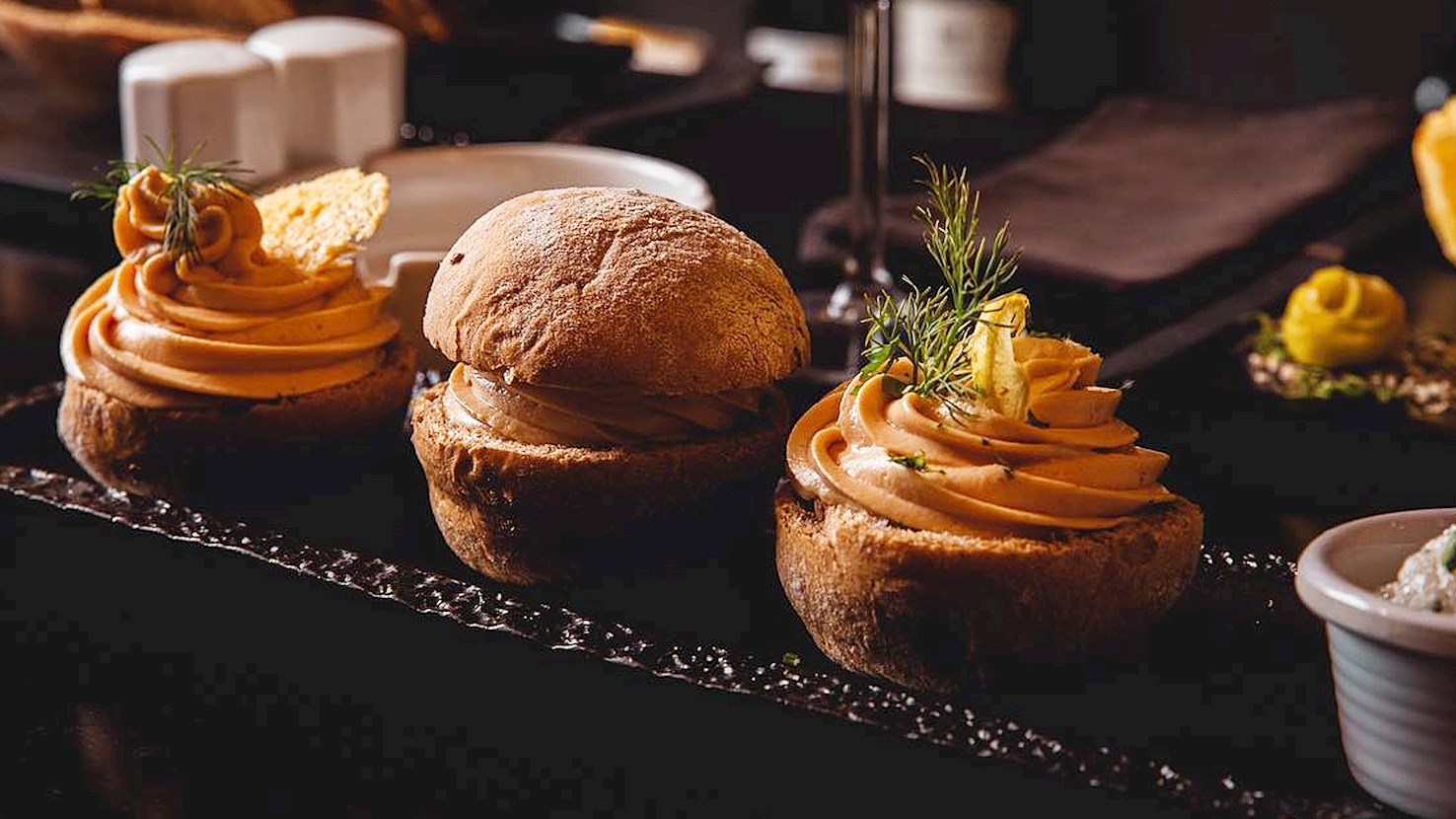
Adapted from cuisineaz.com, this is a straightforward recipe for foie gras mousse. Pieces of foie gras are melted in whipped cream, and the mixture is then mixed twice, so it turns foamy. The resulting mousse is served in verrines, but any other glasses will do, and decorated with pieces of foie gras and berries.
TasteAtlas food rankings are based on the ratings of the TasteAtlas audience, with a series of mechanisms that recognize real users and that ignore bot,
nationalist or local patriotic ratings, and give additional value to the ratings of users that the system recognizes as knowledgeable.
For the “Top 7 Spread Recipes” list until September 17, 2026, 13,135 ratings were recorded, of which 7,730 were recognized by the system as legitimate.
TasteAtlas Rankings should not be seen as the final global conclusion about food. Their purpose is to promote excellent local foods,
instill pride in traditional dishes, and arouse curiosity about dishes you haven’t tried.



What People Say