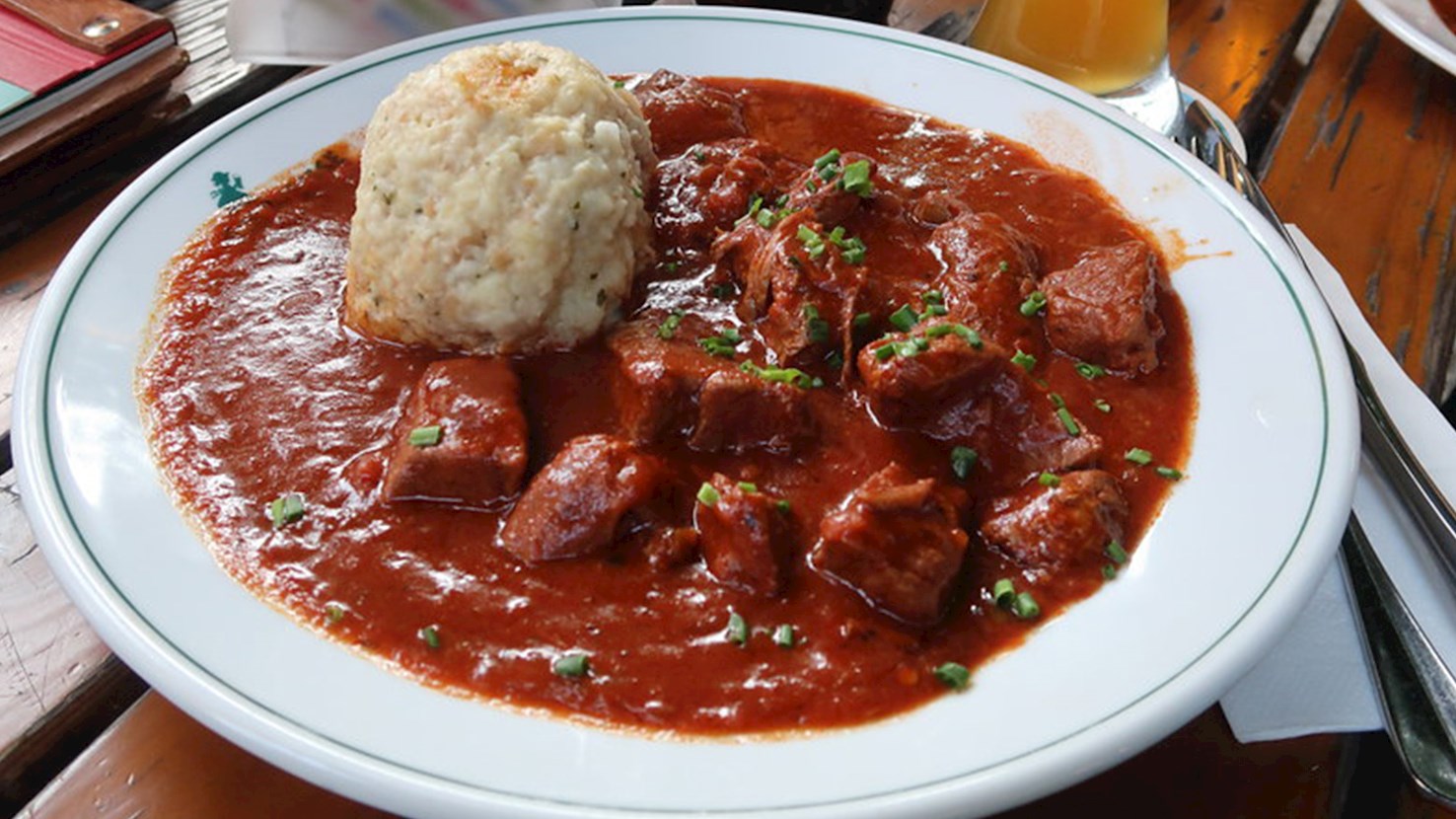
Rindsgoulasch is an Austrian and German take on the Hungarian goulash that is considered a staple of Viennese cuisine. It is typically prepared with beef, onions, garlic, powdered paprika, tomato paste, caraway seeds, marjoram, vinegar, salt, and pepper. And if done right, the meat should be tender and the gravy dark, smooth, and thick. Once all ingredients are sauteed, either water, stock, or red wine is added, and the goulash is cooked for hours until the meat is exceptionally tender. However, variations abound, and recipes usually differ in the number and type of spices used, the order in which the ingredients are added and sauteed, and the type of liquid used. Rindsgoulasch is typically served with potatoes, spätzle, various dumplings, and even homemade bread.
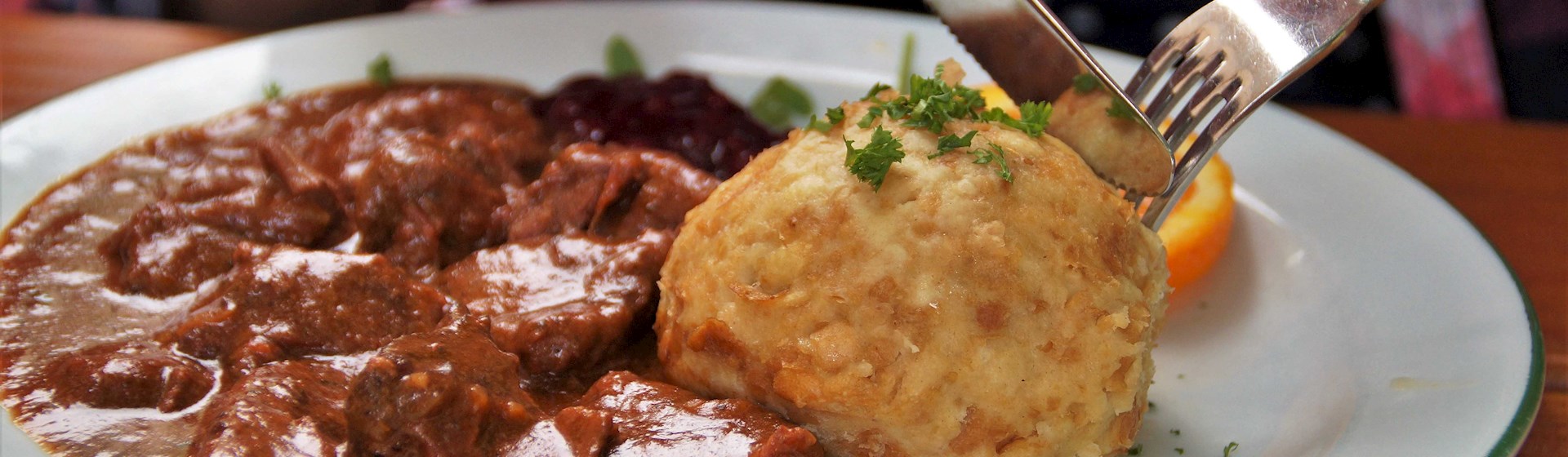
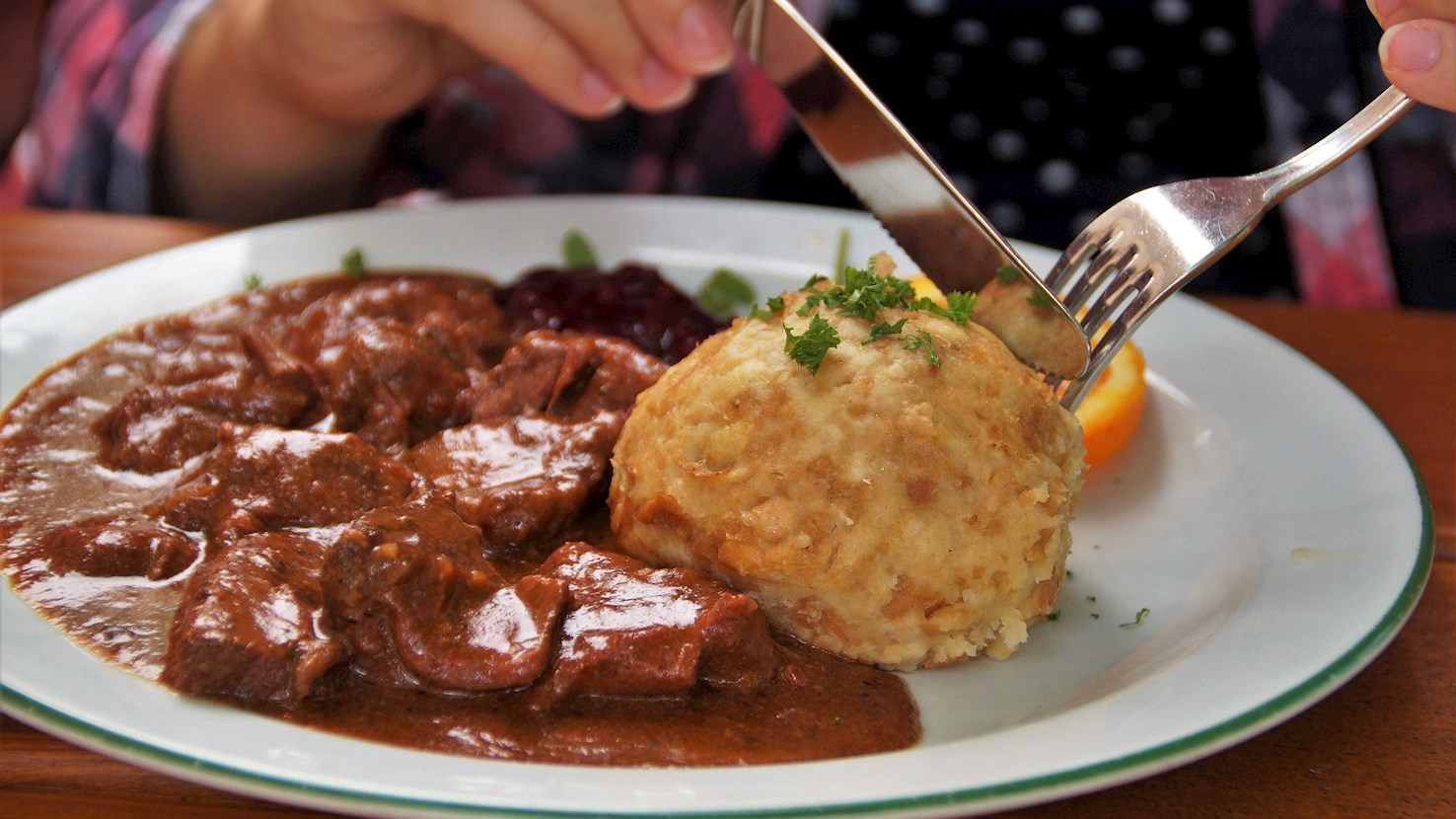
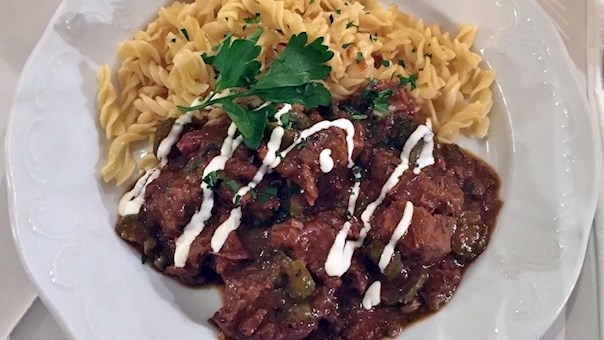
Hirschgulasch is a traditional type of goulash, a stew of meat, vegetables, and spices made specifically with venison, or deer meat, instead of the beef or pork that might be used in other types of goulash. The name of the dish translates to venison goulash. The venison is typically cut into small, bite-sized pieces and then slow-cooked with various ingredients like onions, garlic, tomatoes, and a variety of spices. Other ingredients can also be included, such as red wine, bay leaves, juniper berries, and herbs, all of which enhance the flavor of the dish. The result is a rich, hearty stew with a robust flavor.
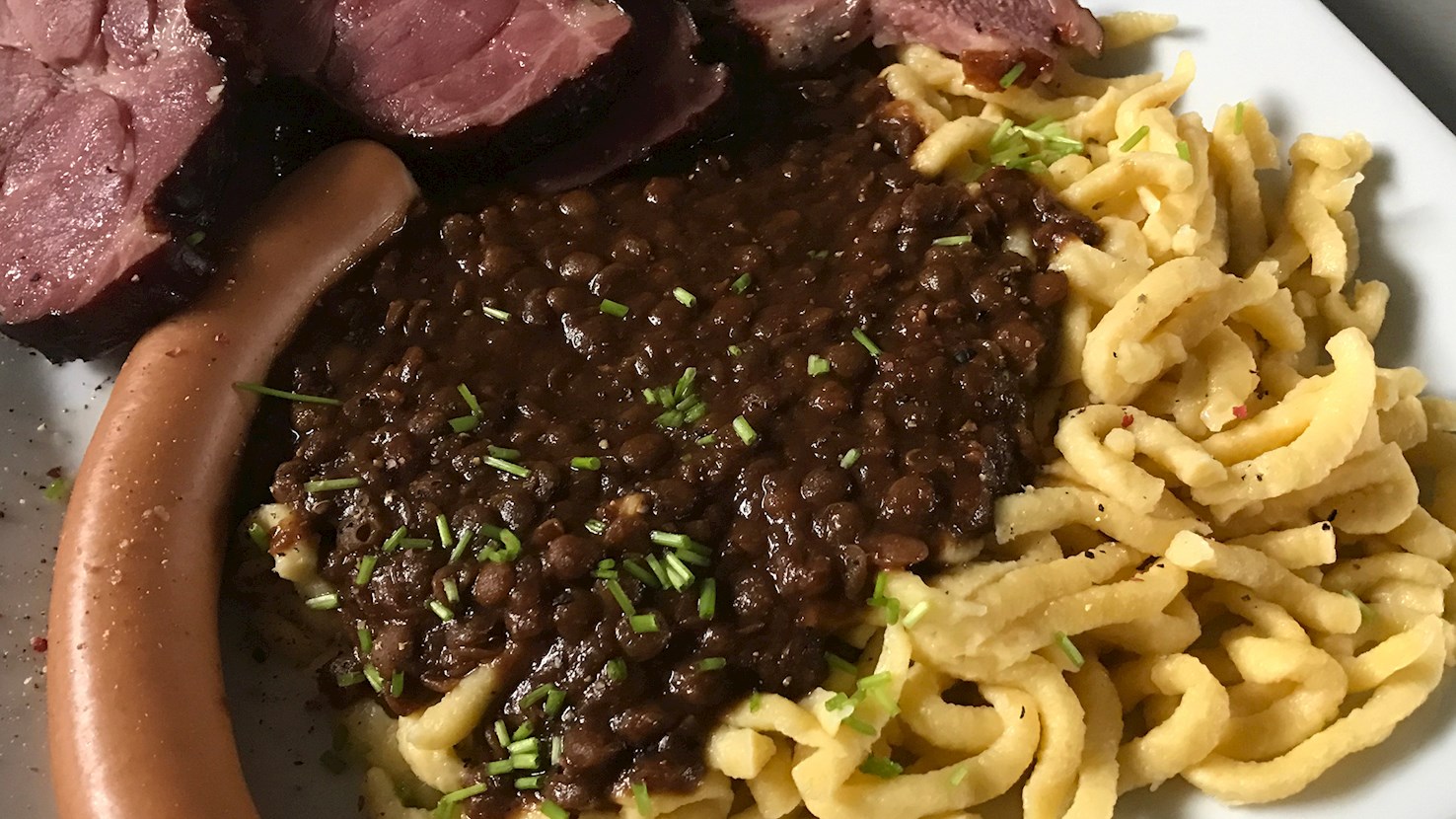
One of the staples of traditional Swabian cuisine, linsen mit spätzle combines a thick and creamy stew of brown lentils (linsen) with soft egg noodles (spätzle). Lentils are braised with bacon and vegetables and then simmered until soft and fully cooked in meat or vegetable broth, which is usually thickened with roux. The broth is typically enhanced with tomato paste and seasoned with vinegar, salt, pepper, and nutmeg. Warm and filling, the lentil stew is then transferred to a plate of boiled spätzle noodles, and it is usually enjoyed with a side of saitenwurst sausages (German string sausages) and a cold beer. This hearty combination makes a frequent appearance in restaurants and university cafeterias in the region, but it is also a beloved home-cooked dish in numerous Swabian households.
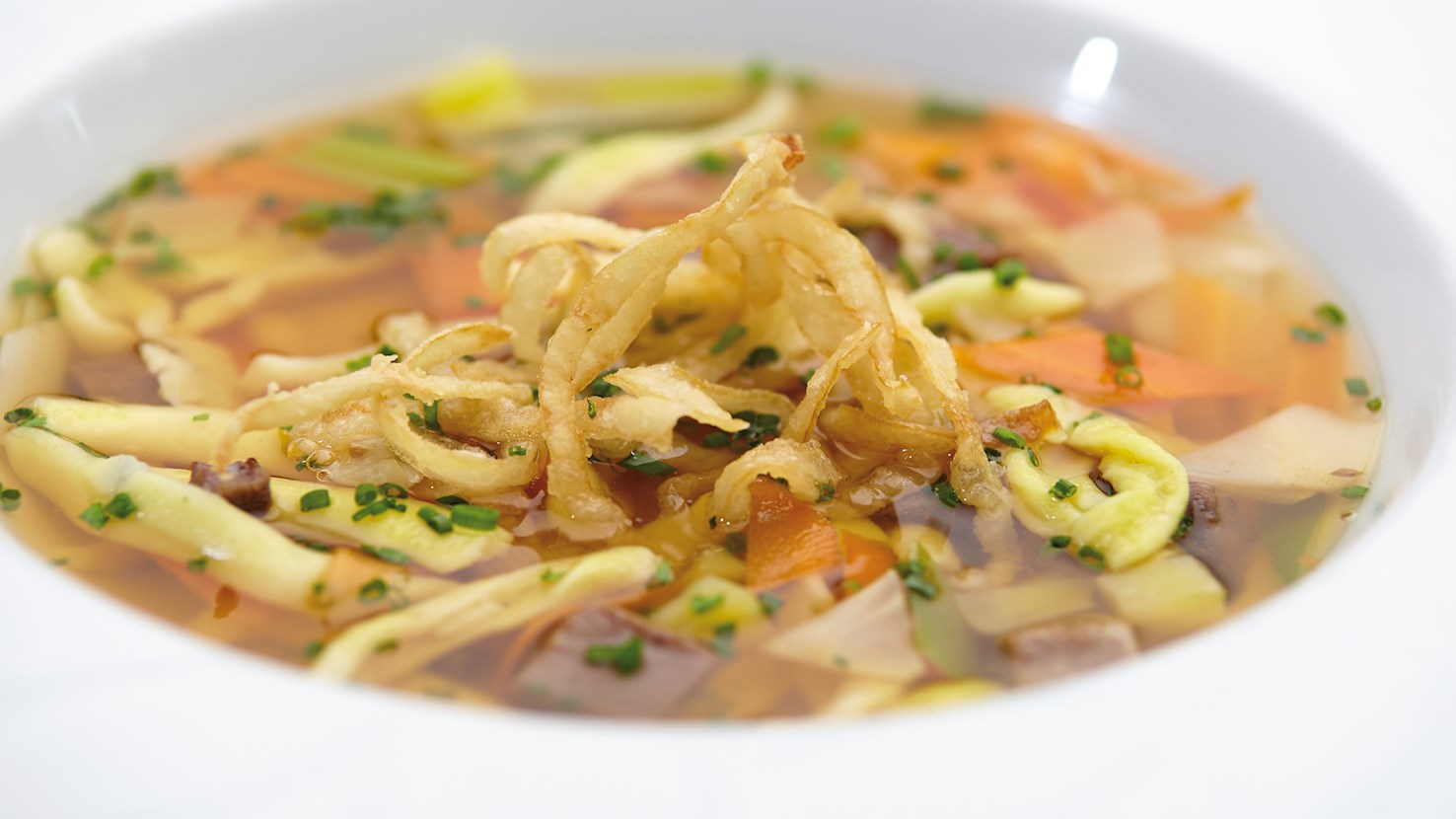
A German specialty originating from Swabia, gaisburger marsch is a meat stew based on beef cooked with a rich meat broth and vegetables. Once ready, the beef is usually cut into bite-sized pieces, accompanied by potatoes, carrots, and spätzle, all drizzled with the broth. Warm and packed with flavors, the dish is typically topped with roasted onions, parsley, and chives. There are several stories behind the name of this classic dish, which translates as the march of Gaisburg in English. Some say the stew was a favorite among officer candidates who would march to one of the Gaisburg restaurants to have a bowl of it, while other sources credit the wives of certain imprisoned Gaisburg locals for the creation of this stew. Regardless of who created the dish, this hearty Swabian stew remains a common traditional specialty beloved by many.
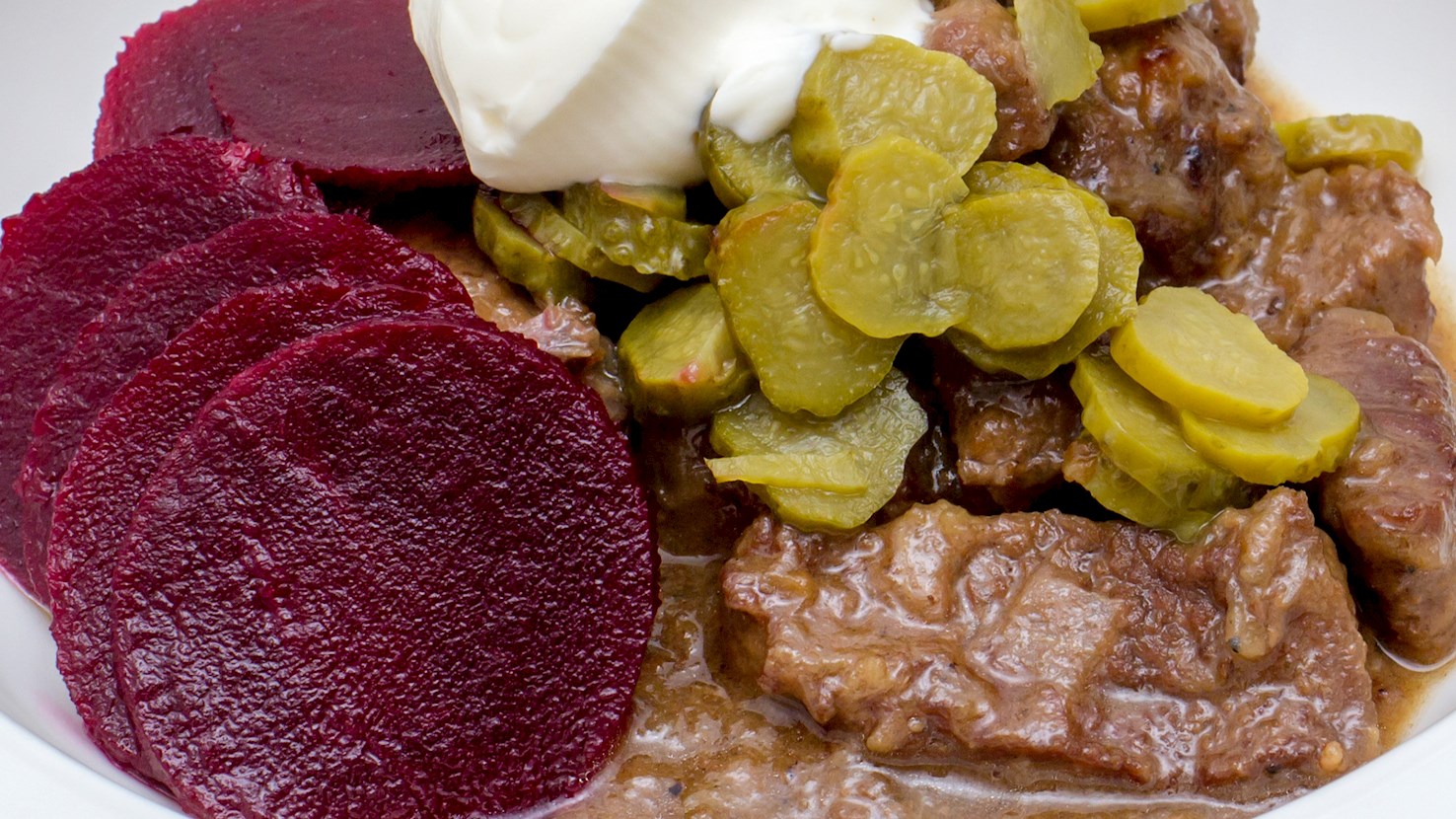
Pfefferpotthast is a traditional meat stew hailing from Westphalia. It consists of pieces of beef that are simmered in a seasoned broth along with onions, soup vegetables, spices, and herbs. The meat is typically first browned in a little oil or lard before it's cooked with the other ingredients, and the broth is usually thickened with crumbled bread, traditionally with the classic Westphalian pumpernickel rye bread. Spices such as cloves, juniper berries, allspice, bay leaves, salt, and pepper are typically used for seasoning the broth. Warming and flavor-packed, the dish is perfect for a chilly fall or winter lunch or dinner, and it is usually accompanied by pickled gherkins, salt potatoes (Salzkartoffeln), beetroots, and a German beer on the side. The first mention of this Westphalian specialty dates back to 1378 in Dortmund, where an annual Pfefferpotthast Festival is held each September, usually at the end of the month.
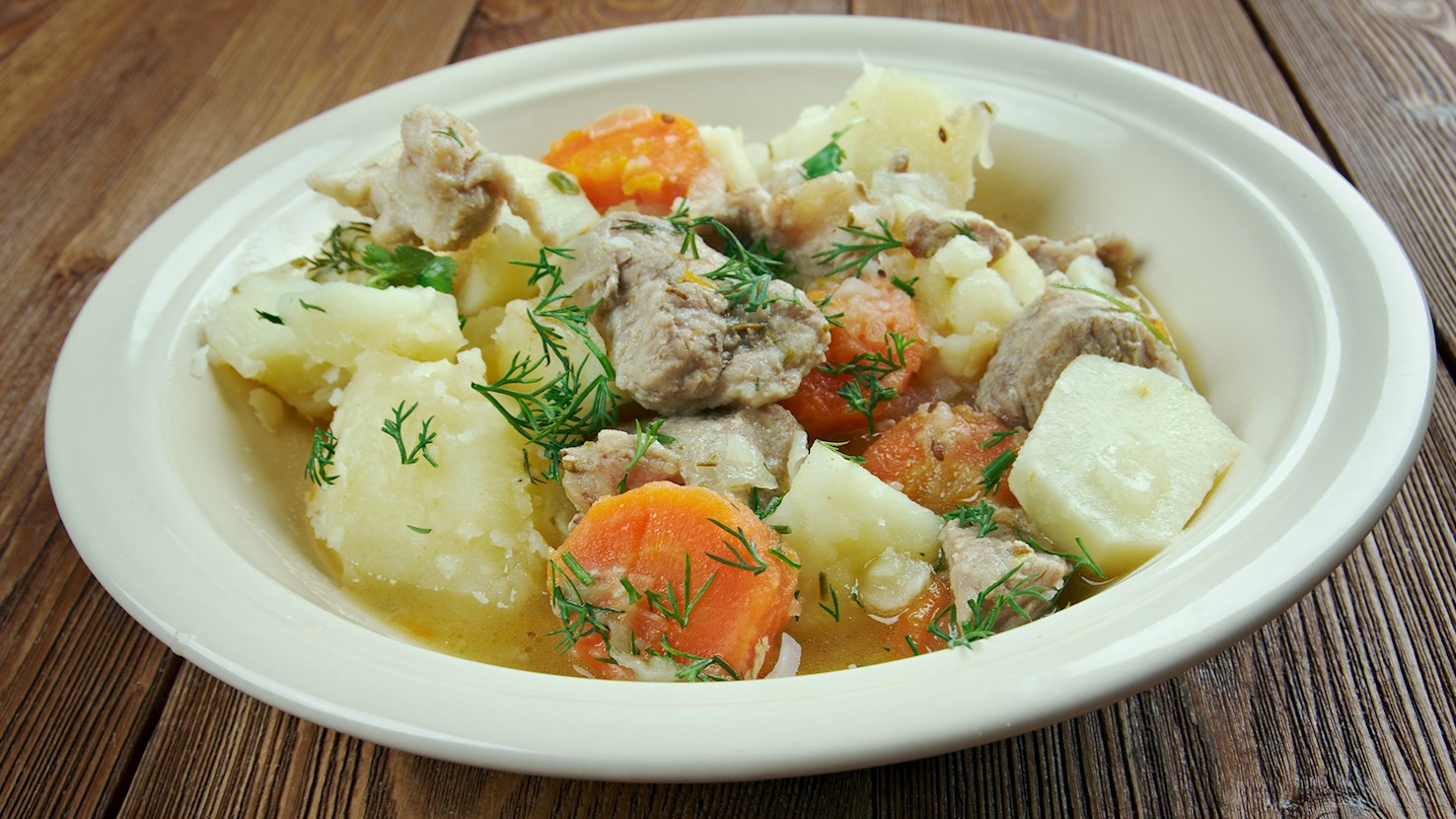
Pichelsteiner is a thick German stew made with several kinds of meat and vegetables. Pork, beef, and mutton are the main ingredients alongside potatoes, carrots, cabbage, and leeks. Various other vegetables can be added for extra flavor, such as onions, celery, and garlic. The stew is seasoned with salt and pepper, then sprinkled with fresh parsley. Pichelsteiner is considered an all-time classic in Bavaria, where the dish originated from in the 19th century. Auguste Winkler, an innkeeper from the small village of Grattersdorf, is credited with inventing the stew at an open-air cooking festival in 1879. The first mention of this dish appeared in a German cookbook from 1894. Since then, Pichelsteiner became associated with open-air cooking festivals in Germany. It is traditionally served piping hot on cold and rainy days.
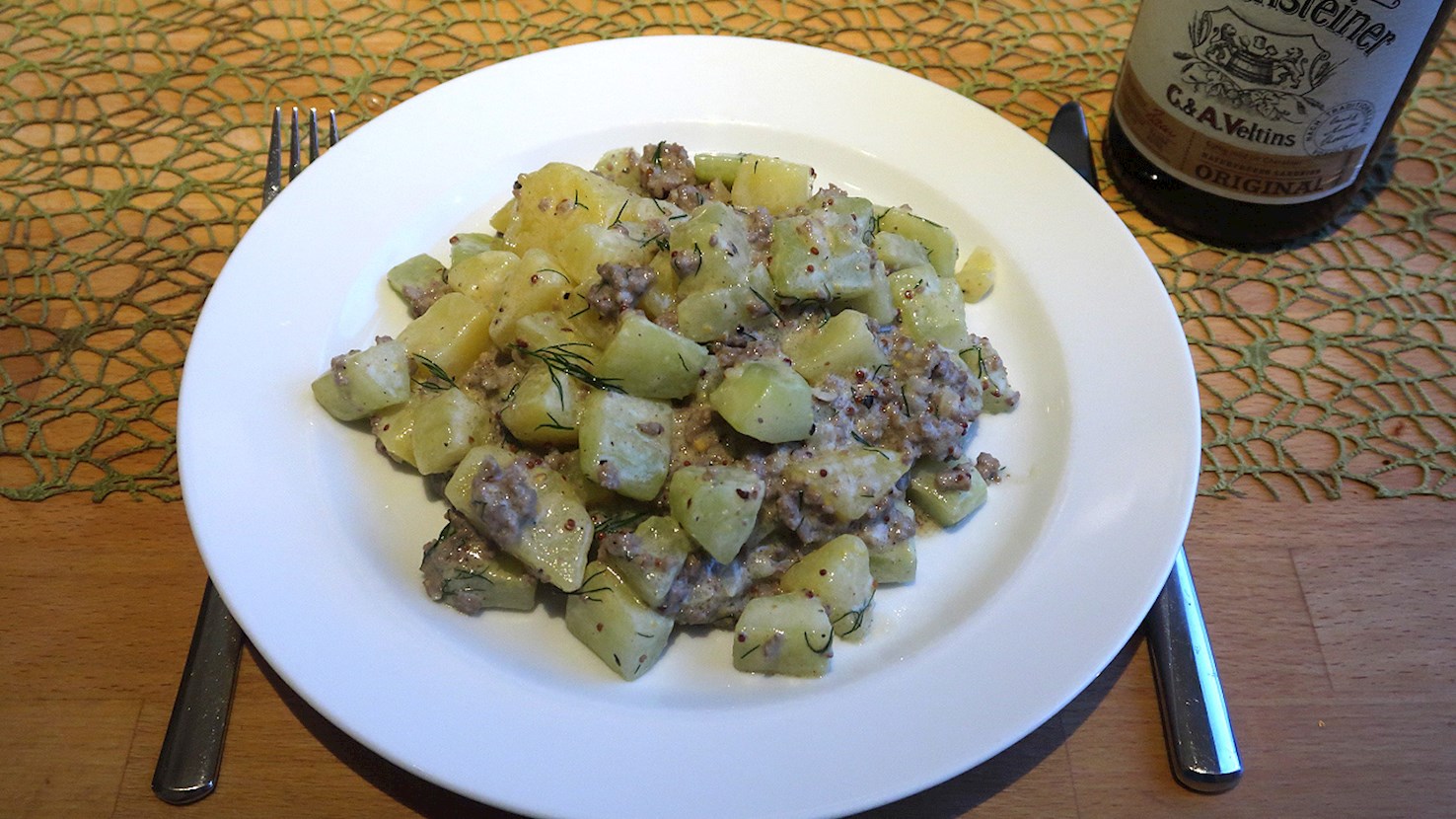
Berliner schmorgurken is a traditional dish originating from Berlin. The dish is usually made with a combination of cucumbers, white wine vinegar, bacon, shallots, sour cream, dill, sugar, salt, and pepper. The cucumbers are peeled, cut in half lengthwise, and the seeds are removed. They're cut into pieces and tossed with sugar, salt, pepper, and vinegar, and then left to stand for an hour. The bacon and shallots are sautéed over medium heat, and the drained cucumbers are added to the pan. The mixture is covered with water and simmered over low heat. Sour cream is stirred in when the pan is removed from the heat, and the dish is then reheated, but not boiled. Before serving, schmorgurken are seasoned with salt and pepper and sprinkled with finely chopped fresh dill.
Hirschpfeffer is a venison stew from the alpine regions of Switzerland and southern Germany, known for its deep, savory flavor built from slow-cooked game meat, red wine, and spices. The name combines “Hirsch,” meaning deer, and “Pfeffer,” which refers not only to pepper but to a style of stew cooked with a thick, spiced sauce. It reflects the hunting and forest culture of Central Europe, where game has long played an important role in rural cooking, particularly during the colder months. The dish emerged from the need to preserve and tenderize tougher cuts of wild meat, transforming them into a rich and balanced meal that could sustain through winter. Its roots lie in the countryside kitchens of alpine hunters, where venison, once cleaned and dressed, was marinated in wine and vinegar with herbs to soften its texture and tame its gamey taste. The marinade, containing juniper, cloves, bay leaves, and pepper, also provided a base for the sauce, tying together acidity and spice. Over time, the dish moved from hunting lodges to domestic tables and restaurants, especially in regions where hunting seasons remained part of local life. Though each area developed its own version (some darker and more robust, others lighter with cream or root vegetables) the essence stayed the same: venison simmered slowly in a wine-based gravy until tender enough to fall apart. Preparation begins with marinating cubes of venison for a day or more in red wine, vinegar, and aromatics. The meat is then browned in butter or oil, and the marinade is strained and added back to the pot along with onions, carrots, and a small amount of flour to thicken the sauce. The mixture is simmered gently for several hours, allowing the flavors to deepen and the meat to soften. Toward the end, a touch of currant jelly or grated apple is sometimes stirred in to round out the acidity. The sauce becomes dark, glossy, and dense, coating the venison in a balanced blend of sweet, sour, and savory tones. The dish is eaten throughout the alpine regions, particularly in autumn and winter when game is fresh. It is served hot, often with sides that complement its richness, like spätzle, mashed potatoes, bread dumplings, or red cabbage are the most common. In Switzerland, lingonberry compote frequently accompanies it, adding a light fruit note that offsets the dark sauce. A glass of full-bodied red wine, often from local vineyards, completes the meal.
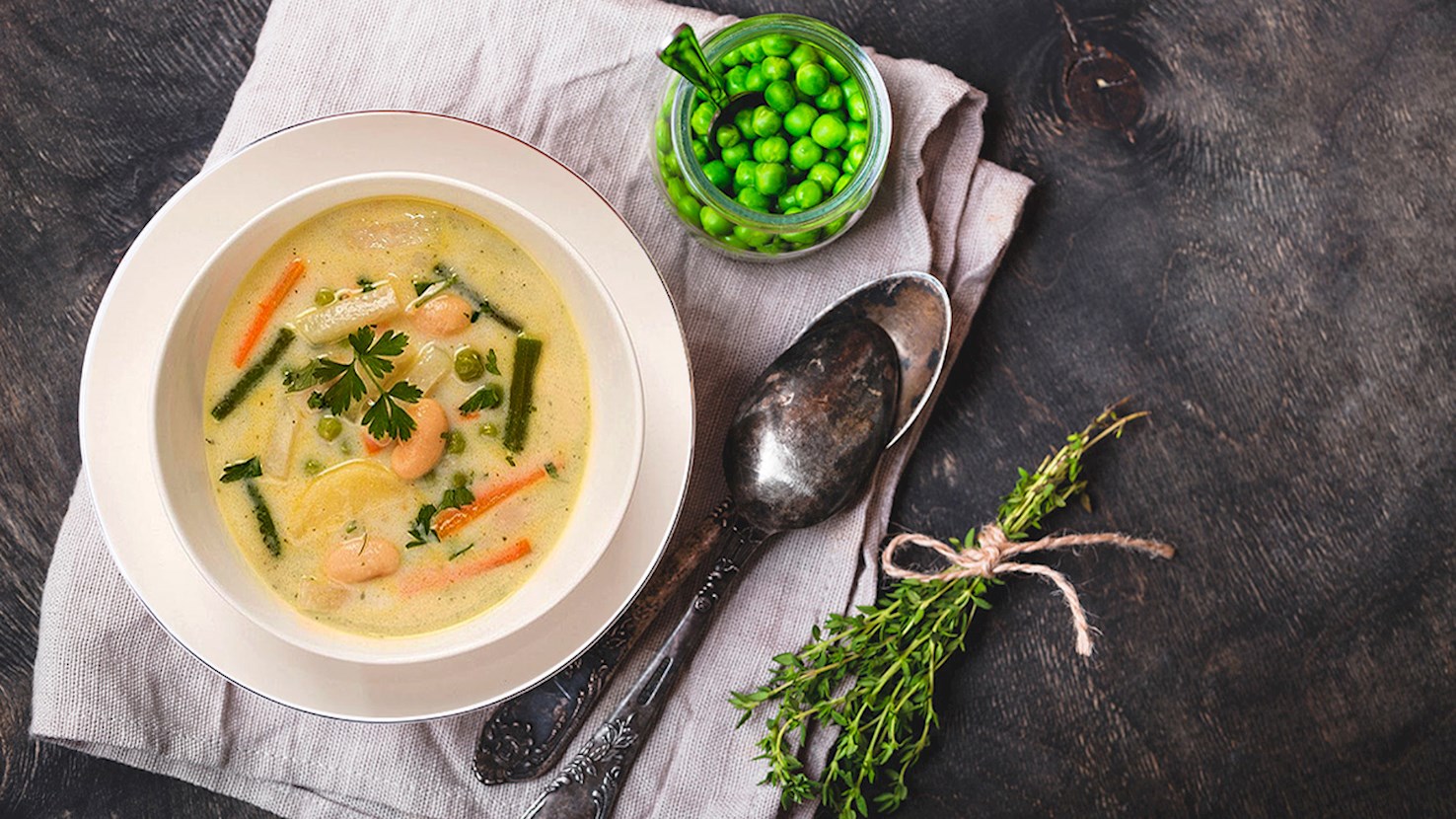
Schnüsch is a traditional stew or vegetable stew originating from the northern parts of the country. It’s made with a combination of carrots, potatoes, kohlrabi, green beans, peas, stock, parsley, milk, flour, sweet cream, salt, and pepper. The stew is simmered until all the ingredients have become tender, but still slightly firm to the bite and not falling apart. Schnüsch is traditionally sprinkled with chopped parsley and served with slices of raw ham.
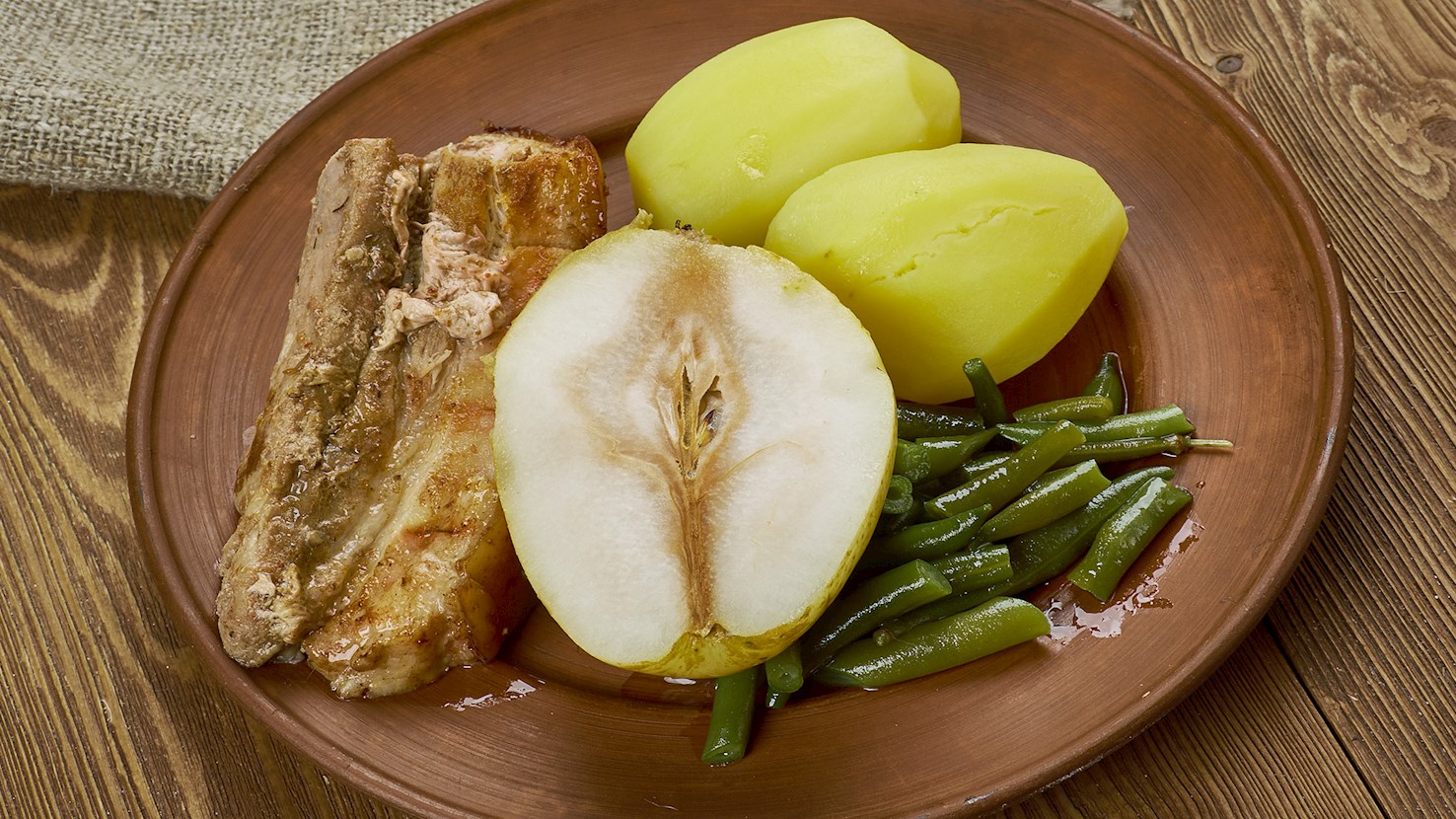
This traditional North German specialty uses a combination of pears, green beans, and bacon (birnen, bohnen und speck in German), yielding a uniquely flavored dish. Peeled and cored cooking pears (kochbirnen) are simmered with French beans or string beans along with pieces of smoked streaky bacon until tender. They're cooked in an aromatic broth which is seasoned with summer savory, thyme, parsley, salt, and pepper. Sweet, savory, and smoky, the dish has been traditionally prepared from late summer through early fall, and it is typically enjoyed with a side of potatoes or German dumplings (klößen).
TasteAtlas food rankings are based on the ratings of the TasteAtlas audience, with a series of mechanisms that recognize real users and that ignore bot,
nationalist or local patriotic ratings, and give additional value to the ratings of users that the system recognizes as knowledgeable.
TasteAtlas Rankings should not be seen as the final global conclusion about food. Their purpose is to promote excellent local foods,
instill pride in traditional dishes, and arouse curiosity about dishes you haven’t tried.





What People Say