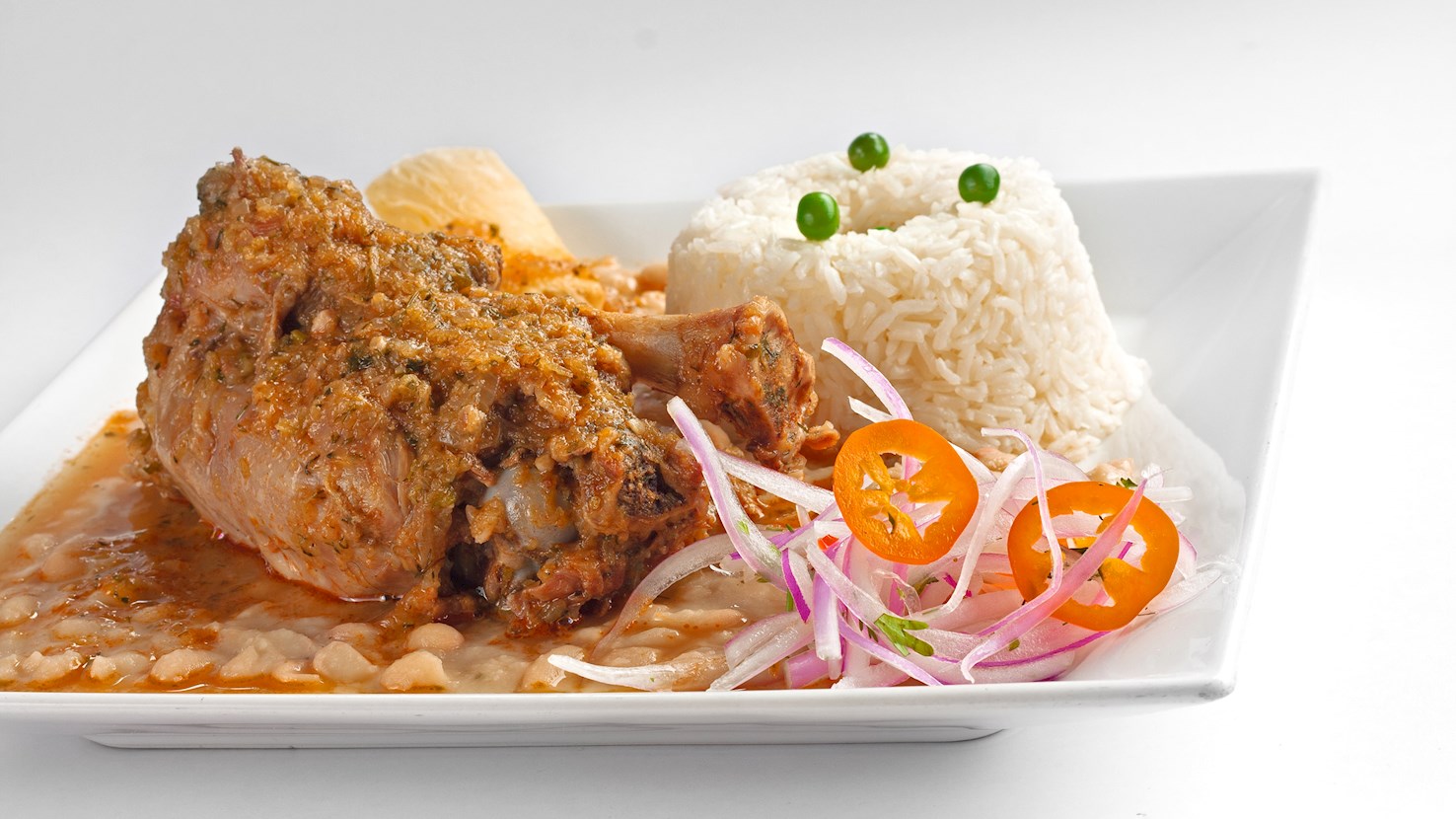
Seco de cabrito is a traditional dish that was originally prepared in the north of the country, but nowadays it's also popular in coastal areas. It consists of goat meat that's cooked with hot peppers, peas, carrots, and cilantro sauce. The list of ingredients also includes onions, cumin, garlic, oregano, oil, and seasonings. The meat is fried, then cooked with the other ingredients until the sauce becomes thick. Once done, seco de cabrito is traditionally served with rice, beans, and boiled cassava as a one-dish meal. This dish is often prepared for festive events such as family celebrations, and it can also be reheated and served the next day.
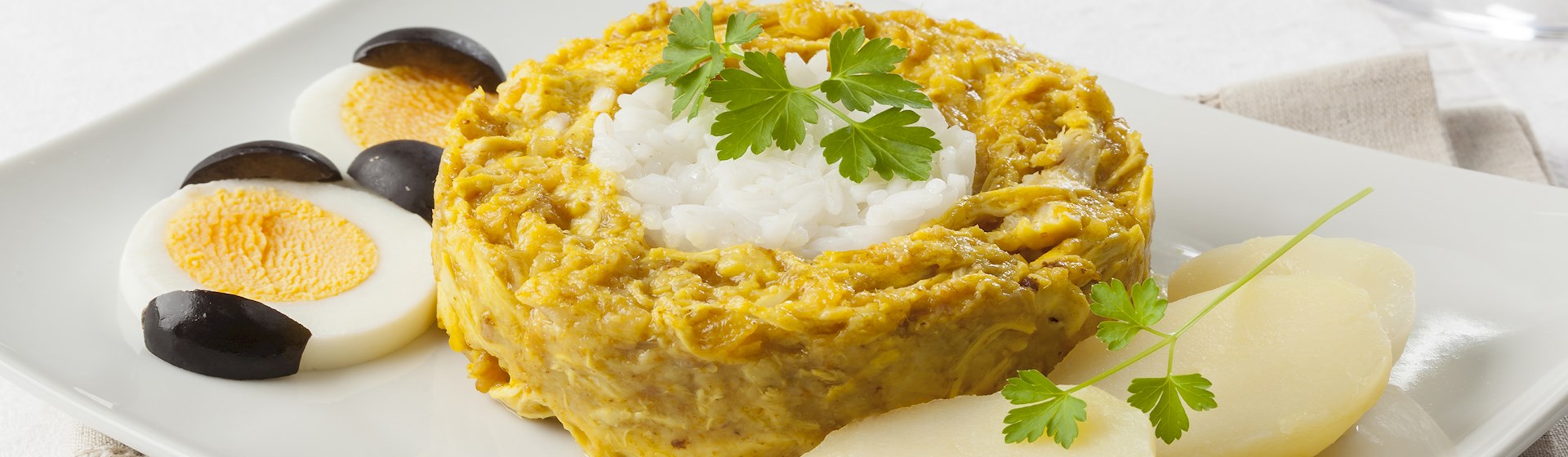
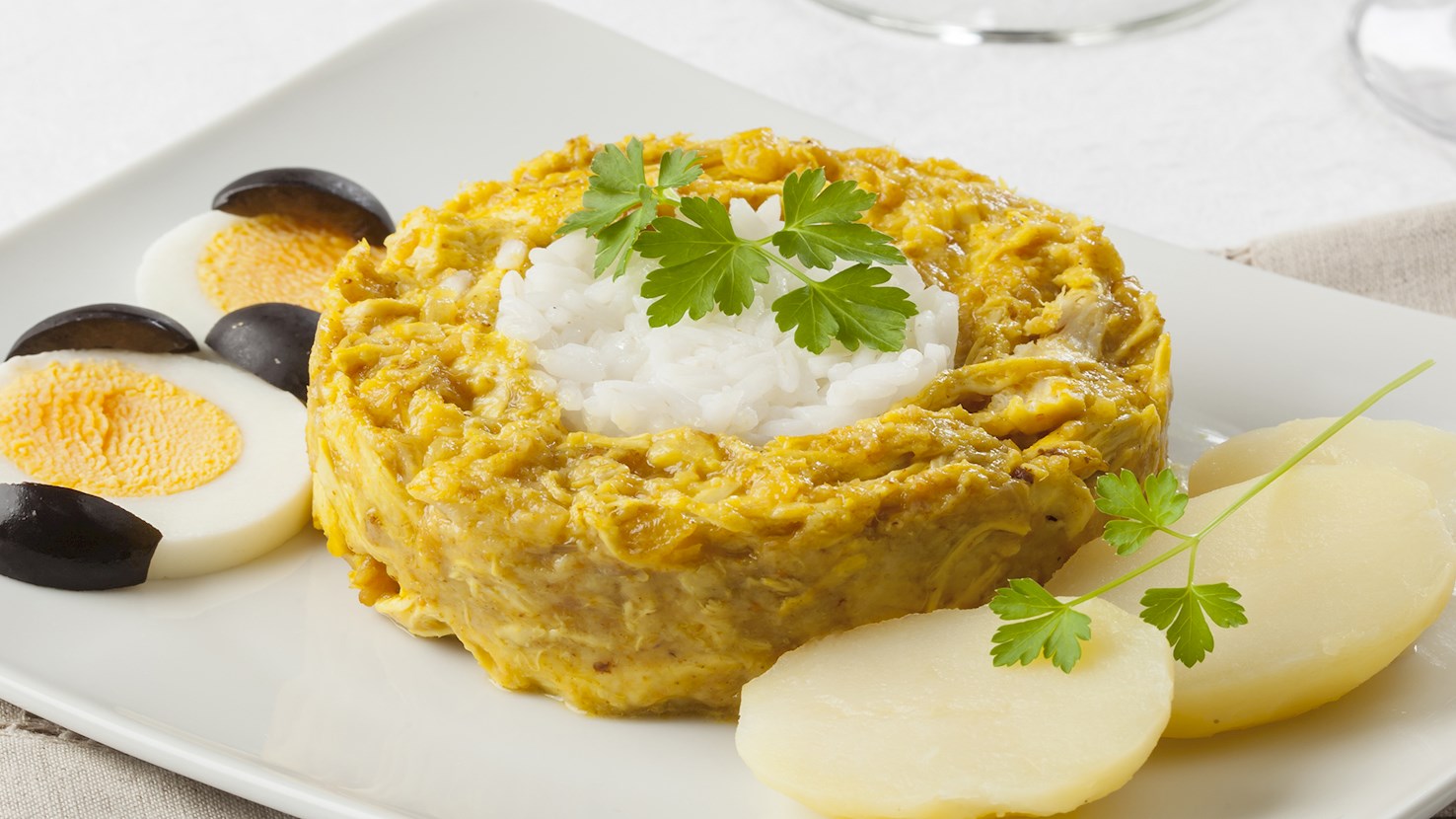
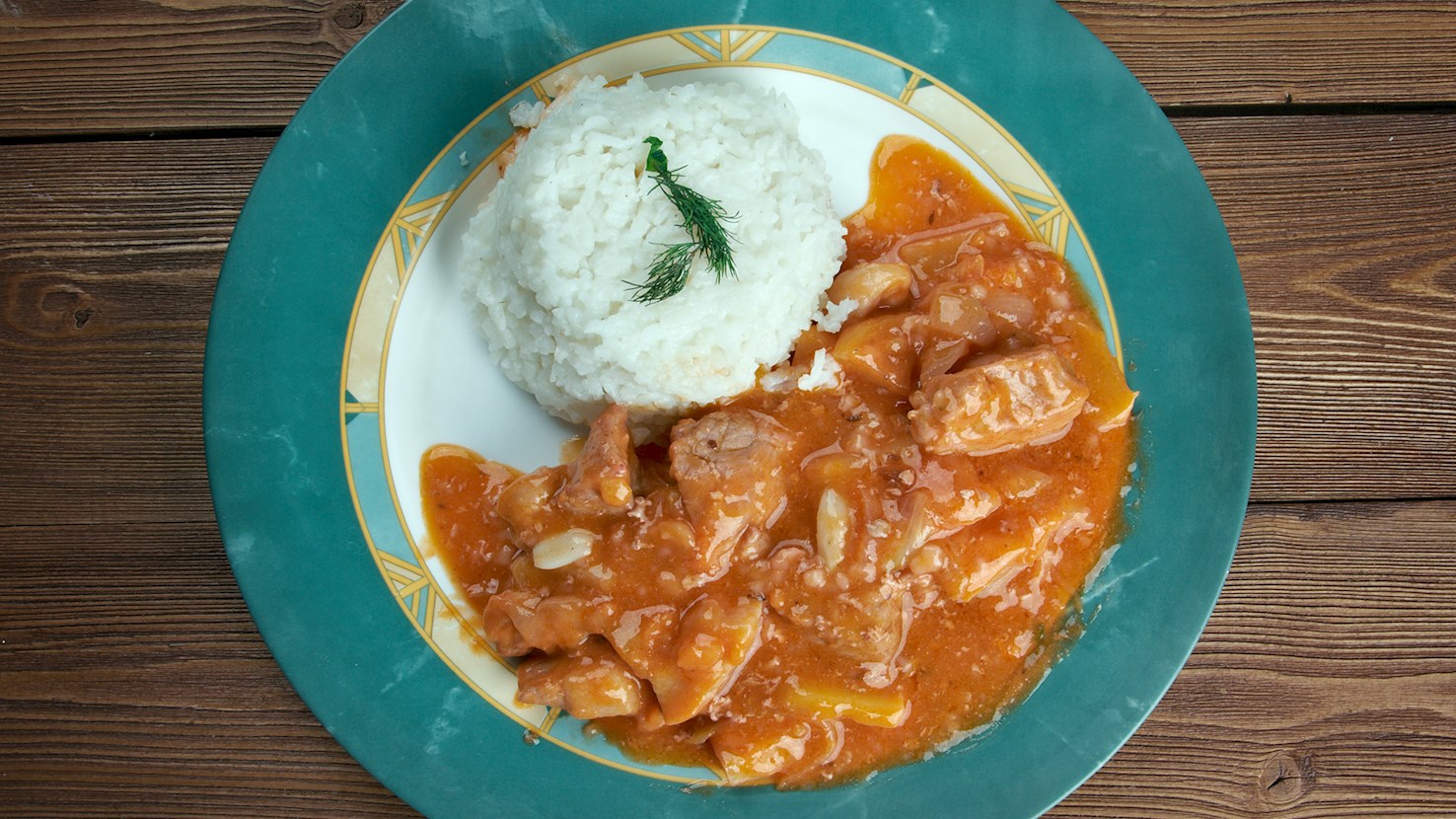
Often consumed on rainy or cold days by many Peruvians, aji de gallina is a spicy dish consisting of shredded chicken in a creamy sauce. It is traditionally served over rice and garnished with black olives and boiled potatoes. The sauce is made with aji amarillo chilis, garlic, onions, walnuts, cheese, and crustless bread, and it is usually flavored with spices such as cumin, pepper, oregano, turmeric, and parsley. It is believed that aji de gallina originated from a dish called manjar blanco, made with a combination of chicken, almonds, sugar, and rice. After its arrival in Peru, the people adapted it using local ingredients such as the aji chili, and a new dish was created in the process.
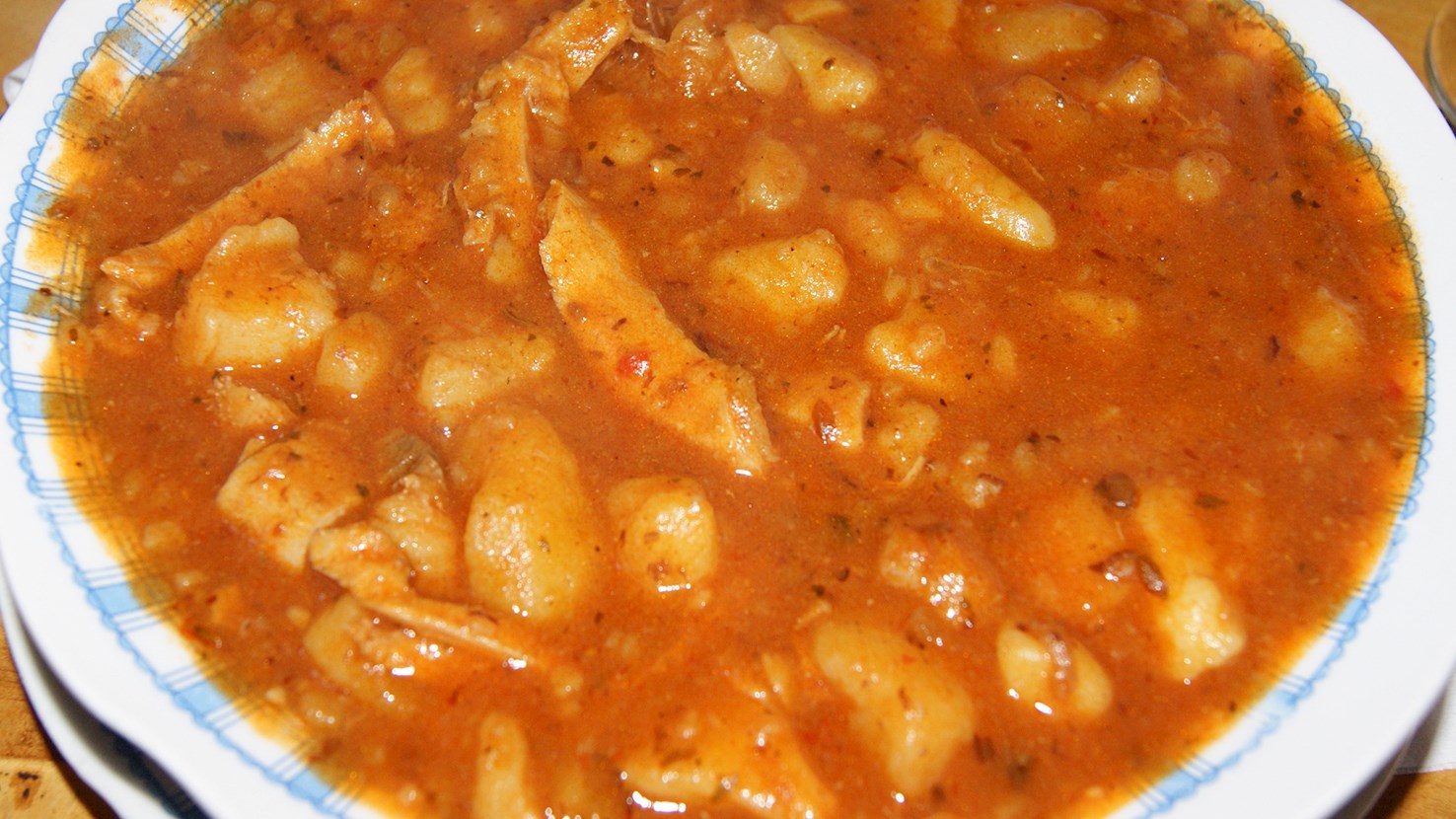
Picante a la tacneña is a traditional dish originating from Tacna. It is made with tripe, chili peppers, dried meat (lamb or llama), cow's foot, and local papa negra (also known as mariva) potatoes. The chili peppers are first cooked in water with garlic and cumin until the sauce develops a thick texture. It is then combined with meat, while the potatoes are added later. When the dish is fully cooked, it is usually served with marraqueta bread and a glass of dry red wine on the side.
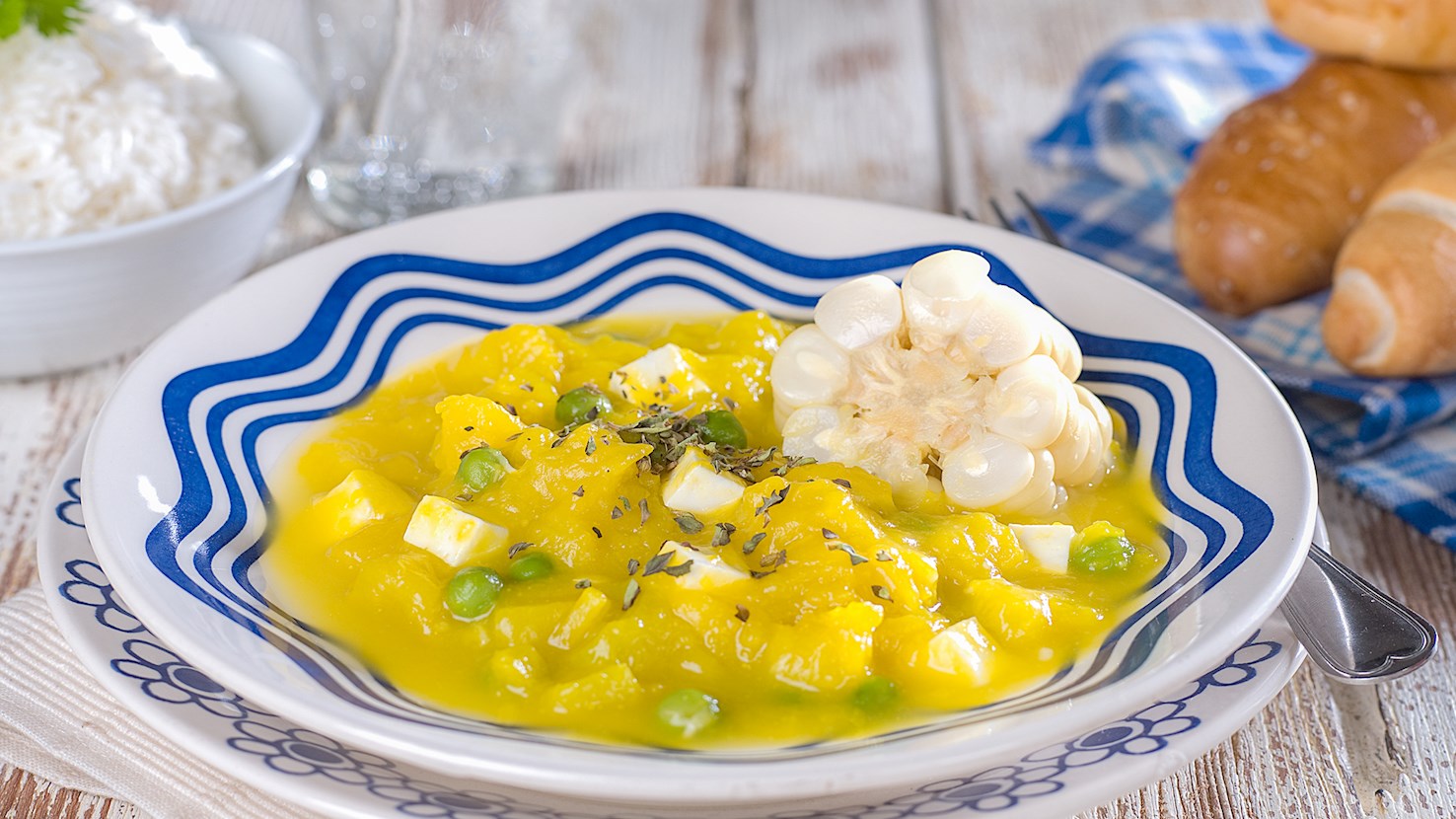
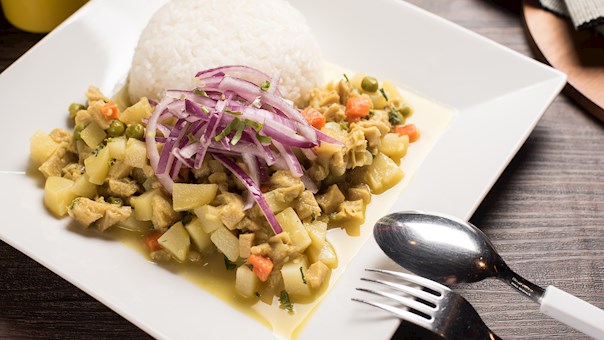
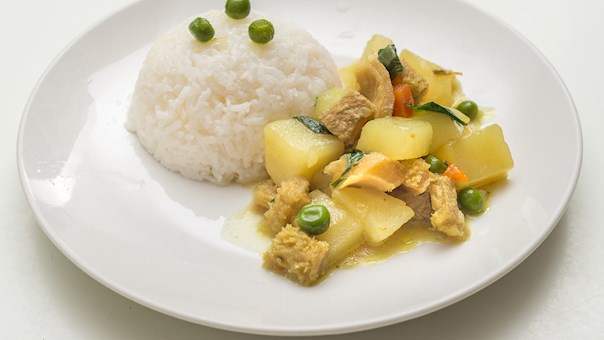
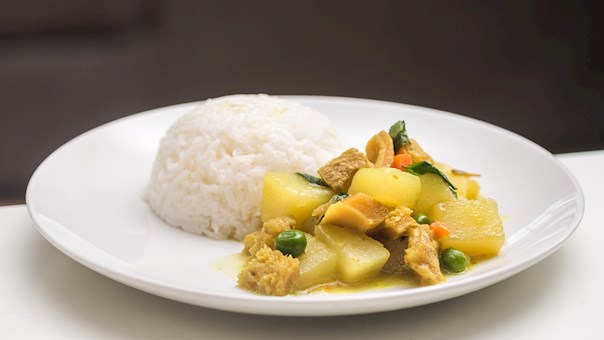
Locro de zapallo is a classic Peruvian dish consisting of squash pieces, potatoes, evaporated milk, queso fresco, vegetables (onions, peas, corn), and aji amarillo peppers. Because the stew is quite light, many people had locro for dinner, then went straight to bed during Colonial times. When the stew is ready, it is recommended to serve it with white rice and fried plantains.
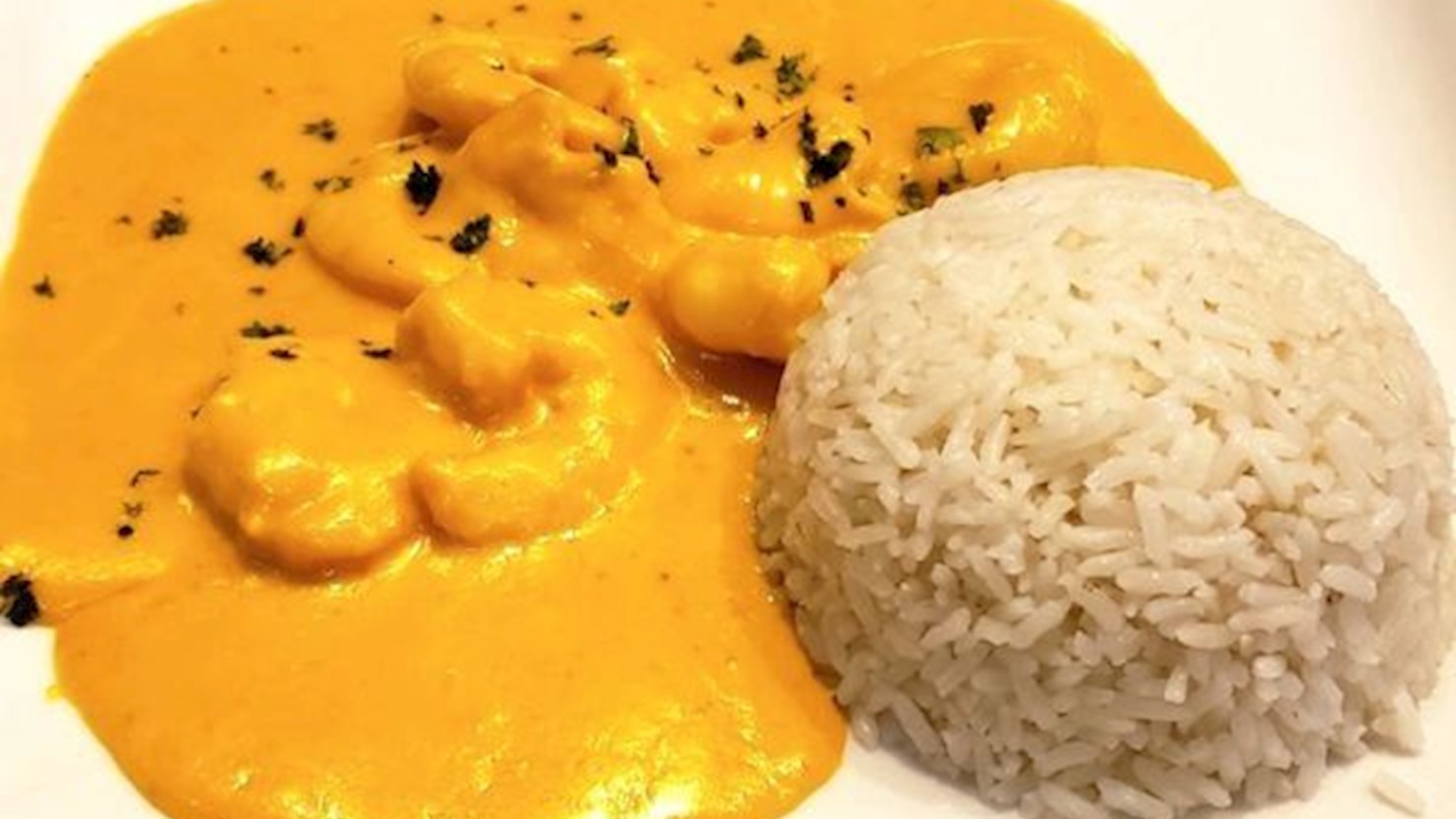
Picante de langostinos is a traditional stew originating from Peru. It's usually made with a combination of shrimp, evaporated milk, bread, garlic, onions, hot peppers, tomatoes, pisco, stock, oregano, walnuts, salt, and pepper. The hot peppers, garlic, and onions are sautéed until soft, and then mixed with grated tomatoes, pisco, oregano, and blended bread sliced that have been soaked in evaporated milk. The mixture is cooked over medium heat until creamy and it's then covered with vegetable stock. The shrimps and ground walnuts are added to the pot and the dish is cooked for a few more minutes. Once done, the stew is seasoned with salt and pepper and ladled over potato slices and hard-boiled eggs in large shallow bowls.
Adobo arequipeño is a traditional stew from the region of Arequipa, made with pork marinated in a blend of chicha de jora (a type of fermented corn beverage), vinegar, ají peppers, garlic, onions, and spices. The mixture is typically left to marinate overnight and then slowly simmered until the pork is tender. It's a popular dish often eaten during Sunday breakfasts or family gatherings.
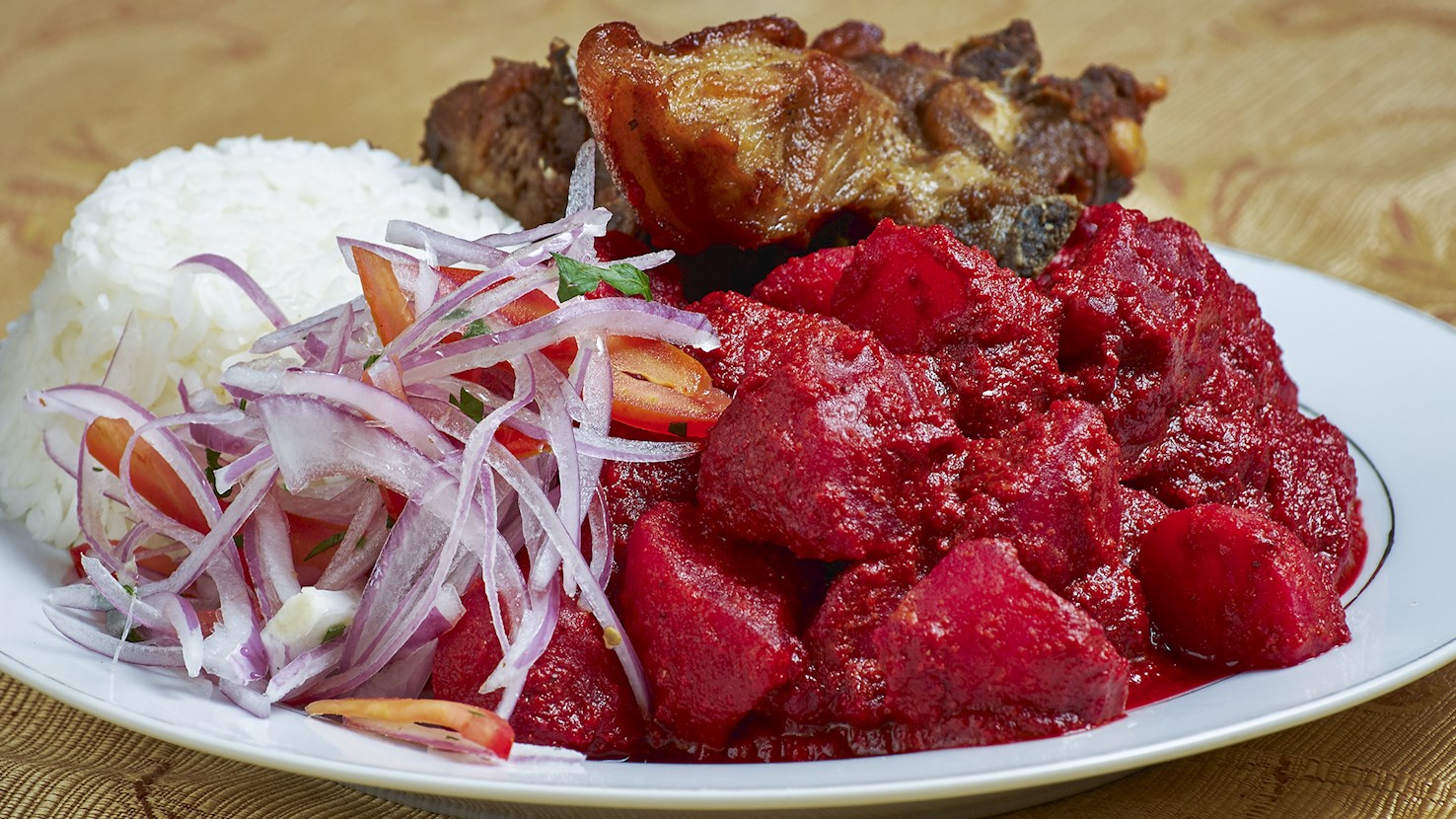
Puca picante is a traditional dish originating from the region of Ayacucho. It is made with a combination of beets, peanuts, potatoes, onions, garlic, aji panca paste, and cumin. If desired, the stew can be enriched with the addition of beef, pork, or chicken. In Quechua, puca means red, referring to the vibrant color of this stew, while picante means spicy, so the name of the dish can be translated as spicy red. It is recommended to serve this delicious stew with rice or a green salad on the side.
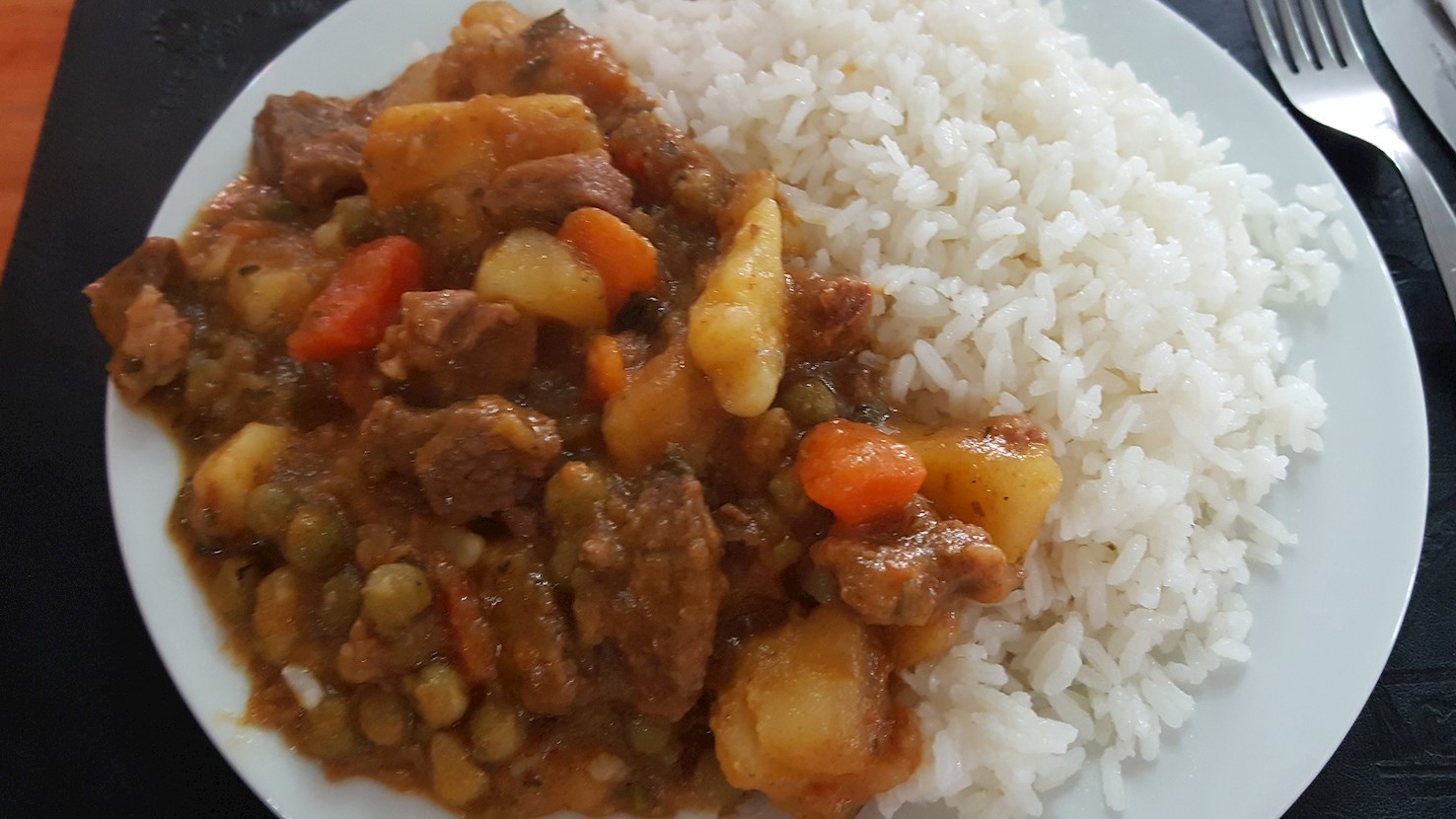
Picante de carne is a traditional stew originating from Peru. Although there are many variations, it's usually made with a combination of beef (flank steak, beef shank, skirt steak, brisket, or neck), onions, garlic, cumin, hot peppers, oil, vegetable stock, fava beans, potatoes, parsley, salt, and pepper. The meat is seasoned with salt and pepper and browned in oil. The onions and garlic are sautéed until soft and mixed with cumin, hot peppers, stock, and browned beef. The mixture is simmered until the meat is tender, and the fava beans and potatoes are then added to the pot and cooked until tender. Chopped parsley is stirred into the stew and it's served white rice on the side.
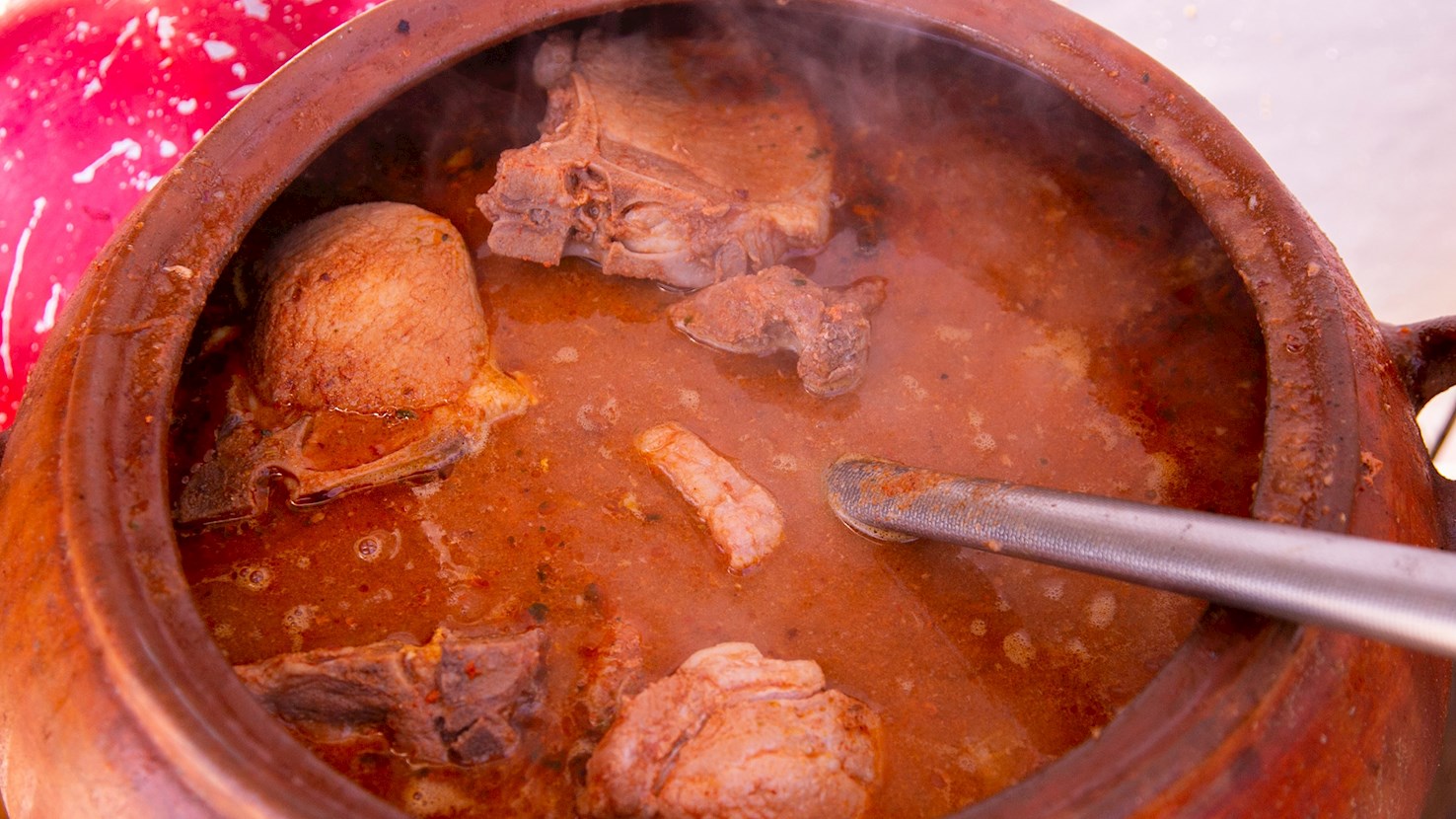
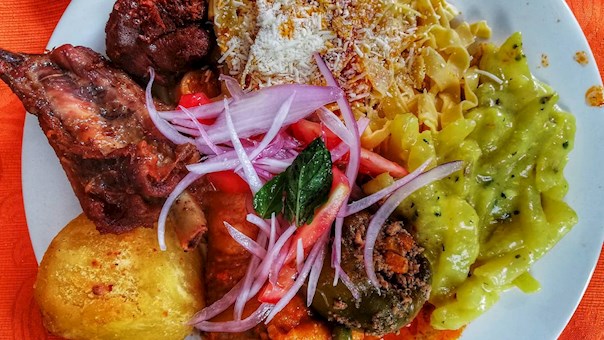
Carapulcra is a stew made with dried potatoes, pork, ají peppers, peanuts, garlic, and spices. It is thick, deeply flavored, and slightly smoky, with the rehydrated potatoes absorbing the pork broth and chile-based seasoning as they cook. The defining ingredient in the most familiar version is papa seca, potatoes that have been cooked, dried, and broken into small irregular pieces. Drying potatoes is an old Andean preservation technique that allowed the crop to be stored for long periods. Papa seca is different from chuño, which is traditionally freeze-dried through repeated exposure to cold nights and strong daytime sun in the high Andes. Before cooking, the papa seca is often lightly toasted in a dry pan. This brings out a more pronounced roasted flavor. It is then washed and soaked in water for several hours or overnight until partially rehydrated. Pork is the most characteristic meat in modern carapulcra. Pork shoulder, leg, ribs, or belly can be cut into pieces and browned before the stew is assembled. The rendered fat becomes part of the base of the dish. The seasoning begins with an aderezo of finely chopped onion, garlic, and ají. Ají panca is particularly important, giving carapulcra its dark reddish color and mild, slightly smoky chile flavor. Ají mirasol, the dried form of ají amarillo, is also commonly included. Cumin, black pepper, cinnamon, and cloves provide the warm spice notes traditionally associated with the stew. The browned pork and soaked papa seca are added to the aderezo along with enough pork or chicken broth to cook the potatoes. The mixture simmers slowly until the potato pieces become tender and the liquid reduces into a thick sauce. Unlike fresh potato, papa seca retains a distinct, slightly chewy texture even after prolonged cooking. Roasted ground peanuts are stirred in toward the end. They add richness, a mild sweetness, and additional body to the sauce without turning the dish into a peanut-based stew. A small amount of sweet wine or port is also included in some established preparations, but it is not essential to the identity of the dish. Carapulcra has very old roots, although the modern recipe cannot be traced unchanged to the Inca period. Its name is generally connected with the Aymara expression qala phurk'a, referring to cooking with heated stones. Hot-stone cooking was practiced in the Andes long before the Spanish conquest, and dried potatoes were already an important preserved food. The dish changed considerably during the colonial period. Pork, onions, garlic, and several of the spices now associated with carapulcra arrived with the Spanish, while Indigenous ingredients such as potatoes, peanuts, and ají remained central. Afro-Peruvian communities on the central and southern coast also played an important role in developing the dish as it became part of Peru's Creole cooking. Peanuts themselves were already native to South America, so they were not introduced to Peru from Africa. By the colonial period, carapulcra had become closely associated with popular cooking and large communal meals. It later became a familiar dish at family celebrations, religious festivities, weddings, and other gatherings, particularly along Peru's central and southern coast. The best-known regional distinction is found in Chincha, in the Ica region. Carapulcra chinchana is traditionally made with fresh potatoes rather than papa seca. It is commonly served together with sopa seca, a highly seasoned noodle dish cooked with ingredients such as achiote, basil, and other herbs. The combination of carapulcra and sopa seca is known as manchapecho and is one of Chincha's signature dishes. Outside this regional version, the classic papa-seca carapulcra is commonly served with steamed white rice or boiled yuca. These mild accompaniments balance the concentrated flavor of the pork, ají, peanuts, and spices.
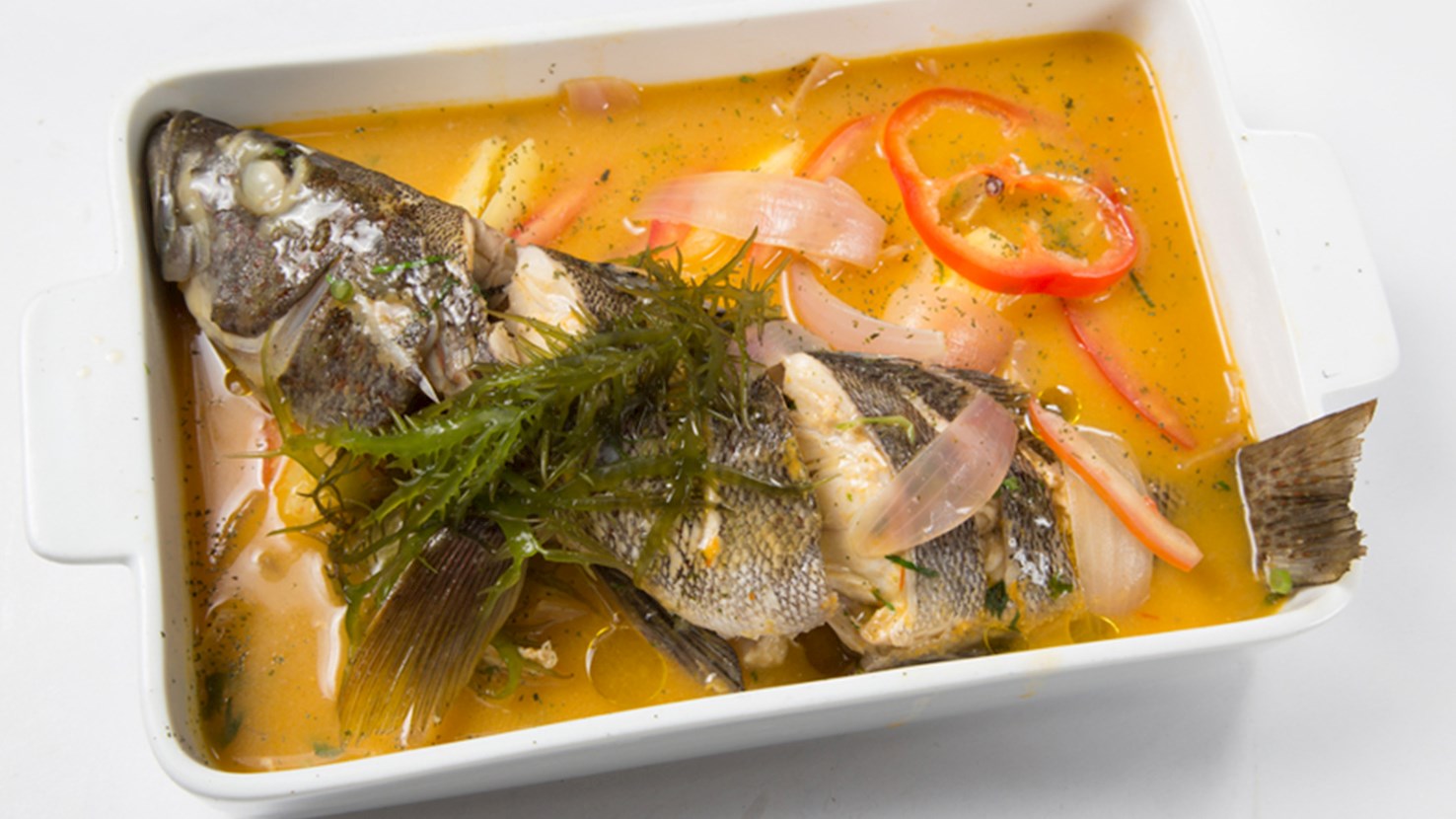
Sudado de pescado is a traditional dish that translates to "fish stew" or "steamed fish", characterized by its flavorful broth, made primarily with tomatoes, onions, peppers, garlic, and various spices. The fish, usually a white-fleshed variety, is gently simmered in this broth until it's tender and infused with the rich flavors of the stew. Accompaniments often include yucca (cassava) or potatoes, and the dish is typically seasoned with Peruvian ingredients such as ají (a type of chili pepper) and cilantro. It's served with rice on the side to soak up the savory broth.
TasteAtlas food rankings are based on the ratings of the TasteAtlas audience, with a series of mechanisms that recognize real users and that ignore bot,
nationalist or local patriotic ratings, and give additional value to the ratings of users that the system recognizes as knowledgeable.
For the “Top 26 Peruvian Stews” list until September 15, 2026, 2,866 ratings were recorded, of which 658 were recognized by the system as legitimate.
TasteAtlas Rankings should not be seen as the final global conclusion about food. Their purpose is to promote excellent local foods,
instill pride in traditional dishes, and arouse curiosity about dishes you haven’t tried.






What People Say