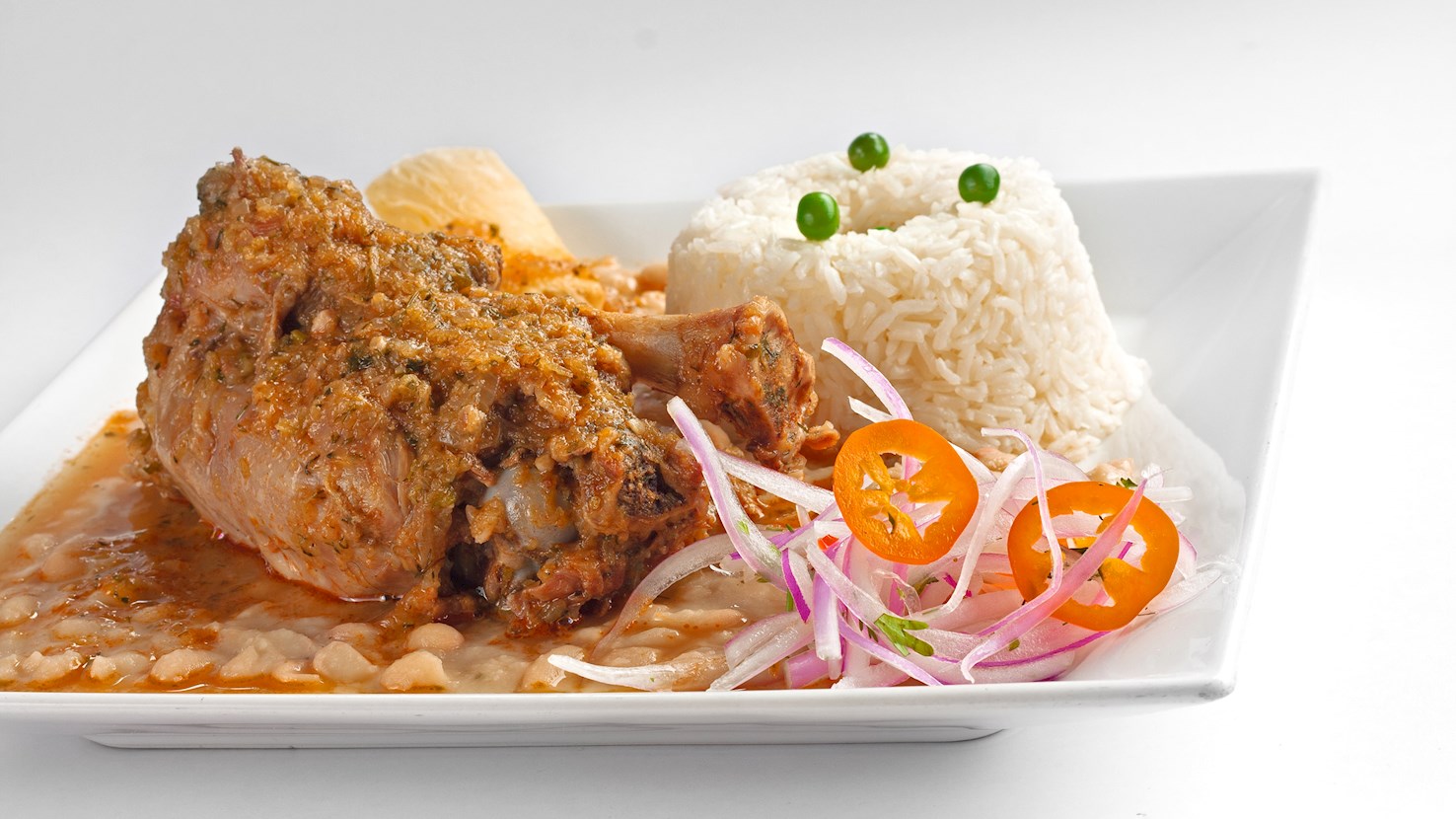
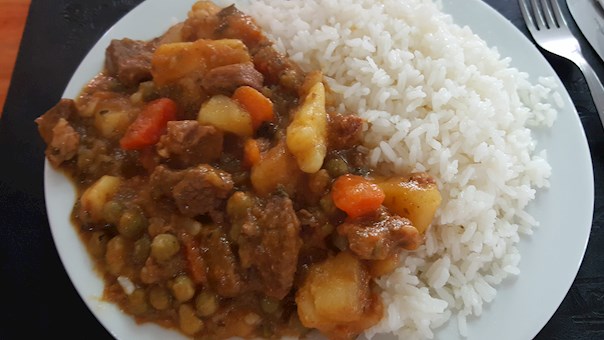
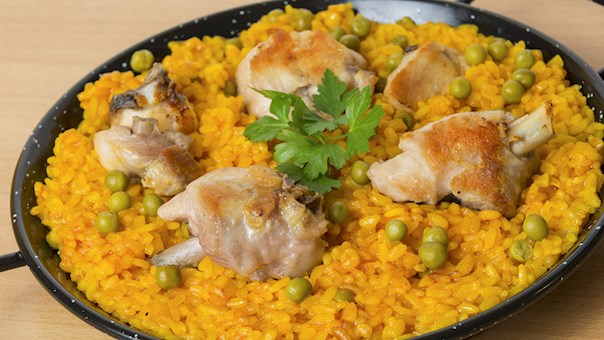
Seco de cabrito is a traditional dish that was originally prepared in the north of the country, but nowadays it's also popular in coastal areas. It consists of goat meat that's cooked with hot peppers, peas, carrots, and cilantro sauce. The list of ingredients also includes onions, cumin, garlic, oregano, oil, and seasonings. The meat is fried, then cooked with the other ingredients until the sauce becomes thick. Once done, seco de cabrito is traditionally served with rice, beans, and boiled cassava as a one-dish meal. This dish is often prepared for festive events such as family celebrations, and it can also be reheated and served the next day.
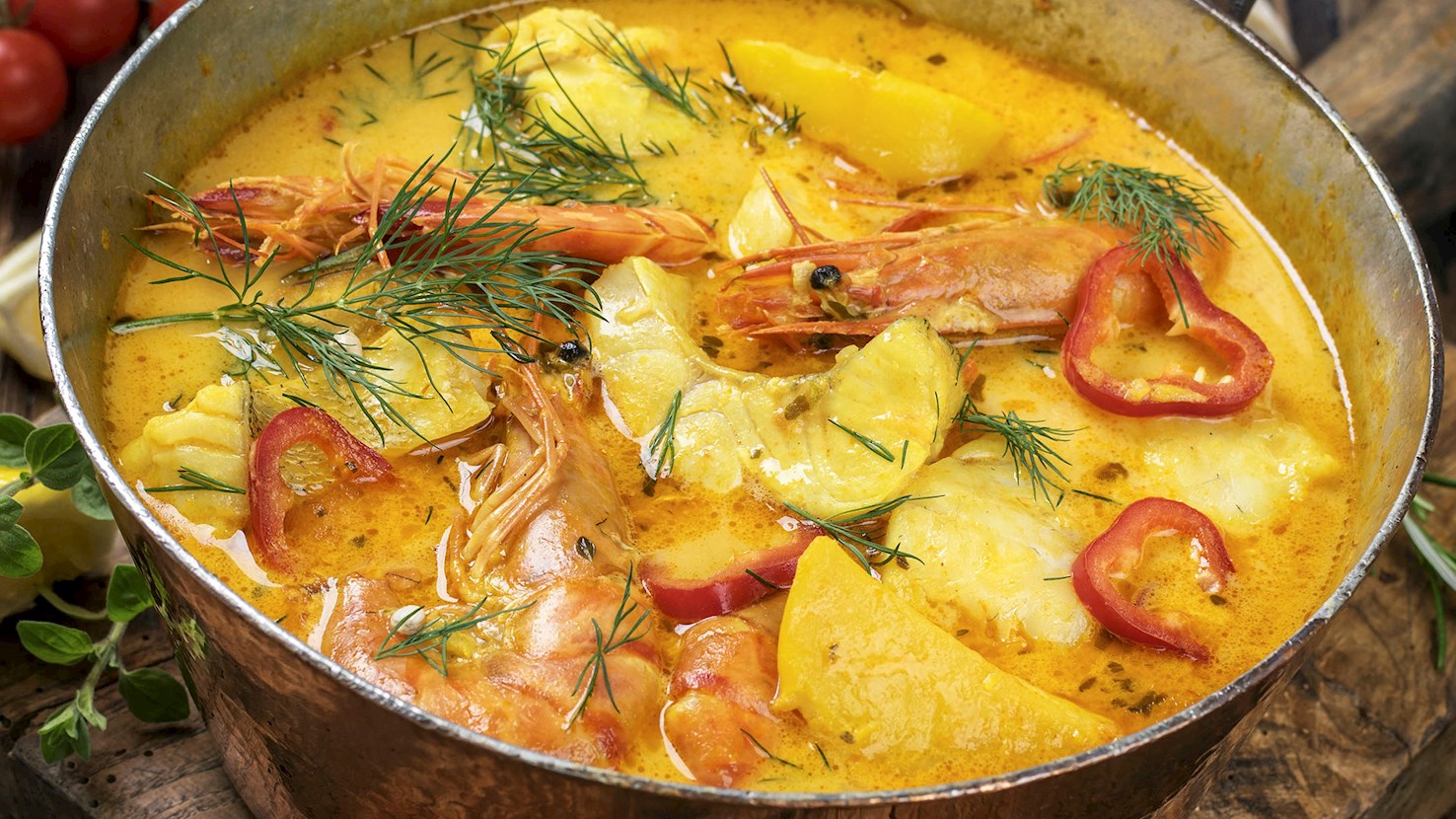
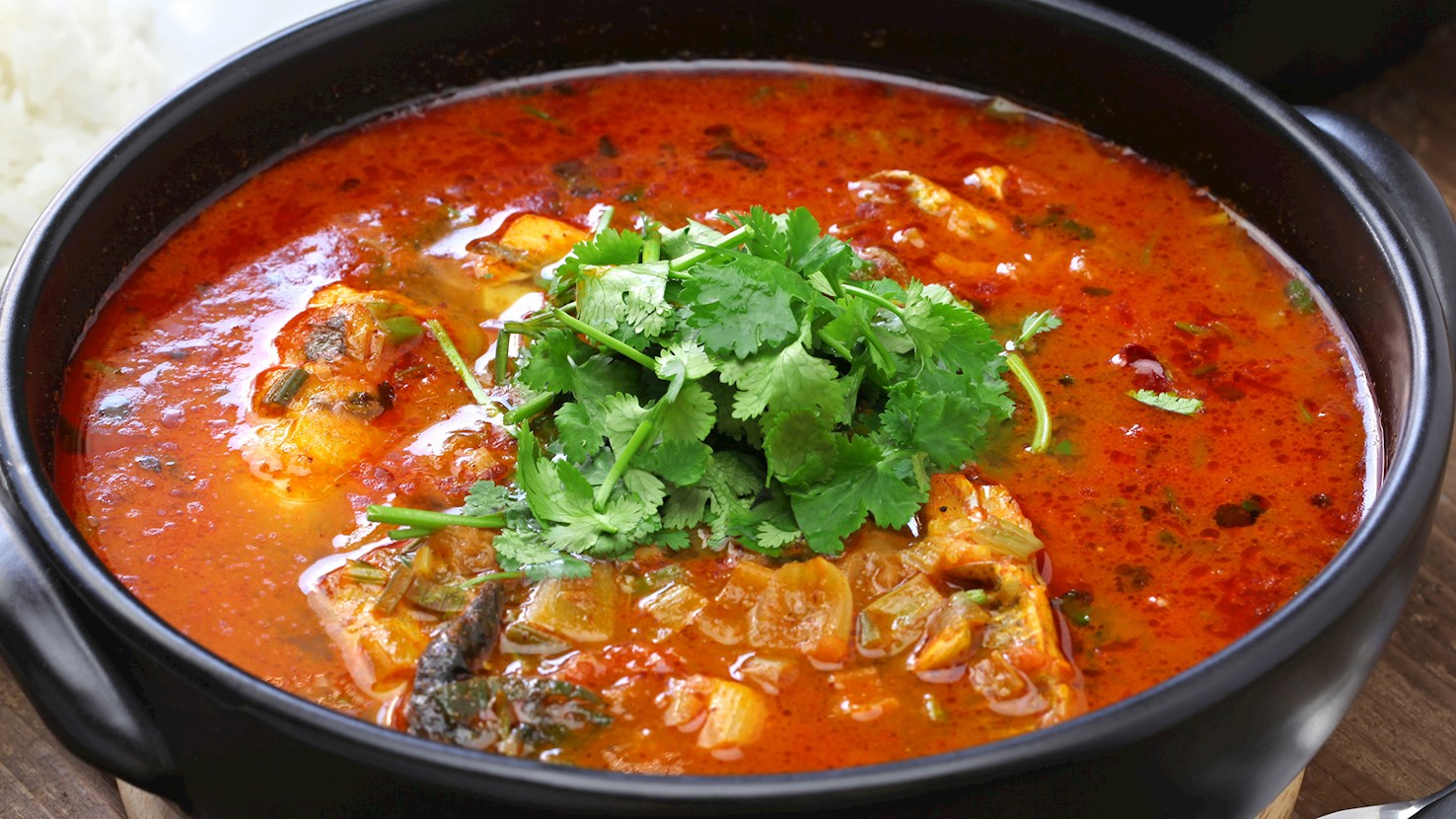
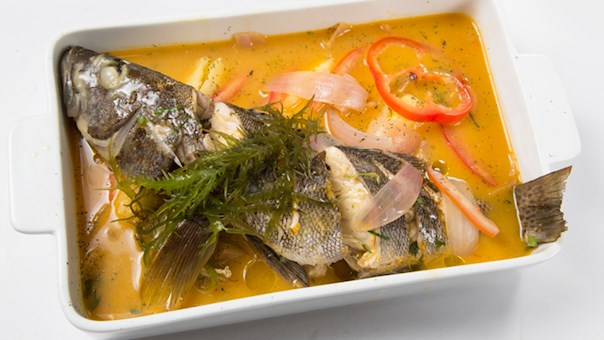
Moqueca Baiana is a seafood stew originating from the Brazilian state of Bahia, hence the word Baiana in its name. It consists of white fish, shrimps, or other seafood combined with coconut milk, dendê oil, lime juice, and various vegetables such as red and yellow peppers, tomatoes, spring onions, garlic, onions, and sometimes ginger. When done, the dish is typically garnished with chopped coriander, then served with rice and farofa. This seafood stew was originally prepared by the native people of Brazil. Over time, new elements were added to the stew, such as coconut milk, which was first introduced to Brazil by Portuguese colonists, and palm oil, which was brought over to the country by African slaves.
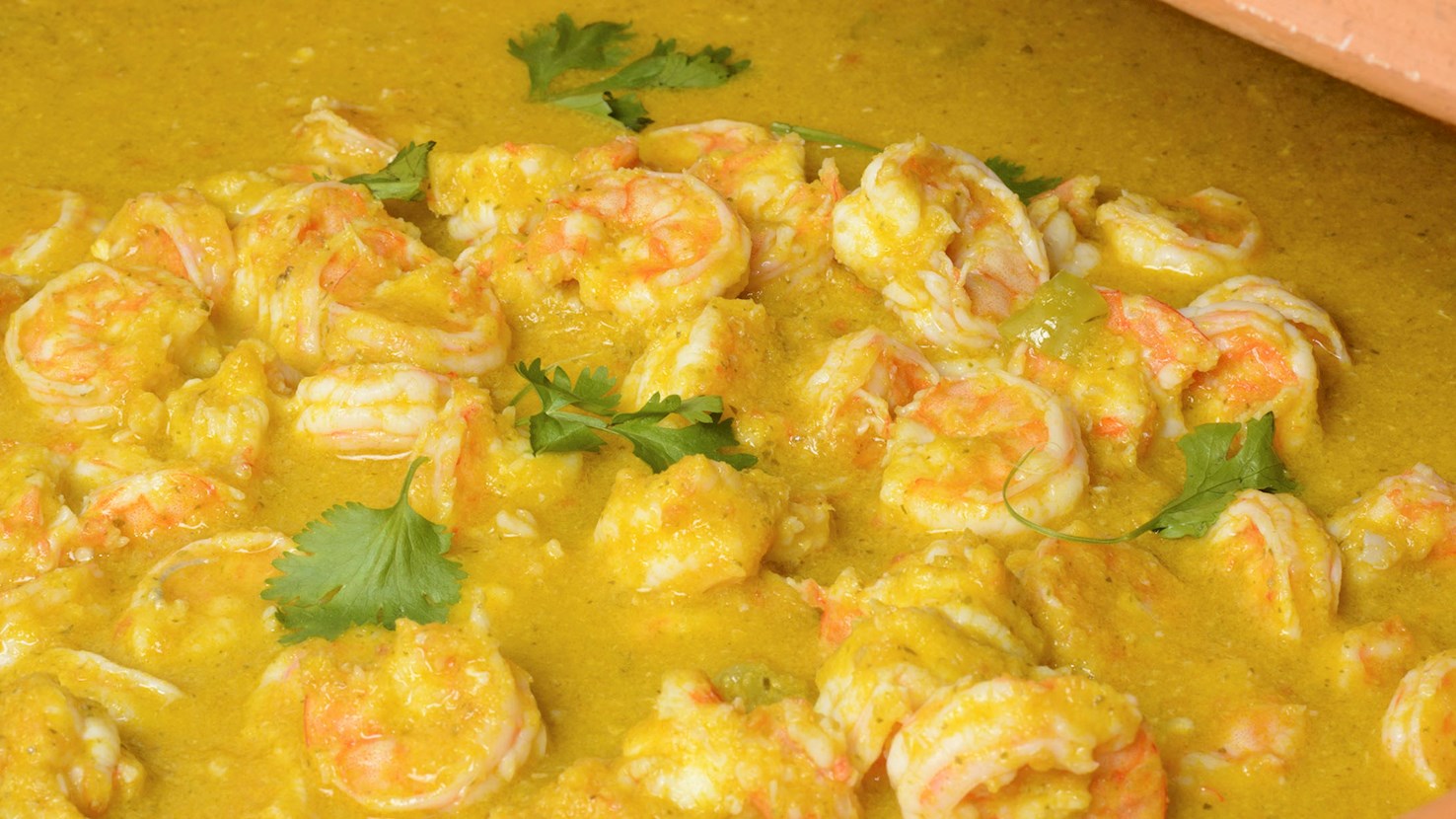
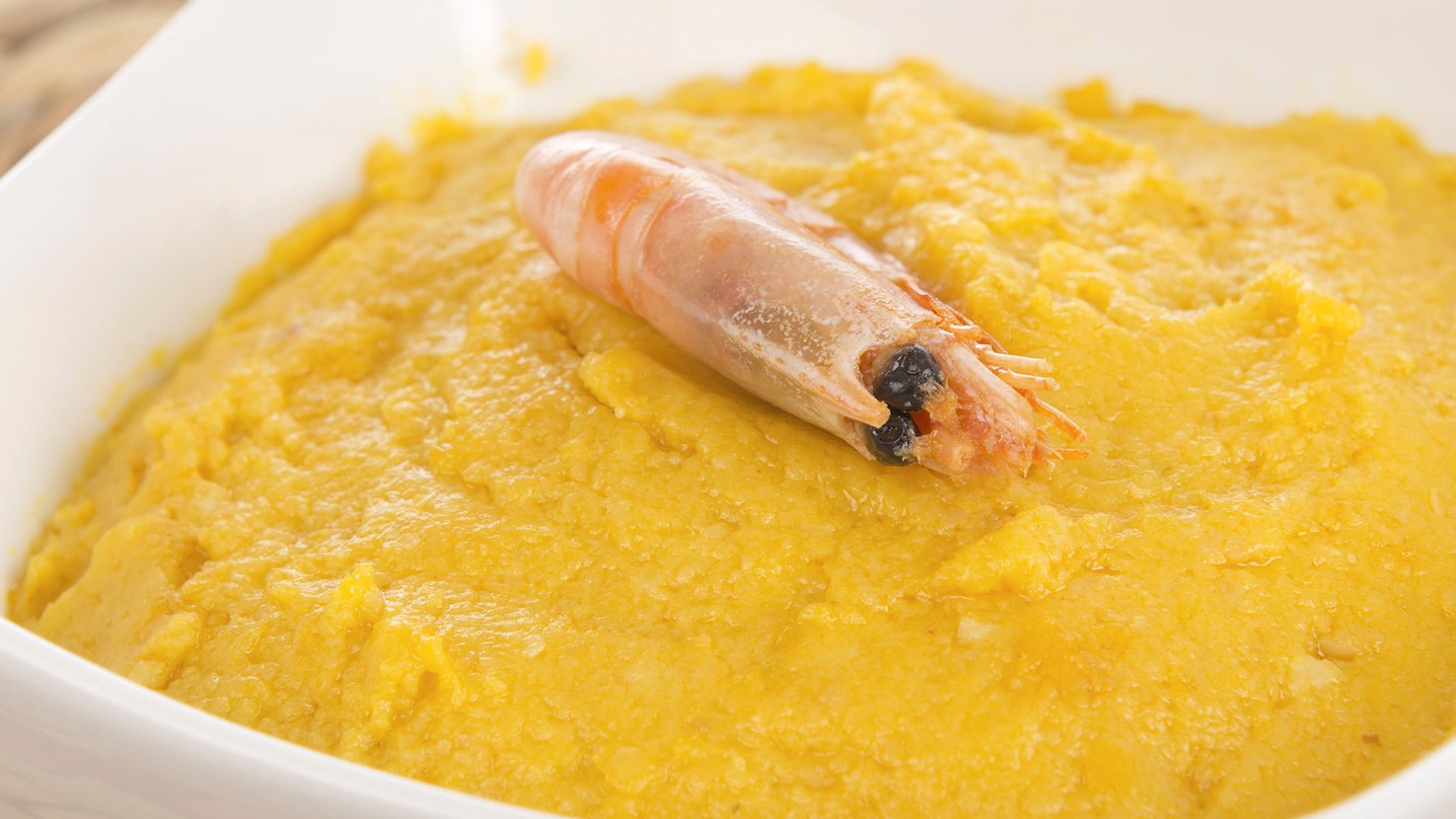
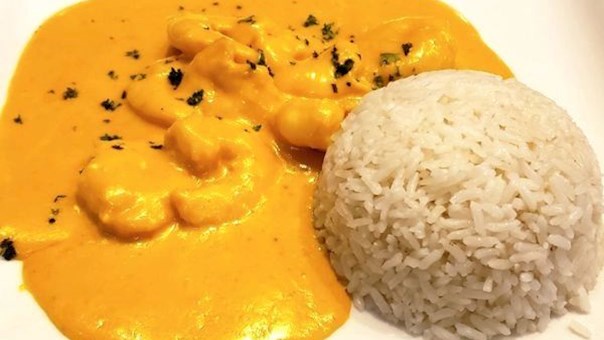
A classic dish of the Brazilian Bahia region, bobó de camarão is a stew made with puréed cassava (bobó), fresh shrimps, coconut milk, and dendê palm oil. The word bobó comes from the Ewe people who were brought to Brazil as slaves, denoting a dish made with beans, although there are no beans in bobó de camarão as we know it today, due to the fact that the Afro-Brazilians enthusiastically took to cassava when they were first introduced to it. The dish is traditionally accompanied by rice on the side, and is a staple of most traditional Brazilian eateries and Bahian self-service restaurants.
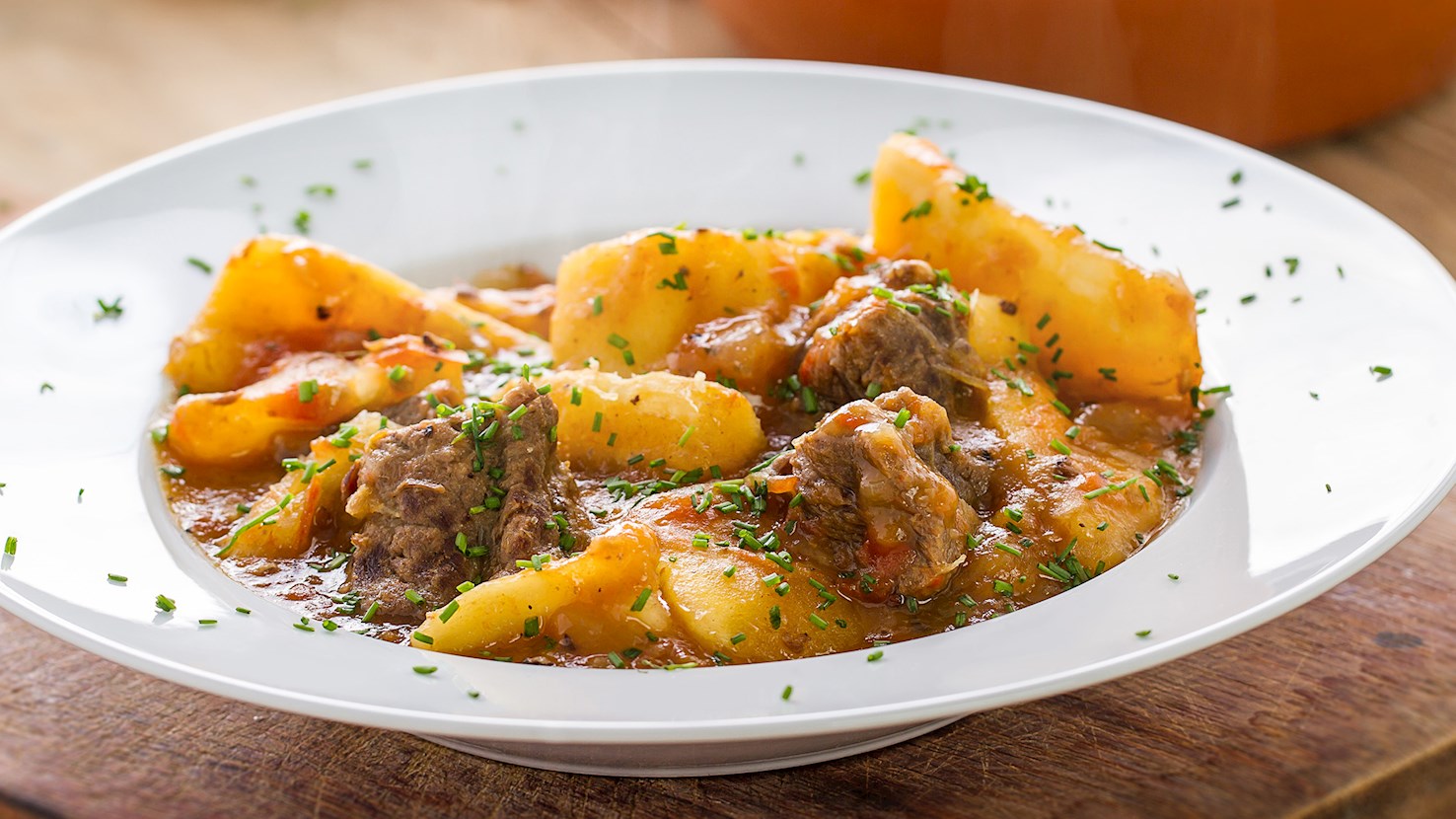
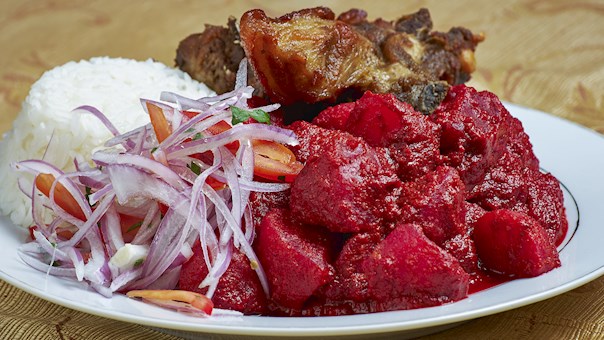
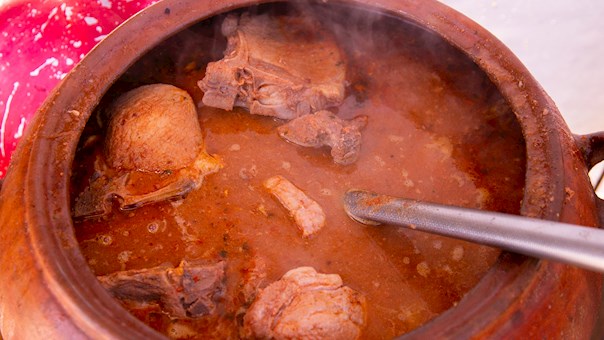
Vaca atolada is a Brazilian meat dish prepared with beef ribs, garlic, onions, tomatoes, parsley, cassava, chili peppers, and (if available) ground colorau (urucum seed). The marinated meat is cooked and drenched in a thick sauce, hence the alternative name for the dish – cow stuck in the mud. This spicy meat dish is traditionally served with white rice, while fresh green salads are often served on the side. Vaca atolada is especially popular in the inner regions of Brazil, particularly the state of Minas Gerais.
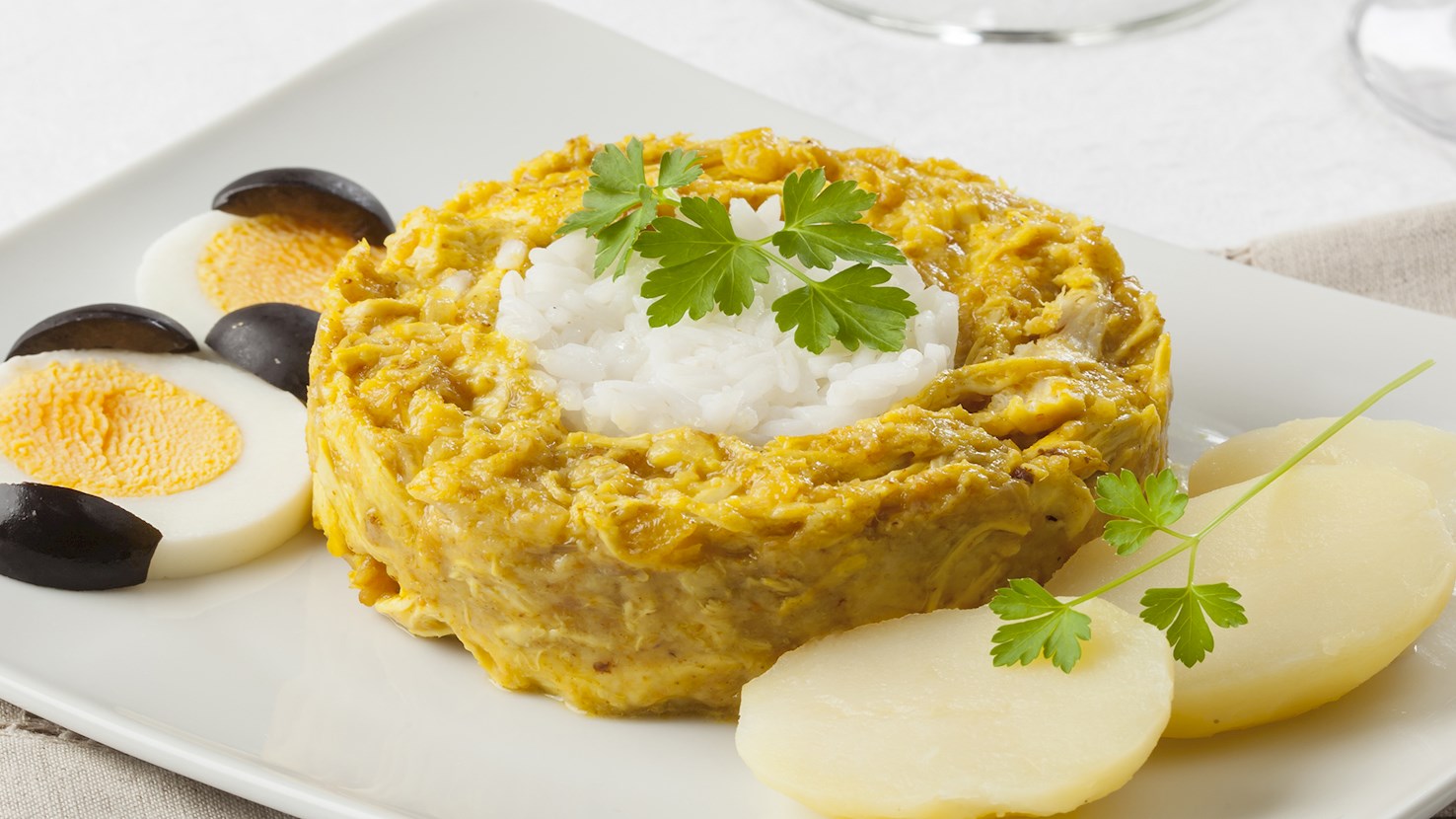
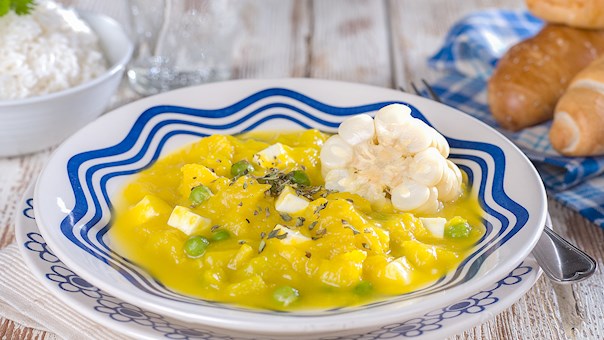
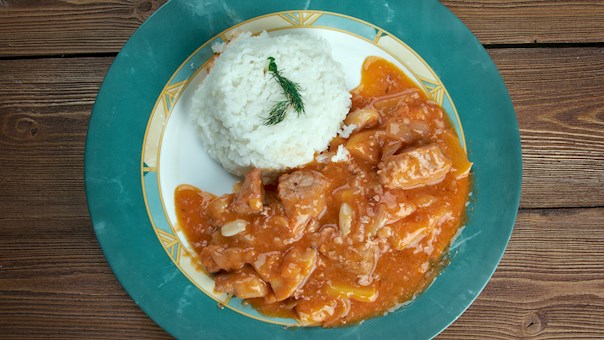
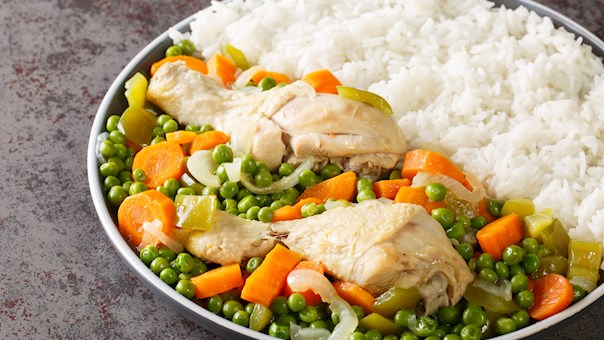
Often consumed on rainy or cold days by many Peruvians, aji de gallina is a spicy dish consisting of shredded chicken in a creamy sauce. It is traditionally served over rice and garnished with black olives and boiled potatoes. The sauce is made with aji amarillo chilis, garlic, onions, walnuts, cheese, and crustless bread, and it is usually flavored with spices such as cumin, pepper, oregano, turmeric, and parsley. It is believed that aji de gallina originated from a dish called manjar blanco, made with a combination of chicken, almonds, sugar, and rice. After its arrival in Peru, the people adapted it using local ingredients such as the aji chili, and a new dish was created in the process.
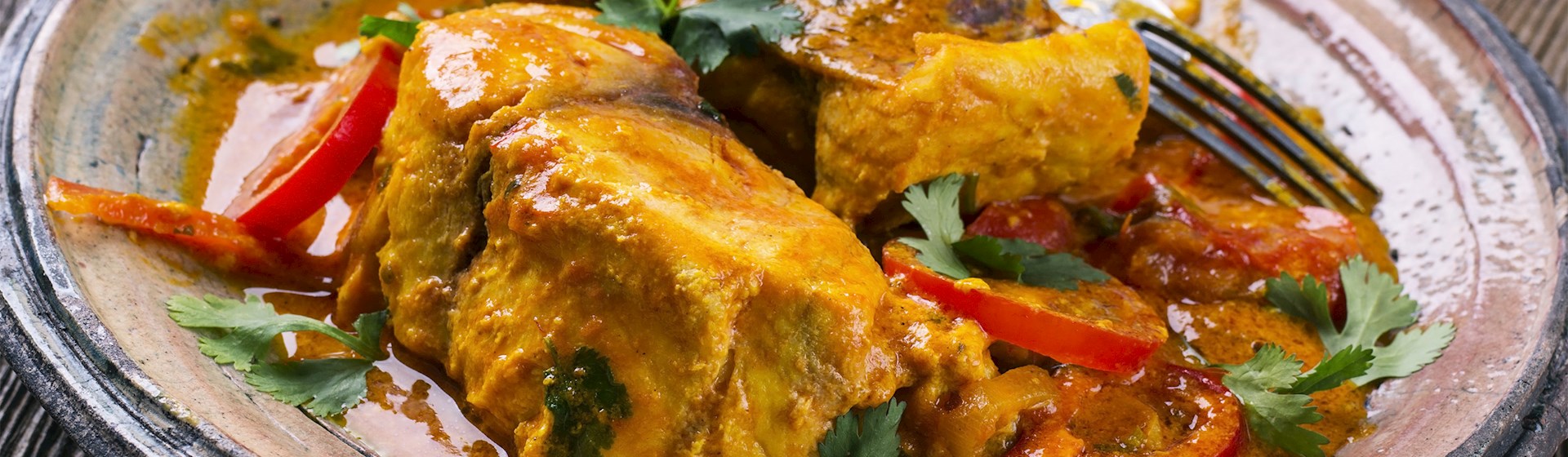
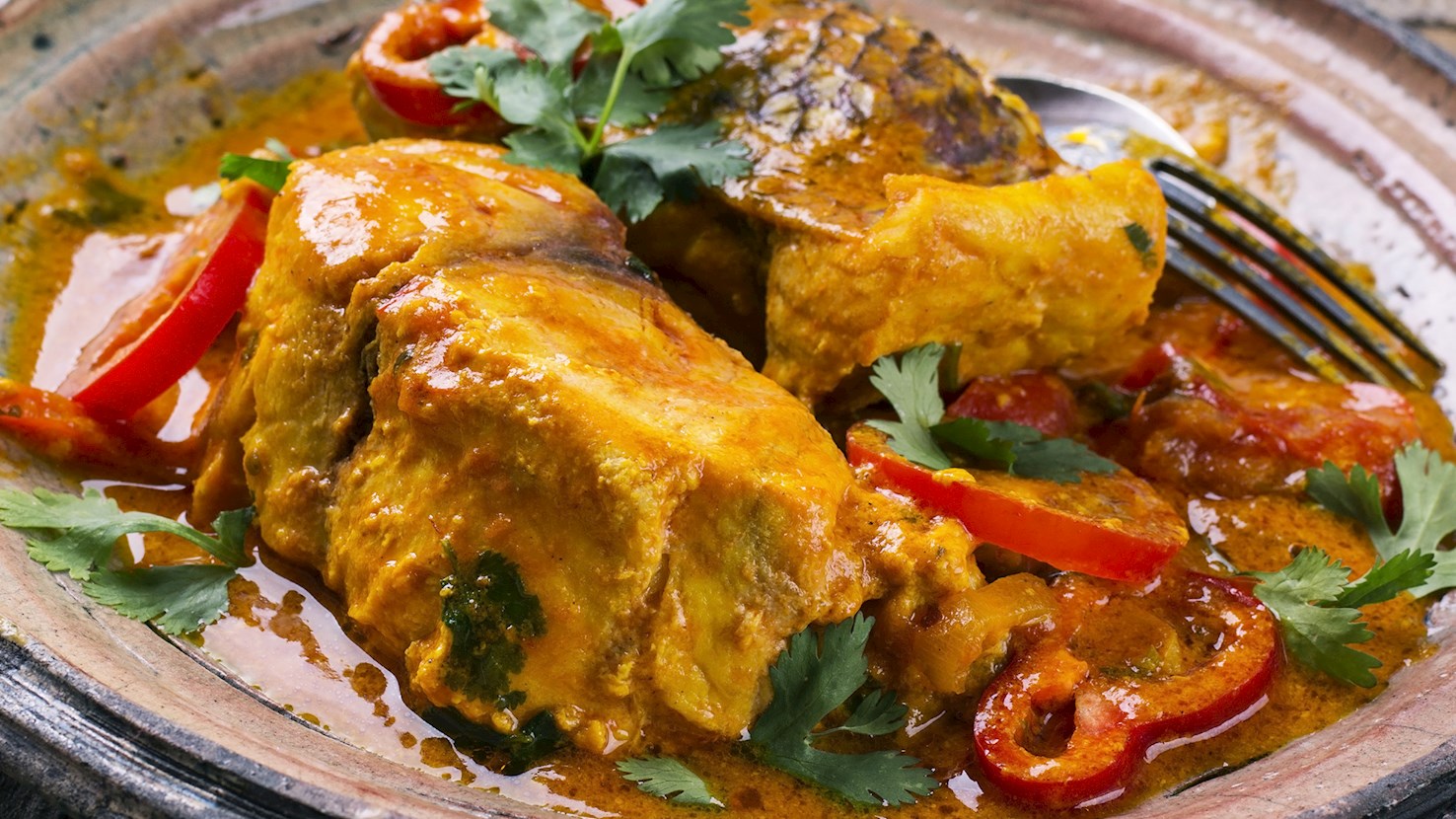
Moqueca is a seafood stew with a base of palm oil and coconut milk or olive oil, combined with fish or shrimps (or both). The dish is stewed in traditional clay pots along with vegetables and fresh herbs, and it is traditionally served over rice. It can be traced back to 300 years ago, when it was first invented due to the fact that the Portuguese brought coconuts to the country, and slaves from Africa introduced palm oil to Brazilian cuisine. There are numerous versions of moqueca, such as moqueca Capixaba, or moqueca Baiana, from the Bahia state in the northeast of the country. The dish is traditionally garnished with fresh chopped cilantro on top, and accompanied by rice, pirão, or farofa.
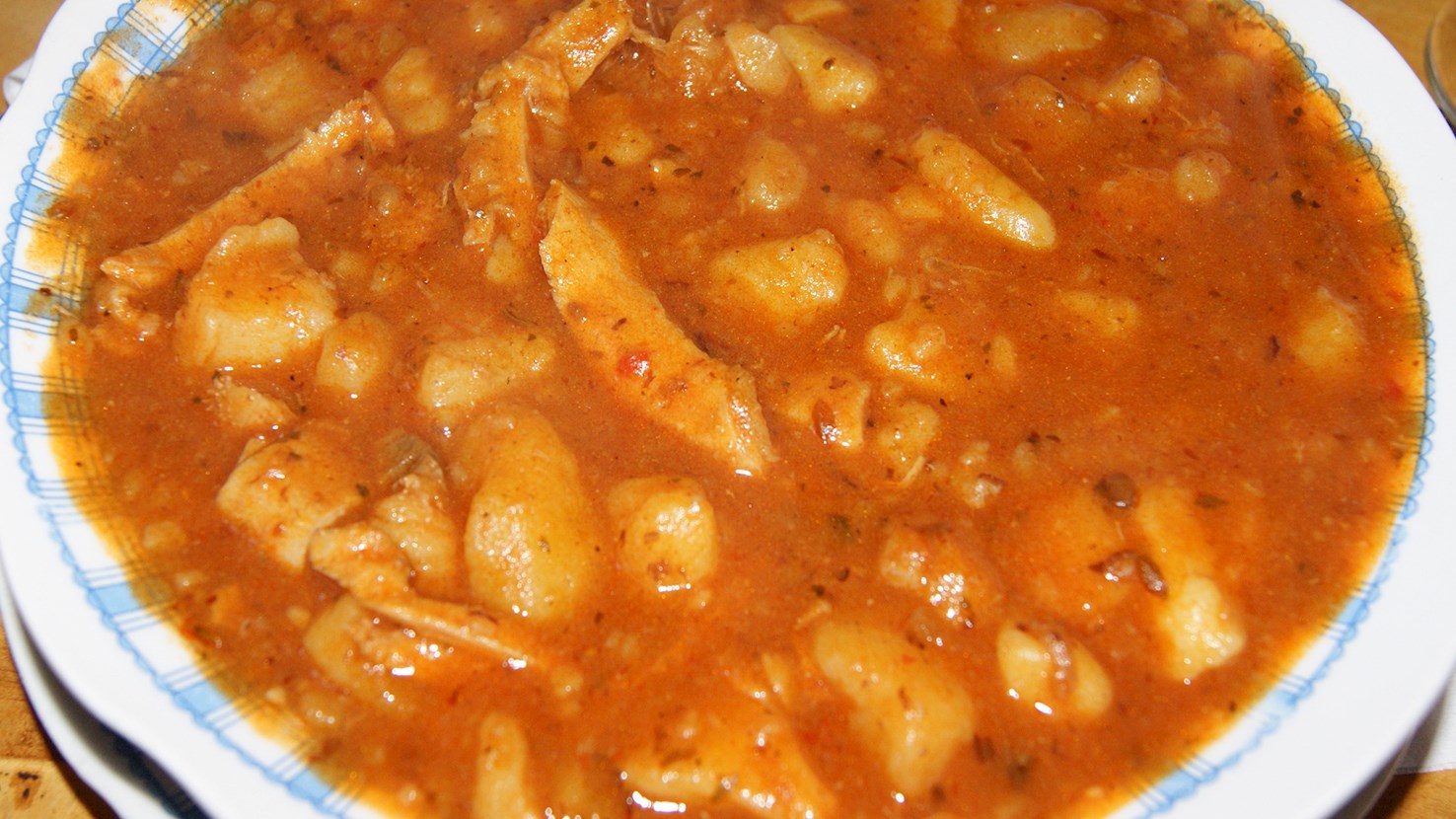
Picante a la tacneña is a traditional dish originating from Tacna. It is made with tripe, chili peppers, dried meat (lamb or llama), cow's foot, and local papa negra (also known as mariva) potatoes. The chili peppers are first cooked in water with garlic and cumin until the sauce develops a thick texture. It is then combined with meat, while the potatoes are added later. When the dish is fully cooked, it is usually served with marraqueta bread and a glass of dry red wine on the side.
Rich, substantial, and tropically flavored - vatapá is one of the most famous Brazilian dishes, a main course consisting of a combination of stale bread, fish (usually cod), shrimp, coconut milk, manioc flour, dendê palm oil, and cashews. The dish is often consumed with white rice, or as a filling for acarajé fritters, another popular Brazilian dish. Bright yellow in color, vatapá is a specialty of Bahia, a state on the country's northeastern coast that is heavily influenced by the West Africans who were brought to the country as slaves. Although the origins of this dish are unknown, most culinary historians agree that it was invented in Bahia, even if the basic concept for the dish came from Africa.
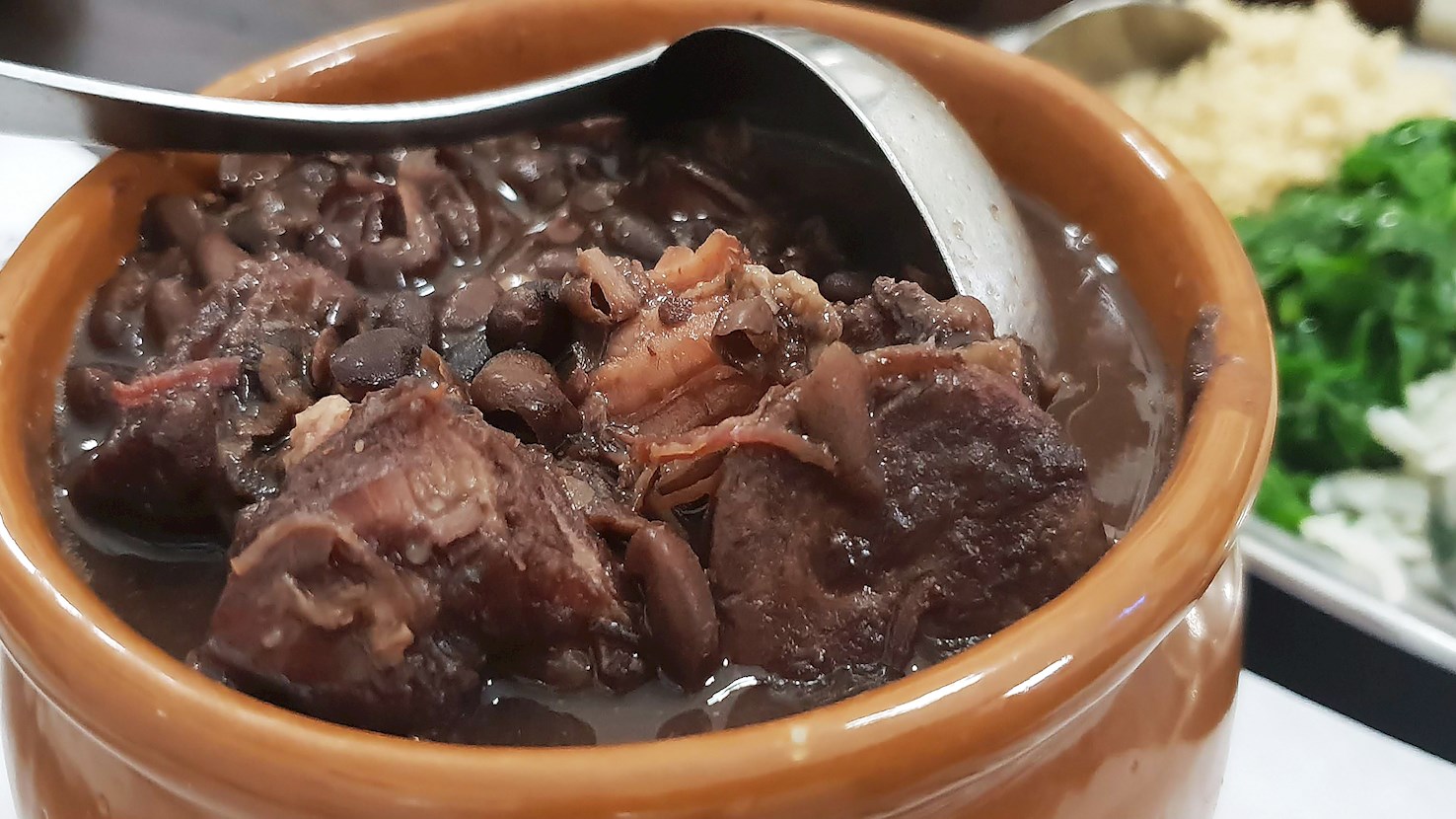
Feijoada or feijoada completa is Brazil's national dish, a hearty stew featuring pork and black beans. The dish is consumed throughout the country, and every family in Brazil has their own, special recipe. Sautéed greens, cheese rolls, rice, and fresh, sliced oranges are served as an accompaniment to the smoked pork and richly flavored black beans. Traditionally, it is prepared for Saturday lunch, so that the consumers may sleep it off. The beans are flavored with onions, tomatoes, coriander, and garlic, while pork meat can be additionally enriched with dried beef and smoked pork sausages. Before the main meal, consumers are offered caldinho de feijao, a bean broth served in shot glasses or small ceramic cups and garnished with pork rinds known as torresmos. The name feijoada is derived from the Portuguese word for beans, feijão, and it probably originated in the 1600s in Recife, on sugar plantations built by the Portuguese colonists, although some believe that it was created in Rio de Janeiro. The Brazilian version usually uses black beans, while the Portuguese one typically uses white or kidney beans. Feijoada is artfully displayed on platters full of ingredients, so that the consumers may choose their favorites and enjoy them at a leisurely pace. The meats are sliced and placed on platters; the beans served in large serving bowls, and the accompaniments include Brazilian rice, kale, cassava with butter or hard-boiled eggs, sliced oranges, and hot pepper-lime sauce. During the meal, cachaca, a sugarcane brandy and Brazil's most popular liquor, is served as a traditional accompaniment to feijoada.
Moqueca capixaba is a traditional stew originating from the region of Espírito Santo. It is prepared with fish, lime juice, coriander, and vegetables such as onions, tomatoes, and garlic, all nicely colored with annatto. Traditionally, the stew is cooked in a clay pot called panela de barro – the seafood should only be layered with other ingredients and the heat is turned up for the stew to simmer on its own. In some cases, chili peppers are added for a bit of heat. When served, moqueca capixaba is typically accompanied by white rice or a creamy manioc porridge called pirão.
TasteAtlas food rankings are based on the ratings of the TasteAtlas audience, with a series of mechanisms that recognize real users and that ignore bot,
nationalist or local patriotic ratings, and give additional value to the ratings of users that the system recognizes as knowledgeable.
For the “Top 77 South American Stews” list until May 15, 2026, 5,922 ratings were recorded, of which 2,473 were recognized by the system as legitimate.
TasteAtlas Rankings should not be seen as the final global conclusion about food. Their purpose is to promote excellent local foods,
instill pride in traditional dishes, and arouse curiosity about dishes you haven’t tried.