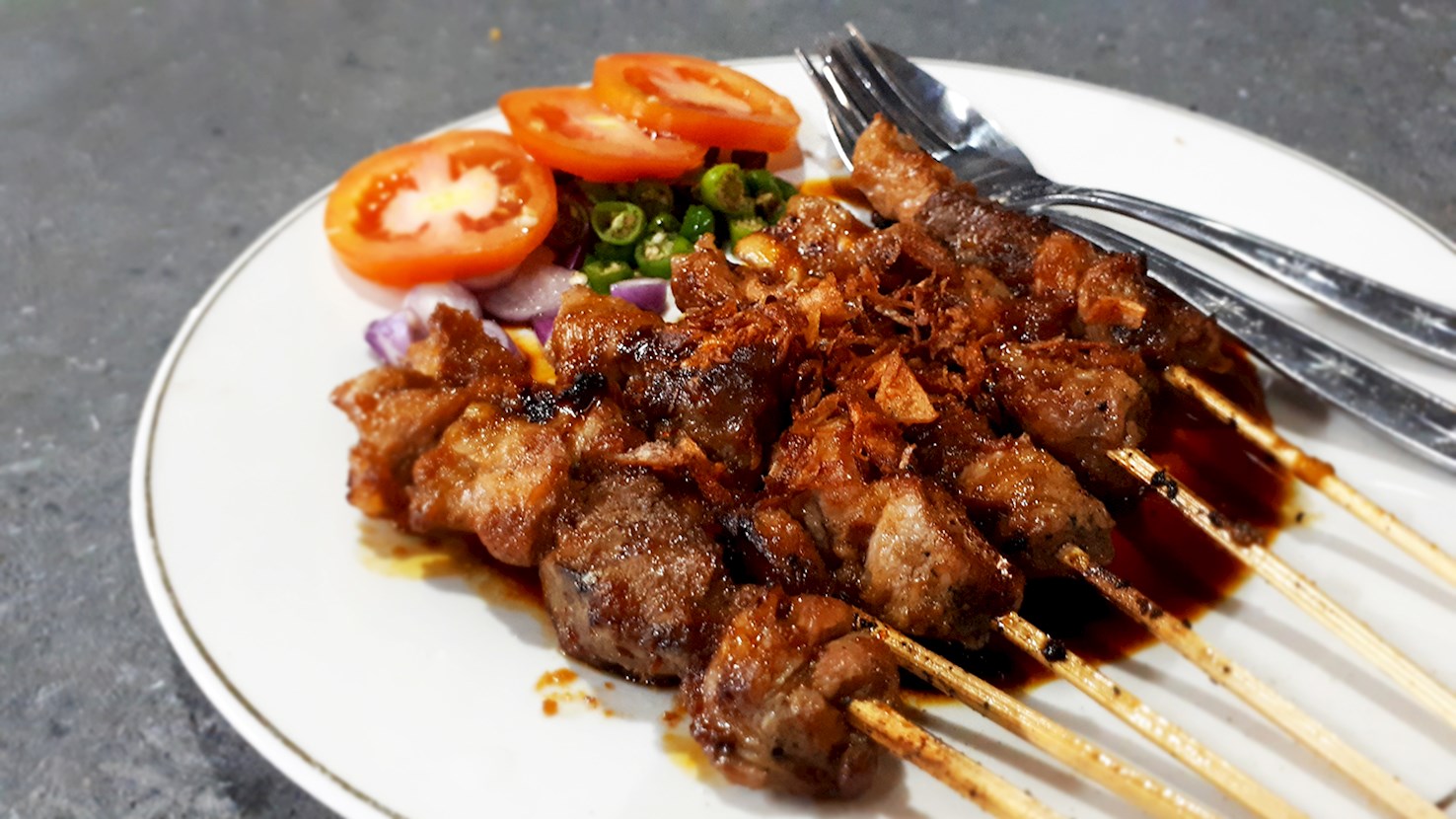
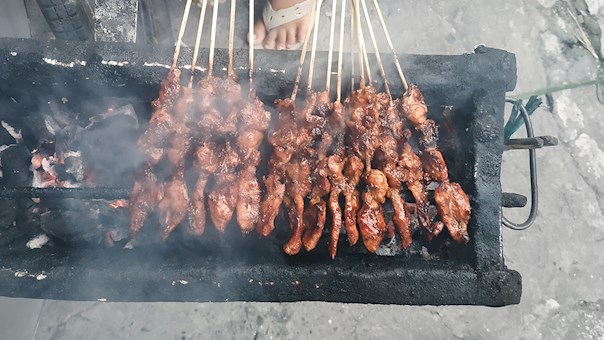
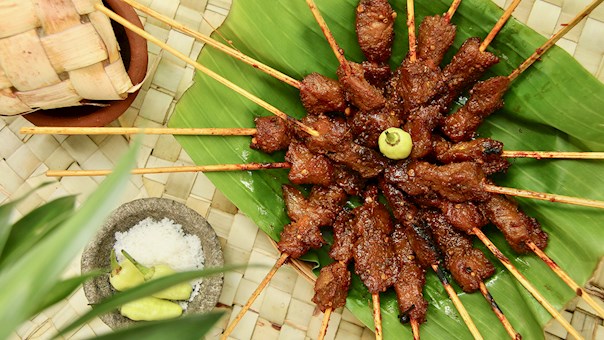
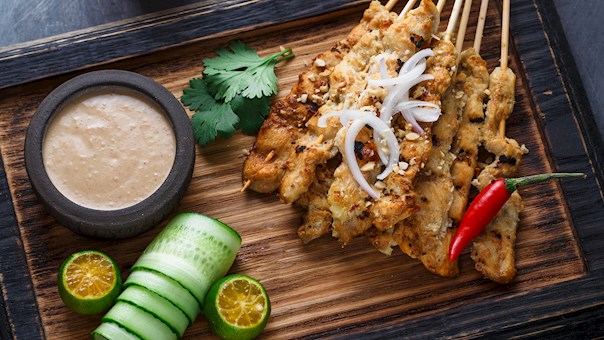
Sate kambing is a traditional dish and a type of satay prepared with goat or mutton as the main ingredient. The meat is cut into chunks or cubes and it's marinated in a combination of ingredients such as kecap manis (sweet soy sauce), galangal, ground shallots, pineapple juice, and (often) chili peppers. After it's been marinated, the meat is placed on skewers that are larger and thicker than the ones used for chicken satay as the texture and thickness of mutton or goat is tougher than chicken. The skewers for sate kambing are usually made from bamboo. The meat is grilled, then served with kecap manis sauce, peanut sauce, or chili sauce, consisting of shallots, bird eye chili peppers, and kecap manis. Some like to eat sate kambing with steamed rice or rice cakes on the side. This type of sate is especially popular in Java.
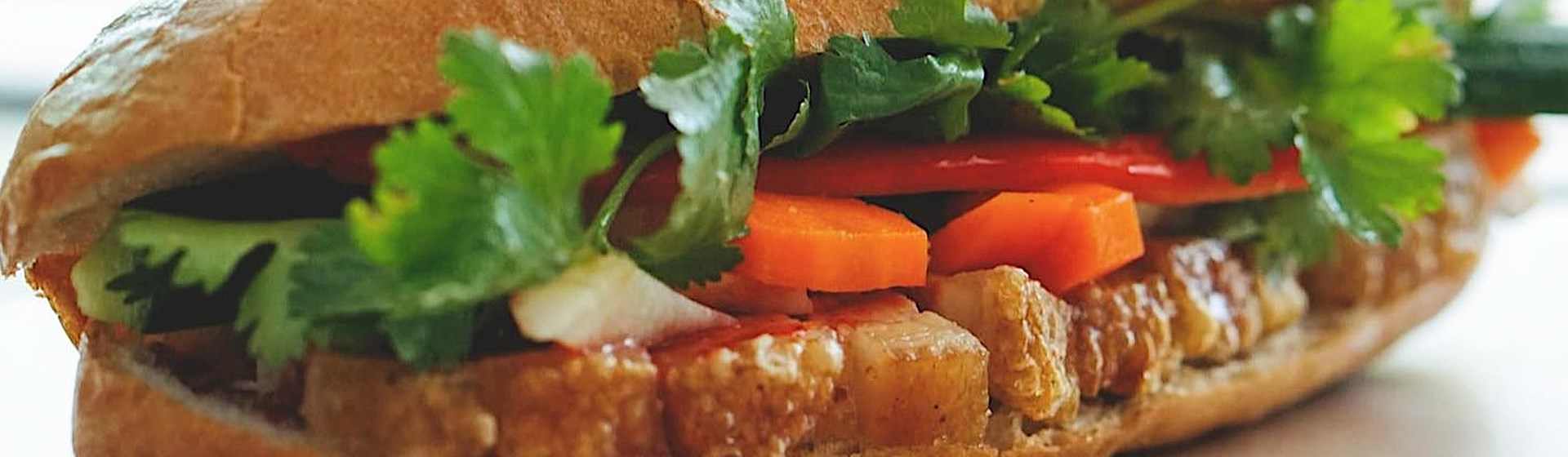
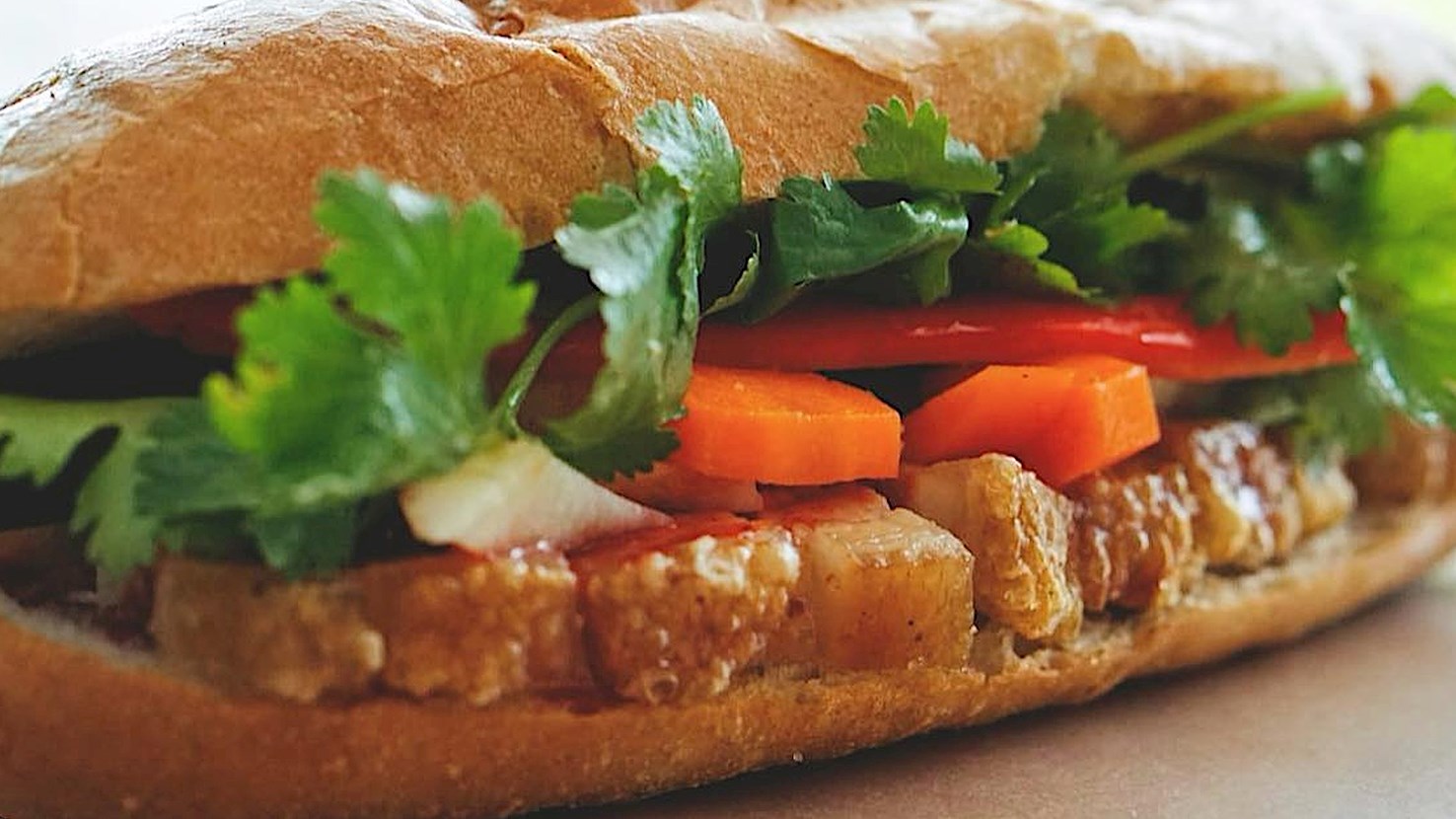
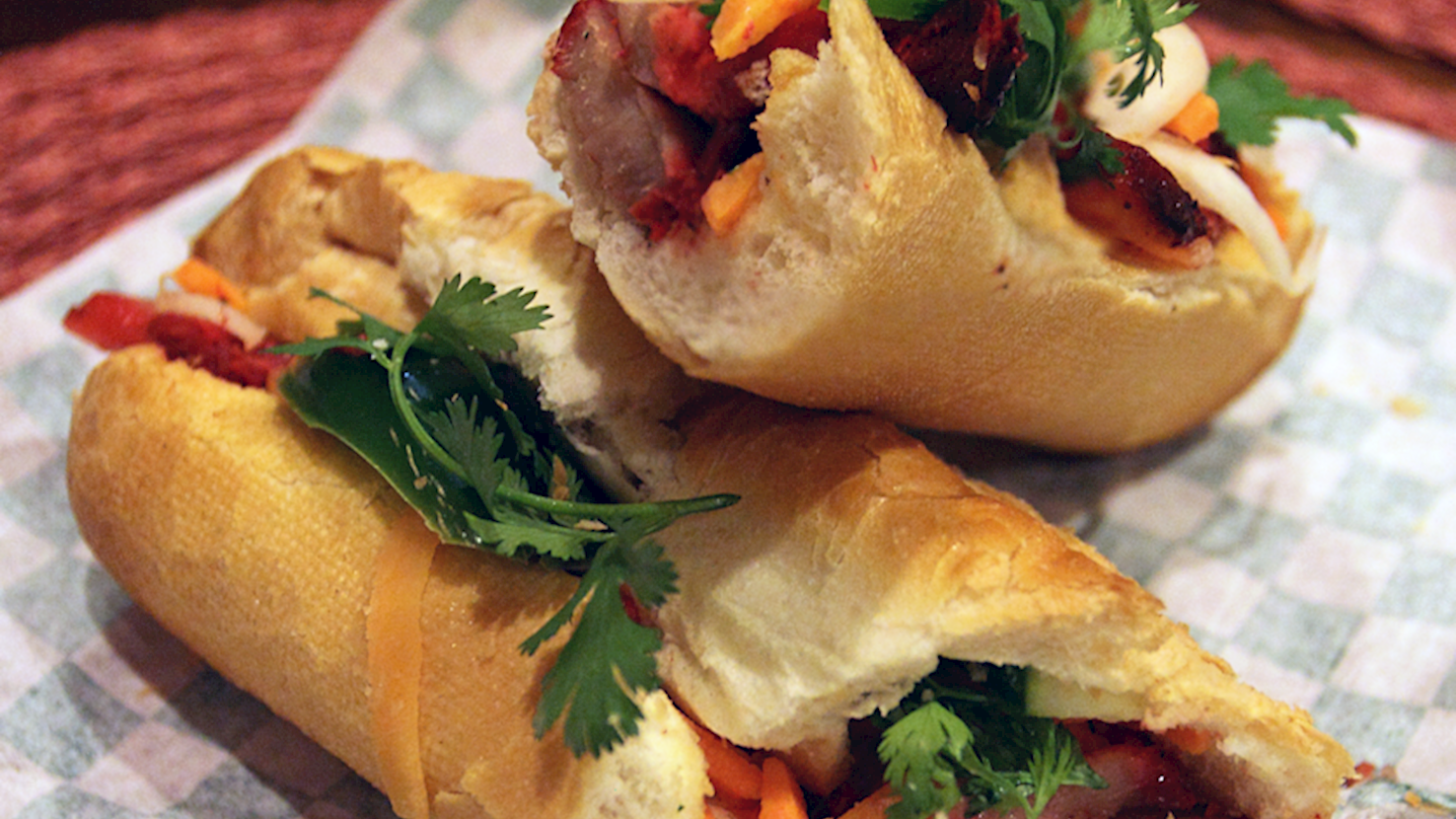
Bánh mì heo quay is a traditional bánh mì sandwich variation made with roasted pork belly as the main ingredient. The pork is roasted with a thick layer of salt and spices. It is sliced and served on a freshly baked bánh mì roll. The sandwich is then dressed with a combination of mayonnaise, pickled carrots and daikon, cucumbers, cilantro, and chives. If desired, sliced chili peppers can be added to the sandwich as a topping, making it very spicy. One side of bánh mì heo quay can also be spread with chicken liver pate before the sliced pork belly is added to the sandwich. This type of bánh mì can be bought at street food stalls and it’s one of the most popular types of bánh mì in the country.
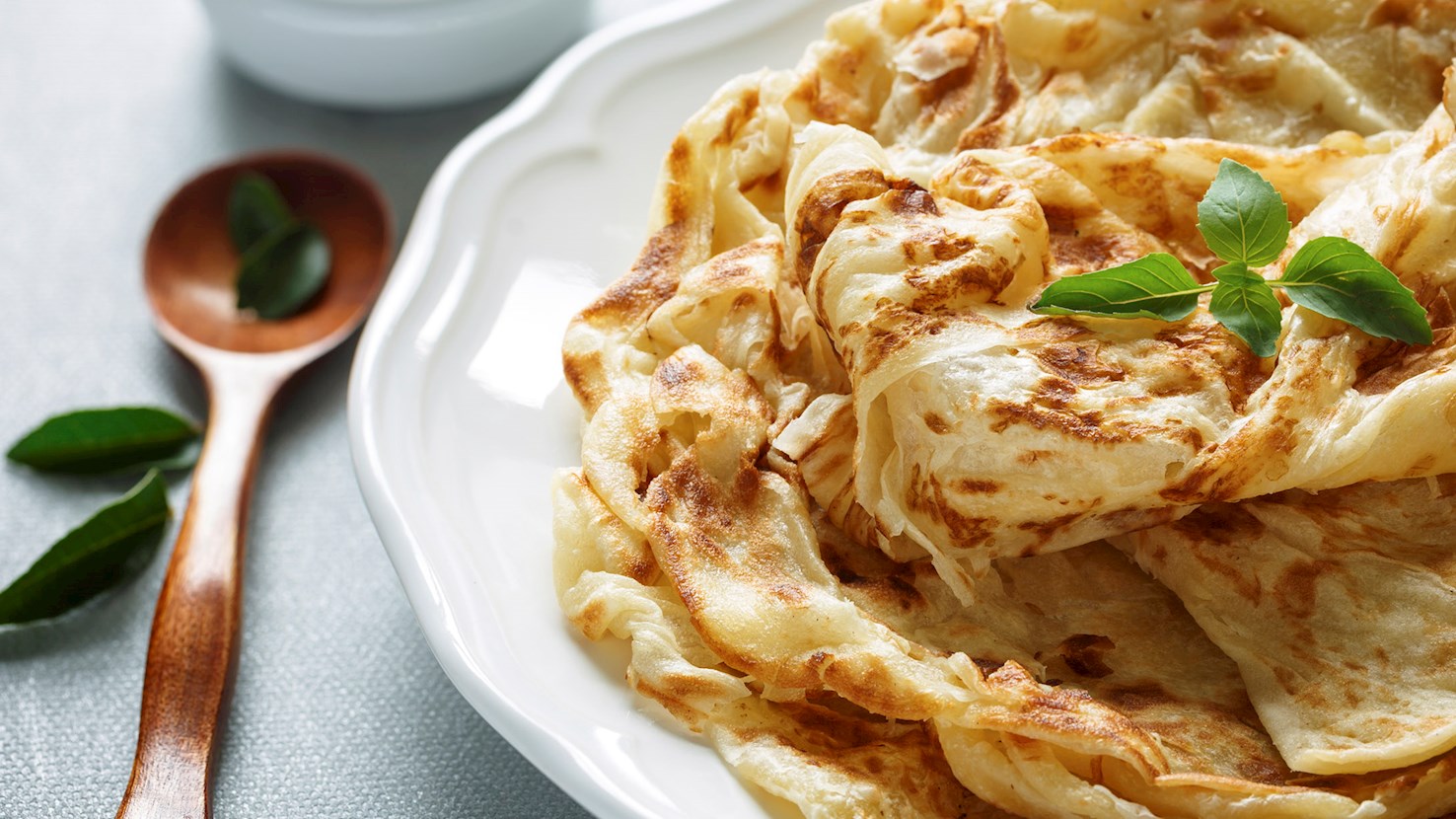
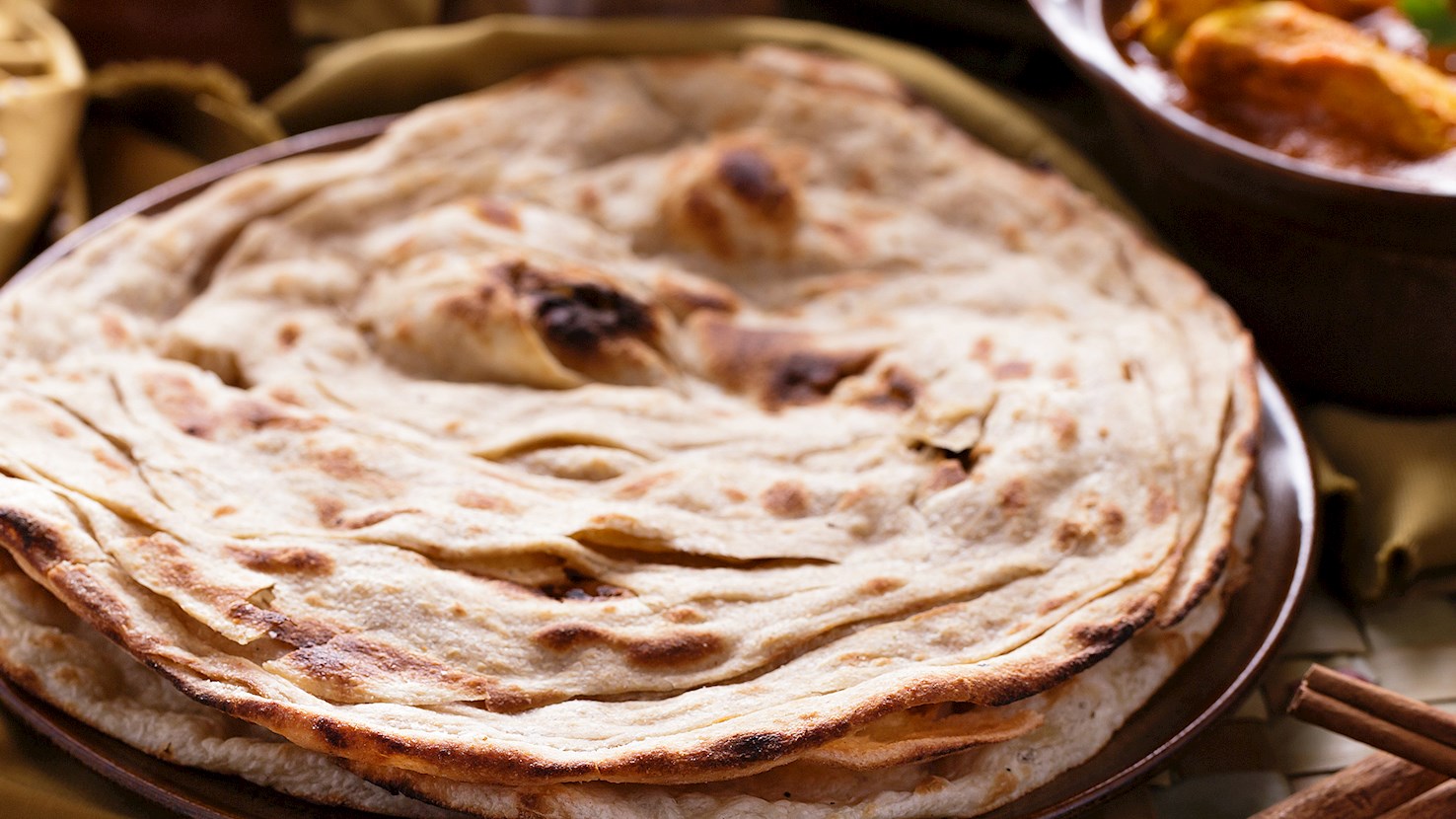
Roti canai is a traditional pan-fried flatbread made with flour, water, eggs, and fat of Indian origin, but mainly associated with Malaysia, and surrounding countries like Indonesia, Brunei, and Thailand. The dough for roti canai is repeatedly folded, so the final product has a layered texture, a soft interior, and a crispy outer layer. The most common fat used in roti canai is ghee, the traditional Indian clarified butter. It is believed that the dish originated in India when the Indian laborers who migrated to Malaysia brought the recipe and the tradition of preparing this crispy pastry to the foreign country. Usually, it is served plain in its traditional round form, as an accompaniment to curries. It can be served on the side or torn into pieces and mixed with the curry. However, roti canai is often served as the star dish, accompanied by different savory and sweet fillings and ingredients. If additional fillings are added, roti canai is usually shaped into rectangles. For example, in Malaysia, one can find various roti canai types, which are differentiated by the type of filling — egg, onion, egg and onion, banana, sardines, margarine and sugar, Maggi instant noodles, cheese, vegetable, and pork filling are some of the many available. However, roti canai doesn't have to have a filling but only a topping, such as fried eggs, curry, beans, lentils, and coffee beans. But martabak, a thick roti filled with meats, eggs, onions, and spices, is probably the best-known type of roti canai. Apart from Malaysia, it can also be found in Saudi Arabia, Yemen, and a few other countries. Other than Malaysia, a very similar type of flatbread can be found in Singapore, where it's called roti prata. This crispy bread is usually sold by street vendors called mamaks.
Bánh mì (pronounced 'bun mee') is a popular Vietnamese variety of sandwiches that share the same core ingredient - a baguette. The baguette was brought over to Vietnam during the colonial period, and nowadays it is one of the few happy legacies from the time. The crusty bread, condiments, and meats are all a legacy of French and Chinese colonialism, while cilantro, chili, and pickles reflect the Vietnamese taste for fresh vegetables and bright flavors. In the beginning, most banh mi sandwiches consisted of bread, meat, and seasonings, with no added vegetables. Today, the possibilities are virtually limitless - the sandwiches are stuffed with cold cuts, French butter, fresh mayonnaise, liver pâté, cucumbers, cilantro, pickles, oyster sauce, garlic...and the list goes on. The bread should be light, with a delicate crust and a tender, chewy, and soft interior with a slightly sweet flavor. The meat on the inside can be chicken, pork, beef, seafood, cold cuts, or pâtés, sausages, and terrines, but it is extremely important not to overstuff the sandwich. Most of the fillings and condiments are things that foreigners are unfamiliar with, and that just may be the secret to its popularity. With their cult-like following and savory Vietnamese fillings, these sandwiches have crossed the borders of their native country long ago, and banh mi shops are still popping up all over the world.
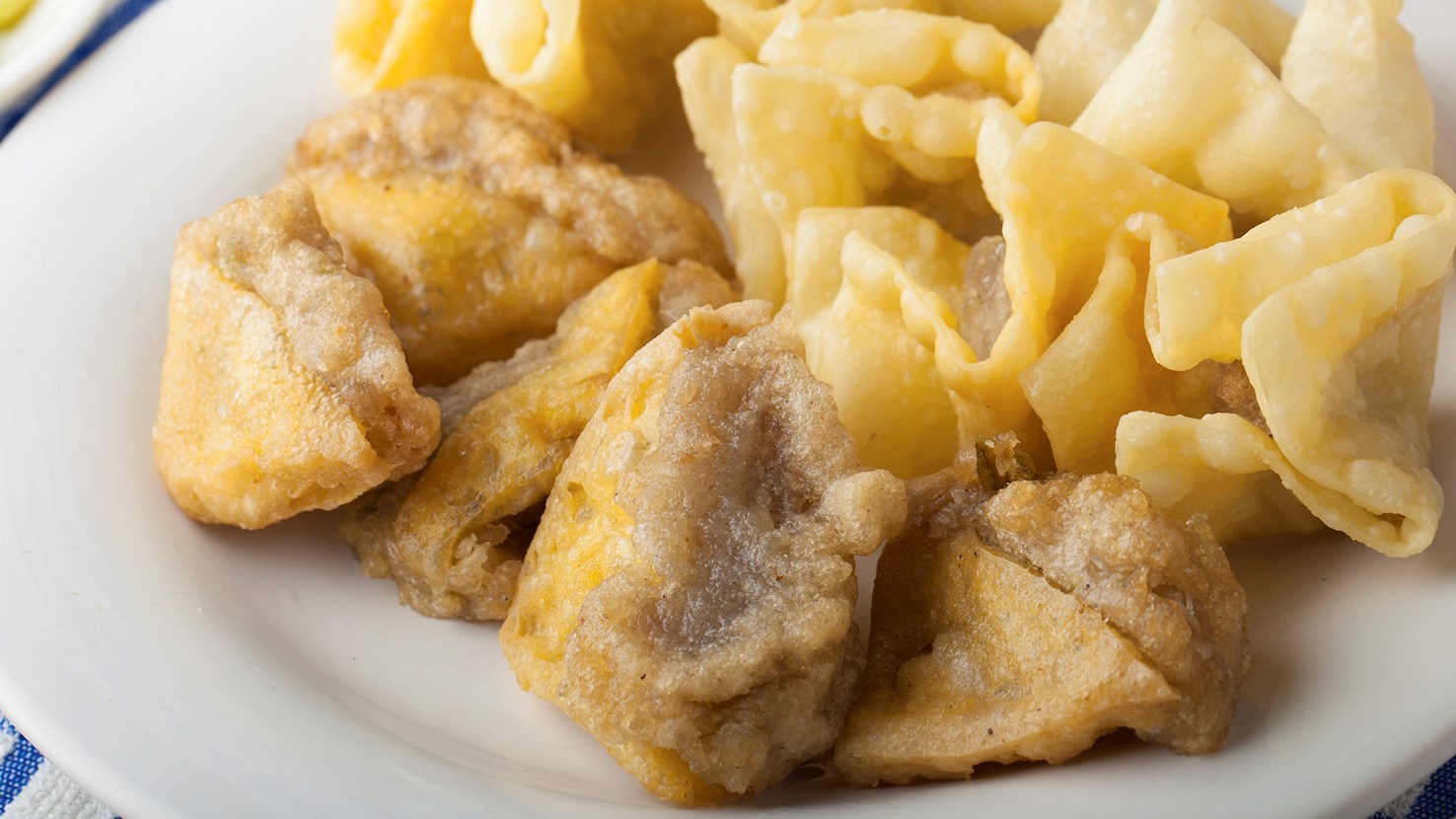
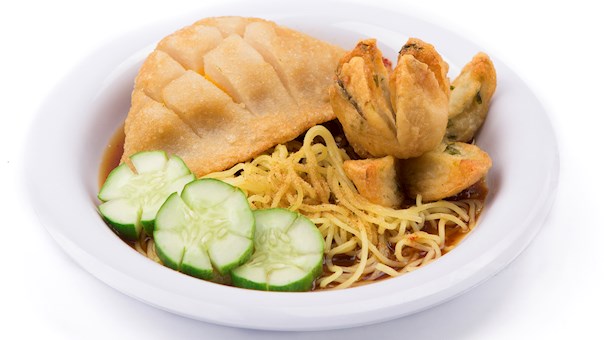
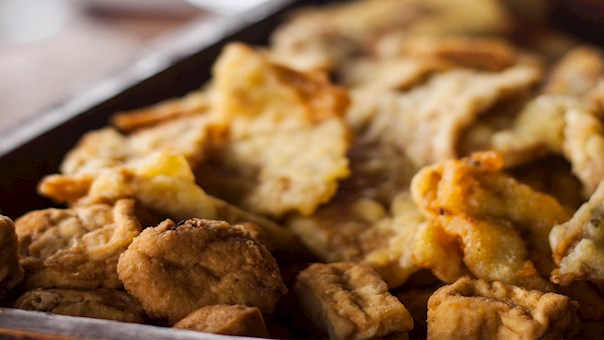
One of the most famous snacks in Indonesia is batagor, a fried fish dumpling served in a traditional spicy sauce. It has roots in the Chinese culinary tradition, which has left a trace on many Indonesian dishes. Although this famous snack is reminiscent of the more famous Chinese dumpling, its distinguishable characteristic is that it is fried, not steamed. The most common fish used to make the dish is wahoo, but tuna, mackerel, and even prawns can also be used. Potatoes, tofu, or cabbage are also occasionally added to the dish. Batagor is the perfect snack because of the way it is served. When fried, the dumplings are cut into small bite-sized pieces and covered in peanut, soy, and chili sauce with a splash of lime juice. It was invented in the 1980s in Bandung, but today it can be found throughout Indonesia. Since it is quickly prepared, it is commonly sold by street vendors, but it can also be found in many Indonesian restaurants.
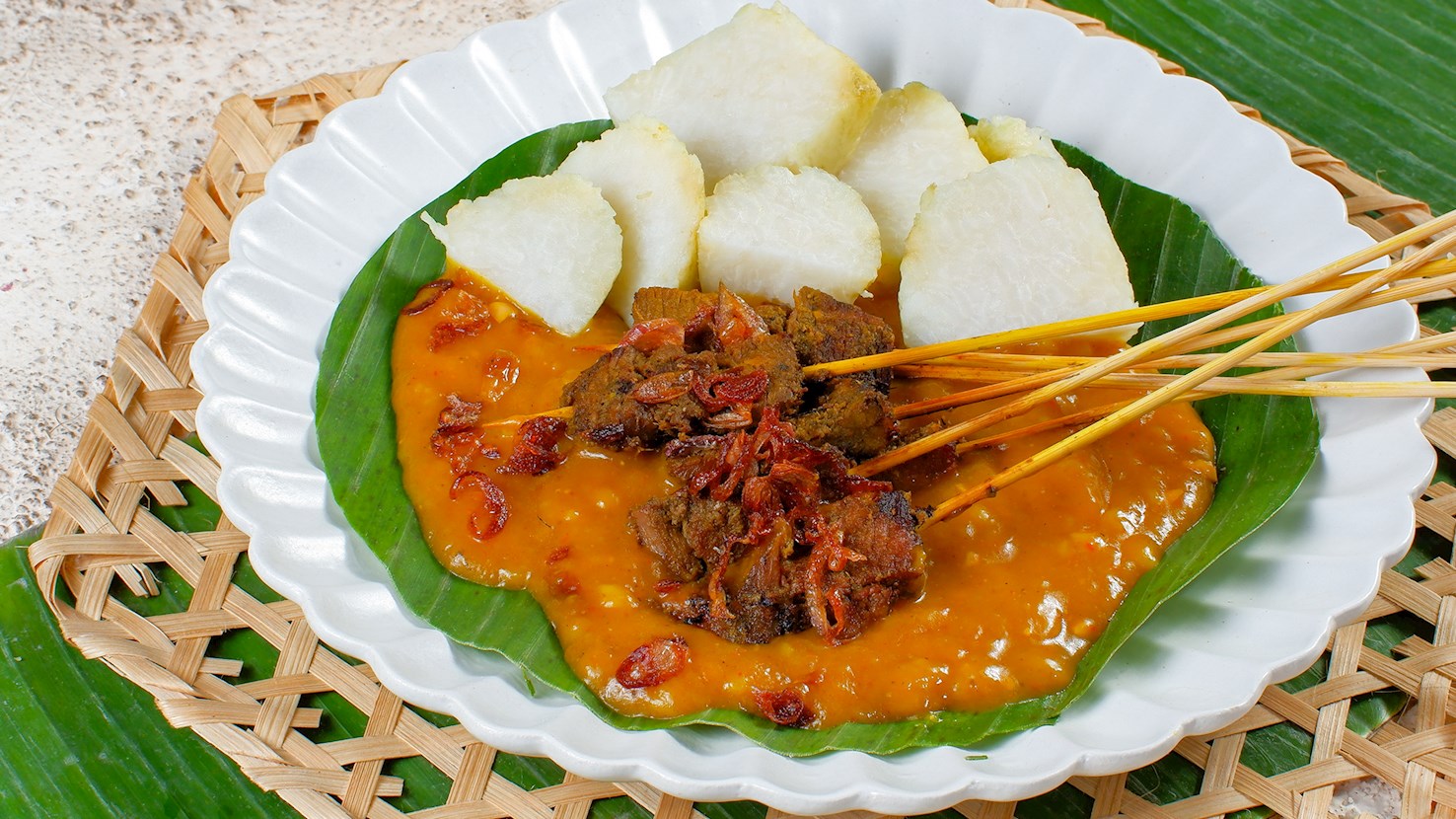
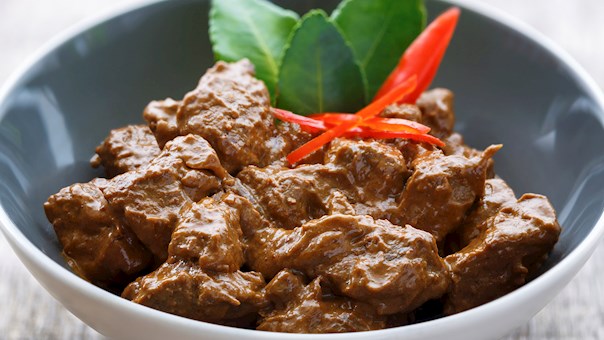
Padang satay is a spicy, rich, and aromatic Indonesian satay originating from Padang, West Sumatra, known for its thick, flavorful curry-based sauce. Unlike other Indonesian satay varieties that use peanut sauce or sweet soy sauce, Padang satay is distinct for its bold, turmeric-infused, and mildly spicy gravy, made from beef broth, rice flour, and a blend of local spices. The skewered meat—usually beef, beef tongue, or offal like intestines and heart—is first boiled in spiced broth until tender, then grilled over charcoal to achieve a smoky, caramelized crust. The signature thick, golden-brown sauce is made by reducing the broth used to cook the meat, thickened with rice flour, and enhanced with galangal, turmeric, coriander, cumin, lemongrass, and chilies, giving it a savory, slightly spicy, and deeply aromatic flavor. Padang satay is typically served on banana leaves, accompanied by steamed rice cakes (ketupat or lontong) and topped with crispy fried shallots, adding a final layer of crunch and fragrance.
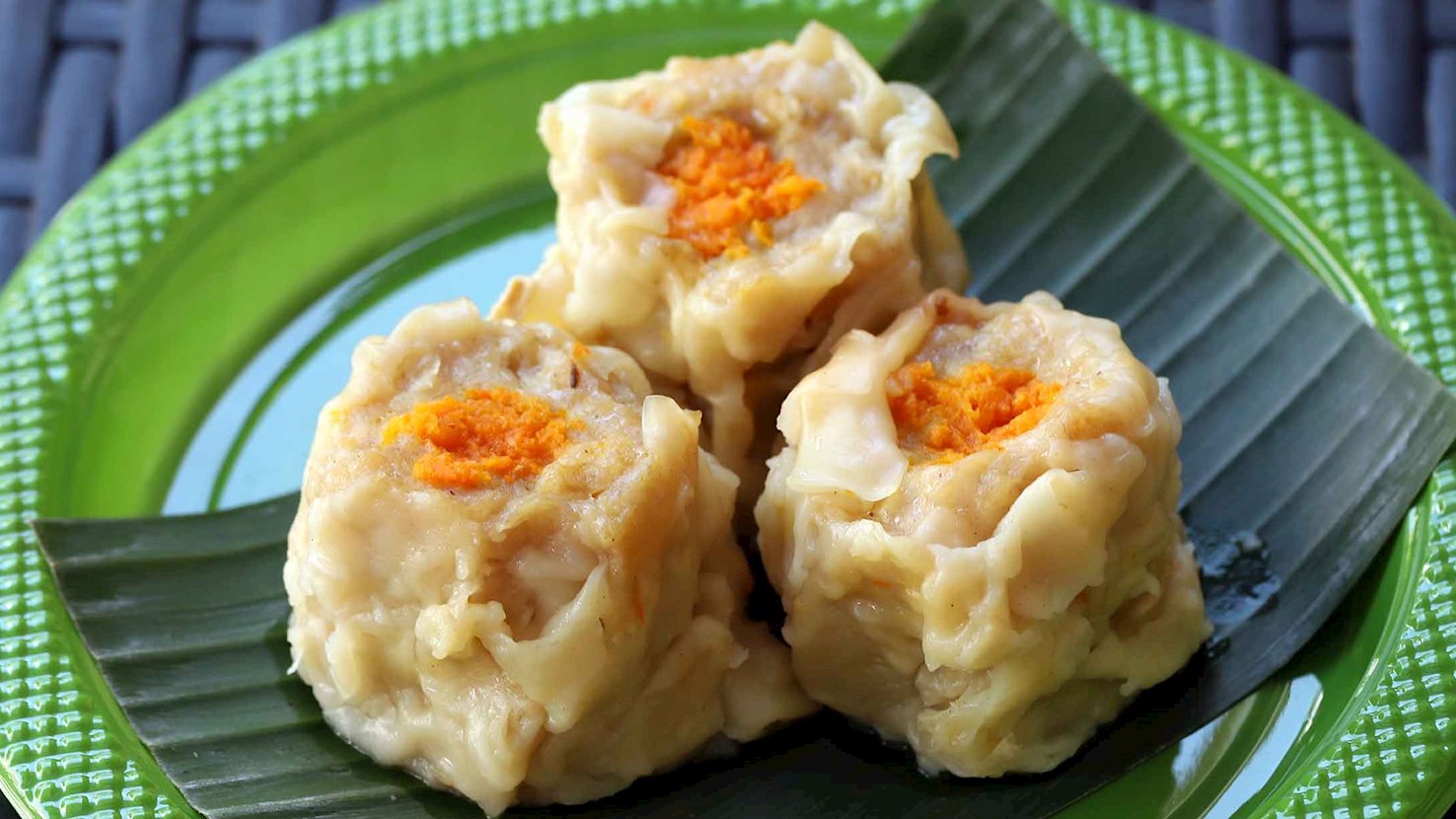
Siomay is a steamed dumpling filled with a dense fish and tapioca paste, permanently paired on a plate with steamed cabbage rolls, boiled potatoes, soft white tofu, hollowed-out bitter gourd, and a hard-boiled egg, all covered in a sweet and spicy peanut sauce. The history of this street food traces back to Chinese immigrants who introduced the pork-filled dim sum known as shumai to the archipelago. Local populations adapted the original ingredients to meet Islamic halal dietary requirements by replacing the pork filling with locally caught fish. Spanish mackerel, known regionally as ikan tenggiri, serves as the standard protein base for the filling, though some variations use ground tuna, prawns, or threadfin. Blending the raw, minced seafood with tapioca flour, shallots, garlic, salt, and white pepper creates a highly sticky and resilient paste. Sellers pack this savory paste into round wonton wrappers, stuff it directly into slices of tofu, and press it into the centers of sliced green pare, a sharply bitter gourd. A large, multi-tiered metal steamer gently cooks the dumplings and the accompanying whole potatoes, cabbage leaves, and eggs until they are fully tender. Mobile vendors strap these hot steamers onto the backs of bicycles or mount them on wooden pushcarts to travel through residential neighborhoods and busy commercial streets. A customer selects their preferred combination of fish dumplings and vegetables from the hot steam bath. The seller immediately snips the chosen items into bite-sized pieces using a pair of sharp metal scissors directly over a shallow plate or a folded paper cone. A thick, warm peanut sauce goes directly over the chopped pieces. Creating this sauce requires frying raw peanuts until golden before grinding them into a paste with red chili peppers, garlic, shallots, palm sugar, tamarind juice, and salt. A finishing squirt of fresh kalamansi lime juice cuts through the nuts' heavy fat. A heavy drizzle of kecap manis, a molasses-like sweet soy sauce, creates a dark webbing over the top of the plate. The final combination balances the chewy, savory seafood paste with the sharp snap of bitter gourd, the neutral starch of potato, and the rich heat of peanut gravy. The city of Bandung in West Java claims the most famous iteration of this meal, frequently marketed as Siomay Bandung by street vendors far outside the city limits. People consume this warm meal at any hour of the day as a filling snack or a casual dinner, eating the sauce-drenched pieces with a fork and a spoon.
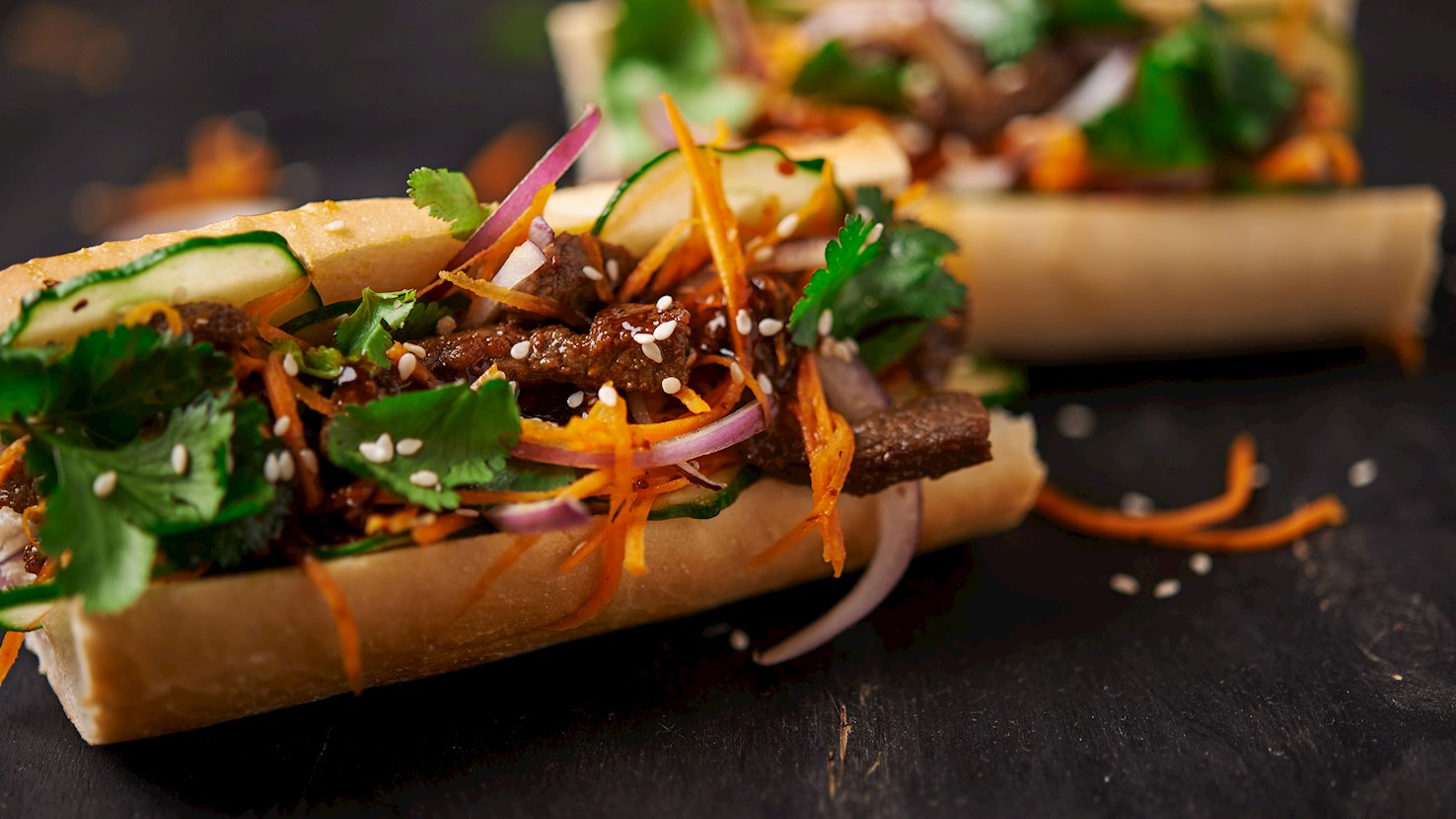
Bánh mì thịt is a traditional bánh mì sandwich variation in which thịt means meat. As the name suggests, the sandwich is made with various Vietnamese cold cuts such as sliced roasted pork, sliced pork belly, chả (sliced ham), or chả lụa pork sausage, along with cucumbers, mayonnaise, pickled carrots and daikon, and liver pâté stuffed into a bánh mì roll. The sandwich is often garnished with ingredients such as coriander, black pepper, and sliced chili peppers. These meat-filled sandwiches are common throughout Vietnam and they’re a staple of school children and factory workers. Bánh mì thịt is usually enjoyed for breakfast and lunch, but the sandwiches can be eaten for any meal of the day if bought from street stall vendors.
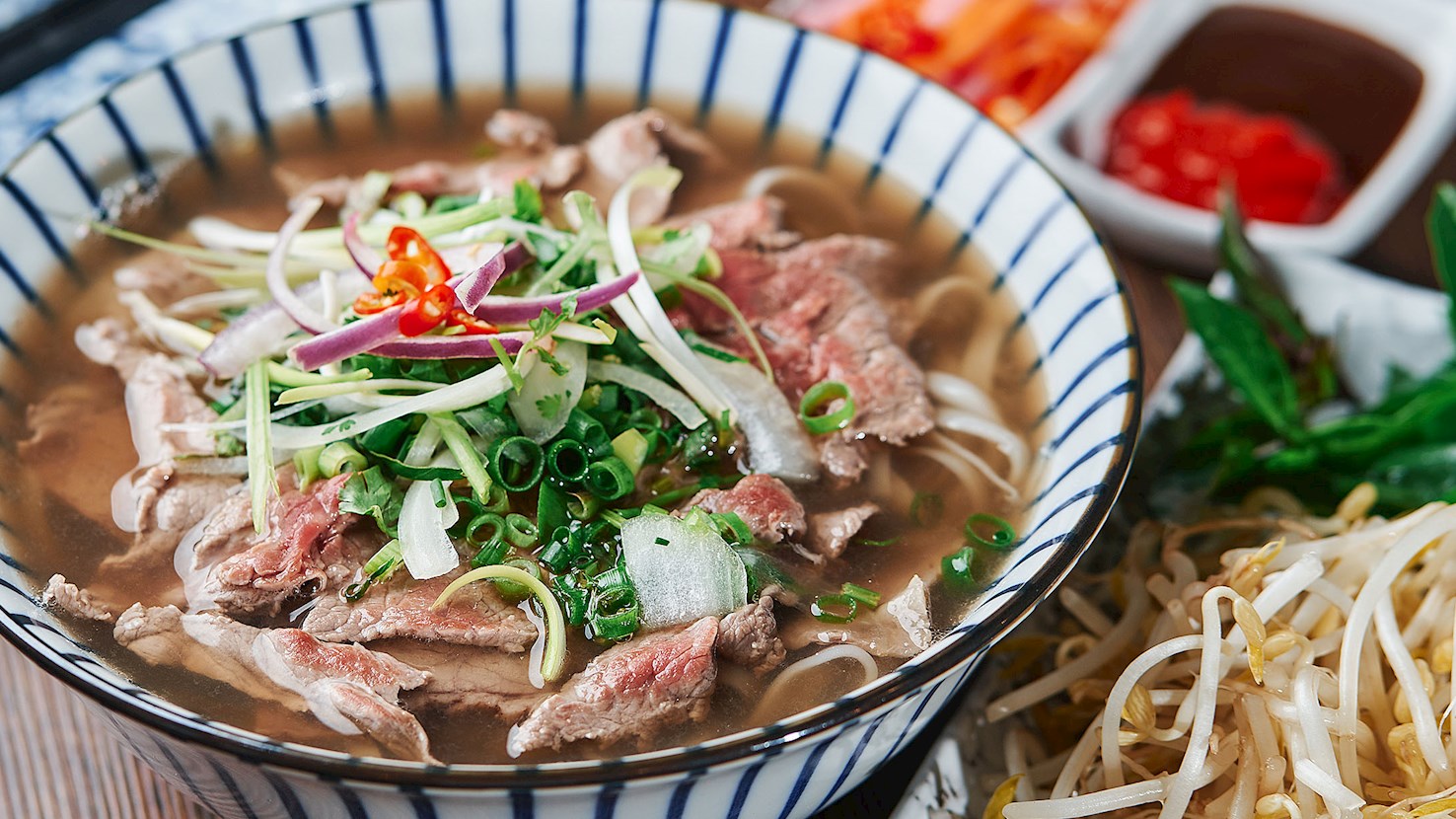
This beef-based version of pho is prepared with assorted cuts and parts of beef – the stock is made from beef bones, shank, ox tail, and neck, while the toppings include thinly sliced fatty brisket (gầu), flank, eye-round steak, tripe, cooked and raw beef (tái nạm), tendon (gân), or beef balls (phở bò viên), but the latter version is not that popular in Vietnam. Beef pho is usually flavored with dried spices such as cinnamon, star anise, cloves, cardamom, and coriander. The dish is served piping hot in a bowl along with rice noodles, and it's typically topped with cilantro, sliced onions, and chopped green onions. On the side, you can often find a platter with bean sprouts, lime wedges, and sliced hot peppers so each person can add the garnishes to his or her liking. Hoisin and Sriracha sauces are also often-seen staples on the side.
Roti prata is a pan-fried laminated flatbread with a crisp, blistered exterior and a soft, elastic center formed from many thin layers. It is made by stretching wheat dough until almost transparent, coating it with fat, folding or coiling it, and frying it on a flat griddle. Ghee is closely associated with the bread, although margarine and vegetable oil are now equally common. Roti prata is most strongly associated with Singapore, while the closely related form sold in Malaysia is generally called roti canai. Both belong to the wider family of layered flatbreads connected with paratha and the thinner, highly laminated parotta of southern India. Similar breads are also found in Sri Lanka, Myanmar, Thailand, Brunei, and parts of Indonesia. Its development in the Malay Peninsula is connected with migration from the Indian subcontinent during the nineteenth and early twentieth centuries. Tamil Muslim communities from the Coromandel Coast played a particularly important role in establishing food stalls and restaurants in Singapore. Migrants from Kerala and the Malabar Coast also contributed to the broader culinary culture from which prata emerged. Roti prata became closely associated with Indian Muslim food stalls, coffee shops, markets, and later hawker centers. Its modest ingredients, compact size, and substantial energy value made it suitable for workers around ports, commercial districts, and other busy urban areas. However, there is no strong evidence that it began exclusively as a meal for plantation and dock laborers. It developed as an inexpensive everyday food that could be eaten at breakfast, lunch, dinner, or late at night. The name combines two related culinary terms. Roti is an Indo-Aryan word used broadly for bread or flatbread. Prata is generally understood as a shortened local form of paratha or parotta, rather than a separate word meaning only “flat.” The name therefore reflects the bread’s connection with the layered flatbreads of the Indian subcontinent. The dough usually contains strong wheat flour, water, salt, sugar, and fat. Ghee, margarine, or vegetable oil can supply the fat, while some formulas also include egg, milk, or condensed milk for greater tenderness and browning. Commercial yeast and chemical raising agents are generally unnecessary because the layers are created through kneading, resting, stretching, folding, steam, and hot fat rather than fermentation. The dough is kneaded until smooth, elastic, and capable of stretching without tearing. It is then divided into uniform balls and coated generously with oil or fat. The portions must rest long enough for the gluten to relax, commonly for at least one to five hours and sometimes overnight. They do not need to remain completely submerged in oil, although a generous coating prevents the surface from drying and makes the dough easier to stretch. Each rested ball is flattened on an oiled stainless-steel or stone work surface. An experienced vendor lifts, swings, slaps, and rotates the dough repeatedly until it expands into a nearly transparent sheet several times its original size. The rapid movement helps stretch the dough evenly, but the result also depends on properly developed and rested gluten. The sheet can alternatively be pulled outward by hand without being thrown through the air. Fat is spread across the thin sheet before the edges are folded inward. The dough may be folded into a flat square or gathered into a long rope and wound into a spiral. Folding creates overlapping sheets separated by a fine coating of fat, while small pockets of air remain between some of the layers. A coiled portion normally rests again before being flattened for frying. The shaped bread is placed on a hot, well-greased iron griddle. Heat turns the water inside the dough into steam, which expands between the fat-coated layers and pushes them apart. At the same time, direct contact with the griddle produces dark brown blisters and a crisp, golden surface. The heat must be strong enough to brown the exterior without scorching it before the inner dough is fully set. Once the prata leaves the griddle, it is often clapped or compressed quickly from opposite sides. This is not intended simply to crush the bread. It loosens the layers, breaks the rigid outer shell into flakes, releases trapped steam, and helps keep the surface crisp. The motion can be performed between the hands or against a clean work surface and should be firm without reducing the bread to fragments. The plain form is known as roti kosong, meaning empty or unfilled bread. Its flavor comes from toasted wheat, browned fat, salt, and the lightly sweet dough. Roti prata is served immediately while the crust is still crisp and the internal layers remain hot and flexible. It is commonly torn by hand into small pieces, exposing the soft, elastic center. Forks and spoons may also be supplied, especially for filled versions or when several sauces accompany the bread. The standard accompaniments are curries and lentil gravies. A thin, tangy fish curry provides acidity and heat, while mutton or chicken curry gives the bread a richer coating. Dal supplies a milder, earthy alternative based on lentils. Some stalls serve more than one sauce, allowing pieces of prata to be dipped into different gravies during the same meal. Sweet serving styles are equally established. Plain prata can be dipped into coarse white sugar, served with sugar beside the curry, or covered with condensed milk. These combinations are especially common at breakfast and as late-night food, although prata is eaten throughout the day.
TasteAtlas food rankings are based on the ratings of the TasteAtlas audience, with a series of mechanisms that recognize real users and that ignore bot,
nationalist or local patriotic ratings, and give additional value to the ratings of users that the system recognizes as knowledgeable.
For the “Top 100 Southeast Asian Street Food” list until September 15, 2026, 12,999 ratings were recorded, of which 9,342 were recognized by the system as legitimate.
TasteAtlas Rankings should not be seen as the final global conclusion about food. Their purpose is to promote excellent local foods,
instill pride in traditional dishes, and arouse curiosity about dishes you haven’t tried.



What People Say