dreamstime

Top 15 French Sweet Breads

Last updated on May 15, 2026

Best French Sweet Breads
01

Mulot & Petitjean

4.6 ·
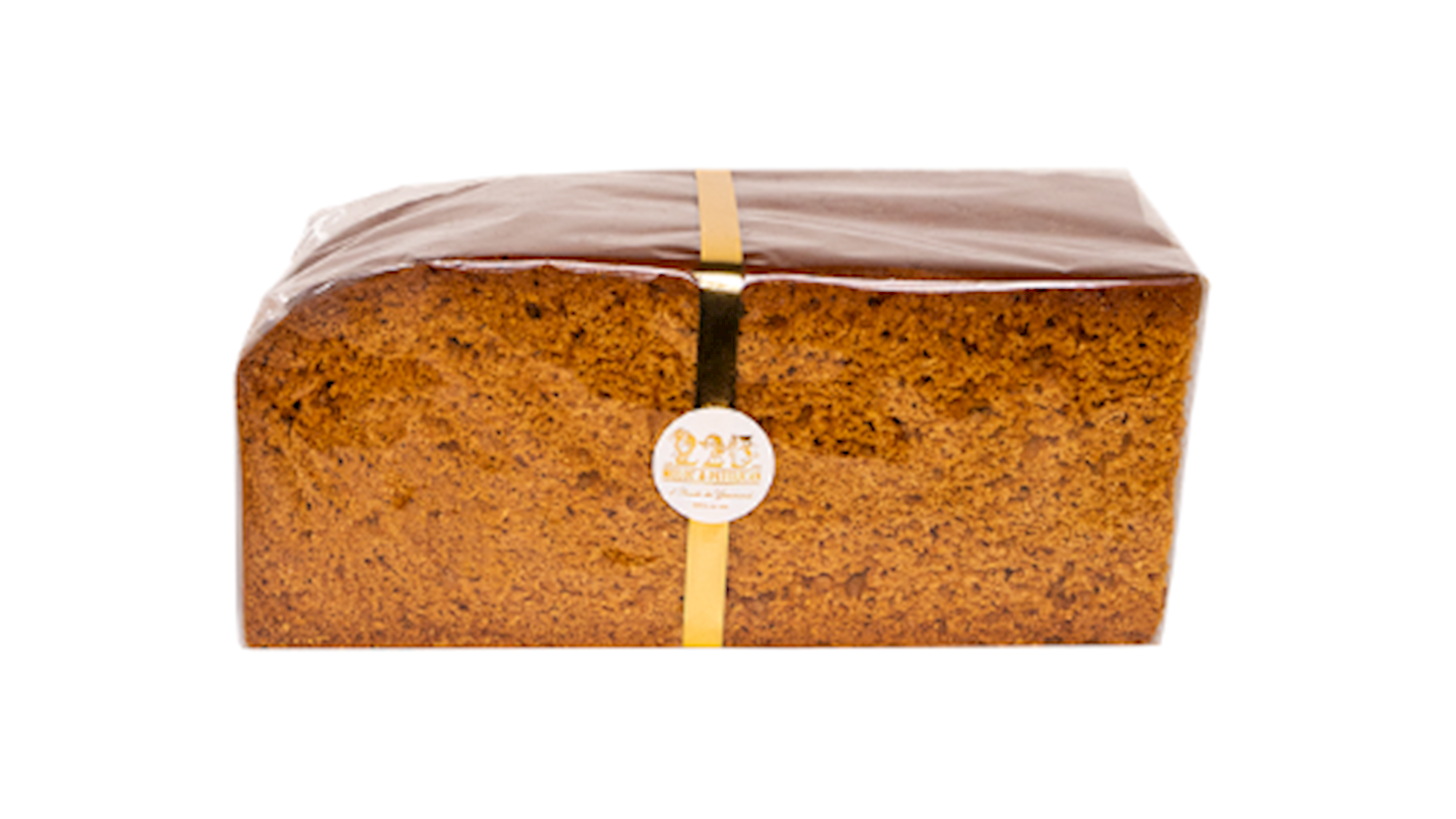
Mulot & Petitjean is a historic house from Dijon, founded in 1796 and best known as one of the key guardians of the French pain d’épices tradition. Its production is closely linked to the gastronomic heritage of Burgundy and to Dijon’s long-standing association with this honey-based spiced cake, traditionally made with selected ingredients such as honey, flour and spices. The company is especially recognized for its nonnettes de Dijon, small spiced cakes filled with fruit preserves, which have become one of its signature specialties. Mulot & Petitjean combines artisanal know-how, family heritage and modern production while preserving the identity of products deeply rooted in local cuisine. Its Dijon site also includes a museum space, where visitors can learn about the history, ingredients and production process of traditional pain d’épices. The range includes classic spiced cakes, nonnettes, gift boxes and other products inspired by Burgundian tradition. Although the brand is now present through more modern sales formats, its value lies primarily in preserving Dijon’s authentic recipe heritage.

Best French Sweet Breads

01

Brioche

4 ·

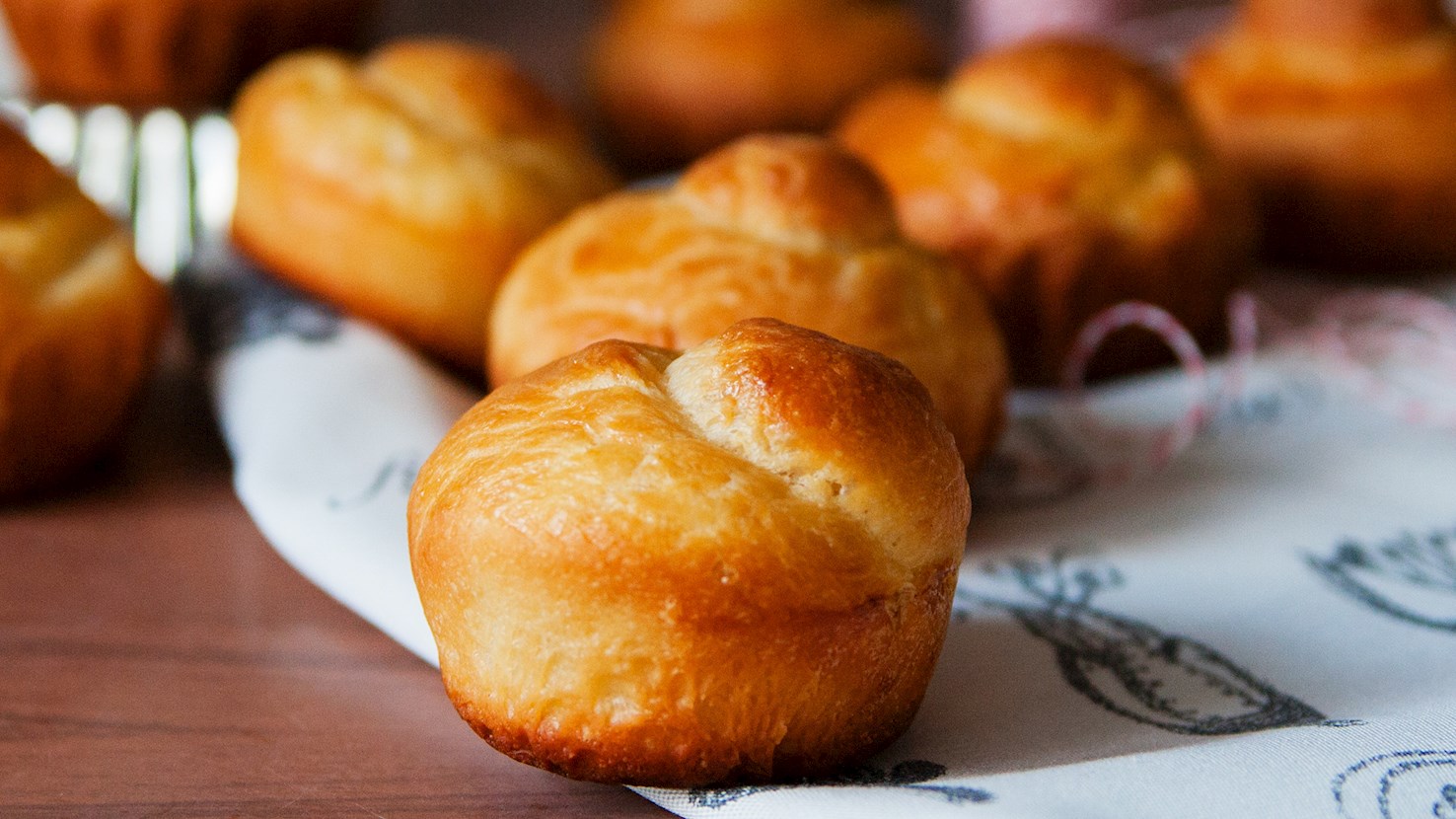
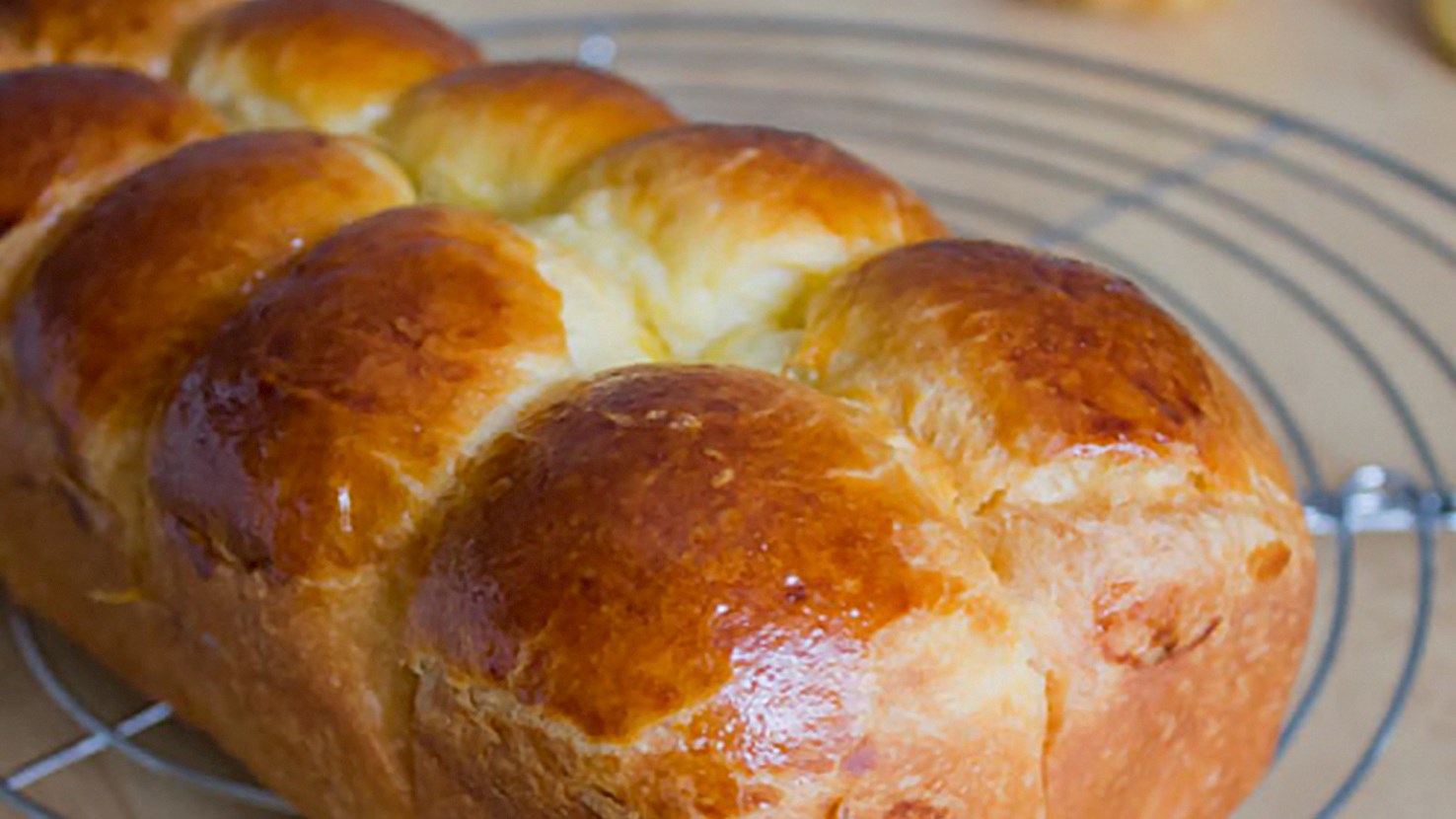
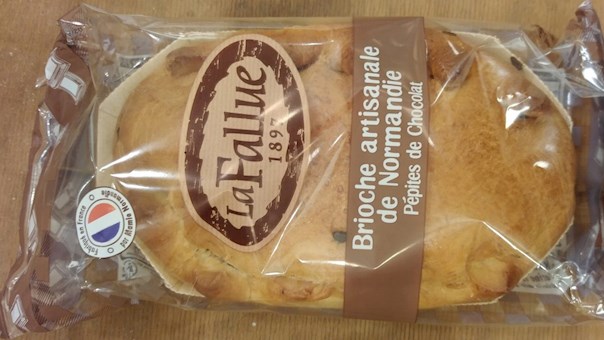
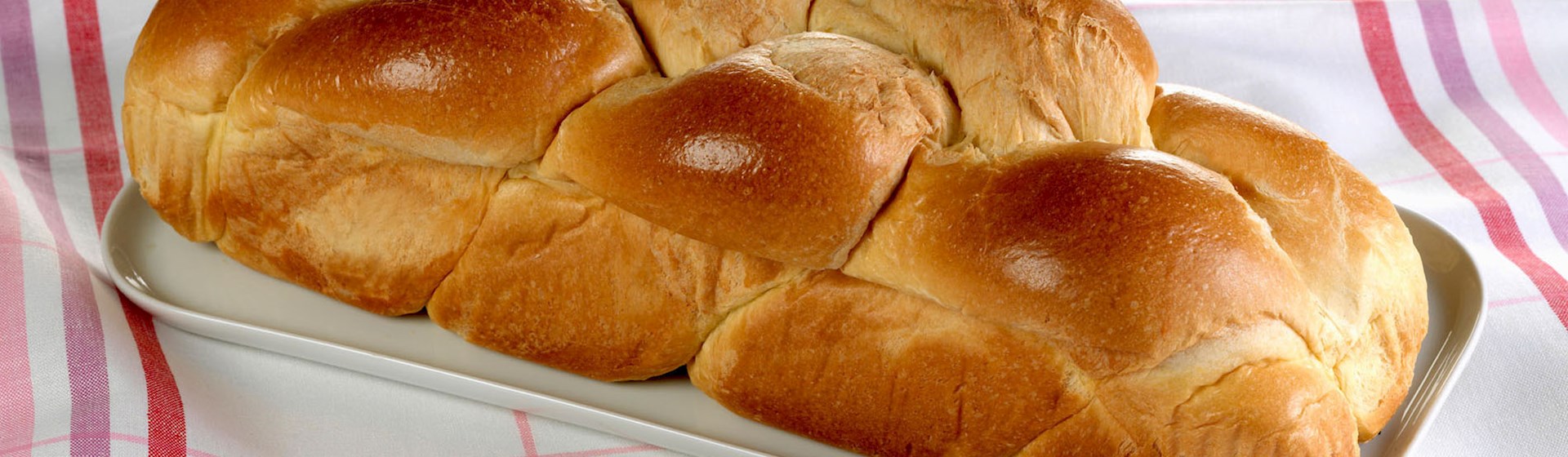
This baked specialty is a French type of viennoiserie, a cross between a pastry and a bread, with a high butter, milk, and egg content that makes it rich, soft, and flaky. It has been enjoyed for centuries both as a delicacy and as a status symbol. One popular theory claims that it was invented by Norman Vikings, who settled in France in the 9th century and brought the secrets of making butter with them. The word brioche first appeared in print in 1404, and the name is believed to be derived from bris and hocher, meaning to knead and to stir. It could also be a reference to the popular French cheese called Brie, which is believed to have been one of the ingredients in the original brioche. A famine in the 18th century made bread expensive, so brioche became a status symbol – the amount of butter in your brioche was proportional to your prosperity. Today, it is traditionally consumed with tea, but it also has various uses in cuisine, acting as a vessel for sweet or savory fillings.

02

Brioche Vendéenne

3.9 ·

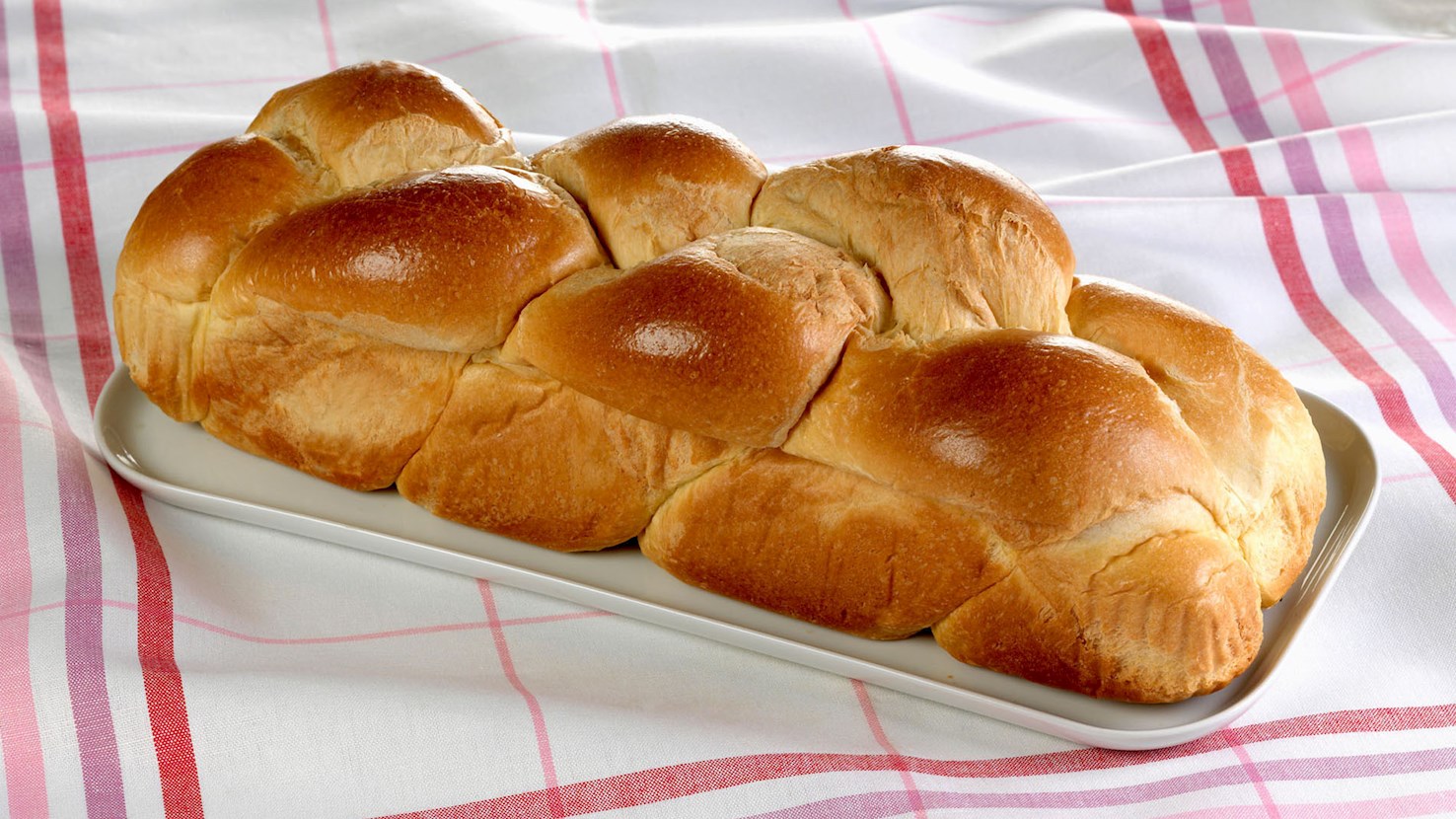
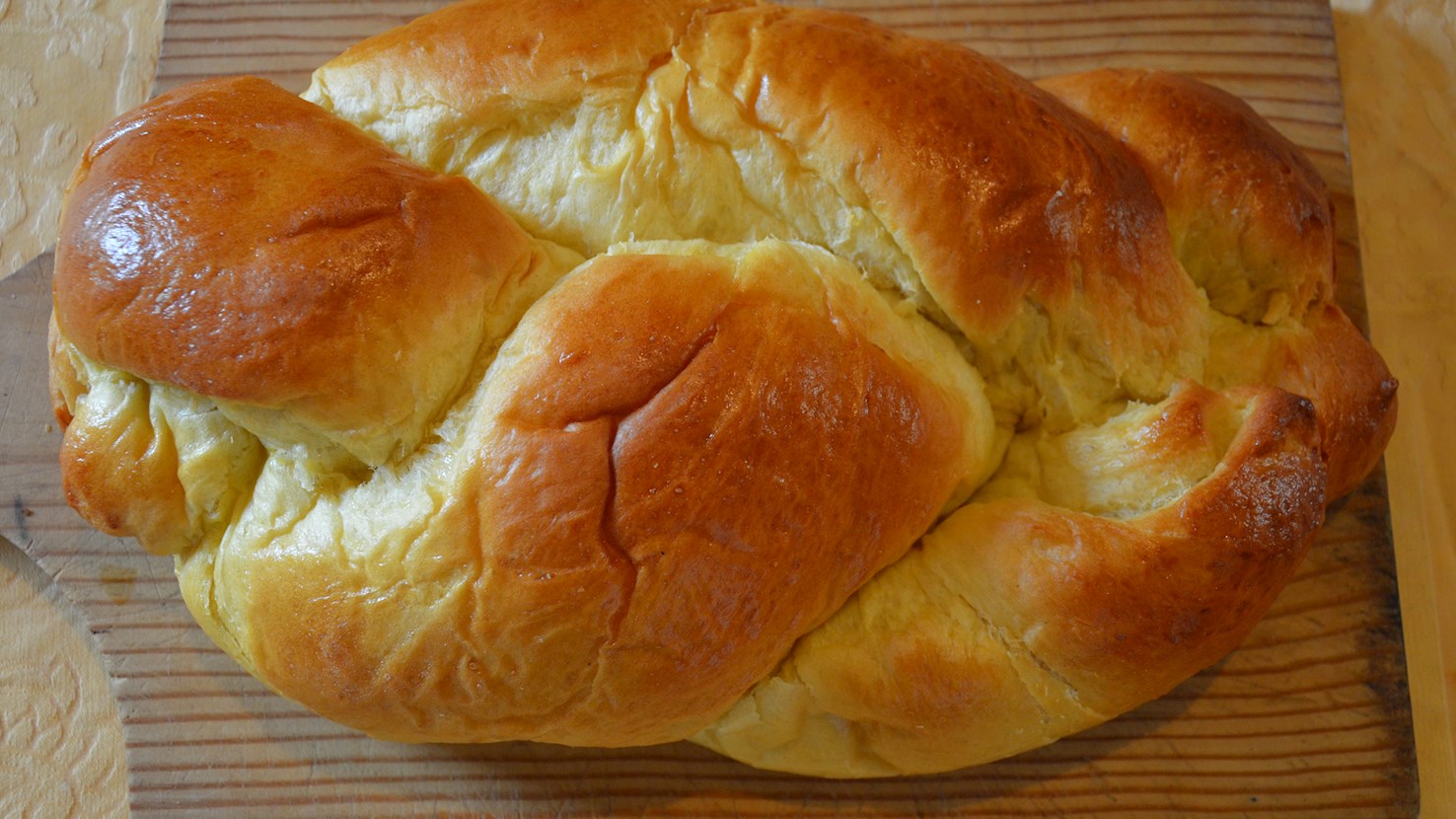
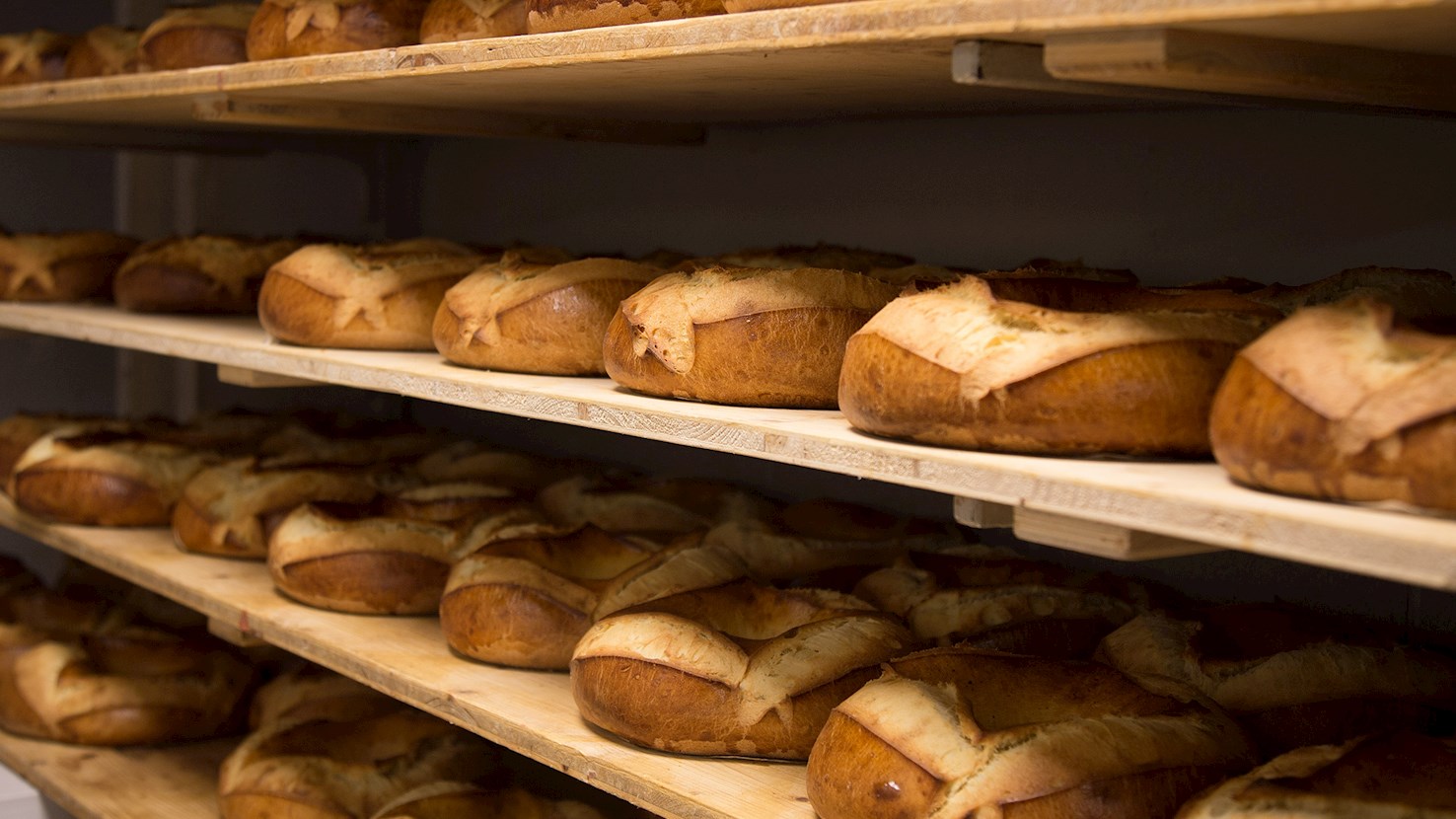
Brioche Vendéenne is a French braided brioche. The braids on its top are called barres in French. It is golden-colored and available in various shapes - round, oval, or in the shape of a stick. The brioche can never be sold frozen - only fresh, either whole or sliced into smaller pieces. The dough is rich in eggs and sugar, with a fragrant aroma of alcohol, vanilla, orange, and butter when baked. On the interior, the brioche is yellow and has a light, airy, and stringy texture with melt-in-the-mouth qualities. It's made in the Vendée region in France and is especially popular at Eastertime and at weddings, when it is made in gigantic proportions, weighing between 10 and 20 kilos! Try brioche Vendéenne on its own or pair it with a nice fruit jam and a cup of tea.

03

Praluline

3.8 ·

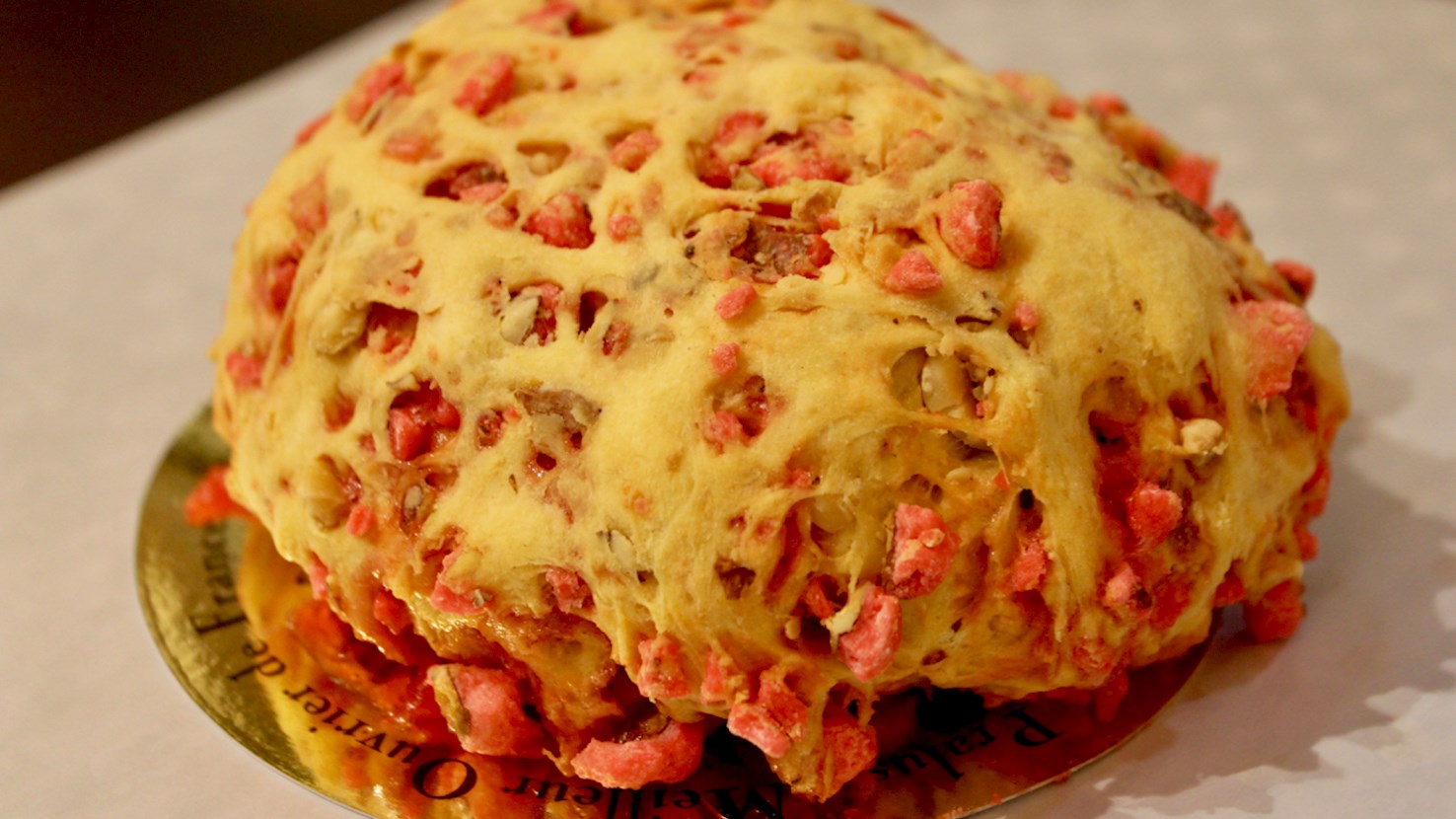
Praluline is a delightful French culinary creation consisting of a brioche that is infused with the sweet flavor of pink, rose sugar-coated pralines. The pastry is typically characterized by an incredibly soft, rich, and buttery texture, while the crushed pralines - a combination of Valencia almonds and Piedmont hazelnuts enrobed in rose sugar - add a distinct nuttiness, sweetness, and a nice crunchiness to the specialty. Created in 1955 by Auguste Pralus, a renowned French pastry chef and the owner of a small bakery in the town of Roanne, this sweet bread has remained a specialty of Pralus patisseries, and is regularly featured in the shops’ window displays due to its appealing and appetizing visual appearance. Praluline has been prepared in the same way for decades, although the exact recipe for the pastry is still a well-kept secret of the Pralus family. This unique specialty can be savored in different sizes at one of the Pralus patisseries throughout France, and it is said to taste the best on the day that it's been baked.

04

Couronne

3.6 ·

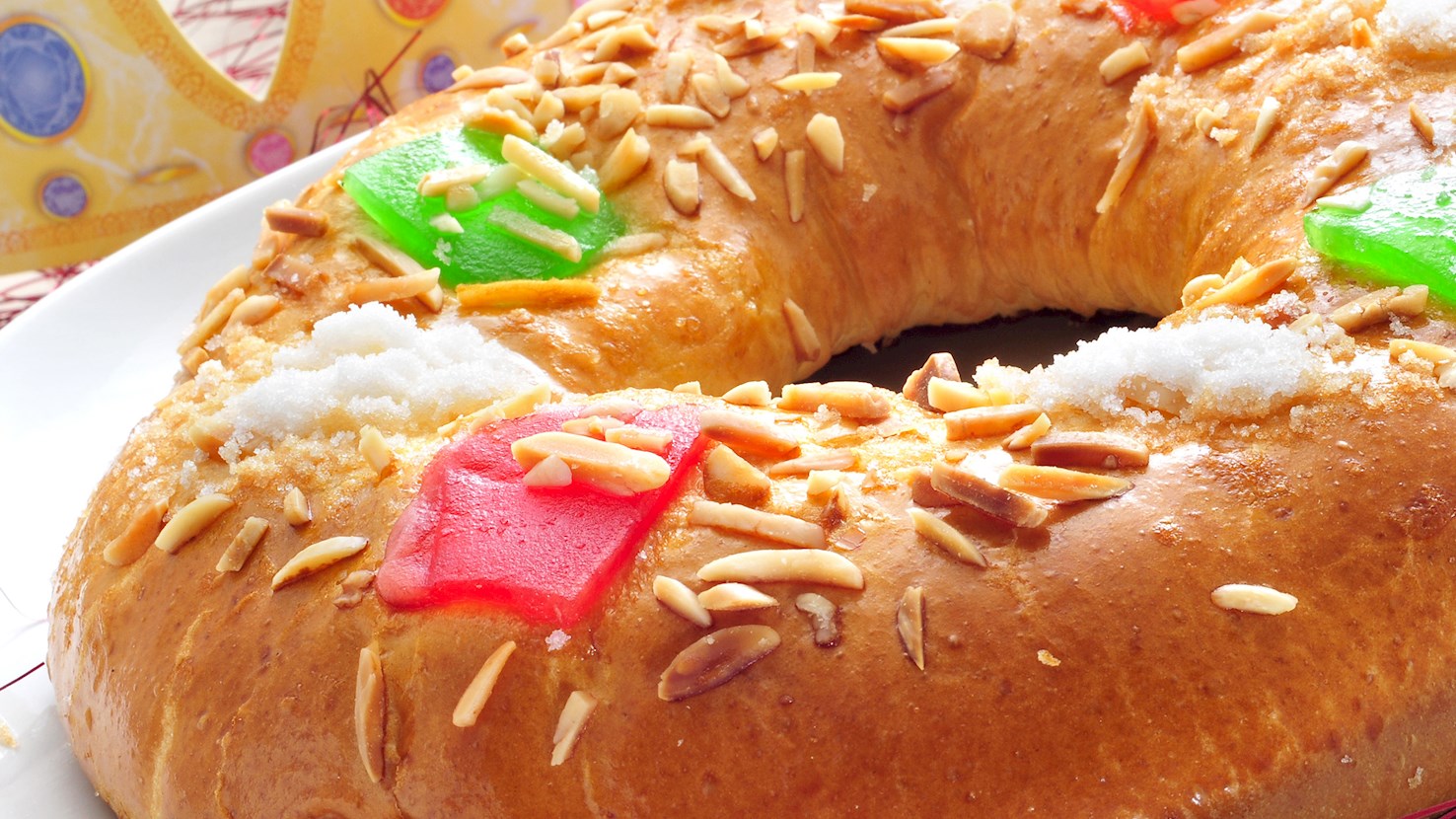
Roscón de Reyes is a sweet ring-shaped bread that is prepared with a sweet, yeasted dough and comes topped with sugar and candied or dried fruit. Though the cake developed from pagan tradition, in modern times it became closely associated with the Epiphany, a Christian holiday held on January 6 that celebrates the arrival of three wise men who came to see Jesus Christ. It is believed that the present tradition started in 14th-century France, but it became deeply rooted in Spain, eventually reaching Latin America, namely Mexico, Argentina, and Uruguay. The cake appears under various names throughout Spain, southern France, Portugal, and Latin America - it is often flavored with orange blossom water or rum, while the center is occasionally filled with marzipan or whipped cream. Spanish tradition also suggests hiding a dry fava bean and a king figurine inside the cake. Whoever is lucky to find the figurine is proclaimed king for the day, while the one who finds the bean has to pay for the cake. In Mexico, a figurine of a baby is usually placed inside the bread, symbolizing Jesus in hiding, and the person who gets the piece with the figurine is expected to host a party on Día de la Candelaria (Candlemas).

05

Pain d’épices

3.6 ·

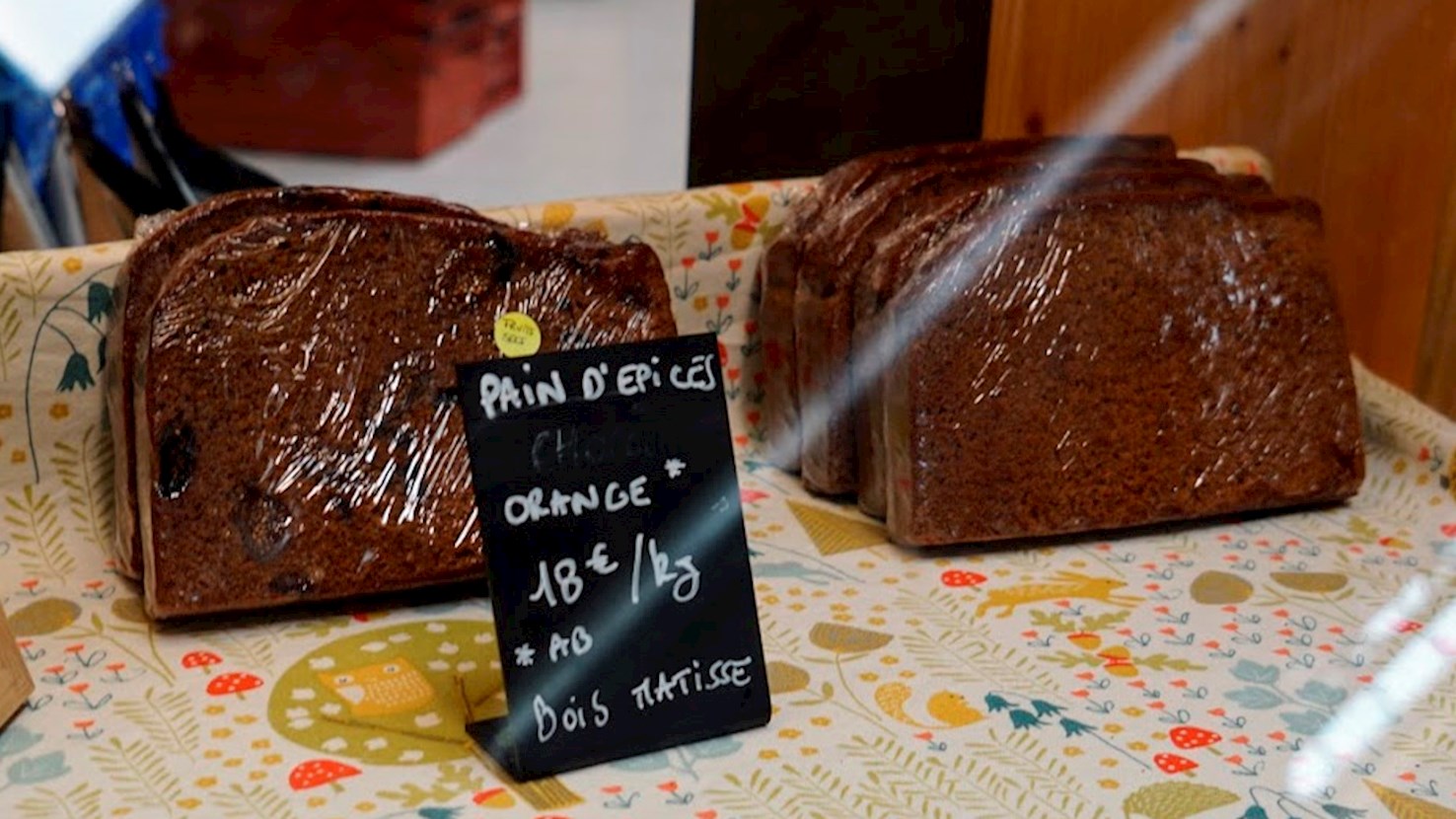
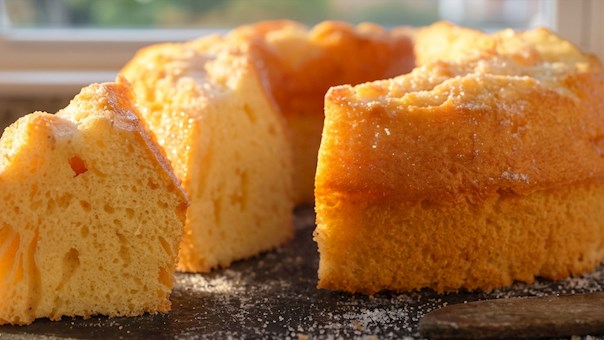
This classic French honey cake is often described as a cross between bread and a dessert. It is a Dijon specialty, believed to have its origins in China, where a similar spice cake was made in the 10th century. In France, it first appeared in 1711 and was particularly popular in Reims and Dijon. In the aftermath of World War II it was rarely found in French cuisine, but soon it regained its popularity. Pain d'épices can be made with honey, rye or wheat flour (depending on the region), and spices such as cardamom, anise, cinnamon, nutmeg, and cloves. It is usually baked into a loaf and served with savory dishes, such as foie grass or gourmet cheeses. However, it is also often incorporated into or served alongside classic French desserts. Pain d'épices can be found at traditional markets, where it is usually sold by honey merchants, or in classic French patisseries.

06

Brioche Saint Genix

3.4 ·

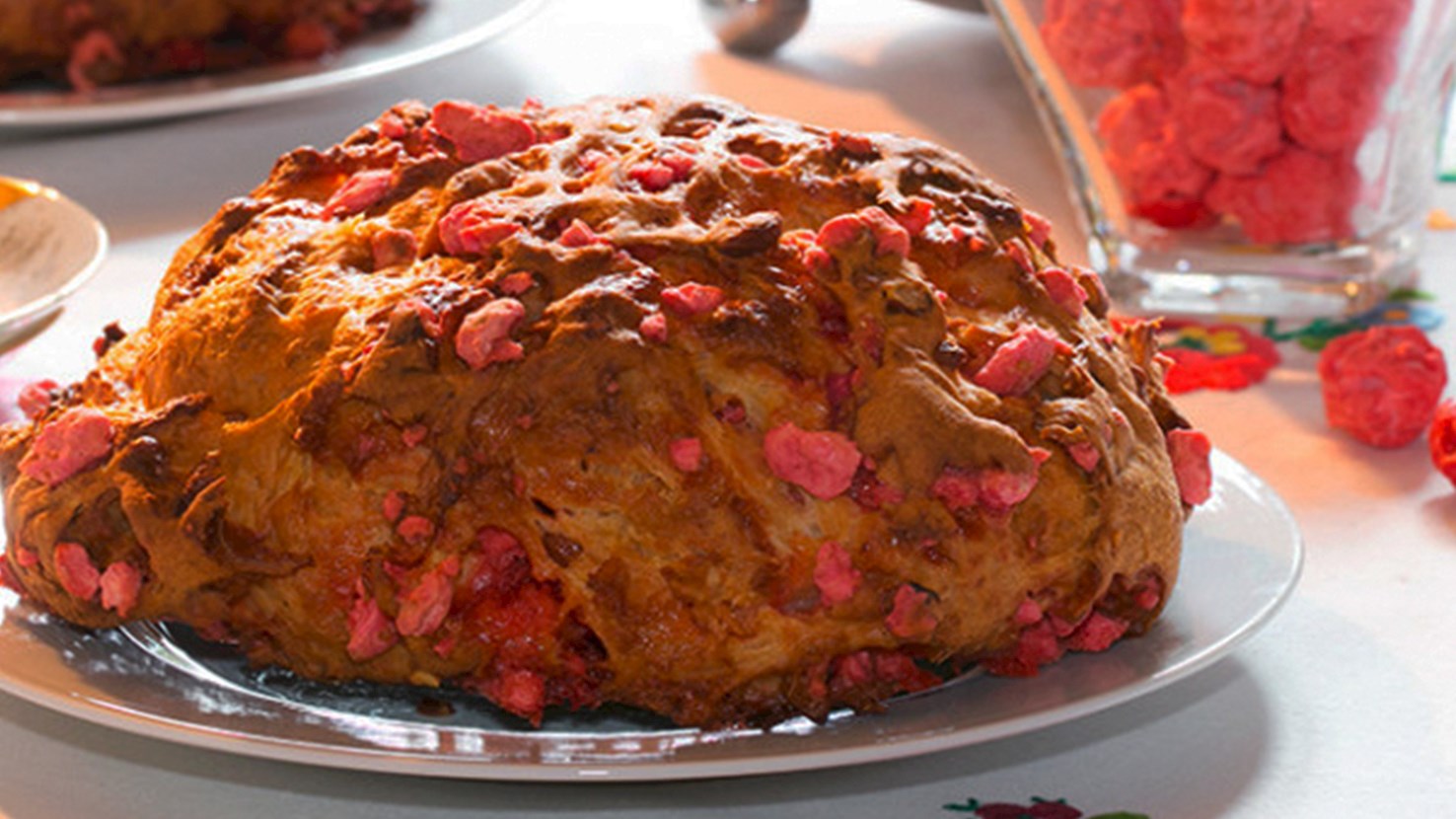
This traditional French brioche was invented in 1880 by a pastry chef Pierre Labully at his family-owned pâtisserie in Saint-Genix-sur-Guiers. It consists of a leavened brioche base that is enriched with crushed pink pralines—sugar-coated nuts that are traditionally associated with Lyon. Brioche Saint Genix is usually formed in a large round loaf, while the top is decorated with whole pralines and pearl sugar.

07

Gâche vendéenne

3.4 ·

Gâche vendéenne is a pastry product that must be oval in shape, with a fine golden crust that is slit lengthwise. It must always be sold fresh and whole, never sliced, and packaged in the French region of Vendée. The pastry has a soft texture and melt-in-the-mouth qualities, while the flavor is milky, with aromas of fresh cream and butter, and undertones of vanilla and oranges. Gâche vendéenne weighs at least 300 grams and consists of flour, eggs, butter, fresh cream, sugar, starter, yeast, sea salt, flavorings, milk, and water. It was traditionally made on festive days such as Easter or weddings, when people wanted nicer things, so fresh cream was always included, and that is what distinguishes it from other similar products. Eat it on its own or pair it with fruit jams.

08

Brioche de Nanterre

3.3 ·

This classic brioche variety is prepared with a yeast-risen dough that is enriched with butter and eggs. The dough is divided into eight individual portions that are neatly arranged in a loaf pan and left to rise. During baking, the pieces partially merge, while they remain clearly visible on top. Nanterre brioche should always have a crispy golden crust, and a soft, buttery interior. It is recommended to serve it with butter and jam on the side.

09

Pogne

3.2 ·

This sweet bread is prepared with a leavened, brioche-like dough that is enriched with orange blossom water. It is typically shaped into a large, round loaf with a top that is occasionally decorated with pearl sugar. The recipe is believed to have first appeared in the Middle Ages, and it was originally made as a traditional Easter bread. Its origin is closely associated with the Rhône-Alpes region.

10

Pompe à l'huile

2.7 ·

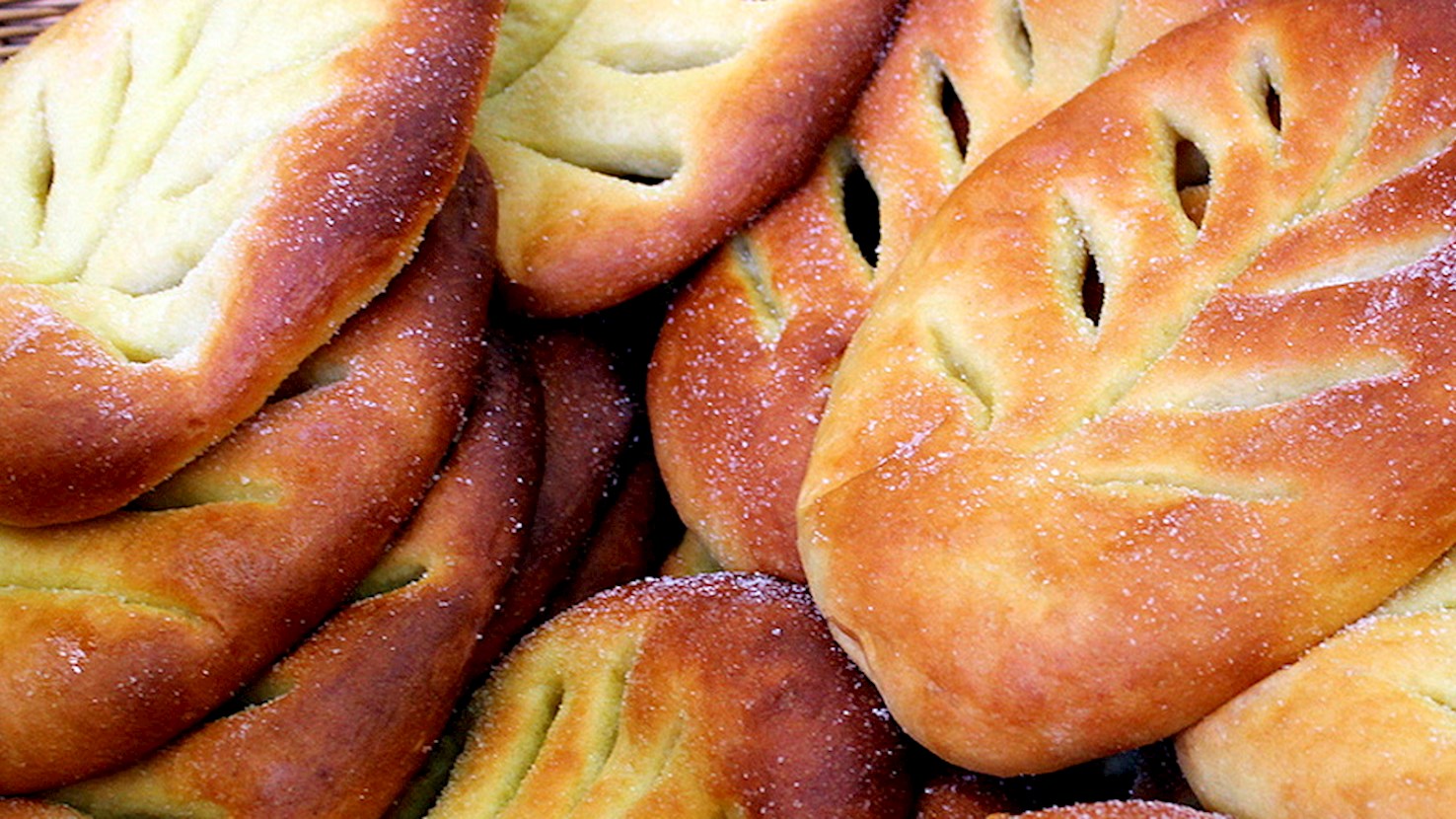
Pompe à l'huile is an old, traditional dessert bread with a base of olive oil originating from the French region of Provence. It is typically flavored with orange-blossom water and lemon zest. The bread is characterized by its intricate decorations resembling leaves and stars. Pompe à l'huile is prepared on every Christmas Eve, and it belongs in the category of the famous 13 Christmas desserts–it is served as a dessert at the end of the Christmas meal, along with 12 other desserts, symbolizing Christ's Disciples.

Read more
View all
View map
About this ranking

TasteAtlas food rankings are based on the ratings of the TasteAtlas audience, with a series of mechanisms that recognize real users and that ignore bot, nationalist or local patriotic ratings, and give additional value to the ratings of users that the system recognizes as knowledgeable. For the “Top 15 French Sweet Breads” list until May 15, 2026, 834 ratings were recorded, of which 739 were recognized by the system as legitimate. TasteAtlas Rankings should not be seen as the final global conclusion about food. Their purpose is to promote excellent local foods, instill pride in traditional dishes, and arouse curiosity about dishes you haven’t tried.

The initial list of top producers was compiled based on available reviews, awards, local recommendations, media and blog coverage, and consumer reviews. The list will be updated with ratings from TasteAtlas local ambassadors and TasteAtlas users.

Similar lists