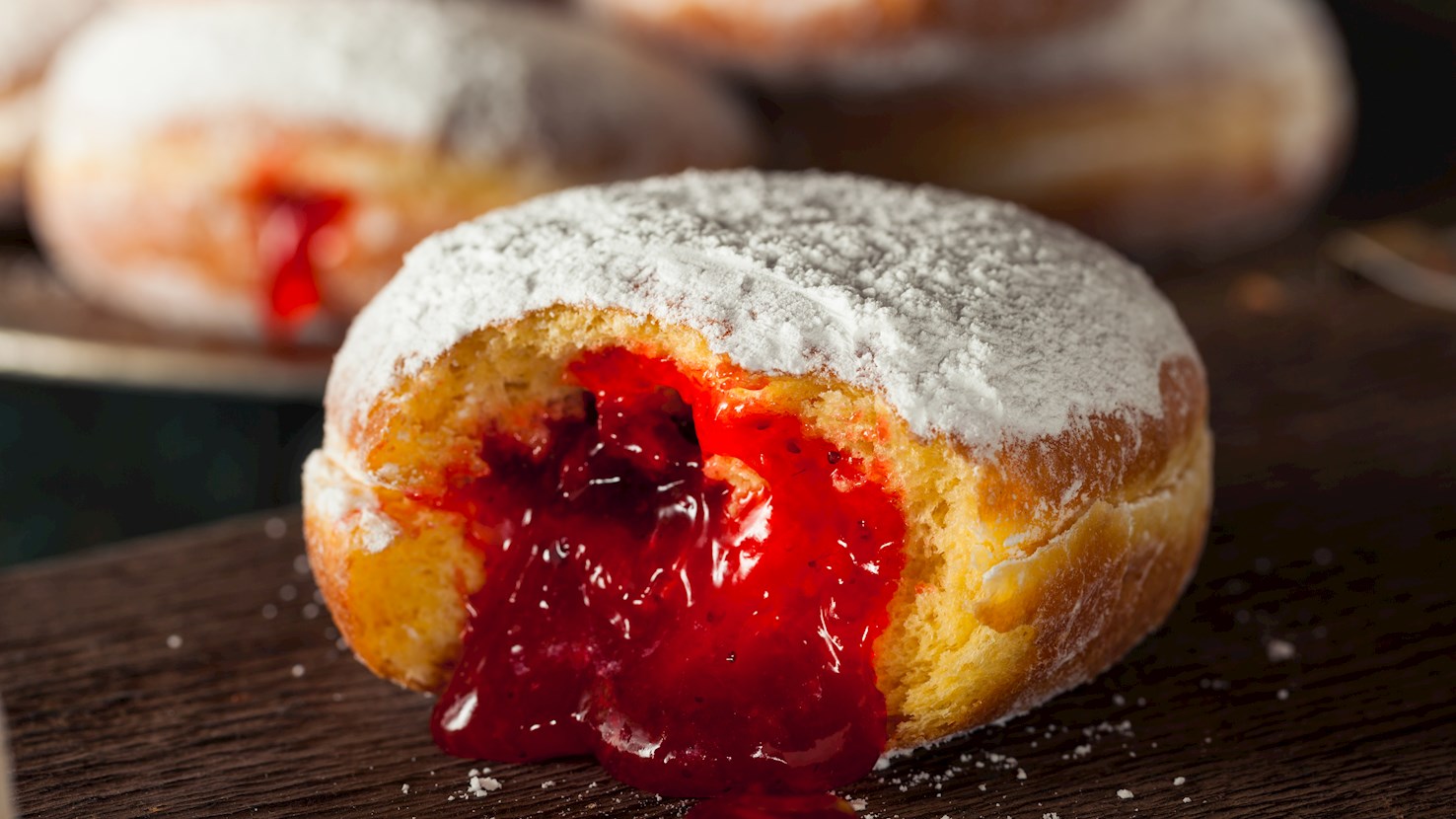
Pączki are large, deep-fried doughnuts made from rich yeast dough, heavily stuffed with sweet fruit preserves or sweet cream, and coated in a thick layer of powdered sugar or icing. The foundation of this heavy pastry relies on a highly enriched dough where yeast is dissolved in warm milk and combined with large quantities of egg yolks, butter, sugar, and wheat flour. A crucial additive is a small splash of high-proof grain alcohol or clear rum mixed directly into the batter. The alcohol evaporates rapidly upon contact with the boiling fat, creating a barrier that prevents the pastry from absorbing excess grease during deep-frying. The dough must rise twice to develop a spongy, airy crumb before small portions are rolled into uniform balls and submerged in heavily heated pork lard or vegetable oil. They fry until both sides develop a deep, dark golden-brown exterior, naturally leaving a distinct pale ring around the center where the dough floated above the fat line. After cooling slightly, a metal piping tip is used to inject various thick fillings into the center. While wild rose petal jam and dense plum butter are the most deeply rooted and widely used fillings, modern bakeries often inject them with Bavarian cream, raspberry preserve, chocolate custard, or spiced apple filling. The exterior also depends on the shop, ranging from a simple, heavy dusting of confectioner's sugar to a thick, translucent sugar glaze sprinkled generously with bits of candied orange peel. Procuring and consuming these pastries happens at an intense, rapid pace, most notably during the week preceding Lent. They are often bought by the dozens in large cardboard boxes from local bakeries and eaten at room temperature alongside a cup of hot coffee or strong black tea. Because of their rich, high-calorie nature, a single pastry serves as a standalone meal or snack. The existence of pączki traces back to the Middle Ages, though the earliest iterations were entirely savory, formed from hard dough and stuffed with salted pork fat. It was not until the 18th century, when French baking techniques arrived in Eastern Europe, that the recipe fundamentally transformed into a lighter, sweeter, sponge-like dessert. The entire concept was originally designed as a highly practical method to completely empty household pantries of expensive, perishable fats, sugars, and eggs before a strict fasting period commenced, culminating in the massive consumption event known today as Fat Thursday.
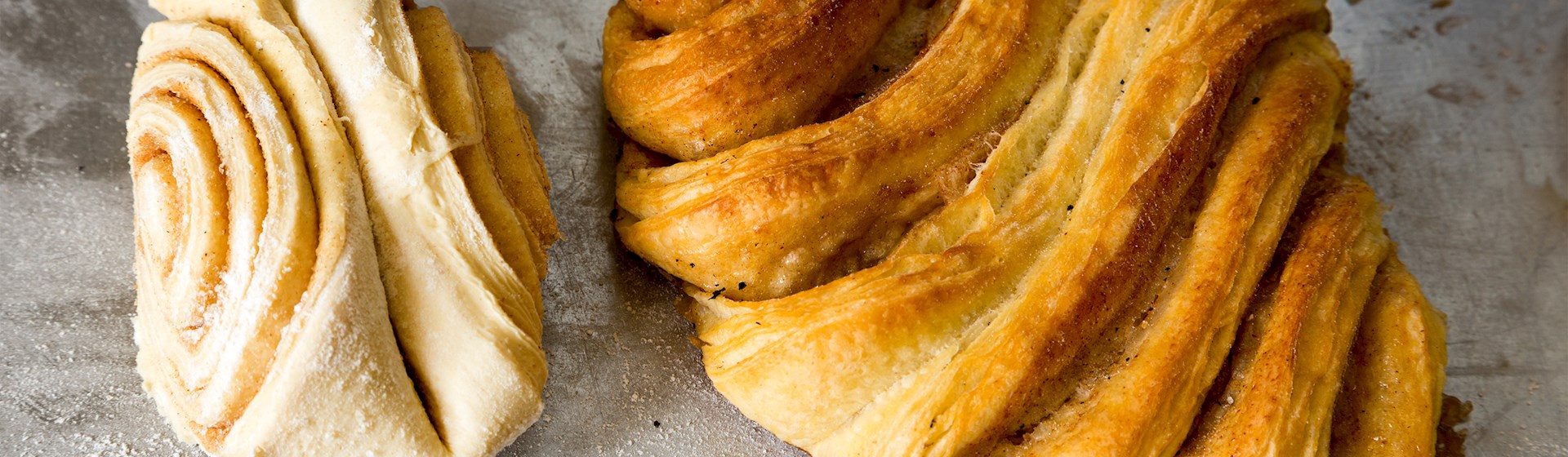
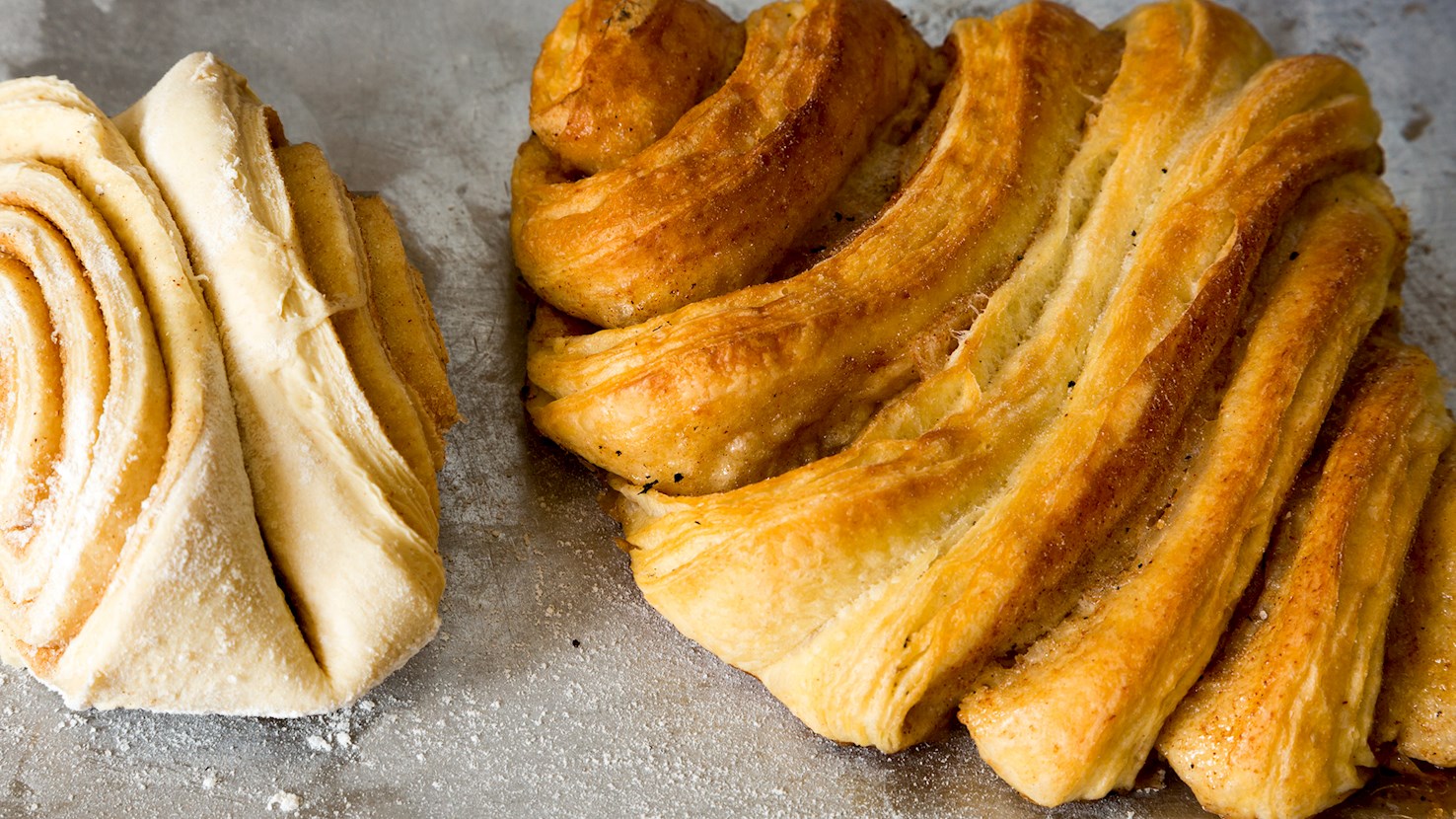
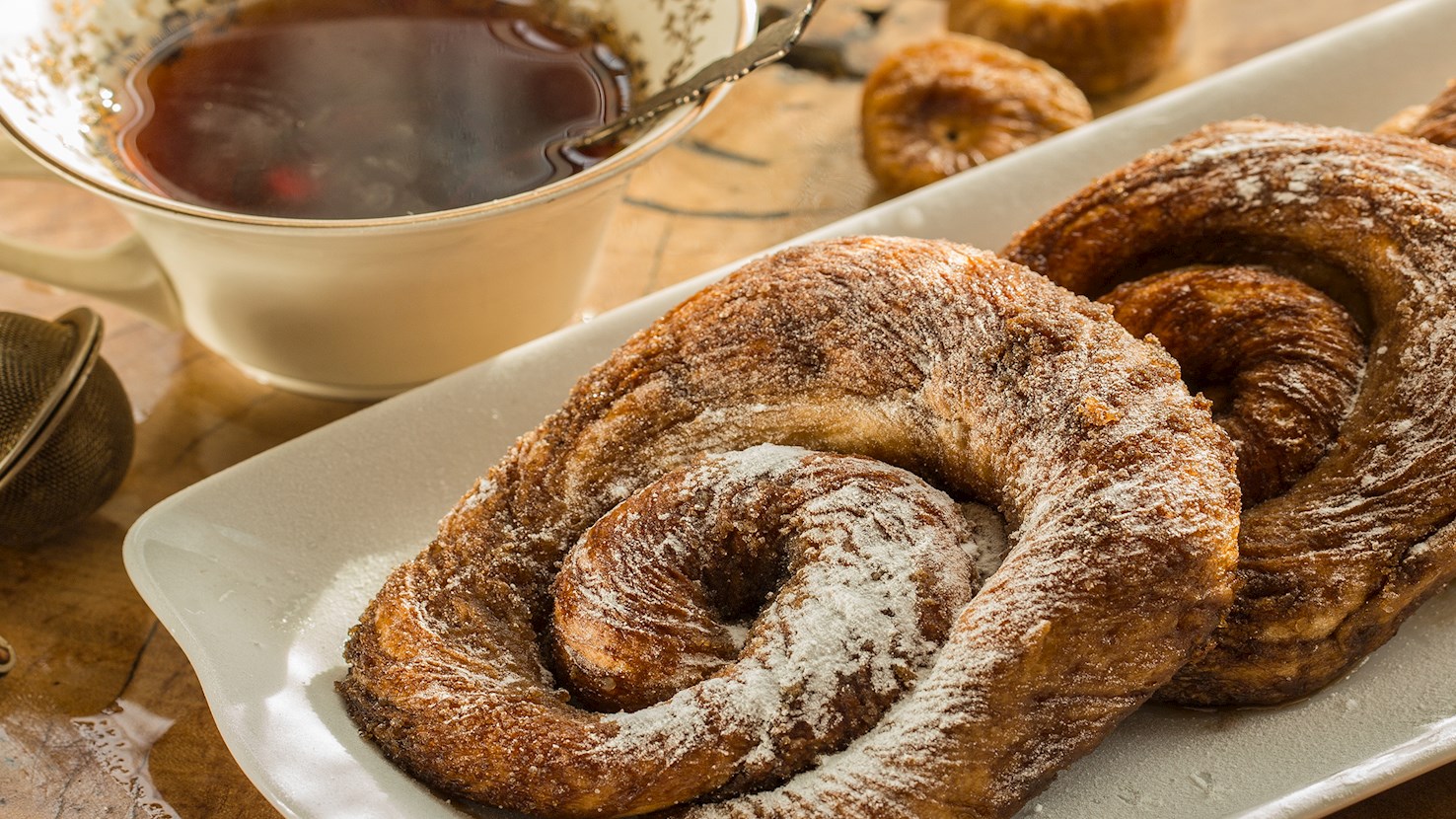
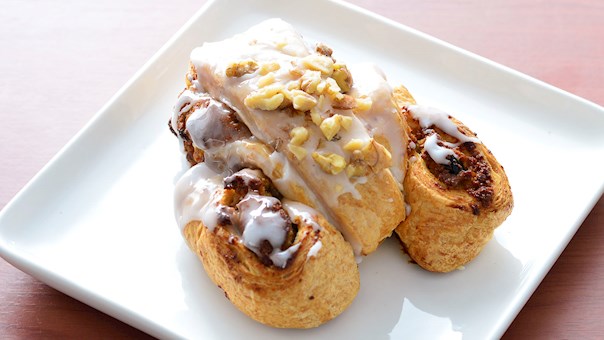
This delicious German sweet pastry is traditionally served with a cup of coffee on the side. Initially made only in the Hamburg area, it is now also available in other German cities. The original recipe for these little pastries includes flour, butter, milk, yeast, and sugar, with a filling consisting of sugar and cinnamon. However, raisins, chocolate, or pumpkin seeds may also be added. The dough is folded multiple times and glazed with butter, developing a sticky coating and rich flavor in the process. The name of this dish is possibly related to the French, who had occupied Hamburg during Napoleon's rule. Alternatively, it is said that a baker from Hamburg once cooked a Franzbrot (French bread) in butter, thus creating the Franzbrötchen.
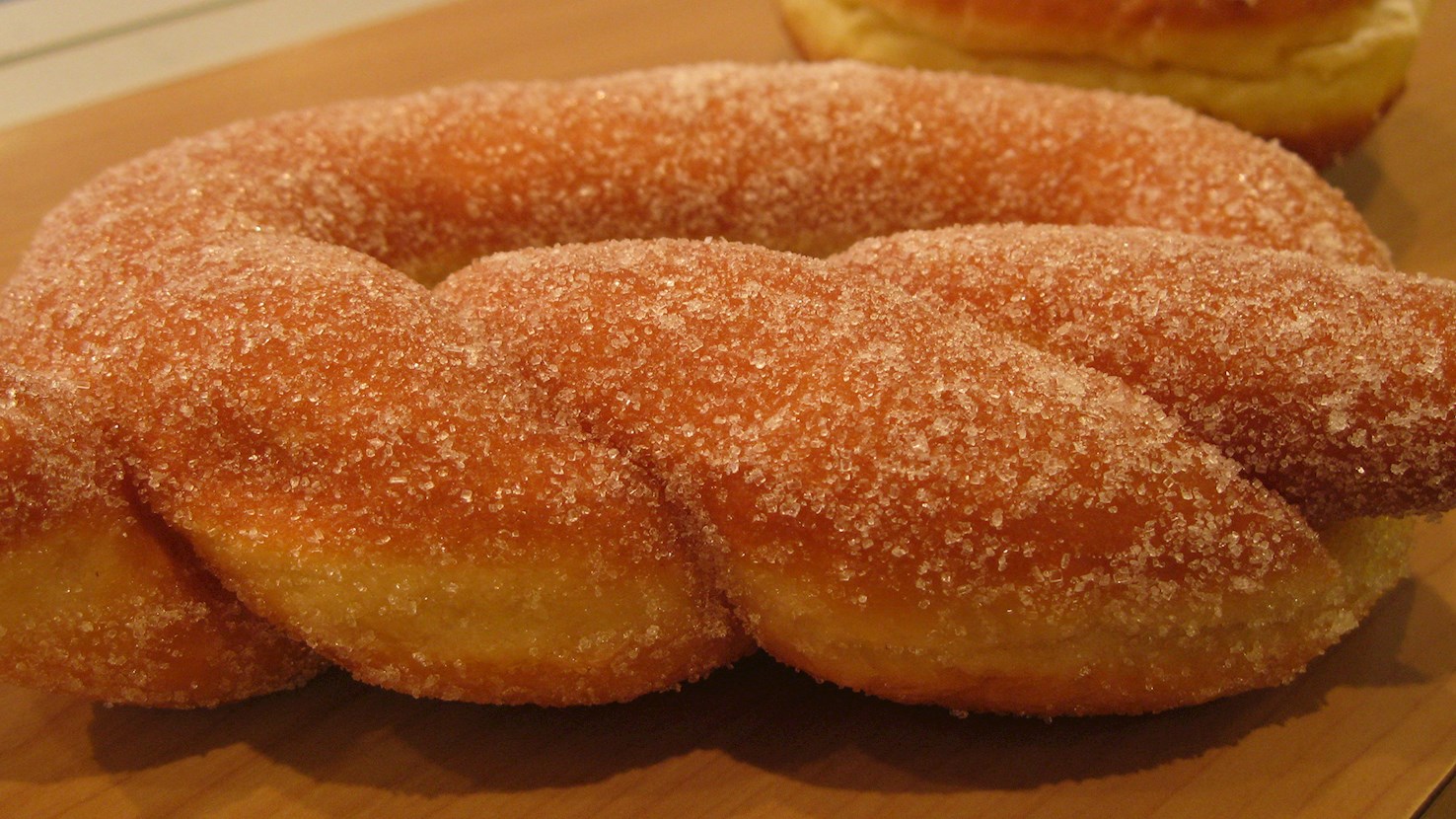
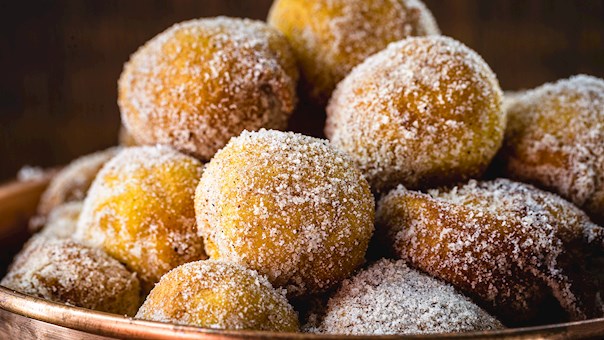
Nonnevot is a unique pastry originating from Limburg, dating back to at least the 17th century. The dough is prepared with flour, yeast, milk, salt, butter, lard, and brown sugar. It is then deep-fried until it develops a golden-brown color. Although nonnevot has traditionally been associated with the carnival, today it can be bought in many regional bakeries. The unusual name of this pastry means nun's butt, referring to its knotted shape and the knot on the back of a nun's uniform.
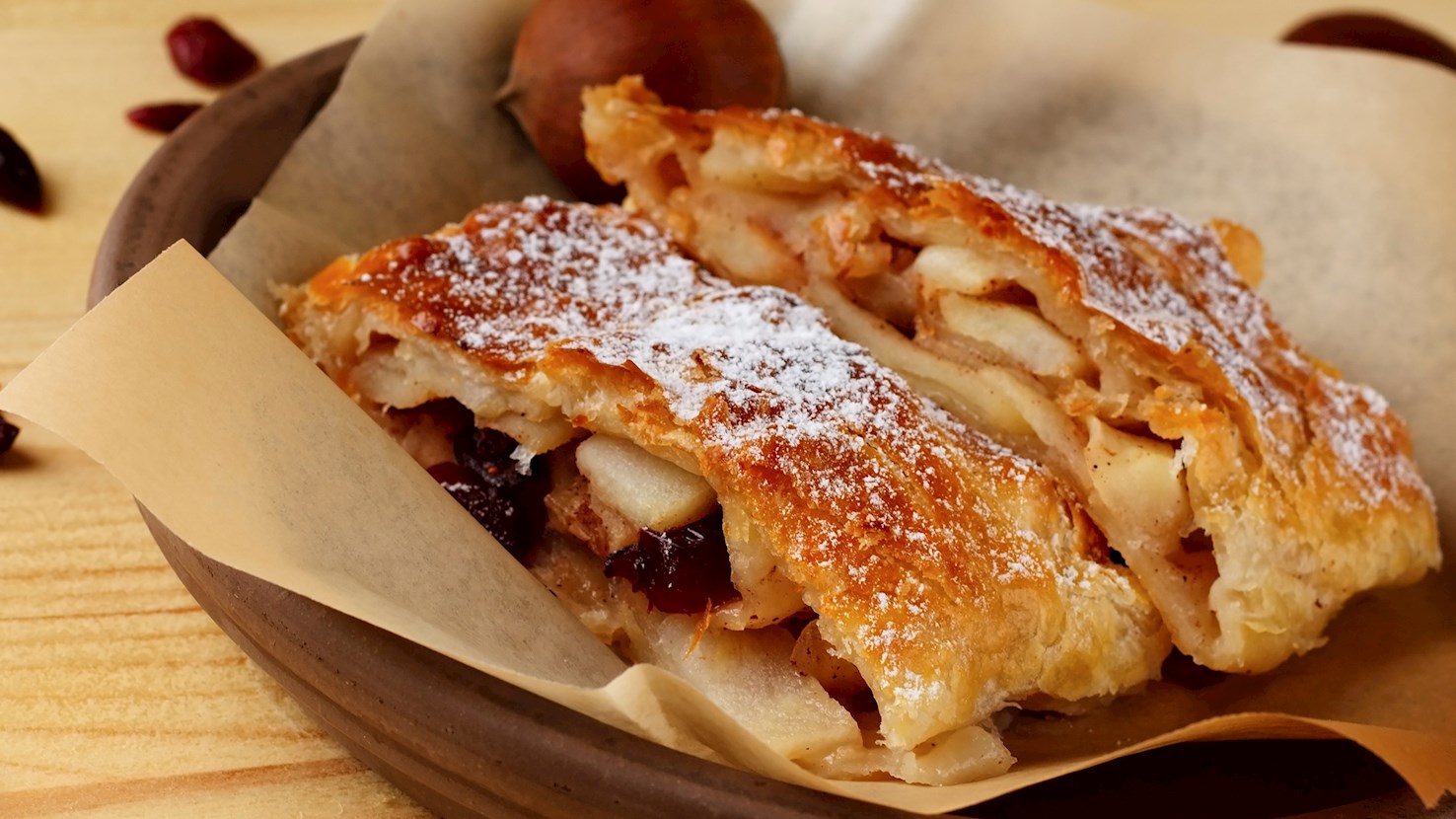
A traditional pastry dessert with a rich and vivid history, apfelstrudel (apple strudel) is one of Austria's most popular delicacies. This sweet treat consists of thin layers of dough filled with a flavorful apple filling. Its story starts with the invention of baklava, a filo pastry popular in the Balkans and the Middle East. Since baklava requires very thin dough, similar to strudel, the technique was likely perfected by either the Ottomans or the Greeks. It is believed that strudel arrived in Hungary first, then Austria, due to the fact that the Ottomans had constant interactions with the Habsburgs. The oldest known recipe for strudel dates back to 1696, while other varieties, such as the apple strudel recipe, date back to the 1800s. Some claim that the dish was invented in Vienna for the Emperor of Austria and the rest of high society. Depending on the recipe, the filling may additionally include raisins, cinnamon, rum, and nuts such as almonds or walnuts. It is recommended to serve the strudel warm, straight from the oven, accompanied by a scoop of vanilla ice cream, a dollop of whipped cream, or vanilla sauce.
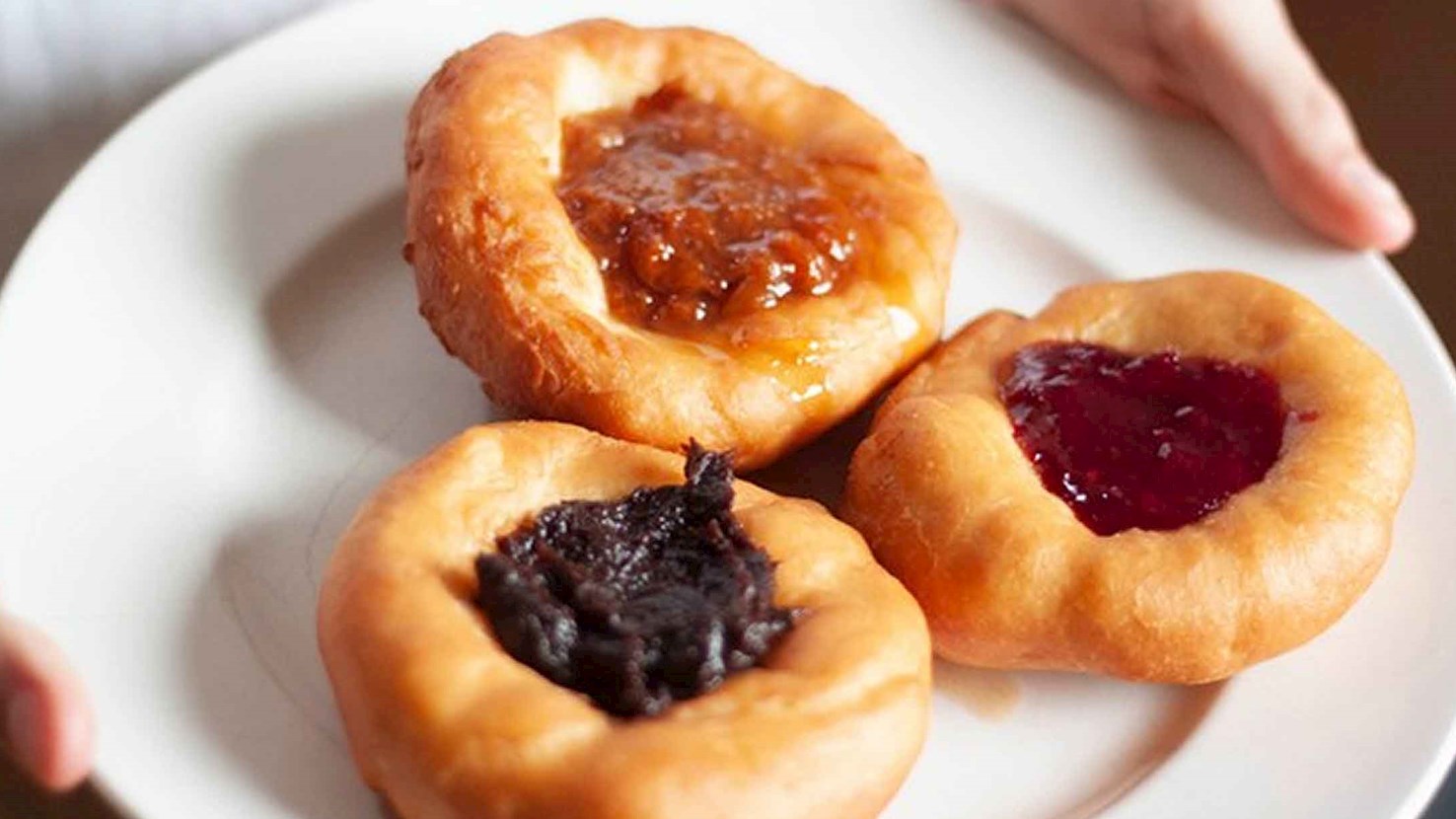
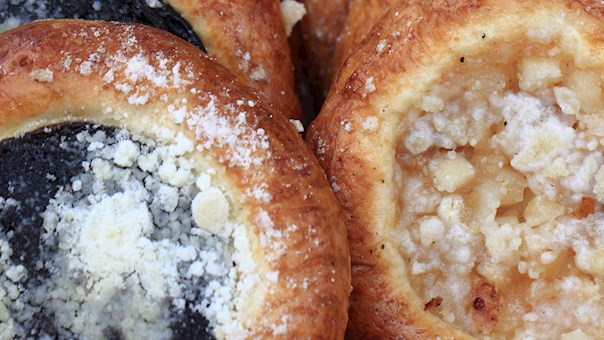
These soft, tender Czech doughnuts are prepared with yeasted dough that is occasionally flavored with lemon zest. They are typically round and have a small indentation on the top, which is used to hold all of the delicious filling. Even though they can be baked in the oven, vdolky are usually fried in oil until golden brown. Traditionally, they are enjoyed warm, smothered in jams and topped with whipped cream or crumbled tvaroh cottage cheese.
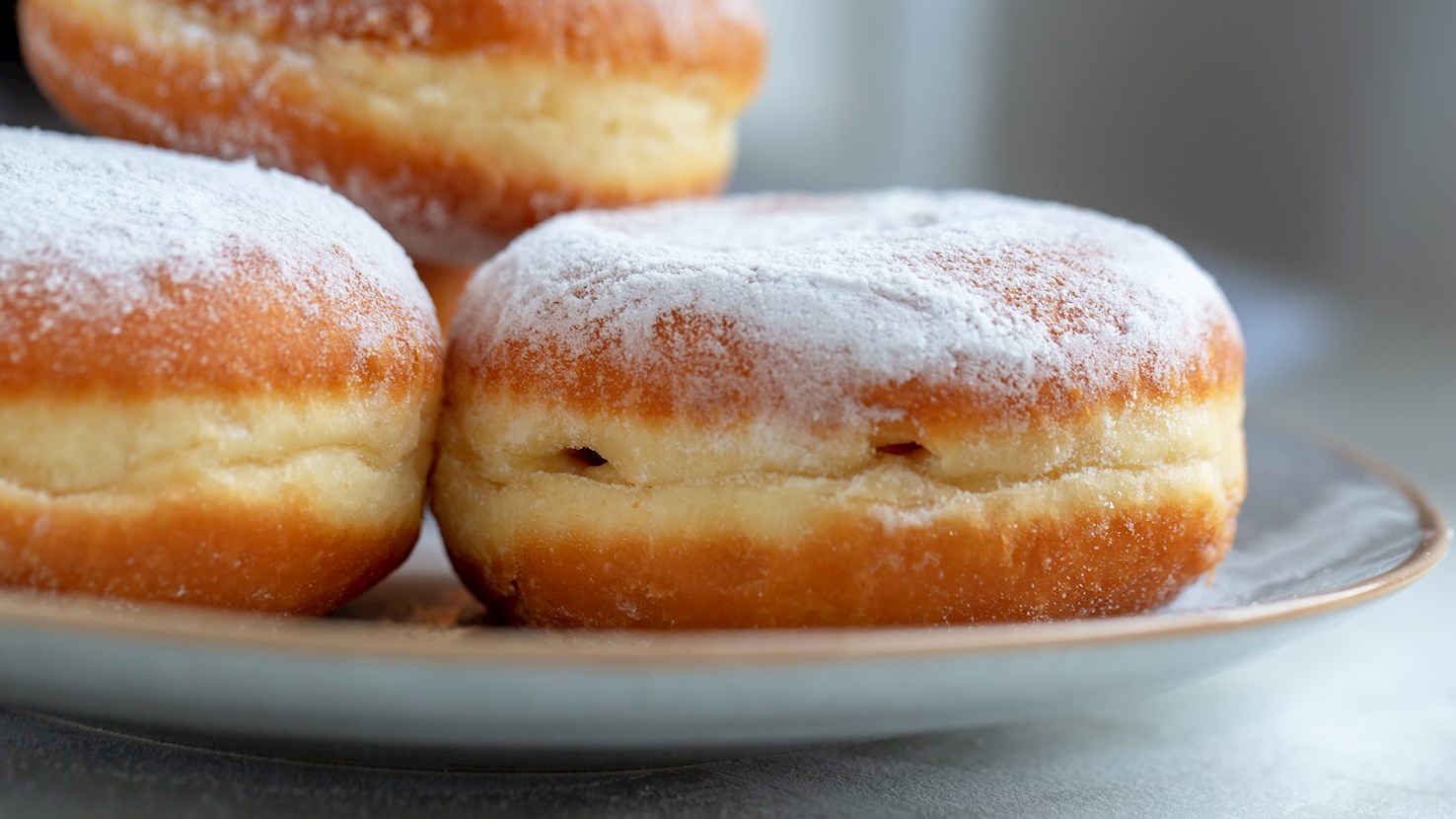
Krapfen was probably the first European-style doughnut to appear, followed by similar varieties in other countries. These pastries are traditionally prepared with leavened dough that is deep-fried until golden and crispy on the outside, while they remain soft, light, and airy on the inside. Though krapfen can be prepared plain, they are most often filled or topped with jams, and vanilla or chocolate custards, while the top is usually dusted with powdered sugar or drizzled with chocolate. The origin of the word krapfen dates back to 9th century, and the recipes in German can be found as early as the 14th century. The sweet versions of the pastry became predominant, and have remained closely associated with the Carnival, a festive period which precedes Christian Lent. Interestingly, during the Carnival, one krapfen in a batch filled with jam and fruit preserves might contain a filling of mustard as a prank. It is believed that doughnuts spread throughout many central European countries, which adopted the technique but used different regional names. Consequently, krapfen in Germany goes under Berliner, pfannkuchen, faschingskrapfen, krebbel, or kreppel. In Poland, they are known as pączki or krepel, Hungarians refer to them as fánk, Slovak as šišky, while the Czechs use the term koblihy. In Slovenia, they are better known as krofi, while the standard name throughout Croatia, Bosnia, and Serbia is krofne or krafne. In St. Petersburg, Russia, the doughnuts are known as pyshki (either ring-shaped or without a hole), and there is a local café that has been serving pyshki prepared from the original recipe since the 1960s.
Zeeuwse bolus is a sweet Dutch pastry that is quite similar to the famous cinnamon roll. Best consumed warm, the sticky, gooey, and tender bolussen consist of flour, milk, salt, sugar, yeast, and butter. They are traditionally flavored with a combination of dark brown sugar and ground cinnamon, which melts nicely when these treats are baked. It is believed that bolussen were originally prepared by Sephardic Jewish bakers in the early 17th century. Today, Zeeuwse bolussen are said to taste the best when paired with some butter and a cup of coffee on the side.
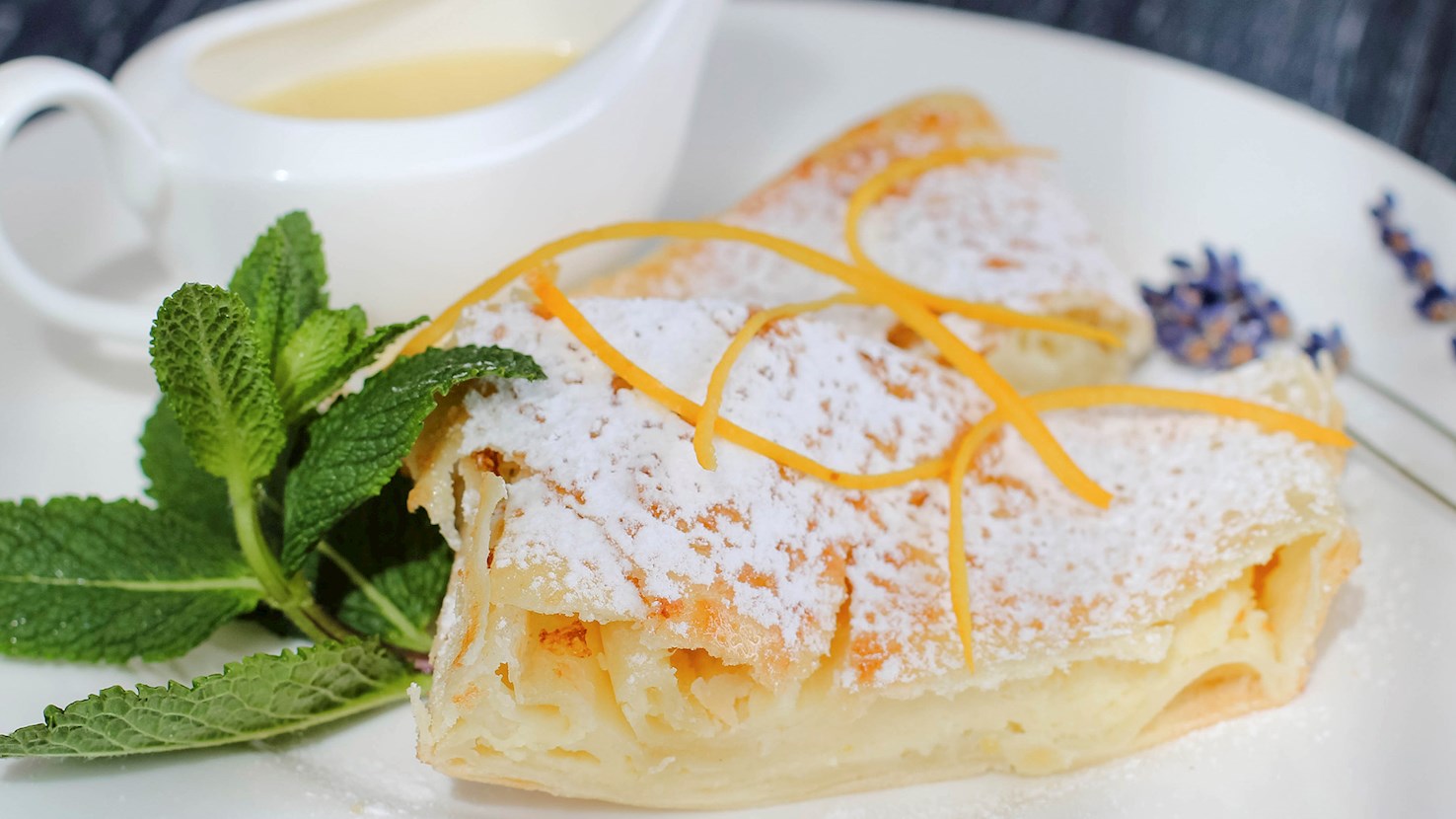
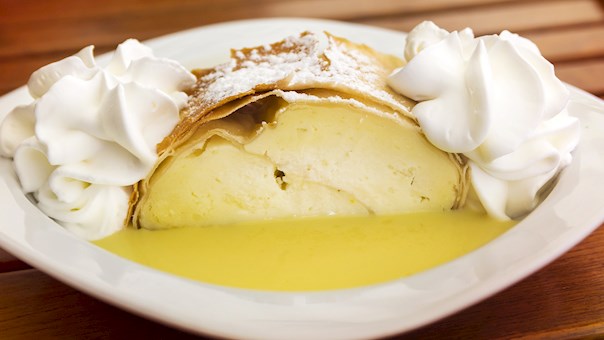
Austrian cuisine prides in their old traditional pastry desserts, and the delicate strudels are surely the most popular variety. Even though it is not as famous as the apple filled version, topfenstrudel is regarded as one of Austria’s favorites. Made with soft, mildly sweetened quark cheese which is folded with the elastic and almost see-through dough or puff pastry, the strudel is baked until a crispy golden crust is formed on top. Raisins, apricots, and peaches are occasionally added to the quark cheese mixture, which is gently spiced with vanilla or lemon. Even though they are most commonly associated with Austria, topfenstrudel, and all other strudel varieties, are eaten throughout the former Austro-Hungarian Empire. Their origins are believed to be in the Ottoman Empire, whose culinary influence spread across the Balkans, and Hungary, before finally reaching Vienna. The topfenstrudel can be found everywhere in Austria, served in both traditional and modern restaurants, as well as in classic Austrian patisseries. Commonly, a slice of warm topfenstrudel is paired with a sweet vanilla sauce or fresh fruit on the side.
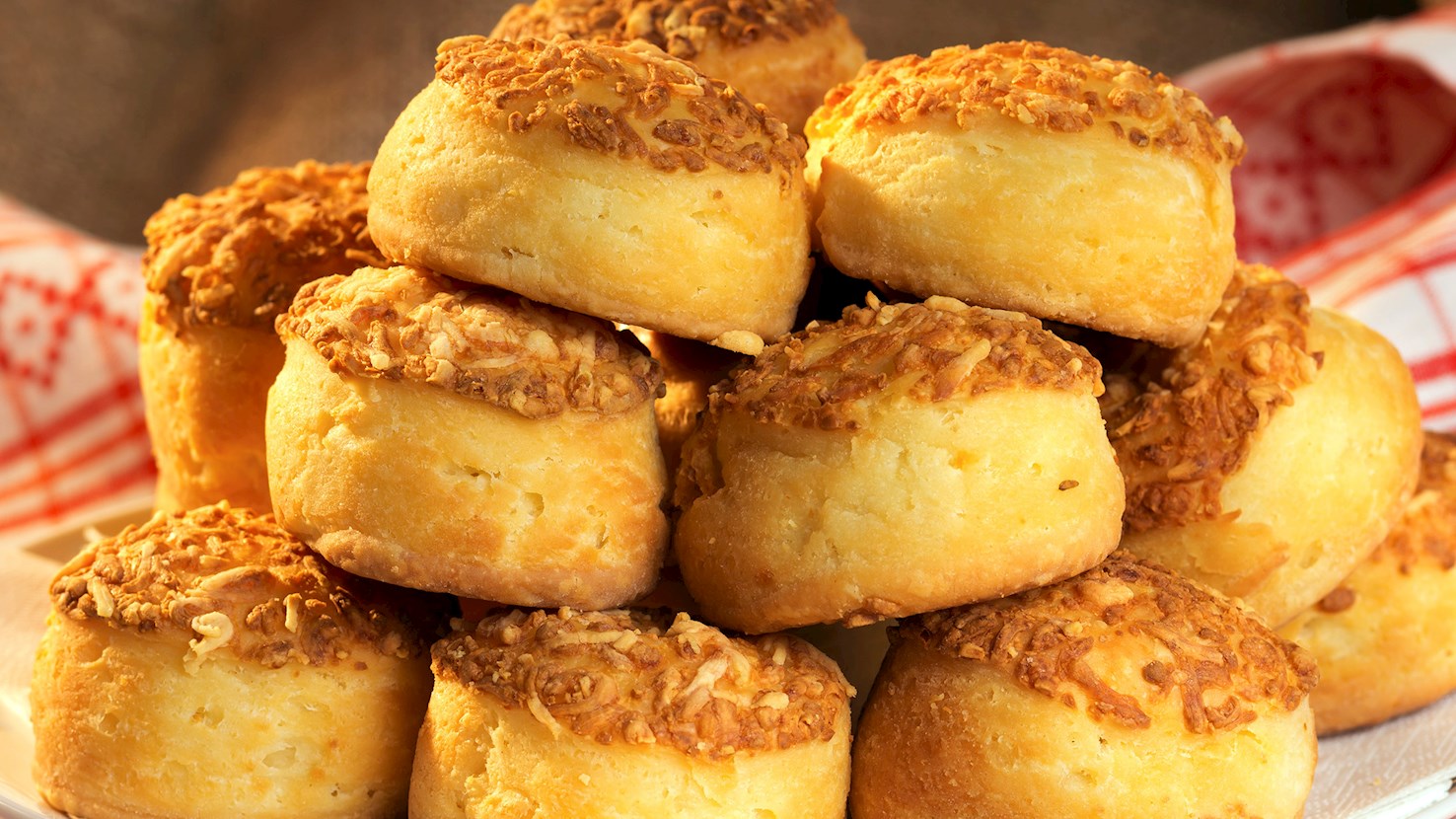
Pogácsa is a popular Hungarian snack consisting of a small, bite-sized pastry that can be either sweet or savory. Preferably, it should be eaten while still hot. Although there are differences in size and flavor, all pogácsa pastries are commonly prepared in a round shape. Their diameter may vary from that of a thimble to that of a drinking tumbler. There are numerous varieties of pogácsa - cheese, cabbage, potatoes, bacon, and pumpkin seeds, to name a few. In Hungarian folk tales, the main hero always takes a pogácsa baked in embers as food for his adventures and long journeys, which is a strong testament to the Hungarians' love for these traditional snacks.
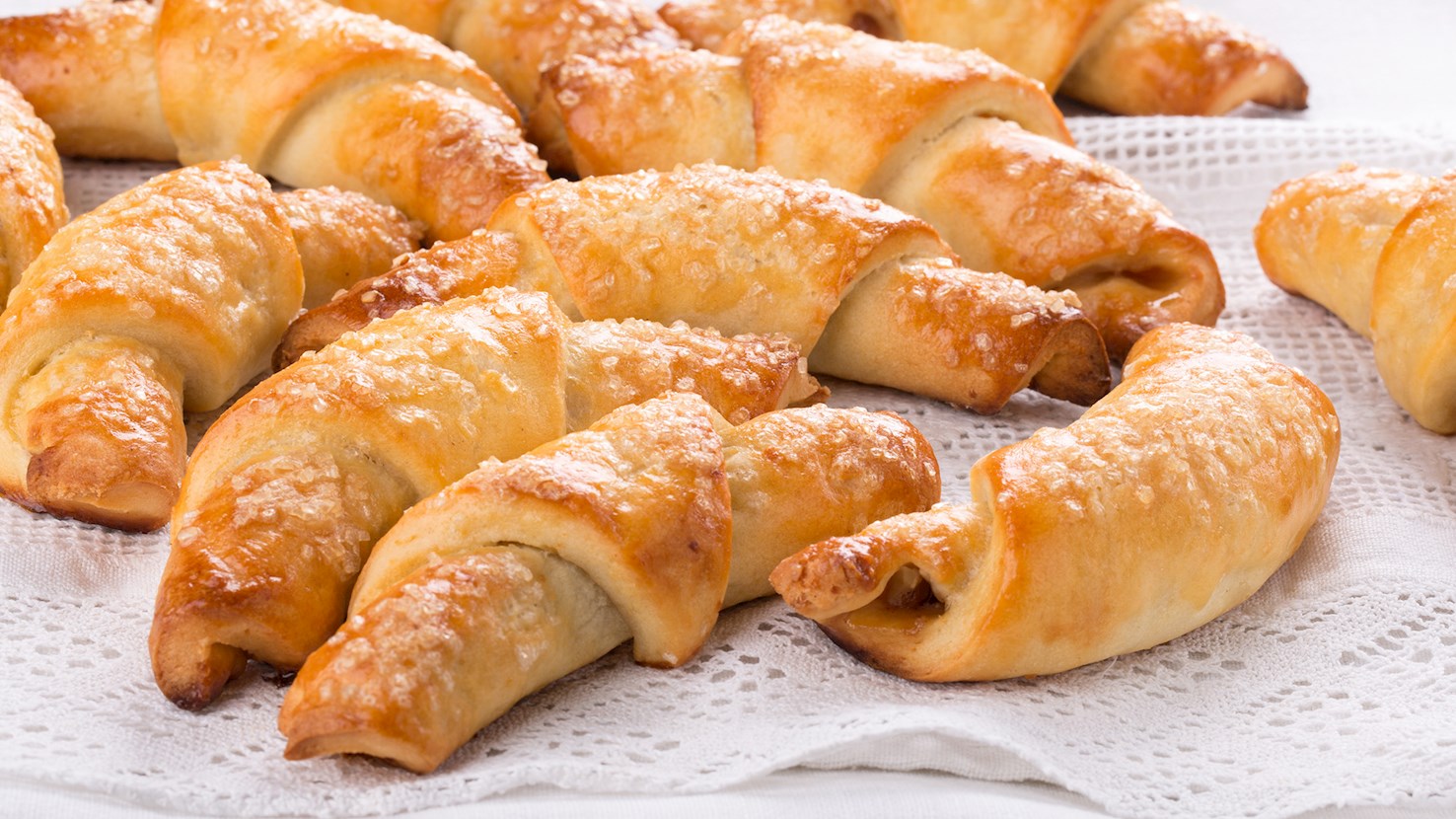
Rugelach is a filled pastry of Ashkenazi Jewish origin, associated primarily with Jewish communities in Central and Eastern Europe and widely popular in Israel and Jewish bakeries around the world. It consists of a rich dough rolled around sweet fillings such as fruit preserves, chocolate, cinnamon, nuts, or poppy seeds, shaped into small crescents or spirals. The name comes from Yiddish, derived from the word “rog” meaning corner or twist, referring to the pastry’s rolled shape. Though similar pastries appear in other European cuisines, rugelach developed a distinct form and flavor profile within Jewish baking, where dairy-based doughs and fruit or nut fillings became characteristic. Rugelach emerged in Jewish households in regions like Poland, Galicia, and Hungary, where sweet pastries were often made for Sabbath and holiday celebrations. The earliest versions were prepared with a yeast-based dough enriched with butter or sour cream. In the 20th century, as the recipe spread to Jewish communities in North America, bakers began using a cream cheese dough, which created a tender, flaky texture and became a defining feature of modern rugelach. The pastry reflects a combination of European influences, including Austrian kipferl and other crescent-shaped pastries, adapted to kosher dietary requirements and available ingredients. To prepare rugelach, flour is combined with butter or margarine, cream cheese or sour cream, sugar, and a pinch of salt to form a soft, pliable dough. The dough is chilled to rest, then rolled into a thin circle or rectangle. A thin layer of filling is spread evenly across the surface, typically apricot or raspberry jam, finely chopped nuts, sugar mixed with cinnamon, or melted chocolate. The dough is cut into wedges or strips, then rolled tightly from the outer edge toward the center to create small crescents. The pieces are brushed with egg wash and sometimes sprinkled with coarse sugar or cinnamon sugar before baking. They are baked until golden brown and slightly crisp, with the filling caramelized inside. In Israel, bakeries often sell yeast-leavened rugelach glazed with syrup, giving them a shiny surface and denser crumb, while American versions tend to be smaller, drier, and made with cream cheese dough. Rugelach is served at room temperature and often accompanies tea or coffee. It is eaten during holidays, festive meals, and casual gatherings, as well as sold year-round in Jewish bakeries and cafés. The pastry pairs well with black tea, espresso, or dessert wine such as Tokaji or sweet sherry, which complements its richness and sweetness. Its lasting popularity lies in the simplicity of its preparation, adaptability of flavors, and its place as a familiar, comforting dessert in Jewish culinary culture.
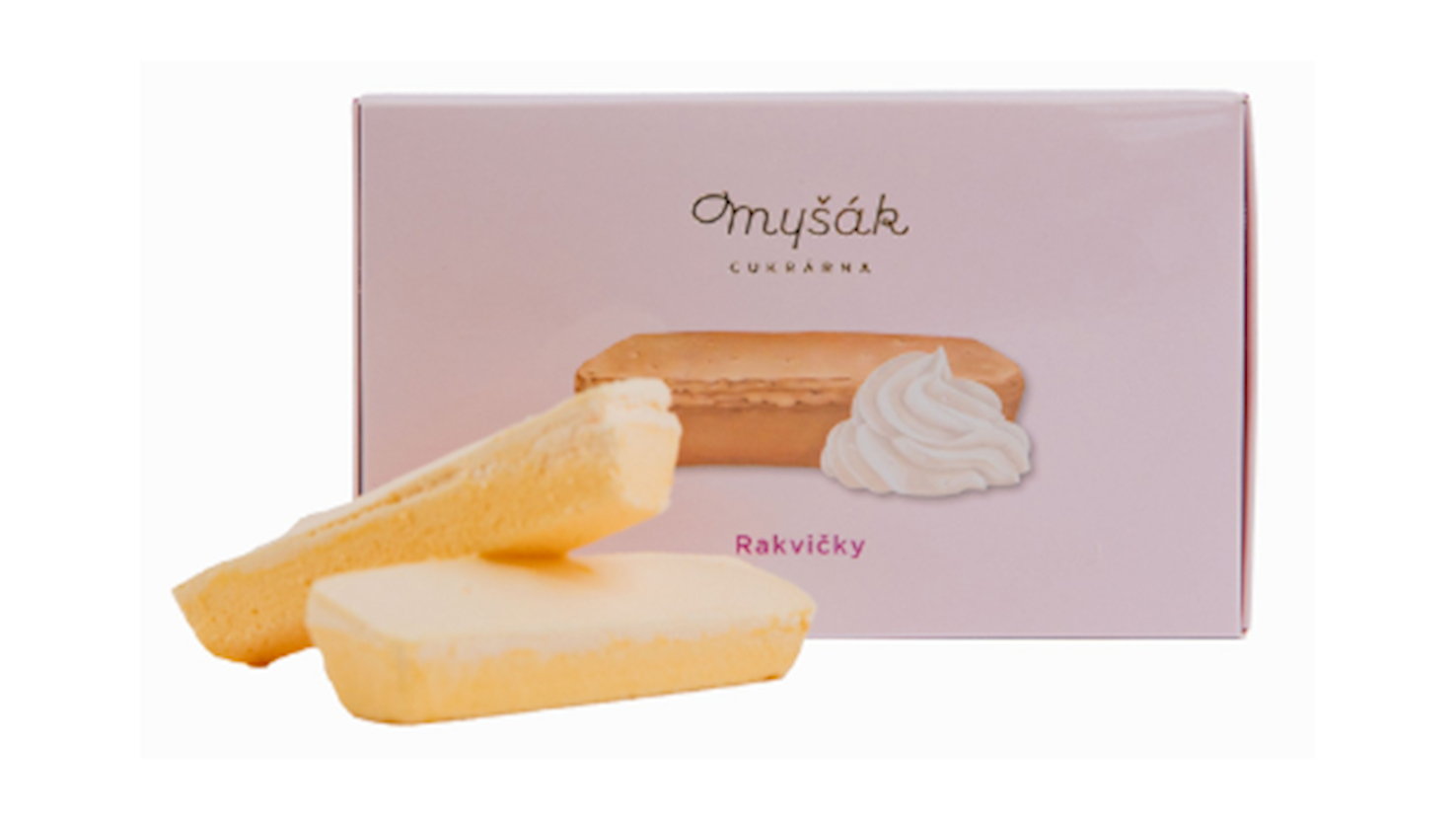
Cukrárna Myšák is a legendary Prague patisserie and one of the most iconic symbols of Czech confectionery heritage. Its history at the current Vodičkova Street location dates back to 1911, when renowned pastry chef František Myšák established the venue, which quickly became a favorite gathering place for Prague’s elite, artists, and prominent public figures during the First Czechoslovak Republic.
Known for its combination of elegance and exceptional craftsmanship, Cukrárna Myšák built its reputation on classic Czech pastries made according to traditional recipes. After a turbulent period during the 20th century, the brand was carefully revived and now operates under the Ambiente hospitality group, preserving its historic identity while embracing contemporary quality standards.
Its offering focuses on authentic Czech desserts such as věneček, laskonka, indiánek, kremrole, and other traditional pastries deeply rooted in local culinary culture. Strong emphasis is placed on premium ingredients including butter, eggs, cream, and fruit, reflecting a commitment to artisanal production without compromise.
The interior has been designed to evoke the refined atmosphere of early 20th-century Prague, further reinforcing the brand’s historic character. Today, Cukrárna Myšák is not simply a pastry shop but an important part of Prague’s gastronomic identity, where Czech confectionery tradition is respectfully reinterpreted for modern audiences.
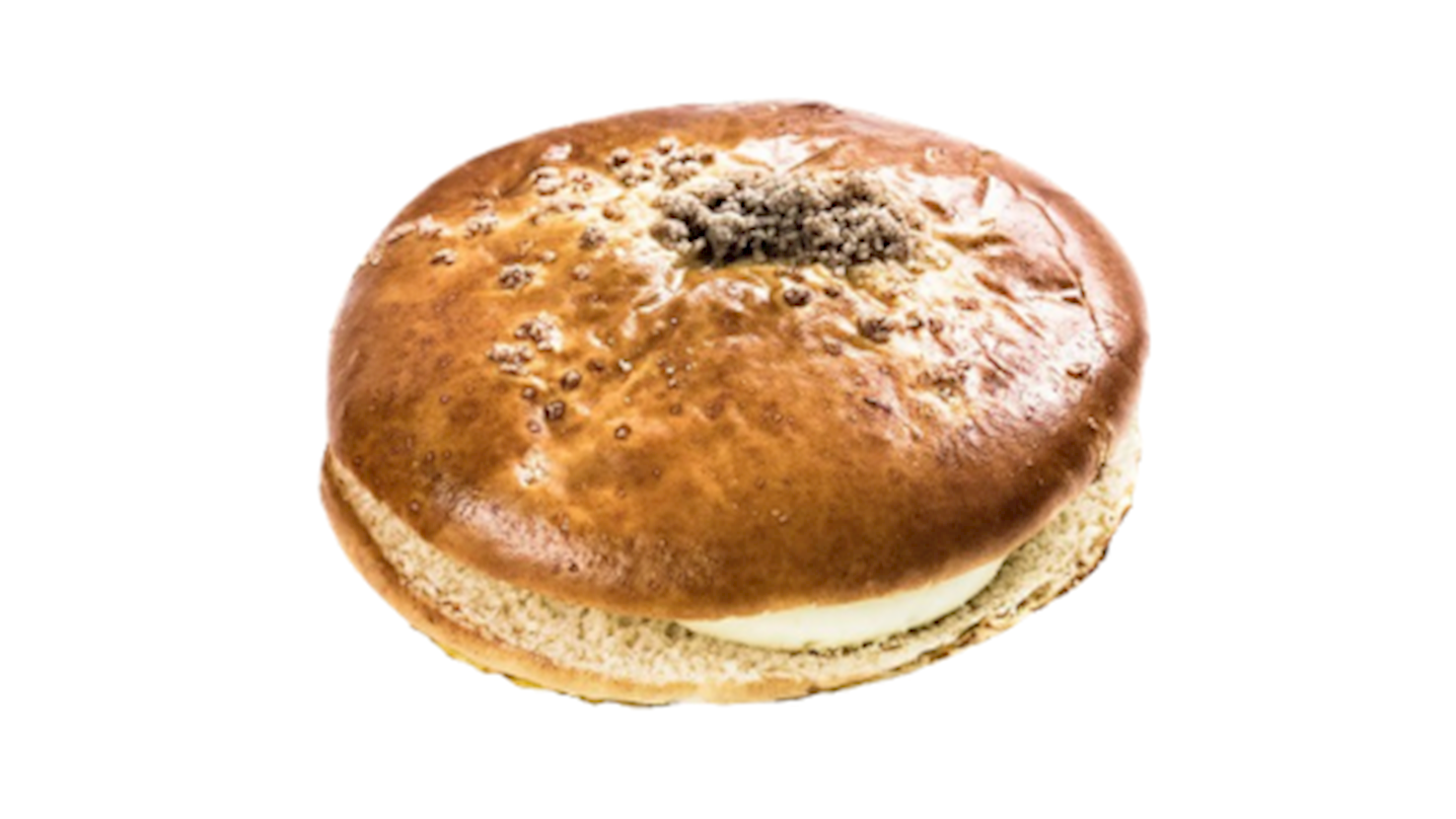
Pekárna Kabát is a Czech family bakery founded in 1992 by Marián Kabát in Prague. The company is known for handmade baked goods prepared according to traditional recipes, using high-quality ingredients mostly of Czech origin and avoiding chemical additives and food substitutes.
Its identity is built around honest baking craftsmanship, with products inspired by the kind of bread, rolls, pastries, and cakes once made by previous generations. Today, the bakery is run by the second generation of the Kabát family and has expanded across Prague with around 30 shops.
Its assortment includes bread, savory pastries, sweet baked goods, sandwiches, delicatessen items, and seasonal specialties. Among its notable products are Moravský koláč, Rohlík kroucený, Brusinková bageta, and Třicátník, a bread developed for the bakery’s 30th anniversary.
Třicátník is especially important within their bread range, made with a 30-hour fermentation process to achieve a soft crumb, crisp crust, and longer freshness. Pekárna Kabát positions itself as a bakery focused on everyday quality rather than luxury presentation, combining traditional Czech bakery culture with a modern retail network in Prague.
TasteAtlas food rankings are based on the ratings of the TasteAtlas audience, with a series of mechanisms that recognize real users and that ignore bot,
nationalist or local patriotic ratings, and give additional value to the ratings of users that the system recognizes as knowledgeable.
For the “Top 66 Central European Sweet Pastries” list until August 15, 2026, 5,321 ratings were recorded, of which 4,217 were recognized by the system as legitimate.
TasteAtlas Rankings should not be seen as the final global conclusion about food. Their purpose is to promote excellent local foods,
instill pride in traditional dishes, and arouse curiosity about dishes you haven’t tried.
The initial list of top producers was compiled based on available reviews, awards, local recommendations, media and blog coverage, and consumer reviews.
The list will be updated with ratings from TasteAtlas local ambassadors and TasteAtlas users.









What People Say