shutterstock

Top 100 European Sweet Pastries

Last updated on June 15, 2026

Best European Sweet Pastries
01

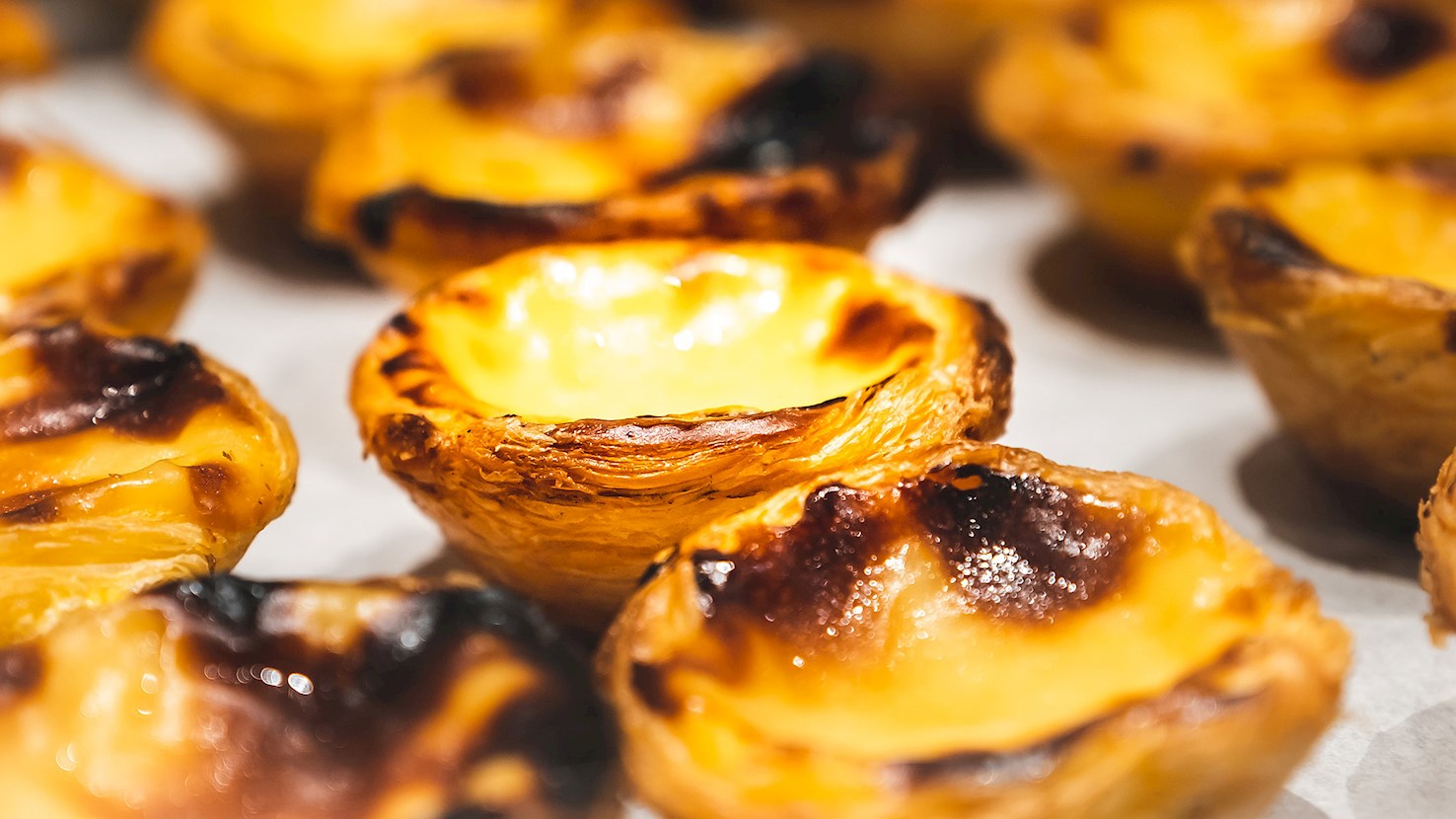
Pastel de Belém

4.6 ·

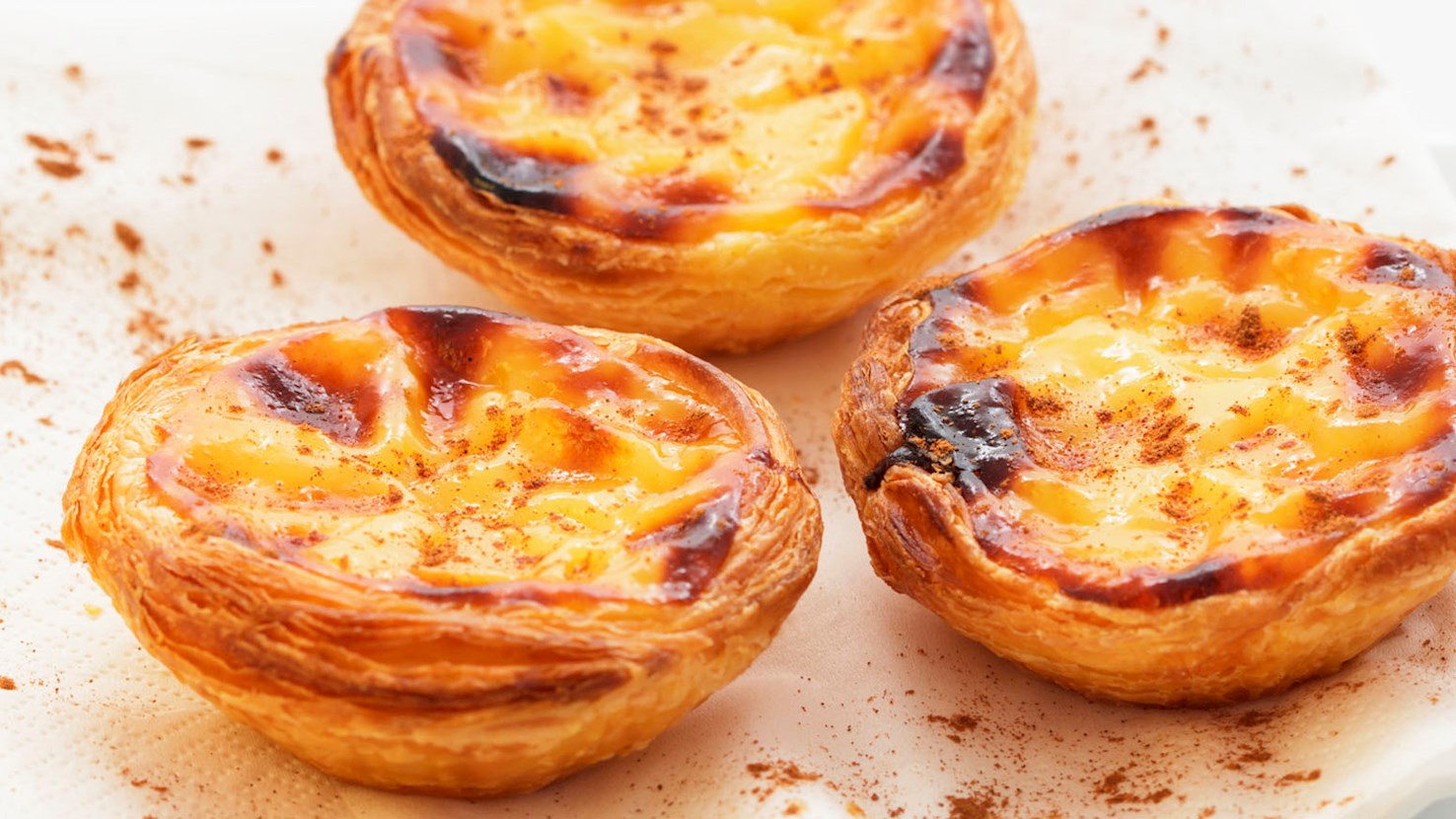
Pastel de Belém is a traditional egg custard tart and a predecessor to the famous pastel de nata. The tarts are made with a pastry shell that's filled with a combination of milk, eggs, sugar, lemon, and cinnamon. The first recipe for pastel de Belém dates back to 1837 when it was produced by the monks of the Jerónimos monastery. Only the custard tarts produced at the Fábrica Pastéis de Belém can be called pastel de Belém, while all the others, produced by other patisseries in Lisbon are called pastel de nata. Regardless of the name, these tarts can be served hot or cold and in 2009, The Guardian listed pastel de Belém as one of the 50 'best things to eat' in the world.

02

Trigona panoramatos

4.6 ·

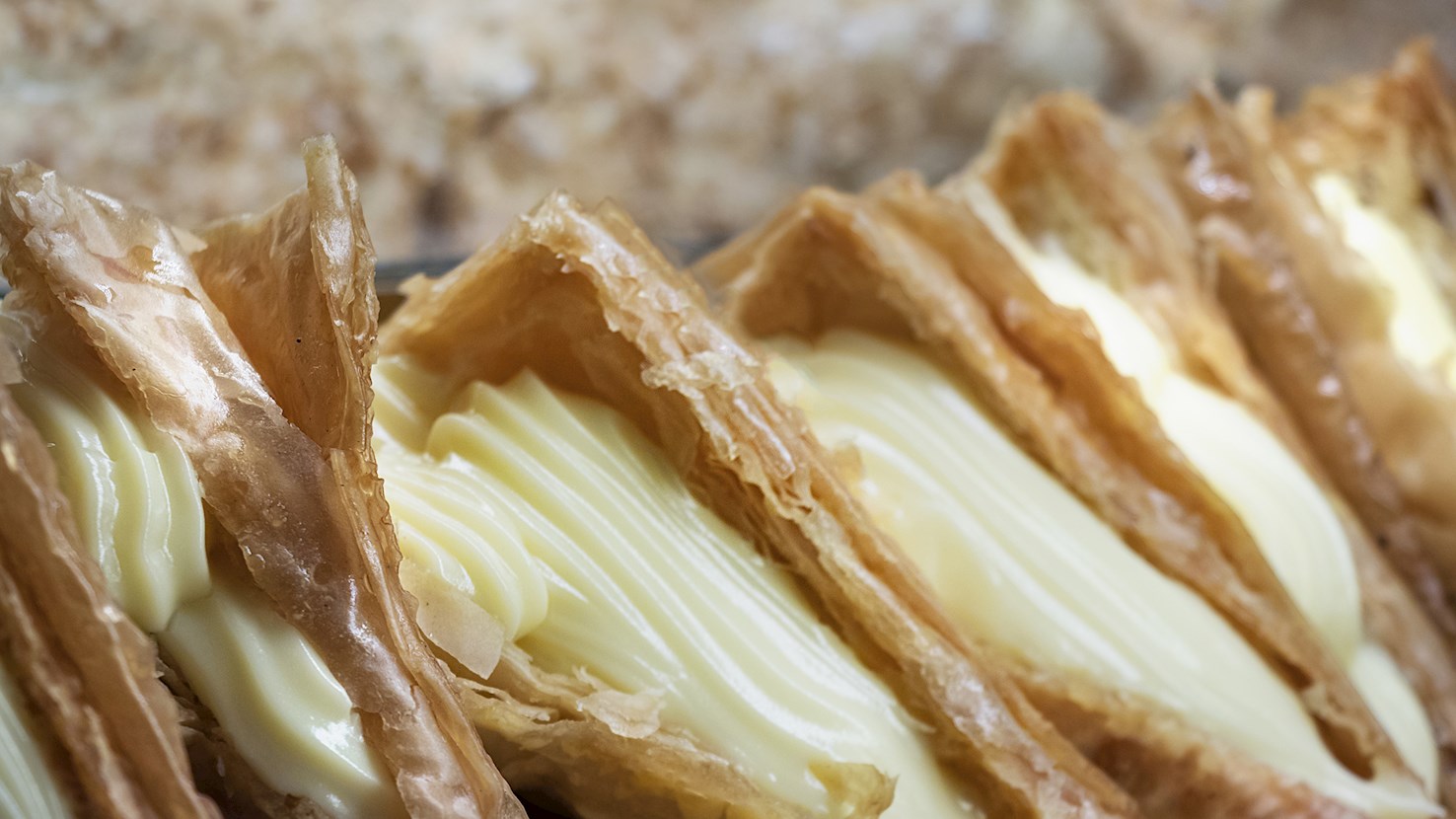
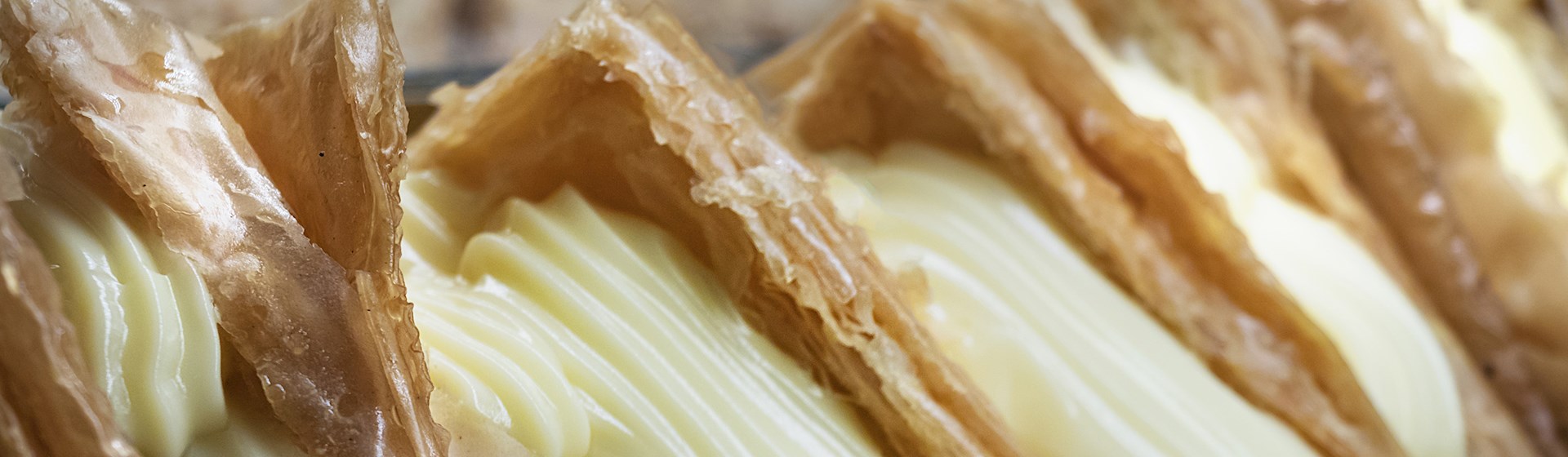
Trigona panoramatos is a traditional sweet pastry originating from the outskirts of Thessaloniki. These crispy and buttery triangular (cone-shaped) phyllo pastries are typically soaked in syrup and filled with creamy custard. The custard is usually made with a combination of egg yolks, flour, butter, milk, sugar, vanilla, and heavy cream. The phyllo triangles are baked until golden brown, dipped in cold syrup consisting of sugar and water, and then filled with the chilled custard. Trigona is often garnished with chopped nuts before consumption.

03

Pastel de nata

4.5 ·

Pastel de nata is a traditional egg custard tart that is popular throughout the world. It is believed that for the best result, the filling should not be too sweet and should not have flavors of lemon nor vanilla. Instead, the tarts should be sprinkled with cinnamon and, ideally, paired with a cup of coffee. Originally, this treat was made before the 18th century by Catholic monks and nuns in Santa Maria de Belém in Lisbon. The tart was made from leftover egg yolks that were used in the clearing of wines and starching of clothes. Later on, the clerics made a deal with a nearby bakery to start selling pastel de nata commercially, and the product was a huge success. It is still hugely popular, and the fact can be supported by long lines of people who are waiting on their pastel de nata in front of numerous Portuguese bakeries. However, pastel de Belém's recipe is kept secret, and only the ones produced at the Fábrica Pastéis de Belém can be called pastel de Belém, while all the other egg custard tarts from other producers in Lisbon are called pastel de nata.

04

Bougatsa

4.4 ·

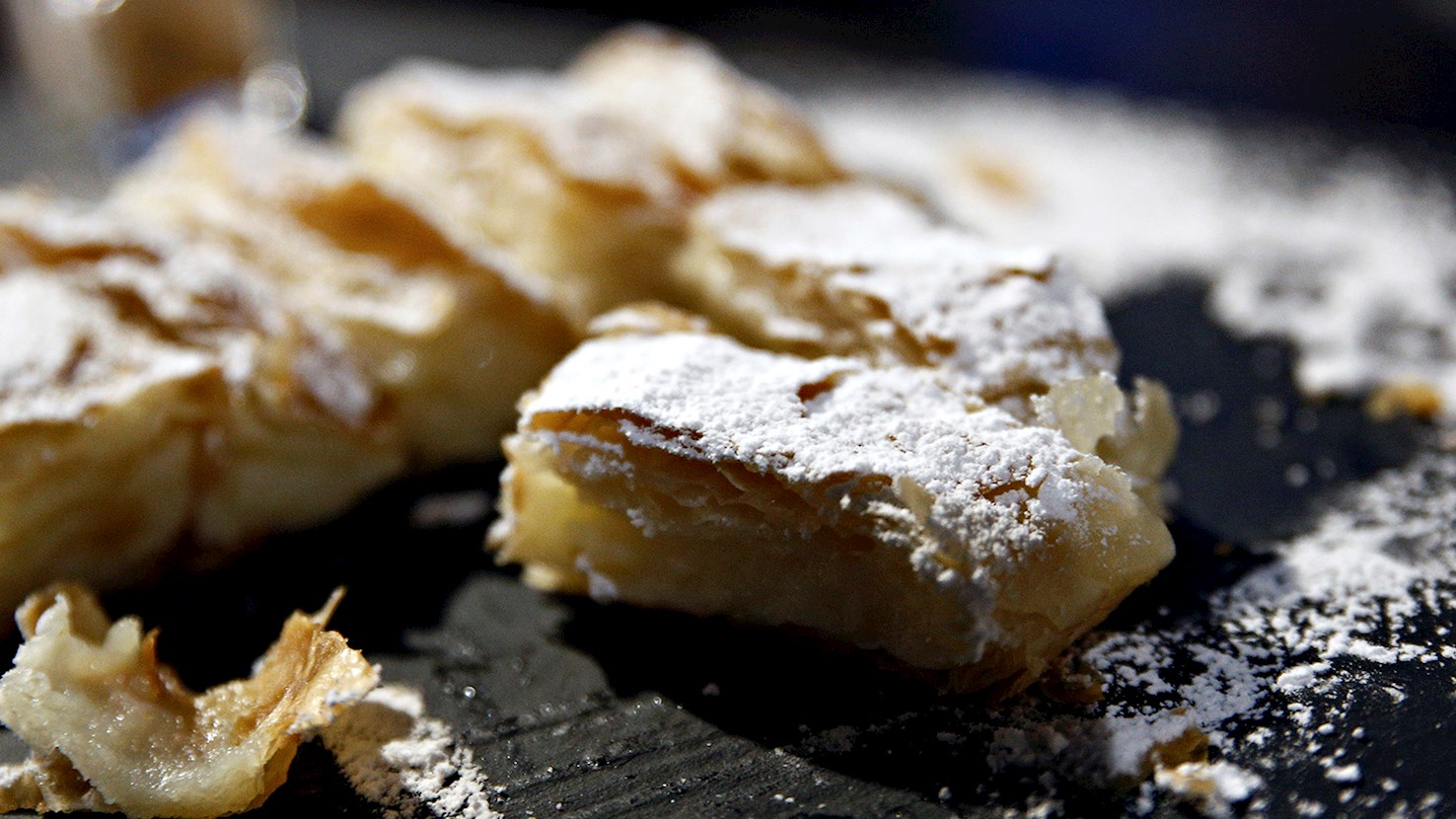
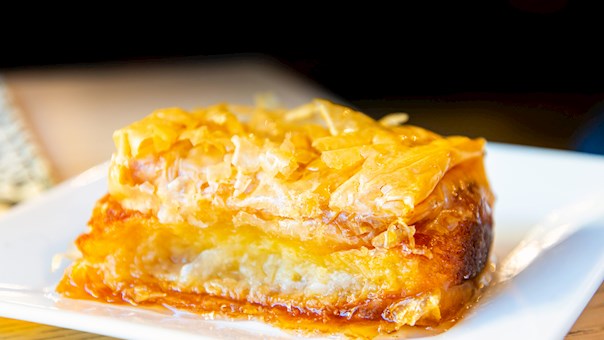
Bougatsa is a traditional, rustic Greek pie consisting of a phyllo pastry layered with a filling of semolina custard, although there are variations with minced meat or cheese. The name of the dish is a derivation of the Ottoman word pogatsa, denoting a pie filled with cheese. Bougatsa has origins from the Byzantine period, when Constantinople was Greek, and it began as a dough that was stuffed with numerous sweet and savory fillings. Over time, bougatsa evolved to incorporate a thinly rolled, hand-made phyllo pastry. As many Turkish immigrants settled in Northen Greece, bougatsa became a specialty of Serres and Thessaloniki. Today, the pies can be found throughout Greece in specialty shops called bougatsopolia, selling bougatsas exclusively.

05

Croissant

4.3 ·

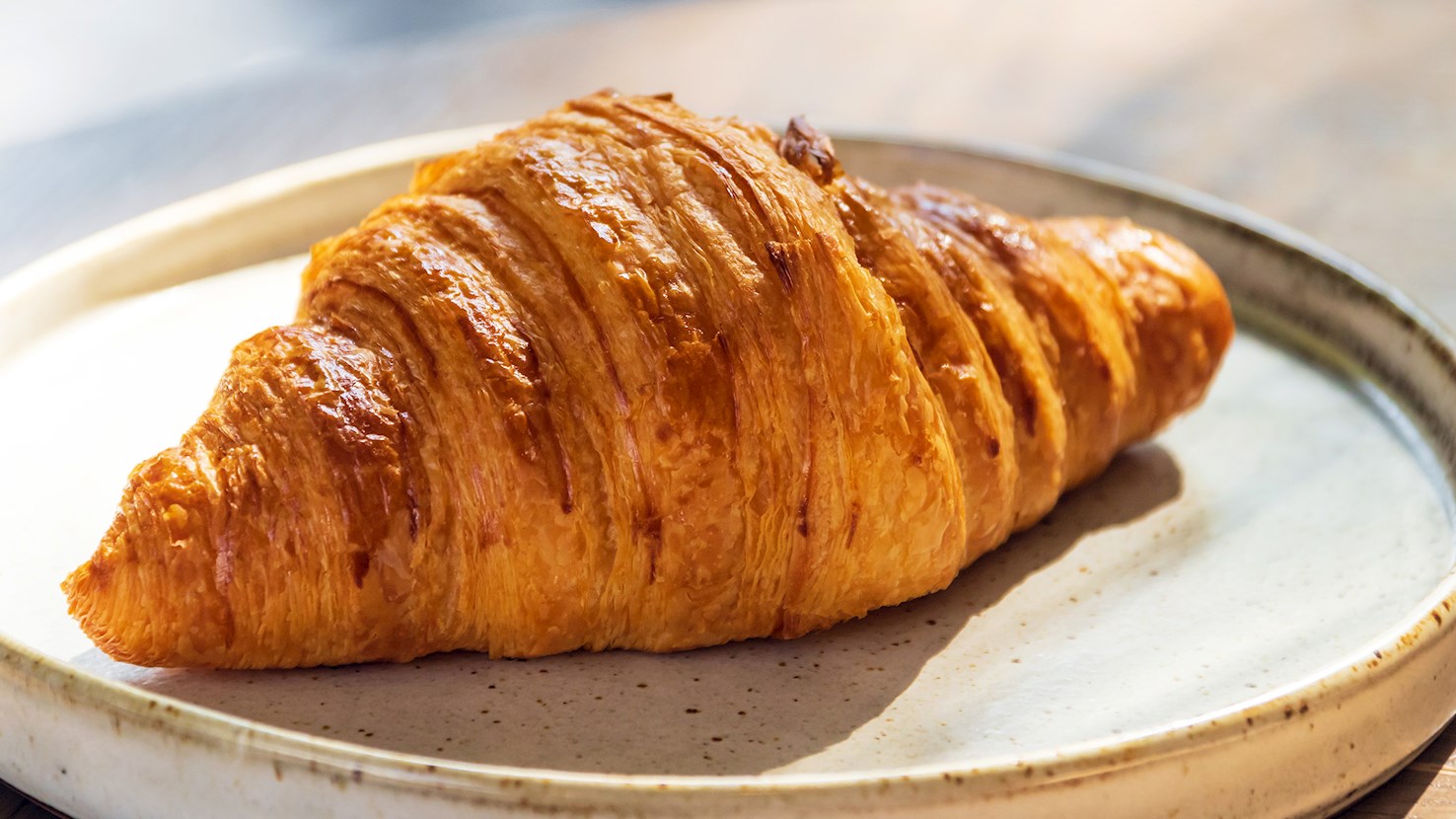
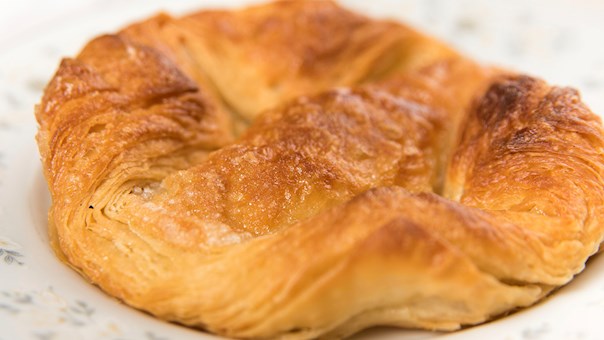
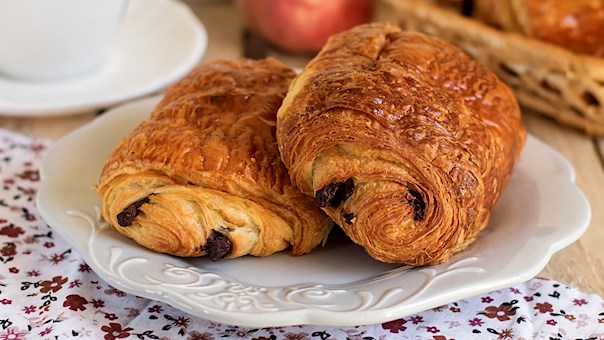
These flaky, golden-colored, crescent-shaped pastries are best made with pure butter and a slightly sweet yeast dough. If made properly, the yellow-white interior should be just the slightest bit elastic when pulled from the center, ready to be covered with a pad of butter or some fresh jam. Experts agree that the croissant was heavily influenced by Austrian kipfels. This pastry originated in 1683 as a celebration of the Austrian victory over the Ottoman Empire, its shape supposedly mimicking the crescent moon found on the Turkish flag. However, the croissant became French the moment people began to make it with puff pastry, a French innovation. Today, French croissants come filled with chocolate, jam, raisins, or even cream cheese. Sold fresh at numerous French boulangeries, they are mainly consumed as a breakfast item.

06

Pączki (Polish doughnuts)

4.3 ·

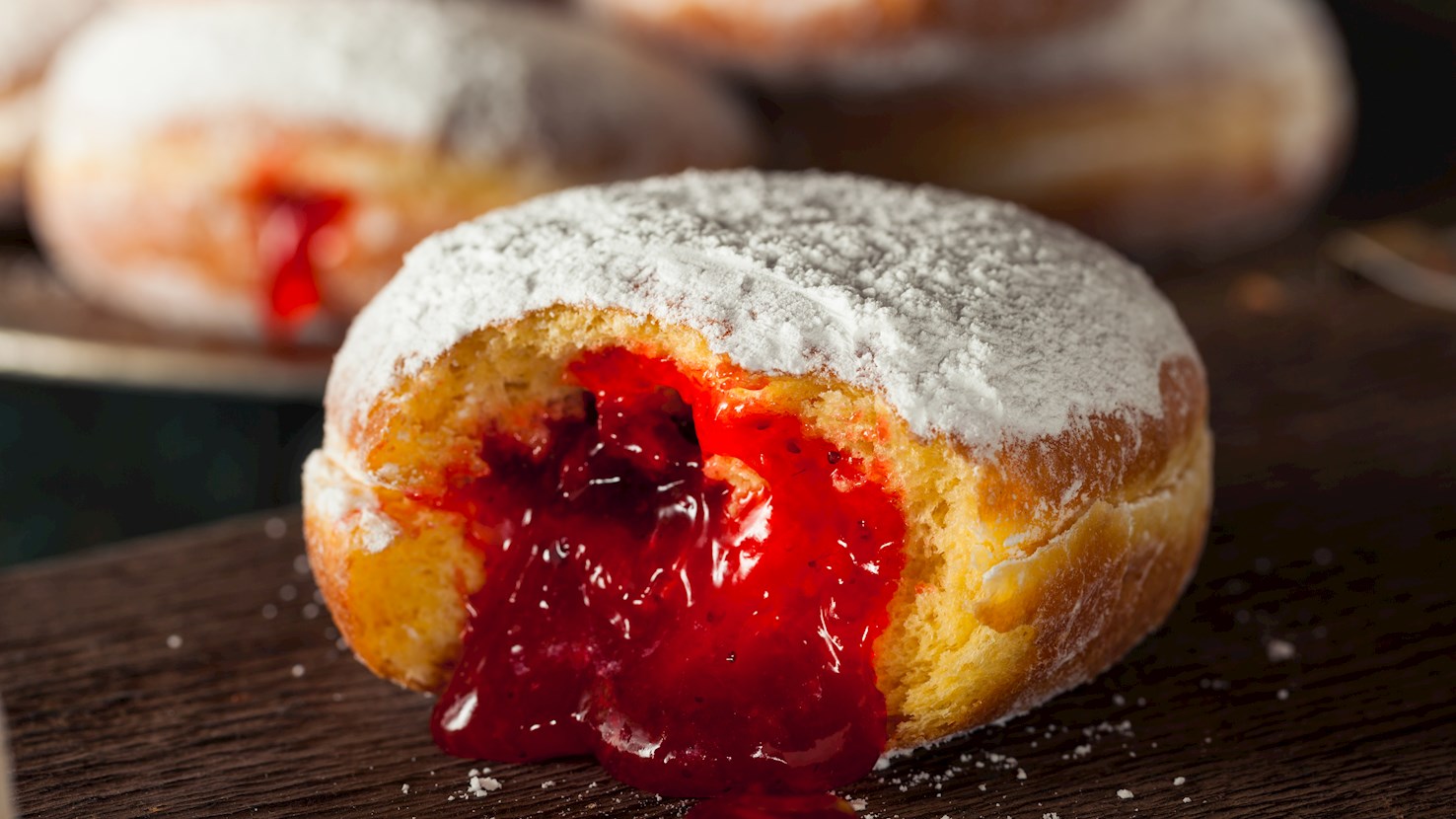
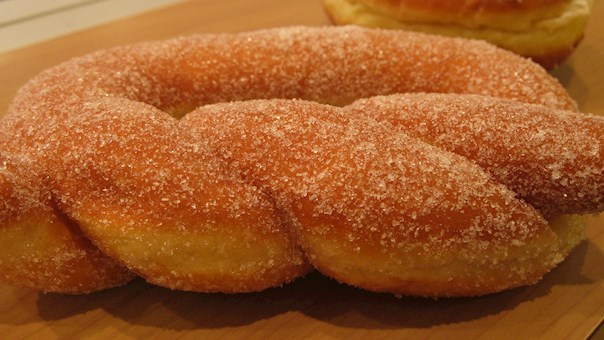
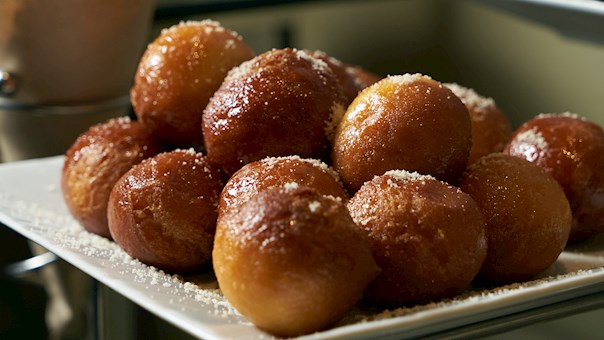
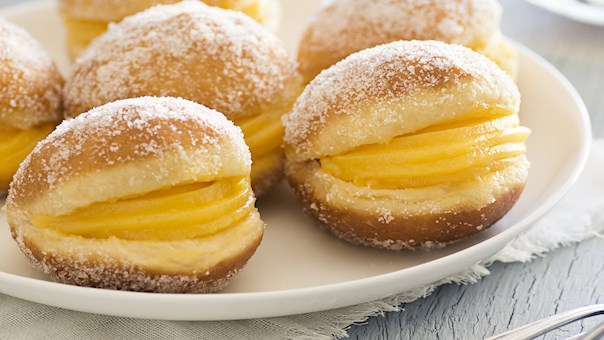
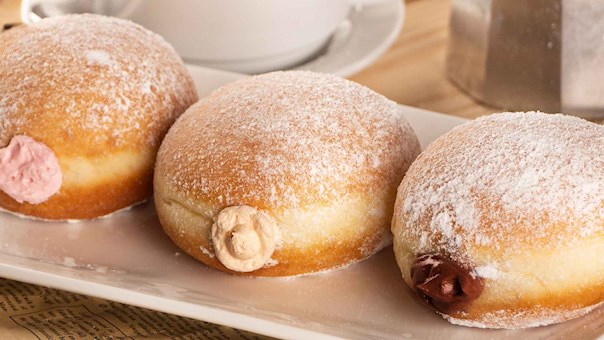
Pączki are large, deep-fried doughnuts made from rich yeast dough, heavily stuffed with sweet fruit preserves or sweet cream, and coated in a thick layer of powdered sugar or icing. The foundation of this heavy pastry relies on a highly enriched dough where yeast is dissolved in warm milk and combined with large quantities of egg yolks, butter, sugar, and wheat flour. A crucial additive is a small splash of high-proof grain alcohol or clear rum mixed directly into the batter. The alcohol evaporates rapidly upon contact with the boiling fat, creating a barrier that prevents the pastry from absorbing excess grease during deep-frying. The dough must rise twice to develop a spongy, airy crumb before small portions are rolled into uniform balls and submerged in heavily heated pork lard or vegetable oil. They fry until both sides develop a deep, dark golden-brown exterior, naturally leaving a distinct pale ring around the center where the dough floated above the fat line. After cooling slightly, a metal piping tip is used to inject various thick fillings into the center. While wild rose petal jam and dense plum butter are the most deeply rooted and widely used fillings, modern bakeries often inject them with Bavarian cream, raspberry preserve, chocolate custard, or spiced apple filling. The exterior also depends on the shop, ranging from a simple, heavy dusting of confectioner's sugar to a thick, translucent sugar glaze sprinkled generously with bits of candied orange peel. Procuring and consuming these pastries happens at an intense, rapid pace, most notably during the week preceding Lent. They are often bought by the dozens in large cardboard boxes from local bakeries and eaten at room temperature alongside a cup of hot coffee or strong black tea. Because of their rich, high-calorie nature, a single pastry serves as a standalone meal or snack. The existence of pączki traces back to the Middle Ages, though the earliest iterations were entirely savory, formed from hard dough and stuffed with salted pork fat. It was not until the 18th century, when French baking techniques arrived in Eastern Europe, that the recipe fundamentally transformed into a lighter, sweeter, sponge-like dessert. The entire concept was originally designed as a highly practical method to completely empty household pantries of expensive, perishable fats, sugars, and eggs before a strict fasting period commenced, culminating in the massive consumption event known today as Fat Thursday.

07

Kanelbulle

4.3 ·

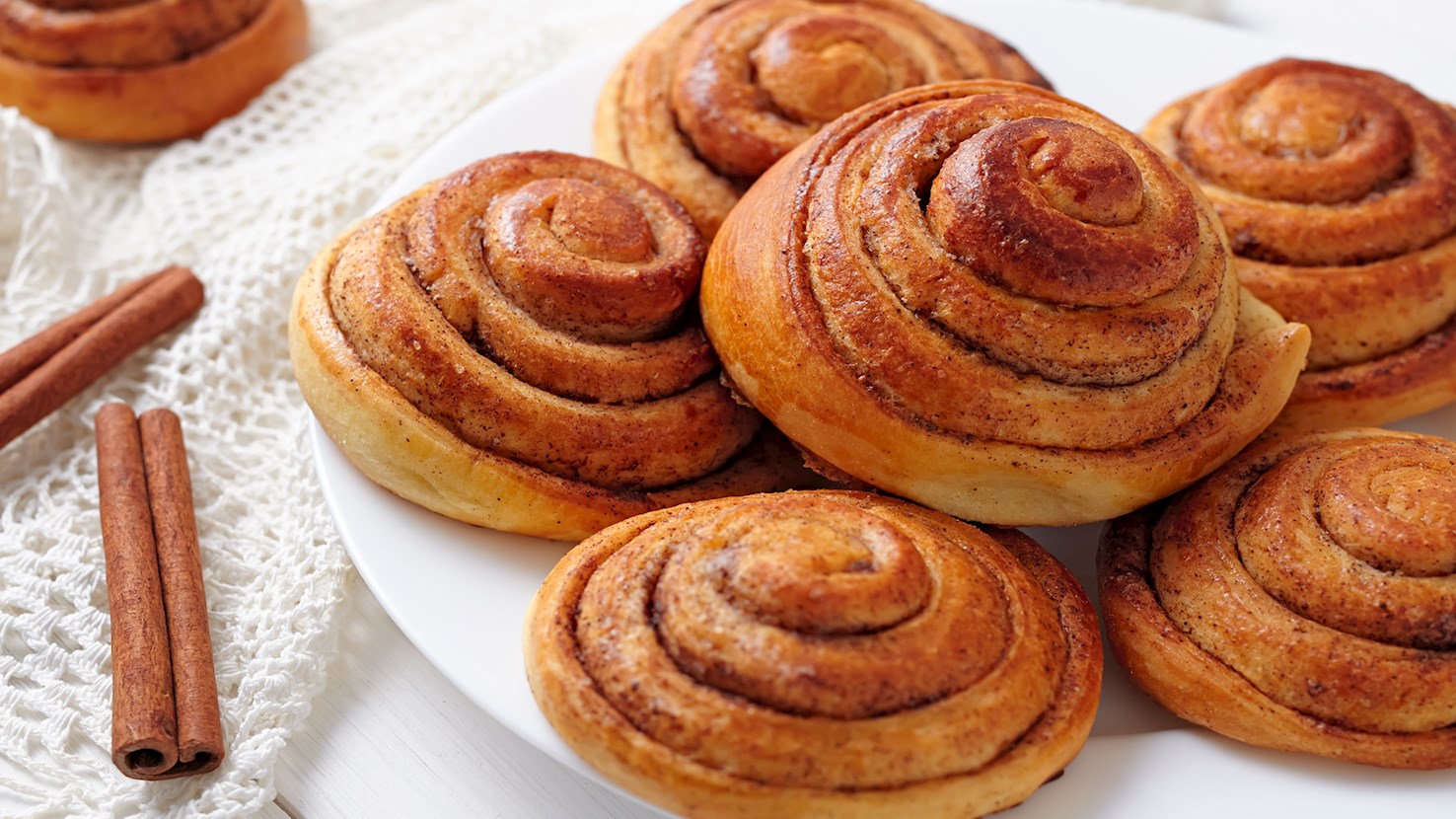
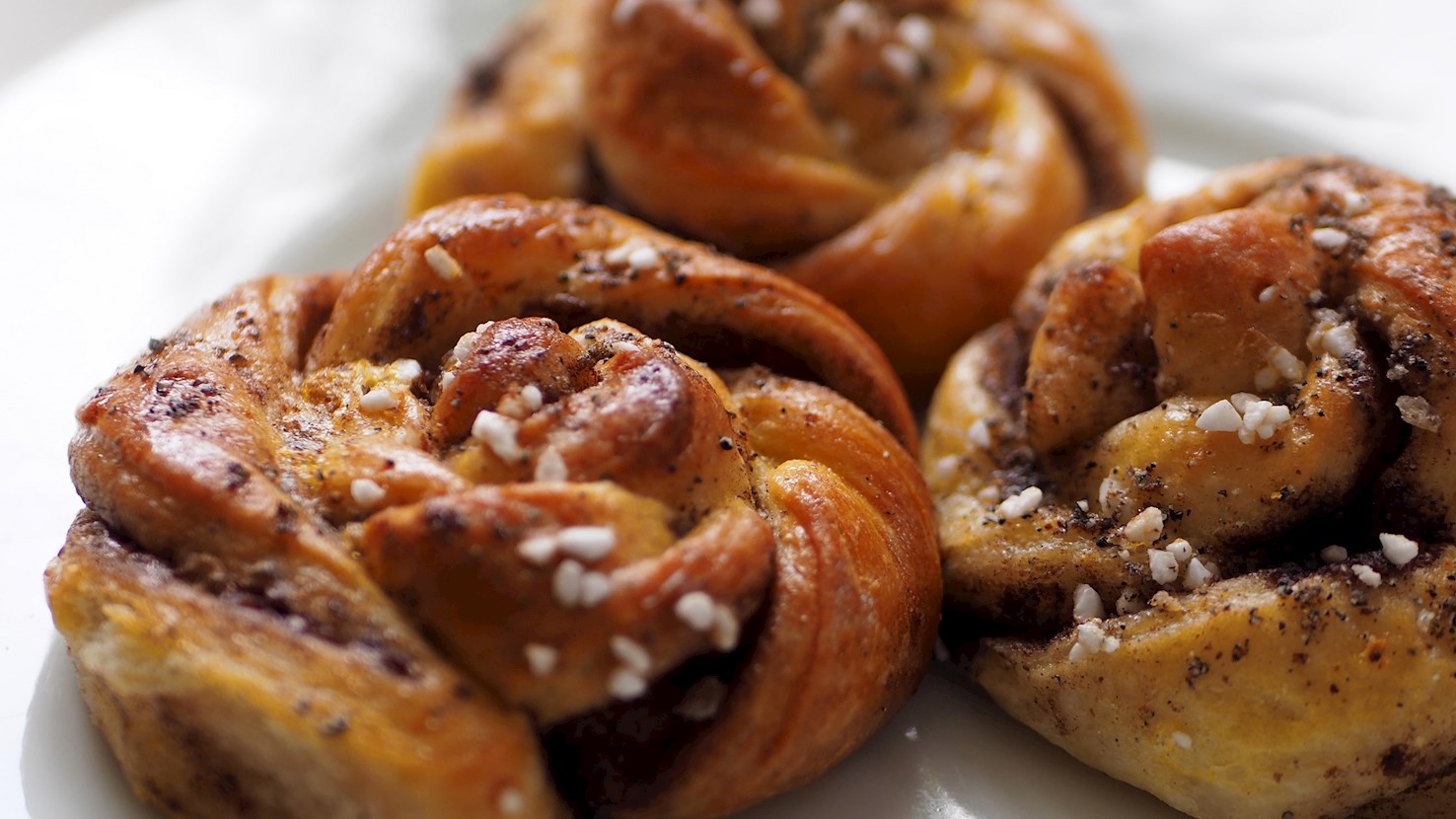
The cinnamon roll or kanelbulle is a famous Swedish pastry made with yeasted, butter-rich, sweetened, and cardamom-flavored dough and has a cinnamon, butter, and sugar filling. Traditionally, kanelbulle will also have pearl sugar on top, although some variants can have either cardamom sugar or slivered almonds instead. Cinnamon rolls are typically associated with fika, a well-established Swedish coffee-and-cake form of socializing. Although the origin of these tasty swirls is still subject to considerable debate, the pastry has its own day in Sweden – October 4th, known as Cinnamon Roll Day.

08

Papanași

4.3 ·

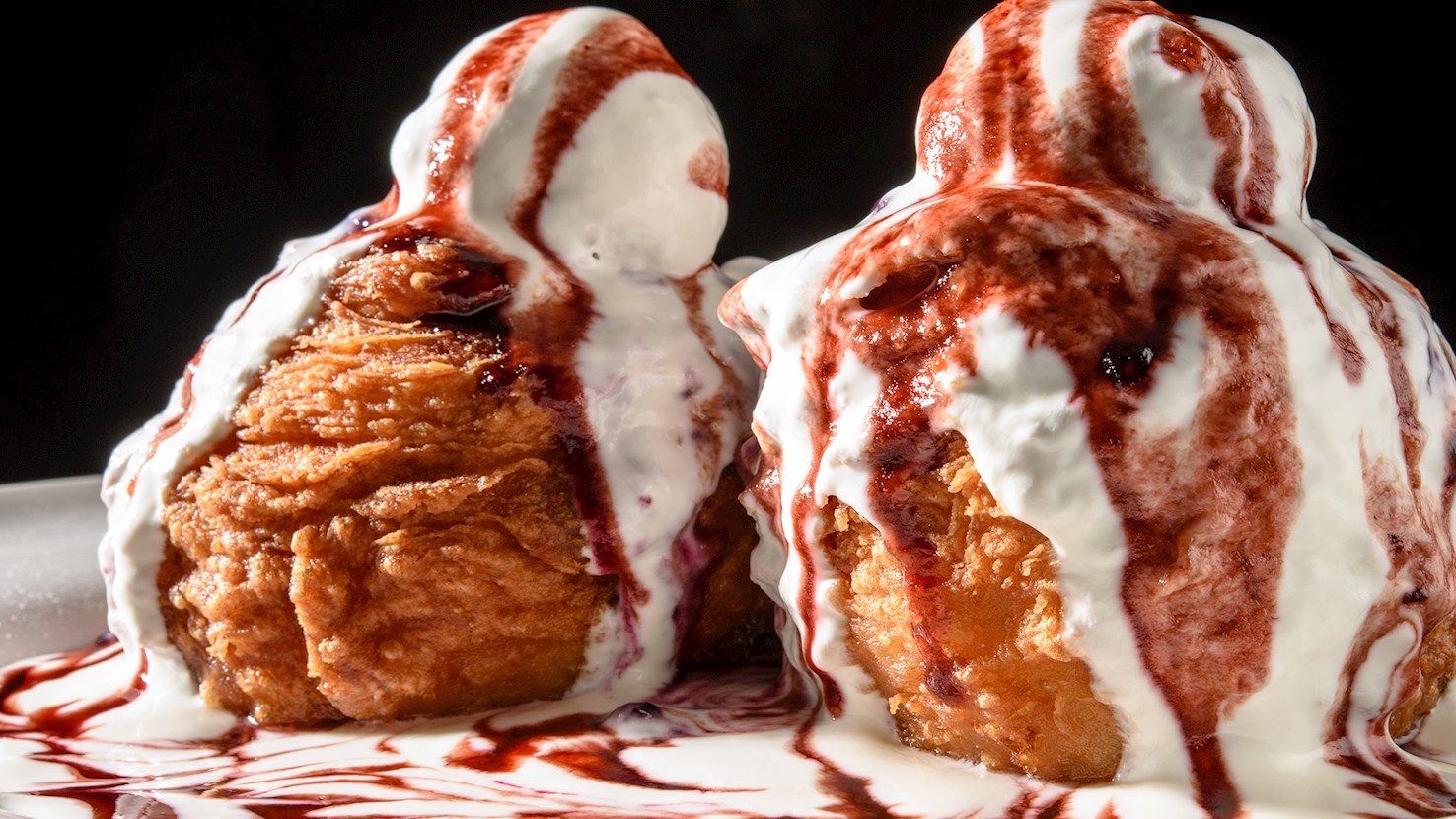
Papanași is a traditional donut-shaped pastry with a small sphere on top. It can be fried or boiled, and it's made by adding unsalted cheese such as brânză de vaci (cow's milk cheese) or urdă to a regular flour and egg dough. The fried papanași are usually donut-shaped and can be served with fruit jams, a dollop of sour cream, or powdered sugar. The boiled ones are smaller, nugget-shaped, and typically coated with a mix of breadcrumbs and sugar. This dessert can be found in most Romanian traditional restaurants or it can be prepared at home.

09

Franzbrötchen

4.3 ·

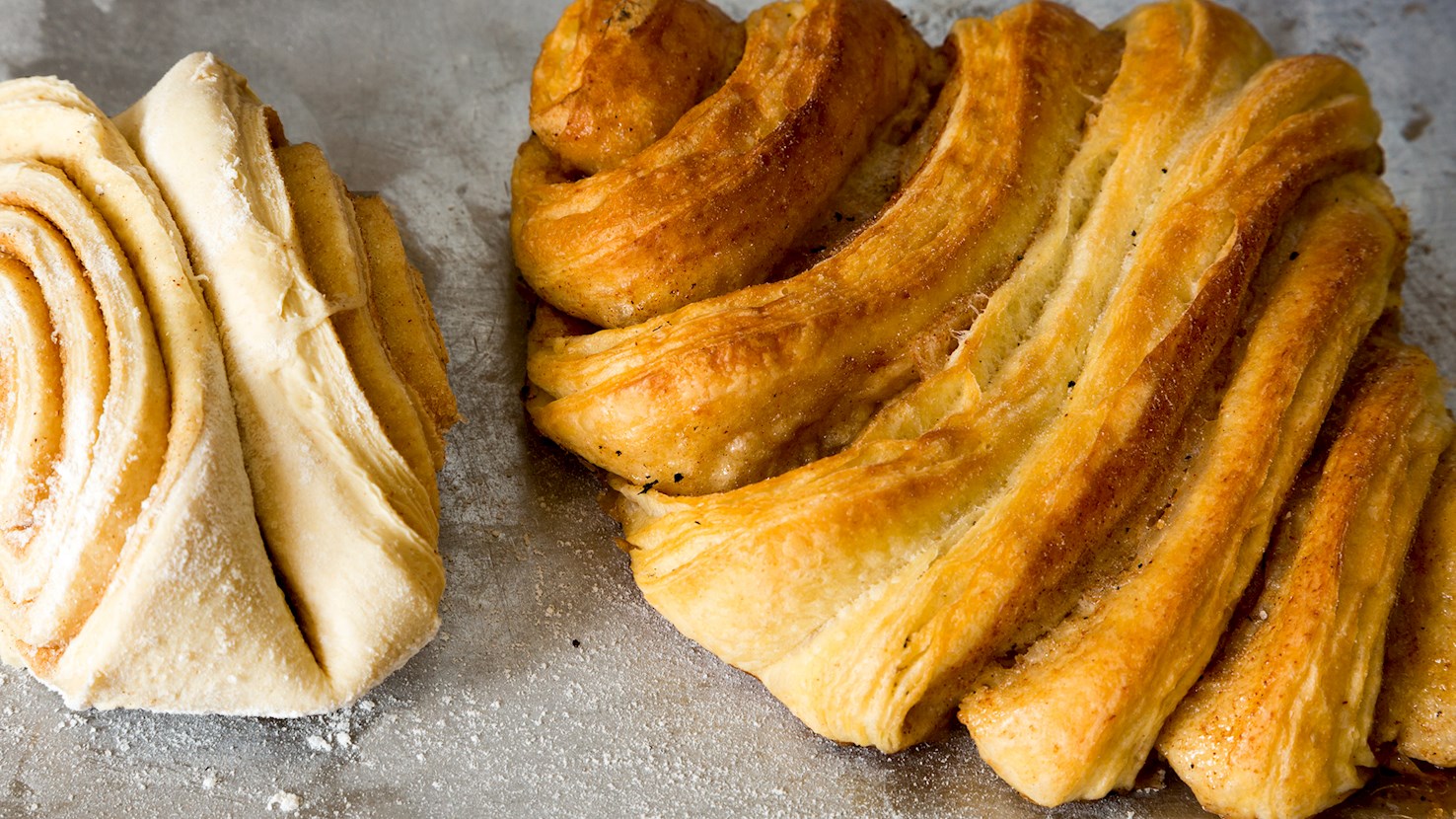
This delicious German sweet pastry is traditionally served with a cup of coffee on the side. Initially made only in the Hamburg area, it is now also available in other German cities. The original recipe for these little pastries includes flour, butter, milk, yeast, and sugar, with a filling consisting of sugar and cinnamon. However, raisins, chocolate, or pumpkin seeds may also be added. The dough is folded multiple times and glazed with butter, developing a sticky coating and rich flavor in the process. The name of this dish is possibly related to the French, who had occupied Hamburg during Napoleon's rule. Alternatively, it is said that a baker from Hamburg once cooked a Franzbrot (French bread) in butter, thus creating the Franzbrötchen.

10

Kardemommeboller (Cardamom buns)

4.3 ·

Kardemommeboller are traditional Swedish cardamom buns. This sweet knotted pastry is usually made with a combination of milk, butter, yeast, sugar, flour, crushed cardamom seeds, and salt. The milk is scalded and mixed with butter until everything is melted. The combination is mixed with the sugar, salt, cardamom, yeast, and flour in order to make a stiff dough. The dough is left to rise and it's then rolled and folded over into knots. They're baked for a few minutes, then brushed with butter while still hot. These cardamom buns are typically served on Santa Lucia day and Christmas, but they can also be enjoyed a few days later.

Best European Sweet Pastries

01

Mantecados Felipe II

4.3 ·
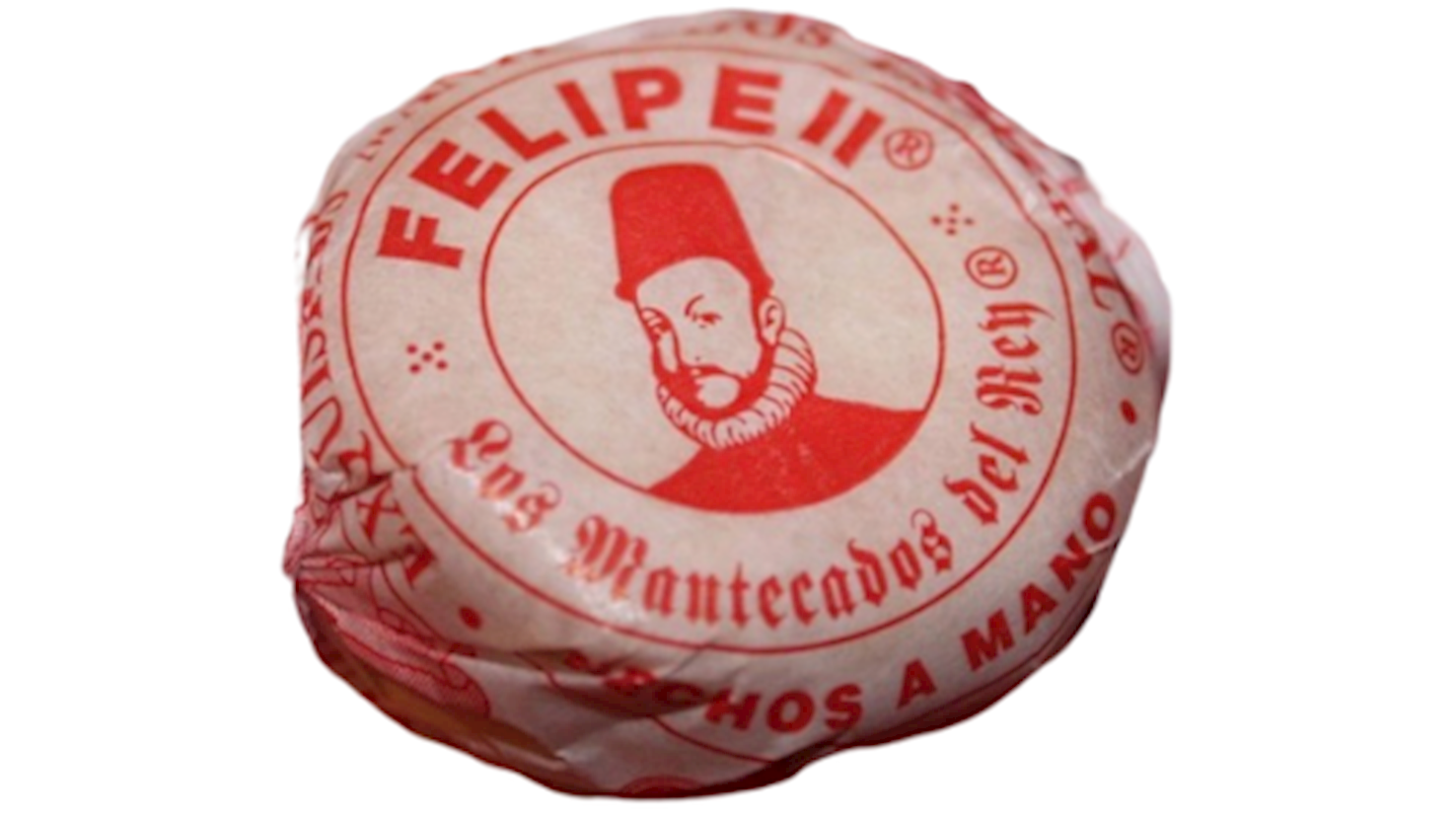
Mantecados Felipe II is one of the most recognizable brands of traditional Spanish mantecados, with an identity deeply rooted in history and artisanal production. Its origin is linked to the 16th century and a story associated with Philip II of Spain, after whom the brand is named, reinforcing its historical and cultural significance. Today, production is managed by Confitería Blancanieves Tejedor, based in Vitoria-Gasteiz, which continues to preserve the original recipe and handcrafted approach. The brand is often regarded as one of the oldest references in the mantecado category in Spain, positioning it as a benchmark product. The recipe relies on a limited number of high-quality ingredients, including wheat flour, powdered sugar, pork lard, and Marcona almonds, resulting in a distinctive crumbly texture and pronounced almond character. Production remains largely artisanal, maintaining the traditional format of individually wrapped small cakes, a presentation that has been preserved for over a century. Rather than focusing on innovation, the brand’s value lies in continuity, combining historical heritage, established ingredients, and traditional craftsmanship. Mantecados Felipe II stands as a reference within Spanish seasonal confectionery, particularly associated with festive periods, while maintaining relevance through its clear connection to origin and long-standing production practices.
Awards
Monde Selection - Gold (2025, 2024, 2023, 2021)
Monde Selection - Gold (2022)
02

Pekárna Kabát

3.9 ·
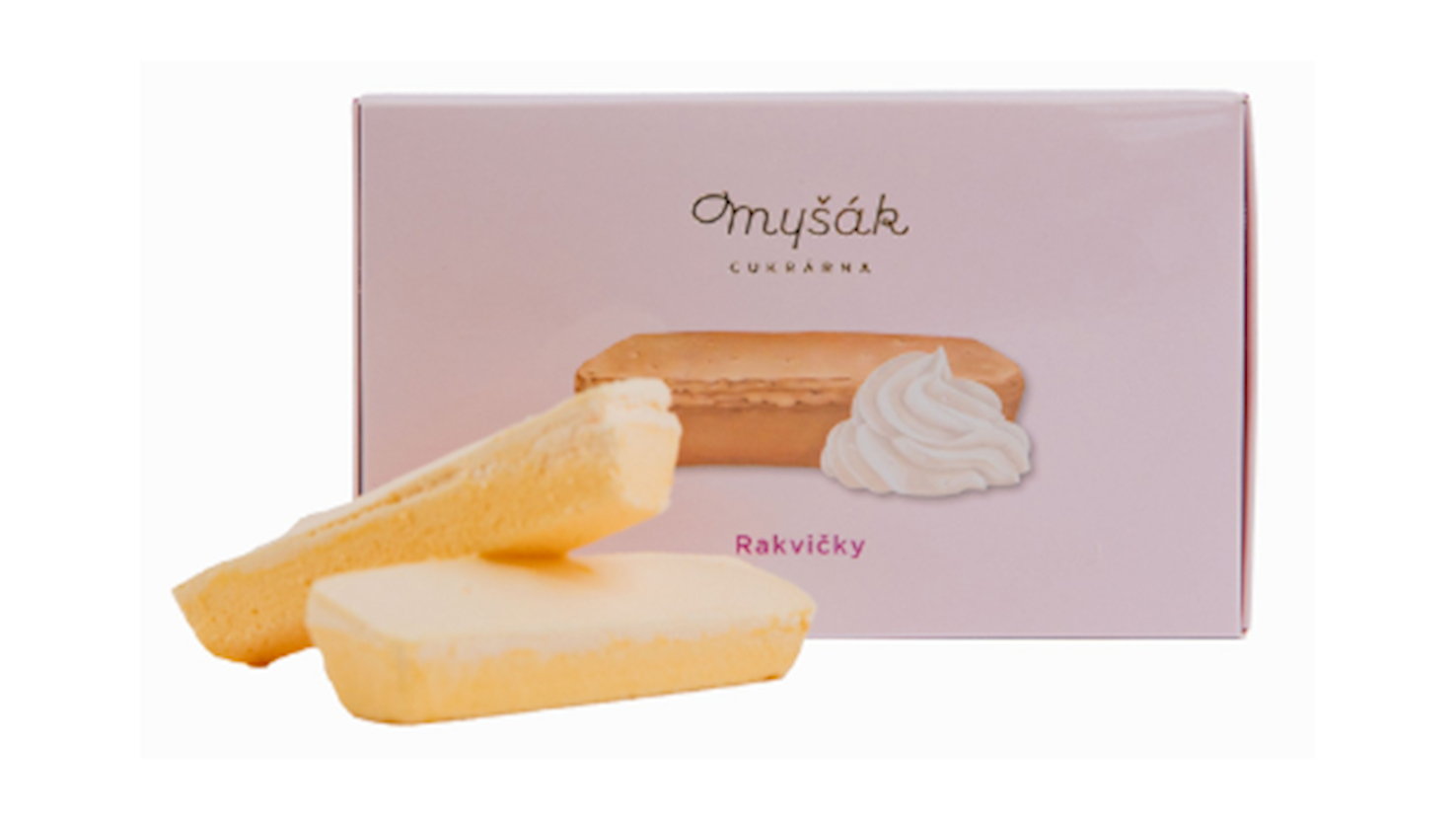
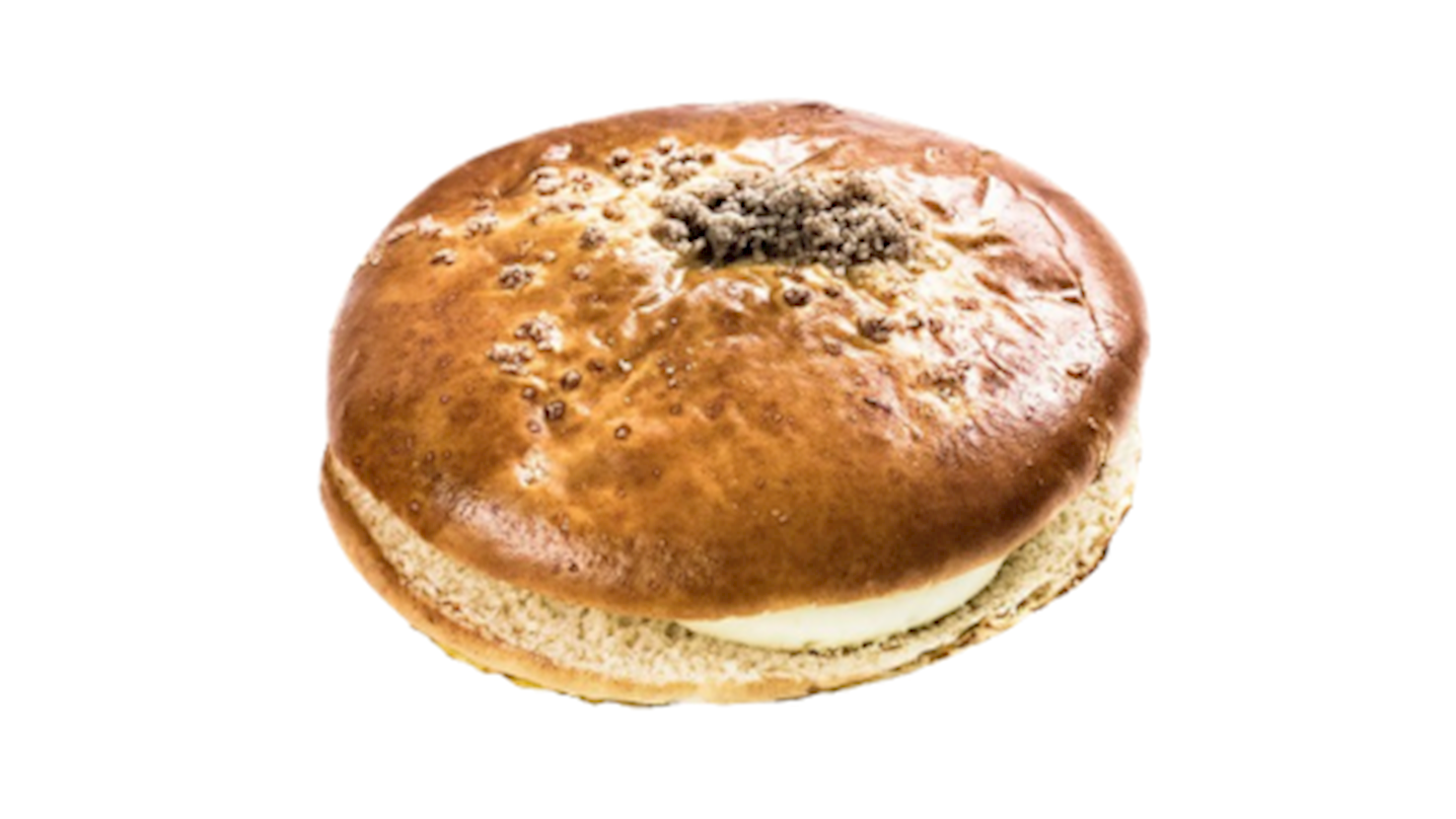
Pekárna Kabát is a Czech family bakery founded in 1992 by Marián Kabát in Prague. The company is known for handmade baked goods prepared according to traditional recipes, using high-quality ingredients mostly of Czech origin and avoiding chemical additives and food substitutes. Its identity is built around honest baking craftsmanship, with products inspired by the kind of bread, rolls, pastries, and cakes once made by previous generations. Today, the bakery is run by the second generation of the Kabát family and has expanded across Prague with around 30 shops. Its assortment includes bread, savory pastries, sweet baked goods, sandwiches, delicatessen items, and seasonal specialties. Among its notable products are Moravský koláč, Rohlík kroucený, Brusinková bageta, and Třicátník, a bread developed for the bakery’s 30th anniversary. Třicátník is especially important within their bread range, made with a 30-hour fermentation process to achieve a soft crumb, crisp crust, and longer freshness. Pekárna Kabát positions itself as a bakery focused on everyday quality rather than luxury presentation, combining traditional Czech bakery culture with a modern retail network in Prague.
Read more
View all
View map
About this ranking

TasteAtlas food rankings are based on the ratings of the TasteAtlas audience, with a series of mechanisms that recognize real users and that ignore bot, nationalist or local patriotic ratings, and give additional value to the ratings of users that the system recognizes as knowledgeable. For the “Top 100 European Sweet Pastries” list until June 15, 2026, 24,889 ratings were recorded, of which 19,276 were recognized by the system as legitimate. TasteAtlas Rankings should not be seen as the final global conclusion about food. Their purpose is to promote excellent local foods, instill pride in traditional dishes, and arouse curiosity about dishes you haven’t tried.

The initial list of top producers was compiled based on available reviews, awards, local recommendations, media and blog coverage, and consumer reviews. The list will be updated with ratings from TasteAtlas local ambassadors and TasteAtlas users.

Similar lists