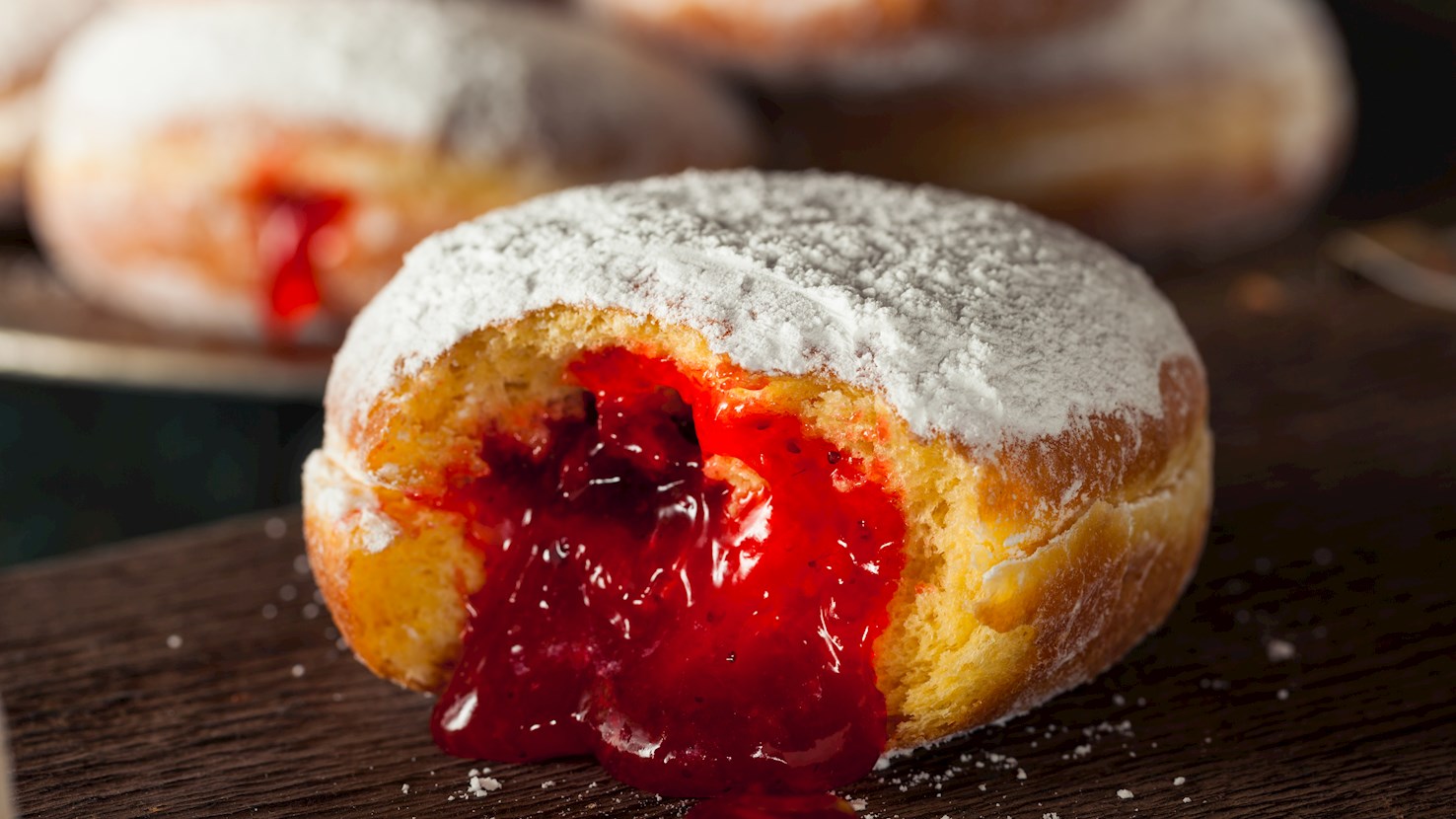
Pączki are large, deep-fried doughnuts made from rich yeast dough, heavily stuffed with sweet fruit preserves or sweet cream, and coated in a thick layer of powdered sugar or icing. The foundation of this heavy pastry relies on a highly enriched dough where yeast is dissolved in warm milk and combined with large quantities of egg yolks, butter, sugar, and wheat flour. A crucial additive is a small splash of high-proof grain alcohol or clear rum mixed directly into the batter. The alcohol evaporates rapidly upon contact with the boiling fat, creating a barrier that prevents the pastry from absorbing excess grease during deep-frying. The dough must rise twice to develop a spongy, airy crumb before small portions are rolled into uniform balls and submerged in heavily heated pork lard or vegetable oil. They fry until both sides develop a deep, dark golden-brown exterior, naturally leaving a distinct pale ring around the center where the dough floated above the fat line. After cooling slightly, a metal piping tip is used to inject various thick fillings into the center. While wild rose petal jam and dense plum butter are the most deeply rooted and widely used fillings, modern bakeries often inject them with Bavarian cream, raspberry preserve, chocolate custard, or spiced apple filling. The exterior also depends on the shop, ranging from a simple, heavy dusting of confectioner's sugar to a thick, translucent sugar glaze sprinkled generously with bits of candied orange peel. Procuring and consuming these pastries happens at an intense, rapid pace, most notably during the week preceding Lent. They are often bought by the dozens in large cardboard boxes from local bakeries and eaten at room temperature alongside a cup of hot coffee or strong black tea. Because of their rich, high-calorie nature, a single pastry serves as a standalone meal or snack. The existence of pączki traces back to the Middle Ages, though the earliest iterations were entirely savory, formed from hard dough and stuffed with salted pork fat. It was not until the 18th century, when French baking techniques arrived in Eastern Europe, that the recipe fundamentally transformed into a lighter, sweeter, sponge-like dessert. The entire concept was originally designed as a highly practical method to completely empty household pantries of expensive, perishable fats, sugars, and eggs before a strict fasting period commenced, culminating in the massive consumption event known today as Fat Thursday.
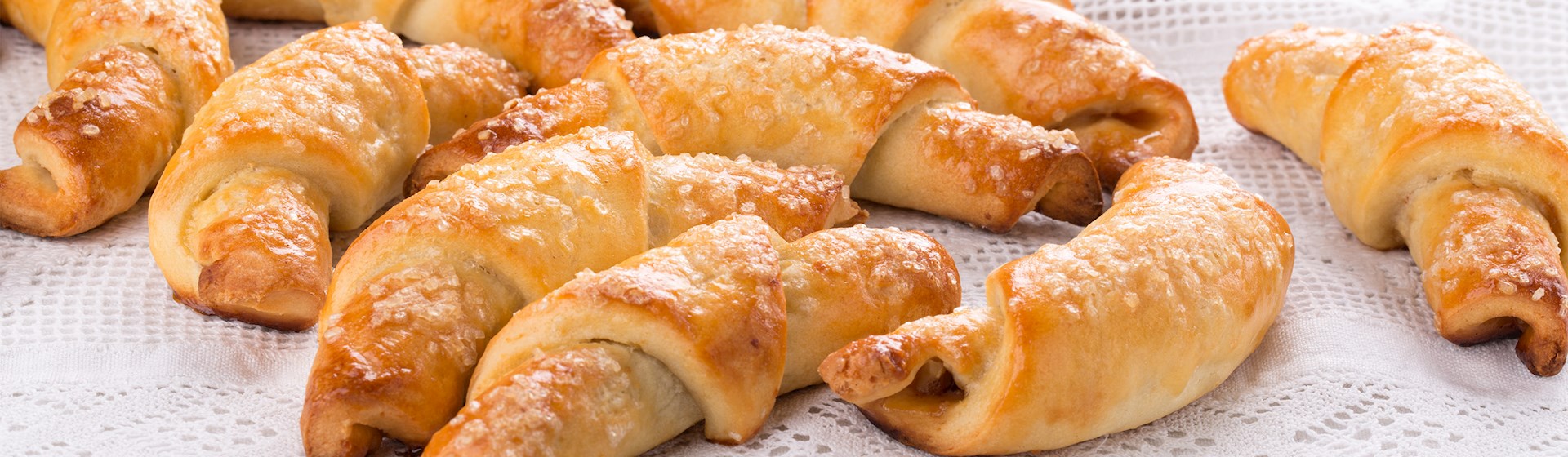
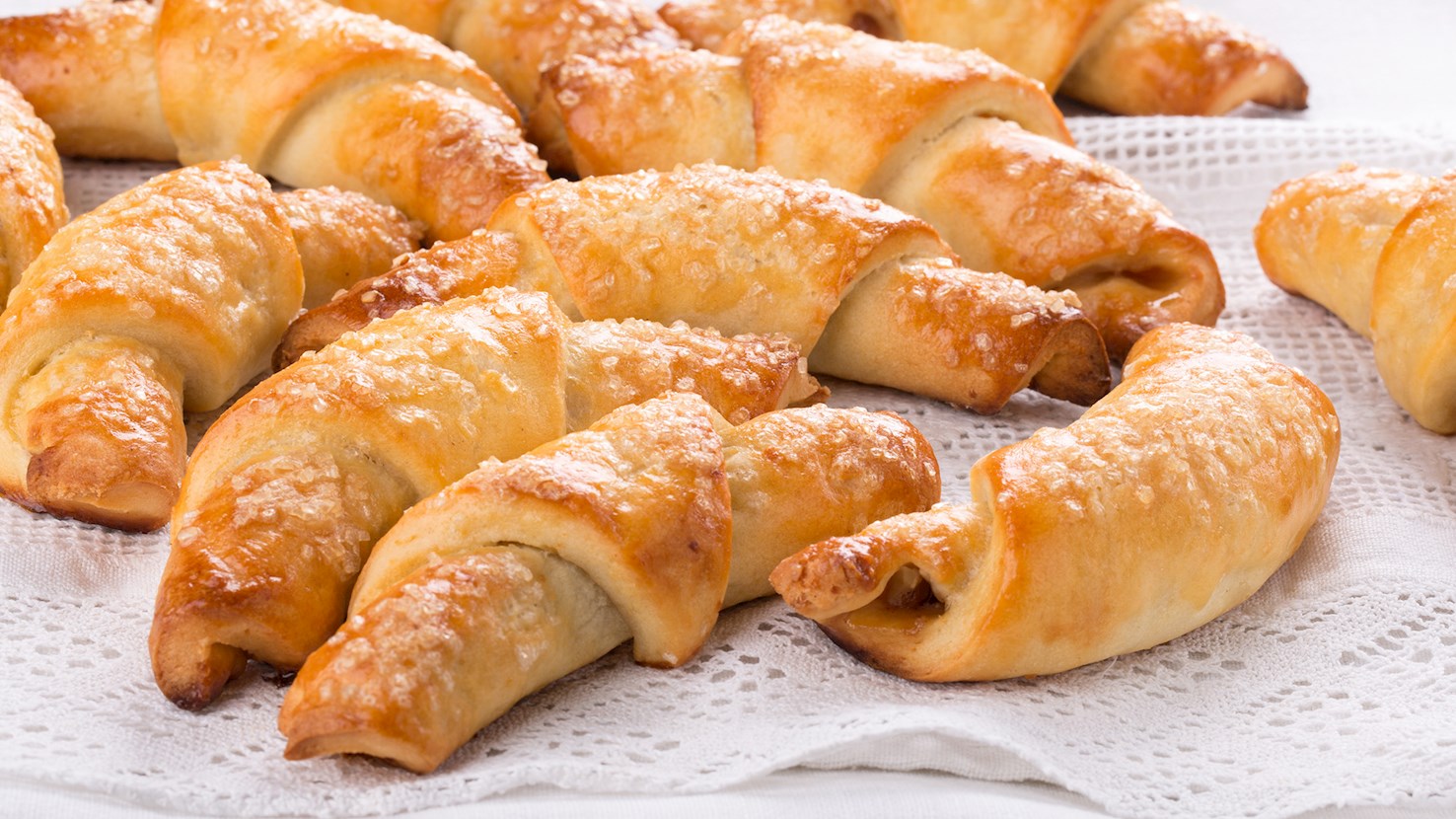
Rugelach is a filled pastry of Ashkenazi Jewish origin, associated primarily with Jewish communities in Central and Eastern Europe and widely popular in Israel and Jewish bakeries around the world. It consists of a rich dough rolled around sweet fillings such as fruit preserves, chocolate, cinnamon, nuts, or poppy seeds, shaped into small crescents or spirals. The name comes from Yiddish, derived from the word “rog” meaning corner or twist, referring to the pastry’s rolled shape. Though similar pastries appear in other European cuisines, rugelach developed a distinct form and flavor profile within Jewish baking, where dairy-based doughs and fruit or nut fillings became characteristic. Rugelach emerged in Jewish households in regions like Poland, Galicia, and Hungary, where sweet pastries were often made for Sabbath and holiday celebrations. The earliest versions were prepared with a yeast-based dough enriched with butter or sour cream. In the 20th century, as the recipe spread to Jewish communities in North America, bakers began using a cream cheese dough, which created a tender, flaky texture and became a defining feature of modern rugelach. The pastry reflects a combination of European influences, including Austrian kipferl and other crescent-shaped pastries, adapted to kosher dietary requirements and available ingredients. To prepare rugelach, flour is combined with butter or margarine, cream cheese or sour cream, sugar, and a pinch of salt to form a soft, pliable dough. The dough is chilled to rest, then rolled into a thin circle or rectangle. A thin layer of filling is spread evenly across the surface, typically apricot or raspberry jam, finely chopped nuts, sugar mixed with cinnamon, or melted chocolate. The dough is cut into wedges or strips, then rolled tightly from the outer edge toward the center to create small crescents. The pieces are brushed with egg wash and sometimes sprinkled with coarse sugar or cinnamon sugar before baking. They are baked until golden brown and slightly crisp, with the filling caramelized inside. In Israel, bakeries often sell yeast-leavened rugelach glazed with syrup, giving them a shiny surface and denser crumb, while American versions tend to be smaller, drier, and made with cream cheese dough. Rugelach is served at room temperature and often accompanies tea or coffee. It is eaten during holidays, festive meals, and casual gatherings, as well as sold year-round in Jewish bakeries and cafés. The pastry pairs well with black tea, espresso, or dessert wine such as Tokaji or sweet sherry, which complements its richness and sweetness. Its lasting popularity lies in the simplicity of its preparation, adaptability of flavors, and its place as a familiar, comforting dessert in Jewish culinary culture.
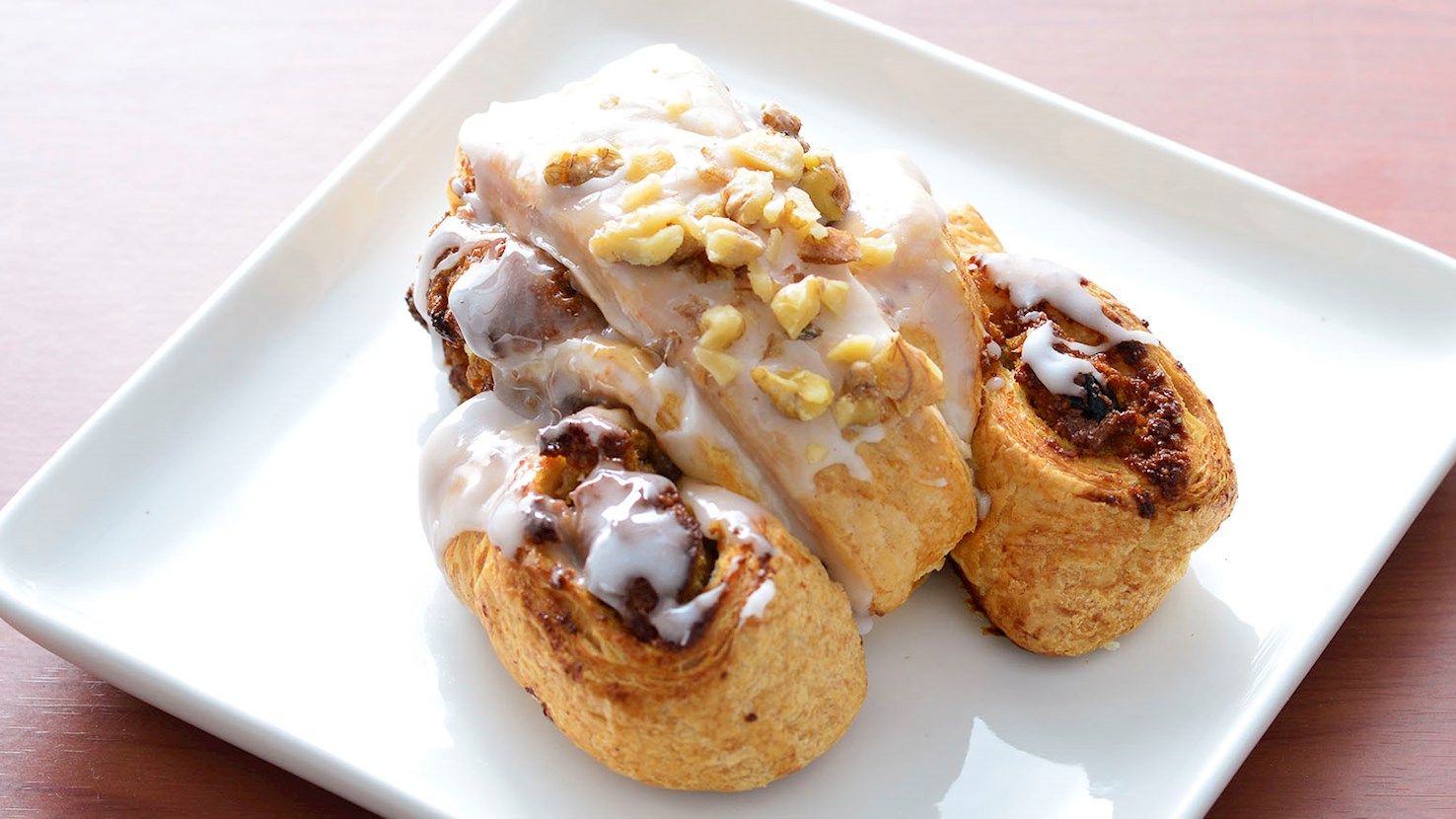
Rogal świętomarciński, also known as St. Martin's croissant or St. Martin's roll, is a filled croissant in a coating of icing with chopped nuts sprinkled over it. It gets its name from the traditional baking and eating of the rolls on Saint Martin's Day for 150 years up to this day in the city of Poznań and some districts in the Wielkopolskie Voivodship in Poland. According to a traditional tale, the croissants date back to the days of the 1683 siege of Vienna when king Jan Sobieski and Poland's hussars defeated the Turks in a battle and bakers started to make the croissants to keep the victory in public memory, while the Turkish crescent contributed to the shape of the final product. On the exterior, the rolls are dark golden to light brown while the dough is cream-colored, and the filling is beige. The filling consists of poppy seeds, sugar, raisins, nuts and almond flavoring. The flavors and aromas are sweet with hints of almond and poppy seeds. All these elements combined together make this flaky pastry a unique and original product that cannot be found anywhere else in the world.
This elegant, rose-shaped dessert is prepared with the same sweet pastry for the Polish faworki, only shaped like a rose. Due to its typical shape and the tradition of making it during the carnival season, this sweet treat was named róża karnawałowa, meaning carnival rosette. Each carnival rosette consists of three or five pastry disks of different diameters that are stacked on top of each other, with the smallest one on top, and with small slits on the outer edges. Once fried, the dessert is usually dusted with powdered sugar and adorned with a dollop of jam or a small cherry in the center. Light and airy, this dessert is a perfect addition to the traditional festive table on Fat Thursday, the last day of the carnival season in Poland.
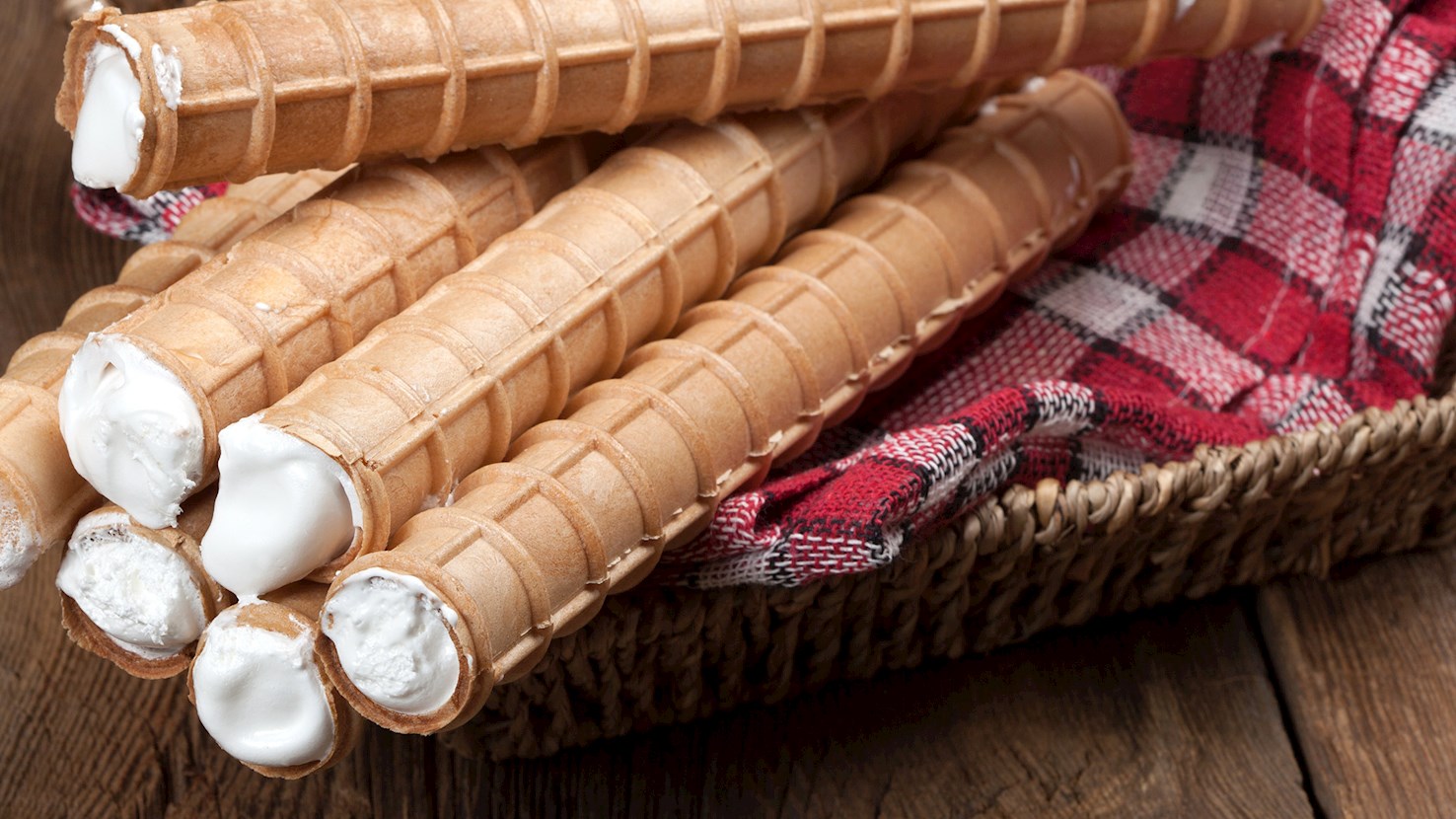
Called rurki or rurki z kremem in Poland, this sweet specialty is a type of cream roll consisting of thin pastry that’s typically filled with whipped cream or pastry cream. It is often dubbed torpedo dessert due to its characteristic shape, and apart from Poland, there’s also a long-standing tradition of preparing this dessert in other countries. The origins of rurki are often associated with Türkiye and Bulgaria, where the dessert is known as torpil tatlısı and funiiki s krem, respectively. There are many variations of this sweet delicacy regarding the ingredients used for its preparation, the appearance, texture, and flavor of the rolls, and the type of cream used for filling the pastry. In Poland, rurki cream rolls are usually long and crispy, wafer-like tubes filled with thick and subtly sweet whipped cream, and they’re a staple street snack. In other countries, the cream rolls resemble soft and buttery bread rolls with flaky texture, and they are usually filled with pastry cream or custard cream.
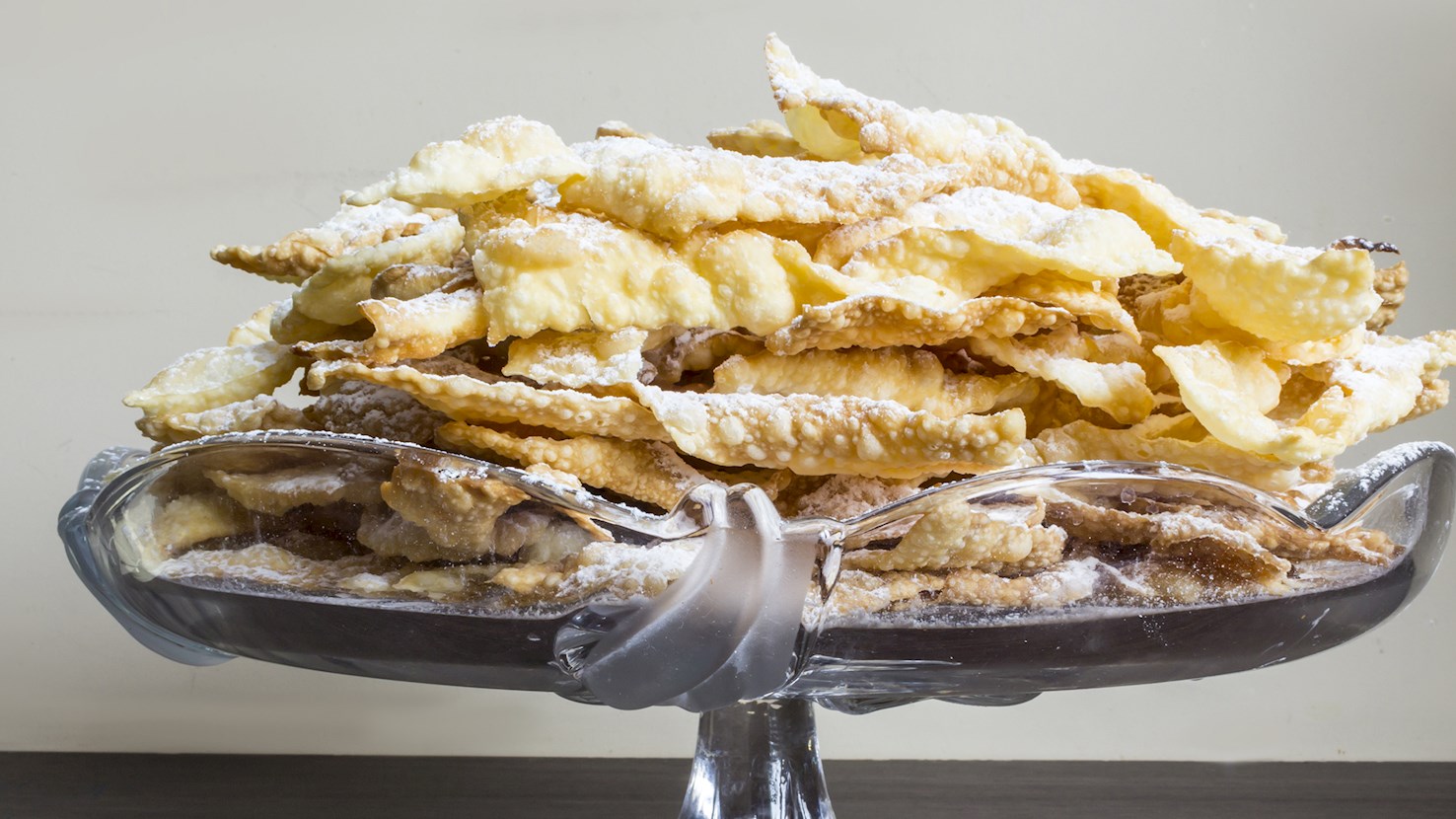
Polish faworki are crispy deep-fried pastries that are very similar to angel wings in taste and appearance. They are made with a thick and elastic dough consisting of egg yolks, flour, cream, and different flavorings. Rolled into thin, rectangular shapes, each piece is twisted in a form that resembles decorative bows. When fried, the pastry turns into a crispy, light, and airy treat, which is usually generously dusted with powdered sugar. Faworki are typically prepared for special occasions and traditionally enjoyed as a luscious delicacy on Fat Thursday, the last day of the carnival season.
TasteAtlas food rankings are based on the ratings of the TasteAtlas audience, with a series of mechanisms that recognize real users and that ignore bot,
nationalist or local patriotic ratings, and give additional value to the ratings of users that the system recognizes as knowledgeable.
For the “Top 6 Polish Sweet Pastries” list until June 15, 2026, 1,124 ratings were recorded, of which 871 were recognized by the system as legitimate.
TasteAtlas Rankings should not be seen as the final global conclusion about food. Their purpose is to promote excellent local foods,
instill pride in traditional dishes, and arouse curiosity about dishes you haven’t tried.