


shutterstock

Top 31 Sweet Soups
in the World

Last updated on June 15, 2026
01

Koldskål (Buttermilk soup)

4.1 ·

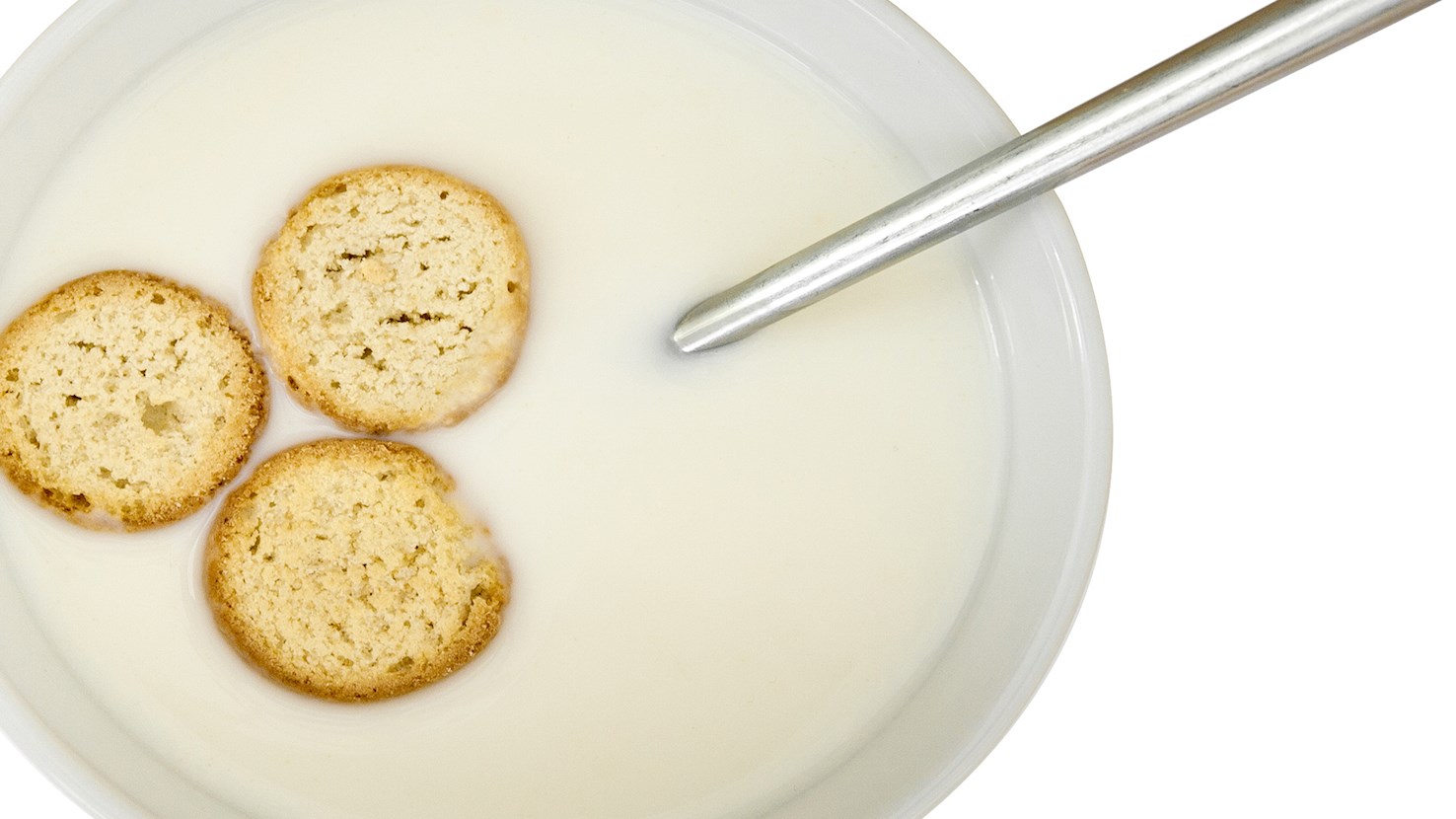
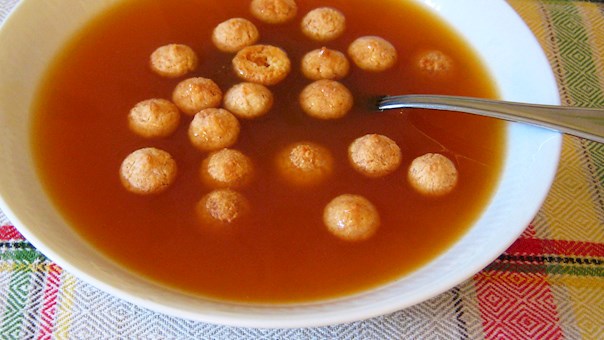
Koldskål is a popular Danish buttermilk dessert that is also occasionally enjoyed as a creamy drink. Even though there are numerous regional varieties, most of them combine buttermilk with yogurt, sugar, lemon juice, vanilla essence, and eggs. The dish is always served cold and it is mainly enjoyed as a refreshing summer treat. Although it can be eaten plain, it is traditionally complemented with crispy kammerjunkere cookies.

02

Cendol

3.9 ·

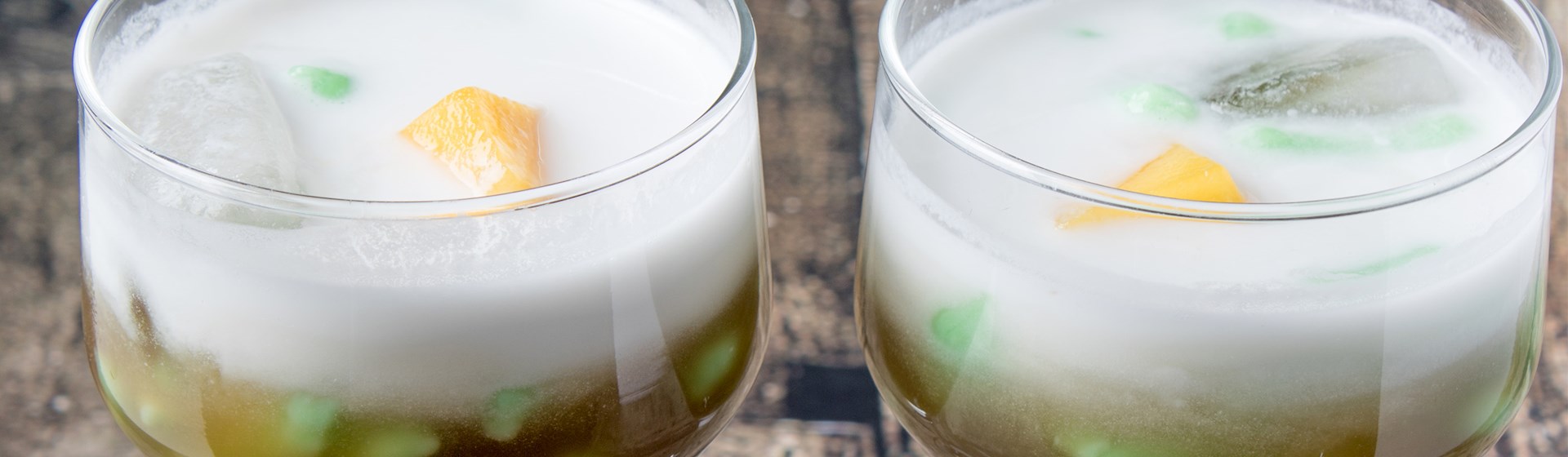
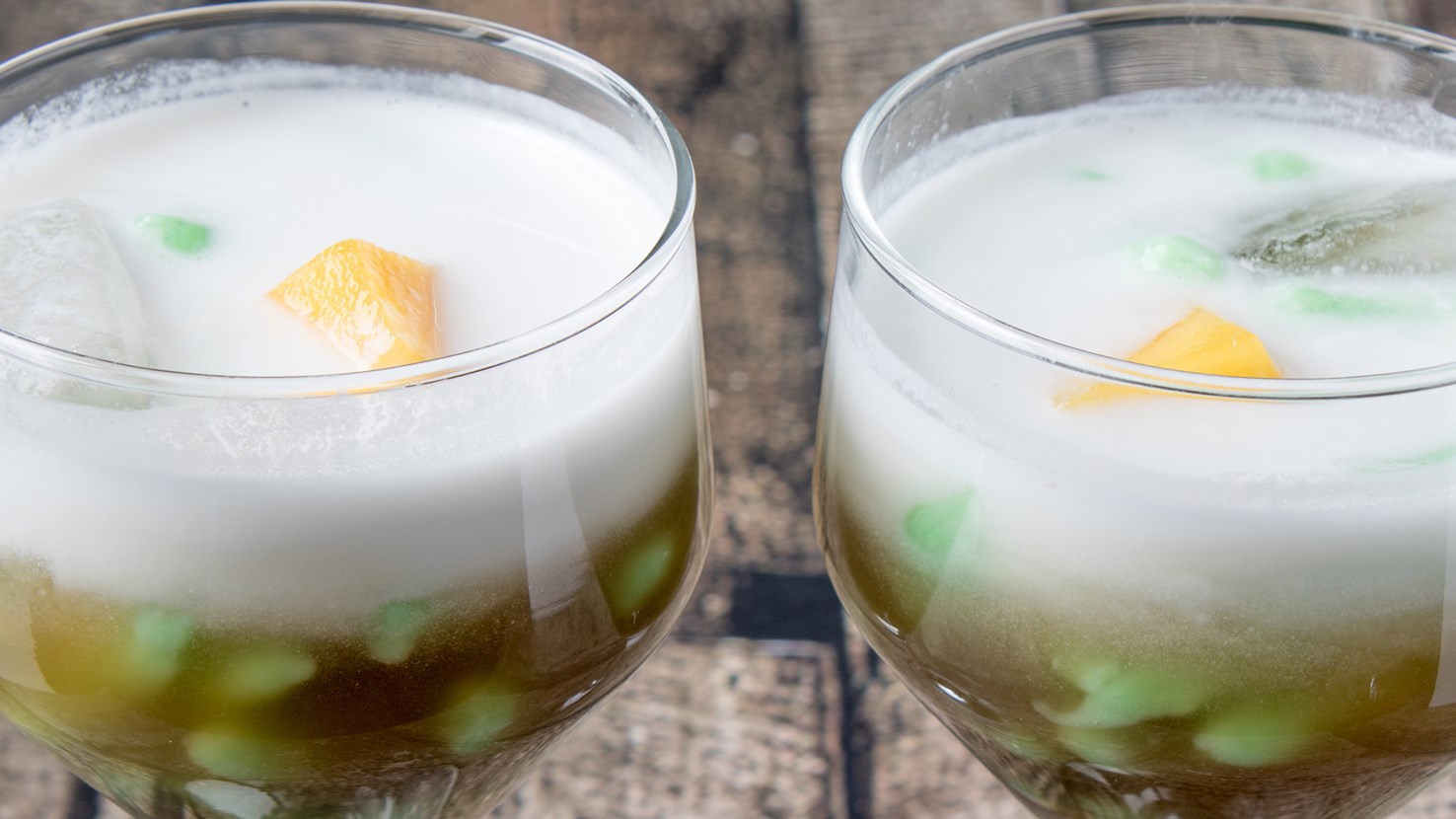
Cendol is a traditional Southeast Asian dessert that appears in numerous variations throughout Indonesia, Malaysia, Singapore, Cambodia, Thailand, Vietnam, and Myanmar. In its basic form, the dessert consists of thin strips of jelly noodles that are typically tinted and flavored with pandan leaves and are then served in a sweet combination of coconut milk, palm sugar syrup, and usually crushed ice. Due to its popularity, the variations may include numerous additional ingredients such as red beans, jackfruit, or durian, while the jelly noodles can be made with tapioca, and rice or mung bean flour. The origin of cendol is vague, but it is believed that it was modeled on a similar Javanese dessert known as dawet, though the first written mention of cendol is found in Malaysia, and it dates back to 1932.

03

Chè trôi nước (Sticky Rice Balls in Ginger Syrup)

3.8 ·

Chè trôi nước is a Vietnamese dessert that combines sweet ginger-flavored soup and rice balls. The soup is usually sweetened with palm sugar, and it's sometimes additionally flavored with pandan leaves, while the filling inside the glutinous rice balls traditionally includes a combination of coconut milk and mung bean paste. Although it is considered a traditional Vietnamese specialty, it is believed that the dish was modeled on tangyuan—a similar sweet soup of Chinese origin. Chè trôi nước is always served warm, typically garnished with coconut milk and roasted sesame seeds. It is commonly enjoyed as a comforting wintertime dessert.

Best restaurants
04

Mango pomelo sago

3.8 ·

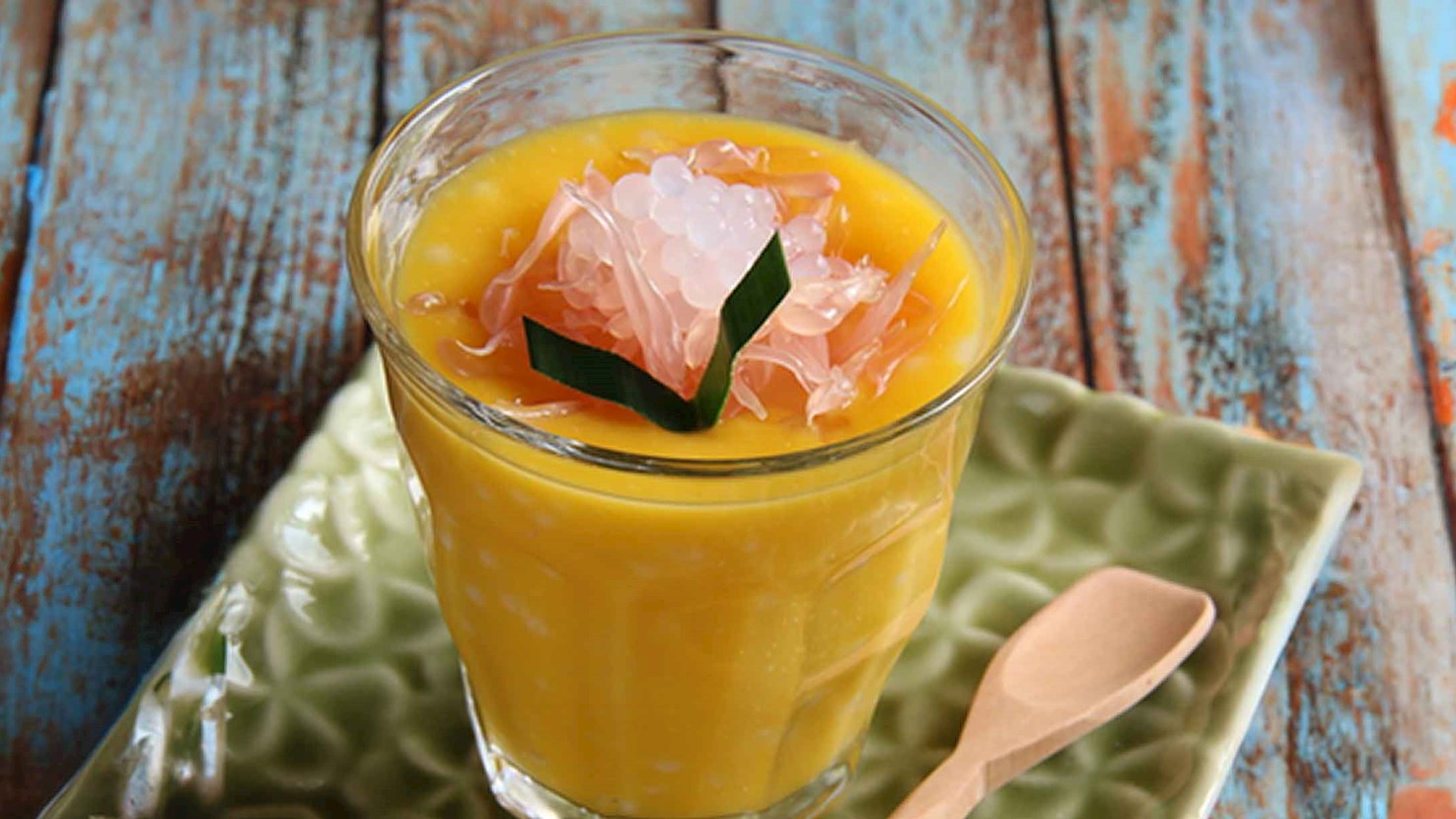
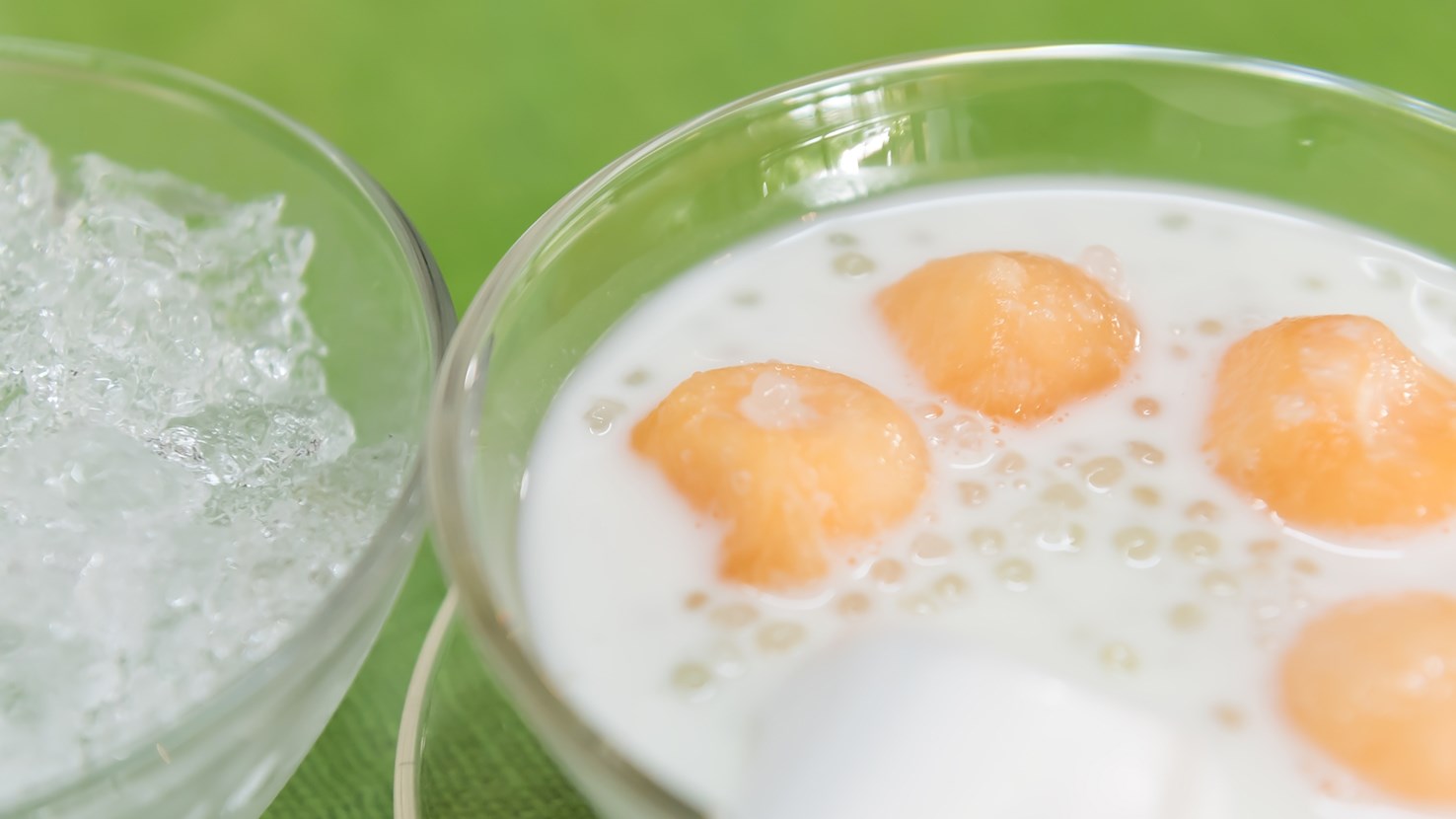
Invented in 1984 in Lei Garden’s Singapore branch, mango pomelo sago is a refreshing summer dessert made with mango, pomelo, sago, whole milk or evaporated milk, and coconut milk. Apart from Hong Kong, the dessert is also popular in Singapore and Taiwan.

05

Meggyleves

3.8 ·

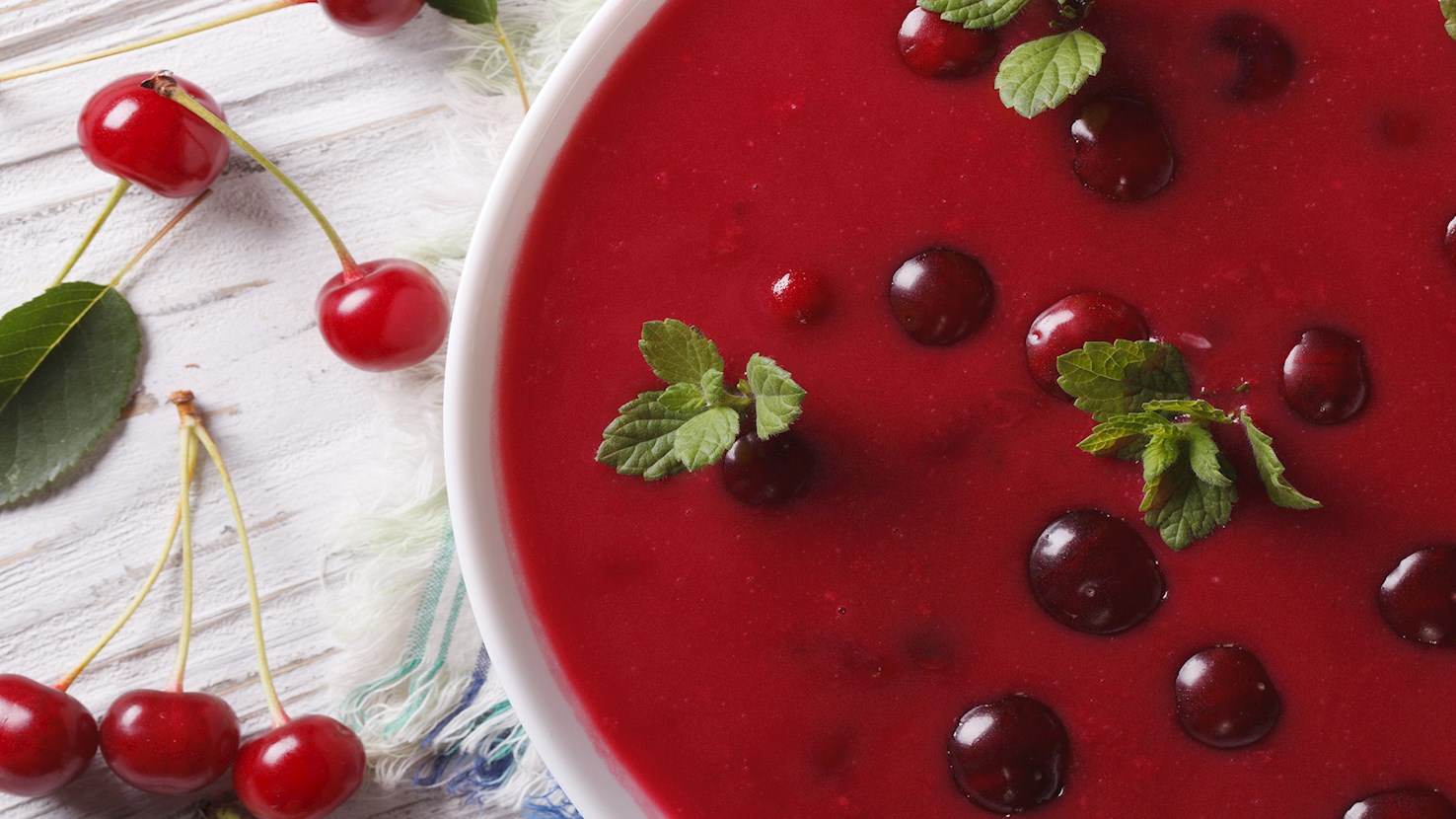
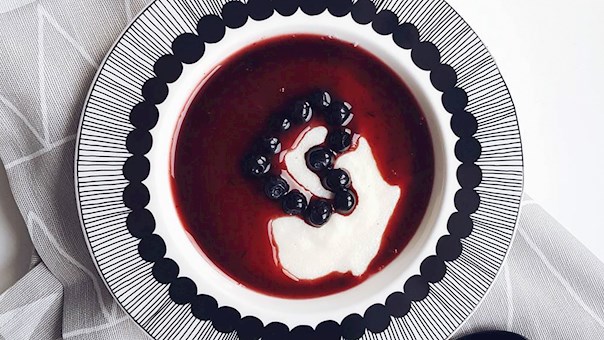
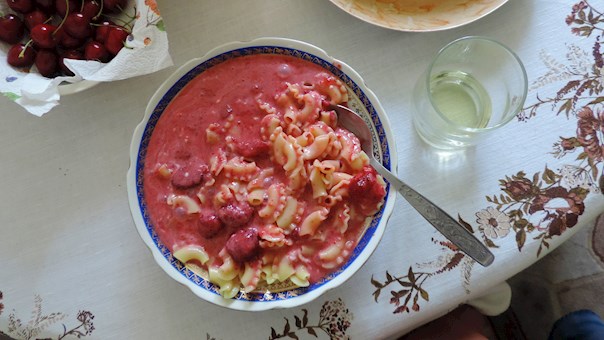
This sweet chilled soup made with sour cherries and sour cream is a traditional summertime dish. Also known as hideg meggyleves, meggykeszőce or cseresznyeleves, it is prepared throughout the country as soon as cherries come into season. Although one might be tempted to eat it as a dessert, in Hungary, this tart and creamy soup is generally served before the main course, as it makes for a refreshing alternative to the standard meat and starch fare.

06

Sao mai lo (Sago in coconut milk)

3.7 ·

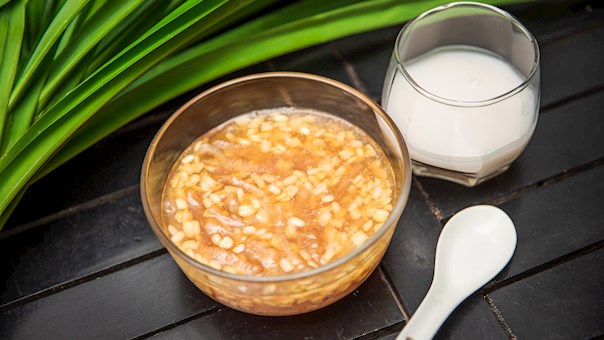
Sago pearls (also known as tapioca pearls) in coconut milk are a type of Cantonese tong sui (lit. sugar water; dessert soup). This simple treat can be found in many dim-sum eateries in Guangzhou and Hong Kong, where it is served as a perfect ending to a meal. Also, for a refreshing summer dessert, sao mai lo is often mixed with fresh fruits like mango, pomelo and strawberries.

07

Bilo-bilo

3.7 ·

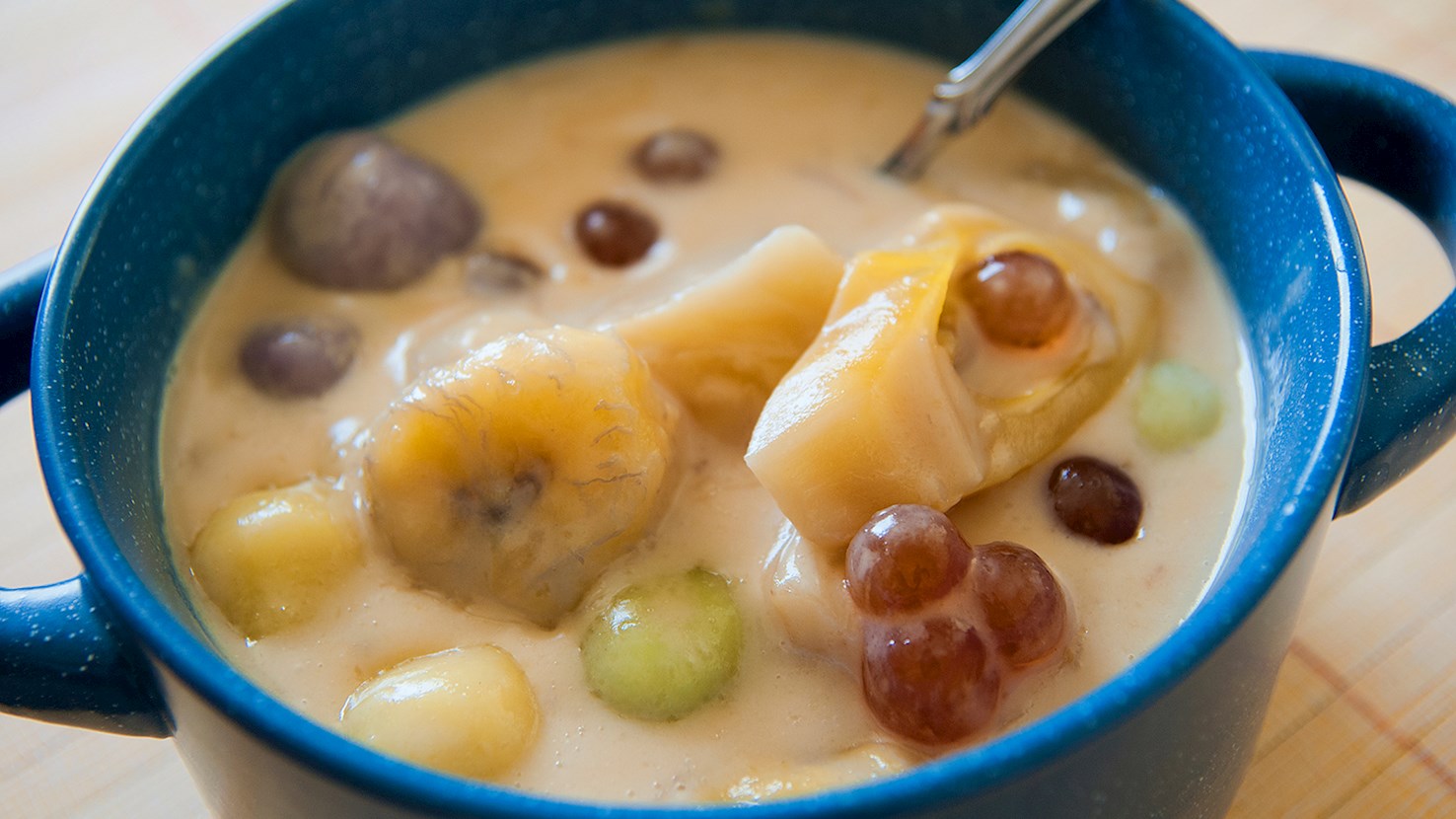
The sweet bilo-bilo is a popular Filipino treat made with chewy rice balls cooked in a creamy coconut milk blend. It can also incorporate bananas, tapioca pearls, sweet potatoes, or sliced jackfruit. Whether served warm or cold, bilo-bilo is usually enjoyed as a satisfying afternoon dessert or a sweet snack. Since these round rice balls symbolize prosperity and togetherness, this refreshing treat is also a staple dessert served on special occasions such as weddings or New Year.

08

Chè ba màu (Three Color Dessert)

3.7 ·

Chè ba màu is a colorful Vietnamese dish that belongs to the category of desserts, drinks, puddings, porridges, and soups regarding its consistency. It might include sticky rice, tapioca pearls, lotus seeds, sweet beans, water chestnuts, or agar jelly. Regardless of the wide variety of ingredients used in chè, they are almost always drenched in coconut milk and additionally garnished with bananas, crushed peanuts, or other toppings. The dish is served either hot or cold, although it is especially popular as a chilly treat on hot summer days. It is believed that the Cantonese dessert soup called tong sui is chè ba màu's predecessor. The dish is sometimes referred to as three-layered dessert or rainbow dessert due to its three distinct layers: yellow (mung beans), red (azuki beans), and green (agar jelly with pandan extract). There are also some other varieties of chè such as chè bap, chè ba ba, and chè dau den, but chè ba màu still holds the number one spot in terms of popularity.

09

Zhi ma hu (Black sesame soup)

3.6 ·

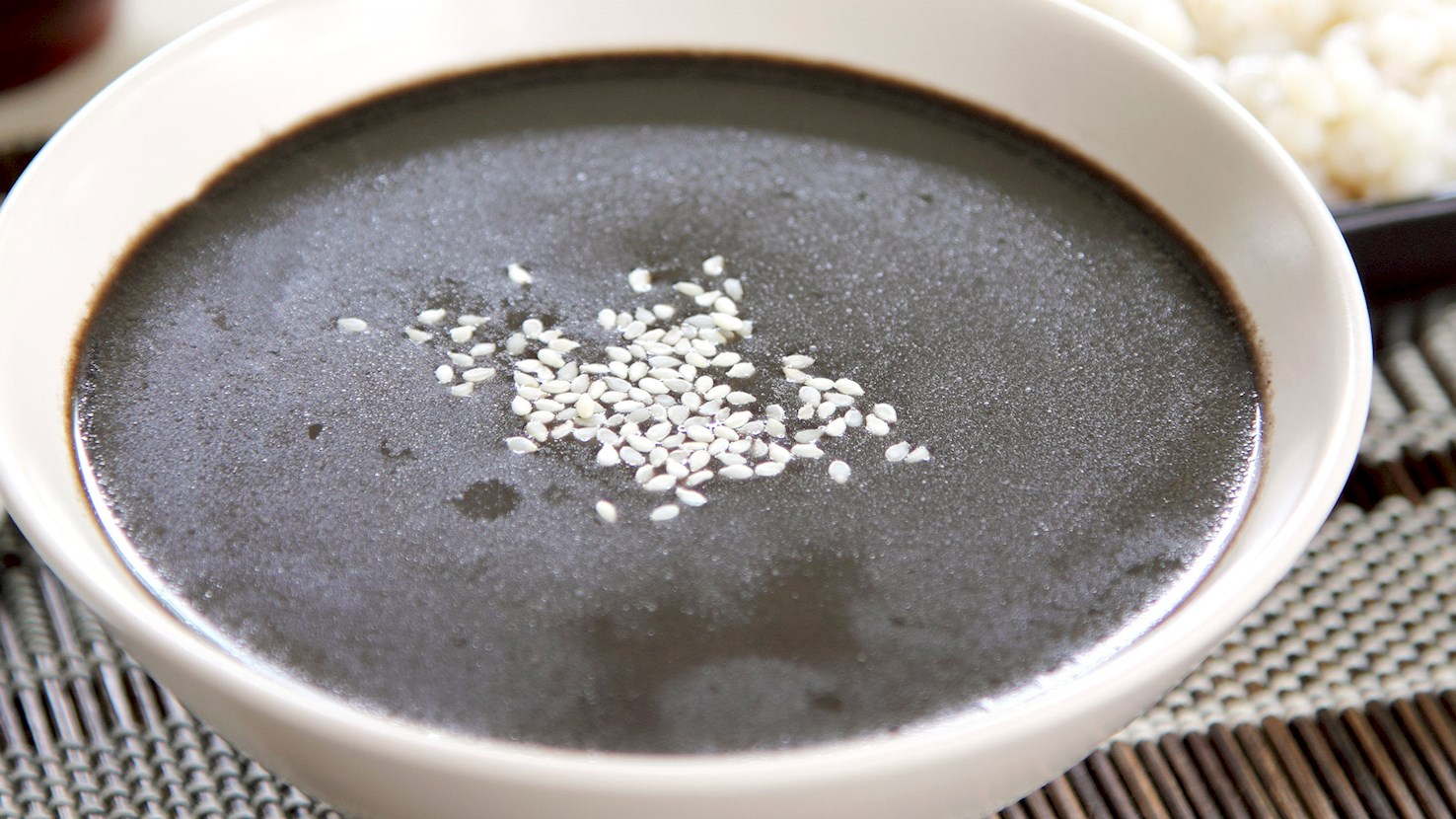
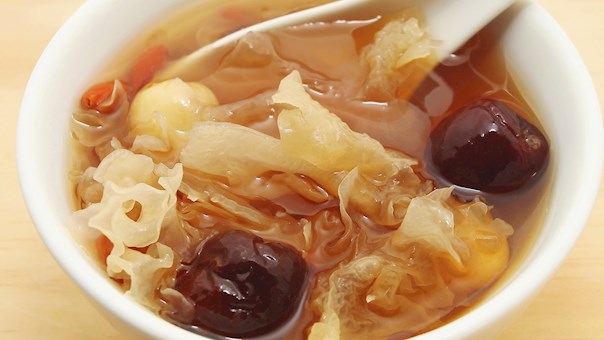
The smooth, velvety zhi ma hu or black sesame soup is a variety of Chinese tong sui (lit. sugar water), a dessert soup commonly enjoyed for breakfast, after meals, or served for teatime accompanied by dim sum, the traditional Cantonese bite-sized tea snacks. Particularly popular in southern China and Hong Kong, this dessert boasts numerous health benefits, thanks to the extremely nutrient black sesame seeds which are rich in vitamin B, magnesium, calcium, manganese, and iron. Zhi ma hu is known to improve digestion, kidney function, prevent gallstones, and reduce blood fat. The Chinese also believe that it helps to darken and strengthen hair. A simple but elegant dessert, black sesame soup is not only pleasing to the eye, but an amazingly fragrant mélange of earthy and nutty flavors with a distinctive peppery finish.

10

Tang yuan

3.6 ·

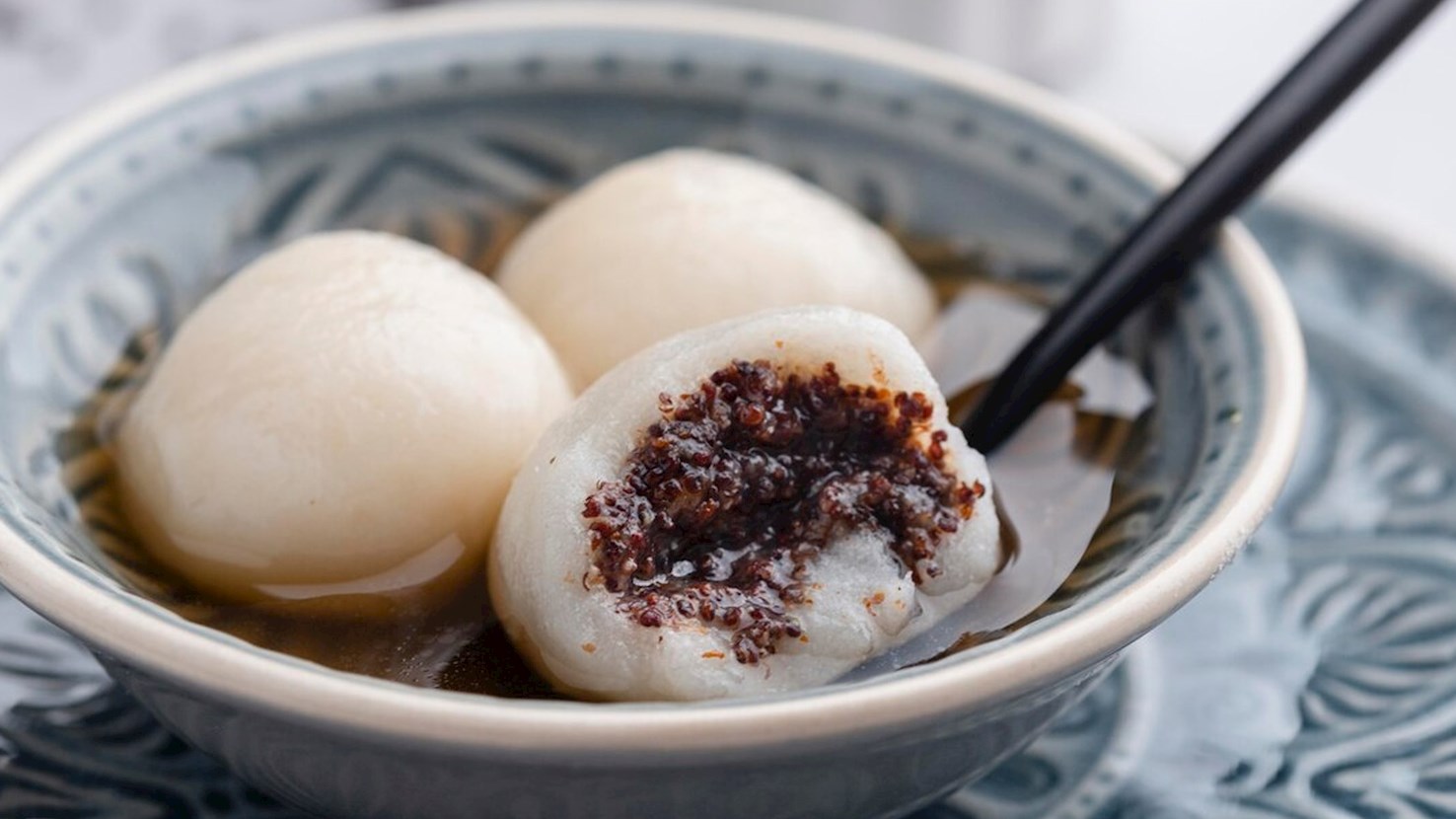
Tangyuan is a traditional dessert consisting of glutinous rice flour balls, which are soft and chewy, and can be either small and plain or larger with fillings. The fillings vary but commonly include sweetened black sesame, peanut, red bean paste, or even fruit fillings. Tangyuan can be served in a thin sweet soup or broth, which can be flavored with ginger, osmanthus flowers, or simply a clear sweet syrup. It is often served during the Lantern Festival, which marks the end of Chinese New Year celebrations. The dish symbolizes family unity and happiness, as the round shape of the tangyuan is associated with completeness and togetherness. Eating tangyuan during the Lantern Festival is a way to celebrate family reunions and the beginning of spring.

About this ranking

TasteAtlas food rankings are based on the ratings of the TasteAtlas audience, with a series of mechanisms that recognize real users and that ignore bot, nationalist or local patriotic ratings, and give additional value to the ratings of users that the system recognizes as knowledgeable. For the “Top 31 Sweet Soups in the World” list until June 15, 2026, 1,012 ratings were recorded, of which 814 were recognized by the system as legitimate. TasteAtlas Rankings should not be seen as the final global conclusion about food. Their purpose is to promote excellent local foods, instill pride in traditional dishes, and arouse curiosity about dishes you haven’t tried.

Similar lists